
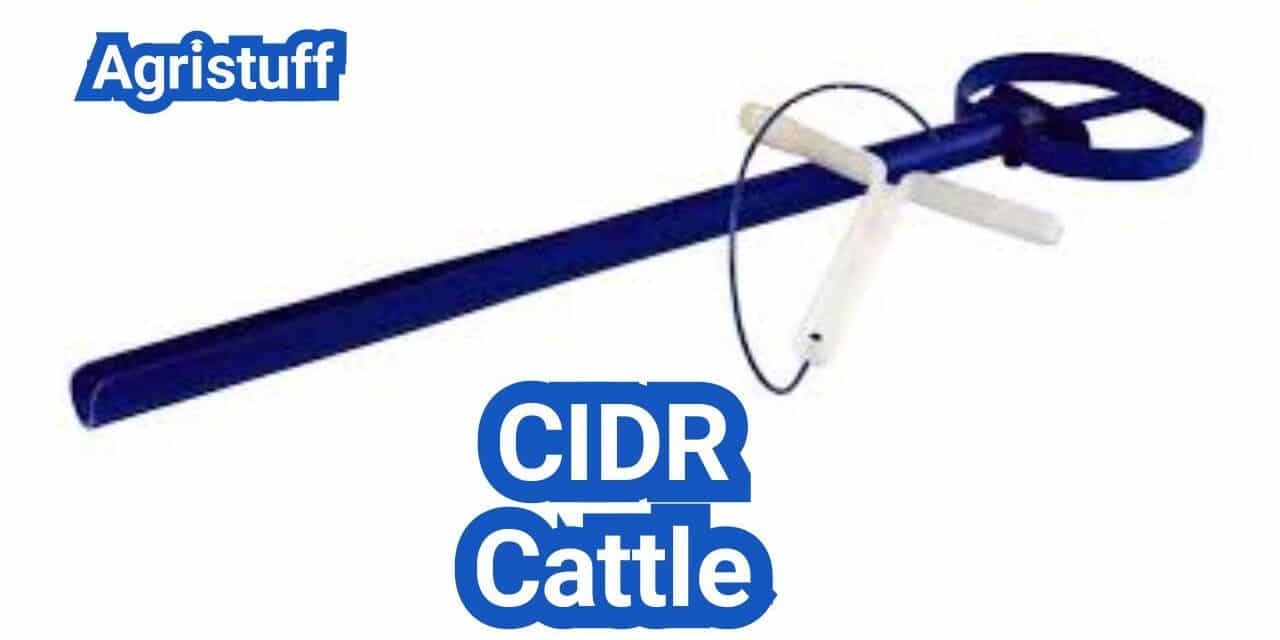
Progesterone devices play a crucial role in estrus synchronization in cattle breeding programs. These devices release progesterone to control the estrous cycle, allowing farmers to manage the reproductive cycle of their herds more effectively.
The use of Eazi-Breed CIDR devices ( CIDR Cattle ) has become a popular method for synchronizing estrus in cattle. By releasing a controlled amount of progesterone, these devices help to regulate the reproductive cycle, making it easier to manage breeding programs.
Key Takeaways
- Progesterone devices are used for estrus synchronization in cattle.
- Eazi-Breed CIDR devices release a controlled amount of progesterone.
- Synchronization is crucial for effective cattle breeding programs.
- Progesterone devices help regulate the reproductive cycle.
- Estrus synchronization allows for better herd management.
Understanding CIDR Devices for Cattle Reproduction

Controlled Internal Drug Release (CIDR) devices are a vital tool for farmers aiming to optimize cattle reproduction. These devices have become an essential component in modern cattle breeding programs, offering a controlled and efficient method for estrus synchronization.
What CIDR Stands For and Its Purpose
CIDR stands for Controlled Internal Drug Release. It is a T-shaped device inserted into the vagina of cattle to release progesterone, a hormone that plays a crucial role in regulating the estrous cycle. The primary purpose of CIDR devices is to synchronize estrus in cattle, allowing for more controlled breeding programs.
The History and Development of Eazi-Breed CIDR
The Eazi-Breed CIDR is a specific type of CIDR device developed for ease of use in cattle reproduction. Its development marked a significant advancement in the technology used for estrus synchronization. The Eazi-Breed CIDR has been designed to be user-friendly, with features that simplify insertion and removal, thereby reducing stress on both the animal and the handler.
Components and Design of Modern CIDR Inserts
Modern CIDR inserts are designed with a T-shaped configuration, which helps in easy retention within the animal. They consist of a silicone elastomer molded around a nylon spine, containing a progesterone load. This design ensures a controlled release of progesterone over a specified period, typically ranging from 7 to 9 days, depending on the protocol.
| Component | Description | Function |
|---|---|---|
| Silicone Elastomer | Molded around the nylon spine | Provides a controlled release mechanism |
| Nylon Spine | Internal framework | Gives the CIDR its T-shape for easy retention |
| Progesterone Load | Hormone contained within the device | Regulates the estrous cycle in cattle |
The design and components of CIDR devices work in tandem to provide an effective means of estrus synchronization, thereby enhancing the overall efficiency of cattle breeding programs.
The Science Behind Progesterone and Estrus Synchronization

Understanding the science behind progesterone and estrus synchronization is crucial for effective cattle reproduction management. Estrus synchronization is a critical component of modern cattle breeding programs, allowing producers to manage breeding and calving seasons more efficiently.
Natural Estrous Cycles in Cattle
The estrous cycle in cattle is a complex process regulated by a delicate balance of hormones. Progesterone plays a central role in this process, preparing the uterus for pregnancy and maintaining it. The typical estrous cycle in cattle lasts about 21 days, with variations depending on factors such as breed, age, and environmental conditions.
During a normal estrous cycle, the level of progesterone rises and falls in a specific pattern. After ovulation, progesterone levels increase, helping to prepare the uterine lining for a potential pregnancy. If pregnancy does not occur, progesterone levels drop, triggering the next estrus cycle.
How Progesterone Affects Reproductive Hormones
Progesterone significantly impacts the reproductive hormone cascade in cattle. It influences the secretion of gonadotropin-releasing hormone (GnRH) and luteinizing hormone (LH), which are crucial for ovulation. High levels of progesterone suppress the release of GnRH and LH, preventing premature ovulation and ensuring that the reproductive system is ready for a synchronized breeding program.
The introduction of exogenous progesterone via CIDR inserts mimics the natural progesterone surge, thereby controlling the estrous cycle. This allows producers to synchronize estrus in a herd, making breeding management more efficient.
Mechanism of Action in CIDR Cattle Inserts
CIDR (Controlled Internal Drug Release) inserts are designed to release a controlled amount of progesterone into the cattle’s system. This release is crucial for synchronizing estrus. The progesterone from the CIDR insert is absorbed into the bloodstream, where it acts to suppress estrus and ovulation until the device is removed.
Upon removal of the CIDR insert, progesterone levels drop rapidly, allowing for a synchronized return to estrus. This synchronized estrus enables producers to implement timed artificial insemination (AI) protocols, improving breeding efficiency and conception rates.
Benefits of Using CIDR in Cattle Management

Implementing CIDR devices in cattle management programs can significantly improve reproductive efficiency. By synchronizing estrus cycles, producers can better manage their breeding operations, leading to improved conception rates and more efficient use of resources.
Improved Breeding Efficiency and Conception Rates
The use of CIDR devices has been shown to enhance breeding efficiency by synchronizing estrus cycles, allowing for more controlled breeding programs. This synchronization leads to higher conception rates as it ensures that a larger number of females are bred within a shorter timeframe, reducing the overall breeding season.
Increased breeding efficiency is a direct result of the ability to control the estrous cycle, enabling producers to schedule breeding and subsequent calving periods more effectively. This control also facilitates the use of timed artificial insemination (AI), further improving conception rates.
Management of Breeding Seasons
CIDR devices enable producers to manage breeding seasons more effectively by synchronizing estrus cycles across the herd. This synchronization allows for a more compact calving season, which can lead to more uniform calf crops and easier management of nutritional and health programs.
A more compact breeding season also enables producers to make better use of labor and resources, as the breeding and calving processes are more concentrated. This can lead to improved overall herd health and reduced veterinary costs.
Economic Advantages for Producers
The economic benefits of using CIDR devices in cattle management are significant. By improving breeding efficiency and conception rates, producers can increase the number of calves born within a given timeframe, leading to higher overall productivity.
Economic advantages are further realized through the more efficient use of resources, such as bulls and labor, during the breeding season. Additionally, the ability to produce more uniform calf crops can lead to higher prices at market due to the consistency and quality of the animals.
CIDR Cattle Synchronization Protocols

CIDR devices play a vital role in modern cattle synchronization protocols, enabling farmers to manage their breeding programs more effectively. Synchronization protocols are designed to control the estrous cycle in cattle, allowing for timed artificial insemination (AI) and improving overall reproductive efficiency.
Standard CIDR Protocol Overview
The standard CIDR protocol involves inserting a CIDR device into the cow’s vagina for a specified period, typically 7 days. During this time, the device releases progesterone, which suppresses estrus. Upon removal, the cow is administered prostaglandin to induce luteolysis, followed by estrus and ovulation. This protocol is often combined with GnRH administration to enhance ovulation synchronization.
7-Day CO-Synch + CIDR Protocol
The 7-Day CO-Synch + CIDR protocol is a widely used synchronization protocol that combines CIDR insertion with GnRH and prostaglandin administration. On Day 0, GnRH is administered, and a CIDR device is inserted. On Day 7, the CIDR is removed, and prostaglandin is given. A second GnRH dose is administered 48-72 hours later, followed by timed AI. This protocol is particularly effective in improving conception rates in cattle.
5-Day CO-Synch + CIDR Protocol
The 5-Day CO-Synch + CIDR protocol is similar to the 7-Day protocol but with a shorter CIDR insertion period. CIDR devices are inserted on Day 0 and removed on Day 5, with prostaglandin administered at removal and again 12 hours later. GnRH is given on Day 8, followed by timed AI. This protocol is known for its enhanced synchronization and is particularly useful in herds with high estrus detection rates.
Protocol Selection Based on Herd Needs
Selecting the appropriate CIDR synchronization protocol depends on various factors, including herd size, management practices, and reproductive goals. Farmers should consider factors such as labor availability, facilities, and the experience of the personnel administering the protocols. By choosing the right protocol, farmers can optimize breeding efficiency and improve overall herd reproductive performance.
Step-by-Step CIDR Insertion Procedure

To achieve optimal results from CIDR cattle programs, it’s essential to follow a precise insertion procedure. The effectiveness of CIDR devices in cattle reproduction depends on several factors, including proper handling and insertion techniques.
Preparing the CIDR Applicator
Before inserting the CIDR device, it’s crucial to prepare the applicator correctly. This involves ensuring the applicator is clean and free from any contaminants. The CIDR device should be loaded into the applicator according to the manufacturer’s instructions.
Key steps in preparing the CIDR applicator include:
- Inspecting the applicator for any damage or wear
- Loading the CIDR device into the applicator
- Ensuring the applicator is properly sanitized
Proper Animal Restraint Techniques
Restraining the animal correctly is vital for safe and effective CIDR insertion. Proper restraint helps minimize stress on the animal and reduces the risk of injury to both the animal and the handler.
Effective restraint techniques include:
- Using a squeeze chute or cattle crush
- Ensuring the animal is securely held in place
- Minimizing noise and other stressors
Insertion Technique and Placement
The actual insertion of the CIDR device requires care and precision. The device should be inserted into the animal’s vagina, ensuring it is placed correctly to maximize its effectiveness.
The following table summarizes the key aspects of the CIDR insertion procedure:
| Step | Description | Importance |
|---|---|---|
| 1 | Prepare the CIDR applicator | Ensures cleanliness and proper loading |
| 2 | Restrain the animal | Minimizes stress and risk of injury |
| 3 | Insert the CIDR device | Ensures correct placement and effectiveness |
By following these steps and ensuring that each aspect of the CIDR insertion procedure is carried out correctly, cattle producers can maximize the effectiveness of their breeding programs.
CIDR Removal Process and Timing
Proper timing of CIDR removal is essential for the success of estrus synchronization protocols. The removal process is a critical step that requires careful consideration of several factors to ensure optimal breeding results.
Identifying the Optimal Removal Time
The optimal time for CIDR removal depends on the specific synchronization protocol being used. Different protocols have varying durations for CIDR insertion, typically ranging from 5 to 7 days. For instance, the 7-Day CO-Synch + CIDR protocol requires the CIDR to be left in place for 7 days, while the 5-Day CO-Synch + CIDR protocol requires a 5-day insertion period.
| Protocol | CIDR Insertion Duration | Typical Application |
|---|---|---|
| 7-Day CO-Synch + CIDR | 7 days | Beef cattle |
| 5-Day CO-Synch + CIDR | 5 days | Dairy and beef cattle |
Proper Removal Technique
Removing the CIDR device requires a gentle and careful technique to avoid causing discomfort or injury to the animal. The removal process involves gently pulling on the CIDR string, taking care not to pull too hard, which could cause the device to break apart or cause undue stress to the animal.
Post-Removal Monitoring
After CIDR removal, it is crucial to monitor the animals for signs of estrus and overall health. Monitoring should include checking for any adverse reactions to the CIDR device and observing the animals for signs of heat, such as standing to be mounted or other behavioral changes.
Key aspects to monitor post-CIDR removal include:
- Estrus behavior
- Overall animal health
- Any signs of infection or irritation at the insertion site
Effective post-removal monitoring ensures that any issues are identified and addressed promptly, maximizing the success of the breeding program.
Combining CIDR with Other Reproductive Hormones

The use of CIDR in conjunction with other reproductive hormones such as GnRH and prostaglandin represents a key strategy in cattle breeding programs. This combination enhances the effectiveness of estrus synchronization protocols, leading to improved breeding efficiency and conception rates.
GnRH Administration and Timing
Gonadotropin-releasing hormone (GnRH) plays a crucial role in the regulation of reproductive processes in cattle. When used in combination with CIDR, GnRH administration helps to synchronize ovulation and improve the timing of artificial insemination. The typical protocol involves administering GnRH at the time of CIDR insertion or shortly after.
The timing of GnRH administration is critical. Research has shown that administering GnRH at the beginning of the synchronization protocol can enhance the synchronization of follicular waves, leading to more precise control over ovulation.
Prostaglandin (PGF2alpha) Usage
Prostaglandin F2alpha (PGF2alpha) is another hormone commonly used in conjunction with CIDR devices. Its primary role is to induce luteolysis, causing the regression of the corpus luteum and allowing for a new estrous cycle to begin. The administration of PGF2alpha is typically done at the time of CIDR removal or shortly before.
The combination of CIDR and PGF2alpha has been shown to improve the synchronization of estrus and ovulation. This is particularly useful in programs where timed artificial insemination (TAI) is employed.
Hormone Interactions and Synergistic Effects
The interaction between CIDR, GnRH, and PGF2alpha creates a synergistic effect that enhances the overall efficacy of estrus synchronization protocols. The progesterone supplied by the CIDR device helps to suppress estrus and synchronize the estrous cycle, while GnRH stimulates the release of LH and FSH, promoting follicular development and ovulation. PGF2alpha ensures the regression of the corpus luteum, allowing for a new cycle to commence.
This multi-hormone approach allows for more precise control over the reproductive cycle, resulting in higher conception rates and improved breeding efficiency. By understanding the interactions and synergies between these hormones, cattle producers can optimize their breeding programs to achieve better outcomes.
Timed AI vs. Heat Detection with CIDR Cattle Programs
The use of CIDR cattle programs has revolutionized breeding practices, offering two primary approaches: timed AI and heat detection. Both methods have their advantages and are used in conjunction with CIDR devices to enhance breeding efficiency.
Comparing Breeding Approaches
Timed AI and heat detection are two distinct breeding strategies employed with CIDR cattle programs. Timed AI involves inseminating cattle at a predetermined time after CIDR removal, eliminating the need for heat detection. In contrast, heat detection requires observing cattle for signs of estrus after CIDR removal.
Timed AI offers several advantages, including reduced labor for heat detection and the ability to inseminate a large number of animals simultaneously. However, it requires precise timing and adherence to the breeding protocol.
Heat detection, on the other hand, allows for more flexibility and can be more cost-effective. It requires skilled personnel to identify animals in estrus accurately.
| Breeding Approach | Advantages | Disadvantages |
|---|---|---|
| Timed AI | Reduced labor, simultaneous insemination | Requires precise timing, protocol adherence |
| Heat Detection | Flexibility, cost-effective | Requires skilled personnel, labor-intensive |
Scheduling Timed AI After CIDR Removal
Scheduling timed AI involves coordinating the insemination time with the CIDR removal. Typically, timed AI is performed 60 to 66 hours after CIDR removal, depending on the specific protocol and GnRH administration.
“The synchronization of estrus and ovulation is critical for the success of timed AI programs. Proper timing ensures maximum conception rates.” – Dr. John Smith, Reproductive Specialist
Heat Detection Strategies Post-CIDR
Effective heat detection post-CIDR removal is crucial for the success of breeding programs. Strategies include using visual observation, heat detection patches, or electronic devices to identify animals in estrus.
By understanding the advantages and considerations of both timed AI and heat detection, cattle producers can make informed decisions about their breeding programs, optimizing reproductive efficiency and productivity.
Special Applications for CIDR Cattle Treatments

Beyond estrus synchronization, CIDR cattle treatments offer several special applications that enhance reproductive management in cattle. These applications address specific challenges faced by cattle producers, improving overall herd health and productivity.
Postpartum Anestrus Induction
Postpartum anestrus induction is a critical application of CIDR cattle treatments. Anestrus, or the absence of estrus cycles, is common in postpartum cows due to various factors, including nutritional deficiencies and stress. CIDR devices help induce estrus in these cows, bringing them back into the breeding cycle more quickly.
The use of CIDR devices for postpartum anestrus induction involves inserting the device for a specified period, typically 7 days, followed by removal and administration of prostaglandin. This protocol helps synchronize estrus, making it easier to manage breeding.
“The use of CIDR devices has been a game-changer for managing postpartum anestrus in our herd. We’ve seen a significant improvement in breeding efficiency.” – Dr. Jane Smith, Cattle Reproduction Specialist
Heifer Synchronization Considerations
Heifer synchronization is another important application of CIDR cattle treatments. Synchronizing estrus in heifers allows producers to manage breeding more effectively, ensuring that heifers are bred at the optimal time.
When using CIDR devices for heifer synchronization, several factors must be considered, including the age and weight of the heifers, as well as the timing of the breeding season. Proper protocol selection is crucial for achieving optimal results.
| Factor | Consideration | Impact on Protocol |
|---|---|---|
| Age of Heifers | Heifers should be at least 12 months old | Influences CIDR insertion timing |
| Weight of Heifers | Heifers should have reached 60% of mature weight | Affects CIDR effectiveness |
| Breeding Season Timing | Align CIDR protocol with breeding season | Ensures optimal breeding timing |
Treatment of Reproductive Disorders
CIDR cattle treatments are also used in the management of certain reproductive disorders. For instance, CIDR devices can help manage cystic ovarian disease by regulating hormonal imbalances.
The administration of CIDR devices, often in combination with other hormonal treatments like GnRH, helps restore normal reproductive function in affected animals.
In conclusion, CIDR cattle treatments offer a range of special applications that enhance reproductive management. From postpartum anestrus induction to heifer synchronization and the treatment of reproductive disorders, CIDR devices provide versatile solutions for cattle producers.
Managing CIDR Retention Problems
Managing CIDR retention is essential for maintaining the integrity of cattle breeding programs. CIDR devices are widely used for estrus synchronization, but their effectiveness can be compromised if retention issues arise.
Causes of CIDR Loss
CIDR loss can occur due to various factors, including improper insertion, animal discomfort, or device design flaws. Understanding these causes is crucial for developing effective prevention strategies.
- Improper insertion techniques
- Animal factors such as discomfort or excessive movement
- Device-related issues like design or material flaws
Prevention Strategies
To minimize CIDR loss, several prevention strategies can be employed. These include proper training for insertion, selecting the right device for the herd, and monitoring animal behavior post-insertion.
Key Prevention Strategies:
- Proper insertion training
- Correct device selection
- Post-insertion monitoring
Protocol Adjustments for Lost Devices
When CIDR loss occurs, adjusting the breeding protocol can help mitigate the impact. This may involve resynchronizing the herd or adjusting the timing of artificial insemination.
| Protocol Adjustment | Description | Benefits |
|---|---|---|
| Resynchronization | Re-synchronizing the estrus cycle of the herd | Improved breeding efficiency |
| Timed AI Adjustment | Adjusting the timing of artificial insemination | Better conception rates |
By understanding the causes of CIDR loss and implementing effective prevention and adjustment strategies, cattle producers can maximize the benefits of CIDR technology in their breeding programs.
CIDR Use in Different Cattle Operations

CIDR devices have become an essential tool in modern cattle management, offering flexibility across different production systems. The use of CIDR technology is widespread in both beef and dairy cattle operations, with each having its unique considerations and challenges.
Applications in Beef Cattle Production
In beef cattle production, CIDR devices are primarily used to synchronize estrus and improve breeding efficiency. This is particularly valuable in operations where timed AI is employed to enhance genetic progress and calf uniformity.
- Improved breeding efficiency through synchronized estrus
- Enhanced genetic progress via timed AI
- Better management of breeding seasons
Beef cattle producers often use CIDR devices as part of a broader reproductive management program that may include other hormonal treatments like GnRH and prostaglandin.
Dairy Cattle Considerations
In dairy cattle operations, CIDR devices are used to manage reproduction, particularly in cows that are not cycling or are experiencing reproductive issues. Dairy producers often integrate CIDR use with other reproductive strategies to optimize milk production and fertility.
Key considerations for dairy cattle include:
- Timing of CIDR insertion relative to calving
- Integration with other reproductive hormones
- Monitoring of cow health and fertility post-CIDR removal
Adapting Protocols for Herd Size
The size of the herd can significantly impact the CIDR protocol used. Larger herds may benefit from more standardized protocols, while smaller herds might require more flexible approaches due to their limited numbers.
Producers should consider factors such as:
- Herd size and demographics
- Available labor and resources
- Specific reproductive goals
By adapting CIDR protocols to the specific needs of their operation, producers can maximize the benefits of CIDR technology.
Cost Analysis of CIDR Cattle Programs
Understanding the financial implications of CIDR cattle programs is crucial for making informed decisions in cattle management. The cost of implementing these programs can vary significantly based on several factors.
Current CIDR Cattle Price Considerations
The cost of CIDR devices is a primary factor in the overall expense of CIDR cattle programs. Current market prices for CIDR devices can fluctuate based on the manufacturer, quality, and quantity purchased.
For instance, Eazi-Breed CIDR devices, a popular choice among producers, have a specific price range that can affect the overall budget for a cattle operation.
Equipment and Labor Requirements
In addition to the CIDR devices themselves, equipment and labor costs play a significant role in the total cost of CIDR programs. This includes the cost of applicators, gloves, and other necessary equipment, as well as the labor required for insertion and removal of the devices.
Proper training for staff can also impact labor costs, as it ensures that the devices are used effectively and safely.
Return on Investment Calculations
To justify the expense of CIDR cattle programs, producers must consider the potential return on investment (ROI). This involves calculating the increased revenue resulting from improved breeding efficiency and conception rates against the total costs incurred.
| Cost Component | Cost per Unit | Total Cost for 100 Head |
|---|---|---|
| CIDR Devices | $8 | $800 |
| Labor Costs | $2 per head | $200 |
| Equipment Costs | $1 per head | $100 |
| Total Cost | $1,100 |
By analyzing these costs and comparing them to the benefits achieved through improved reproductive management, producers can make informed decisions about the adoption of CIDR cattle programs.
Troubleshooting Common CIDR Issues
Effective CIDR use requires understanding and addressing common issues that may arise during cattle reproduction management. While CIDR devices have significantly improved breeding efficiency, farmers and veterinarians may encounter several challenges that can impact their effectiveness.
Poor Response Rates
Poor response rates to CIDR treatment can be a significant issue. Factors contributing to this problem include improper device insertion, incorrect timing of CIDR removal, and individual animal variability.
Strategies to Improve Response Rates:
- Ensure proper insertion technique to prevent device loss or incorrect placement.
- Monitor animal health and nutritional status, as these factors can influence response to CIDR treatment.
- Adjust the timing of CIDR removal based on the specific breeding protocol and animal condition.
Timing Errors and Their Impact
Timing errors, such as premature CIDR removal or incorrect synchronization with other reproductive hormones, can significantly impact breeding success.
| Timing Error | Potential Impact | Corrective Action |
|---|---|---|
| Premature CIDR Removal | Reduced synchronization effectiveness | Improve animal monitoring and secure CIDR devices |
| Incorrect GnRH Administration | Disrupted ovulation timing | Adhere strictly to protocol timing |
Health Concerns and Management
Health concerns related to CIDR use, such as vaginal discharge or infection, must be managed carefully to prevent negative impacts on animal welfare and breeding success.
Health Management Strategies:
- Regularly inspect animals for signs of infection or discomfort post-CIDR insertion.
- Maintain a clean and hygienic environment during CIDR insertion and removal.
- Consult a veterinarian if health issues persist or worsen.
By understanding and addressing these common CIDR issues, farmers and veterinarians can optimize the effectiveness of CIDR devices in cattle reproduction management.
Best Practices for Breeding Season Management with CIDRs
Breeding season management with CIDRs requires careful planning and execution to achieve optimal results. Effective use of CIDRs can significantly enhance the reproductive efficiency of cattle operations.
Pre-Breeding Nutritional Considerations
Nutritional status plays a critical role in the reproductive success of cattle. Ensuring that animals are on a proper nutritional plane before breeding can significantly impact conception rates. “A well-nourished cow is more likely to conceive and maintain a pregnancy,” as noted by experts in cattle reproduction.
Pre-breeding nutritional considerations should include assessing the quality and quantity of feed, ensuring adequate mineral supplementation, and maintaining optimal body condition scores. Producers should work closely with their nutritionist to develop a pre-breeding nutritional program tailored to their specific operation.
Record Keeping and Protocol Compliance
Accurate record keeping is essential for successful breeding season management with CIDRs. This includes maintaining detailed records of CIDR insertion and removal dates, animal identification, and breeding outcomes. Compliance with established protocols is also crucial to ensure the effectiveness of the CIDR program.
Producers should implement a robust record-keeping system that allows for easy tracking of individual animal data. This can help identify areas for improvement and inform future breeding decisions. As one expert notes, “Good records are the backbone of any successful breeding program.”
Follow-up Pregnancy Diagnosis
Conducting follow-up pregnancy diagnosis after breeding is a critical step in evaluating the success of the CIDR program. This involves using techniques such as ultrasound or palpation to determine pregnancy status and identify any potential issues.
Timely pregnancy diagnosis allows producers to make informed decisions about re-breeding non-pregnant animals and to plan for the upcoming calving season. It is an essential component of a comprehensive breeding season management strategy.
Maximizing Success with CIDR Technology in Cattle
CIDR technology has revolutionized estrus synchronization and cattle breeding by providing a reliable and efficient method for managing reproductive cycles. By understanding how CIDR devices work and implementing best practices, cattle producers can significantly enhance breeding success rates.
The use of CIDR technology allows for precise control over the estrous cycle, enabling producers to synchronize breeding and improve conception rates. This, in turn, leads to more efficient cattle management and increased productivity.
To achieve Cattle Breeding Success, it’s essential to carefully plan and execute CIDR protocols, taking into account factors such as herd size, breed, and nutritional status. By doing so, producers can Maximizing Success in their breeding programs.
By leveraging CIDR Technology and adhering to established protocols, cattle producers can optimize their breeding operations, leading to improved reproductive outcomes and increased overall profitability.
FAQ
What is a CIDR insert and how does it work in cows?
A CIDR (Controlled Internal Drug Release) insert is a progesterone-releasing device used in cattle to synchronize estrus. It works by releasing progesterone into the cow’s system, mimicking the natural hormone levels during the estrous cycle, thereby controlling the timing of estrus and ovulation.
What are the main benefits of using CIDR in cattle breeding?
The main benefits of using CIDR in cattle breeding include improved breeding efficiency, increased conception rates, better management of breeding seasons, and economic advantages for producers due to more synchronized and predictable breeding outcomes.
How does CIDR compare to other estrous synchronization methods?
CIDR is one of several estrous synchronization methods used in cattle. Compared to other methods, CIDR provides a more controlled release of progesterone, which can be particularly beneficial for synchronizing estrus in groups of cattle. Its effectiveness can be enhanced when used in combination with other reproductive hormones like GnRH and prostaglandin.
When is the best time to insert a CIDR for optimal breeding results?
The best time to insert a CIDR depends on the specific breeding protocol being used. Generally, CIDR insertion is timed to coincide with the beginning of the estrous cycle, and the device is left in place for a period of 5 to 7 days, depending on the protocol.
Are there any health risks associated with using CIDR inserts in cows?
While CIDR inserts are generally safe, there are potential health risks, including the possibility of device loss, infection at the insertion site, and impacts on reproductive health if not used correctly. Proper insertion, removal, and monitoring can minimize these risks.
How cost-effective is the use of CIDR in cattle management?
The cost-effectiveness of CIDR use in cattle management depends on several factors, including the cost of the devices, labor costs for insertion and removal, and the benefits achieved through improved breeding efficiency and conception rates. Producers can achieve a significant return on investment by optimizing breeding outcomes.
What is the Eazi-Breed CIDR, and how is it used?
The Eazi-Breed CIDR is a specific type of CIDR insert designed for easy insertion and removal. It is used to synchronize estrus in cattle and is a popular choice among producers due to its effectiveness and ease of use.
How do CIDR devices work in beef cattle production?
In beef cattle production, CIDR devices are used to synchronize estrus, allowing for more efficient breeding and improved conception rates. They are particularly useful for managing large herds and can be adapted to various breeding protocols.
Can CIDR be used in dairy cattle, and what are the considerations?
Yes, CIDR can be used in dairy cattle to synchronize estrus. Considerations include the specific breeding goals of the dairy operation, the stage of lactation, and the overall reproductive health of the herd.
What are the common causes of CIDR loss, and how can it be prevented?
Common causes of CIDR loss include improper insertion, inadequate retention, and animal factors such as reproductive tract anatomy. Prevention strategies include proper insertion technique, ensuring the device is securely in place, and monitoring for signs of device loss.
How do you manage CIDR retention problems?
Managing CIDR retention problems involves identifying the causes of device loss, adjusting protocols as necessary, and implementing strategies to improve retention, such as improving insertion techniques or using additional retention aids.
What are the best practices for breeding season management with CIDRs?
Best practices for breeding season management with CIDRs include pre-breeding nutritional planning, strict adherence to the chosen breeding protocol, accurate record keeping, and follow-up pregnancy diagnosis to assess the success of the breeding program.
How do you troubleshoot common issues encountered with CIDR devices?
Troubleshooting common CIDR issues involves identifying the root cause of the problem, whether it be poor response rates, timing errors, or health concerns, and then applying corrective measures, such as adjusting the breeding protocol or improving device handling and insertion techniques.
Conclusion of: CIDR Cattle
What “CIDR Cattle” means and why producers use it
CIDR Cattle programs use a Controlled Internal Drug Release (CIDR) insert—an intravaginal progesterone device—to help a group of females come into heat in a tighter, more predictable window. In practical terms, CIDR Cattle synchronization is used to make breeding (natural service or AI) easier to schedule, reduce the “guesswork” around heat timing, and help more cows conceive early in the breeding season when nutrition, health, and handling are already lined up for success
The estrous cycle basics that matter for CIDR Cattle timing
To understand CIDR Cattle protocols, it helps to remember that the cow’s cycle is driven by the ovary (follicles and the corpus luteum) and the uterus (which helps “reset” the cycle if she is not pregnant). After ovulation, the follicle becomes a corpus luteum (CL) and progesterone rises; later, prostaglandin from the uterus can regress the CL if pregnancy did not occur. CIDR Cattle synchronization works by controlling these steps so more females reach the fertile “heat + ovulation” window together, instead of spreading heats over many days The estrous cycle of cattle (Mississippi State University Extension)
How progesterone “holds” the cycle in CIDR Cattle programs
Progesterone is the “pregnancy-support” hormone that also prevents the cow from coming into heat by applying negative feedback on the brain/pituitary, reducing the signals that drive ovulation. In CIDR Cattle synchronization, the insert supplies progesterone so the body behaves as if a CL is present—quieting heat behavior and controlling follicle progression—until the device is removed. When the CIDR Cattle device is removed, progesterone drops and many females can return to estrus within a more predictable window if the rest of the protocol is done on time Estrous cycle learning module (University of Nebraska–Lincoln Beef)
How the CIDR device is designed and releases progesterone in CIDR Cattle
In CIDR Cattle systems, the device is typically a “T-shaped” intravaginal insert with flexible wings and a tail for removal, designed to stay in place while progesterone is absorbed across the vaginal tissue. The steady progesterone exposure creates a controlled hormonal environment; after removal, progesterone falls rapidly, which is why CIDR Cattle timing is so central to synchronization success. This “controlled drop” is what allows other hormones in the protocol to line up estrus expression and ovulation more tightly across the group Review of CIDR-based synchronization systems (Applied Reproductive Strategies proceedings PDF)
What synchronization is trying to accomplish for CIDR Cattle herds
The big goal of CIDR Cattle synchronization is not just pregnancy rate—it’s management leverage: more cows bred in a smaller window, more calves born earlier in the calving season, and a more uniform calf crop at weaning. A tighter breeding window also helps you match labor and facilities to predictable handling days, which matters a lot when you’re working cattle in heat, giving injections, or doing timed AI. When nutrition and health are solid, CIDR Cattle synchronization can reduce days open and make the whole breeding season easier to run Utility of estrus synchronization in beef cattle (University of Maryland Extension)
Which females benefit most from CIDR Cattle protocols
CIDR Cattle protocols are especially useful when a meaningful portion of the group may be anestrus (not cycling yet), such as young, thin, late-calving, or early-postpartum beef cows. Some heifers close to puberty may also benefit because progesterone exposure can help “prime” the system so they cycle more predictably once the device is removed. That said, CIDR Cattle is not a substitute for basic readiness: body condition, minerals, and health status still drive a big part of the final conception outcome Synchronization protocol resources (Beef Reproduction Task Force / BeefRepro)
How the popular 7-Day CO-Synch + CIDR works in CIDR Cattle programs
One of the most common fixed-time AI systems in CIDR Cattle is the 7-Day CO-Synch + CIDR approach, which typically uses a GnRH shot at the start (to help control follicle/ovulation dynamics), a CIDR in place for 7 days, and prostaglandin at CIDR removal (to regress any CL). Timed AI is then done at a set hour after removal, often with a second GnRH at insemination to better synchronize ovulation. CIDR Cattle producers like this approach because it reduces dependence on perfect heat detection while still aligning ovulation closely with insemination timing CO-Synch + CIDR protocol charts (BeefRepro)
When the 5-Day CO-Synch + CIDR is used in CIDR Cattle plans
Some CIDR Cattle operations choose a 5-day version to shorten the program, but it requires careful prostaglandin strategy because a shorter progesterone exposure can leave more luteal tissue present that needs complete regression for tight synchronization. In many field recommendations, that’s why prostaglandin may be given twice (timed apart) to improve CL regression consistency. The practical takeaway for CIDR Cattle is simple: short protocols can work well, but only when the schedule is followed precisely and the PGF plan matches the protocol you’re using Estrus/ovulation synchronization protocols in beef cows and heifers (Kansas State University Extension PDF)
Heat-detection options: CIDR Cattle isn’t only for timed AI
CIDR Cattle protocols can also be used with heat detection instead of fixed-time AI, especially in herds with strong labor and facilities for observing heats. In heat-detection systems, the CIDR helps tighten when heats occur after removal (often paired with prostaglandin), and then cows/heifers are inseminated based on observed standing heat. The trade-off is that CIDR Cattle heat-detection success depends on consistent observation at the right times, plus tools like tail chalk, patches, or good recordkeeping to avoid missed heats Synchronizing estrus in beef cattle (Nebraska Extension publication PDF)
Heifer-specific considerations in CIDR Cattle synchronization
Replacement heifers can respond differently than mature cows, so CIDR Cattle heifer protocols often balance puberty status, weight targets, and your ability to detect heats or do timed AI. If heifers are underweight or not developmentally ready, synchronization can tighten the calendar without improving actual fertility, which is frustrating and costly. A practical CIDR Cattle heifer plan starts with targets (growth, minerals, parasite control) and then selects a protocol that matches your handling capacity and breeding method
Step-by-step insertion and removal best practices for CIDR Cattle
CIDR Cattle success depends on clean insertion, correct placement, and calm handling. Use clean gloves, keep applicators disinfected, and use approved lubricant; gently insert the applicator without force and deploy the device properly so it sits correctly and the tail is visible for removal. Removal is typically a gentle, firm pull on the tail; if the tail isn’t visible, check for device loss versus deeper placement. For CIDR Cattle teams, the best habit is consistency: same prep steps, same insertion technique, and the same documentation every time Product labeling and directions via DailyMed (U.S. National Library of Medicine)
Hygiene, retention, and “lost CIDR” prevention in CIDR Cattle groups
In CIDR Cattle work, retention problems and irritation issues are usually management problems rather than product defects. Crowding, rough insertion, poor hygiene, and pen behaviors (animals licking or pulling tails) can increase loss. Practical prevention includes good restraint, clean insertion, tail positioning, and reducing boredom/overcrowding where animals may bother each other. If you see repeated issues in CIDR Cattle heifers, review applicator technique, sanitation steps, and pen dynamics before you blame the protocol Handling tips and field notes (BeefRepro resources)
What research tells us about timing and hormones in CIDR Cattle protocols
Modern CIDR Cattle protocols are built around research on follicle growth, ovulation timing, and hormone patterns after CIDR removal and prostaglandin use. Studies comparing protocol lengths and schedules show measurable differences in the interval to ovulation and hormone concentrations—details that explain why “same drugs, different schedule” can change results. For CIDR Cattle decision-making, research is most useful when it helps you pick a protocol that matches your herd type (cows vs heifers, cycling vs anestrus) and your operational reality (labor, handling days, AI resources)
Human safety, residues, and disposal rules in CIDR Cattle operations
CIDR Cattle handling should treat progesterone like any hormone product: minimize skin contact, use gloves, store unused devices correctly, and place used inserts in a sealed container until proper disposal according to local/state/federal rules. Safety Data Sheets (SDS) are useful for training employees on handling and hygiene expectations, especially if multiple people will be inserting/removing CIDR Cattle devices across the season. When in doubt, follow the SDS and the current product label because those documents are what compliance is judged against
Recordkeeping and label compliance for CIDR Cattle use
Because CIDR Cattle protocols depend on strict timing, your records (date/time of insertion, injections, removal, and breeding) are not “extra paperwork”—they are the protocol. Keep a simple chart that matches your chosen system, and include animal IDs so you can troubleshoot later (for example, if a subgroup consistently returns to heat). Also, always follow the current U.S. label for indications and any withdrawal/milk guidance; in CIDR Cattle programs, “close enough” scheduling is one of the fastest ways to widen the breeding window and reduce the benefit you paid for Animal & Veterinary resources (U.S. FDA)
Common troubleshooting: when CIDR Cattle results disappoint
If CIDR Cattle results are underwhelming, the root cause is often outside the device: low body condition, negative energy balance, mineral gaps, postpartum stress, lameness, uterine disease, heat stress, or poor semen/AI technique can all erase synchronization gains. Another common issue is timing drift—shots given “sometime that day” instead of on the exact hour, or AI timing that doesn’t match the protocol. For CIDR Cattle troubleshooting, start with basics (BCS, health, facilities, heat detection/AI process), then confirm your protocol schedule is being executed exactly as designed Reproductive management in cattle (MSD/Merck Veterinary Manual)
Costs and returns: how CIDR Cattle can pay for itself
CIDR Cattle synchronization costs money (devices, hormones, labor), so it should be evaluated as a business decision. The return typically comes from more cows conceiving earlier, heavier calves at weaning from earlier-born calves, and a more compact calving season that saves labor and reduces long-tail “problem breeders.” Even in natural-service herds, CIDR Cattle can tighten heats enough to improve bull efficiency and shorten the breeding season—if the herd is in adequate condition and bulls are sound
Working with a veterinarian: making CIDR Cattle protocols fit your farm
CIDR Cattle protocols are proven, but the best protocol is the one your team can execute perfectly. A veterinarian can help you choose between heat-detection versus timed AI, select a protocol suited to cycling status and postpartum days, and align handling days with your labor and facility flow. CIDR Cattle is also a good time to audit the herd’s health plan (vaccines, parasites, lameness prevention, uterine health, bull breeding soundness exams) so fertility is supported from every angle
Final thought
CIDR Cattle synchronization is most profitable when it’s treated as a complete system: body condition and health first, facilities and labor realistic, protocol timing exact, and veterinary guidance used when you’re building (or changing) a program. If you want the clean benefits—more cows bred early, fewer wasted heat checks, a tighter calving season—the best move is to pick one proven CIDR Cattle protocol, follow it precisely for a full season, then adjust based on pregnancy results and what your crew can execute flawlessly Field-proven protocol selection support (BeefRepro)
Sources & References
CIDR Cattle guidance is strongest when it is built from official labels, university extension publications, and research-based protocol resources; the links below are reliable starting points for protocol planning and compliance
- Controlled internal drug release – Wikipedia
- Beef Reproduction Task Force resources (BeefRepro)
- CIDR Cattle product labeling and directions (U.S.): DailyMed (U.S. National Library of Medicine)
- CIDR Cattle estrous cycle fundamentals: Mississippi State University Extension — The estrous cycle of cattle
- CIDR Cattle protocol charts and recommendations: BeefRepro — Synchronization resources
- CIDR Cattle protocol details (extension PDF): Kansas State University Extension — 2021 protocol guide (PDF)
- CIDR Cattle heat-detection and synchronization basics (extension PDF): Nebraska Extension — Synchronizing estrus (PDF)