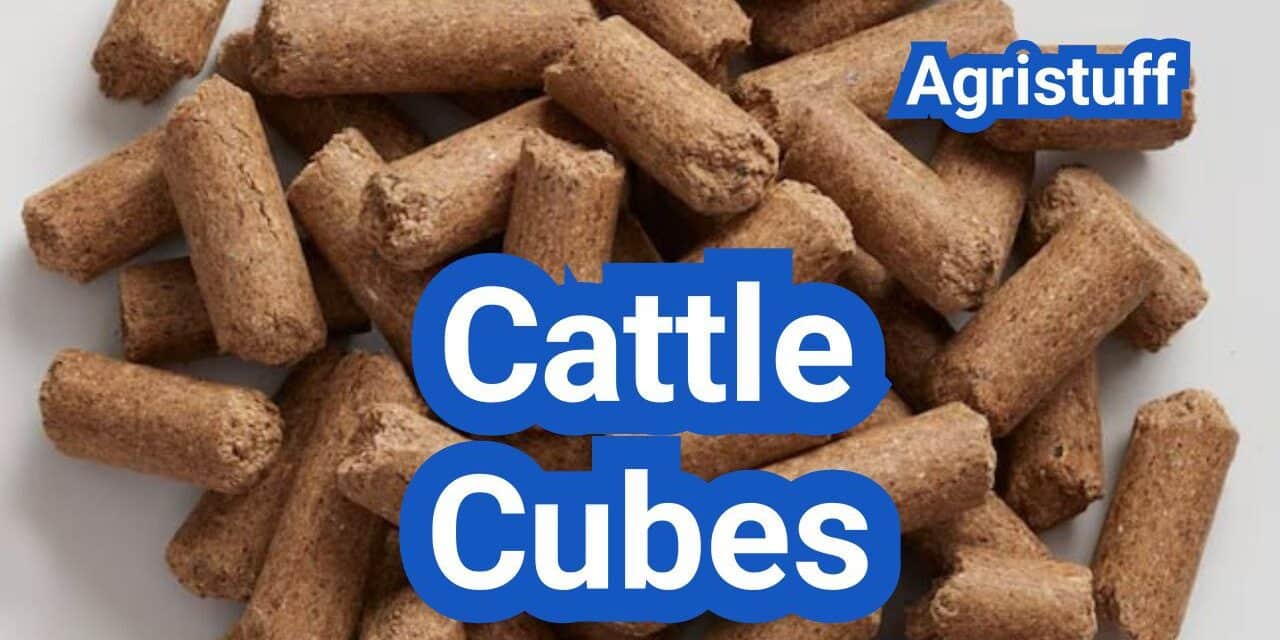
Cattle cubes are a popular feed supplement for beef cattle in the U.S., providing essential nutrients and protein content. These nutrient-rich cubes play a crucial role in maintaining the overall health and well-being of cattle.
The use of cattle feed supplements like cattle cubes has become a standard practice in beef cattle nutrition. They offer a convenient way to ensure cattle receive the necessary nutrients for optimal growth and development.
Key Takeaways
- Understanding the composition and benefits of cattle cubes.
- Learning when to use cattle cubes in beef cattle nutrition.
- Calculating the cost-per-pound of cattle cubes.
- Exploring the role of protein content in cattle feed.
- Discovering the importance of cattle cubes in U.S. cattle farming.
What Are Cattle Cubes and Why Are They Used?
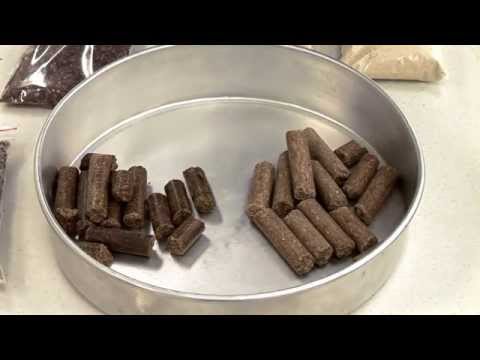
Cattle cubes provide essential nutrients to cattle, especially when forage quality is low. These nutritional supplements are designed to support cattle health and productivity.
Definition and Basic Composition
Cattle cubes, also known as range cubes or protein cubes, are a type of feed supplement. They are typically made from a mixture of grains, proteins, and other nutrients compressed into a cube form. The basic composition can vary depending on the intended use and the nutritional needs of the cattle.
Nutritional Content: Cattle cubes usually contain a mix of energy sources, proteins, vitamins, and minerals. The exact formulation can depend on factors like the age, breed, and production stage of the cattle.
Common Ingredients in Cattle Cubes
The ingredients in cattle cubes can vary, but common components include grains like corn and oats, protein sources such as soybean meal, and various vitamins and minerals. Some cubes may also contain additives like molasses to improve palatability.
Example Ingredients:
- Corn
- Oats
- Soybean meal
- Molasses
- Vitamins and minerals
Benefits for Cattle Nutrition
Cattle cubes offer several benefits for cattle nutrition, particularly in situations where pasture quality is poor or when cattle have higher nutritional demands. They can help maintain body condition, support growth, and enhance overall health.
| Benefit | Description |
|---|---|
| Improved Nutrition | Provides essential nutrients when forage is lacking |
| Supports Growth | Aids in the growth and development of young cattle |
| Maintains Body Condition | Helps cattle maintain optimal body condition during challenging conditions |
Cattle cubes are a valuable tool in cattle management, offering a convenient and effective way to ensure that cattle receive the nutrients they need.
Types of Cattle Cubes Available in the U.S. Market

In the U.S., cattle producers can choose from a wide array of cattle cubes, differing in protein content and ingredients. This diversity allows farmers to tailor their cattle’s nutrition to specific needs, whether it’s for maintenance, growth, or lactation.
The selection of cattle cubes includes various protein percentages, specialty formulations, and products from well-known brands. Understanding these options is crucial for making informed decisions that impact cattle health and farm profitability.
20% vs. 38% Protein Range Cubes
Cattle cubes are available in a range of protein percentages, with 20% and 38% being two common options. The choice between these depends on the cattle’s nutritional requirements and the quality of their forage.
20% Protein Cubes are often used for maintenance or as a supplement to lower-quality forage. They provide a moderate level of protein that supports overall health without excessive intake.
38% Protein Cubes, on the other hand, are used when higher protein intake is necessary, such as during growth phases or for lactating cows. They offer a more concentrated protein source that can be critical during periods of high demand.
| Protein Percentage | Typical Use | Benefit |
|---|---|---|
| 20% | Maintenance, Supplementing low-quality forage | Moderate protein level |
| 38% | Growth phases, Lactating cows | High protein concentration |
Specialty Formulations
Besides the standard protein range cubes, there are specialty formulations designed for specific needs. These can include medicated cubes for parasite control, cubes enriched with certain minerals, or formulations designed for particular stages of cattle development.
“Specialty cattle cubes offer targeted nutrition that can address specific challenges or enhance certain aspects of cattle health and productivity.”
Popular Brands
Several brands are prominent in the U.S. cattle cube market, including Purina, Nutrena, and Producer’s Pride. Each brand offers a range of products tailored to different cattle needs.
- Purina is known for its high-quality livestock feeds, including a variety of cattle cubes.
- Nutrena offers a range of cattle nutrition products, including cubes with different protein levels.
- Producer’s Pride provides affordable options without compromising on nutritional value.
When selecting a brand, producers should consider factors like nutritional content, price, and availability, especially for bulk purchases.
When to Use Cattle Cubes in Your Feeding Program

Determining when to use cattle cubes is crucial for optimizing cattle nutrition, especially under challenging conditions. Cattle cubes can be a valuable resource in various feeding scenarios, providing essential nutrients that may be lacking in the cattle’s regular diet.
Supplementing Low-Quality Forage
Low-quality forage can be a significant challenge for cattle producers, as it often lacks the necessary nutrients for optimal cattle health. Cattle cubes can be used to supplement such forage, ensuring that cattle receive the nutrients they need. Protein-rich cattle cubes are particularly beneficial in these situations.
Feeding Cattle Cubes in Winter
During winter, cattle often require additional nutritional support due to cold weather and the potential scarcity of high-quality forage. Feeding cattle cubes in winter can help maintain their nutritional intake and overall health. The cold weather increases the energy requirements of cattle, making nutrient-dense cubes an ideal supplement.
Drought Conditions and Limited Grazing
Drought conditions can severely limit grazing opportunities for cattle, necessitating alternative nutritional sources. Cattle cubes can serve as a reliable supplement during such times, providing the necessary nutrients. They help in maintaining the cattle’s health and productivity even when grazing is limited.
Body Condition Maintenance
Maintaining optimal body condition is crucial for cattle health and productivity. Cattle cubes can be used strategically to ensure that cattle maintain a healthy body condition score. This is particularly important for breeding cattle and during periods of high nutritional demand.
| Scenario | Benefits of Cattle Cubes | Nutritional Considerations |
|---|---|---|
| Low-Quality Forage | Supplements lacking nutrients | High protein content |
| Winter Feeding | Maintains nutritional intake | Energy-dense formulations |
| Drought Conditions | Compensates for limited grazing | Balanced nutrient profile |
| Body Condition Maintenance | Supports optimal health | Tailored to specific needs |
Determining the Right Amount: Feeding Guidelines

The key to successfully incorporating cattle cubes into your feeding program lies in understanding the right feeding guidelines. Cattle cubes can be a valuable supplement, but their effectiveness depends on being fed in the correct amounts.
How Much Cattle Cubes to Feed Per Head
Feeding the right amount of cattle cubes per head is crucial. The amount can vary based on factors such as the cattle’s age, weight, and nutritional needs. Generally, the recommended feeding rate is between 1-5 pounds per head per day. For instance, Purina and Nutrena cattle cubes often come with feeding instructions that suggest starting with a lower amount and adjusting based on cattle response.
It’s essential to consult the manufacturer’s guidelines and consider the specific needs of your cattle. For example, lactating cows or cattle in certain production stages may require more nutrients.
Feeding Frequency Options
Cattle cube feeding frequency can significantly impact their effectiveness. Options range from daily feeding to feeding every other day, depending on the cattle’s needs and the cube’s nutritional content. Daily feeding is often recommended for cattle with high nutritional demands, while feeding every other day might be suitable for maintenance or when using cubes with higher nutrient concentrations.
Adjusting Amounts Based on Cattle Needs
Adjusting the amount of cattle cubes based on the cattle’s response is vital. Factors such as body condition, overall health, and production levels should guide these adjustments. For instance, if cattle are not consuming the cubes as expected, it may be necessary to adjust the amount or switch to a different type of cube.
Regular monitoring and adjustments ensure that the cattle cubes are meeting the intended nutritional goals without over-supplementing.
The Cost-Per-Pound Math of Cattle Cubes

Understanding the cost-per-pound math of cattle cubes is crucial for farmers to make informed decisions about their feeding programs. This involves analyzing various factors that influence the overall cost and value of cattle cubes.
Breaking Down Current Market Prices
Current market prices for cattle cubes vary based on factors such as protein content, brand, and location. As of the latest data, the average price range for cattle cubes is between $200 and $400 per ton. For instance, a 20% protein range cube might cost around $220 per ton, while a 38% protein range cube could be priced at $350 per ton.
Calculating Cost Per Head Per Day
To calculate the cost per head per day, farmers need to consider the amount of cattle cubes fed to each animal daily. For example, if a cattle operation feeds 2 pounds of cubes per head per day, and the cost of the cubes is $0.15 per pound, the daily cost per head would be $0.30.
The formula for calculating cost per head per day is: (Cost per pound of cube * Amount fed per head per day).
Comparing Value Across Different Protein Percentages
Different protein percentages in cattle cubes affect their pricing and nutritional value. A higher protein percentage typically means a higher cost per ton but may reduce the amount needed per head per day. For instance, a 38% protein cube might be more cost-effective in the long run if it means feeding less overall.
| Protein Percentage | Cost Per Ton | Amount Fed Per Day | Cost Per Head Per Day |
|---|---|---|---|
| 20% | $220 | 2 lbs | $0.22 * 2 = $0.44 |
| 38% | $350 | 1 lb | $0.35 * 1 = $0.35 |
Bulk Purchase Economics
Buying cattle cubes in bulk can significantly reduce the cost per pound. Suppliers often offer discounts for larger orders, which can lead to substantial savings over time. For example, purchasing 50 tons of cattle cubes at once might reduce the cost per ton by 10% compared to buying smaller quantities.
Farmers should consider their storage capabilities and the shelf life of the cubes when making bulk purchases to ensure they can utilize the full quantity before it expires or spoils.
How to Read and Understand Cattle Feed Tags

Reading cattle feed tags is an essential skill for any cattle owner or farmer. These tags contain critical information about the nutritional content and composition of the feed, which can significantly impact the health and productivity of your cattle.
Decoding Protein Content Percentages
The protein content percentage is a crucial piece of information on cattle feed tags. It indicates the amount of protein available in the feed, which is vital for cattle nutrition. When evaluating protein content, it’s essential to understand that different cattle have different protein requirements based on factors like age, breed, and production stage.
- Crude Protein (CP): This measures the total protein content, including both digestible and indigestible protein.
- Digestible Protein: While not always listed, understanding the digestibility of protein is crucial for determining the actual nutritional value.
Understanding NPN and the 20-10 Label Format
NPN, or Non-Protein Nitrogen, is a component of some cattle feeds that provides nitrogen, which is used by rumen microbes to synthesize protein. The 20-10 label format refers to feeds that contain 20% crude protein and 10% of that protein being NPN. Understanding NPN is vital because it affects how you interpret the protein content and ensure it meets your cattle’s needs.
Identifying Urea in Cattle Feed Cubes
Urea is a common source of NPN in cattle feed. It’s a cost-effective way to provide nitrogen to rumen microbes. However, it’s crucial to identify urea in cattle feed cubes to avoid overfeeding, which can be harmful to cattle. Always check the ingredient list and nutritional guarantees on the feed tag.
Important Nutritional Guarantees
Nutritional guarantees on cattle feed tags provide essential information about the feed’s composition, including minimum percentages of crude protein and fat, as well as maximum percentages of crude fiber and moisture. These guarantees help ensure that the feed meets the nutritional needs of your cattle.
- Check the crude protein percentage to ensure it meets your cattle’s requirements.
- Verify the crude fat content, as it affects the energy density of the feed.
- Ensure the crude fiber content is appropriate for your cattle’s digestive needs.
- Check the moisture content to ensure the feed’s freshness and shelf life.
Sourcing Cattle Cubes: Where to Buy

Finding the right supplier for cattle cubes is crucial for maintaining a healthy cattle feeding program. Cattle cubes are a vital component of many cattle feeding strategies, providing essential nutrients that may be lacking in the cattle’s regular diet.
Tractor Supply and Farm Store Options
Tractor Supply is a popular destination for purchasing cattle cubes, offering a variety of products from well-known brands like Purina and Nutrena. Farm stores are another convenient option, typically stocking a range of cattle feed products. When shopping at these retailers, it’s essential to check the product labels for protein content, ingredient quality, and any additional nutritional supplements.
Key considerations when buying from Tractor Supply and farm stores include:
- Product variety and brand options
- Price competitiveness
- Product availability and stock levels
- Knowledgeable staff for guidance
Cattle Cubes in Bulk: Finding Suppliers
For larger operations or those looking to stock up, buying cattle cubes in bulk can be a cost-effective strategy. Suppliers that offer bulk purchasing options can often provide significant discounts for larger orders. When sourcing cattle cubes in bulk, it’s crucial to consider storage and handling to maintain product quality.
Benefits of buying in bulk include:
- Reduced cost per unit
- Convenience of having a steady supply
- Potential for better negotiation with suppliers
Direct from Manufacturers
Some farmers and ranchers prefer to purchase cattle cubes directly from manufacturers, which can sometimes offer better pricing and more control over product specifications. Major manufacturers like Purina and Nutrena often have direct sales channels or can recommend local distributors.
Seasonal Pricing Considerations
Prices for cattle cubes can fluctuate seasonally based on demand, ingredient costs, and other market factors. Understanding these seasonal pricing trends can help buyers make more informed purchasing decisions. For instance, buying during off-peak seasons may result in cost savings.
By considering these factors and options, farmers and ranchers can effectively source high-quality cattle cubes that meet their cattle’s nutritional needs while managing their budget.
Comparing Cattle Cubes to Other Supplement Options

The choice of supplement for cattle can significantly impact their health and productivity. Cattle producers have various options, including cubes, tubs, distillers grains, soybean hull cubes, and alfalfa cubes. Understanding the pros and cons of each is crucial for making informed decisions.
Cubes vs. Tubs: Pros and Cons
Cattle cubes and tubs are both popular supplement options, but they have distinct differences. Cattle cubes are typically more dense and provide a concentrated source of nutrients. They are often preferred for their ease of handling and storage. On the other hand, tub supplements are designed to be consumed over a longer period, providing a sustained release of nutrients. Tubs are often used for their convenience and ability to be left in the field without the need for daily feeding.
When deciding between cubes and tubs, producers should consider factors such as the nutritional needs of their cattle, the availability of labor for daily feeding, and the specific production goals. For instance, cubes might be more suitable for cattle requiring high levels of protein, while tubs could be better for maintaining cattle over a longer period without the need for frequent replenishment.
Distillers Grains vs. Range Cubes
Distillers grains and range cubes are both used as supplements, but they differ in their composition and nutritional content. Distillers grains are a by-product of ethanol production and are high in protein and energy. They can be an economical alternative to traditional feed supplements. Range cubes, on the other hand, are formulated to provide a balanced mix of nutrients, often including protein, vitamins, and minerals.
The choice between distillers grains and range cubes depends on the specific nutritional requirements of the cattle, as well as considerations of cost and availability. Distillers grains can be particularly valuable for cattle needing a high-energy diet, while range cubes offer a more balanced nutritional profile.
Soybean Hull Cubes for Cattle
Soybean hull cubes are another supplement option, made from the hulls of soybeans. They are high in fiber and can be a good source of energy for cattle. Soybean hull cubes are often used as a cost-effective alternative to other types of feed, particularly for maintaining cattle on poor-quality forage.
One of the benefits of soybean hull cubes is their palatability and digestibility. They can be especially useful in diets where additional fiber is needed, or as a replacement for higher-cost ingredients.
Alfalfa Cubes as an Alternative
Alfalfa cubes are made from alfalfa hay that has been compressed into cube form. They are a nutrient-rich supplement, high in protein and calcium. Alfalfa cubes can be used to provide a high-quality feed supplement, particularly for cattle with high nutritional demands, such as lactating cows.
The use of alfalfa cubes can help improve the overall quality of the diet, supporting better health and productivity in cattle. They are also convenient for handling and storage, similar to other types of cubes.
Alternative Uses for Cattle Cubes

The versatility of cattle cubes extends beyond cattle feeding, offering solutions for various agricultural and wildlife needs. While their primary function is to provide nutrition to cattle, these cubes can be utilized in other creative ways.
Cattle Cubes for Deer Attractant
One of the notable alternative uses for cattle cubes is as a deer attractant. Hunters and wildlife enthusiasts often use these cubes to lure deer to specific areas, enhancing hunting experiences and wildlife viewing opportunities. The nutritional content of cattle cubes, particularly those with high protein levels, can attract deer effectively.
- High-protein cubes are especially attractive to deer.
- Placing cubes in strategic locations can help in creating deer trails.
- Using cattle cubes as deer attractants can be a cost-effective method compared to specialized deer attractant products.
Stocker Cattle Supplementation with Cubes
Stocker cattle, which are typically young cattle being prepared for feedlots, can greatly benefit from supplementation with cattle cubes. These cubes provide essential nutrients that support growth and development.
Some key benefits of using cattle cubes for stocker cattle include:
- Improved weight gain: Cattle cubes can enhance the nutritional intake of stocker cattle, leading to better weight gain.
- Enhanced health: The vitamins and minerals in cattle cubes can contribute to overall cattle health.
- Ease of use: Cattle cubes are a convenient feeding option, as they are easy to store and distribute.
Mineral Supplementation with Range Cubes
Range cubes can also serve as a means of mineral supplementation for cattle grazing on pasture. These cubes can be formulated to include essential minerals that may be lacking in the natural forage.
- Range cubes can be used to supplement mineral deficiencies in grazing cattle.
- They can be particularly beneficial in areas where the soil lacks certain minerals.
- Using range cubes for mineral supplementation can help maintain the overall health and productivity of the cattle herd.
Storage and Safety Considerations

Ensuring the safe storage of cattle cubes is essential for cattle health. Proper storage practices not only maintain the nutritional quality of the feed but also prevent potential hazards.
Proper Storage to Prevent Spoilage
To prevent spoilage, cattle cubes should be stored in a dry, well-ventilated area, protected from direct sunlight and moisture. Using airtight containers or bins can help keep the feed fresh and reduce the risk of mold growth.
Key storage tips:
- Keep the storage area clean and dry.
- Use rodent-proof containers.
- Store feed away from chemicals and pesticides.
Moldy Feed Risks in Cattle Supplements
Moldy feed poses significant health risks to cattle, including mycotoxicosis, which can lead to reduced feed intake, decreased productivity, and even death in severe cases. Regular inspection of stored feed for signs of mold or spoilage is crucial.
“Mycotoxins in feed can have devastating effects on cattle health, making it imperative to monitor feed quality regularly.” –
Cattle Health Expert
Shelf Life and Seasonal Purchasing
Understanding the shelf life of cattle cubes is vital for planning purchases. Generally, cattle cubes have a shelf life of 6 to 12 months, depending on the ingredients and storage conditions. Seasonal purchasing strategies can help ensure that feed is used before it expires.
| Feed Type | Shelf Life | Storage Tips |
|---|---|---|
| Cattle Cubes | 6-12 months | Store in dry, well-ventilated areas. |
| Protein Supplements | 6-9 months | Use airtight containers. |
Cattle Cube Hoppers and Feeders
Using appropriate feeders and hoppers can minimize waste and reduce the risk of feed contamination. Cattle cube hoppers and feeders are designed to dispense feed in a controlled manner, ensuring that cattle have access to fresh feed.
By implementing these storage and safety considerations, cattle producers can protect their investment in cattle cubes and ensure the health and productivity of their cattle.
Advanced Feeding Strategies with Cattle Cubes

Cattle cubes offer a versatile feeding solution that can be adapted to various production stages and resource conditions. By understanding how to effectively utilize cattle cubes, producers can optimize their feeding programs to meet the specific needs of their cattle.
Supplementing During Different Production Stages
Different production stages require adjusted nutritional supplementation. Cattle cubes can be tailored to meet these needs, whether it’s for maintenance, growth, or lactation. For instance, during the lactation stage, higher protein content in cattle cubes can support milk production.
Production Stage | Nutritional Needs | Cattle Cubes Benefits
| Production Stage | Nutritional Needs | Cattle Cubes Benefits |
|---|---|---|
| Maintenance | Basic nutritional requirements | Provides necessary nutrients for overall health |
| Growth | Increased protein and energy | Supports growth and development |
| Lactation | Higher protein and energy for milk production | Enhances milk production and quality |
Limit Feeding During Resource Constraints
Limit feeding with cattle cubes is a strategy used during times of resource constraints, such as drought or when forage is limited. By providing a concentrated source of nutrients, cattle cubes can help maintain cattle health without overfeeding.
Medicated Options (Dewormer Cubes)
Medicated cattle cubes, such as dewormer cubes, offer a convenient method for parasite control. These medicated options can be particularly useful in managing internal parasites in cattle, improving overall herd health.
When using medicated cattle cubes, it’s essential to follow the manufacturer’s guidelines and consult with a veterinarian to ensure the product is used effectively and safely.
Troubleshooting Common Issues with Cattle Cube Feeding
While cattle cubes are a valuable nutritional supplement, their effectiveness can be hindered by several common problems. Understanding these issues and how to address them is crucial for maintaining a healthy and productive cattle feeding program.
Addressing Uneven Consumption
Uneven consumption of cattle cubes can lead to nutritional imbalances among cattle. To address this, producers can implement several strategies. First, ensuring that feeding areas are well-managed and that all cattle have access to the cubes is essential. Using multiple feeding stations can help distribute the cubes more evenly and reduce competition among the cattle.
Monitoring cattle behavior during feeding times can also provide insights into how to adjust feeding strategies. For instance, if certain cattle are dominating the feeding areas, producers may need to adjust the layout or add more feeding stations.
Managing Aggressive Feeding Behavior
Aggressive feeding behavior is another common issue that can arise when feeding cattle cubes. This behavior can lead to some cattle not getting enough to eat, potentially causing nutritional deficiencies. To manage aggressive behavior, producers can consider separating cattle into smaller groups during feeding times.
Additionally, using feeding equipment designed to reduce competition, such as slow-feeder hay nets or specialized cattle cube feeders, can help mitigate aggressive behavior by slowing down the feeding process and giving all cattle a chance to eat.
Solutions for Cattle That Won’t Eat Cubes
Sometimes, cattle may refuse to eat cubes, which can be due to various factors including the cube’s composition, palatability, or the cattle’s previous experiences. Introducing cubes gradually into their diet can help them become accustomed to the new feed. Ensuring the cubes are of high quality and fresh can also encourage cattle to eat them.
Producers can also try mixing the cubes with other feeds they are familiar with to make the transition smoother. In some cases, changing the type or brand of cubes may be necessary if the current ones are not palatable to the cattle.
Weather Impacts on Feeding Programs
Weather conditions can significantly impact cattle feeding programs, especially when it comes to feeding cattle cubes. Extreme temperatures, either hot or cold, can affect cattle’s appetite and nutritional needs. During cold weather, cattle may require more energy to maintain their body temperature, potentially increasing their need for nutritional supplements like cattle cubes.
Conversely, during hot weather, ensuring that cattle have access to plenty of water and possibly adjusting the feeding schedule to cooler parts of the day can help maintain their nutritional intake. Producers should be prepared to adjust their feeding strategies based on weather forecasts to optimize the effectiveness of their cattle cube feeding programs.
Maximizing the Value of Cattle Cubes in Your Operation
Maximizing the value of cattle cubes in your operation requires a comprehensive understanding of their nutritional benefits, proper feeding guidelines, and cost-effective strategies. By incorporating cattle cubes into your cattle cube feeding program, you can enhance cattle nutrition, particularly during periods of low-quality forage or when grazing is limited.
To get the most out of cattle cubes, it’s essential to determine the right amount to feed per head, adjust feeding frequency based on cattle needs, and consider factors like protein percentage and bulk purchase economics. By doing so, you can optimize your cattle nutrition and improve overall herd health.
Effective cattle cube feeding programs also involve proper storage, handling, and troubleshooting common issues. By following the guidelines outlined in this article, you can maximize the value of cattle cubes and achieve a more efficient and productive cattle operation.
FAQ
What are cattle cubes and how are they used in cattle nutrition?
Cattle cubes are a type of supplemental feed for cattle, typically made from a mixture of grains, proteins, and other nutrients. They are used to provide additional nutrition to cattle, particularly in situations where their regular diet may be lacking.
What are the common ingredients used in cattle cubes?
Common ingredients in cattle cubes include grains like corn and oats, protein sources like soybean meal, and other nutrients like vitamins and minerals. The exact composition can vary depending on the manufacturer and the specific product.
What are the benefits of using cattle cubes for cattle nutrition?
Cattle cubes can provide a convenient and effective way to supplement a cattle’s diet, particularly in situations where they may be grazing on low-quality forage or require additional nutrients during times of stress or high production.
What are the different types of cattle cubes available?
There are various types of cattle cubes available, including range cubes with different protein percentages (e.g., 20% vs. 38%), specialty formulations for specific needs, and products from different manufacturers like Purina, Nutrena, and Producer’s Pride.
When should I use cattle cubes in my feeding program?
Cattle cubes can be used to supplement low-quality forage, during winter feeding, in drought conditions, or to maintain body condition. The specific circumstances will depend on the needs of your cattle and the quality of their regular diet.
How much cattle cubes should I feed per head?
The amount of cattle cubes to feed per head will depend on factors like the type of cattle, their age, size, and production level, as well as the quality of their regular diet. It’s essential to follow the manufacturer’s guidelines and consult with a veterinarian or nutritionist to determine the optimal feeding rate.
How do I calculate the cost per head per day for cattle cubes?
To calculate the cost per head per day, you’ll need to know the cost per pound of the cattle cubes and the amount being fed per head per day. You can then multiply the cost per pound by the daily feeding rate to get the cost per head per day.
How do I read and understand cattle feed tags?
Cattle feed tags provide information on the product’s nutritional content, including protein percentages, and may include details on ingredients, feeding guidelines, and any additives or medications. Understanding these labels is crucial for ensuring you’re providing the right nutrition for your cattle.
Where can I buy cattle cubes?
Cattle cubes can be purchased from various sources, including Tractor Supply, farm stores, and directly from manufacturers. You may also be able to find suppliers that offer bulk purchasing options, which can help reduce costs.
How do cattle cubes compare to other supplement options?
Cattle cubes can be compared to other supplement options like tubs, distillers grains, soybean hull cubes, and alfalfa cubes. Each has its pros and cons, and the best choice will depend on your specific needs, the nutritional requirements of your cattle, and factors like cost and convenience.
Can cattle cubes be used for purposes other than cattle nutrition?
Yes, cattle cubes can be used for other purposes, such as deer attractants, stocker cattle supplementation, and mineral supplementation. However, it’s essential to ensure that the product is suitable for the intended use and that you’re following any relevant guidelines or regulations.
How should I store cattle cubes to prevent spoilage?
To prevent spoilage, cattle cubes should be stored in a dry, well-ventilated area, protected from the elements and pests. It’s also essential to follow proper handling and feeding practices to minimize waste and ensure the cubes remain fresh.
What are the risks associated with moldy feed in cattle supplements?
Moldy feed can pose significant risks to cattle health, including mycotoxicosis, reduced feed intake, and decreased productivity. It’s crucial to inspect cattle cubes regularly for signs of mold or spoilage and to discard any affected products.
Can I use medicated cattle cubes, such as dewormer cubes?
Yes, medicated cattle cubes, like dewormer cubes, are available for specific health needs. However, it’s essential to follow the manufacturer’s guidelines, consult with a veterinarian, and ensure that you’re using the product correctly to avoid any adverse effects or residues.
How can I troubleshoot common issues with cattle cube feeding?
Common issues with cattle cube feeding, such as uneven consumption, aggressive feeding behavior, or cattle that refuse to eat cubes, can often be addressed by adjusting feeding practices, ensuring adequate access to the cubes, and monitoring cattle health and behavior.
Conclusion of: Cattle Cubes
What Cattle Cubes are (and why they’re popular in the U.S.)
Cattle Cubes are compressed “cubes” of feed ingredients made to deliver nutrients in a convenient, consistent form—most commonly as a pasture supplement when forage quality drops or when labor and equipment are limited. In many U.S. cow-calf and stocker operations, Cattle Cubes (often called “range cubes” or “cake”) are used to add protein, energy, and sometimes minerals or additives, without needing a full ration mix. The big advantage is simple: you can supplement a grazing herd with a measured amount of nutrients without hauling bulky hay every day—while still keeping forage as the foundation of the diet. SDSU Extension: Protein and energy supplements (range cubes)
What Cattle Cubes are made of (common ingredients and what they do)
Most Cattle Cubes are built from practical, widely available ingredients that press well into a cube and deliver targeted nutrition. Depending on the formula, you’ll often see byproduct feeds (like wheat midds, soybean hulls, corn gluten feed, distillers grains), plus protein meals (cottonseed meal or soybean meal), a binder (often molasses), and added minerals/vitamins—sometimes even specific additives (like ionophores) when legally labeled and used correctly. The point isn’t one “magic” ingredient; it’s a balanced blend that matches your forage gap and your production goal. Oklahoma State University: What’s in a range cube (ingredients overview)
Cattle Cubes vs. pellets, blocks, tubs, and loose supplements
Cattle Cubes sit in a sweet spot between “hand-fed precision” and “free-choice convenience.” Compared to loose supplements, cubes are easier to handle and portion; compared to tubs/blocks, cubes usually give more control over how much each animal gets (especially if you have enough feeding space). Pellets can be similar nutritionally, but Cattle Cubes are often larger and slower to consume, which some producers find helpful for distribution and intake management on pasture. The right choice depends on labor, cattle access, weather, and how tightly you need to control intake and cost. Oklahoma State University: Supplementing beef cows (supplement priorities)
When Cattle Cubes make the most sense: the “low-quality forage” season
Cattle Cubes are most valuable when your base forage can’t support rumen function and animal needs—common in late fall/winter dormant grass, drought-stressed pasture, or weathered crop residues. When forage protein gets low, rumen microbes can’t do their job efficiently, and intake/digestion often fall—so performance drops even if cattle have plenty of “roughage” to chew. In those situations, the right Cattle Cubes can help restore rumen function so cattle use the forage better, which is often the fastest route to stabilizing body condition and keeping a program on track. UNL Beef: Low-quality forage supplementation (cubes and feeding frequency)
Protein-first logic: why many Cattle Cubes focus on crude protein
When forage is protein-deficient, many nutrition programs treat protein as the first “limiting factor,” because fixing protein often improves forage intake and digestion. That’s why many Cattle Cubes are formulated as protein supplements—especially for mature cows on dormant range or for stockers grazing mature grass. If you’re deciding between an “energy cube” and a “protein cube,” it helps to remember that adding energy without enough protein may not deliver the response you expect, because the rumen still lacks nitrogen for microbial work. Oklahoma State University: Protein as first priority on low-quality forage
Choosing a protein level for Cattle Cubes (20%, 30–40%, and “how much to feed”)
Not all Cattle Cubes are meant to be fed at the same rate. A 20% cube is often used when the diet is only slightly short on protein/energy, while 30–40% cubes are more “dense” tools designed to supply needed protein with fewer pounds per head. In many grazing situations, small amounts of higher-protein supplement can be the most economical approach, because you buy fewer pounds of feed to fix the same protein shortage—while avoiding diminishing returns that happen when you over-supplement beyond the real deficiency. NMSU Extension: Protein/energy supplementation and range cubes (rates and benchmarks)
Can Cattle Cubes replace hay? (Usually no—here’s the practical answer)
Cattle Cubes are supplements, not a full forage replacement in most cow-calf systems. Hay (or standing forage) is typically the “base” energy and effective fiber source, and cubes are used to fill nutrient gaps—especially protein gaps—so cattle can better use that forage. In real life, there are emergency or short-term cases where producers lean harder on Cattle Cubes, but the smarter long-term approach is to keep forage availability and quality in view, then use cubes to improve the efficiency of what cattle are already eating. UNL Beef FAQ: Protein cubes vs. hay (how to think about roles)
How often to feed Cattle Cubes (daily vs. 3x/week vs. once/week)
One overlooked advantage of Cattle Cubes is flexible feeding frequency—especially for higher-protein products—because ruminants can recycle nitrogen to some extent. Many operations successfully feed protein-type Cattle Cubes less than daily (for example, several times per week, or sometimes weekly with a high-protein product), which can reduce labor and fuel. The key is consistency and access: if timid cattle can’t compete at the feeder, the “average intake” might look fine while certain animals fall behind. Oregon State (Cattle Producer’s Library): Supplement frequency and performance
Reading the feed tag on Cattle Cubes (what the label must tell you)
Buying Cattle Cubes without reading the tag is like buying tires without checking the size. A proper commercial feed label should clearly identify the product, show net weight, list a guaranteed analysis (key nutrients), list ingredients (approved names), provide directions for use, and include any required caution statements. That label information is your best protection against “cheap per bag” products that are expensive per unit of nutrition, and it’s how you verify whether a cube is truly a protein supplement, an energy supplement, or a mineral-delivery tool. Georgia Department of Agriculture: Feed labeling requirements
Understanding NPN/urea on Cattle Cubes labels (the “20–10” style example)
Some Cattle Cubes use non-protein nitrogen (NPN) sources—commonly urea—to supply cheap nitrogen for rumen microbes, and labels may show this in a way that confuses buyers. A classic example discussed in extension materials is a protein figure presented like “20–10,” indicating total crude protein and the portion coming from NPN. The practical takeaway: NPN can work well when used correctly and matched to the diet, but it’s not the same as “all-natural protein,” and it’s one more reason to compare cubes based on what they actually deliver for your forage situation. Kansas State Extension: Interpreting NPN on range cube tags
Urea safety with Cattle Cubes (how problems happen and how to prevent them)
When Cattle Cubes contain urea, safety depends on correct formulation and correct use. Urea-related issues typically happen when cattle consume too much too quickly, when supplements aren’t mixed uniformly, or when management errors cause “slug feeding” (for example, hungry cattle suddenly getting access). If you use urea-containing Cattle Cubes, follow label directions, avoid drastic changes, and make sure cattle have consistent access to forage and water so intake stays steady instead of spiking. SDSU Extension: Considerations and risks of urea use in cattle rations
Minerals, salt, and water: the hidden variables that affect Cattle Cubes performance
Cattle Cubes often carry minerals and salt—or are fed alongside mineral programs—and that changes water needs and intake behavior. High salt intake can increase water demand, and poor water availability (or water quality issues) can reduce supplement intake or trigger health risks. When you evaluate Cattle Cubes, think beyond crude protein and price: confirm how your mineral program fits, whether the cube includes minerals, and whether your cattle’s water access supports the program, especially in cold weather or remote pastures. Mississippi State Extension: Mineral/salt considerations for beef cattle
Storage and spoilage: protecting your Cattle Cubes investment
Cattle Cubes can absorb moisture, break down into fines, or grow mold if stored poorly—especially if bags sit on bare concrete, pallets get wet, or rodents damage packaging. Beyond the wasted money, spoiled feed can reduce intake and expose cattle (and people handling feed) to mold and mycotoxin risks. Store Cattle Cubes in a dry, well-ventilated place, keep them off the floor, rotate inventory, and don’t “push through” obviously moldy product just to avoid wasting a pallet—because the performance and health consequences can cost far more than the feed you saved. Ohio State University (OSU): Moldy feed risks in cattle
Cost-per-pound math for Cattle Cubes (the simple formulas that stop overspending)
To compare Cattle Cubes fairly, start with cost per pound of product, then move to cost per pound of nutrient (like crude protein). The basic idea: (1) convert the price to a per-pound basis; (2) divide by the nutrient fraction on the tag. Example: if cubes cost $0.36/lb and the tag is 20% crude protein, then crude protein costs about $0.36 ÷ 0.20 = $1.80 per pound of crude protein (as-fed). This method doesn’t replace a full ration analysis, but it quickly reveals when a “cheap” cube is actually expensive nutrition. Iowa Beef Center: Pricing supplements by cost per pound of nutrient
Cost per head per day: turning Cattle Cubes into a budget number you can manage
After cost-per-pound comparisons, the next step is cost per head per day—because that’s what adds up fast in winter and drought programs. Take your feeding rate (lb/head/day) × cost per lb of Cattle Cubes, then add delivery/labor/shrink if you want a “true cost.” Tools and worksheets can help you evaluate not only the cube price, but also the cost of feeding different forages and supplements together—so you can compare strategies, not just products. Nebraska Extension: Feed Cost Cow-Q-Lator (true feeding cost framework)
Comparing Cattle Cubes to other supplement options (value, shrink, delivery, and labor)
Cattle Cubes often look more expensive than bulk commodities at first glance—but the “real” comparison includes shrink, storage loss, delivery, feeding frequency, and labor. A cube that’s easy to store and quick to feed may beat a cheaper ingredient that’s hard to handle or wastes time. Decision tools that calculate nutrient cost while considering transport, shrink, storage, and feeding frequency can make this comparison much more objective—especially when you’re choosing between cubes, meals, byproduct feeds, and self-limited options. Texas A&M AgriLife: Supplemental feedstuff cost and value calculator (supporting guide)
Using Cattle Cubes for stockers: estimating return from added gain
For stocker and backgrounding programs, Cattle Cubes are often evaluated by their impact on gain, not just cow condition. The practical question becomes: “How many pounds of cube does it take to produce a pound of added gain under my grazing conditions?” Once you estimate feed-to-added-gain, you can calculate cost per pound of added gain and compare it to the value of that gain. This is where Cattle Cubes can shine—when modest supplementation improves forage use and raises average daily gain efficiently. Oklahoma State University: Estimating value of supplementing grazing stockers
Final thought
Cattle Cubes are not “one-size-fits-all,” but they are one of the most practical supplementation tools in the U.S. when pasture is short on protein or energy, when feeding time is limited, or when you need consistent intake without running a full mixed ration. If you do three things—match the cube to your forage gap, feed it in a way that timid cattle can access, and compare options using cost-per-pound nutrient math—your Cattle Cubes program is far more likely to pay for itself in condition, performance, and predictability. Oklahoma State University: Practical supplementation priorities
Sources & References
- Producer’s Pride 20% Cubed Cattle Feed, 50 lb. Bag at Tractor Sup
- Cattle and Cow Cubes | West Feeds, Inc.
- Cattle Cubes – Balance Protein & Energy | Purina
- 20% All Natural Protein Breeder Cattle Cubes, 50 lbs.
- 20% Range & Breeder Cubes | Stillwater Milling Company
- Murdoch’s – Nutrena – NutreBeef – Cattle Cube 20%
- 1043 – Range Star® NP Cubes – Lonestar Feed
- Cubes & Pellets – MasterHand Milling
- Purina Animal Nutrition Ranch Hand 20% Cattle Cubes
- RangeMax Cubes | Livestock Nutrition Center
- SDSU Extension — Clearing up confusion on protein and energy supplements (range cubes)
- Oklahoma State University — Protein source and feeding management (range cube ingredients)
- Oklahoma State University — Supplementing beef cows
- University of Nebraska–Lincoln — Low-quality forages and supplementation frequency
- New Mexico State University — Protein and energy supplementation for grazing cattle
- University of Nebraska–Lincoln — FAQ on feeding protein cubes vs. hay
- Oregon State University — Beef cow supplement decision guidance (frequency context)
- Georgia Department of Agriculture — Commercial feed labeling requirements
- Kansas State Extension — Beef cow nutrition guide (NPN label interpretation)
- SDSU Extension — Considerations of urea use in cattle rations
- Mississippi State Extension — Mineral and vitamin nutrition for beef cattle
- Ohio State University — Moldy feed and potential effects on cattle
- Iowa Beef Center — Pricing protein and energy supplements (cost per nutrient)
- Nebraska Extension — Feed Cost Cow-Q-Lator (true feed cost)
- Texas A&M AgriLife — Supplemental feedstuff cost and value calculator guide
- Oklahoma State University — Estimating value of supplementing grazing stockers