The California Variegated Mutant Sheep (CVM Sheep), known for its unique characteristics and heritage fine-wool, is a rare breed that has garnered attention in the fiber arts community.
Originating from a specific genetic mutation, this breed is prized for its soft wool and unusual colors, making it a favorite among handspinners. The CVM Sheep is listed as critical by The Livestock Conservancy, underscoring its importance as a rare heritage breed.
Understanding the history, origin, and breeding practices of CVM Sheep is crucial for appreciating its value and ensuring its continuation.
Key Takeaways
- The CVM Sheep is a rare heritage breed known for its fine wool.
- It is listed as critical by The Livestock Conservancy.
- CVM Sheep are prized for their soft wool and unique colors.
- The breed has a specific history and origin tied to a genetic mutation.
- Understanding its breeding is key to its preservation.
The Story Behind California Variegated Mutant Sheep

The California Variegated Mutant Sheep, a rare and fascinating breed, has a captivating history that is deeply intertwined with American agriculture. As a unique sub-type of the Romeldale breed, CVM Sheep are known for their distinctive badger-faced color pattern, which has garnered significant interest among sheep breeders and fiber enthusiasts alike.
What Are CVM Sheep?
CVM Sheep are characterized by their striking color variations and high-quality wool. They are a result of a natural genetic mutation within the Romeldale breed, which has been carefully preserved and bred to maintain their unique characteristics. The genetic variation that causes their distinctive coloring is a key factor in what makes CVM Sheep so valuable to breeders and artisans.
The Significance of CVM Sheep in American Agriculture
CVM Sheep hold a special place in American agriculture due to their heritage status and the unique qualities they bring to the textile industry. Their wool is highly prized for its softness, durability, and natural color variations, making it ideal for crafting high-quality textiles. As a heritage breed, CVM Sheep also contribute to the preservation of genetic diversity in sheep populations, which is crucial for the long-term health and resilience of the sheep industry.
As noted by the American Livestock Breeds Conservancy, “Heritage breeds like the CVM Sheep are essential for maintaining the genetic diversity that allows our agricultural systems to adapt to changing conditions.” This underscores the importance of CVM Sheep not only for their unique characteristics but also for their role in sustaining agricultural biodiversity.
History and Origin of California Variegated Mutant Sheep

Originating from the Romeldale breed, the California Variegated Mutant Sheep has a distinct history that began with a genetic mutation in the 1970s. The story of CVM Sheep is closely tied to the history of Romeldale Sheep, known for their high-quality wool.
Development from Romeldale Sheep
The Romeldale breed, developed in the early 20th century by crossing Rambouillet rams with Romney ewes, was prized for its soft, fine wool. The genetic mutation that led to the CVM Sheep occurred within this breed, resulting in a unique variegated color pattern.
The Discovery of the First CVM
The first CVM lamb was born in 1970, marking the beginning of a new breed. This lamb exhibited a spontaneous genetic mutation that caused its wool to display a variegated color pattern, distinct from the typical solid colors of Romeldale Sheep.
Evolution of the Breed Over Time
Over the years, breeders selectively bred the CVM Sheep to enhance and stabilize the unique characteristics resulting from the genetic mutation. This careful breeding program has ensured that CVM Sheep maintain their distinctive wool quality and color patterns, making them highly valued in the fiber arts community.
The development of the CVM Sheep breed is a testament to the impact of genetic diversity and selective breeding in creating unique livestock. Today, CVM Sheep are recognized for their high-quality wool and are cherished by handspinners and fiber artists.
Understanding the Genetic Mutation in CVM Sheep
A distinct genetic mutation is responsible for the variegated color pattern observed in CVM Sheep. This mutation has been a subject of interest due to its impact on the breed’s characteristics and wool quality.
The Science Behind the Variegation
The variegation in CVM Sheep is caused by a genetic mutation affecting the production or distribution of melanin, the pigment responsible for hair color. This mutation results in the unique, multi-colored fleece characteristic of the breed.
Genetic Characteristics That Define CVM Sheep
CVM Sheep are defined by their genetic makeup, which includes the mutation responsible for variegation. This genetic trait is heritable and is a key factor in breeding programs aimed at maintaining the breed’s distinctive appearance.
| Genetic Trait | Description | Impact on CVM Sheep |
|---|---|---|
| Variegation Mutation | Affects melanin production or distribution | Results in multi-colored fleece |
| Heritability | Passed down through generations | Maintains breed characteristics |
How Mutations Affect Wool Quality
The genetic mutation in CVM Sheep not only influences their color but also has implications for wool quality. The unique fleece characteristics, including softness and texture, are highly valued by fiber artists.
Physical Characteristics of California Variegated Mutant Sheep

The California Variegated Mutant Sheep is a unique breed known for its striking appearance and high-quality wool. This breed has gained recognition not only for its distinctive color patterns but also for its robust body structure and exceptional wool production.
Size and Body Structure
CVM Sheep are generally medium to large in size. They have a sturdy body structure that is well-suited for grazing and thriving in various environmental conditions. Their size and build contribute to their hardiness and ability to adapt to different farming conditions.
Distinctive Color Patterns and Variations
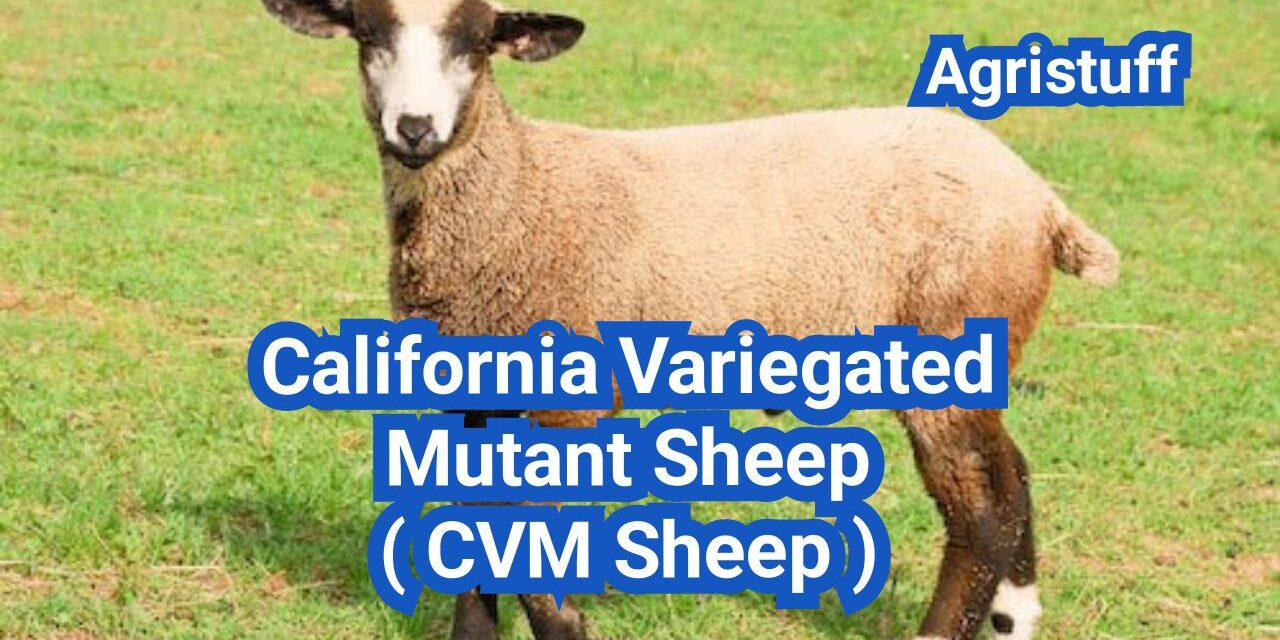
One of the most striking features of CVM Sheep is their badger-faced color pattern. This distinctive coloring can vary, resulting in a range of shades and patterns among individual sheep. The variegation in their coats is a result of the genetic mutation that defines this breed, making each sheep unique.
Wool Quality and Characteristics
The wool of CVM Sheep is highly valued for its quality and characteristics. It is known for being soft, yet durable, and having a good staple length. The wool can vary in color, reflecting the overall color pattern of the sheep, and is prized by handspinners and fiber artists for its unique qualities.
Key characteristics of CVM Sheep wool include:
- Softness and durability
- Good staple length
- Variety of natural colors
- Excellent for handspinning and fiber arts
In summary, the physical characteristics of CVM Sheep, including their size, body structure, color patterns, and wool quality, make them a valuable and sought-after breed. Their unique appearance and high-quality wool have established CVM Sheep as an important part of the heritage breed community.
Differences Between Romeldale and CVM Sheep
CVM Sheep and Romeldale Sheep, though originating from the same stock, have developed distinct traits that define their respective breeds. Understanding these differences is crucial for breeders and enthusiasts alike.
Shared Heritage
Both Romeldale and CVM Sheep originated from the same foundational breeding, which aimed to produce high-quality wool. Their shared heritage is rooted in their common ancestry, with both breeds being developed for their superior fleece characteristics. As noted by sheep breeding experts, “The genetic link between Romeldale and CVM Sheep is undeniable, yet their distinct features have been shaped by selective breeding practices.”
Key Distinguishing Features
The primary distinction between Romeldale and CVM Sheep lies in their coloration and genetic makeup. CVM Sheep are known for their variegated color patterns, a result of a genetic mutation that sets them apart from the more uniformly colored Romeldale Sheep. This variegation is not just aesthetically pleasing but also a defining characteristic of the CVM breed. The genetic mutation responsible for this trait is a key factor in the breed’s identity.
Registry Standards for Both Breeds
Both breeds have specific registry standards that dictate their breed characteristics. For CVM Sheep, the registry emphasizes the importance of the variegated color pattern, while Romeldale Sheep registries focus on uniform color and fleece quality.
“Registry standards play a crucial role in maintaining the integrity of both breeds, ensuring that their unique characteristics are preserved for future generations.”
Adherence to these standards is essential for breeders looking to register their animals.
In conclusion, while Romeldale and CVM Sheep share a common background, their differences in coloration, genetics, and registry standards highlight their unique identities within the sheep breeding community.
How to Identify California Variegated Mutant Sheep

To identify CVM Sheep correctly, one must consider their visual characteristics, genetic background, and registration status. The unique features of these sheep make them stand out, but a thorough understanding is necessary for accurate identification.
Visual Identification Guide
CVM Sheep are characterized by their distinctive badger-faced color pattern, which includes a dark face with a white muzzle and a specific body coloration. Their high-quality wool is another identifying feature, known for its softness and durability.
The visual identification of CVM Sheep involves examining their coat color, wool quality, and overall body structure. Breeders should look for the characteristic badger-faced pattern and assess the wool’s fineness and density.
Common Misidentifications
One common misidentification is confusing CVM Sheep with Romeldale Sheep, from which they originated. While both breeds share some similarities, CVM Sheep have a unique genetic mutation that affects their coloration and wool.
Another misidentification occurs when sheep with similar color patterns are mistakenly identified as CVM Sheep. It’s crucial to verify the sheep’s pedigree and registration documents to confirm their identity.
Registration and Documentation Process
The registration process for CVM Sheep involves documenting their pedigree, genetic background, and visual characteristics. Breeders must provide detailed information about the sheep’s ancestry and physical attributes to register them with the appropriate breed association.
Registration is a critical step in verifying the authenticity of CVM Sheep, ensuring that only sheep meeting the breed standards are recognized as genuine CVM Sheep.
Setting Up a Farm for California Variegated Mutant Sheep

To successfully breed California Variegated Mutant Sheep, farmers must first set up a suitable environment that meets their specific needs. This involves careful planning and consideration of several key factors to ensure the health and productivity of the sheep.
Land and Space Requirements
CVM Sheep require adequate land to graze and roam. A minimum of 1-2 acres per sheep is recommended, depending on the quality of the pasture and the availability of supplementary feed. The land should be well-drained and free from toxic plants to prevent health issues.
Housing and Shelter Needs
Providing appropriate housing and shelter is crucial for protecting CVM Sheep from extreme weather conditions and predators. The shelter should be well-ventilated, dry, and spacious enough to accommodate all the sheep comfortably. Bedding such as straw or sand can help keep the area clean and dry.
Fencing and Predator Protection
Secure fencing is essential to protect CVM Sheep from predators such as coyotes, mountain lions, and dogs. The fencing should be at least 5 feet high and made of durable materials like woven wire or electric fencing. Regular inspection of the fencing is necessary to ensure it remains intact and effective.
Essential Equipment for CVM Sheep Farming
Several pieces of equipment are necessary for managing a CVM Sheep farm effectively. These include feeding troughs, watering systems, shearing equipment, and health management tools like vaccination supplies and parasite control measures. Investing in quality equipment can help streamline farm operations and improve the overall health of the flock.
By carefully planning and setting up a farm that meets the specific needs of California Variegated Mutant Sheep, farmers can create a thriving and productive breeding program.
How to Care for CVM Sheep Throughout the Year

To keep your CVM Sheep healthy and thriving, it’s essential to understand their nutritional needs, manage their health effectively, and adapt to seasonal variations. Caring for these unique animals requires a comprehensive approach that addresses their specific requirements throughout the year.
Nutritional Requirements and Feeding Guidelines
CVM Sheep require a balanced diet that includes high-quality hay, grass, and minerals. Their nutritional needs vary depending on factors such as age, pregnancy status, and the quality of available forage.
Nutritional Guidelines:
- Provide high-quality hay and ensure access to clean water at all times.
- Supplement with minerals and vitamins as necessary, based on soil quality and forage analysis.
- Monitor body condition scores to adjust feeding accordingly.
| Nutritional Element | Requirement | Source |
|---|---|---|
| Protein | 10-12% of diet | High-quality hay, legumes |
| Energy | Based on activity and condition | Grains, quality hay |
| Minerals | Varies by region and soil | Mineral supplements, salt |
Health Management and Common Issues
Regular health checks are crucial for early detection of potential issues. Common health concerns include parasites, hoof problems, and reproductive issues.
Health Management Tips:
- Regularly inspect sheep for signs of illness or stress.
- Implement a parasite control program tailored to your region.
- Provide regular hoof trimming and monitor for signs of hoof disease.
Seasonal Care Considerations
CVM Sheep require different care strategies based on the season. Understanding these needs helps ensure their health and productivity.
Seasonal Care:
- Spring: Monitor for parasites as sheep graze on fresh pasture.
- Summer: Provide shade and ensure access to plenty of water.
- Autumn: Prepare for winter by ensuring adequate nutrition and body condition.
- Winter: Provide extra nutrition and shelter from harsh weather.
By following these guidelines, you can ensure your CVM Sheep remain healthy and thrive throughout the year.
Breeding California Variegated Mutant Sheep Successfully

To breed California Variegated Mutant Sheep effectively, one must consider several key factors. Breeding CVM Sheep is a complex process that involves careful selection of breeding stock, understanding of color genetics, development of effective breeding programs, and meticulous care during the lambing process.
Selecting Quality Breeding Stock
Selecting the right breeding stock is crucial for the success of a CVM Sheep breeding program. Quality breeding stock should exhibit the desired characteristics of the breed, including its unique color patterns and wool quality. When selecting breeding stock, consider factors such as:
- Genetic diversity to maintain the health and vigor of the flock
- Adherence to breed standards for color and wool characteristics
- Health and fertility of the animals
Understanding and Managing Color Genetics
CVM Sheep are known for their unique variegated color patterns, which are the result of a specific genetic mutation. Understanding color genetics is essential to predict and manage the color outcomes in lambs. Breeders should be familiar with the genetic principles that influence color inheritance.
Developing Effective Breeding Programs
A well-planned breeding program is vital for the long-term success of a CVM Sheep flock. This involves setting clear breeding objectives, such as improving wool quality or enhancing color patterns. Breeders should also consider:
- Record keeping to track the lineage and characteristics of the sheep
- Selection criteria for breeding stock
- Strategies for maintaining genetic diversity
Lambing Process and Newborn Lamb Care
The lambing process is a critical period that requires careful management to ensure the health and survival of both the ewe and the lamb. Newborn lamb care includes providing adequate nutrition, monitoring for health issues, and ensuring proper identification and record keeping.
By focusing on these key areas, breeders can successfully breed California Variegated Mutant Sheep, maintaining the unique characteristics of the breed while improving the overall quality and health of their flock.
Harvesting and Processing CVM Sheep Wool

To capitalize on the exceptional qualities of CVM Sheep wool, farmers and processors must employ meticulous harvesting and processing techniques. The unique color variations and high quality of CVM wool make it highly prized among handspinners and fiber artists.
Proper Shearing Techniques and Timing
Shearing is a critical step in harvesting CVM Sheep wool. It is essential to shear at the right time to ensure the wool is clean and of high quality. Typically, shearing occurs once or twice a year, depending on climate conditions and the sheep’s fleece growth.
Best Practices for Shearing:
- Shear during cooler months to avoid stressing the sheep.
- Use clean, well-maintained shearing equipment.
- Handle the fleece carefully to prevent contamination.
Wool Preparation, Sorting, and Grading
After shearing, the wool must be prepared, sorted, and graded. This process involves removing dirty or matted parts of the fleece and categorizing the wool based on its quality and color.
Key Steps in Wool Preparation:
- Skirt the fleece to remove unwanted fibers.
- Sort the wool into different grades based on quality.
- Store the sorted wool in a clean, dry environment.
Processing Methods for Handspinners and Fiber Artists
CVM Sheep wool is highly valued by handspinners and fiber artists for its unique color variations and quality. Processing methods can be tailored to meet the needs of these artisans.
Processing for Handspinners: The wool can be processed into various forms, such as rovings or batts, which are ready for spinning. Ensuring that the wool is clean and well-carded is crucial for producing high-quality yarn.
Processing for Fiber Artists: For those who weave, knit, or felt, the wool can be processed into specific weights and textures. Providing detailed information about the wool’s characteristics can help fiber artists choose the right materials for their projects.
Practical Uses of CVM Sheep Wool in Fiber Arts
CVM Sheep wool is prized for its softness and natural color variations, making it ideal for various fiber arts applications. The unique characteristics of this wool make it highly versatile, suitable for a range of creative projects.
Spinning Techniques for CVM Wool
Spinning CVM wool requires attention to its fine texture and tendency to felt. Using a worsted spinning technique can help maintain the wool’s softness and produce a smooth yarn. It’s also essential to draft the fibers carefully to avoid felting.
- Use a fine spindle or spinning wheel setting to control the twist.
- Draft the fibers gently to maintain their natural alignment.
- Consider blending CVM wool with other fibers for unique textures.
Dyeing Properties and Methods
CVM wool accepts dye well, allowing for a wide range of colors to be achieved. The natural color variations of the wool can be enhanced or completely transformed through dyeing. Acid dyes are commonly used for wool and can produce vibrant, long-lasting colors.
- Prepare the wool by cleaning it thoroughly before dyeing.
- Choose the appropriate dye based on the desired color intensity and fiber content.
- Follow the dye manufacturer’s instructions for the best results.
Weaving, Knitting, and Felting Applications
CVM wool yarn is suitable for various fiber arts applications, including weaving, knitting, and felting. Its softness makes it ideal for garments that require comfort and drape, such as shawls and sweaters.
When knitting or weaving with CVM wool, consider using patterns that showcase its natural beauty. Felting can also be used to create dense, textured pieces like bags or slippers.
Marketing CVM Sheep Products
To capitalize on the growing demand for CVM Sheep products, breeders must develop targeted marketing strategies. This involves understanding the unique selling points of their products and identifying the right channels to reach potential customers.
Selling Breeding Stock
One of the primary ways to market CVM Sheep is by selling breeding stock to other farmers and breeders. This requires showcasing the quality and genetic diversity of the sheep. Effective marketing materials, such as high-quality photos and detailed descriptions, can help attract potential buyers.
Marketing Wool to Handspinners and Fiber Artists
CVM Sheep wool is highly prized for its quality and unique color variations. Marketing this wool to handspinners and fiber artists involves highlighting its characteristics and potential uses. Online platforms and social media can be effective tools for reaching this niche audience.
Developing Value-Added Products
Beyond raw wool, breeders can create value-added products such as yarn, hats, and scarves. These products can command higher prices and attract a wider customer base. By diversifying their product offerings, breeders can reduce their dependence on a single revenue stream.
Building a Reputation in the Heritage Breed Community
Establishing a reputation within the heritage breed community is crucial for long-term success. This can be achieved by participating in breed events, sharing knowledge, and collaborating with other breeders. A strong reputation can lead to increased demand for CVM Sheep products.
Finding and Connecting with CVM Sheep Breeders in the USA

To find CVM Sheep breeders, one must look into the major breeding regions and associated organizations within the country. The USA is home to a diverse range of CVM Sheep breeders, each contributing to the breed’s preservation and development.
Major Breeding Regions
CVM Sheep breeders are primarily located in regions with suitable climates and land for sheep farming. States like California, Oregon, and Colorado are known for their significant contributions to the breed. These areas offer the necessary conditions for raising high-quality CVM Sheep.
Associations and Organizations
Several associations and organizations support CVM Sheep breeders. The California Variegated Mutant Sheep Association is a key resource for breeders, providing information on breed standards, registration, and networking opportunities.
Shows and Events for Networking
Attending agricultural shows and events is an effective way to connect with CVM Sheep breeders. Events like the National Sheep Association Annual Meeting offer opportunities to learn about the latest breeding practices and network with other breeders.
The Future of California Variegated Mutant Sheep
The California Variegated Mutant Sheep breed faces a critical conservation status, emphasizing the need for sustained conservation efforts. As we look to the future, it is clear that the survival of CVM Sheep depends on the dedication of breeders and enthusiasts.
Conservation initiatives are vital to preserving the genetic diversity and unique characteristics of this heritage breed. By supporting responsible breeding programs and promoting the value of CVM Sheep, we can work towards ensuring the long-term viability of this remarkable breed.
The future of CVM Sheep is closely tied to the commitment of those who recognize its importance. As we move forward, it is essential to continue conservation efforts, foster a community of breeders and enthusiasts, and promote the exceptional qualities of CVM Sheep.
FAQ
What is a California Variegated Mutant Sheep?
The California Variegated Mutant Sheep, or CVM Sheep, is a rare heritage breed known for its unique variegated color pattern and high-quality wool.
Where did CVM Sheep originate from?
CVM Sheep originated from the Romeldale breed, developed in California, and are characterized by their distinct genetic mutation causing variegated coloring.
What are the physical characteristics of CVM Sheep?
CVM Sheep are medium-sized, with a sturdy body structure, and are known for their distinctive color patterns and high-quality, fine wool.
How do CVM Sheep differ from Romeldale Sheep?
While both breeds share a common heritage, CVM Sheep are distinguished by their variegated color pattern, a result of a specific genetic mutation not found in all Romeldale Sheep.
What is the significance of CVM Sheep in American agriculture?
CVM Sheep are significant as a rare heritage breed, contributing to genetic diversity and offering unique wool characteristics valued in the fiber arts community.
How do I identify a CVM Sheep?
Identification involves looking for the breed’s characteristic variegated color pattern, assessing wool quality, and verifying registration documents.
What are the nutritional requirements for CVM Sheep?
CVM Sheep require a balanced diet that includes high-quality hay, pasture, and appropriate supplements to maintain their health and wool production.
How often should CVM Sheep be sheared?
Shearing is typically done once or twice a year, depending on factors like climate, wool growth rate, and the intended use of the wool.
Can CVM Sheep be crossed with other breeds?
While cross-breeding is possible, purebred CVM Sheep are preferred for maintaining the breed’s unique characteristics and for registration purposes.
Where can I find CVM Sheep breeders in the USA?
CVM Sheep breeders can be found through associations like the American Romeldale/CVM Association, breed-specific events, and online directories.
What are the uses of CVM Sheep wool?
CVM Sheep wool is highly valued for spinning, dyeing, weaving, knitting, and felting due to its unique color patterns and fine texture.
How can I contribute to the conservation of CVM Sheep?
Supporting breeders, purchasing CVM Sheep products, and promoting awareness about the breed are effective ways to contribute to its conservation.
Conclusion of: California Variegated Mutant Sheep (CVM Sheep) Breed
California Variegated Mutant Sheep (CVM Sheep): an overview
California Variegated Mutant Sheep (CVM Sheep) are a rare American heritage sheep breed valued for their beautifully patterned wool, calm temperament, and suitability for small farms in the United States. Originating as the colored branch of the Romeldale breed, California Variegated Mutant Sheep (CVM Sheep) combine fine, soft wool with efficient meat production, making them a genuine dual-purpose option for homesteads that want both fiber and lamb. Because they are listed as a rare conservation breed, California Variegated Mutant Sheep (CVM Sheep) attract U.S. breeders and fiber artists who want to support genetic diversity while raising an adaptable, medium-sized sheep that thrives in a range of American climates. The Livestock Conservancy
History and origin of California Variegated Mutant Sheep (CVM Sheep)
The story of California Variegated Mutant Sheep (CVM Sheep) begins with the Romeldale breed, which was developed in California in the early 1900s by crossing Romney rams from New Zealand with Rambouillet ewes. This cross was designed to blend the long, lustrous Romney staple with the fine, dense Rambouillet fleece and a good meat carcass, and it eventually stabilized into the Romeldale.
California Variegated Mutant Sheep (CVM Sheep) appeared later as a colored offshoot within these Romeldales, but they retain the same productive foundation and strong wool genetics. As a result, modern California Variegated Mutant Sheep (CVM Sheep) carry forward the legacy of early twentieth-century fine-wool breeding while offering unique natural color patterns that appeal to today’s specialty wool market in the USA. Oklahoma State University – Breeds of Livestock
How California Variegated Mutant Sheep (CVM Sheep) were “discovered”
The name California Variegated Mutant Sheep (CVM Sheep) reflects the unusual way this line began: as a “mutant” color pattern in an otherwise white Romeldale flock. In the 1960s, a California breeder noticed lambs with striking variegated and badger-faced markings appearing among standard Romeldales. Instead of culling these lambs, the breeder recognized the potential value of the patterned wool and began line-breeding them, gradually fixing the color pattern and fleece characteristics that now define California Variegated Mutant Sheep (CVM Sheep). Over time, U.S. breeders organized registries and associations to maintain consistent type, wool quality, and color, enabling California Variegated Mutant Sheep (CVM Sheep) to be recognized as a distinct, naturally colored heritage breed. Historical notes on Romeldale/CVM sheep
Conservation status of California Variegated Mutant Sheep (CVM Sheep)
Although awareness is growing, California Variegated Mutant Sheep (CVM Sheep) remain numerically rare, with total U.S. populations still small compared to mainstream commercial breeds. Conservation organizations list Romeldale and California Variegated Mutant Sheep (CVM Sheep) as priority heritage breeds because annual registrations and flock numbers are limited, leaving them vulnerable to loss if breeder interest declines. For American farmers and homesteaders, choosing California Variegated Mutant Sheep (CVM Sheep) is more than a business decision; it is a contribution to agricultural biodiversity. Each well-managed flock of California Variegated Mutant Sheep (CVM Sheep) helps maintain genetic lines that might otherwise disappear from the U.S. sheep industry. Livestock breed conservation information
Physical characteristics of California Variegated Mutant Sheep (CVM Sheep)
In the pasture, California Variegated Mutant Sheep (CVM Sheep) are easy to recognize thanks to their medium size and distinctive badger-faced or variegated pattern. A typical ewe of California Variegated Mutant Sheep (CVM Sheep) is deep-bodied and well balanced, with a strong topline and good muscling, while rams display a slightly heavier frame suitable for meat production.
The classic appearance of California Variegated Mutant Sheep (CVM Sheep) includes a lighter body color with darker face stripes, legs, and underparts, although reverse-badger and other shaded patterns also occur. This combination of sound structure and eye-catching markings makes California Variegated Mutant Sheep (CVM Sheep) popular in both production flocks and farm-based agritourism settings in the United States. Example of Romeldale/CVM sheep characteristics
Fleece qualities of California Variegated Mutant Sheep (CVM Sheep)
The fleece is one of the strongest reasons U.S. fiber artists seek out California Variegated Mutant Sheep (CVM Sheep), because their wool combines softness, elasticity, and beautiful natural color. Typical fleeces from California Variegated Mutant Sheep (CVM Sheep) feature a fine to medium-fine micron count, an even crimp, and a staple length well suited to handspinning. The natural variegation in California Variegated Mutant Sheep (CVM Sheep) produces heathered greys, browns, and taupes that create visually rich yarn without dye. These fleeces are often sold as raw wool, washed locks, or prepared roving to handspinners and small mills across the USA who appreciate the breed’s unique fiber profile. Fiber information and wool education
Wool uses from California Variegated Mutant Sheep (CVM Sheep)
Because their wool is both soft and durable, California Variegated Mutant Sheep (CVM Sheep) are especially prized for garments and textiles that will be worn close to the skin. Yarn spun from California Variegated Mutant Sheep (CVM Sheep) works well for sweaters, shawls, hats, mittens, and blankets where warmth and resilience are important, and the natural color variations add depth to knitted or woven fabrics. Many U.S. small farms focus on value-added products from California Variegated Mutant Sheep (CVM Sheep), selling hand-dyed or naturally colored yarns, batts, and felted items directly to customers. This direct-to-consumer approach allows California Variegated Mutant Sheep (CVM Sheep) to compete on quality and story rather than commodity wool prices. Example of heritage wool marketing
Temperament and behavior of California Variegated Mutant Sheep (CVM Sheep)
Beyond their fiber, California Variegated Mutant Sheep (CVM Sheep) are known for a generally calm, cooperative temperament, which is a major advantage for small farms and family operations. Many breeders report that California Variegated Mutant Sheep (CVM Sheep) respond well to quiet, consistent handling and quickly become accustomed to regular routines such as feeding, hoof trimming, and shearing. Ewes of California Variegated Mutant Sheep (CVM Sheep) typically show good mothering ability and protective instincts without being aggressive, making lambing season more manageable. This combination of tractability and maternal strength makes California Variegated Mutant Sheep (CVM Sheep) especially attractive to beginning shepherds in the United States. Heritage sheep breed profiles
Growth and meat production in California Variegated Mutant Sheep (CVM Sheep)
While many people discover California Variegated Mutant Sheep (CVM Sheep) through their wool, they were originally developed as dual-purpose sheep capable of producing quality lamb as well. Lambs from California Variegated Mutant Sheep (CVM Sheep) can grow efficiently on good pasture with appropriate supplementation, reaching market weights that suit direct-marketing freezer lamb programs. The carcass quality of California Variegated Mutant Sheep (CVM Sheep) reflects their Romeldale foundation, offering a balance of muscling and moderate fat cover that works well for household consumption or local sales. For U.S. producers, this dual-purpose nature allows California Variegated Mutant Sheep (CVM Sheep) to contribute to both fiber income and meat self-reliance. Sheep breed and production resources
Breeding goals for California Variegated Mutant Sheep (CVM Sheep)
Because they are rare, breeding California Variegated Mutant Sheep (CVM Sheep) requires careful planning to preserve both quality and genetic diversity. Responsible breeders choose California Variegated Mutant Sheep (CVM Sheep) that show strong conformation, sound feet and legs, parasite resilience, and productive traits such as fertility and mothering ability. At the same time, they maintain the fine, uniform fleece and recognizable color patterns that set California Variegated Mutant Sheep (CVM Sheep) apart in the U.S. wool market. Many flocks exchange rams, use performance records, and collaborate with breed associations to avoid excessive inbreeding and keep California Variegated Mutant Sheep (CVM Sheep) viable for future generations. Small livestock breeding guidance
Management and housing for California Variegated Mutant Sheep (CVM Sheep)
Day-to-day management needs of California Variegated Mutant Sheep (CVM Sheep) are similar to those of other fine-wool or medium-wool sheep, but their high-value fleeces reward extra attention to cleanliness and comfort. In most parts of the United States, California Variegated Mutant Sheep (CVM Sheep) do well with simple, draft-free shelters that provide shade and protection from wind and rain, along with dry bedding and well-drained paddocks. Good fencing and predator control are essential, since California Variegated Mutant Sheep (CVM Sheep) are not especially large or aggressive. Clean handling areas, thoughtful shearing schedules, and minimizing burrs or mud help preserve the quality of California Variegated Mutant Sheep (CVM Sheep) fleeces for premium fiber sales. Colorado State University Extension – Sheep management
Feeding and grazing California Variegated Mutant Sheep (CVM Sheep)
Like all ruminants, California Variegated Mutant Sheep (CVM Sheep) rely primarily on forage, and well-managed pasture or high-quality hay should form the base of their diet. To maintain body condition, wool growth, and reproductive performance, California Variegated Mutant Sheep (CVM Sheep) may need supplemental energy or protein during late gestation, early lactation, or periods of low pasture quality. A free-choice mineral formulated for sheep, access to clean water, and gradual diet changes are important for preventing nutrition-related disorders in California Variegated Mutant Sheep (CVM Sheep). Following science-based feeding recommendations helps U.S. producers keep California Variegated Mutant Sheep (CVM Sheep) healthy, productive, and efficient converters of forage into fiber and lamb. MSD Veterinary Manual – Sheep nutrition
Health care for California Variegated Mutant Sheep (CVM Sheep)
There are no major diseases unique only to California Variegated Mutant Sheep (CVM Sheep), but as a valuable heritage breed they deserve a proactive health program. A typical U.S. flock of California Variegated Mutant Sheep (CVM Sheep) should have a veterinarian-guided schedule for vaccinations, internal parasite control, external parasite management, and regular hoof care. Good record-keeping allows shepherds to track which California Variegated Mutant Sheep (CVM Sheep) show strong resistance to parasites, good mothering, and long productive lives, and those animals can be emphasized in the breeding program. Sound biosecurity, quarantine of new arrivals, and attention to lambing hygiene help California Variegated Mutant Sheep (CVM Sheep) remain healthy and productive year after year. Oklahoma State University Extension – Sheep health
California Variegated Mutant Sheep (CVM Sheep) in U.S. fiber and niche markets
In the modern U.S. small-farm economy, California Variegated Mutant Sheep (CVM Sheep) fit naturally into niche markets that value local, traceable, and sustainable products. Many farms raise California Variegated Mutant Sheep (CVM Sheep) to supply handspinners, knitters, and weavers with premium, naturally colored fleeces, roving, and yarn, often sold online or at regional fiber festivals.
Others combine wool sales with freezer lamb, breeding stock, farm visits, or classes on spinning and knitting, using the story of California Variegated Mutant Sheep (CVM Sheep) as a conservation breed to connect with customers. By stacking these income streams, California Variegated Mutant Sheep (CVM Sheep) can support viable, small-scale agricultural enterprises in many parts of the United States. UC ANR – Small farms and niche marketing
Is California Variegated Mutant Sheep (CVM Sheep) a good choice for U.S. farms?
Whether California Variegated Mutant Sheep (CVM Sheep) are a good fit for a particular U.S. operation depends on goals, resources, and marketing plans. Because they are rare, breeding-quality California Variegated Mutant Sheep (CVM Sheep) may cost more and require travel or shipping to obtain, but they offer access to premium fiber markets and the satisfaction of supporting a heritage breed.
California Variegated Mutant Sheep (CVM Sheep) are usually best suited to farms that are comfortable with direct marketing, fiber sales, or agritourism rather than high-volume commodity production. For producers who enjoy working closely with their animals and customers, California Variegated Mutant Sheep (CVM Sheep) can become the centerpiece of a distinctive, story-driven farm brand. Starting and evaluating a sheep enterprise
Final thought
California Variegated Mutant Sheep (CVM Sheep) represent a special blend of American sheep-breeding history, modern fiber demand, and hands-on conservation. By raising California Variegated Mutant Sheep (CVM Sheep), U.S. farmers and homesteaders can enjoy the practical benefits of fine, naturally colored wool and quality lamb while helping safeguard a rare genetic resource. With thoughtful breeding, careful management, and creative marketing, California Variegated Mutant Sheep (CVM Sheep) can thrive on small farms across the United States and continue to delight fiber artists and shepherds alike for generations to come. Learn more about conserving heritage sheep breeds
Sources & References
- The Livestock Conservancy – Heritage breed conservation and background on Romeldale/CVM and other rare sheep breeds.
- Oklahoma State University – Breeds of Livestock – General information on sheep breeds including California Variegated Mutant Sheep (CVM Sheep).
- Suffolk Punch NJ – Historical notes on the development of Romeldale and California Variegated Mutant Sheep (CVM Sheep).
- Cunnington Farms – Example flock of Romeldale and California Variegated Mutant Sheep (CVM Sheep) with practical breed observations.
- Northwest Yarns – Educational content on wool fibers and characteristics relevant to California Variegated Mutant Sheep (CVM Sheep) fleeces.
- Providence Farm NC – Example of marketing heritage wool and value-added fiber products.
- I Am Countryside – Articles on conserving and breeding heritage sheep such as California Variegated Mutant Sheep (CVM Sheep).
- Colorado State University Extension – Resources on small flock housing and management practices applicable to California Variegated Mutant Sheep (CVM Sheep).
- MSD Veterinary Manual – Veterinary guidance on sheep nutrition and feeding strategies for breeds like California Variegated Mutant Sheep (CVM Sheep).
- Oklahoma State University Extension – Fact sheets on sheep health, enterprise planning, and flock management relevant to California Variegated Mutant Sheep (CVM Sheep).
- UC Agriculture & Natural Resources (UC ANR) – Information on small farms, niche marketing, and alternative livestock enterprises that can include California Variegated Mutant Sheep (CVM Sheep).