
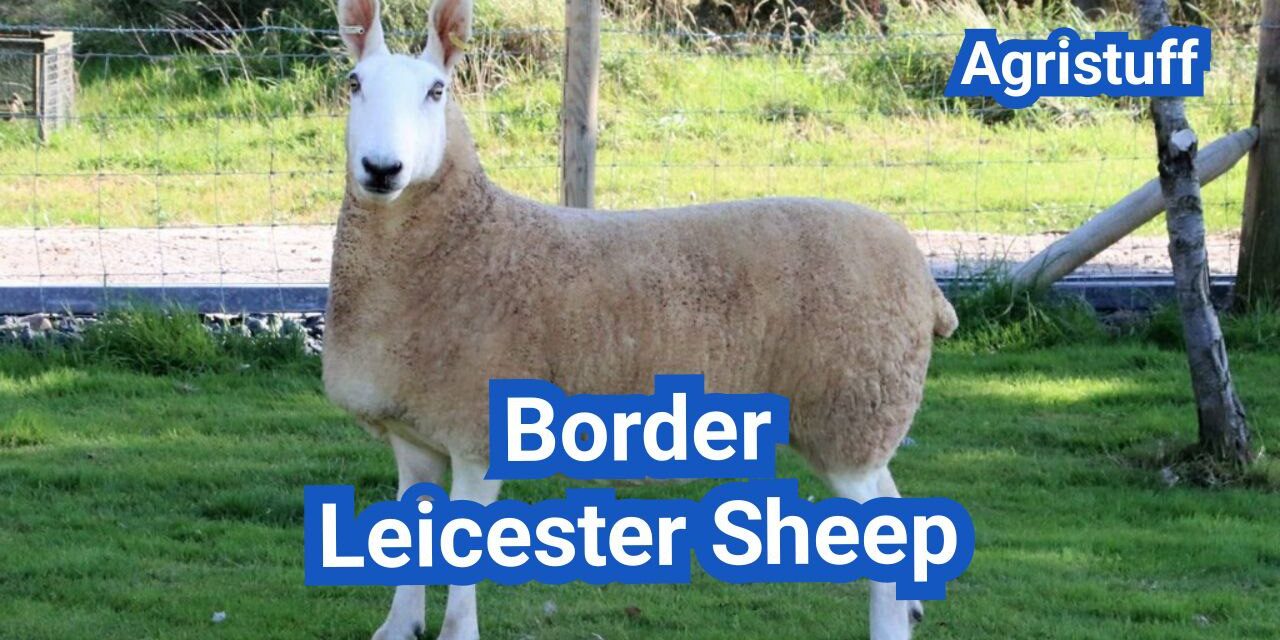
The Border Leicester Sheep is a renowned British breed, celebrated for its distinctive appearance and dual-purpose use in both meat and wool production.
Originating in the Border Region between England and Scotland, this breed has a rich history that reflects the agricultural practices of the region.
Through selective breeding, the Border Leicester has evolved into a robust and versatile sheep breed, prized for its long wool and high-quality meat.
Key Takeaways
- A British breed known for its dual-purpose use.
- Originated in the Border Region of England and Scotland.
- Prized for its long wool and high-quality meat.
- A result of selective breeding practices.
- Robust and versatile in agricultural applications.
The Origin and History of Border Leicester Sheep

Founded by George and Matthew Culley, the Border Leicester Sheep breed emerged in the late 18th century. The breed was developed by crossing Dishley Leicester rams with Teeswater ewes, a practice that began in 1767. This strategic breeding program aimed to create a hardy and well-muscled sheep breed suited to the agricultural needs of the time.
Development in the Border Region
The Border Leicester Sheep was primarily developed in the border region between England and Scotland. This area provided ideal grazing conditions that contributed to the breed’s robustness and adaptability. The unique geography and climate of the region played a significant role in shaping the breed’s characteristics.
The breeders of the time recognized the potential of combining the desirable traits of the Dishley Leicester and Teeswater sheep. Their efforts resulted in a breed that was not only resilient but also productive in terms of both meat and wool.
Evolution of the Breed
Over time, the Border Leicester Sheep underwent significant evolution. Breeders continued to refine the breed, selecting for traits that enhanced its utility and hardiness. The breed became known for its distinctive appearance and its ability to thrive in various farming conditions.
The evolution of the Border Leicester Sheep was marked by its increasing popularity among farmers. Its adaptability to different environments and its productivity made it a sought-after breed for both small and large-scale farming operations.
Key characteristics of the Border Leicester Sheep include its hardiness, muscular build, and high-quality wool production. These traits have made the breed a staple in many agricultural communities.
Border Leicester Sheep in the United States

The early 20th century saw the introduction of Border Leicester Sheep to North America, significantly impacting the sheep industry. This period marked the beginning of their integration into U.S. agriculture, with the 1920 census listing 767 purebred Border Leicester Sheep.
Introduction to North America
The introduction of Border Leicester Sheep to North America was a pivotal moment in the development of the U.S. sheep industry. These sheep brought with them their hardy and well-muscled characteristics, making them an attractive choice for farmers. Their adaptability to various climates and management systems further enhanced their appeal.
Early Adoption: The early adoption of Border Leicester Sheep in the U.S. was driven by their potential for improving local sheep breeds. Farmers were drawn to their robust nature and the quality of their wool.
The American Border Leicester Association
The establishment of the American Border Leicester Association (ABLA) played a crucial role in promoting and preserving the breed in the United States. The ABLA is dedicated to maintaining the breed’s integrity and supporting breeders.
- Registration of purebred animals
- Promotion of breed characteristics
- Support for breeders through resources and networking
The ABLA has been instrumental in the development of breed standards and the registration process, ensuring that the breed maintains its quality and distinctiveness.
Registration and Breed Preservation
Registration is a critical process for maintaining the purity and quality of the Border Leicester breed. The ABLA oversees this process, ensuring that only animals meeting specific breed standards are registered.
Breed Preservation: Efforts to preserve the breed involve not just registration but also selective breeding practices that maintain genetic diversity and breed characteristics.
| Year | Number of Registered Animals |
|---|---|
| 1920 | 767 |
| 2020 | Over 5,000 |
The growth in registered animals reflects the increasing popularity and recognition of the breed’s value in U.S. agriculture.
Physical Characteristics of Border Leicester Sheep

The Border Leicester Sheep is renowned for its striking appearance and robust build. This breed is easily recognizable due to its distinctive physical traits, which have been developed over centuries.
Distinctive Head and Facial Features
One of the most notable features of the Border Leicester Sheep is its head. They have a Roman nose, which is a convex profile that adds to their distinctive appearance. Their face is typically white, and they have a robust jaw and a well-defined muzzle.
Body Structure and Size
Border Leicester Sheep are known for their muscular build and sturdy frame. They have a broad chest and well-sprung ribs, contributing to their overall robust physique. Ewes typically weigh between 150-200 pounds, while rams can weigh up to 250 pounds or more.
Breed Standards and Recognition
The breed standards for Border Leicester Sheep emphasize their unique characteristics, including their fleece, which is long and lustrous. The American Border Leicester Association maintains the breed standards, ensuring consistency across the breed.
| Characteristic | Description | Standard Measurement |
|---|---|---|
| Face Color | White | N/A |
| Nose Profile | Roman Nose | Convex |
| Ewe Weight | Robust | 150-200 pounds |
| Ram Weight | Robust | Up to 250 pounds |
| Fleece Type | Long and Lustrous | N/A |
By adhering to these breed standards, breeders can ensure that their Border Leicester Sheep maintain the high quality and distinctive characteristics that have made this breed so popular.
Border Leicester Wool Characteristics

The Border Leicester breed is renowned for its exceptional wool characteristics, making it a favorite among sheep breeders and textile enthusiasts alike. The wool produced by Border Leicester sheep is highly prized for its longwool properties and pencil locks, which contribute to its unique texture and appearance.
Longwool Properties and Pencil Locks
Border Leicester wool is distinguished by its long, lustrous fibers that form characteristic pencil locks. These locks are a hallmark of the breed’s fleece, giving it a distinctive appearance that is both attractive and indicative of its quality. The longwool properties make it particularly suitable for handspinning and textile production.
The fleece of Border Leicester sheep is known for its softness and lustrous finish, making it a delight to work with for crafters and artisans. The wool’s natural crimp and elasticity add to its value for producing high-quality textiles.
Fleece Micron and Quality Measurements
The micron count of Border Leicester wool typically ranges between 30 and 40 microns, categorizing it as a coarse to medium wool. While it may not be as fine as some other breeds, its unique characteristics make it highly valued for specific applications.
Quality measurements of Border Leicester fleece include assessments of its staple length, strength, and color. The fleece is generally white, though variations can occur. The staple length, which can range from 6 to 12 inches, is a significant factor in its value for handspinning and textile production.
Staple Length and Production Quantities
Border Leicester sheep are known for producing a substantial quantity of wool, with an average annual fleece production that can range from 6 to 10 pounds per sheep. The staple length, as mentioned, is quite long, making it ideal for certain textile applications.
| Characteristic | Average Value | Range |
|---|---|---|
| Fleece Weight | 8 pounds | 6-10 pounds |
| Staple Length | 9 inches | 6-12 inches |
| Micron Count | 35 microns | 30-40 microns |
Value for Handspinning and Textile Production
The unique characteristics of Border Leicester wool make it highly valued for handspinning and various textile applications. Its long staple length, lustrous finish, and durability make it a favorite among handspinners and artisans looking to create high-quality, durable textiles.
In conclusion, the wool characteristics of Border Leicester sheep are truly exceptional, offering a unique combination of quality, durability, and aesthetic appeal that makes it highly sought after in the world of textiles.
Temperament and Behavior of Border Leicester Sheep

One of the standout characteristics of Border Leicester Sheep is their temperament, which is both calm and robust. This breed is known for its friendly and outgoing nature, making them a pleasure to work with.
Docility and Handling Characteristics
Border Leicester Sheep are celebrated for their docility, which simplifies handling and management. Their calm nature makes them an excellent choice for farmers of all experience levels, from beginners to seasoned professionals.
The docile temperament of Border Leicester Sheep also contributes to a safer working environment. They are less likely to become aggressive or panicked, reducing the risk of accidents during handling.
Flock Behavior and Social Structure
Understanding the flock behavior and social structure of Border Leicester Sheep is crucial for effective management. These sheep are highly social animals that thrive in the company of others.
They establish a clear hierarchy within the flock, with dominant individuals leading the way. This social structure helps maintain order and reduces stress among the sheep.
| Characteristics | Description | Benefits |
|---|---|---|
| Docility | Calm and gentle nature | Easier handling and management |
| Social Structure | Clear hierarchy within the flock | Reduces stress among sheep |
| Handling Characteristics | Responsive to gentle handling | Improves farmer-sheep interaction |
Working with Border Leicester Temperament
Working effectively with Border Leicester Sheep requires an understanding of their temperament and behavior. Their calm nature allows for gentle handling techniques, which can improve the overall efficiency of farm operations.
By leveraging their natural docility and social behavior, farmers can create a more harmonious and productive farming environment. This not only benefits the sheep but also enhances the overall farming experience.
How to Select Quality Border Leicester Sheep
The process of selecting quality Border Leicester Sheep involves evaluating several key characteristics. When choosing these sheep, it’s essential to consider factors that impact their overall health, productivity, and suitability for your farm or breeding program.
Evaluating Physical Traits and Conformation
When evaluating the physical traits of Border Leicester Sheep, look for animals with a sturdy build and well-proportioned body. The breed is known for its distinctive head and facial features, including a white face and a Roman nose. Ensure that the sheep have a good fleece coat, as this is a key characteristic of the breed.
Key physical traits to evaluate:
- Body structure and size
- Head and facial features
- Fleece quality and quantity
- Leg structure and hooves
Assessing Health and Vigor
Assessing the health and vigor of Border Leicester Sheep is critical to ensuring you’re selecting high-quality animals. Look for sheep that are alert, active, and free from signs of illness or injury.
Health indicators to check:
- Eyes: bright, clear, and free from discharge
- Nose: clean and free from discharge
- Fleece: clean, well-maintained, and free from parasites
- Hooves: well-formed and free from signs of foot rot
Understanding Border Leicester Sheep Prices
The price of Border Leicester Sheep can vary depending on several factors, including age, quality, breeding, and location. Understanding these factors can help you make informed purchasing decisions.
| Factor | Impact on Price |
|---|---|
| Age | Younger sheep may be less expensive, while mature sheep with proven breeding records may be more costly. |
| Quality | Sheep with superior conformation, fleece quality, and breeding potential command higher prices. |
| Breeding | Sheep with pedigree or from renowned breeding programs may be more expensive. |
| Location | Prices can vary by region due to factors like demand, feed availability, and local market conditions. |
Finding Reputable Breeders
Finding reputable breeders is crucial to acquiring high-quality Border Leicester Sheep. Research potential breeders, ask for references, and visit their farms to assess the health and quality of their sheep.
Tips for finding reputable breeders:
- Check for membership in breed associations
- Ask for health records and breeding information
- Visit the farm to assess the condition and care of the sheep
- Seek recommendations from other breeders or farmers
Setting Up Your Farm for Border Leicester Sheep

Establishing a successful Border Leicester Sheep farm requires careful planning and preparation. To ensure the health and productivity of your sheep, it’s essential to provide the right environment and infrastructure.
Shelter and Space Requirements
Border Leicester Sheep need adequate shelter to protect them from extreme weather conditions. The shelter should be well-ventilated, dry, and free from drafts. A minimum of 10-15 square feet per sheep is recommended.
- Provide adequate ventilation to prevent respiratory issues.
- Ensure the shelter is dry and free from drafts.
- Consider the size of your flock when determining shelter space.
Fencing and Containment Needs
Sturdy fencing is crucial for containing your Border Leicester Sheep and protecting them from predators. The fencing should be at least 4 feet high and made of durable materials such as wood or metal.
Key considerations for fencing:
- Height: at least 4 feet to prevent jumping.
- Material: durable and predator-resistant.
- Maintenance: regular inspections to ensure integrity.
Implementing Rotational Grazing Systems
Rotational grazing is a critical component of sustainable sheep farming. It involves dividing your pasture into smaller sections and rotating your flock to ensure optimal forage utilization and minimize soil erosion.
Benefits of rotational grazing include:
- Improved forage quality and quantity.
- Reduced soil erosion and increased biodiversity.
- Enhanced flock health through reduced parasite loads.
Equipment and Supplies Needed
In addition to shelter and fencing, you’ll need various equipment and supplies to manage your Border Leicester Sheep effectively.
Essential equipment and supplies:
- Feeding and watering equipment.
- Shearing and hoof trimming tools.
- Health management supplies (vaccinations, medications, etc.).
Feeding and Nutrition for Border Leicester Sheep

Border Leicester Sheep require a well-balanced diet to thrive and maintain their characteristic hardiness. As good foragers, they benefit significantly from high-quality pasture, but their nutritional needs extend beyond grazing alone.
Pasture Management for Optimal Health
Effective pasture management is crucial for the health of Border Leicester Sheep. This involves maintaining pastures that are rich in nutrients and ensuring adequate grazing rotation to prevent overgrazing. Rotational grazing not only improves pasture quality but also helps in controlling parasites.
Supplemental Feed Requirements
While pasture is a primary source of nutrition, supplemental feeding is often necessary, especially during periods of poor pasture quality or when nutritional demands are high, such as during late pregnancy or lactation. The quality and quantity of supplemental feed should be based on the sheep’s nutritional needs and production stage.
Seasonal Nutritional Considerations
The nutritional requirements of Border Leicester Sheep can vary significantly with the seasons. For instance, during winter, when pasture is scarce, additional hay or silage may be necessary. Conversely, during lush spring growth, careful management is needed to prevent overconsumption of rich grasses.
Water Requirements and Management
Adequate access to clean water is essential for the health of Border Leicester Sheep. Water intake can vary based on factors like climate, diet, and production stage. Ensuring that water sources are clean and accessible is a critical aspect of their nutritional management.
In conclusion, the nutritional needs of Border Leicester Sheep are multifaceted and require careful management. By focusing on pasture quality, appropriate supplemental feeding, seasonal adjustments, and adequate water supply, farmers can ensure the optimal health and productivity of their flock.
How to Breed Border Leicester Sheep Successfully

Breeding Border Leicester Sheep requires a comprehensive approach to achieve success. This involves careful selection of ewes and rams, as well as proper breeding schedules and lambing assistance techniques.
Ewe Selection and Maternal Traits
Selecting the right ewes is crucial for a successful breeding program. Ewes should be chosen based on their maternal traits, including their ability to produce milk, their lambing ease, and their overall health.
Maternal Traits to Consider:
- Lambing history
- Milk production
- Overall health and vigor
Ram Breeding Soundness Evaluation
Ram selection is equally important, as it directly impacts the genetic quality of the flock. A breeding soundness evaluation (BSE) should be conducted to assess the ram’s fertility and breeding potential.
Components of a Breeding Soundness Evaluation:
| Component | Description |
|---|---|
| Physical Examination | Assessment of the ram’s overall health and physical condition. |
| Semen Evaluation | Analysis of semen quality, including motility and morphology. |
| Scrotal Circumference Measurement | Measurement of scrotal circumference to assess testicular development. |
Breeding Schedules and Management
Establishing a breeding schedule is critical to manage the flock effectively. This includes deciding on the breeding season, managing the ram-to-ewe ratio, and monitoring breeding activity.
Breeding Season Considerations:
- Length of the breeding season
- Ram-to-ewe ratio
- Breeding activity monitoring
Lambing Ease and Assistance Techniques
Lambing is a critical period that requires careful monitoring and assistance when necessary. Understanding lambing ease and having techniques for assistance can significantly improve lamb survival rates.
Lambing Assistance Techniques:
- Monitoring ewes for signs of labor
- Assisting with difficult births
- Providing post-lambing care to ewes and lambs
Lamb Care and Growth Management

The early stages of a lamb’s life are critical, and proper care can significantly impact their growth. Ensuring the health and well-being of Border Leicester lambs from birth to weaning is vital for their development into strong, healthy sheep.
Newborn Lamb Care Protocols
Newborn lamb care involves several critical steps. First, it’s essential to ensure that the lamb is breathing properly and is dried off quickly after birth to prevent hypothermia. Adequate colostrum intake within the first hour of life is crucial for providing the lamb with necessary antibodies.
Monitoring for any signs of illness or distress and ensuring the lamb is able to nurse is also vital. This may involve assisting the lamb to find the teat or providing supplemental colostrum if the ewe is unable to produce enough.
Growth Rate Expectations and Monitoring
Border Leicester lambs are known for their rapid growth rate. On average, a healthy lamb should gain between 0.5 to 1 pound per day. Regular weighing and monitoring of the lamb’s condition are essential to ensure they are on track and to identify any potential issues early.
Growth rates can be influenced by factors such as nutrition, genetics, and health. Adjusting feeding practices or addressing health issues promptly can help maintain optimal growth rates.
Weaning Practices for Border Leicester Lambs
Weaning is a critical period in a lamb’s life. For Border Leicester lambs, weaning typically occurs between 6 to 8 weeks of age. It’s essential to wean lambs gradually to minimize stress, which can involve reducing the ewe’s milk production gradually before complete separation.
Providing high-quality feed and ensuring access to clean water is crucial post-weaning. Monitoring for signs of stress or illness during this period is also important.
Marketing Your Border Leicester Lambs
Marketing lambs effectively requires understanding the target market and the value proposition of Border Leicester sheep. Highlighting their superior growth rates and hardiness can attract potential buyers.
Utilizing online platforms, agricultural shows, and local farming networks can help in reaching potential customers. Providing detailed information about the lambs’ breeding, health records, and growth rates can build trust with buyers.
| Age | Average Weight | Growth Stage |
|---|---|---|
| Birth | 8-10 lbs | Newborn |
| 6 weeks | 40-50 lbs | Pre-weaning |
| 3 months | 70-80 lbs | Post-weaning |
Health Management and Disease Prevention
Effective health management is crucial for maintaining the well-being of Border Leicester Sheep. Regular monitoring and preventive measures can significantly reduce the risk of diseases.
Parasite Control Using FAMACHA System
The FAMACHA system is a valuable tool for managing internal parasites in sheep. It involves checking the color of the conjunctiva to assess the level of anemia caused by parasites. Regular FAMACHA checks help in early detection and treatment, thus preventing severe parasite infestations.
Foot Rot Prevention and Treatment
Foot rot is a common issue in sheep that can lead to significant discomfort and economic loss. Prevention involves maintaining clean living conditions and regular foot trimming. Treatment includes the use of antibiotics and topical treatments.
Vaccination Schedules and Health Monitoring
Vaccinations play a critical role in preventing diseases in Border Leicester Sheep. A well-planned vaccination schedule, combined with regular health monitoring, helps in early detection of health issues.
Scrapie Tag Identification Requirements
Scrapie tag identification is mandatory for sheep to track and manage scrapie, a fatal neurological disease. Understanding and complying with scrapie tag regulations is essential for sheep breeders.
Here is a summary of key health management practices for Border Leicester Sheep:
| Health Practice | Description | Frequency |
|---|---|---|
| FAMACHA Checks | Monitoring for internal parasites | Monthly |
| Foot Trimming | Preventing foot rot | Quarterly |
| Vaccinations | Preventing diseases | As per schedule |
| Scrapie Tagging | Identifying sheep for scrapie tracking | Once in lifetime |
Harvesting and Processing Border Leicester Wool
Harvesting and processing wool from Border Leicester sheep involves several steps that are essential for producing high-quality fiber. The breed is known for its exceptional wool, which is highly valued for its softness, luster, and durability.
Shearing Techniques and Timing
Shearing is a critical step in wool harvesting. It is typically done once a year, in the spring, when the weather begins to warm up. The shearing process should be carried out by experienced shearers who can minimize stress on the animal and ensure the wool is cut cleanly to maximize its value.
Best Practices for Shearing:
- Shear during the cooler part of the day to reduce stress on the sheep.
- Use clean and well-maintained shearing equipment.
- Handle the sheep gently to avoid injury.
Wool Preparation and Sorting
After shearing, the wool must be prepared and sorted. This involves skirting the fleece to remove dirty or matted parts, and then sorting the wool into different grades based on its quality and characteristics.
Key Considerations for Wool Preparation:
- Remove any stained or damaged wool to improve overall quality.
- Sort wool into categories based on fiber length, color, and softness.
- Store the sorted wool in a clean, dry environment to prevent contamination.
Processing Options for Handspinners
Border Leicester wool is highly prized by handspinners due to its excellent spinning properties. Processing options include carding or combing the wool to align the fibers, making it ready for spinning into yarn.
| Processing Method | Description | Benefit |
|---|---|---|
| Carding | Aligns fibers using carding machines. | Produces a smooth, consistent yarn. |
| Combing | Separates and aligns fibers using combs. | Removes impurities, producing a high-quality yarn. |
Marketing Your Border Leicester Wool
To capitalize on the value of your Border Leicester wool, effective marketing strategies are essential. This can include selling directly to handspinners, textile manufacturers, or through online marketplaces.
Marketing Tips:
- Highlight the unique qualities of Border Leicester wool in your marketing materials.
- Utilize social media and online platforms to reach potential buyers.
- Consider participating in fiber festivals or local craft events to showcase your wool.
Commercial Uses of Border Leicester Sheep

The versatility of Border Leicester Sheep makes them invaluable for various commercial applications. Their adaptability and robust characteristics have made them a popular choice among farmers and breeders for multiple purposes.
Meat Production Qualities and Market Value
Border Leicester Sheep are recognized for their excellent meat production qualities. They are known for producing high-quality lamb that is sought after in the market. The breed’s fast growth rate and ability to thrive on various diets make them an attractive choice for meat production.
- Rapid Growth Rate: Border Leicester lambs grow quickly, making them ready for market sooner.
- High-Quality Meat: The breed is known for producing tender and flavorful meat.
- Market Demand: There is a strong demand for lamb from Border Leicester Sheep due to their quality.
Wool Production and Marketing
In addition to meat production, Border Leicester Sheep are valued for their wool. The breed produces longwool that is highly prized for its quality and characteristics.
The wool from Border Leicester Sheep is used in various textile applications, including handspinning and commercial textile production. The fleece is known for its softness, durability, and crimp, making it highly sought after.
Breeding Stock and Genetic Improvement
Border Leicester Sheep are also used as breeding stock to improve other breeds. Their genetic traits, such as hardiness and fertility, make them an excellent choice for cross-breeding programs.
- They are used to improve the hardiness of other breeds.
- Their fertility traits are highly valued in breeding programs.
- Border Leicester Sheep contribute to the genetic diversity of sheep populations.
Sustainable Farming Integration
Border Leicester Sheep can be integrated into sustainable farming systems due to their adaptability and hardiness. They can thrive on diverse pasture types and are relatively low maintenance.
This makes them an excellent choice for farmers looking to adopt more sustainable practices. Their ability to contribute to meat and wool production while maintaining land health is a significant advantage.
Is the Border Leicester Sheep Right for You?
Deciding to raise Border Leicester Sheep requires careful consideration of your specific needs and resources. This breed offers numerous benefits, including high-quality wool, excellent meat production, and robust breeding stock.
To determine if Border Leicester Sheep are suitable for your farm or operation, consider factors such as available land, climate, and market demand. Their hardiness and adaptability make them a viable option for various environments.
By understanding the characteristics, breeding, and management of Border Leicester Sheep, you can make an informed decision about their suitability. Assess your resources, evaluate market opportunities, and consider the breed’s potential to meet your production goals.
Ultimately, the Border Leicester Sheep can be a valuable addition to your agricultural enterprise, providing a range of products and opportunities for sustainable farming practices.
FAQ
What is the origin of the Border Leicester Sheep breed?
The Border Leicester Sheep breed originated in the Border Region of England and Scotland in the late 18th century.
What are the physical characteristics of Border Leicester Sheep?
Border Leicester Sheep are known for their distinctive head and facial features, muscular body structure, and longwool fleece.
What is the temperament of Border Leicester Sheep?
Border Leicester Sheep are known for their docility and are considered easy to handle, making them a great choice for farmers of all experience levels.
How do I select quality Border Leicester Sheep?
To select quality Border Leicester Sheep, evaluate their physical traits, assess their health and vigor, and research reputable breeders.
What are the nutritional requirements of Border Leicester Sheep?
Border Leicester Sheep require a balanced diet that includes high-quality pasture, supplemental feed as needed, and access to clean water.
How do I breed Border Leicester Sheep successfully?
To breed Border Leicester Sheep successfully, select ewes with strong maternal traits, evaluate ram breeding soundness, and manage breeding schedules carefully.
What are the key factors in lamb care and growth management?
Key factors in lamb care and growth management include providing proper newborn care, monitoring growth rates, and implementing effective weaning practices.
How do I manage health and disease prevention in Border Leicester Sheep?
To manage health and disease prevention, implement parasite control using the FAMACHA system, prevent foot rot, and follow vaccination schedules.
What are the commercial uses of Border Leicester Sheep?
Border Leicester Sheep are valued for their meat and wool production, breeding stock, and integration into sustainable farming systems.
How do I harvest and process Border Leicester wool?
To harvest and process Border Leicester wool, use proper shearing techniques, prepare and sort wool, and consider processing options for handspinners.
Is the Border Leicester Sheep breed suitable for my farm?
The suitability of the Border Leicester Sheep breed for your farm depends on your specific needs, resources, and experience level.
What is the average price of Border Leicester Sheep?
The price of Border Leicester Sheep varies depending on factors such as age, quality, and breeding.
How do I register my Border Leicester Sheep with the American Border Leicester Association?
To register your Border Leicester Sheep, contact the American Border Leicester Association and follow their registration process.
Conclusion of: Border Leicester Sheep Breed
Border Leicester Sheep overview: what this breed is known for
The Border Leicester Sheep is a large, white-faced longwool breed admired for its tall, upstanding frame, bright alert ears, and a distinctive “Roman nose” profile. Border Leicester Sheep are often chosen for their calm handling traits, productive mothering ability in ewes, and a fleece that appeals to fiber markets because it grows long, lustrous, and easy-to-separate in locks. In the United States, Border Leicester Sheep can fit small homesteads that want friendly, manageable animals and also fit goal-driven flocks that want efficient crossbred ewes and vigorous lambs. Oklahoma State University breed profile for Border Leicester Sheep
Border Leicester Sheep quick facts: size, type, and what farmers typically produce
The Border Leicester Sheep is generally considered a dual-purpose breed, meaning Border Leicester Sheep can be used for both wool and meat, with many farms also selling registered breeding stock or show animals. You’ll often see Border Leicester Sheep described as tall and long-bodied, with a clean white face and legs, strong bone, and a fleece that grows in long staples. While performance varies by bloodline, climate, and feeding program, the breed’s reputation rests on steady productivity and a balanced combination of fleece value plus practical flock utility. American Border Leicester Association overview of the Border Leicester Sheep
Border Leicester Sheep history: where the breed began
The Border Leicester Sheep developed in the United Kingdom near the border regions of England and Scotland, and breed histories connect its improvement to the broader “improved Leicester” movement that shaped many modern livestock breeding approaches. Border Leicester Sheep became established as a distinct longwool type prized for body size, fleece length, and usefulness as a crossing sire. Over time, Border Leicester Sheep spread beyond the British Isles as producers recognized the breed’s ability to create productive crossbred ewe lines and add value to wool and lamb enterprises. Rare Breeds Survival Trust notes on Border Leicester Sheep background
Border Leicester Sheep in modern sheep industries: why the “crossing sire” reputation matters
One reason Border Leicester Sheep remain relevant is their long-standing reputation as a “crossing sire” that helps create strong commercial ewe bases. In systems where producers want hardy maternal ewes but also want better lamb growth and a calmer, more manageable flock, Border Leicester Sheep are often used to produce crossbred females with improved mothering ability and higher productivity. Even if you never plan to run purebred Border Leicester Sheep, the breed’s influence can show up in crossbred programs designed to balance lamb output, ewe longevity, and handling ease. New Zealand Sheepbreeders Association description of Border Leicester Sheep use
Border Leicester Sheep appearance: head, ears, frame, and the “look” breeders want
A good Border Leicester Sheep should look athletic and structurally correct, not just large. Border Leicester Sheep are commonly described as white-faced with a strong head, a slightly arched nose profile, bright eyes, and upright ears that give the animal a bold, alert expression. In the body, Border Leicester Sheep should show length, good rib capacity, and a level top line, with legs set squarely to support movement on pasture. Correct mouths and sound feet are especially important in Border Leicester Sheep because they protect grazing ability and long-term flock productivity. Breed description from the Border Leicester Sheep Breeders Society
Border Leicester Sheep temperament: what “docile” should mean in real farm work
Border Leicester Sheep are frequently described as calm and easy to handle, which matters more than many beginners realize. With Border Leicester Sheep, calmer behavior can reduce stress during sorting, hoof trimming, shearing, and lambing checks, and it can make facilities feel “big enough” because animals flow more smoothly through gates and pens. Still, Border Leicester Sheep respond best to consistent routines and low-stress stockmanship, because any sheep—no matter the breed—can become flighty if it is chased, crowded, or mishandled. Penn State Extension guidance on handling sheep safely
Border Leicester Sheep wool: luster, staple length, and why spinners seek it out
The Border Leicester Sheep fleece is a major reason many farms keep the breed, especially fiber-focused operations. Border Leicester Sheep are known for long, lustrous locks that often separate cleanly and take dye well, which is why handspinners and fiber artists often look for this wool. For Border Leicester Sheep producers, fleece value rises when the clip is clean, uniform, and free from excess vegetable matter, so pasture management and bedding choices can directly affect the final product. A consistent shearing schedule, careful storage, and honest labeling help Border Leicester Sheep wool sellers build trust with repeat buyers. British Wool information on marketing and wool value
Border Leicester Sheep for meat: where lamb value fits into the picture
Even when Border Leicester Sheep are raised primarily for wool or breeding stock, lamb value still matters because lamb sales often support the farm’s yearly cash flow. Border Leicester Sheep lambs can grow well when nutrition and health management are strong, and the breed’s size can be useful for producing market lambs or adding frame to crossbred lambs. In the U.S., knowing how lamb is described, sorted, and graded can help Border Leicester Sheep producers align finishing weights and marketing timing with buyer expectations. USDA lamb grades and standards
Border Leicester Sheep adaptation: climate, pasture, and management expectations
Border Leicester Sheep can perform in many regions, but the best results come when Border Leicester Sheep management matches local challenges like heat stress, internal parasites, and forage quality. In hotter or more humid U.S. areas, Border Leicester Sheep may need shade, clean water access, and stronger parasite monitoring to protect performance. In colder climates, Border Leicester Sheep generally benefit from wind protection and dry footing, especially during lambing and winter feeding. No breed is “set and forget,” so Border Leicester Sheep owners should plan a system that keeps sheep comfortable while preventing the biggest health setbacks. University of Minnesota Extension on sheep management in cold climates
Border Leicester Sheep housing: simple shelters that prevent expensive problems
Border Leicester Sheep housing does not need to be complicated, but it should prevent the common problems that cost money: wet bedding, poor ventilation, and overcrowding. Border Leicester Sheep do well with clean, dry resting areas, airflow that removes moisture without creating drafts, and enough space to reduce stress and disease spread. During lambing, Border Leicester Sheep benefit from a well-planned pen system that supports bonding and allows quick assistance when needed. A simple shed, good bedding management, and smart pen design can improve Border Leicester Sheep welfare while also reducing labor. Oklahoma State University Extension on sheep housing and facilities
Border Leicester Sheep nutrition basics: building the flock around forage
Most profitable Border Leicester Sheep systems treat pasture as the foundation and use stored feed or grain strategically. Border Leicester Sheep do best when diets are matched to life stage—maintenance, breeding, late pregnancy, lactation, or growth—because each stage has different energy and protein needs. Border Leicester Sheep body condition scoring is a practical tool to adjust feeding before issues show up as poor conception, weak lambs, or thin ewes. Minerals and clean water also matter for Border Leicester Sheep, since deficiencies can reduce growth, fertility, and fleece quality. University of Minnesota Extension guide to sheep nutrition
Border Leicester Sheep breeding season planning: set goals before you set rams
Border Leicester Sheep breeding should begin with a clear goal: do you want purebred replacements, crossbred ewe lambs, or market lambs? With Border Leicester Sheep, the breeding calendar often revolves around forage availability, winter feed costs, and labor, because those factors shape lambing dates and weaning strategies. Preparing Border Leicester Sheep for breeding typically includes improving body condition where needed, checking health status, and making sure replacements are mature enough to breed safely. When Border Leicester Sheep breeding is planned on purpose, lambing becomes more predictable and the whole season runs smoother. University of Missouri Extension on sheep reproduction and breeding management
Border Leicester Sheep ram management: fertility and soundness are non-negotiable
Border Leicester Sheep rams contribute a huge share of flock genetics, so their management is a major “profit lever.” Border Leicester Sheep ram preparation usually includes checking body condition, feet and legs, parasite status, and overall fitness well before the breeding season. Producers also pay attention to breeding group size, especially for younger Border Leicester Sheep rams, because overworking a ram can reduce lamb crop results. Keeping breeding records helps Border Leicester Sheep farms learn which sires actually deliver lamb vigor, growth, and flock-friendly traits in real conditions. Michigan State University Extension on preparing rams for breeding
Border Leicester Sheep pregnancy feeding: protecting lamb vigor and ewe health
Late pregnancy is a high-risk time in Border Leicester Sheep production because fetal growth accelerates while rumen space decreases, so ewes need nutrient-dense feed without sudden changes. Border Leicester Sheep carrying multiple lambs need extra energy and protein, and underfeeding can lead to weak lambs, reduced colostrum quality, and higher losses. Overfeeding, on the other hand, can increase lambing difficulty and waste expensive feed. Successful Border Leicester Sheep programs use body condition scoring, steady ration changes, and forage testing when possible to keep nutrition aligned with ewe needs. Penn State Extension on feeding ewes through pregnancy and lactation
Border Leicester Sheep lambing setup: clean pens, calm checks, and fast action when needed
Border Leicester Sheep lambing success often depends on preparation more than luck. A clean, dry lambing area reduces disease risk, while a well-organized supply kit helps Border Leicester Sheep producers respond quickly to chilled lambs, slow nursing, or difficult deliveries. Many Border Leicester Sheep flocks benefit from individual bonding pens to help ewes recognize lambs, especially when lambing indoors. Good recordkeeping at lambing—birth dates, litter size, and any assistance—helps Border Leicester Sheep farms improve selection decisions over time. NC State Extension lambing guidance for small ruminants
Border Leicester Sheep health planning: vaccination and prevention over crisis treatment
Border Leicester Sheep health programs usually focus on prevention: a consistent vaccination plan, parasite monitoring, clean water, and biosecurity for new arrivals. Border Leicester Sheep commonly need protection against clostridial diseases, and many farms coordinate vaccination timing with lambing and weaning to protect both ewes and lambs. Working with a local veterinarian helps Border Leicester Sheep owners choose protocols that match regional disease pressure and flock goals. The best Border Leicester Sheep health systems are simple, repeatable, and supported by written records that make problems easier to solve. Merck Veterinary Manual overview of sheep health management
Border Leicester Sheep parasites: targeted treatment and the FAMACHA approach
Internal parasites can be one of the biggest performance threats to Border Leicester Sheep, especially in warm, humid regions where barber pole worm pressure is high. Border Leicester Sheep producers increasingly use targeted selective treatment rather than blanket deworming, because drug resistance is a real and growing issue. FAMACHA scoring is one tool Border Leicester Sheep farms use to identify animals likely suffering anemia from parasites, especially when combined with fecal testing and pasture management. When Border Leicester Sheep parasite control is proactive, lamb growth improves and ewe body condition is easier to maintain. FAMACHA information and training resources
Border Leicester Sheep foot health: preventing lameness that steals pasture performance
Foot problems can quietly drain Border Leicester Sheep profits through reduced grazing time, lower weight gains, and poorer conception. Border Leicester Sheep do best on dry footing, with routine observation so early lameness is treated before it spreads. Foot rot and related issues often connect to wet, muddy conditions and movement of animals between farms, so Border Leicester Sheep biosecurity and quarantine procedures matter. A practical Border Leicester Sheep foot health plan includes keeping high-traffic areas dry, trimming carefully when needed, and following evidence-based treatment guidance. Oklahoma State University Extension on foot rot control
Border Leicester Sheep grazing strategy: rotational grazing for forage and flock health
Rotational grazing can make Border Leicester Sheep systems more efficient by improving forage utilization and reducing overgrazing. Border Leicester Sheep producers often use simple paddock rotations to keep sheep on fresher feed while allowing plants time to recover, which supports stronger pasture stands over time. Rotations can also help Border Leicester Sheep parasite control because moving sheep before pastures are grazed too low can reduce exposure to larvae near the soil surface. When Border Leicester Sheep grazing is managed well, it supports better body condition, cleaner fleeces, and more predictable feed costs. USDA NRCS rotational grazing guide (PDF)
Border Leicester Sheep predator protection: reduce losses with layered defense
Predator management is a real-world requirement for many Border Leicester Sheep farms, especially during lambing and early turnout. Border Leicester Sheep losses can be reduced through layered strategies like sound fencing, pasture choices that increase visibility, secure night pens, and—where appropriate—livestock guardian animals. Border Leicester Sheep producers often see the biggest benefits when they plan prevention before losses occur, because reacting after predators learn a location is harder. A practical Border Leicester Sheep approach treats predator protection as part of the production plan, not an emergency add-on. USDA APHIS guidance on protecting livestock from predators
Border Leicester Sheep shearing and fleece handling: turning a clip into a product
Border Leicester Sheep wool value rises when fleeces are handled like a premium product. Border Leicester Sheep producers typically skirt fleeces to remove lower-quality edges, keep fleeces dry and clean, and store them in breathable packaging to prevent mildew and off-odors. If Border Leicester Sheep fleece is sold to handspinners, providing honest notes about staple length, softness, and cleanliness can improve repeat sales. Good shearing timing—often once per year—also supports Border Leicester Sheep comfort and helps prevent heavy fleece loads in warm weather. American Sheep Industry Association resources on shearing
Border Leicester Sheep marketing: lamb, wool, and breeding stock as separate income streams
Border Leicester Sheep farms often do best when they choose a clear marketing path and then manage toward it. Border Leicester Sheep can be marketed as freezer lamb, finished lambs, registered breeding stock, show animals, raw fleeces, or value-added fiber products like roving and yarn. Each market rewards different strengths, so Border Leicester Sheep producers should study local demand, seasonal pricing, and buyer preferences before building infrastructure. For many Border Leicester Sheep operations, transparent communication, consistent quality, and good records are what turn a one-time buyer into a long-term customer. American Sheep Industry Association market information hub
Border Leicester Sheep registration and breed community: why associations help
Border Leicester Sheep associations help maintain breed records, promote breeder connections, and provide education that supports better flock improvement decisions. If you plan to sell registered Border Leicester Sheep or advertise breeding stock nationally, association registration can add credibility and create clearer value for buyers. Border Leicester Sheep communities also share practical knowledge about show standards, fleece handling, and bloodline strengths, which can shorten the learning curve for new producers. Even if your Border Leicester Sheep goals are mostly commercial, breed resources can still guide selection priorities and management choices. American Border Leicester Association main website
Border Leicester Sheep in the United States: identification and movement considerations
Border Leicester Sheep producers in the U.S. should understand official identification rules that may apply to sales, shows, and interstate movement. Border Leicester Sheep are often subject to official sheep and goat identification requirements tied to scrapie disease control, and using compliant tags plus good records can prevent costly problems later. Even small Border Leicester Sheep farms benefit from clear IDs because they make health tracking, breeding records, and customer communication easier. When Border Leicester Sheep are managed with compliant identification and documentation, the farm is better positioned to grow into wider markets. USDA APHIS information on sheep and goat identification (scrapie tags)
Border Leicester Sheep buying tips: what to ask before you invest
When purchasing Border Leicester Sheep, ask questions that reveal real performance, not just appearance. A smart Border Leicester Sheep checklist includes: vaccination and parasite history, feet and mouth status, lambing records for ewes, fleece notes, and how animals handle in a working environment. Border Leicester Sheep buyers should also ask about the farm’s management system—pasture-based, drylot, or mixed—because sheep often perform best when they move into a similar system. If possible, request photos or videos of Border Leicester Sheep walking, because movement can reveal structural issues that are easy to miss in a still picture. University of Georgia Extension on buying and selecting sheep
Border Leicester Sheep recordkeeping: the simplest way to improve year after year
Recordkeeping turns Border Leicester Sheep from “nice animals” into a measurable production system. Border Leicester Sheep records can be simple—lambing dates, litter size, weaning weights, health treatments, and fleece notes—but those basics quickly show which ewes are the most productive and which rams are truly improving the flock. Over time, Border Leicester Sheep producers can use records to tighten breeding windows, reduce problem lines, and market breeding stock with more credibility. Good Border Leicester Sheep records also help with budgeting, because you can connect feed costs and health inputs to real outcomes. Penn State Extension on recordkeeping for sheep operations
Final thought
The Border Leicester Sheep has earned its place by being genuinely useful: Border Leicester Sheep combine a valuable longwool fleece with practical flock traits like calm handling and strong maternal potential, and they also offer proven value in crossbreeding systems. If you match Border Leicester Sheep to your region and your goals—whether fiber, meat, breeding stock, or a balanced mix—and you run strong basics in nutrition, parasites, feet, and records, the breed can be both enjoyable and profitable to raise. FAO breed resources and livestock data tools
Sources & References
The Border Leicester Sheep information in this article was developed using reputable livestock and extension resources for breed background, health, nutrition, and management best practices.
- Border Leicester Sheep breed overview and characteristics: Oklahoma State University (Breeds of Livestock)
- Border Leicester Sheep breed community and education: American Border Leicester Association
- Border Leicester Sheep historical notes and conservation context: Rare Breeds Survival Trust
- Border Leicester Sheep crossing-sire and production use notes: New Zealand Sheepbreeders Association
- Border Leicester Sheep meat marketing language and standards: USDA AMS lamb grades
- Border Leicester Sheep breeding season management: University of Missouri Extension
- Border Leicester Sheep ram preparation and breeding readiness: Michigan State University Extension
- Border Leicester Sheep lambing fundamentals: NC State Extension lambing guide
- Border Leicester Sheep parasite monitoring and FAMACHA: FAMACHA resources
- Border Leicester Sheep foot rot prevention: OSU Extension foot rot control
- Border Leicester Sheep rotational grazing planning: USDA NRCS rotational grazing (PDF)
- Border Leicester Sheep predator protection basics: USDA APHIS predator protection
- Border Leicester Sheep identification requirements (scrapie tags): USDA APHIS official ID