The Bluefaced Leicester is a notable British breed of longwool sheep that originated in north-east England during the late nineteenth or early twentieth century.
This breed is recognized for its distinctive characteristics and rich history. The Bluefaced Leicester Sheep has become a prominent breed due to its unique features and versatility.
Understanding the history, origin, and characteristics of this breed is essential for appreciating its significance in the agricultural sector.
Key Takeaways
- Originated in north-east England in the late 19th or early 20th century
- Notable British breed of longwool sheep
- Recognized for its distinctive characteristics and rich history
- Prominent breed due to its unique features and versatility
- Significant in the agricultural sector
The Distinctive World of Bluefaced Leicester Sheep

The Bluefaced Leicester breed stands out in the sheep farming world due to its unique characteristics and versatility. Known for their high-quality wool and used as a terminal sire to produce mules, Bluefaced Leicester Sheep have become an integral part of modern sheep farming practices.
What Makes This Longwool Breed Special
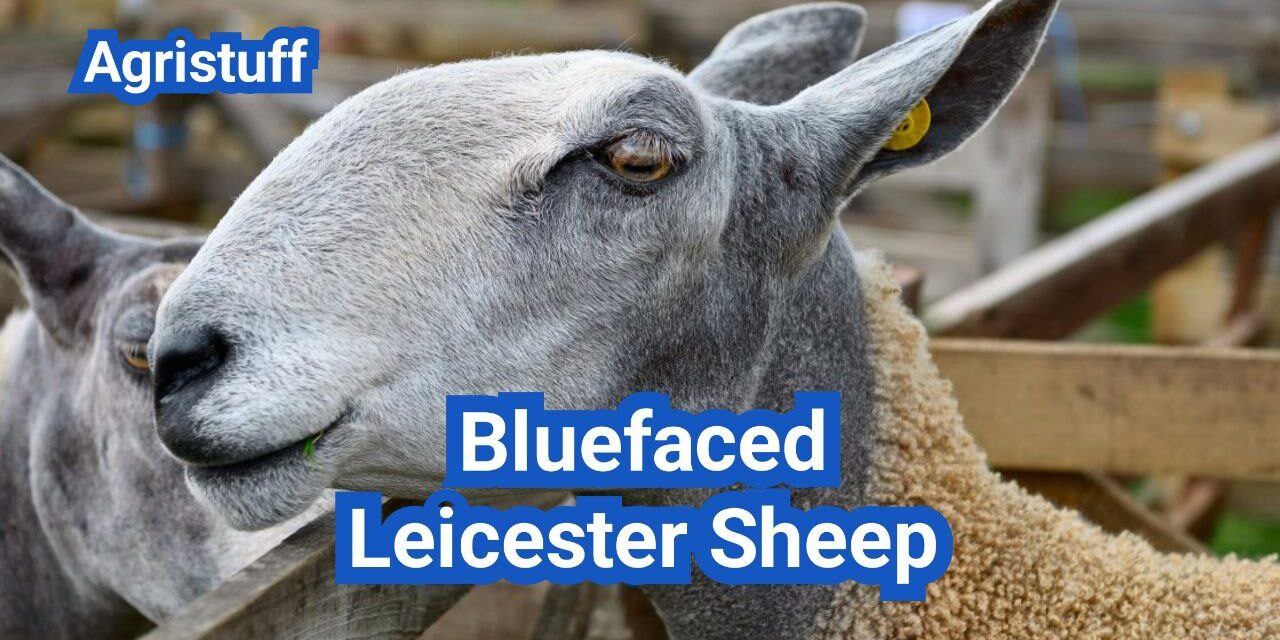
Bluefaced Leicester Sheep are distinguished by their exceptional wool quality and robust health. Their longwool fleece is highly prized for its softness, fineness, and length, making it ideal for producing high-quality yarn. The breed’s distinctive facial features, including a blue-gray face and ears, set it apart from other sheep breeds.
Their ability to thrive in various environments and their hardiness make them a popular choice among sheep farmers. Additionally, Bluefaced Leicester Sheep are known for their fertility and prolificacy, which are crucial factors in successful breeding programs.
Role in Modern Sheep Farming
In modern sheep farming, Bluefaced Leicester Sheep play a vital role as a terminal sire in crossbreeding programs. They are often used to produce mules, which are highly valued for their hardiness and productivity. The Bluefaced Leicester breed’s genetic traits contribute to the vigor and fertility of the offspring, making them an essential component of many commercial sheep farming operations.
Their role extends beyond breeding; Bluefaced Leicester Sheep are also recognized for their premium wool production. The fleece is not only used for yarn production but also for creating high-quality textiles. As a result, farmers can benefit from multiple revenue streams, including the sale of breeding stock, lambs, and wool products.
History and Origin of Bluefaced Leicester Sheep

With roots tracing back to the Border Leicester breed, Bluefaced Leicester sheep emerged as a distinct breed in the late 1800s or early 1900s. This development was primarily in north-east England, where farmers sought to create a hardy, versatile sheep breed.
Development in Northern England
The Bluefaced Leicester breed was developed by crossing the white-faced Border Leicester with other local breeds. This crossbreeding aimed to enhance certain characteristics, such as hardiness, fleece quality, and fertility. The result was a sheep that thrived in the challenging climate of Northern England.
The breed gained popularity due to its exceptional maternal traits and the quality of its wool. Farmers in the region appreciated the Bluefaced Leicester for its ability to produce high-quality lambs when crossed with other breeds.
Evolution of the Breed Standard
Over time, the breed standard for Bluefaced Leicester sheep has evolved. Breeders have selectively bred the sheep to emphasize desirable traits, such as a distinctive blue face, robust health, and superior fleece. The breed standard now includes specific criteria for the sheep’s appearance, size, and fleece quality.
The evolution of the breed standard has been crucial in maintaining the breed’s integrity and ensuring its continued success in various agricultural settings. Today, the Bluefaced Leicester is recognized for its unique characteristics and its contribution to the sheep farming industry.
By understanding the history and development of the Bluefaced Leicester breed, farmers and enthusiasts can appreciate the breed’s value and potential in modern sheep farming.
Physical Characteristics of Bluefaced Leicester Sheep

Characterized by their blue faces and longwool fleece, Bluefaced Leicester Sheep have a distinct appearance that contributes to their popularity among sheep breeders. Their physical characteristics make them well-suited for various agricultural purposes.
Distinctive Facial Features and Body Structure
Bluefaced Leicester Sheep are recognized by their blue-gray facial coloring, which gives them their name. They have a long, level topline and a sturdy body structure, contributing to their overall robust appearance. Their upright ears and prominent eyes add to their distinctive look.
Their body structure is designed for strength and agility, with a deep chest and well-sprung ribs. This build supports their overall health and productivity.
Weight and Size Specifications
Bluefaced Leicester Sheep are considered a large breed. Mature rams typically weigh between 250-350 pounds, while ewes usually range from 150-250 pounds. Their size contributes to their ability to produce substantial amounts of wool and meat.
- Mature rams: 250-350 pounds
- Mature ewes: 150-250 pounds
Coat and Fleece Properties
The longwool fleece of Bluefaced Leicester Sheep is one of their most valuable assets. Their coat is characterized by long, lustrous fibers that are highly prized for textile production. The fleece is known for its softness, durability, and crimp, making it ideal for creating high-quality yarns.
The fleece properties include:
- Long, lustrous fibers
- Softness
- Durability
- Crimp
These characteristics make Bluefaced Leicester wool highly sought after in the textile industry.
Temperament and Behavior Traits

With their bright and alert nature, Bluefaced Leicester Sheep demonstrate fascinating temperament and behavior characteristics. These traits are essential for farmers and breeders to understand, as they significantly impact the management and productivity of the flock.
Personality and Handling Characteristics
Bluefaced Leicester Sheep are known for their friendly and outgoing personalities. They are generally easy to handle, making them a good choice for farmers who are new to sheep breeding. Their intelligence and alertness mean they respond well to gentle, consistent handling practices. As one breeder noted,
“Bluefaced Leicesters are among the most tractable sheep I’ve worked with; they’re intelligent and cooperative.”
The breed’s temperament is characterized by a calm demeanor, although they can be lively, especially during feeding times or when interacting with each other. This natural energy and vitality contribute to their overall hardiness and robustness.
Flock Dynamics and Social Behavior
Bluefaced Leicester Sheep exhibit strong social behavior, thriving in the company of other sheep. They establish a hierarchical structure within the flock, with dominant individuals leading the way. This social cohesion is crucial for the well-being of the sheep, as it reduces stress and promotes a stable environment.
Understanding flock dynamics is vital for effective pasture management and ensuring the health of the sheep. By recognizing the social structures at play, farmers can make informed decisions about flock management, such as introducing new animals to the flock or managing grazing patterns.
Their social nature also means they can be quite vocal, using a range of sounds to communicate with each other. This communication is a key aspect of their behavior, helping to maintain social bonds within the flock.
In conclusion, the temperament and behavior traits of Bluefaced Leicester Sheep make them a valuable and manageable breed for many farmers. Their intelligence, social nature, and relatively calm demeanor contribute to their popularity and suitability for a variety of farming operations.
Bluefaced Leicester Wool: Premium Fiber Production

Bluefaced Leicester wool is highly prized for its softness, fineness, and versatility, making it a favorite among textile artisans. This premium fiber is the result of careful breeding and husbandry practices that have enhanced the natural characteristics of the Bluefaced Leicester sheep.
Wool Properties and Characteristics
The wool of Bluefaced Leicester sheep is known for its exceptional softness and fineness, with a fiber diameter that is typically within the range suitable for producing high-quality garments and textiles. The fleece is also characterized by its lustrous appearance and excellent durability, making it highly sought after for both hand spinning and industrial textile production.
The unique properties of Bluefaced Leicester wool can be attributed to the breed’s genetic makeup and the careful management practices employed by farmers. The wool is crimped, which gives it excellent insulation properties, and it is also known for its ability to retain dye well, making it a versatile choice for a wide range of textile applications.
Bluefaced Leicester Wool vs. Merino Comparison
When comparing Bluefaced Leicester wool to Merino wool, several differences become apparent. While both are considered premium fibers, Bluefaced Leicester wool is generally coarser than Merino wool, with a higher fiber diameter. However, it is still highly regarded for its softness and warmth. Merino wool, on the other hand, is renowned for its temperature regulation properties and moisture-wicking abilities. The choice between the two often depends on the specific requirements of the textile product being produced.
- Bluefaced Leicester wool: Softer than some longwool breeds, with a lustrous finish.
- Merino wool: Fine, with excellent temperature regulation and moisture-wicking properties.
Yarn Production and Textile Applications
Bluefaced Leicester wool is highly versatile and is used in a variety of yarn productions and textile applications. Its softness and durability make it ideal for crafting garments that require both comfort and resilience. The wool is also used in the production of high-quality knitwear, hand-knitting yarns, and upholstery fabrics, among other textile products.
The unique characteristics of Bluefaced Leicester wool make it suitable for a range of end uses, from fashion garments to home textiles. Its premium quality and versatility ensure that it remains a sought-after fiber in the textile industry.
How to Breed Bluefaced Leicester Sheep Successfully

To successfully breed Bluefaced Leicester sheep, farmers must consider several key factors. Breeding these sheep requires a deep understanding of their genetics, behavior, and nutritional needs.
Understanding the Breeding Season
The breeding season is a critical period in the sheep farming calendar. For Bluefaced Leicester sheep, the breeding season typically begins in late summer or early autumn. Farmers should prepare their rams and ewes in advance by ensuring they are in optimal health and condition.
During this time, it’s essential to monitor the ewes for signs of estrus and to introduce the ram to the flock at the appropriate time. A well-planned breeding program can significantly improve the overall productivity of the flock.
Ram Selection for Genetic Improvement
Selecting the right ram is crucial for genetic improvement in a Bluefaced Leicester sheep flock. Rams should be chosen based on their genetic merit, including traits such as growth rate, fleece quality, and fertility.
Farmers should also consider the ram’s pedigree and performance records when making their selection. A high-quality ram can have a significant impact on the overall quality of the flock.
Maximizing Ewe Productivity
Maximizing ewe productivity is essential for a successful breeding program. This involves ensuring that ewes are well-nourished and healthy throughout the breeding season and pregnancy.
Nutritional management plays a critical role in ewe productivity. Farmers should provide ewes with a balanced diet that meets their nutritional needs, and monitor their condition closely.
- Ensure ewes have access to high-quality feed and water.
- Monitor ewe condition and adjust nutrition accordingly.
- Maintain a clean and safe environment for the ewes.
By following these guidelines, farmers can improve the productivity and overall health of their Bluefaced Leicester sheep flock.
Crossbreeding Programs and the Mule Sheep System
In the realm of sheep farming, Bluefaced Leicester Crossbreeding has emerged as a significant practice, leading to the development of the Mule Sheep System. This system involves crossing Bluefaced Leicester rams with other ewe breeds to produce Mule ewes, known for their hardiness and prolificacy.
Creating the Bluefaced Leicester Mule Ewe
The Bluefaced Leicester Mule Ewe is a product of crossing a Bluefaced Leicester ram with a Blackface or Swaledale ewe. This crossbreeding results in offspring that combine the hardiness of the maternal breed with the prolificacy and milking ability of the Bluefaced Leicester.
Characteristics of the Bluefaced Leicester Mule Ewe:
- High fertility rates
- Excellent mothering abilities
- Hardiness and resistance to diseases
- Good milking ability, crucial for lamb growth
North of England Mule vs. Scotch Mule Characteristics
There are two primary types of Mule ewes: the North of England Mule and the Scotch Mule. While both are produced using Bluefaced Leicester rams, they differ in their maternal breed.
| Characteristics | North of England Mule | Scotch Mule |
|---|---|---|
| Maternal Breed | Swaledale or other northern hardy ewes | Blackface or other Scottish Blackface ewes |
| Hardiness | Highly adapted to harsh northern climates | Suited to rugged Scottish terrain |
| Fertility | High fertility rates | High fertility rates |
As noted by a prominent sheep breeder, “The Mule ewe is a game-changer in commercial sheep production. Her hardiness and productivity make her an invaluable asset to any flock.”
“The Mule ewe has revolutionized our flock’s productivity. Her ability to thrive in challenging conditions is unmatched.” –
Jane Doe, Sheep Farmer
Commercial Benefits of Crossbreeding Programs
Crossbreeding programs involving Bluefaced Leicester Sheep offer several commercial benefits, including:
- Increased flock productivity due to higher lambing percentages
- Improved hardiness and disease resistance in offspring
- Better milking ability, leading to faster lamb growth rates
- Flexibility in marketing, as Mule ewes can be used for both lamb production and breeding
The Mule Sheep System has become a cornerstone of commercial sheep farming due to its numerous advantages. By leveraging the strengths of Bluefaced Leicester Sheep in crossbreeding programs, farmers can significantly enhance their flock’s productivity and resilience.
How to Establish a Bluefaced Leicester Flock in the USA

Bluefaced Leicester sheep, known for their high-quality wool, can be a valuable addition to farms across America. Establishing a successful flock requires careful planning, particularly in sourcing quality breeding stock, adapting to local climate conditions, and registering with relevant breed organizations.
Sourcing Quality Breeding Stock
To start a Bluefaced Leicester flock, farmers must first acquire high-quality breeding stock. This involves finding reputable breeders who can provide healthy, genetically diverse animals.
- Research local and national breeders through breed associations and agricultural events.
- Evaluate the health and genetic quality of potential breeding stock.
- Consider purchasing animals that are already adapted to the local climate.
According to breed experts, “Selecting the right breeding stock is crucial for the long-term success of your flock.” The quality of the initial stock will significantly impact the overall health and productivity of the flock.
Adaptation to American Climate Conditions
Bluefaced Leicester sheep, originating from the UK, may need time to adapt to different climate conditions in the USA. Farmers should be prepared to provide appropriate shelter and care.
| Climate Factor | Consideration | Action |
|---|---|---|
| Temperature Extremes | Sheep may need shelter from extreme heat or cold. | Provide adequate shelter and ventilation. |
| Rainfall and Humidity | High rainfall can affect hoof health. | Implement regular hoof care and drainage solutions. |
Registration and Breed Organizations
Registering Bluefaced Leicester sheep with breed organizations is essential for maintaining breed integrity and accessing resources.
Key Benefits of Registration:
- Verification of breed purity
- Access to breed-specific resources and support
- Participation in breed development programs
As noted by the Bluefaced Leicester Sheep Breeders Association, “Registration is a critical step in establishing a credible and successful breeding program.”
Setting Up Proper Housing and Pasture Management

Proper housing and pasture management are crucial for the health and productivity of Bluefaced Leicester Sheep. Effective management practices not only ensure the well-being of the flock but also contribute to the overall success of the farming operation.
Shelter Requirements for Longwool Sheep
Bluefaced Leicester Sheep, being longwool breeds, require adequate shelter to protect them from harsh weather conditions, particularly during the winter months. Adequate ventilation is essential to prevent the buildup of moisture, which can lead to respiratory issues. The shelter should be designed to provide dry bedding and protection from wind and rain.
When constructing or renovating sheep housing, farmers should consider the following factors:
- Space per animal to avoid overcrowding
- Adequate ventilation to maintain air quality
- Easy access for feeding and watering
- Protection from predators
Rotational Grazing Strategies
Rotational grazing is a key component of pasture management for Bluefaced Leicester Sheep. This practice involves dividing the pasture into smaller sections and rotating the flock through these areas to maintain pasture health and optimize grazing.
| Benefits of Rotational Grazing | Description |
|---|---|
| Increased Pasture Productivity | Allows for regrowth and maintains pasture quality |
| Improved Flock Health | Reduces parasite load by breaking the parasite lifecycle |
| Better Resource Utilization | Maximizes the use of available grazing land |
Implementing a rotational grazing system requires careful planning, including determining the number of paddocks needed, the duration of grazing in each paddock, and the rest period for pasture recovery.
Health Management and Disease Prevention

Maintaining the health of Bluefaced Leicester Sheep is crucial for their productivity and longevity. Effective health management involves a combination of strategies to prevent diseases and ensure the overall well-being of the flock.
Implementing Effective Parasite Control
Parasite control is a critical aspect of health management in Bluefaced Leicester Sheep. Internal parasites, such as worms, can significantly impact the health and productivity of the flock. Implementing a parasite control program involves regular monitoring, strategic deworming, and maintaining clean pastures.
Best practices for parasite control include:
- Regular fecal egg counts to monitor parasite loads
- Targeted deworming to reduce anthelmintic resistance
- Maintaining clean and dry living conditions
Foot Rot Prevention and Treatment Protocol
Foot rot is a significant health issue in sheep, causing lameness and reducing productivity. Preventing foot rot involves maintaining clean living conditions, inspecting feet regularly, and implementing a treatment protocol when necessary.
Key elements of a foot rot prevention program include:
- Regular inspection of sheep’s feet
- Prompt treatment of affected sheep
- Maintaining dry conditions to reduce the risk of foot rot
Vaccination Schedule and Health Monitoring
A well-planned vaccination schedule is essential for protecting Bluefaced Leicester Sheep against diseases. Regular health monitoring allows for early detection of health issues, enabling prompt intervention.
Vaccination considerations include:
- Consulting with a veterinarian to develop a tailored vaccination program
- Monitoring flock health regularly
- Maintaining accurate records of vaccinations and health issues
Shearing and Fleece Handling Best Practices
The quality of Bluefaced Leicester fleece depends significantly on proper shearing and handling practices. Maintaining the integrity of the fleece is crucial for maximizing its value and ensuring the overall success of the sheep farming operation.
Proper Techniques for Shearing Longwool Sheep
Shearing Bluefaced Leicester Sheep requires skill and attention to detail. Longwool sheep like Bluefaced Leicester have a unique fleece that demands careful handling to prevent matting and tangling. It’s essential to shear them at the right time, typically once a year, depending on factors like climate and fleece growth rate.
The shearing process should start with preparing the sheep, ensuring they are clean and dry. Using the right shearing equipment and techniques is vital to avoid damaging the fleece or injuring the animal. Skilled shearers can significantly enhance the quality of the fleece by minimizing cuts and preventing contamination.
Processing and Storing Bluefaced Leicester Fleece
After shearing, the fleece must be processed and stored correctly to maintain its quality. This involves carefully skirting the fleece to remove dirty or matted parts, then rolling it with the clean side out. Proper storage in a cool, dry place, away from direct sunlight, is crucial to prevent degradation of the fleece.
It’s also important to keep the fleece away from pests and contaminants. Using breathable bags or containers can help maintain the fleece’s condition. Regularly inspecting stored fleece for signs of damage or deterioration ensures that it remains in good condition until it’s sold or used.
Marketing Bluefaced Leicester Products Effectively
Effective marketing strategies are crucial for Bluefaced Leicester farmers to capitalize on the demand for their premium products. By focusing on the unique qualities of their sheep and derived products, farmers can differentiate themselves in a competitive market.
Selling Premium Wool and Yarn
Bluefaced Leicester wool is renowned for its exceptional quality and versatility. To market this product effectively, farmers should highlight its softness, durability, and natural crimp. Creating premium yarn products that showcase these characteristics can attract high-end crafters and textile enthusiasts.
As noted by textile expert
“The unique properties of Bluefaced Leicester wool make it an ideal choice for hand-knitting and weaving projects that require both softness and resilience.”
This expert opinion can be used to promote the wool and yarn products to potential customers.
Marketing Breeding Stock and Lambs
For farmers looking to sell Bluefaced Leicester breeding stock and lambs, emphasizing the breed’s genetic superiority and adaptability is key. Potential buyers are often looking for stock that can improve their flock’s overall quality and productivity.
- Highlight the breed’s hardiness and resistance to disease
- Showcase the lambs’ growth rate and vigor
- Provide detailed pedigree information to demonstrate genetic quality
By implementing these strategies, Bluefaced Leicester farmers can effectively market their products and capitalize on the growing demand for this exceptional breed.
Economic Considerations for Bluefaced Leicester Farmers

Understanding the economic landscape is crucial for Bluefaced Leicester sheep farmers to ensure profitability. The financial success of a Bluefaced Leicester farm depends on various factors, including initial investments, ongoing operating costs, and the ability to develop multiple revenue streams.
Initial Investment and Operating Costs
Starting a Bluefaced Leicester sheep farm requires a significant initial investment. This includes the cost of purchasing high-quality breeding stock, establishing appropriate infrastructure such as fencing and shelter, and initial veterinary care. The initial investment in quality breeding stock is particularly important as it directly impacts the long-term productivity and genetic quality of the flock.
Operating costs for a Bluefaced Leicester farm include feed, veterinary care, shearing, and marketing expenses. Feed costs can vary significantly depending on whether the farm relies on pasture grazing or supplemental feeding. Effective management of these costs is crucial for maintaining profitability.
Developing Multiple Revenue Streams
Diversifying revenue streams can enhance the economic stability of a Bluefaced Leicester farm. Potential revenue streams include:
- Selling breeding stock and lambs
- Marketing premium wool and yarn products
- Offering agritourism activities
- Participating in sheep-related events and competitions
By developing these multiple revenue streams, farmers can reduce their dependence on a single source of income, making the farm more resilient to economic fluctuations.
In conclusion, careful planning and management of both initial investments and ongoing costs, coupled with the development of diverse revenue streams, are key to the economic success of Bluefaced Leicester sheep farming operations.
The Future of Bluefaced Leicester Sheep in America
The Bluefaced Leicester Sheep breed has shown significant potential in America, despite its relatively small current population. With a few hundred registered animals, the breed is poised for growth as more farmers and shepherds discover its benefits.
As discussed, the breed’s premium wool, versatile fleece, and successful crossbreeding programs make it an attractive option for many agricultural operations. The Bluefaced Leicester Sheep’s adaptability to various climates and management systems further enhances its appeal.
Looking ahead, the Future of Bluefaced Leicester Sheep in America appears bright. As the demand for high-quality wool and sustainable farming practices continues to rise, this breed is well-positioned to capitalize on these trends. By promoting the breed and supporting existing breeders, the Bluefaced Leicester Sheep community can work together to expand its presence in the USA.
For Bluefaced Leicester Sheep in America to reach their full potential, continued education and outreach are essential. By sharing knowledge about the breed’s characteristics, breeding strategies, and marketing opportunities, farmers can make informed decisions about incorporating Bluefaced Leicester Sheep into their operations.
FAQ
What is the origin of Bluefaced Leicester Sheep?
Bluefaced Leicester Sheep originated in Northern England, where they were developed as a distinct breed of longwool sheep.
What are the main characteristics of Bluefaced Leicester Sheep?
Bluefaced Leicester Sheep are known for their distinctive facial features, robust body structure, and high-quality fleece. They are also recognized for their friendly temperament and strong flocking behavior.
How is Bluefaced Leicester wool compared to Merino wool?
Bluefaced Leicester wool is known for its softness, luster, and durability, while Merino wool is renowned for its fineness and temperature regulation. Bluefaced Leicester wool is often used in yarn production and textiles, offering a unique blend of qualities.
What is the role of Bluefaced Leicester Sheep in modern sheep farming?
Bluefaced Leicester Sheep are primarily used in crossbreeding programs to produce mule ewes, which are valued for their hardiness and productivity. They are also raised for their premium wool and meat production.
How do I establish a Bluefaced Leicester flock in the USA?
To establish a Bluefaced Leicester flock in the USA, you need to source quality breeding stock, adapt to local climate conditions, and register with relevant breed organizations. Proper housing, pasture management, and health management practices are also crucial.
What are the benefits of crossbreeding with Bluefaced Leicester Sheep?
Crossbreeding with Bluefaced Leicester Sheep can result in hardy and productive offspring, such as the North of England Mule or Scotch Mule. These crossbred ewes are commercially valuable for their meat production and durability.
How do I manage the health of my Bluefaced Leicester flock?
Effective health management includes implementing parasite control measures, preventing and treating foot rot, and following a vaccination schedule. Regular health monitoring is also essential to maintain the overall health of the flock.
What are the best practices for shearing Bluefaced Leicester Sheep?
Shearing Bluefaced Leicester Sheep requires proper techniques to handle their longwool fleece. It’s essential to shear at the right time, handle the fleece carefully, and store it properly to preserve its quality.
How can I market products derived from Bluefaced Leicester Sheep?
Marketing strategies for Bluefaced Leicester products include highlighting the premium quality of their wool and yarn, as well as the value of breeding stock and lambs. Emphasizing the unique characteristics and benefits of these products can attract potential customers.
What are the economic considerations for raising Bluefaced Leicester Sheep?
Raising Bluefaced Leicester Sheep involves initial investments in breeding stock, infrastructure, and equipment. Ongoing operating costs include feed, veterinary care, and shearing. Developing multiple revenue streams, such as selling wool, lambs, and breeding stock, can help offset these costs.
Conclusion of: Bluefaced Leicester Sheep Breed
Introduction to the Bluefaced Leicester Sheep
The Bluefaced Leicester Sheep is a famous British longwool breed with a distinctive “Roman nose,” dark blue-grey skin visible through fine white hair on the face, and a strong reputation for adding maternal strength to crossbred ewe systems.
For U.S. farmers, the Bluefaced Leicester Sheep is often discussed for three practical reasons: producing productive crossbred females, supporting efficient lamb crops, and offering a premium fleece that appeals to handspinners and fiber customers. Understanding what the Bluefaced Leicester Sheep was designed to do—perform in structured crossbreeding and contribute maternal traits—helps you decide if it fits your goals, climate, and markets (meat, breeding stock, or fiber). Bluefaced Leicester Sheep breed overview (Oklahoma State University)
Quick identity and what makes the Bluefaced Leicester Sheep unique
The Bluefaced Leicester Sheep is typically tall, upstanding, and clean-headed (little to no wool on the face and legs), with long ears and a confident, alert expression. The “blue face” comes from pigmented skin rather than blue wool, which is why the Bluefaced Leicester Sheep looks especially striking at close range and in bright sunlight.
This breed is widely recognized for influencing commercial ewe lines through crossbreeding systems, where it is valued for prolificacy, milkiness, and mothering ability in daughters—traits that can raise lamb survival and weaning success when management is solid. If your farm prioritizes ewe efficiency and keeping replacement females, the Bluefaced Leicester Sheep often enters the conversation for that reason. Breed description and type notes (Bluefaced Leicester Sheep Breeders’ Association)
History and origin of the Bluefaced Leicester Sheep
The Bluefaced Leicester Sheep developed in northern England and became closely tied to stratified crossbreeding systems that matched hill ewes with specialized sires to produce highly functional crossbred females. This history matters because it explains why the Bluefaced Leicester Sheep is still commonly associated with maternal improvement rather than being only a terminal meat sire.
Over time, breeders refined a consistent type—strong frame, correct head features, and high-quality fleece—while maintaining the performance traits that made the Bluefaced Leicester Sheep valuable in commercial settings. When you bring the breed into a U.S. program, you are often inheriting that same “maternal-building” intent, which can be powerful when aligned with your pasture system and replacement strategy. Sheep breeds background (National Sheep Association)
Appearance and breed characteristics you can evaluate in person
A well-made Bluefaced Leicester Sheep usually shows a long, level top line, a strong loin, and sound legs that track correctly—traits that matter for longevity and easy movement on pasture. The Bluefaced Leicester Sheep is often polled (hornless), with a broad muzzle and the classic convex profile, and should carry itself with strength rather than softness through the shoulder and pasterns.
In practical buying decisions, those visible traits protect you from problems that cost money later, such as weak feet, poor mouths, or a narrow frame that limits performance. When selecting animals, it helps to watch them walk, observe how they stand at rest, and check how the body is put together under the wool. Breed documentation reference hub (FAO DAD-IS)
Size, growth, and production expectations for the Bluefaced Leicester Sheep
While exact weights can vary by bloodline, feeding, and region, the Bluefaced Leicester Sheep is generally considered a larger-framed breed with strong growth potential when nutrition is appropriate. For U.S. farms, the practical takeaway is that the Bluefaced Leicester Sheep can require thoughtful feed planning during breeding season, late gestation, and early lactation—especially if your forage quality drops at key times.
If you aim to build productive crossbred ewe lambs, growth and structural soundness become more important than chasing “big numbers,” because replacement females must last multiple seasons. A realistic performance mindset—matching body condition targets to your grazing calendar—will do more for profitability than focusing only on scale weight. Sheep nutrition fundamentals (MSD/Merck Veterinary Manual)
Wool and fleece quality of the Bluefaced Leicester Sheep
The Bluefaced Leicester Sheep is widely appreciated for a fleece that is soft for a longwool type, with a semi-lustrous character and excellent drape, which helps yarn hang and wear beautifully. For farms that sell fiber, the Bluefaced Leicester Sheep can be a strong choice because buyers often pay more for clean, well-skirted fleeces with consistent staple structure and minimal contamination.
Even if your main business is lamb production, treating wool as a valuable co-product can improve overall returns—especially if you have a reliable outlet for raw fleece, roving, or yarn. Good fleece value depends on management: clean housing, careful hay feeding, and proper shearing and storage. Wool types and handling context (British Wool)
Temperament and handling approach for the Bluefaced Leicester Sheep
Bluefaced Leicester Sheep generally respond best to calm, consistent handling, like most sheep breeds, and good facilities make a bigger difference than people expect. A practical setup for Bluefaced Leicester Sheep includes solid-sided alleys to encourage forward movement, non-slip flooring to reduce injury, and a safe way to separate rams and ewes during breeding management.
Low-stress handling supports better conception rates, fewer bruises and injuries, and easier lambing checks. Because sheep are sensitive to pressure and noise, your routine matters: steady movement, clear escape routes, and minimal chasing reduce stress and help the flock stay workable—especially when you’re managing lambs, pregnancy checks, or shearing day. Sheep care and handling education (American Sheep Industry Association)
Why the Bluefaced Leicester Sheep is famous in crossbreeding systems
The Bluefaced Leicester Sheep is widely known for its role in producing productive crossbred females in UK-style stratified systems, where the goal is often a ewe that can raise strong lamb crops efficiently. The important concept for U.S. producers is not the exact UK naming system, but the function: Bluefaced Leicester Sheep genetics are frequently chosen to enhance maternal traits in daughters—milkiness, fertility, and mothering behavior—which can translate into more lambs weaned and better lamb vigor.
If your farm keeps replacements, this “maternal emphasis” is the reason Bluefaced Leicester Sheep is often considered as a sire on hardy ewe bases. The better your forage plan and lambing management, the more you can benefit from those maternal traits. Crossbred ewe background (North of England Mule Sheep Association)
Breeding goals: purebred Bluefaced Leicester Sheep vs. commercial crosses
Your plan for Bluefaced Leicester Sheep should start with one clear question: are you building purebred seedstock, producing crossbred replacement females, or doing a dual-purpose program that includes fiber? Purebred Bluefaced Leicester Sheep programs often emphasize consistent type, fleece quality, and predictable performance, while commercial cross programs may prioritize daughter performance (fertility, lamb survival, and weaning weights).
Both routes can work in the U.S., but they require different recordkeeping and different marketing channels. If you sell breeding animals, transparent data (lambing outcomes, growth, health history, fleece notes) builds trust; if you sell lambs, your profit is usually driven by lambs weaned per ewe and cost control. Sheep production planning guidance (Penn State Extension)
Selecting a Bluefaced Leicester Sheep ram that improves your flock
In most systems, the ram choice drives progress faster than anything else, so selecting a Bluefaced Leicester Sheep ram should focus on sound structure, correct mouth, strong feet and legs, and a body that signals durability rather than extreme refinement. Beyond appearance, ask how the ram was raised and what the flock health program looks like, because management affects fertility, parasite exposure, and how well animals perform under real conditions.
If your goal is maternal improvement through Bluefaced Leicester Sheep daughters, pay attention to the dam line and the consistency of females in the seller’s flock. A ram that breaks down early or throws weak-legged daughters costs you far more than the purchase price over time. Ram selection and management basics (Oklahoma State University Extension)
Ewe selection and the maternal side of Bluefaced Leicester Sheep programs
Whether you run purebred Bluefaced Leicester Sheep or crosses, ewe selection should reward the traits that keep farms profitable: lambing ease, strong mothering, good udders, steady body condition, and the ability to raise lambs without constant rescue. A beautiful ewe that cannot maintain condition or consistently wean healthy lambs is not a good investment.
For Bluefaced Leicester Sheep systems that focus on replacement females, keep detailed notes on lamb vigor, colostrum intake, mothering behavior, and growth through weaning, because these indicators predict long-term flock performance. Over several seasons, culling based on repeat problems (poor udders, bad feet, chronic parasite issues) will tighten your flock faster than chasing trends. Reproductive management guidance (Michigan State University Extension)
Lambing management for Bluefaced Leicester Sheep and crossbred daughters
Good lambing outcomes in a Bluefaced Leicester Sheep program come from preparation: body condition scoring before breeding, targeted feeding in late gestation, and a clean, organized lambing setup that reduces disease and confusion. Many producers benefit from pregnancy scanning where available, because it helps match nutrition to litter size and reduces losses in twins and triplets.
During lambing, the fastest profit leak is delayed colostrum or poor hygiene, so plan ahead with supplies, clean pens, and a clear protocol for weak lambs. If the Bluefaced Leicester Sheep is part of your maternal strategy, track which ewes consistently deliver vigorous lambs and which ones require repeated help—then make selection decisions that reduce labor over time. Newborn lamb care and lambing tips (University of Minnesota Extension)
Nutrition essentials for Bluefaced Leicester Sheep performance
Bluefaced Leicester Sheep fertility, milk production, and lamb growth all rise and fall with nutrition, especially during late gestation and early lactation when energy and protein demands are highest. Base diets should prioritize quality forage, then use supplements strategically to hit targets without wasting feed. Minerals and vitamins must match your region; for example, selenium status varies widely across the U.S., and imbalances can affect reproduction and lamb vigor.
Water availability and cleanliness are also non-negotiable because dehydration reduces intake and performance quickly. A simple, profitable habit in Bluefaced Leicester Sheep flocks is feeding by stage of production (dry, late-gestation, lactation, growing lambs) rather than feeding everyone the same ration. Feeding practices in sheep (MSD/Merck Veterinary Manual)
Pasture management and parasite risk for Bluefaced Leicester Sheep in the USA
In many U.S. climates—especially warm, humid regions—internal parasites can be the biggest limiter of Bluefaced Leicester Sheep productivity, affecting growth, body condition, and even survival. Pasture strategy is a powerful tool: avoid grazing too low, rotate to reduce re-infection, and rest paddocks long enough to interrupt parasite life cycles when possible.
Nutrition supports resilience, so sheep on better forage handle parasite challenges more effectively than underfed sheep. If you are building a long-term Bluefaced Leicester Sheep maternal base, consider parasite resilience as part of selection: keep ewes that stay productive with fewer treatments and cull chronic high-burden animals that repeatedly drag performance down. Forage-based parasite control (University of Missouri Extension)
Smart deworming and resistance prevention for Bluefaced Leicester Sheep
Modern parasite control in Bluefaced Leicester Sheep flocks should focus on targeted selective treatment rather than blanket deworming, because overuse accelerates resistance and reduces future options. Tools like fecal egg counts (when available), anemia scoring, and body condition checks help identify which animals truly need treatment.
Accurate dosing based on weight and correct product use are essential, and it’s wise to coordinate with a veterinarian for a region-specific plan because parasite patterns vary by state and season. The long-term goal is a flock that requires fewer interventions: good grazing management, strong nutrition, and selection for hardier individuals will often reduce the “treatment treadmill.” Internal parasite control principles (Oklahoma State University Extension)
Foot health, hoof care, and preventing lameness
Lameness can quietly destroy profits in a Bluefaced Leicester Sheep flock by reducing grazing time, lowering fertility, and increasing labor, so prevention is worth real attention. Start with environment: improve drainage around gates and water points, reduce muddy traffic lanes, and keep bedding dry in confined areas. Quarantine and inspect new arrivals to prevent bringing in footrot or other contagious issues, and respond fast when lameness appears because delays spread problems.
Routine hoof checks help you catch issues early, but chronic cases should be culled to protect the whole flock. A disciplined plan keeps Bluefaced Leicester Sheep moving well, breeding well, and converting pasture into performance. Foot rot control steps (Oklahoma State University Extension)
Housing, fencing, predator control, and farm infrastructure
Bluefaced Leicester Sheep do best with infrastructure that reduces preventable losses: safe fencing, a working handling setup, and a predator plan that matches your region. Shelter doesn’t need to be expensive, but it must keep sheep dry and out of wind at critical times, especially around lambing and severe weather. For grazing systems, fence choices often come down to terrain and predator pressure, and many U.S. farms combine woven wire with well-managed electric offsets.
Guardian animals can also be effective in appropriate settings. When Bluefaced Leicester Sheep are part of a maternal program, protecting lamb survival is a direct profit driver, so invest in systems that reduce escapes, injuries, and predator losses. Sheep facilities, fencing, and planning (ATTRA/NCAT)
Shearing timing and wool handling to protect Bluefaced Leicester Sheep fleece value
If you sell fiber, shearing and post-shearing handling can make or break Bluefaced Leicester Sheep fleece value. Shear on a dry day when possible, keep the shearing area clean, and skirt fleeces promptly to remove contaminated edges and reduce vegetable matter. Store fleeces in breathable bags in a dry, pest-controlled space, and label by animal so you can build customer trust and track which sheep produce your best fiber.
Even in meat-focused systems, timely shearing improves comfort, reduces heat stress risk, and supports overall animal welfare. Good wool handling practices are simple, repeatable, and profitable when you consistently apply them. Best-practice shearing preparation (Australian Wool Innovation)
Marketing and uses: meat, breeding stock, and fiber opportunities
Bluefaced Leicester Sheep can support multiple income paths in the U.S., including breeding stock sales, crossbred replacement ewe lambs, freezer lamb or local processor markets, and fiber sales into the handspinning community. Your best path depends on location and customer access: some farms do well selling a few premium fleeces and a handful of breeding animals, while others focus on efficient commercial lamb production with replacement females as a side product.
The key is consistency and trust—clear records, honest descriptions, and healthy animals. When Bluefaced Leicester Sheep are used thoughtfully, farms can diversify revenue without losing focus, as long as each enterprise has a clear process from production to sale. U.S. livestock market news reference (USDA AMS)
Health, biosecurity, and U.S. identification requirements
Biosecurity protects your investment in Bluefaced Leicester Sheep by reducing disease introduction and keeping your marketing options open, especially if you sell breeding animals or move sheep across state lines. A solid baseline includes quarantining new additions, maintaining vaccination and parasite protocols appropriate to your region, and keeping clean records of treatments and outcomes.
In the U.S., official sheep identification rules connected to scrapie control can apply depending on movement and sales channels, so it’s smart to set up correct ID and recordkeeping early. Good compliance is not just paperwork—it supports traceability, buyer confidence, and easier participation in markets, shows, and breeding programs. Official sheep identification guidance (USDA APHIS)
Final thought
The Bluefaced Leicester Sheep remains influential because it can be used as more than a “breed choice”—it can be used as a flock-building tool. If your goal is productive maternal females, the Bluefaced Leicester Sheep can help shape a ewe base that raises stronger lamb crops when matched with good grazing, smart nutrition, and disciplined health management. If fiber is part of your plan, the Bluefaced Leicester Sheep also offers a fleece that can attract premium buyers when handled well.
The best results come from clarity: choose the Bluefaced Leicester Sheep for the traits you truly need, select hard for soundness and performance, and run a system that supports ewe longevity and lamb survival year after year. Sheep care and welfare resources (American Sheep Industry Association)
Sources & References
These references support the Bluefaced Leicester Sheep details discussed above and are suitable for readers who want deeper technical guidance, breed background, and U.S.-relevant management information.
- OSU Breeds of Livestock library (Oklahoma State University)
- Oklahoma State University: Bluefaced Leicester Sheep
- Bluefaced Leicester Sheep Breeders’ Association: Breed Description
- National Sheep Association: Sheep Breeds
- MSD/Merck Veterinary Manual: Feeding Practices in Sheep
- University of Missouri Extension: Parasites and Forage Management
- Oklahoma State University Extension: Internal Parasite Control
- USDA APHIS: Sheep and Goat Official Identification
- USDA AMS: Livestock Market News