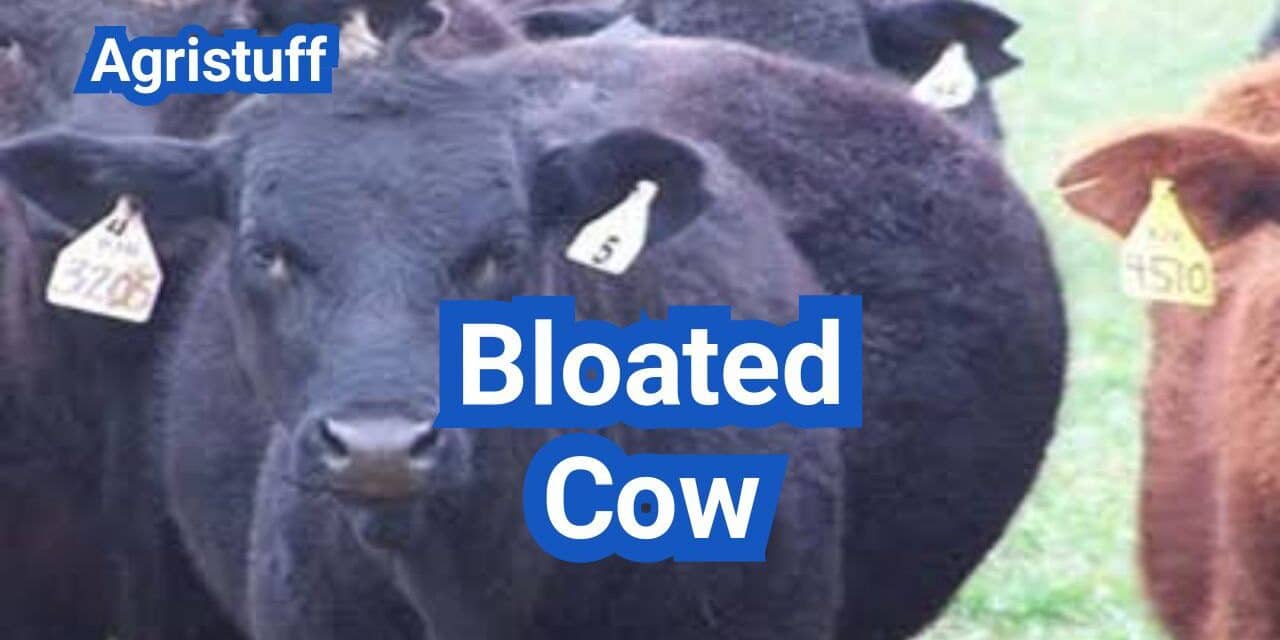
Bloating is a serious and potentially life-threatening condition that affects cattle, causing their stomachs to swell due to a build-up of gas.
According to experts at Lethbridge Animal Clinic, recognizing the signs of ruminal tympany in cattle and understanding its causes is crucial for cattle owners to take prompt action.
This condition can lead to severe discomfort and even death if not addressed promptly. It is essential for cattle owners to be aware of the symptoms and treatment options for bloat in cows.
Key Takeaways
- Recognizing the signs of bloat in cattle is crucial for prompt action.
- Bloating can be life-threatening if not addressed immediately.
- Understanding the causes of bloat is essential for prevention.
- Cattle owners should be aware of the symptoms and treatment options.
- Prompt veterinary care is necessary in severe cases.
Understanding Bloat in Cattle

Understanding bloat in cattle is crucial for farmers and veterinarians to prevent and treat this dangerous condition. Bloat, or ruminal tympany, is a serious health issue that can lead to significant losses if not addressed promptly.
What is Ruminal Tympany?
Ruminal tympany, commonly referred to as bloat, occurs when gas builds up in the rumen, the largest compartment of a cow’s stomach. This gas accumulation can lead to discomfort, reduced appetite, and in severe cases, life-threatening complications.
The rumen is a complex ecosystem where microbes break down feed. When this process is disrupted, it can lead to an overproduction of gas, primarily composed of methane and carbon dioxide.
The Rumen’s Role in Digestion
The rumen plays a vital role in the digestive process of cattle. It houses a diverse population of microbes that break down and extract nutrients from the feed consumed by the animal. A healthy rumen is essential for the overall well-being of the cattle.
Effective rumen function involves the regurgitation and re-chewing of feed (rumination), which helps in the mechanical breakdown of food particles, enhancing nutrient absorption.
Why Bloat is a Serious Condition
Bloat is considered a serious condition because it can rapidly progress to a life-threatening state. The accumulated gas can cause the rumen to expand, putting pressure on the diaphragm and lungs, which can lead to respiratory distress.
If left untreated, severe bloat can result in the death of the animal. Therefore, it is critical to recognize the signs of bloat early and take immediate action.
| Signs of Bloat | Description | Severity |
|---|---|---|
| Distended Left Side | Visible swelling on the left side of the abdomen | Mild to Severe |
| Restlessness | Pacing, kicking at the belly | Mild to Moderate |
| Difficulty Breathing | Rapid breathing, labored breathing | Severe |
Types of Bloated Cow Conditions

Cattle bloat can be categorized into distinct types, each with its causes and characteristics. Understanding these differences is crucial for effective management and treatment.
Frothy Bloat: Causes and Characteristics
Frothy bloat occurs when gas is trapped in a stable foam within the rumen, preventing the normal release of gas. This type of bloat is often associated with the consumption of high-quality legume pastures or lush grains.
Causes: The primary cause of frothy bloat is the ingestion of feed that is high in soluble proteins and low in fiber, leading to the formation of a stable foam.
Characteristics: The rumen becomes distended with a foamy, frothy material that is difficult to pass through a stomach tube.
Free Gas Bloat: Causes and Characteristics
Free gas bloat, on the other hand, is characterized by the accumulation of free gas within the rumen, often due to an obstruction that prevents the normal belching process.
Causes: Obstructions such as a foreign body or a twisted rumen can cause free gas bloat.
Characteristics: The rumen is distended with free gas, which can be released through a stomach tube if there is no physical obstruction.
Differences in Treatment Approaches
The treatment for frothy bloat and free gas bloat differs significantly due to their distinct causes and characteristics.
| Type of Bloat | Cause | Treatment Approach |
|---|---|---|
| Frothy Bloat | Stable foam formation due to high-quality legume pastures or grains | Administering anti-foaming agents, such as poloxalene |
| Free Gas Bloat | Obstruction preventing normal belching | Relieving the obstruction, using a stomach tube to release gas |
Understanding the type of bloat is crucial for selecting the appropriate treatment strategy. Farmers and veterinarians must be able to distinguish between frothy and free gas bloat to provide effective care.
Common Causes of Bloat in Cattle

Understanding the causes of bloat is crucial for cattle farmers to prevent and manage this potentially life-threatening condition. Bloat can result from various factors, including dietary components, feeding practices, and physical obstructions within the digestive system.
High-Risk Forages: Alfalfa and Clover
Certain forages are known to increase the risk of bloat in cattle. Alfalfa and clover are among the most common high-risk legumes. These forages are rich in protein and highly digestible, which can lead to the formation of a stable foam in the rumen, characteristic of frothy bloat.
The high-quality protein in alfalfa and clover can be beneficial for cattle growth and milk production. However, when consumed in large quantities or without proper introduction, they can significantly increase the risk of bloat.
Grain Overload and Feedlot Bloat
Grain overload is another significant cause of bloat, particularly in feedlot settings. When cattle are fed high-grain diets without adequate adaptation, it can lead to an overgrowth of lactic acid-producing bacteria in the rumen. This condition can result in feedlot bloat, characterized by the accumulation of gas and froth.
Feedlot bloat can be managed by ensuring a gradual introduction to grain diets and monitoring feed intake. The use of feed additives such as ionophores can also help in reducing the incidence of bloat.
Wheat Pasture Bloat
Wheat pasture bloat is a specific type of bloat that occurs when cattle graze on lush, green wheat pastures. The high moisture content and rapid fermentation rate of young wheat plants contribute to the formation of froth and gas in the rumen.
| Cause | Description | Prevention Strategy |
|---|---|---|
| High-Risk Forages | Legumes like alfalfa and clover increase bloat risk due to their high protein and digestibility. | Gradual introduction to new forages, mixed grazing. |
| Grain Overload | Feeding high-grain diets without adaptation leads to lactic acid buildup and bloat. | Gradual introduction to grain, monitoring intake, using feed additives. |
| Wheat Pasture | Lush, green wheat pastures cause rapid fermentation and froth formation. | Managing grazing times, providing dry hay, using anti-bloat products. |
Physical Obstructions and Blockages
Physical obstructions within the digestive tract can also cause bloat. Objects that obstruct the normal flow of digesta can lead to the accumulation of gas and froth. Ensuring that cattle have a clean and safe environment can reduce the risk of such obstructions.
By understanding these common causes of bloat, cattle farmers can implement effective prevention and management strategies to reduce the risk of this potentially life-threatening condition.
How to Recognize a Bloated Cow: Signs and Symptoms
Recognizing the signs of bloat in cattle is crucial for timely intervention. Bloat can quickly become life-threatening, making early detection essential for effective management.
Visual Indicators of Bloat
A bloated cow often exhibits visible signs that can be easily identified. The left side of the abdomen may appear swollen or distended due to the accumulation of gas. In severe cases, the swelling can be quite pronounced, making the cow look uncomfortable or distressed.
Behavioral Changes
Cattle experiencing bloat may display behavioral changes, including restlessness, discomfort, and a reluctance to move. They might also show signs of colic, such as kicking at their belly or stretching.
Progression of Symptoms
The symptoms of bloat can progress rapidly. Initially, a cow might show mild discomfort, which can escalate to severe distress as the condition worsens. Monitoring the progression of symptoms is critical for determining the appropriate course of action.
Severity Assessment
Assessing the severity of bloat involves evaluating both the visual indicators and the behavioral changes. A severely bloated cow may have difficulty breathing, and its condition can deteriorate quickly if not addressed. Farmers and cattle owners should be prepared to act swiftly in such cases.
Key signs to watch for include:
- Distension of the left abdomen
- Restlessness and discomfort
- Difficulty breathing
- Reduced appetite or reluctance to eat
Early recognition of these signs can significantly improve the chances of successful treatment and recovery.
The Danger Zone: When Bloat Becomes Life-Threatening

As bloat advances, it enters a danger zone where the risk of explosion and death becomes alarmingly high. Cattle suffering from bloat can deteriorate rapidly, making timely intervention crucial.
Timeline of Bloat Progression
The progression of bloat can vary depending on several factors, including the cause of bloat, the animal’s overall health, and the effectiveness of any initial treatments. Generally, bloat can progress from mild to severe within a few hours.
- Early Stage: The animal may show initial signs of discomfort, such as restlessness and swelling on the left side.
- Advanced Stage: The swelling becomes more pronounced, and the animal may exhibit signs of distress, including labored breathing and decreased mobility.
- Critical Stage: The animal’s condition deteriorates rapidly, with severe distension of the abdomen, extreme discomfort, and potentially life-threatening complications.
Signs of Critical Distress
Recognizing the signs of critical distress is vital for determining when a bloated cow requires immediate veterinary attention. Some key indicators include:
- Severe abdominal distension: The abdomen becomes significantly swollen, indicating severe gas buildup.
- Labored breathing: The animal may experience difficulty breathing due to the pressure exerted by the distended rumen on the diaphragm.
- Extreme restlessness or lethargy: The cow may be either extremely restless or lethargic, both of which are signs of severe distress.
- Decreased or no appetite: A bloated cow may show reduced interest in food or water.
Understanding the Risk of Explosion and Death
If left untreated, a severely bloated cow is at risk of explosion, which can be fatal. The risk of explosion is higher in cases where the bloat is caused by a buildup of free gas, as opposed to frothy bloat.
Key risks associated with bloat explosion include:
- Immediate death due to the rupture of the rumen and subsequent peritonitis.
- Potential contamination of the surrounding area with rumen contents, posing environmental and health risks.
It is essential for farmers and veterinarians to understand these risks and take prompt action to prevent such outcomes.
Emergency Steps for Mild to Moderate Bloat
Mild to moderate bloat in cattle requires prompt intervention to alleviate discomfort and prevent further complications. When dealing with bloat, every minute counts, and understanding the appropriate emergency steps can significantly impact the outcome.
Moving the Animal
The first step in managing mild to moderate bloat is to carefully move the affected animal to a quiet, stress-free area. Stress can exacerbate the condition, so minimizing agitation is crucial. As Dr. John Smith, a veterinarian specializing in cattle care, notes, “Reducing stress is key to managing bloat effectively.”
When relocating the animal, it’s essential to do so gently to avoid causing additional discomfort or injury. The area should be free from any potential hazards and provide easy access for monitoring and potential treatment.
Encouraging Walking and Burping
Gentle exercise, such as walking, can help stimulate the digestive system and encourage burping, which can provide relief for a bloated cow. However, it’s crucial to avoid overexertion, as this can worsen the condition. A short, gentle walk can help the animal release trapped gas.
“Walking can be an effective way to stimulate the cow’s digestive system and help relieve bloat, but it should be done carefully to avoid overexertion.”
Safe Handling Techniques
When handling a bloated cow, safety is paramount. It’s essential to approach the animal calmly and carefully to avoid causing additional stress or injury. Using appropriate handling equipment and ensuring that the animal is secure can help prevent accidents.
By following these emergency steps, farmers and caregivers can effectively manage mild to moderate bloat in cattle, reducing the risk of complications and promoting the animal’s recovery.
Immediate Treatments for a Bloated Cow
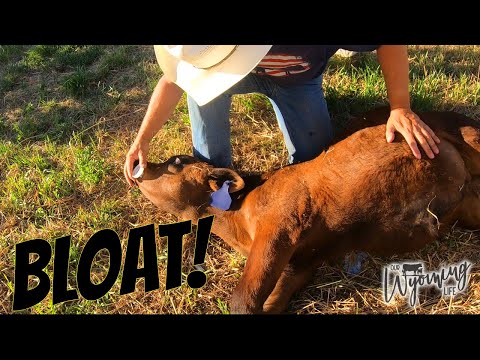
When dealing with a bloated cow, immediate treatment is crucial to prevent further complications. The condition can escalate rapidly, making timely intervention essential.
Administering Anti-Bloat Medications is often the first line of treatment. Products containing poloxalene or vegetable oils can help alleviate bloat by reducing foam formation in the rumen.
Administering Anti-Bloat Medications
Anti-bloat medications are critical in managing the condition. These products work by breaking down the foam that traps gas in the rumen, allowing the cow to relieve the pressure through burping or passing gas.
It’s crucial to follow the manufacturer’s instructions when administering these medications to ensure the correct dosage and avoid potential side effects.
Using a Stomach Tube Safely
In some cases, using a stomach tube may be necessary to relieve the pressure. This procedure requires care to avoid damaging the esophagus or causing other complications.
Proper technique involves lubricating the tube and ensuring it is guided correctly into the rumen. The tube helps to release the trapped gas, providing relief to the animal.
Proper Positioning for Treatment
The positioning of the cow can significantly impact the effectiveness of the treatment. Keeping the animal standing and encouraging it to walk can help alleviate the pressure.
“Proper positioning and gentle handling are key to successful treatment. Stress can exacerbate the condition, so minimizing stress is crucial.”
By understanding and applying these immediate treatments, farmers and veterinarians can effectively manage bloat in cattle, improving the chances of recovery and reducing the risk of complications.
How to Perform Emergency Gas Release

In cases of severe bloat, emergency gas release is a critical procedure that can save a cow’s life. This procedure is essential for relieving the pressure built up in the rumen due to excessive gas accumulation.
Trocar and Cannula Method | Bloated Cow
The trocar and cannula method is a common technique used for emergency gas release. It involves inserting a trocar (a sharp, pointed instrument) through the cannula (a hollow tube) into the rumen to release the trapped gas.
- Identify the correct insertion point, typically in the left flank, midway between the last rib and the hipbone.
- Prepare the site by cleaning and disinfecting the area.
- Insert the trocar and cannula carefully, ensuring not to cause unnecessary damage.
- Once the gas starts to release, remove the trocar, leaving the cannula in place to allow continued gas escape.
Emergency Puncture Techniques | Bloated Cow
In some situations, an emergency puncture may be necessary. This involves making a small incision in the rumen to release the gas quickly.
Key steps include:
- Locate the area of greatest distension on the left side.
- Clean and disinfect the area.
- Make a small, controlled incision to release the gas.
Safety Precautions for Methane Release | Bloated Cow
When performing an emergency gas release, it’s crucial to take safety precautions to avoid complications. Methane gas is flammable, so precautions should be taken to prevent ignition.
- Avoid using open flames or sparks near the release site.
- Ensure good ventilation to prevent gas accumulation.
Post-Procedure Care | Bloated Cow
After the emergency gas release, monitor the animal closely for signs of further distress or complications. Provide appropriate post-procedure care, including:
- Monitoring for signs of infection or further bloat.
- Ensuring the animal has access to appropriate food and water.
- Seeking veterinary advice for further treatment and management.
Veterinary Interventions for Bloated Cattle

Veterinary interventions play a crucial role in managing bloat in cattle. When bloat becomes severe, professional veterinary care is essential to save the animal’s life and prevent further complications.
Professional Treatment Options | Bloated Cow
Veterinarians can provide various treatment options for bloated cattle, including administering anti-bloat medications and using a stomach tube to relieve pressure. These interventions are critical in stabilizing the animal and preparing it for further treatment if necessary.
Administering Anti-Bloat Medications: Veterinarians can provide medications that help reduce foam or release gas from the rumen, alleviating the pressure caused by bloat.
Surgical Interventions | Bloated Cow
In severe cases of bloat, surgical interventions may be necessary. Procedures such as rumenotomy can be lifesaving by directly addressing the cause of the bloat and relieving pressure on the animal’s internal organs.
- Rumenotomy: A surgical procedure that involves making an incision into the rumen to remove the cause of bloat or to relieve pressure.
- Rumenostomy: Creating a temporary opening in the rumen to allow for drainage or to facilitate the removal of foreign objects.
Recovery Monitoring | Bloated Cow
After veterinary or surgical interventions, careful monitoring of the cattle’s recovery is crucial. This includes observing the animal’s overall health, monitoring for signs of complications, and adjusting treatment as necessary.
Post-procedure care involves close observation and follow-up veterinary visits to ensure the animal recovers fully and to address any potential complications early.
When to Call the Vet: Critical Decision Points

Cattle bloat can escalate quickly, making it essential to know when to seek veterinary help. The condition can progress from mild to life-threatening in a short span, emphasizing the need for prompt decision-making.
Indicators for Immediate Veterinary Assistance | Bloated Cow
Recognizing the signs that necessitate immediate veterinary assistance is crucial. These indicators include:
- Severe abdominal distension
- Difficulty breathing or rapid breathing
- Restlessness or signs of pain
- Decreased or absent appetite
- Lack of fecal output or diarrhea
If a cow exhibits any of these symptoms, it’s critical to act swiftly. Delaying veterinary care can lead to fatal outcomes.
What Information to Provide Your Vet | Bloated Cow
When calling the vet, providing detailed information can aid in effective treatment. Be prepared to share:
- The number of cattle affected
- Symptoms observed and their duration
- Recent dietary changes or introductions
- Any treatments or interventions already attempted
Clear communication with your veterinarian is key to resolving the bloat issue efficiently.
Preparing for the Vet’s Arrival | Bloated Cow
To facilitate a smooth and effective veterinary visit, prepare the following:
- Isolate the affected animal(s) to prevent further stress
- Gather relevant information and records
- Ensure safe access to the animal
- Have necessary equipment or supplies ready as advised by the vet
By being prepared, you can help ensure that your cattle receive the best possible care in a timely manner.
Prevention Strategies for Pasture Bloat

To minimize the risk of bloat, cattle farmers must adopt a comprehensive prevention strategy that encompasses grazing management techniques, gradual introduction to new pastures, and an understanding of how timing and weather impact bloat risk.
Grazing Management Techniques | Bloated Cow
Effective grazing management is crucial in preventing pasture bloat. This includes maintaining optimal pasture conditions, avoiding overgrazing, and ensuring that pastures are not too lush or dominated by bloat-causing legumes. Techniques such as rotational grazing can help manage the quality and quantity of forage available to cattle, thereby reducing the risk of bloat.
Introducing Cattle to New Pastures | Bloated Cow
When introducing cattle to new pastures, it’s essential to do so gradually. This allows the rumen microflora to adjust to new feed types, reducing the risk of bloat. Starting with limited access and gradually increasing the time cattle spend in new pastures can help prevent sudden changes in diet that can lead to bloat.
Timing and Weather Considerations | Bloated Cow
Both timing and weather play significant roles in bloat risk. Grazing cattle on pastures that are wet or covered in dew can increase bloat risk, as can grazing during certain times of the day when forage is more succulent. Understanding these factors and adjusting grazing schedules accordingly can help mitigate bloat risk.
By implementing these strategies, farmers can significantly reduce the incidence of pasture bloat, improving cattle health and productivity.
Nutritional Management to Prevent Bloat

Effective nutritional management is crucial in preventing bloat in cattle. By carefully managing the diet of cattle, farmers can significantly reduce the risk of bloat. This involves several strategies, including the use of feed additives, bloat prevention minerals, hay feeding strategies, and ensuring adequate water access.
Feed Additives: Poloxalene and Monensin | Bloated Cow
Feed additives such as poloxalene and monensin have been shown to be effective in preventing bloat. Poloxalene works by reducing the surface tension of the froth in the rumen, thereby preventing the formation of stable foam that can lead to bloat. Monensin, on the other hand, alters the microbial population in the rumen, reducing the production of gas. Both additives can be used in feedlots and pasture settings.
Bloat Prevention Minerals | Bloated Cow
In addition to feed additives, certain minerals can help prevent bloat. These include minerals that help maintain a healthy rumen environment. Ensuring that cattle receive a balanced mix of minerals is crucial for overall digestive health and bloat prevention.
Hay Feeding Strategies | Bloated Cow
Hay feeding strategies can also play a role in bloat prevention. Feeding hay before turning cattle out to pasture can help reduce the risk of bloat by filling the rumen with less fermentable fiber. This can be particularly effective in high-risk pastures.
Water Access Importance | Bloated Cow
Adequate water access is essential for maintaining digestive health and preventing bloat. Cattle need access to clean, fresh water at all times to help with the digestion of feed and to prevent dehydration, which can exacerbate bloat risk.
By implementing these nutritional management strategies, farmers can significantly reduce the incidence of bloat in their cattle, improving overall health and productivity.
Special Considerations for Bloat-Prone Animals

Identifying cattle that are susceptible to bloat is crucial for effective prevention and treatment. Not all cattle are equally prone to bloat, and understanding the factors that contribute to an individual animal’s risk is essential for farmers and veterinarians.
Identifying Susceptible Cattle | Bloated Cow
Certain characteristics make some cattle more prone to bloat. These include:
- Genetic predisposition: Some breeds or lines within breeds are more susceptible to bloat.
- Dietary factors: Cattle fed high-risk forages like alfalfa or clover are more likely to experience bloat.
- Age and health status: Younger or less healthy animals may be more vulnerable to bloat.
Genetic Factors in Bloat Susceptibility
Research has shown that genetic factors play a significant role in bloat susceptibility. Studies have identified specific genetic markers associated with bloat resistance or susceptibility. This knowledge can be used to breed cattle that are less prone to bloat.
Customized Management for High-Risk Animals | Bloated Cow
For cattle identified as being at high risk of bloat, customized management strategies can significantly reduce the risk. These may include:
- Tailored feeding programs: Adjusting the diet to minimize the risk of bloat.
- Monitoring and early intervention: Regularly checking high-risk animals for early signs of bloat and intervening promptly.
- Use of anti-bloat products: Administering products known to reduce bloat risk, such as poloxalene.
By understanding which cattle are most at risk and implementing targeted management strategies, farmers can significantly reduce the incidence of bloat on their farms.
Bloated Cow Incidents in the U.S.: Statistics and Impact
Bloat in cattle represents a considerable challenge for the U.S. livestock sector, with far-reaching consequences. The condition affects not only the health and well-being of the animals but also has significant economic implications for farmers and the broader agricultural industry.
Direct Costs of Treatment and Loss | Bloated Cow
The direct costs associated with bloat incidents in cattle include veterinary treatment, the value of lost animals, and the cost of implementing preventive measures. According to agricultural economists, the annual loss due to bloat can be substantial, running into millions of dollars. “Bloat is one of the top three digestive disorders causing economic losses in the cattle industry,” as noted by experts in the field.
These costs are not limited to the immediate treatment of affected animals. They also encompass the long-term impacts on farm productivity and the potential for future incidents if preventive strategies are not effectively implemented.
Prevention Investment vs. Treatment Costs | Bloated Cow
Investing in bloat prevention strategies can significantly reduce the incidence and impact of bloat. The cost of prevention, which includes feed additives, grazing management, and monitoring, is often substantially lower than the cost of treating bloat incidents. A study on cattle bloat prevention found that for every dollar invested in preventive measures, farmers could save up to three dollars in treatment costs.
By adopting preventive measures, farmers not only reduce their financial outlays for emergency treatments but also minimize the risk of losing valuable livestock.
Regional Variations in Bloat Risk
Bloat risk varies significantly across different regions in the United States, influenced by factors such as climate, grazing practices, and cattle breeds. Areas with lush pastures, particularly those with legume-rich forages like alfalfa and clover, tend to have higher incidences of bloat. Understanding these regional variations is crucial for developing targeted prevention and management strategies.
“Regional differences in bloat incidence highlight the need for tailored approaches to managing cattle health,” said a leading agricultural researcher. “By understanding local risk factors, farmers can better protect their herds.”
Regional agricultural extension services play a vital role in providing guidance tailored to local conditions, helping farmers to mitigate bloat risk effectively.
Creating a Comprehensive Bloat Management Plan
Understanding the causes of bloat in cattle and recognizing its signs are crucial steps in managing this potentially life-threatening condition. A comprehensive bloat management plan is essential for cattle owners to mitigate the risks associated with bloat.
Creating such a plan involves several key elements, including implementing effective cattle bloat prevention strategies, being aware of the signs of bloat, and knowing when to seek veterinary assistance. By integrating these components, cattle owners can significantly reduce the incidence and impact of bloat on their operations.
A well-structured bloat management plan should include grazing management techniques, nutritional management practices, and the identification of bloat-prone animals. By adopting these measures, cattle owners can protect their livestock and minimize economic losses due to bloat.
Implementing a comprehensive bloat management plan is a proactive approach to safeguarding cattle health. Cattle owners are encouraged to review their current practices and develop a tailored plan that addresses their specific needs and circumstances, ensuring the well-being of their animals and the sustainability of their operations.
FAQ
What is bloat in cattle?
Bloat in cattle, also known as ruminal tympany, is a serious condition where gas builds up in the rumen, causing it to expand and potentially leading to life-threatening complications.
What are the signs and symptoms of bloat in cattle?
Signs of bloat include a visibly distended left side of the abdomen, discomfort, restlessness, and in severe cases, difficulty breathing and a high risk of explosion or death.
What causes bloat in cattle?
Bloat can be caused by consuming high-risk forages like alfalfa or clover, grain overload, and physical obstructions or blockages in the digestive tract.
How can I prevent bloat in my cattle?
Prevention strategies include grazing management techniques, introducing cattle to new pastures gradually, using feed additives like poloxalene, and ensuring access to hay and water.
What are the emergency steps for treating a bloated cow?
Emergency steps include moving the animal to a safe location, encouraging walking and burping, and in severe cases, performing an emergency gas release using a trocar and cannula or puncture techniques.
When should I call a veterinarian for bloat?
You should call a veterinarian immediately if you observe signs of critical distress, if the animal’s condition worsens, or if you’re unsure about the severity of the bloat.
Can bloat be fatal to cattle?
Yes, bloat can be fatal if not addressed promptly and properly. It can lead to explosion or death due to the buildup of gas and pressure in the rumen.
What is the difference between frothy bloat and free gas bloat?
Frothy bloat occurs when a stable foam forms in the rumen, trapping gas, while free gas bloat is characterized by a buildup of free gas that is not trapped in a foam. Treatment approaches differ between the two types.
How do I administer anti-bloat medications?
Anti-bloat medications, such as those containing poloxalene, should be administered according to the manufacturer’s instructions and under the guidance of a veterinarian if possible.
What are the statistics on bloat incidents in the U.S.?
Bloat incidents result in significant economic losses due to treatment costs, loss of productivity, and death. Regional variations in bloat risk exist, influenced by factors like forage types and grazing practices.
How can I identify bloat-prone animals?
Identifying bloat-prone animals involves understanding genetic factors, monitoring their health and behavior, and recognizing susceptibility to bloat based on their diet and management practices.
What is the role of nutritional management in preventing bloat?
Nutritional management plays a crucial role in preventing bloat through the use of feed additives, bloat prevention minerals, hay feeding strategies, and ensuring adequate water access.
Conclusion of: Bloated Cow
Bloated Cow: what it is and why it’s an emergency
A Bloated Cow (often called ruminal tympany or “bloat”) is a rapid build-up of fermentation gas in the rumen that the animal can’t release normally, so the left side distends and pressure can interfere with breathing and circulation. Because a Bloated Cow can deteriorate fast—sometimes within minutes—treat it as a true emergency: call your veterinarian immediately, start calm, low-stress handling, and focus on preventing the situation from getting worse while help is on the way. UW–Madison Extension: Bloat overview
How the rumen leads to a Bloated Cow
In a healthy cow, microbes ferment feed and generate large volumes of gas that are released through eructation (belching) throughout the day. A Bloated Cow happens when that gas can’t escape—either because it’s trapped in stable foam or because the normal belching mechanism is blocked or impaired—so the rumen expands, compressing organs and limiting lung function. Understanding this “gas in / gas out” problem helps you act fast: the goal is to restore gas release safely and quickly, usually with veterinary guidance. Colorado State University: Ruminal Tympany (Bloat)
Frothy vs. free-gas bloat: two pathways to a Bloated Cow
A Bloated Cow usually fits one of two patterns. Frothy bloat occurs when fermentation gas becomes trapped in a stable foam (often linked to lush legumes or very digestible forages), so tubing may not release much free gas. Free-gas bloat is more about failure to belch free gas—commonly due to an esophageal obstruction, motility problems, or other functional issues—so tubing may release gas more readily. Knowing which pattern is likely can help your vet choose the right approach and prevent repeat cases. University of Maryland Extension: Types of bloat
Common causes of a Bloated Cow in U.S. herds
A Bloated Cow is often triggered by diet and management: sudden access to lush alfalfa/clover, wheat or small-grain pasture, rapid feed changes, or high-grain situations where fine particles and rapid fermentation promote foam and gas retention. In some operations, multiple animals can bloat at once when the forage is at a high-risk growth stage (immature and fast-growing), especially after weather shifts that increase palatability and intake.
Risk factors that make a Bloated Cow more likely
A Bloated Cow is more likely when animals are turned out hungry, moved abruptly onto high-risk pasture, or grazing forage that’s wet from dew/rain/irrigation—conditions that can increase intake and speed digestion. Rapid plant growth periods (spring flush or regrowth after drought) also raise risk, and bloat is often seen soon after turnout or pasture changes before rumen microbes adapt. Practical takeaway: timing and transitions matter as much as what’s in the pasture. University of Nebraska–Lincoln Extension: Grazing management risk reducers
Early warning signs that a Bloated Cow is turning critical
A Bloated Cow may start with mild left-side distension and stopping feed intake, then progress to obvious discomfort, frequent urination/defecation, restlessness, and increasing respiratory distress (rapid breathing, neck extended, tongue out). As pressure builds, collapse can happen quickly, and once a cow is down, the situation can become rapidly fatal—so treat “hard breathing + big left side” as a red alert. OSU Extension: Clinical signs of bloat (PDF)
Emergency steps: what to do immediately for a Bloated Cow
For a Bloated Cow, call your veterinarian first, then act calmly: remove the animal from the risky feed source (pull off pasture or stop access to the ration), keep handling low-stress (no chasing), and position the cow safely where she can breathe and be observed. If multiple cattle show distension, treat it as a herd event—separate them from the trigger forage and monitor closely—because frothy bloat can affect several animals at once. University of Maryland Extension: Treat promptly and consult a veterinarian
What NOT to do with a Bloated Cow while waiting on the vet
A Bloated Cow is not the time for improvisation that increases aspiration, injury, or infection risk. Avoid forcing liquids or “home drenches” if you’re not trained and equipped, avoid stressful handling that increases breathing demand, and avoid attempting puncture/incision procedures unless your veterinarian has trained you and you have a clear, pre-planned protocol—because complications (including severe infection) can follow “last resort” measures. Mississippi State University Extension: last-resort puncture cautions (PDF)
What the vet may do for a Bloated Cow (and why)
Veterinary treatment for a Bloated Cow is aimed at relieving pressure fast and addressing the cause: passing a stomach tube (especially helpful in free-gas bloat), administering anti-foaming agents when froth is suspected, and—only when necessary—using trocarization or more invasive procedures to save the cow’s life. Your vet may also look for underlying triggers like esophageal obstruction, diet formulation problems, or recurrent-bloat individuals that should be managed differently or culled. Merck Veterinary Manual: Treatment and prevention of bloat
Aftercare: preventing a second Bloated Cow episode
After a Bloated Cow is stabilized, the next 24–72 hours matter: monitor appetite, rumen fill, manure output, and breathing, and follow your veterinarian’s instructions on feed reintroduction and observation frequency. Recurrent cases often point to a management issue (high-risk forage exposure, abrupt transitions) or a cow-specific problem (motility dysfunction, obstruction risk), and documenting exactly what the cow ate and when signs began helps your vet prevent repeat losses.
Pasture bloat prevention plan to reduce Bloated Cow risk
Preventing a Bloated Cow on pasture is usually a mix of forage management + controlled intake + proven preventatives: keep legume content moderated (often aiming for grass-legume mixes rather than pure stands), avoid turning cattle out hungry, delay turnout when forage is wet, and consider anti-foaming products (commonly poloxalene-based) during high-risk periods—making sure intake is consistent across animals. Frequent checks during the first days of turnout are critical because that’s when many cases begin.
Feedlot/high-grain management to prevent a Bloated Cow
In higher-concentrate settings, a Bloated Cow is often associated with ration structure and fines: prevention focuses on maintaining adequate effective fiber/roughage, reducing overly fine processing, preventing sorting, and using consistent bunk management to avoid sudden over-consumption. If bloat shows up repeatedly in only a few animals, evaluate both the ration and the individuals—because chronic bloat patterns can persist unless the underlying setup is corrected. Iowa Beef Center: Feedlot bloat prevention and management changes (PDF)
Final thought
A Bloated Cow is one of those livestock emergencies where minutes matter, so the best “treatment” is being ready: know your high-risk feeds, make transitions gradual, watch cattle closely at turnout, and have a written bloat plan with your veterinarian (including who to call, where to handle cattle, and what supplies you’re trained to use). That preparation can be the difference between a scare and a loss. University of Nebraska–Lincoln Extension: Bloat prevention and treatment overview
Sources & References
- Merck Veterinary Manual — Bloat in Ruminants
- UW–Madison Extension (Team Forage) — Bloat
- University of Maryland Extension — Managing Bloat in Pastured Cattle
- University of Nebraska–Lincoln Extension — Bloat Prevention and Treatment in Cattle (PDF)
- Iowa Beef Center — Pasture Bloat—Prevention and Treatment (PDF)
- Oklahoma State University Extension — Options for Dealing with Bloat: Treatment (PDF)
- Mississippi State University Extension — Beef Cattle Nutritional Disorders (PDF)
- Colorado State University (VIVO) — Ruminal Tympany (Bloat)