The Black Welsh Mountain Sheep is a rare and hardy breed that originated in Wales. Known for its distinctive fleece, this breed has a rich history and is valued for its resilience and versatility.
The breed’s unique characteristics make it an important part of agricultural heritage. Its history and origin are closely tied to the rugged landscapes of Wales, where it was bred to thrive in challenging conditions.
Understanding the Black Welsh Mountain Sheep breed is essential for appreciating its significance in farming and conservation.
Key Takeaways
- Black Welsh Mountain Sheep is a rare breed originating from Wales.
- The breed is known for its hardiness and distinctive black fleece.
- It has a rich history and is valued for its resilience.
- The breed is used in various agricultural and conservation practices.
- Its unique characteristics make it an important part of heritage.
The Heritage and History of Black Welsh Mountain Sheep
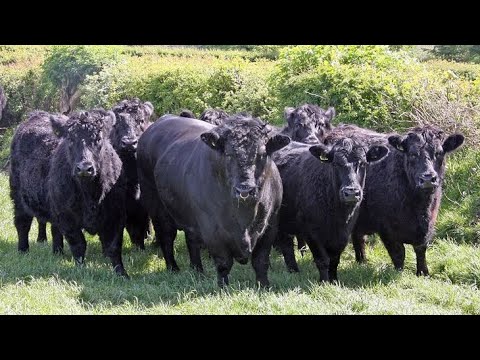
Originating in the rugged landscapes of Wales, the Black Welsh Mountain Sheep has a storied past. This breed has been an integral part of the Welsh countryside for centuries, contributing to the country’s rich agricultural heritage.
Historical Background in Wales
The history of the Black Welsh Mountain Sheep is intertwined with the history of Wales itself. References to a black-fleeced mountain sheep can be found in Welsh writings from the Middle Ages, indicating that the breed has been present in the UK since at least the 13th century.
The harsh climate and terrain of Wales played a significant role in shaping the breed. Over time, the sheep developed a hardy constitution and a distinctive black fleece that helped them thrive in the challenging environment.
| Period | Significant Events |
|---|---|
| 13th Century | First written records of black-fleeced mountain sheep in Wales |
| 18th-19th Century | Selective breeding practices began to formalize the breed |
Development as a Distinct Breed
The development of the Black Welsh Mountain Sheep as a distinct breed was influenced by various factors, including geographical isolation and selective breeding practices. The breed’s unique characteristics, such as its black fleece and hardy nature, were prized by local farmers.
By the 18th and 19th centuries, breeders began to formalize the breed through selective breeding, further enhancing its desirable traits. This careful breeding helped establish the Black Welsh Mountain Sheep as a recognized and valued breed within the agricultural community.
Origin and Evolution of the Breed

The Black Welsh Mountain Sheep breed has a rich history that spans centuries, deeply rooted in the rugged landscapes of Wales. This breed has evolved over time, influenced by its native ancestry and selective breeding practices.
Native Welsh Mountain Ancestry
The Black Welsh Mountain Sheep originates from the native Welsh Mountain sheep, known for their hardiness and adaptability to the challenging Welsh terrain. These sheep have been a part of Wales’ agricultural landscape for centuries, playing a crucial role in shaping the country’s rural heritage.
The native Welsh Mountain sheep were valued for their wool, meat, and ability to thrive in harsh conditions. Over time, the Black Welsh Mountain Sheep developed distinct characteristics, including their dark fleece, which differentiated them from other breeds.
Selective Breeding History
Selective breeding has played a significant role in the evolution of the Black Welsh Mountain Sheep. Breeders focused on enhancing desirable traits such as hardiness, fertility, and the quality of their fleece. This careful selection process has resulted in a breed that is not only resilient but also produces high-quality wool and meat.
The breed gained popularity in mid-Wales and was later introduced to the United States in 1973, expanding its global presence. Today, the Black Welsh Mountain Sheep is recognized for its unique characteristics and is prized by farmers and breeders worldwide.
| Characteristic | Description | Benefit |
|---|---|---|
| Hardiness | Ability to thrive in harsh conditions | Reduced need for supplementary feeding |
| Fertility | High lambing rates | Increased flock productivity |
| Fleece Quality | Soft, dense, and dark fleece | High value for wool production |
Black Welsh Mountain Sheep Characteristics

The Black Welsh Mountain Sheep is known for its distinctive characteristics, making it a unique and valuable breed for farmers and conservationists alike.
Physical Appearance and Size
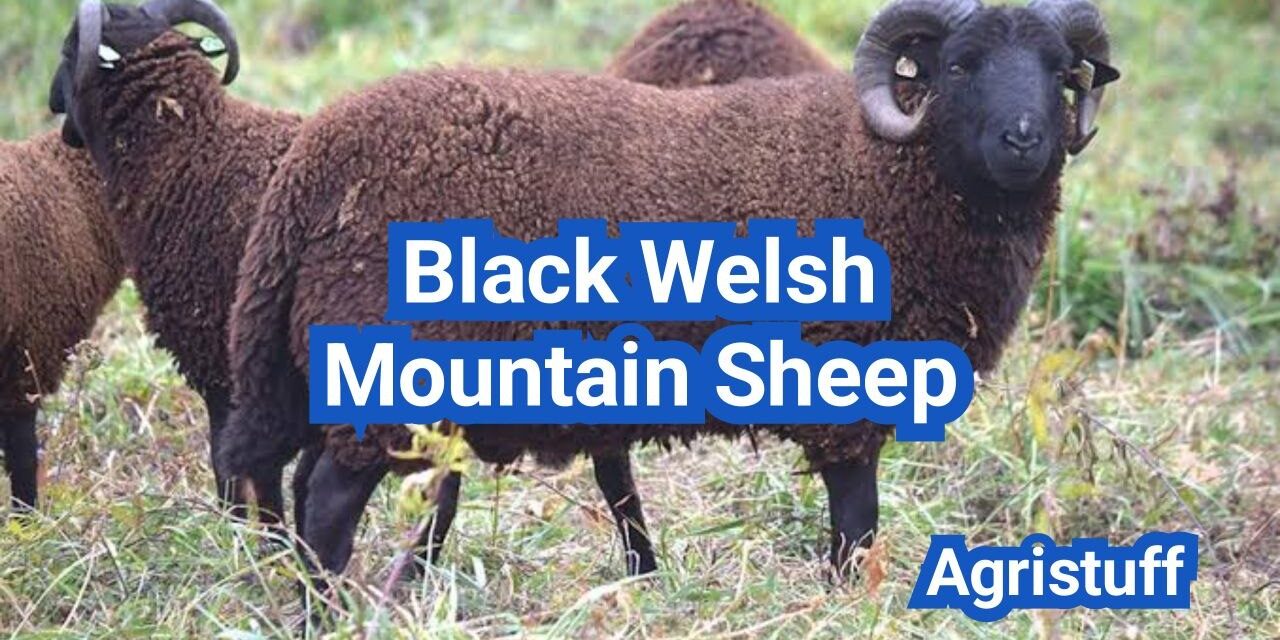
Black Welsh Mountain Sheep are characterized by their small size and completely black appearance. They have no wool on their face or legs, which distinguishes them from other breeds. Ewes are typically polled, while rams are horned, adding to their distinctive visual identity. The breed’s compact size makes them suitable for small farms and conservation grazing projects.
| Characteristic | Description |
|---|---|
| Size | Small |
| Coat Color | Completely Black |
| Wool on Face and Legs | None |
| Ewe Horn Status | Polled |
| Ram Horn Status | Horned |
Distinctive Black Fleece
The Black Welsh Mountain Sheep’s fleece is one of its most distinctive features. The fleece is black, of moderate quality, and provides excellent insulation against harsh weather conditions. The fleece is also highly valued for its softness and durability, making it suitable for various textile applications.
Temperament and Behavior
Black Welsh Mountain Sheep are known for their hardy nature and robust temperament. They are generally docile and easy to handle, making them a good choice for small farms and novice shepherds. Their strong flocking instinct helps in managing them, as they tend to stay together, simplifying grazing management.
The combination of their physical characteristics, distinctive fleece, and favorable temperament makes the Black Welsh Mountain Sheep a highly regarded breed among sheep enthusiasts and farmers.
How to Identify Pure Black Welsh Mountain Sheep

To accurately identify Black Welsh Mountain Sheep, one must be familiar with the breed’s specific features. The Black Welsh Mountain Sheep Breeders Association, established in 1920, has played a crucial role in promoting and standardizing the breed.
Key Identifying Features
The key identifying features of Black Welsh Mountain Sheep include their distinctive black fleece, hardiness, and compact size. These sheep are known for their agility and robust health, making them suitable for a variety of farming conditions.
Physical Characteristics:
- Compact body size
- Black fleece
- Hardy and robust health
- Agile
Breed Standards and Registration
Breed standards for Black Welsh Mountain Sheep are crucial for maintaining the integrity of the breed. Registration with the Black Welsh Mountain Sheep Breeders Association is essential for verifying the pedigree of these sheep.
| Breed Characteristic | Description |
|---|---|
| Fleece Color | Black |
| Body Size | Compact |
| Health and Hardiness | Robust |
Registration involves documenting the sheep’s pedigree and ensuring it meets the breed standards. This process helps maintain the breed’s quality and authenticity.
Breeding Black Welsh Mountain Sheep Successfully

Breeding Black Welsh Mountain Sheep requires careful planning and attention to detail to achieve success. The breed is known for its strong mothering ability and ease of lambing, making it a popular choice among sheep breeders.
Selecting Quality Breeding Stock
Selecting quality breeding stock is crucial for successful Black Welsh Mountain Sheep breeding. Breeders should look for animals with desirable traits such as strong fertility, good mothering ability, and conformity to breed standards.
When choosing breeding stock, it’s essential to consider the genetic diversity of the flock to avoid inbreeding and maintain the health and vigor of the animals.
Lambing Management
Effective lambing management is vital for the health and survival of both the ewe and the lamb. Black Welsh Mountain Sheep are known for their ease of lambing, but breeders should still be prepared to assist if necessary.
Providing a clean and safe lambing environment, along with proper nutrition and care for the ewe, is critical during this period.
Mothering Ability and Lamb Care
The strong mothering ability of Black Welsh Mountain Sheep is one of their most valuable characteristics. Ensuring that lambs receive adequate colostrum and nutrition from their mothers is essential for their growth and development.
Monitoring the health of both ewes and lambs during the lambing season is crucial, and breeders should be prepared to intervene if any issues arise.
Raising Black Welsh Mountain Sheep on Small Farms

Small farms can significantly benefit from raising Black Welsh Mountain Sheep due to their hardiness and ease of care. This breed is particularly well-suited for small-scale farming operations because of its adaptability and minimal infrastructure requirements.
Space and Housing Requirements
Black Welsh Mountain Sheep require adequate space to roam and graze. A general rule of thumb is to provide at least 1/4 to 1/2 acre per sheep, depending on the quality of the pasture. Housing needs are minimal; a simple shelter or barn is sufficient to protect them from harsh weather conditions.
| Farm Size (acres) | Number of Sheep | Housing Requirement |
|---|---|---|
| 1-2 | 4-8 | Simple shelter |
| 2-5 | 8-20 | Barn with outdoor enclosure |
| 5+ | 20+ | Large barn with extensive pasture |
Feeding and Nutrition
The dietary needs of Black Welsh Mountain Sheep are relatively straightforward. They are ruminants and thrive on high-quality pasture. Supplemental feeding may be necessary during winter months or periods of drought. Ensuring access to clean water and mineral supplements is also crucial.
A feeding plan should consider the quality of the pasture and the nutritional needs of the sheep. For instance, during the lambing season, ewes may require additional nutritional support.
Fencing Considerations
Fencing is a critical aspect of raising Black Welsh Mountain Sheep. The breed is known for its agility, so fencing needs to be sturdy and well-maintained. A 4-foot high fence is generally sufficient, but it should be constructed with materials that can withstand the elements and potential impacts.
Regular inspection of the fencing is necessary to prevent escapes and predator entry. Electric fencing can be an effective option for containing the sheep within a designated area.
Pasture Management and Rotational Grazing Techniques

Rotational grazing is a key strategy for maintaining the health of both the pasture and the Black Welsh Mountain Sheep. This practice involves moving the flock to different areas of the pasture to allow the grazed areas to recover, thereby maintaining pasture productivity and reducing the risk of overgrazing.
Optimal Grazing Practices
Optimal grazing practices for Black Welsh Mountain Sheep involve careful planning and monitoring of pasture conditions. By rotating the sheep through different paddocks, farmers can ensure that the forage is not overgrazed, allowing it to regrow and maintain its nutritional value. This approach also helps in controlling parasites and reducing the need for external inputs like fertilizers and pesticides.
The benefits of rotational grazing include improved soil health, increased biodiversity, and enhanced forage quality. Farmers should consider factors like stocking rates, paddock size, and grazing duration to optimize the grazing system for their Black Welsh Mountain Sheep.
Forage Efficiency and Requirements
Black Welsh Mountain Sheep are known for their hardiness and ability to thrive on poor-quality forage. However, to achieve optimal productivity, they require access to high-quality pasture. Forage efficiency can be improved by ensuring that the sheep have access to a diverse range of forage species and by managing the grazing to maintain the pasture in an optimal state.
Understanding the nutritional requirements of Black Welsh Mountain Sheep is crucial for determining the appropriate forage quality and quantity. Farmers should monitor the condition of their pastures and adjust their grazing management strategies accordingly to ensure that the nutritional needs of their flock are met.
Health Care and Maintenance Guide
Effective health care and maintenance are essential for ensuring the longevity and prosperity of Black Welsh Mountain Sheep flocks. Regular health checks and parasite control are crucial for maintaining the health of the flock.
Parasite Control Strategies
Parasite control is a critical aspect of maintaining the health of Black Welsh Mountain Sheep. Internal parasites, such as worms, can significantly impact the flock’s overall health and productivity. Effective parasite control strategies include regular monitoring, strategic deworming, and maintaining clean pastures.
Best Practices for Parasite Control:
- Regular fecal egg counts to monitor parasite loads
- Strategic deworming programs tailored to the flock’s needs
- Maintaining clean pastures through rotational grazing
Hoof Care and Foot Rot Prevention
Hoof care is another vital aspect of Black Welsh Mountain Sheep health. Foot rot, a bacterial infection, can cause significant lameness and discomfort. Preventing foot rot involves regular hoof trimming, maintaining clean living conditions, and monitoring for early signs of infection.
| Hoof Care Practice | Benefits |
|---|---|
| Regular Hoof Trimming | Prevents overgrowth, reduces lameness |
| Clean Living Conditions | Reduces risk of foot rot and other infections |
| Monitoring for Infection | Early detection and treatment of foot rot |
Developing a Flock Health Plan
Developing a comprehensive flock health plan is essential for maintaining the overall health of Black Welsh Mountain Sheep. This plan should include regular health checks, parasite control measures, hoof care, and vaccination programs tailored to the specific needs of the flock.
A well-structured health plan can significantly improve the productivity and well-being of the flock.
Black Welsh Mountain Sheep Wool Production

Black Welsh Mountain Sheep are prized for their exceptional wool, which is highly sought after by textile enthusiasts. The breed produces high-quality wool that is suitable for spinning and weaving, making it a valuable commodity for farmers and crafters alike.
Shearing Techniques and Tips
Shearing is a critical process in wool production. It is essential to shear Black Welsh Mountain Sheep annually to maintain the health of the flock and to harvest the wool. Proper shearing techniques include ensuring the sheep are clean and dry, using sharp shearing equipment, and handling the sheep gently to avoid injury.
Tips for effective shearing include shearing in a well-lit area, removing contaminants from the fleece, and rolling the fleece correctly for storage or sale.
Wool Characteristics and Quality
The wool of Black Welsh Mountain Sheep is known for its distinctive black color and fine texture. It is highly valued for its softness, warmth, and durability. The fleece is typically of a medium staple length, making it ideal for various textile applications.
The quality of the wool can be influenced by factors such as nutrition, health, and genetics. Ensuring that the flock is well-managed and healthy is crucial for producing high-quality wool.
Processing and Marketing Black Welsh Yarn
Once the wool is sheared, it can be processed into yarn for sale or personal use. Processing involves cleaning, carding, and spinning the wool into yarn. The yarn can then be marketed to crafters, textile artists, or used for knitting and weaving projects.
Effective marketing strategies include highlighting the unique characteristics of Black Welsh Mountain Sheep wool, such as its natural color and quality. Utilizing online platforms and local craft fairs can help reach potential customers.
Meat Production and Quality

The Black Welsh Mountain Sheep breed is renowned for its exceptional lamb meat production, offering a unique combination of tenderness and flavor. This characteristic makes it highly sought after by consumers and producers alike.
Lamb Growth Rates and Finishing
Lambs from Black Welsh Mountain Sheep exhibit favorable growth rates, especially when managed under optimal grazing conditions. Effective finishing strategies, including dietary supplementation and rotational grazing, can significantly enhance the quality of the lamb meat.
A well-planned finishing regimen not only improves the lamb’s growth rate but also contributes to the overall quality of the meat. Producers often focus on achieving the right balance between forage and concentrate feeding to maximize the lamb’s potential.
Meat Characteristics and Flavor Profile
The meat from Black Welsh Mountain Sheep lambs is celebrated for its tender texture and rich flavor profile. The unique taste is attributed to the breed’s genetic makeup and the traditional rearing practices often employed.
Studies have shown that the meat’s quality is influenced by factors such as the lamb’s diet, breeding practices, and pre-slaughter handling. The result is a premium product that stands out in the market for its consistency and gastronomic appeal.
Marketing Strategies for Black Welsh Lamb
Effective marketing strategies for Black Welsh lamb involve highlighting its unique qualities, such as its tenderness, flavor, and the breed’s heritage. Producers can leverage these attributes to attract premium prices and build a loyal customer base.
Direct marketing to consumers, participation in farmers’ markets, and collaboration with high-end restaurants are among the strategies that can be employed. Emphasizing the breed’s characteristics and the care taken in rearing the lambs can help differentiate the product in a competitive market.
| Marketing Channel | Target Audience | Key Message |
|---|---|---|
| Farmers’ Markets | Local Consumers | Quality, locally sourced lamb |
| High-End Restaurants | Chefs and Food Connoisseurs | Unique flavor profile and tenderness |
| Online Platforms | Wide Consumer Base | Premium Black Welsh lamb, heritage breed |
Conservation Status and Sustainable Farming
As a breed listed as vulnerable by the Rare Breeds Survival Trust, the Black Welsh Mountain Sheep requires immediate conservation attention. The conservation of this breed is not only important for preserving genetic diversity but also for maintaining sustainable farming practices.
Current Conservation Efforts
Several organizations and farming communities are working together to conserve the Black Welsh Mountain Sheep. Conservation efforts include:
- Breeding programs aimed at increasing the population.
- Protection of traditional grazing lands.
- Education and outreach programs to promote the breed.
Role in Sustainable and Organic Farming
The Black Welsh Mountain Sheep plays a significant role in sustainable Agriculture and organic farming. Their hardiness and ability to thrive on poor-quality forage make them ideal for organic farming systems. Key benefits include:
- Reduced need for external inputs like fertilizers and pesticides.
- Promotion of biodiversity through grazing practices.
- Production of high-quality, organic lamb and wool.
By supporting conservation efforts and promoting sustainable farming practices, we can ensure the long-term viability of the Black Welsh Mountain Sheep.
Black Welsh Mountain Sheep in the United States

With a history dating back to 1973, Black Welsh Mountain Sheep have established a growing presence in the U.S. Their introduction marked the beginning of a new era in American sheep breeding, bringing with them the hardiness and versatility that characterizes the breed.
Introduction to America and Current Distribution
The Black Welsh Mountain Sheep were first introduced to the United States in 1973. Since then, they have spread across various regions, adapting to different climates and farming practices. Today, they can be found in multiple states, with a notable presence in areas that value their hardiness and the quality of their wool and meat.
The breed’s ability to thrive in diverse conditions has contributed to its growing popularity among American farmers and breeders. Their distribution is not limited to specific regions, as they are found in both small-scale and large-scale farming operations.
American Black Welsh Mountain Sheep Association
The American Black Welsh Mountain Sheep Association plays a crucial role in promoting the breed and providing resources to breeders and owners. The association is involved in maintaining breed standards, registering animals, and supporting breeders through various programs and events.
By fostering a community of breeders and enthusiasts, the association helps in the conservation and improvement of the Black Welsh Mountain Sheep breed in the United States. It also serves as a valuable resource for those looking to learn more about the breed or seeking to acquire breeding stock.
Finding and Purchasing Breeding Stock
For those interested in acquiring Black Welsh Mountain Sheep, there are several avenues to explore. Breeders can be found through the American Black Welsh Mountain Sheep Association, which maintains a directory of registered breeders across the country.
When purchasing breeding stock, it’s essential to consider factors such as the health of the animals, their genetic lineage, and their conformity to breed standards. Working with reputable breeders and seeking guidance from the association can help ensure that the animals acquired are of high quality.
At The End of: Black Welsh Mountain
The Black Welsh Mountain Sheep is a valuable resource for farmers and shepherds due to its hardiness and versatility. This breed has a rich history and heritage, originating from Wales and developed through selective breeding. The distinct Black Welsh Mountain Sheep Characteristics, including its physical appearance, size, and black fleece, make it a unique and desirable breed.
The Black Welsh Mountain Sheep Breed is well-suited for various farming purposes, including wool and meat production. Its ability to thrive in challenging environments and its robust health make it an attractive choice for many farmers. As the demand for high-quality, sustainable products continues to grow, the Black Welsh Mountain Sheep is poised to play a significant role in meeting these needs.
In conclusion, the Black Welsh Mountain Sheep is a remarkable breed that offers numerous benefits to farmers and consumers alike. Its unique characteristics, combined with its rich history and versatility, make it a valuable asset in the world of agriculture.
FAQ
What is the history of the Black Welsh Mountain Sheep breed?
The Black Welsh Mountain Sheep breed originated in Wales, with a history dating back to the native Welsh mountain sheep. The breed was developed through selective breeding practices to create a hardy and versatile sheep.
What are the characteristics of the Black Welsh Mountain Sheep?
The Black Welsh Mountain Sheep is known for its distinctive black fleece, compact size, and hardy nature. They are also recognized for their excellent mothering ability and lambing ease.
How do I identify pure Black Welsh Mountain Sheep?
Pure Black Welsh Mountain Sheep can be identified by their black fleece, absence of white markings, and specific physical characteristics. Registration with a breed association is also a key indicator of purity.
What are the benefits of raising Black Welsh Mountain Sheep on small farms?
Black Welsh Mountain Sheep are well-suited for small farms due to their compact size, hardiness, and low maintenance requirements. They are also versatile, providing both wool and meat.
How do I manage pasture for Black Welsh Mountain Sheep?
Optimal pasture management for Black Welsh Mountain Sheep involves rotational grazing to maintain forage quality and quantity. This helps to prevent overgrazing and promotes sustainable grazing practices.
What health care and maintenance are required for Black Welsh Mountain Sheep?
Black Welsh Mountain Sheep require regular health checks, parasite control measures, hoof care, and vaccinations to maintain their health. A comprehensive flock health plan is essential.
Can Black Welsh Mountain Sheep be used for wool production?
Yes, Black Welsh Mountain Sheep are known for their high-quality black fleece, which can be used for wool production. Shearing techniques, wool characteristics, and processing methods are all important considerations.
Are Black Welsh Mountain Sheep suitable for meat production?
Yes, Black Welsh Mountain Sheep are used for meat production, with lambs growing at a moderate rate and producing high-quality meat. Marketing strategies can help to promote the unique characteristics of Black Welsh lamb.
What is the conservation status of the Black Welsh Mountain Sheep?
The Black Welsh Mountain Sheep is considered a conservation breed due to its relatively small numbers. Efforts are being made to promote the breed and maintain its genetic diversity.
Are Black Welsh Mountain Sheep available in the United States?
Yes, Black Welsh Mountain Sheep are present in the United States, with breeders and associations working to promote the breed. Resources are available for finding and purchasing breeding stock.
What are the benefits of Black Welsh Mountain Sheep in sustainable and organic farming?
Black Welsh Mountain Sheep are well-suited to sustainable and organic farming practices due to their hardiness, foraging ability, and low input requirements. They can play a valuable role in maintaining ecosystem health.
Conclusion of: Black Welsh Mountain Sheep Breed
What are Black Welsh Mountain Sheep?
Black Welsh Mountain Sheep are a heritage hill breed best known for their true black color, hardy nature, and practical “doer” mindset on pasture-based farms. In the U.S., Black Welsh Mountain Sheep are often chosen by smallholders and niche livestock producers who want an efficient breed that can thrive on forage, fit well into rotational grazing, and produce useful products—especially flavorful lamb and a naturally dark fleece for fiber markets. Because Black Welsh Mountain Sheep are also a conservation-priority breed in North America, keeping and breeding them responsibly can support genetic diversity in livestock while still making sense on a working farm. The Livestock Conservancy: Black Welsh Mountain Sheep.
Quick facts U.S. farmers should know
For practical planning, Black Welsh Mountain Sheep are typically described as small-to-medium framed, easy keepers, and well suited to rough forage, yet they can also perform on better pasture when managed correctly. Many keepers value Black Welsh Mountain Sheep for strong mothering, simple maintenance, and the ability to fit a low-input system that prioritizes pasture and good fencing. If you’re comparing breeds, it helps to look at breed summaries that outline size, type, and general production strengths so you can match Black Welsh Mountain Sheep to your farm goals (fiber, meat, conservation grazing, or a mix). Oklahoma State University: Black Welsh Mountain Sheep.
History and origin in Wales
The story of Black Welsh Mountain Sheep is rooted in Welsh upland farming, where sheep had to handle weather swings, variable forage, and rugged terrain. Over time, black sheep became especially valued in some regions for their dark wool, which could be used without dyeing—an advantage before modern textile processing made color manipulation easy and cheap. Today, Black Welsh Mountain Sheep are often showcased as living heritage on Welsh museum farms, helping preserve agricultural history while reminding modern keepers why hardiness and thriftiness mattered so much in traditional hill systems. Museum Wales: Rare breeds at St Fagans.
Breed organizations and how the standard developed
Modern Black Welsh Mountain Sheep are supported by breed organizations that protect type, document pedigrees, and guide selection. Historically, the breed developed from Welsh Mountain sheep carrying the black color, and formal recognition helped preserve consistent “true black” animals rather than letting them blend back into mixed-color hill flocks. Breed history resources note key milestones in organization and registration, which matters today because accurate records help avoid genetic bottlenecks and maintain long-term viability for Black Welsh Mountain Sheep in both the UK and North America. Black Welsh Mountain Sheep Breeders’ Association: Breed History.
Color, fleece rules, and the “all black” identity
A defining feature of Black Welsh Mountain Sheep is that the breed standard strongly emphasizes a true black fleece with no white or grey permitted. That clarity is important because color is not a small cosmetic detail here—it is part of the breed’s identity and the reason many spinners, hand-dyers, and niche fiber buyers seek Black Welsh Mountain Sheep wool in the first place. If you’re buying breeding stock, selection guidance can help you evaluate fleece, structure, and head points so you keep Black Welsh Mountain Sheep consistent across generations. Black Welsh Mountain Sheep: Guidelines for Selection (PDF).
Size, conformation, horns, and the long tail standard
When you see Black Welsh Mountain Sheep in person, you’ll notice a compact, athletic build designed for movement and efficiency rather than extreme size. Breed descriptions commonly highlight horn differences between sexes—rams are typically horned, while ewes are generally polled—which helps with handling and flock management. Another well-known point is the long tail requirement in Black Welsh Mountain Sheep; unlike many commercial systems that dock tails routinely, the breed standard expects the tail to remain long, and keepers manage cleanliness through good husbandry rather than relying on docking. Black Welsh Mountain Sheep standard overview.
Temperament and handling on small farms
Many keepers describe Black Welsh Mountain Sheep as alert, capable, and more independent than some highly flocking lowland breeds. That independence can be a benefit on pasture—Black Welsh Mountain Sheep often learn routines quickly and can do well with consistent low-stress handling—but it also means your setup matters. Calm movement, predictable feeding cues, and good facility design reduce stress and make tasks like sorting, hoof checks, and parasite monitoring easier. In short, Black Welsh Mountain Sheep can be very manageable, but they reward patient handling and clear boundaries. Black Welsh Mountain Sheep Breeders’ Association: About the breed.
Hardiness, climate fit, and conservation grazing
One reason Black Welsh Mountain Sheep have grown in interest among U.S. small farms is their reputation for hardiness and efficient forage use. While every flock adapts differently, Black Welsh Mountain Sheep are often used in systems that include brushy edges, mixed pasture, and conservation grazing where a tough sheep can add value by harvesting forage that might otherwise go to waste. If your goal is a resilient, pasture-focused breed rather than maximum lamb growth on grain, Black Welsh Mountain Sheep can fit well—especially when matched with realistic stocking rates and good pasture planning. Breed overview for comparing climate and type.
Rotational grazing that supports Black Welsh Mountain Sheep performance
To get the best from Black Welsh Mountain Sheep, rotational grazing is often the “quiet multiplier” that improves pasture recovery, forage quality, and parasite control. The basic idea is simple: give sheep a defined paddock for a short graze period, then rest that paddock long enough for regrowth and to break parasite cycles as much as practical. With Black Welsh Mountain Sheep, this approach complements their natural grazing ability and can reduce reliance on purchased feed. Even small acreage farms can apply rotation principles with temporary fencing and a clear rest schedule. NRCS Rotational Grazing Guide for Sheep & Goats (PDF).
Breeding season, lambing, and mothering traits
Black Welsh Mountain Sheep are often valued for practical lambing traits: strong mothering, attentive bonding, and lambs that are up and moving quickly in many systems. That said, results depend on nutrition, body condition, and weather protection at lambing time. For U.S. farms, a smart strategy is to time breeding so lambing aligns with spring grass, which supports lactation and reduces feed bills. With Black Welsh Mountain Sheep, the goal is not just “more lambs,” but a smooth lambing season that produces healthy, vigorous lambs with minimal intervention. Black Welsh Mountain Sheep Breeders’ Association: Breed traits.
Choosing breeding stock and keeping the breed true to type
If you want a sustainable flock, selection matters more than shortcuts—especially with Black Welsh Mountain Sheep, where color rules and breed points are central. Prioritize correct structure (sound feet and legs), a healthy mouth and jaw alignment, bright eyes, and a fleece that meets the black standard. For rams, horn shape and set are also important, while ewes are typically selected for femininity, udder quality, and steady maternal behavior. Over time, consistent selection builds a flock of Black Welsh Mountain Sheep that is easier to manage and more predictable in production. Selection points for Black Welsh Mountain Sheep (PDF).
Performance records and genetics for smarter decisions
Even in a heritage breed, measurement helps—especially if you want Black Welsh Mountain Sheep that thrive in your specific environment. Simple records like birth dates, lambing ease, number of lambs raised, weaning weights, and health events can reveal which animals actually perform, not just which ones “look good.” Some breeders also use industry tools and genetic evaluation concepts (like estimated breeding values) to select for maternal traits, growth, and overall efficiency. For Black Welsh Mountain Sheep keepers who want long-term improvement without losing breed character, performance-minded selection is a practical path. USDA ARS: National Sheep Improvement Program.
Feeding Black Welsh Mountain Sheep in forage-based systems
A strong feeding program for Black Welsh Mountain Sheep starts with forage quality, not grain quantity. Many farms aim to maintain steady body condition using pasture, stored hay, and targeted supplementation only when needed (late gestation, early lactation, harsh winter, or drought). The key is matching nutrition to physiological stage: ewes need more energy and protein before lambing and during peak milk, while rams need condition without becoming overfat. When you feed Black Welsh Mountain Sheep with stage-based logic, you protect fertility, milk production, and lamb growth without overspending. Merck Veterinary Manual: Nutritional Requirements of Sheep.
Minerals, copper risk, and water management
Minerals are a quiet “make-or-break” detail for Black Welsh Mountain Sheep, because sheep are especially sensitive to copper imbalance compared with many other livestock species. The safest approach is to provide a sheep-specific mineral mix (not cattle, swine, or poultry feed) and to review your total diet sources, including any byproducts or purchased rations that might carry added copper. Good water access also matters: dehydration reduces intake, increases stress, and can worsen health issues during heat or lactation. If Black Welsh Mountain Sheep suddenly look off-color or weak, mineral errors—including copper—should be on your troubleshooting checklist. LSU AgCenter: Copper Toxicity in Sheep.
Vaccinations and basic biosecurity for a healthier flock
A basic health plan keeps Black Welsh Mountain productive and prevents “surprise losses” that can derail a small flock. Many U.S. sheep farms use clostridial and tetanus vaccination protocols (commonly called CD/T), timed so ewes pass protective antibodies to lambs through colostrum. Biosecurity matters too: quarantine new arrivals, avoid shared equipment with unknown flocks, and work with a veterinarian to match parasite control and vaccination timing to your region. The goal with Black Welsh Mountain Sheep is steady prevention, not panic treatment. Michigan State University Extension: CD/T Vaccines for Sheep and Goats.
Parasite management, flystrike notes, and smart monitoring
Internal parasites can affect any breed, so Black Welsh Mountain Sheep still need monitoring, especially in warm and humid regions of the U.S. A modern approach focuses on targeted selective treatment rather than blanket deworming, which helps slow resistance. One widely used on-farm tool is the FAMACHA system, which estimates anemia related to barber pole worm pressure and supports smarter treatment decisions. Combine monitoring with pasture rest, stocking discipline, and strategic treatment to protect Black Welsh Mountain Sheep without overusing dewormers. Ohio State University Extension: FAMACHA for Small Ruminants.
Hoof care, foot health, and trimming frequency
Sound feet protect the whole system, and Black Welsh Mountain are no exception. Even hardy breeds can develop lameness if hooves overgrow, if housing is wet, or if pasture conditions encourage foot problems. A practical baseline is routine inspection and trimming as needed—often one to two times per year—plus quick action when you see limping, odor, or swelling. Good handling technique reduces stress and prevents injuries during trimming. If you build hoof care into your seasonal calendar, Black Welsh Mountain Sheep stay mobile, graze better, and maintain condition more easily. SDSU Extension: How To Trim Sheep Hooves (PDF).
Shearing, fleece handling, and wool quality
Because Black Welsh Mountain Sheep attract fiber buyers, fleece handling becomes part of your marketing—not just a chore. Clean shearing, minimal second cuts, and good storage protect value, whether you sell raw fleeces, washed roving, or finished yarn through local markets and online platforms. Plan shearing when weather is stable, keep animals dry and reasonably clean, and label fleeces so you can learn which Black Welsh Mountain Sheep produce the best fiber year after year. A consistent wool routine turns your flock into a reliable source for repeat customers. University of Maine Extension: Sheep Best Management Practices.
Wool and fiber uses of Black Welsh Mountain Sheep
One of the most distinctive products from Black Welsh Mountain is the naturally dark fleece, which appeals to handspinners and niche fiber brands looking for deep natural color and rustic character. Marketing success often comes from telling the story: heritage genetics, natural color, small-batch processing, and farm transparency. In the U.S., fiber customers commonly pay more for clean, well-skirted fleeces with consistent labeling. If you want to sell wool from Black Welsh Mountain Sheep, learn the basics of fiber traits and match your clip to the right buyer (spinners, felters, or small mills). The Livestock Conservancy: Black Welsh Mountain Sheep Fiber Profile (PDF).
Meat quality, marketing, and safe cooking basics
Many keepers raise Black Welsh Mountain Sheep for premium lamb and for a niche market that appreciates full flavor from pasture-based production. When you market meat, buyers respond to clarity: how the animals were raised, what they ate, and how you handle welfare. If you sell directly, providing safe-handling and cooking guidance builds trust and reduces complaints. For example, U.S. government food safety guidance lists safe minimum internal temperatures for lamb cuts, which you can share with customers who are new to cooking lamb. FoodSafety.gov: Safe Minimum Internal Temperatures.
Identification, traceability, and movement rules in the U.S.
In the U.S., responsible Black Welsh Mountain ownership includes understanding official identification rules—especially if you move animals across state lines or register them with breed organizations. Federal and state systems exist to support traceability and disease control, and many sheep producers obtain premise IDs and approved tags through official channels. Even if you keep a small flock of Black Welsh Mountain Sheep, it’s wise to learn the basics early, because identification affects sales, shows, transport, and registration paperwork. USDA APHIS: Sheep and Goat Identification (Scrapie Program).
Registering Black Welsh Mountain Sheep and keeping clean records
Registration helps protect the long-term future of Black Welsh Mountain Sheep by documenting pedigrees, supporting genetic planning, and making animals easier to value in the marketplace. If you plan to sell breeding stock, register lambs selectively, keep accurate birth records, and track parentage carefully—especially when running more than one ram. In North America, breed association guidance often explains the practical steps (like official ID tags and birth notification) so keepers can register Black Welsh Mountain Sheep correctly without turning it into a stressful process. ABWMSA: How To Register Your Sheep.
Conservation value and why this breed matters
Raising Black Welsh Mountain is not only about farm production; it can also support conservation of rare livestock genetics. Heritage breeds represent unique adaptations—hardiness, fertility, foraging ability, and traits that may become more valuable as climates shift and farming systems diversify. If you keep Black Welsh Mountain Sheep, you support a community of breeders who are preserving those traits through careful selection, honest records, and responsible sales. In the U.S., conservation organizations encourage farmers to keep these breeds productive on real farms, which is the most practical way to keep Black Welsh Mountain Sheep from slipping toward extinction. Why Black Welsh Mountain Sheep are a conservation-priority breed.
Final thought
Black Welsh Mountain Sheep can be an excellent match for U.S. farms that value low-input grazing, heritage genetics, and niche marketing opportunities in both meat and fiber. The best results come from aligning the breed with the right system: sound fencing, rotational grazing, smart mineral choices, and a simple health plan. If you approach Black Welsh Mountain Sheep with clear goals—whether that’s conservation grazing, farmstead wool sales, premium lamb, or all three—you’ll build a flock that is resilient, productive, and genuinely enjoyable to manage over the long term. Learn more about the breed from the UK breeders’ association.
Sources & References
The following sources were used to prepare this Black Welsh Mountain Sheep article and can be used for further reading.
- The Livestock Conservancy: Black Welsh Mountain Sheep
- Black Welsh Mountain Sheep Breeders’ Association (UK)
- Black Welsh Mountain Sheep Breeders’ Association: Breed History
- Black Welsh Mountain Sheep: Guidelines for Selection (PDF)
- Museum Wales: Rare breeds at St Fagans
- USDA APHIS: Sheep and Goat Identification
- Ohio State University Extension: FAMACHA for Small Ruminants
- SDSU Extension: How To Trim Sheep Hooves (PDF)
- University of Maine Extension: Sheep Best Management Practices
- Merck Veterinary Manual: Nutritional Requirements of Sheep
- LSU AgCenter: Copper Toxicity in Sheep
- FoodSafety.gov: Safe Minimum Internal Temperatures