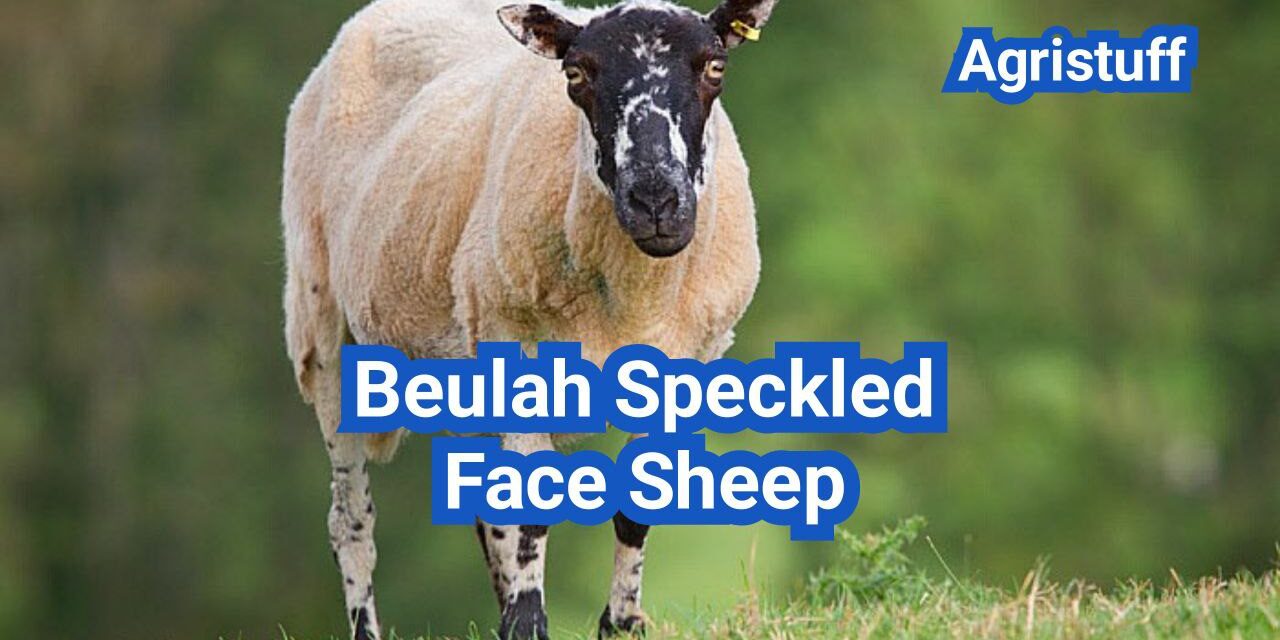
The Beulah Speckled Face Sheep is a heritage breed originating in the United Kingdom, specifically bred in the uplands of Wales over a hundred years ago.
This sheep breed has a rich history, with a breed society officially formed in 1958, marking its significance in the livestock breeding industry.
The Beulah Speckled Face is known for its distinctive characteristics, making it a valuable asset in sheep farming.
Key Takeaways
- A heritage sheep breed from the UK
- Bred in the Welsh uplands over a century ago
- Breed society formed in 1958
- Significant in the livestock breeding industry
- Known for its distinctive characteristics
The Welsh Heritage of Beulah Speckled Face Sheep

The Beulah Speckled Face Sheep breed has a rich history deeply rooted in Welsh heritage. This breed has been an integral part of the Welsh uplands, contributing significantly to the agricultural landscape of the region.
Welsh Upland Origins
The origins of the Beulah Speckled Face Sheep are traced back to the Welsh upland areas, where they were bred to thrive in the challenging terrain and climate. The breed’s ability to adapt to harsh conditions made it a valuable asset to local farmers.
The breed is most commonly associated with areas such as Eppynt, Llanafan Fawr, Abergwesyn, and Llanwrtyd Wells. These regions provided the ideal environment for the breed to develop its distinctive characteristics.
Development in the Eppynt Hills
The Eppynt Hills played a crucial role in the development of the Beulah Speckled Face Sheep. The unique conditions of this area, with its rugged landscape and variable climate, influenced the breed’s hardiness and resilience.
Local farmers selectively bred the sheep to enhance their ability to survive and thrive in these conditions, resulting in a robust and adaptable breed.
| Region | Characteristics | Significance to Breed Development |
|---|---|---|
| Eppynt Hills | Rugged terrain, variable climate | Influenced hardiness and resilience |
| Llanafan Fawr | Upland pastures, harsh winters | Contributed to breed’s adaptability |
| Abergwesyn | High-altitude grazing, challenging weather | Enhanced breed’s foraging ability |
Historical Significance to Welsh Agriculture
The Beulah Speckled Face Sheep has played a significant role in Welsh agriculture, particularly in the upland regions. The breed’s ability to thrive in challenging conditions made it an essential component of local farming systems.
Historically, the breed was valued for its wool, meat, and milk production, contributing to the economic viability of farms in these areas.
The breed’s historical significance extends beyond its economic value, as it is also closely tied to the cultural heritage of the region, representing a traditional way of life that has been passed down through generations.
Origin and Development of the Breed

Originating in the Welsh uplands, the Beulah Speckled Face Sheep has a unique development story. The breed’s history is deeply intertwined with the agricultural practices of Wales, particularly in the Eppynt Hills region.
Early Breeding History
The early breeding history of the Beulah Speckled Face Sheep is characterized by selective breeding for hardiness and adaptability to the challenging Welsh terrain. Farmers in the region focused on developing a robust ewe that could thrive in the harsh upland conditions. This selective breeding laid the foundation for the breed’s distinctive characteristics.
As noted by a renowned sheep breeder, “The Beulah Speckled Face Sheep’s ability to adapt to poor grazing conditions made it an ideal choice for Welsh farmers.” This observation highlights the breed’s resilience and its value in less favorable agricultural environments.
Formation of the Distinct Speckled Face Pattern
The speckled face pattern of the Beulah Speckled Face Sheep is one of its most distinctive features. This characteristic pattern is the result of careful breeding selection over generations. The breed’s name is derived from its black and white face, which is free from wool.
Evolution of the Modern Beulah
The modern Beulah Speckled Face Sheep has evolved significantly from its early ancestors. Through continued selective breeding, the breed has become known for its high productivity and maternal instincts. Ewes are naturally polled and are often crossed with lowland rams such as the Suffolk, Texel, or Bluefaced Leicester to produce mules, which are highly valued for their growth rate and meat production qualities.
Today, the Beulah Speckled Face Sheep remains an important part of Welsh agriculture, contributing to the country’s rich sheep breeding heritage. As agricultural practices continue to evolve, the breed’s adaptability and hardiness ensure its continued relevance in modern farming systems.
Physical Characteristics of Beulah Speckled Face Sheep
One of the defining features of the Beulah Speckled Face Sheep is its physical appearance. The breed is distinguished by several notable physical characteristics that contribute to their unique appearance and play a crucial role in their functionality and adaptability.
Size and Body Conformation
The Beulah Speckled Face Sheep is classified as a medium-sized breed. They have a robust body conformation that is well-suited for their historical role in Welsh agriculture. Their size and strength enable them to navigate challenging terrain effectively.
Distinctive Speckled Face Pattern
One of the most recognizable features of the Beulah Speckled Face Sheep is their speckled face pattern. The face is free of wool and exhibits a white base color speckled with black, accompanied by a black muzzle, black around the eyes, and black around the ears. This distinctive pattern is a hallmark of the breed.
Wool and Fleece Properties
The fleece of the Beulah Speckled Face Sheep is another significant characteristic. The fleece weight ranges from 1.4 to 3.5 kilograms, indicating a moderate fleece production that is valuable for wool production. Some key points about the Beulah Speckled Face Sheep include:
- Medium size, suitable for various farming conditions
- Distinctive black and white speckled face pattern
- Fleece weight ranging from 1.4 to 3.5 kilograms
- Robust body conformation for navigating challenging terrain
The combination of these physical characteristics makes the Beulah Speckled Face Sheep a versatile and valuable breed for agricultural purposes.
Temperament and Behavioral Traits
The Beulah Speckled Face Sheep is renowned for its robust temperament and unique behavioral traits. As a hill sheep breed, they have developed strong natural instincts that enable them to thrive in challenging environments.
Natural Instincts and Flock Behavior
Beulah Speckled Face Sheep are known for their strong flock behavior, often staying together in close groups. This instinct helps protect them from predators and harsh weather conditions. Their natural instincts also make them vigilant and responsive to their surroundings, allowing them to adapt quickly to changes in their environment.
These sheep are also known to have a strong maternal instinct, with ewes being protective of their lambs. This trait is crucial for the survival of the lambs, especially in rugged terrains where predation and harsh weather can be significant risks.
Adaptability to Different Environments
One of the key characteristics of the Beulah Speckled Face Sheep is their adaptability to various environments. Originating from the Welsh uplands, they are well-suited to harsh, rugged terrains and can thrive in conditions where other breeds might struggle.
Their hardiness and adaptability make them an excellent choice for farmers operating in challenging climates. They can graze on poor-quality pastures and are resilient to extreme weather conditions, making them a versatile breed for different farming systems.
Handling Characteristics
Beulah Speckled Face Sheep are generally considered to be a to-handle breed. Their calm nature makes them relatively easy to manage, even for less experienced farmers. However, like any sheep breed, they require proper handling techniques to minimize stress and ensure their well-being.
Their intelligence and responsiveness to handling also make them suitable for various farming practices, including rotational grazing and conservation grazing. Farmers appreciate their docile nature, which simplifies daily management tasks and reduces the risk of injury to both the animals and the handlers.
Breeding Beulah Speckled Face Sheep

Breeding Beulah Speckled Face Sheep requires careful planning and consideration of several key factors. The breed society, formed in 1958, has been instrumental in continuing the work of improving the breed through selective breeding practices.
Selecting Breeding Stock
Selecting the right breeding stock is crucial for the success of a Beulah Speckled Face Sheep breeding program. Breeders typically select stock based on characteristics such as fleece quality and mothering ability. The breed is known for its hardiness and productivity, making these traits important considerations when choosing breeding animals.
- Evaluate the fleece quality for its softness, density, and length.
- Assess the mothering ability of ewes, looking for those with strong maternal instincts.
- Consider the overall health and conformation of the animals.
Breeding Season and Timing
The timing of the breeding season is another critical factor in the breeding process. Beulah Speckled Face Sheep are typically bred to lamb in the spring, allowing the lambs to grow during the most favorable weather conditions.
- Plan the breeding season to ensure that lambing occurs when pasture quality is optimal.
- Consider the climate and weather patterns in your area when determining the best breeding time.
- Ensure that rams are in good condition and fertile at the start of the breeding season.
Genetic Considerations
Genetic considerations play a significant role in the breeding of Beulah Speckled Face Sheep. Breeders use Estimated Breeding Values (EBVs) and genetic selection to improve the breed’s characteristics.
Key genetic considerations include:
- Selecting for traits that enhance productivity and hardiness.
- Using EBVs to make informed breeding decisions.
- Avoiding inbreeding to maintain genetic diversity within the flock.
Lambing and Mothering Abilities
Beulah Speckled Face Sheep are known for their strong maternal instincts and ease of lambing, making them a popular choice among sheep farmers. Their ability to lamb easily and care for their young is crucial for the success of any sheep farming operation.
Lambing Ease and Success Rates
The Beulah Speckled Face Sheep breed is recognized for its ease of lambing, which is a significant factor in their popularity. Ewes are generally able to lamb without assistance, reducing the need for intervention during the lambing process.
Lambing success rates are high in Beulah Speckled Face Sheep, with a significant percentage of ewes producing healthy lambs. This success can be attributed to the breed’s hardiness and the ewes’ strong maternal instincts.
Maternal Instincts
The maternal instincts of Beulah Speckled Face Sheep are well-documented. Ewes are known to be protective of their lambs and have a strong bonding instinct, ensuring the lambs receive adequate care and nutrition.
Strong maternal instincts contribute to the high survival rates of lambs. Ewes are attentive to their lambs’ needs, providing them with the necessary care during the critical early stages of life.
Lamb Growth and Development
Lambs born to Beulah Speckled Face Sheep ewes typically exhibit robust growth and development. The ewes’ milk production is sufficient to support the lambs’ nutritional needs, promoting healthy growth.
| Age (weeks) | Average Weight (kg) | Growth Rate (kg/week) |
|---|---|---|
| 0 | 4 | – |
| 4 | 12 | 2 |
| 8 | 20 | 1.5 |
Managing the Lambing Process
Effective management of the lambing process is crucial for maximizing lambing success rates. This includes providing a clean and safe environment for ewes to lamb, monitoring the health of ewes and lambs, and ensuring timely intervention when necessary.
A lambing management checklist can be a useful tool for farmers. It helps ensure that all necessary steps are taken during the lambing season, from preparing the lambing area to post-lambing care.
Crossbreeding Potential and Practices

The versatility of Beulah Speckled Face Sheep makes them ideal for various crossbreeding practices. Their desirable traits, such as hardiness and maternal instincts, make them a popular choice for farmers looking to improve their flock.
Common Crossbreeding Programs
Beulah Speckled Face Sheep are often used in crossbreeding programs to produce market lambs and to improve the maternal qualities of other breeds. These programs typically involve crossing Beulah Speckled Face ewes with rams from other breeds to create lambs with desirable characteristics.
- Improved growth rates
- Enhanced maternal traits
- Increased hardiness
Terminal Sire Cross Lamb Production
One common practice is using Beulah Speckled Face ewes in terminal sire cross lamb production. This involves breeding Beulah Speckled Face ewes to a terminal sire breed, resulting in lambs that are well-suited for meat production.
The benefits of this approach include:
- Rapid growth rates
- Improved carcass quality
- Increased market value
Beulah Ewes as Maternal Breed Base
Beulah Speckled Face ewes are valued for their maternal qualities, making them an excellent choice as a maternal breed base. Their strong mothering instincts and ability to produce milk-rich lambs make them ideal for crossbreeding programs.
Using Beulah Speckled Face ewes as a maternal breed base can result in:
- Improved lamb survival rates
- Enhanced lamb growth rates
- Better overall flock health
Hybrid Vigor Benefits
Crossbreeding with Beulah Speckled Face Sheep can also result in hybrid vigor, where the offspring exhibit superior traits compared to either parent breed. This can lead to improved overall performance and productivity.
The benefits of hybrid vigor include:
- Increased fertility
- Improved hardiness
- Enhanced productivity
Pasture Management for Beulah Speckled Face Sheep

Effective pasture management is crucial for maintaining the health and productivity of Beulah Speckled Face Sheep. A well-managed pasture not only provides nutritional benefits but also contributes to the overall well-being of the flock.
Rotational Grazing Systems
Rotational grazing is a key strategy in managing pastures for Beulah Speckled Face Sheep. This method involves dividing the pasture into smaller sections and rotating the sheep through them to prevent overgrazing and allow for regrowth. Rotational grazing helps in maintaining pasture quality and reducing parasite loads.
By implementing rotational grazing, farmers can improve soil health, increase biodiversity, and enhance the overall productivity of their pastures. It’s essential to monitor pasture conditions and adjust the rotation schedule accordingly.
Seasonal Grazing Considerations
Beulah Speckled Face Sheep have different nutritional needs across various seasons. In spring and early summer, pastures are typically lush and nutrient-rich, supporting the growth and development of lambs. As the seasons progress, the quality and quantity of forage may decline, necessitating adjustments in grazing management.
Seasonal grazing considerations involve planning for forage availability and quality throughout the year. This may include providing supplemental feed during periods of low forage quality or quantity.
Pasture Improvement Strategies
Improving pasture quality is vital for the health and productivity of Beulah Speckled Face Sheep. Strategies include reseeding with appropriate grass and legume species, controlling weeds, and applying fertilizers as needed.
Regular monitoring of pasture health and implementing improvement strategies can significantly enhance the grazing experience for the sheep. This includes maintaining optimal stocking rates and ensuring adequate water supply.
Stocking Rates and Land Requirements
Determining the appropriate stocking rate is critical for maintaining pasture health and ensuring the well-being of Beulah Speckled Face Sheep. Overstocking can lead to overgrazing and degradation of the pasture, while understocking may result in underutilization of forage resources.
Land requirements for Beulah Speckled Face Sheep vary depending on factors such as pasture quality, climate, and management practices. Generally, a well-managed pasture can support a significant number of sheep per acre, but this needs to be balanced with the need to maintain pasture health.
Health Management and Disease Prevention
Maintaining the health of Beulah Speckled Face Sheep is vital for their well-being and the overall success of sheep farming operations. Effective health management involves a multi-faceted approach that includes controlling internal parasites, maintaining foot health, and implementing appropriate vaccination programs.
Internal Parasite Control
Internal parasite control is a critical aspect of health management in Beulah Speckled Face Sheep. Internal parasites can significantly impact the productivity and health of the flock. Implementing a strategic deworming program is essential to manage parasite loads effectively.
Sheep deworming resistance management is a key consideration in internal parasite control. The overuse of deworming medications can lead to resistance, reducing their effectiveness. A balanced approach that includes monitoring parasite loads, using appropriate deworming medications, and implementing grazing management strategies can help mitigate resistance.
Foot Health and Footrot Prevention
Foot health is another crucial aspect of sheep health management. Footrot is a significant issue that can cause lameness and reduce productivity. Footrot prevention involves maintaining clean and dry conditions, trimming hooves regularly, and implementing biosecurity measures to prevent the introduction and spread of the disease.
Regular inspection and monitoring of the flock’s foot health are essential for early detection and treatment of footrot. Vaccination against footrot can also be considered as part of a comprehensive foot health management program.
Vaccination Programs
Vaccination is a key component of disease prevention in Beulah Speckled Face Sheep. The CDT vaccine is commonly used to protect against Clostridial diseases. Developing a vaccination schedule that aligns with the specific needs of the flock and the farm’s disease risk profile is important.
Consulting with a veterinarian to determine the most appropriate CDT vaccine schedule for sheep can help ensure that the flock is adequately protected against diseases. Additionally, other vaccines may be recommended based on regional disease risks and farm-specific factors.
The Beulah Speckled Face Sheep Society

Established in 1958, the Beulah Speckled Face Sheep Society has been dedicated to the improvement of the breed. The society plays a vital role in promoting the Beulah Speckled Face Sheep and providing resources to breeders.
Organization History and Purpose
The Beulah Speckled Face Sheep Society was formed with the primary objective of promoting and improving the Beulah Speckled Face Sheep breed. Over the years, the society has worked tirelessly to support breeders and promote the breed both locally and internationally.
“The society’s dedication to the breed has been instrumental in its success and global recognition.” The organization’s efforts have contributed significantly to the breed’s development and its current status in the sheep breeding community.
Breed Standards and Registration
The Beulah Speckled Face Sheep Society maintains strict breed standards to ensure the integrity and quality of the breed. The registration process is rigorous, involving detailed documentation of the sheep’s pedigree and physical characteristics.
- Breeders must adhere to the society’s guidelines for breeding and registration.
- The society provides a comprehensive registration process to ensure the accuracy of pedigree records.
- Only sheep that meet the breed standards are eligible for registration.
Events and Shows
The society organizes various events and shows throughout the year, providing breeders with opportunities to showcase their sheep and compete with others.
These events are crucial for promoting the breed and allowing breeders to share knowledge and best practices. “The annual show is a highlight of the society’s calendar, attracting breeders and enthusiasts from far and wide.”
Resources for Breeders
The Beulah Speckled Face Sheep Society offers a range of resources to support breeders, including breeding advice, flock management tips, and access to a network of experienced breeders.
Breeders can benefit from the society’s expertise and guidance, helping them to improve their flocks and overcome challenges.
“The society’s support has been invaluable in helping us establish a successful breeding program,”
says Jane Doe, a prominent Beulah Speckled Face Sheep breeder.
Beulah Speckled Face Sheep in the United States

With their origins in Wales, Beulah Speckled Face Sheep have found a new home in various sheep production systems across America. The breed’s introduction to the U.S. has been met with interest due to its hardiness, productivity, and adaptability.
Introduction and Spread in America
The Beulah Speckled Face Sheep breed was introduced to the United States as part of efforts to diversify and strengthen the country’s sheep industry. The breed’s hardiness and maternal instincts have made it an attractive choice for many farmers.
The spread of Beulah Speckled Face Sheep across America can be attributed to their ability to thrive in various environments. They are now found in different parts of the country, from small-scale farms to larger commercial operations.
Current Population and Distribution
While exact numbers are difficult to determine due to the lack of a centralized registry for all sheep breeds in the U.S., it’s known that Beulah Speckled Face Sheep are present in significant numbers. They are distributed across various states, with a notable presence in regions with suitable grazing land.
- Major breeding states include those with extensive pastureland.
- The breed is valued for its ability to adapt to different grazing conditions.
- Farmers appreciate their resistance to certain diseases.
American Breeding Programs
Breeding programs for Beulah Speckled Face Sheep in the U.S. focus on maintaining the breed’s hardiness while enhancing its productivity. Selective breeding practices are employed to improve lambing rates, growth rates, and wool quality.
Some breeders are also exploring crossbreeding programs to leverage the hybrid vigor effect, combining the strengths of Beulah Speckled Face Sheep with other breeds.
USDA Requirements and Regulations
Beulah Speckled Face Sheep, like other sheep breeds in the U.S., are subject to various USDA regulations. These include requirements for scrapie identification, which is crucial for maintaining flock health and preventing the spread of disease.
Farmers must comply with USDA guidelines on sheep identification, movement reporting, and disease control measures. Regular market reports from the USDA also provide valuable insights into the sheep industry’s trends and challenges.
Commercial Uses and Economic Value

The Beulah Speckled Face Sheep is a versatile breed with significant commercial value, contributing to various agricultural sectors through its meat production, wool, and conservation grazing applications.
Meat Production Qualities
Beulah Speckled Face Sheep are renowned for their excellent meat production qualities. They produce lambs that grow rapidly, achieving market weight quickly. The breed’s meat is known for its desirable carcass characteristics, including good muscle conformation and a favorable fat-to-meat ratio.
The breed’s ability to thrive on varied grazing conditions makes it an attractive choice for farmers looking to produce high-quality lamb.
Wool and Fiber Markets
In addition to meat production, Beulah Speckled Face Sheep are valued for their high-quality wool. The fleece is characterized by its softness, fineness, and staple length, making it suitable for various textile applications.
The wool market for Beulah Speckled Face Sheep is growing, driven by demand for sustainable and locally sourced fibers.
Conservation Grazing Applications
Beulah Speckled Face Sheep are increasingly used in conservation grazing programs. Their grazing habits help maintain open landscapes, promote biodiversity, and reduce fuel loads for wildfires.
This application not only provides an additional income stream for farmers but also contributes to environmental stewardship.
Marketing Strategies for Beulah Products
Effective marketing strategies are crucial for maximizing the economic value of Beulah Speckled Face Sheep products. Farmers can leverage the breed’s unique characteristics and the growing demand for sustainable products.
- Highlighting the breed’s heritage and traditional farming practices
- Emphasizing the quality and uniqueness of Beulah Speckled Face Sheep meat and wool
- Utilizing online platforms and local markets to reach consumers
By adopting these strategies, farmers can differentiate their products and attract premium prices.
Pros and Cons of Raising Beulah Speckled Face Sheep

Raising Beulah Speckled Face Sheep presents both benefits and drawbacks that farmers should carefully consider. This breed, known for its hardiness and distinctive appearance, can be a valuable addition to certain farming operations, but it may not be suitable for everyone.
Advantages for Small-Scale Farmers
Beulah Speckled Face Sheep offer several advantages that make them particularly appealing to small-scale farmers. Their hardiness and adaptability allow them to thrive in various conditions, reducing the need for intensive care. Additionally, their maternal instincts are well-developed, ensuring a high success rate in lambing.
- Low input costs due to their ability to forage effectively
- High-quality meat production
- Valuable wool and fleece
Challenges and Limitations
Despite their advantages, Beulah Speckled Face Sheep also present several challenges. One of the primary concerns is their specific nutritional needs, particularly during certain times of the year. Farmers must also be prepared to manage potential health issues, such as internal parasites.
- Regular monitoring for health issues
- Strategic parasite control measures
- Adequate nutrition planning
Economic Considerations
The economic viability of raising Beulah Speckled Face Sheep depends on several factors, including market demand for their products and the costs associated with their care. Farmers should consider the potential revenue from meat, wool, and breeding stock.
| Product | Potential Revenue |
|---|---|
| Meat | High demand for premium lamb |
| Wool/Fleece | Valuable for hand-spinning and textile production |
| Breeding Stock | Opportunities for selling to other farmers |
Suitability for Different Farming Systems
Beulah Speckled Face Sheep can be integrated into various farming systems, but their suitability depends on the specific practices and goals of the farm. They are particularly well-suited to extensive grazing systems and can be a good fit for conservation grazing projects.
In conclusion, while Beulah Speckled Face Sheep offer many benefits, farmers must carefully weigh these against the potential challenges and consider their farm’s specific circumstances.
The Future of Beulah Speckled Face Sheep
The Beulah Speckled Face Sheep continues to be a vital part of the sheep farming industry, with ongoing efforts to conserve and promote this heritage breed. As the agricultural landscape evolves, the future of Beulah Speckled Face Sheep remains promising, driven by its adaptability and the dedication of breeders.
Conservation initiatives are crucial for the long-term survival of Beulah Speckled Face Sheep. These efforts not only preserve the breed’s genetic integrity but also support the broader goals of heritage sheep breeds conservation. By maintaining diverse breeding programs, the Beulah Speckled Face Sheep Society plays a pivotal role in ensuring the breed’s continued success.
The Beulah Speckled Face Sheep’s significance extends beyond its economic value, as it contributes to the rich cultural heritage of sheep farming. As we look to the future, it is clear that this breed will remain an important part of the industry, with its Beulah Speckled Face Sheep future closely tied to the success of conservation and breeding programs.
FAQ
What is the origin of the Beulah Speckled Face Sheep breed?
The Beulah Speckled Face Sheep breed originated in the Welsh uplands, specifically in the Eppynt Hills, where it was developed for its hardiness and adaptability to the challenging terrain.
What are the distinctive physical characteristics of Beulah Speckled Face Sheep?
Beulah Speckled Face Sheep are known for their speckled face pattern, medium size, and robust body conformation, as well as their high-quality wool and fleece properties.
What are the temperament and behavioral traits of Beulah Speckled Face Sheep?
Beulah Speckled Face Sheep are known for their strong natural instincts, flock behavior, and adaptability to different environments, making them relatively easy to handle.
How are Beulah Speckled Face Sheep bred, and what are the key considerations?
Breeding Beulah Speckled Face Sheep involves selecting high-quality breeding stock, careful timing of the breeding season, and consideration of genetic factors to maintain the breed’s integrity.
What are the lambing and mothering abilities of Beulah Speckled Face Sheep?
Beulah Speckled Face Sheep are known for their ease of lambing, strong maternal instincts, and ability to produce healthy, thriving lambs, making them a popular choice for sheep farmers.
Can Beulah Speckled Face Sheep be used for crossbreeding, and what are the benefits?
Yes, Beulah Speckled Face Sheep can be used for crossbreeding, and their hybrid vigor can result in improved lamb production, growth rates, and overall hardiness.
What are the key pasture management strategies for Beulah Speckled Face Sheep?
Effective pasture management for Beulah Speckled Face Sheep involves rotational grazing systems, seasonal grazing considerations, pasture improvement strategies, and careful stocking rates to maintain land health.
How can health issues be managed and prevented in Beulah Speckled Face Sheep?
Health management for Beulah Speckled Face Sheep includes internal parasite control, foot health and footrot prevention, and vaccination programs to maintain overall flock health.
What is the role of the Beulah Speckled Face Sheep Society?
The Beulah Speckled Face Sheep Society is responsible for maintaining breed standards, registering purebred animals, and providing resources and support for breeders.
Are Beulah Speckled Face Sheep found in the United States, and what are the relevant regulations?
Yes, Beulah Speckled Face Sheep are found in the United States, and breeders must comply with USDA requirements and regulations, including those related to animal identification and disease control.
What are the commercial uses and economic value of Beulah Speckled Face Sheep?
Beulah Speckled Face Sheep are valued for their meat production qualities, wool and fiber markets, and conservation grazing applications, making them a versatile and economically valuable breed.
What are the advantages and disadvantages of raising Beulah Speckled Face Sheep?
The advantages of raising Beulah Speckled Face Sheep include their hardiness, adaptability, and high-quality wool and meat production, while challenges include the need for careful pasture management and health monitoring.
Conclusion of: Beulah Speckled Face Sheep Breed
Introduction to the Beulah Speckled Face Sheep
Beulah Speckled Face Sheep are a hardy upland breed from mid-Wales that many producers admire for their practical, “do-the-job” nature: they can thrive in tougher environments, raise lambs well, and also fit neatly into crossbreeding systems when commercial lamb quality is the goal. In the U.S., the Beulah Speckled Face Sheep name is less common than mainstream breeds, but the production principles behind this type of maternal hill sheep—sound feet, strong forage ability, good mothering, and efficient lamb output—are universal and valuable on many American farms. National Sheep Association breed profile
History and Origin in Mid-Wales
Beulah Speckled Face Sheep take their full name from the Eppynt hills, and the breed tradition is closely tied to the upland areas around Eppynt, Llanafan, Abergwesyn, and Llanwrtyd Wells in Wales. A standout part of the breed story is the long period of breeding continuity in its home region, which helped shape a consistent “type” that local flockmasters selected for real hill conditions rather than show-ring extremes. For readers researching Beulah Speckled Face Sheep, the breed society history is a useful starting point because it explains how the modern breed identity was protected and improved over time. Beulah Speckled Face Sheep Society overview
Breed Appearance and Identifying Features
Beulah Speckled Face Sheep are generally recognized by a white fleece paired with darker facial and leg markings, including a speckled pattern on the face that gives the breed its distinctive name. Breed descriptions commonly note an absence of horns (polled animals) and a clean face and legs (little to no wool on those areas), which can make routine observation and management easier in wet or brushy ground. If you are evaluating Beulah Speckled Face Sheep for purchase, prioritize animals that match the functional type—strong frame, sound mouth, and correct feet—because these traits matter more than cosmetic markings when you’re building a productive flock. Oklahoma State University: Beulah Speckled-Face Sheep
Geography, Hardiness, and Why the Breed Was Built for Uplands
Beulah Speckled Face Sheep were shaped by upland conditions—variable weather, rough pasture, and the need to convert forage into lamb efficiently—so breed descriptions often emphasize “hardy” performance and the ability to thrive in harsher environments. This matters for U.S. producers because many American operations also rely on pasture-based systems where resilience and low-input management are profit drivers. When managed well, Beulah Speckled Face Sheep can align with farms that want a maternal ewe type that stays productive without constant intervention, provided the operation also supports good grazing, mineral access, and basic health planning. National Sheep Association: Beulah Speckled Face listing
Temperament and Ease of Handling on Working Farms
Beulah Speckled Face Sheep are often described as easy to handle and not a high-maintenance breed, which is exactly what many pasture-based producers want when labor is limited. Temperament isn’t just a “nice-to-have”: calmer sheep are easier to sort, treat, shear, and load, which can reduce stress-related setbacks like poor weight gain or handling injuries. If you’re building a Beulah Speckled Face Sheep flock (or a flock inspired by this maternal hill type), keep selection pressure on behavior—retain ewes that mother well without becoming aggressive and cull animals that repeatedly challenge fences, fight handling, or fail to settle. OSU breed notes on manageability
Mothering Ability, Milkiness, and Lamb Vigor
Beulah Speckled Face Sheep are widely valued for maternal traits—good mothering and solid milk production—because those traits directly influence lamb survival and growth, especially in more extensive systems. In practical terms, a Beulah Speckled Face Sheep–type ewe should lamb with minimal trouble, accept and protect her lambs, and provide enough milk for strong early growth without constant supplementation. To support these strengths, match your management to the ewe: body condition scoring before lambing, clean lambing areas, rapid colostrum intake, and early observation for mismothering will usually deliver better results than heavy-handed intervention. Breed society notes on mothering and milking
Meat Production Role and Carcass-Focused Crosses
Beulah Speckled Face Sheep can be kept purebred for replacements and upland lamb production, but they are also used in crossing systems to produce lambs that better match modern carcass expectations. Breed guidance commonly mentions crossing Beulah Speckled Face Sheep ewes with terminal sire types (including Down, Suffolk, and various Continental rams) to push carcass shape and finish while keeping maternal efficiency in the ewe base. For U.S. farms, this is a familiar strategy: maintain maternal ewes that thrive on forage, then use a terminal ram to produce market lambs with improved growth and muscling for your specific outlet (direct-to-consumer, ethnic markets, auctions, or contracts). Crossing recommendations from the breed society
Wool and Fleece Qualities in a Real-World Context
Beulah Speckled Face Sheep are a dual-purpose type in the sense that they produce both lamb and a usable fleece, and published breed descriptions commonly note a white-to-cream fleece and measured fiber characteristics (including a relatively coarser micron range compared with fine-wool breeds). If wool revenue is part of your plan, treat the Beulah Speckled Face Sheep fleece as a product that needs preparation: control vegetable matter, keep shearing areas clean, skirt obvious contamination, and store fleeces dry. Even if wool is a secondary income stream, better fleece handling can improve market options and reduce disposal hassles. OSU notes on fleece characteristics
Shearing, Fleece Preparation, and Minimizing Stress
Beulah Speckled Face Sheep shearing success is mostly about preparation and animal comfort: clean, dry sheep; a calm handling flow; and timing that avoids extreme heat or severe cold right after shearing. Good shearing practice protects both welfare and fleece value—stress and poor handling can lead to cuts, bruising, and lower-quality clips. Plan water and feed access around the shear date based on your shearer’s recommendations, provide shelter if weather turns, and keep an eye on freshly shorn Beulah Speckled Face Sheep for chill risk, especially in windy, wet conditions that can rapidly increase energy demand. Best-practice preparation for shearing
Lambing Management That Fits Low-Intervention Ewes
Beulah Speckled Face Sheep are often described as ewes that can lamb with minimal attention, but “minimal attention” should never mean “no planning.” The best outcomes come from boring, consistent preparation: a clean, dry lambing environment; basic lambing supplies; a clear protocol for assisting dystocia; and a colostrum plan for weak lambs or large litters. For many farms, the most profitable approach with Beulah Speckled Face Sheep is to manage for fewer emergencies—keep ewes in the right body condition, avoid sudden diet shifts late gestation, and use rams with proven lambing-ease where possible. NC State Extension lambing guide
Nutrition Through Pregnancy and Lactation
Beulah Speckled Face Sheep can look “fine” right up until nutrition problems show up as weak lambs, poor milk, or metabolic stress, so feeding strategy should be stage-specific. Early gestation usually requires maintenance-level nutrition, while late gestation and early lactation demand more energy and protein—especially for twin-bearing ewes—because fetal growth and colostrum/milk production rise sharply. Use forage testing when possible, provide balanced minerals, and make ration changes gradually to protect rumen function. When Beulah Speckled Face Sheep are managed primarily on pasture, remember that water access and forage height/quality can be as important as any purchased feed. New Mexico State University: pregnancy nutrition for sheep
Pasture Use, Rotational Grazing, and Forage Efficiency
Beulah Speckled Face Sheep excel when the grazing plan matches the land: adequate rest periods, controlled grazing pressure, and a system that supports both animal performance and pasture recovery. Rotational grazing can help maintain forage quality, reduce selective overgrazing, and improve utilization—especially on small and mid-sized farms where paddock moves are manageable. For Beulah Speckled Face Sheep operations in the U.S., a practical goal is to keep sheep harvesting the “best bite” without forcing them to graze too low, which can hurt regrowth and elevate parasite exposure. USDA NRCS rotational grazing overview
Parasites, Targeted Control, and Forage-Based Prevention
Internal parasites are one of the fastest ways to turn efficient Beulah Speckled Face Sheep into poor performers, especially in humid regions or on continuously grazed pastures. A strong program combines grazing management (rest, rotation, and avoiding overly short forage), observation, and targeted treatment instead of automatic deworming that drives resistance. Many producers use tools like fecal egg counts, selective treatment (only treating animals that truly need it), and strategic pasture moves to reduce parasite pressure. With Beulah Speckled Face Sheep, protecting the ewe base—especially lactating ewes and young lambs—often delivers the biggest payoff in growth and survival. University of Missouri Extension parasite management
Vaccination Planning and Basic Biosecurity
Beulah Speckled Face Sheep health planning should be simple, consistent, and coordinated with your local veterinarian because disease risk varies by region, stocking rate, and purchase patterns. One widely discussed core step on many farms is clostridial protection (often via CDT vaccination strategies), paired with good sanitation, quarantine for new additions, and clean lambing areas to reduce pathogen exposure. Biosecurity is especially important if you buy rams, show animals, or bring in outside sheep for grazing contracts; even a tough Beulah Speckled Face Sheep flock can be knocked back by preventable disease introductions. Michigan State University Extension: CDT vaccination guidance
Foot Health and Footrot Prevention in Wet Conditions
Sound feet are non-negotiable for Beulah Speckled Face Sheep because pasture-based systems depend on animals walking, grazing, and traveling without chronic pain. Footrot control is typically multi-step: trim only when needed, keep handling areas as dry as practical, isolate or cull chronic cases, and use proven treatment protocols when outbreaks occur. Many farms also improve results by addressing the environment—muddy gateways, overcrowded high-traffic areas, and long periods on wet ground can keep reinfection cycling. Selecting Beulah Speckled Face Sheep that repeatedly stay sound on your farm is one of the most powerful “treatments” you can apply over time. OSU Extension: Foot rot control
Breeding Strategy, EBVs, and Selecting the Right Rams
Beulah Speckled Face Sheep breeding decisions should start with a clear target: are you building a purebred maternal flock, producing crossbred market lambs, or doing both with separate breeding groups? When available, tools like Estimated Breeding Values (EBVs) can help you choose rams based on measurable genetic merit rather than appearance alone, especially for traits tied to profit such as growth, maternal performance, and parasite resistance. Even if EBVs are not available for your specific Beulah Speckled Face Sheep source, the same mindset applies: keep records, measure outcomes (weaning weights, lamb survival, ewe longevity), and select the next generation based on performance that fits your system. NC State Extension: Using EBVs
Crossbreeding Systems and Managing for Hybrid Vigor
Beulah Speckled Face Sheep are frequently discussed in the context of crossbreeding because a maternal ewe base paired with a terminal sire can capture hybrid vigor (better lamb survival, growth, and overall efficiency) while still keeping the ewe flock adapted to forage conditions. The key is system discipline: decide whether you are running a terminal system (all lambs marketed) or a rotational/crisscross approach (some females retained), then align ram purchases, lambing groups, and replacement plans accordingly. With Beulah Speckled Face Sheep–type ewes, a well-designed crossbreeding plan can improve lamb crop value without turning your flock into a management headache. OSU Extension: Crossbreeding ideas
U.S. Considerations: Identification, Sourcing, and Import Reality
For U.S. producers interested in Beulah Speckled Face Sheep, two practical realities matter: the breed may be uncommon locally, and animal movement rules are strict—especially for disease control programs. If you are purchasing sheep within the U.S., make sure your animals meet official identification requirements and that you understand your state’s movement rules, because compliance protects your farm and your market access. If you are thinking about importing Beulah Speckled Face Sheep genetics, start by reading the federal requirements and then talk to USDA/APHIS and qualified import professionals; “I can figure it out later” is how projects become expensive delays. USDA APHIS sheep & goat identification
Marketing Lambs, Wool, and Breeding Stock
Beulah Speckled Face Sheep marketing starts with knowing what buyers pay for in your region: weight ranges, finish level, seasonality, and whether you’re selling feeder lambs, finished lambs, freezer lambs, or breeding animals. Use reputable market reporting and industry summaries to track price direction and demand patterns, then match your production calendar to the best-fit outlet. If you keep Beulah Speckled Face Sheep as a maternal base, remember that consistency is a selling point—buyers return to farms that deliver uniform lots, clear health records, and predictable timing. For wool, strong preparation and clean handling can open small-batch craft markets even when commodity wool prices are low. USDA AMS sheep market reports
Final thought
Beulah Speckled Face Sheep represent a practical, field-proven approach to sheep production: keep the ewe efficient, keep the system forage-driven, and use smart selection to improve outcomes year after year. Whether you raise Beulah Speckled Face Sheep purebred, use them as a maternal foundation for crossbred lambs, or simply apply the same “hardy maternal ewe” logic to your own flock, the winning formula is consistent fundamentals—nutrition matched to stage, clean lambing preparation, parasite-aware grazing, and a welfare-first handling culture. Build around those basics and the flock will usually reward you with fewer problems and more saleable lambs. American Sheep Industry: Sheep Care Guide
Sources & References
- National Sheep Association — Sheep Breeds (Beulah Speckled Face listing)
- The Eppynt Hill & Beulah Speckled Face Sheep Society — About
- The Eppynt Hill & Beulah Speckled Face Sheep Society — Main Purpose of the Breed
- Oklahoma State University — Breeds of Livestock: Beulah Speckled-Face Sheep
- NC State Extension — Lambing and Kidding Cheat Sheet
- New Mexico State University — Nutrition Throughout Pregnancy for Sheep Flocks (PDF)
- USDA NRCS — Rotational Grazing (PDF)
- University of Missouri Extension — Parasite control through forage management
- Michigan State University Extension — CDT vaccinations for sheep and goats
- NC State Extension — Using Estimated Breeding Values
- OSU Extension — Some Ideas About Crossbreeding Sheep
- USDA APHIS — Sheep and Goat Identification
- USDA AMS — Sheep Reports
- Best practice preparation for shearing (wool.com)
- American Sheep Industry Association — Sheep Care Guide (PDF)