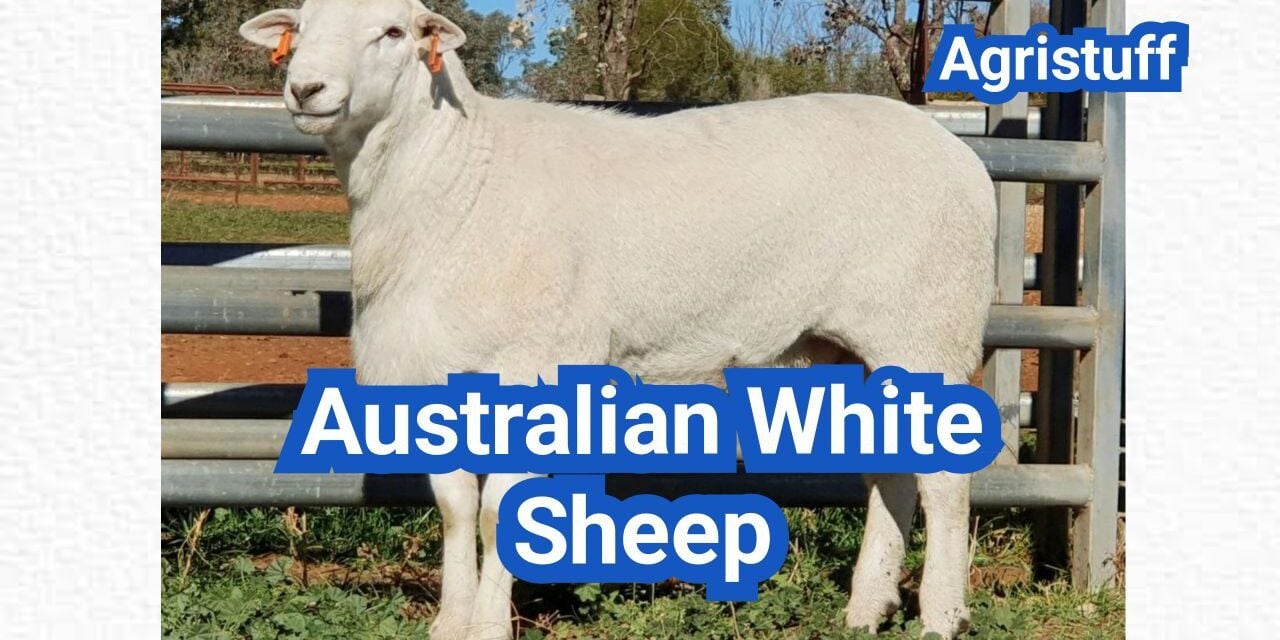
The Australian White Sheep is a relatively new breed of meat sheep developed in Australia through selective breeding of several other breeds, including White Dorper Sheep, Van Rooy, Poll Dorset, and Texel sheep.
This breed was created to produce a large, white sheep with a self-shedding hair coat, well-suited to the Australian climate and offering high-quality meat.
The development of the Australian White aimed to create a hardy, fast-growing sheep that can thrive in various conditions, making it significant in the sheep farming industry.
Key Takeaways
- The Australian White Sheep is a breed of meat sheep.
- It was developed by breeding White Dorper, Van Rooy, Poll Dorset, and Texel sheep.
- The breed is known for its large size and self-shedding hair coat.
- Australian White Sheep are well-suited to various climates.
- They offer high-quality meat, making them significant in the sheep farming industry.
The Development of Australian White Sheep

The Australian White Sheep breed has a fascinating history that involves the collaboration of several key breeders. This breed was developed to meet the growing demand for high-quality meat production. The development process was meticulous, involving the selection of superior traits from various foundation breeds.
The Birth of a New Breed
The Australian White Sheep was bred to be a robust and fast-growing meat sheep breed. The breeders aimed to create a sheep that could thrive in various environmental conditions. The result was a breed that not only met but exceeded expectations in terms of growth rate and meat quality.
According to
“The breed was developed through a collaborative effort between several prominent breeders, including Baringa, Highveld, and Tattykeel.”
This collaboration was crucial in achieving the desired characteristics in the Australian White Sheep.
Key Developers and Breeders
The development of the Australian White Sheep involved several key breeders who brought their expertise and resources to the table. The breed was first shown at the Sydney Royal Easter Show in 2011, marking a significant milestone in its development.
| Breeder | Contribution |
|---|---|
| Baringa | Genetic foundation |
| Highveld | Selection for growth rate |
| Tattykeel | Meat quality enhancement |
The collaboration between these breeders resulted in a breed that is well-adapted to various climates and production systems. The Australian White Sheep has since become a popular choice among sheep breeders due to its superior characteristics.
Key characteristics of the Australian White Sheep include its fast growth rate, high-quality meat, and adaptability to different environments. These traits make it an attractive option for farmers looking to improve their flock’s productivity.
History and Origin of Australian White Sheep

The development of the Australian White Sheep is a story of meticulous breeding and selection. Originating in Australia, this breed has been carefully crafted to excel in various environments.
The Australian White Sheep breed derives its strength from several foundation breeds, which were chosen for their desirable traits. Understanding these foundation breeds is crucial to appreciating the characteristics of the Australian White Sheep.
Foundation Breeds
The Australian White Sheep was developed using a combination of breeds including the White Dorper, Van Rooy, Poll Dorset, and Texel sheep. Each of these breeds contributed unique qualities to the Australian White Sheep.
- White Dorper: Known for its hardiness and rapid growth rate.
- Van Rooy: Contributed to the breed’s hair sheep characteristics.
- Poll Dorset: Added to the breed’s muscularity and fertility.
- Texel: Introduced its renowned muscling and lean meat characteristics.
Timeline of Development
The development of the Australian White Sheep breed was a gradual process that spanned several decades. While the exact timeline may vary, key milestones mark the breed’s evolution.
| Period | Event |
|---|---|
| Initial Breeding | Selection of foundation breeds began |
| Selective Breeding | Focused breeding for desirable traits |
| Establishment | Breed characteristics stabilized |
By understanding the history and origin of the Australian White Sheep, breeders and farmers can better appreciate the breed’s strengths and potential applications in various farming systems.
Physical Characteristics of Australian White Sheep

Australian White Sheep are recognized for their robust body structure and unique coat characteristics. This breed is known for its large size and white coat, making it a standout among other sheep breeds.
Body Structure and Size
The Australian White Sheep is characterized by its substantial body size. They typically have a muscular build, contributing to their overall size and weight. The breed’s large stature is one of its defining physical attributes.
Key Features of Body Structure:
- Muscular build
- Large body size
- Robust bone structure
Coat and Shedding Properties
One of the distinctive features of the Australian White Sheep is its self-shedding hair coat. This characteristic eliminates the need for shearing, making it a low-maintenance breed in terms of grooming.
Benefits of the Coat:
- Reduces the need for shearing
- Adaptable to various climates
- Enhances the overall hardiness of the breed
Head, Face, and Eyes
The head, face, and eyes of Australian White Sheep are also noteworthy. They typically have a white face, which is a defining characteristic of the breed. Their eyes are alert and expressive, contributing to their overall appearance.
Characteristics of the Head and Face:
- White face
- Alert and expressive eyes
- Proportionate to the body size
Temperament and Behavior

Known for their easy-going temperament, Australian White Sheep are an ideal choice for many sheep farmers. Their calm and docile nature makes them easy to handle, which is a significant advantage in farming operations.
General Disposition
The Australian White Sheep breed is known for its friendly disposition. They are generally docile and easy to manage, making them suitable for farmers of all experience levels. Their easy-care nature is one of the breed’s most appealing characteristics.
Farmers appreciate the breed’s calm demeanor, as it simplifies handling and reduces stress on both the animals and the handlers. This temperament also makes them a good choice for farms that may have visitors or are involved in educational activities.
Herd Behavior
Australian White Sheep exhibit strong herd behavior, which is typical for sheep. They tend to stay together and follow established leaders within the flock. This behavior is beneficial for grazing management, as it allows farmers to manage large groups effectively.
The table below summarizes key aspects of their herd behavior:
| Behavioral Trait | Description |
|---|---|
| Follows Leadership | Australian White Sheep tend to follow established leaders within the flock. |
| Grazing Pattern | They graze in a coordinated manner, making them easy to manage in pasture settings. |
| Social Structure | The breed maintains a strong social structure within the herd. |
In conclusion, the temperament and behavior of Australian White Sheep make them an attractive option for sheep farmers. Their calm nature and strong herd behavior contribute to their popularity and ease of management.
Australian White Sheep as a Hair Breed

The Australian White Sheep breed is known for its unique hair coat, which offers several advantages over traditional wool breeds. This characteristic makes them an attractive option for farmers looking to reduce labor costs associated with shearing.
Benefits of Hair vs. Wool
The hair coat of Australian White Sheep provides several benefits. Reduced labor costs are a significant advantage, as the breed’s self-shedding coat eliminates the need for regular shearing. Additionally, hair sheep breeds like the Australian White are often more resistant to parasites and less prone to flystrike, a common issue in wool breeds.
According to a study on hair sheep breeds, “The absence of wool on hair sheep reduces the risk of fleece rot and body strike, making them a more robust choice for certain farming conditions.” This is particularly relevant for farmers operating in regions with high temperatures and humidity.
| Characteristics | Hair Sheep | Wool Sheep |
|---|---|---|
| Shearing Needs | Low | High |
| Parasite Resistance | High | Variable |
| Labor Costs | Lower | Higher |
Shedding Patterns and Management
Australian White Sheep exhibit a natural shedding pattern, typically shedding their coat seasonally. This process can be influenced by factors such as nutrition, climate, and health. Effective management of shedding involves ensuring the sheep are well-nourished and healthy, as stress can impact shedding patterns.
Farmers can manage the shedding process by maintaining optimal pasture conditions and monitoring the health of their flock. Regular checks for parasites and provision of adequate nutrition are crucial. As noted by experienced breeders, “Proper nutrition and health management are key to optimizing the shedding process in Australian White Sheep.”
By understanding and managing the shedding patterns of Australian White Sheep, farmers can maximize the benefits of this hair breed, improving overall flock health and productivity.
Breeding Australian White Sheep

Effective breeding practices are crucial for maximizing the potential of Australian White Sheep. This breed is known for its high lambing percentage and is often used in crossbreeding programs to improve the fertility and hardiness of other breeds.
Breeding Cycle
The breeding cycle of Australian White Sheep is characterized by a relatively short breeding season, allowing for efficient lamb production. Ewes are known to be highly fertile, with a strong maternal instinct that ensures high lamb survival rates.
The breeding season typically lasts around 2-3 months, during which rams are introduced to the ewe flock. The exact timing of the breeding season can vary depending on the farm’s location and management practices.
Lambing Percentage
One of the standout features of Australian White Sheep is their high lambing percentage. Under optimal conditions, lambing percentages can exceed 150%, making them an attractive option for producers looking to maximize their output.
“The high fertility of Australian White Sheep makes them an excellent choice for crossbreeding programs aimed at improving the reproductive efficiency of other breeds.”
| Breeding Trait | Australian White Sheep | Other Breeds |
|---|---|---|
| Lambing Percentage | 150%+ | 100-120% |
| Breeding Season Length | 2-3 months | 3-4 months |
Breeding Strategies
Successful breeding of Australian White Sheep involves careful planning and management. Selection for desirable traits such as growth rate, muscling, and fertility is crucial.
- Implementing a structured breeding program
- Using rams with proven genetic merit
- Monitoring ewe reproductive performance
By adopting these strategies, breeders can further enhance the productivity and profitability of their Australian White Sheep flocks.
Growth Rate and Development
One of the standout features of the Australian White Sheep is its ability to grow quickly, reaching maturity in a relatively short period. This characteristic makes the breed highly suitable for meat production, as it allows farmers to bring their livestock to market more rapidly.
Lamb Growth Stages
The growth of Australian White Sheep lambs can be divided into several key stages. Initially, lambs are born with a relatively low birth weight, typically ranging between 4 to 5 kg. During the first few weeks, they experience rapid growth, driven by their mother’s milk.
As they progress to weaning age (around 8 to 10 weeks), lambs begin to transition to solid foods, further supporting their growth. The weaning weight is a critical indicator of the lamb’s overall health and development.
- Birth to weaning (0-10 weeks): Primary growth phase driven by milk and initial solid food intake.
- Weaning to finishing (10 weeks to market weight): Lambs are fed a diet designed to maximize growth rate.
Maturation Timeline
Australian White Sheep are known for reaching market weight relatively quickly, typically within 4 to 6 months. This fast maturation timeline is a significant advantage for producers, as it reduces the time and resources required to bring animals to market.
The breed’s maturation process is influenced by factors such as genetics, nutrition, and management practices. Ensuring optimal conditions can help achieve the breed’s full growth potential.
| Stage | Age | Weight Range |
|---|---|---|
| Birth | 0 | 4-5 kg |
| Weaning | 8-10 weeks | 20-25 kg |
| Market Weight | 4-6 months | 45-55 kg |
The fast growth rate of Australian White Sheep, combined with their adaptability and meat quality, positions them as a highly desirable breed for modern sheep farming operations.
Australian White Sheep Meat Quality

The Australian White Sheep breed is renowned for its exceptional meat quality. This characteristic is a significant factor in the breed’s popularity among sheep producers and consumers alike.
Meat Characteristics
The meat of Australian White Sheep is known for its tenderness and juiciness. High-quality meat is a result of the breed’s genetic makeup and breeding practices. The sheep are raised to produce meat that is not only delicious but also meets the demands of a discerning market.
Marbling and Flavor Profile
One of the key attributes of Australian White Sheep meat is its marbling. Marbling refers to the intramuscular fat that is dispersed throughout the meat, which enhances its tenderness and flavor. The flavor profile of the meat is also noteworthy, with a rich, beef-like taste that is appreciated by consumers.
Market Advantages
The superior meat quality of Australian White Sheep provides a significant market advantage. Producers can command a premium price for their products due to the breed’s reputation for producing high-quality meat. Additionally, the demand for Australian White Sheep meat is increasing, driven by consumers seeking premium lamb and mutton products.
In summary, the Australian White Sheep breed offers exceptional meat quality, characterized by its tenderness, juiciness, and rich flavor profile. These attributes, combined with the breed’s market advantages, make it an attractive choice for both producers and consumers.
Raising Australian White Sheep

The key to raising healthy Australian White Sheep lies in understanding their dietary, housing, and health needs. Proper management of these aspects is crucial for the overall well-being and productivity of the flock.
Dietary Requirements
Australian White Sheep require a balanced diet that meets their nutritional needs at different stages of their life cycle. The dietary requirements vary depending on factors such as age, size, and stage of production.
- Nutritional Needs: The breed requires adequate energy, protein, and essential minerals for optimal growth and health.
- Feed Options: High-quality pasture, hay, and grain can be used to meet the nutritional needs of Australian White Sheep.
| Nutritional Component | Requirement |
|---|---|
| Energy | 2.5-3.5 Mcal/kg |
| Protein | 12-18% |
| Calcium | 0.6-0.8% |
| Phosphorus | 0.3-0.4% |
Housing and Shelter Needs
Australian White Sheep need protection from extreme weather conditions and predators. Adequate housing and shelter are essential for their health and well-being.
Shelter Requirements: The shelter should provide adequate ventilation, be dry, and protect the sheep from wind and rain.
Health Management
Effective health management is critical for maintaining the health and productivity of Australian White Sheep. Regular monitoring and preventive measures can help reduce the risk of diseases.
“Regular vaccination and parasite control are essential components of a health management program for Australian White Sheep.”
Health Measures: Regular health checks, vaccinations, and parasite control measures should be implemented to prevent diseases and maintain flock health.
Australian White Sheep in Different Climates

The Australian White Sheep breed is renowned for its versatility in various climatic conditions. This adaptability is a significant factor in its growing popularity among sheep farmers worldwide.
Adaptability to Hot Environments
Australian White Sheep have shown a remarkable ability to thrive in hot environments. Their heat tolerance is attributed to their hair coat, which reflects sunlight and allows for better heat dissipation compared to wool breeds. This characteristic makes them an excellent choice for farmers in tropical and subtropical regions.
In hot climates, it’s essential to provide adequate shade and water to ensure the sheep’s comfort and productivity. Farmers should also consider implementing measures to prevent heat stress, such as providing cooling systems or adjusting grazing schedules to avoid the hottest parts of the day.
Cold Weather Considerations
While Australian White Sheep are often associated with warm climates, they also demonstrate a significant level of hardiness in colder conditions. Their ability to withstand cold weather is partly due to their robust constitution and the fact that they can be managed with appropriate shelter and nutrition.
In colder climates, farmers should ensure that the sheep have access to adequate shelter and a nutritious diet to maintain their health and productivity. Monitoring weather conditions and being prepared to provide extra care during extreme cold snaps is crucial.
The breed’s overall adaptability to different climates is a testament to its hardiness and the careful breeding practices that have gone into its development. Whether in hot or cold environments, Australian White Sheep can be a valuable addition to a farm, offering flexibility and resilience in the face of varying climatic conditions.
Australian White Sheep in the United States
The Australian White Sheep breed has been making waves in the U.S. sheep industry since its introduction in 2019. With its exceptional meat quality, hardiness, and adaptability, this breed has quickly gained popularity among American farmers and breeders.
Introduction and Spread
The introduction of Australian White Sheep to the United States marked a significant development in the country’s sheep industry. The breed’s unique characteristics, such as its white coat and hair-type fleece, have made it an attractive choice for producers looking for low-maintenance, high-quality sheep.
The spread of the Australian White Sheep across the U.S. has been facilitated by various factors, including its adaptability to different climates and its resistance to certain pests and diseases. As a result, breeders from different regions have shown interest in incorporating this breed into their operations.
American Australian White Sheep Breeders Association
The establishment of the American Australian White Sheep Breeders Association has played a crucial role in promoting the breed and providing support to its members. The association is responsible for maintaining breed standards, registering Australian White Sheep, and disseminating information about best practices in breeding and management.
The association also facilitates communication among breeders, helping to coordinate breeding programs and sales of Australian White Sheep. This has contributed to the breed’s growth and acceptance within the U.S. sheep industry.
Key Statistics and Trends
| Year | Number of Registered Australian White Sheep | Number of Breeders |
|---|---|---|
| 2019 | 500 | 20 |
| 2020 | 1,500 | 50 |
| 2021 | 3,000 | 100 |
The growth in the number of registered Australian White Sheep and the increasing number of breeders are indicative of the breed’s rising popularity in the United States. As the breed continues to gain traction, it is likely that the American Australian White Sheep Breeders Association will play an increasingly important role in shaping the future of the breed in the U.S.
Comparing Australian White Sheep to Other Breeds

In the realm of sheep farming, comparing breeds like Australian White Sheep to Dorper is crucial for informed decision-making. Australian White Sheep have gained recognition for their unique characteristics that set them apart from other breeds.
Australian White vs. Dorper
The Australian White Sheep and Dorper are both popular breeds used in meat production. While both are known for their hardiness and meat quality, there are distinct differences between them.
- Australian White Sheep are known for their white or light-colored coats and are often praised for their growth rate and meat quality.
- Dorper sheep, on the other hand, are recognized by their black head and white body, and are valued for their adaptability to different environments.
| Characteristics | Australian White Sheep | Dorper Sheep |
|---|---|---|
| Coat Color | White or light-colored | Black head, white body |
| Growth Rate | Fast growth rate | Moderate to fast growth rate |
| Meat Quality | High-quality meat | Good meat quality |
Advantages Over Traditional Wool Breeds
Australian White Sheep offer several advantages over traditional wool breeds. They are a hair breed, which means they do not require shearing, reducing maintenance costs. Additionally, their meat quality is often considered superior due to their growth rate and breed characteristics.
When comparing Australian White Sheep to traditional wool breeds, farmers can expect:
- Lower maintenance due to the absence of shearing needs.
- Potential for higher returns due to their high-quality meat.
- Better adaptability to various farming conditions.
In conclusion, Australian White Sheep present a compelling option for farmers looking for a low-maintenance, high-return sheep breed. Their comparison to breeds like the Dorper highlights their unique advantages in the meat production sector.
Economic Aspects of Australian White Sheep
Understanding the economic aspects of Australian White Sheep is essential for making informed decisions in sheep farming. The breed has gained significant attention due to its potential for high returns on investment, driven by its fast growth rate and high-quality meat production.
Initial Investment and Pricing
The initial investment in Australian White Sheep includes the cost of purchasing breeding stock, infrastructure, and initial operational expenses. The price of Australian White Sheep can vary based on factors such as genetics, age, and breeding potential. High-quality breeding stock can command a premium price due to their genetic superiority and potential to improve the overall quality of the flock.
Farmers should research and compare prices from reputable breeders to ensure they are getting a fair deal. The Australian White Sheep Breeders Association can be a valuable resource for finding quality stock and understanding market prices.
Return on Investment
The return on investment for Australian White Sheep is influenced by several factors, including growth rate, meat quality, and market demand. The breed’s fast growth rate and high-quality meat production contribute to its potential for high returns. Efficient management practices, such as optimal feeding strategies and health management, can further enhance profitability.
Farmers can also benefit from the breed’s adaptability to various climates and production systems, making it a versatile option for different farming operations. By understanding the economic aspects of Australian White Sheep, farmers can make informed decisions to maximize their return on investment.
- Fast growth rate contributing to early market readiness
- High-quality meat production commanding premium prices
- Adaptability to different production systems and climates
By considering these factors and leveraging the advantages of the Australian White Sheep breed, farmers can achieve a favorable return on their investment.
Pasture Management for Australian White Sheep
Pasture management plays a vital role in the overall well-being of Australian White Sheep. Effective management ensures that the sheep have adequate nutrition, which is crucial for their health and productivity.
Grazing Behavior
Australian White Sheep are known for their grazing behavior, which is similar to other sheep breeds. They are ruminants and tend to graze on a variety of pasture types. Their grazing behavior is influenced by factors such as pasture quality, availability of feed, and environmental conditions.
Understanding the grazing behavior of Australian White Sheep is essential for managing pastures effectively. It helps in determining the optimal stocking rates and ensuring that the pastures are not overgrazed, which can lead to degradation and reduced productivity.
Stocking Rates and Land Requirements
The stocking rate refers to the number of sheep per unit area of land. For Australian White Sheep, the stocking rate depends on several factors including pasture quality, climate, and land management practices. Generally, a moderate stocking rate is recommended to balance between maximizing land use and maintaining pasture health.
Land requirements for Australian White Sheep vary based on factors such as climate, pasture type, and management practices. Adequate land with good quality pasture is essential to support the nutritional needs of the sheep. Proper land management practices, including rotational grazing, can help in maintaining pasture health and productivity.
By understanding and managing these factors, farmers can optimize the performance of their Australian White Sheep flocks and improve overall farm productivity.
Starting Your Australian White Sheep Farm
Embarking on the journey of starting an Australian White Sheep farm requires meticulous planning and a deep understanding of the breed’s specific needs. This comprehensive guide will walk you through the essential steps to establish a thriving farm.
Essential Equipment
The right equipment is crucial for the efficient operation of your Australian White Sheep farm. This includes fencing to ensure secure enclosures, watering systems that can meet the needs of your flock, and feeding troughs designed to minimize waste and ensure easy access to nutrition.
Investing in quality equipment not only improves the daily management of your farm but also contributes to the overall health and productivity of your sheep.
Finding Quality Stock
Acquiring high-quality Australian White Sheep is fundamental to the success of your farm. Look for reputable breeders who can provide healthy, genetically superior animals. Consider factors such as the sheep’s growth rate, meat quality, and adaptability to your local climate.
Visiting farms and attending agricultural events can provide valuable opportunities to network with other breeders and gain insights into the best practices for selecting quality stock.
Business Planning
A well-crafted business plan is indispensable for any farming venture. It should outline your farm’s goals, production costs, marketing strategies, and financial projections. For an Australian White Sheep farm, this plan must also consider the breed’s specific requirements and market demand.
- Define your farm’s mission and objectives.
- Conduct market research to understand the demand for Australian White Sheep products.
- Establish a budget that accounts for initial investments and ongoing expenses.
By carefully planning your Australian White Sheep farm and making informed decisions about equipment, stock, and business operations, you can set your venture up for long-term success.
At The End of: Australian White Sheep
The Australian White Sheep breed has emerged as a highly sought-after breed in the sheep farming industry due to its exceptional hardiness, rapid growth rate, and high-quality meat.
As a meat sheep breed, the Australian White Sheep offers numerous advantages, including its adaptability to various climates and its ability to thrive in different environments, making it an attractive choice for sheep farmers worldwide.
The breed’s significance in sheep farming is further underscored by its potential to provide a high return on investment, coupled with its low maintenance requirements, making it an ideal choice for farmers looking to diversify their operations.
In conclusion, the Australian White Sheep breed is a valuable asset for sheep farmers, offering a unique combination of hardiness, fast growth rate, and high-quality meat, making it an excellent addition to any sheep farming operation.
FAQ
What is the Australian White Sheep breed?
The Australian White Sheep is a relatively new breed developed in Australia through the selective breeding of several other breeds, aiming to produce a hardy, fast-growing sheep well-suited to the Australian climate and offering high-quality meat.
What are the benefits of raising Australian White Sheep?
Australian White Sheep offer several benefits, including their hardiness, fast growth rate, high-quality meat, and reduced labor for shearing due to their hair coat.
How big do Australian White Sheep get?
Australian White Sheep are known for their large size, with rams and ewes reaching significant weights, making them a substantial meat production breed.
Do Australian White Sheep need shearing?
No, Australian White Sheep are a hair breed, meaning they shed their coat naturally and do not require shearing, reducing labor costs and making them a more manageable option for farmers.
How long are Australian White Sheep pregnant for?
The gestation period for Australian White Sheep is approximately 150 days, similar to many other sheep breeds.
How fast do Australian White Sheep grow?
Australian White Sheep are known for their fast growth rate, reaching market weight quickly, which is one of the breed’s key advantages for meat production.
What is the lambing percentage of Australian White Sheep?
Australian White Sheep have a high lambing percentage, contributing to their appeal for farmers looking to maximize productivity.
Are Australian White Sheep adaptable to different environments?
Yes, Australian White Sheep are known for their hardiness and adaptability to various climates and conditions, making them suitable for farming in different parts of the world.
How much does an Australian White Sheep cost?
The cost of an Australian White Sheep can vary based on factors such as age, quality, and location, but they are generally considered a valuable investment for sheep farming due to their productivity and hardiness.
What makes Australian White Sheep stand out from other breeds?
Australian White Sheep stand out due to their combination of hardiness, fast growth rate, high-quality meat, and low maintenance requirements, making them an attractive choice for farmers.
Is the market demand for Australian White Sheep strong?
The market demand for Australian White Sheep is growing due to their superior meat quality and the breed’s increasing popularity among farmers and consumers.
What are the dietary requirements for Australian White Sheep?
Australian White Sheep require a balanced diet that includes high-quality pasture and may need supplementary feeding depending on the farm’s conditions and the sheep’s stage of production.
What are the housing needs for Australian White Sheep?
Australian White Sheep need adequate shelter and housing to protect them from extreme weather conditions, but they are generally hardy and can thrive in well-managed outdoor systems.
How do I start an Australian White Sheep farm?
Starting an Australian White Sheep farm requires thorough planning, including selecting quality stock, preparing adequate facilities, and developing a business plan that accounts for the breed’s specific needs and market conditions.
Conclusion of: Australian White Sheep Breed
Introduction to Australian White Sheep
Australian White Sheep are a modern, composite meat sheep breed developed to combine high carcass quality with low-maintenance “easy-care” management, and they are rapidly attracting interest from producers in Australia, New Zealand, North America and beyond. Australian White Sheep are hair sheep with a self-shedding white coat, so they don’t need shearing and fit well into commercial systems where labor is limited but demand for premium lamb is growing.
For U.S. sheep farmers looking for a breed that balances adaptation, fertility and high-end meat quality, Australian White Sheep offer a compelling option that has already been proven under tough Australian conditions and is now expanding strongly in the United States. National Australian White Sheep Society – About the Australian White Breed
History and Origin of Australian White Sheep
The story of Australian White Sheep begins in New South Wales, where three founding studs—Tattykeel, Baringa and Highveld—set out to create a stabilized, all-purpose meat breed around the early 2000s. Australian White Sheep were developed as a composite hair sheep by blending selected White Dorper, Van Rooy, Poll Dorset and Texel genetics, then rigorously stabilizing type and conformation over multiple generations.
Australian White Sheep were first exhibited at the Sydney Royal Easter Show in 2011, and the breed has continued to gain recognition since then. In the late 2010s Australian White Sheep were introduced into the United States via Fagerman Farm in Alabama, marking the start of a new chapter for this innovative meat breed in North America. Highveld – Development of the Australian White Sheep
Genetic Background and Development of Australian White Sheep
The genetic design of Australian White Sheep is central to their performance: the breed is a stabilized composite drawing from White Dorper, Van Rooy, Poll Dorset and Texel, each chosen for specific strengths that Australian White Sheep now express consistently. White Dorper contributed robust meat conformation and adaptability, while Van Rooy added hardiness, fat distribution and hair-coat genetics suited to arid or variable climates.
Poll Dorset brought rapid growth, muscling and early maturity, and Texel added further carcass leanness and muscling for high-yielding lambs. By rigorously selecting only well-conformed animals and using modern reproductive technologies, breeders fixed these traits so Australian White Sheep now breed true and behave as a distinct, self-replacing meat breed rather than a loose crossbred type. New Zealand Sheepbreeders Association – Australian Whites NZ Breed Description
Physical Characteristics of Australian White Sheep
Visually, Australian White Sheep are medium-to-large, bright white animals with a clean, polled (hornless) head and a dense hair coat that sheds seasonally instead of producing heavy wool. Mature Australian White Sheep rams commonly weigh around 100–120 kg, with ewes in the 70–80 kg range, giving plenty of frame to produce high-yielding prime lambs.
Australian White Sheep exhibit a long, straight topline, a deep body with good spring of rib, strong legs and sound feet, traits that support efficient foraging and longevity in commercial environments. The typical Australian White Sheep ewe has a soft, feminine head and balanced body, while both sexes are bred to maintain structural soundness and uniform type across flocks. Australian White Sheep Breeders Association – Breed Standards
Adaptation, Climate Tolerance and “Easy-Care” Traits of Australian White Sheep
One of the biggest advantages of Australian White Sheep is their “easy-care” design, built around a self-shedding hair coat and thick skin that significantly reduces shearing, crutching and flystrike risk compared with many wool breeds.
Australian White Sheep do not require annual shearing, and their clean-shedding pattern around the breech and body helps maintain hygiene and lowers labor needs in both intensive and extensive systems. Thanks to the composite background, Australian White Sheep are reported to cope with a wide range of environments, from cold high-country conditions to hot, dry or humid regions, making them attractive to producers in climates as varied as inland Australia, New Zealand hill country and the southern United States. Majestic Sheep Breeders – Aussie Whites Overview
Temperament, Fertility and Maternal Ability of Australian White Sheep
Australian White Sheep were also selected for calm temperament and strong maternal ability, characteristics that improve handling and lamb survival in commercial flocks. Many producers describe Australian White Sheep as easy to move and manage, with ewes that display attentive mothering behavior and good milk production, helping lambs get a strong start.
Because Australian White Sheep were built as a self-replacing meat breed, fertility and longevity are key goals; breed descriptions highlight high conception rates, the potential for accelerated lambing (with some ewes able to lamb frequently under favorable management) and durable udders that remain productive across multiple seasons. For flock owners, this means Australian White Sheep can support both intensive breeding programs and more extensive, low-input systems. NZ Sheepbreeders Association – Australian White Qualities
Growth Performance and Carcass Yield of Australian White Sheep
Australian White Sheep were bred first and foremost as meat sheep, and producers commonly report fast-growing lambs, high survival rates and efficient feed conversion under pasture-based systems. Breed information from New Zealand and Australia notes that Australian White Sheep lambs can reach market weights quickly, and that carcass dressing percentages around 50% are regularly achieved when Australian White Sheep are managed well and marketed at appropriate weights.
For commercial producers, this means Australian White Sheep can be used as a purebreed or as terminal sires over other ewes to produce uniform, early-finishing lamb crops. When combined with good pasture management, Australian White Sheep offer attractive economics through strong growth performance and consistent carcass results. NZ Sheepbreeders Association – Carcass Yield and Growth Traits
Meat Quality and Eating Experience of Australian White Sheep
A distinctive feature of Australian White Sheep is the eating quality of their meat, which has attracted premium markets and chef attention in both Australia and overseas. Research commissioned by the Tattykeel stud showed that Australian White Sheep meat displays natural intramuscular marbling, a low fat melting point of around 28–35°C, and elevated omega-3 fatty acid levels compared with many conventional lambs, producing a tender, “melt-in-the-mouth” eating experience.
In the United States, promoters often describe Australian White Sheep lamb as the “Wagyu of lamb,” and premium brands such as Margra Lamb highlight the breed’s juiciness, flavor and consistent palatability. For U.S. farmers targeting high-value direct marketing or restaurant supply, Australian White Sheep can help differentiate lamb products in increasingly quality-conscious markets. Tattykeel – Eating Quality of Australian White Sheep
Breeding and Stud Programs for Australian White Sheep
Because Australian White Sheep are a relatively young but rapidly expanding breed, formal breed societies play an important role in protecting genetic integrity, setting standards and guiding long-term selection. In Australia, the Australian White Sheep Breeders Association (AWSBA) oversees breed standards, registration rules and stud development for Australian White Sheep, helping maintain a consistent type while still allowing genetic progress.
In New Zealand, Australian White Sheep are registered under Australian Whites NZ within the New Zealand Sheepbreeders Association, with requirements for DNA profiling and pedigree records for stud animals, and similar principles apply. For breeders who want to establish or upgrade flocks with Australian White Sheep, working with registered rams and ewes that meet society standards is the safest way to build value and market recognition over time. Australian White Sheep Breeders Association – Breed Standards & Registration
Australian White Sheep in the United States and Other Countries
Australian White Sheep were introduced into the United States in the late 2010s, when Alabama-based Fagerman Farm imported genetics and began promoting the breed to American producers, positioning Australian White Sheep as a sustainable, premium “Wagyu-style” lamb option. Since then, the American Australian White Sheep Breeders Association (AAWSBA) has been established as the official governing body for Australian White Sheep in the U.S., endorsed by the Australian White Sheep Breeders Association in Australia, and flocks of Australian White Sheep are now found across multiple states.
Australian White Sheep have also spread to countries such as New Zealand and Canada via embryo and semen imports, further validating the breed’s adaptability under different climates and production systems. For American farmers, Australian White Sheep are no longer an experimental niche but a structured and growing breed with dedicated support networks. Australian White USA – Breed History in the United States
Management and Feeding of Australian White Sheep
In terms of day-to-day management, Australian White Sheep can be fed and handled similarly to other meat breeds, but their hair coat and adaptability can make them especially attractive in forage-based and rotational grazing systems common across the United States. Australian White Sheep benefit from good quality pasture, adequate mineral nutrition and careful stocking rates to avoid overgrazing, just like any productive meat breed. While Australian White Sheep may require less labor for shearing and crutching, producers still need to monitor body condition, lamb growth and pasture availability to maintain performance.
Because internal parasites are a major challenge in many warm, humid U.S. regions, integrating Australian White Sheep into rotational grazing and following science-based parasite control programs is essential to protect flock health and profitability. Oklahoma State University Extension – Internal Parasite Control in Sheep
Health, Parasite Control and Welfare of Australian White Sheep
Australian White Sheep are hair sheep, and hair breeds are often selected for improved parasite tolerance and hoof health, but they are not immune to worms or disease, so preventive management remains important. The clean-shedding, bare-breech pattern observed in Australian White Sheep helps lower the risk of flystrike and reduces the need for mulesing or heavy crutching, improving welfare and lowering input costs in many environments.
Producers raising Australian White Sheep should still monitor for barber’s pole worm and other internal parasites, use FAMACHA scoring or other targeted selective deworming tools, and combine genetic selection with pasture management to keep parasite burdens in check. Regular hoof inspection, vaccination and mineral supplementation, tailored with local veterinary advice, will help Australian White Sheep reach their full genetic potential and remain productive for many seasons. Washington State University Extension – Managing Internal Parasites in Sheep and Goats
Economic and Marketing Opportunities with Australian White Sheep
From an economic standpoint, Australian White Sheep can offer several advantages: reduced shearing costs, efficient growth, and access to premium meat markets that reward consistent, high-quality lamb. In Australia, Tattykeel Australian White Sheep have achieved record sale prices for stud rams and underpin branded lamb programs, while in the United States and Canada, farms marketing Australian White Sheep lamb direct to consumers or restaurants emphasize its tenderness, low-fat melting point and mild flavor.
Articles from farm organizations describe Australian White Sheep meat retailing at premium prices per pound and being positively received by chefs and consumers who compare it to Wagyu beef in eating quality. For producers willing to invest in genetics and brand-building, Australian White Sheep can therefore serve both mainstream prime lamb markets and higher-end niche channels. Alabama Farmers Federation – Lamb Launch & Australian White Sheep
Are Australian White Sheep Right for Your Farm?
Deciding whether Australian White Sheep are the right fit depends on your climate, marketing goals and labor resources, but they are particularly attractive where low-maintenance, heat-tolerant meat sheep with premium carcass traits are in demand. Australian White Sheep suit U.S. producers in warm or humid states seeking hair sheep that still deliver excellent carcass yield and eating quality, as well as farmers in cooler regions who appreciate a robust, shedding breed that can handle varied conditions.
Because Australian White Sheep genetics are still relatively specialized, stud animals and breeding stock may cost more than common breeds, so it is wise to build a clear business plan around meat marketing, replacement strategy and crossbreeding goals. By starting with sound, registered stock and good management, producers can integrate Australian White Sheep into existing operations or build new flocks aimed at premium lamb markets. American Australian White Sheep Breeders Association – About the Breed in the USA
Final thought
Australian White Sheep combine modern meat-sheep genetics, a self-shedding hair coat, strong mothering ability and scientifically demonstrated eating quality, making them a standout option for producers who want both practicality and premium product in one breed. As more studs and commercial flocks develop in Australia, New Zealand and North America, Australian White Sheep are likely to become increasingly visible in prime lamb supply chains, branded lamb programs and direct-to-consumer marketing.
Whether you are a U.S. farmer exploring hair sheep for the first time or an experienced shepherd looking to upgrade carcass quality and reduce labor, Australian White Sheep deserve careful consideration, on-farm evaluation and a place in long-term breeding plans where their traits align with your production goals. National Australian White Sheep Society – Breed Promotion & Resources
Sources & References
The following key references were used to prepare this Australian White Sheep article and can be consulted for more detailed technical and breed information:
- National Australian White Sheep Society – About the Australian White Breed
- Australian White Sheep Breeders Association – Breed Standards
- Highveld International – The Development of the Australian White Sheep Breed
- New Zealand Sheepbreeders Association – Australian Whites NZ Breed Description
- Tattykeel – Eating Quality of Australian White Sheep
- Australian White USA – Breed Information
- American Australian White Sheep Breeders Association – Official U.S. Breed Body
- Alabama Farmers Federation – Lamb Launch: Australian White Sheep in Alabama
- Oklahoma State University Extension – Internal Parasite Control in Sheep
- Washington State University Extension – Managing Internal Parasites in Sheep and Goats
- Wikipedia – Australian White Sheep (overview and history)