The American Blackbelly Sheep is a unique breed known for its hardiness and versatility. Originating from the Barbados Blackbelly, this breed has been developed to thrive in various environments.
With a rich history that reflects its evolution, the breed has been shaped by various crosses over the years, leading to genetic diversity and variations in appearance. This introduction will cover the breed’s history, origin, and characteristics, providing a comprehensive overview.
Key Takeaways
- The American Blackbelly Sheep is a hair sheep breed.
- It originated from the Barbados Blackbelly Sheep.
- The breed is known for its hardiness and versatility.
- Genetic diversity has led to variations in appearance.
- The breed thrives in various environments.
Understanding American Blackbelly Sheep

American Blackbelly Sheep are known for their parasite resistance, making them an attractive choice for farmers. This breed has gained significant attention in recent years due to its hardiness and the quality of its meat production.
What Makes This Breed Unique
One of the standout features of the American Blackbelly Sheep is their natural resistance to parasites. This characteristic significantly reduces the need for chemical treatments, making them a more sustainable choice for farmers. Additionally, their ability to thrive in hot climates without the need for extensive infrastructure is a considerable advantage.
“The American Blackbelly Sheep’s hardiness and adaptability make it an ideal breed for a variety of farming conditions.”
Growing Popularity in the United States
The popularity of American Blackbelly Sheep in the U.S. is on the rise, driven by their low maintenance requirements and the growing demand for high-quality, sustainably produced meat. Farmers are increasingly looking towards breeds that can offer both economic viability and environmental sustainability.
Overview of Care Requirements
Caring for American Blackbelly Sheep involves understanding their specific needs, including appropriate nutrition, shelter, and health management. Ensuring that these sheep receive a balanced diet and have access to clean water is crucial. Moreover, providing adequate shelter to protect them from extreme weather conditions is essential for their well-being.
By understanding these aspects, farmers can better manage their flocks and improve overall productivity.
History and Origin of American Blackbelly Sheep

The American Blackbelly Sheep breed has its foundation in the Barbados Blackbelly, which was imported to the U.S. in the early 20th century. This importation marked the beginning of a new era in sheep breeding in the United States, as the Barbados Blackbelly brought with it unique characteristics that would eventually define the American Blackbelly Sheep.
Barbados Blackbelly Ancestry
The Barbados Blackbelly Sheep, known for its hardiness and resistance to parasites, was originally bred in the Caribbean. Its ability to thrive in hot climates made it an attractive breed for farmers in the southern United States. The breed’s ancestry is traced back to African sheep breeds, which were brought to the Caribbean by slave traders. Over time, these sheep developed into a distinct breed known for its robustness and fertility.
The introduction of the Barbados Blackbelly to the U.S. not only brought new genetic material to the American sheep industry but also paved the way for the development of the American Blackbelly Sheep breed. Breeders in the U.S. were impressed by the Barbados Blackbelly’s natural resistance to parasites and its ability to adapt to various environmental conditions.
Development in the United States
Upon its introduction, the Barbados Blackbelly was subjected to selective breeding to enhance its desirable traits. American breeders focused on maintaining the breed’s hardiness while improving its growth rate and meat production qualities. This selective breeding program led to the evolution of the American Blackbelly Sheep, a breed that retained the beneficial characteristics of its Barbados Blackbelly ancestors while adapting to the U.S. agricultural landscape.
The development process involved crossing the Barbados Blackbelly with other breeds to introduce new traits. However, the core characteristics of the Barbados Blackbelly, such as its parasite resistance and heat tolerance, were preserved. This careful breeding strategy resulted in a breed that is not only well-suited to the climatic conditions of the southern United States but also offers significant advantages in terms of low maintenance and high productivity.
Breed Recognition and Standards
As the American Blackbelly Sheep breed gained popularity, the need for formal recognition and breed standards became apparent. Breed associations were established to oversee the registration of American Blackbelly Sheep and to develop breed standards. These standards cover various aspects, including physical characteristics, breeding practices, and performance traits.
The establishment of breed standards has been crucial in maintaining the integrity and consistency of the American Blackbelly Sheep breed. It ensures that breeders adhere to certain guidelines, thereby preserving the breed’s unique qualities. The breed standards also provide a reference point for farmers and breeders looking to acquire American Blackbelly Sheep for their farms.
Physical Characteristics of American Blackbelly Sheep

Characterized by their medium size and striking coloration, American Blackbelly Sheep are a notable breed. Their physical attributes make them well-suited for various agricultural purposes.
Size and Weight Expectations
American Blackbelly Sheep are known for their medium size. Mature ewes typically weigh between 80-120 pounds, while rams can weigh between 100-180 pounds. Their compact size makes them ideal for smaller farms or operations with limited space.
The breed’s weight range is an important consideration for farmers. It influences their suitability for different production systems and market requirements. For instance, their moderate size contributes to their hardiness and adaptability.
Distinctive Coloration and Markings
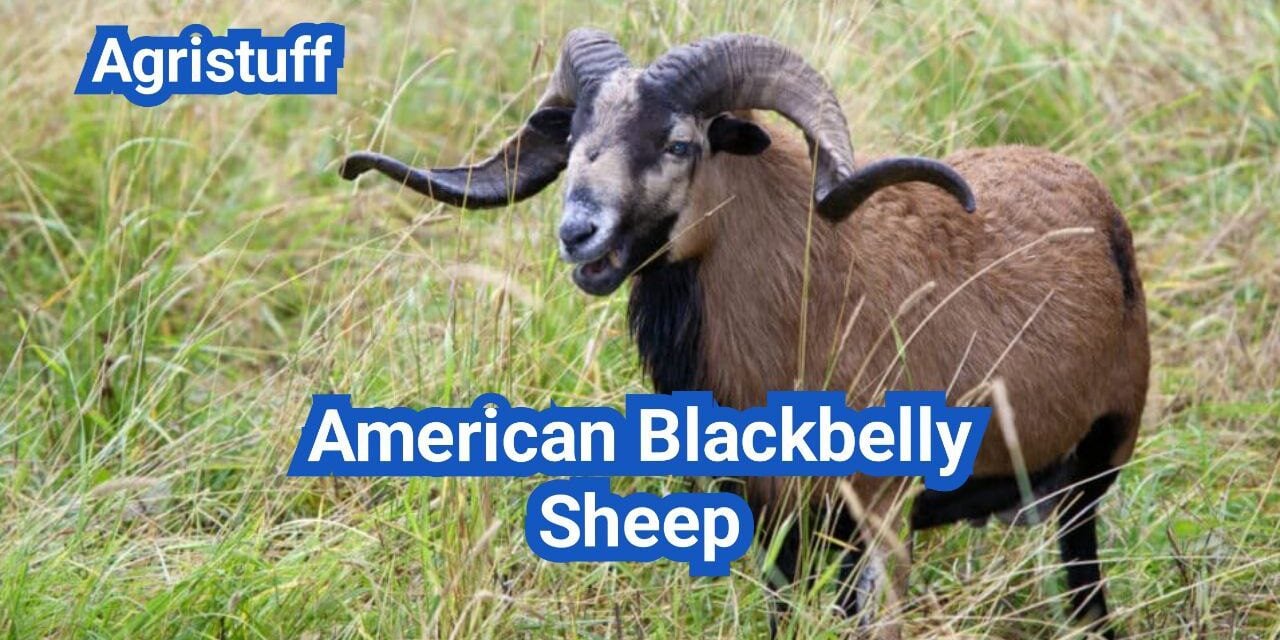
One of the breed’s most striking features is its coloration. American Blackbelly Sheep have a reddish-brown to tan body with distinct black markings on the face, belly, and legs. The black coloration typically covers the belly, chest, and inner legs, creating a visually appealing contrast.
The color pattern can vary slightly among individuals, but the overall appearance remains consistent. This distinctive coloring serves as a breed identifier and is one of the characteristics that make American Blackbelly Sheep popular among sheep enthusiasts.
Horn Development in Rams
Rams of the American Blackbelly Sheep breed are known for their impressive horn development. The horns are typically large and spiral outward, adding to the ram’s majestic appearance. Horn size can vary among individuals, influenced by genetics and nutrition.
The presence of horns in rams is a significant characteristic, often sought after by breeders for breeding purposes. The horns also play a role in the ram’s defense mechanisms and establishment of dominance within the flock.
Hair Coat Qualities
American Blackbelly Sheep are classified as “hair sheep,” meaning they have a coat of hair rather than wool. Their hair coat is generally medium to thick in texture, providing natural protection against various environmental conditions.
The hair coat requires less maintenance compared to wool breeds, as it sheds naturally and doesn’t need shearing. This characteristic makes American Blackbelly Sheep an attractive option for farmers looking to reduce labor costs associated with wool production.
Temperament and Behavior Traits

American Blackbelly Sheep exhibit a unique combination of intelligence, social behavior, and adaptability. Their temperament and behavior traits make them an interesting subject for study and a valuable asset for farmers.
Natural Instincts and Intelligence
American Blackbelly Sheep are known for their high intelligence and strong natural instincts. They possess a keen sense of awareness and can be quite resourceful when faced with challenges. This intelligence, combined with their instinctual behaviors, makes them well-suited to a variety of environments.
Key characteristics of their natural instincts include:
- Strong grazing instincts
- Alertness to predators
- Ability to navigate challenging terrain
Handling Characteristics
Handling American Blackbelly Sheep requires an understanding of their temperament and behavior. They are generally responsive to gentle, consistent handling. It’s essential to approach them calmly and avoid sudden movements, which can startle them.
Best practices for handling include:
- Moving slowly and deliberately
- Avoiding loud noises
- Using positive reinforcement techniques
Flock Behavior and Hierarchy
American Blackbelly Sheep are flock animals, exhibiting strong social behavior. They establish a hierarchy within their group, with dominant individuals leading the way. Understanding this social structure is crucial for effective management.
| Aspect | Description |
|---|---|
| Flock Behavior | Strong social bonding, tendency to stay together |
| Hierarchy | Established through dominance and submission |
| Leadership | Typically led by the most dominant ewe or ram |
Adaptability to Different Environments
One of the notable traits of American Blackbelly Sheep is their adaptability to various climates and environments. They can thrive in different conditions, from hot and humid to cooler and more temperate climates.
Their hardiness and ability to adapt make them an attractive choice for farmers in diverse regions. By understanding their temperament and behavior traits, farmers can better manage their flocks and improve overall productivity.
American Blackbelly vs. Barbados Blackbelly: Key Differences

When considering sheep breeds for your farm, understanding the differences between American Blackbelly and Barbados Blackbelly sheep is crucial. Both breeds have gained popularity among farmers due to their hardiness and productivity, but they exhibit distinct characteristics that can influence your decision.
Physical Distinctions
The most noticeable differences between American Blackbelly and Barbados Blackbelly sheep lie in their physical attributes. American Blackbelly sheep are known for their larger size and the presence of horns in both rams and ewes, although the size and shape can vary.
Key Physical Characteristics:
| Characteristic | American Blackbelly | Barbados Blackbelly |
|---|---|---|
| Size | Larger | Smaller |
| Horns | Present in both rams and ewes | Generally polled or small horns |
| Coat | Thicker, more resistant to cold | Shorter, more suited to hot climates |
Performance Comparisons
In terms of performance, both breeds are known for their hardiness and reproductive efficiency. However, American Blackbelly sheep are often praised for their improved growth rates and larger lambs at weaning.
Breeding Considerations Between Varieties
Breeding considerations play a significant role in choosing between the two breeds. Farmers should consider factors such as climate adaptability, parasite resistance, and market demand for the lambs or breeding stock.
Breeding Goals: Define your breeding objectives carefully, whether it’s for meat production, breeding stock, or land management.
Making the Right Choice for Your Farm
Ultimately, the choice between American Blackbelly and Barbados Blackbelly sheep depends on your specific farming needs, climate, and management practices. Consider factors such as land availability, climate conditions, and your farm’s specific challenges.
Decision Factors:
- Climate and land conditions
- Market demand for lamb or breeding stock
- Farm management capabilities
- Breeding objectives
Benefits of Raising American Blackbelly Sheep

Farmers are finding that American Blackbelly Sheep provide several key advantages that make them an attractive choice for many agricultural operations. These benefits stem from their unique characteristics, adaptability, and low maintenance requirements.
Natural Parasite Resistance
One of the significant benefits of raising American Blackbelly Sheep is their natural resistance to parasites. This characteristic reduces the need for frequent deworming treatments, which can be costly and time-consuming. The parasite resistance is a result of their genetic makeup, developed over generations of breeding in environments where parasite resistance was crucial for survival.
Key advantages of their parasite resistance include:
- Reduced veterinary costs
- Less chemical use on the farm
- Improved overall flock health
Adaptability to Hot Climates
American Blackbelly Sheep are well-adapted to hot climates, making them an ideal choice for farmers in warmer regions. Their ability to thrive in high temperatures is due to their origins in tropical environments.
The benefits of their climate adaptability include:
- Increased productivity in hot weather
- Lower heat stress-related health issues
- Better suitability for regions with long summers
Low Maintenance Requirements
Raising American Blackbelly Sheep requires less maintenance compared to some other breeds. They are hardy, easy to handle, and have a strong instinct for self-preservation.
Low maintenance aspects include:
- Simple feeding requirements
- Minimal fencing needs due to their non-escape nature
- Less labor-intensive care routines
Economic Advantages for Small Farms
The economic benefits of raising American Blackbelly Sheep make them particularly suitable for small farms. Their low maintenance requirements, combined with their parasite resistance and adaptability, contribute to cost savings and potential income through meat production or breeding stock sales.
Economic advantages for small farms include:
| Economic Benefit | Description |
|---|---|
| Reduced Healthcare Costs | Less spending on veterinary care and medications |
| Increased Productivity | Better lambing rates and growth rates |
| Diverse Income Streams | Potential for selling breeding stock or meat |
In conclusion, the benefits of raising American Blackbelly Sheep, including their natural parasite resistance, adaptability to hot climates, low maintenance requirements, and economic advantages, make them an attractive and practical choice for many farmers, especially those operating small farms.
How to Set Up Your Farm for American Blackbelly Sheep

To successfully raise American Blackbelly Sheep, farmers must first establish a suitable infrastructure. This involves several key components that are crucial for the health and productivity of the flock.
Land and Space Requirements
American Blackbelly Sheep require adequate space to roam and graze. A minimum of 1/4 acre per sheep is recommended, but more space is always beneficial. The land should be well-drained and have suitable grazing vegetation.
- Ensure the land is free from toxic plants and hazardous materials.
- Provide adequate shade, especially in warmer climates.
- Consider rotational grazing to maintain pasture health.
Fencing Considerations and Escape Prevention
Sturdy fencing is essential to contain the sheep and protect them from predators. A minimum fence height of 4 feet is recommended, with consideration for using electric fencing to deter predators.
Shelter Design and Construction
Sheep require shelter from extreme weather conditions. The shelter should be well-ventilated, dry, and draft-free. Considerations include:
- Using natural shelters like barns or creating a three-sided shelter.
- Ensuring enough space for all sheep to stand comfortably.
- Providing bedding like straw to keep the area dry and comfortable.
Essential Equipment Checklist
Farmers will need several pieces of equipment to manage their American Blackbelly Sheep effectively. Essential items include:
- Feeding troughs and watering systems.
- Handling equipment like chutes and sorting gates.
- Health management tools such as vaccination supplies and hoof trimming equipment.
By carefully planning and setting up the farm infrastructure, farmers can ensure a healthy and productive flock of American Blackbelly Sheep.
Complete Feeding and Nutrition Guide
A comprehensive feeding strategy is essential for maintaining healthy American Blackbelly Sheep. Proper nutrition not only enhances their overall well-being but also contributes to the success of the farm by improving productivity and reducing healthcare costs.
Pasture Management for Optimal Health
Effective pasture management is critical for the health of American Blackbelly Sheep. It involves rotating pastures to prevent overgrazing, which can lead to soil erosion and decreased nutritional value of the forage. Rotational grazing not only improves the quality of the pasture but also helps in controlling parasites.
- Monitor pasture health regularly
- Implement a rotational grazing system
- Maintain optimal stocking rates
Supplemental Feed Requirements
While pasture grazing is a primary source of nutrition, supplemental feeding is often necessary to ensure that American Blackbelly Sheep receive a balanced diet. The quality and quantity of supplemental feed depend on factors such as the age, size, and reproductive status of the sheep.
- Provide high-quality hay during periods of low pasture productivity
- Use grains or concentrates as needed, especially for pregnant or lactating ewes
- Ensure access to mineral supplements to prevent deficiencies
Water Needs and Delivery Systems
Adequate access to clean water is vital for the health of American Blackbelly Sheep. Water intake can vary based on factors like climate, diet, and the physiological state of the animal.
Ensuring a reliable water delivery system is crucial, especially during hot weather or when the sheep are being fed dry feed. Regular checks should be performed to ensure water quality and availability.
Seasonal Feeding Adjustments
The nutritional needs of American Blackbelly Sheep can vary with the seasons. For instance, during the winter months when pasture is scarce, additional hay or other forages may be necessary.
“Adjusting feeding strategies according to seasonal changes is crucial for maintaining the health and productivity of American Blackbelly Sheep.” – Expert in Sheep Nutrition
Farmers should be prepared to make these adjustments to keep their flock healthy and thriving throughout the year.
Breeding and Lambing Success Strategies

Effective breeding and lambing strategies are crucial for the success of American Blackbelly Sheep farming operations. Breeding and lambing American Blackbelly Sheep require careful planning and management to ensure the health and productivity of the flock.
Breeding Season Planning
Breeding season planning is a critical component of a successful American Blackbelly Sheep breeding program. Farmers should consider factors such as climate, nutrition, and the genetic quality of the breeding stock when planning the breeding season. A well-planned breeding season helps in achieving a compact lambing period, which can improve lamb survival rates and overall flock productivity.
According to experienced breeders, “A compact breeding season allows for better management of the flock and improves the overall efficiency of the breeding program.” Planning should also include considerations for ram introduction and removal dates to control the breeding period effectively.
Ram-to-Ewe Ratios and Selection
The ram-to-ewe ratio is a vital factor in breeding success. For American Blackbelly Sheep, a common ratio is 1 ram to 25-30 ewes, though this can vary based on the ram’s age, experience, and libido. Selecting rams with desirable genetic traits is crucial for improving the flock’s quality and productivity.
- Evaluate rams based on their genetic background, fertility, and physical condition.
- Consider the ram’s breeding soundness examination results before introducing them to the flock.
- Ensure rams are free from genetic defects and have a strong libido.
Pregnancy Care Protocol
Proper care during pregnancy is essential for the health of both the ewe and the developing lamb. Nutritional management is critical, with requirements varying by stage of pregnancy. Ensuring adequate nutrition, especially during the last trimester, is vital for fetal development and preparing the ewe for lactation.
“Proper nutrition during pregnancy is crucial for the health and productivity of the ewe and the development of the lamb. Ensuring that ewes receive adequate nutrition, particularly in the later stages of pregnancy, can significantly impact lamb birth weights and survival rates.”
Lambing Process Management
Managing the lambing process effectively is crucial for minimizing losses and ensuring the health of both ewes and lambs. This involves monitoring ewes closely during the lambing season, providing assistance when necessary, and maintaining a clean and safe lambing environment.
Key aspects of lambing management include:
- Monitoring ewes for signs of lambing.
- Providing a clean and safe environment for lambing.
- Assisting with difficult births when necessary.
By implementing these strategies, farmers can improve the success of their American Blackbelly Sheep breeding and lambing operations, leading to healthier flocks and increased productivity.
Health Management and Disease Prevention

Health management and disease prevention are vital components of raising American Blackbelly Sheep successfully. Effective health strategies not only improve the well-being of the flock but also enhance productivity and profitability.
Preventative Care Schedule
A well-planned preventative care schedule is essential for maintaining the health of American Blackbelly Sheep. This includes regular vaccinations, dental care, and hoof trimming. Regular vaccinations help protect against common diseases, while dental care and hoof trimming prevent issues that can lead to more severe health problems.
| Procedure | Frequency | Purpose |
|---|---|---|
| Vaccinations | Annually | Protect against diseases |
| Dental Care | Bi-Annually | Prevent dental issues |
| Hoof Trimming | Quarterly | Prevent hoof problems |
Effective Parasite Management
Parasite management is critical for the health of American Blackbelly Sheep. Internal parasites, such as worms, can significantly impact the flock’s health and productivity. Implementing a parasite control program that includes regular monitoring, strategic deworming, and pasture management can help mitigate these issues.
Recognizing Common Health Issues
Being able to recognize common health issues is crucial for prompt intervention. Issues such as respiratory infections, mastitis, and parasites can have a significant impact on the flock. Monitoring the flock regularly and being aware of the signs of illness can help in addressing health issues early.
Emergency Care Guidelines
Having emergency care guidelines in place is essential for addressing unexpected health issues. This includes having a first aid kit, knowing how to administer basic care, and having contact information for a veterinarian experienced in caring for sheep.
By implementing these health management strategies, farmers can help ensure the well-being and productivity of their American Blackbelly Sheep flock.
Profitable Uses for American Blackbelly Sheep

The American Blackbelly Sheep breed offers multiple profitable uses for farmers and land managers. This versatility is one of the key advantages of raising this breed, as it allows producers to diversify their operations and income streams.
Meat Production Quality and Yield
American Blackbelly Sheep are known for their high-quality meat production. The breed is recognized for its lean, tender meat, which is increasingly in demand in specialty markets. Ewes typically produce one or two lambs per year, providing a steady supply of meat for sale or home consumption. The lambs grow relatively quickly, reaching market weight within a few months, which can help to optimize production cycles and increase profitability.
Brush Control and Land Management
One of the significant benefits of American Blackbelly Sheep is their ability to control brush and manage land effectively. They are browsers as well as grazers, meaning they can help to clear unwanted vegetation, reducing the need for mechanical brush control methods. This can be particularly valuable for land managers looking to maintain open spaces or restore native habitats.
Trophy Ram Opportunities
For breeders interested in showing or selling breeding stock, American Blackbelly Sheep offer opportunities for trophy ram sales. The breed’s distinctive horns and robust build make rams particularly impressive, attracting buyers looking for high-quality breeding animals. This can provide a lucrative income stream for breeders who focus on developing superior genetics within their flocks.
Breeding Stock Development
Developing breeding stock is another profitable avenue for American Blackbelly Sheep producers. As the demand for this breed continues to grow, breeders who can supply high-quality ewes and rams are well-positioned to benefit. By focusing on selective breeding programs, producers can enhance desirable traits such as fertility, growth rate, and parasite resistance, making their animals more valuable to other farmers.
Finding and Working with American Blackbelly Sheep Breeders
The process of finding the right American Blackbelly Sheep breeder involves careful research and due diligence. As a prospective buyer, you’re not just purchasing sheep; you’re investing in the future of your farm. Therefore, it’s essential to locate a reputable breeder who can provide high-quality animals that meet your needs.
Locating Reputable Breeders
To start your search, consider the following sources:
- American Blackbelly Sheep Association (ABSA) website
- Local sheep breeders’ associations
- Agricultural fairs and livestock shows
- Online forums and social media groups dedicated to sheep breeding
When you’ve identified potential breeders, it’s crucial to research their reputation. Look for reviews, ask for references, and check if they are registered with relevant breed associations.
Questions to Ask Before Purchasing
Before making a purchase, ask the breeder the following questions:
- What is the health history of the sheep you’re selling?
- Can you provide pedigree information and registration papers?
- What is your breeding philosophy, and how do you select for desirable traits?
- How do you handle sheep, and what kind of care have these animals received?
- Are there any guarantees or warranties on the health and fertility of the sheep?
Asking these questions will help you assess the breeder’s professionalism and ensure you’re making an informed purchase.
Evaluating Sheep Quality
When evaluating the quality of American Blackbelly Sheep, consider the following factors:
| Characteristic | Ideal Trait | Why It Matters |
|---|---|---|
| Conformation | Well-proportioned body, strong legs | Affects overall health and functionality |
| Coat Condition | Clean, shiny coat free of excessive dirt or parasites | Indicates health and level of care |
| Temperament | Docile but alert | Influences handling ease and flock dynamics |
Price Expectations and Considerations
Prices for American Blackbelly Sheep can vary widely based on factors such as age, quality, and pedigree. On average, you can expect to pay between $200 and $1,000 per head. When considering the price, remember that higher initial costs may result in long-term savings through better genetics and reduced veterinary bills.
In conclusion, finding the right American Blackbelly Sheep breeder requires patience, research, and careful evaluation. By following these guidelines, you can make an informed decision that benefits your farm’s future.
Regional Considerations for Raising American Blackbelly Sheep

Raising American Blackbelly Sheep requires a nuanced understanding of regional factors that can significantly impact their health and productivity. The breed’s adaptability is one of its strong suits, but regional specifics such as climate, geography, and local regulations play a crucial role in their management.
Adaptations for Northern States
In northern states, cold hardiness becomes a significant factor. While American Blackbelly Sheep are generally hardy, extreme cold can still pose challenges. Providing adequate shelter and ensuring that the flock has sufficient nutrition to maintain body heat is crucial.
Farmers in these regions should also be prepared for potential issues related to snow cover, which can affect grazing patterns and access to feed and water.
Management in Southern Climates
In contrast, southern climates present different challenges, primarily related to heat stress and parasite management. Providing shade, ensuring adequate water supply, and managing pasture to reduce parasite loads are essential strategies.
The natural resistance of American Blackbelly Sheep to parasites is a significant advantage in these regions, but it should not lead to complacency. Regular monitoring and appropriate management practices are still necessary.
East Coast vs. West Coast Considerations
The East Coast and West Coast have different climatic and geographical characteristics that affect sheep farming. The East Coast’s humid subtropical climate can exacerbate parasite issues, while the West Coast’s dry conditions may require more intensive water management strategies.
Understanding these regional differences is key to optimizing flock health and productivity.
Regulatory Differences by State
Regulations regarding sheep farming vary significantly by state, impacting everything from fencing requirements to movement restrictions. It’s essential for farmers to be aware of and comply with local regulations to avoid legal issues and ensure the sustainability of their operations.
Engaging with local agricultural communities and staying informed about regulatory changes can help farmers navigate these complexities.
Is the American Blackbelly Right for Your Farm?
Deciding to raise American Blackbelly Sheep depends on various factors, including farm goals, climate, and management capabilities. This breed offers several benefits, such as natural parasite resistance and adaptability to hot climates, making it an attractive option for many farmers.
To determine if American Blackbelly Sheep is right for your farm, consider the pros and cons discussed throughout this article. Evaluate your farm’s specific needs and circumstances to make an informed decision.
When assessing whether American Blackbelly Sheep are suitable, consider factors such as land availability, fencing, and your ability to provide proper care and nutrition. Understanding the breed’s characteristics and requirements is crucial in making the right choice for your farm.
Ultimately, the decision to raise American Blackbelly Sheep should be based on a thorough evaluation of your farm’s goals and capabilities. By weighing the pros and cons, you can determine if this breed is the right fit for your agricultural endeavors.
FAQ
What is the origin of the American Blackbelly Sheep breed?
The American Blackbelly Sheep breed originated from the Barbados Blackbelly, developed to thrive in various environments.
What are the unique characteristics of American Blackbelly Sheep?
American Blackbelly Sheep are known for their hardiness, versatility, natural parasite resistance, and adaptability to hot climates.
How big do American Blackbelly Sheep typically get?
American Blackbelly Sheep vary in size, but they are generally considered to be a medium-sized breed.
What are American Blackbelly Sheep used for?
American Blackbelly Sheep are used for meat production, brush control, and breeding stock development, among other purposes.
How do I care for American Blackbelly Sheep?
Caring for American Blackbelly Sheep involves providing proper nutrition, shelter, health management, and breeding practices.
What are the benefits of raising American Blackbelly Sheep?
The benefits include natural parasite resistance, low maintenance requirements, economic advantages, and adaptability to different environments.
How do I set up a farm for American Blackbelly Sheep?
Setting up a farm involves considering land requirements, fencing, shelter design, and necessary equipment for the sheep.
What are the feeding and nutrition requirements for American Blackbelly Sheep?
American Blackbelly Sheep require a balanced diet that includes pasture management, supplemental feeding, and access to clean water.
How do I manage breeding and lambing for American Blackbelly Sheep?
Successful breeding and lambing involve planning the breeding season, selecting rams, caring for pregnant ewes, and managing the lambing process.
What health management practices are essential for American Blackbelly Sheep?
Essential health practices include preventative care schedules, parasite management, recognizing common health issues, and emergency care.
Can American Blackbelly Sheep be raised in different climates?
Yes, American Blackbelly Sheep are adaptable to various climates, but management practices may vary depending on the region.
How do I find reputable American Blackbelly Sheep breeders?
Finding reputable breeders involves researching breed associations, asking for referrals, and evaluating the quality of their sheep.
What are the regulatory differences for raising American Blackbelly Sheep by state?
Regulatory differences vary by state, so it’s essential to check local laws and regulations regarding sheep farming.
Are American Blackbelly Sheep suitable for small farms?
Yes, American Blackbelly Sheep are suitable for small farms due to their low maintenance requirements and economic advantages.
What is the difference between American Blackbelly and Barbados Blackbelly Sheep?
The main differences lie in their physical characteristics, performance, and breeding considerations.
Conclusion of: American Blackbelly Sheep Breed
Introduction to American Blackbelly Sheep
American Blackbelly Sheep are a distinctive American hair sheep breed that appeals to small farmers, homesteaders, and game ranches across the United States because American Blackbelly Sheep combine hardiness, efficient foraging, and striking appearance in one package. As a hair breed, American Blackbelly Sheep naturally shed their coat instead of needing shearing, which reduces labor and costs for U.S. shepherds while still providing excellent meat and land-management benefits from American Blackbelly Sheep. Oklahoma State University profile of American Blackbelly Sheep
For producers focused on sustainable systems, American Blackbelly Sheep offer key advantages such as extended breeding seasons, good mothering ability, and strong adaptation to both hot and cold climates, making American Blackbelly Sheep a flexible option in many U.S. regions. Because American Blackbelly Sheep produce lean, mild-flavored meat and can thrive on modest pasture, they fit well in direct-market, ethnic, and specialty lamb markets where American Blackbelly Sheep help farmers capture higher value from smaller carcasses and low-input management. BBSAI – American Blackbelly Sheep breed information
History and Origin of American Blackbelly Sheep
The roots of American Blackbelly Sheep trace back to African hair sheep that were carried to the Caribbean, especially Barbados, where they developed into Barbados Blackbelly, the foundation breed behind American Blackbelly Sheep. When these Caribbean animals were imported into the United States, breeders crossed them with European breeds such as Mouflon and Rambouillet to create the horned, dramatically marked American Blackbelly Sheep that we know today, combining tropical adaptation with impressive horns and color patterns in American Blackbelly Sheep. Oklahoma State University – Barbados Blackbelly history
In the twentieth century, many American Blackbelly Sheep were developed on Texas and Southwestern game ranches where American Blackbelly Sheep were selected for trophy rams, alert temperament, and the distinctive black belly and facial markings. Over time, American Blackbelly Sheep became recognized as a separate breed, distinct from the polled Barbados Blackbelly and loosely defined “Corsican” sheep, with American Blackbelly Sheep emphasizing horns, color, and carcass traits useful in U.S. markets. Top of the Mountain Farm – American Blackbelly Sheep background
Breed Development and Registries for American Blackbelly Sheep
Formal recognition of American Blackbelly Sheep came through organized breeders and registries that wanted to protect the identity of American Blackbelly Sheep and standardize their traits. The Barbados Blackbelly Sheep Association International (BBSAI) began registering American Blackbelly Sheep in the 1990s and adopted the official name “American Blackbelly” in 2004, which helped separate American Blackbelly Sheep from the polled Barbados Blackbelly and other similar-looking crosses. BBSAI – Association history and breed recognition
To maintain breed integrity, the BBSAI later closed the herd book for American Blackbelly Sheep, meaning new registrations must come from already registered American Blackbelly Sheep parents that meet the official standards. For U.S. farmers who want predictable performance and market value, purchasing registered American Blackbelly Sheep helps ensure consistent conformation, horn structure, and color pattern, building long-term confidence when marketing American Blackbelly Sheep breeding stock and lambs. BBSAI – American Blackbelly standards and registry
Physical Characteristics of American Blackbelly Sheep
American Blackbelly Sheep are small to medium-framed hair sheep with a deep, long body and an athletic, deer-like build that allows American Blackbelly Sheep to move easily over rough terrain. Mature American Blackbelly Sheep ewes often weigh around 75 to 120 pounds, while rams may reach 110 to 160 pounds, making American Blackbelly Sheep efficient converters of forage rather than giant, high-maintenance animals. Oklahoma State University – American Blackbelly size and type
The most striking feature of American Blackbelly Sheep is the characteristic blackbelly pattern: the belly, chest, inside of legs, and underside of the tail are black, and American Blackbelly Sheep usually display bold facial stripes and darker points. Rams of American Blackbelly Sheep develop large, curling horns that add to their trophy appeal, while ewes may be polled or lightly horned; the coat of American Blackbelly Sheep is mostly hair with only a bit of winter undercoat that sheds naturally each spring. BBSAI – American Blackbelly conformation and markings
Adaptability and Temperament of American Blackbelly Sheep
Thanks to their tropical heritage, American Blackbelly Sheep show excellent tolerance to heat and humidity, and American Blackbelly Sheep are also adaptable enough to live in colder regions as long as they have windbreaks and shelter. This adaptability allows American Blackbelly Sheep to thrive from the Gulf Coast and Southeast up to cooler northern states, making American Blackbelly Sheep a practical choice for diverse U.S. climates—especially in pasture-based systems. UF/IFAS – Hair sheep breed characteristics (includes American Blackbelly)
In terms of handling, American Blackbelly Sheep are alert and agile, often more reactive than some docile wool breeds, so American Blackbelly Sheep benefit from calm, low-stress handling and secure fencing. Ewes of American Blackbelly Sheep tend to be strongly maternal and protective, which helps lamb survival but also means American Blackbelly Sheep may challenge dogs or unfamiliar animals if they feel threatened. UF/IFAS – Behavior notes on hair sheep
Production Traits, Growth and Carcass of American Blackbelly Sheep
Although American Blackbelly Sheep are not the heaviest meat sheep, they are efficient meat producers that yield lean, mild-flavored lamb ideal for niche markets in the United States. With good nutrition, American Blackbelly Sheep lambs can achieve respectable daily gains and reach a market weight that produces smaller carcasses suited to whole or half-lamb sales, which many American consumers and ethnic markets prefer when they buy American Blackbelly Sheep meat directly from farms. UF/IFAS – Production parameters for hair sheep
Because American Blackbelly Sheep are hair sheep with lower lanolin levels and less external fat, the meat from American Blackbelly Sheep often has a milder flavor than meat from some traditional wool breeds. This quality helps American Blackbelly Sheep tap into farm-to-table, restaurant, and freezer-lamb markets where customers want flavorful but not overly strong lamb, giving American Blackbelly Sheep an advantage in direct marketing. Top of the Mountain Farm – American Blackbelly meat qualities
Reproduction and Lambing in American Blackbelly Sheep
American Blackbelly Sheep are known for good fertility and extended breeding seasons, which let American Blackbelly Sheep fit into flexible lambing schedules instead of just traditional spring lambing. Many American Blackbelly Sheep ewes can breed throughout the year under proper management, allowing U.S. producers to target specific market dates or adopt accelerated lambing systems that keep American Blackbelly Sheep lambs available more frequently. UF/IFAS – Reproductive traits of hair sheep
Lambing ease is a hallmark of American Blackbelly Sheep, with ewes that generally lamb without assistance and show strong mothering instincts that help American Blackbelly Sheep lambs thrive. Twinning is common in American Blackbelly Sheep, and triplets can occur, so good nutrition—especially in late gestation and early lactation—is important to support the high reproductive potential of American Blackbelly Sheep and maintain ewe body condition. BBSAI – American Blackbelly reproductive performance
Breeding Strategies for American Blackbelly Sheep
When planning breeding programs, producers should use the official standards for American Blackbelly Sheep to guide selection and ensure each generation of American Blackbelly Sheep improves in both type and performance. Selecting rams and ewes of American Blackbelly Sheep that show correct blackbelly pattern, horn structure, sound legs, and a coat that sheds fully each year helps maintain breed identity and strengthens the long-term value of American Blackbelly Sheep. BBSAI – Breed standards for American Blackbelly Sheep
Beyond appearance, breeders of American Blackbelly Sheep are wise to select for important functional traits such as parasite resistance, growth rate, prolificacy, and calm disposition. By recording lambing data, growth records, and health treatments, flock owners can identify the best-performing American Blackbelly Sheep and use those animals as the foundation for a profitable, resilient American Blackbelly Sheep flock in the U.S. market. Frontiers in Animal Science – Hair sheep traits and selection
Health, Parasite Resistance and General Maintenance
One significant advantage of American Blackbelly Sheep is that, like many hair breeds, American Blackbelly Sheep often show better natural tolerance to internal parasites than many wool breeds. While deworming and pasture rotation are still necessary, well-managed American Blackbelly Sheep can require fewer treatments, which reduces medication costs and supports more sustainable parasite control strategies for American Blackbelly Sheep on U.S. pastures. Frontiers – Hair sheep and parasite resistance
Maintenance for American Blackbelly Sheep is relatively straightforward because their hair coat sheds naturally, eliminating shearing and minimizing issues with wool buildup. Owners of American Blackbelly Sheep still need to trim hooves when needed, vaccinate according to veterinary recommendations, and provide appropriate mineral supplements, but many shepherds find American Blackbelly Sheep easier to manage than wool sheep once basic infrastructure is in place. UF/IFAS – Management of hair sheep breeds
Feeding and Nutritional Management of American Blackbelly Sheep
American Blackbelly Sheep are excellent foragers that can thrive on pasture, brush, and mixed vegetation, making American Blackbelly Sheep a valuable tool for land management and low-input meat production. Their willingness to browse shrubs and weeds, similar to goats, allows American Blackbelly Sheep to clean up neglected areas while still maintaining good body condition on forage that some higher-input breeds might not use efficiently. Top of the Mountain Farm – Grazing behavior of American Blackbelly Sheep
Even though American Blackbelly Sheep can perform well on modest pasture, they still require balanced nutrition, especially during late gestation and lactation, when nutrient demands on American Blackbelly Sheep ewes increase sharply. High-quality hay, rotational grazing, and species-appropriate mineral supplements help American Blackbelly Sheep reach their potential, while careful body-condition scoring guides any additional grain supplementation to keep American Blackbelly Sheep healthy and productive. American Sheep Industry Association – General nutrition resources
Housing and Handling Considerations
Housing needs for American Blackbelly Sheep are simple: American Blackbelly Sheep primarily require dry, well-drained shelter, windbreaks, and shade suitable for the local climate. Because American Blackbelly Sheep are agile and can jump or climb when pressured, solid perimeter fencing and secure gates are essential to keep American Blackbelly Sheep safe and to reduce escapes and predator risks. Penn State Extension – Housing and equipment for sheep
Handling systems for American Blackbelly Sheep should prioritize low-stress techniques such as calm movement, minimal noise, and well-designed alleys or small pens that allow American Blackbelly Sheep to flow easily. Because American Blackbelly Sheep have a strong flocking instinct, they respond best when moved as a group, and good facilities make routine tasks—like vaccinations, hoof trimming, and sorting—much easier for both the shepherd and the American Blackbelly Sheep. American Sheep Industry Association – Handling and management guidelines
Economic Uses of American Blackbelly Sheep in the USA
American Blackbelly Sheep generate income in several ways, with meat production and trophy ram sales being two of the most important revenue streams for American Blackbelly Sheep owners. On game ranches, large-horned American Blackbelly Sheep rams command high prices from hunters, while on small farms, American Blackbelly Sheep provide lambs that can be sold directly to consumers, ethnic markets, and restaurants seeking unique, mild-flavored lamb. Oklahoma State University – Uses of American Blackbelly Sheep
Beyond meat and hunting, American Blackbelly Sheep offer economic value as brush-control animals, dog-trial stock, and visually appealing livestock that can support agritourism, all of which expand income options for American Blackbelly Sheep owners. These diverse roles help American Blackbelly Sheep fit into regenerative grazing operations and diversified farm businesses where American Blackbelly Sheep contribute both ecological and financial benefits. BBSAI – Multi-purpose roles of American Blackbelly Sheep
American Blackbelly Sheep in Sustainable and Small-Scale Farming
For farmers focused on soil health, biodiversity, and reduced chemical use, American Blackbelly Sheep are a natural fit because American Blackbelly Sheep thrive in low-input, pasture-based systems. Research on hair breeds shows that animals like American Blackbelly Sheep can support regenerative grazing strategies, integrating with cattle or goats to improve plant diversity and soil structure while still providing profitable lamb crops from American Blackbelly Sheep. Frontiers – Hair sheep in sustainable systems
On homesteads and small farms, American Blackbelly Sheep offer a manageable flock size, low maintenance compared to wool breeds, and the ability to provide families and local customers with high-quality meat. Because American Blackbelly Sheep can lamb frequently and handle variable conditions, many new shepherds choose American Blackbelly Sheep as a first breed, using their experience with American Blackbelly Sheep to build confidence and skills in small-ruminant management. Top of the Mountain Farm – American Blackbelly on small farms
Choosing and Buying American Blackbelly Sheep
When starting a flock, it is important to buy American Blackbelly Sheep from reputable breeders who understand the standards and long-term goals of the breed. Prospective buyers should look for American Blackbelly Sheep with sound feet and legs, correct blackbelly pattern, appropriate horn growth in rams, and a hair coat that sheds cleanly each year, while avoiding American Blackbelly Sheep that show structural faults or poor health history. BBSAI – Guidance on selecting American Blackbelly Sheep
Asking for registration papers, performance records, and parasite-control history helps ensure that purchased American Blackbelly Sheep will meet production and breeding expectations. New owners can also join the breed association, participate in breeder networks, and visit several farms to compare American Blackbelly Sheep before making final decisions, increasing the likelihood of building a strong foundation flock of American Blackbelly Sheep. BBSAI – Membership and breeder directory
Frequently Asked Questions About American Blackbelly Sheep
Are American Blackbelly Sheep good for beginners? American Blackbelly Sheep can be a good choice for beginners who invest in solid fencing and learn calm handling, because American Blackbelly Sheep require less shearing and can tolerate parasites better than many wool breeds. The combination of low maintenance and strong mothering makes American Blackbelly Sheep appealing for new shepherds seeking a manageable, hardy flock. UF/IFAS – Hair sheep for beginning producers
What is the difference between American Blackbelly Sheep and Barbados Blackbelly? Although they share a common Caribbean heritage, American Blackbelly Sheep are generally horned in rams and were developed in the United States through additional crossing, while Barbados Blackbelly are polled and closer in type to the original island hair sheep. American Blackbelly Sheep tend to have more trophy-style horns and a somewhat different body style, but both breeds share the blackbelly pattern and heat tolerance that make American Blackbelly Sheep attractive for warm climates. Oklahoma State University – Comparison of American Blackbelly and Barbados Blackbelly
Are American Blackbelly Sheep considered rare? Thanks to organized breeding and strong demand from both game ranches and small farms, American Blackbelly Sheep are not as endangered as some heritage breeds, though maintaining genetic diversity in American Blackbelly Sheep still matters. By supporting responsible breeders and registering quality stock, producers help keep American Blackbelly Sheep healthy, productive, and available for future generations of U.S. farmers. BBSAI – Conservation and population status
Final thought
American Blackbelly Sheep represent a powerful blend of beauty, resilience, and practicality for U.S. livestock producers who want animals that work well in sustainable, pasture-based systems. With their unique blackbelly pattern, natural shedding coat, good mothering, and flexible breeding season, American Blackbelly Sheep can anchor diverse farm enterprises that include meat sales, brush control, trophy hunting, and agritourism, making American Blackbelly Sheep a smart option for the future of American small ruminant farming. Learn more about American Blackbelly Sheep here
Sources & References
- Oklahoma State University – American Blackbelly Sheep
- Oklahoma State University – Barbados Blackbelly Sheep
- Barbados Blackbelly Sheep Association International – American Blackbelly Breed Information
- Barbados Blackbelly Sheep Association International – Association History
- Top of the Mountain Farm – American Blackbelly Sheep Overview
- University of Florida IFAS – Hair Sheep Breeds (including American Blackbelly)
- Frontiers in Animal Science – Hair Sheep in the Americas
- American Sheep Industry Association – Sheep Management Resources