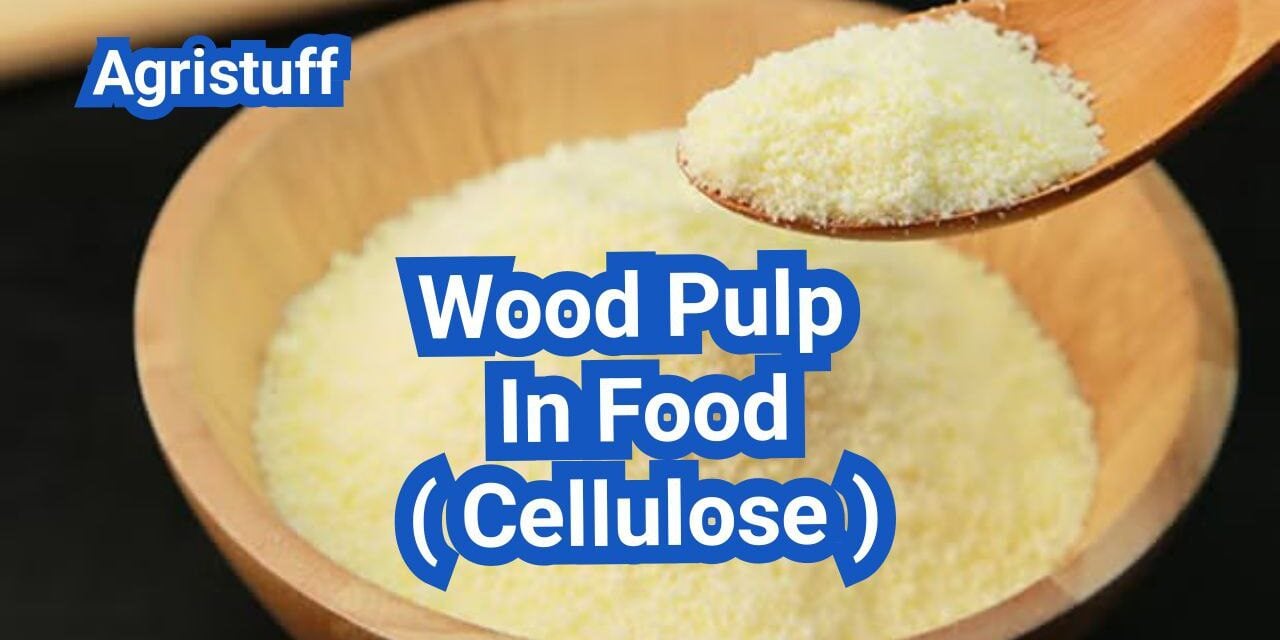
Cellulose, a natural polymer found in plant cell walls, is widely used in the food industry as a texturizer, anti-caking agent, and stabilizer. Cellulose additives in food play a crucial role in enhancing the quality and shelf life of various products.
The use of cellulose derived from wood pulp has become increasingly common in the food industry. Consumers are becoming more aware of the ingredients used in their food, making it essential to understand the labeling, safety, and common uses of these additives.
This article will provide an overview of the importance of cellulose additives, the rules governing food labeling ingredient statements, and the safety of cellulose in food products.
Key Takeaways
- Cellulose is a natural polymer used as a texturizer, anti-caking agent, and stabilizer in food products.
- Cellulose additives are derived from wood pulp and are used to enhance food quality and shelf life.
- Understanding food labeling rules is crucial for consumers to make informed choices.
- Cellulose safety in food additives is a topic of increasing interest among consumers.
- Common uses of cellulose additives include texturizing and stabilizing food products.
What Is Wood Pulp in Food and Why the Controversy

Cellulose additives, often sourced from wood pulp, have become integral to the food industry, but their presence is not without controversy. The use of wood pulp-derived cellulose in food products has raised concerns among consumers, primarily due to its industrial origins and the perception that it is not “natural.”
The controversy surrounding wood pulp in food is multifaceted. On one hand, consumers are increasingly demanding cleaner labels and more natural ingredients. On the other hand, manufacturers argue that cellulose additives serve critical functions in food products, such as texturizing, anti-caking, and stabilizing.
From a regulatory standpoint, the use of cellulose additives in food is strictly governed by food safety regulations. In the United States, the FDA oversees the use of such additives, ensuring they are safe for consumption and properly labeled.
Key Functions of Cellulose Additives:
- Texturizing agent
- Anti-caking agent
- Stabilizer
- Dietary fiber
Despite the regulatory approval, consumer skepticism persists. A key factor in this skepticism is the lack of understanding about what cellulose is and how it is processed for use in food.
| Function | Description | Common Applications |
|---|---|---|
| Texturizer | Improves the texture of food products | Baked goods, dairy products |
| Anti-caking Agent | Prevents clumping in powdered products | Shredded cheese, powdered beverages |
| Stabilizer | Maintains the consistency of food products | Processed meats, sauces |
Understanding the role of cellulose additives in food and addressing consumer concerns transparently is crucial for manufacturers. By highlighting the safety, functionality, and natural origins of cellulose, the industry can work towards alleviating consumer skepticism and fostering a more informed dialogue about the use of wood pulp-derived cellulose in food products.
Understanding Cellulose Additives in Food Products

Cellulose, a key component of plant cell walls, is processed into various forms for use in food products, offering functional benefits without compromising safety. As a natural polymer, cellulose is widely used in the food industry, but its journey from raw material to food additive involves several key steps.
The Natural Origins of Food-Grade Cellulose
Food-grade cellulose is derived from plant materials such as wood pulp and cotton linters. These sources are rich in cellulose, a polysaccharide that provides structural support to plants. The extraction process involves breaking down the plant material to isolate the cellulose fibers.
The use of cellulose in food products is not new; it has been utilized for decades as a texturizer, anti-caking agent, and stabilizer. Its natural origins make it an attractive option for consumers seeking products with fewer artificial additives.
How Cellulose Is Processed for Food Use
The processing of cellulose for food use involves several stages. Initially, the raw plant material is purified to remove impurities such as lignin and hemicellulose. The purified cellulose is then treated to produce a range of products, including microcrystalline cellulose and powdered cellulose.
Microcrystalline cellulose is produced through acid hydrolysis, which breaks down the cellulose into smaller crystals. This form of cellulose is highly versatile and is used in a variety of applications, from pharmaceuticals to food products.
| Cellulose Form | Production Process | Common Applications |
|---|---|---|
| Microcrystalline Cellulose | Acid hydrolysis | Pharmaceuticals, food texturizer |
| Powdered Cellulose | Mechanical grinding | Anti-caking agent, dietary fiber supplement |
The processing of cellulose into these various forms allows for its widespread use in the food industry, enhancing the texture, stability, and nutritional profile of numerous products.
Types of Cellulose Additives Used in Food Manufacturing

Food manufacturers rely on a range of cellulose additives to improve texture, prevent caking, and stabilize products. These additives are crucial in enhancing the quality and shelf life of various food items.
The most commonly used cellulose additives include microcrystalline cellulose, powdered cellulose, and carboxymethylcellulose (CMC). Each type serves specific functions and is used in different applications within the food industry.
Microcrystalline cellulose is widely used for its ability to improve texture and provide bulk to products. It is commonly found in low-calorie foods, dietary supplements, and pharmaceutical applications.
Powdered cellulose acts as an effective anti-caking agent, preventing the clumping of powdered ingredients. It is often used in shredded cheese products and other dry mixes.
Carboxymethylcellulose (CMC) is utilized for its thickening and stabilizing properties. It is commonly used in ice cream, salad dressings, and other processed foods to enhance texture and stability.
The diverse applications of these cellulose additives underscore their importance in modern food manufacturing. By understanding the different types and their uses, manufacturers can better formulate products that meet consumer expectations for quality and safety.
Microcrystalline Cellulose: Uses and Applications

As a key additive, microcrystalline cellulose plays a crucial role in enhancing the texture and quality of numerous consumer goods. Its versatility and functionality make it a widely used ingredient across various industries.
Microcrystalline Cellulose as a Texturizer
Microcrystalline cellulose is commonly used as a texturizer in food products, providing a smooth and even texture. It is particularly useful in products like ice cream and yogurt, where texture is a critical factor in consumer satisfaction.
The use of microcrystalline cellulose as a texturizer allows manufacturers to achieve the desired consistency without compromising on quality. This is especially important in products that require a specific texture to meet consumer expectations.
Microcrystalline Cellulose in Low-Calorie Foods
In low-calorie foods, microcrystalline cellulose serves as a valuable ingredient, helping to maintain the product’s texture and structure while reducing calorie content. It is often used in dietary foods and beverages to enhance their appeal to health-conscious consumers.
By incorporating microcrystalline cellulose, manufacturers can create low-calorie versions of popular products without sacrificing taste or texture, making it an essential component in the production of healthier food options.
Pharmaceutical and Supplement Applications | Wood Pulp in Food
Beyond its use in food products, microcrystalline cellulose is also utilized in the pharmaceutical industry as an excipient in tablet formulations. It helps in binding ingredients together and ensuring the stability of the final product.
In dietary supplements, microcrystalline cellulose is used to improve the flow and compression properties of powders, making it easier to produce consistent and high-quality products.
Overall, the multifaceted applications of microcrystalline cellulose underscore its importance as a versatile and reliable ingredient in various industries.
Powdered Cellulose as an Anti-Caking Agent

Powdered cellulose is widely utilized as an anti-caking agent in numerous food applications, including grated cheese products. Its primary function is to prevent clumping and ensure a smooth, consistent texture in the final product.
The use of powdered cellulose as an anti-caking agent is particularly beneficial in shredded cheese products. It absorbs moisture and prevents the cheese shreds from sticking together, maintaining the product’s overall quality and appearance.
Cellulose in Shredded Cheese Products
In shredded cheese products, cellulose plays a crucial role in preventing clumping. By coating the cheese shreds, it reduces friction and prevents them from sticking together. This results in a product that is easier to sprinkle and mix into various dishes.
How Anti-Caking Agents Prevent Clumping | Wood Pulp in Food
Anti-caking agents like powdered cellulose work by absorbing moisture and reducing the surface adhesion between particles. In the case of shredded cheese, this means that the individual shreds remain separate, even when exposed to humidity or temperature changes.
The effectiveness of anti-caking agents in preventing clumping is crucial for maintaining product quality throughout the supply chain. From manufacturing to consumer use, these agents ensure that products like shredded cheese remain usable and convenient.
Cellulose Derivatives in Processed Foods

Cellulose derivatives play a crucial role in enhancing the texture and stability of various processed food products. These derivatives are modified forms of cellulose, designed to serve specific functions in food formulations.
Carboxymethylcellulose (CMC) in Food Products
Carboxymethylcellulose (CMC) is a widely used cellulose derivative in the food industry. It acts as a thickener, stabilizer, and emulsifier in various products, including ice cream, sauces, and dressings. CMC’s ability to improve texture and prevent syneresis makes it a valuable ingredient in many food applications.
Methylcellulose in Plant-Based Meat Alternatives
Methylcellulose is another important cellulose derivative used in food processing. It is particularly notable for its use in plant-based meat alternatives, where it helps to improve texture and binding properties. Methylcellulose’s unique gelation properties make it an ideal ingredient for creating meat-like textures in vegetarian and vegan products.
Hydroxypropyl Methylcellulose (HPMC) as an Ingredient
Hydroxypropyl Methylcellulose (HPMC) is a versatile cellulose derivative used in a variety of food applications. It serves as a thickener, emulsifier, and film-former, making it useful in products such as bakery items, beverages, and dietary supplements. HPMC’s ability to form clear films and improve texture makes it a valuable ingredient in many food formulations.
Cellulose Gum vs Xanthan Gum: Understanding the Differences
Cellulose gum (CMC) and xanthan gum are both popular thickening agents used in food processing. While both gums are used to improve texture and stability, they have distinct differences in terms of their origin, properties, and applications. The following table summarizes the key differences between cellulose gum and xanthan gum:
| Property | Cellulose Gum (CMC) | Xanthan Gum |
|---|---|---|
| Origin | Derived from cellulose | Produced by bacterial fermentation |
| Thickening Ability | High viscosity at low concentrations | High viscosity at low concentrations |
| Stability | Stable over a wide pH range | Stable over a wide pH range |
| Synergy with Other Hydrocolloids | Compatible with many hydrocolloids | Shows synergy with guar gum and others |
Common Food Products Containing Cellulose Additives

Cellulose additives play a crucial role in the production of various food items, enhancing their quality and shelf life. These additives are versatile and can be found in a wide range of products consumed daily.
Dairy Products and Cheese Applications | Wood Pulp in Food
In dairy products, cellulose additives are primarily used as anti-caking agents and texturizers. For instance, powdered cellulose is often added to shredded cheese to prevent clumping and improve its flow.
According to a study published in the Journal of Dairy Science, the addition of cellulose derivatives can significantly enhance the texture and melting properties of cheese products.
| Dairy Product | Function of Cellulose Additive |
|---|---|
| Shredded Cheese | Anti-caking agent |
| Ice Cream | Texturizer, improves scoopability |
| Yogurt | Stabilizer, enhances texture |
Baked Goods and Bakery Items | Wood Pulp in Food
In baked goods, cellulose additives contribute to improved texture and moisture retention. Microcrystalline cellulose is often used in bread and cake recipes to enhance softness and extend freshness.
“The use of microcrystalline cellulose in baked goods not only improves texture but also reduces the need for excessive sugar and fats, making baked products healthier.” – Food Technology Journal
Plant-Based and Processed Meat Products | Wood Pulp in Food
Plant-based meat alternatives often contain cellulose derivatives like carboxymethylcellulose (CMC) to improve texture and binding properties. These additives help mimic the texture of meat, making plant-based alternatives more appealing to consumers.
Beverages and Frozen Desserts | Wood Pulp in Food
In beverages, cellulose gum is used as a stabilizer to prevent sedimentation and improve mouthfeel. Frozen desserts like ice cream benefit from cellulose additives that enhance their texture and prevent ice crystal formation.
- Cellulose gum in beverages acts as a stabilizer.
- Frozen desserts benefit from improved texture.
- Prevents ice crystal formation in ice cream.
By understanding the role of cellulose additives in these common food products, consumers can make more informed choices about their diet and appreciate the technology behind food production.
How to Identify Cellulose on Food Labels
Food labels can be complex, but learning to identify cellulose is a straightforward process that can be broken down into simple steps. Cellulose, in its various forms, is a common additive in many food products, serving functions such as a texturizer, anti-caking agent, or stabilizer.
Step 1: Locate the Ingredient Statement | Wood Pulp in Food
The first step in identifying cellulose on food labels is to locate the ingredient statement. This is usually found on the back or side of the packaging and lists all the ingredients used in the product. The ingredient statement is a critical piece of information for consumers who want to make informed choices about the food they eat.
When examining the ingredient statement, look for a list of ingredients in descending order of quantity. This means that the ingredients used in the largest amounts are listed first.
Step 2: Recognize Common Cellulose Names
Cellulose can be listed on food labels under various names. Some common names include “cellulose,” “microcrystalline cellulose,” “powdered cellulose,” and “carboxymethylcellulose.” Being aware of these different names is crucial for identifying cellulose in food products.
For instance, microcrystalline cellulose is often used as a texturizer and anti-caking agent, while carboxymethylcellulose is used as a thickener and stabilizer. Recognizing these names helps consumers understand the role of cellulose in their food.
Step 3: Understanding Ingredient Order and Quantity | Wood Pulp in Food
The order of ingredients on the label indicates their relative quantity in the product. Ingredients listed near the top are present in larger amounts, while those listed towards the end are present in smaller quantities.
Understanding this can help consumers gauge the significance of cellulose in the product. If cellulose is listed near the top, it is a major component; if it’s near the bottom, it’s a minor ingredient.
By following these steps, consumers can better understand the presence and role of cellulose in their food, enabling them to make more informed dietary choices.
Understanding Food Labeling Regulations for Cellulose Additives

Understanding the regulations surrounding cellulose additives in food products is essential for compliance with FDA guidelines. The FDA regulates food labeling, including the listing of cellulose additives, to ensure transparency and safety for consumers.
FDA Ingredient Statement Requirements | Wood Pulp in Food
The FDA mandates that food manufacturers list ingredients, including cellulose additives, on the product label. This requirement is crucial for informing consumers about the presence of these additives. Cellulose additives must be declared by their specific names, such as “cellulose,” “microcrystalline cellulose,” or “powdered cellulose,” to avoid confusion.
Manufacturers must also comply with the FDA’s guidelines on the order of ingredients. Generally, ingredients are listed in descending order of predominance by weight. This means that the ingredient used in the largest quantity is listed first, and the one used in the smallest quantity is listed last.
Incidental Additives and Processing Aids | Wood Pulp in Food
Incidental additives and processing aids are substances used during food processing but may not be present in the final product. The FDA allows these substances to be exempt from labeling requirements under certain conditions. For a substance to be considered a processing aid, it must be used to facilitate processing, enhance product quality, or serve another technical function, and its presence in the final product must be technologically unavoidable.
However, if these substances are present in the final product, even in small quantities, they must be listed on the label unless they are exempt under FDA regulations.
Organic Cellulose and Non-Chlorine Bleached Standards
For products labeled as “organic,” the USDA’s National Organic Program (NOP) sets the standards. Cellulose additives used in organic products must comply with these standards, which include restrictions on the use of synthetic substances. Manufacturers must ensure that their cellulose additives are derived from organic sources and processed according to NOP guidelines.
Similarly, products labeled as “non-chlorine bleached” must adhere to specific processing standards that avoid the use of chlorine or chlorine derivatives in the bleaching process. This labeling claim is significant for consumers who prefer products processed without chlorine.
Cellulose as Dietary Fiber: Nutritional Considerations

As a form of dietary fiber, cellulose has garnered attention for its nutritional benefits. The role of cellulose in dietary fiber is significant, given its natural occurrence in plant cell walls and its use as an additive in food products.
FDA Definition of Dietary Fiber and Cellulose
The FDA defines dietary fiber as non-digestible soluble and insoluble carbohydrates (with 3 or more monomeric units), and lignin that are intrinsic and intact in plants. Cellulose falls under this definition as it is a non-digestible carbohydrate that is intrinsic in plants. The FDA’s definition is crucial for understanding how cellulose is categorized and labeled in food products.
According to the FDA, dietary fibers can have beneficial physiological effects, including improving laxation, attenuating blood glucose responses, and reducing cholesterol levels. While cellulose itself may not provide these benefits directly, its role as a bulking agent can contribute to some of these effects.
Nutrition Facts Label and Dietary Fiber Compliance | Wood Pulp in Food
Food manufacturers must comply with FDA regulations regarding the Nutrition Facts label, including the declaration of dietary fiber. Products containing cellulose must list it appropriately under dietary fiber if it meets the FDA’s definition.
To ensure compliance, manufacturers should be aware of the following:
- The amount of dietary fiber per serving
- The % Daily Value (DV) for dietary fiber
- Any specific claims related to dietary fiber (e.g., “high in fiber”)
Accurate labeling is crucial not only for compliance but also for informing consumers about the nutritional content of their food.
Safety of Cellulose Additives in Food
With the increasing use of cellulose in food manufacturing, understanding its safety profile is crucial. Cellulose additives have become ubiquitous in the food industry, serving various functions from texturizers to anti-caking agents.
FDA Approval and GRAS Status | Wood Pulp in Food
The FDA has approved cellulose for use in food products, granting it a Generally Recognized as Safe (GRAS) status. This designation indicates that cellulose, based on available scientific evidence, is considered safe for consumption.
The GRAS status is not a permanent designation; it is subject to review and update as new evidence emerges. The FDA continues to monitor the safety of cellulose through ongoing research and consumer feedback.
Scientific Research on Cellulose Safety
Numerous studies have investigated the safety of cellulose additives in food. Research has focused on its digestibility and potential health effects. Cellulose is not digestible by human enzymes but is partially fermented by gut microbiota.
Scientific consensus, based on available data, suggests that cellulose is safe for human consumption within the limits defined by regulatory agencies.
Digestibility and Health Effects | Wood Pulp in Food
Cellulose is a form of dietary fiber that is not fully digested in the human body. Its consumption can contribute to a feeling of fullness and support healthy bowel movements.
Some studies have explored the potential health effects of high cellulose intake, including its impact on gut health and potential interactions with other nutrients.
In conclusion, the safety of cellulose additives in food is supported by FDA approval, GRAS status, and a body of scientific research. Understanding the role of cellulose in the diet can help consumers make informed choices about the foods they eat.
How to Explain Cellulose to Customers and Consumers
When it comes to explaining cellulose to customers, clarity and transparency are key. Consumers are increasingly interested in understanding what goes into their food, and cellulose additives are no exception.
Addressing Common Concerns and Misconceptions
One of the primary concerns consumers have about cellulose is its origin and how it’s processed. Many believe that cellulose is synthetic or harmful, which is not the case. Cellulose is a naturally occurring polymer found in plant cell walls. It’s used in food products for various purposes, including as a texturizer, anti-caking agent, and dietary fiber source.
To address these concerns, it’s essential to educate consumers about the natural origins of cellulose and its safe use in food manufacturing. By highlighting the benefits and explaining the processing methods, businesses can help alleviate misconceptions and build trust with their customers.
Using Clear, Transparent Language | Wood Pulp in Food
Using simple, straightforward language is crucial when explaining cellulose to consumers. Avoid technical jargon that might confuse or intimidate customers. Instead, focus on the functional benefits of cellulose in food products, such as improving texture or preventing caking.
For instance, explaining that microcrystalline cellulose is used to improve the texture of low-calorie foods or that powdered cellulose prevents clumping in shredded cheese can help consumers understand its practical applications.
Emphasizing Natural Origins and Safety | Wood Pulp in Food
Highlighting the natural origins of cellulose and its safety profile can help reassure consumers. Cellulose is derived from plant sources and is recognized as safe by regulatory bodies such as the FDA. Emphasizing this can help mitigate concerns about its use in food products.
A table summarizing the key points about cellulose can be a useful tool for consumers:
| Aspect of Cellulose | Description |
|---|---|
| Origin | Derived from plant cell walls |
| Uses in Food | Texturizer, anti-caking agent, dietary fiber |
| Safety Status | Recognized as safe by FDA |
By addressing common concerns, using clear language, and emphasizing the natural origins and safety of cellulose, businesses can effectively communicate with their customers and build trust in their products.
At The End of: Wood Pulp in Food
Understanding the role of wood pulp in food and cellulose additives is crucial for consumers who want to make informed decisions about their diet. Throughout this article, we have explored the various aspects of cellulose additives, including their natural origins, processing, and applications in food manufacturing.
The use of cellulose additives in food products is widespread, ranging from dairy and baked goods to plant-based meat alternatives and beverages. These additives serve multiple purposes, such as texturizers, anti-caking agents, and stabilizers, enhancing the overall quality and shelf life of products.
Labeling regulations and safety assessments have been discussed, highlighting the importance of transparent labeling and the rigorous testing that cellulose additives undergo to ensure food safety. The FDA’s GRAS status for cellulose additives underscores their safety for consumption.
In conclusion, cellulose additives derived from wood pulp play a significant role in the food industry, contributing to the texture, stability, and overall quality of various food products. By understanding the functions and safety of these additives, consumers can better navigate the complex landscape of modern food production.
FAQ
What is wood pulp in food?
Wood pulp in food refers to cellulose derived from wood, used as an additive in various food products, including shredded cheese, to prevent clumping and improve texture.
Is wood pulp in food safe to consume?
Yes, wood pulp-derived cellulose is considered safe for consumption by regulatory agencies such as the FDA, as it is non-digestible and passes through the body without being absorbed.
What are the different types of cellulose additives used in food?
Common types of cellulose additives include microcrystalline cellulose, powdered cellulose, carboxymethylcellulose (CMC), methylcellulose, and hydroxypropyl methylcellulose (HPMC), each with different functions and applications.
How can I identify cellulose on food labels?
To identify cellulose on food labels, look for terms such as “cellulose,” “microcrystalline cellulose,” “powdered cellulose,” “cellulose gum,” or specific derivatives like “carboxymethylcellulose” or “methylcellulose” in the ingredient statement.
Is cellulose considered dietary fiber?
According to the FDA, cellulose is considered a dietary fiber, as it is a non-digestible carbohydrate that can contribute to the overall fiber content of a food product.
What are the benefits of using cellulose additives in food?
Cellulose additives can improve texture, prevent clumping, and enhance the stability of food products, while also providing a source of dietary fiber.
Are there any health concerns associated with consuming cellulose additives?
Scientific research has shown that cellulose additives are generally safe for consumption, with no significant health risks or adverse effects when consumed in normal amounts.
How can I explain cellulose to customers and consumers?
When explaining cellulose to customers, emphasize its natural origins, safety, and benefits, using clear and transparent language to address common concerns and misconceptions.
What are some common food products that contain cellulose additives?
Cellulose additives are commonly found in dairy products like shredded cheese, baked goods, plant-based meat alternatives, beverages, and frozen desserts.
Are there any regulations governing the use of cellulose additives in food?
Yes, the FDA regulates the use of cellulose additives in food, including labeling requirements, GRAS status, and compliance with dietary fiber definitions.
Is wood pulp in food literally “sawdust” mixed into products?
The phrase wood pulp in food usually points to purified cellulose ingredients derived from plant sources, processed to meet food-use expectations and used for a technical purpose like flow or texture. The confusing wording comes from the fact that wood contains cellulose, not from manufacturers scooping raw sawdust into recipes. EFSA review PDF describing the cellulose additive group
Does wood pulp in food count as dietary fiber on the Nutrition Facts label?
In U.S. nutrition labeling, wood pulp in food may contribute to “Dietary Fiber” when it meets the regulatory definition and recordkeeping expectations. Brands should treat fiber declaration as a compliance item, not just a marketing detail, because documentation can be requested. 21 CFR 101.9 (Cornell): dietary fiber labeling
Why do I see cellulose in meal replacements or supplements?
Some products include wood pulp in food-adjacent formats because cellulose can improve powder flow, capsule structure, or tablet integrity, and it may also appear as part of a fiber strategy. If you use these products daily, focus on your personal tolerance and the total amount of added fibers you’re consuming from multiple sources. NIH ODS: what consumers should know about supplements
If a company says it’s a “processing aid,” does that mean it won’t be listed?
Some exemptions exist, but wood pulp in food controversies often come from misunderstanding when an ingredient is considered incidental versus functional in the finished food. If the substance provides an effect in the final product (like preventing clumping), it is more likely to appear in the ingredient list than something truly incidental. 21 CFR 101.100 (Cornell): exemptions and incidental additives
Conclusion of: Wood Pulp in Food
Why this topic keeps showing up
If you’ve ever seen headlines about “wood” being added to products, it usually traces back to wood pulp in food as a shorthand for purified cellulose ingredients used for texture, stability, or flow. In U.S. manufacturing, these ingredients are evaluated within the same safety framework as other intentional food additions, and their use is expected to follow good manufacturing practice and applicable regulations. FDA overview of GRAS and the safety framework
The most important practical point is that wood pulp in food is about a plant-based fiber component (cellulose) used in small amounts for specific functions, not “chunks of lumber” being mixed into meals. When you understand what the ingredient is doing—and how it must be declared on labels—you can evaluate it calmly as a consumer or responsibly as a U.S. farm brand scaling a packaged product. 21 CFR Part 170: food additive framework
What “cellulose” actually is (and what it is not)
Cellulose is a structural carbohydrate found in plant cell walls, and that’s the core reason the wood pulp in food phrase exists: wood is largely made of cellulose, so refined cellulose can be derived from plant sources and used as a functional ingredient. In the body, cellulose behaves like an insoluble fiber because humans don’t have the enzymes to fully break it down the way we digest starch. NIH PubChem overview of cellulose
Food-grade cellulose is not the same as paper-grade material, even though the upstream forestry or plant inputs may sound similar in casual conversation about wood pulp in food. Food-grade ingredients are produced and handled to meet food safety expectations, and reputable suppliers back them with specifications, testing, and documentation appropriate for food manufacturing. NOP listing that distinguishes allowed cellulose forms
Another reason the wood pulp in food topic feels confusing is that “cellulose” shows up in multiple forms—each designed for a different job, like thickening a sauce, preventing clumping, or improving bite in a reduced-fat product. Regulators and scientific panels evaluate these celluloses based on how they behave, how they’re used, and the evidence on digestion and exposure. EFSA scientific opinion on celluloses used as additives
The main cellulose additives you’ll see on U.S. labels
Microcrystalline cellulose is a highly purified form commonly used to add structure, improve texture, and help stabilize certain mixtures, which is why it appears in many discussions of wood pulp in food. It’s typically used at low levels, and its role is functional—think “helps the product hold together or feel consistent” rather than “adds bulk for no reason.” FDA Substances Added to Food entry for microcrystalline cellulose
Powdered cellulose is often used to improve flow, add fiber-like bulk, or reduce stickiness—functions that can matter a lot in products that are shredded, powdered, or prone to clumping, which is a common driver behind wood pulp in food concerns. In practice, it can help a product pour, scoop, or sprinkle more consistently, reducing consumer frustration and reducing waste in packaging. Full EFSA Journal PDF on celluloses (E 460 series and related)
Cellulose gum (often labeled as carboxymethylcellulose or CMC) is a water-soluble cellulose derivative used to thicken and stabilize liquids, which is a different use-case than what most people picture when they hear wood pulp in food. You’ll see it in products where controlling separation, mouthfeel, or freeze-thaw stability matters, especially in sauces and dairy-style foods. 21 CFR 172.620: sodium carboxymethylcellulose
Ingredient statements may use slightly different naming conventions for the same family of cellulose materials, and that’s another reason wood pulp in food searches spike after shoppers scan labels quickly. When you see “carboxymethylcellulose,” “cellulose gum,” or similar, you’re usually looking at a cellulose-based thickener or stabilizer rather than a solid fiber additive. FDA Substances Added to Food entry for carboxymethylcellulose
Hydroxypropyl methylcellulose (HPMC) and related celluloses are valued for structure and “bite,” especially in products that need to hold shape through heating or mixing—another behind-the-scenes reason wood pulp in food shows up in modern processed foods. These ingredients can help bind water and form gels under certain conditions, which is useful in baked goods and plant-forward formats. 21 CFR 172.874: hydroxypropyl methylcellulose
When consumers see unfamiliar names, it’s easy to assume wood pulp in food is a single ingredient used everywhere, but the reality is a toolkit of cellulose types chosen for specific results. If you’re formulating, the practical question is never “Is it wood?” but “Which cellulose type solves my problem with the least label complexity and the best performance?” FDA Substances Added to Food entry for HPMC
Common uses you’ll recognize in everyday products
One of the most common “aha” moments for wood pulp in food is realizing how often cellulose is used as an anti-caking or free-flow aid in shredded, grated, or powdered products. The goal is consistent portioning and reduced clumping, which can improve consumer experience and reduce product loss in the bag. FDA Substances Added to Food: anti-caking agents list
In sauces, dressings, and frozen desserts, wood pulp in food typically refers to soluble cellulose derivatives used to manage viscosity and separation. Stabilizing a mixture can help a product maintain a uniform look and texture from the first serving to the last, especially after refrigeration cycles. FDA entry for sodium carboxymethylcellulose
In reduced-fat or “better texture” reformulations, wood pulp in food can show up because cellulose helps replace some of the functional feel that fat or starch once provided. That doesn’t automatically mean the product is misleading, but it does mean marketing claims must follow specific U.S. rules and definitions for nutrient content statements. 21 CFR Part 101 Subpart D: nutrient content claim rules
In some structured foods, wood pulp in food shows up because cellulose derivatives can support binding and water-holding—useful when you want consistent sliceability, bite, or cook performance. That’s why you’ll sometimes see cellulose-based binders discussed in the broader context of regulated formulations across protein categories. 9 CFR 424.21: permitted substances in meat and poultry products
Labeling: how to spot it and interpret it correctly
For most packaged foods, wood pulp in food will appear in the ingredient statement under its common or usual name (for example, “cellulose,” “powdered cellulose,” “microcrystalline cellulose,” or “cellulose gum”). If it’s there, it must be listed in the ingredients in descending order by weight, which helps you gauge whether it’s a minor functional aid or a major component. 21 CFR 101.4: ingredient declaration basics
There are limited cases where a substance might not be declared because it qualifies as an incidental additive or processing aid, and that nuance often fuels wood pulp in food confusion online. In practical consumer terms, if the cellulose is providing a technical effect in the finished product (like preventing clumping), it’s more likely to be listed than if it’s truly incidental and functionless at the finished-food level. 21 CFR 101.100: exemptions and incidental additives
If you’re working with co-packers or buying bulk product for repacking, wood pulp in food questions can also show up in “unlabeled for further processing” workflows. Those situations are allowed only under specific conditions and written agreements, so documentation and label control become part of your compliance playbook. FDA CPG on unlabeled foods exemption under 21 CFR 101.100(d)
On the Nutrition Facts panel, wood pulp in food may be indirectly reflected if the ingredient contributes to “Dietary Fiber,” but only under rules that define what counts and what records must support that declaration. If you’re a brand owner, this matters because fiber numbers and fiber-related claims can trigger documentation expectations during inspections. 21 CFR 101.9: nutrition labeling (including dietary fiber)
Safety: what U.S. regulators and scientific reviews generally conclude
In the U.S., the safety question behind wood pulp in food is handled through regulatory categories like food additive approvals or GRAS determinations, with expectations around expert consensus and evidence quality. The key practical takeaway is that “cellulose” on a label is not automatically a red flag; it’s a signal that a manufacturer chose a widely used functional ingredient and must use it within applicable conditions. 21 CFR 170.30: eligibility for GRAS classification
Older U.S. reviews that people reference in wood pulp in food discussions include historical evaluations in the SCOGS database, which compiled conclusions on many substances used in foods. While these documents are not the only evidence base used today, they help explain why certain ingredients have long-standing use histories in the U.S. food supply. FDA SCOGS database search for cellulose-related entries
Internationally, wood pulp in food is addressed through additive re-evaluations and updates as new data emerges and as use patterns change. Even if you only sell in the U.S., these reviews can help you understand how different jurisdictions think about exposure, specifications, and gaps that trigger new questions. European Commission: additive re-evaluation program
A widely cited scientific reference point for wood pulp in food is the EFSA panel’s detailed review of multiple celluloses (including powdered and microcrystalline forms) and related derivatives. For practical reading, the headline is that safety conclusions are tied to the nature of cellulose as a non-digestible, largely inert polymer and to typical use levels across foods. PubMed record for the EFSA cellulose re-evaluation
Digestive comfort: what to expect in real life
Because cellulose is a fiber-like material, wood pulp in food can affect texture in the product and, for some people, gut comfort when consumed in larger amounts across many foods in a day. Most consumers encounter it at low levels, but if you’re sensitive to added fibers or gums, your best signal is your own tolerance rather than internet claims. FDA guidance document related to Nutrition Facts implementation
It’s also common for wood pulp in food to appear in supplements, meal replacements, or “functional” powders where cellulose may be used for flow, capsule composition, or tablet structure. If you’re using those products regularly, it’s worth reading the full Supplement Facts and ingredient panel the same way you would for packaged foods. 21 CFR 101.36: nutrition labeling of dietary supplements
How U.S. farm brands can use this knowledge (without overcomplicating it)
If you run a farm-based brand, wood pulp in food tends to show up when you start selling value-added products like shredded cheese, spice blends, drink mixes, snack bars, or frozen desserts. The smartest approach is to define the problem first—clumping, separation, crumbly texture, low-fat mouthfeel—and then pick the smallest, simplest ingredient change that solves it. 21 CFR Part 172: direct food additives permitted in foods
When “clean label” positioning is part of your strategy, wood pulp in food becomes less about safety and more about consumer perception, naming, and transparency. You may decide to avoid certain derivatives, limit use to anti-caking in specific SKUs, or redesign packaging and handling to reduce clumping without additives, but those choices should be tested against shelf-life and customer experience. USDA AMS technical review on cellulose in organic handling contexts
Quick checklist
Use this quick checklist to respond calmly to wood pulp in food questions—whether you’re shopping for your household or reviewing a formulation with a co-packer. It’s designed to help you separate “label anxiety” from real decision points that affect quality, compliance, and brand trust. FDA Food Labeling Guide (PDF)
- Read the ingredient list first, not headlines—look for the specific cellulose name.
- Ask: is it a flow aid (anti-caking) or a texture/stability aid (gum/derivative)?
- Check whether the product is shredded, powdered, or emulsified—those formats often need help staying consistent.
- If you’re a brand, confirm the ingredient’s food-grade specification and get a current COA.
- Verify allergen statements and cross-contact controls from the supplier and co-packer.
- Confirm how the ingredient must be named on your label (common/usual name consistency).
- If you make fiber-related claims, confirm recordkeeping and substantiation needs.
- Run a simple stability test: does it clump, separate, or change texture over time?
- Decide whether a packaging or process tweak could replace the additive for your SKU.
- Document your rationale so you can answer customer questions consistently.
Common mistakes to avoid
Most “gotchas” around wood pulp in food are not about danger—they’re about sloppy decision-making, unclear labeling, or skipping supplier verification. Avoid these mistakes and you’ll protect product quality while staying aligned with U.S. labeling expectations. CFR Part 101 (PDF): labeling rules reference
- Assuming all celluloses are interchangeable: match the cellulose type to the functional problem you need to solve.
- Overusing to “fix everything”: higher use can hurt mouthfeel and increase consumer complaints.
- Ignoring label naming conventions: inconsistent names across SKUs confuse shoppers and retailers.
- Skipping documentation: get specifications, COAs, and supplier statements for every lot or change.
- Forgetting the rest of the formula: protein, fat, moisture, and pH changes can make cellulose behave differently.
- Leaning on trends instead of tests: do small trials and basic stability checks before scaling.
- Making unsupported fiber claims: ensure Nutrition Facts values and claims can be substantiated.
- Failing to train customer support: prepare a clear, honest explanation that matches your label.
Costs and ROI snapshot
For U.S. farm brands, the cost side of wood pulp in food decisions usually isn’t the ingredient itself—it’s the operational ripple effects: trials, label updates, compliance reviews, and managing old packaging inventory. Cost drivers include which cellulose type you choose, whether you need organic-eligible forms, whether a co-packer must revalidate process steps, and how many SKUs you’re touching at once. CFR 21 § 170.30 (PDF): GRAS eligibility reference
The ROI side of wood pulp in food choices tends to show up as fewer quality complaints (clumping, separation, gritty texture), better consistency across seasons, and less waste in packaging and distribution—especially for powdered or shredded products. If fiber declaration or fiber-related claims are part of your positioning, the ROI also depends on whether your records and calculations support what’s on the panel, since missing documentation can create costly rework later. CFR 21 § 101.9 (PDF): nutrition labeling reference
Final thought
When you see wood pulp in food debates online, the best response is to replace the scary phrasing with the practical questions: what specific cellulose ingredient is it, what function does it serve, and is it declared transparently on the label. If you’re a U.S. farm brand, your competitive advantage is clarity—choose ingredients intentionally, document them well, and explain them simply so customers trust what you’re building. FDA Food Ingredients & Packaging hub
Sources & References
- 21 CFR 101.4 (eCFR): ingredient statement requirements
- 21 CFR 101.100 (eCFR): exemptions and incidental additives
- 21 CFR 101.9 (eCFR): Nutrition Facts and dietary fiber
- 21 CFR 170.30 (eCFR): eligibility for GRAS classification
- FDA: Generally Recognized as Safe (GRAS) overview
- FDA Substances Added to Food: microcrystalline cellulose entry
- FDA Substances Added to Food: anti-caking agents list (search view)
- EFSA: scientific opinion on celluloses as food additives
- PubMed: EFSA celluloses re-evaluation record
- European Commission: food additive re-evaluation program
- USDA AMS: cellulose technical review (organic handling context)
- 7 CFR 205.605 (eCFR): cellulose listing for organic products
- FDA: Food Labeling Guide (PDF)
- 21 CFR Part 101 Subpart D (eCFR): nutrient content claims
- 21 CFR 101.36 (eCFR): supplement labeling rules