Efficiency is vital for large agricultural operations across the USA. Modern automated packaging solutions for fresh produce help growers meet every demand while maintaining high standards. These integrated systems ensure consistent quality for every customer in the market.
Using a gentle handling produce conveyor reduces bruising during the sorting process. Such technology helps you get the most value from every batch. This equipment protects fragile items from damage during the entire transition.
Maintaining excellence is easier with the right tools in The U.S. Elifab designs systems that focus on delicate handling for sensitive items. You can trust these solutions to maintain the integrity of your harvest from the field to the crate.
Operators often analyze count packing vs weight packing produce to satisfy specific retail orders. Proper produce line throughput planning is essential for managing high volumes during peak seasons. These strategies help you stay competitive in a very busy and demanding industry.
Key Takeaways
- Gentle handling is essential to maintain crop quality and reduce waste.
- High-quality automated systems improve overall efficiency for growers.
- Elifab technology helps maximize the financial value of every batch.
- Throughput planning ensures the line meets high seasonal demand.
- Choosing between counting and weighing depends on specific retail requirements.
Understanding Vegetable Packing Machines in the U.S. Market

With the growing demand for fresh and processed vegetables, the U.S. market has seen significant advancements in vegetable packing technology. This section will explore the fundamentals of vegetable packing machines, the state of the fresh produce packing industry in the United States, and the variety of machines available for different vegetables.
What Is a Vegetable Packing Machine and How Does It Work
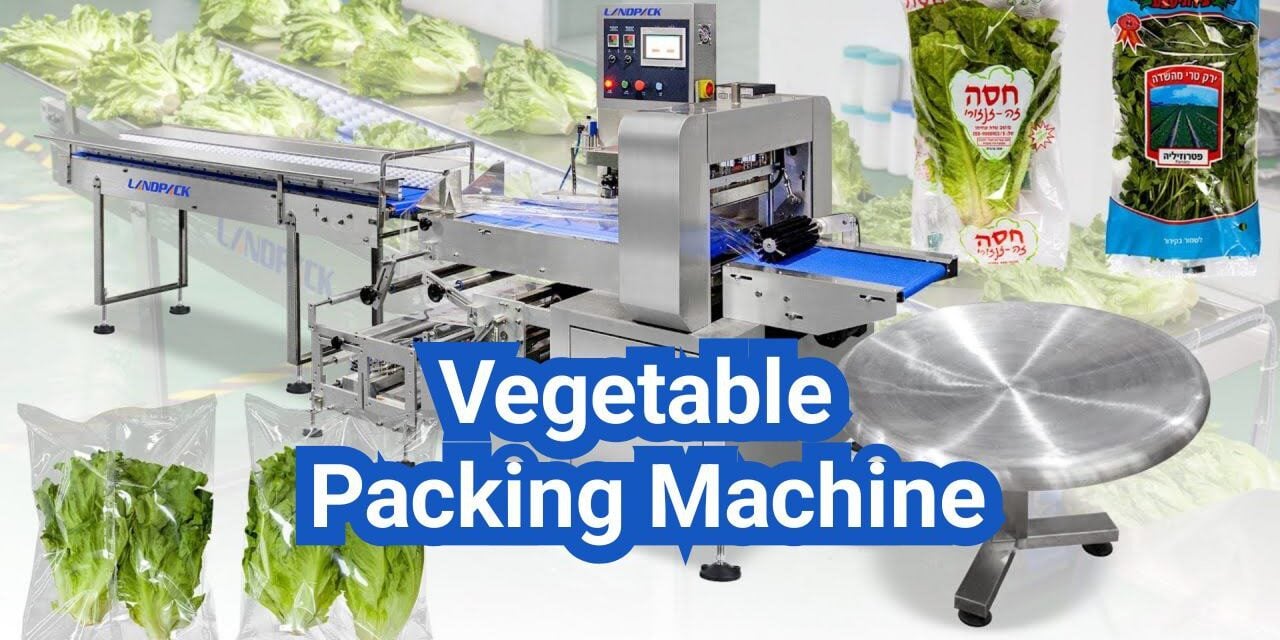
A vegetable packing machine is designed to efficiently package vegetables into various formats, such as bags, containers, or wrapped trays, to preserve freshness and facilitate distribution. These machines can perform multiple functions, including weighing, filling, sealing, and labeling.
The operation of a vegetable packing machine typically involves several stages: product feeding, weighing or counting, packaging material handling, and sealing. Advanced machines may also include features like gas flushing or modified atmosphere packaging to extend shelf life.
As Elifab, a global operator in grading machines, demonstrates, the technology behind vegetable packing machines is continually evolving to meet the needs of the fresh produce industry. According to industry experts, “The integration of automation and smart technology in vegetable packing machines has significantly improved efficiency and reduced labor costs for producers and distributors.”
The Fresh Produce Packing Industry in the United States
The fresh produce packing industry in the United States is a significant sector, with a high demand for efficient and sanitary packaging solutions. The industry encompasses a wide range of products, from leafy greens to root vegetables, each requiring specific handling and packaging techniques.
The U.S. market is characterized by its emphasis on food safety, quality control, and compliance with regulations such as the Food Safety Modernization Act (FSMA).
“The use of advanced packing machines has become essential for maintaining competitiveness in the global market.”
A leading industry figure
Key Statistics in the Fresh Produce Packing Industry
| Category | Description | Value |
|---|---|---|
| Market Size | Total value of the U.S. fresh produce packing industry | $10 billion |
| Growth Rate | Annual growth rate of the industry | 5% |
| Automation Level | Percentage of packing operations that are automated | 70% |
Wide Range of Packing Machines for Different Vegetables
The variety of vegetables grown in the U.S. necessitates a range of packing machines tailored to specific products. For example, leafy greens require gentle handling to prevent bruising, while root vegetables can withstand more robust packaging processes.
Some of the common types of packing machines include:
- Vertical form, fill, and seal machines for packaging loose vegetables.
- Flow wrapping machines for individually wrapping products like carrots or potatoes.
- Pre-made pouch filling machines for efficiently packaging precise quantities of vegetables.
The choice of packing machine depends on factors such as the type of vegetable, desired packaging format, and production volume. As the demand for fresh and processed vegetables continues to grow, the development and adoption of advanced vegetable packing machines will remain crucial for the industry’s success.
Types of Vegetable Packaging Machines and Equipment

The vegetable packaging industry employs a diverse range of machines to cater to different packaging needs. These machines are designed to improve efficiency, reduce labor costs, and ensure consistent packaging quality.
Vegetable Wrapping Machines for Individual Products
Vegetable wrapping machines are used to individually wrap vegetables such as potatoes, carrots, and onions. These machines help to prevent moisture loss and protect the produce from contamination. Linear wrapping machines and flow wrapping machines are commonly used for this purpose.
Vegetable Filling Machines and Container Systems
Vegetable filling machines are designed to fill containers with precise amounts of vegetables. These machines are available in various configurations, including volumetric fillers and weight-based fillers. Container systems can include cups, trays, or bags, depending on the desired packaging format.
Vegetable Weighing and Bagging Machines
Vegetable weighing and bagging machines are crucial for accurate weight measurement and efficient bagging. Multihead weighers and linear weighing scales are popular choices for vegetable packaging. These machines can be integrated with bagging systems to create a seamless packaging process.
| Weighing System | Accuracy | Speed |
|---|---|---|
| Multihead Weigher | High | Fast |
| Linear Weighing Scale | High | Moderate |
Vegetable Grading and Packing Equipment
Vegetable grading and packing equipment is used to sort and package vegetables according to size, quality, and other criteria. These machines can be configured to handle various types of vegetables and can be integrated with packaging machines for a streamlined process.
By understanding the different types of vegetable packaging machines and equipment available, producers can select the most suitable solutions for their specific needs, improving efficiency and product quality.
How to Implement Gentle Handling in Your Vegetable Packing Machine System

To preserve the integrity of fresh vegetables, it’s essential to integrate gentle handling mechanisms into packing machines. Gentle handling is not just a feature; it’s a necessity for maintaining the quality and freshness of vegetables from the farm to the consumer’s table.
Why Gentle Handling Matters for Fresh Produce Quality | Vegetable Packing Machine
Gentle handling in vegetable packing is critical because it directly impacts the quality and shelf life of the produce. Rough handling can lead to bruising, damage, and increased susceptibility to decay. As noted by industry experts, “The way produce is handled during packing can significantly affect its marketability and consumer acceptance.”
“The way produce is handled during packing can significantly affect its marketability and consumer acceptance.”
Gentle handling produce conveyor systems play a pivotal role in minimizing damage. These systems are designed to handle vegetables with care, reducing the risk of bruising and other forms of damage.
Step 1: Select Gentle Handling Produce Conveyor Systems | Vegetable Packing Machine
The first step in implementing gentle handling is to select conveyor systems that are designed for delicate produce. These systems typically feature soft-touch surfaces, adjustable speed controls, and curved or angled conveyors that reduce drop heights and prevent produce from being tossed around.
Step 2: Minimize Drop Heights and Impact Points | Vegetable Packing Machine
Minimizing drop heights is another crucial aspect of gentle handling. By reducing the distance that produce falls during transfer from one conveyor to another, the impact and potential for damage are significantly decreased. This can be achieved through careful design and adjustment of the packing line layout.
| Drop Height Reduction Method | Impact on Produce Damage |
|---|---|
| Adjusting conveyor heights | Reduces bruising and abrasions |
| Using curved conveyors | Minimizes impact and rolling damage |
| Implementing gentle transfer systems | Decreases overall damage during transfer |
Step 3: Control Speed and Pressure Settings | Vegetable Packing Machine
Controlling the speed and pressure settings of packing machines is vital for gentle handling. High speeds can cause produce to be tossed around or crushed, while excessive pressure can lead to bruising. Adjusting these settings according to the type of vegetable being packed is essential for minimizing damage.
By following these steps and emphasizing gentle handling in your vegetable packing machine system, you can significantly improve the quality of your fresh produce, reduce waste, and enhance customer satisfaction.
Count Packing vs. Weight Packing for Produce: Complete Comparison

Count packing and weight packing are the two dominant systems used in the produce industry, serving the same purpose but operating on different principles.
How Count Packing Systems Operate
Count packing systems are designed to count individual items before packaging them. This method is particularly useful for products that are uniform in size and shape, such as certain fruits and vegetables.
Count packing systems utilize various technologies, including optical sensors and mechanical counters, to accurately count the items. For instance, optical sensors can detect the presence of each item as it passes through a certain point, while mechanical counters rely on physical contact with the items to count them.
How Weight Packing Systems Function
Weight packing systems, on the other hand, measure the total weight of the product to be packaged. This method is beneficial for products where the weight is a critical factor, such as in the case of commodities sold by weight.
Weight packing systems often employ load cells or other weight measurement technologies to determine the exact weight of the product. Multihead weighers are a common example, using multiple weigh hoppers to combine the product to the desired weight.
Accuracy and Compliance Considerations | Vegetable Packing Machine
Both count packing and weight packing systems must adhere to certain accuracy and compliance standards. For count packing, accuracy is crucial to ensure that the customer receives the correct number of items. For weight packing, compliance with weight regulations is essential.
A study comparing linear weighing scales and multihead weighers found that multihead weighers offer higher accuracy for certain types of produce due to their ability to combine weights from multiple hoppers.
| System | Accuracy | Compliance Considerations |
|---|---|---|
| Count Packing | High for uniform products | Ensuring correct count |
| Weight Packing | High with multihead weighers | Adhering to weight regulations |
Speed and Throughput Differences | Vegetable Packing Machine
The speed and throughput of count packing and weight packing systems can vary significantly based on the technology used and the product being packaged.
Count packing systems can be faster for products that are easy to count and uniform, while weight packing systems, especially those using multihead weighers, can offer high speeds for a wide range of products.
“The choice between count packing and weight packing ultimately depends on the specific needs of the operation, including the type of produce, desired accuracy, and required throughput.” – Industry Expert
How to Choose Between Counting and Weighing Systems for Your Operation

The decision between counting and weighing systems depends on several key factors related to your vegetable products. Choosing the right system is crucial for ensuring accuracy, efficiency, and compliance with regulatory requirements in your vegetable packing operation.
Step 1: Evaluate Your Vegetable Product Size and Consistency
Assessing the size and consistency of your vegetable products is the first step in determining whether a counting or weighing system is more suitable. Products with uniform size and weight are ideal for counting systems, while those with varying sizes may require weighing systems for accurate packaging.
Uniform products like cherry tomatoes or baby carrots can be efficiently packed using counting systems. On the other hand, products like irregularly shaped potatoes or onions may be better suited for weighing systems.
Step 2: Assess Your Target Product Markets and Pricing Model
Understanding your target markets and pricing strategies is vital. For premium products sold by count, an accurate counting system is essential. For bulk products sold by weight, a weighing system might be more appropriate.
“The pricing model can significantly influence the choice between counting and weighing systems. For instance, if your product is sold by weight, a weighing system ensures you’re packaging the correct amount, thereby avoiding potential losses or customer dissatisfaction.”
Step 3: Calculate Throughput Requirements | Vegetable Packing Machine
Throughput requirements play a significant role in selecting between counting and weighing systems. High-speed operations may benefit from automated weighing systems that can quickly measure and pack products.
- Evaluate your production volume to determine the necessary speed and accuracy.
- Consider the capacity of different systems to handle your throughput.
Step 4: Consider Regulatory and Customer Requirements | Vegetable Packing Machine
Regulatory compliance and customer expectations are critical factors. Some markets have strict regulations regarding packaging accuracy, and customers may have specific requirements for packaging.
For example, some retailers require precise weight labeling for fresh produce. In such cases, a weighing system integrated with labeling technology can ensure compliance and customer satisfaction.
Packaging Formats and Machine Capabilities

Packaging formats and machine capabilities are interlinked in the vegetable packing industry, influencing product quality and operational efficiency. The choice of packaging format depends on various factors, including the type of vegetable, market requirements, and production volume.
Vegetable Vertical Form Fill and Seal Bagging
Vertical Form Fill and Seal (VFFS) bagging is a popular packaging solution for vegetables. This method involves forming a bag from a roll of film, filling it with the product, and then sealing it. VFFS machines are versatile and can handle a wide range of vegetables, from loose leafy greens to bulkier items like potatoes.
Key benefits of VFFS bagging include:
- High-speed packaging capabilities
- Flexibility in bag size and film type
- Ability to package a variety of products
Vegetable Flow Wrapping Systems | Vegetable Packing Machine
Flow wrapping is another effective packaging format for vegetables, particularly for products like fresh herbs, broccoli, or cauliflower. This method involves wrapping individual portions or bunches in a continuous film, which is then sealed and cut into individual packs.
Advantages of flow wrapping include:
- Attractive packaging that showcases the product
- Flexibility in packaging size and style
- Ability to package delicate or irregularly shaped products
Stand Up Zipper Pouch Filling for Fresh Vegetables
Stand-up zipper pouches are becoming increasingly popular for packaging fresh vegetables. These pouches offer convenience, resealability, and an attractive presentation. Machines designed for filling stand-up zipper pouches can handle a variety of vegetables, from baby carrots to cherry tomatoes.
Benefits of stand-up zipper pouch filling include:
- Convenient resealable packaging
- Attractive presentation on store shelves
- Potential for extended shelf life through modified atmosphere packaging
Vegetable Premade Pouch Filling
Premade pouch filling is a flexible packaging solution that can be used for a wide range of vegetable products. This method involves filling pre-made pouches with the desired quantity of vegetables and then sealing them.
Advantages of premade pouch filling include:
- Flexibility in pouch size and style
- Ability to package a variety of products
- Potential for high-speed packaging operations
By understanding the different packaging formats and machine capabilities available, vegetable producers and packers can make informed decisions about their packaging operations, optimizing for efficiency, product quality, and market appeal.
Film Types and Barrier Protection for Extended Shelf Life

The choice of film type plays a crucial role in maintaining the freshness and quality of vegetables during packaging. Different vegetables have varying requirements for optimal storage and display, and the packaging film is a critical factor in meeting these needs. The right film can help extend shelf life, reduce waste, and improve the overall appearance of the product.
Standard Film vs. Barrier Films for Vegetable Packaging
Standard films are commonly used for packaging vegetables but may not provide the necessary barrier properties to extend shelf life significantly. Barrier films, on the other hand, are designed to offer superior protection against moisture, oxygen, and other environmental factors that can cause spoilage.
Key characteristics of barrier films include:
- High barrier to oxygen and moisture
- Improved puncture resistance
- Enhanced clarity and printability
Gas-Flushing Technology and Modified Atmosphere Packaging
Gas-flushing technology and modified atmosphere packaging (MAP) are techniques used to further enhance the shelf life of packaged vegetables. By adjusting the gas composition around the produce, it’s possible to slow down the respiration process and reduce spoilage.
Benefits of MAP include:
- Extended shelf life
- Reduced ethylene production
- Inhibition of microbial growth
How to Select Film Types for Different Vegetables
Selecting the appropriate film type for vegetable packaging depends on several factors, including the type of vegetable, storage conditions, and distribution requirements. A thorough understanding of these factors is essential for making an informed decision.
| Vegetable Type | Recommended Film Type | Key Considerations |
|---|---|---|
| Leafy Greens | Perforated film or breathable film | Maintaining humidity and preventing moisture loss |
| Root Vegetables | Barrier film with high oxygen barrier | Preventing moisture and ethylene accumulation |
| Broccoli and Cauliflower | MAP film with adjusted gas composition | Slowing down respiration and ethylene production |
WeighPack and Other Specialized Film Systems | Vegetable Packing Machine
Specialized film systems like WeighPack offer advanced solutions for vegetable packaging. These systems integrate weighing, packaging, and film handling into a single process, enhancing efficiency and accuracy.
Modified Atmosphere Packaging for Fresh-Cut Fruits and Vegetables

Modified atmosphere packaging (MAP) has revolutionized the fresh-cut produce industry by extending shelf life and maintaining quality. This technology involves altering the atmosphere surrounding the produce to slow down the deterioration process, thereby keeping the products fresh for a longer period.
MAP Technology and Shelf Life Extension Benefits
The primary benefit of MAP is its ability to extend the shelf life of fresh-cut fruits and vegetables. By adjusting the levels of oxygen, carbon dioxide, and nitrogen around the produce, MAP technology slows down the respiration rate of the products, reducing spoilage and maintaining freshness.
Key benefits of MAP include:
- Extended shelf life
- Reduced spoilage
- Maintained product quality
- Enhanced food safety
Implementing MAP in Your Vegetable Packing Line
To implement MAP effectively, it’s crucial to integrate it seamlessly into your existing vegetable packing line. This involves selecting the right packaging materials, machinery, and gas mix ratios tailored to the specific types of produce being packaged.
The process typically involves:
- Selecting appropriate packaging films
- Determining the optimal gas mix
- Ensuring proper sealing and packaging
- Monitoring and adjusting the MAP system as needed
Specific Applications for Lettuce, Salad, and Fresh-Cut Produce | Vegetable Packing Machine
MAP is particularly beneficial for products like lettuce, salad mixes, and other fresh-cut vegetables. These products are highly perishable and benefit significantly from the controlled atmosphere provided by MAP.
Gas Mix Ratios for Different Vegetable Types
The effectiveness of MAP depends on using the correct gas mix ratios for different types of vegetables. The optimal gas composition varies depending on the produce type, its respiration rate, and the desired shelf life.
| Vegetable Type | Recommended Gas Mix | Shelf Life Extension |
|---|---|---|
| Lettuce | 3-5% O2, 3-5% CO2, Balance N2 | Up to 14 days |
| Broccoli | 1-2% O2, 5-10% CO2, Balance N2 | Up to 21 days |
| Carrots | 3-5% O2, 3-5% CO2, Balance N2 | Up to 12 days |
How to Plan Produce Line Throughput for Maximum Efficiency

To stay ahead in the produce packing industry, optimizing line throughput is essential. Efficient produce line throughput planning involves several key steps that help maximize productivity and reduce potential bottlenecks.
Step 1: Calculate Your Required Packaging Speed in Bags Per Minute
Calculating the required packaging speed is the first step in planning your produce line throughput. This involves determining the number of bags or containers you need to fill per minute to meet your production targets. Automated packing equipment can significantly enhance your packaging speed.
For example, if your facility operates for 8 hours a day and needs to pack 100,000 bags, you can calculate your required packaging speed as follows:
| Total Bags | Operating Hours | Bags Per Hour | Bags Per Minute |
|---|---|---|---|
| 100,000 | 8 | 12,500 | 208.33 |
Step 2: Map Your Current Produce Packing Line Layout
Understanding your current packing line layout is crucial for identifying areas of inefficiency. By mapping out each stage of your packing process, you can pinpoint where delays occur and opportunities for improvement exist.
Visualizing your packing line can help in planning a more efficient layout.
Step 3: Identify Bottlenecks and Constraints | Vegetable Packing Machine
Once you have mapped your packing line layout, the next step is to identify any bottlenecks or constraints that could be limiting your throughput. Common bottlenecks include inefficient machinery, inadequate staffing, or poor line configuration.
- Assess machinery performance and capacity
- Evaluate staffing levels and training
- Review line configuration for optimal flow
Step 4: Match Machine Capacity to Harvest Volume and Seasonality
To maximize efficiency, it’s essential to match your machine capacity with your harvest volume and seasonality. This involves understanding your peak production periods and ensuring your equipment can handle the increased demand.
Seasonal fluctuations can significantly impact your production volume, making it crucial to have flexible and scalable packing solutions.
Designing Your Vegetable Packing Line Layout for Optimal Flow

Designing an efficient vegetable packing line layout is crucial for maximizing productivity and minimizing damage to fresh produce. A well-designed layout ensures a smooth flow of vegetables through various processing stages, from receiving to packaging.
Essential Zones in a Farm Packhouse for Vegetables
A typical farm packhouse for vegetables includes several essential zones, each serving a specific purpose in the packing process. These zones are critical for maintaining the quality and safety of the produce.
- Receiving and washing area
- Grading, sorting, and inspection area
- Packing and sealing station
- Storage and shipping area
Receiving and Washing Area Configuration | Vegetable Packing Machine
The receiving and washing area is where vegetables are initially processed. This zone should be designed to handle large volumes efficiently and gently.
Key considerations:
- Adequate space for unloading and temporary storage
- Effective washing systems to remove dirt and contaminants
- Proper drainage to prevent water accumulation
Grading, Sorting, and Inspection Placement | Vegetable Packing Machine
The grading, sorting, and inspection area is critical for ensuring the quality of the vegetables. This zone should be strategically located to facilitate a smooth transition from the washing area.
Key considerations:
- Sufficient lighting for accurate inspection
- Ergonomic design for worker comfort and efficiency
- Automated sorting systems for consistency and speed
“The layout of the grading and sorting area can significantly impact the overall efficiency of the packing line. A well-designed layout can reduce labor costs and improve product quality.”
Expert in vegetable packing systems
Packing and Sealing Station Arrangement
The packing and sealing station is where the final packaging takes place. This area should be designed to ensure that the vegetables are packed efficiently and safely.
Key considerations:
| Aspect | Description |
|---|---|
| Packaging Material Handling | Efficient storage and supply of packaging materials |
| Packing Machine Configuration | Adjustable machines to accommodate different produce sizes |
| Sealing and Quality Control | Reliable sealing mechanisms and quality checks |
By carefully designing each zone and considering the specific needs of the vegetable packing operation, farmers and packers can create an efficient and effective packing line layout.
Vegetable Packing Automation Levels and Smart Technology Integration

Vegetable packing automation levels vary widely, from manual to fully automatic systems, each with its own set of benefits. The choice of automation level depends on factors such as the size of the operation, the type of vegetables being packed, and the desired throughput.
Manual Vegetable Packing Machines for Small Operations
For small-scale vegetable farms or operations with limited budgets, manual packing machines offer a viable solution. These machines require significant human intervention but are cost-effective and can be adapted to various packaging needs.
Key Features of Manual Packing Machines:
- Low initial investment
- Flexibility in packaging formats
- Easy to operate and maintain
Semi-Automatic Packing Systems for Mid-Size Farms
Semi-automatic packing systems represent a middle ground, offering a balance between manual and fully automatic systems. They provide increased efficiency and consistency compared to manual systems while being more affordable than fully automatic machines.
Benefits of Semi-Automatic Systems:
- Improved packaging speed
- Enhanced product consistency
- Reduced labor costs
Fully Automatic Vegetable Packing Machines for High Volume
Fully automatic vegetable packing machines are designed for high-volume operations, offering maximum efficiency and minimal labor requirements. These systems can significantly increase throughput and reduce operational costs.
Advantages of Fully Automatic Machines:
| Feature | Benefit |
|---|---|
| High-speed packaging | Increased productivity |
| Automated quality control | Consistent product quality |
| Reduced labor requirements | Lower operational costs |
Robotic Case Erecting and Palletizing Systems | Vegetable Packing Machine
The integration of robotic systems in vegetable packing operations further enhances efficiency and reduces labor costs. Robotic case erecting and palletizing systems can handle heavy loads and perform complex tasks with precision.
By understanding the different levels of automation and smart technology integration, vegetable packing operations can make informed decisions to optimize their processes, improve efficiency, and stay competitive in the market.
Vegetable Checkweigher Systems and Quality Assurance
The integration of checkweigher systems in vegetable packing operations has revolutionized the way producers ensure product quality and adhere to weight regulations. Checkweighers are not just about compliance; they are also crucial for maintaining customer trust and reducing waste.
How Checkweighers Ensure Weight Compliance and Accuracy
Checkweighers work by precisely measuring the weight of packaged vegetables and comparing it against a predetermined target weight range. High-precision load cells are used to ensure accuracy. Any packages that fall outside this range are identified and can be removed from the production line.
Checkweighers are equipped with advanced technology that allows for real-time monitoring and adjustment. This capability ensures that any deviations in weight are quickly addressed, minimizing the risk of non-compliance.
Integration with Reject Mechanisms and Feedback Loops
A key feature of modern checkweighers is their ability to integrate with reject mechanisms and feedback loops. When a package is found to be outside the acceptable weight range, the checkweigher can trigger a reject mechanism to remove the package from the line. Furthermore, feedback loops enable the system to adjust the packing process in real-time to prevent future deviations.
This integration not only ensures compliance but also helps in reducing waste and improving overall efficiency. By continuously monitoring and adjusting the packing process, producers can maintain high-quality output.
Real-Time Data Collection for Throughput Monitoring
Checkweighers also play a vital role in throughput monitoring by providing real-time data on the packing process. This data can be used to identify bottlenecks, optimize production speeds, and improve overall line efficiency.
| Feature | Benefit |
|---|---|
| Real-Time Weight Monitoring | Immediate detection of weight deviations |
| Integration with Reject Mechanisms | Automatic removal of non-compliant packages |
| Data Collection for Throughput Monitoring | Optimization of production line efficiency |
Checkweigher Placement in the Packing Line | Vegetable Packing Machine
The placement of checkweighers within the packing line is critical for their effectiveness. Ideally, checkweighers should be placed after the packaging process, where they can verify the final weight of the packaged product.
Proper placement ensures that all packaged products are checked, thereby maximizing the effectiveness of the checkweigher system.
Inline Labeling and Traceability for Fresh Produce

The integration of advanced inline labeling and traceability technologies is revolutionizing the fresh produce industry by improving product tracking and reducing contamination risks. As consumers increasingly demand transparency and safety in their food supply, effective labeling and traceability systems have become essential for producers and packers.
Label Application Systems and Print-and-Apply Technology
Label application systems are critical for applying labels to packaging in a consistent and efficient manner. Print-and-apply technology allows for the real-time printing of labels with product information, such as lot codes, expiry dates, and handling instructions. This technology ensures that labels are accurate and legible, reducing the risk of mislabeling and associated recalls.
Some key features of label application systems include:
- High-speed labeling capabilities to keep up with production demands
- Precision label placement for consistent results
- Integration with existing packaging lines for seamless operation
- Compatibility with various label materials and sizes
Lot Code and Expiry Date Printing Capabilities | Vegetable Packing Machine
Lot code and expiry date printing are vital for traceability and inventory management. These details help track products throughout the supply chain and ensure that expired or recalled products are removed from shelves. Modern labeling systems can print this information directly onto labels or packaging materials.
Benefits of accurate lot coding and expiry date printing include:
- Improved inventory management through first-in, first-out (FIFO) rotation
- Enhanced traceability in case of product recalls or quality issues
- Compliance with regulatory requirements for labeling and tracking
Meeting U.S. Food Safety Modernization Act Requirements
The U.S. Food Safety Modernization Act (FSMA) mandates that food producers and packers implement robust tracking and tracing systems. Inline labeling and traceability technologies play a crucial role in meeting these requirements by providing accurate and reliable product information.
Key FSMA requirements related to labeling and traceability include:
- Maintaining records of product origin, processing, and distribution
- Implementing systems for rapid product tracking and tracing
- Ensuring compliance with labeling regulations for food safety and allergen warnings
Integration with Inventory and Tracking Systems | Vegetable Packing Machine
Effective inline labeling and traceability systems integrate seamlessly with inventory management and tracking software. This integration enables real-time monitoring of product movement and status, from packing to delivery.
By combining labeling and tracking technologies with inventory management systems, producers and distributors can:
- Optimize inventory levels and reduce waste
- Improve supply chain visibility and responsiveness
- Enhance overall operational efficiency
Step-by-Step Implementation Guide for Farm Packhouse Equipment

Effective implementation of farm packhouse equipment involves a series of strategic steps that help streamline your vegetable packing operations. By following a structured approach, you can ensure that your equipment meets your specific needs and enhances your overall productivity.
Conduct a Comprehensive Needs Assessment | Vegetable Packing Machine
The first step in implementing farm packhouse equipment is to conduct a thorough needs assessment. This involves evaluating your current operations, identifying areas for improvement, and determining the specific requirements for your vegetable packing process.
A comprehensive needs assessment should consider factors such as the type and volume of produce, existing equipment and infrastructure, and future growth plans. By understanding your unique needs, you can select equipment that is tailored to your operation.
Define Your Product Range and Packaging Requirements
Clearly defining your product range and packaging requirements is crucial for selecting the right farm packhouse equipment. This includes considering the types of vegetables you pack, the packaging formats you use, and any specific labeling or branding requirements.
By defining your product range and packaging needs, you can ensure that your equipment is capable of handling your specific products and packaging materials. This helps to minimize waste, reduce costs, and improve overall efficiency.
Select Equipment Based on Throughput and Budget | Vegetable Packing Machine
When selecting farm packhouse equipment, it’s essential to consider both throughput and budget. You need to choose equipment that can handle your required volume while staying within your budget constraints.
Evaluating equipment based on throughput involves assessing the machine’s capacity, speed, and reliability. You should also consider factors such as maintenance requirements, energy efficiency, and operator training needs.
Plan Facility Modifications and Utility Requirements | Vegetable Packing Machine
Before installing new farm packhouse equipment, you may need to make modifications to your facility. This could include upgrading electrical or plumbing systems, rearranging the layout, or ensuring compliance with regulatory requirements.
It’s also important to assess your utility requirements, such as water, electricity, and compressed air. By planning for these needs in advance, you can avoid costly surprises during the implementation process.
At The End of: Vegetable Packing Machine
Efficient vegetable packing is crucial for maintaining the quality and freshness of produce. By understanding the different types of vegetable packing machines and strategies for gentle handling, counting vs. weighing, and throughput planning, producers can optimize their operations.
Selecting the right produce packing machine is vital for reducing waste, improving productivity, and ensuring compliance with regulations. Automated packaging solutions for fresh produce, such as vegetable packaging solutions, can significantly enhance the packing process.
By implementing the right vegetable packing machine and strategies, producers can improve their bottom line while delivering high-quality products to consumers. Whether it’s a manual or fully automatic vegetable packing machine, the key is to choose a solution that meets specific needs and enhances overall efficiency.
FAQ
A vegetable packing machine raises similar questions across farm sizes, so this short FAQ focuses on practical decisions that affect quality, compliance, and profitability without going too deep into crop-specific engineering. Use it as a starting point before requesting vendor layouts or retrofit quotes. OSHA 1910 Subpart N (Materials Handling and Storage)
Is counting or weighing more accurate?
It depends on the pack specification. Counting is accurate for unit-based packs after good grading; weighing is accurate for declared net-weight packs when scales, tare, and verification are managed correctly.
Can one line handle multiple vegetables?
Yes, but only if settings, contact surfaces, sanitation access, and package formats are planned for quick changeovers and gentle handling of the most sensitive crop.
Do small farms need automation?
Not always. Many small farms gain more from better layout, cooling timing, and low-cost handling improvements before buying high-speed packing equipment.
What is the biggest throughput mistake?
Using catalog speed as the production target instead of sustained output after breaks, cleaning, jams, and changeovers.
How often should weight systems be checked?
The exact schedule depends on your process, product, and customer requirements, but routine documented checks during startup and production are essential for consistency.
What are the primary options for a vegetable packing machine in the U.S. market?
Operators looking for a vegetable packing machine in the u.s. or a vegetable packing machine in usa can choose from a wide range of packing machines provided by industry leaders such as WeighPack, Vegtech Systems, and Elifab. These solutions range from a small vegetable packing machine for local farms to a fully automatic vegetable packing machine designed for large-scale industrial vegetable packaging and high-volume product markets.
How does gentle handling technology impact the quality of fresh produce?
Utilizing a gentle handling produce conveyor and specialized postharvest vegetable handling equipment is essential to prevent bruising and mechanical damage. Brands like Elifab focus on minimizing drop heights within the vegetable packing line, ensuring that fresh fruit & vegetables maintain their aesthetic appeal and nutritional value, which is critical for achieving a premium price package salad or fresh produce retail value.
What is the difference between count packing vs weight packing produce?
The choice between count packing vs weight packing produce depends on the specific various vegetable fruit products being processed. Count packing is often used for consistent items like peppers, while a vegetable weighing and bagging machine is preferred for bulk items like potatoes or onion packing. Modern vegetable packing solutions often integrate vegetable weighing and bagging to ensure regulatory compliance and maximize produce line throughput planning.
Can one machine handle different products like a lettuce packaging machine and a tomato packaging machine?
Yes, many modern vegetable packaging machines are designed with versatility in mind. A high-quality vegetable and fruit packing machine can be adjusted for various vegetable fruit products, allowing it to function as a lettuce packing machine, tomato packaging machine, or even a mushroom packaging machine by simply changing the adjustable bag/pouch dimensions and film settings.
What are the benefits of modified atmosphere packaging for fresh-cut fruits and vegetables?
Modified atmosphere packaging for fresh-cut fruits and vegetables uses gas-flushing technology to replace oxygen with a specific gas mix, significantly extending the shelf life of fresh-cut items. By using barrier films on a vegetable vertical form fill & seal machine or a vegetable flow wrapping system, processors can maintain the crispness of products in the lettuce packaging machine and other fresh produce packing machine lines.
How do I determine the right level of vegetable packing automation for my farm?
The decision depends on your harvest volume and budget. A manual vegetable packing machine or semi-automatic packing system is ideal for smaller operations. In contrast, fully automatic vegetable packing machines integrated with robotic palletizing, case erecting, and vegetable bundling machine technology are better suited for high-speed produce packing machine requirements in commercial farm packhouse equipment for vegetables.
Does the equipment support specialized products like a ginger garlic paste packing machine or green peas packing machine?
Yes, the industry offers highly specialized food processing machinery. For liquids and pastes, a ginger garlic paste filling machine or ginger garlic paste packing machine is used. For legumes, a green peas packing machine or a frozen green peas packaging machine ensures efficient frozen vegetable packaging, while a sweet corn packing machine handles the specific challenges of starchy, high-moisture produce.
What role does a vegetable checkweigher system play in quality assurance?
A vegetable checkweigher system is a critical component of an automated packaging system. It sits at the end of the vegetable packing system to verify that every bag meets the labeled weight. This smart packing technology provides real-time data for throughput monitoring and ensures that the vegetable fruit packing machine is operating within the required tolerances for U.S. food safety and trade standards.
How should I plan my produce packing line layout for maximum efficiency?
Effective produce packing line layout involves mapping the flow from the receiving and washing area to the vegetable grading and packing equipment. It is important to identify potential bottlenecks and ensure that the vegetable packing technology matches your peak harvest bags per minute requirements. Incorporating case & tray packing and robotic palletizing at the end of the line further optimizes industrial vegetable packing flow.
What labeling and traceability features are available for vegetable packaging equipment?
Modern vegetable packaging equipment includes inline labeling and print-and-apply systems that can generate lot codes and expiry dates in real-time. This is essential for meeting U.S. Food Safety Modernization Act requirements and ensures full traceability across the fresh fruit & vegetables supply chain, from the farm packhouse to the consumer.
Are there specific machines for vacuum sealing vegetables?
Yes, a vegetable vacuum packing machine or vacuum vegetable packing machine is used to remove air from the packaging, which is vital for certain product markets to prevent spoilage. This technology is common in foodservice & vacuum bagging for pre-prepared vegetables, often used alongside a vegetable cutting and packing machine for a complete vegetable packing automation solution.
Conclusion of: Vegetable Packing Machine
A vegetable packing machine is not just a piece of hardware—it is a quality-control system that affects bruising, labor efficiency, food safety, and shipment consistency from the first dump point to the finished case. For U.S. growers and packers, the best line design balances crop sensitivity, market specs, and labor realities instead of chasing top speed alone. FDA Produce Safety Rule
A vegetable packing machine can refer to a simple semi-manual packing line for local farms or a fully integrated system with washing, sorting, grading, counting or weighing, bagging, labeling, and pallet prep for regional distribution. The correct setup depends on crop type, buyer requirements, and whether you are packing for direct retail, foodservice, wholesale, or institutional channels. USDA AMS Vegetable Grade Standards
Why gentle handling matters before speed
A vegetable packing machine should protect quality first because many losses happen from impact, compression, abrasion, and heat gain during handling rather than from the packing step itself. Even small drops, hard transitions, and overfilled bins can reduce shelf life, increase shrink, and create more culls before product reaches the buyer. UC Davis Postharvest Technology Center
A vegetable packing machine must be matched to the crop’s postharvest behavior, including temperature sensitivity, moisture loss risk, and tolerance to washing or brushing. A line that works well for potatoes or onions can damage cucumbers, peppers, leafy greens, or fresh herbs if transfer heights, belt surfaces, and line speeds are not adjusted. USDA ARS Commercial Storage Handbook (AH-66)
What “gentle handling” looks like in a real packing line
A vegetable packing machine should move product with controlled drops, padded or food-grade contact surfaces, smooth belt transitions, and enough accumulation space to avoid pileups at choke points. In practice, gentle handling usually means redesigning transfer points and pacing operators more than buying a more expensive machine. FDA Harvest and Post-Harvest Agricultural Water Guidance
A vegetable packing machine also performs better when field heat is addressed before or early in packing, because warm produce is more vulnerable to quality loss and line stoppages caused by condensation and softening. Throughput planning should therefore include cooling strategy, staging time, and packout timing, especially in hot U.S. regions during peak harvest windows. NIST Handbook 44 Current Edition
Counting vs. weighing: the decision framework
A vegetable packing machine can pack by count, by weight, or by a hybrid method, and the right choice starts with how the buyer writes the specification. If the order is “12 heads per carton,” count-based packing is usually the primary control; if the order is “2 lb bags” or “40 lb cartons,” weighing becomes the core measurement step. OSHA 1910.212 Machine Guarding
A vegetable packing machine is often a better fit for counting when units are uniform and sold as identifiable pieces, such as heads, bunches, or individually wrapped items with tight size sorting upstream. Count systems can improve visual consistency and speed, but they depend on good grading so one case does not contain oversized and undersized units that create customer complaints. OSHA 1910.147 Lockout/Tagout
A vegetable packing machine is usually better suited to weighing when natural size variation is high, pack formats are weight-declared, or retail programs require consistent net content across many lots. Weighing reduces giveaway when it is paired with proper target weights, tare control, and routine scale checks, but poor calibration can quickly erase that advantage. OSHA 1910.176 Materials Handling
A vegetable packing machine frequently benefits from a hybrid approach: size-grade first, count where practical, then verify by weight or checkweigh downstream to catch drift. This is especially useful for mixed labor crews and changing harvest conditions because it protects compliance while preserving line flow. OSHA 1910.219 Mechanical Power-Transmission Apparatus
Throughput planning: how to avoid buying the wrong line speed
A vegetable packing machine should be sized using hourly packout targets tied to harvest reality, not only catalog speeds listed under ideal conditions. Start with expected field yield, harvest hours, cull rate, crop variability, changeover time, and shift length, then back-calculate the line capacity needed at the true bottleneck. Rutgers Packinghouse Layout, Cleaning and Sanitation
A vegetable packing machine throughput plan becomes more accurate when you separate “mechanical capacity” from “sustained operating capacity,” because actual output drops during sanitation, breaks, label changes, jam clearing, and lot transitions. A practical U.S. planning method is to target a sustained rate first, then confirm the equipment can absorb short-term surges without causing rough handling. Virginia Tech Packinghouse Best Practices (FST-317)
A vegetable packing machine layout should include accumulation or buffer zones before critical stations like bagging, sealing, labeling, and case packing so upstream sections do not keep forcing product into a stoppage. Buffers are often the difference between smooth operation and repeated pileups that bruise produce and frustrate workers. Cornell Produce Safety Alliance
Line design details that reduce damage and downtime
A vegetable packing machine should minimize transfer heights, sharp turns, and abrupt speed changes between conveyor segments, especially where produce moves from wet handling to dry packing areas. Soft landings, belt synchronization, and stable product singulation usually improve both appearance and labor efficiency. FDA Packaging & Food Contact Substances (FCS)
A vegetable packing machine needs packaging materials that match commodity respiration, moisture behavior, and retail display conditions instead of using one bag or film type for everything. Venting, film selection, closure method, and case strength influence not only shelf life but also machine performance, seal quality, and line uptime. FDA Food Packaging & Other Food Contact Substances
A vegetable packing machine should support traceability at the point where lots are packed, relabeled, or combined, because that is where recordkeeping errors often start during busy harvest days. Label logic, lot coding rules, and operator training need to be built into line SOPs before peak season, not after a buyer asks for a traceback drill. FDA FSMA Food Traceability Final Rule
A vegetable packing machine used for foods on the Food Traceability List may require more disciplined data capture and lot control workflows than a farm previously used for local sales. Even when a specific crop or customer program is exempt or handled differently, building strong receiving, packing, and shipping records improves operational control and recall readiness. FDA Food Traceability List
Sanitation, water, and food safety in packing operations
A vegetable packing machine should be designed so food-contact areas are accessible for cleaning, inspection, and drying, because hidden niches and hard-to-reach surfaces become recurring contamination risks. Farms upgrading older equipment often get a bigger food-safety improvement from accessibility changes and documented sanitation schedules than from adding more automation. FDA FSMA Food Traceability Rule FAQs
A vegetable packing machine that uses flumes, dump tanks, sprays, or wash systems must be managed as a water-control process, not just a cleaning step. Water quality, sanitizer control, contact time, turnover, and cross-contamination prevention should be part of daily startup and verification routines, especially on mixed-crop or multi-lot days. OSHA Lockout/Tagout Overview
Quick checklist
A vegetable packing machine purchase or upgrade goes better when you use a short decision checklist before comparing quotes, because many costly mistakes happen when growers shop by line speed alone. Use the list below to evaluate fit, not just features. FAO Packing-House Design and Operation Guide
- Define the primary crops and pack formats (bags, cartons, RPCs, clamshells, trays, bulk).
- List buyer specs: count packs, net weight packs, label formats, and pallet patterns.
- Set a sustained hourly target (not only peak machine speed).
- Map all transfer points and identify drop heights that could bruise produce.
- Confirm wash/no-wash flow and wet-to-dry separation needs.
- Check access for cleaning, sanitation, and inspection of food-contact surfaces.
- Plan legal-for-trade scale use, checkweigh verification, and tare procedures.
- Design lot coding and traceability steps at receiving, packing, and shipping.
- Review labor ergonomics, guarding, and lockout/tagout for maintenance tasks.
- Include utility requirements: power, compressed air, water, drainage, and floor slope.
Common mistakes to avoid
A vegetable packing machine often underperforms because of planning mistakes rather than bad equipment, and most of them are preventable during layout and SOP design. The items below are common on U.S. farms scaling from manual packing to semi-automated lines. UF/IFAS Protecting Perishable Foods During Transport
- Buying for brochure speed: Prevent this by planning around sustained output after sanitation, breaks, and changeovers.
- Ignoring crop variability: Prevent this by testing line settings across early-, mid-, and late-season lots.
- Too many hard drops: Prevent this by redesigning transfer points and using controlled discharge heights.
- Poor scale discipline: Prevent this by documenting calibration checks, tare setup, and weight verification routines.
- No buffer before bottlenecks: Prevent this by adding accumulation zones before sealing, labeling, or case pack stations.
- Sanitation afterthought: Prevent this by choosing equipment with access panels and easy-clean surfaces.
- Traceability confusion during rush periods: Prevent this by standardizing lot code entry and visual line checks.
- Underestimating cooling/staging needs: Prevent this by coordinating harvest, precooling, and pack windows.
Costs and ROI snapshot
A vegetable packing machine budget for a small or mid-size U.S. operation can range from a few thousand dollars for simple assisted packing equipment to well into six figures for integrated washing, grading, weighing, bagging, labeling, and case-packing systems. The major cost drivers are automation level, crop type, sanitation design, materials handling, controls integration, and whether custom fabrication is required for your building. USDA AMS Tropical Products Transport Handbook
A vegetable packing machine ROI is usually driven by four practical outcomes: lower labor cost per packed unit, reduced bruising/shrink, tighter pack consistency with less giveaway, and higher throughput during peak harvest. Farms that track these metrics by lot and by shift make better upgrade decisions than those relying only on total seasonal sales, because they can see where a new line actually pays back. NIST Handbook 44 (2026 title page)
A vegetable packing machine investment should also include “hidden” implementation costs such as floor repair, drainage improvements, power drops, compressed air, wash-water management, operator training, spare parts, and preseason commissioning time. For many farms, the best ROI comes from phased upgrades—first fixing flow and handling damage, then adding weighing/packing automation once the process is stable. USDA AMS Grades & Standards
Example throughput planning approach for U.S. farms
A vegetable packing machine plan becomes easier when you build a simple worksheet for each crop: harvested volume per day, expected packout percentage, target market pack size, available shift hours, and acceptable overtime. For example, a grower packing mixed summer vegetables for wholesale may need different targets on Monday versus Friday because harvest conditions, order mix, and labor availability change during the week. FDA Food Traceability Rule Update (Constituent Update)
A vegetable packing machine should be tested during commissioning with real product lots, real packaging materials, and real operators so you can measure sustained output, not just dry-run mechanical speed. A good acceptance test documents target rate, damage checks, weight accuracy, changeover time, and sanitation recovery time before peak season begins. FDA Inventory of Food Contact Substances Listed in 21 CFR
Final thought
A vegetable packing machine delivers the best results when it is treated as part of a complete postharvest system—cooling, handling, sanitation, measurement, labor flow, and traceability—not as a standalone speed upgrade. If you design for gentle handling first and size for sustained throughput, you will usually get better quality, fewer stops, and a stronger long-term return. OSHA 1910 Subpart O (Machinery and Machine Guarding)
Sources & References
- FDA: Questions and Answers About Requirements for Additional Traceability Records for Certain Foods (Draft Guidance, Feb 2026)
- FDA: FSMA Final Rule on Pre-Harvest Agricultural Water
- OSHA: 1910.147 App A (Typical Minimal Lockout Procedures)
- OSHA: Machine Guarding Standards
- OSHA: 29 CFR 1910 Standards Index
- OSHA: 1910 Subpart O (Machinery and Machine Guarding)
- eCFR: 29 CFR Part 1910 Subpart O
- NIST Handbook 44 (PDF)
- NCWM: NIST Handbook 44 (2026 edition listing)
- FAO: Chapter 3 Packinghouse Operations
- Cornell Produce Safety Alliance Resources
- Virginia TechWorks: Packinghouse Best Practices To Support the FSMA Produce Safety Rule
- USDA AMS: U.S. Standards for Grades of Vegetables
- USDA ARS: The Commercial Storage of Fruits, Vegetables, and Florist and Nursery Stocks (AH-66)