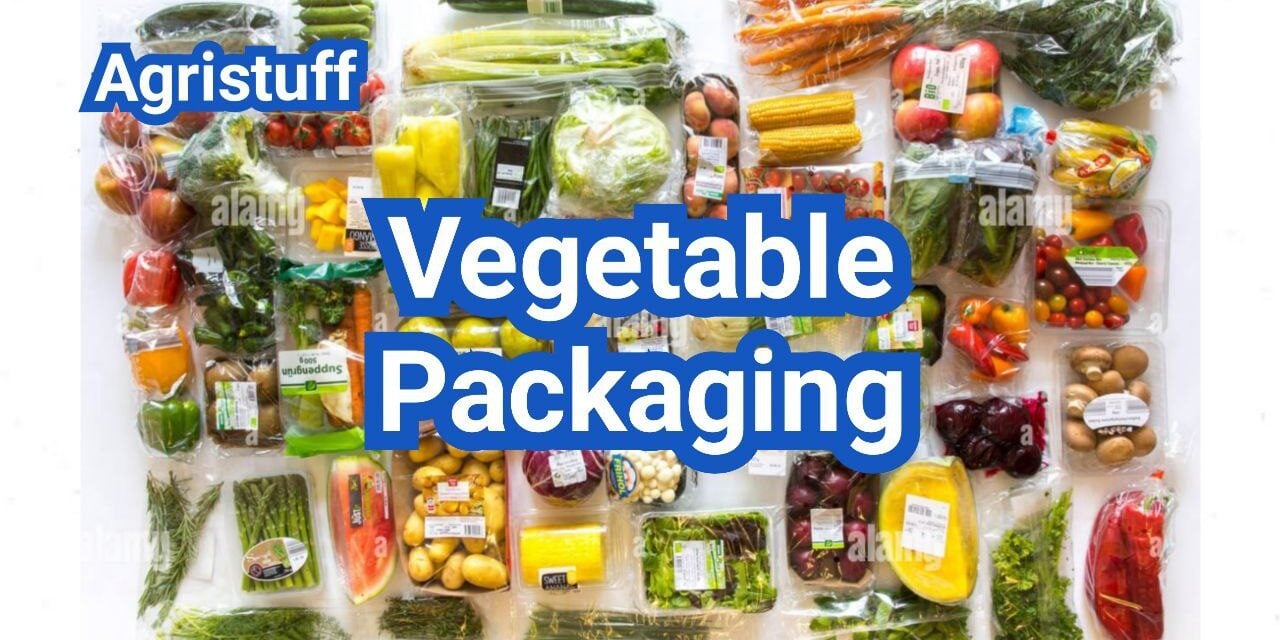
Maintaining the crispness of garden crops is a top priority for local growers and retailers. Modern fresh produce solutions must address several environmental factors to ensure quality from the farm to table. High moisture levels often lead to spoilage if not managed correctly.
Effective venting and condensation control are essential for extending the life of sliced greens. Many design concepts now focus on breathable materials that prevent fogging inside the container. These solutions help keep items looking vibrant and appetizing for American shoppers.
In today’s market, choosing the right vegetable packaging in the u.s. involves balancing cost and safety. Reducing waste while maintaining high standards is a complex task. By adopting smart design, companies can significantly improve the shelf life of their harvested goods.
Key Takeaways
- Effective airflow prevents moisture buildup and mold growth.
- Anti-fog materials keep the product visible and attractive.
- Specialized seals help extend the life of fresh-cut greens.
- Sustainable materials appeal to the growing demand for green options.
- Innovative designs reduce overall food waste during transit.
Understanding Vegetable Packaging Systems in the United States

The United States vegetable packaging market is characterized by diverse packaging solutions tailored to different vegetable types. This diversity is driven by the need to maintain the freshness, quality, and safety of vegetables throughout the supply chain. As consumers increasingly demand fresh and healthy produce, the importance of effective vegetable packaging cannot be overstated.
The Current State of Vegetable Packaging in USA Markets
The current state of vegetable packaging in the USA is influenced by consumer preferences, regulatory requirements, and technological advancements. There’s a growing trend towards sustainable packaging solutions that minimize environmental impact while maintaining product integrity. According to industry experts, “The shift towards eco-friendly packaging is not just a trend but a necessity for the vegetable packaging industry to remain viable and competitive.”
Key factors shaping the industry include the rise of online grocery shopping, which demands packaging that can withstand shipping and handling, and the increasing demand for fresh-cut and ready-to-eat vegetables, which require specialized packaging to extend shelf life.
Essential Packaging Materials for Different Vegetable Types
Different types of vegetables require specific packaging materials to maintain their quality. For example, leafy greens benefit from packaging that allows for high oxygen transmission rates, such as microperforated films, to prevent moisture buildup and spoilage. Root vegetables, on the other hand, may be packaged in breathable bags or containers that allow for airflow.
Common packaging materials include:
- Flexible plastic films for wrapping and overwrapping
- Modified atmosphere packaging (MAP) for extending shelf life
- Paper-based packaging for a more sustainable option
- Ventilated bags and containers for improved airflow
Selecting the Right Vegetable Packaging Machine for Your Operation
Choosing the appropriate packaging machine is crucial for efficiency, cost-effectiveness, and product quality. The type of vegetable being packaged, the desired packaging format, and production volume are key considerations. For instance, a business packaging fresh-cut vegetables may require a machine capable of handling MAP, while a producer of whole vegetables might need a simpler wrapping or bagging machine.
When selecting a packaging machine, factors such as machine speed, ease of use, and maintenance requirements should be evaluated. “Investing in a versatile and reliable packaging machine can significantly impact a company’s bottom line by reducing waste and increasing productivity,” notes a packaging industry expert.
How to Design Effective Vented Produce Packaging

Designing effective vented produce packaging is crucial for maintaining the quality and freshness of vegetables during transportation and storage. Proper ventilation helps in reducing moisture buildup, controlling condensation, and maintaining a healthy atmosphere for the produce.
The process involves several key steps that ensure the packaging meets the specific needs of different vegetables. Vented produce packaging is not a one-size-fits-all solution; it requires careful consideration of the type of vegetable, its respiration rate, and the environmental conditions it will be exposed to.
Step 1: Calculate Required Ventilation Area for Your Vegetables | Vegetable Packaging
The first step in designing effective vented produce packaging is to calculate the required ventilation area. This involves understanding the respiration rate of the vegetables being packaged and the airflow requirements to maintain their freshness. Different vegetables have different respiration rates; for example, broccoli has a higher respiration rate than lettuce.
To calculate the required ventilation area, you need to consider the total surface area of the packaging and the percentage of the area that needs to be vented. Research suggests that a ventilation area of 3-5% of the total surface area is often sufficient for many types of produce.
Step 2: Position Vents for Optimal Airflow | Vegetable Packaging
Once the required ventilation area is determined, the next step is to position the vents for optimal airflow. The positioning of vents is critical for produce carton vent alignment and ensuring that there is uniform airflow around the produce. Vents should be placed in a way that they facilitate forced-air cooling package venting, allowing cool air to reach all parts of the packaged produce.
The vents should be strategically located to prevent the ingress of contaminants and to minimize the loss of moisture. For many produce types, vents are placed at the top and bottom of the packaging to facilitate vertical airflow.
Step 3: Test and Validate Vent Performance | Vegetable Packaging
The final step is to test and validate the performance of the vents. This involves assessing the airflow through the vents and ensuring that it meets the required standards for the specific produce being packaged. Testing can be done using airflow measurement techniques or by monitoring the condition of the produce over time.
Validation of vent performance is crucial to ensure that the packaging design is effective in maintaining produce quality. It may involve making adjustments to the vent size or positioning based on the test results.
By following these steps, you can design vented produce packaging that effectively maintains the quality and freshness of vegetables. Whether you’re using vegetable packaging net bags or more traditional packaging formats, the principles of proper ventilation remain the same.
Implementing Microperforated Film for Produce Packaging

Microperforated films offer a sophisticated solution for produce packaging by allowing for precise control over gas exchange. This characteristic is crucial for maintaining the freshness and quality of vegetables throughout the supply chain.
Understanding Microperforation Specifications and Patterns | Vegetable Packaging
The effectiveness of microperforated films largely depends on their specifications and patterns. Microperforation density, which refers to the number of perforations per unit area, is a critical factor. Different vegetables have varying requirements for oxygen and carbon dioxide exchange, necessitating tailored microperforation patterns.
For instance, broccoli requires higher oxygen levels to prevent the buildup of ethylene, a gas that promotes ripening and senescence. In contrast, some leafy greens may require lower oxygen levels to maintain freshness. Understanding these requirements is essential for selecting the appropriate microperforation specifications.
How to Match Perforation Density to Respiration Rates | Vegetable Packaging
Matching perforation density to the respiration rate of the packaged produce is vital. The respiration rate varies among different types of vegetables and is influenced by factors such as temperature and ethylene production. A higher respiration rate requires a higher perforation density to ensure adequate gas exchange.
| Vegetable Type | Respiration Rate | Recommended Perforation Density |
|---|---|---|
| Broccoli | High | High |
| Romaine Lettuce | Moderate | Moderate |
| Spinach | Low | Low |
Applying Microperforated Film in Different Packaging Systems
Microperforated films can be integrated into various packaging systems, including modified atmosphere packaging (MAP) and flow pack systems. The choice of packaging system depends on the specific requirements of the produce and the desired level of automation.
When applying microperforated film in different packaging systems, it’s essential to consider factors such as packaging material, sealing temperature, and machinery compatibility to ensure optimal performance.
Step-by-Step Forced-Air Cooling Package Venting Setup

Effective forced-air cooling package venting is crucial for maintaining the quality of vegetables during transportation and storage. This process involves several key steps that ensure optimal cooling and preservation of produce.
Aligning Packaging Vents with Cooling Systems | Vegetable Packaging
To maximize the efficiency of forced-air cooling, it’s essential to align packaging vents with the cooling system. This alignment ensures that cold air can pass through the packages effectively, cooling the produce uniformly.
- Ensure that the vents on the packages are facing the direction of airflow.
- Use packaging materials with venting patterns that complement the cooling system’s design.
- Verify that the packaging vent area is sufficient for the required airflow.
Calculating Airflow Requirements for Different Package Sizes
Calculating the correct airflow is critical for effective forced-air cooling. The airflow requirements depend on the size of the packages, the type of produce, and the desired cooling rate.
- Determine the volume of the packages and the total volume of produce to be cooled.
- Calculate the required airflow based on the produce’s respiration rate and the desired cooling time.
- Adjust the cooling system’s fan speed or configuration to meet the calculated airflow requirements.
Monitoring and Adjusting Cooling Efficiency | Vegetable Packaging
Continuous monitoring of the cooling process is necessary to ensure that the forced-air cooling system operates efficiently. This involves checking the temperature of the produce, the airflow rate, and the overall performance of the cooling system.
Key factors to monitor include:
- Produce temperature at regular intervals.
- Airflow rate through the packages.
- Cooling system performance and any signs of malfunction.
By following these steps and continuously monitoring the cooling process, you can optimize your forced-air cooling package venting setup to maintain the quality and freshness of your vegetable produce.
Controlling Condensation in Produce Packaging Systems

Condensation in produce packaging can lead to significant losses if not managed properly. It is a critical issue that affects the quality and shelf life of fresh produce. Effective management of condensation involves understanding its causes and implementing strategies to control it.
Understanding Dew Point Condensation in the Cold Chain | Vegetable Packaging
Dew point condensation occurs when the air reaches its dew point, causing moisture to condense on surfaces. In the cold chain, this can happen when produce is moved from a cold storage environment to a warmer one. Understanding dew point condensation is essential for designing packaging that minimizes its occurrence.
The dew point is the temperature at which air becomes saturated with moisture and can no longer hold any more water vapor, leading to condensation. In produce packaging, this can be particularly problematic as it can lead to moisture accumulation, creating an ideal environment for mold and bacterial growth.
Selecting and Applying Anti-Fog Produce Film | Vegetable Packaging
Anti-fog produce film is a specialized packaging material designed to reduce condensation inside packaging. These films work by reducing the surface tension of water, allowing it to spread out and evaporate more easily rather than forming droplets that can lead to fogging.
When selecting an anti-fog film, it’s crucial to consider factors such as the type of produce being packaged, the storage and transportation conditions, and the specific requirements for breathability and moisture control. Proper application of anti-fog films can significantly reduce condensation and improve the appearance and quality of the packaged produce.
Managing Humidity Levels Inside Packaging
Managing humidity levels is critical for controlling condensation in produce packaging. This involves creating a packaging environment that balances the need to maintain humidity for freshness with the need to prevent excessive moisture that can lead to condensation.
One effective strategy is to use packaging materials with appropriate moisture barrier properties. Additionally, incorporating desiccants or moisture-absorbing materials can help control humidity levels. The use of microperforated films can also help in managing humidity by allowing for controlled gas exchange.
| Strategy | Description | Benefits |
|---|---|---|
| Anti-fog films | Reduces surface tension of water, preventing fogging | Improved visibility, reduced condensation |
| Moisture barrier packaging | Controls humidity levels inside packaging | Prevents excessive moisture, reduces condensation risk |
| Microperforated films | Allows controlled gas exchange | Manages humidity, prevents CO2 buildup |
How to Implement Modified Atmosphere Packaging for Vegetables

Implementing modified atmosphere packaging (MAP) for vegetables is a sophisticated approach to extending shelf life and maintaining freshness. This technique involves altering the atmosphere surrounding the produce to optimize its storage conditions.
MAP is particularly beneficial for vegetables as it slows down the respiration process, reduces moisture loss, and inhibits the growth of microorganisms. By creating an optimal atmosphere, MAP helps in preserving the quality and freshness of vegetables.
Passive MAP vs Active MAP: Choosing Your Approach | Vegetable Packaging
The choice between passive and active MAP depends on several factors, including the type of vegetable, storage conditions, and packaging materials. Passive MAP relies on the natural respiration of the produce to modify the atmosphere within the package, while active MAP involves the use of gas flushing or scavenging to achieve the desired atmosphere.
Passive MAP is simpler and less expensive to implement, as it doesn’t require specialized equipment. However, it may not provide the precise control over the atmosphere that active MAP offers.
Setting Target Gas Compositions for Different Vegetables
Different vegetables have varying requirements for optimal gas compositions. For example, some vegetables benefit from high CO2 and low O2 levels, while others may require different ratios.
Understanding the specific needs of the vegetables being packaged is crucial for effective MAP implementation. This involves researching the optimal gas compositions and tailoring the packaging strategy accordingly.
Step-by-Step MAP Implementation Process | Vegetable Packaging
Implementing MAP involves several key steps:
- Selecting the appropriate packaging materials and equipment
- Determining the optimal gas composition for the specific vegetable
- Configuring the packaging system to achieve and maintain the desired atmosphere
- Monitoring and adjusting the packaging conditions as necessary
By following these steps and choosing the right approach, vegetable producers can effectively implement MAP to enhance the shelf life and quality of their products.
Optimizing Fresh-Cut Produce Packaging for Maximum Shelf Life
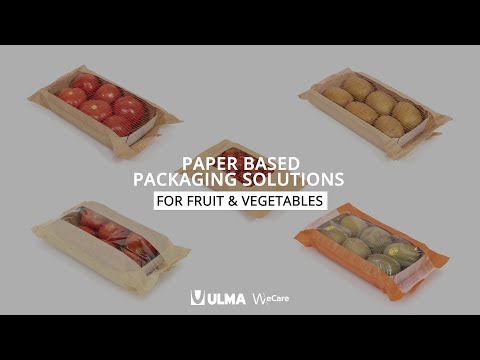
To maintain the freshness and quality of cut produce, effective packaging strategies are essential. Fresh-cut produce is highly perishable and requires specialized packaging to extend its shelf life.
Special Requirements for Fresh-Cut Vegetables
Fresh-cut vegetables have unique packaging needs due to their high respiration rates and susceptibility to contamination. Modified atmosphere packaging (MAP) is often used to create an optimal atmosphere that slows down the respiration process and prevents the growth of microorganisms.
The packaging material for fresh-cut produce must provide a barrier against moisture, oxygen, and other gases. It should also be compatible with the produce and not transfer any harmful substances to the food.
How to Select Barrier Films for Cut Produce | Vegetable Packaging
Selecting the right barrier film is critical for maintaining the quality of fresh-cut produce. The film should have the appropriate permeability to create and maintain the desired atmosphere inside the package.
- Consider the type of produce and its respiration rate when choosing a barrier film.
- Evaluate the film’s permeability to oxygen, carbon dioxide, and water vapor.
- Ensure the film is compatible with the packaging machinery and the produce.
Temperature Control Strategies for Fresh-Cut Items | Vegetable Packaging
Temperature control is vital for maintaining the quality and safety of fresh-cut produce. Refrigeration is essential throughout the supply chain, from production to consumption.
Maintaining a consistent refrigerated temperature helps to slow down the respiration rate of the produce, reducing spoilage and extending shelf life. It’s also crucial to monitor and control temperature fluctuations during transportation and storage.
| Temperature Range | Effect on Fresh-Cut Produce |
|---|---|
| 32°F – 36°F | Optimal storage temperature for most fresh-cut produce |
| 38°F – 42°F | May lead to increased respiration rates and reduced shelf life |
Extending Romaine Lettuce Packaging Shelf Life

To keep romaine lettuce fresh for a longer period, it’s essential to understand the factors that affect its shelf life and implement appropriate packaging strategies. Romaine lettuce is highly perishable and sensitive to its environment, making packaging a critical component in maintaining its quality.
Critical Factors Affecting Lettuce Shelf Life | Vegetable Packaging
Several factors influence the shelf life of romaine lettuce, including:
- Temperature: Maintaining a consistent refrigerated temperature is crucial.
- Humidity: High humidity helps prevent moisture loss.
- Ethylene Production: Romaine lettuce produces ethylene gas, which can accelerate spoilage.
- Microperforation: Proper ventilation is necessary to manage gas exchange.
By controlling these factors, producers can significantly extend the shelf life of romaine lettuce.
Optimal Microperforation Patterns for Romaine | Vegetable Packaging
Microperforation patterns play a vital role in managing gas exchange and maintaining the optimal atmosphere within the packaging. The right microperforation density helps in:
- Reducing ethylene concentration
- Maintaining optimal O2 and CO2 levels
- Preventing moisture accumulation
Packaging Techniques for Different Lettuce Formats | Vegetable Packaging
Different formats of romaine lettuce, such as whole heads, hearts, or chopped leaves, require tailored packaging approaches. For instance:
- Whole heads may require less microperforation due to their natural protective leaves.
- Chopped leaves need more precise control over gas exchange and humidity.
Understanding these differences is key to optimizing packaging for various romaine lettuce formats.
Broccoli Packaging Microperforation Best Practices
Broccoli’s high respiration rate demands specialized packaging solutions. As one of the most consumed vegetables in the United States, broccoli requires careful handling and packaging to maintain its quality from farm to table. The right microperforation strategy is crucial in achieving this goal.
Why Broccoli Demands Specialized Venting Approaches | Vegetable Packaging
Broccoli has a high respiration rate, which means it consumes oxygen and produces carbon dioxide at a faster rate than many other vegetables. This high metabolic activity can lead to rapid deterioration if not managed properly through packaging. “Proper ventilation is key to maintaining the quality of broccoli,” as noted by industry experts. Effective venting helps in regulating the atmosphere around the broccoli, slowing down its respiration rate, and thus prolonging its freshness.
The unique shape and structure of broccoli also play a role in its packaging needs. The florets and stalks have different respiration rates and require a balanced approach to ventilation. Specialized venting approaches ensure that the packaging provides the optimal atmosphere for broccoli, maintaining its freshness and quality.
How to Calculate Microperforation Requirements for Broccoli | Vegetable Packaging
Calculating the right microperforation for broccoli packaging involves understanding the vegetable’s respiration rate and the packaging film’s permeability. The goal is to achieve an optimal balance between oxygen and carbon dioxide levels within the package. A study on broccoli packaging found that microperforation can significantly impact the vegetable’s shelf life by maintaining optimal gas exchange.
To calculate microperforation requirements, one must consider factors such as the storage temperature, broccoli variety, and packaging material. For instance, broccoli stored at lower temperatures requires less microperforation due to its reduced respiration rate. Conversely, higher storage temperatures necessitate more microperforation to prevent the buildup of carbon dioxide and depletion of oxygen.
- Determine the respiration rate of broccoli at the intended storage temperature.
- Select a packaging film with appropriate permeability characteristics.
- Calculate the required ventilation area based on the broccoli’s respiration rate and the film’s permeability.
Preventing Yellowing Through Proper Gas Exchange | Vegetable Packaging
One of the main challenges in broccoli packaging is preventing yellowing, which is primarily caused by ethylene production and the breakdown of chlorophyll. Proper gas exchange through microperforation can help in maintaining the green color by regulating ethylene and carbon dioxide levels.
Maintaining an optimal atmosphere within the package is crucial. This involves not just the right amount of microperforation but also ensuring that the packaging material does not excessively restrict or facilitate gas exchange. By achieving the right balance, broccoli can be kept fresh for a longer period, reducing waste and improving customer satisfaction.
As a best practice, regular monitoring of broccoli packages during storage and transportation can help identify any issues with gas exchange or packaging integrity. Adjustments can then be made to the microperforation strategy as needed to ensure the highest quality product reaches the consumer.
Implementing Packaging Solutions for Specific Vegetables

Vegetable packaging is a nuanced field, with various techniques and materials being used to cater to the unique needs of different crops. The diversity in vegetable types necessitates a range of packaging strategies to maintain freshness and quality.
Tomato and Cherry Tomato Packaging in Flow Pack and Tray Systems
Tomatoes and cherry tomatoes are commonly packaged using flow pack and tray systems. Flow pack packaging involves wrapping individual tomatoes or clusters in a continuous film, providing a tight seal that helps preserve freshness. This method is particularly effective for cherry tomatoes, as it prevents moisture loss and reduces handling damage.
Tray systems, on the other hand, offer a more rigid packaging solution. Tomatoes are placed in trays, often covered with a plastic film or lid, to protect them during transportation and display. The choice between flow pack and tray systems depends on the specific requirements of the tomatoes, including their ripeness, size, and intended market.
Mushroom Packaging in Traysealing and Thermoforming
Mushrooms require careful packaging to maintain their delicate quality. Traysealing is a popular method, where mushrooms are placed in trays and sealed with a breathable film. This allows for gas exchange, which is crucial for maintaining the mushrooms’ freshness.
Thermoforming is another technique used for mushroom packaging. It involves shaping a plastic sheet into a tray that is then filled with mushrooms and sealed with a lid. This method provides a high level of protection against damage and contamination.
- Traysealing allows for precise control over the packaging atmosphere.
- Thermoforming offers a robust packaging solution that can be customized to fit different mushroom quantities.
Pepper and Asparagus Packaging with Stretch Film
Peppers and asparagus are often packaged using stretch film. This involves wrapping the vegetables in a stretchable plastic film that conforms to their shape, providing protection against moisture loss and physical damage.
The use of stretch film for peppers and asparagus is beneficial as it allows for good visibility of the produce while maintaining its freshness. It’s also a cost-effective packaging solution that can be adapted to various sizes and quantities of produce.
Key benefits of stretch film packaging include:
- Reduced moisture loss
- Protection against physical damage
- Good visibility for retail display
By implementing these specific packaging solutions, producers and distributors can significantly improve the shelf life and quality of their vegetables, ultimately enhancing customer satisfaction and reducing waste.
Managing Mixed Load Produce Compatibility
Managing mixed load produce effectively requires a deep understanding of the compatibility between different types of vegetables and their packaging needs. Mixed loads, where various produce items are stored or transported together, can be challenging due to the different storage and handling requirements of each commodity.
The compatibility of mixed load produce is crucial for maintaining the quality and shelf life of the vegetables. Incompatible produce can lead to increased ethylene production, moisture accumulation, and the spread of decay, ultimately resulting in significant losses.
How to Identify Incompatible Vegetable Combinations
Identifying incompatible vegetable combinations is the first step in managing mixed load produce compatibility. Different vegetables have varying requirements for temperature, humidity, and ethylene sensitivity.
- Ethylene Producers and Sensitive Commodities: Vegetables like tomatoes and avocados are high ethylene producers, while others like leafy greens are sensitive to ethylene. Mixing these can lead to premature ripening or spoilage.
- Temperature and Humidity Requirements: Some vegetables require cooler temperatures and higher humidity (e.g., broccoli), while others can tolerate warmer conditions and lower humidity (e.g., root vegetables).
Creating Compatible Mixed Load Configurations | Vegetable Packaging
To create compatible mixed load configurations, it’s essential to group vegetables with similar storage and handling requirements together.
- Group by Temperature Requirement: Store vegetables that require similar temperatures together to simplify storage conditions.
- Consider Ethylene Sensitivity: Separate ethylene-sensitive produce from high ethylene-producing vegetables.
- Manage Humidity Levels: Ensure that the packaging and storage conditions can maintain the required humidity levels for the mixed load.
Packaging Strategies to Isolate Incompatible Produce | Vegetable Packaging
When it’s unavoidable to mix produce with different requirements, employing specific packaging strategies can help isolate incompatible produce and maintain their quality.
- Modified Atmosphere Packaging (MAP): Use MAP to control the atmosphere around each type of produce, adjusting gas compositions to meet the specific needs of each commodity.
- Individual Packaging: Package each type of vegetable separately within the mixed load to prevent cross-effects of ethylene and moisture.
- Ventilation and Airflow: Ensure that packaging allows for adequate ventilation and airflow to prevent the accumulation of ethylene and moisture.
By understanding the compatibility of different vegetables and employing appropriate packaging strategies, distributors and retailers can minimize losses and maintain the quality of mixed load produce.
Reusable Plastic Crates Produce Sanitation Procedures

To ensure the quality and safety of produce, it’s critical to implement rigorous sanitation protocols for reusable plastic crates. “The cleanliness of RPCs is directly linked to the quality and safety of the produce they carry,” emphasizes the importance of proper sanitation procedures.
Step-by-Step RPC Cleaning and Sanitizing Protocols | Vegetable Packaging
Effective sanitation of RPCs involves a multi-step process. First, crates should be inspected for any visible debris or damage. Then, they should be washed with a mild detergent to remove dirt and contaminants. The use of hot water and sanitizing agents is crucial in this step.
The cleaning process should be followed by a sanitizing step, where RPCs are treated with a sanitizer to eliminate any remaining bacteria or pathogens. It’s essential to follow the manufacturer’s instructions for the correct concentration and contact time for the sanitizer.
Sanitation Verification and Quality Control | Vegetable Packaging
After sanitizing, RPCs should undergo verification to ensure they meet the required cleanliness standards. This can involve microbial testing to check for the presence of harmful bacteria. Regular quality control checks are vital to maintaining high standards of sanitation.
As noted by industry experts, “Regular testing and verification are key to ensuring that RPCs do not become a source of contamination for produce.” Implementing a robust quality control system helps in identifying any lapses in the sanitation process.
Maintaining Traceability for Reusable Containers | Vegetable Packaging
Maintaining traceability is crucial for RPCs to ensure that any contamination issues can be quickly identified and addressed. This involves labeling and tracking RPCs throughout their lifecycle. By doing so, producers can isolate and rectify any problems related to specific batches of RPCs.
Effective traceability also aids in compliance with regulatory requirements and enhances overall supply chain transparency. As the produce industry continues to evolve, the importance of traceability in RPC management will only continue to grow.
Ensuring FSMA Produce Safety Rule Compliance in Your Packinghouse

Ensuring compliance with the FSMA Produce Safety Rule is crucial for packinghouses to maintain produce safety and avoid regulatory issues. The rule is designed to prevent produce contamination by implementing preventive controls throughout the supply chain.
The FSMA Produce Safety Rule encompasses various aspects of produce handling, including packaging. Compliance involves understanding and adhering to specific packaging requirements that help maintain produce safety.
Understanding FSMA Produce Safety Rule Packaging Requirements
The FSMA Produce Safety Rule emphasizes the importance of using packaging materials that are safe for contact with produce. This includes ensuring that packaging materials are clean, durable, and suitable for their intended use.
- Packaging must be designed to prevent contamination.
- Materials should be compatible with the produce being packaged.
- Packaging should be properly maintained and stored to prevent damage and contamination.
Food Contact Packaging Compliance FDA Standards
To comply with FDA standards, food contact packaging must meet specific requirements. This includes using materials that are safe for contact with food and complying with FDA regulations regarding packaging materials.
Key considerations for food contact packaging compliance include:
- Ensuring packaging materials are FDA-approved.
- Verifying that packaging suppliers comply with FDA regulations.
- Maintaining documentation to demonstrate compliance.
Documenting Compliance for Audits and Inspections | Vegetable Packaging
Proper documentation is essential for demonstrating compliance with the FSMA Produce Safety Rule during audits and inspections. This includes maintaining records of packaging material sourcing, cleaning and sanitizing procedures, and employee training.
Effective documentation practices involve:
- Keeping detailed records of packaging material suppliers and their compliance status.
- Documenting cleaning and sanitizing procedures for packaging equipment and materials.
- Maintaining training records for employees involved in packaging operations.
By following these guidelines and maintaining thorough documentation, packinghouses can ensure compliance with the FSMA Produce Safety Rule and maintain a safe and reliable produce supply chain.
Navigating Recycled Plastic Food Packaging Guidance

As the demand for sustainable packaging solutions grows, navigating the guidance on recycled plastic food packaging becomes increasingly important for vegetable producers. The use of recycled plastic in food packaging is subject to various regulations and guidelines to ensure food safety.
FDA Requirements for Recycled Content in Vegetable Packaging
The FDA sets strict guidelines for the use of recycled plastic in food packaging. To comply with FDA requirements, vegetable producers must ensure that their packaging materials meet specific standards.
FDA Requirements for Recycled Plastic:
| Requirement | Description |
|---|---|
| Source Control | Recycled plastic must come from a controlled source that is suitable for food contact. |
| Cleaning and Sorting | The recycling process must include thorough cleaning and sorting to remove contaminants. |
| Testing and Verification | Regular testing is required to verify that the recycled plastic meets FDA standards. |
How to Source Compliant Recycled Packaging Materials
Sourcing compliant recycled packaging materials involves several steps, including identifying reputable suppliers and verifying their compliance with FDA regulations.
Key Considerations:
- Supplier reputation and experience in providing food-grade recycled plastic.
- Compliance with FDA regulations and guidelines.
- Quality control measures in place to ensure consistency.
Balancing Sustainability Goals with Food Safety Requirements | Vegetable Packaging
Vegetable producers must balance their sustainability goals with the need to ensure food safety. This involves carefully evaluating the use of recycled plastic in packaging and ensuring that it meets all relevant regulations.
Best Practices:
- Conduct regular audits to ensure compliance with FDA regulations.
- Work closely with suppliers to verify the quality and safety of recycled materials.
- Implement robust quality control measures to prevent contamination.
Creating Packaging Specs for Produce Suppliers

The key to successful vegetable packaging lies in creating detailed and actionable specifications for suppliers. This involves a comprehensive approach that covers various aspects of packaging, from material selection to design and testing.
Developing Comprehensive Vegetable Packaging Specifications
To develop effective packaging specifications, it’s essential to consider the type of vegetable being packaged, its respiration rate, and the required storage conditions. Vegetable packaging specifications should include details on material types, thickness, venting requirements, and labeling.
For instance, leafy greens like lettuce require packaging that maintains humidity and prevents moisture buildup. In contrast, root vegetables like carrots need packaging that allows for airflow to prevent ethylene buildup.
Quality Testing and Supplier Verification Protocols | Vegetable Packaging
Once the packaging specifications are developed, it’s crucial to implement quality testing and supplier verification protocols. This involves regular audits of suppliers to ensure compliance with the specified requirements.
Quality testing should include checks for material integrity, packaging performance under various conditions, and compliance with regulatory standards. Suppliers should be required to provide documentation and certification to support their compliance.
- Material inspection for defects and durability
- Packaging performance testing under simulated storage and transportation conditions
- Verification of compliance with food safety regulations
Managing Custom Vegetable Package Design Projects
Managing custom vegetable package design projects requires close collaboration between suppliers, designers, and producers. The goal is to create packaging that not only meets the specifications but also enhances the product’s shelf life and market appeal.
Effective project management involves clear communication of requirements, regular design reviews, and prototype testing. It’s also essential to ensure that the custom design complies with all relevant regulations and standards.
| Design Element | Description | Importance |
|---|---|---|
| Material Selection | Choosing the right material based on the vegetable type and storage conditions | High |
| Venting Requirements | Ensuring adequate ventilation to prevent moisture buildup and ethylene accumulation | High |
| Labeling and Branding | Compliance with labeling regulations and brand identity | Medium |
At The End of: Vegetable Packaging
Effective vegetable packaging is crucial for maintaining the quality and extending the shelf life of fresh produce. Throughout this article, we’ve explored various aspects of vegetable packaging, from venting and condensation control to modified atmosphere packaging and sustainable solutions.
The produce packaging industry continues to evolve, driven by consumer demand for fresher products and more sustainable packaging options. By understanding the specific needs of different vegetables and implementing tailored packaging solutions, producers and distributors can reduce waste and improve customer satisfaction.
Sustainable packaging solutions are becoming increasingly important in the fresh produce packaging industry. As consumers become more environmentally conscious, companies are turning to innovative materials and designs that minimize environmental impact while maintaining product quality.
As the produce packaging industry trends continue to shift towards more efficient and sustainable practices, staying informed about the latest developments and technologies will be key to success. By adopting best practices in vegetable packaging and fresh produce packaging, businesses can not only improve their bottom line but also contribute to a more sustainable food system.
FAQ
How do I choose venting without over-drying product?
Vegetable Packaging venting should be paired with humidity management: vent enough for cooling and gas exchange, then protect against dehydration using the right humidity range and handling practices for the commodity. If you’re seeing limp greens, look at temperature and RH targets first, then adjust venting and film structure after. Cornell Cooperative Extension cold storage reference.
Should I ever reuse boxes or clamshells?
Vegetable Packaging reuse can be safe only when the container is designed to be cleaned and sanitized reliably, and you have a documented process that actually happens every time. Avoid reusing waxed cardboard or other non-sanitizable materials because they can hold moisture and microbes and create food safety liability. University of Kentucky produce packing and storing safety guidance.
Is recycled plastic okay for produce packs?
Vegetable Packaging can use recycled plastics in some cases, but food-contact suitability depends on how the material is collected, processed, and controlled for contaminants. If your buyer is sensitive to the topic, request supplier documentation and consider aligning with FDA-recommended chemistry considerations for recycled plastics used in food-contact applications. FDA guidance on recycled plastics (chemistry considerations).
Why do my bags fog up even when the produce is cold?
Vegetable Packaging fogging often comes from brief warm-air exposure (doors, docks, stocking) that raises dew point conditions and creates condensation inside the pack. Fix the temperature transitions first, then consider anti-fog films or absorbent components if your route makes short warm exposures unavoidable. EPA overview on plastics and management considerations.
What’s the simplest ROI metric I can track monthly?
Vegetable Packaging ROI is easiest to monitor using “sellable yield”: (packed units shipped − units rejected/credited/returned) ÷ packed units shipped, tracked by SKU and channel. Pair that with a short temperature-summary report from your most common routes, and you’ll see whether changes are improving shelf life or just shifting where losses occur. EPA and U.S. goal context for reducing food loss and waste.
Why is venting and condensation control critical for the vegetable packaging business?
Proper venting is essential to manage the respiration rates of fresh produce, preventing the buildup of carbon dioxide and heat. Condensation control, often achieved through anti-fog produce film, is vital to prevent moisture droplets from forming. This moisture can lead to microbial growth and decay, directly impacting the maximal shelf life of perishable produce and reducing overall retail shrink.
Which vegetable packaging machine is most effective for high-volume USA operations?
The choice depends on the produce type. Tomatoes packaging in flow pack wrapper (hffs) in trays is highly efficient for bulk retail, while lettuce packaging in thermoforming or lettuce tray packaging in traysealing is preferred for leafy greens. For smaller items like cherry tomato packaging, vffs (vertical form fill seal) machines or specialized clamshell lettuce packaging lines are standard in the vegetable packaging in usa market.
How do I calculate the required ventilation area for vegetable packaging boxes?
Designing effective vented produce packaging requires calculating the percentage of open area relative to the side panel. For forced-air cooling package venting, a 5% to 6% vent area is typically recommended to allow for efficient heat removal without compromising the structural integrity of vegetable packaging boxes or vegetable cartons.
What are the benefits of using microperforated film for produce?
Microperforated film for produce allows for precise control over gas exchange. By matching perforation density to the specific respiration rates of a commodity, such as in broccoli packaging microperforation, you can maintain an ideal internal atmosphere. This is a cornerstone of passive map vs active map strategies, extending shelf life without the need for gas flushing.
How does dew point condensation affect the vegetable cold chain?
Dew point condensation occurs when warm, moist air contacts a cool surface, such as when vegetable packaging bags are moved from a cold room to a loading dock. This moisture triggers “sweating,” which can degrade vegetable packaging material like fiberboard and encourage mold. Utilizing anti-fog produce film and maintaining vegetable cold chain best practices are the best ways to mitigate this risk.
What is the difference between passive MAP and active MAP for fresh vegetables?
Passive MAP relies on the natural respiration of the vegetable and the permeability of the fresh produce packaging to create a modified atmosphere. Active MAP involves actively flushing the package with a specific gas mixture (typically low O2 and elevated CO2) at the time of sealing. Both aim to slow down senescence, particularly in fresh-cut produce packaging and sliced mushrooms packaging in thermoforming.
How can I extend the romaine lettuce packaging shelf life?
To maximize the shelf life of romaine lettuce packaging, it is critical to use microperforated film that prevents anaerobic conditions. For living lettuce clamshell packaging or hydroponic lettuce packaging, maintaining the root ball or using modified atmosphere packaging for vegetables can significantly reduce browning at the cut ends and keep the leaves turgid.
Why does broccoli packaging require specialized microperforation?
Broccoli has an exceptionally high respiration rate. Broccoli packaging microperforation is necessary to prevent the accumulation of off-odors (sulfurous compounds) and to prevent yellowing of the florets. Proper gas exchange ensures that the vegetable “breathes” enough to maintain its green color and nutritional value during transit from supply centers.
What are the best packaging solutions for cherry tomatoes and peppers?
Cherry tomatoes tray packaging in flow pack wrapper (hffs) provides excellent visibility and protection. For peppers, red peppers tray packaging in stretch film or small green peppers tray packaging in flow pack (hffs) are popular choices. These vegetable and fruit packaging solutions offer a balance between breathability and physical protection from bruising.
How should I manage mixed load produce compatibility in transit?
Managing mixed load produce compatibility involves separating ethylene-producing items (like tomatoes) from ethylene-sensitive items (like lettuce or broccoli). Using vegetable packaging ideas such as bubble packs or isolated vegetable packaging net bags within a larger shipment can help, but maintaining proper temperature zones is the most critical factor for a successful vegetable cold chain.
What are the protocols for RPC cleaning and sanitizing produce containers?
RPC cleaning and sanitizing produce procedures must follow strict FSMA produce safety rule packinghouse guidelines. This includes a multi-stage process of debris removal, detergent washing, and a final rinse with an FDA-approved sanitizer. Reusable plastic crates produce sanitation is vital for preventing cross-contamination between different farms and batches.
How do I ensure food contact packaging compliance with FDA standards?
Compliance requires that all vegetable packaging material meets food contact packaging compliance FDA standards. This involves verifying that resins, colorants, and additives used in vegetable packaging bags or lettuce plastic packaging are “Generally Recognized as Safe” (GRAS). You must maintain certificates of conformance from your vegetable packaging companies for all materials used.
Is it safe to use recycled plastic food packaging for fresh vegetables?
Yes, provided the manufacturer follows the recycled plastic food packaging guidance issued by the FDA. The process must ensure the removal of contaminants and that the final recyclable vegetable packaging is of “food-grade” purity. Many brands now offer sustainable vegetable packaging that incorporates post-consumer recycled (PCR) content to meet environmental goals.
How do I develop comprehensive packaging specs for produce suppliers?
Creating packaging specs for produce suppliers involves defining the material weight, dimensions, microperforation patterns, and attractive print vegetable box designs. It should also include quality testing protocols for burst strength and moisture resistance. Clear specifications ensure consistency across your custom vegetable package design today and help in reducing produce shrink at the retail level.
What are some eco-friendly and compostable vegetable and fruit packaging options?
The industry is shifting toward eco-friendly vegetable packaging such as compostable vegetable and fruit packaging made from PLA (polylactic acid) or cellulose. Other sustainable packaging solutions include recyclable produce packaging made from mono-materials and biodegradable lettuce packaging that breaks down in industrial composting facilities, offering a green alternative to traditional plastic lettuce containers.
Conclusion of: Vegetable Packaging
Vegetable Packaging is where biology meets logistics: you’re not “wrapping a product,” you’re managing a living crop through cooling, transport, and retail display. The best packs reduce shrink without creating new problems like dehydration, bruising, fogging, or off-odors. This guide walks through venting, moisture control, and fresh-cut shelf-life decisions you can apply on U.S. farms, in packing sheds, and in co-pack operations. NC State Extension produce packaging guide.
Vegetable Packaging should always be designed around one truth: packaging can’t “fix” poor harvest timing, rough handling, or a broken cold chain—it can only preserve the quality you already have. If your product enters the bag warm, wet, or bruised, the package may actually accelerate decay by trapping heat and moisture. Start by defining your target shelf life (days in distribution + days in retail + days in the consumer’s fridge) and work backward from the weakest step. USDA-ARS commercial storage handbook (AH-66).
Breathability first: match the package to respiration
Vegetable Packaging works best when the film, perforations, and seal design match how fast a vegetable “breathes” at your real temperatures, not the ideal temperatures on a spec sheet. High-respiring items (many leafy greens, herbs, and fresh-cut mixes) can deplete oxygen quickly in tight packs, while low-respiring items may tolerate lower venting without risk. Think in terms of “gas exchange capacity” (film permeability + perforations + seal integrity) versus “respiration demand” (commodity + cut size + temperature). UC Davis modified atmosphere packaging overview.
Vegetable Packaging that targets modified atmosphere (MAP) should be treated like a controlled experiment, not a marketing feature. In practice, passive MAP is created by the vegetable’s respiration and the package’s gas transmission, so temperature swings and load variation (different field lots, different cut thickness) change the in-pack atmosphere. Your goal is usually to slow respiration while avoiding anaerobic conditions that trigger fermentation, slime, and “sour” odors. Open-access review on MAP for fresh and fresh-cut produce.
Venting that cools: build airflow into the pack
Vegetable Packaging venting matters most during pre-cooling and early distribution, when removing field heat is the difference between crisp produce and a short shelf life. If you forced-air cool, the package must allow air to move through the product zone, not just around the outside of a pallet. Even a great cooler can underperform if your liner, bag, or carton has misaligned vents or blocked pathways. NC State Extension produce cooling basics.
Vegetable Packaging for refrigerated truck transport should also protect airflow pathways, because reefers are designed to move cold air through the load—not magically chill a “solid wall” of cartons. Avoid covering vent holes with tape, stretch film, or poorly placed pallet corner boards, and be cautious with full pallet wraps that trap respiration heat. When in doubt, validate venting with a simple test: place temperature probes in the warmest box location and confirm it reaches setpoint quickly and stays stable. USDA AMS guidance on transporting perishables.
Condensation control: stop “rain in the bag”
Vegetable Packaging fogging and wetness usually come from dew point events: warm, humid air meets a colder surface and water condenses inside the package. This often happens during dock transfers, door-open retail stocking, or any cold-chain break where product warms slightly and then is re-cooled. Treat condensation as a process problem first (temperature transitions), and only then as a materials problem (anti-fog or absorbent options). Oklahoma State Extension dew point and condensation strategies.
Vegetable Packaging moisture issues also show up in longer routes and export lanes, where container environments cycle through day/night temperature changes and different climates. If you ship from a humid region (e.g., Gulf Coast) to a colder destination, the “container weather” can force moisture out of the air and onto product and packaging surfaces. Use the simplest prevention playbook: pre-cool thoroughly, minimize door-open time, and avoid staging cold pallets in warm air where they can sweat before loading. Virginia Tech unit load guidance on container moisture.
Fresh-cut shelf-life tips: packaging is the last step, not the first
Vegetable Packaging for fresh-cut products starts with water management: wash and sanitize effectively, then remove surface moisture so you aren’t sealing free water into the pack. Wet leaves and cut surfaces dramatically increase decay risk and can overpower the best film choice. Your packaging decision should be made together with your drying step, because “too wet” and “too dry” both shorten shelf life in different ways. UC Davis guidance on fresh-cut lettuce handling and packaging.
Vegetable Packaging for fresh-cut greens often uses CO2-enriched atmospheres to slow browning and respiration, but there’s a fine line between helpful CO2 and injury/off-odors, especially when oxygen gets too low. The practical takeaway is to avoid “one film fits all” across different blends and cut sizes; what works for a spring mix may fail for romaine because the respiration profile and damage sensitivity differ. If you can’t measure headspace gases in-house, at least run shelf-life trials at realistic temperature abuse scenarios (e.g., 38–45°F, not just perfect 34°F). Open-access study on high-CO2 MAP for fresh-cut lettuce.
Vegetable Packaging timing can matter as much as film choice, especially for romaine and other lettuce products sensitive to CO2 injury and fermentative volatiles. Some operations benefit from a short delay between cutting and sealing (while keeping product cold) to balance gas dynamics and reduce off-odor development. This isn’t universal, so test it with your exact cut, fill weight, and storage temperature—then document the window as a standard work instruction. ASHS research on delayed MAP for fresh-cut romaine.
Commodity-and-format playbook you can apply fast
Vegetable Packaging for romaine and loose-leaf lettuce typically aims for high humidity (to prevent wilting) without trapping excess free moisture that drives decay. Microperforated films and well-designed vents can help maintain crispness while allowing enough gas exchange to avoid anaerobic pockets. In retail-ready packs, consistency matters: keep fill weights tight, avoid crushing, and standardize how full the bag is (headspace affects gas dynamics). UC Davis lettuce handling and storage factsheet.
Vegetable Packaging for broccoli and other Brassicas benefits from good ventilation and careful gas balance because these vegetables can develop strong odors under low oxygen conditions. If you’re bagging florets or crown cuts, choose a structure that prevents dehydration but doesn’t create a “sealed jar” effect, especially when temperature control is imperfect. When you see yellowing or odor complaints, investigate temperature exposure first, then re-check venting and film selection. UC Davis broccoli handling and storage factsheet.
Vegetable Packaging for mixed vegetables, roots, and “dry-ish” items is often about preventing moisture loss without creating damp conditions that invite soft rot. For example, carrots may want high humidity, while onions want a drier environment after curing; mixing these needs inside a single sealed format can backfire. When you don’t control multiple temperature/humidity zones, prioritize compatibility by product family and storage behavior. University of Maine storage conditions guide.
Cold chain integration: packaging decisions that survive real shipping
Vegetable Packaging should be designed for the route you actually run (farm → cooler → DC → store), including your longest dwell times and the warmest transfer points. If your product regularly sees a warm dock, build extra protection into the system: stronger cartons, clearer vent alignment, and packaging that tolerates a small temperature spike without becoming a condensation factory. This is especially important when shipping into varied U.S. climates (e.g., desert heat, humid coastal regions, winter Midwest). USDA AMS transport handbook for fruits and vegetables.
Vegetable Packaging also has to work in mixed loads where ethylene, odors, and temperature needs collide. A simple operational rule is to avoid “wishful mixing”: if the coldest item needs 32–34°F and the warm-sensitive item needs higher temperatures to avoid chilling injury, one of them will lose. Use compatibility planning and written loading rules as part of your packaging spec, not as tribal knowledge. Cold chain best practices guide (GCCA).
Food safety and compliance: what U.S. buyers expect
Vegetable Packaging sits inside FSMA’s Produce Safety Rule world whenever you’re packing or holding covered produce, which means packaging choices must support cleanability, pest control, and contamination prevention. In practical terms: keep packaging materials protected from dust and splash, manage traffic flow so packed product doesn’t cross paths with dirty totes, and ensure employees can handle packs without tearing gloves or touching product-contact surfaces. Treat packaging specs as part of your food safety plan, not a purchasing detail. FDA Produce Safety Rule (FSMA) overview.
Vegetable Packaging operations also need strong sanitation practices around wash water, contact surfaces, and packing equipment because fresh produce can be contaminated during handling even when fields are managed well. If you use reusable bins, returnable crates, or RPCs, you must have a defined cleaning/sanitizing process and verification steps (who does it, how often, and what “clean” means). This documentation often matters as much as the package itself when selling to retail or foodservice accounts. UF/IFAS guidance on postharvest produce food safety.
Vegetable Packaging materials must also be appropriate for food contact, especially when you’re using specialty additives, recycled content, inks, adhesives, or performance coatings. The safest purchasing habit is to require supplier documentation for food-contact compliance and conditions of use, then store those documents with your packaging spec. When a customer asks, you want to answer quickly with a controlled file—not an email chain. FDA packaging and food-contact substances hub.
Traceability-ready packaging: codes, lots, and case discipline
Vegetable Packaging should make traceability easy at the case level, because most recalls and quality claims are managed by lot, not by individual bag. Make case labels legible, consistent, and scannable; tie them to harvest/pack date, field/lot identifiers, and the pack configuration. If you use reusable containers, confirm labels won’t fall off in cold, wet conditions and that old labels cannot remain on the bin. USDA Harmonized GAP standard (packaging/traceability sections).
Sustainability without sacrificing shelf life
Vegetable Packaging sustainability decisions work best when you measure two things at once: packaging material impact and food loss impact. Lightweighting a film or switching formats can be a win, but not if it increases shrink by even a small percentage—because wasted vegetables also waste water, fertilizer, fuel, and labor. Make sustainability a performance target in your shelf-life trials (e.g., “same shelf life or better, same damage rate or better”), not a post-trial sticker. EPA sustainable packaging overview.
Vegetable Packaging with recycled-content plastics can be feasible, but food-contact suitability depends on the recycling process, source control, and intended use conditions. If you’re considering PCR materials for clamshells, trays, or components, ask your supplier about FDA-related documentation and any “no objection” letters (often used for customer confidence even when not mandatory). Also confirm performance under cold-chain humidity, since cracking and haze can create complaints even when safety is acceptable. FDA overview on recycled plastics in food packaging.
Step-by-step: how to choose and validate a package in your operation
Vegetable Packaging selection gets easier when you write a one-page “use case” before you call suppliers: commodity, pack weight, target shelf life, cooling method, route, and temperature range. Then shortlist two to four formats and test them in parallel using the same product lot, the same cooling schedule, and the same handling. For small farms and regional brands, this approach prevents overspending on high-tech options that don’t match the channel. UF/IFAS guide to postharvest storage, packaging, and handling.
Vegetable Packaging validation should include compatibility planning for mixed storage and mixed loads, because the “best” pack can still fail if it rides with the wrong neighbor. Use a compatibility checklist (temperature, ethylene sensitivity, odor transfer) and set written rules for what can share a pallet, a cooler zone, and a trailer. This is one of the lowest-cost ways to reduce shrink without changing any materials. UC Davis produce compatibility chart.
Quick checklist
Vegetable Packaging performs best when your team follows a repeatable packing standard instead of “doing what looks right today.” Use this checklist to audit a packing day and catch the small failures that quietly reduce shelf life. FAO packinghouse good practices guide.
- Pre-cool product fast enough for the commodity (don’t “cool in the truck”).
- Confirm vent holes stay open after palletizing and wrapping.
- Standardize fill weight and headspace (especially for bags and fresh-cut).
- Keep packaging materials covered, off the floor, and away from splash zones.
- Remove free water before sealing fresh-cut packs; verify drying effectiveness.
- Use temperature loggers on your longest routes and review the data weekly.
- Train on gentle handling: bruises become decay centers inside packages.
- Write a simple “do not mix” list for ethylene/odor/temperature conflicts.
- Keep case labels legible and consistent; verify lot code rules every shift.
- Run a shelf-life check at realistic temps (including mild temperature abuse).
Common mistakes to avoid
Vegetable Packaging failures are often “system mistakes” where each step is slightly off, and the package gets blamed last. Fix the repeat offenders below, and you’ll usually gain shelf life without changing materials. USDA AMS guidance on packaging and container condition.
- Sealing wet product: Improve drying time, airflow, and drain design before changing film.
- Blocking vents with wrap/tape: Standardize wrap patterns and keep vent windows clear.
- Assuming one film works for all blends: Validate by commodity and cut size with trials.
- Skipping temperature probes: Measure the warmest box location during cooling and transit.
- Overstuffing bags/clamshells: Tight packs bruise product and increase juice/free moisture.
- Reusing non-sanitizable boxes: Use new one-way cartons or validated reusable systems.
- Ignoring dock time: Reduce door-open time and avoid staging cold pallets in warm air.
- Weak label discipline: Prevent mixed lots on pallets; keep codes readable and consistent.
Costs and ROI snapshot
Vegetable Packaging cost is not just the film or clamshell price—it’s the full “cost to deliver a sellable unit,” including shrink, labor, cooling energy, rework, and rejected loads. A small change that adds a few cents per unit can still pay back if it reduces loss on high-shrink items like leafy greens or fresh-cut mixes. To estimate ROI, start with your current loss rate by SKU and channel, then model what a 1–3% shrink reduction means at your real weekly volume. USDA ERS retail food loss data for fresh vegetables.
Vegetable Packaging ROI is easiest to defend when you tie it to a clear business outcome: fewer chargebacks, fewer shorted orders due to decay, longer selling windows for retailers, or fewer emergency markdowns. In the U.S., food loss is economically large, so preventing even a modest amount of spoilage can outweigh material upgrades when you scale across a season. Keep your claims conservative and proof-based: document baseline shrink, trial shrink, and the conditions of the trial (temperature, route time, handling). USDA overview on food loss and waste.
- Cost drivers: film gauge and additives, microperforation specs, rigid vs. flexible format, carton strength, pads/liners, label stock, and sealing equipment.
- Equipment ranges (typical): tabletop sealers/perforators (hundreds to a few thousand dollars), semi-automatic bagging/sealing (low five figures), integrated fresh-cut lines and MAP systems (tens to hundreds of thousands) depending on throughput.
- ROI levers: shrink reduction, higher grade-out, fewer returns, longer distribution reach, and labor savings from fewer re-packs.
- What affects payback: SKU value, shrink baseline, route length, temperature control, and how consistent your packing process is day-to-day.
Final thought
Vegetable Packaging wins when it is treated as a system—commodity biology, cooling speed, venting alignment, moisture control, sanitation, and traceability working together—not as a last-minute bag or box purchase. If you run simple, well-documented trials and standardize the packing process, you can usually gain shelf life, reduce shrink, and meet buyer expectations without overcomplicating your materials. IFPS guidance on fresh produce implementation and labeling/traceability.
Sources & References
- NC State Extension: Fans and Ventilation (postharvest facilities)
- NC State Extension: Forced-Air Cooling
- FDA: Produce Safety Rule Draft Guidance (Chapter 6)
- FDA: Final Produce Safety Rule (PDF)
- USDA AMS: Agricultural Export Transportation Handbook (PDF)
- USDA ERS: Estimated Amount, Value, and Calories of Postharvest Food Loss (Summary PDF)
- USDA ERS Amber Waves: Food loss on farm and pre-retail
- EPA: National Strategy to Prevent Plastic Pollution (PDF)
- FDA: Food chemical safety (ingredients and packaging context)
- UC Davis: Cold chain resources (Ask the Produce Experts)
- UC Davis: Modified atmospheres publications hub
- IFPA: Sustainability resources
- IFPA: Compendium of packaging sustainability regulations
- FAO: Management of reusable plastic crates in fresh produce chains (PDF)
- FDA: Food loss and waste overview