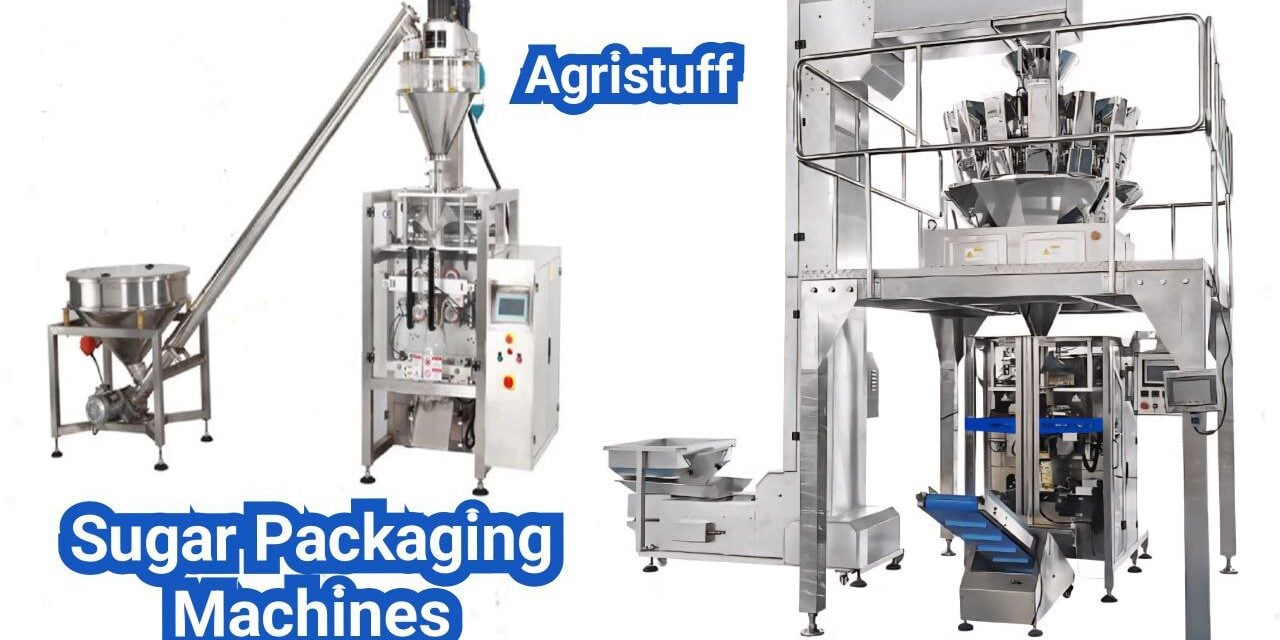
Sweetener crystals are a staple in American homes and food plants. This refined product needs careful care to prevent moisture damage and clumping. Modern sugar packaging machine tools in the U.S. help keep the highest hygiene standards today.
These smart systems provide the speed needed for large orders. Finding the right packaging machine is vital for cost control and product safety. A sugar packing line must be exact to avoid waste while keeping the granules dry. Accuracy and strength are key features of these units.
Many firms in USA use a refined crystal filler to speed up their work. Whether using a 1kg bagging unit for retail or small pouches, quality matters most. High-speed VFFS units are perfect for keeping the product airtight and fresh for people.
Modern gear prevents caking by controlling humidity during the whole process. These tools help brands meet the high demand of the American market. Efficient hardware ensures every bag meets weight rules without fail.
Buying high-quality tech protects the goods and boosts profits. Special systems for powdered items also help reduce dust in the shop. This ensures a clean and safe environment for all workers.
Key Takeaways
- Moisture defense is vital for keeping sweetener granules flowable.
- Automated systems significantly increase bagging speed and precision.
- Hygiene remains a top priority for all food-grade hardware.
- VFFS units offer airtight seals to prevent product spoilage.
- Anti-caking features greatly improve the shelf life of refined crystals.
- High-speed lines reduce labor costs for American food producers.
Understanding Sugar Packaging Machine Technology and Applications

Understanding the technology behind sugar packaging machines is essential for industry professionals. Sugar packaging serves many industry segments, including retail, food and beverage processing, HoReCa, corporate and institutions, and wholesale distribution. The U.S. sugar industry relies heavily on these machines to efficiently package sugar for various markets.
What Is a Sugar Packaging Machine?
A sugar packaging machine is designed to automate the process of packaging sugar into various formats, such as bags, pouches, or containers. These machines are crucial for maintaining efficiency and consistency in packaging operations. They are equipped with advanced features like weighing systems, sealing mechanisms, and material handling equipment to ensure accurate and secure packaging.
Key Features of Sugar Packaging Machines:
- Accurate weighing and filling systems
- Advanced sealing technologies for secure packaging
- Compatibility with various packaging materials
- Integration with production lines for streamlined operations
Primary Packaging Machinery vs Secondary Packaging Machinery
Primary packaging machinery is used for the initial packaging of sugar, directly wrapping the product in bags, pouches, or other containers. Secondary packaging machinery, on the other hand, is used for further packaging the primary packaged products into larger units, such as cases or pallets, for distribution.
| Packaging Type | Description | Examples |
|---|---|---|
| Primary Packaging | Initial packaging of sugar | Bags, pouches, containers |
| Secondary Packaging | Further packaging of primary packaged products | Cases, pallets, boxes |
Key Applications in the U.S. Sugar Industry
The U.S. sugar industry utilizes sugar packaging machines for various applications, catering to different market segments. According to industry experts, “The demand for packaged sugar products continues to grow, driven by consumer preferences for convenience and quality.”
“The packaging of sugar is not just about containing the product; it’s about preserving its quality and making it appealing to consumers.”
— Industry Expert
Sugar packaging machines are used in different scales of production, from small retail packs to bulk packaging for industrial use. The versatility of these machines allows them to be adapted to various production needs.
- Retail packaging for consumer sales
- Industrial packaging for food and beverage processing
- Bulk packaging for wholesale distribution
Types of Sugar Packaging Machines for Different Production Scales

The sugar industry utilizes a variety of packaging machines to cater to different production scales and formats. Modern sugar packaging relies on specialized machines for each format, including VFFS machines, sachet packing machines, stick pack machines, and open-mouth bagging machines.
Vertical Form Fill Seal (VFFS) Machines for Sugar Bags
VFFS machines are widely used in the sugar industry for packaging sugar into bags. These machines form, fill, and seal bags in a continuous process, making them highly efficient for large-scale production.
High-Speed Vertical Sugar Stick Automatic Granule Packing Machines
High-speed vertical sugar stick automatic granule packing machines are designed for packaging granulated sugar into stick packs. These machines offer high accuracy and speed, making them ideal for large-scale production.
Automatic Sugar Sachet Packing Machines for 5g Portions
Automatic sugar sachet packing machines are used for packaging sugar into small sachets, typically 5g portions. These machines are perfect for producing single-serve packets for consumer use.
Sugar Pouch and Premade Bag Systems
Sugar pouch and premade bag systems offer flexibility in packaging formats. These systems can handle various bag sizes and styles, making them suitable for different market requirements.
Open-Mouth Bagger Systems for Sugar
Open-mouth bagger systems are used for packaging sugar into open-mouth bags. These systems are highly versatile and can handle a range of bag sizes.
Net-Weigh Fillers for Dry Foods
Net-weigh fillers are designed for accurately filling open-mouth bags with dry foods like sugar. These machines ensure precise weight control, reducing waste and improving product quality.
High Accuracy Fully Automatic 1kg 2kg 5kg Granule Sugar Packing Machines
High accuracy fully automatic granule sugar packing machines are designed for packaging sugar into various weight ranges (1kg, 2kg, 5kg). These machines offer high accuracy and efficiency, making them suitable for large-scale production.
Bulk Bag Filling Stations for Sugar
Bulk bag filling stations are used for packaging large quantities of sugar into bulk bags. These stations are ideal for industrial applications where large volumes of sugar need to be packaged.
25kg 50kg Bagging Machines with Weighing and Packaging Units
25kg and 50kg bagging machines come equipped with weighing and packaging units, ensuring accurate filling and packaging of sugar into large bags.
Horizontal Automatic Sugar Powder Granules Machinery
Horizontal automatic sugar powder granules machinery is designed for packaging sugar powder and granules into various packaging formats. These machines offer flexibility and efficiency in packaging operations.
Key Components and Functions of Modern Sugar Packing Systems

The efficiency of sugar packaging operations largely depends on the key components of the sugar packing systems. Modern sugar packaging machines are designed to optimize production through advanced technology and precise engineering.
Weighing and Feeding System Configurations
The weighing and feeding system is a critical component of any sugar packaging machine. It ensures that the correct amount of sugar is dispensed into each package. These systems can be configured to handle different types and sizes of sugar packaging, from small bags to large bulk containers.
Advanced weighing and feeding systems utilize load cells and microcontrollers to achieve high accuracy and consistency. This is particularly important in the sugar industry, where precise measurements are crucial for both customer satisfaction and regulatory compliance.
Packaging Material Handling Equipment
Packaging material handling equipment is another vital component of modern sugar packing systems. This equipment is responsible for managing the packaging materials, such as bags, rolls of film, or other containers, used in the packaging process.
Efficient packaging material handling minimizes waste and reduces downtime, thereby increasing overall productivity. Modern sugar packaging machines often incorporate sophisticated material handling systems that can automatically detect and adjust to different packaging materials.
Sealing Mechanisms for Granulated and Powdered Sugar
The sealing mechanism is essential for ensuring that the packaged sugar remains fresh and secure. Different types of sugar, such as granulated and powdered sugar, require specific sealing mechanisms to prevent moisture ingress and product spillage.
Modern sugar packaging machines are equipped with advanced sealing mechanisms that can be adjusted according to the type of sugar being packaged. These mechanisms often include heat sealing, ultrasonic sealing, or other technologies to create a secure and tamper-evident seal.
Integrated Dust Collection for Bagging Lines
Integrated dust collection systems are crucial for maintaining a clean and safe working environment in sugar packaging facilities. These systems help to minimize dust emissions during the packaging process, reducing the risk of explosions and improving air quality.
Effective dust collection for bagging lines involves strategic placement of dust collection points and the use of appropriate filtration technologies. By integrating dust collection systems into the sugar packaging machinery, manufacturers can enhance operational safety and comply with regulatory standards.
How to Implement Effective Moisture Control in Dry Food Packaging

The importance of moisture control in dry food packaging cannot be overstated, as it directly affects product quality. Moisture control is critical in preventing caking and clumping in dry food products, particularly in sugar packaging.
Step 1: Select Packaging Film with Appropriate WVTR for Sugar Packaging
Selecting the right packaging film with an appropriate Water Vapor Transmission Rate (WVTR) is crucial for maintaining dry conditions within the packaging.
Understanding Water Vapor Transmission Rate Requirements
WVTR measures the amount of water vapor that passes through a packaging material over a given period. For sugar packaging, a lower WVTR is generally preferred to prevent moisture ingress.
Material Selection Guidelines for Granulated vs Powdered Sugar
The type of sugar (granulated or powdered) influences the choice of packaging material. Granulated sugar requires packaging that prevents moisture absorption, while powdered sugar needs packaging that minimizes both moisture and air exposure.
| Sugar Type | WVTR Requirement | Recommended Packaging Material |
|---|---|---|
| Granulated Sugar | Low WVTR | Polypropylene or Polyethylene Films |
| Powdered Sugar | Very Low WVTR | Laminated Films with Aluminum or Silica Coating |
Testing and Validation Procedures
Testing the WVTR of packaging materials is essential to ensure they meet the required standards. This involves using standardized testing methods to validate the material’s performance.
Step 2: Install Dehumidification Systems for Packaging Rooms
Dehumidification systems are vital for controlling the humidity levels in packaging rooms, thereby preventing moisture from affecting the packaged sugar.
Target Humidity Levels for Sugar Packaging Environments
The ideal humidity level for sugar packaging environments is typically between 30% to 50% relative humidity (RH).
Equipment Specifications and Placement Strategies
Dehumidification equipment should be selected based on the size of the packaging room and the desired humidity level. Strategic placement of dehumidifiers ensures effective humidity control.
Integrating dehumidification systems with Heating, Ventilation, and Air Conditioning (HVAC) systems can enhance overall environmental control in packaging facilities.
Step 3: Monitor and Document Environmental Conditions
Continuous monitoring and documentation of environmental conditions are crucial for maintaining effective moisture control.
Sensor Placement and Calibration Standards
Sensors used for monitoring humidity and temperature should be placed strategically and calibrated regularly to ensure accuracy.
Real-Time Monitoring Systems
Implementing real-time monitoring systems allows for immediate response to any deviations in environmental conditions, ensuring consistent product quality.
Sugar Clumping Prevention Techniques and Best Practices

Effective sugar clumping prevention is crucial for maintaining product quality in the sugar packaging industry. Sugar clumping, caused primarily by moisture, can lead to significant issues in production and customer satisfaction.
How Moisture Causes Sugar Caking in Packaged Products
Moisture is a primary factor in sugar caking. When sugar absorbs moisture from the air, it can become sticky and clump together. This process is exacerbated by factors such as high humidity, temperature fluctuations, and the presence of impurities in the sugar.
Moisture Control is essential in preventing sugar caking. This involves not only controlling the environment in which sugar is packaged and stored but also ensuring that the packaging material itself provides an adequate barrier against moisture.
Specific Challenges for Granulated Sugar Packing Lines
Granulated sugar packing lines face unique challenges due to the nature of the product. The particles are more prone to clumping due to their size and surface area. Ensuring that the packaging process minimizes exposure to moisture and that the packaging material is suitable for granulated sugar is critical.
Powdered Sugar Filling System Considerations
Powdered sugar, being finer than granulated sugar, requires specialized filling systems that minimize dust and prevent clumping. The filling system should be designed to handle the fine particles gently and efficiently.
Storage and Handling Protocols to Minimize Clumping
Proper storage and handling are crucial in minimizing clumping. This includes storing sugar in a cool, dry environment and ensuring that packaging is sealed correctly to prevent moisture ingress.
Raw Material Management
Effective raw material management involves monitoring the quality of incoming sugar and ensuring that it meets the required standards for moisture content and purity.
In-Process Controls
In-process controls, such as monitoring the packaging environment and the condition of the sugar during packaging, are vital. Regular checks can help identify potential issues before they become significant problems.
| Control Measure | Description | Benefit |
|---|---|---|
| Moisture Control | Maintaining low humidity in packaging and storage areas | Reduces sugar caking |
| Proper Packaging | Using packaging materials with appropriate moisture barrier properties | Prevents moisture ingress |
| Regular Monitoring | Checking sugar quality and packaging environment regularly | Early detection of potential issues |
Anti-Caking Agents in Food Processing for Sugar Products

In the sugar industry, anti-caking agents are essential additives that ensure the free flow of sugar products. These agents are crucial in preventing the caking and clumping of sugar, which can significantly affect product quality and consumer acceptance.
FDA-Approved Anti-Caking Agents for Sugar Applications
The FDA approves various anti-caking agents for use in food products, including sugar. Some of the commonly used agents include silicon dioxide, calcium silicate, and magnesium carbonate. These agents work by absorbing moisture and preventing the sugar particles from sticking together.
| Anti-Caking Agent | Function | Typical Usage Level |
|---|---|---|
| Silicon Dioxide | Absorbs moisture, prevents caking | 0.5-1.5% |
| Calcium Silicate | Absorbs moisture, improves flowability | 0.5-2.0% |
| Magnesium Carbonate | Absorbs moisture, prevents caking | 0.5-1.5% |
Application Methods and Dosing Calculations
The application of anti-caking agents involves careful consideration of the dosing levels and methods to ensure effective prevention of caking without affecting the product’s quality.
Blending Techniques
Blending techniques play a crucial role in the uniform distribution of anti-caking agents in sugar products. Batch blending and continuous blending are two common methods used. The choice of blending technique depends on the production scale and the specific requirements of the product.
Equipment Requirements
The equipment used for blending anti-caking agents with sugar must be designed to ensure thorough mixing and minimize dust generation. High-shear mixers and paddle mixers are commonly used for this purpose.
Regulatory Compliance and Labeling Requirements
Manufacturers must comply with FDA regulations regarding the use of anti-caking agents in food products. This includes adhering to approved usage levels and ensuring proper labeling of the ingredients used.
Impact on Product Quality and Consumer Acceptance
The use of anti-caking agents can significantly impact the quality and acceptability of sugar products. While these agents prevent caking and clumping, their presence must be balanced to avoid affecting the product’s taste, texture, or appearance.
High-Speed Bagging Tips for Maximizing Packaging Line Throughput

Efficient high-speed bagging requires a combination of optimized machine settings and effective maintenance strategies. To achieve maximum packaging line throughput, sugar manufacturers must focus on fine-tuning their equipment and implementing streamlined processes.
Step 1: Optimize Machine Settings for Sugar Flow Characteristics
Optimizing machine settings is crucial for achieving high-speed bagging. This involves adjusting parameters to match the specific flow characteristics of the sugar being packaged.
Vibration and Settling Parameter Adjustments
Proper vibration and settling parameters help ensure consistent fill weights and minimize product waste. For example, adjusting the vibration frequency can help to settle the sugar evenly in the bag, reducing the likelihood of under or overfilling.
Fill Speed Calibration for Different Sugar Types
Different types of sugar have varying flow characteristics, requiring adjustments to fill speed. Calibrating fill speed ensures that the packaging line operates at maximum efficiency without compromising accuracy.
| Sugar Type | Fill Speed (bags per minute) | Vibration Frequency (Hz) |
|---|---|---|
| Granulated Sugar | 50-60 | 20-25 |
| Powdered Sugar | 40-50 | 15-20 |
| Organic Sugar | 45-55 | 18-22 |
Bag Forming and Sealing Temperature Settings
The temperature settings for bag forming and sealing are critical for ensuring the integrity of the packaging. The ideal temperature range varies depending on the type of packaging material used.
“The key to successful high-speed bagging is finding the optimal balance between speed and accuracy.”
Industry Expert
Step 2: Minimize Changeover Time Between Packaging SKUs
Minimizing changeover time is essential for maintaining high production efficiency. This involves having a comprehensive changeover checklist and implementing quick-change tooling and component design.
Comprehensive Changeover Checklist for Packaging SKUs
A detailed checklist ensures that all necessary steps are taken during changeovers, reducing downtime and improving overall equipment effectiveness (OEE).
- Verify packaging material specifications
- Check machine settings and adjust as necessary
- Update production line controls and parameters
Quick-Change Tooling and Component Design
Investing in quick-change tooling can significantly reduce changeover times. This includes designing components that can be easily swapped out or adjusted.
Establishing standardized size change procedures and setting time targets helps to maintain efficiency and reduce variability in changeover times.
Step 3: Implement Predictive Maintenance Schedules
Predictive maintenance is critical for preventing unexpected downtime and ensuring that the packaging line operates at peak efficiency.
Critical Component Inspection Intervals
Regular inspection of critical components helps to identify potential issues before they become major problems.
Spare Parts Inventory Management
Maintaining an adequate inventory of spare parts ensures that necessary components are available when needed, reducing downtime and improving overall equipment effectiveness.
Seal Contamination Troubleshooting for Powder and Granule Products

Maintaining a contamination-free seal is crucial for ensuring the quality and integrity of packaged sugar products. Seal contamination can lead to product spoilage, packaging failures, and significant economic losses.
Common Causes of Seal Contamination in Sugar Packaging Operations
Seal contamination in sugar packaging operations can arise from various sources, including product spillage, static electricity, and improper machine settings. Understanding these causes is essential for effective troubleshooting and prevention.
Step-by-Step Troubleshooting Process for Seal Failures
To address seal contamination issues, a systematic troubleshooting process is necessary. This involves several key steps:
Step 1: Inspect Fill Spout Alignment and Positioning
Ensure that the fill spout is properly aligned and positioned to prevent product spillage onto the seal area. Misalignment can cause sugar to spill onto the seal, leading to contamination.
Step 2: Check Static Elimination Systems
Static electricity can attract sugar particles to the seal area, causing contamination. Verify that static elimination systems are functioning correctly and are adequately positioned near the filling and sealing operations.
Step 3: Adjust Bag Tensioning and Film Tracking
Proper bag tensioning and film tracking are critical for maintaining clean seals. Adjust these parameters as necessary to prevent wrinkles or misalignments that could lead to contamination.
Step 4: Verify Sealing Temperature and Dwell Time
Ensure that the sealing temperature and dwell time are optimized for the specific packaging material and product being packaged. Incorrect settings can lead to inadequate seals or contamination.
Preventive Measures and Equipment Upgrades | Sugar Packaging Machine
Implementing preventive measures and upgrading equipment can significantly reduce the occurrence of seal contamination. Consider the following:
Anti-Static Bars and Ionizers | Sugar Packaging Machine
Installing anti-static bars and ionizers can effectively reduce static electricity, minimizing the attraction of sugar particles to the seal area.
Improved Spout Designs | Sugar Packaging Machine
Upgrading to improved spout designs can help reduce product spillage and subsequent seal contamination. Modern spout designs often incorporate features that minimize drips and spills.
Dust Collection System Setup and Maintenance for Sugar Bagging Lines

Sugar bagging lines require a well-designed dust collection system to minimize the risk of dust explosions and maintain a clean facility. Dust collection is critical for sugar packaging facilities to prevent explosions and ensure a safe working environment.
Why Dust Collection Is Critical for Sugar Packaging Facilities
Dust collection systems are essential in sugar packaging facilities due to the highly combustible nature of sugar dust. The accumulation of sugar dust can lead to catastrophic explosions if not properly managed. A well-designed dust collection system helps to minimize the risk of dust explosions by capturing dust at the source and preventing it from accumulating in the facility.
Dust explosions can have devastating consequences, including loss of life, equipment damage, and facility downtime. Therefore, it is crucial to implement a reliable dust collection system that meets the specific needs of the sugar packaging operation.
System Design and Sizing Requirements for Sugar Applications
A properly designed dust collection system for sugar applications requires careful consideration of several factors, including airflow calculations and filter selection.
Airflow Calculations | Sugar Packaging Machine
Airflow calculations are critical in determining the required capacity of the dust collection system. The system must be designed to capture dust at the source and convey it to the collection point without allowing it to accumulate in the facility. Accurate airflow calculations ensure that the system operates efficiently and effectively.
Filter Selection and Media Types | Sugar Packaging Machine
The selection of filters and media types is also crucial in ensuring the effectiveness of the dust collection system. The filters must be designed to capture fine sugar dust particles and withstand the rigors of continuous operation. Regular filter maintenance and replacement are essential to maintaining system performance.
Strategic Integration Points Along the Packaging Line
The dust collection system should be strategically integrated along the packaging line to maximize its effectiveness. This includes installing dust collection points at key locations, such as bagging machines and conveyor transfer points.
Maintenance Schedule and Filter Replacement Procedures
A regular maintenance schedule is essential to ensuring the continued effectiveness of the dust collection system. This includes regular filter replacement, cleaning of dust collection points, and inspection of system components. A well-maintained dust collection system helps to prevent equipment failures and reduce downtime.
By following a comprehensive maintenance schedule and adhering to proper filter replacement procedures, sugar packaging facilities can ensure a safe and healthy working environment while minimizing the risk of dust-related hazards.
Checkweigher Setup and Net Contents Compliance Testing

Accurate checkweigher setup is essential for verifying the net contents of bagged sugar products. Checkweighers are used to ensure that the packaged sugar meets the declared weight on the label, which is crucial for regulatory compliance and customer trust.
Checkweigher Setup for Bagged Sugar Products
A properly configured checkweigher is vital for maintaining the quality and compliance of sugar packaging. The setup involves several key considerations.
Optimal Placement and Integration with Packaging Lines | Sugar Packaging Machine
The checkweigher should be placed at a point in the packaging line where it can accurately weigh the product without causing bottlenecks or slowing down production. Integration with the packaging line’s control system is also crucial for seamless operation and data collection.
Calibration Procedures and Frequency Requirements
Regular calibration of the checkweigher is necessary to ensure accuracy. This involves using certified weights to verify the checkweigher’s performance. The frequency of calibration depends on factors such as production volume and regulatory requirements.
Statistical Process Control Settings | Sugar Packaging Machine
Implementing statistical process control (SPC) settings on the checkweigher allows for real-time monitoring of the packaging process. This helps in identifying trends and making adjustments to maintain compliance with net content regulations.
Net Contents Compliance Testing per NIST Handbook 133
Net contents compliance testing is a critical aspect of quality control in sugar packaging, governed by guidelines such as those outlined in NIST Handbook 133.
Package Checking Procedures for Sugar Products | Sugar Packaging Machine
Package checking involves verifying the weight of packaged sugar products to ensure compliance with labeled quantities. This process is essential for maintaining customer trust and avoiding regulatory issues.
Category A vs Category B Sampling Plans | Sugar Packaging Machine
NIST Handbook 133 outlines different sampling plans (Category A and Category B) for net contents compliance testing. The choice between these plans depends on the production volume and the desired level of confidence in the results.
Maximum Allowable Variations (MAV) for Different Package Sizes | Sugar Packaging Machine
The Maximum Allowable Variation (MAV) is a critical parameter in net contents compliance testing, defining the acceptable deviation from the labeled weight. Different package sizes have different MAVs as per NIST guidelines.
Documentation and Record-Keeping Requirements | Sugar Packaging Machine
Maintaining detailed records of checkweigher calibration, SPC data, and net contents compliance testing is essential for audit purposes and demonstrating regulatory compliance.
FSMA CGMP Controls for Packaging Areas in Sugar Facilities

Implementing FSMA CGMP controls in sugar packaging areas is crucial for ensuring product safety and compliance. The Food Safety Modernization Act (FSMA) Current Good Manufacturing Practice (CGMP) regulations require sugar facilities to implement controls for packaging areas to prevent contamination and ensure product integrity.
Current Good Manufacturing Practice Requirements for Packaging Operations
CGMP regulations for packaging operations in sugar facilities emphasize the importance of maintaining a clean and sanitary environment. This includes proper equipment design and installation, regular cleaning and sanitation, and personnel hygiene practices. Facilities must also implement controls to prevent contamination from various sources, including equipment, personnel, and the environment.
Environmental Monitoring Programs for Packaging Rooms
Environmental monitoring is a critical component of FSMA CGMP compliance in sugar packaging facilities. This involves monitoring various environmental factors to ensure that the packaging area remains free from potential contaminants.
Temperature and Humidity Monitoring | Sugar Packaging Machine
Temperature and humidity control are essential in sugar packaging facilities to prevent moisture accumulation, which can lead to caking or clumping of sugar. Facilities should implement temperature and humidity monitoring systems to ensure that the packaging area remains within specified limits.
Pest Control Programs | Sugar Packaging Machine
Pest control is another critical aspect of environmental monitoring in sugar packaging facilities. Facilities must implement effective pest control measures, including regular inspections and exclusion methods, to prevent pest infestations.
- Regularly inspect packaging areas for signs of pests
- Implement exclusion methods to prevent pest entry
- Maintain a clean and sanitary environment to discourage pest infestations
Personnel Hygiene and Training Requirements | Sugar Packaging Machine
Personnel hygiene and training are critical components of FSMA CGMP compliance in sugar packaging facilities. Employees working in packaging areas must receive regular training on hygiene practices, including proper handwashing techniques and the use of personal protective equipment (PPE).
Equipment Sanitation Protocols for Sugar Packaging Machines
Equipment sanitation is essential to prevent contamination of sugar products during packaging. Facilities must implement regular cleaning and sanitation protocols for sugar packaging machines, including daily cleaning, regular deep cleaning, and sanitation procedures.
Combustible Dust Housekeeping Program for Sugar Processing Facilities

Combustible dust poses a considerable threat to sugar processing facilities, necessitating a comprehensive housekeeping strategy. As stated by OSHA, “Combustible dust is a serious hazard that can cause catastrophic injuries and fatalities.” A well-structured housekeeping program is essential to mitigate these risks.
Understanding Combustible Dust Hazards in Sugar Processing and Packaging
Combustible dust is generated during various processes in sugar facilities, including grinding, conveying, and packaging. The fine particles can become airborne and, under certain conditions, ignite, causing explosions. Understanding the sources and characteristics of combustible dust is the first step in managing its risks.
Establishing a Compliant Housekeeping Program | Sugar Packaging Machine
Establishing a housekeeping program that complies with regulatory standards is critical. This involves several key components:
OSHA Standards and Industry Guidelines | Sugar Packaging Machine
OSHA provides guidelines for combustible dust housekeeping, emphasizing the importance of regular cleaning and proper disposal of dust. Facilities must adhere to these standards to avoid non-compliance penalties.
Hazard Assessment and Risk Zones | Sugar Packaging Machine
Conducting a thorough hazard assessment helps identify areas prone to dust accumulation. This assessment is crucial for determining risk zones within the facility and prioritizing housekeeping efforts.
Cleaning Frequencies and Approved Methods | Sugar Packaging Machine
Regular cleaning is vital to prevent dust buildup. The frequency of cleaning depends on the facility’s specific conditions, including production volume and dust generation rates.
Surface Dust Accumulation Limits | Sugar Packaging Machine
Facilities should establish limits for surface dust accumulation to ensure that dust does not reach hazardous levels. These limits should be based on industry guidelines and regulatory requirements.
Equipment and Tools for Safe Dust Removal | Sugar Packaging Machine
Using the right equipment and tools is essential for safe dust removal. This includes vacuum cleaners designed for dust collection and explosion-proof equipment where necessary.
Employee Training and Competency Verification | Sugar Packaging Machine
Employees involved in housekeeping activities must be properly trained on the procedures and equipment used. Competency verification ensures that employees can perform their tasks effectively and safely.
“Proper training is key to preventing accidents and ensuring compliance with regulatory standards.” – Industry Expert
Inspection Documentation and Audit Trails | Sugar Packaging Machine
Maintaining detailed records of housekeeping activities, inspections, and training is crucial for demonstrating compliance during audits. This documentation also helps in identifying areas for improvement.
By implementing a comprehensive combustible dust housekeeping program, sugar processing facilities can significantly reduce the risk of dust-related incidents, ensuring a safer working environment and compliance with regulatory requirements.
OEE Improvement Strategies for Packaging Lines
To maximize efficiency in sugar packaging, understanding and improving Overall Equipment Effectiveness (OEE) is essential. OEE is a critical metric that evaluates the effectiveness of packaging lines by considering three key components: availability, performance, and quality.
Understanding Overall Equipment Effectiveness Metrics
OEE is calculated by multiplying the availability, performance, and quality scores. Each of these components provides insights into different aspects of the packaging line’s efficiency.
Availability Component | Sugar Packaging Machine
The availability component measures the percentage of time the packaging line is actually operating compared to the planned production time. Downtime due to equipment failures, changeovers, and maintenance reduces availability.
Performance Component | Sugar Packaging Machine
The performance component assesses how well the packaging line is performing when it is running, comparing the actual production speed to the ideal speed. Factors such as reduced speed, minor stops, and idling affect performance.
Quality Component | Sugar Packaging Machine
The quality component evaluates the percentage of good products produced compared to the total number of products manufactured. Defects, rework, and scrap reduce the quality score.
Data Collection and Baseline Establishment for Sugar Packaging Lines
To improve OEE, accurate data collection is crucial. This involves tracking production data, downtime events, production speed, and quality metrics. Establishing a baseline OEE score helps in identifying areas for improvement.
Identifying and Eliminating Production Bottlenecks | Sugar Packaging Machine
Production bottlenecks significantly impact OEE. Identifying and addressing these bottlenecks is vital for improvement.
Downtime Analysis and Reduction Strategies | Sugar Packaging Machine
Analyzing downtime events helps in understanding the root causes of availability losses. Implementing preventive maintenance, reducing changeover times, and improving equipment reliability can minimize downtime.
Speed Loss Identification and Resolution | Sugar Packaging Machine
Identifying the causes of speed losses, such as equipment wear or inefficient processes, and addressing them can improve the performance component of OEE.
Reject Rate Reduction Initiatives | Sugar Packaging Machine
Implementing quality control measures and improving process stability can reduce reject rates, thereby enhancing the quality component of OEE.
| OEE Component | Improvement Strategies | Expected Outcome |
|---|---|---|
| Availability | Preventive maintenance, reduce changeover times | Increased production time |
| Performance | Improve equipment reliability, optimize production speed | Higher throughput |
| Quality | Quality control measures, process stability | Reduced defect rate |
Continuous Improvement Implementation and Sustainability
Sustaining OEE improvements requires a culture of continuous improvement. Regular monitoring, employee training, and periodic review of OEE metrics help in maintaining the gains achieved.
At The End of: Sugar Packaging Machine
Automated sugar packaging machinery is critical for the sugar industry, enabling efficient and high-quality packaging of sugar products. Effective sugar packaging solutions are essential for maintaining product freshness, preventing caking, and ensuring compliance with regulatory requirements.
The strategies discussed, including moisture control, anti-caking techniques, and high-speed bagging tips, can significantly improve the performance of sugar packaging machines. By implementing these packaging solutions, industry professionals can enhance production efficiency, reduce costs, and improve product quality.
As the demand for sugar continues to grow, investing in advanced sugar packaging machines and implementing best practices in sugar packaging will be crucial for industry success. By adopting these strategies, manufacturers can stay competitive, improve customer satisfaction, and drive business growth.
FAQ
What bag size is easiest to run consistently?
Most plants find mid-size bags easiest because they give the line enough time to settle product and seal cleanly without pushing film tension or closure equipment to extremes.
Do I need a dehumidified room for sugar?
If you operate in a humid climate or see seasonal clumping, a controlled room often pays back quickly because it stabilizes flow and helps packaging materials seal more consistently.
Is an auger filler a bad choice for sugar?
An auger can work well when the system is tuned for consistent feeding and dust control, but it is less forgiving when product aeration changes during shifts.
How do I reduce dust without slowing the line?
Capture at the source is usually the fastest fix because local exhaust removes dust before it spreads and contaminates seals and sensors.
What’s the fastest way to troubleshoot seal leaks?
Start with cleanliness and jaw condition because many leaks come from fines in the seal area rather than too little heat or pressure.
What should I document for repeatable performance?
Document SKU recipes, humidity limits, inspection routines, and cleaning steps so the line runs the same way across shifts and seasons.
What are the primary types of sugar packaging machines used in the U.S. market?
The most common systems include vertical form fill seal (vffs) machines, horizontal form fill seal (hffs) machines, and rotating premade pouch sugar packaging machines. For larger industrial needs, companies often utilize an open-mouth bagger for sugar or a bulk bag filling station for sugar to handle high-volume distribution.
How can I prevent sugar clumping and caking during the packaging process?
Effective sugar clumping prevention requires a multi-faceted approach. This includes maintaining moisture control in dry food packaging by using film with a low wvtr (water vapor transmission rate), installing dehumidification for packaging rooms, and, where permitted by the FDA, incorporating anti-caking agents in food processing to maintain a free-flowing consistency.
What is the difference between a sugar packing machine 5g and a sugar packing machine 1kg?
A sugar packing machine 5g is typically an automatic sugar sachet packing machine or a sugar stick packing machine designed for single-serve retail use. In contrast, a sugar packing machine 1kg is usually a larger vffs for sugar bags or a granulated sugar packing line configured for household retail sizes, requiring different weighing systems like a net-weigh filler for dry foods.
Why is seal contamination troubleshooting (powders) a common issue in sugar packaging?
Fine particles from a powdered sugar filling system can often settle in the seal area, preventing a hermetic bond. Implementing a robust dust collection for bagging lines and using specialized sealing jaws can mitigate this. Regular seal contamination troubleshooting (powders) involves checking air blast cleaners and vacuum nozzles to ensure the seal interface remains clear of product.
What are the regulatory requirements for sugar packaging safety in the United States?
Facilities must adhere to FSMA CGMP controls for packaging areas, which include strict environmental monitoring and equipment sanitation. Additionally, because sugar is a volatile organic material, a combustible dust housekeeping program is mandatory to prevent explosion hazards. For weight accuracy, producers must conduct net contents compliance testing (nist hb 133) using a calibrated checkweigher setup for bagged products.
How can I achieve OEE improvement for packaging lines in a sugar refinery?
To maximize OEE improvement for packaging lines, operators should focus on minimizing downtime through a standardized changeover checklist for packaging skus. Using high-speed sugar packaging machines with automated diagnostics helps identify bottlenecks, while predictive maintenance schedules ensure that automated sugar packaging equipment remains operational during peak production cycles.
What components are essential for a reliable sugar packing machine?
A reliable sugar packing machine consists of a high-precision weighing and feeding system, a robust sealing mechanism, and an integrated dust collection system. For retail operations, an automatic sugar packing machine may also include a secondary packaging unit, such as a case packer or a shrink wrapper, to prepare the product for transport.
Is there a specific sugar bagging machine recommended for industrial 25kg or 50kg bags?
Yes, for large-scale industrial applications, a 25kg 50kg bagging machine fully automatic powder granule weighing and packaging machine is the standard. These systems often utilize an open-mouth bagger for sugar combined with an automatic palletizer to handle the heavy load while maintaining high-speed throughput and precise weight accuracy.
Conclusion of: Sugar Packaging Machine
Picking the right sugar packaging machine is less about “maximum speed” and more about controlling moisture, dust, and flow so the line stays stable from the first bag to the last pallet in a U.S. shift. If you package granulated sugar, powdered sugar, or specialty blends, the biggest performance killers are usually clumping, inconsistent feeding, and seals contaminated by fine dust rather than the bagger itself. Utah State Extension guidance on sugar storage and moisture.
This guide breaks the job into practical decisions you can verify on your own floor for any sugar packaging machine: package formats that match your customers, fillers and baggers that fit your product behavior, and controls that keep humidity and dust from turning routine bagging into downtime. When you use the same decision logic on a startup line in the Southwest or a humid Gulf Coast warehouse, you avoid the “it ran fine at the vendor demo” surprise. UNIDO packaging fundamentals overview.
What makes sugar difficult to package at speed
Sugar is naturally sensitive to the air around it, so small changes in humidity can trigger surface wetting on crystals, followed by bridge formation that turns free-flowing product into lumps that overload feeders and cause underfills inside a sugar packaging machine. In real operations, the most frustrating clumps are the ones that appear after a weather change, a door left open, or a warm-to-cool temperature swing between storage and packaging rooms. Research on sucrose caking mechanisms and hygroscopic effects.
Powder behavior matters just as much as moisture, because fines increase surface area, increase dusting, and raise the odds of ratholing or arching in hoppers when you push throughput. A sugar packaging machine that looks “overbuilt” for a bag size can still struggle if the upstream flow pattern delivers surges and starvation to the filler. Review paper on bulk powder caking and handling challenges.
Match the package format to your market
Start with how the product is sold, because package choice drives equipment, film, dust control, and the realistic speed target of a sugar packaging machine. Retail packs favor repeatable bag appearance, strong seals, and pallet patterns that survive mixed loads, while foodservice and ingredient customers care more about net weight control and tough outer packaging that handles forklifts. IoPP overview of packaging roles and material choices.
For 25–50 lb bags, a common approach is open-mouth bagging with sewn, pinch-bottom, or heat-sealed liners, because it tolerates some dust and handles higher weights without the film tension limits of small VFFS pouches on a sugar packaging machine. If you also ship super sacks (FIBCs), design lift paths and storage rules early so operators do not improvise unsafe handling under production pressure. FIBCA guidance on handling and storing filled bulk bags.
Know your sugar type before you finalize the bag: powdered sugar and fine blends usually need tighter dust control and more attention to seal cleanliness, while brown sugar can smear or bridge if it warms and compacts in a hopper. The best sugar packaging machine setups treat “one SKU” as several behaviors that change with grind, temperature, and storage time. Study discussing moisture-driven bridge formation in sucrose.
Core building blocks of a modern line
Think of a sugar packaging machine line as a controlled flow system: incoming sugar is conditioned (screened and de-lumped), stored with stable moisture, metered into a weighing or volumetric device, packed into a bag style that matches handling, then verified with checkweighing before palletizing. When you map the full path, you can locate the real constraint, which is often an upstream surge bin, a dusty transfer point, or a weak seal that forces rework. PMMI overview of vertical form/fill/seal equipment.
Consistent feeding is the first “speed multiplier” because any filler, even an expensive one, loses accuracy when it receives inconsistent head pressure or variable aeration. In practice, a sugar packaging machine performs best when the hopper geometry, agitation, and feeder type are matched to your particle size and the amount of fines you generate during conveying. Packworld discussion of moisture transfer through packaging materials.
Weighing strategy is the second “speed multiplier” because it controls giveaway, rejections, and the rhythm of your line on a sugar packaging machine. Multihead and net-weigh systems typically excel when product flow is steady, while auger and volumetric systems can be competitive when you must manage dust and keep the machine footprint small. Technical discussion of WVTR measurement needs for packaging materials.
Choosing the right filler and bagger
For small bags and pouches, VFFS is often the default because it forms a bag from rollstock and seals continuously, but the sugar packaging machine only stays fast if film tracking is stable and dust is kept out of the seal jaws. If your product is very dusty, consider features like dust extraction near the forming collar and seal-area air management so the film closes cleanly every cycle. ASHRAE reference on humidity limits in conditioned spaces.
For larger open-mouth bags, the most reliable setups pair a net-weigh scale with a clamp-and-fill spout, then use a closure that fits your distribution: sewing for ruggedness, heat seal for liner integrity, or pinch-top for a cleaner finish. A sugar packaging machine in this category lives or dies by spout sealing surfaces, bag presentation consistency, and dust capture right where the product enters the bag. ASHRAE handbook chapter on humidification and moisture control concepts.
For bulk bags, the goal is stability and dust containment rather than “bags per minute,” so prioritize controlled fill, de-aeration, and safe lift procedures over raw throughput. A sugar packaging machine filling FIBCs should include predictable spout sealing and a plan to keep the fill station clean enough that housekeeping does not become a constant production interruption. eCFR list of permitted anticaking agents in foods.
Moisture control strategies that prevent caking
Humidity control starts with the room, not the bag, because exposed sugar will equilibrate with ambient air and then carry that moisture into hoppers and fill spouts. In humid regions, a sugar packaging machine benefits from a dedicated packaging room with monitored temperature and relative humidity, plus traffic rules that limit open doors and uncontrolled air exchange. FDA discussion of silicon dioxide use as an anticaking agent.
Stability is as important as “low,” because rapid humidity swings can be as problematic as consistently high humidity when product moves between storage and packaging. A practical tactic for a sugar packaging machine is to stage sugar in a controlled buffer area so the product and packaging materials acclimate before they hit the filler. eCFR requirements for FSMA preventive controls and CGMPs.
Control the air inside the system, too, by reducing open transfer points and using sealed conveyors, covered hoppers, and filtered make-up air where needed. If you pneumatically convey into bins, a sugar packaging machine area should be designed so dust collectors and filters are maintained on schedule and do not become unintended moisture sinks. eCFR CGMP requirements for plant and equipment conditions.
Your packaging material is a moisture control tool, so treat barrier specs as a performance requirement, not a procurement afterthought. When you evaluate films, liners, and paper structures for a sugar packaging machine, compare WVTR values under comparable test conditions and consider how sealing temperature windows change with the structure. FDA resources on food packaging and food contact substances.
Anti-caking and flow aids without hurting label claims
Some products use anticaking agents, but many U.S. sugar packs rely more on process control than additives, so validate what your formulation allows before you invest in dosing equipment. If you do dose, the sugar packaging machine must deliver consistent mixing at very low inclusion rates, because uneven distribution can create visible specks, inconsistent flow, or label compliance issues. FDA guidance on regulatory status of food-contact material components.
Reduce caking risk at the source by controlling fines, limiting repeated transfers, and avoiding warm-to-cool cycling that creates condensation on metal surfaces. A well-tuned sugar packaging machine line uses screens, gentle conveying, and FIFO discipline so “old” product does not become the surprise clump generator on a busy day. OSHA overview of combustible dust hazards and key concepts.
High-speed bagging tips that reduce stops
Dust at the fill point is the enemy of speed because it contaminates seals, interferes with sensors, and forces frequent cleaning, so design local capture right where the bag opens. Many plants treat the sugar packaging machine as the dust source, but transfer points, elevators, and bag presentation can generate just as much dust if they are not enclosed and ventilated correctly. CSB summary of a major sugar dust incident and contributing factors.
Seal quality improves when you prevent product “fines” from riding up the film or liner into the seal area, so use vibration control, proper product drop height, and the right sealing jaw profile for your bag structure. On a sugar packaging machine, your best troubleshooting habit is to log seal defects by cause—wrinkles, contamination, temperature drift, pressure loss—so fixes are targeted instead of guesswork. CSB investigation report PDF on sugar dust explosion lessons.
Changeover speed is usually a training and standard-work issue more than a mechanical one, so document settings, build pre-staged parts kits, and rehearse a clean start sequence that includes verification runs. If you treat each SKU as a repeatable “recipe,” a sugar packaging machine can run near its rated speed more often because you reduce the slow drift that comes from ad-hoc adjustments. NIOSH dust control handbook with practical engineering control concepts.
Dust control and worker safety in U.S. plants
Combustible sugar dust is a life-safety issue, not just a cleaning headache, so housekeeping, ignition control, and dust hazard analysis should be part of line design and daily management. A sugar packaging machine area should be engineered so dust does not accumulate on overhead surfaces and so maintenance work cannot unintentionally create ignition sources. Peer-reviewed case study on engineering controls for bagging operations.
Operator safety rises with good guarding and disciplined maintenance practices, especially around rotating parts, conveyors, and pinch points near bag clamps and seal jaws. Before anyone reaches into a sugar packaging machine for jam clearing or adjustments, ensure guarding and energy control procedures match the hazards of the specific equipment. NIOSH example of dust exposure control for bag stacking work.
Quality checks, labeling, and compliance
Net weight control is where performance becomes profit, because small overfills add up fast while underfills create rejects and customer complaints. A sugar packaging machine that includes checkweighing, trending, and feedback adjustments can reduce giveaway without creating a “reject storm” during normal product flow variation. OSHA requirements on machine guarding fundamentals.
Labeling and inspection expectations vary by customer and channel, but your baseline should be a documented method to verify net contents and to show that your process controls are working. For a sugar packaging machine, a simple but powerful routine is a scheduled weight audit with clear acceptance criteria and a corrective-action path when results drift. OSHA lockout/tagout standard for hazardous energy control.
Food safety compliance also touches packaging because sanitation, pest control, and employee practices can create contamination risks if the packaging area becomes a “gray zone” between production and warehousing. Even for dry goods, a sugar packaging machine environment should follow CGMP expectations for cleanable surfaces, protected packaging materials, and controlled access to reduce risk. NIST Handbook 133 procedures for checking net contents of packaged goods.
Finally, keep your labeling references current and aligned with how you declare the product and net quantity, especially when you sell across multiple states and retail requirements. If you outsource printing, a sugar packaging machine team should still own label verification so the right artwork, declarations, and lot codes land on the right package every run. FDA Food Labeling Guide overview.
The net quantity statement itself has specific placement and expression rules, so do not rely on “what competitors do” as your compliance check. A sugar packaging machine setup should include a label review step when you change bag size, because font size and principal display panel layout can shift with the packaging dimensions. eCFR rule for declaring net quantity of contents.
Quick checklist
Use this checklist to evaluate a sugar packaging machine line before purchase, after installation, and whenever you add a new SKU, because most chronic downtime comes from the same few controllable gaps. Treat any “no” as a project task with an owner and due date, not a note for later. OSHA quick guidance PDF on combustible dust basics.
- Measure and log packaging-room temperature and relative humidity every shift, and set an alarm threshold before caking begins.
- Screen or de-lump incoming sugar before it reaches the main hopper, especially after transportation or long storage.
- Match feeder type (belt, vibratory, screw) to particle size and dustiness, and verify it at your target throughput.
- Use sealed transfer points and maintain filters/dust collectors to prevent dust recirculation into the line.
- Verify bag material moisture barrier and sealing window against your expected storage and shipping conditions.
- Document filler settings and a standard start-up “recipe” for each SKU to reduce changeover errors.
- Install checkweighing and trending to control giveaway and catch drift before rejects pile up.
- Design the seal area to stay clean (dust capture, proper product drop, jaw maintenance) to prevent leakers.
- Plan preventive maintenance around the real wear items: seals, bearings, belts, knives, sensors, and spout gaskets.
- Build housekeeping and dust hazard controls into the layout (easy access, no ledges, safe vacuuming methods).
Common mistakes to avoid
Most underperforming lines fail for predictable reasons, so review these pitfalls as part of your project plan for any sugar packaging machine installation or upgrade. If you already run a line, use the list as a weekly audit to spot issues before they show up as rejects and emergency cleandowns. FDA overview of hazard analysis and preventive controls expectations.
- Buying for peak speed without stabilizing flow: Fix surges and hopper issues first, or the filler will never reach its rated output.
- Ignoring humidity mapping: Measure humidity across doors, docks, and mezzanines so you don’t “condition” the wrong space.
- Letting dust land on seals: Add local capture and keep the seal area clean instead of raising heat and crushing the film.
- Overusing agitation: Too much mechanical action creates fines and dust that worsen flow and increase explosion risk.
- Skipping material verification: Confirm WVTR, sealant layer, and COF for every film or bag change, not just at approval time.
- Weak changeover discipline: Missing parts kits and undocumented settings turn routine SKU switches into extended downtime.
- Relying on “average weight” only: Trend variability and rejects to find feeder problems, not just the setpoint.
- Cleaning the wrong way: Use methods designed for dusty environments and avoid practices that disperse dust into the air.
Costs and ROI snapshot
Budgets vary widely, but the biggest cost drivers for a sugar packaging machine project are usually the level of automation, dust control scope, and end-of-line equipment like palletizing and stretch wrapping. In U.S. projects, semi-automatic bagging cells may be tens of thousands of dollars, while fully automated high-speed lines with integrated checkweighing, palletizing, and room conditioning can move into the hundreds of thousands or more depending on capacity and safety requirements.
ROI typically comes from fewer stops, less product giveaway, lower labor per pallet, and fewer customer claims—not from a single “magic” upgrade. If a sugar packaging machine reduces moisture-related clumping and seal defects, you gain output hours that you can quantify as added sellable bags, while weight-control improvements can reduce chronic overfill without risking underweight shipments. Packworld practical guide to measuring OEE on packaging lines.
Final thought
A dependable sugar packaging machine is the one that treats moisture, dust, and flow as engineered variables, not “operator skill,” so the line stays predictable even when weather, staffing, or packaging materials change. Build your project around controlled air, stable feeding, clean sealing, and measured verification, and your speed target becomes achievable without sacrificing safety or compliance. FDA consumer information on food packaging and contact substances.
Sources & References
- Efficient Packaging Solutions for the Sugar Industry
- Sugar Packaging – Suden Machines
- Sugar Packing Machine for Precision & Speed | Packaging Edge
- Sugar Packaging Machine | Food Packaging Machines | Nichrome
- Packaging Machines for Sugar – MF TECNO
- OSHA Combustible Dust National Emphasis Program (NEP) directive
- U.S. Chemical Safety Board recommendations on combustible dust
- CSB combustible dust fact sheet (PDF)
- NFPA 654 standard development information
- Management of sugar dust in the sugar industry (peer-reviewed)
- FDA Food Ingredients & Packaging overview
- FDA Food Defense resources and regulations
- FSMA Intentional Adulteration rule overview
- NIST Handbook 133 current edition landing page
- OSHA overview of lockout/tagout (control of hazardous energy)
- OSHA machine guarding standards resources
- FDA Track measures for preventive controls and CGMP programs
- FDA overview PDF on preventive controls for human food