
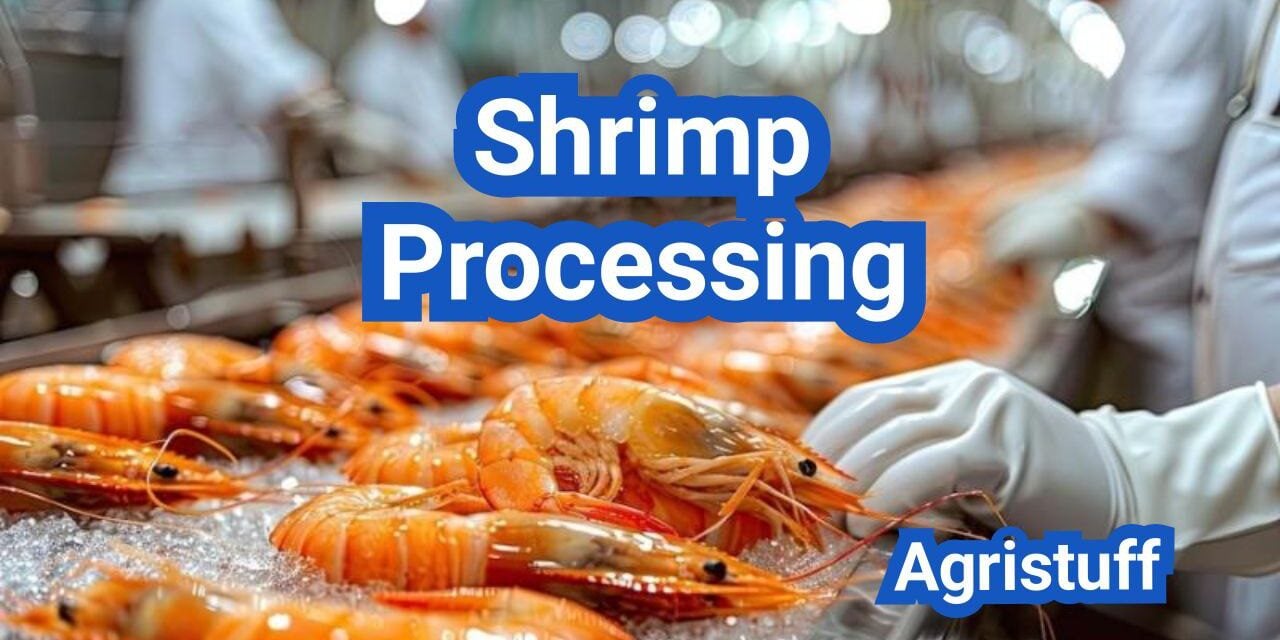
The global seafood industry sector is a significant contributor to world trade, employing over 56 million people and generating USD$200 billion. Within this industry, shrimp aquaculture plays a crucial role, with 5.88 million metric tons produced in 2024, valued at USD$72 billion.
The shrimp processing industry is vital in preparing these seafood products for consumption. Various stages are involved, including deheading, peeling, freezing, and quality grading, ensuring the final product meets consumer and regulatory standards.
Key Takeaways
- The global seafood sector significantly contributes to world trade.
- Shrimp aquaculture is a substantial component of the seafood industry.
- Shrimp processing involves several critical stages.
- Quality grading is essential for meeting consumer and regulatory standards.
- The shrimp processing industry is crucial for preparing seafood products.
Understanding Industrial Shrimp Processing Fundamentals

Understanding the fundamentals of industrial shrimp processing is essential for appreciating its impact on the seafood industry. Industrial shrimp processing involves a series of complex operations designed to transform raw shrimp into high-quality products for consumer markets.
The Role of Processing in the Seafood Supply Chain
The seafood supply chain is intricate, involving multiple stakeholders from fishermen or aquaculture operators to processors, distributors, and retailers. Processing plays a crucial role in this chain by ensuring that raw seafood products are transformed into safe, high-quality, and marketable products. In the context of shrimp, processing involves several key steps that not only preserve the product but also enhance its value.
“The processing stage is where the value of seafood products is significantly enhanced, making it a critical component of the seafood supply chain.”
Seafood Processing Expert
Key Objectives of Modern Shrimp Processing Operations
Modern shrimp processing operations have several key objectives. These include maximizing product quality and safety, minimizing waste, and ensuring compliance with regulatory requirements. To achieve these objectives, processors employ advanced technologies and adhere to strict quality control measures throughout the processing stages.
- Maximizing product quality through careful handling and processing techniques
- Implementing safety protocols to prevent contamination
- Reducing waste through efficient processing and waste management practices
Aquaculture is the preferred method of shrimp production due to its inherent control, ability to capitalize on genetics programs, management of production cycles, and ability to satisfy global consumer preference for shrimp products.
| Processing Objective | Description | Benefit |
|---|---|---|
| Quality Maximization | Careful handling and processing | High-quality final product |
| Safety Protocols | Prevention of contamination | Safe consumption |
| Waste Reduction | Efficient processing and waste management | Reduced environmental impact |
Shrimp Processing in the United States Market
The United States market has specific requirements and standards for shrimp processing, driven by consumer preferences, regulatory compliance, and the need for high-quality products. Processors in the U.S. must adhere to strict guidelines regarding product handling, packaging, and labeling.
Consumer preferences play a significant role in shaping the shrimp processing industry in the U.S., with a growing demand for sustainably sourced and processed products.
Complete Shrimp Processing Flow Chart and Workflow

The shrimp processing workflow involves multiple stages, from receiving raw materials to producing frozen products. This complex process requires careful planning and execution to ensure the quality and safety of the final product.
End-to-End Processing Stages Overview
The shrimp processing flow chart typically includes several key stages: receiving and inspection of raw shrimp, washing and deheading, peeling and deveining, grading and size sorting, cooking (for value-added products), freezing, glazing, and packaging. Each stage is crucial for producing high-quality shrimp products.
Receiving and Inspection: The process begins with the receipt of raw shrimp, which are inspected for quality and temperature.
Quality control measures are implemented at this stage to ensure that only fresh, undamaged shrimp are processed.
Timeline and Throughput in Commercial Operations
Commercial shrimp processing operations are designed to maximize efficiency and throughput while maintaining product quality. The timeline for processing can vary depending on the size of the operation and the volume of shrimp being processed.
- Batch processing allows for flexibility and quality control.
- Continuous processing lines can increase throughput but require precise control.
Raw Material Inputs and Finished Product Outputs
The raw material inputs for shrimp processing include fresh or frozen shrimp, which may be head-on or head-off, shell-on or peeled. The finished product outputs can vary widely, including frozen raw shrimp, cooked shrimp, peeled and deveined shrimp, and value-added products like breaded or marinated shrimp.
| Raw Material Inputs | Finished Product Outputs |
|---|---|
| Fresh or frozen shrimp | Frozen raw shrimp |
| Head-on or head-off shrimp | Cooked shrimp |
| Shell-on or peeled shrimp | Peeled and deveined shrimp |
Understanding the shrimp processing flow chart and workflow is essential for optimizing commercial operations and ensuring the production of high-quality shrimp products.
Setting Up a Shrimp Processing Plant

The setup of a shrimp processing facility involves several critical components that must be considered for successful operation. Shrimp processing facilities receive raw material from various sources, including company-owned farms, third-party contract farms, and third-party spot purchase farms.
Essential Infrastructure and Facility Requirements
A shrimp processing plant requires specific infrastructure to operate efficiently. This includes:
- Adequate water supply and treatment systems
- Proper waste management facilities
- Refrigeration and cold storage units
- Processing equipment and machinery
Facility design should also consider food safety regulations and worker safety standards.
Shrimp Processing Plant Cost Breakdown and Investment
The cost of setting up a shrimp processing plant can vary widely depending on several factors, including the size of the operation and the technology used.
| Component | Cost Range |
|---|---|
| Processing Equipment | $100,000 – $500,000 |
| Refrigeration Units | $50,000 – $200,000 |
| Facility Construction | $200,000 – $1,000,000 |
| Water Treatment Systems | $30,000 – $100,000 |
The total investment required can range from $500,000 to over $2 million, depending on the scale and complexity of the operation.
Layout Design for Optimal Workflow Efficiency
An efficient layout is crucial for the smooth operation of a shrimp processing plant. The design should facilitate a logical workflow from receiving raw materials to packaging finished products.
A well-designed layout can help reduce processing times, improve product quality, and increase overall productivity.
Modern Processing Plant Examples and Case Studies
Several modern shrimp processing plants have implemented innovative designs and technologies to improve efficiency and product quality.
For example, some plants have adopted automated sorting and grading systems, while others have implemented advanced freezing technologies to preserve product freshness.
Critical Shrimp Processing Equipment and Machinery

Critical to the shrimp processing industry are the machines that enable deheading, peeling, and grading. The efficiency and quality of these processes directly impact the final product’s quality and the overall profitability of the operation.
Shrimp Deheading Machines and Technology
Shrimp deheading is a crucial step that requires precise machinery to minimize damage and maximize efficiency. Modern deheading machines are designed to handle various shrimp sizes and types, ensuring a high-quality output.
Key Features of Deheading Machines:
- Adjustable settings for different shrimp sizes
- High-speed processing capabilities
- Minimal product damage
Shrimp Peeling and Deveining Machine Options
Peeling and deveining are subsequent steps that require specialized equipment. Machines designed for these tasks vary in complexity and functionality, catering to different production needs.
Types of Peeling Machines:
- Roller-type peeling machines
- Centrifugal peeling machines
Jonsson Shrimp Peeling Machine Systems
The Jonsson shrimp peeling machine is renowned for its efficiency and gentle handling of shrimp. It’s a preferred choice for many processing plants due to its reliability and adaptability to different production volumes.
Prawn Grading Machine and Sorting Equipment
Grading is a vital step that ensures uniformity in the final product. Prawn grading machines sort shrimp based on size, weight, or other criteria, utilizing advanced technologies for accuracy.
Benefits of Advanced Grading Machines:
- Improved product consistency
- Increased processing speed
- Reduced labor costs
In conclusion, the right equipment is crucial for efficient and high-quality shrimp processing. Investing in advanced machinery like deheading, peeling, and grading machines can significantly enhance a processing plant’s productivity and profitability.
Step 1: Receiving and Initial Inspection of Raw Shrimp
Upon arrival, raw shrimp undergo a rigorous receiving and initial inspection process to ensure they meet quality standards. This critical step in shrimp processing involves a series of checks to verify the condition and quality of the raw material.
Quality Assessment Upon Delivery
The quality assessment upon delivery is a comprehensive evaluation that includes visual inspection, smell, and sometimes physical checks to determine the freshness and integrity of the raw shrimp. Key factors assessed during this process include:
- Visual Appearance: Checking for any visible signs of damage, discoloration, or contamination.
- Smell: Fresh shrimp should have a mild ocean-like smell. Any strong or off-odors can indicate spoilage.
- Texture: Shrimp should have a firm texture. Soft or mushy texture can be a sign of poor quality.
Temperature Monitoring and Cold Chain Verification
Temperature monitoring and cold chain verification are crucial to maintaining the quality of raw shrimp. The cold chain must be uninterrupted from the point of catch to the processing facility. This involves:
- Checking the temperature of the shrimp upon arrival to ensure it is within the acceptable range.
- Verifying the cold chain by reviewing the temperature logs from the transportation vehicle.
Implementing Shrimp Traceability Lot Coding Systems
Implementing shrimp traceability lot coding systems is essential for tracking the origin, processing, and distribution of shrimp products. This system helps in:
- Identifying the Source: Tracing the shrimp back to the fishing vessel or farm.
- Managing Recalls: Quickly identifying and isolating affected products in case of a quality issue.
- Compliance: Meeting regulatory requirements related to food safety and traceability.
By implementing these measures, shrimp processing facilities can ensure the quality and safety of their products, maintain compliance with regulations, and build trust with their customers.
Step 2: Washing and the Shrimp Deheading Process

After receiving and inspecting raw shrimp, the next critical step is washing and deheading, a process that significantly impacts the quality of the final product. This stage is crucial for removing impurities and preparing the shrimp for subsequent processing steps.
Initial Cleaning and Washing Procedures
The initial cleaning and washing of shrimp are essential for removing dirt, debris, and other impurities that may have accumulated during harvesting and transportation. Effective washing procedures involve using clean, cold water to minimize the risk of contamination and preserve the freshness of the shrimp.
The washing process typically involves immersing the shrimp in a water bath or using a spray washing system to remove loose impurities. Proper sanitation practices are vital during this stage to prevent cross-contamination.
Mechanical Deheading Techniques and Equipment
Mechanical deheading is a widely used technique in commercial shrimp processing. It involves using specialized machinery designed to efficiently remove the heads from the shrimp bodies. Mechanical deheading equipment can significantly increase processing speed and reduce labor costs.
Various types of deheading machines are available, ranging from simple, manually operated devices to complex, automated systems. The choice of equipment depends on the scale of the operation, the type of shrimp being processed, and the desired level of automation.
Manual vs. Automated Deheading Comparison
The decision between manual and automated deheading depends on several factors, including the size of the operation, labor costs, and the need for precision. Manual deheading offers flexibility and can be more suitable for smaller operations or when processing delicate or high-value shrimp.
Automated deheading systems, on the other hand, provide higher throughput and consistency, making them ideal for large-scale commercial operations. While they require a significant initial investment, automated systems can lead to long-term cost savings through reduced labor needs.
Managing Shrimp Waste Processing from Heads
The deheading process generates a significant amount of waste, primarily in the form of shrimp heads. Efficient waste management practices are crucial for minimizing environmental impact and potentially recovering valuable by-products.
Shrimp heads can be processed into various products, such as shrimp oil, flavor extracts, or animal feed. Implementing effective waste processing strategies not only helps in complying with environmental regulations but can also create additional revenue streams for processing facilities.
Step 3: Shrimp Peeling and Deveining Operations
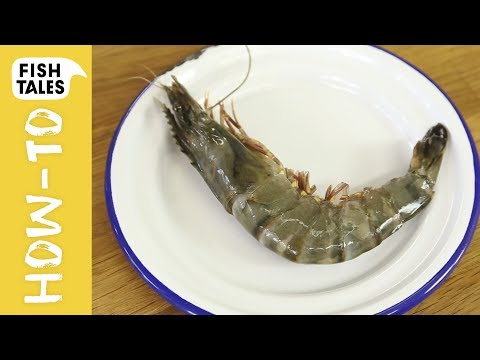
Shrimp peeling and deveining are critical operations that significantly impact the final quality of shrimp products. These processes involve removing the shell and vein from the shrimp, which is essential for producing peeled shrimp products that meet consumer expectations.
Types of Peeled Shrimp Products and Specifications
Peeled shrimp products come in various forms, including peeled and deveined (P&D), peeled, deveined, and tail-on (PDT), and others. Each type has specific specifications regarding size, count per pound, and quality standards. Understanding these specifications is crucial for processors to cater to different market demands.
Mechanical Peeling Process and Techniques
The mechanical peeling process utilizes specialized equipment designed to efficiently remove shrimp shells while minimizing damage to the flesh. Techniques vary depending on the type of shrimp and the desired output. Modern shrimp peeling machines are capable of handling large volumes, making them indispensable in commercial shrimp processing operations.
- Roller peeling machines are effective for certain types of shrimp.
- Disc peeling machines offer high efficiency and low damage rates.
- Some processors use a combination of mechanical and manual peeling for optimal results.
Deveining Methods and Specialized Equipment
Deveining involves removing the intestinal tract or “vein” from the shrimp. This can be done mechanically or manually. Specialized deveining equipment is designed to accurately remove the vein without damaging the surrounding flesh, enhancing the overall quality of the final product.
- Manual deveining is labor-intensive but allows for precision.
- Mechanical deveining machines can process large quantities quickly.
- Some systems integrate peeling and deveining into a single process.
Quality Control During Peeling and Deveining
Quality control is paramount during peeling and deveining to ensure that the final product meets the required standards. This involves monitoring for shell fragments, vein removal, and overall product appearance. Effective quality control measures help in reducing waste and improving customer satisfaction.
By implementing rigorous quality control and utilizing advanced peeling and deveining techniques, shrimp processors can significantly enhance their product offerings and maintain a competitive edge in the market.
Step 4: Shrimp Grading and Size Sorting

The fourth step in shrimp processing involves grading and size sorting, crucial for maintaining product quality and consistency. This stage ensures that shrimp are categorized by size, meeting specific market requirements and customer expectations.
Understanding Shrimp Grading Size Counts Per Pound
Shrimp grading size counts per pound refer to the number of shrimp in a given pound, which is a standard measure in the industry. Size counts are crucial for pricing, packaging, and customer specifications. For instance, a count of 16/20 indicates that there are between 16 and 20 shrimp per pound.
Automated Grading Systems and Technology
Modern shrimp processing plants utilize automated grading systems to efficiently sort shrimp by size. These systems employ advanced technologies such as optical scanners and vibrating sorters to categorize shrimp accurately and quickly. Automated grading not only enhances productivity but also reduces labor costs and minimizes human error.
Standard Size Categories in the U.S. Seafood Market
The U.S. seafood market adheres to specific size categories for shrimp, which are generally classified as follows: small (51/60 count), medium (31/40 count), large (16/20 count), and extra-large (U/15 count). Understanding these categories is vital for processors to meet market demands and for consumers to know what they are purchasing.
Weight Accuracy and Equipment Calibration
Weight accuracy is paramount in shrimp grading, as it directly affects the value of the product. To ensure accuracy, processing equipment must be regularly calibrated. Calibration involves adjusting the machinery to match standard weight measures, thereby preventing discrepancies that could lead to financial losses or customer dissatisfaction.
By focusing on these aspects, shrimp processors can maintain high standards of quality and efficiency, ultimately benefiting both the business and the consumer.
Step 5: Cooking Shrimp for Value-Added Products
Cooking shrimp is a critical step in creating value-added products that meet consumer demands for ready-to-eat seafood. This process involves utilizing advanced cooking technologies to ensure the shrimp are cooked to perfection while maintaining their quality and nutritional value.
IQC Continuous Steam Cooker Technology
The IQC continuous steam cooker is a state-of-the-art technology used in the shrimp processing industry. This system allows for continuous cooking of shrimp, ensuring a consistent product. The IQC continuous steam cooker uses steam to cook the shrimp gently, preserving their texture and flavor.
Precise Cooking Time and Temperature Controls
Precise control over cooking time and temperature is crucial in cooking shrimp. The IQC continuous steam cooker technology enables processors to adjust cooking parameters to suit different shrimp products. By controlling these factors, processors can achieve the desired level of doneness while preventing overcooking.
Cooked Shrimp Cooling Controls and Rapid Chilling
After cooking, rapid cooling is essential to stop the cooking process and preserve the shrimp’s quality. Advanced cooling systems are used to chill the cooked shrimp quickly, ensuring they remain fresh and safe for consumption. This step is critical in maintaining the texture and flavor of the cooked shrimp.
Twin-Belt Conveyor Systems for Cooked Product Handling
Twin-belt conveyor systems are utilized for handling cooked shrimp products. These systems gently transport the cooked shrimp through various stages of processing, including cooling and packaging. The use of twin-belt conveyors minimizes product damage and ensures efficient handling.
By integrating these advanced technologies and processes, shrimp processors can produce high-quality, value-added cooked shrimp products that meet consumer expectations.
Step 6: Freezing Methods for Shrimp Products

Freezing is a critical step in shrimp processing that helps preserve the quality and freshness of the product. The method of freezing can significantly impact the final product’s texture, taste, and overall quality.
IQF Shrimp Freezing Technology and Process
Individual Quick Freezing (IQF) is a popular method used in the shrimp processing industry. IQF technology involves freezing individual pieces of shrimp quickly to preserve their quality. This method prevents the shrimp from sticking together, making it easier to use the desired amount without having to thaw the entire batch.
The IQF process typically involves:
- Pre-cooling the shrimp to a temperature just above freezing
- Feeding the shrimp into the IQF freezer in a single layer
- Freezing the shrimp quickly using cold air or other freezing mediums
- Collecting the frozen shrimp for packaging
Shrimp IQF Freezer Equipment and Operation
Shrimp IQF freezers are designed to freeze shrimp quickly and efficiently. These freezers use advanced technology to ensure consistent freezing and to prevent the formation of ice crystals that can damage the product.
The operation of IQF freezers involves:
- Loading the shrimp into the freezer
- Adjusting the freezer settings for optimal freezing
- Monitoring the freezing process to ensure quality
- Unloading the frozen shrimp for packaging
Block Frozen Shrimp vs IQF: Comprehensive Comparison
There are two main methods of freezing shrimp: block freezing and IQF. Block freezing involves freezing shrimp in large blocks, while IQF freezes individual shrimp.
The key differences between block frozen shrimp and IQF shrimp include:
| Characteristics | Block Frozen Shrimp | IQF Shrimp |
|---|---|---|
| Freezing Method | Freezing in large blocks | Freezing individual shrimp |
| Product Flexibility | Limited flexibility; entire block must be thawed | High flexibility; desired amount can be used |
| Quality | May suffer from ice crystal damage | Preserves quality due to quick freezing |
IQF Cooked Shrimp and IQF Prawn Processing
IQF technology is not limited to raw shrimp; it is also used for cooked shrimp and prawns. The process for IQF cooked shrimp and prawns involves cooking the product before freezing it using the IQF method.
The benefits of IQF cooked shrimp and prawns include:
- Convenience: Easy to use the desired amount without thawing the entire batch
- Quality: Preserves the texture and flavor of the cooked product
- Extended Shelf Life: Frozen products can be stored for longer periods
Step 7: Glazing, Packaging, and Product Labeling
Glazing, packaging, and product labeling are essential final steps in shrimp processing that directly impact product quality and consumer satisfaction. These processes not only enhance the appearance and preservation of the shrimp but also ensure compliance with regulatory requirements.
Shrimp Glazing Percentage Standards and Application
Shrimp glazing involves applying a layer of ice to protect the product during frozen storage and transportation. The glazing percentage is a critical factor, as it affects both the product’s weight and its quality. Glazing percentage standards vary by country and product type, but generally, they range between 4% to 15% of the total product weight.
The application of glaze is typically done by spraying or dipping the frozen shrimp in cold water. The glazing process must be carefully controlled to achieve the desired glazing percentage without compromising the product’s texture or quality.
Glazing Application Methods and Equipment
There are several methods for applying glaze to frozen shrimp, including drum glazing, spiral glazing, and fluidized bed glazing. Each method has its advantages and is chosen based on the specific requirements of the product and the processing line.
The choice of glazing equipment depends on factors such as production volume, product type, and desired glazing percentage. Modern glazing systems are designed to be efficient, easy to clean, and capable of producing consistent results.
Seafood Packaging Options for Frozen Shrimp
Packaging is a critical step that protects the glazed shrimp from freezer burn, dehydration, and contamination. Common packaging options for frozen shrimp include bulk packaging in poly-lined boxes, retail packaging in vacuum-sealed bags or trays, and modified atmosphere packaging.
The choice of packaging material and design depends on the intended use of the product, storage conditions, and distribution channels. Packaging materials must be food-grade, durable, and suitable for frozen storage.
Sulfites in Shrimp Labeling and Regulatory Requirements
The use of sulfites as preservatives in shrimp processing is subject to strict regulations. In many countries, including the United States, products containing sulfites must be labeled accordingly to alert consumers with sulfite sensitivities.
Sulfites labeling requirements typically involve declaring the presence of sulfites on the product label, often with a specific statement indicating the concentration. Compliance with these regulations is crucial for legal distribution and consumer safety.
By carefully managing glazing, packaging, and labeling, shrimp processors can ensure their products meet both quality standards and regulatory requirements, ultimately enhancing consumer trust and satisfaction.
Identifying and Managing Shrimp Quality Defects

Ensuring the quality of shrimp products involves identifying and managing common defects such as black spot and dehydration. Shrimp quality defects can arise from various factors, including handling practices, storage conditions, and processing techniques. Effective management of these defects is crucial for maintaining product value and ensuring consumer safety.
Black Spot in Shrimp: Causes and Prevention Strategies
Black spot, also known as melanosis, is a common quality defect in shrimp characterized by the formation of black or gray spots on the shell. This condition is caused by enzymatic reactions that occur after harvesting. To prevent black spot, it is essential to handle shrimp gently and rapidly cool them to temperatures below 4°C (39°F) within 30 minutes of harvesting.
Prevention strategies include:
- Using sulfite-based treatments or other approved preservatives
- Maintaining proper cold chain management
- Minimizing handling and physical damage
Dehydration and Freezer Burn Control Measures
Dehydration and freezer burn are quality defects that occur due to improper freezing and storage practices. Dehydration results in the loss of moisture from the shrimp, while freezer burn causes the formation of ice crystals on the surface, leading to texture and flavor changes.
Control measures include:
- Implementing Individual Quick Freezing (IQF) or other rapid freezing methods
- Maintaining consistent freezer temperatures below -18°C (0°F)
- Using proper packaging to prevent moisture loss and contamination
Soft Shell Shrimp Detection and Proper Handling
Soft shell shrimp are those that have recently molted and have not yet hardened their new shells. These shrimp are more susceptible to damage and have a higher moisture content, making them more challenging to process.
Detection involves:
- Visual inspection for soft or fragile shells
- Sorting and separating soft shell shrimp from the rest of the catch
Proper handling includes gentle processing and rapid freezing to preserve quality.
Other Common Quality Issues and Solutions
Other quality issues in shrimp include physical damage, contamination, and texture or flavor defects. Solutions involve implementing rigorous quality control measures throughout the supply chain, from harvesting to packaging.
Key solutions include:
- Regular cleaning and sanitation of equipment and facilities
- Training personnel in proper handling and processing techniques
- Conducting regular quality audits and implementing corrective actions
Food Safety and Seafood HACCP Plan for Shrimp
A well-structured HACCP plan is crucial for maintaining high food safety standards in shrimp processing operations. This systematic approach to identifying and controlling hazards ensures the production of safe and quality shrimp products.
Developing a Comprehensive HACCP Plan for Shrimp Processing
Developing a comprehensive HACCP plan involves several key steps, including:
- Conducting a hazard analysis to identify potential biological, chemical, and physical hazards
- Determining critical control points (CCPs) where these hazards can be controlled
- Establishing critical limits for each CCP
- Implementing monitoring procedures to ensure CCPs are within critical limits
- Establishing corrective actions to be taken when a CCP is not within its critical limits
Critical control points are essential in preventing hazards throughout the shrimp processing chain. These may include:
- Receiving and storage of raw shrimp
- Processing steps such as deheading, peeling, and cooking
- Freezing and storage of finished products
Critical Control Points Throughout the Process
Effective implementation of CCPs requires precise monitoring and control measures. For instance, during the receiving stage, temperature checks are crucial to prevent microbial growth.
Shrimp Processing Plant Sanitation SOPs
Sanitation Standard Operating Procedures (SOPs) are vital for maintaining a clean and safe processing environment. These SOPs should cover:
- Cleaning and sanitizing equipment and facilities
- Personal hygiene practices for employees
- Waste management and disposal procedures
Microbial Contamination Prevention and Testing
Preventing microbial contamination is a top priority in shrimp processing. This involves:
- Regular testing for microbial contaminants
- Implementing proper handling and storage practices
- Ensuring all equipment is regularly sanitized
By integrating these measures into a comprehensive HACCP plan, shrimp processing facilities can significantly enhance food safety and product quality.
Cold Storage and Maintaining the Shrimp Supply Chain

Effective cold storage is the backbone of a well-functioning shrimp supply chain. It ensures that the product remains fresh and of high quality from the point of processing to the consumer’s table.
Optimal Storage Conditions for Frozen Shrimp Products
Maintaining optimal storage conditions is critical for preserving the quality of frozen shrimp. This involves storing the products at a consistent freezer temperature, typically at or below -18°C (0°F). Proper packaging is also essential to prevent freezer burn and maintain product integrity.
The storage facilities should be equipped with reliable refrigeration systems and backup power sources to prevent temperature fluctuations. Regular monitoring of storage conditions and product quality is vital.
Defrost Cycles and Temperature Management Protocols
Defrost cycles are necessary to maintain the efficiency of refrigeration units. However, these cycles must be carefully managed to prevent temperature fluctuations that could affect product quality. Temperature management protocols should be in place to ensure that defrost cycles occur at optimal times and that the temperature is quickly restored to the desired range.
Automated temperature monitoring systems can help in maintaining consistent temperatures and alerting staff to any deviations.
Continuous vs. Cycle Sentry Modes in Refrigeration Units
Refrigeration units can operate in either continuous or cycle sentry mode. Continuous mode maintains a constant temperature, while cycle sentry mode allows for slight temperature variations. The choice between these modes depends on the specific requirements of the stored products and the capabilities of the refrigeration equipment.
| Mode | Description | Advantages | Disadvantages |
|---|---|---|---|
| Continuous | Maintains constant temperature | Consistent product quality, reduced risk of temperature fluctuations | Higher energy consumption |
| Cycle Sentry | Allows for slight temperature variations | Energy efficiency, reduced wear on equipment | Potential for temperature fluctuations affecting product quality |
Distribution, Export, and Logistics Best Practices
Effective distribution, export, and logistics are crucial for maintaining the shrimp supply chain. This involves proper handling and transportation practices to ensure that products remain frozen and are delivered to their destination in a timely manner.
Utilizing refrigerated transportation and maintaining a cold chain throughout the distribution process is essential. Additionally, compliance with international regulations and standards for seafood export is necessary.
At The End of: Shrimp Processing
The shrimp processing industry plays a vital role in the global seafood supply chain, providing high-quality products to consumers worldwide. Through the various stages of deheading, peeling, freezing, and quality grading, shrimp processing ensures that the final product meets the required standards.
Effective shrimp processing involves a combination of mechanical equipment, precise temperature controls, and rigorous quality control measures. From receiving and initial inspection to glazing, packaging, and labeling, each step is crucial in maintaining the quality and safety of the final product.
By understanding the fundamentals of shrimp processing, businesses can optimize their operations, reduce costs, and improve product quality. As the demand for seafood continues to grow, the importance of efficient and effective shrimp processing will only continue to increase.
In conclusion, shrimp processing is a complex and multifaceted industry that requires careful attention to detail and a commitment to quality. By summarizing the key points discussed in this article, it is clear that shrimp processing is a critical component of the seafood supply chain, and its importance will only continue to grow in the future.
FAQ
Shrimp Processing questions tend to repeat across farms, docks, and plants, especially around grading, freezing methods, and labeling expectations. These quick answers keep the focus at a high level so you can decide what deserves a deeper SOP or a supporting document. FDA Seafood HACCP guidance and updates
What are the key steps involved in processing raw shrimp to ensure quality and safety?
The key steps involved in processing raw shrimp include receiving and initial inspection, washing and deheading, peeling and deveining, grading and size sorting, cooking (if applicable), chilling, freezing, glazing, packaging, and labeling.
What are the most common types of contaminants that can affect the quality and safety of raw shrimp?
Common contaminants that can affect raw shrimp include microbial contaminants like Salmonella and Listeria, chemical contaminants like sulfites, and physical contaminants like foreign objects.
What is the importance of proper handling and storage of raw shrimp to maintain quality and safety?
Proper handling and storage of raw shrimp are crucial to prevent contamination, maintain freshness, and ensure food safety. This includes maintaining a consistent refrigerated temperature, handling shrimp gently to prevent damage, and storing them in a clean and dry environment.
What are the regulatory requirements for processing raw shrimp, and how do they impact quality and safety?
Regulatory requirements for processing raw shrimp include compliance with food safety regulations, such as HACCP plans, and labeling requirements. These regulations impact quality and safety by ensuring that processors follow standardized procedures to prevent contamination and maintain product integrity.
What are the benefits of implementing a quality control program for raw shrimp processing, and how can it improve quality and safety?
Implementing a quality control program for raw shrimp processing can improve quality and safety by identifying and controlling potential hazards, ensuring compliance with regulations, and maintaining consistent product quality.
How can processors ensure that their raw shrimp are labeled and packaged correctly to maintain quality and safety?
Processors can ensure correct labeling and packaging by following regulatory guidelines, using accurate and clear labeling, and packaging products in a way that prevents damage and contamination.
What are the best practices for maintaining the quality and safety of raw shrimp during transportation and storage?
Best practices for maintaining quality and safety during transportation and storage include maintaining a consistent refrigerated temperature, using proper packaging and handling techniques, and ensuring that products are stored in a clean and dry environment.
What is the difference between block frozen shrimp and IQF shrimp?
Block frozen shrimp are frozen in a solid block, while IQF (Individually Quick Frozen) shrimp are frozen individually. IQF shrimp are generally considered to be of higher quality and more convenient to use.
What is the role of glazing in shrimp processing, and what are the standards for glazing percentage?
Glazing is a process that applies a layer of ice to frozen shrimp to prevent dehydration and improve appearance. The standards for glazing percentage vary depending on the country and region, but it is typically around 10-20% of the total weight.
What are the common quality defects in shrimp, and how can they be prevented?
Common quality defects in shrimp include black spot, dehydration, and soft shell. These defects can be prevented by proper handling, storage, and processing techniques, such as maintaining a consistent refrigerated temperature and handling shrimp gently to prevent damage.
What does “16/20” mean?
It’s the approximate count of shrimp per pound, used to communicate size in a standardized way.
Is IQF always better than block freezing?
Not always—IQF helps portioning and appearance, while block freezing can be cost-effective for further processing.
Do I need to treat for black spot?
It depends on how long shrimp will be held chilled before freezing/cooking and what your customer specs allow.
Why do buyers care about glazing?
Because glaze affects dehydration protection and net weight expectations, which directly impacts value and trust.
What is the biggest cause of quality complaints?
Temperature abuse and inconsistent specs (size, defects, labeling) are common drivers across markets.
Conclusion of: Shrimp Processing Steps
What shrimp processing really means in a U.S. plant
Shrimp Processing is the end-to-end set of steps that turns raw shrimp into consistent, safe, correctly labeled products—head-on, headless shell-on, peeled, cooked, or frozen—without losing yield or quality along the way. In the U.S., the “best” flow is the one that protects temperature control, prevents contamination, documents critical checks, and produces a grade buyers recognize. This guide breaks down the practical workflow decisions that matter most from receiving through final grading and pack-out. FDA fish and fishery hazards resources
Shrimp Processing in the U.S. often sits at the intersection of domestic landings, farm-raised supply, and imported product streams, which means buyers may ask for proof of species, size, condition, and labeling accuracy—not just “good shrimp.” Many processors use voluntary third-party or government-backed inspection and grading services to support market claims and reduce customer disputes. Knowing what “inspection,” “grading,” and “certification” actually cover helps you choose the right QA depth for your customers. NOAA Seafood Inspection Program overview
Build the flow map before you buy equipment
Shrimp Processing is easier to optimize when you start with a simple flow map: receiving → chilling → sorting → value-add steps (deheading/peeling/cooking) → freezing → glazing/packing → cold storage → shipping. The point of mapping is to identify where the product warms, where cross-contamination can happen, and where yields can quietly disappear (drip loss, trim loss, broken pieces). When you map first, you can right-size labor, utilities, and freezer capacity instead of guessing. Seafood HACCP definitions (21 CFR 123.3)
Shrimp Processing also benefits from a “product family” approach, because peeled raw, cooked peeled, and headless shell-on behave differently in hazards, yield, and customer specs. Separate families let you set realistic targets for throughput, defect limits, and packaging formats while keeping documentation clean. The most practical family split is by (1) raw vs cooked, (2) shell-on vs peeled, and (3) block-frozen vs IQF. HACCP plan requirements (21 CFR 123.6)
Receiving: protect time and temperature from minute one
Shrimp Processing quality is mostly “won or lost” at receiving, because warm shrimp accelerates enzymatic softening, odor development, and bacterial growth long before you see visible defects. A strong receiving routine checks temperature, odor, appearance, icing condition, and basic lot identity (supplier, harvest date/time when available, and transport conditions). If your receiving bay is slow, add staging capacity in ice or a chilled room so lots don’t sit on the dock.
Shrimp Processing should treat transportation controls as part of the food safety system, not as a logistics afterthought. Document trailer temperatures, verify the condition of totes/liners, and set clear “hold-and-evaluate” rules for loads that arrive warm or poorly iced. Even a great freezer can’t erase damage from temperature abuse, so make transport expectations part of supplier agreements and inbound checklists. FDA sanitary transportation rule information
Sorting and washing: remove problems early, not later
Shrimp Processing gets more efficient when you remove foreign material, broken shrimp, and obvious defects before deheading or peeling, because those steps magnify waste and slow lines. Use gentle water sprays and controlled agitation to avoid bruising and broken tails, and keep wash water quality consistent so you don’t spread contamination from one lot to the next. A simple rule is “wash to clean, not to soak,” because soaking can raise moisture variability and complicate specs. FAO advisory note on handling and processing shrimp
Deheading: yield management starts here
Shrimp Processing deheading decisions depend on your target product (headless shell-on vs peeled), labor costs, and whether customers pay for head-on presentation. Mechanical deheading can stabilize throughput, but you still need a yield target and a trim standard so operators don’t overcut and lose edible meat. A practical control is to sample a small set of shrimp every hour, compare to your trim standard, and correct knife settings or operator technique before losses compound. NC State shrimp processing line feasibility study
Peeling and deveining: consistent specs beat maximum speed
Shrimp Processing peeling choices (tail-on vs tail-off, vein-out vs vein-in, EZ-peel vs fully peeled) should match the buyer’s use case, because the “best” spec for breaded shrimp differs from the “best” spec for cocktail trays or stir-fry packs. Machine peeling can deliver throughput, but it often needs careful sizing, gentle handling, and good raw material condition to reduce tearing and broken pieces. If your product mix is broad, keep a small manual rework station to correct out-of-spec units without stopping the line. SRAC shellfish handling practices fact sheet
Shrimp Processing deveining is easiest to standardize when you define what “acceptable vein” means for your market and communicate it as a measurable defect rate rather than a vague quality goal. Some buyers treat minor vein presence as acceptable in certain sizes, while others reject it for premium retail. Set a sampling plan (e.g., units per batch or per hour), score defects consistently, and use trend charts to catch drift before customer complaints appear. FDA allergen cleaning and sanitation appendix
Melanosis (black spot) control and sulfite labeling
Shrimp Processing often includes melanosis control (commonly called “black spot” control), especially when shrimp will be held chilled before freezing or cooking. Sulfiting agents can be effective, but they must be managed carefully to avoid overuse, uneven treatment, or labeling problems that create costly recalls. If you use any sulfiting agents, build a written procedure, verify concentration and contact time, and ensure the label accurately declares the treatment when required. UF/IFAS guidance on sulfites
Imported shrimp: treat documentation like a process step
Shrimp Processing plants that handle imported shrimp should build a repeatable intake workflow for supplier verification, lot identity, and records availability, because missing paperwork creates downtime and risk. Even when a lot looks good, you still need traceable identifiers from receiving through packaging to support customer requirements and regulatory expectations. Make it easy: one lot code, one location label, one receiving record packet, and one rule for what happens when any part is missing. Special requirements for imported products (21 CFR 123.12)
Pathogen and spoilage risk: keep it practical
Shrimp Processing controls for biological hazards start with temperature discipline and clean handling rather than complicated testing alone. Raw shrimp can carry pathogens, and warm product plus poor hygiene raises risk, so prioritize cold chain, handwashing, clean tools, and separation of raw and cooked zones. If you sell ready-to-eat cooked shrimp, your post-cook handling and cooling steps become the “must not fail” part of the system. CDC guidance on preventing Vibrio illness
Allergen controls: shrimp is a major allergen, so act like it
Shrimp Processing must treat crustacean shellfish as a major allergen hazard, which means you need labeling accuracy and cross-contact prevention, not just general sanitation. If you run multiple products (shrimp plus fish, or shrimp plus other allergens), define dedicated tools or validated cleaning steps between runs. A simple, effective practice is “label control at the line”: verify the right film, the right case label, and the right allergen statement at startup and at every changeover. FDA food allergen information
Shrimp Processing allergen controls are stronger when you manage “where the allergen can travel,” including shared conveyors, brine tanks, gloves, aprons, ice bins, and rework containers. Write down the high-risk cross-contact points and assign specific controls (time separation, dedicated equipment, or cleaning verification). If you can’t confidently prevent cross-contact, do not rely on hope—adjust scheduling or equipment until the control is real. FDA appendix on allergen cross-contact prevention
Cooking and cooling: when you cook, you must also protect the post-cook step
Shrimp Processing for cooked product should define the cook target (time/temperature and doneness standard) and then protect cooling so the product moves quickly back into safe temperature ranges. The practical risk is not only undercooking but also recontamination after cooking through contact with raw areas, shared utensils, or uncontrolled air and condensation. Separate “raw side” and “cooked side” traffic patterns, and make packaging a controlled step, not an open handling area. FDA Seafood HACCP information hub
Freezing strategy: match the method to your product and customer
Shrimp Processing freezing choices depend on how the shrimp will be used: block-frozen often suits further processing, while IQF suits retail bags and foodservice portioning. The core principle is fast, consistent freezing to protect texture and reduce drip loss, which means adequate freezer capacity for your peak day, not your average day. Plan for bottlenecks: glazing, bagging, and case packing can be slower than the freezer itself.
Shrimp Processing for quick-frozen product benefits from clear definitions of glazing, net weight, and condition at delivery, because freezer burn and dehydration are often “contract disputes” as much as quality issues. If you glaze, standardize the glaze target, verify it with a simple weigh-in/weigh-out method, and keep glaze water sanitary. Your freezer program should include packaging that protects against dehydration and oxidation during storage. Codex standard for quick frozen shrimps or prawns
IQF and specialty freezing: where quality and cost collide
Shrimp Processing IQF systems can preserve shape and portionability, but they require consistent sizing, good dewatering, and careful belt loading to prevent clumping and damage. Cryogenic or specialty freezing can further reduce ice crystal damage, but the economics depend on throughput, product value, and gas supply costs. If you’re exploring premium frozen lines, test a small pilot batch first, then quantify gains in drip loss, breakage, and complaint rates.
Cold storage: protect what your freezer already achieved
Shrimp Processing doesn’t end at the freezer exit, because cold storage stability determines whether you deliver “like-new” shrimp or a dehydrated, off-texture product. Control storage temperature, limit door-open time, rotate inventory using first-in-first-out, and avoid stacking patterns that block air circulation. Use continuous temperature monitoring and investigate excursions immediately, because small temperature swings can accelerate freezer burn over time.
Quality grading: make “size” and “defects” measurable
Shrimp Processing grading usually starts with size count (e.g., 16/20, 21/25, 26/30 per pound) and then moves to condition: broken pieces, soft shells, dehydration, discoloration, and odor. Agree on a written spec with your buyer that defines allowable defect rates and sampling procedures, because vague expectations create chargebacks. When you grade consistently, you can direct lots to the right market tier instead of trying to force every lot into a premium box. NOAA U.S. grading standards (Part 5)
Shrimp Processing benefits from separating “process defects” from “raw material defects,” because the fix is different. Process defects include torn meat, missing tails when tail-on is required, inconsistent deveining, and excessive glaze variability. Raw material defects include softness, strong odor, or visible damage that arrived with the lot and should be managed through receiving standards and supplier feedback. NOAA seafood inspection manual
Labeling and identity: get species and claims right
Shrimp Processing labeling should match the exact product form and identity: species/common name, raw vs cooked, peeled vs shell-on, and any treatments that must be declared. A practical way to reduce errors is to create “label masters” for each SKU and lock them behind a change-control process so operators can’t improvise. If you sell to retail, expect buyers to ask for documentation supporting the common name and product identity.
Shrimp Processing for U.S. retail channels may also need Country of Origin Labeling and production method information at the point of sale, depending on how the product is sold and whether it qualifies as a covered commodity. Even when your plant sells to another business, customers may still request origin and method of production details to support their downstream labeling. Build origin and method-of-production capture into receiving so you don’t have to reconstruct it later. USDA AMS COOL program information
Traceability: design your lot code so it survives real life
Shrimp Processing traceability works best when lot codes are simple, scannable, and applied at every point where product changes containers—totes, racks, cartons, and pallets. If the code disappears during icing, washing, or freezing, it’s not a real code in the real plant. Use waterproof labels, put a duplicate label inside master cartons, and link rework to the original lot to avoid “mystery product” situations.
Shrimp Processing recordkeeping should be designed for speed, because records that are hard to complete will be skipped under pressure. Use checkboxes where possible, standardize corrective action notes, and require a supervisor review that happens the same day, not weeks later. Good records protect you in audits and make root-cause investigations faster when a complaint lands. Seafood HACCP records (21 CFR 123.9)
Sanitation: protect the product and protect the line
Shrimp Processing sanitation controls should focus on the few points that create most contamination risk: employee hygiene, food-contact surfaces, ice and water quality, condensation, and separation of raw and cooked areas. Write a sanitation monitoring plan that defines what to check, how often, and what “unacceptable” looks like, then train operators to act immediately when something fails. The goal is not “clean enough to look clean,” but clean enough to control hazards consistently. Sea Grant sanitation control procedures training
Shrimp Processing sanitation programs are stronger when you build cleaning around the equipment’s actual design—dead ends, gaskets, rollers, belts, and hidden contact points—rather than generic “spray and pray.” Use visual inspection plus objective checks (like protein swabs or ATP tools) where appropriate, and validate that your cleaning step actually removes residues in the hardest-to-clean areas. If you change detergents, contact time, or water temperature, re-verify the method so your controls stay real. Sanitation control procedures (21 CFR 123.11)
Wastewater and environmental realities: plan for them up front
Shrimp Processing creates wastewater loads from wash water, brines, cleaning operations, and organic solids, so environmental planning belongs in the facility design stage. The most expensive surprises are not usually the freezer—they’re the drains, solids handling, grease control, and permit-driven discharge requirements. Talk early with local wastewater authorities, and treat solids capture as a yield and compliance tool at the same time. EPA seafood processing effluent guidelines overview
Quick checklist
Shrimp Processing runs smoother when you standardize the basics and inspect them the same way every day, because small deviations compound into quality claims and downtime. Use this checklist as a daily start-up and shift-change routine before problems appear. NOAA inspection procedures reference
- Verify receiving temperature targets and document them for every lot.
- Confirm ice supply, ice sanitation practices, and adequate chilled staging space.
- Check lot identity and ensure labels/records match the physical product.
- Inspect wash water quality and confirm wash steps do not become soak steps.
- Confirm deheading/peeling trim standards and do a quick yield spot-check.
- Separate raw and cooked traffic patterns, tools, and rework containers.
- Verify allergen labeling controls at startup and at every label changeover.
- Confirm freezer capacity is sufficient for peak loads, not average loads.
- Measure glaze targets (if used) and verify net weight expectations.
- Monitor cold storage temperatures continuously and investigate excursions immediately.
- Run a short defect grading sample and trend results by lot and shift.
Common mistakes to avoid
Shrimp Processing problems often come from repeatable habits—warming product on the dock, rushing label changes, and skipping small checks that feel “optional” on busy days. Fixing them usually costs less than handling one large claim or rework event. FDA HACCP Q&A for seafood processors
- Letting lots sit warm at receiving: add iced staging or chilled receiving lanes and enforce hold rules.
- Overcutting during deheading: set a trim standard and audit yield hourly to catch drift early.
- Chasing speed in peeling: prioritize spec consistency and add a controlled rework station.
- Weak separation of raw and cooked zones: separate tools, people flow, and rework containers.
- Allergen/label change errors: line-clear, verify film and case labels, and document checks.
- Underpowered freezing capacity: size freezers for peak day and manage upstream bottlenecks.
- Uncontrolled glazing/net weight variability: standardize glaze targets and verify regularly.
- Poor cold storage discipline: reduce door-open time and rotate inventory FIFO.
- Inconsistent grading: define defects and sampling methods in writing and train graders.
- Records completed “later”: design fast forms and require same-day review.
Costs and ROI snapshot
Shrimp Processing costs are driven by capacity, labor model, freezer technology, wastewater handling, and the level of QA/inspection your buyers expect. Typical cost buckets include facility build-out (floors, drains, refrigeration), core equipment (deheader/peeler, washers, cookers, freezers), packaging, utilities (electricity, water, ice), and environmental compliance costs that vary by location. If you are budgeting, treat drainage and wastewater planning as major line items, not minor accessories. EPA seafood effluent guidelines documents and cost context
- Capital equipment drivers: freezer type (IQF vs plate/block), refrigeration system size, cook/cool system needs, packaging automation, and metal detection/inspection equipment.
- Operating cost drivers: labor (including training and turnover), energy demand (freezing and cold storage), ice production/purchase, packaging materials, and cleaning chemicals.
- Quality program costs: sampling supplies, lab testing where needed, calibration, and audit/inspection services if required by customers.
- Hidden costs: rework labor, customer chargebacks, returned product, and downtime from sanitation or maintenance failures.
Shrimp Processing ROI is usually earned through fewer defects, tighter yield control, faster throughput, and stronger buyer confidence that reduces disputes and opens higher-value channels. For some plants, a voluntary inspection or grading program pays back by supporting premium grades and reducing “spec arguments” at receiving docks, while others focus on automation where labor is the binding constraint. When evaluating payback, track your baseline complaint rate, rework hours, and yield by SKU so you can measure improvements instead of guessing. NOAA inspection and analytical service fees
Final thought
Shrimp Processing becomes predictable when you treat receiving temperature control, spec consistency, sanitation discipline, and simple records as non-negotiables rather than “best effort” tasks. Once those foundations are stable, you can choose the right mix of automation, freezing strategy, and grading depth to match your buyers and improve margins without chasing perfection. FDA guidance on food labeling basics
Sources & References
- Fish and Fishery Products Hazards and Controls Guidance (PDF)
- 21 CFR Part 123 (most recent edition PDF)
- Appendix 10: Cleaning and Sanitation for the Control of Allergens (PDF)
- Seafood HACCP Alliance training program (Cornell)
- Seafood HACCP Alliance training FAQs (AFDO)
- NOAA SIP Part 4: Lot-by-lot inspection policies (PDF)
- NOAA SIP services and fee context
- Codex Code of Practice for Fish and Fishery Products (PDF)
- Codex standards list (including quick frozen shrimps/prawns)
- COOL regulatory requirements training module (PDF)
- EPA seafood processing effluent standards final rule (PDF)
- FSMA sanitary transportation rule details