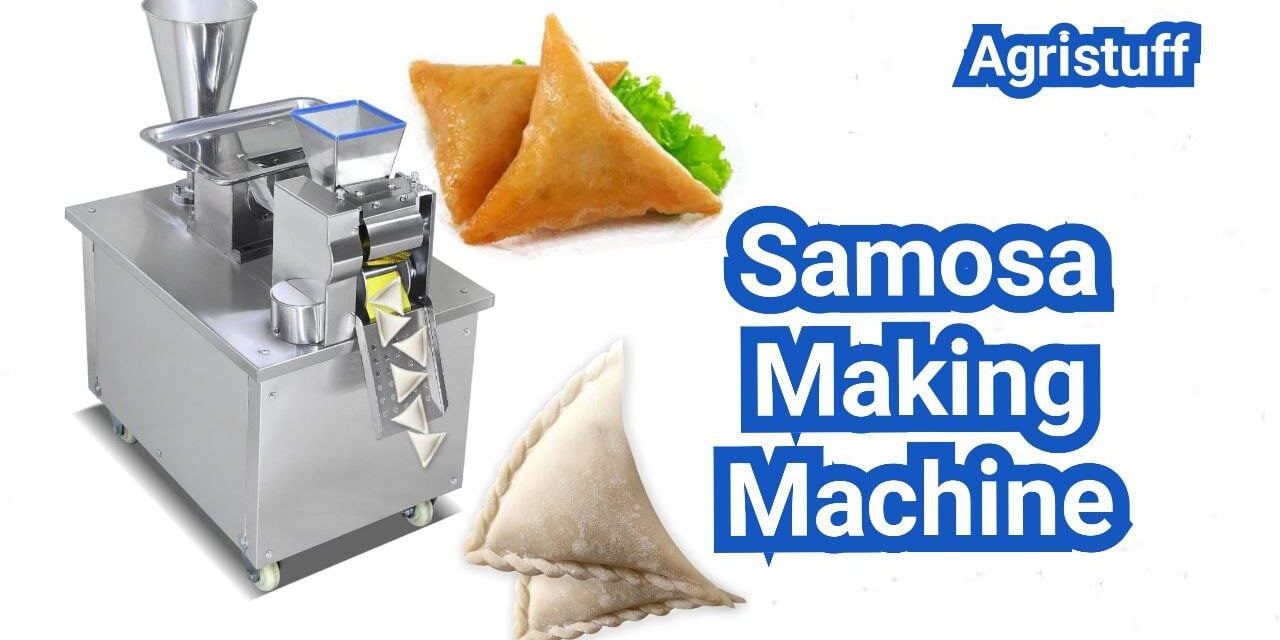
The Indian snack industry is one of the fastest-growing segments in the global food market. These savory items are now very popular across North America. Many companies want to automate production to create a high-quality product for their customers.
A samosa making machine in the U.S. helps businesses create large retail packs. This equipment ensures that every crust is thin and every filling is consistent. It is a vital tool for meeting modern food standards in a busy commercial kitchen.
An automatic samosa making machine provides the precision needed for commercial success. Using this technology allows for better quality control and less waste during the process. It makes the whole workflow much easier for local production teams.
Setting up a frozen production line is the best way to reach new grocery stores. This system prepares the treats so they stay fresh for a long time. It helps a brand scale up without losing any flavor or texture.
Modern food tools offer the speed and accuracy required today. Firms use these systems to maintain high standards in every batch. This strategy helps businesses grow in a crowded marketplace.
Key Takeaways
- Automation significantly increases production speed for savory snacks.
- Consistent filling control improves overall product quality.
- Specialized equipment helps businesses scale for retail packaging.
- Frozen production lines preserve the freshness of the goods.
- Advanced technology reduces high manual labor costs.
- The U.S. market shows a rising demand for high-quality Indian snacks.
Understanding Commercial Samosa Production Equipment

Understanding the intricacies of commercial samosa production equipment is vital for manufacturers aiming to optimize their processes. Businesses investing in modern samosa automation gain control over raw material usage, output stability, and operational costs. The right equipment can significantly enhance the efficiency and consistency of samosa production.
Types of Samosa Making Machines Available in the US Market
The US market offers a variety of samosa making machines catering to different production needs. These machines range from basic manual models to fully automated systems capable of handling dough sheeting, filling, and forming.
Some of the key types include:
- Samosa wrapper sheeting machines for uniform dough thickness
- Samosa filling machines for precise portion control
- Samosa forming machines for consistent shape and size
Key Components of a Complete Frozen Samosa Production Line
A comprehensive frozen samosa production line typically includes several key components working in tandem. These components ensure a streamlined process from dough preparation to packaging.
| Component | Function |
|---|---|
| Dough Mixing and Resting System | Prepares and rests the dough for optimal consistency |
| Samosa Wrapper Sheeting Machine | Rolls out dough to uniform thickness |
| Filling Machine | Deposits precise amounts of filling |
| Samosa Forming Machine | Shapes the samosas |
| Frying or Baking System | Cooks the samosas |
| Freezing Tunnel | Quickly freezes the samosas for preservation |
| Packaging Machine | Packs the frozen samosas for distribution |
Automatic vs. Semi-Automatic Samosa Maker Machines
The choice between automatic and semi-automatic samosa maker machines depends on production volume, labor costs, and desired level of automation. Automatic machines offer higher production rates and consistency but require a larger initial investment.
Semi-automatic machines, while more labor-intensive, provide flexibility and lower upfront costs, making them suitable for smaller operations or those with variable demand.
Selecting the Right Samosa Making Machine for Your Business

The selection of an appropriate samosa making machine can significantly impact the efficiency and quality of your samosa production. When choosing a machine, several factors come into play, including the size of your operation, the desired production capacity, and your budget.
For small businesses, the initial investment in a samosa making machine is a critical consideration. The price of these machines can vary widely based on their features, capacity, and brand.
Samosa Making Machine Price for Small Business Operations
The cost of a samosa making machine for small businesses can range from a few thousand dollars to tens of thousands of dollars. It’s essential to balance the cost with the machine’s capabilities and your business needs. For instance, a basic semi-automatic machine might be more affordable upfront but could limit your production capacity and efficiency.
On the other hand, a fully automatic samosa making machine offers higher production rates and consistency but at a higher initial cost. Businesses should consider their current production volumes and future growth plans when deciding.
Commercial Samosa Machine Capacity Requirements
Understanding your production needs is crucial. If you’re producing samosas for a small retail outlet, your requirements will differ significantly from those of a large-scale distributor. Commercial samosa machines come in various capacities, measured in terms of the number of samosas they can produce per hour.
For example, a mini samosa maker with a single-pass system can produce between 600 to 3000 samosas per hour, suitable for smaller operations or those just starting out.
Popular Brands: ANKO, FeastQ, and Other Samosa Maker Machines
Several brands offer high-quality samosa making machines. ANKO is known for its automatic production solutions that ensure consistent quality samosas. FeastQ also offers a range of machines designed for commercial use, focusing on efficiency and ease of operation.
When selecting a brand, consider factors such as after-sales support, maintenance costs, and the availability of spare parts. It’s also beneficial to read reviews and ask for references to gauge the reliability and performance of the machines.
By carefully evaluating your business needs, budget, and production requirements, you can choose a samosa maker machine that enhances your production capabilities and supports your business growth.
Step 1: Preparing Your Samosa Dough for Machine Processing

The foundation of efficient samosa production lies in preparing the dough correctly for machine processing. This initial step is crucial for achieving consistent quality and maximizing the efficiency of your samosa making machine.
To ensure optimal performance, the dough must be prepared with specific characteristics in mind. Dough consistency is paramount as it directly affects the machine’s ability to process it smoothly.
Dough Consistency Requirements for Automatic Samosa Making
For automatic samosa making machines, the dough needs to have a uniform consistency that is neither too sticky nor too dry. Achieving this balance is key to efficient samosa sheet production. The ideal dough should be pliable and smooth, allowing it to be easily fed into the machine.
- Dough should be made with the right ratio of flour to water.
- It should be kneaded adequately to develop gluten.
- The resting time for the dough is crucial for achieving the right consistency.
Using a Samosa Dough Machine for Consistent Quality
A samosa dough machine is an invaluable tool for maintaining consistent dough quality. These machines can roll out the dough to a uniform thickness, which is essential for the samosa dough sheeter settings. By using a dough machine, manufacturers can ensure that every samosa wrapper is of the same quality, thereby enhancing the overall product consistency.
Moreover, a dough machine streamlines the dough preparation process, saving time and labor. This efficiency is particularly beneficial for commercial operations where high volumes of samosas are produced daily.
“Consistency in dough quality is the backbone of any successful samosa manufacturing process. By investing in a reliable samosa dough machine, businesses can significantly improve their production efficiency and product quality.”
To further optimize the dough preparation process, manufacturers should consider the type of flour used, the temperature of the water, and the kneading time. These factors collectively contribute to the final texture and quality of the samosa wrappers.
Step 2: Mastering Samosa Wrapper Sheeting Machine Operations
To produce high-quality samosas, understanding the operation of the wrapper sheeting machine is essential. The samosa wrapper sheeting machine is a critical component in the commercial production of samosas, as it determines the quality and consistency of the samosa wrappers.
The samosa dough sheeter is designed to roll out the dough to a uniform thickness, which is crucial for achieving consistent samosa quality. ANKO’s Automatic Spring Roll And Samosa Pastry Sheet Machine is an example of a machine that can produce consistent pastry sheets for samosas.
Samosa Dough Sheeter Settings for Optimal Thickness
Achieving the optimal thickness for samosa wrappers is vital. The dough sheeter settings must be adjusted to ensure the dough is rolled out to the correct thickness without being too thin or too thick. Typically, the ideal thickness ranges between 0.5 mm to 1.5 mm, depending on the specific requirements of the samosa product.
Adjusting the dough sheeter settings involves calibrating the machine to handle different types of dough and to achieve the desired thickness. This may involve adjusting the gap between the rollers and the tension applied to the dough.
Single Belt vs. Dual Belt Sheeting Systems
Samosa sheet making machines can be equipped with either single belt or dual belt sheeting systems. The choice between these systems depends on the production requirements and the desired level of automation.
- Single belt systems are simpler and may be more suitable for smaller-scale operations or for producers who require more control over the sheeting process.
- Dual belt systems, on the other hand, offer higher production capacities and can handle a wider range of dough types. They are often used in large-scale commercial samosa production.
Efficient Samosa Sheet Production Rates and Adjustments
Efficient samosa sheet production is critical for maintaining high production rates. The production rate of the sheeting machine should be adjustable to accommodate different production line speeds and to ensure that the dough sheets are produced at a consistent rate.
Adjustments to the production rate may be necessary to accommodate changes in dough consistency, production line speed, or to optimize the overall efficiency of the production process. Regular maintenance of the sheeting machine is also crucial to prevent downtime and ensure consistent production quality.
By mastering the operation of the samosa wrapper sheeting machine, manufacturers can significantly improve the efficiency and quality of their samosa production. This involves understanding the optimal settings for dough thickness, choosing the appropriate sheeting system, and adjusting production rates as needed.
Step 3: Operating the Samosa Filling Machine for Precise Portion Control
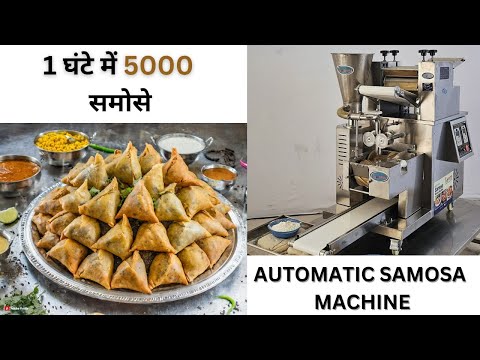
Achieving precise portion control is crucial in commercial samosa production, and the samosa filling machine plays a vital role in this process. Effective operation of this machine ensures that each samosa is filled consistently, maintaining product quality and reducing waste.
The samosa filling machine is designed to handle various types of fillings, from traditional spiced potatoes and peas to more innovative ingredients. To ensure optimal performance, it’s essential to calibrate the machine according to the specific filling type and desired portion size.
Calibrating Filling Volumes for Consistent Product Weight
Calibration of the filling machine involves adjusting the volume of filling dispensed into each samosa. This process is critical for maintaining consistent product weight and ensuring that each samosa meets the desired specifications.
To calibrate the filling volume, operators should follow the manufacturer’s guidelines, taking into account factors such as the viscosity of the filling and the desired fill rate. Regular checks and adjustments are necessary to maintain consistency throughout the production run.
Common Filling Types and Machine Compatibility
Different types of fillings have varying requirements in terms of handling and dispensing. The samosa filling machine must be compatible with the chosen filling type to ensure smooth operation and minimize downtime.
For instance, fillings with larger dices, such as vegetables or meat, require a machine that can handle chunky mixtures without clogging. The HLT-700U automatic samosa machine is an example of equipment that can work well with such mixtures, providing a reliable and efficient filling process.
Maintaining Hygiene Standards in Commercial Samosa Filling
Maintaining high hygiene standards is paramount in commercial samosa production, particularly when it comes to the filling process. The samosa filling machine should be designed for easy cleaning and sanitization to prevent contamination.
Regular cleaning schedules and maintenance routines should be implemented to ensure that the machine remains in good working condition and that all food safety regulations are met. This includes daily cleaning, regular deep cleans, and prompt addressing of any mechanical issues.
Step 4: Forming Perfect Samosas with Automatic Samosa Forming Machines
Automatic samosa forming machines have revolutionized the process of making samosas, ensuring consistency and quality. These machines are designed to streamline the production process, making it more efficient for businesses to produce high-quality samosas.
Understanding Samosa Mold Options and Customization
The versatility of automatic samosa forming machines lies in their ability to accommodate various samosa molds. These molds can be customized to create different shapes and sizes of samosas, catering to diverse consumer preferences. Businesses can choose from a range of mold options or even customize their own molds to create unique samosa products.
For instance, ANKO’s Multipurpose Filling and Forming Machine is known for its flexibility in producing samosas in multiple shapes and flavors. This level of customization allows businesses to differentiate their products in a competitive market.
Commercial Dumpling Making Machine with Samosa Molds
Interestingly, some commercial dumpling making machines can be adapted for samosa production by using samosa molds. This adaptability makes these machines a valuable investment for businesses that may want to diversify their product line in the future. The key is to select a machine that is compatible with samosa molds and can handle the specific dough and filling requirements of samosas.
Troubleshooting Common Forming Issues
While automatic samosa forming machines are designed for efficiency, occasional issues may arise during operation. Common problems include dough sticking to the molds, inconsistent filling distribution, or irregular samosa shapes. To troubleshoot these issues, operators should regularly clean and maintain the machines, ensure the dough is of the right consistency, and calibrate the filling mechanism.
By understanding the capabilities and limitations of automatic samosa forming machines, businesses can optimize their samosa production process. This not only improves product quality but also increases production efficiency, ultimately benefiting the bottom line.
Step 5: Frying or Baking Options for Commercial Samosa Production

The cooking process is a pivotal step in commercial samosa production, with options ranging from frying to baking. Manufacturers must decide between these methods based on product quality, production volume, and consumer preferences.
Frying is a traditional method that yields a crispy exterior and is often preferred for its flavor and texture. On the other hand, baking is a healthier alternative that can produce a crispy exterior without the need for excessive oil.
Continuous Samosa Frying System for High-Volume Production
For high-volume production, a continuous samosa frying system is an efficient solution. Machines like ANKO’s automatic fryer can deep-fry a large number of samosas at one time, ensuring consistency in quality and reducing labor costs. These systems are designed to handle high production demands while maintaining precise control over frying temperatures and times.
The benefits of a continuous frying system include:
- High production capacity
- Consistent product quality
- Reduced labor costs
- Precise control over frying conditions
Semi-Automatic Samosa Patti Making Machine with Oven-Baking System
For manufacturers opting for baking, a semi-automatic samosa patti making machine with an oven-baking system offers a viable solution. This equipment allows for the production of samosas with consistent quality while providing the health benefits associated with baked products.
Baking samosas requires precise control over oven temperatures and baking times. Semi-automatic machines can help achieve this consistency while still allowing for some manual oversight.
The advantages of baking samosas include:
- Healthier product with less oil
- Potential for unique flavor profiles through different seasoning and marinades
- Appeal to consumers looking for baked snack options
Step 6: Samosa Freezing and Packaging for Retail Distribution

After samosas are formed, the next critical step in their production is freezing and packaging for retail distribution. This step is crucial for preserving the quality and freshness of samosas until they reach the consumer.
The Automatic Samosa Making Machine delivers geometrical precision necessary for stable stacking, freezing, and packaging. This precision is vital for maintaining the structural integrity of samosas during the freezing process.
Blast Freezing vs. Tunnel Freezing for Frozen Samosa Production
There are primarily two methods used for freezing samosas: blast freezing and tunnel freezing. Blast freezing involves surrounding the samosas with cold air to quickly lower their temperature. This method is effective for small to medium-sized production batches.
Tunnel freezing, on the other hand, involves moving the samosas through a freezing tunnel where they are exposed to cold temperatures. This method is more suitable for large-scale production as it allows for continuous freezing.
- Blast freezing is ideal for smaller operations or for products that require quick freezing.
- Tunnel freezing is more efficient for high-volume production lines.
Temperature Control and Food Safety Standards
Maintaining the right temperature is critical during the freezing process to ensure food safety. The temperature should be low enough to prevent bacterial growth. Typically, a temperature of -18°C or lower is recommended for frozen foods.
“Temperature control is not just about maintaining product quality; it’s also about ensuring compliance with food safety regulations.”
Adhering to food safety standards is paramount. This includes regular monitoring of temperatures and maintaining a clean environment to prevent contamination.
Samosa Packing Machine Integration with Production Line
Integrating a samosa packing machine with the production line can significantly enhance efficiency. These machines can automatically package frozen samosas into retail packs, reducing manual labor and increasing throughput.
When selecting a samosa packing machine, consider factors such as packaging speed, packaging material compatibility, and ease of cleaning. Some machines can handle various packaging formats, including bags, cartons, or trays.
By integrating a samosa packing machine into the production line, manufacturers can achieve a seamless workflow from samosa production to packaging, ready for retail distribution.
Samosa Line Capacity Planning for US Commercial Operations

To maximize production efficiency, businesses must carefully plan their samosa line capacity. Effective capacity planning ensures that commercial operations can meet growing demand without compromising on quality or incurring unnecessary costs. Jackson Machine supports clients with machine configurations that match current demand while keeping scope for future expansion.
When planning samosa line capacity, businesses should consider several factors, including production volume, equipment efficiency, and labor costs. A well-planned capacity ensures that the production line operates smoothly, reducing the risk of bottlenecks and downtime.
Mini Samosa Maker Single Pass Systems (600-3000 Per Hour)
Mini samosa maker machines are ideal for small to medium-sized businesses looking to scale their production. These single-pass systems can produce between 600 to 3000 samosas per hour, depending on the specific configuration and settings.
- Compact design for smaller production facilities
- Flexible production rates to accommodate varying demand
- Easy integration with existing production lines
Dual Belt System Production Rates (1200-3000 Samosas Per Hour)
For larger operations, dual belt systems offer higher production rates, ranging from 1200 to 3000 samosas per hour. These systems are designed for high-volume production and can be customized to meet specific business needs.
The dual belt system provides several advantages, including:
- Increased production capacity
- Improved efficiency through continuous production
- Enhanced product consistency
Scaling Production for Different Business Sizes | Samosa Making Machine
Whether you’re a small startup or a large commercial operation, scaling your samosa production is crucial for meeting market demand. Businesses should assess their current production capacity and plan for future expansion by investing in flexible and scalable equipment.
By choosing the right samosa making machine and configuring it according to your business needs, you can ensure efficient production and maintain high-quality standards. Jackson Machine offers a range of solutions to support businesses of all sizes in achieving their production goals.
Samosa Retail Pack Labeling Requirements in the United States

Samosa manufacturers must navigate complex labeling requirements to ensure their products meet FDA standards. Compliance with these regulations is crucial for market access and consumer trust.
The labeling of samosa retail packs involves several key components, including nutrition facts, ingredient lists, allergen declarations, and storage instructions. Each of these elements plays a vital role in informing consumers and ensuring regulatory compliance.
FDA Nutrition Labeling Guidelines for Frozen Snack Products
The FDA mandates that food products, including frozen samosas, display a Nutrition Facts label. This label must include serving size, calories, and percentages of daily values for various nutrients such as fat, sodium, and fiber. Compliance with FDA nutrition labeling guidelines is essential for avoiding regulatory issues.
For samosa products, the nutrition label should reflect the specific ingredients and cooking methods used. For example, baked samosas will have different nutritional content compared to fried samosas. Accurate labeling helps consumers make informed dietary choices.
Allergen Declarations and Ingredient Lists
Samosa products often contain common allergens such as wheat, soy, and spices. Allergen declarations are required on the label to protect consumers with food allergies. The ingredient list must be clear and comprehensive, listing all components used in the product.
For example, if a samosa filling contains peanuts, this must be clearly indicated in the ingredient list and highlighted in the allergen declaration. This transparency is crucial for consumer safety and trust.
Best Before Dating and Storage Instructions | Samosa Making Machine
Best Before dating is another critical aspect of samosa retail pack labeling. This date indicates the last day the product is considered fresh and of high quality. Proper storage instructions are also necessary to ensure the product remains safe and edible until consumption.
Storage instructions might include recommendations for freezing, refrigeration, and handling after opening. Clear instructions help maintain product quality and reduce the risk of consumer complaints or safety issues.
By adhering to these labeling requirements, samosa manufacturers can ensure compliance with FDA regulations, enhance consumer trust, and ultimately support the success of their products in the U.S. market.
The Complete Samosa Manufacturing Process for Frozen Snack Production
The journey from dough to packaged samosas involves multiple stages, each requiring specific equipment and quality control measures. The samosa manufacturing process is a complex series of steps that transform raw ingredients into a ready-to-cook frozen product.
To achieve efficiency and consistency in frozen snack production, manufacturers must optimize their workflow, implement robust quality control, and leverage automation where possible.
Workflow Optimization from Dough to Packaged Product
Optimizing the workflow in samosa production involves streamlining the process from dough preparation to packaging. This includes:
- Using a samosa dough machine to ensure consistent dough quality
- Implementing a samosa wrapper sheeting machine for uniform wrapper production
- Employing a samosa filling machine for precise portion control
- Utilizing an automatic samosa forming machine to shape samosas consistently
- Incorporating frozen snack production equipment for efficient freezing and packaging
By integrating these machines into a cohesive production line, manufacturers can significantly enhance their production capacity and reduce labor costs.
Quality Control Checkpoints Throughout Production | Samosa Making Machine
Maintaining high-quality standards is crucial in the samosa manufacturing process. Key quality control checkpoints include:
| Production Stage | Quality Control Measure |
|---|---|
| Dough Preparation | Check dough consistency and texture |
| Wrapper Sheeting | Verify wrapper thickness and uniformity |
| Filling | Monitor filling quantity and consistency |
| Forming | Inspect samosa shape and integrity |
| Freezing and Packaging | Ensure proper freezing temperature and packaging integrity |
Automating Samosa Production for Maximum Efficiency
Automation plays a decisive role in transforming samosa production from a labor-intensive craft into an industrial-grade food process. By automating samosa production, manufacturers can achieve higher production volumes, reduce labor costs, and maintain consistent product quality.
Automated systems can handle tasks such as dough sheeting, filling, forming, and packaging with precision and speed, allowing for a significant increase in production capacity.
In conclusion, the complete samosa manufacturing process for frozen snack production involves a combination of optimized workflow, rigorous quality control, and strategic automation. By understanding and implementing these elements, manufacturers can achieve maximum efficiency and produce high-quality samosas for the retail market.
Cost Analysis and ROI for Automatic Samosa Making Machine Investment

The adoption of automated samosa production equipment transforms the financial landscape of samosa manufacturing. By significantly reducing manual labor and increasing production efficiency, businesses can achieve a substantial return on investment (ROI).
When considering the investment in an automatic samosa making machine, it’s essential to conduct a thorough cost analysis. This involves evaluating the initial equipment costs, ongoing expenses, and potential labor savings.
Initial Equipment Costs vs. Manual Production Expenses
The initial investment in an automatic samosa making machine can be substantial. However, it’s crucial to compare this with the long-term costs associated with manual production methods. Manual production involves ongoing labor costs, potential waste due to human error, and limitations in production capacity.
In contrast, automated equipment, although requiring a higher upfront investment, can lead to significant savings over time. For instance, machines from reputable brands like ANKO and FeastQ offer advanced features that minimize waste and optimize production.
Labor Savings with Frozen Snack Production Equipment | Samosa Making Machine
One of the most significant advantages of adopting automated samosa making machines is the reduction in labor costs. By automating the dough sheeting, filling, and forming processes, businesses can minimize their reliance on manual labor.
Labor savings can be substantial, as automated systems can operate continuously without breaks, increasing overall productivity. This not only reduces costs but also enables businesses to scale their production more efficiently.
Maintenance and Operating Costs for Commercial Samosa Machines
While automated equipment offers numerous benefits, it’s also important to consider the ongoing maintenance and operating costs. Regular maintenance is crucial to ensure the longevity and efficiency of the machines.
Factors such as energy consumption, spare part costs, and servicing expenses should be factored into the overall cost analysis. By understanding these costs, businesses can better assess the ROI of their investment in automatic samosa making machines.
In conclusion, a comprehensive cost analysis is vital for businesses considering an investment in automated samosa production equipment. By evaluating initial costs, labor savings, and ongoing expenses, companies can make informed decisions that drive profitability and growth.
Sourcing Samosa Making Machines in the U.S. and USA Market

When it comes to sourcing samosa making machines, U.S. businesses have a range of options to consider. The decision to invest in a samosa making machine is significant, and choosing the right supplier is crucial for ensuring the quality and reliability of the equipment.
Jackson Machine works closely with food manufacturers to provide production-ready machinery, highlighting the importance of partnering with experienced suppliers. As the demand for frozen snacks like samosas continues to grow, manufacturers are looking for efficient and cost-effective production solutions.
Domestic Suppliers vs. International Manufacturers | Samosa Making Machine
U.S. businesses can choose between domestic suppliers and international manufacturers when sourcing samosa making machines. Domestic suppliers offer the advantage of easier communication, faster delivery times, and better after-sales support. On the other hand, international manufacturers may provide more competitive pricing and access to advanced technology.
Key considerations when evaluating domestic vs. international suppliers include:
- Quality and reliability of the equipment
- Cost and payment terms
- After-sales support and maintenance services
- Compliance with U.S. food safety regulations
As noted by industry experts, “Selecting the right supplier is not just about the initial cost; it’s about the long-term value and support they provide.” This emphasizes the importance of thorough research and due diligence when sourcing samosa making machines.
Installation, Training, and After-Sales Support Considerations
Once the supplier is chosen, the next critical steps are installation, training, and after-sales support. Proper installation ensures that the equipment operates as intended, while comprehensive training enables staff to use the machines efficiently and safely.
Effective after-sales support is crucial for minimizing downtime and maintaining production schedules. Suppliers that offer robust after-sales services can significantly impact the overall cost-effectiveness and productivity of the samosa making machine.
A well-structured after-sales support typically includes:
| Support Type | Description | Benefits |
|---|---|---|
| Technical Support | Troubleshooting and repair services | Minimizes downtime, ensures continuous production |
| Training Programs | Comprehensive training for operators | Enhances operational efficiency and safety |
| Spare Parts Supply | Timely availability of spare parts | Reduces maintenance time, keeps production running |
In conclusion, sourcing the right samosa making machine involves careful consideration of various factors, including the supplier’s reputation, equipment quality, and after-sales support. By making an informed decision, U.S. businesses can optimize their production processes and meet the growing demand for frozen samosas.
At The End of: Samosa Making Machine Guide
The transition from manual forming to mechanized production represents a defining shift in modern samosa manufacturing. By investing in a samosa making machine, businesses can significantly enhance their production efficiency and product consistency.
Automating samosa production with commercial samosa machines not only streamlines the manufacturing process but also ensures high-quality samosas that meet consumer expectations. The use of a samosa making machine allows for precise control over dough sheeting, filling, and freezing, resulting in a superior final product.
As the demand for frozen snacks continues to grow, adopting a commercial samosa machine can be a strategic move for businesses looking to expand their operations and improve their market competitiveness. By leveraging the benefits of automate samosa production, companies can achieve greater scalability and consistency in their production processes.
FAQ
What is the average samosa making machine price for small business owners in the U.S.?
The samosa making machine price for small business operations typically ranges from $3,000 for semi-automatic models to over $25,000 for a fully automatic samosa making machine. Factors influencing the cost include samosa line capacity planning, the complexity of the samosa forming machine, and whether the unit is a multi-functional commercial dumpling making machine with samosa standard molds.
Can a commercial dumpling making machine also be used as a samosa maker machine?
Yes, many versatile units like the ANKO HLT-700 series or the HNZXIB automatic dumpling maker machine function as a commercial automatic dumpling maker for high-volume kitchens that can be fitted with customizable molds. By changing the forming mold, these units serve as a commercial samosa maker and dumpling machine, capable of producing empanadas, pierogis, and gyoza on the same production line.
What are the advantages of using a samosa wrapper sheeting machine over manual rolling?
A samosa wrapper sheeting machine ensures uniform thickness and texture, which is critical for high-quality samosa production. Using an electric samosa sheet making machine with a dual belt system allows for efficient samosa sheet production of 1,200 to 3,000 units per hour, significantly reducing labor costs compared to manual samosa patti making.
Can a samosa making machine be used for raw frozen products?
Yes, many processors use a samosa making machine for raw frozen items, but the dough, seam quality, freezing method, and consumer cooking instructions must be aligned so the product survives handling and cooks safely at home. FSIS freezing and food safety basics.
How do I reduce breakage after freezing?
A samosa making machine setup usually reduces breakage by improving shell thickness consistency, controlling filling weight, and avoiding rough transfers before the product is fully frozen and stable. Packaging format and case packing also matter because compression damage often appears after distribution, not on the line. FoodSafety.gov cold storage chart.
What allergens should I plan for in frozen samosa lines?
A samosa making machine line commonly deals with wheat in wrappers and may also involve sesame, milk, soy, or tree nut-containing ingredients depending on the recipe and seasoning blends. Build allergen controls into formulation review, storage, scheduling, sanitation, and label approval before launch. FDA food allergies information.
Do samosa packaging materials need supplier documentation?
Yes, a samosa making machine project should request specifications and intended-use documentation for films, trays, inks, and adhesives, especially when products are frozen and may later be reheated by consumers. This helps prevent late-stage packaging changes that delay retail approvals. FDA food packaging consumer information page.
How does a continuous samosa frying system improve a frozen snack production line?
A continuous samosa frying system provides consistent temperature control and frying times, ensuring every unit has the same golden-brown finish. This is essential for a frozen samosa production line where the product is par-fried before entering a blast freezer. Integrating a samosa fryer machine into the automated workflow minimizes handling and increases overall samosa manufacturing process efficiency.
What should I look for when sourcing a samosa making machine in the U.S.?
When looking for a samosa making machine in the u.s., prioritize suppliers that offer local technical support, installation, and training. Brands like ANKO Food Machine Co. and FeastQ are popular because they provide samosa machine and production solutions that include after-sales support and meet UL or NSF certification standards required for commercial samosa making equipment in the American market.
How can IoT technology reduce downtime in an industrial samosa making machine?
Modern industrial samosa making equipment now incorporates IoT technology to monitor components like the samosa filling machine and samosa dough machine in real-time. This allows for predictive maintenance, reducing samosa production downtime and increasing output efficiency by alerting operators to samosa dough sheeter settings that need adjustment before a failure occurs.
What are the FDA labeling requirements for a samosa retail pack?
A samosa retail pack sold in the U.S. must comply with FDA nutrition labeling guidelines. This includes a clear ingredient list, allergen declarations (such as wheat or milk), the net weight, and storage instructions for frozen snack production. Utilizing an integrated samosa packing machine can help automate the application of these labels during the samosa manufacturing process.
Is a mini samosa maker single pass system sufficient for a growing catering business?
A mini samosa maker single pass system is ideal for businesses requiring 600 to 3,000 samosas per hour. It is an affordable samosa maker option that balances samosa machine price with productivity. For higher volumes, businesses often upgrade to a dual pass electric samosa sheet making machine or a fully automatic samosa machine to meet commercial samosa machine demands.
What is the difference between a samosa folding machine and a samosa forming machine?
A samosa folding machine typically refers to equipment that mimics the traditional triangular fold of a Punjabi samosa or samosa patti. A samosa forming machine is a broader term often describing automatic dumpling gyoza samosa maker machines that press two layers of dough around a filling using a customizable mold to create the signature shape.
Can the same equipment produce different types of snacks, such as spring rolls or empanadas?
Yes, many automatic dumpling machines for samosas and empanadas are designed for versatility. By swapping parts, the same frozen snack production equipment can be used as a spring roll making machine or an empanada perogi making machine, making it a highly cost-effective samosa making machine commercial investment for diverse food processors.
Conclusion of: Samosa Making Machine
Why this line matters for small and mid-size processors
A samosa making machine can help a U.S. snack producer move from labor-heavy hand folding to repeatable output, tighter portion control, and more stable retail-pack quality when demand starts rising. The biggest gains usually come from consistency, sanitation-friendly design, and better process timing across sheeting, filling, forming, and freezing. FDA CGMP overview.
Choosing a samosa making machine is not only about pieces per hour; it is also about matching product style (triangle size, shell thickness, raw vs. par-fried, vegetarian vs. meat-filled) to your facility, labeling plan, and food safety controls. A well-matched setup reduces rework, lowers giveaway, and improves downstream freezing and bagging performance. FDA preventive controls rule summary.
Start with the process flow before comparing brands
Before pricing any samosa making machine, map the full process flow: dough mixing/resting, filling prep, portioning, forming, thermal step (if used), cooling, freezing, packing, metal detection, and case packing. This makes it easier to decide whether you need a standalone former or a line that can integrate conveyors and retail-pack equipment later. K-State Extension food business support resources.
A practical samosa making machine capacity target should be based on your slowest downstream step, not the vendor’s peak output figure on a demo line. If freezing or packaging cannot keep pace, product warms up, sticks, deforms, or backs up at transfer points, which hurts yield and seal quality. FDA Food Code reference page.
Dough sheeting fundamentals that affect shape and bite
A samosa making machine depends heavily on dough behavior, because wrapper thickness and elasticity determine fold quality, seam closure, and blistering during frying or baking. In production, small shifts in hydration, flour protein, salt level, and rest time can change sheet strength enough to create tearing or uneven edges. research on dough sheeting modeling.
When dialing in a samosa making machine, treat dough temperature and resting time as control variables rather than “kitchen-style” adjustments, because they directly affect sheeter load and sheet recovery after rolling. A stable process usually starts with documented dough specs and a simple first-pass check for thickness variation across the sheet width. Cereal Chemistry paper on dough sheet properties.
Filling control: particle size, moisture, and consistency
A samosa making machine runs best when the filling has a controlled particle size and a predictable moisture level, because large chunks, free liquid, or oily separation can disrupt dosing and contaminate seams. Standardizing the cut size of potatoes, onions, peas, meats, or paneer-like ingredients can noticeably reduce underfills and seal failures. FDA cooling and TCS food handling poster.
If your samosa making machine uses cooked filling, cooling speed becomes a production issue as much as a food safety issue, especially when batches wait before depositing. Use shallow pans, smaller portions, or rapid-cooling equipment so the filling reaches your target depositing temperature quickly and consistently. FDA two-step cooling guidance poster.
A samosa making machine also needs a clear allergen plan because common formulas may include wheat in the wrapper and sesame, milk, or soy in fillings or seasoning blends. Your line layout, utensils, and changeover sequence should be designed to reduce cross-contact risk before you think about marketing multiple flavor variants. FDA food allergen labeling FAQ.
Forming quality and seam integrity
A samosa making machine must create a repeatable fold and seam, because weak crimps can open during transfer, frying, or freezing and create expensive rework. During commissioning, track rejects by reason (open seam, underfill, skewed fold, wrapper tear) so you can fix the real cause instead of constantly adjusting line speed. OSHA machine guarding standard.
Thermal step choices: raw frozen, par-fried, baked, or fully cooked
A samosa making machine can feed multiple product strategies, including raw frozen for home cooking, par-fried frozen for faster consumer preparation, or fully cooked frozen for air-fryer and oven-ready retail packs. Your choice affects shell formulation, oil pickup, freezer load, packaging claims, and the instructions printed on the bag or carton. FDA acrylamide guidance for industry.
When a samosa making machine is paired with frying, oil management becomes one of the main quality levers because oxidation and polymer buildup can change flavor, color, and surface texture over time. Set practical checks for temperature control, filtration frequency, turnover rate, and discard criteria instead of waiting until taste complaints appear. IFT review on frying oil quality and stability.
If a samosa making machine supports meat or poultry fillings, your thermal validation and labeling pathway may fall under USDA-FSIS requirements rather than only FDA rules, so confirm jurisdiction early. This is especially important before scaling up a “ready-to-cook” or “fully cooked” claim for national retail distribution. FSIS safe minimum temperature chart.
Cooling and freezing for retail-pack performance
After forming, a samosa making machine line should move product into cooling or freezing without long warm holds, because soft wrappers and warm fillings are more likely to deform or stick to belts. Airflow, spacing, and tray loading patterns matter more than many startups expect during this stage. MU Extension freezing basics.
Freezing rate matters on a samosa making machine line because larger ice crystals can damage structure and hurt texture after reheating, while faster and more uniform freezing generally improves shape retention and eating quality. In practice, this affects whether you choose blast freezing, tunnel freezing, or a more specialized setup as volumes grow. PMC article on freezing rate effects in flour-based foods.
A samosa making machine operation should verify freezer setpoints and actual product temperatures with instruments rather than relying only on control-panel displays. Simple temperature checks at loading and discharge help prevent partial freezing, condensation issues, and inconsistent bag fill behavior. FDA cold-facts thermometer guidance.
For a samosa making machine producing retail packs, staging frozen product correctly is just as important as freezing it correctly, because overstacking too early can trap heat and create clumping or surface frost. A basic rule is to package only after the product has reached your internal release standard and can tolerate handling without seam damage. NDSU food freezing guide.
Packaging choices for frozen samosa retail packs
A samosa making machine should be matched with a packaging format that fits your sales channel, such as pillow bags for value packs, printed pouches for freezer aisles, or cartons with inner bags for club and grocery programs. The right choice depends on moisture barrier needs, shelf presentation, case packing efficiency, and how much product movement you can tolerate during distribution. FDA packaging and food contact substances page.
When evaluating film, trays, inks, and adhesives for a samosa making machine line, confirm that materials are appropriate for the intended food contact and conditions of use, including freezing and any reheating directions on-pack. Ask suppliers for documentation and intended-use statements early so approvals do not delay launch. FDA overview of food-contact substance regulation.
A samosa making machine project also needs a labeling workflow that aligns product name, ingredient list, allergen statements, cooking instructions, net quantity, and lot coding before the first retail shipment. Label revisions after production starts are expensive, especially when multiple bag sizes or club packs are involved. FDA Food Labeling Guide.
Net-weight control should be built into a samosa making machine startup plan using checkweighing and giveaway tracking, because small overfills can erase margin quickly in frozen snacks. Count-based packs are easier to communicate to consumers, but weight variation still matters for compliance and profitability. NIST Handbook 133 (net contents checks).
Sanitation, changeovers, and worker safety
A samosa making machine should be selected with sanitation access in mind, including removable contact parts, smooth welds, drainage-friendly design, and enough clearance for cleaning and inspection. Tight crevices and difficult-to-reach deposit heads may look minor during a demo but become daily downtime once production ramps up. FDA safe food handling basics.
Any samosa making machine will eventually jam or need adjustment, so written lockout/tagout procedures are essential before operators begin routine troubleshooting or maintenance. This is one of the most important differences between a pilot setup and a serious production operation. OSHA lockout/tagout standard.
A samosa making machine line should also consider repetitive motions, lift heights, and freezer-area handling tasks because poor ergonomics can increase fatigue, errors, and turnover. Smart workstation design often improves both safety and line consistency at the same time. OSHA ergonomics overview.
Records, lot coding, and recall readiness
A samosa making machine operation becomes easier to scale when batch records connect ingredients, filling batches, line settings, lot codes, and finished cases in one traceable flow. Even smaller processors benefit from simple digital logs because they reduce confusion during complaints, audits, and retailer onboarding. FDA FSMA traceability final rule page.
Every samosa making machine business should have a written recall and incident-response plan, including who stops production, who quarantines stock, how lots are identified, and how customers are contacted if needed. Running a mock recall before launch is a low-cost way to find weak points in your coding and recordkeeping system. FDA Reportable Food Registry for industry.
Quick checklist
- Define your product format first: raw frozen, par-fried frozen, baked frozen, or fully cooked frozen.
- Set target samosa dimensions, wrapper thickness range, and filling weight tolerance before vendor comparisons.
- Confirm dough specs (hydration, rest time, dough temperature) and document acceptable ranges.
- Standardize filling particle size and moisture so the depositor can run consistently.
- Plan cooling and freezing capacity around actual throughput, not only forming speed.
- Choose packaging format based on freezer handling, shelf presentation, and distribution stress.
- Validate label content (ingredients, allergens, cooking instructions, net quantity, lot code) before launch.
- Build sanitation, changeover, and maintenance time into your daily production schedule.
- Create lot-traceability records that connect ingredient batches to finished retail packs.
- Run a pilot test with real dough and filling, then measure rejects, giveaway, and downtime.
Common mistakes to avoid
- Buying for peak speed only: Prevent this by sizing the line to your freezer and packaging capacity.
- Ignoring filling consistency: Prevent this by controlling particle size and free moisture before depositing.
- Using inconsistent dough batches: Prevent this by documenting hydration, rest time, and dough temperature checks.
- Skipping seam-quality inspections: Prevent this by tracking reject causes at startup and after changeovers.
- Underestimating freezing logistics: Prevent this by planning conveyor spacing, airflow, and frozen staging rules.
- Launching with incomplete labels: Prevent this by approving artwork and regulatory content before production.
- Poor sanitation access around the machine: Prevent this by evaluating cleanability during vendor demos.
- No mock recall process: Prevent this by testing lot-code traceability before the first retailer shipment.
Costs and ROI snapshot
A samosa making machine budget for a U.S. small business usually includes far more than the former itself: dough preparation, filling prep, conveyors, cooling/freezing capacity, packaging equipment, coding, metal detection, spare parts, commissioning, and operator training. The practical payback comes from labor savings, lower giveaway, fewer rejects, and the ability to hit retail consistency targets week after week. FDA food ingredients and packaging overview.
For many startups, samosa making machine ROI improves fastest when they begin with a semi-automatic line that protects product quality, then add automation at bottlenecks like freezing transfer or bagging after demand is proven. Include utility load, noise control, shift staffing, sanitation labor, maintenance time, and packaging compliance work in your estimates so the payback model reflects real operating conditions. OSHA occupational noise overview.
Final thought
A samosa making machine delivers the best payback when you treat it as one part of a controlled system—dough, filling, forming, freezing, packaging, labeling, and records—rather than a standalone speed upgrade. If you build around consistency and traceability from the start, your retail packs will scale more smoothly in the U.S. market. FDA Nutrition Facts label changes overview.
Sources & References
- FDA: The Nutrition Facts Label
- NIST: Packaging and Labeling
- OSHA 1910.95: Occupational Noise Exposure
- OSHA 1910.22: Walking-Working Surfaces General Requirements
- OSHA 1910 Subpart D: Walking-Working Surfaces
- FDA: FSMA Training
- FSPCA: PC Human Food / PCQI Training Information
- FDA: Food Traceability List
- Foods (MDPI): Vegetable Oils and Their Use for Frying (Review)
- PMC: Chemical Changes in Deep-Fat Frying (Review)
- USDA-FSIS: Food Safety Basics
- FoodSafety.gov (U.S. federal food safety portal)