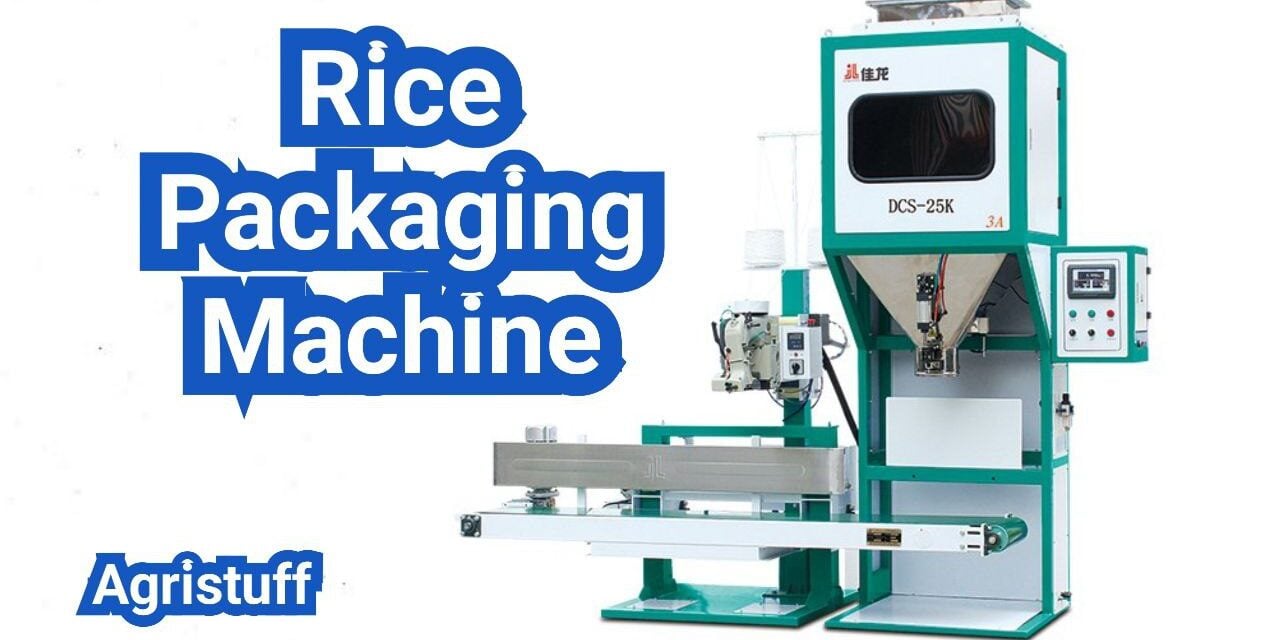
Modern food plants need high-quality tools to handle bulk grains. Investing in a rice packing machine helps local brands maintain a competitive edge. These automated units ensure that every sack is filled with extreme precision.
Dust control is vital for keeping the workflow steady and safe. Fine particles can often lead to gear failure if the environment is not managed properly. Modern packaging methods include containment tools that protect delicate sensors.
Smart weighing technology helps businesses reduce product loss during the filling stage. Vertical bagging solutions offer a compact way to increase daily output. These setups are essential for any professional scale operation in the food industry.
American producers value equipment that is easy to clean and maintain. Using durable steel components ensures the hardware lasts for many years. Such proactive investments lead to long-term success and higher profit margins.
Key Takeaways
- Precise weighing scales help manufacturers save money on every batch.
- Advanced dust control systems stop fine particles from clogging vital parts.
- Vertical sealers make the bagging process much faster for busy facilities.
- Durable hardware prevents costly breaks in daily production work.
- Smart automated tools keep products safe and clean for the public.
Understanding Rice Packaging Machine Options for U.S. Operations

Understanding the different rice packaging machine options is crucial for U.S. operations looking to optimize their packaging processes. The choice of packaging machine can significantly impact production efficiency, product quality, and overall cost.
Rice Packing Machine Types Available in the USA
There are several types of rice packaging machines available in the U.S. market, each with its unique features and benefits. The primary types include Vertical Form Fill Seal (VFFS) machines, pre-made bag packaging machines, and open-mouth bagging machines.
According to industry sources, VFFS machines are highly versatile and can handle a wide range of packaging materials and formats. Pre-made bag packaging machines offer flexibility in terms of bag size and style, while open-mouth bagging machines are ideal for bulk packaging.
The selection of a rice packing machine depends on several factors, including production volume, packaging material, and the desired level of automation.
Factors That Affect Rice Packaging Machine Price
The price of a rice packaging machine can vary significantly based on several factors. These include the type of packaging machine, the level of automation, production capacity, and customization requirements.
| Factor | Impact on Price |
|---|---|
| Type of Packaging Machine | VFFS machines are generally more affordable than pre-made bag packaging machines. |
| Level of Automation | Higher automation levels increase the machine’s price. |
| Production Capacity | Machines with higher production capacities are typically more expensive. |
Sizing Your Rice Bagging Machine for Production Volume
Sizing a rice bagging machine correctly is crucial to ensure it meets the production volume requirements without compromising efficiency or incurring unnecessary costs. Production volume is a key determinant in selecting the appropriate machine size and capacity.
As industry expert notes, “The right sizing ensures that the machine can handle the required production volume without excessive wear and tear, thereby reducing maintenance costs and downtime.”
To size a rice bagging machine appropriately, one must consider the production volume, packaging format, and desired output speed.
How to Select the Right Weighing System for Your Rice Packing Machine

Selecting the right weighing system is crucial for efficient rice packaging operations. The weighing system is a critical component of a rice packing machine, as it directly affects the accuracy and speed of packaging.
“The right weighing system can significantly reduce waste and improve overall productivity,” says an industry expert. This is particularly important in the rice packaging industry, where accuracy and speed are paramount.
Multihead Weigher for Rice: High-Speed Accuracy for Small Packages
A multihead weigher for rice is ideal for high-speed packaging of small quantities. These systems use multiple weighing heads to achieve high accuracy and speed, making them suitable for packaging rice in small bags.
Net Weigh Filler for Rice: Precision and Compliance for All Sizes
A net weigh filler for rice provides precision and compliance for packaging rice in various bag sizes. This system ensures that the net weight of the rice is accurately measured, reducing the risk of non-compliance with regulatory requirements.
Net weigh fillers are versatile and can be used for packaging rice in bags of different sizes, from small retail packs to larger bulk bags.
Gross Weigh Bagger for 50 lb Rice Bags: Bulk Packaging Solutions
A gross weigh bagger for 50 lb rice bags is designed for bulk packaging solutions. These systems are capable of handling large quantities of rice and are typically used for packaging 50 lb bags.
Gross weigh baggers are known for their reliability and accuracy in bulk packaging operations, making them a popular choice for large-scale rice packaging facilities.
VFFS Machine for Rice: When Vertical Form Fill Seal Is the Best Choice

When it comes to packaging rice, the Vertical Form Fill Seal (VFFS) machine stands out as a highly efficient solution. The VFFS machine for rice has become a cornerstone in the packaging industry due to its ability to streamline the packaging process, reduce labor costs, and increase production speed.
How VFFS Technology Works for Rice Products
VFFS technology involves the vertical formation of a bag from a roll of film, which is then filled with the product and sealed. This process is particularly beneficial for rice packaging as it allows for high-speed packaging with minimal human intervention. The machine forms the bag, fills it with the precise amount of rice, and seals it, all in one continuous motion.
Film Selection and Bag Formation for Long-Grain and Short-Grain Rice
The choice of film for VFFS packaging is crucial and depends on the type of rice being packaged. For both long-grain and short-grain rice, the film must be durable, resistant to punctures, and able to preserve the freshness of the rice. Common film materials include polypropylene and polyethylene, which offer the necessary barrier properties.
The bag formation process is also critical, as it must be able to accommodate the specific characteristics of the rice. For example, long-grain rice may require a different bag size or shape compared to short-grain rice.
| Rice Type | Film Material | Bag Size |
|---|---|---|
| Long-Grain | Polypropylene | 5kg – 25kg |
| Short-Grain | Polyethylene | 2kg – 10kg |
Speed and Efficiency Advantages of VFFS Systems
One of the primary advantages of VFFS systems is their ability to operate at high speeds, significantly increasing production efficiency. These machines can package rice at rates of up to 60 bags per minute, depending on the specific configuration and product characteristics.
The efficiency of VFFS systems also extends to their ability to minimize waste and reduce labor costs. By automating the packaging process, businesses can save on labor expenses and reduce the risk of human error.
Pre-Made Bag Loading and Sealing for Rice: Alternative Packaging Formats

For rice packaging operations seeking alternatives to VFFS machines, pre-made bag loading and sealing systems offer versatile and efficient solutions. These systems cater to various packaging needs, from premium vacuum-sealed rice packs to bulk woven polypropylene rice bags.
Pre-made bag loading and sealing technology is particularly beneficial for rice producers looking to diversify their packaging formats without compromising on efficiency or product quality. The two primary types of pre-made bag systems used in the rice industry are rotary pre-made pouch systems and horizontal pre-made bag fillers.
Rotary Pre-Made Pouch Systems for Premium Vacuum-Sealed Rice Packs
Rotary pre-made pouch systems are ideal for packaging premium rice products that require vacuum-sealing. These systems offer high-speed packaging capabilities and are designed to handle delicate rice products with care.
- High-speed packaging capabilities
- Precision filling and sealing
- Compatibility with various pouch materials
- Integration with vacuum-sealing technology for extended shelf life
Horizontal Pre-Made Bag Fillers for Woven Polypropylene Rice Bags
Horizontal pre-made bag fillers are suited for filling woven polypropylene rice bags, which are commonly used for bulk rice packaging. These systems provide efficient and accurate filling, minimizing product waste and ensuring compliance with weight regulations.
The key benefits of horizontal pre-made bag fillers include:
- Accurate filling of bulk rice products
- Compatibility with various bag sizes and materials
- Integration with conveyor systems for streamlined packaging lines
- Reduced labor costs through automation
By incorporating pre-made bag loading and sealing systems, rice producers can achieve greater flexibility in their packaging operations, improve product presentation, and enhance overall efficiency.
Open-Mouth Bagger for Rice: Traditional Bulk Packaging Solutions

In the realm of rice packaging, open-mouth baggers stand out as a traditional yet efficient solution for filling 25 kg and 50 lb bags. These machines have been a cornerstone in the industry, providing a reliable method for bulk packaging.
When to Choose Open-Mouth Bagging Equipment for 25 kg and 50 lb Bags
Open-mouth bagging equipment is particularly suited for operations that require filling large quantities of rice into bags. The decision to use an open-mouth bagger depends on several factors, including production volume, bag size, and the type of rice being packaged.
Key Considerations:
- Production volume and speed requirements
- Bag size and type (25 kg, 50 lb, etc.)
- Type of rice (long-grain, short-grain, etc.)
Integration with Woven Polypropylene Rice Bags
Woven polypropylene rice bags are a popular choice for bulk packaging due to their durability and resistance to tears. Open-mouth baggers can be seamlessly integrated with these bags, ensuring efficient packaging.
The compatibility of open-mouth baggers with woven polypropylene bags is a significant advantage, as it allows for a streamlined packaging process. This integration is crucial for maintaining production efficiency and minimizing packaging errors.
Automatic vs Manual Rice Packing Machine Considerations
When selecting an open-mouth bagger, one of the critical decisions is whether to opt for an automatic or manual rice packing machine. This choice depends on several factors, including production volume, labor costs, and the desired level of automation.
| Feature | Automatic | Manual |
|---|---|---|
| Production Speed | High | Low to Medium |
| Labor Requirement | Low | High |
| Accuracy | High | Variable |
| Cost | Higher Initial Investment | Lower Initial Investment |
By considering these factors and understanding the capabilities of open-mouth baggers, rice manufacturers can make informed decisions about their packaging operations.
Implementing Dust Collection for Grain Packaging to Prevent Downtime

In grain packaging facilities, implementing a robust dust collection system is vital for minimizing downtime and maintaining a clean environment. Dust accumulation can lead to various operational issues, including equipment malfunction, product contamination, and increased risk of explosions.
Why Rice Dust Control at Bag Top Is Essential for Seal Integrity
Rice dust control at the bag top is critical for ensuring seal integrity. When dust is present on the sealing area, it can compromise the seal’s effectiveness, leading to package leakage or contamination. Efficient dust collection systems help maintain a clean sealing area, thereby enhancing the overall quality of the packaged product.
Dust at the bag top can cause several issues, including:
- Incomplete seals due to dust particles interfering with the sealing process
- Package leakage resulting from weakened seals
- Product contamination from dust and debris
Designing Effective Dust Collection Systems for Rice Packaging Lines
Designing an effective dust collection system for rice packaging lines involves several key considerations. The system must be capable of capturing dust at the source, minimizing the amount of dust that becomes airborne and settles on surfaces.
Key components of an effective dust collection system include:
- Dust collection hoods positioned to capture dust at the point of generation
- Filtration systems designed to handle the specific characteristics of rice dust
- Exhaust fans sized appropriately to ensure adequate airflow
Combustible Dust Safety in Grain Facilities: OSHA and NFPA Requirements
Grain facilities are subject to specific regulations regarding combustible dust safety, as outlined by OSHA and the NFPA. Compliance with these regulations is crucial for preventing dust-related explosions and ensuring a safe working environment.
| Regulatory Body | Standard/Requirement | Description |
|---|---|---|
| OSHA | 29 CFR 1910.22 | General requirements for walking-working surfaces, including housekeeping to prevent dust accumulation |
| NFPA | NFPA 61 | Standard for the Prevention of Fires and Dust Explosions in Agricultural and Food Processing Facilities |
| NFPA | NFPA 654 | Standard for the Prevention of Fire and Dust Explosions from the Manufacturing, Processing, and Handling of Combustible Particulate Solids |
Seal Contamination Troubleshooting for Dry Foods: Solving Rice Packaging’s Biggest Problem
The problem of seal contamination in dry foods, particularly rice, is a critical issue that requires effective troubleshooting solutions. Seal contamination can lead to packaging failures, product loss, and compliance issues. In the context of rice packaging, where dust is a prevalent contaminant, addressing seal contamination is paramount.
Seal contamination occurs when foreign particles, such as rice dust, interfere with the sealing process, compromising the integrity of the package seal. This can result in leaky bags, product spoilage, and potential recalls. Effective troubleshooting involves understanding the sources of contamination and implementing measures to mitigate them.
How Rice Dust Causes Seal Failures and Bag Breakage
Rice dust is a significant contributor to seal contamination in rice packaging. When rice is handled and processed, it generates dust that can settle on the packaging material and the sealing area. During the sealing process, this dust can become trapped between the sealing jaws, preventing a proper seal from forming.
The presence of rice dust can cause:
- Incomplete seals due to the barrier created by dust particles
- Weakened seals that are prone to breaking
- Contamination of the sealing jaws, requiring frequent cleaning
Installing Bag Top Cleaning Systems and Vacuum Integration
One effective solution to mitigate seal contamination is the installation of bag top cleaning systems. These systems use vacuum technology to remove dust and debris from the top of the bag before sealing. By integrating a vacuum system, manufacturers can significantly reduce the incidence of seal failures.
The benefits of bag top cleaning systems include:
- Improved seal integrity due to reduced contamination
- Less frequent need for seal jaw cleaning
- Reduced product loss due to packaging failures
Film Selection and Sealing Temperature Adjustments to Minimize Contamination Impact
Another critical aspect of seal contamination troubleshooting is the selection of appropriate packaging film and adjusting sealing temperatures. The type of film used can affect its susceptibility to contamination and its sealing properties.
Key considerations include:
- Choosing films with properties that resist dust adhesion
- Adjusting sealing temperatures to ensure a strong seal despite potential contamination
- Ensuring compatibility between the film and the sealing equipment
By addressing seal contamination through a combination of bag top cleaning, appropriate film selection, and sealing temperature adjustments, rice packaging operations can significantly reduce packaging failures and improve overall efficiency.
Choosing Between Woven Polypropylene Rice Bags and Block Bottom Bags for Rice

When it comes to packaging rice, the choice of bag is just as important as the machinery used to fill it. The right packaging can enhance product protection, improve shelf appeal, and ensure compatibility with the packaging machinery.
The two most common types of bags used for rice packaging are woven polypropylene rice bags and block bottom bags for rice. Each has its unique characteristics, advantages, and applications.
Woven Polypropylene Rice Bags: Durability for 5kg to 50 lb Bulk Products
Woven polypropylene rice bags are known for their durability and strength, making them ideal for bulk packaging of rice. These bags are made from woven polypropylene fabric, which provides excellent resistance to tears and punctures. They are commonly used for packaging rice in quantities ranging from 5kg to 50 lb.
The durability of woven polypropylene bags ensures that they can withstand the rigors of handling and transportation, reducing the risk of damage to the product. Additionally, these bags are often used for bulk packaging because they are cost-effective and provide a high level of protection against moisture and other environmental factors.
Block Bottom Bags for Rice: Retail Shelf Appeal and Stability
Block bottom bags for rice offer a different set of advantages, particularly in terms of retail shelf appeal and stability. These bags have a flat bottom, which allows them to stand upright on store shelves, making them more visible and attractive to consumers.
Block bottom bags are often used for packaging smaller quantities of rice, such as those found in retail stores. They are made from a variety of materials, including paper, plastic, or a combination of both, and can be designed with various features such as resealable tops or easy-tear openings.
Matching Bag Format to Rice Bagging Machine Type
When choosing between woven polypropylene rice bags and block bottom bags for rice, it’s essential to consider the type of rice bagging machine being used. Different machines are designed to work with specific bag formats, so compatibility is crucial to ensure efficient packaging operations.
For example, VFFS (Vertical Form Fill Seal) machines are often used with block bottom bags or pillow bags, while open-mouth baggers are typically used with woven polypropylene rice bags. Ensuring that the bag format is compatible with the bagging machine can help prevent downtime, reduce waste, and improve overall packaging efficiency.
Achieving Net Weight Compliance for Packaged Goods Using NIST Handbook 133
Achieving net weight compliance is crucial for packaged rice products to ensure regulatory adherence and customer trust. The NIST Handbook 133 provides comprehensive guidelines for net weight compliance, which are essential for rice packaging operations in the U.S.
The Handbook outlines specific testing requirements and procedures to ensure that packaged goods, including rice, meet the declared net weight on the packaging. Compliance with these regulations is not only mandatory but also vital for maintaining consumer confidence and avoiding potential legal issues.
NIST Handbook 133 Net Contents Testing Requirements for Rice Packaging
The NIST Handbook 133 details the net contents testing procedures for packaged goods. For rice packaging, this involves conducting regular checks to ensure that the actual weight of the contents matches the labeled weight. The Handbook specifies the sampling plans, test equipment, and procedures for determining the net contents of packaged rice products.
To comply with NIST Handbook 133, rice packaging operations must implement a robust testing regimen. This includes:
- Regular sampling of packaged rice products
- Using calibrated weighing equipment for accurate measurements
- Maintaining detailed records of test results
Calibration Procedures for Rice Weighing Systems
Calibration of weighing systems is a critical aspect of achieving net weight compliance. The accuracy of the weighing equipment directly impacts the reliability of the net weight measurements. Calibration procedures should be performed regularly, using certified test weights and following the manufacturer’s instructions.
Proper calibration involves:
- Checking the weighing system’s accuracy using certified test weights
- Adjusting the system as necessary to ensure accuracy within specified limits
- Documenting the calibration process and results
A well-calibrated weighing system is essential for ensuring that packaged rice products meet the required net weight standards.
Documentation and Record-Keeping for Regulatory Compliance | Rice Packaging Machine
Maintaining accurate and detailed records is crucial for demonstrating compliance with net weight regulations. The records should include test results, calibration data, and any corrective actions taken in response to non-compliance issues.
Effective documentation and record-keeping practices involve:
| Record Type | Description | Retention Period |
|---|---|---|
| Test Results | Records of net weight tests conducted on packaged rice products | Minimum 2 years |
| Calibration Data | Documentation of weighing system calibration procedures and results | Minimum 2 years |
| Corrective Actions | Records of actions taken to address non-compliance issues | Minimum 2 years |
By maintaining comprehensive records, rice packaging operations can demonstrate their commitment to net weight compliance and regulatory adherence.
Integrating Checkweigher for Rice Bags into Your Packaging Line

Checkweighers play a pivotal role in verifying the weight of rice bags, ensuring they meet the required standards. This step is crucial for maintaining quality assurance and compliance with regulatory requirements.
When integrating a checkweigher into your rice packaging line, several factors must be considered to ensure seamless operation and maximum efficiency. The primary goal is to select a checkweigher that aligns with your production needs and packaging specifications.
Checkweigher Selection and Integration in Rice Packaging Lines
The selection of a checkweigher involves evaluating various parameters such as the type of rice being packaged, the bagging speed, and the desired level of accuracy.High-precision checkweighersare particularly beneficial for operations requiring strict weight control.
Integration of the checkweigher into the packaging line should be done carefully to avoid disrupting the existing workflow. It is essential to ensure that the checkweigher is compatible with other equipment in the line, such as bagging machines and conveyors.
Reject Systems and Statistical Process Control for Quality Assurance | Rice Packaging Machine
An effective checkweigher system is often accompanied by a reject system that automatically removes bags that do not meet the specified weight criteria. This not only ensures quality but also helps in reducing waste and improving overall efficiency.
Statistical Process Control (SPC) is another critical aspect of quality assurance in rice packaging. By analyzing data from the checkweigher, SPC helps in identifying trends and patterns that may indicate issues in the packaging process, allowing for timely interventions.
Installing Metal Detector for Grains and Rice: Product Safety Systems
Ensuring product safety is paramount in the rice packaging industry, and one critical component is the installation of a metal detector for grains and rice. Metal detectors are designed to identify and reject products contaminated with metal fragments, thereby safeguarding consumer safety and protecting brand reputation.
Metal detection technology has evolved significantly, offering high sensitivity and reliability. Modern metal detectors for grains and rice utilize advanced technologies such as frequency-domain and time-domain detection to identify a wide range of metal contaminants.
Metal Detection Technology for Rice Products and Performance Standards
Metal detection technology for rice products is designed to meet stringent performance standards. These detectors are calibrated to detect various types of metal contaminants, including ferrous, non-ferrous, and stainless steel. The performance standards for metal detectors in the rice industry are governed by regulatory bodies and industry associations, which specify the minimum requirements for detection sensitivity and reliability.
Optimal Placement and Sensitivity Settings for Grain Applications | Rice Packaging Machine
The optimal placement of metal detectors in rice packaging lines is crucial for effective contamination detection. Typically, metal detectors are installed at the end of the packaging line, after the final packaging stage. The sensitivity settings of the metal detector should be adjusted according to the type of product being packaged and the level of contamination risk.
To ensure optimal performance, it is essential to conduct regular maintenance and testing of the metal detection system. This includes checking the detector’s sensitivity, verifying its ability to detect metal contaminants, and performing routine cleaning and calibration.
Planning Rice Packaging Line Layout and Utilities for Maximum Efficiency

To achieve maximum efficiency in rice packaging, careful planning of the line layout and utilities is necessary. A well-designed packaging line layout can significantly reduce operational costs and enhance productivity.
The first step in planning a rice packaging line is to assess the available floor space and determine the optimal layout for the equipment. This involves considering the size and type of rice bagging machines, as well as the space required for material handling and operator access.
Floor Space Requirements for Different Rice Bagging Machines
Different types of rice bagging machines have varying floor space requirements. For example, VFFS machines typically require a smaller footprint compared to open-mouth baggers or pre-made bag fillers. It’s essential to measure the dimensions of the chosen equipment and plan the layout accordingly to ensure efficient use of floor space.
Compressed Air, Electrical, and Dust Collection Utility Requirements
In addition to floor space, it’s crucial to consider the utility requirements for the rice packaging line. This includes compressed air, electrical power, and dust collection systems. Ensuring that these utilities are adequately supplied and properly integrated with the packaging equipment is vital for maintaining efficient operations.
- Compressed air requirements vary depending on the type and number of pneumatic components used in the packaging machines.
- Electrical power requirements depend on the voltage and current needs of the equipment, as well as any additional power requirements for lighting, controls, and other ancillary systems.
- Dust collection systems are essential for maintaining a clean and safe working environment, and their requirements depend on the volume of dust generated during the packaging process.
Material Flow and Operator Access Considerations | Rice Packaging Machine
Efficient material flow and operator access are critical factors in designing a rice packaging line layout. The layout should allow for smooth material flow from one stage of the packaging process to the next, minimizing congestion and reducing the risk of accidents.
Operators should have easy access to the equipment for maintenance, cleaning, and operation. This can be achieved by providing adequate clearance around the machines and ensuring that controls and interfaces are ergonomically designed.
By carefully planning the rice packaging line layout and utilities, manufacturers can maximize efficiency, reduce operational costs, and improve overall productivity.
Rice Packaging Machine Price: Investment and ROI Considerations in the U.S.

When considering a rice packaging machine for your U.S.-based operation, understanding the investment and potential return on investment (ROI) is crucial. The cost of such machinery can be substantial, and making an informed decision requires a thorough analysis of various factors.
“The initial investment in a rice packaging machine is just the beginning,” notes industry expert, John Smith. “Ongoing costs, including maintenance, labor, and consumables, can significantly impact the total cost of ownership.”
Price Ranges for Different Machine Types
Rice packaging machines come in various types, each with its own price range. The cost can vary significantly based on the machine’s capacity, features, and technology.
- VFFS (Vertical Form Fill Seal) machines: $50,000 – $200,000
- Pre-made bag machines: $30,000 – $150,000
- Open-mouth baggers: $20,000 – $100,000
The price range for each type of machine is influenced by factors such as production speed, bag size, and material handling capabilities.
Total Cost of Ownership Beyond Initial Investment | Rice Packaging Machine
Beyond the initial purchase price, there are several other costs to consider when evaluating the total cost of ownership for a rice packaging machine.
These include:
- Maintenance and repair costs
- Labor costs for operators and maintenance personnel
- Consumables, such as packaging materials and spare parts
- Energy consumption and utility costs
By understanding these costs, you can better evaluate the ROI of your rice packaging machine investment.
Financing Options for Rice Packaging Equipment in the USA
For many businesses, financing is a critical component of acquiring a rice packaging machine. Several financing options are available in the U.S. market.
These include:
- Equipment loans
- Leasing arrangements
- Government-backed financing programs
By exploring these financing options, you can find a solution that fits your business needs and budget.
Establishing Preventive Maintenance for Packaging Machines to Maximize Uptime
To maximize uptime and efficiency, establishing a preventive maintenance schedule for rice packaging machines is crucial. Preventive maintenance involves regular checks and maintenance tasks to prevent equipment failures and reduce downtime. By implementing a well-structured maintenance program, rice packaging facilities can ensure the continuous operation of their equipment, reduce repair costs, and maintain product quality.
Daily Maintenance Tasks for Rice Packaging Equipment
Daily maintenance is essential for the smooth operation of rice packaging machines. Tasks should include:
- Inspecting the machine for any signs of wear or damage
- Cleaning the equipment to prevent dust buildup
- Lubricating moving parts as recommended by the manufacturer
- Checking for any loose or damaged parts and making necessary adjustments
These daily checks help in identifying potential issues before they become major problems, thus reducing the likelihood of unplanned downtime.
Weekly and Monthly Preventive Maintenance Schedules | Rice Packaging Machine
In addition to daily maintenance, weekly and monthly schedules should be implemented to perform more in-depth checks and maintenance tasks. Weekly tasks may include:
- Inspecting and cleaning filters and dust collection systems
- Checking electrical connections and controls
- Performing calibration checks on weighing and sealing systems
Monthly tasks may involve more detailed inspections, such as:
- Examining gearboxes and motors for signs of wear
- Replacing worn or damaged parts
- Updating software and firmware as necessary
Critical Spare Parts Inventory for Rice Bagging Machines
Maintaining a critical spare parts inventory is vital for minimizing downtime in case of equipment failure. The inventory should include essential components such as:
- Sealing jaws and heating elements
- Belt and chain drives
- Motors and gearboxes
- Sensors and control components
Having these parts readily available allows for quick repairs and reduces the impact of equipment failure on production.
Step-by-Step Guide to Implementing a New Rice Packaging Machine in Your U.S. Facility

Implementing a new rice packaging machine in your U.S. facility requires careful planning and execution to ensure a seamless transition. This process involves several critical steps that help in maximizing efficiency and minimizing downtime.
Step 1: Assess Your Current Rice Packaging Operation and Production Requirements
The first step in implementing a new rice packaging machine is to assess your current packaging operation. This involves evaluating your production volume, packaging formats, and existing equipment. Understanding your current operation helps in identifying the requirements for the new machine.
Key factors to consider during this assessment include:
- Production capacity and volume
- Types of packaging formats used (e.g., VFFS, pre-made bags, open-mouth bags)
- Existing equipment and infrastructure
- Any specific requirements or challenges faced by your current operation
Step 2: Define Equipment Requirements and Select the Right Rice Bagging Machine
Once you have assessed your current operation, the next step is to define the equipment requirements for your new rice packaging machine. This involves considering factors such as packaging speed, bag size, and material handling.
Key considerations for selecting the right rice bagging machine include:
- Packaging speed and production volume
- Bag size and type (e.g., VFFS, pre-made, open-mouth)
- Material handling and dust control requirements
- Integration with existing equipment and infrastructure
Step 3: Plan Installation, Utilities, and Dust Control Integration
Proper planning is crucial for the successful installation of a new rice packaging machine. This includes ensuring that the necessary utilities are available and that dust control measures are integrated into the system.
Key aspects to consider during installation planning:
- Floor space and layout requirements
- Compressed air, electrical, and other utility requirements
- Dust collection and control systems
- Material flow and operator access considerations
Step 4: Commission Equipment and Train Operators on Proper Procedures
The final step is to commission the new equipment and train operators on its proper use and maintenance. This ensures that the machine is operated efficiently and safely.
Key elements of the commissioning and training process:
- Initial startup and testing of the equipment
- Operator training on machine operation and maintenance
- Quality control and troubleshooting procedures
- Ongoing support and maintenance scheduling
At The End of: Rice Packaging Machine
Selecting the right rice packaging machine is crucial for enhancing efficiency and productivity in U.S. operations. By understanding the various rice packaging machine options, including VFFS, pre-made bag, and open-mouth bagging systems, businesses can make informed decisions to optimize their packaging lines.
Implementing efficient packaging solutions not only improves productivity but also reduces downtime and ensures compliance with regulatory requirements. Advanced technologies, such as dust collection systems and checkweighers, play a vital role in maintaining a smooth and reliable packaging process.
By investing in the appropriate rice packaging machine and integrating complementary technologies, companies can achieve significant improvements in their overall packaging operations. This, in turn, contributes to increased efficiency, reduced costs, and enhanced product quality, ultimately driving business success in the competitive rice packaging industry.
FAQ
What bag sizes are easiest to run consistently?
For most facilities, the easiest rice packaging machine runs are the bag sizes you standardize for long stretches (for example, one retail bag and one bulk bag), because stable film, forming sets, and hopper levels reduce drift and seal contamination. If you must run many SKUs, prioritize quick-change tooling and written setup checks so every changeover returns to a known baseline NIST net contents handbook hub
How do I reduce underweight rejects without increasing giveaway?
The fastest path is to stabilize the product feed into the rice packaging machine (constant head pressure, consistent vibration settings) and then verify with a checkweigher that is trend-monitored, not just used for “pass/fail.” Pair this with routine tare checks, calibration verification, and a clear reject-and-rework loop so the system corrects drift early rather than after you’ve produced pallets of out-of-spec bags NIST Handbook 133 (PDF)
Do I need allergen labeling for plain rice?
Plain rice is not a major allergen, but a rice packaging machine line can still create allergen risk if you run flavored rice mixes or share equipment with products containing wheat, soy, or sesame. If cross-contact is possible, use scheduling, validated cleaning, and clear label and ingredient controls that match your product claims and your customers’ expectations FDA food allergy labeling basics
What’s the simplest inspection step that adds real value?
For many plants, the best add-on to a rice packaging machine is in-motion weight verification paired with a foreign-material check (often metal detection) so you can remove suspect packages automatically instead of relying on end-of-shift sampling alone. The key is to define reject rules, verify performance during commissioning, and keep documentation simple enough that operators actually use it PMMI directory: metal detection for packaging
What factors determine the rice packaging machine price in the U.S. market?
The rice packaging machine price is influenced by the level of automation, the required speed (bags per minute), and the specific technology used. A semi-automatic rice bag filling machine is more affordable for small-scale operations, while a fully automatic rice packing machine or a high-speed VFFS machine for rice from manufacturers like Triangle Package Machinery Company represents a higher capital investment but offers a lower total cost of ownership through increased efficiency.
Which weighing system is best for high-speed retail rice packaging?
A multihead weigher for rice is the industry standard for high-speed retail packaging. These systems, such as those from Triapex, provide extreme precision down to the last grain, which is essential for maintaining net weight compliance and reducing product giveaway in smaller pouch formats like 5kg rice packing machine applications.
When should an operation use a gross weigh bagger for 50 lb rice bags?
A gross weigh bagger for 50 lb rice bags is ideal for bulk operations where the rice is weighed directly inside the bag. This is a common choice for paddy bag filling machine setups or when using woven polypropylene rice bags, providing a robust and cost-effective solution for industrial-scale rice bagging machines.
How does rice dust control at bag top prevent seal contamination?
Effective rice dust control at bag top is critical because fine particles can settle in the seal area, leading to seal contamination troubleshooting issues. By integrating dust collection for grain packaging, you ensure the heat-sealing surface remains clean, preventing bag breakage and maintaining the integrity of the rice sealing machine process.
What are the benefits of using a pre-made bag loading and sealing system for rice?
A pre-made bag loading and sealing for rice system, such as a rotating premade pouch food packaging machine, offers superior aesthetics and versatility. These machines are perfect for block bottom bags for rice and premium vacuum-sealed packs (1-5kg), providing high retail shelf appeal and the ability to handle various bag materials that a standard vffs packaging machine might not support.
What is NIST Handbook 133 and why is it important for rice packaging?
NIST Handbook 133 provides the national standards for net contents testing of packaged goods. Achieving net weight compliance according to these guidelines is mandatory for U.S. producers to avoid legal penalties. Using a high-quality checkweigher for rice bags and a net weigh filler for rice ensures that every package meets these strict regulatory requirements.
Why is a metal detector for grains and rice necessary in a packaging line?
Installing a metal detector for grains and rice is a vital safety step to prevent physical contaminants from reaching the consumer. It protects your brand reputation and ensures compliance with food safety standards. Modern systems are designed to handle the “product effect” of various rice types, including long-grain and rice flour packing machine outputs, without false triggers.
How can I resolve a rice packaging machine’s blockage problem during production?
A rice packaging machine’s blockage problem is often caused by humidity or excessive dust buildup. Implementing a preventive maintenance for packaging machines schedule that includes daily cleaning of the rice filling machine and checking for worn parts in the automatic granule premade pouch packaging machine can significantly reduce downtime and maintain smooth material flow.
What are the utility requirements for a standard rice packaging line layout?
A typical rice packaging line layout and utilities plan requires a stable electrical supply (often 220V or 480V), high-quality compressed air for pneumatic components like the rice bag sealing machine, and an integrated system for combustible dust safety in grain facilities. Engineering firms like Henan Co-Grain Machinery Engineering Co. often assist in planning these layouts to maximize rice packaging equipment efficiency.
Can I use the same machine for rice powder and whole-grain rice?
While some machines are versatile, a rice powder packing machine or rice flour packing machine usually requires an auger filler to manage dust and ensure accuracy, whereas whole grains use a multihead weigher or net weigh filler. If you package both, you may need a modular rice packing system that allows for interchangeable filling heads.
Conclusion of: Rice Packaging Machine
A rice packaging machine is more than a “bagger”—it is the last quality gate before your product hits retail shelves, foodservice warehouses, or export containers, and it has to hit weight, seal, and appearance targets every shift. When the line is tuned correctly, you get consistent bag weights, fewer seal leaks, and predictable throughput that keeps labor and trucking schedules stable USDA rice grade resources
To choose the right rice packaging machine, start by matching your bag format (1–5 lb retail, 10–25 lb club store, or 50 lb foodservice), your required bags-per-minute, and your dust-control needs to the correct weighing and forming technology. The biggest U.S. downtime drivers in dry grain packaging are usually dust contamination at seals, inconsistent flow into the weigh system, and unplanned cleanouts that could have been prevented with better capture and housekeeping PMMI overview of vertical form/fill/seal
How a rice packaging line works in the U.S.
In a typical rice packaging machine setup, product moves from storage or day bins through a scalper or sifter, then into a weigh filler, then into a form/fill/seal or pre-made bag system, followed by checkweighing, metal detection, case packing, and palletizing. A practical way to reduce stoppages is to treat the entire line as one system—controls, guarding, changeover parts, and operator procedures—so small issues (like film tracking or dust buildup) don’t cascade into extended downtime PMMI standards and regulations resources
Many facilities also rely on inspection and grading references to keep inputs consistent, because variability in broken kernels, foreign material, or moisture can show up as poor flow and unstable weights at the filler on a rice packaging machine. If you buy rice from multiple sources or run multiple grades, build simple incoming checks (sample, document, and segregate) so your line settings don’t have to “chase” the product every day USDA rice inspection handbook
Rice characteristics that affect filling accuracy
Rice behaves like a free-flowing granular, but it still varies by variety, milling degree, and handling history, which impacts how smoothly it feeds into a rice packaging machine. Long-grain tends to bridge less than very small broken fractions, while dusty product can cling, smear, and contaminate seals; your goal is to design consistent head pressure, stable feed, and predictable “cutoff” during dosing Rice drying and storage guidance
Moisture and temperature changes can also shift bulk density, flow, and static behavior, which then shows up as weight variability, dusting, and poor package appearance on a rice packaging machine. If you run both parboiled and regular white rice, or switch between long-grain and medium-grain, plan for different recipes (feed rates, vibration settings, settle time) rather than trying to “average” one setting across all products USDA rice standards entry point
Weighing systems: net weigh, gross weigh, and multihead options
When you’re selecting a rice packaging machine for retail bags, combination (multihead) scales are common because they handle fast targets with low giveaway when the product is consistent and the feeders are tuned. The best fit is usually a multihead weigher for 1–10 lb bags, while net weigh or gross weigh systems tend to dominate larger bags where ruggedness, easy cleanout, and fewer moving parts matter more than extreme speed PMMI directory: combination scales
For higher-speed applications, a rice packaging machine benefits from an “accuracy chain” that starts at dosing and ends at verification, so you can separate normal variation from equipment drift. Build your spec around measurable requirements—target weight, allowable tolerance, reject strategy, and audit sampling—so your equipment and your QA checks align with common U.S. weights-and-measures expectations NIST guidance on automatic weighing systems
Even with great dosing, a rice packaging machine needs stable, verified weighing devices because vibration, airflow, and poor tare practices create hidden rework. When you evaluate equipment, ask how the system manages tare, vibration isolation, calibration checks, and drift alarms—then confirm your state or customer requirements align with device performance and test practices NIST Handbook 44 (weighing device requirements)
VFFS choices: intermittent vs continuous, bag styles, and seal design
Intermittent-motion designs can be a strong rice packaging machine choice when you want robust seals and frequent starts/stops for code checks or frequent changeovers, while continuous-motion designs shine when you need higher speeds and stable product flow. In either case, specify guarding, access doors, and safe clearing procedures up front, because film drives, seal jaws, and infeed pinch points are common injury risks on packaging lines OSHA machine guarding fundamentals
If you’re packing 20–50 kg sacks, a rice packaging machine based on pre-made bag loading and sealing can reduce film handling complexity and make dust control at the top opening more manageable, especially when you use spouts, clamps, and controlled fill to minimize puffing. These systems also make it easier to integrate bag massage/settle, top clean-off, and robust closing methods that reduce “leakers” during pallet vibration and warehouse handling PMMI directory: pre-made bag loading and sealing
For certain formats (like stick packs, smaller pouches, or specialized retail presentations), you might compare alternatives, but the core decision is still the same: match bag style and speed to product behavior and dust management in your rice packaging machine. The most profitable lines are usually the ones that standardize a few bag styles, keep forming sets dedicated, and minimize “trial-and-error” changeovers that steal uptime PMMI directory: horizontal form/fill/seal
Bag materials, food contact rules, and label basics
Bag choice affects seal reliability and dust control as much as speed, so treat materials as a key part of a rice packaging machine specification rather than an afterthought. Films, inks, and adhesives that contact food must be appropriately authorized for their intended use, and your packaging supplier should be able to document compliance and conditions of use for your application FDA packaging and food contact substances
In the U.S., label elements (identity, net quantity, manufacturer info, ingredients, and any required nutrition statements) have practical implications for a rice packaging machine because print registration, code placement, and bag size changes affect what you can fit and where. Plan label layout early so you don’t discover late that your film repeat or printer position forces awkward seals, hard-to-read codes, or rework on packaging artwork FDA Food Labeling Guide (PDF)
Dust control that prevents downtime
Dust control starts with identifying where rice dust actually escapes on a rice packaging machine: transfer points, elevator boots, sifter outlets, scale hoppers, and especially the moment product drops into the formed bag. The highest-impact upgrades are usually simple—enclose the messy points, use gentle transfers, keep drop heights short, and maintain slight negative pressure where dust wants to plume OSHA combustible dust overview
A practical approach is to treat the line like a “contained airflow path,” where the rice packaging machine only vents at planned capture points instead of leaking dust everywhere. Well-designed local exhaust at scale hoppers and bag-top zones reduces seal contamination, extends sensor life, and lowers housekeeping labor, which directly reduces nuisance stops and unplanned cleanouts NIOSH guidance on pneumatic dust control systems
Dust collectors are not “set and forget” utilities; in a rice packaging machine environment they need differential pressure monitoring, proper filter selection, safe disposal of collected dust, and scheduled inspections for leaks and worn gaskets. When dust collection is maintained like production-critical equipment, you reduce the cycle of clogged filters, low airflow, dusty floors, and sudden shutdowns to “catch up” on cleanup OSHA combustible dust explosion prevention guide
Housekeeping is where most plants win or lose uptime, because a rice packaging machine can run perfectly but still be forced down if dust accumulates on beams, cable trays, and hidden ledges. Use methods that avoid re-suspending dust (and avoid unsafe blow-down practices), document cleaning frequencies by area, and assign clear ownership so “everyone’s job” doesn’t become “no one’s job” OSHA combustible dust inspection guidance
Finally, treat dust as both a reliability and a safety topic: if your facility handles combustible agricultural dusts, a rice packaging machine is part of the overall hazard picture and should be included in your risk reviews. Industry standards emphasize using a dust hazard analysis to identify ignition sources, isolation needs, venting/suppression strategy, and management systems that keep controls effective over time NFPA 652 standard development information
Food safety, foreign material, and workforce protection
A solid food safety foundation for a rice packaging machine begins with sanitation design and good manufacturing practices—cleanable surfaces, controlled traffic flow, and written procedures for cleaning and maintenance. Dry food packaging still needs disciplined controls for pest exclusion, foreign material prevention, and employee practices so you don’t turn a clean grain into a contaminated finished package FDA CGMPs for food facilities
If you are a covered facility, your rice packaging machine should fit into a hazard analysis and preventive-controls mindset, where you document foreseeable hazards and the controls you use to minimize or prevent them. Even when rice is low-risk, packaging operations still benefit from formalizing procedures for allergen cross-contact (for flavored blends), sanitation verification, supplier checks, and corrective actions when something goes wrong FDA preventive controls rule resource (PDF)
Foreign material control is partly equipment and partly discipline, and a rice packaging machine line should stack multiple “small” barriers: scalping/screens, magnets where appropriate, controlled maintenance practices, and final inspection/rejection steps. The goal is not perfection but risk reduction—designing a line that makes it hard for foreign material to enter and easy to detect and remove if it does FDA defect levels and natural defects reference
Because rice packaging machine operations often run high throughput, include upstream housekeeping and maintenance practices that reduce loose parts, broken plastics, and other debris that can migrate into product zones. A practical way to strengthen your program is to define “what counts” as objectionable foreign material for your customers and match those expectations to your equipment checks and documentation USDA foreign material evaluation reference
Workforce protection matters for continuity, because respiratory irritation and cleanup fatigue can quietly increase callouts and errors on a rice packaging machine shift. Grain dust exposure guidance can help you pick reasonable controls—source capture, filtration, and appropriate respiratory protection policies—especially during changeovers and cleanup events when dust is most likely to become airborne NIOSH grain dust exposure information
Quick checklist
Use this checklist before you buy or upgrade a rice packaging machine, because most reliability problems can be predicted from the product, bag, and dust profile you plan to run OSHA grain handling overview
- Define bag sizes, materials, and target speed (bags per minute) for each SKU.
- Map your product range (long-grain, medium-grain, parboiled, broken %) and create a “recipe” for each.
- Choose the weighing method (multihead vs net weigh vs gross weigh) based on speed and bag weight.
- Specify a verification step (checkweigher and reject) and how you’ll audit weights by shift.
- Design dust capture at every transfer point and at the bag-top zone; budget for airflow monitoring.
- Require cleanable design and fast changeover parts (forming sets, hoppers, chutes, seal components).
- Plan coding/printing locations and verify readability after vibration and handling.
- Confirm operator access, guarding, and safe clearing procedures for jams and film breaks.
- List critical spare parts and set a preventative maintenance schedule before startup.
- Run a structured commissioning plan (FAT/SAT) with documented acceptance criteria.
Common mistakes to avoid
Most “mystery downtime” on a rice packaging machine is actually predictable, and it usually comes from ignoring dust behavior, product variability, or verification steps until the line is already in production OSHA grain handling facilities standard
- Under-sizing dust collection: Size capture for the worst-case dusty SKU, not the average run, and monitor airflow with simple indicators.
- Ignoring product variability: Create separate recipes for different grain sizes and broken levels so feeders and settle time stay stable.
- Chasing speed at the expense of seals: A small speed reduction that stabilizes seals often beats frequent stops for rework.
- Skipping verification: Without checkweighing and trend alarms, giveaway and drift can grow for days before anyone notices.
- Unsafe cleaning habits: Poor housekeeping methods can re-suspend dust and create both reliability and safety issues.
- Weak changeover discipline: Missing parts, mixed forming sets, and unverified settings cause “start-up losses” every time.
- No spare-parts plan: One worn gasket or seal jaw can halt output if the replacement isn’t on the shelf.
- Unclear ownership: Assign a named owner for dust, weights, seals, and coding so issues don’t linger between shifts.
Costs and ROI snapshot
Costs for a rice packaging machine vary widely by automation level, bag size range, and dust-control design, so it helps to think in modules: dosing/weighing, bagging/forming, verification, and dust collection. As a rough U.S. budgeting range, semi-automatic bagging can start in the tens of thousands of dollars, while a higher-speed VFFS system with a combination scale, checkweigher, and metal detection commonly lands in the low-to-mid six figures, and fully integrated end-of-line automation can push higher depending on palletizing and controls. In the U.S., many small and mid-size processors finance equipment through bank lending supported by SBA programs, so your ROI model should include monthly payment assumptions alongside labor, giveaway, and downtime improvements SBA 7(a) loans overview
A practical ROI approach is to quantify your “hidden costs” first: overweight giveaway (lb/week), rework from leakers, and downtime minutes per shift that force overtime or missed loads on a rice packaging machine line. Many plants find the fastest payback comes from reducing dust-driven stops and seal defects, because even small improvements can recover hours of production each week and reduce claims or chargebacks, but actual results depend on your staffing, SKU mix, and baseline performance. If you operate in a rural area or are building value-added processing, you may also explore USDA-backed financing options that can support eligible business investments and reduce the cost of capital for expansion projects USDA B&I guaranteed loan program
Final thought
The best rice packaging machine is the one that matches your product variability, bag formats, and dust profile—then proves it in daily operation with verification, maintenance discipline, and safe housekeeping. When you design for predictable flow, clean seals, and controlled dust from day one, you protect uptime, product quality, and compliance without relying on constant “heroics” from your operators FDA FSMA overview
Sources & References
- OSHA: combustible dust standards index
- OSHA: Grain Handling (publication)
- OSHA: lockout/tagout standard (29 CFR 1910.147)
- OSHA: control of hazardous energy overview
- NIST Handbook 44: Section 2.20 (PDF)
- NIST Handbook 44 (2023 PDF)
- FDA: Food Labeling Guide (webpage)
- FDA: general food labeling requirements (compliance program PDF)
- FDA: how food contact substances are regulated
- FDA: allergen labeling Q&A (guidance)
- USDA: U.S. Standards for Brown Rice for Processing (PDF)
- USDA: rice product requirements (PDF)
- NFPA 61: agricultural and food processing dust standard info
- PMMI: packaging machinery market outlook
- USDA: Value-Added Producer Grants (VAPG)