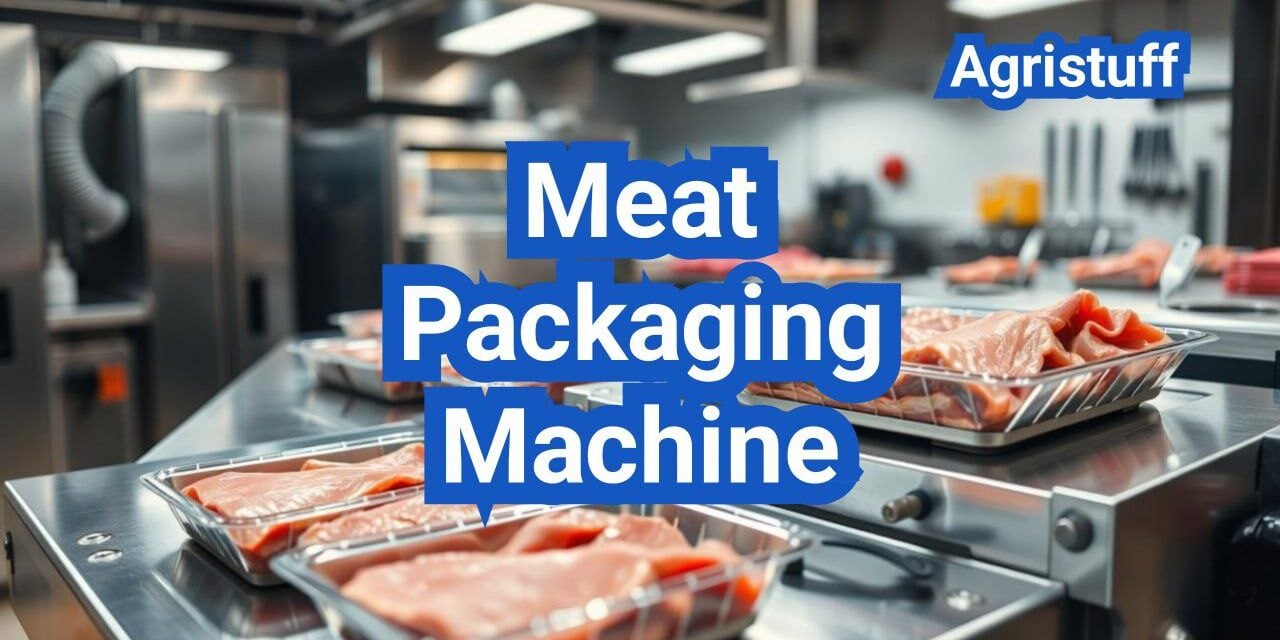
Finding the ideal preservation systems is vital for keeping food fresh and appealing to consumers. Many firms in the U.S. now look for high-quality packaging equipment for sale to boost their daily output.
Choosing between standard seals and skin-tight wraps significantly impacts your bottom line and shelf life. Using strong seals ensures your items stay safe during long transit times across the country.
Proper presentation helps your brand stand out on crowded store shelves in the USA. This guide helps you pick the perfect gear to maximize efficiency and product quality.
Key Takeaways
- Compare the benefits of tray seals versus skin-tight wraps for fresh food.
- Learn how the right gear improves shelf life for retail products.
- Identify cost-effective solutions for high-volume processing in the U.S.
- Discover how visual presentation affects customer buying habits.
- Select a setup that integrates smoothly with your current workflow.
- Understand the maintenance needs for different sealing technologies.
Understanding Your Meat Packaging Requirements Before Equipment Selection

Understanding your meat packaging needs is the first step towards selecting the right equipment. Different packaging concepts depend on the particular product and the processing stage within the added value chain. Therefore, it’s essential to assess your specific requirements before choosing a meat packaging machine.
Assessing Your Daily Production Volume and Throughput Capacity
Evaluating your daily production volume is critical in determining the throughput capacity required from your meat packaging machine. A higher production volume necessitates a machine with a higher throughput capacity to maintain efficiency and meet demand.
For instance, a small-scale operation might require a meat wrapping machine with a lower throughput capacity, whereas a large-scale industrial operation would need a high-capacity meat packaging line equipment to handle its production volume.
Identifying Your Meat Product Types: Fresh, Processed, and Ground Meat Considerations
The type of meat product you are packaging significantly influences the choice of packaging equipment. Fresh, processed, and ground meats have different packaging requirements due to their unique characteristics and handling needs.
For example, fresh meat products may require packaging that preserves their appearance and freshness, such as tray sealing or vacuum skin packaging. Processed meats, on the other hand, might require packaging that highlights their processed nature and ensures extended shelf life.
Evaluating Available Facility Space and Utility Infrastructure | Meat Packaging Machine
Before selecting a meat packaging machine, it’s crucial to assess the available facility space and utility infrastructure. The equipment must fit within your facility and have access to the necessary utilities such as electricity, water, and gas.
| Facility Consideration | Description | Importance Level |
|---|---|---|
| Space Availability | Ensuring enough floor space for the equipment | High |
| Utility Infrastructure | Availability of necessary utilities like electricity and water | High |
| Accessibility | Ease of access for maintenance and operation | Medium |
Determining Your Target Shelf Life and Distribution Channels | Meat Packaging Machine
Your target shelf life and distribution channels play a significant role in determining the appropriate packaging solution. Products destined for longer shelf life or wider distribution require more robust packaging that maintains product quality over time.
For example, products intended for national distribution may require packaging with enhanced barrier properties to maintain freshness and quality throughout the distribution chain.
By carefully evaluating these factors, you can make an informed decision when selecting a meat packaging machine that meets your specific needs and enhances your operation’s efficiency and profitability.
What Is Tray Sealing Technology for Meat Packaging

Tray sealing technology has revolutionized the meat packaging industry by providing a secure and visually appealing packaging solution. This technology is particularly beneficial for meat products, as it helps maintain freshness, prevents contamination, and enhances product display.
How MAP Tray Sealing for Meat Works: The Science Behind Modified Atmosphere
Modified Atmosphere Packaging (MAP) tray sealing involves replacing the air around the meat product with a specific gas mixture to extend shelf life. The process begins with placing the meat product on a tray, which is then conveyed into the tray sealer machine. The machine evacuates the air and replaces it with a predetermined gas mixture, typically a combination of oxygen, carbon dioxide, and nitrogen. The gas composition is carefully selected based on the type of meat product to inhibit bacterial growth and maintain product color and freshness.
The tray sealer machine then seals a lid film over the tray, creating a hermetic seal that prevents gas exchange and contamination. This process not only extends the shelf life of the meat product but also maintains its quality and appearance.
Core Components of a Meat Tray Sealer System | Meat Packaging Machine
A meat tray sealer system consists of several key components that work together to ensure efficient and effective packaging. The primary components include the tray handling system, gas flushing and evacuation system, sealing mechanism, and control system.
- The tray handling system is designed to accurately position and convey trays through the machine.
- The gas flushing and evacuation system is responsible for removing air and introducing the desired gas mixture.
- The sealing mechanism applies the lid film and ensures a tight seal.
- The control system manages the entire process, allowing for adjustments in gas composition, sealing parameters, and production speed.
Ideal Applications: Steaks, Chops, Ground Beef, and Portion-Cut Meats
Tray sealing technology is versatile and can be used for a wide range of meat products, including steaks, chops, ground beef, and portion-cut meats. The ability to customize gas mixtures and packaging parameters makes it an ideal solution for various meat types and product formats.
For instance, high-oxygen MAP is often used for red meats like steaks and chops to maintain their color, while low-oxygen MAP is preferred for products like ground beef to prevent oxidation and spoilage.
Advantages of Tray Sealing for Retail Meat Display | Meat Packaging Machine
Tray sealing offers several advantages for retail meat display, including enhanced product visibility, improved shelf life, and reduced product leakage. The clear lid film allows consumers to view the product from all sides, while the modified atmosphere packaging helps maintain product freshness and quality.
The result is a more appealing product display that can lead to increased sales and customer satisfaction.
What Is Vacuum Skin Packaging Technology for Meat Products

By completely removing air from the packaging, vacuum skin packaging technology prevents oxidation and extends the shelf life of meat products. This method involves creating a tight, skin-like seal around the product, ensuring that it remains fresh for a longer period.
How VSP Meat Packaging Technology Creates a Second Skin | Meat Packaging Machine
Vacuum skin packaging technology works by applying a film directly to the surface of the meat product, creating a second skin that conforms to the product’s shape. This process involves heating the film to make it pliable, then draping it over the product, and finally, evacuating the air from the package to create a tight seal.
The result is a package that closely follows the contours of the meat, minimizing the risk of air pockets and ensuring that the product is completely protected. This tight seal not only preserves the product’s freshness but also enhances its appearance on store shelves.
Key Components of Vacuum Skin Packaging Machines for Meat
A vacuum skin packaging machine for meat typically consists of several key components, including a film unwinding system, a product handling system, a vacuum chamber, and a sealing bar. The film unwinding system supplies the packaging film, while the product handling system ensures that the meat products are correctly positioned for packaging.
The vacuum chamber is where the air is removed from the package, and the sealing bar is responsible for creating the final seal. Some machines may also include additional features such as gas flushing capabilities to further enhance product preservation.
Best-Suited Products: Premium Cuts, Bacon, Sausages, and Marinated Meats
Vacuum skin packaging is particularly well-suited for premium meat products, including steaks, chops, bacon, sausages, and marinated meats. The technology helps to maintain the product’s natural appearance and texture, making it ideal for high-end retail display.
For processors of premium cuts, VSP offers a way to showcase their products in an attractive and appealing manner, while also ensuring that the products remain fresh for a longer period. This can be particularly beneficial for products with a higher value, as it helps to reduce waste and improve customer satisfaction.
Benefits of Vacuum Skin Packaging for Meat Processors
The benefits of vacuum skin packaging for meat processors are numerous. By extending the shelf life of their products, processors can reduce waste and improve their bottom line. Additionally, the improved product appearance can lead to increased customer satisfaction and loyalty.
Furthermore, VSP technology can help processors to differentiate their products on crowded store shelves, potentially leading to increased sales. When considering the investment in a vacuum skin packaging machine for meat, processors should also factor in the potential savings from reduced product waste and the benefits of improved product presentation.
Processors should also consider the cost of the meat wrapping machine and its parts when evaluating the overall cost of implementing VSP technology. While the initial investment may seem significant, the long-term benefits can make it a worthwhile investment for many processors.
Meat Tray Sealing vs Vacuum Packaging: Complete Technology Comparison

The debate between tray sealing and vacuum packaging for meat products hinges on several key factors that impact product quality and shelf life. Both technologies have their strengths and are suited to different product types and packaging goals.
Shelf Life Extension: MAP vs. VSP Performance Data | Meat Packaging Machine
Both Modified Atmosphere Packaging (MAP) tray sealing and Vacuum Skin Packaging (VSP) contribute to extending the shelf life of meat products. MAP tray sealing achieves this by replacing the air around the product with a gas mix that inhibits bacterial growth, while VSP removes air and creates a tight, skin-like seal around the product.
Studies have shown that both methods can significantly extend shelf life, but the performance data varies depending on the product type and storage conditions. For instance, MAP is particularly effective for products where maintaining a certain atmosphere is crucial, while VSP is excellent for products that require a high level of protection against contamination.
Product Presentation and Consumer Appeal Differences | Meat Packaging Machine
The presentation of meat products plays a crucial role in consumer appeal. Tray sealing allows for a clear view of the product and can be used to create attractive, portion-controlled packs that are appealing to consumers. On the other hand, VSP provides a sleek, premium look that can enhance the perceived value of the product.
Consumer preferences often lean towards products that are visibly fresh and have an appealing appearance. Both packaging methods can achieve this, but in different ways. Tray sealing is often used for fresh meat products where visibility is key, while VSP is used for a variety of products, including premium cuts and processed meats.
Drip Loss, Purge Control, and Product Quality Retention | Meat Packaging Machine
Drip loss and purge control are critical factors in maintaining product quality. VSP is particularly effective in minimizing drip loss by creating a tight seal around the product, thereby reducing the amount of liquid released during storage and transport. In contrast, tray sealing can also control purge through the use of absorbent pads, but may not be as effective as VSP in some cases.
The choice between the two technologies may depend on the specific product characteristics and the desired level of purge control. For products with high liquid content, VSP might be the preferred option.
Material Costs and Per-Package Economics
The cost of packaging materials is a significant factor in the overall economics of meat packaging. Tray sealing typically requires trays and lidding film, while VSP requires a bottom web and top web film. The cost of these materials can vary based on the supplier, material specifications, and quantity.
A detailed analysis of material costs and per-package economics is essential to determine the most cost-effective packaging solution. Factors such as production volume, packaging line efficiency, and waste reduction strategies also play a crucial role in this analysis.
Food-Grade Films for Meat Packaging: Selecting Compatible Materials

Food-grade films play a vital role in maintaining the quality and safety of packaged meat products. The choice of packaging film directly impacts product freshness, shelf life, and overall consumer appeal. When selecting food-grade films for meat packaging, several critical factors must be considered to ensure compatibility with the chosen packaging technology.
Lidding Films and Barrier Properties for Tray Sealing Machines
Lidding films are a crucial component in tray sealing operations, providing the necessary barrier properties to protect meat products from external contaminants and prevent moisture loss. These films must offer excellent seal strength, puncture resistance, and gas barrier properties to maintain the modified atmosphere within the package. Barrier properties are particularly important for preventing oxygen ingress, which can lead to product spoilage and reduced shelf life.
The mechanical properties of lidding films can vary depending on the specific requirements of the product being packaged. For instance, films used for packaging fresh meat may require different characteristics compared to those used for processed or cooked meats. The film’s thickness, material composition, and coating can be tailored to meet these specific needs.
Top and Bottom Web Films for Vacuum Skin Packaging
Vacuum Skin Packaging (VSP) requires both top and bottom web films that work in tandem to create a tight, skin-like seal around the product. The top web film must be capable of stretching to conform to the product’s shape without compromising its barrier properties. The bottom web film, on the other hand, provides the base onto which the product is placed and must be compatible with the VSP machine’s forming process.
The mechanical properties of the upper web must be designed for the shape and height of the particular product. This ensures a snug fit and prevents excessive film stretching, which can lead to tears or weak points in the packaging. Leak testing for vacuum skin packs is a critical quality control measure to ensure the integrity of the packaging and prevent product contamination.
Oxygen Barrier, Moisture Control, and Gas Permeability Requirements
Meat packaging films must be designed to control gas exchange, moisture transfer, and other factors that can impact product quality. Oxygen barrier properties are essential for preventing the growth of aerobic bacteria and maintaining product freshness. Moisture control is also critical, as excessive moisture can lead to product deterioration and reduced shelf life.
The gas permeability of the packaging film must be carefully selected based on the specific needs of the product. For example, some products may require films with high oxygen barrier properties, while others may benefit from films with controlled oxygen transmission rates.
Film Supplier Options and Availability in the U.S. | Meat Packaging Machine
The U.S. market offers a range of film suppliers catering to the meat packaging industry. When selecting a film supplier, factors such as product quality, consistency, and availability must be considered. It’s also essential to evaluate the supplier’s technical support capabilities and their ability to provide customized film solutions tailored to specific packaging needs.
By carefully evaluating these factors and selecting the right food-grade films, meat processors can ensure that their packaging operations are optimized for product quality, safety, and consumer appeal.
Hygienic Design Meat Packaging Equipment: Sanitary Standards and Compliance

Ensuring the hygiene and sanitary design of meat packaging equipment is crucial for maintaining product safety and quality. Meat is a valuable food product, and it’s essential to handle it with care to prevent contamination and ensure consumer safety.
The meat packaging industry is subject to stringent regulations to ensure the production of safe and wholesome products. Compliance with these regulations is not only a legal requirement but also essential for maintaining consumer trust and protecting brand reputation.
USDA and FDA Sanitary Design Requirements for Meat Processing Equipment
The USDA and FDA have established strict guidelines for the sanitary design of meat processing equipment. These guidelines emphasize the importance of equipment design in preventing contamination and ensuring easy cleaning and sanitization.
Key requirements include the use of smooth, non-porous surfaces, elimination of crevices and dead spaces, and design features that facilitate easy disassembly and cleaning.
| Regulatory Body | Sanitary Design Requirements | Key Features |
|---|---|---|
| USDA | Emphasizes equipment design for easy cleaning and sanitization | Smooth surfaces, no crevices |
| USDA | Requires elimination of dead spaces | Easy disassembly for cleaning |
| FDA | Focuses on preventing contamination | Non-porous materials, easy-to-clean designs |
Stainless Steel Construction and Cleanability Features | Meat Packaging Machine
Stainless steel construction is a critical aspect of hygienic design in meat packaging equipment. Stainless steel is resistant to corrosion, durable, and easy to clean, making it an ideal material for equipment that comes into contact with meat products.
Cleanability features such as quick-release mechanisms and smooth, welded joints also play a crucial role in maintaining hygiene standards.
Daily Cleaning Protocols and Sanitization Procedures | Meat Packaging Machine
Establishing effective daily cleaning protocols and sanitization procedures is essential for maintaining the hygiene of meat packaging equipment. This includes regular cleaning of equipment surfaces, sanitization of critical areas, and verification of cleaning efficacy.
- Daily inspection and cleaning of equipment
- Sanitization of critical areas
- Verification of cleaning efficacy
Preventing Cross-Contamination in Meat Packaging Operations
Preventing cross-contamination is a critical aspect of maintaining hygiene in meat packaging operations. This can be achieved through proper equipment design, effective cleaning and sanitization protocols, and strict operational controls.
By implementing these measures, meat processors can minimize the risk of contamination and ensure the production of safe, high-quality products.
Meat Packaging Machine Price: Investment Analysis by Equipment Type

When considering the purchase of a meat packaging machine, understanding the price and investment required is crucial for making an informed decision. The cost of these machines can vary significantly based on the type of equipment, its capacity, and the level of automation.
Tray Sealing Machine for Meat Price Ranges: Entry-Level to Industrial Systems
Tray sealing machines are available across a range of prices, from entry-level models suitable for small operations to high-capacity industrial systems designed for large-scale production. The price of a tray sealing machine can be influenced by factors such as the size of the trays it can accommodate, the speed of operation, and the complexity of the sealing process.
For example, a basic, manual tray sealer might start at around $5,000, while a fully automated system capable of high-speed production could cost upwards of $50,000 or more.
Vacuum Skin Packaging Machine for Meat Costs and Configuration Options
Vacuum skin packaging (VSP) machines are another popular choice for meat packaging. The cost of VSP machines can vary based on their configuration and the specific features they offer. Factors influencing the price include the machine’s throughput capacity, the size of the products it can handle, and the level of automation.
A typical VSP machine might cost between $20,000 for a basic model and over $100,000 for a high-end, fully automated system.
Meat Wrapping Machine Price Factors: Automation Level and Throughput Capacity
The price of a meat wrapping machine is significantly influenced by its level of automation and its throughput capacity. More automated machines that can handle higher volumes of product typically cost more than simpler, manual models.
For instance, a manual meat wrapping machine might be available for a few thousand dollars, whereas an automated wrapping machine with high-speed capability could cost tens of thousands of dollars.
Meat Wrapping Machine Parts: Replacement Costs and Maintenance Budgeting
In addition to the initial purchase price, it’s essential to consider the cost of replacement parts and maintenance for meat wrapping machines. Regular maintenance is crucial to prevent downtime and ensure the longevity of the equipment.
Budgeting for replacement parts and maintenance can help meat processors avoid unexpected expenses and plan their operations more effectively.
| Machine Type | Price Range | Factors Influencing Cost |
|---|---|---|
| Tray Sealing Machine | $5,000 – $50,000+ | Tray size, operation speed, sealing complexity |
| Vacuum Skin Packaging Machine | $20,000 – $100,000+ | Throughput capacity, product size, automation level |
| Meat Wrapping Machine | $2,000 – $50,000+ | Automation level, throughput capacity |
Calculating Meat Packaging Machine ROI for Your Operation
A thorough analysis of the ROI for meat packaging machines helps companies make informed decisions about their packaging investments. Investing in a high-quality vacuum packaging machine or tray sealing equipment is crucial to the success of your business, as it directly impacts your bottom line through labor savings, reduced waste, and extended product shelf life.
Establishing Your Baseline Costs: Current Packaging Methods
To accurately calculate the ROI of a meat packaging machine, you first need to establish your current packaging costs. This includes labor costs, material expenses, and any waste or spoilage associated with your existing packaging methods. By understanding your baseline costs, you can better assess the potential savings offered by automated packaging solutions.
Current Packaging Costs:
- Labor costs associated with manual packaging
- Material costs for packaging supplies
- Waste and spoilage rates
- Equipment maintenance and repair costs
Quantifying Labor Savings Through Automation | Meat Packaging Machine
Automating your meat packaging process with a tray sealer or vacuum skin packaging machine can significantly reduce labor costs. By quantifying these savings, you can better understand the financial benefits of investing in packaging automation.
Labor Savings Calculation: Compare the labor hours required for manual packaging versus automated packaging to determine the reduction in labor costs.
Calculating Reduced Product Waste and Spoilage Savings | Meat Packaging Machine
Advanced meat packaging machines can minimize product waste and spoilage by ensuring consistent, high-quality packaging. Calculating the reduction in waste and spoilage can provide a significant component of your ROI analysis.
| Packaging Method | Waste/Spoilage Rate | Annual Savings |
|---|---|---|
| Manual Packaging | 5% | $10,000 |
| Automated Packaging | 1% | $8,000 |
Extended Shelf Life Value: Distribution and Markdowns | Meat Packaging Machine
Meat packaging machines that provide extended shelf life, such as vacuum skin packaging, can reduce distribution costs and markdowns due to spoilage. By calculating the value of extended shelf life, you can further justify the investment in your packaging equipment.
By carefully analyzing these factors and calculating the ROI of your meat packaging machine, you can make a well-informed decision about your packaging investments and optimize your operation for long-term success.
Seal Integrity Testing for Meat Packaging: Ensuring Package Quality

Seal integrity testing is a vital process in the meat packaging industry, directly impacting product shelf life and consumer safety. The importance of ensuring that meat packaging is properly sealed cannot be overstated, as it prevents contamination, reduces spoilage, and maintains product freshness.
Why Seal Quality Is Critical for Meat Safety and Shelf Life | Meat Packaging Machine
Seal quality is critical because it directly affects the safety and shelf life of meat products. A compromised seal can lead to contamination by allowing external substances to enter the package or by permitting the escape of protective gases used in modified atmosphere packaging (MAP). This can result in spoilage, off-odors, and potentially hazardous conditions for consumers.
Key factors influencing seal quality include:
- The type of packaging material used
- The sealing temperature and pressure
- The dwell time during the sealing process
- The condition and maintenance of the sealing equipment
Visual Inspection and Peel Testing for Tray-Sealed Products | Meat Packaging Machine
Visual inspection is a preliminary step in evaluating seal integrity. It involves checking for visible signs of seal defects, such as wrinkles, creases, or gaps. However, not all defects are visible, making further testing necessary.
Peel testing is a more detailed method used to assess the strength and integrity of seals. It involves peeling the seal apart to evaluate its adhesion and checking for any signs of leakage or weakness. This method is particularly useful for tray-sealed products.
Leak Testing for Vacuum Skin Packs: Methods and Equipment | Meat Packaging Machine
Leak testing is essential for vacuum skin packaging (VSP) to ensure that the package maintains its vacuum environment. Methods include:
- Pressure Decay Testing: This involves measuring the change in pressure within the package over time to detect any leaks.
- Helium Leak Detection: A highly sensitive method that uses helium as a tracer gas to detect even the smallest leaks.
Specialized equipment is used for these tests, including leak detectors and pressure sensors. Regular leak testing helps ensure that packaging maintains its integrity throughout the distribution chain.
Implementing In-Line and Off-Line Quality Control Systems | Meat Packaging Machine
To ensure consistent seal quality, meat packaging operations can implement both in-line and off-line quality control systems. In-line systems involve real-time monitoring of the sealing process, allowing for immediate detection and correction of issues. Off-line systems involve periodic testing of samples to verify seal integrity.
Effective quality control measures include:
- Regular maintenance of sealing equipment
- Training personnel on sealing techniques and quality control procedures
- Using high-quality packaging materials
By combining these strategies, meat processors can significantly enhance the reliability of their packaging operations.
Finding Meat Packaging Equipment Suppliers in the U.S.

The search for the ideal meat packaging equipment supplier in the U.S. involves evaluating several key factors. Meat processors need to consider not only the quality and reliability of the equipment but also the supplier’s reputation, technical support, and after-sales service.
Top Meat Packaging Equipment Suppliers and Manufacturers
The U.S. market is home to numerous reputable suppliers of meat packaging equipment. Some of the top manufacturers include companies that specialize in tray sealing and vacuum skin packaging technologies. For instance, companies like Proseal, Ilapak, and Multivac are well-known for their innovative packaging solutions.
When evaluating these suppliers, it’s essential to consider their product offerings, technological advancements, and customer support. As one industry expert notes, “Working with an experienced skin packaging supplier ensures optimal material compatibility and compliance with food safety regulations.”
“The right packaging equipment supplier can significantly impact your operation’s efficiency and product quality.”
— John Doe, Packaging Expert
Sourcing Meat Packaging Machines for Sale in USA: Direct vs. Distributors
Meat processors can source packaging equipment either directly from manufacturers or through authorized distributors. Buying directly from manufacturers can offer advantages such as better pricing and direct technical support. However, distributors can provide localized service and support, which can be invaluable for troubleshooting and maintenance.
| Sourcing Option | Advantages | Disadvantages |
|---|---|---|
| Direct from Manufacturer | Better pricing, direct technical support | Limited localized support |
| Through Authorized Distributors | Localized service and support | Potential for higher costs |
Evaluating Supplier Reputation, Service Networks, and Technical Support
A supplier’s reputation is a critical factor in the selection process. Meat processors should research potential suppliers’ histories, customer reviews, and industry ratings. Additionally, evaluating the extent of their service networks and the quality of their technical support is crucial.
Warranty Coverage, Spare Parts Availability, and Response Times | Meat Packaging Machine
Finally, understanding the warranty coverage, availability of spare parts, and response times for technical issues is vital. A comprehensive warranty and readily available spare parts can minimize downtime and ensure continuous operation.
- Review warranty terms and conditions carefully
- Assess the supplier’s inventory of spare parts
- Evaluate the supplier’s average response time for technical support requests
By carefully evaluating these factors, meat processors can find a reliable supplier of meat packaging equipment that meets their needs and enhances their operational efficiency.
Integrating Meat Packaging Line Equipment for Complete Automation

Complete automation in meat packaging is contingent upon the harmonious integration of packaging line equipment. This integration is crucial for maximizing efficiency, reducing labor costs, and ensuring consistent product quality. By connecting different components of the packaging line, meat processing facilities can create a seamless production flow that enhances overall productivity.
Coordinating with Upstream Meat Processing Equipment
Coordinating with upstream meat processing equipment is a critical step in achieving complete automation. This involves synchronizing the output of meat processing machines with the input requirements of packaging equipment. For instance, ensuring that the meat processing equipment’s output rate matches the packaging machine’s capacity can prevent bottlenecks and reduce waste. Effective coordination between these stages is essential for maintaining a smooth production flow.
To achieve this coordination, many manufacturers opt for integrated solutions that include both processing and packaging equipment from the same supplier. This can simplify integration and reduce compatibility issues. Additionally, using standardized communication protocols can facilitate the exchange of data between different machines, further enhancing the efficiency of the production line.
Conveyor Systems and Product Handling Between Stations | Meat Packaging Machine
Conveyor systems play a vital role in integrating meat packaging line equipment by facilitating the movement of products between different stations. A well-designed conveyor system can minimize manual handling, reduce labor costs, and decrease the risk of product damage or contamination. Conveyor systems can be customized to handle various product types and sizes, making them versatile components of automated packaging lines.
When designing a conveyor system for meat packaging, it’s essential to consider factors such as product size, weight, and fragility. The system should also be easy to clean and maintain to comply with food safety regulations. By investing in a robust conveyor system, meat processors can significantly improve the efficiency and reliability of their packaging operations.
Downstream Integration: Labeling, Metal Detection, and Checkweighers
Downstream integration involves connecting packaging equipment with other machines that perform functions such as labeling, metal detection, and checkweighing. Labeling systems apply accurate and compliant labels to packaged products, while metal detection and checkweighing systems ensure product safety and quality. Integrating these functions into the packaging line can enhance product integrity and compliance with regulatory requirements.
For example, integrating a checkweigher with the packaging line can help ensure that packages meet weight specifications, reducing the risk of non-compliance and associated costs. Similarly, metal detection systems can identify and remove products containing metal contaminants, protecting consumers and the manufacturer’s reputation.
Creating Efficient Packaging Processes with Minimal Manual Handling
Creating efficient packaging processes with minimal manual handling is a key goal of integrating meat packaging line equipment. By automating as many steps as possible, meat processors can reduce labor costs, improve product safety, and increase overall efficiency. This can involve using robotic systems for tasks such as product loading and unloading, as well as implementing automated quality control checks.
To achieve this, manufacturers should assess their production processes to identify areas where automation can have the most significant impact. By investing in integrated packaging line equipment and automation technologies, meat processors can create a more efficient, productive, and safe production environment.
Meat Packaging Labeling and Net Weight Accuracy Requirements

Accurate meat packaging labeling and net weight compliance are crucial for meat processors to meet USDA regulations and maintain consumer trust. The labeling of meat products is subject to strict guidelines to ensure transparency and safety.
USDA and FSIS Labeling Requirements for Packaged Meat Products
The USDA’s Food Safety and Inspection Service (FSIS) mandates that all meat, poultry, and egg products be labeled with specific information, including:
- Product name and description
- Inspection legend and establishment number
- Net weight or quantity
- Handling and storage instructions
- Nutritional information (if applicable)
- List of ingredients
Compliance with these regulations is not optional; failure to adhere to FSIS guidelines can result in significant fines and reputational damage.
Integrating Print-and-Apply Labeling Systems with Packaging Machines
To streamline the labeling process and ensure accuracy, many meat processors integrate print-and-apply labeling systems with their packaging machines. This integration allows for:
- Real-time data printing, including batch numbers and expiration dates
- Automated label application, reducing manual errors
- Seamless synchronization with packaging line speeds
Modern labeling systems can be easily configured to accommodate different label sizes and formats, providing flexibility for various product lines.
Checkweighing Systems for Net Weight Compliance | Meat Packaging Machine
Checkweighing systems are essential for verifying that packaged meat products meet the declared net weight. These systems help prevent:
- Underweight packages, which can lead to customer dissatisfaction
- Overweight packages, which can result in financial losses due to over-packaging
- Non-compliance with regulatory requirements
Safe Handling Instructions and Nutritional Information Display
In addition to net weight and product identification, labels must also include safe handling instructions and nutritional information (for applicable products). This information is critical for:
- Ensuring consumer safety through proper handling and storage
- Providing consumers with necessary nutritional data to make informed purchasing decisions
By incorporating these elements into their labeling, meat processors can enhance consumer trust and comply with regulatory requirements.
Implementing a Meat Packaging Traceability System
Traceability in meat packaging is not just a regulatory requirement, but a critical component of maintaining consumer trust. The ability to track products throughout the supply chain is essential for ensuring food safety and facilitating quick recalls when necessary.
A robust meat packaging traceability system involves several key components, including lot coding, barcode solutions, and integration with plant management systems. By implementing such a system, meat processors can significantly enhance their ability to monitor and control their products.
Traceability Requirements Under Federal Meat Inspection Act | Meat Packaging Machine
The Federal Meat Inspection Act (FMIA) mandates that meat processors maintain records that allow for the tracing of products. This includes information about the source of the meat, processing details, and distribution records. Compliance with these regulations is crucial for avoiding penalties and maintaining operational integrity.
- Maintain detailed records of meat sources and processing
- Implement a system for tracking products through distribution channels
- Ensure all records are accurate, up-to-date, and easily accessible
Lot Coding and Date Coding Integration with Packaging Equipment
Lot coding and date coding are essential for traceability, allowing processors to identify specific batches of products. Integrating these coding systems with packaging equipment ensures that each package is accurately labeled with relevant information.
Key considerations for lot coding and date coding include:
- Ensuring codes are legible and durable
- Integrating coding systems with packaging lines for efficiency
- Training staff on the importance and proper use of coding systems
Barcode, QR Code, and RFID Solutions for Meat Package Tracking
Advanced tracking technologies such as barcodes, QR codes, and RFID tags offer enhanced traceability. These solutions enable real-time tracking of products and can be integrated with existing packaging lines.
| Technology | Description | Benefits |
|---|---|---|
| Barcodes | Optical labels containing product information | Easy to implement, cost-effective |
| QR Codes | Two-dimensional codes storing detailed product info | High storage capacity, can be read by smartphones |
| RFID | Radio Frequency Identification tags for real-time tracking | High accuracy, can track products without line-of-sight |
Connecting Packaging Data to Plant Management Systems | Meat Packaging Machine
Integrating packaging data with plant management systems allows for real-time monitoring and analysis of production processes. This integration can lead to improved efficiency, reduced waste, and enhanced product quality.
By connecting packaging data to broader management systems, processors can gain valuable insights into their operations and make data-driven decisions to improve their meat packaging machine ROI.
Step-by-Step Guide: How to Choose the Right Meat Packaging Machine Setup

Meat packaging machine selection is a vital step in optimizing production processes. Choosing the right equipment can significantly impact efficiency, product quality, and ultimately, customer satisfaction. To make an informed decision, follow this step-by-step guide.
Step 1: Document Your Current Packaging Challenges and Goals
Begin by assessing your current packaging operations. Identify challenges such as inefficient labor usage, product waste, or inconsistent packaging quality. Documenting these issues will help you understand what you need from a new meat packaging machine.
Consider your goals for the new equipment. Are you looking to increase production capacity, improve product presentation, or reduce costs? Clarifying your objectives will guide your decision-making process.
Step 2: Analyze Your Product Mix and Specific Meat Packaging Needs
Different meat products have unique packaging requirements. Analyze your product mix to determine the types of packaging you’ll need. Consider factors such as product size, shape, and any special handling requirements.
| Product Type | Packaging Requirements | Recommended Packaging Solution |
|---|---|---|
| Fresh Steaks | High oxygen barrier, attractive presentation | Tray Sealing with MAP |
| Processed Meats | Long shelf life, easy opening | Vacuum Skin Packaging |
| Ground Meat | Leak-proof packaging, easy handling | Tray Sealing with absorbent pads |
Step 3: Compare Tray Sealing vs. Vacuum Skin Packaging Against Your Criteria
Both tray sealing and vacuum skin packaging have their advantages. Compare these technologies against your specific needs and criteria. Consider factors such as initial investment, operating costs, and product compatibility.
Step 4: Create a Detailed Budget Including All Associated Costs
When budgeting for a meat packaging machine, consider not just the initial purchase price. Factor in installation costs, training for staff, and ongoing maintenance expenses. Also, consider the cost of packaging materials and any necessary upgrades to your production line.
By following these steps and carefully evaluating your options, you can choose the right meat packaging machine setup for your operation. This will help you achieve your production goals and improve your bottom line.
At The End of: Meat Packaging Machine
Choosing the right meat packaging machine is crucial for maintaining product freshness, reducing waste, and enhancing consumer appeal. Throughout this article, we’ve explored the key differences between tray sealing and vacuum skin packaging technologies, including their applications, benefits, and limitations.
Skin packaging is one of the most efficient, visually appealing, and scalable food packaging technology solutions available today. When selecting a meat packaging equipment setup, it’s essential to consider factors such as production volume, product type, and facility infrastructure to ensure optimal performance and return on investment.
By understanding your specific meat packaging requirements and evaluating the available technologies, you can make an informed decision that meets your business needs and stays within budget. Whether you’re looking to upgrade your existing packaging line or invest in a new meat packaging machine for sale, careful planning and research are key to achieving success in the competitive meat processing industry.
FAQ
A meat packaging machine selection process is easier when the team aligns on a few high-level questions before debating brands and model numbers. These FAQ answers keep the conversation focused on fit, validation, and sellable outcomes instead of marketing language. FDA Food Code (reference for reduced oxygen packaging context).
Which is better for premium steaks: tray sealing or vacuum skin?
Vacuum skin often wins for premium visual presentation and product restraint, while tray sealing can still be excellent when speed, SKU flexibility, and standard retail tray formats are the priority.
Can one line run both tray-sealed and vacuum skin packs?
Some platforms and line strategies support multiple formats, but the answer depends on tooling, film systems, throughput expectations, and how often you change formats.
Is vacuum skin always longer shelf-life?
Not automatically. Shelf-life depends on product condition, temperature control, sanitation, seal integrity, and the full package material system—not just the package style.
What should I test before signing a purchase order?
Run production trials with your real products, trays, films, labels, operators, and sanitation routine, then validate seal quality, leak rate, weight control, and shipping performance.
What is the biggest hidden cost?
For many processors, it is not the machine itself but the combination of tooling expansion, changeover losses, film/tray waste, and downtime caused by poor line fit.
What is the primary difference between a tray sealing machine for meat and vacuum skin packaging (VSP)?
The primary difference lies in the atmosphere and presentation. A tray sealing machine for meat often uses MAP tray sealing for meat (Modified Atmosphere Packaging), which replaces oxygen with a gas mix to maintain the red color of steak packaging and ground beef packaging. In contrast, vsp meat packaging (Vacuum Skin Packaging) uses a specialized vacuum packaging machine to tightly mold food-grade films for meat packaging around the product like a “second skin,” which is ideal for premium cuts and sausage packaging because it eliminates leak testing for vacuum skin packs issues and prevents drip loss.
How can I determine the meat packaging machine price and potential ROI for my facility?
The meat packing machine price varies significantly based on automation levels. An entry-level butchers vacuum packing machine or a meat chamber vacuum sealer like the Vevor DZ 260A may cost a few thousand dollars, while industrial meat packaging lines can exceed six figures. To calculate your meat packaging machine roi, consider labor savings from automated meat packaging, reduced material waste using meat wrap machine technology, and the added value of extended shelf life in the food industry.
Which meat packaging equipment is best for a small-scale butcher shop versus industrial meat processing?
Independent meat processors and local shops often benefit from a meat tray wrapping machine or a butcher wrapping machine that offers flexibility. For industrial meat processing and packaging equipment, high-speed automatic meat packaging equipment and meat packaging line equipment are essential to handle high throughput. Products like beef jerky packaging machine systems or a biltong packaging machine are specialized for dried proteins, whereas a commercial ground meat packaging machine is required for high-volume ground meat packaging machine operations.
Why is hygienic design meat packaging equipment critical for food safety?
In the meat and poultry industries, sanitary design is non-negotiable. Hygienic design meat packaging equipment features stainless steel construction and sloped surfaces to prevent bacterial growth. Leading suppliers of processing equipment, such as Multivac or Sealed Air (Cryovac), ensure their meat processing machinery meets USDA and FSIS standards for food safety of various meats, allowing for rigorous washdown protocols.
What are the best solutions for poultry, such as a chicken vacuum packing machine or frozen chicken packaging machine?
For food-safe meat & poultry packaging, a chicken packaging machine must handle high moisture levels. Vacuum packing machine for chicken and frozen chicken packaging machine systems often utilize meat shrink wrap machine technology to ensure a tight, puncture-resistant seal. For whole chicken packaging machine needs, meat vacuum packaging machine setups provide the seal integrity testing for meat packaging required to prevent cross-contamination during distribution.
Where can I find a reliable meat packaging machine for sale in the USA?
There are several meat packaging equipment suppliers in the U.S. providing commercial meat packaging equipment and processing equipment. When sourcing a meat packaging machine in the u.s., look for a leading supplier of processing that offers a comprehensive service network, meat wrapping machine parts, and warranty coverage. You can also find specialized butcher supplies and cutlery alongside vacuum-sealing equipment through domestic distributors specializing in meat packing solutions.
How does a meat packaging traceability system work with modern labeling?
A robust meat packaging traceability system integrates with your meat packaging labeling and net weight hardware. By using lot coding and barcode solutions, meat packing technology connects packaging equipment meat data to plant management systems. This ensures compliance with the Federal Meat Inspection Act and allows for accurate checkweighing for ground beef packaging and steak packaging, keeping the meat industry transparent and safe.
What role do food-grade films and innovative containers play in a smart packaging strategy?
A smart packaging strategy involves choosing the right food-grade films for meat packaging. High-barrier lidding films are essential for meat tray sealer systems to prevent oxygen ingress. Additionally, using innovative options like Crisp Food Technologies® containers or Safe Pinch® tamper-evident packaging can enhance consumer trust. Whether you are using a meat plastic wrap machine or meat seal machine, the film’s gas permeability and moisture control are vital for fresh meat packaging technology.
How do I maintain my meat wrapping machine to ensure a long life cycle?
Regular maintenance is key to efficient packaging processes. You should stock essential meat wrapping machine parts, such as heating elements and gaskets for your meat vacuum packing machine or sausage vacuum packaging machine. Following a strict daily cleaning protocol for your meat packing equipment prevents packaging challenges for the butcher and ensures the seal integrity of every meat wrap machine cycle.
Can I integrate my meat grinder packaging system into a full meat packaging line?
Yes, modern meat packaging line equipment is designed for downstream integration. You can connect a meat grinder packaging system or meat filling machine directly to an automatic meat packaging unit. This creates a seamless flow from protein processing equipment to protein packaging equipment, incorporating conveyor systems and metal detection to optimize commercial meat packing machines and reduce manual handling in industrial meat processing.
Conclusion of: Meat Packaging Machine
A meat packaging machine can make or break product appearance, shelf-life performance, labor efficiency, and retailer acceptance, so choosing the right platform is more than a simple equipment purchase. For U.S. processors, the decision usually sits between tray sealing formats and vacuum skin formats, with line design, product mix, and compliance expectations shaping the best answer.
A meat packaging machine should be evaluated as part of a total packaging system that includes trays, films, labels, weighing devices, sanitation procedures, and distribution conditions rather than as a standalone machine. That systems view helps buyers avoid a common mistake: selecting a fast machine that performs poorly with the actual product, tray, or film used in production.
Tray sealing and vacuum skin basics | Meat Packaging Machine
A meat packaging machine configured for tray sealing typically seals a lidding film onto a preformed tray and can run atmospheric, vacuum/gas flush, or modified-atmosphere formats depending on the model and tooling. This setup is often attractive for processors that need flexible tray sizes, multiple SKUs, and good line speeds with straightforward retail presentation. ULMA tray sealing systems.
A meat packaging machine configured for vacuum skin packaging pulls a top film tightly around the product and onto the support web or tray, creating a premium, contour-fit presentation with strong product restraint. Vacuum skin is widely used for premium cuts and leak-sensitive applications because it can improve shelf appearance and reduce package movement during handling. MULTIVAC skin pack overview.
A meat packaging machine focused on high-volume supermarket trays often favors inline tray sealers when the goal is throughput, quick tool changes, and compatibility with denesters, weighers, labelers, and inspection units. In practice, many U.S. plants prioritize line balance and operator access over maximum technical capability on paper.
A meat packaging machine used for premium merchandising often shifts toward vacuum skin when the sales strategy depends on upright display performance, reduced purge visibility, and premium shelf appeal. Vacuum skin can also help stabilize irregular cuts in transit, which matters when products move through longer distribution routes. Sealed Air Darfresh VSP film.
A meat packaging machine decision does not always need to be either-or, because some processors run tray sealing on one line for commodity SKUs and vacuum skin on another line for premium cuts or seasonal items. A split strategy can reduce risk by matching pack style to margin, channel, and shelf-life targets instead of forcing one package style across the entire portfolio.
A meat packaging machine should be chosen only after mapping the exact product portfolio, because tray geometry, tray depth, absorbent pad use, and film compatibility affect both seal quality and changeover time. Plants that package bone-in, boneless, ground, and marinated items on one line usually need a stricter tooling and format plan than plants running a single cut family. MULTIVAC trays for traysealers.
Materials, films, and compliance checks before you buy | Meat Packaging Machine
A meat packaging machine purchase should include a formal packaging-material review to confirm that the intended films, trays, adhesives, coatings, and additives are appropriate for food-contact use and the expected process conditions. This step is especially important when suppliers propose a film change to improve clarity, puncture resistance, or cost. FDA effective FCS notifications inventory.
A meat packaging machine team should also confirm whether proposed packaging components are cleared through relevant regulations or notifications, because different material pathways can apply depending on composition and intended use. Buyers who ask for documentation early avoid delays during onboarding, validation, and customer audits. FDA inventory of food contact substances listed in 21 CFR.
A meat packaging machine project that includes sustainability goals must still protect product safety and package performance, so recycled-content discussions should be handled with technical and regulatory diligence rather than marketing claims alone. If a film or tray redesign is planned, test seal behavior, barrier performance, and abuse resistance under real production conditions. FDA guidance on recycled plastics in food packaging.
A meat packaging machine should be evaluated for hygienic design features such as open-frame access, cleanable surfaces, drainage behavior, reduced harborage points, and tool-free components in frequent-contact zones. Hygienic design usually pays back through faster sanitation, lower contamination risk, and more predictable uptime in wet processing environments. Meat Institute equipment design principles booklet.
Sanitation, HACCP, and package integrity validation | Meat Packaging Machine
A meat packaging machine must fit the plant’s sanitation program and pre-operational checks, because even a technically strong line becomes a liability if crews cannot clean, inspect, and reassemble it consistently. During vendor evaluation, request a sanitation walkthrough and ask how long a real washdown and restart takes with your product residues. eCFR 9 CFR Part 416 sanitation requirements.
A meat packaging machine change can trigger HACCP and process-control updates when package type, sealing method, oxygen conditions, or storage assumptions change the hazard profile or validation basis. Treat packaging conversion as a documented process change, not just a maintenance or procurement event. eCFR 9 CFR Part 417 HACCP systems.
A meat packaging machine qualification plan should include seal-strength testing so the team can compare film structures, tooling conditions, and operator settings using repeatable methods rather than visual judgment alone. This matters when the line will run multiple tray materials, lidding films, or seasonal products with different contamination risks at the seal area. ASTM F88/F88M seal strength test method.
A meat packaging machine startup should also include leak-detection protocols for production and troubleshooting, because gross leaks can erase shelf-life gains and create rework, returns, and retailer complaints. Plants that define pass/fail criteria early usually diagnose film, tool, or contamination issues much faster. ASTM D3078 leak test method.
A meat packaging machine used with barrier films should be specified with a clear barrier strategy, especially when comparing tray-sealed MAP packs against vacuum skin formats for color retention and shelf-life goals. Buyers should ask suppliers to document oxygen transmission performance and how it changes with temperature, sealing conditions, and package geometry. ASTM D3985 oxygen transmission rate method.
A meat packaging machine evaluation becomes more practical when barrier claims are translated into application-level outcomes such as expected product life, retailer display time, and acceptable purge appearance. Lab numbers are useful, but line trials and packaged-product studies are what make purchasing decisions credible.
Safety, staffing, and uptime considerations | Meat Packaging Machine
A meat packaging machine must be selected with machine-guarding requirements in mind, including access points, moving tools, conveyors, and pinch zones during normal operation and jam clearing. A safer machine layout usually reduces downtime because operators spend less time improvising around hard-to-reach hazards. OSHA machine guarding standard 1910.212.
A meat packaging machine installation plan should include lockout/tagout procedures for maintenance, tool changes, and sanitation access before commissioning begins. Plants that write equipment-specific energy isolation steps with the vendor and maintenance team usually prevent costly startup delays and unsafe workarounds. OSHA lockout/tagout standard 1910.147.
A meat packaging machine operation also depends on practical PPE and operator ergonomics, especially in repetitive loading, tray handling, knife work near pack-off areas, and wet-floor conditions. Buyers should evaluate work height, reach distances, and manual touch points during factory trials instead of waiting for post-install complaints. OSHA PPE standard 1910.132.
A meat packaging machine line will lose performance quickly if slip and housekeeping controls are weak, because liquids, purge, and washdown residues increase downtime and incident risk around pack-off and case-packing zones. Floor design, drainage, and cleaning routines should be part of the equipment layout review. OSHA walking-working surfaces standard 1910.22.
Labeling, net weight, and traceability in U.S. operations
A meat packaging machine should support the label placement, legibility, and package surfaces needed for compliant product labeling and retail readability, especially when switching between shallow trays, deep trays, and skin packs. Early label testing prevents surprises with wrinkles, condensation, and poor scanner performance. eCFR 9 CFR 317.2 labeling requirements.
A meat packaging machine that is paired with weighing and labeling systems must be tuned for giveaway control and net-content consistency, because sealing speed means little if weight variance drives margin loss or compliance headaches. Packaging buyers should plan scale verification, tare discipline, and product presentation rules as part of the line SOPs. FSIS net weight labeling policy guidance.
A meat packaging machine linked to checkweighers and printers should be aligned with the plant’s weights-and-measures expectations, especially for commercial weighing devices used in production and final pack verification. This is a practical buying issue because equipment integration choices affect calibration routines and audit readiness. NIST Handbook 44 current edition.
A meat packaging machine program should also consider packaged-goods net-content verification procedures, particularly when the business serves multiple states, retailers, or private-label customers with strict quality clauses. Consistent test methods help operations teams separate real process drift from sampling noise. NIST Handbook 133 current edition.
A meat packaging machine setup should be traceability-ready from day one, because recalls and withdrawals move faster when pack lines produce standardized lot, date, and location data that can be shared across trading partners. This is where packaging, labeling, ERP data, and scanner workflows need to be designed together. GS1 US food traceability and safety standards.
A meat packaging machine line that ships into distribution and foodservice channels benefits from standardized case-label formats and barcode quality expectations, especially when multiple facilities or co-packers are involved. Planning case-code data fields and print quality requirements early reduces relabeling and warehouse exceptions later. GS1 US North American case code labeling guidance.
A meat packaging machine investment should be reviewed alongside emerging traceability recordkeeping demands and customer requirements, because data capture and labeling granularity may influence printer, software, and inspection choices. Even when a rule does not apply to every SKU, retailer or customer contracts can still require similar capabilities. FDA FSMA traceability rule overview.
Distribution reality: cold chain and transportation fit
A meat packaging machine choice should reflect how product actually moves in the cold chain, including pallet patterns, trailer loading, route duration, and handling intensity in distribution centers. A package that performs well in a short local route may fail in longer regional lanes with repeated touches and temperature variation. USDA AMS guide on transporting perishable foods by truck.
A meat packaging machine decision should also account for tamper visibility, load stability, and shipping abuse, especially for multi-stop deliveries where case compression and vibration can stress seals and tray flanges. Running pilot shipments with real pallet configurations is often more valuable than relying only on line-side appearance checks. USDA AMS/FSIS transportation and distribution guidance.
Quick checklist for Meat Packaging Machine
A meat packaging machine shortlist should be built from validated production and distribution needs, not from demo-room impressions, so use this checklist before requesting final quotes or factory acceptance tests. The strongest buyers compare package performance, sanitation time, labor needs, and total delivered cost on the same scorecard. MULTIVAC traysealer portfolio overview.
- Define target products by cut type, portion size, bone-in/boneless, and purge behavior.
- Choose package goals first: shelf appeal, leak resistance, shelf-life, and display orientation.
- List all tray sizes, depths, and materials you need in the next 12–24 months.
- Confirm film compatibility and documented food-contact suitability before trials.
- Measure actual required throughput by SKU, not just average daily volume.
- Include sanitation time and labor in the comparison, not just packs per minute.
- Test label adhesion and scan performance after chilling and condensation exposure.
- Plan seal-strength and leak-test verification methods during commissioning.
- Review utility requirements (air, vacuum, power, floor space, drainage) before PO.
- Run pilot shipments to validate package survival in your real distribution lanes.
Common mistakes to avoid for Meat Packaging Machine
A meat packaging machine project often fails in the details, so avoiding predictable mistakes can protect both budget and launch timing. Most costly errors come from skipping validation steps or assuming the demo package will behave the same way with your product, people, and sanitation routine. ULMA thermoform skin packaging systems.
- Buying on speed alone: Compare sellable packs per shift after changeovers, sanitation, and rework.
- Ignoring product mix: A line that runs steaks well may struggle with marinated or irregular cuts.
- Skipping seal validation: Visual checks do not replace seal-strength and leak testing.
- Underestimating tooling costs: Additional tray formats and future SKUs can add significant cost.
- Poor sanitation access: Hard-to-clean components increase downtime and contamination risk.
- Late label testing: Condensation, tray curvature, and skin-pack profiles can affect adhesion and scanning.
- No pilot shipping trial: Warehouse handling and transport abuse can expose hidden failures.
- Weak operator training: Inconsistent settings and setup practices create avoidable scrap.
Costs and ROI snapshot for Meat Packaging Machine
A meat packaging machine budget should include more than the base machine price, because tooling, integration, conveyors, checkweighing, labeling, metal detection/X-ray, installation, validation, and spare parts often determine the real project cost. As a planning range, U.S. buyers may see smaller semi-automatic or lower-throughput systems in the tens of thousands, while automated inline tray-sealing or skin-pack systems can move into the low-to-high six figures depending on automation level and package complexity. Proseal GT5s example machine page.
A meat packaging machine ROI usually comes from a combination of labor reduction, lower rework, less leakage, reduced giveaway, better shelf presentation, and fewer customer complaints rather than one dramatic gain. In many operations, the winning setup is the one that produces stable quality at the target pace with fewer stoppages and simpler training, even if its headline speed is lower. JBT Proseal GT5s product details.
A meat packaging machine operating cost model should also include utilities, refrigeration impact, sanitation chemicals, film and tray consumption, compressed air demand, maintenance labor, and waste disposal for scrap materials. If the project changes refrigeration systems, utility loads, or ammonia-related risk management obligations, involve facilities and EHS teams early in the approval process. EPA Risk Management Program overview.
Final thought
A meat packaging machine is the right setup when it consistently delivers sellable packages, safe operation, cleanability, and traceable data under your actual products and distribution conditions—not just during a vendor demo. If you compare tray sealing and vacuum skin using real trials, documented validation, and total-cost thinking, you will make a far stronger long-term decision. FDA Food Code updates summary.
Sources & References
- FSIS Labeling Requirements Guide (PDF)
- FSIS Meat and Poultry Labeling Terms
- FDA Food Traceability List
- FDA Retail Food Industry/Regulatory Assistance & Training
- OSHA Machine Guarding Resources
- OSHA Control of Hazardous Energy (Lockout/Tagout)
- NIST OWM Handbook Editions Update
- NCWM NIST Handbook 44 (2026 Edition) Information
- NCWM NIST Handbook 133 (2026 Edition) Information
- GS1 US Standards in Use in Foodservice
- GS1 Global Traceability Standards
- Sealed Air CRYOVAC Vacuum Skin Packaging Overview
- ASTM Subcommittee F02.40 on Package Integrity
- ASTM Subcommittee F02.20 on Physical Properties