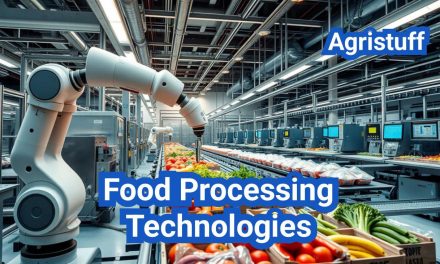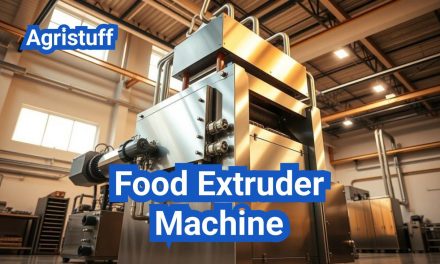
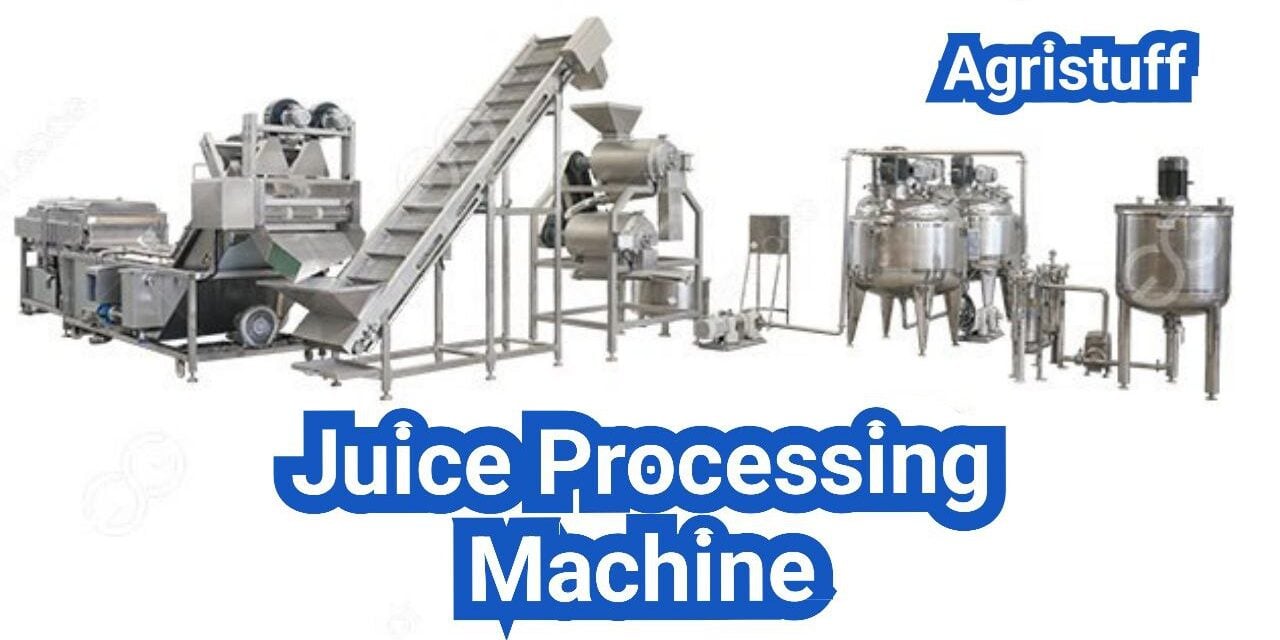
Starting a successful beverage brand in the United States requires high-quality gear. A modern juice processing machine serves as the heart of any production line. This technology ensures that every container maintains its natural flavor and nutrients.
Building a robust fruit juice processing plant involves selecting efficient extraction and pasteurization methods. These systems help eradicate harmful bacteria while preserving the drink’s fresh taste. Determining the right configuration determines how well an enterprise can scale.
Investors should focus on durable components that offer operational flexibility. Reliability and safety are the foundations of consumer trust. This high-quality equipment reduces downtime and maximizes the yield from every fruit.
Modern facilities often utilize aseptic packaging, like Tetra Pak systems, to keep products shelf-stable without refrigeration. This method allows brands to reach more customers across long distances. It also saves money on cold storage during shipping and retail display.
Selecting the best instrumentation for the job is a significant undertaking. Smart investments lead to better efficiency and higher profit margins. Every procedure in the assembly line must work together perfectly.
Key Takeaways
- Efficient production lines ensure high beverage quality.
- Pasteurization helps maintain safety and flavor.
- Aseptic options provide better shelf-life stability.
- Modern gear maximizes liquid yield from fruit.
- Smart equipment choices boost long-term profits.
- Extraction systems determine the final drink volume.
How to Select and Operate Juice Extraction Machines

To achieve optimal juice quality and yield, understanding the different types of juice extraction machines is essential. The choice of extraction technology depends on the type of fruit, desired quality, and production scale.
For businesses looking to invest in a juice making machine for business, it’s crucial to consider the initial investment and operational costs, including the juice making machine price. Various extraction technologies offer different advantages and are suited to different production needs.
Belt Press Extractors for Maximum Yield from Various Fruits
Belt press extractors are known for their ability to extract juice from a wide range of fruits efficiently. They work by applying pressure to the fruit pulp between two belts, extracting the juice.
- High yield from various fruit types
- Continuous operation capability
- Adjustable pressure for different fruit pulp characteristics
Centrifugal Extractors for High-Speed Juice Production
Centrifugal extractors utilize centrifugal force to separate juice from the fruit pulp. They are ideal for high-speed production lines where quick extraction is necessary.
Key benefits:
- High-speed operation
- Compact design for smaller production facilities
- Effective for a variety of fruit types
Cold Press Technology for Premium Fresh Juice Operations
Cold press technology is favored for producing premium, fresh juice. It involves extracting juice without heat, preserving the natural flavors and nutrients.
Cold press juicers are particularly popular for their ability to produce high-quality juice with minimal oxidation.
Grinding Equipment and Pre-Extraction Preparation
Before juice extraction, proper preparation of the fruit is crucial. Grinding equipment is used to crush or grind the fruit into a pulp, facilitating the extraction process.
The quality of the grinding equipment can significantly impact the efficiency of the extraction process and the quality of the final product.
Setting Up Citrus Juice Extraction Equipment
Effective citrus juice extraction begins with the appropriate equipment setup. Citrus juice extraction requires machinery that can handle the specific characteristics of citrus fruits, such as oranges, lemons, and limes.
The equipment used for citrus juice extraction is designed to maximize yield while maintaining the quality of the juice. This involves several key components and processes.
Commercial Orange and Lemon Extraction Systems
Commercial orange and lemon extraction systems are designed to process large quantities of citrus fruits efficiently. These systems typically include:
- Juice Extractors: Machines that extract juice from the citrus fruits.
- Oil Recovery Systems: Equipment that captures the essential oils from the citrus peels.
- Peel Handling Systems: Machinery that processes the peels for further use, such as animal feed or candied peel.
These systems are crucial for large-scale citrus juice production, enabling manufacturers to meet the demands of both domestic and international markets.
Multi-Citrus Processing Line Configuration
A multi-citrus processing line is designed to handle various types of citrus fruits. The configuration of such a line involves:
- Sorting and Grading: Initial sorting and grading of citrus fruits based on size and quality.
- Pre-treatment: Washing and pre-treatment of fruits to prepare them for extraction.
- Extraction: Using extractors suitable for different citrus varieties.
- Post-extraction Processing: Handling the juice and by-products post-extraction.
This flexible configuration allows producers to process different citrus fruits using the same production line, optimizing resource utilization.
Integrating Citrus Oil and Peel Recovery Equipment
Integrating citrus oil and peel recovery equipment into the juice extraction process enhances the overall efficiency and profitability of the operation. Citrus oil, extracted from the peel, is a valuable by-product used in flavorings and fragrances.
Peel recovery equipment can process peels into various products, such as dried peel for animal feed or candied peel for culinary use. This not only reduces waste but also generates additional revenue streams.
By incorporating these systems, citrus juice producers can maximize their returns on investment and minimize environmental impact.
Implementing Juice Filtration and Clarification Equipment
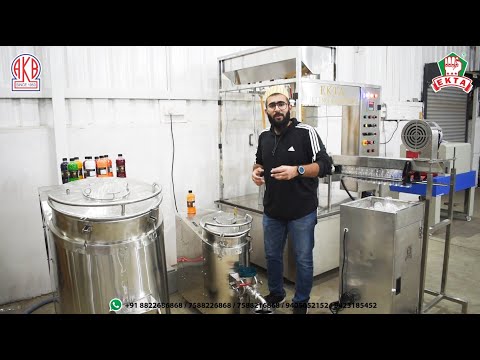
Filtration and clarification equipment play a vital role in the production of clear and stable juice. These processes are essential for removing impurities and improving the overall quality of the final product.
Step-by-Step Filtration Process for Clear Juice Production
The filtration process involves several key steps to ensure the production of clear juice. First, coarse filtration removes larger particles, followed by fine filtration to eliminate smaller impurities. The final step often involves sterile filtration to remove any remaining microorganisms.
- Coarse filtration to remove larger particles
- Fine filtration to eliminate smaller impurities
- Sterile filtration to remove remaining microorganisms
By following this step-by-step process, juice manufacturers can achieve the desired level of clarity and quality in their products.
Selecting Clarification Equipment Based on Desired Pulp Content
The choice of clarification equipment depends on the desired pulp content in the final product. Centrifugal clarifiers are often used for juices with low pulp content, while membrane filtration systems can be employed for a wider range of pulp levels.
| Clarification Method | Pulp Content |
|---|---|
| Centrifugal Clarifiers | Low |
| Membrane Filtration | Variable |
Installing Deaeration Systems for Quality Control
Deaeration systems are critical for removing oxygen from juice, which helps preserve flavor and color. Proper installation of deaeration equipment is essential for effective quality control.
“Deaeration is a crucial step in juice processing as it prevents oxidation and spoilage, ensuring a higher quality product.”
Industry Expert
By implementing effective filtration, clarification, and deaeration systems, juice manufacturers can significantly enhance the quality and stability of their products.
Installing an HTST Juice Pasteurization System

The HTST juice pasteurization system is a critical component in ensuring the safety and quality of juice products. HTST pasteurization is a widely used method for achieving the required level of microbial reduction while preserving the nutritional and sensory qualities of the juice.
Understanding HTST Pasteurizer Design and Flow
An HTST pasteurizer is designed to heat juice to a high temperature for a short period, typically between 15 to 30 seconds, followed by rapid cooling. This process effectively reduces microbial load without significantly affecting the juice’s flavor, color, or nutritional content.
The design of an HTST pasteurizer involves several key components, including a heat exchanger, holding tube, and cooling section. The heat exchanger is responsible for heating the juice to the required temperature, while the holding tube ensures that the juice is maintained at this temperature for the specified duration.
Setting Temperature and Time Parameters for Different Juices
The temperature and time parameters for HTST pasteurization vary depending on the type of juice being processed. For example, orange juice is typically pasteurized at 91°C to 95°C for 15 to 30 seconds.
| Juice Type | Temperature (°C) | Time (seconds) |
|---|---|---|
| Orange Juice | 91 – 95 | 15 – 30 |
| Apple Juice | 90 – 94 | 15 – 30 |
| Grape Juice | 85 – 90 | 15 – 30 |
Connecting HTST Systems to Your Production Line
Integrating an HTST pasteurization system into your production line requires careful planning to ensure seamless operation. The system should be connected in a way that allows for smooth flow of juice from the pasteurizer to the filling machine.
Key considerations include: ensuring compatibility with existing equipment, maintaining sterility throughout the process, and providing adequate space for the HTST system.
Monitoring and Maintaining HTST Pasteurization Equipment
Regular monitoring and maintenance of HTST pasteurization equipment are crucial for ensuring consistent performance and product safety. This includes routine checks on temperature controls, flow rates, and cleaning protocols.
Proper maintenance involves: daily inspections, regular cleaning and sanitizing, and scheduled maintenance of critical components like seals and gaskets.
Operating a Batch Pasteurizer for Juice Production

Operating a batch pasteurizer for juice production requires a deep understanding of the pasteurization process and its applications. Batch pasteurization offers an alternative to continuous pasteurization, suitable for certain production needs.
When to Choose Batch Pasteurization Over Continuous Methods
Batch pasteurization is ideal for small to medium-sized producers or for juices that require special handling. It’s also beneficial when there’s a need for flexibility in production scheduling.
- Small batch production
- Specialty or craft juices
- Flexibility in production scheduling
Setting Up and Loading a Batch Pasteurizer System | Juice Processing Machines
To set up a batch pasteurizer, one must first ensure that the equipment is properly installed and calibrated. The tank should be loaded with the juice, and the system should be configured according to the manufacturer’s instructions.
Key considerations:
- Tank size and material
- Heating and cooling system capabilities
- Agitation or circulation requirements
Running Pasteurization Cycles and Quality Testing | Juice Processing Machines
Once the batch pasteurizer is set up and loaded, the pasteurization cycle can be initiated. It’s crucial to monitor the temperature and time parameters to ensure that the juice is properly pasteurized.
Quality testing should be conducted after each cycle to verify the effectiveness of the pasteurization process. This includes checking for microbial counts and ensuring that the juice meets the required safety standards.
Implementing Aseptic Juice Filling Machine Systems

Implementing aseptic juice filling systems is a critical step in modern juice production. Aseptic filling is crucial for producing shelf-stable juice products that maintain their quality and safety over time.
Understanding Aseptic Processing for Shelf Stable Juice Production
Aseptic processing involves sterilizing the product and packaging separately before filling, then combining them in a sterile environment. This method ensures that the juice remains free from contaminants and spoilage microorganisms.
The process begins with the sterilization of the juice itself, typically through Ultra-High Temperature (UHT) treatment. The packaging material is also sterilized, often using methods such as hydrogen peroxide or other sterilizing agents.
Installing and Calibrating Aseptic Filling Equipment | Juice Processing Machines
Installing aseptic filling equipment requires careful planning to ensure that all components work seamlessly together. The equipment must be designed to maintain sterility throughout the filling process.
Calibration is critical to ensure accurate filling volumes and to prevent contamination. Regular maintenance and validation of the filling equipment are necessary to uphold sterility and efficiency.
Maintaining Sterile Conditions Throughout the Filling Process
Maintaining sterile conditions is paramount in aseptic filling. This involves creating a sterile environment around the filling area, often achieved through the use of laminar flow hoods or isolated filling zones.
Personnel working in these areas must follow strict hygiene protocols, including gowning and sanitizing procedures, to prevent contamination.
Aseptic Packaging Material Sterilization Methods | Juice Processing Machines
Aseptic packaging materials can be sterilized using various methods, including:
| Sterilization Method | Description | Common Applications |
|---|---|---|
| Hydrogen Peroxide | Chemical sterilization using H2O2 | Cartons, bottles |
| UV Light | Ultraviolet light exposure | Surfaces, containers |
| Heat Sterilization | High-temperature treatment | Metal containers, some plastics |
Each method has its advantages and is chosen based on the type of packaging material and the specific requirements of the product.
Configuring a Hot Fill Juice Bottling Line

The hot fill process is a widely used method for packaging juice products, offering a reliable way to ensure product safety and shelf stability. This method involves filling containers with hot juice, sealing them, and then cooling the containers to create a vacuum seal.
Step-by-Step Hot Fill Process Setup | Juice Processing Machines
To set up a hot fill juice bottling line, follow these essential steps:
- Prepare the juice product to the required temperature, typically between 185°F and 195°F.
- Ensure the bottles and caps are sterilized and pre-heated to prevent thermal shock.
- Fill the bottles with the hot juice, leaving the appropriate headspace.
- Cap the bottles immediately after filling to prevent contamination.
- Allow the bottles to cool gradually in a controlled environment to create a vacuum seal.
Implementing Bottle Sterilization and Pre-Heating Systems | Juice Processing Machines
Bottle sterilization is crucial to prevent contamination and ensure product safety. Sterilization methods include:
- Hot water rinsing
- Steam sterilization
- Hydrogen peroxide treatment
Pre-heating the bottles is also essential to prevent thermal shock when filling with hot juice. This can be achieved through:
- Infrared heating
- Hot air convection
Installing Cooling Tunnels for Hot Filled Containers | Juice Processing Machines
After filling and capping, the hot filled containers need to be cooled gradually to prevent damage and ensure a proper seal. Cooling tunnels are used for this purpose, providing a controlled environment for gradual cooling.
Key considerations for cooling tunnel installation include:
- Length and layout of the tunnel to ensure adequate cooling time
- Airflow management to prevent contamination
- Temperature control to achieve the desired cooling rate
By carefully configuring a hot fill juice bottling line, manufacturers can ensure efficient and safe packaging of juice products.
Installing Juice Filling and Capping Machine Equipment

The final stages of juice production involve precise machinery for filling and capping. The efficiency and quality of these processes are crucial for delivering high-quality products to consumers.
When setting up a juice production line, selecting the right equipment for filling and capping is vital. The type of container, production volume, and desired level of automation are key factors to consider.
Selecting the Right Filling Machine for Your Container Type
Different container types require specific filling machines. For example, glass bottles, PET bottles, and cartons each have unique filling requirements.
Filling Machine Types:
- Gravity Filling Machines: Suitable for low-viscosity liquids and various container types.
- Piston Filling Machines: Ideal for products with higher viscosity or when precise filling is required.
- Overflow Filling Machines: Used for filling containers to a precise level, often used for beverages.
Choosing the right filling machine ensures accurate filling and minimizes waste.
Setting Up Automatic Capping Systems | Juice Processing Machines
Automatic capping systems are essential for efficient and consistent capping operations. The type of cap and container determines the capping technology required.
Capping System Options:
| Capping Technology | Cap Type | Container Type |
|---|---|---|
| Screw Capping | Screw caps | Glass, PET bottles |
| Press-on Capping | Press-on caps | Glass, PET bottles |
| Crown Capping | Crown caps | Glass bottles |
Setting up an automatic capping system involves aligning the capping heads with the container type and ensuring smooth integration with the filling line.
Integrating Filling Lines with Labeling and Packaging Equipment | Juice Processing Machines
Integrating filling lines with labeling and packaging equipment creates a seamless production flow. This integration enhances efficiency and reduces labor costs.
Key Considerations:
- Compatibility between different machines
- Production speed and volume
- Labeling accuracy and quality
- Packaging material handling
By carefully selecting and integrating filling, capping, labeling, and packaging equipment, juice manufacturers can achieve a highly efficient production line.
Designing and Operating a Juice Plant CIP System

A well-designed clean-in-place (CIP) system is crucial for maintaining hygiene and ensuring compliance with food safety regulations in juice processing plants. As stated by a leading food industry expert,
“CIP systems are designed to clean equipment and pipelines without the need for disassembly, reducing downtime and increasing overall efficiency.”
The importance of a CIP system cannot be overstated, as it directly impacts the quality and safety of the final product. A typical CIP system consists of several key components, including tanks, pumps, and piping, which work together to circulate cleaning solutions throughout the processing equipment.
Planning Clean-in-Place System Layout for Complete Coverage | Juice Processing Machines
When planning a CIP system layout, it is essential to consider the specific needs of the juice processing plant. This includes identifying the equipment and areas that require cleaning, as well as determining the most effective cleaning routes and frequencies.
A thorough analysis of the processing line and equipment configuration is necessary to ensure that the CIP system provides complete coverage. This may involve creating detailed diagrams and flowcharts to visualize the cleaning process and identify potential areas for improvement.
Establishing CIP Cleaning Cycles and Chemical Protocols | Juice Processing Machines
Establishing effective CIP cleaning cycles and chemical protocols is critical for ensuring the thorough cleaning and sanitizing of equipment. This involves selecting the appropriate cleaning agents and determining the optimal cleaning temperatures, flow rates, and contact times.
- Pre-rinse with water to remove loose debris
- Caustic wash to remove organic soils
- Acid rinse to remove mineral deposits
- Sanitizing rinse to eliminate bacteria and other microorganisms
The specific cleaning cycle and chemical protocol will depend on the type of juice being processed, as well as the equipment and materials used in the processing line.
Documenting CIP Procedures for HACCP Compliance | Juice Processing Machines
To ensure compliance with HACCP regulations, it is essential to document all CIP procedures and protocols. This includes maintaining detailed records of cleaning schedules, chemical usage, and verification testing.
Accurate documentation is critical for demonstrating compliance with regulatory requirements and for identifying areas for improvement in the CIP system.
By following these guidelines and best practices, juice processing plants can design and operate effective CIP systems that maintain the highest standards of hygiene and quality.
Starting with Small Scale Juice Processing Machines

Small-scale juice processing machines offer an accessible entry point for new businesses. These machines are designed to handle smaller production volumes, making them ideal for startups or businesses looking to test the market.
Selecting a Juice Making Machine for Small Business Operations | Juice Processing Machines
When choosing a juice making machine for small business operations, several factors come into play. The type of juice to be produced, available space, and initial investment budget are crucial considerations.
- Consider the type of fruit or vegetable juice to be produced.
- Assess the available space for the machinery.
- Evaluate the budget for initial investment.
For small businesses, it’s essential to start with equipment that is versatile and can handle various types of produce. This flexibility can help in experimenting with different products and recipes.
Designing Compact Juice Bottling Lines for Startup Budgets | Juice Processing Machines
Designing a compact juice bottling line requires careful planning to ensure efficiency and compliance with health and safety regulations. Startups can benefit from modular designs that allow for future expansion.
Key components include:
- Filling machines capable of handling various bottle sizes.
- Capping machines that ensure secure sealing.
- Labeling equipment for branding.
Scaling from Small Batch to Expanded Production | Juice Processing Machines
As a business grows, so does the need to scale up production. Scaling from small batch to expanded production involves upgrading equipment and potentially reconfiguring the production line.
Businesses should:
- Monitor demand closely to determine when to scale up.
- Invest in machinery that can be easily integrated into the existing production line.
- Train staff on new equipment and processes.
Space Requirements and Utility Connections for Small Operations
Understanding the space requirements and utility connections for small juice processing operations is vital for smooth operations. This includes ensuring adequate space for machinery, storage, and staff movement.
| Utility | Requirement |
|---|---|
| Water | Adequate supply for cleaning and processing |
| Electricity | Sufficient power supply for machinery |
| Drainage | Proper drainage system for waste disposal |
By carefully planning and selecting the right equipment, small businesses can establish a solid foundation for their juice processing operations.
Scaling Up to Commercial Juice Processing Equipment

As juice production operations expand, scaling up to commercial juice processing equipment becomes essential for meeting growing demand. This transition involves significant changes in equipment, operational practices, and quality control measures.
Transitioning from Small to Factory Scale Juice Production | Juice Processing Machines
Moving from small-scale to factory-scale juice production requires careful planning and investment in commercial juice processing equipment. This involves assessing current production capacities, identifying bottlenecks, and selecting appropriate machinery that can handle increased volumes without compromising quality.
Factory-scale production also demands more sophisticated handling and storage systems for raw materials and finished products. Implementing efficient logistics and supply chain management becomes crucial to maintaining a smooth operation.
Designing High-Capacity Fruit Juice Processing Plants | Juice Processing Machines
Designing a high-capacity fruit juice processing plant involves several key considerations. First, the layout must be optimized for workflow efficiency, ensuring that raw materials move smoothly through various processing stages to packaging.
Automated quality control systems play a vital role in high-capacity plants, enabling real-time monitoring of product quality and immediate detection of any deviations from set standards. This includes integrating advanced inspection technologies and data analytics to maintain consistency across large production volumes.
Implementing Automated Quality Control and Monitoring Systems | Juice Processing Machines
Implementing automated quality control and monitoring systems is critical for maintaining product quality at scale. These systems can include automated inspection lines, real-time monitoring of processing parameters, and advanced data analytics to predict and prevent quality issues.
By leveraging these technologies, manufacturers can ensure that their products meet the highest standards of quality and safety, even as production volumes increase significantly.
Understanding Juice Processing Machine Price and Investment Costs
Understanding the financial aspects of juice processing equipment is crucial for businesses looking to enter or expand in the juice market. The cost of juice processing machinery varies widely based on capacity, technology, and supplier.
When considering the investment in a juice processing machine, it’s essential to evaluate not just the initial purchase price but also the long-term operational costs and potential return on investment. Factors such as energy efficiency, maintenance requirements, and the cost of consumables can significantly impact the overall cost of ownership.
Juice Making Machine Price Ranges by Equipment Category | Juice Processing Machines
The cost of juice making machines can vary significantly depending on the type and capacity of the equipment. For instance:
- Small-scale juice extractors for home or small business use can start from a few hundred dollars.
- Commercial-grade juice processing machines, including pasteurizers and filling equipment, can range from tens of thousands to hundreds of thousands of dollars.
- High-capacity industrial juice processing lines can cost millions of dollars.
Key factors influencing the price include:
- The type of juice being produced (e.g., citrus, apple, or berry).
- The desired production capacity.
- The level of automation and technology integrated into the equipment.
Complete Juice Production Line Equipment Budget Planning
Planning a budget for a complete juice production line involves considering several components:
- Extraction Equipment: The cost of juice extractors, presses, or other extraction technology.
- Processing and Pasteurization: Equipment for pasteurization, filtration, and other processing steps.
- Filling and Packaging: Machines for filling, capping, and packaging the final product.
- CIP Systems: Clean-in-place systems for maintaining hygiene and compliance with regulations.
It’s crucial to balance the initial investment with ongoing operational costs and the potential for future expansion.
Juice Processing Machine in USA Market and Supplier Options | Juice Processing Machines
The USA market offers a wide range of juice processing machine suppliers, from local manufacturers to international companies. When selecting a supplier, consider factors such as:
- Reputation and experience in the industry.
- The range of equipment and technology offered.
- After-sales support and service.
- Compliance with US regulations and standards.
Some notable suppliers in the USA market include companies that specialize in various types of juice processing equipment, from extraction to packaging.
Calculating Return on Investment for Juice Manufacturing Equipment
To calculate the return on investment (ROI) for juice manufacturing equipment, consider the following:
| Factor | Description | Impact on ROI |
|---|---|---|
| Initial Investment | The upfront cost of purchasing and installing the equipment. | High initial cost can lower ROI. |
| Operational Costs | Ongoing expenses such as energy, maintenance, and labor. | Lower operational costs can increase ROI. |
| Production Capacity | The volume of juice the equipment can produce. | Higher capacity can lead to higher ROI if demand is met. |
| Product Quality | The quality of the juice produced, affecting marketability and price. | Higher quality can command higher prices, increasing ROI. |
By carefully evaluating these factors and considering quotes from multiple suppliers, businesses can make informed decisions about their investment in juice processing machinery.
Meeting Juice Processing HACCP Requirements and Selecting Packaging Options
Ensuring compliance with juice processing HACCP requirements is crucial for manufacturers operating in the US market. Juice processors must understand and adhere to stringent regulations to guarantee product safety and quality.
Understanding FDA Juice HACCP Regulations for US Operations | Juice Processing Machines
The FDA mandates HACCP compliance for juice processors to prevent, eliminate, or reduce hazards that could cause foodborne illness. HACCP regulations require processors to identify critical control points in their production lines.
Key aspects of FDA Juice HACCP regulations include:
- Conducting a hazard analysis
- Identifying critical control points (CCPs)
- Establishing critical limits for CCPs
- Implementing monitoring procedures
- Maintaining records of HACCP plans and monitoring results
Implementing Critical Control Points in Your Processing Line | Juice Processing Machines
To implement Critical Control Points (CCPs), juice processors must identify stages in their production process where controls can be applied to prevent or minimize hazards.
| Process Stage | Critical Control Point | Critical Limit |
|---|---|---|
| Juice Extraction | Temperature Control | Below 4°C or above 60°C |
| Pasteurization | Temperature and Time | 72°C for 15 seconds |
| Filling | Aseptic Conditions | Sterility maintained |
Choosing Juice Packaging Line Options for Different Markets | Juice Processing Machines
Selecting the right packaging line options is crucial for juice processors to meet market demands and regulatory requirements. Different markets may require different packaging formats.
Common packaging options include:
- Glass bottles
- Cartons (e.g., Tetra Pak)
- PET bottles
- Aseptic bags or pouches
Documentation and Record-Keeping Systems for Compliance | Juice Processing Machines
Maintaining accurate records is essential for demonstrating compliance with HACCP regulations. Processors must keep detailed records of their HACCP plans, monitoring results, and corrective actions.
Effective documentation includes:
- HACCP plan documents
- Monitoring records for CCPs
- Corrective action records
- Verification activity records
At The End of: Juice Processing Machines Guide
Effective juice processing is crucial for producing high-quality fruit juices that meet consumer expectations and regulatory standards. Throughout this article, we’ve explored the various components and equipment necessary for juice production, including extraction machines, pasteurization systems, and aseptic filling lines.
By understanding the different types of juice processing machinery and their applications, manufacturers can optimize their production lines to achieve comprehensive juice production. Whether you’re involved in small-scale juice manufacturing or large-scale commercial operations, selecting the right equipment is vital for ensuring the quality and safety of your final product.
As the demand for juice continues to grow, investing in appropriate juice processing technology will be essential for staying competitive in the market. By combining the right equipment with best practices in juice processing, manufacturers can deliver high-quality products that satisfy consumer preferences while maintaining compliance with regulatory requirements.
FAQ
What are the essential components of a complete juice production line equipment setup?
A comprehensive juice production line typically consists of several integrated stages. It begins with the wash line and grinding equipment for raw fruit preparation. This is followed by a juice extraction machine, such as a belt press or centrifugal extractor, and mixing tanks for blending. The core of the system includes a juice pasteurizer machine (either HTST or batch pasteurizer) and juice filtration and clarification equipment. Finally, the process concludes with a juice filling and capping machine and a juice plant cip system to maintain hygiene.
How does an HTST juice pasteurization system differ from a batch pasteurizer for juice?
The HTST juice pasteurization system (High-Temperature Short-Time) is designed for high-volume, continuous juice production, heating the liquid rapidly to kill pathogens while preserving flavor. In contrast, a batch pasteurizer for juice is ideal for small scale juice processing, where smaller quantities are heated in a tank for a longer duration. HTST is preferred for a juice making machine for factory settings, while batch systems are often the choice for a juice bottling line for startup ventures.
Can a juice processing machine be bought as one skid for a small brand?
A juice processing machine can sometimes be purchased as a compact skid or semi-automatic line for pilot production or early regional sales, but you should still evaluate cleaning time, documentation capability, and future expansion paths before buying the smallest option. FDA small entity guidance for Juice HACCP.
Is aseptic always better than hot-fill for shelf-stable products?
A juice processing machine with aseptic filling is not automatically better for every business, because hot-fill may deliver a simpler operation and lower capital cost for certain products and volumes while still meeting your market needs. The best choice depends on quality goals, package format, distribution channel, and operational maturity. FDA guidance on bulk transport and shelf-stable juices.
How important is operator training after installation?
A juice processing machine performs only as well as the team running it, so operator training on startup, shutdown, sanitation, alarms, verification checks, and deviations is essential for yield, safety, and uptime. Many early production problems are process-discipline issues, not equipment defects. OSHA lockout/tagout standard (1910.147).
What is the biggest hidden cost in a new line project?
A juice processing machine projects often underestimate non-equipment costs such as drainage modifications, utility upgrades, commissioning delays, packaging trial waste, and wastewater handling changes. A stronger pre-project utilities and infrastructure review usually saves more money than negotiating a slightly lower machine price. EPA industrial effluent guidelines overview.
What is the advantage of using an aseptic juice filling machine compared to a hot fill juice bottling line?
An aseptic juice filling machine allows for shelf stable juice processing by filling sterilized juice into sterile packaging at room temperature, which helps maintain the nutritional profile of high-quality fruit juices. A hot fill juice bottling line, commonly used for acidic juices, involves filling the container with heated juice to sterilize the bottle itself. While aseptic lines require more sophisticated juice manufacturing machinery, they often result in a fresher-tasting multi-fruit juice product.
What factors influence the juice processing machine price for commercial operations?
The juice processing machine price varies significantly based on capacity, automation level, and material quality. A small scale juice processing machine for a local business might cost a few thousand dollars, whereas a fully automated fruit juice processing plant can run into hundreds of thousands. Factors such as the inclusion of industrial juice extractors, HPP juice machine price (High Pressure Processing), and the complexity of the juice packaging line options all impact the total juice manufacturing equipment cost.
Which juice extraction machine is best for a small business or startup?
For those seeking a juice making machine for small business, a professional juicer machine or a cold press juicer like those from Zumex or the Breville Juice Fountain XL Pro are excellent starting points. If you are processing citrus, a Vevor commercial orange juicer machine offers efficiency at a lower price point. For more specialized needs, a sugarcane milling machine or a small apple juice processing equipment setup can provide a competitive edge in niche markets.
What are the primary juice processing haccp requirements for a juice making machine for factory use?
Under FDA regulations for a juice processing machine in the u.s., manufacturers must implement a HACCP (Hazard Analysis and Critical Control Point) plan. This includes identifying critical control points like juice pasteurization, ensuring effective juice filtration, and maintaining a strict juice plant cip system (Clean-in-Place). Regular monitoring of temperature and pressure, especially in HTST and hot fill systems, is vital for safety and legal compliance.
Can a single juice production line handle different types of fruit, like mango and coconut water?
While some juice production line equipment is versatile, certain fruits require specialized machinery. A mango juice processing machine requires de-stoning equipment, while a coconut water processing machine needs specific extraction tools to maintain sterility. However, many commercial juice processing equipment setups, such as those from JBT FoodTech, are modular, allowing you to integrate a sugarcane juice extraction module or an aloe vera juice extraction machine into a shared filtration and packaging system.
What is the role of deaeration and dissolved oxygen control in juice processing?
Deaeration is a critical stage of the process where air is removed from the juice after extraction. This prevents oxidation, which can destroy vitamin C and darken the color of the juice. High-quality juice processing machinery includes deaerators to ensure that shelf stable juice maintains its quality and flavor over time, particularly when using an aseptic juice filling machine.
Why should a business consider a high pressure processing juice machine (HPP) over traditional heat pasteurization?
A high pressure processing juice machine uses extreme pressure instead of heat to deactivate microbes. This “cold-pressed” method is highly valued for premium high-quality fruit juices because it preserves the raw taste and enzyme content. While the hpp juice machine price is generally higher than a standard juice pasteurizer machine, the ability to market a “never heated” product can significantly increase the ROI for a juice business.
How do I scale from a small juice making machine to a full commercial juice processing equipment setup?
Scaling up involves transitioning from manual industrial juice squeezers to automated juice making machine systems. This usually starts with upgrading your juice extraction machine to a high-capacity belt press and moving from manual filling to an integrated juice filling and capping machine. Planning your juice processing line design with future expansion in mind—ensuring your fruit juice production lines have adequate power and slot drain systems—is essential for a smooth transition to a fruit juice processing plant.
Conclusion of: Juice Processing Machines
A juice processing machine is not just one piece of equipment—it is usually a coordinated production system that turns raw fruit or vegetables into a safe, consistent, saleable beverage with the shelf life your market expects. For U.S. producers, the best buying decision starts with process design, food safety requirements, packaging format, and target throughput rather than vendor brochures alone. FDA Juice HACCP overview.
A juice processing machine project becomes much easier to manage when you think in unit operations: receiving, washing, sorting, extraction, finishing/filtration, deaeration (if needed), heat treatment, filling, and packaging. That mindset helps you compare small farm-scale lines, co-packing support setups, and full commercial plants using the same practical framework. FAO general juice manufacture principles.
A juice processing machine used for products that qualify as juice in the U.S. generally operates within a regulatory environment that includes Juice HACCP requirements, and your process controls must match the hazards associated with your ingredients and process flow. Equipment selection should therefore support monitoring, recordkeeping, and validation—not just output speed. 21 CFR Part 120 (Juice HACCP).
What a juice line usually includes
A juice processing machine line usually starts with raw material handling because fruit condition strongly affects yield, flavor, microbial risk, and downstream cleaning load. In practice, better sorting and washing upstream can reduce filter fouling, improve extraction consistency, and lower the chance of sending damaged produce into the line. UC Davis fruit and vegetable juices guidance.
A juice processing machine layout should also match your growth plan, because oversizing early can burn cash while undersizing creates bottlenecks that force labor-heavy workarounds. A practical U.S. strategy is to buy around the real bottleneck (often extraction, pasteurization hold capacity, or filling) and leave space, utility taps, and controls logic for future modules. FAO small- and medium-scale fruit juice processing.
A juice processing machine specification should include the products you will actually run, such as cloudy apple juice, citrus juice, vegetable blends, smoothies, or juice concentrates, because viscosity, pulp load, acidity, and particulates change the right pump, screen, heat exchanger, and filler choice. Many expensive mistakes happen when buyers size equipment for a generic “juice” instead of a real product family. FAO tropical fruit processing considerations.
Juice extraction options and what they change
A juice processing machine for extraction can use very different mechanisms depending on the raw material: belt presses and rack-and-cloth styles for some fruits, screw presses for tougher materials, citrus reamers/extractors for citrus, and pulpers/finishers for puree-style products. The right choice affects not only yield, but also particle size, peel oil carryover, oxidation exposure, and cleanup time. FAO practical aspects of citrus juice processing.
A juice processing machine should be evaluated on extraction yield in commercial conditions, not only on vendor demo numbers, because fruit maturity, variety, temperature, and operator settings can shift performance quickly. U.S. processors who plan around realistic yield ranges usually make better decisions on payback, packaging cost per gallon, and raw material contracts. FAO processing details for fruit juice operations.
A juice processing machine that runs high-pulp or high-fiber products often needs a careful balance between clarification goals and flavor/body retention, especially if your product positioning is “fresh-style” rather than crystal-clear. Specifying screens, finishers, and filtration stages too aggressively can improve appearance while hurting sensory quality and reducing customer repeat purchase. FAO guidance references for small-scale processors.
Pasteurization options and process control
A juice processing machine must support your pathogen-reduction strategy, and in U.S. juice processing the discussion often centers on validated control measures that consistently achieve the required reduction in the pertinent microorganism. That is why heat treatment selection is not only a quality decision but also a compliance and documentation decision. 21 CFR 120.24 process controls.
A juice processing machine used for thermal treatment may be configured as batch pasteurization, HTST plate systems, tubular systems, or scraped-surface designs depending on product viscosity and particulates. In many commercial U.S. applications, HTST systems offer strong throughput and control, while batch systems may be simpler for smaller operations, pilot runs, or frequent product changes. FDA Juice HACCP Q&A guidance.
A juice processing machine setup should place the validated treatment and final packaging step under tight operational control, because process sequencing and handling after treatment can undo a well-designed thermal step. When comparing vendors, ask how their controls, alarms, divert logic, and recording systems support verification and corrective action workflows. FDA guidance on 5-log treatment recommendations.
A juice processing machine can also be part of a nonthermal or hybrid preservation strategy in some products, but buyers should still build the line around validated food safety controls, shelf-life testing, and packaging compatibility rather than marketing terms alone. A practical approach is to define your required shelf life first, then back-calculate the preservation and packaging combination that can deliver it consistently. FDA Juice HACCP Q&A guidance.
Aseptic choices and when they make sense
A juice processing machine with aseptic capability is usually chosen when the business model needs ambient shelf life, wider distribution, or lower cold-chain dependence, especially for retail and export channels. The tradeoff is higher complexity in sterilization, filling environment control, package compatibility, validation, and operator discipline. FDA acidified and low-acid foods guidance hub.
A juice processing machine decision should clearly separate hot-fill, aseptic filling, and refrigerated ESL approaches, because each option changes capex, packaging material choices, line speed, and product quality profile. In practice, many small and mid-size U.S. brands can scale faster with hot-fill or refrigerated distribution first, then move to aseptic once volume and channel requirements justify the added complexity. 21 CFR Part 113 (thermally processed low-acid foods).
A juice processing machine for products near critical pH boundaries should be specified with strong analytical and monitoring capability, because pH, acidity, and formulation changes influence both safety planning and process design decisions. Even when your product is clearly acidic, measurement discipline and calibration routines remain essential for consistent production and defensible records. 21 CFR 114.90 methodology for pH/acidity.
A juice processing machine intended for shelf-stable packaged products should be matched to packaging format early, including closure design, container integrity expectations, and the operational skill level of your team. Buyers often improve outcomes by validating packaging, filling, and distribution assumptions together instead of sourcing the filler first and solving package issues later. FDA LACF regulation and FSMA guidance.
How to choose the right setup for your operation
A juice processing machine should be sized from your real sales plan, not your best-case sales dream, by converting weekly demand into hourly output after accounting for startup losses, sanitation, changeovers, and downtime. A line that looks oversized on paper may actually be appropriate once you model a real production week with multiple SKUs and cleaning windows.
A juice processing machine quote should include hygienic design details and CIP expectations, because labor-heavy teardown cleaning can destroy throughput and raise contamination risk over time. Ask for documented cleaning procedures, recommended chemistries, gasket/service intervals, and proof that sensors and dead legs are minimized in product-contact areas. 21 CFR Part 117 Subpart B (CGMP).
A juice processing machine installation must also be reviewed for operator safety and maintenance access, including guarding, lockout points, hot surfaces, pinch points, and safe access around pumps, conveyors, and fillers. A faster line is not an upgrade if routine maintenance becomes unsafe or requires production delays because components cannot be reached easily. OSHA machine guarding eTool.
A juice processing machine plan is incomplete without utilities and waste handling calculations, because water use, wastewater characteristics, floor drainage, steam/hot water demand, chilled water load, and compressed air quality can become the true project bottlenecks. In many U.S. facilities, building and utility upgrades end up costing as much as or more than one core process module. EPA fruit and vegetable effluent guidelines.
Quick checklist
A juice processing machine purchase moves faster and with fewer surprises when you lock down a short pre-buy checklist before requesting final quotes or signing a PO. Use the list below as a practical U.S.-market screening tool for vendors, co-pack transitions, and expansion projects. FDA food facility registration information.
- Define product list (juice types, pulp level, acidity, target shelf life, packaging formats).
- Set realistic throughput (gallons/hour or bottles/minute) using downtime and changeover assumptions.
- Choose extraction method based on raw material type, yield target, and quality profile.
- Confirm preservation method (HTST, batch, hot-fill, aseptic, or another validated approach).
- Verify instrumentation needs (temperature recording, flow/divert logic, pH, Brix, fill weights).
- Review hygienic design and CIP requirements before comparing speeds.
- Map utilities: water, drainage, steam/hot water, chilling, compressed air, power.
- Check operator safety: guarding, lockout points, hot-surface protection, service access.
- Budget packaging materials, closures, labels, and spare parts in addition to machine cost.
- Plan validation, shelf-life testing, and startup training before first commercial production.
Common mistakes to avoid
A juice processing machine project often fails on execution details rather than core technology, so the best prevention strategy is to identify frequent mistakes before installation begins. The list below reflects common issues that affect cost, compliance, startup speed, and product consistency. FDA HACCP principles and application guidelines.
- Buying for peak speed only: Prevent this by comparing effective output after cleaning, changeovers, and rejects.
- Ignoring raw material variability: Test the line on your real fruit/vegetable range, not only vendor demo samples.
- Underestimating sanitation time: Require documented cleaning cycles and labor assumptions before purchase.
- Weak instrumentation planning: Include calibrated temperature, pH, and process recording capability from day one.
- Late packaging decisions: Validate bottle/carton/pouch compatibility with filling and sealing before commissioning.
- No utility audit: Confirm electrical service, water quality/volume, drainage, and cooling capacity early.
- Skipping operator training: Build training time into startup and qualify backup operators.
- No spare parts strategy: Stock high-failure consumables and critical components for uptime protection.
- Overly broad first SKU launch: Start with a tight product set, stabilize yields/quality, then expand.
Costs and ROI snapshot
A juice processing machine budget in the U.S. should be built in layers: core process equipment, filler/packaging, installation, controls integration, utility upgrades, validation, startup losses, and working capital for packaging and raw materials. As a practical rule, buyers who budget only the quoted machine price are often underestimating total project cost by a wide margin. SBA 7(a) loan program overview.
A juice processing machine ROI is heavily influenced by operating costs such as yield loss, labor per shift, sanitation chemicals, water use, utilities, packaging materials, and downtime, not just machine speed. Energy and thermal load matter more than many new processors expect, especially for pasteurization, chilling, and ambient-temperature control in warm regions. EIA electricity price table (Electric Power Monthly).
A juice processing machine investment can sometimes be supported by grants, guaranteed loans, or equipment-efficiency programs depending on your operation type and location, but eligibility, timing, and documentation requirements vary. For farm-linked or rural processing projects, planning financing and incentive applications alongside engineering design can improve project timing and cash flow. USDA Rural Energy for America Program (REAP).
A juice processing machine tax treatment and depreciation planning should be reviewed with a qualified tax professional before purchase, because first-year deductions, depreciation schedules, and placed-in-service timing can materially change your real payback period. This is especially important when comparing buying, financing, and phased equipment purchases across multiple quarters. IRS Publication 946 (Depreciation).
A juice processing machine ROI model becomes far more reliable when you track contribution margin per package, effective line uptime, yield by fruit lot, and actual labor minutes per clean/changeover cycle during your first 90 days. Those numbers usually tell you whether the next upgrade should be extraction, thermal treatment, filling, automation, or packaging changeover improvements. USDA Value-Added Producer Grants (VAPG).
Labeling, records, and operational readiness
A juice processing machine startup plan should include label and records readiness, because commercial launch delays often happen after mechanical commissioning when teams discover missing label elements, nutrition data workflow gaps, or incomplete lot coding procedures. Build labeling and documentation into the project timeline at the same level of priority as equipment FAT/SAT milestones. 21 CFR 101.9 nutrition labeling.
A juice processing machine used for beverages containing fruit or vegetable juice should be coordinated with your percentage juice declaration strategy so the product name, claims, and formulation are aligned before printing packaging. This becomes especially important for blends, diluted beverages, and products marketed with fruit imagery that may trigger declaration requirements. 21 CFR 101.30 percentage juice declaration.
A juice processing machine facility should also be ready for registration and ongoing updates in FDA systems where applicable, and your internal SOPs should clearly assign responsibility for records, preventive actions, and regulatory communication. Operational readiness is strongest when maintenance, QA, production, and management all understand the same startup and escalation plan. FDA online food facility registration.
Final thought
A juice processing machine should be chosen as a production system, not a standalone asset, because extraction, pasteurization, packaging, sanitation, utilities, and records all determine whether the line will be profitable and dependable in real U.S. operations. If you define product specs, shelf-life targets, and compliance needs first, your equipment decision becomes clearer and your ROI is usually stronger.
Sources & References
- FDA: Juice HACCP Hazards and Controls Guidance (First Edition)
- Machinery Marvels: 10 Best Machines for an Efficient Juice
- Industrial Juice Extractors | Zumex Group
- Fruit Juice Production Line Machinery for Juice Production
- BEVERAGES & FRUIT JUICE PROCESSING PLANT MACHINERY
- FDA: Questions and Answers on Juice HACCP Regulation
- FDA: Small Entity Compliance Guide: Juice HACCP
- FDA: Exemptions from the Warning Label Requirement for Juice
- FDA: Bulk Transport of Juice Concentrates and Certain Shelf Stable Juices
- FDA: Acidified & Low-Acid Canned Foods Guidance Documents
- UC Davis: Fruit and Vegetable Juices (Food Safety)
- FAO: Principles and practices of small- and medium-scale fruit juice processing
- FAO: General juice manufacture principles
- FAO: Practical aspects of citrus juice processing
- OSHA: Machine Guarding eTool (Standards)
- USDA Rural Development: Value-Added Producer Grants (VAPG)