Starting a fresh drink line requires a smart production plan. Business owners often choose a private label juice manufacturer to get started quickly. This path allows you to use existing formulas while building your own unique brand presence.
Picking a great partner ensures your bottles reach shoppers with steady quality and flavor. A reliable drink co-packer USA offers the equipment needed to grow without high costs. These expert teams handle the hard work while you focus on sales and marketing efforts.
Comparing beverage co-packing for liquid brands helps you find the best deal for your needs. Choosing between a set recipe or a custom one defines your future path. This guide looks at top production facilities to help you find an ideal long-term ally.
Evaluate every site carefully to protect your brand name and ensure food safety. Understanding the differences in service levels will save you time and money. Use these steps to find a partner that matches your vision for growth.
Key Takeaways
- Differentiate between labeling existing products and custom packing.
- Identify necessary food safety and quality certifications.
- Assess the total production capacity of potential facilities.
- Compare cost structures to maintain healthy profit margins.
- Evaluate internal quality control and product testing procedures.
- Review logistics and storage capabilities for finished goods.
Understanding the Juice Manufacturing Landscape in the United States

As the demand for juice products continues to evolve, the manufacturing landscape in the United States is shifting accordingly. The industry is becoming increasingly complex, with various players emerging to cater to changing consumer preferences.
Current State of Juice Manufacturers in the U.S.
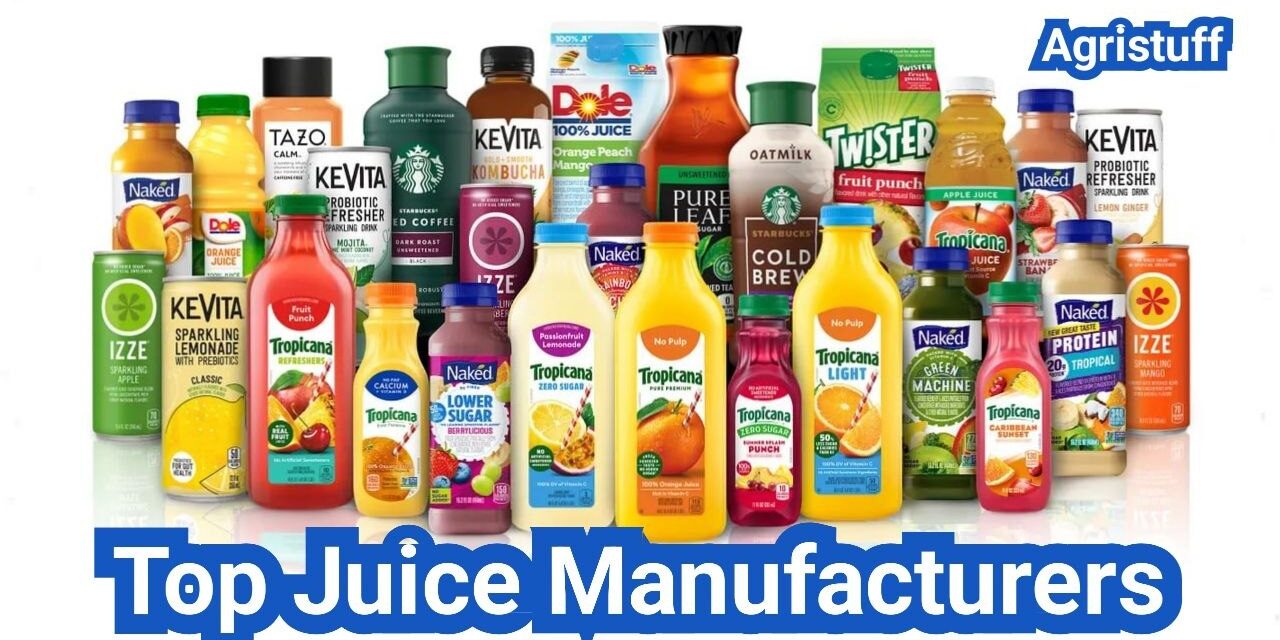
The juice manufacturing industry in the U.S. is highly competitive, with numerous players operating in the market. According to VMR’s Q1 Market Intelligence Report, major players like The Coca-Cola Company, Tropicana Products, and Pepsi Bottling Group dominate the market.
The industry is characterized by a mix of large-scale producers and specialized service providers. This diversity has led to a range of options for businesses looking to partner with juice manufacturers.
Major Industry Players and Market Segments
The U.S. juice market can be segmented into various categories, including:
- Not-from-concentrate (NFC) juice
- From-concentrate juice
- Organic juice
- Premium and specialty juices
Major industry players are focusing on expanding their product portfolios to cater to these segments. For instance, The Coca-Cola Company has introduced various juice-based beverages under its brand portfolio.
| Company | Market Segment | Notable Brands |
|---|---|---|
| The Coca-Cola Company | NFC, From-concentrate | Minute Maid, Simply |
| Tropicana Products | NFC, Premium | Tropicana Pure Premium, Tropicana 100% |
| Pepsi Bottling Group | NFC, From-concentrate | Dole, Tropicana |
The Growing Role of Contract Manufacturing and Co-Packing
Contract manufacturing and co-packing are becoming increasingly important in the juice manufacturing industry. Many businesses are opting for these services to reduce costs and improve efficiency.
Co-packing services, in particular, offer flexibility and scalability for businesses looking to outsource their juice manufacturing needs. This trend is expected to continue as the demand for juice products evolves.
Private Label vs. Co-Packing: Key Differences Explained

Understanding the nuances between private label juice manufacturing and co-packing is essential for making informed decisions in the juice production industry. Both models offer distinct advantages and cater to different business needs.
What Private Label Juice Manufacturing Means
Private label juice manufacturing involves producing juice products without a brand name and then labeling them with the buyer’s brand identity. This model allows companies to offer products under their own brand without investing in manufacturing infrastructure.
Key aspects of private label juice manufacturing include:
- Production of juice products according to the buyer’s specifications
- Labeling and packaging with the buyer’s brand
- Flexibility in product formulation and packaging options
As noted by industry experts, “Private labeling allows brands to focus on marketing and sales while leaving the production to specialists.” This approach can be particularly beneficial for new entrants in the market or for companies looking to expand their product lines without significant capital investment.
Understanding Juice Co-Packing Services
Co-packing, or contract packaging, involves outsourcing the packaging of juice products to a third-party manufacturer. This service is often utilized when a company has its own product formulation but lacks the capacity or expertise for packaging.
Co-packing services typically include:
- Packaging of juice products in various formats (e.g., bottles, cartons, pouches)
- Labeling and secondary packaging services
- Flexibility in packaging design and format
Critical Distinctions Between Business Models
The primary difference between private label manufacturing and co-packing lies in the scope of services provided. Private label manufacturing typically involves both production and packaging, while co-packing focuses solely on packaging.
| Service | Private Label | Co-Packing |
|---|---|---|
| Production | Yes | No |
| Packaging | Yes | Yes |
| Labeling | Yes (with buyer’s brand) | Yes (varies) |
Choosing between these models depends on a company’s specific needs, resources, and business strategy. By understanding the key differences, businesses can make informed decisions that align with their goals and market requirements.
Types of Juice Manufacturing Processes and Technologies

Juice production involves several key manufacturing processes, each with its own set of technologies and benefits. The choice of process depends on factors such as the type of juice, desired shelf life, and packaging requirements.
Hot Fill Juice Manufacturing
Hot fill juice manufacturing is a widely used process for producing juices that are filled at high temperatures. This method involves heating the juice to a high temperature, typically between 185°F to 195°F, before filling it into containers. The high temperature helps to kill off bacteria and other microorganisms, extending the product’s shelf life.
Key benefits of hot fill juice manufacturing include:
- Extended shelf life without refrigeration
- Reduced risk of contamination
- Compatibility with a variety of packaging formats
HPP (High Pressure Processing) Juice Co-Packing
HPP is a non-thermal processing technology that uses extremely high pressure to preserve juice. This method is particularly popular for producing premium, raw juices that require minimal processing.
Advantages of HPP juice co-packing include:
- Preservation of nutritional value and flavor
- Extended shelf life without refrigeration
- Compliance with food safety regulations
Aseptic Juice Packaging Systems
Aseptic packaging involves filling juice into sterile containers in a sterile environment. This method ensures that the product remains uncontaminated and has a long shelf life without refrigeration.
Benefits of aseptic juice packaging include:
- Long shelf life without refrigeration
- Reduced risk of contamination
- Flexibility in packaging formats
Refrigerated Juice Co-Packing Operations
Refrigerated juice co-packing involves producing and packaging juice that is stored and distributed under refrigeration. This method is often used for juices that require cold storage to maintain their quality and freshness.
| Manufacturing Process | Shelf Life | Storage Requirements |
|---|---|---|
| Hot Fill | Up to 12 months | Room temperature |
| HPP | Up to 40 days | Refrigeration |
| Aseptic | Up to 12 months | Room temperature |
| Refrigerated | Up to 30 days | Refrigeration |
Step 1: Define Your Product Requirements and Business Goals

Defining your product requirements and business goals is the foundational step in selecting the right juice manufacturing partner. This initial phase is crucial as it sets the stage for your entire production process, from sourcing ingredients to delivering the final product to your customers.
To start, you need to have a clear understanding of what your juice product will be. This involves more than just deciding on the type of juice; it encompasses a broad range of factors that will influence your manufacturing choices.
Establishing Your Juice Product Specifications
Your product specifications are the blueprint for your juice product. They include details such as the type of juice (e.g., orange, apple, or a blend), the ingredients used, the nutritional content, and any specific processing requirements. For instance, if you’re planning to produce a cold-pressed juice, you’ll need to identify manufacturers that specialize in this process.
As noted by industry experts, “Understanding your product’s specifications is key to ensuring that your manufacturing partner can meet your needs.” This involves considering factors such as flavor profiles, texture, and appearance.
Determining Target Volume and Production Frequency
Understanding your production needs is vital. This includes determining your target volume and how frequently you plan to produce your juice products. Are you looking to produce a small batch for a local market, or do you have ambitions for a national distribution? Your production volume and frequency will significantly impact your choice of manufacturer.
For example, a company aiming for high-volume production might require a manufacturer with large-scale production capabilities and a robust supply chain. On the other hand, a smaller operation might prioritize flexibility and the ability to handle frequent, smaller batches.
Setting Budget Parameters and Investment Capacity
Your budget is a critical factor in selecting a juice manufacturer. This includes not only the cost per unit but also any upfront investments required for setup, packaging, and marketing. It’s essential to have a clear understanding of your budget parameters to evaluate potential manufacturing partners effectively.
As emphasized by a leading industry analyst, “Budgeting for juice production involves more than just the cost of goods sold; it includes considerations such as packaging, labeling, and compliance with regulatory standards.”
Identifying Distribution Channels and Market Reach
Your distribution strategy is closely tied to your product requirements and business goals. You need to identify how you plan to get your product to market, whether through online sales, retail partnerships, or direct-to-consumer channels. Different manufacturers may have varying capabilities when it comes to supporting these distribution channels.
For instance, some manufacturers may offer co-packing services that include labeling and packaging tailored to specific retail or online sales requirements. Understanding your distribution needs will help you find a manufacturer that can support your market reach.
By carefully defining your product requirements and business goals, you can more effectively evaluate potential juice manufacturing partners and make an informed decision that aligns with your business strategy.
Step 2: Research and Identify Potential Juice Manufacturers

Once you’ve defined your product requirements and business goals, the next crucial step is to research and identify potential juice manufacturers that can meet your needs. This process involves evaluating various factors such as quality, cost, and logistics to find a reliable partner.
Finding Private Label Juice Suppliers in the USA
To find private label juice suppliers in the USA, you can start by searching online directories and industry-specific databases. Look for manufacturers that have experience in producing juices similar to yours and check their certifications and compliance with FDA regulations.
Some key considerations when evaluating private label suppliers include:
- Their ability to customize products according to your specifications
- Their production capacity and minimum order quantities (MOQ)
- Their quality control processes and certifications (e.g., SQF, GFSI, HACCP)
Locating Qualified Juice Co-Packers and Contract Manufacturers
Juice co-packers and contract manufacturers play a crucial role in the beverage industry. To locate qualified co-packers, you can attend industry trade shows, consult industry directories, and ask for referrals from other businesses in the industry.
When evaluating co-packers, consider factors such as:
- Their experience with similar products
- Their production capabilities and technology
- Their food safety and quality control measures
Leveraging Industry Directories and Trade Associations
Industry directories and trade associations are valuable resources for finding potential juice manufacturers. They provide lists of members, industry reports, and insights into the latest trends and technologies.
Some notable industry directories and associations include:
- The Juice Products Association
- The National Juice Products Association
- Industry-specific directories like Thomasnet or Kompass
Evaluating Geographic Location and Logistics Considerations
The geographic location of a juice manufacturer can significantly impact your business, particularly in terms of logistics and distribution costs. Consider the proximity of the manufacturer to your target market and the transportation options available.
When evaluating geographic location, consider factors such as:
- Proximity to major transportation hubs
- Availability of raw materials and ingredients
- Local regulations and compliance requirements
Step 3: Assess Manufacturing Capabilities and Specializations

The third step in selecting a juice manufacturer involves a thorough assessment of their production capabilities and specializations. This evaluation is crucial in determining whether a manufacturer can meet your specific needs and produce high-quality juice products.
Juice Packaging Line Capabilities and Format Options | Juice Manufacturers
Understanding the packaging capabilities of a juice manufacturer is vital. This includes assessing their juice packaging line capabilities and the various format options they offer. Different manufacturers may specialize in different packaging formats such as glass bottles, PET bottles, cartons, or pouches.
For instance, some manufacturers might have advanced aseptic filling lines that allow for the production of shelf-stable juices, while others might focus on refrigerated or frozen juice products. It’s essential to ensure that the manufacturer’s packaging capabilities align with your product requirements.
Production Volume Range and Minimum Order Quantities (MOQ)
Another critical factor to consider is the manufacturer’s production volume range and Minimum Order Quantities (MOQ). Different manufacturers have varying capabilities when it comes to production volume, ranging from small-batch producers to large-scale manufacturers.
Understanding the MOQ is crucial as it directly impacts your inventory management and initial investment. Some manufacturers may have flexible MOQs, while others may require larger minimum orders.
Specialized Processing Technologies Available | Juice Manufacturers
The availability of specialized processing technologies can significantly impact the quality and characteristics of your juice products. Technologies such as High Pressure Processing (HPP), pasteurization, and cold pressing can offer different benefits in terms of product safety, shelf life, and nutritional preservation.
Manufacturers who invest in advanced technologies can provide products with unique selling points, such as extended shelf life without preservatives or enhanced nutritional value.
Product Development and Formulation Support Services
Some juice manufacturers offer product development and formulation support services, which can be invaluable for brands looking to create unique or customized juice products. These services can range from recipe development to flavor profiling and nutritional optimization.
Having a manufacturing partner that can support product development can streamline the process of bringing new products to market and ensure that they meet consumer preferences and regulatory requirements.
Step 4: Verify Food Safety Certifications for Beverage Manufacturers

Ensuring the safety and quality of juice products is paramount, and verifying food safety certifications is a critical step in this process. Beverage manufacturers must adhere to stringent regulations and industry standards to guarantee the production of safe and high-quality products.
Essential FDA Compliance and Registration | Juice Manufacturers
The FDA plays a crucial role in ensuring the safety of the food supply in the United States. Juice manufacturers must comply with FDA regulations, including registration and compliance with the Food Safety Modernization Act (FSMA). This involves:
- Registering their facilities with the FDA
- Complying with Current Good Manufacturing Practices (cGMP)
- Implementing Hazard Analysis and Critical Control Points (HACCP) plans where applicable
Third-Party Certifications: SQF, GFSI, HACCP | Juice Manufacturers
In addition to FDA compliance, many juice manufacturers obtain third-party certifications to demonstrate their commitment to food safety. Some of the most recognized certifications include:
| Certification | Description |
|---|---|
| SQF (Safe Quality Food) | A comprehensive food safety certification that ensures compliance with industry standards |
| GFSI (Global Food Safety Initiative) | A benchmarking scheme that recognizes certification programs that meet rigorous food safety standards |
| HACCP (Hazard Analysis and Critical Control Points) | A systematic approach to identifying and controlling hazards in the food production process |
Organic, Kosher, and Other Specialty Certifications | Juice Manufacturers
Depending on their product offerings and target markets, juice manufacturers may also pursue specialty certifications such as:
- Organic certification for products made from organic ingredients
- Kosher certification for products that comply with Jewish dietary laws
- Non-GMO certification for products that do not contain genetically modified organisms
How to Verify and Validate Certification Status
To verify a manufacturer’s certification status, you can:
- Check the manufacturer’s website for certification logos and information
- Contact the certification body directly to confirm the manufacturer’s certification status
- Request documentation, such as certification certificates or audit reports
Step 5: Conduct a Comprehensive Juice Production Facility Audit
Conducting a thorough facility audit is a critical step in selecting the right juice manufacturing partner. This process allows you to assess the manufacturer’s capabilities, quality control measures, and overall operational efficiency.
Preparing Your Facility Audit Checklist | Juice Manufacturers
Before visiting the facility, it’s essential to prepare a comprehensive audit checklist. This should include items such as:
- Production capacity and equipment condition
- Sanitation and cleaning protocols
- Quality control procedures
- Staff training programs
- Certifications and compliance with regulatory requirements
Having a detailed checklist ensures that you cover all critical aspects during the audit.
Scheduling and Conducting On-Site Facility Tours | Juice Manufacturers
Once your checklist is ready, schedule an on-site tour of the facility. This provides an opportunity to:
- Observe production processes firsthand
- Inspect the condition of equipment and facilities
- Meet with key personnel
- Assess the overall operational environment
During the tour, take note of any areas of concern and ask questions to clarify any observations.
Evaluating Staff Expertise and Training Programs | Juice Manufacturers
A well-trained staff is crucial for maintaining high-quality production. Evaluate the manufacturer’s training programs by:
- Reviewing training materials and records
- Observing staff performing their duties
- Discussing training procedures with staff members
Reviewing Past Performance and Customer References | Juice Manufacturers
Assessing a manufacturer’s past performance and customer references provides valuable insights into their reliability and quality of service. Consider:
- Requesting references from existing or past clients
- Reviewing case studies or success stories
- Checking for any industry certifications or awards
The following table summarizes key aspects to evaluate during a juice production facility audit:
| Audit Aspect | Key Evaluation Points | Importance Level |
|---|---|---|
| Facility Condition | Cleanliness, equipment condition, layout | High |
| Staff Expertise | Training programs, staff knowledge, experience | High |
| Quality Control | Procedures, documentation, compliance | Critical |
| Customer References | Past performance, client satisfaction, reliability | High |
By conducting a comprehensive facility audit, you can make an informed decision when selecting a juice manufacturing partner.
Understanding Juice Label Compliance Requirements in the USA

Juice label compliance is a critical aspect of the beverage industry, governed by strict FDA regulations. Ensuring that juice products are labeled correctly is not only a legal requirement but also essential for consumer safety and trust.
FDA Labeling Regulations for Juice Products | Juice Manufacturers
The FDA sets forth specific guidelines for juice labeling, including requirements for label accuracy and compliance with nutrition facts. Juice manufacturers must adhere to these regulations to avoid legal repercussions and maintain consumer confidence.
Key aspects of FDA labeling regulations include:
- Accurate representation of the product’s identity and quantity
- Compliance with specific formatting for nutrition facts and ingredient lists
- Adherence to guidelines on health claims and allergen warnings
Nutritional Information and Ingredient Declaration Standards
Juice labels must provide clear and accurate nutritional information and ingredient declarations. This includes detailing the serving size, caloric content, and percentage of daily values for various nutrients.
Manufacturers must also list ingredients in descending order by weight and highlight any common allergens. Compliance with these standards is crucial for consumer safety and informed decision-making.
Beverage Traceability Requirements and Record-Keeping
Beverage traceability is a critical component of juice label compliance, enabling the tracking of products throughout the supply chain. Manufacturers must maintain detailed records of their production processes, including sourcing of ingredients and distribution channels.
Effective record-keeping not only aids in compliance with FDA regulations but also facilitates quick responses to any quality control issues or recalls.
Warning Labels and Allergen Declarations | Juice Manufacturers
Juice products containing potential allergens or making specific health claims must include appropriate warning labels and declarations. This includes clear identification of ingredients like tree nuts, soy, or milk, which are common allergens.
By understanding and adhering to these requirements, juice manufacturers can ensure compliance with U.S. regulations and build trust with their consumers.
Analyzing Juice Manufacturing Cost Drivers and Pricing Models
Analyzing the cost drivers in juice production helps companies make informed decisions about their manufacturing partnerships. The cost structure of juice manufacturing is complex and influenced by multiple factors.
Raw material sourcing and ingredient costs are significant contributors to the overall cost. The quality, seasonality, and availability of fruits and other ingredients can greatly impact the final product cost.
Raw Material Sourcing and Ingredient Costs | Juice Manufacturers
The cost of raw materials for juice production can fluctuate based on factors such as weather conditions, global demand, and transportation costs. For instance, a poor harvest season can lead to higher prices for certain fruits.
To mitigate these risks, manufacturers often develop relationships with multiple suppliers and may engage in forward purchasing or hedging strategies. Companies like Tropicana Products and PepsiCo have implemented sustainable sourcing practices to ensure a stable supply of high-quality ingredients.
Processing Methods and Their Cost Implications | Juice Manufacturers
The choice of processing method significantly affects production costs. Different techniques, such as High Pressure Processing (HPP), aseptic processing, or traditional pasteurization, have varying capital and operational costs.
HPP, for example, requires significant investment in equipment but can offer benefits in terms of product quality and shelf life. Aseptic processing, on the other hand, involves high initial costs but can be more cost-effective for large-scale productions.
Packaging Materials and Format Selection | Juice Manufacturers
Packaging is another critical cost factor in juice manufacturing. The choice between different packaging formats (e.g., bottles, cartons, pouches) and materials (e.g., glass, plastic, carton) can significantly impact costs.
For example, glass bottles may offer premium branding opportunities but are heavier and more expensive to transport than carton or plastic alternatives. The decision on packaging format often involves balancing cost considerations with brand image and consumer preferences.
How Beverage Manufacturing MOQ Affects Unit Pricing | Juice Manufacturers
The Minimum Order Quantity (MOQ) set by manufacturers can have a substantial impact on unit pricing. Larger MOQs typically result in lower per-unit costs due to economies of scale in production and packaging.
However, smaller businesses or those with variable demand may need to negotiate flexible MOQs with their manufacturing partners. Some co-packers offer more flexible MOQs to accommodate a wider range of clients.
Understanding these cost drivers and how they influence pricing models is essential for businesses to make informed decisions when selecting a juice manufacturing partner.
Step 6: Compare Leading Juice Manufacturers and Bottling Companies

To find the right juice manufacturing partner, it’s essential to evaluate and compare top industry players. This comparison involves assessing their capabilities, quality control measures, and pricing models to determine which company best aligns with your business needs.
National Beverage Giants | Juice Manufacturers
Major national beverage companies have established themselves as significant players in the juice manufacturing sector. These include:
- The Coca-Cola Company: Known for their extensive distribution network and diverse product portfolio.
- Tropicana Products: Specializes in juice products and has a strong brand presence.
- Pepsi Bottling Group: Offers a range of beverage products, including juices, with a robust manufacturing and distribution infrastructure.
Regional Juice Contract Manufacturers | Juice Manufacturers
Regional contract manufacturers provide specialized services tailored to local and regional market needs. Notable examples include:
- Pacific Coast Producers: Focuses on producing high-quality juice products using local ingredients.
- Hood River Juice Company: Offers a variety of juice products, leveraging the freshness of regional produce.
- New England Apple Products: Specializes in apple-based juice products, utilizing local apple sources.
Specialized Co-Packers | Juice Manufacturers
Specialized co-packers offer unique services that cater to specific needs within the juice manufacturing industry. Examples include:
- BEC Beverage: Provides co-packing services with a focus on flexibility and customer service.
- Premiere Juices: Offers a range of juice co-packing services, including formulation and packaging.
- Crystal Creamery: Known for their expertise in producing premium juice products.
Cold Pressed and Premium Juice Specialists | Juice Manufacturers
For businesses focusing on cold-pressed and premium juices, there are manufacturers that specialize in these niche areas. They offer high-quality products made with careful processing techniques to preserve the nutritional value and taste of the juice.
Step 7: Request Proposals and Evaluate Partnership Terms
When selecting a juice manufacturing partner, it’s crucial to request proposals and evaluate partnership terms carefully. This step allows businesses to compare different manufacturers based on their capabilities, pricing, and service offerings. By doing so, companies can make informed decisions that align with their business goals and requirements.
Preparing a Comprehensive Request for Proposal (RFP) | Juice Manufacturers
A well-crafted RFP is essential for eliciting detailed and relevant proposals from potential juice manufacturers. The RFP should include specific requirements such as product specifications, packaging needs, production volume, and any special processing requirements. It’s also important to outline the evaluation criteria to ensure that all proposals are assessed fairly and consistently.
“A clear and detailed RFP sets the stage for a successful partnership by ensuring that all parties are on the same page.”
Comparing Quotes and Service Level Agreements | Juice Manufacturers
Once proposals are received, the next step is to compare the quotes and service level agreements (SLAs) provided by different manufacturers. This involves analyzing the pricing structures, payment terms, and services included in the proposals. It’s also crucial to review the SLAs to understand the level of support and service commitment from each manufacturer.
Understanding Contract Terms and Exclusivity Clauses | Juice Manufacturers
Contract terms and conditions are critical components of the partnership agreement. Businesses must carefully review clauses related to exclusivity, minimum order quantities, lead times, and termination conditions. Understanding these terms is vital to avoid potential pitfalls and ensure a mutually beneficial partnership.
As noted by industry experts,
“Negotiating clear and fair contract terms is key to a successful and sustainable partnership.”
Negotiating Lead Times and Production Schedules | Juice Manufacturers
Effective production planning and scheduling are crucial for meeting market demands and maintaining supply chain efficiency. Businesses should negotiate lead times and production schedules that align with their operational needs and market strategies. This may involve discussing flexibility in production planning and the ability to scale up or down as needed.
By carefully evaluating proposals and partnership terms, businesses can establish a strong foundation for a successful and productive relationship with their juice manufacturing partner.
Making the Decision: Choosing Between Private Label and Co-Packing
The juice industry offers two primary manufacturing options: private label and co-packing, each with its own set of advantages and considerations. Choosing between these options depends on various factors, including business needs, scalability requirements, and long-term partnership considerations.
When deciding, it’s essential to evaluate your business goals, production needs, and the level of control you wish to maintain over the manufacturing process. Both private label manufacturing and co-packing services have their place in the market, and understanding their differences is crucial for making an informed decision.
When Private Label Manufacturing Makes the Most Sense | Juice Manufacturers
Private label manufacturing is ideal for businesses that want to create their own branded products without investing in manufacturing infrastructure. This approach allows companies to focus on marketing and sales while leaving production to experienced manufacturers.
It’s particularly beneficial for businesses with established distribution channels and a clear understanding of their product requirements. Private label manufacturing enables companies to customize products according to their specifications, including formulation, packaging, and labeling.
When to Opt for Juice Co-Packing Services | Juice Manufacturers
Co-packing services are suitable for businesses that require flexible production capacities or specialized packaging capabilities. Co-packers can handle various aspects of production, from filling and capping to labeling and packaging, allowing businesses to scale their operations efficiently.
This option is particularly attractive for companies with variable demand or those looking to test new markets without committing to large-scale production. Co-packing services also enable businesses to leverage the expertise of contract manufacturers, ensuring high-quality products and compliance with regulatory requirements.
Hybrid Approaches and Scalability Strategies | Juice Manufacturers
Some businesses may find that a hybrid approach, combining elements of both private label manufacturing and co-packing, best suits their needs. This strategy allows companies to leverage the benefits of both models, such as customized product formulation and flexible production capacities.
Scalability is a critical consideration when choosing a manufacturing partner. Businesses should assess their growth potential and select a partner that can adapt to their evolving needs. This may involve negotiating flexible contract terms or identifying partners with a proven track record of scaling production.
Long-Term Partnership Considerations and Growth Planning
When selecting a manufacturing partner, it’s essential to consider the potential for long-term collaboration. Businesses should evaluate the partner’s commitment to quality, innovation, and customer service, as well as their ability to support growth plans.
| Consideration | Private Label Manufacturing | Co-Packing Services |
|---|---|---|
| Customization | High degree of customization | Limited customization options |
| Scalability | Can be scaled with the right partner | Flexible production capacities |
| Cost | Generally higher upfront costs | Can be more cost-effective for variable demand |
By carefully evaluating these factors and considering the unique needs of their business, companies can make an informed decision between private label manufacturing and co-packing services. Ultimately, the chosen manufacturing strategy should align with the company’s overall business goals and support its growth in the competitive juice market.
Building a Successful Relationship with Your Juice Manufacturing Partner
A successful juice manufacturing partnership requires careful planning, clear communication, and a deep understanding of your business needs. This relationship is crucial for ensuring the quality and consistency of your juice products, as well as meeting your business goals.
Establishing Clear Communication Protocols | Juice Manufacturers
Effective communication is the foundation of any successful partnership. To establish clear communication protocols with your juice manufacturing partner, consider the following steps:
- Define the primary points of contact for both parties
- Establish regular check-in meetings or calls
- Set clear expectations for response times and communication channels
- Use project management tools to track progress and share information
By implementing these protocols, you can ensure that both parties are aligned and working towards the same objectives.
Quality Assurance and Ongoing Monitoring | Juice Manufacturers
Maintaining high-quality standards is essential in the juice manufacturing industry. To ensure that your products meet the required quality standards, work with your manufacturing partner to:
- Develop and implement a comprehensive quality control plan
- Conduct regular audits and inspections
- Establish a system for tracking and addressing quality issues
- Provide ongoing training for production staff
Ongoing monitoring and quality assurance measures help to identify and address potential issues before they become major problems.
Planning for Growth and Production Scaling | Juice Manufacturers
As your business grows, your juice manufacturing partner should be able to scale production to meet increasing demand. To plan for growth, consider the following:
- Discuss your growth projections with your manufacturing partner
- Assess their capacity to scale production
- Develop a plan for increasing production volumes
- Identify potential bottlenecks and develop contingency plans
By planning for growth and production scaling, you can ensure a smooth transition and continued product availability.
Managing Inventory and Supply Chain Logistics | Juice Manufacturers
Effective inventory management and supply chain logistics are critical to ensuring that your juice products are delivered to market on time and in the required quantities. To manage these aspects effectively:
- Implement a robust inventory management system
- Develop a comprehensive supply chain strategy
- Work closely with your manufacturing partner to optimize logistics
- Monitor and adjust your supply chain as needed
By managing inventory and supply chain logistics effectively, you can reduce costs, improve efficiency, and ensure that your products meet customer demand.
At The End of: Juice Manufacturers Guide
Choosing the right juice manufacturing partner is crucial for the success of your beverage business. Throughout this article, we’ve explored the nuances of private label juice manufacturing and co-packing services, highlighting their differences and applications.
By understanding the juice manufacturing landscape in the United States, you can make informed decisions about your production needs. Key considerations include defining your product requirements, assessing manufacturing capabilities, and verifying food safety certifications.
When comparing juice manufacturers, factors such as production processes, packaging options, and cost drivers come into play. Whether you opt for private label or co-packing, it’s essential to evaluate potential partners based on their expertise, certifications, and facility capabilities.
Ultimately, the right juice manufacturing partner will help you achieve your business goals, ensure compliance with regulations, and deliver high-quality products to your customers. By carefully considering your options and conducting thorough facility comparisons, you can establish a successful partnership with a reliable juice manufacturer.
FAQ
Are private label and co-packing the same thing when working with juice manufacturers?
Not exactly. Private label usually means the plant provides a standard formulation platform and production system, while co-packing usually means the plant runs your formula and specifications under your brand requirements. Cornell HPP Validation Center.
What should I ask first during discovery calls with juice manufacturers?
Start with process capability, packaging formats, MOQ by SKU, certification scope, and lead times, then move into technical fit (pH, pulp, viscosity, shelf-life target, and distribution conditions). Those answers will tell you quickly whether a site is a real candidate. FDA acidified and low-acid canned foods guidance hub.
Do all juice manufacturers handle labeling and regulatory review for me?
No. Some plants provide label review support, but the scope varies widely, so you should define responsibilities for compliance review, claim approval, and final artwork sign-off in your quality and commercial agreements. USDA AMS organic labeling overview.
How do I compare food safety maturity between juice manufacturers beyond a certificate?
Look at audit scope, CAPA quality, supplier approval controls, mock recall speed, change control discipline, and whether the site can explain its process controls clearly for products similar to yours. Operational evidence is more useful than a logo on a sales deck. USDA Organic Seal labeling requirements.
Can imported ingredients complicate projects with juice manufacturers?
Yes, especially when concentrates or specialty ingredients are sourced internationally, because importer verification, documentation quality, and timing can affect release, scheduling, and label accuracy. Ask early who owns each import-related responsibility and how exceptions are handled. PMMI resources for packaging and processing.
What is the difference between a private label juice manufacturer and a juice co-packer?
A private label juice manufacturer like Langer Juice Company or Old Orchard provides pre-existing juice formulas that you can sell under your own brand name. In contrast, a juice co-packer usa provides juice contract manufacturing services where they produce your unique, proprietary recipe. Companies such as BEC Beverage and Premiere Juices act as partners that utilize their juice packaging line capabilities to bring your specific vision to life.
Who are the top juice manufacturers currently leading the U.S. market?
The best juice manufacturing companies include global giants like The Coca-Cola Company (which owns Simply Beverages), Tropicana Products, and Pepsi Bottling Group. Other top juice brands and manufacturers that define the landscape include Ocean Spray Cranberries, Florida’s Natural, and Campbell Soup Company (V8). For regional or specialized production, Pacific Coast Producers and Hood River Juice Company are highly regarded for their quality standards.
What are the primary juice manufacturing cost drivers I should consider?
The main juice manufacturing cost drivers include raw material sourcing from fruit concentrate suppliers like Ventura Coastal or Döhler GmbH, the complexity of the juice processing machine used, and the chosen packaging format. Additionally, beverage manufacturing moq (Minimum Order Quantity) significantly impacts unit pricing; smaller runs for cold pressed juice manufacturers often carry higher costs per bottle compared to high-volume aseptic runs.
How do I choose between hot fill, HPP, and aseptic juice packaging?
The choice depends on your product’s shelf-life requirements and nutritional goals. A hot fill juice manufacturer uses heat to sterilize the product, which is common for high-acid juices. An hpp juice co-packer uses an hpp juice machine (High Pressure Processing) to preserve the nutrients in cold pressed juice without heat. For shelf-stable products without refrigeration, an aseptic juice packaging manufacturer like Ocean Spray or Del Monte uses specialized technology to ensure safety and longevity.
What should be included in a juice production facility audit checklist?
A comprehensive juice production facility audit checklist should evaluate the condition of the industrial juice making machine, the cleanliness of the juice manufacturing machine lines, and the expertise of the staff. It is vital to review beverage traceability requirements usa and ensure the facility follows strict quality standards. You should also verify that the juice manufacturing company has a history of successful partnerships by reviewing references from brands like Apple & Eve or Pom Wonderful.
What food safety certifications for beverage manufacturers are mandatory in the USA?
Beyond basic FDA compliance, reputable juice bottling companies should hold third-party certifications such as SQF (Safe Quality Food), GFSI, or HACCP. If you are targeting specific markets, you may also need to verify organic juice suppliers, Kosher, or Non-GMO certifications. Facilities like Crystal Creamery and New England Apple Products maintain these high-level certifications to ensure consumer safety and juice label compliance requirements usa.
Can I source bulk ingredients like NFC juice or fruit juice concentrate through these manufacturers?
Yes, many bulk juice suppliers and wholesale juice distributors offer both NFC juice supplier (Not-From-Concentrate) services and fruit juice concentrate manufacturers capabilities. Companies such as Prodalim B.V. and The Archer-Daniels-Midland Company are major fruit concentrate manufacturers that supply the raw materials used by juice private label supplier usa entities and contract juice manufacturer facilities worldwide.
Are there specialized manufacturers for functional beverages like ayurvedic or aloe vera juice?
Yes, specialized ayurvedic juice manufacturers and aloe vera juice manufacturer experts like Dabur Ltd or Parle Agro Private Limited focus on functional health drinks. If your product requires specific ingredients like amla juice, mango juice, or lemon juice concentrate, you should seek out a natural juice manufacturers partner who specializes in those niche fruit juices and has the appropriate juice factory machine setups for those botanicals.
What are the requirements for juice label compliance in the USA?
Juice label compliance requirements usa mandate that the label include a standard nutritional information panel, an accurate ingredient declaration, and a percent juice statement. Brands must also adhere to beverage traceability requirements usa to ensure that any batch can be tracked back to its source. Working with experienced fruit juice packers like Langer Juice Company ensures that your packaging meets all FDA labeling regulations and allergen declaration standards.
How can I find a juice co-packer for a startup with a lower beverage manufacturing moq?
Finding a juice co-packer usa with a low beverage manufacturing moq requires researching regional refrigerated juice co-packing facilities or specialized private label cold pressed juice manufacturers. Smaller operations like Loop Mission or boutique juice bottling companies may offer more flexibility than national beverage giants. Utilizing industry directories to find a juice manufacturing company that caters to emerging brands is the best strategy for initial scaling.
Conclusion of: Juice Manufacturers
If you are evaluating juice manufacturers in the U.S., the most important first step is understanding whether you need a true private label partner (ready-made formulas and production templates) or a co-packer (your formula, your specs, your brand controls). That decision affects cost, speed to launch, regulatory workload, MOQ risk, and how much control you keep over product quality and differentiation. FDA Juice HACCP Hazards and Controls Guidance.
Many early-stage brands compare juice manufacturers on price per bottle only, but the better comparison is “total commercialization fit”: process capability, food safety system maturity, line flexibility, packaging compatibility, changeover reliability, and documentation readiness for retail or foodservice customers. In practice, the cheapest quote often becomes the most expensive option if the plant cannot consistently run your SKU the way your channel requires. 21 CFR Part 120 (Juice HACCP).
Private label vs. co-packing: what the difference really means
When juice manufacturers offer private label services, they usually provide a menu of base formulations, standard packaging formats, and pre-validated production methods that can be branded under your label. This model is often faster because the plant has already solved many manufacturing, sourcing, and process control details for those SKU templates. FDA FSMA Preventive Controls for Human Food.
By contrast, co-packing means juice manufacturers produce to your product concept and specifications, which may include your formula, sensory targets, ingredients, packaging bill of materials, and QC release criteria. This route can create stronger brand differentiation, but it also requires tighter technical transfer and a more disciplined approval process before full-scale runs. 21 CFR Part 117 (CGMP & Preventive Controls).
When private label is usually the better choice
For new brands with limited technical staff, private label juice manufacturers can reduce launch friction because they may already have validated process parameters, ingredient suppliers, and packaging lines that work together. That can shorten development time, especially when your near-term priority is testing market demand before investing in a highly customized product.
Private label juice manufacturers are also a strong fit when your sales channel expects fast replenishment and predictable SKUs rather than highly specialized formulations. If your retail strategy depends on quick line extensions (for example, flavor variants using the same package), standardized plant platforms can make that easier to execute without frequent production surprises. FDA Food Labeling Guide.
When co-packing is usually the better choice
If your brand strategy depends on proprietary flavor systems, functional ingredients, sugar reduction, premium sourcing claims, or a unique sensory profile, co-packing juice manufacturers are often the better route because they can run your formula instead of a standardized house base. This matters when your differentiation must survive side-by-side comparisons in competitive U.S. shelves. 21 CFR Part 101 (Food Labeling).
Co-packing juice manufacturers are also preferable when your customers require a specific package, fill weight tolerance, cold-chain profile, or distribution shelf-life target that falls outside common private label templates. In those cases, the value is not just production capacity but engineering flexibility and disciplined process documentation. 21 CFR 101.30 (Percentage Juice Declaration).
How to compare facilities like a buyer, not just a startup founder
The most reliable way to compare juice manufacturers is to build a facility scorecard before collecting quotes, then grade each plant against the same criteria. Include process type (hot-fill, cold-fill, HPP-supported workflow, aseptic if relevant), package formats, batch size range, changeover time, sanitation program strength, documentation practices, and production scheduling flexibility. FDA allergen labeling Q&A guidance.
Ask juice manufacturers for examples of products similar to yours by acidity, viscosity, pulp level, particulates, sweetener system, and package type, because those factors influence line speed and defect rates more than a generic “we make beverages” claim. A plant that performs well on clear beverages may struggle on pulpy blends, foaming products, or sensitive flavor systems without process adjustments. FTC Health Products Compliance Guidance.
Strong due diligence with juice manufacturers also includes commercial fit: minimum order quantities, forecast lock windows, raw material receiving rules, customer-owned inventory policies, hold-and-release procedures, and how they handle urgent rework decisions. These operational rules often determine your real agility more than equipment size alone. USPTO trademark search resources.
Regulatory and labeling due diligence that should happen before the first PO
Before choosing among juice manufacturers, confirm who is responsible for label compliance and final approvals in writing, including statement of identity, net contents, ingredient list, allergens, Nutrition Facts, and juice percentage declaration when applicable. Many launch delays come from assuming the plant will “handle labels” without defining who signs off and who carries the legal risk. GS1 barcode standards.
When interviewing juice manufacturers, ask how they manage formula changes that affect labeling, such as ingredient substitutions, processing aids, or flavor system updates, because these can trigger label revisions and re-approvals. A mature plant should have change control procedures that connect procurement, QA, and label management instead of treating artwork as a separate step. GFSI-recognised certification programme owners.
If your marketing plan includes “natural,” “immune,” “detox,” or other benefit-oriented messaging, compare juice manufacturers on whether they can support disciplined claim review workflows and documentation expectations. Even when a plant is not your legal advisor, experienced teams can help flag risky language early and prevent expensive packaging reprints. SQFI Food Manufacturing Code.
For imported concentrates or ingredients, the best juice manufacturers can explain supplier approval expectations and importer verification responsibilities instead of treating ingredient sourcing as a black box. This is especially important when your formula relies on global sourcing and your U.S. commercialization timeline depends on smooth import and release workflows. BRCGS Food Safety Global Standard.
Process and packaging capabilities that change partner choice
Not all juice manufacturers can run the same preservation and packaging strategy, so ask for a process map from receiving to finished goods, including thermal treatment or post-pack treatment, cooling, coding, and palletization. The right facility for your brand is the one whose validated workflow matches your shelf-life target and distribution model, not just your flavor concept. FSSC 22000 scheme overview.
If you are considering refrigerated products, compare juice manufacturers on cold-chain discipline, finished product hold conditions, and whether HPP is in-house or outsourced to a tolling partner. In many U.S. launches, shelf-life performance is shaped as much by logistics temperature control and handling consistency as by the processing step itself. OSHA 1910.212 machine guarding standard.
For shelf-stable projects, some juice manufacturers may operate under process and filing requirements that depend on product type, acidity, packaging, and processing method, so your technical review should happen before commercial negotiations are finalized. A plant that can clearly explain process authority involvement and filing expectations is usually easier to scale with later. OSHA 1910.147 lockout/tagout standard.
Utilities and waste handling are easy to ignore during supplier selection, yet they directly affect scheduling, uptime, and cost with juice manufacturers, especially for higher-volume runs or sticky, sugary formulations. Ask how the facility manages wastewater loads, pretreatment requirements, and sanitation chemistry controls because these can become hidden bottlenecks in peak season. EPA industrial wastewater overview.
Documentation, food safety systems, and audit readiness
When comparing juice manufacturers, request a structured review of their food safety plan elements, environmental and sanitation controls (where applicable), CAPA process, supplier approval program, training records, and mock recall performance. You do not need every internal record upfront, but you do need evidence that the system is operating and not just written for audits. EPA National Pretreatment Program.
Ask juice manufacturers which certifications they hold, the scope of each certification, and whether your exact product category and packaging operation are included in that scope. A certificate alone is not enough if it covers a different process or building than the one that will produce your SKU. FDA FSVP final rule page.
Traceability expectations from retailers and larger buyers can vary, so evaluate juice manufacturers on lot coding logic, ingredient lot linkage, finished goods trace records, and speed of record retrieval during a mock event. A fast, accurate traceability response is a competitive advantage when buyers are choosing between technically similar plants. FDA FSVP key requirements.
Quick checklist
Use this shortlist when screening juice manufacturers before site visits or pilot runs so you can eliminate weak-fit options quickly and spend your time on plants that can actually support your launch and scale goals. FDA Food Traceability Final Rule overview.
- Confirm private label vs. co-packing scope in writing (formula ownership, sourcing, label responsibility).
- Verify process capability for your exact product style (acidity, pulp, viscosity, particulates, sweeteners).
- Match package format capability (PET, glass, can, carton, closure type, label application method).
- Request MOQ by SKU and by packaging component, not just “per production run.”
- Ask for realistic line speeds for products similar to yours, not theoretical machine speeds.
- Review QA release and hold procedures, including micro testing and disposition timelines.
- Check certification scope and audit recency for the specific facility and process you will use.
- Review forecast lead times, schedule lock windows, and rush-order policies.
- Confirm traceability and mock recall response expectations.
- Clarify who owns finished goods inventory risk and rework decisions.
Common mistakes to avoid
Most failed launches with juice manufacturers come from process and communication gaps rather than one dramatic error, so preventing these mistakes early can protect your margin, timeline, and retailer relationships. FDA Food Traceability List.
- Choosing by unit price only: Compare total landed cost, quality risk, and launch speed—not just fill fee.
- Skipping pilot validation: Always run a pilot or scaled trial before locking artwork and forecasts.
- Assuming label compliance is “included”: Define review/approval responsibility contractually.
- Ignoring packaging supply constraints: Bottles, caps, labels, and cartons often drive the real MOQ.
- Using vague specs: Write measurable targets for brix, pH, fill volume, sensory, and defect limits.
- Overpromising shelf life: Validate under real storage/distribution conditions, not ideal assumptions.
- No backup plan: Keep alternate suppliers or secondary packaging options for critical components.
- Underestimating changeovers: Frequent small runs can destroy line efficiency and increase costs.
Costs and ROI snapshot
Cost comparisons for juice manufacturers should be built around cost drivers, not a single “manufacturing fee,” because your total cost can shift dramatically based on packaging format, run length, sanitation/changeover time, ingredient sourcing model, and whether processing steps are in-house or outsourced. In the U.S. market, the same formula can have very different economics depending on channel pack, freight profile, and cold-chain requirements. FDA recalls, market withdrawals, and safety alerts.
Typical early-stage budgeting with juice manufacturers often includes development and pilot fees, QA testing, packaging tooling or setup charges, printed component minimums, first-run scrap allowances, warehousing, and freight to distributor or retailer DCs. A practical ROI model should test at least three scenarios (base case, slow sell-through, and strong velocity) before you choose a facility with a higher MOQ or a more complex package. FDA LACF/acidified foods registration and process filing.
As a rule of thumb, the best ROI decisions with juice manufacturers usually come from balancing margin and execution reliability: a slightly higher unit cost can outperform a lower quote if the plant reduces defects, rework, late shipments, and shelf-life complaints. The winning facility is often the one that preserves service levels and brand reputation while still allowing margin improvement as volume scales. 21 CFR Part 114 (Acidified Foods).
Final thought
The best long-term partnerships with juice manufacturers are built on technical fit, documentation discipline, and operational transparency—not just the lowest quote—so use a structured scorecard, validate your process assumptions early, and choose the facility that can protect both your margin and your brand as you scale. GS1 US standards and barcode resources.
Sources & References
- FDA: Juice HACCP Hazards and Controls Guidance
- eCFR: 21 CFR Part 120 (Juice HACCP)
- FDA: FSMA Preventive Controls for Human Food
- eCFR: 21 CFR Part 117 (CGMP & Preventive Controls)
- FDA: Food Labeling Guide
- eCFR: 21 CFR Part 101 (Food Labeling)
- eCFR: 21 CFR 101.30 (Percentage Juice Declaration)
- FDA: Food Allergen Labeling Q&A (Edition 5)
- FDA: FSVP Final Rule
- FDA: FSVP Key Requirements
- FDA: Food Traceability Final Rule
- FDA: Food Traceability List
- FDA: Recalls, Market Withdrawals, and Safety Alerts
- FDA: Acidified & LACF Registration / Process Filing
- eCFR: 21 CFR Part 114 (Acidified Foods)
- OSHA: 1910.147 Lockout/Tagout
- OSHA: 1910.212 Machine Guarding
- EPA: Industrial Wastewater
- GFSI: Recognised Certification Programme Owners
- SQFI: Food Manufacturing Code