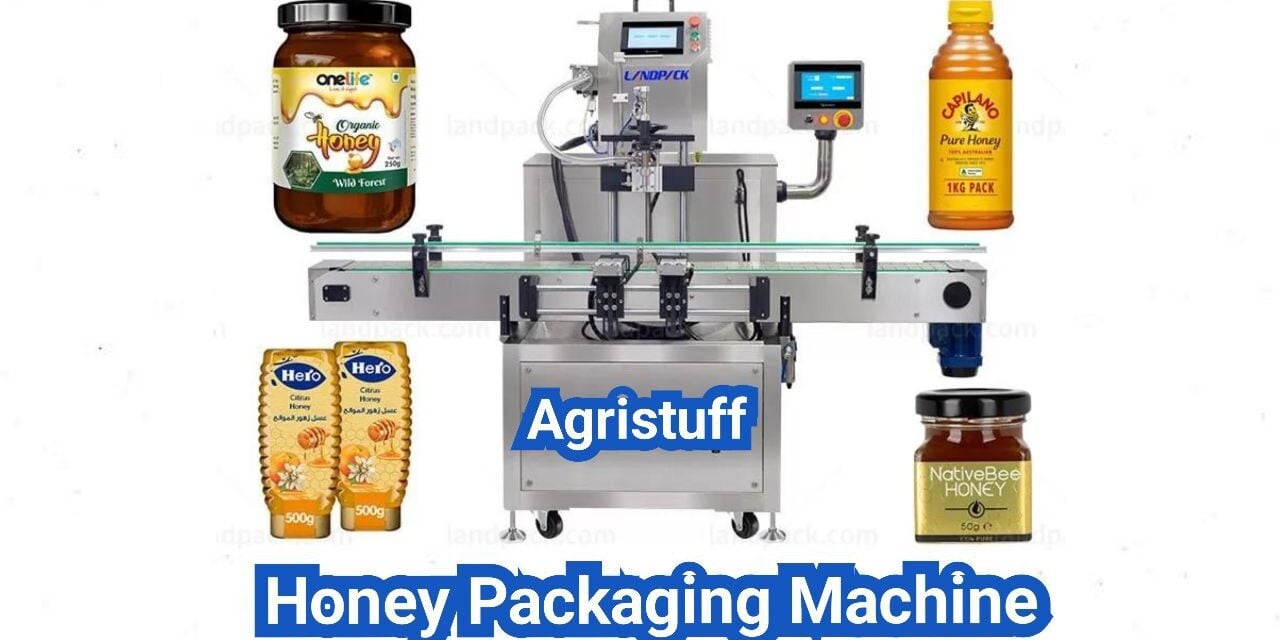
For beekeepers across the nation, finding the right honey packaging equipment is vital for long-term growth. These reliable systems help move your sweet product into jars with total precision and speed. They are built to handle the thick, slow-moving nature of natural nectar without any mechanical trouble.
Using a high-quality filling machine ensures every container meets strict weight standards. This technology allows for a perfectly clean workspace while stopping messy drips from ruining your labels. It simplifies the bottling process so you can focus on managing your hives effectively.
Effective solutions are essential for high-volume production in the current market. Modern assembly lines reduce manual labor and help you scale your business faster than ever before. Choosing the best hardware is the key to a successful and profitable season.
Investing in an automated liquid filler can truly transform how you handle each seasonal harvest. These modern tools offer specialized nozzles that preserve the quality of your amber syrup. By choosing the right setup, you ensure your honey bottling stays consistent and professional on any shelf.
Key Takeaways
- Precise filling systems significantly reduce product waste.
- Automated capping helps preserve the freshness of the product.
- Specialized nozzles are designed to prevent sticky drips and spills.
- High-speed equipment increases overall production capacity.
- American-made gear often provides easier access to support and parts.
- Proper troubleshooting techniques save valuable time during harvest.
Understanding Honey Packaging Equipment and Production Requirements

Understanding the intricacies of honey packaging equipment is crucial for producers looking to optimize their production lines. Honey is a viscous liquid that requires specialized equipment for packaging due to its thick and sticky nature.
Why Honey’s Viscosity Demands Specialized Equipment
The viscosity of honey is a critical factor that influences the design and operation of honey filling machines. Equipment designed for honey packaging must be capable of handling its unique properties to ensure efficient and accurate filling.
Core Components of a Honey Packaging System
A typical honey packaging system includes several core components: the filling machine, capping machine, and labeling machine. Each component plays a vital role in ensuring that the final product is properly packaged and ready for distribution.
Assessing Your Production Capacity Needs
Assessing production capacity needs is essential to ensure that the chosen equipment can meet the required demand. Producers must consider factors such as production volume, container size, and the desired level of automation when selecting a honey bottling machine or other packaging equipment.
By understanding these key aspects, honey producers can make informed decisions about their packaging equipment, ultimately enhancing their production efficiency and product quality.
How to Choose the Right Honey Packaging Machine

The process of selecting a suitable honey packaging machine involves several key considerations, including production capacity, packaging type, and budget. With various types of machines available, choosing the right one can significantly impact your production efficiency and product quality.
Manual Honey Filling Machine for Artisan Producers
For small-scale or artisan producers, a manual honey filling machine is an ideal choice. These machines are designed for low-volume production and offer flexibility and control over the filling process. Manual machines are typically more affordable and require less maintenance than automated systems.
- Cost-effective for small batches
- Provides precise control over fill volume
- Easy to clean and maintain
Semi-Automatic Systems: Balancing Cost and Efficiency
Semi-automatic systems offer a balance between cost and efficiency, making them suitable for producers who need to scale up their production without fully automating their line. These systems can handle higher volumes than manual machines and reduce labor costs.
Semi-automatic honey filling machines often feature:
- Automated filling with manual capping
- Adjustable fill volumes
- Improved production speed
Fully Automatic Honey Filling Packaging Machine for Processing Lines
For large-scale production, a fully automatic honey filling packaging machine is the most efficient choice. These machines integrate filling, capping, and sometimes labeling into a single production line, maximizing throughput and minimizing labor costs.
Key benefits include:
- High-speed production capabilities
- Consistent fill accuracy
- Reduced labor requirements
Specialty Equipment: Honey Stick, Sachet, and Pouch Packaging Machines
For producers looking to offer honey in various packaging formats, specialty equipment is available. Machines designed for honey sticks, sachets, and pouches cater to diverse market needs and consumer preferences.
These machines provide:
- Flexibility in packaging formats
- Precise filling for small volumes
- Compatibility with different container types
By considering your production needs and the type of packaging required, you can select a honey packaging machine that enhances your operation’s efficiency and product quality.
Piston Filler Technology: How It Works for Honey

Piston filler technology is a crucial component in the honey packaging industry due to its ability to handle viscous liquids with precision. This technology is particularly suited for honey, which is known for its thick and variable viscosity.
Step-by-Step: How Piston Fillers Handle Viscous Honey
Piston fillers operate by using a piston to draw in and then dispense honey into packaging containers. The process involves:
- Drawing honey into the cylinder through a valve.
- Using the piston to push the honey out into the container.
- Adjusting the piston stroke to control the fill volume.
This method ensures accurate filling and minimizes waste.
Servo-Driven Piston Systems for Precision Filling
Servo-driven piston systems enhance the precision of honey filling by using advanced motors to control the piston’s movement. This results in:
- High accuracy in fill volumes.
- Consistency across various container sizes.
- Reduced product waste due to overfilling.
These systems are particularly beneficial for high-volume production lines where precision is paramount.
When to Use Piston Fillers: Advantages and Applications
Piston fillers are ideal for products like honey due to their ability to handle viscous liquids. The advantages include:
Flexibility in container sizesandprecision in fill volumes.
Piston fillers are commonly used in various food industries, including honey packaging, due to their reliability and efficiency.
Limitations and Maintenance Considerations
While piston fillers offer numerous benefits, they also have limitations, such as the need for regular maintenance to prevent wear and tear on the piston and cylinder. Key maintenance tasks include:
- Regular cleaning to prevent honey buildup.
- Inspection of seals and valves for wear.
- Lubrication of moving parts.
Addressing these maintenance needs is crucial for ensuring the longevity and optimal performance of piston filler technology.
Gear Pump and Rotary Lobe Pump Filling Systems

For high-viscosity liquids like honey, gear pump and rotary lobe pump filling systems offer a reliable and efficient packaging solution. These systems are designed to handle the unique challenges posed by viscous products, ensuring accurate and consistent filling.
How Gear Pump Fillers Work with High-Viscosity Honey
Gear pump fillers utilize a positive displacement gear pump to accurately measure and dispense honey into packaging containers. The gear pump’s design allows it to handle high-viscosity products with ease, minimizing the risk of product damage or contamination.
The operation involves the rotation of two interlocking gears that create a suction force, drawing the honey into the pump. As the gears rotate, the honey is carried between the gear teeth and the pump housing, and then discharged into the container. This process ensures a precise fill volume, crucial for maintaining product quality and reducing waste.
Comparing Gear Pumps vs Piston Fillers for Your Operation
When choosing between gear pumps and piston fillers, several factors come into play, including the viscosity of the product, production speed, and desired fill accuracy. Gear pumps are particularly suited for high-viscosity products like honey, offering a consistent flow rate and high accuracy.
| Feature | Gear Pump Fillers | Piston Fillers |
|---|---|---|
| Viscosity Handling | Excellent for high-viscosity products | Suitable for a wide range of viscosities |
| Fill Accuracy | High accuracy for consistent fills | High accuracy with precise control |
| Maintenance | Regular cleaning and inspection required | Requires maintenance of piston and seals |
Sanitary Design for Viscous Food Pumps: What to Look For
A sanitary design is critical for food-grade pumps, including those used for honey packaging. Key features to look for include easy-to-clean surfaces, minimal dead spaces where product can accumulate, and compliance with food safety regulations.
Maintenance and Cleaning Requirements
Regular maintenance is essential to ensure the longevity and performance of gear pump and rotary lobe pump filling systems. This includes daily cleaning protocols, regular inspection of wear parts, and adherence to manufacturer-recommended maintenance schedules.
Step-by-Step Guide to Setting Up Your Honey Filling Machine

To ensure optimal performance, follow a systematic approach when setting up your honey bottling machine. Setting up a honey filling machine requires careful attention to detail to ensure efficient and effective operation.
Step 1: Machine Installation and Initial Setup | Honey Packaging Machine
The first step in setting up your honey filling machine is proper installation. This involves placing the machine on a level surface and ensuring all components are securely fastened. Correct installation is crucial for preventing vibrations that could affect filling accuracy. Follow the manufacturer’s instructions for connecting electrical and pneumatic supplies.
Step 2: Calibrating Fill Volume and Speed Settings
After installation, calibrate the fill volume and speed settings. This step is critical for achieving the desired fill levels and production rates. Adjust the fill volume by setting the appropriate parameters on the control panel. Test the machine with a few containers to verify accuracy.
Step 3: Adjusting for Different Container Sizes
Honey filling machines often need to accommodate various container sizes. Adjust the machine’s settings and mechanical components, such as the conveyor belt and filling nozzles, to fit different container dimensions. Ensure all adjustments are precise to maintain filling accuracy and prevent spills.
Step 4: Testing and Quality Validation | Honey Packaging Machine
The final step is testing and quality validation. Run the machine with a batch of containers and check for consistency in fill levels and overall performance. Validate the quality of the filled containers to ensure they meet your production standards. Regular testing helps identify and resolve any issues promptly.
By following these steps, you can ensure your honey filling machine operates efficiently and effectively, producing high-quality packaged honey products.
Honey Packaging Machine Cost and ROI Analysis

Investing in a honey packaging machine requires a thorough understanding of the costs involved and the potential return on investment. The cost of a honey packaging machine varies significantly based on the type, size, and features of the equipment.
The initial investment in a honey packaging machine can be substantial, and producers must consider several factors, including the scale of their operation, production volume, and the level of automation required.
Small Scale Honey Processing and Packaging Equipment Pricing
For small-scale producers, the initial investment can be relatively low. Manual or semi-automatic honey filling machines are available at a lower cost, making them accessible to smaller operations. These machines are ideal for artisanal producers or those just starting out in the honey production business.
Mid-Range Honey Bottling Machine Investment
Mid-range honey bottling machines offer a balance between cost and efficiency. These machines are suitable for producers who have outgrown manual or semi-automatic systems but are not yet ready to invest in fully automated lines.
Automatic Honey Filling and Capping Line Costs
Fully automatic honey filling and capping lines represent a significant investment. However, they offer high-speed production capabilities and reduced labor costs, making them a viable option for large-scale producers.
Calculating Your Return on Investment | Honey Packaging Machine
To determine the viability of investing in a honey packaging machine, producers must conduct a thorough return on investment (ROI) analysis. This involves calculating the cost savings from increased efficiency, reduced labor costs, and potential increases in production volume.
By carefully evaluating the costs and potential benefits, honey producers can make an informed decision about investing in a honey packaging machine that meets their needs and enhances their production capabilities.
Capping, Sealing, and Closure Systems for Honey Containers

Capping, sealing, and closure systems play a vital role in the honey packaging process, ensuring the quality and safety of the final product. These systems are designed to prevent leakage, contamination, and tampering, while also maintaining the product’s freshness and integrity.
Automatic Spindle Screw Capping Machine Operation | Honey Packaging Machine
Automatic spindle screw capping machines are widely used in honey packaging lines due to their efficiency and precision. These machines are designed to handle various cap sizes and types, ensuring a secure and tight seal. The operation involves the use of spindles that rotate to screw the caps onto the containers. This method is particularly effective for glass jars and bottles.
The key benefits of using automatic spindle screw capping machines include:
- High-speed capping capabilities
- Precision in applying the correct torque
- Flexibility in handling different cap sizes and types
Four Wheels Bottle Capping Machine for High-Speed Lines | Honey Packaging Machine
For high-speed production lines, four wheels bottle capping machines offer an efficient solution. These machines are designed to cap bottles quickly and accurately, making them ideal for large-scale honey production facilities. The four-wheel design provides stability and ensures consistent capping performance.
Induction Seal for Honey Jars: Implementation and Benefits
Induction sealing is a popular method used to provide an additional layer of security and tamper-evidence for honey jars. This process involves the use of a sealing liner that is placed under the cap. When the jar is passed under an induction coil, the liner is melted, creating a vacuum seal. This method is effective in preventing leakage and contamination.
The benefits of induction sealing include:
- Enhanced security against tampering
- Prevention of leakage and contamination
- Extended shelf life of the product
How to Match Capping Systems to Container Types | Honey Packaging Machine
Matching capping systems to container types is crucial to ensure compatibility and efficiency. Different containers require specific capping solutions. For example, glass jars may require spindle capping, while plastic bottles might be suited to chuck capping. Understanding the container type and its requirements is essential for selecting the appropriate capping system.
By choosing the right capping system, honey producers can ensure a smooth packaging process, minimize waste, and maintain product quality.
Managing Temperature and Preventing Honey Crystallization
Maintaining optimal temperatures is crucial for preventing honey crystallization during packaging. Honey’s viscosity and quality are highly sensitive to temperature variations, making temperature control a critical aspect of the packaging process.
Hot Fill Honey Temperature for Packaging: Best Practices
The temperature at which honey is filled into containers significantly affects its quality and shelf life. Hot fill honey temperature should be between 71°C to 82°C (160°F to 180°F) to ensure that the honey is sufficiently fluid for filling and to minimize the risk of crystallization.
The 40°C Rule: Protecting Enzymes and Quality | Honey Packaging Machine
It’s essential to avoid heating honey above 40°C (104°F) for extended periods to preserve its natural enzymes and quality. Excessive heat can damage the delicate enzymes present in honey, affecting its flavor, aroma, and nutritional value.
Honey Crystallization Control for Bottling Operations | Honey Packaging Machine
Crystallization is a natural process for honey, but it can be controlled through temperature management. Storing honey at temperatures between 21°C to 27°C (70°F to 80°F) can slow down crystallization. Additionally, honey crystallization control can be achieved by using crystallization inhibitors or by ensuring that the honey is filtered to remove nuclei that can initiate crystallization.
Adjusting Viscosity for Optimal Fill Performance | Honey Packaging Machine
The viscosity of honey is directly related to its temperature. Adjusting viscosity for optimal fill performance involves heating the honey to a temperature that makes it fluid enough to flow easily into containers without compromising its quality. Typically, a temperature of around 54°C to 60°C (129°F to 140°F) is considered optimal for filling.
By carefully managing temperature and viscosity, honey producers can prevent crystallization, ensure consistent fill volumes, and maintain the quality of their product. Effective temperature control is thus a cornerstone of successful honey packaging operations.
Net Weight Control and U.S. Labeling Compliance

Accurate net weight control and adherence to U.S. labeling requirements are vital for honey packaging operations. Ensuring that honey products are correctly labeled and meet net weight standards is not only a regulatory requirement but also crucial for consumer trust and business reputation.
Net Weight Control for Bottled Honey: Achieving Accuracy
Net weight control is critical in honey packaging to prevent under or overfilling, which can lead to financial losses or regulatory issues. High-precision filling machines are essential for achieving accurate net weight. Regular calibration and maintenance of these machines are necessary to ensure they continue to operate within specified tolerances.
Implementing a checkweighing system can further enhance accuracy by monitoring the weight of filled containers and automatically adjusting the filling machine as needed.
Honey Label Requirements USA: What You Must Include | Honey Packaging Machine
U.S. regulations mandate specific information on honey labels, including the product name, net weight, and ingredient list if applicable. Country of origin labeling is also required for imported honey. Compliance with these regulations is crucial to avoid legal issues and ensure consumer transparency.
- Product name and description
- Net weight or quantity
- Ingredient list (if applicable)
- Country of origin
- Nutrition facts
FDA Compliance for Honey Packaging Operations | Honey Packaging Machine
The FDA regulates honey packaging operations to ensure product safety and quality. Compliance involves adhering to good manufacturing practices (GMPs), maintaining clean facilities, and ensuring equipment is properly sanitized. Regular audits and inspections are necessary to maintain compliance and address any potential issues proactively.
Implementing Quality Control Checkpoints | Honey Packaging Machine
To ensure product quality and compliance, honey packaging operations should implement quality control checkpoints throughout the production process. This includes monitoring filling accuracy, inspecting labels for compliance, and conducting regular equipment maintenance.
Honey Packaging Machine in the U.S.: Market Overview

As the U.S. honey market expands, the need for advanced and reliable honey packaging machinery becomes increasingly important. The market for honey packaging machines in the U.S. is diverse and growing, driven by the increasing demand for honey products.
Leading Honey Packaging Equipment Suppliers in the USA
The U.S. is home to several leading suppliers of honey packaging equipment. Companies such as Packaging Technologies & Inspection (PTI) and ALL-FILL Inc. offer a range of machinery designed to meet the specific needs of honey producers. These suppliers provide not only the equipment but also the necessary support for installation, training, and maintenance.
Regional Considerations for Equipment Purchase | Honey Packaging Machine
When purchasing honey packaging machinery, regional considerations play a crucial role. Factors such as local regulations, climate conditions, and the availability of technical support can significantly impact the choice of equipment. For instance, suppliers that offer regional support can provide quicker service and maintenance, minimizing downtime.
Training and Technical Support Availability | Honey Packaging Machine
The availability of training and technical support is essential for the optimal operation of honey packaging machines. Leading suppliers offer comprehensive training programs for operators and maintenance personnel, ensuring that the equipment is used efficiently and effectively.
Service and Parts Networks for Long-Term Success | Honey Packaging Machine
A robust service and parts network is vital for the long-term success of honey packaging operations. Suppliers with extensive networks can provide prompt assistance, reducing the risk of production halts due to equipment failure.
The U.S. honey packaging machine market is characterized by a strong presence of reputable suppliers, regional considerations, and a focus on technical support and service networks. By understanding these factors, honey producers can make informed decisions when selecting packaging equipment.
Sticky-Line Troubleshooting: Cleaning and Maintenance Protocols
The sticky nature of honey poses unique challenges for packaging lines, making regular maintenance indispensable. Honey’s viscosity and tendency to crystallize can lead to equipment clogging, product waste, and contamination if not properly managed.
Daily Cleaning Procedures for Honey Filling Equipment
Daily cleaning is crucial for preventing honey buildup on equipment surfaces. This involves:
- Disassembling parts that come into contact with honey
- Soaking these parts in warm water or a cleaning solution to loosen honey residue
- Using soft brushes to gently scrub away any remaining honey
- Rinsing thoroughly and drying to prevent water spots and bacterial growth
Sticky Conveyor Cleanup Food Packaging Line: Step-by-Step Methods
Cleaning sticky conveyors requires a systematic approach:
- Stop the conveyor and remove any large debris
- Apply a cleaning solution suitable for food processing environments
- Allow the solution to sit for a few minutes to loosen the honey
- Scrub the conveyor belt and surrounding areas
- Rinse with clean water and dry
Deep Cleaning Protocols for Pumps and Filling Nozzles | Honey Packaging Machine
Deep cleaning involves more thorough disassembly and sanitization of critical components like pumps and filling nozzles. This process should be performed regularly to prevent the buildup of honey residue, which can harbor bacteria and affect product quality.
Key steps include:
- Circulating a cleaning solution through the system
- Soaking removable parts
- Inspecting and replacing worn seals or parts
Preventing Honey Buildup and Cross-Contamination
Preventive measures are essential for minimizing the risk of honey buildup and cross-contamination. This includes:
- Regularly inspecting equipment for signs of wear or honey residue
- Implementing a routine maintenance schedule
- Training staff on proper cleaning and sanitization procedures
By following these protocols, honey packaging facilities can ensure a clean and efficient production environment, reducing the risk of contamination and maintaining product quality.
Comprehensive Honey Packaging Line Troubleshooting

Effective honey packaging line troubleshooting is crucial for maintaining production efficiency and product quality. A well-functioning packaging line is essential for honey producers to meet consumer demands and stay competitive in the market.
Troubleshooting involves identifying and resolving various issues that can arise during the packaging process. These issues can range from inconsistent fill volumes and capping failures to honey dripping and conveyor jamming. By addressing these problems promptly, producers can minimize downtime and ensure optimal product quality.
Diagnosing and Fixing Inconsistent Fill Volumes | Honey Packaging Machine
Inconsistent fill volumes can be caused by a variety of factors, including faulty filling nozzles, incorrect calibration, or issues with the honey supply system. To diagnose the problem, producers should first check the filling nozzles for any blockages or wear. Regular maintenance and calibration of the filling equipment can help prevent such issues.
“The key to resolving filling inconsistencies lies in understanding the root cause of the problem,” says an industry expert. “By identifying and addressing the underlying issue, producers can ensure accurate and consistent fill volumes.”
Resolving Capping Failures and Poor Seal Integrity | Honey Packaging Machine
Capping failures can lead to leakage and contamination, compromising the quality and safety of the honey. To resolve capping issues, producers should inspect the capping equipment for wear and tear, ensure proper alignment, and adjust the capping pressure as needed.
- Check the capping equipment for wear and tear
- Ensure proper alignment of the capping heads
- Adjust the capping pressure according to the container type
Addressing Honey Dripping and Nozzle Clogging
Honey dripping and nozzle clogging can be caused by residual honey on the nozzles or incorrect nozzle design. To address this issue, producers can implement a regular cleaning schedule and consider using nozzles designed for viscous products like honey.
Solving Conveyor Jamming and Bottle Handling Problems
Conveyor jamming and bottle handling issues can be caused by misaligned conveyors, incorrect bottle spacing, or worn-out conveyor belts. To resolve these issues, producers should regularly inspect and maintain their conveyor systems, ensuring proper alignment and bottle spacing.
By implementing effective troubleshooting strategies, honey producers can minimize downtime, reduce waste, and ensure optimal product quality. Regular maintenance and training of production staff are key to maintaining a smooth and efficient packaging line.
Honey Packaging Machine: Optimizing Your Production
Honey packaging machines are critical equipment for beekeepers and honey producers, playing a vital role in the honey production process. By understanding the different types of machines available, their features, and troubleshooting common issues, honey producers can optimize their packaging operations and ensure high-quality products.
Investing in the right honey packaging equipment is crucial for improving efficiency, reducing waste, and increasing customer satisfaction. Whether you’re using manual, semi-automatic, or fully automatic systems, proper maintenance and troubleshooting are essential for smooth operations.
By applying the knowledge gained from this article, honey producers can make informed decisions when selecting and operating honey packaging machines, ultimately enhancing their overall production process and product quality.
FAQ
These quick answers cover the most common buying and operating questions about a honey packaging machine without drifting into niche setups that depend on a single co-packer or specialty container. Use them to sanity-check your plan before you request quotes or commit to packaging inventory.
Do I need a heated tank or heated filler?
Not always, but gentle, controlled warming often improves cutoff and reduces strings; the key is consistency, not high temperature.
Is a piston filler “better” than a pump filler for honey?
Often, yes for repeatability on viscous products, but pump fillers can be more flexible across container sizes and changeovers if designed for viscous flow.
What’s the most common reason honey jars leak after shipping?
Cap seating issues (sticky threads, mismatched liner/finish, inconsistent application) combined with vibration and temperature cycling.
Do I need an induction seal?
It’s optional, but it can improve tamper evidence and leak resistance for certain containers and channels, especially e-commerce shipments.
Should I put a warning about infants on the label?
Many brands include a simple statement like “Do not feed honey to infants under 12 months,” which aligns with public health guidance and reduces consumer confusion.
What types of containers can a honey filling machine handle?
Modern machines are highly versatile and can fill a wide range of containers including glass jars, PET bottles, flexible pouches, and sachets. u003cstrongu003eSpecialty equipmentu003c/strongu003e like the honey stick packaging machine is specifically designed for long, narrow tubes, while other systems can be customized for different container sizes and shapes through adjustable guide rails and nozzle heights.
Does the honey packaging machine support automatic capping or sealing?
Yes, a fully u003cstrongu003eautomatic honey filling and capping lineu003c/strongu003e integrates both processes. Depending on your needs, you can use an u003cstrongu003eautomatic spindle screw capping machineu003c/strongu003e for standard caps, an automatic 4 wheels bottle capping machine for high-torque requirements, or an induction seal for honey jars to provide a tamper-evident, airtight finish.
What type of filling system is best for thick honey?
The two most effective systems are the piston filler for honey and the gear pump filler for viscous liquids. A servo-driven piston is often preferred for u003cstrongu003ehigh-viscosity honeyu003c/strongu003e because it provides extreme accuracy and can push the thick liquid without air entrapment. For higher speeds and easier cleaning, many producers choose an automatic rotary lobe pump filling machine.
How do you prevent honey from dripping onto the container rims?
High-quality honey filling machines use specialized nozzles equipped with a u0022suck-backu0022 or u0022cut-offu0022 mechanism. This pulls the remaining drop of honey back into the nozzle after the fill cycle, ensuring a clean break and preventing sticky residue from interfering with the capping process or labeling.
What are the main applications of a honey bottling machine in the U.S.?
Beyond pure natural honey, these machines are used for honey-based blends, syrups, and other viscous food products. They are essential for meeting U.S. labeling requirements and u003cstrongu003eFDA complianceu003c/strongu003e by providing precise u003cstrongu003enet weight controlu003c/strongu003e and maintaining a hygienic filling environment.
Is training or technical support provided after purchasing a machine?
u003cstrongu003eLeading suppliersu003c/strongu003e like VKPAK, Levapack, and Multi-Sweet Group typically offer comprehensive training and technical support. This often includes onsite installation, calibration of fill volume and speed settings, and long-term service and parts networks to ensure the machine remains a productive asset.
What is the 40°C rule in honey packaging?
The 40°C rule is a best practice to maintain the quality of natural honey. Heating honey above 40°C (104°F) during the filling process can destroy sensitive enzymes and alter the flavor profile. Advanced u003cstrongu003ehoney packaging equipmentu003c/strongu003e uses jacketed hoppers to keep honey just warm enough for optimal flow without exceeding this critical temperature.
Can I use the same machine for honey sticks and jars?
Generally, no. A honey stick packaging machine is a vertical form-fill-seal system designed for film, while a honey jar filling machine is designed for rigid containers. However, some production lines can share a common honey source or be part of a larger, modular honey packing solution.
Conclusion of: Honey Packaging Machine
A honey line looks simple until the first drip turns into a floor-wide smear, labels start sliding, and weights drift off spec, which is why choosing the right honey packaging machine is as much about controls and cleanup as it is about speed. In the U.S., you’re usually building around preventive thinking: keep the product safe, keep measurements honest, and keep the workplace safe even when everything is sticky. FDA FSMA overview.
For many beekeepers, co-ops, and small processors, the best honey packaging machine is the one that matches your jar style, batch size, and compliance needs without over-automating your first season. If you’re manufacturing/processing, packing, or holding food for U.S. consumption, your operation may fall under FDA facility expectations, so build your line with documentation and inspectability in mind from day one. FDA registration of food facilities.
Start with honey behavior: viscosity, crystals, and moisture
Honey flows like a thick syrup on a warm day and like soft taffy on a cold morning, so the same honey packaging machine can act “accurate” at 85°F and “wild” at 65°F. Viscosity shifts change fill time, cutoff behavior, drip length, and how much air you trap in the product, which is why temperature control is a process variable, not a comfort setting. Research on temperature and honey viscosity.
Crystallization is not a defect by itself, but it can wreck repeatability in a honey packaging machine by changing flow resistance mid-run. Fine crystals can behave like sand in valves and nozzles, and once crystallization starts in a cool filler head, drips and strings get worse with every case you run. National Honey Board crystallization FAQ.
Moisture content affects storage stability and grading, and it matters to a honey packaging machine because higher moisture often means more foaming and more variability during pumping and settling. A simple habit that pays back is measuring moisture consistently (same temperature method, same instrument practice) before you start a long run, then segregating borderline lots to avoid quality surprises after packaging. USDA extracted honey standards (moisture and grading tables).
Filling methods: volumetric vs gravimetric, and why accuracy gets harder with honey
The first choice inside a honey packaging machine is whether you control fills by volume (piston stroke, timed pump, flow meter) or by weight (scale or checkweigher feedback). For many small operations, a solid volumetric filler plus frequent verification is enough, but if you sell into tighter retail specs or multiple states, building a repeatable net-contents routine is what keeps you out of rework and short-fill complaints. NIST Handbook 133 (net contents checks).
A practical way to compare fillers is to ask what the honey packaging machine does at cutoff, because that’s where strings and drips begin. Piston fillers can be very consistent for viscous products, pump fillers can be flexible across jar sizes, and gravity fillers are usually best only when the product is warm and the cutoff is engineered for thick flow rather than water-like flow. 3-A sanitary standards catalog (equipment and components).
If you plan to warm honey for smoother fills, treat heat as a quality lever, not just a throughput trick in your honey packaging machine. Excess heat and time can accelerate chemical changes and raise HMF, so the goal is “warm enough to fill cleanly” rather than “hot enough to pour like water,” especially when you want a premium or minimally processed positioning. Review on HMF formation and honey heating impacts.
Line layout that prevents a sticky mess
The most reliable honey packaging machine setup is usually a short, logical flow: holding/settling tank → pump → filler → capper → wipe/inspection point → labeler → case pack. Long hose runs, unnecessary elbows, and “temporary” transfer steps are where honey hides, crystalizes, and later breaks loose as clumps that create leaks and label failures. FDA overview of CGMP expectations.
Because honey is a slip hazard, the physical footprint around a honey packaging machine should be designed for spills that will happen: drip trays, squeegees, lined waste pails, and a defined “clean zone” for label stock. Good housekeeping is not cosmetic here; it’s a safety control that also reduces cross-contact and pest attraction in a food facility. OSHA walking-working surfaces (spill and hazard control).
Containers and materials: glass, PET, and food-contact compatibility
Container choice changes everything the honey packaging machine must do: glass jars tolerate hot fill and feel premium but add breakage risk, while PET squeeze bottles are lighter and popular for convenience but can be sensitive to heat and liner compatibility. Think through your channel (farm stand, online, retail), how customers use the product (spoon vs squeeze), and what “leak proof” means after a shipping drop test. FDA overview of food packaging and food-contact substances.
Every gasket, hose, and liner in a honey packaging machine is part of your food-contact story, so avoid “mystery materials” and keep supplier documentation for anything touching product. This matters even more if you run flavored honey, creamed honey, or seasonal infusions, because cleaning validation depends on knowing what surfaces, elastomers, and dead zones exist in the system. FDA packaging and food contact substances resources.
Capping and tamper evidence: make it leak-proof and audit-friendly
Capping is where a honey packaging machine can lose the whole day: a cap that “feels tight” can still leak after vibration, heat cycling, or sticky threads that prevent proper seating. The best practice is to match closure type to container finish, then verify application with simple checks (torque consistency, seal presence, visual alignment) before you run thousands of units. Academic overview of induction sealing and removal torque factors.
If you add moving parts (cap chucks, star wheels, conveyors) around your honey packaging machine, use food-appropriate lubricants and keep them away from product zones with shields and drip guards. In sticky environments, over-lubrication attracts dust and label fibers, while under-lubrication can cause jerky motion that loosens caps, scuffs labels, and creates jams that force more manual handling. NSF food-grade lubricant registration basics.
Labeling that avoids common U.S. compliance issues
A compliant label starts with fundamentals that your honey packaging machine workflow should support: consistent statement of identity, net quantity in the right format, and clear business information. Even if you sell mostly local, building labels and pack-out checks to national expectations reduces costly reprints when you expand into new retailers or ship across state lines. 21 CFR Part 101 (Food labeling).
Honey has its own labeling traps, and a honey packaging machine line often makes them worse when multiple SKUs share the same equipment and labels get mixed. The big takeaway is that “honey” and “honey products” are not the same in FDA’s view when other sweeteners or ingredients are present, so align your formula, label name, and ingredient statement to avoid misbranding. FDA guidance on proper labeling of honey and honey products.
If you qualify for an exemption, the Nutrition Facts panel can be optional, but you should decide early because label changes cascade into your honey packaging machine scheduling, label inventory, and case pack artwork. Also remember that making certain nutrient or health claims can eliminate exemptions, so treat claims as a business decision that must be reviewed for compliance before you print. FDA small business nutrition labeling exemption.
Claims like “organic” or “made with organic” are high-trust claims that require documentation beyond what a honey packaging machine can fix after the fact. If organic is part of your strategy, plan your supply, recordkeeping, and label approval process before you buy packaging in bulk, because corrections are expensive once labels are printed and product is in finished goods. USDA Guide | USDA organic labeling requirements.
Sanitation and hygienic design for a honey line
Sanitation for a honey packaging machine is less about killing pathogens in a low-water product and more about preventing contamination, pests, off-odors, and buildup that becomes a hidden defect source. Write down who cleans what, how often, with which tools, and where cleaning records live, because consistency matters more than heroic deep cleans once a month. 21 CFR Part 117 (CGMP and preventive controls).
For a sticky product, the cleaning method has to match the soil load your honey packaging machine generates, which often means warm water steps, controlled detergents, and a final verification habit (visual inspection plus a simple “touch test” on non-food-contact exterior zones). Even if you’re not a restaurant, the FDA Food Code is a useful reference for thinking through cleanability, equipment surfaces, and sanitizing logic. FDA Food Code.
Hygienic design makes daily cleanup faster, and it makes your honey packaging machine more consistent because it reduces hidden pockets where crystals form and later break loose. Favor smooth, cleanable surfaces, minimize threads and crevices in product zones, and use fittings that disassemble predictably so operators aren’t inventing “new ways” to clean on every shift. 21 CFR Part 117 text (Cornell LII).
Sticky-line troubleshooting: filling, capping, and labeling failures
Most “sticky disasters” start at the fill nozzle, so troubleshoot your honey packaging machine in a strict order: confirm product temperature, confirm nozzle size, then adjust fill speed and cutoff behavior before you blame the pump. Anti-drip/suck-back features, consistent headspace, and a quick wipe station right after filling can eliminate a surprising number of downstream failures. University of Florida guide on honey extraction/bottling equipment basics.
If labels wrinkle, slide, or won’t stick, your honey packaging machine probably has micro-drips or misting that you don’t notice until the label roll is ruined. Keep the label area physically separated from the filler and capper splash zone, control humidity and condensation, and treat “clean and dry label surfaces” as a quality requirement, not a preference.
Safety controls for semi-auto and automatic packaging equipment
Conveyors, pinch points, and rotating components can turn a honey packaging machine into a serious hazard, especially when operators wear gloves or try to clear jams quickly. Guarding, safe access points, and clear rules for when hands can enter the machine area should be designed into the work—not written as an afterthought. OSHA machine guarding requirements.
Cleaning and maintenance are high-risk moments for any honey packaging machine because the hazard isn’t just motion—it’s unexpected startup and stored energy. A simple lockout/tagout routine, even for small teams, prevents the “I thought it was off” scenario that causes severe injuries during nozzle changes, capper adjustments, or conveyor cleaning. OSHA lockout/tagout standard.
Quality checks that pay back fast
The fastest way to build trust in a honey packaging machine is to make net-contents verification routine rather than reactive. Set a check frequency (startup, every X cases, after changeovers), use the same method each time, and record results so you can spot drift before it becomes a recall or retailer dispute. NIST Handbook 44 (commercial weighing devices).
Moisture, appearance, and basic handling quality are practical checks that keep a honey packaging machine from bottling problems into the supply chain. For a small operator, that might mean a refractometer check, a visual check for crystals or foam, and a quick “invert test” to confirm closures aren’t seeping under mild stress. Michigan State University resource on value-added liquid honey.
Foreign material control is often overlooked on sticky lines, but a honey packaging machine can shed label fibers, cap liner fragments, or packaging dust if you don’t manage it. Use strainers where appropriate, control packaging storage, keep open containers protected from overhead work, and create a simple “stop-the-line” rule when a foreign object is suspected. Review on foreign material detection and prevention in food.
Traceability, preventive controls, and recall readiness
As you scale, your honey packaging machine becomes part of your food safety plan because it influences hazards like allergen cross-contact (if you run flavored SKUs), sanitation effectiveness, and label correctness. Even small plants benefit from thinking in preventive controls terms: identify what can go wrong, set controls, verify, and document. FDA Preventive Controls for Human Food rule.
A written recall plan sounds “big company,” but it’s a practical tool for any honey packaging machine operation because it forces you to define lot coding, distribution records, and who makes decisions under pressure. If you can run a mock recall and find affected cases within hours, you’re protecting your brand and making retailer conversations much easier. FDA recall plan guidance (Preventive Controls).
If you are a registered facility, remember that compliance isn’t a one-time event, and your honey packaging machine documentation should be organized so you can respond quickly to audits or inquiries. Registration renewal timing, key contacts, and product categories are administrative details that become urgent only when they’re missing. FDA biennial registration renewal user guide.
Quick checklist
Use this quick checklist before each run to keep your honey packaging machine stable, clean, and consistent from the first jar to the last case. It’s designed for small and mid-sized U.S. operations where operators do changeovers, QC, and cleanup as part of the same shift. Penn State Extension overview of Preventive Controls.
- Verify honey temperature setpoint and confirm it’s stable before filling starts.
- Confirm moisture reading/lot notes and separate borderline lots for shorter runs.
- Inspect hoses, gaskets, and clamps for cracks, swelling, or sticky residue in seams.
- Run a short “prime and purge” into a waste container to remove trapped air and crystals.
- Check fill weights/volumes at startup, then at a fixed frequency during the run.
- Confirm cap supply matches the container finish and liner type for the SKU.
- Perform a quick leak check (invert sample jars) after capper adjustments.
- Keep label stock covered and physically separated from splash/drip zones.
- Stage cleanup tools (warm water, wipes, squeegee, waste bin) at the line.
- Record changeovers, adjustments, and QC results in a single log for traceability.
Common mistakes to avoid
These are the mistakes that usually make a honey packaging machine “feel unreliable,” even when the equipment is fine—because the real issue is process control, sanitation discipline, or packaging handling. Fixing them typically improves both throughput and quality at the same time. FDA filth and extraneous materials program.
- Filling too cold: increases strings, drips, and fill variability; warm to a controlled setpoint instead.
- Overheating “to go faster”: can harm quality and create foaming; use minimal heat needed for clean cutoff.
- Skipping priming/purging: traps air and causes short fills; purge until flow is steady.
- Dirty cap threads or sticky finishes: prevent proper seating; add a wipe step and keep containers protected.
- Label area too close to the filler: micro-drips ruin adhesion; separate zones and add drip guards.
- No defined net-contents routine: problems get discovered after shipping; build checks into the run.
- Inconsistent cleaning methods: residue becomes recurring defects; standardize tools, steps, and frequency.
- Weak lot coding discipline: makes recalls and complaints painful; code at the point of pack-out and verify.
Costs and ROI snapshot
Costs vary widely, but you can estimate a honey packaging machine budget by separating “core functions” (filling + capping) from “productivity add-ons” (labeling, coding, conveyors, checkweighing). Entry-level semi-auto setups can cost a few thousand dollars, while more automated inline systems can move into tens or hundreds of thousands depending on speed, changeover needs, and sanitary features. SBA 7(a) loans and eligible equipment uses.
ROI for a honey packaging machine is usually earned through labor savings, fewer leaks/returns, fewer label reworks, tighter net-contents control, and faster changeovers—not just higher jars per minute. If you sell multiple SKUs, one of the biggest hidden ROI drivers is reducing “lost time” during cleaning and setup, because sticky products punish disorganization more than most foods. IRS overview of depreciation and Section 179 expensing.
For producer-owned operations, funding can sometimes support packaging upgrades when you’re turning raw honey into a higher-value product line, and that can change the payback math for a honey packaging machine. Grants and value-added programs won’t eliminate the need for strong unit economics, but they can help you move from hand-bottling to a controlled line that meets broader market expectations. USDA Value-Added Producer Grants (VAPG).
Final thought
The most successful honey packaging machine projects start small, document what matters, and upgrade only after the process is stable—because speed amplifies both good practices and hidden problems. If you design around controlled temperature, clean cutoff, consistent net-contents checks, and a disciplined cleanup routine, you’ll get a line that scales without turning every busy day into a sticky emergency. FDA guidance hub for hazard analysis and preventive controls.
Sources & References
- USDA extracted honey grades and standards overview
- USDA extracted honey grading manual (inspection instructions)
- USDA commercial item description for honey (AA-20380)
- Codex Standard for Honey (CXS 12-1981)
- NIST Handbook 133 publication page
- NIST Handbook 44 current edition page
- NCWM Handbook 130: Packaging and Labeling Regulation (2024)
- FDA Supplement to the 2022 Food Code
- OSHA Machine Guarding eTool standards list
- OSHA slips/trips/falls housekeeping guidance
- FDA food allergen labeling FAQ for industry
- FDA industry resources on Nutrition Facts label updates
- FDA food facility biennial registration fact sheet
- USDA VAPG food safety and equipment guidance (PDF)
- CDC infant/toddler guidance on honey before 12 months
- FDA Food Ingredients and Packaging topic page