The global market for contract food manufacturing has seen significant growth, with a valuation of ~$131.2 billion in 2022 and projections to more than double by 2030. This surge is driven by the increasing trend of businesses outsourcing their food production to specialized service providers.
By partnering with a private label food manufacturer or a co-packer for food products, businesses can benefit from cost savings, enhanced production capacity, and access to expert knowledge. This strategic move allows companies to focus on their core competencies while leaving the production complexities to the experts.
Key Takeaways
- Outsourcing food production to contract manufacturers is on the rise.
- Partnering with a private label food manufacturer can lead to cost savings.
- Access to specialized expertise is a significant benefit of working with food processing companies.
- Increased production capacity without significant capital investment.
- Focus on core competencies while experts handle production.
The Landscape of Food Processing Companies in the United States

The landscape of food processing companies in the United States is characterized by a diverse range of businesses, from small-scale operations to large industrial manufacturers. This diversity contributes to a complex and multifaceted industry that plays a crucial role in the nation’s economy and food supply chain.
The Scope and Scale of the US Food Processing Industry
The U.S. food processing industry is a significant sector, with North America’s contract manufacturers already serving over 25% of the $1 trillion packaged food market. This indicates the substantial scale and influence of food processing companies in the U.S.
Key Statistics:
- Significant contributor to the national economy
- Diverse range of products, including beverages, baked goods, and processed meats
- Advanced manufacturing technologies and processes
Major Players and Market Segments
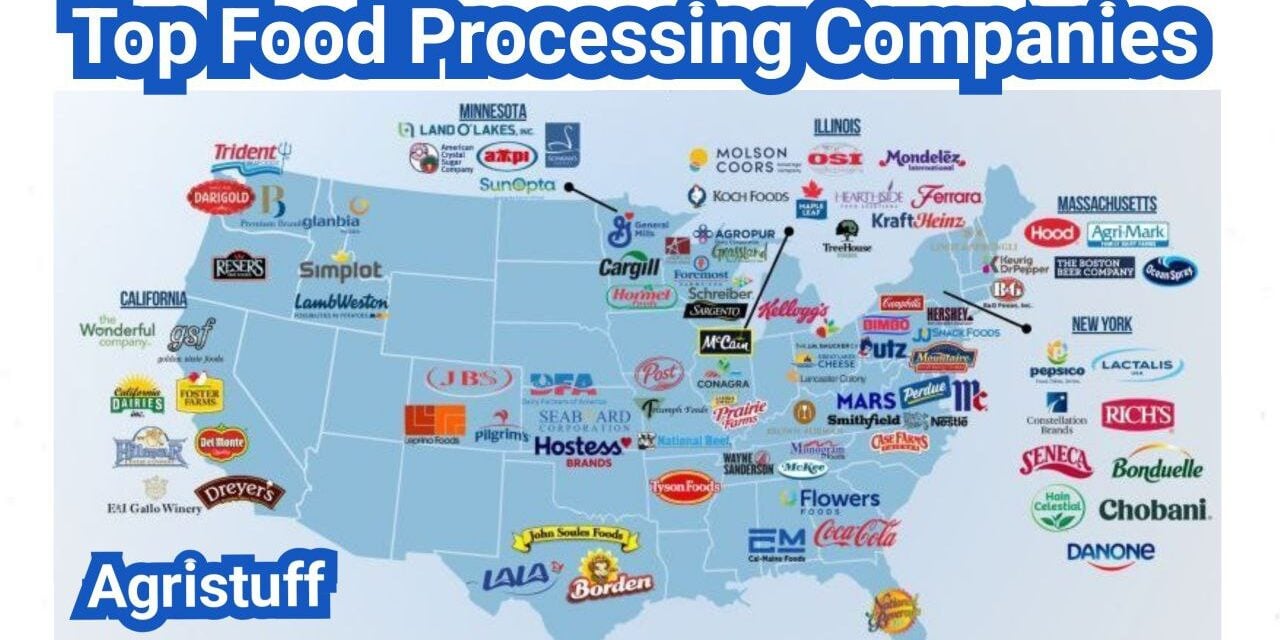
The industry is dominated by a mix of large multinational corporations and smaller, specialized firms. Major players include companies known for their brand recognition and extensive distribution networks.
| Company | Specialization | Market Presence |
|---|---|---|
| Tyson Foods | Meat Processing | Global |
| PepsiCo | Beverages and Snacks | Global |
| General Mills | Cereals and Baked Goods | Global |
Economic Impact and Industry Trends
The economic impact of the food processing industry is substantial, contributing to employment, GDP, and international trade. Trends shaping the industry include consumer demand for healthier and more sustainable products, technological advancements, and regulatory compliance.
Industry trends indicate a shift towards:
- Increased focus on sustainability and environmental responsibility
- Adoption of advanced technologies, such as automation and data analytics
- Growing demand for organic and non-GMO products
Core Services Offered by Food Processing Companies

Food processing companies provide a range of essential services to the food industry, including contract manufacturing, co-packing, and private label production. These services are crucial for brands looking to outsource their food production needs, ensuring efficiency, quality, and compliance with regulatory standards.
Contract Food Manufacturing
Contract food manufacturing is a pivotal service that allows brands to outsource their production needs to specialized facilities. This service enables companies to focus on product development, marketing, and sales while leveraging the manufacturing capabilities of their contract partners.
According to a report by Grand View Research, the global contract manufacturing market for food and beverages is expected to grow significantly, driven by the increasing demand for processed foods and the need for cost-effective manufacturing solutions.
“The contract manufacturing model allows food companies to innovate and differentiate since they can define the product, its packaging, and its distribution channels.”
Co-Packing Services
Co-packing services involve the packaging of products by a third-party provider. This service is essential for food manufacturers who need to package their products efficiently and in compliance with regulatory requirements.
Co-packers offer a range of services, from simple packaging to complex assembly and labeling tasks. They utilize specialized equipment and adhere to strict quality control measures to ensure that products are packaged safely and attractively.
Private Label Manufacturing
Private label manufacturing involves producing products that are sold under another company’s brand name. This service is popular among retailers who want to offer their own branded products without investing in manufacturing infrastructure.
Private label manufacturers work closely with their clients to develop products that meet specific requirements, including formulation, packaging, and labeling. This collaborative approach ensures that the final products align with the client’s brand identity and quality standards.
| Service | Description | Benefits |
|---|---|---|
| Contract Food Manufacturing | Outsourced production of food products | Cost savings, scalability, expertise |
| Co-Packing Services | Packaging of products by a third party | Efficient packaging, regulatory compliance |
| Private Label Manufacturing | Production of products under another brand | Brand customization, quality control |
Toll Processing Services
Toll processing involves the processing of raw materials or ingredients by a third-party manufacturer on behalf of another company. This service is often used by companies that need to process large quantities of ingredients or require specialized processing capabilities.
Toll processors offer a range of services, including grinding, mixing, and packaging, and they operate under strict quality control and regulatory compliance standards.
By leveraging toll processing services, companies can benefit from the expertise and capacity of specialized manufacturers, enabling them to focus on their core business activities.
Specialized Food Processing Services

Specialized food processing services have become increasingly important in today’s diverse food market. As consumer preferences continue to evolve, food processing companies are adapting by offering a range of specialized services to meet specific needs.
Small Batch and Artisanal Production
Small batch and artisanal production have gained popularity among consumers seeking unique, high-quality products. Many contract manufacturers now offer small batch food manufacturing capabilities, allowing for the production of limited quantities while maintaining high standards of quality and craftsmanship.
“The artisanal food market is booming, with consumers willing to pay a premium for products that offer a personal touch and a story behind them,” notes a recent industry report. This trend has led to an increase in food processing companies offering artisanal production services.
USDA Inspected Meat Processing
For companies involved in meat production, USDA inspected meat processing is a critical service. This involves processing meat products in facilities that are regularly inspected by the United States Department of Agriculture (USDA) to ensure compliance with safety and quality standards.
USDA-inspected facilities are equipped to handle a wide range of meat processing tasks, from slaughtering and cutting to packaging and labeling. Companies that offer this service must adhere to strict guidelines to maintain their USDA inspection status.
Specialty and Dietary-Specific Manufacturing
The demand for specialty and dietary-specific foods has led to the growth of specialty food manufacturing. This includes producing foods that cater to specific dietary needs, such as gluten-free, vegan, or kosher products.
Specialty food manufacturers must be adept at handling unique ingredients and production requirements. They often work closely with clients to develop products that meet specific dietary or allergen-related requirements.
Product Development and Formulation
Product development is a crucial service offered by many food processing companies. This involves working with clients to create new products or reformulate existing ones to meet changing consumer preferences or market trends.
Many contract manufacturers offer R&D resources and can help refine formulations and packaging. As one industry expert puts it, “Successful product development requires a deep understanding of consumer trends, regulatory requirements, and production capabilities.”
By leveraging these specialized services, food companies can bring innovative products to market more efficiently and effectively.
Certification Standards for Food Processing Companies

Certification standards play a vital role in the food processing industry, ensuring that products meet stringent safety and quality requirements. These standards are crucial for maintaining consumer trust and complying with regulatory demands.
FDA Food Facility Registration Requirements
The FDA requires food facilities to register with the agency, ensuring that all food processing companies are accounted for and can be inspected as necessary. This registration is a critical step in maintaining food safety across the supply chain. Facilities must renew their registration every two years and update any changes in their operations or contact information.
GFSI Certified Food Manufacturers
The Global Food Safety Initiative (GFSI) certification is recognized worldwide as a benchmark for food safety. GFSI-certified food manufacturers have demonstrated their commitment to producing safe food products. This certification involves a rigorous audit process, ensuring that manufacturers adhere to high safety and quality standards.
SQF and BRCGS Certification
SQF (Safe Quality Food) and BRCGS (British Retail Consortium Global Standards) certifications are highly respected in the food industry. SQF certification focuses on the safety and quality of food products, while BRCGS certification emphasizes the safety, legality, and quality of food products. Both certifications require manufacturers to implement robust food safety management systems.
FSSC 22000 Certification
The FSSC 22000 certification is based on the ISO 22000 standard and is recognized by the GFSI. It provides a framework for food safety management systems that include requirements for food safety, quality management, and auditor competency. FSSC 22000 certification is particularly relevant for food manufacturers seeking to demonstrate their commitment to food safety and quality.
Ensuring that a food processing company meets these certification standards is essential for any business looking to partner with a reliable and compliant manufacturer. By choosing a certified manufacturer, companies can reduce the risk of food safety incidents and ensure compliance with regulatory requirements.
Food Safety Compliance Requirements

Food safety compliance is a critical aspect of the food processing industry, encompassing several key requirements that ensure the production of safe and wholesome food products.
To achieve compliance, food processing companies must implement various systems and protocols. These include:
- Food Traceability Systems: Enabling the tracking of food products throughout the supply chain.
- Allergen Control Programs: Designed to prevent cross-contamination with allergens.
- Food Packaging Compliance: Ensuring that packaging materials are safe and comply with regulations.
- Quality Assurance Protocols: Regular checks and balances to maintain high-quality products.
Food Traceability Systems
Implementing effective food traceability requirements is crucial for quickly identifying and recalling contaminated products. This involves:
- Assigning unique identifiers to products or batches.
- Maintaining detailed records of production and distribution.
- Conducting regular audits to ensure system effectiveness.
Allergen Control Programs
A robust food allergen control program is essential to prevent cross-contamination. Key elements include:
- Segregation of allergenic ingredients.
- Sanitization procedures for equipment and facilities.
- Training for staff on allergen handling.
Food Packaging Compliance
Ensuring food packaging compliance involves selecting materials that are safe for contact with food and comply with labeling regulations. This includes:
- Using food-grade packaging materials.
- Complying with labeling requirements, such as ingredient listing.
Quality Assurance Protocols
Quality assurance protocols are vital for maintaining high standards. These protocols include:
- Regular inspections of production facilities.
- Testing of products for contaminants.
- Continuous training for production staff.
By implementing these measures, food processing companies can ensure compliance with food safety regulations, protecting consumers and their brand reputation.
Supply Chain and Logistics Services

The backbone of any successful food processing operation lies in its supply chain and logistics management. Efficient logistics and transportation management play a significant role in a company’s profitability and customer satisfaction.
Sanitary Transportation of Food
Maintaining the integrity of food products during transportation is critical. The Sanitary Transportation of Food Rule under the FDA’s Food Safety Modernization Act (FSMA) requires food processing companies to ensure that vehicles and equipment used to transport food are designed and maintained to prevent contamination.
Compliance with this rule involves:
- Maintaining clean and sanitary conditions during transport
- Ensuring vehicles and equipment are in good condition
- Training personnel on sanitary transportation practices
- Implementing procedures for handling temperature-controlled products
Foreign Supplier Verification Program (FSVP)
For food processing companies that import ingredients or products, the Foreign Supplier Verification Program (FSVP) is a critical component of supply chain management. The FSVP rule requires importers to verify that their foreign suppliers are producing food in a manner that meets U.S. safety standards.
“The FSVP rule is a crucial step in ensuring the safety of imported food and holding importers accountable for the quality of the products they bring into the United States.”
Warehousing and Distribution
Efficient warehousing and distribution are vital for getting products from the production line to the consumer. Food processing companies often outsource these services to third-party logistics providers (3PLs) that specialize in managing inventory and ensuring timely delivery.
| Service | Description | Benefits |
|---|---|---|
| Warehousing | Secure storage of products | Maintains product integrity, reduces inventory costs |
| Distribution | Timely delivery to customers | Improves customer satisfaction, reduces shipping times |
| Inventory Management | Tracking and managing stock levels | Reduces stockouts, minimizes overstock |
Inventory Management Solutions
Inventory management solutions are essential for food processing companies to manage their stock effectively. These solutions involve using technology to track inventory levels, monitor product movement, and optimize storage.
Effective inventory management helps companies:
- Reduce waste and minimize losses
- Improve cash flow by reducing inventory holding costs
- Enhance customer satisfaction through timely order fulfillment
Risk Management in Food Processing

Effective risk management is crucial for food processing companies to ensure consumer safety and maintain operational integrity. The food processing industry is inherently complex, with numerous potential hazards that can impact product safety and quality.
Having a robust food recall plan for manufacturers is essential to mitigate risks and ensure consumer safety. A well-structured recall plan enables companies to respond quickly and effectively in the event of a product safety issue.
Food Recall Plans for Manufacturers
A food recall plan is a critical component of risk management in food processing. It involves several key elements, including:
- Identifying potential risks and hazards
- Establishing procedures for recalling affected products
- Communicating with regulatory agencies and stakeholders
- Conducting regular training and exercises to ensure readiness
By having a comprehensive food recall plan in place, manufacturers can minimize the impact of a recall and maintain consumer trust.
Crisis Management Protocols
In addition to a food recall plan, crisis management protocols are essential for managing and responding to crises that may impact the company. This includes having a clear communication strategy, establishing a crisis management team, and conducting regular training and exercises.
| Crisis Management Element | Description |
|---|---|
| Crisis Management Team | A designated team responsible for managing and responding to crises |
| Communication Strategy | A clear plan for communicating with stakeholders during a crisis |
| Training and Exercises | Regular training and exercises to ensure readiness and effectiveness |
Business Continuity Planning
Business continuity planning is critical for ensuring that the company can continue to operate in the event of a disruption or crisis. This involves identifying potential risks, developing strategies for mitigating those risks, and establishing procedures for maintaining business operations.
Key elements of business continuity planning include:
- Risk assessment and mitigation
- Development of contingency plans
- Establishing procedures for maintaining business operations
- Regular review and update of plans
Liability and Insurance Considerations
Finally, liability and insurance considerations are essential for managing risk in food processing. This includes having adequate insurance coverage, understanding potential liabilities, and taking steps to mitigate those liabilities.
By understanding and addressing these key areas, food processing companies can effectively manage risk and maintain consumer trust.
How to Assess Your Food Processing Needs
Before searching for a food processing company, it’s essential to understand your specific requirements. This foundational step ensures that you find a manufacturing partner who can meet your needs efficiently and effectively.
Defining Your Product Requirements
Clearly specifying your product requirements is essential to find the right food processing partner. This includes detailing the type of product, its ingredients, and any specific processing needs. According to industry experts, “a well-defined product specification is crucial for ensuring that the manufacturing process meets the required standards”
“A well-defined product specification is crucial for ensuring that the manufacturing process meets the required standards.”
John Doe, Food Processing Expert
To define your product requirements effectively, consider the following factors:
- Product type and category
- Ingredient list and sourcing
- Processing and packaging requirements
- Regulatory compliance needs
Determining Production Volumes and Scalability
Understanding your production volumes and scalability needs is vital for selecting a food processing company that can grow with your business. This involves assessing your current production needs and forecasting future demands.
| Production Volume | Scalability Needs | Processing Requirements |
|---|---|---|
| Low Volume (1-100 units) | Flexible, adaptable to changes | Specialized processing |
| Medium Volume (100-1000 units) | Moderate scalability | Standard processing |
| High Volume (1000+ units) | High scalability, large capacity | High-speed processing |
Identifying Special Processing Requirements
Some products may require special processing due to their nature or regulatory requirements. Identifying these needs upfront is crucial for finding a compatible manufacturing partner.
Examples of special processing requirements include:
- Organic or non-GMO processing
- Allergen-friendly processing environments
- Special packaging or labeling requirements
Budget Planning and Cost Considerations
Budget planning is a critical aspect of assessing your food processing needs. This involves not only the cost of processing but also other related expenses such as packaging, labeling, and regulatory compliance.
To effectively plan your budget, consider the following cost factors:
- Processing costs per unit
- Packaging and labeling expenses
- Regulatory compliance costs
- Storage and distribution costs
By carefully assessing your food processing needs, you can identify a manufacturing partner that not only meets your current requirements but also supports your future growth and success.
Researching and Identifying Potential Food Processing Companies

Researching potential food processing companies requires a comprehensive approach. It involves evaluating their capabilities, certifications, and compliance history to ensure they meet your product requirements.
Industry Directories and Resources
One of the first steps in identifying potential food processing companies is to utilize industry directories and resources. These directories provide a comprehensive list of companies along with their capabilities and specializations. For instance, the Food Processing Suppliers Association (FPSA) directory is a valuable resource that lists suppliers and manufacturers in the food processing industry.
Additionally, industry-specific trade shows and conferences can be excellent venues for meeting potential food processing companies. These events allow for face-to-face interactions and provide insights into a company’s capabilities and culture.
Evaluating Company Capabilities and Specializations
When evaluating potential food processing companies, it’s crucial to assess their capabilities and specializations. This includes understanding their production capacity, technology, and expertise in handling specific products. Companies like Smithfield Foods and Tyson Foods are known for their advanced production facilities and diverse product offerings.
It’s also important to consider their experience with products similar to yours. A company with a proven track record in your product category is more likely to meet your requirements.
“The right food processing partner can make all the difference in the success of your product. It’s not just about capacity; it’s about capability and quality.”
Checking Certifications and Compliance History
Certifications and compliance history are critical factors when selecting a food processing company. Look for certifications such as SQF (Safe Quality Food), BRCGS (British Retail Consortium Global Standards), and FSSC 22000 (Food Safety System Certification). These certifications indicate that the company adheres to stringent food safety and quality standards.
Reviewing a company’s compliance history can also provide insights into their reliability and adherence to regulatory requirements. You can check with regulatory bodies or industry associations for any past violations or compliance issues.
Assessing Geographic and Logistical Factors
Geographic and logistical factors play a significant role in the selection process. The location of the food processing company can impact transportation costs, delivery times, and overall supply chain efficiency. Companies located near major transportation hubs or your target markets can offer logistical advantages.
It’s also essential to assess their warehousing and distribution capabilities. A company with robust logistical infrastructure can ensure timely and efficient delivery of your products.
Preparing Your Request for Quote (RFQ)

To ensure you receive relevant and precise quotes, it’s crucial to prepare a detailed Request for Quote (RFQ). A well-structured RFQ not only helps food processing companies understand your needs but also enables them to provide accurate and tailored quotes.
Essential Information to Include in Your RFQ
When crafting your RFQ, it’s essential to include detailed information about your project. This includes product specifications, production volumes, packaging requirements, and any special processing needs. Providing comprehensive details helps potential co-packers understand your requirements and assess their capabilities accordingly.
Additionally, your RFQ should outline your expectations regarding quality control, food safety compliance, and regulatory requirements. This ensures that the quotes you receive are not only competitive but also compliant with industry standards.
Using a Food Processing RFP Template
Utilizing a food processing RFP template can streamline the process of creating your RFQ. These templates are designed to guide you in including all necessary information, ensuring that your RFQ is comprehensive and well-structured.
A typical food processing RFP template will cover sections such as company overview, project scope, product specifications, and contractual requirements. By using a template, you can save time and ensure that your RFQ is consistent and professional.
Documenting Product Specifications
Accurate product specifications are critical when requesting quotes from food processing companies. This includes detailing the ingredients, formulation, packaging, and labeling requirements. Clear specifications help prevent misunderstandings and ensure that the quotes you receive are accurate.
It’s also beneficial to include any relevant certifications or compliance requirements, such as organic or gluten-free specifications. This information is crucial for food processing companies to understand your needs and provide appropriate quotes.
Setting Clear Expectations and Requirements
Setting clear expectations is vital when preparing your RFQ. This involves outlining your requirements for production timelines, quality control measures, and delivery schedules. By doing so, you enable food processing companies to assess their ability to meet your needs and provide realistic quotes.
Furthermore, clearly stating your expectations regarding communication, reporting, and documentation helps establish a transparent and efficient working relationship with your chosen co-packer.
How to Request Quotes from Food Processing Companies the Right Way

The process of requesting quotes from food processing companies can be complex, but with the right approach, it can lead to successful partnerships. To navigate this process effectively, it’s essential to understand the best practices involved in requesting quotes.
Initial Contact Best Practices
When making initial contact with a food processing company, it’s crucial to be prepared. Start by researching the company’s capabilities and ensuring they align with your needs. Clearly introduce your company and the purpose of your inquiry. This initial step sets the tone for the potential partnership and helps the processing company understand your requirements.
Use a professional and concise communication method, such as email or a formal contact form on their website. Ensure your message is well-structured, including a brief overview of your project, the type of processing you require, and any specific needs or questions you have.
Asking the Right Questions
Asking pertinent questions is vital when requesting quotes. Inquire about their production capabilities, quality control measures, and any relevant certifications. Understanding their capacity to meet your production needs and their quality assurance processes can significantly impact your decision-making.
It’s also beneficial to ask about their experience with products similar to yours and their ability to handle any special requirements you may have, such as organic or allergen-free processing.
Providing Samples and Specifications
Providing detailed samples and specifications is a critical step in obtaining accurate quotes. Ensure that the samples you provide are representative of your final product, including packaging and labeling requirements. This helps the food processing company understand your needs and provide a more accurate quote.
Clearly document your product specifications, including ingredients, processing requirements, and any regulatory compliance needs. This clarity will help prevent misunderstandings and ensure that the quotes you receive are tailored to your specific requirements.
Common Mistakes to Avoid When Requesting Quotes
There are several common mistakes to avoid when requesting quotes from food processing companies. One of the most significant errors is not providing enough detail about your project. Without sufficient information, companies may struggle to provide an accurate quote.
Another mistake is not comparing quotes from multiple providers. Obtaining quotes from several companies allows you to compare not only pricing but also services and capabilities, helping you make a more informed decision.
Evaluating and Comparing Quotes

To make an informed decision, it’s essential to carefully evaluate and compare quotes based on several critical factors when selecting a food processing company.
Understanding Pricing Structures and Components
When evaluating quotes, understanding the pricing structure is crucial. Pricing can vary based on several factors, including production volume, packaging requirements, and special processing needs.
- Production Costs: This includes the cost of raw materials, labor, and manufacturing processes.
- Packaging Costs: Different packaging options can significantly affect the overall cost.
- Additional Services: Some companies may charge extra for services like labeling, warehousing, or shipping.
Assessing Production Capabilities and Limitations
It’s vital to assess the production capabilities of the food processing company to ensure they can meet your needs.
- Production Capacity: Verify that the company can handle your required production volume.
- Equipment and Technology: Ensure they have the necessary equipment and technology to process your product.
- Flexibility: Check if they can accommodate special requests or changes in production.
Reviewing Terms, Conditions, and Minimums
Carefully reviewing the terms, conditions, and minimums specified in the quote is essential to avoid any misunderstandings.
- Payment Terms: Understand the payment schedule and any potential penalties.
- Minimum Order Quantities: Be aware of any minimum order requirements.
- Cancellation Policies: Know the company’s policy on order cancellations or changes.
Red Flags to Watch For
When evaluating quotes, there are several red flags to watch out for that could indicate potential issues.
- Unusually Low Prices: If a quote is significantly lower than others, it may indicate a lack of quality or hidden costs.
- Lack of Transparency: Be wary of companies that are not clear about their processes or costs.
- Poor Communication: If a company is unresponsive or unprofessional, it may be a sign of future issues.
Establishing Successful Partnerships with Food Processing Companies
Establishing a successful partnership with a food processing company is crucial for businesses in the food industry. This partnership requires careful planning, clear communication, and ongoing collaboration to ensure that products are manufactured and delivered to meet consumer demands.
To achieve this, companies must carefully assess their food processing needs, research potential partners, and prepare a comprehensive request for quote. By doing so, they can identify a reliable food processing company that meets their requirements and establish a successful partnership.
By following the guidelines outlined in this article, businesses can foster successful partnerships with food processing companies, driving growth and success in the competitive food industry. Effective collaboration with food processing companies enables businesses to focus on their core competencies while leveraging the expertise of their partners to deliver high-quality products.
FAQ
What are the benefits of working with food processing companies?
Working with food processing companies can provide benefits such as cost savings, increased production capacity, and access to specialized expertise.
What is contract food manufacturing?
Contract food manufacturing is a service where a company outsources its food production to a third-party manufacturer, allowing for increased production capacity and reduced costs.
What certifications are required for food processing companies?
Food processing companies may require certifications such as FDA food facility registration, GFSI certification, SQF and BRCGS certification, and FSSC 22000 certification to ensure compliance with food safety regulations.
What is the importance of food traceability systems?
Food traceability systems are crucial for tracking and tracing food products throughout the supply chain, enabling quick identification and recall of contaminated or defective products.
How do I assess my food processing needs?
To assess your food processing needs, you should define your product requirements, determine production volumes and scalability, identify special processing requirements, and plan your budget.
What should I include in a request for quote (RFQ) for food processing services?
A RFQ for food processing services should include essential information such as product specifications, production volumes, and special requirements, as well as clear expectations and requirements.
How do I evaluate and compare quotes from food processing companies?
When evaluating and comparing quotes, consider factors such as pricing structures, production capabilities, terms and conditions, and red flags such as unusually low prices or lack of transparency.
What are some common mistakes to avoid when requesting quotes from food processing companies?
Common mistakes to avoid include failing to provide clear product specifications, not asking the right questions, and not checking certifications and compliance history.
What is the significance of food safety compliance in food processing?
Food safety compliance is crucial in food processing to prevent contamination, ensure product quality, and maintain consumer trust.
How can I ensure successful partnerships with food processing companies?
To ensure successful partnerships, it’s essential to clearly define your needs, research and identify potential partners, and establish open communication and collaboration.
What are some key considerations for risk management in food processing?
Key considerations for risk management include developing food recall plans, crisis management protocols, business continuity planning, and liability and insurance considerations.
What is the role of supply chain and logistics services in food processing?
Supply chain and logistics services, including sanitary transportation, warehousing, and inventory management, play a critical role in ensuring the timely and safe delivery of food products.
Do Food Processing Companies help if I’m importing ingredients or finished product?
Yes, but you still need a clear import plan, including who is importer of record, how you handle customs entry, and how you verify safety and labeling compliance before the product enters commerce.
What if my supplier is overseas—what do Food Processing Companies expect?
Many processors will ask how you verify your foreign supplier’s controls, whether you have an FSVP program where required, and how you document hazard analysis and corrective actions when issues occur. FDA: FSVP at a glance
How should Food Processing Companies handle cold chain and transportation?
You should confirm who owns temperature control at each handoff, how loads are verified, and what happens when a temperature excursion occurs, because “who’s responsible” is often where disputes begin. FDA: Sanitary Transportation rule overview
Can Food Processing Companies produce organic products?
Many can, but you must verify certification status, segregation practices, and documentation expectations, and you should confirm how they manage ingredient approvals and organic integrity through receiving, production, and storage. 7 CFR Part 205 (USDA organic regulations)
Conclusion of: Food Processing Companies In USA
Why Food Processing Companies matter for U.S. growers and brands
Food Processing Companies turn raw or semi-processed farm outputs into safe, consistent products that can move through wholesale, retail, foodservice, and e-commerce without surprises in quality or shelf life, which is often the difference between a “local hit” and a scalable business. In the U.S., that work spans everything from cleaning, cutting, and cooking to freezing, packaging, and quality verification, all while managing documentation that buyers expect. BLS: Food Manufacturing (NAICS 311) overview
Food Processing Companies also help you “fit” your product into the realities of distribution, like case sizes, pallet patterns, cold-chain requirements, and label conventions that buyers treat as non-negotiable. If you’re not sure whether your product idea falls into processing, co-packing, or manufacturing, it’s useful to think in terms of how the product is transformed and packaged for sale under a food manufacturing category. U.S. Census Bureau: NAICS 311 details
Food Processing Companies sit in the middle of a bigger “field-to-market” system, so the best partners don’t just run a line—they reduce your risk by improving consistency, preserving value, and aligning your product with buyer standards. That alignment matters more in the U.S. because sales channels often require predictable specs, written programs, and traceable lots even for small brands.
Food Processing Companies often become your “facility of record” in the buyer’s eyes, so you should understand how facility requirements and registrations can shape what they can legally make, how they label it, and how they handle issues like allergens and recalls. Even if you run a farm-based brand, many processors will expect you to approach them with the same clarity and documentation as a CPG company would.
Services Food Processing Companies commonly offer
Food Processing Companies can provide co-manufacturing (they make your product to spec), co-packing (they package your product, sometimes after you provide the bulk), or private label (they make a product under your brand using a standard base formula). The right model depends on whether your value is in your ingredients, your formulation, your brand, or your distribution relationships. UF/IFAS: Finding and using a co-packer
Food Processing Companies may specialize by process type—baked goods, beverages, sauces, frozen vegetables, dehydrated ingredients, dairy, meat, or ready-to-eat meals—so you’ll get better quotes when you target plants that already run similar products and package formats. A practical shortcut is to start with vetted regional lists and food venture resources, then filter by process, certifications, and minimum run size. Cornell Food Venture Center: Kitchens & co-packers
Food Processing Companies often bundle packaging support into the service, including line compatibility (film type, seal quality, oxygen barriers), date coding, tamper evidence, and shelf-life planning for refrigerated, frozen, or ambient products. That packaging step is not “just marketing” in the U.S.—it can determine product safety, quality stability, and even regulatory expectations depending on the product type. FDA: Packaging & food contact substances
Food Processing Companies also help manage risk around ingredients and packaging materials, especially when you’re switching from farm-scale materials to production-scale materials like high-barrier films, coatings, recycled-content packaging, or antimicrobial components. If you’re unsure whether a packaging component is appropriate for food contact in a specific use condition, your processor may point you to an inventory or require supplier documentation to support the choice. FDA: Inventory of food contact substances listed in 21 CFR
Regulatory and food-safety basics to confirm before you ask for quotes
Food Processing Companies that handle FDA-regulated foods commonly build their operations around preventive controls and current good manufacturing practices, which affects what documentation they expect from you (ingredient specs, supplier approvals, and process expectations). When you request quotes, it helps to speak their language by describing hazards, controls, and the intended distribution and consumer use. 21 CFR Part 117 (cGMP & preventive controls)
Food Processing Companies will usually ask whether you already have—or need them to build—documents like a hazard analysis, preventive controls, sanitation programs, and recall procedures that match your product and process. Even if the processor “owns” the facility plan, you should understand what’s included and what you’ll be responsible for supplying, updating, or approving. FDA: Food Safety Plan Builder
Food Processing Companies that work with meat, poultry, and certain egg products may operate under USDA inspection rather than FDA oversight, which can change labels, process approvals, and operational requirements in ways that affect your timelines and costs. Before requesting quotes, confirm which regulatory lane your product is in, because plants can’t always “cross over” without specific programs and inspection status. USDA FSIS: Inspection of meat products
Food Processing Companies increasingly face buyer questions about lot-level traceability, especially for products on the Food Traceability List, and that can affect what data they need from your farm and ingredient suppliers. If your product is in scope, your quote request should include how you’ll provide key data elements (KDEs), how lots are identified, and how quickly records can be produced if needed.
Food Processing Companies should be able to explain recall readiness in plain language, including how they isolate lots, communicate with customers, and conduct effectiveness checks if something goes wrong. A quote that looks “cheap” can become expensive if the plant’s recall and complaint handling is weak or unclear, so ask how they align with standard recall expectations. FDA: Industry guidance for recalls
How to request quotes the right way
Food Processing Companies quote faster and more accurately when you tell them what third-party expectations you need to meet, because audits and certification schemes influence staffing, paperwork, testing, and scheduling. If you’re selling into larger retail or national foodservice, start by asking which GFSI-benchmarked certifications they hold (or can support) and when the last audit occurred.
Food Processing Companies often use certification readiness as a proxy for “how many surprises will this customer create,” so it helps to state your go-to-market path and channel requirements in the first email. If you mention SQF specifically, you should clarify whether you need an SQF-certified site, an SQF practitioner on staff, or just SQF-aligned documentation for your own brand program.
Food Processing Companies serving major retailers may be fluent in BRCGS expectations, which can shape what they require from your ingredients, packaging, and finished-product verification plan. In your quote request, summarize how you’ll manage supplier approvals and what documentation you can provide up front so they can assess fit without a long back-and-forth.
Food Processing Companies working with multinational customers may prefer FSSC 22000 frameworks, and that can affect how they document prerequisites, risk assessments, and management system controls. If you’re exporting or selling through global buyers, include your target markets and whether you need multilingual labeling, export documentation, or country-specific ingredient restrictions. FSSC: Scheme overview
Food Processing Companies will give you better pricing if you define the process steps clearly, because yields, changeovers, and critical control points determine labor and downtime. A strong quote request includes a simple process flow (inputs → unit operations → packaging), key quality attributes you will measure, and any hazards you know must be controlled for your product type. 9 CFR Part 417 (HACCP systems)
Food Processing Companies need an allergen plan from day one, because allergens influence scheduling, sanitation validation, label review, and even whether a facility can run your product without cross-contact risk. In your quote request, list all allergens in ingredients, specify “may contain” expectations (if any), and ask what allergen changeover procedures and verification they use. FDA: Food allergen labeling Q&A (Edition 5)
Food Processing Companies also need clarity on your labeling goals, because nutrition facts, serving sizes, and claims affect what goes on-pack and what documentation supports it. To avoid delays, attach your current label draft (even if rough), state intended serving size logic, and ask who is responsible for label review and sign-off before the first production run. FDA: Nutrition Facts label resource
How to compare quotes from Food Processing Companies
Food Processing Companies can look wildly different on price if one quote includes testing, hold-and-release, and documentation while another assumes you will handle those costs elsewhere. When you compare, ask each plant to list assumptions for micro testing, environmental monitoring (if applicable), finished-product hold times, and who pays for rework or disposal if a batch fails spec. FDA: Bacteriological Analytical Manual (BAM)
Food Processing Companies should also be compared on operational controls, not just the per-unit number, because sanitation practices, employee hygiene controls, and facility maintenance determine whether you experience recurring quality drift or sporadic contamination incidents. A good quote conversation includes how they train staff, prevent cross-contact, and handle facility issues before they become production-stopping events. OSHA: Sanitation standard (1910.141)
Food Processing Companies that generate wastewater, fats/oils/grease, or high-BOD effluent may face local pretreatment requirements that affect what they can process, how they clean, and whether they can expand capacity without infrastructure upgrades. If your product has heavy wash-down, brines, dairy waste, or oily residues, ask whether any environmental constraints could affect your scheduling, surcharges, or future scale-up.
Quick checklist
Food Processing Companies are easiest to work with when you send a “quote packet” that answers the questions they need to schedule, price, and validate your product safely. Use this checklist before you email any processor so you don’t lose days to avoidable follow-ups. 21 CFR Part 101 (food labeling)
- One-page product brief: what it is, target customer, and how it will be sold (retail, foodservice, DTC)
- Ingredient list with suppliers, specs/COAs (if available), and allergen declarations
- Simple process flow: key steps, critical quality attributes, and “must-not-change” parameters
- Packaging format: container type, fill weight, case pack, pallet goals, and storage conditions
- Volume plan: pilot quantity, expected monthly/seasonal demand, and growth scenario
- Quality targets: pH/aw (if relevant), texture, color, fill tolerances, and sensory notes
- Shelf-life goals and how you plan to validate (real-time, accelerated, or literature-based)
- Certifications/channel requirements (GFSI scheme, organic, kosher/halal, gluten-free, etc.)
- Label draft: Nutrition Facts approach, claims you want to make, and who approves final label
- Logistics plan: inbound ingredient shipping, outbound freight, cold chain needs, and lead times
- Decision timeline: when you need first production and what milestones you must hit
Common mistakes to avoid
Food Processing Companies often decline projects not because the product is “bad,” but because the request is underspecified, the runs are too small for the complexity, or the customer expects the plant to guess critical details. Avoid these mistakes to protect your timeline and keep your quotes comparable and realistic. NIST Handbook 133 (net contents checking)
- Sending “idea-only” requests: Provide a draft formula, process concept, packaging, and volume assumptions so pricing isn’t a guess.
- Hiding allergens or complexity: Declare allergens early and explain cross-contact concerns to avoid last-minute scheduling or sanitation conflicts.
- Confusing pilot runs with full production: Specify whether you need R&D, pilot validation, or routine production—and what success looks like.
- Ignoring packaging reality: A plant may be perfect for cooking but wrong for your packaging format, case pack, or coding requirements.
- Assuming labeling is “just design”: Align nutrition facts, ingredients, and claims with your channel expectations before printing thousands of labels.
- Comparing quotes without matching assumptions: Make each plant quote the same volumes, testing expectations, and included services.
- Overpromising demand: Be honest about early volumes; it builds trust and prevents MOQ conflict later.
- Skipping ownership of IP and specs: Put confidentiality, formula ownership, and change-control expectations in writing before scale-up.
Costs and ROI snapshot
Food Processing Companies price work based on a few predictable drivers: line time, changeovers, yield loss, packaging complexity, testing/hold requirements, and whether the plant must source ingredients or only process what you deliver. In practical terms, the cheapest option is usually the one that already runs a similar product in the same package and can slot your runs into an existing schedule with minimal downtime. GS1 US: How to get a UPC barcode
Food Processing Companies can improve farm ROI when they help you capture value beyond raw commodity pricing, but you should treat early runs as “learning investments” that reduce future waste and rework. On the farm side, ROI often improves when processing stabilizes seasonality (freezing, shelf-stable formats), reduces shrink, opens wholesale channels, or enables branded direct-to-consumer sales with predictable margin. USDA Rural Development: Value-Added Producer Grants
Food Processing Companies also affect ROI through capital decisions, because your long-term margin depends on whether you stay outsourced, hybridize (some steps in-house), or eventually bring processing inside your operation. If you’re considering equipment for washing, cutting, freezing, bottling, or packaging, model not only the purchase price but maintenance, labor, training, compliance, utilities, and the opportunity cost of management time. SBA: 504 loan program overview
- Cost drivers to request in writing: setup/changeover fees, minimums/MOQs, testing and hold time, packaging sourcing, labeling changes, rework policy, storage fees, and freight assumptions
- ROI drivers to track: yield %, shrink reduction, shelf-life extension, customer reorder rates, claim-related returns, and complaint/defect rates by lot
- Decision rule that works: choose the option with the lowest “total cost of a compliant unit” at your realistic volume, not the lowest stated tolling fee
Final thought
Food Processing Companies are best treated as long-term operational partners, so your goal isn’t just to get a low quote—it’s to get a quote you can actually execute without rework, delays, or compliance surprises once buyers start asking questions. If you build your request around clear specs, realistic volumes, and honest requirements, you’ll get faster responses and a cleaner path from farm output to repeatable, profitable sales. FTC: Made in USA guidance
Sources & References
- FDA: Food Traceability List
- FDA: Food Labeling Guide (PDF)
- FDA: Acidified & low-acid canned foods regulatory resources
- FDA: Establishment registration & process filing for acidified/LACF
- FDA: Food defense overview
- FDA: Guidance for Industry on FSVP
- FDA: Sanitation & transportation guidance resources
- USDA AMS: Organic certification overview
- FSPCA: Preventive controls training resources
- ILAC: Laboratory accreditation framework