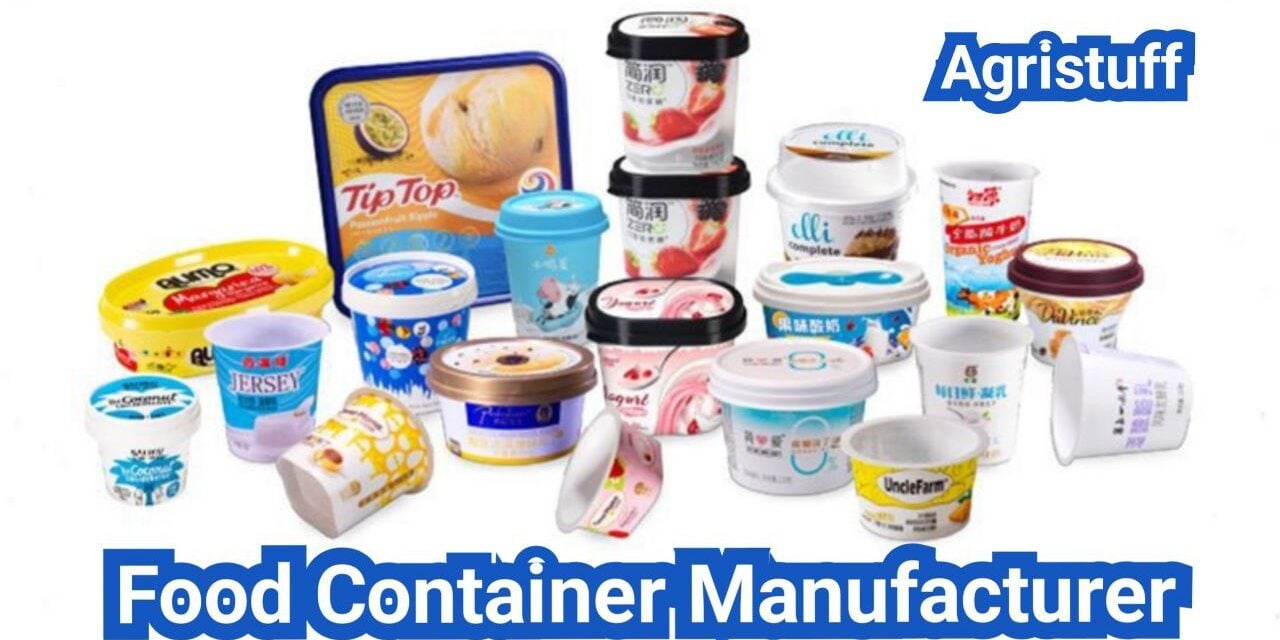
Selecting a reliable production partner for your supply chain is absolutely vital for long-term success. A skilled food container manufacturer in the U.S. ensures that every piece meets strict safety standards. This critical choice impacts your brand reputation and consumer trust across the nation.
Businesses must navigate various complex federal regulations to remain legally compliant. Selecting a professional supplier means prioritizing strict FDA compliance and material integrity. Whether you need specialized vessels or standard items, quality remains the top priority for any growing business.
Finding the right fit for your business requires careful research. You need a team that understands the local landscape and regulatory demands. Their expertise helps you avoid costly mistakes and delays in your upcoming product launch.
Safety is paramount when dealing with thermoformed trays. These products must resist heat and pressure while keeping items fresh. Using high-quality components helps prevent leaks and maintains the high standards expected by modern American buyers.
Key Takeaways
- Prioritize FDA compliance for all packaging solutions.
- Select materials that ensure high consumer safety.
- Choose durable designs to prevent shipping damage.
- Look for domestic partners to simplify logistics.
- Focus on quality to build long-term brand trust.
- Consider custom designs for a better market presence.
Understanding U.S. Food Packaging Regulations and Compliance Standards

Compliance with U.S. food packaging regulations is not just a legal necessity but a critical component of consumer trust and brand reputation. The U.S. food packaging industry is subject to a complex set of regulations designed to ensure the safety and integrity of food products.
FDA Food Contact Substance Notification Requirements
The FDA plays a pivotal role in regulating food contact substances, which include materials and components used in packaging that come into contact with food. The FDA Food Contact Substance Notification process is crucial for ensuring that these substances are safe for consumer use.
The FDA requires that manufacturers submit a notification for new food contact substances before they are introduced into the market. This notification must include detailed information about the substance, its intended use, and safety data.
State-Specific Packaging Laws and Restrictions
In addition to federal regulations, various states have enacted their own laws and restrictions regarding food packaging. These can include bans on certain materials, requirements for labeling, and rules about packaging waste.
For instance, some states have implemented laws to reduce plastic waste by banning single-use plastics or requiring recycling labels on packaging. Businesses must be aware of these state-specific packaging laws to ensure compliance across different regions.
| State | Packaging Law/Restriction | Description |
|---|---|---|
| California | SB 54 (Plastic Pollution Prevention and Packaging Producer Responsibility Act) | Requires manufacturers to reduce single-use plastic packaging and ensure recyclability or compostability. |
| New York | Extended Producer Responsibility (EPR) Law | Makes producers responsible for the environmental impacts of their packaging. |
| Maine | LD 1541 (An Act To Support and Improve Municipal Recycling Programs and Save Taxpayer Money) | Establishes a stewardship program for packaging materials, aiming to increase recycling rates. |
Food Packaging Compliance Documentation You Need
To ensure compliance with U.S. food packaging regulations, businesses must maintain comprehensive documentation. This includes records of material safety, compliance with FDA regulations, and adherence to state-specific laws.
Food packaging compliance documentation is essential for audits, legal requirements, and demonstrating a commitment to consumer safety and environmental responsibility.
Assessing Your Business Food Container Requirements

To choose the right food containers, businesses must first understand their unique requirements. This involves a thorough assessment of several key factors that influence the type of containers needed for their operations.
Analyzing Your Food Product Types and Storage Needs
The type of food product being stored or transported is a critical factor in determining the appropriate container. Different products have different requirements; for example, perishable items may require insulated or refrigerated containers, while dry goods can be stored in simpler containers.
Key considerations include:
- The nature of the food product (perishable, dry, liquid, etc.)
- Storage conditions (temperature, humidity, etc.)
- Handling and preparation requirements
Calculating Volume and Capacity Requirements
Understanding the volume and capacity needs is essential for selecting containers that can adequately hold the required amount of product without being excessively large or too small.
Factors to consider:
- Quantity of product to be stored or transported
- Frequency of use or replenishment
- Available storage space
Evaluating Distribution Channels and Transportation Factors
The method of distribution and transportation can significantly impact the type of container needed. Containers must be durable enough to withstand the rigors of transportation and must comply with any relevant regulations.
- Mode of transportation (road, air, sea)
- Handling practices (manual, automated)
- Regulatory compliance (e.g., FDA regulations for food contact materials)
How to Select the Right Food Container Manufacturer

To ensure the safe packaging and distribution of your food products, it’s essential to partner with a capable food container manufacturer. The right manufacturer can provide high-quality containers that meet your business needs and comply with regulatory standards.
Evaluating Food Container Manufacturer Capabilities in the U.S.
When evaluating a food container manufacturer’s capabilities, consider their production capacity, technology, and material sourcing. A manufacturer with advanced machinery and a robust supply chain can ensure consistent quality and timely delivery.
Key factors to assess include:
- Production capacity and scalability
- Material sourcing and quality control
- Manufacturing technology and innovation
Assessing Custom Food Container Manufacturer Services
Customization is crucial for businesses looking to differentiate their products. Assess whether the manufacturer offers custom design services, including bespoke shapes, sizes, and printing options.
Consider the following:
- Design flexibility and creativity
- Printing and labeling options
- Minimum order quantities for custom orders
Reviewing Quality Food Service Packaging Standards
Quality is paramount in food packaging. Review the manufacturer’s adherence to quality standards, such as ISO certifications and compliance with FDA regulations.
Quality indicators include:
- Certifications (e.g., ISO 9001)
- Compliance with food safety regulations
- Regular quality control checks
Verifying Certifications and Industry Partnerships
Industry certifications and partnerships can indicate a manufacturer’s credibility and commitment to excellence. Verify certifications such as BPA-free, recyclable, or compostable materials.
Look for:
- Industry-recognized certifications
- Partnerships with reputable organizations
- Compliance with environmental regulations
Choosing Thermoformed Food Trays for Your Operations

Thermoformed food trays are a versatile packaging solution for various food applications. They offer a range of benefits, including durability, flexibility, and the ability to be customized for specific food types.
The advantages of using thermoformed trays include their ability to be molded into various shapes and sizes, making them suitable for a wide range of food products. They are also cost-effective and can be made from different materials to suit different needs.
PP Deli Containers with Lids for Delicatessen Applications
PP (Polypropylene) deli containers are ideal for delicatessen applications due to their durability and resistance to leakage. They are often used for packaging salads, meats, and other deli products.
Key Features of PP Deli Containers:
- Durable and resistant to leakage
- Can be used for hot and cold food applications
- Available with lids for secure packaging
CPET Ovenable Trays for Dual-Use Applications
CPET (Crystallized Polyethylene Terephthalate) ovenable trays are designed for dual-use applications, allowing food to be cooked in the tray and then served directly to the customer.
Benefits of CPET Ovenable Trays:
- Oven-safe, making them ideal for cooking and reheating
- Microwave-safe for convenient reheating
- Clear visibility of the food product
Two Compartment and Three Compartment Containers
Multi-compartment containers are designed to keep different food items separate, making them ideal for meals that include multiple components.
| Container Type | Use Case | Benefits |
|---|---|---|
| Two Compartment | Meals with two components (e.g., main course and side dish) | Keeps food separate, convenient |
| Three Compartment | Meals with three components (e.g., main course, side dish, and dessert) | Organizes food, easy to manage |
MFPP Containers for Freezer-to-Microwave Use
MFPP (Multi-Functional Polypropylene) containers are designed for freezer-to-microwave use, offering convenience and flexibility for consumers.
“The versatility of MFPP containers makes them an excellent choice for food establishments looking for a reliable and convenient packaging solution.” – Packaging Expert
These containers are not only microwave-safe but also freezer-safe, making them ideal for meal prep and storage.
Selecting PET Clamshell Containers for Fresh Products

PET clamshell containers are widely used for fresh products because they offer a perfect blend of protection, visibility, and convenience. These containers are particularly popular in the retail industry for displaying fresh produce, baked goods, and other perishable items.
Produce Display
PET clamshell containers are ideal for produce display due to their clear visibility feature, which allows consumers to see the product without having to open the container. This transparency is crucial for building customer trust and showcasing the quality of the produce.
Key benefits of using PET clamshell containers for produce display include:
- Enhanced product visibility
- Protection from contamination and damage
- Convenience for consumers
Clear Visibility Features for Retail Environments
The clear visibility offered by PET clamshell containers is a significant advantage in retail environments. It enables consumers to inspect the product before purchasing, which can increase sales and reduce returns.
“The transparency of PET clamshell containers not only showcases the product but also builds trust with the consumer by allowing them to see exactly what they are buying.”
Stackability and Space Optimization Benefits
PET clamshell containers are designed to be stackable, which optimizes storage space both in warehouses and on retail shelves. This stackability also helps in reducing transportation costs by maximizing the use of space in shipping containers.
Stackability benefits include:
- Reduced storage costs
- Lower transportation costs
- Efficient use of shelf space
Hinged vs. Separate Lid Clamshell Designs
When selecting PET clamshell containers, businesses must decide between hinged and separate lid designs. Hinged lids offer convenience and ease of use, while separate lids provide additional security and can be more cost-effective.
| Design Type | Advantages | Disadvantages |
|---|---|---|
| Hinged Lid | Easy to open and close, convenient for consumers | May be more expensive than separate lids |
| Separate Lid | Cost-effective, provides additional security | May be less convenient for consumers |
Finding Leakproof Soup Containers with Lids

When it comes to storing and transporting liquid foods like soups, the importance of leakproof containers cannot be overstated. These containers are designed to prevent spills and leaks, ensuring that the food remains secure and fresh.
The design of leakproof soup containers involves several key features that work together to prevent leakage. One of the most critical aspects is the lid seal technology, which ensures a tight and secure seal between the container and the lid.
Leakproof Design Features and Testing Methods
Leakproof containers are designed with specific features to prevent leakage. These include:
- Tight-fitting lids that create a secure seal
- Containers with reinforced walls to prevent cracking
- Specialized materials that are resistant to leakage
To ensure that these containers meet the required standards, manufacturers use various testing methods to verify their leakproofness.
Lid Seal Technology for Liquid Foods
The lid seal technology used in leakproof containers is critical for maintaining the integrity of the seal. This technology involves creating a tight seal between the lid and the container, preventing liquids from escaping.
Cambro Containers for High-Volume Food Storage
Cambro containers are a popular choice for high-volume food storage due to their durability and leakproof design. These containers are designed to meet the needs of food service professionals who require reliable and efficient storage solutions.
In conclusion, leakproof soup containers with lids are a vital component in the food service industry. By understanding the design features and testing methods used to create these containers, businesses can make informed decisions about their food storage needs.
Understanding Tamper Evident and Secure Lid Systems

Tamper-evident packaging is not just a regulatory requirement but a critical component in maintaining consumer trust and product safety. As consumers become more aware of food safety, manufacturers are under increasing pressure to ensure their packaging is both secure and tamper-evident.
The selection of the right tamper-evident lid is crucial. Tamper-evident lids are designed to indicate if a product has been opened or tampered with. This is particularly important for food products that are sensitive to contamination or where consumer trust is paramount.
Tamper Evident Food Container Lids Selection
When selecting tamper-evident lids, manufacturers should consider the type of product being packaged, the distribution channels, and consumer expectations. For instance, products that are prone to tampering or are of high value may require more sophisticated tamper-evident features.
One effective method of achieving tamper-evidence is through the use of heat seal lidding film for trays. This method involves applying a film to the tray that can only be removed by tearing or breaking it, thus indicating if the product has been accessed.
Heat Seal Lidding Film for Trays
Heat seal lidding film is a popular choice for many food products due to its effectiveness in preventing tampering. The film is applied using a heat sealing process that bonds the film to the tray, creating a secure and tamper-evident seal.
“The use of heat seal lidding film has become a standard practice in the food industry due to its reliability and effectiveness in ensuring product safety.”
Invertibles Single-Piece Container Solutions
Another innovative solution is the use of invertibles single-piece containers. These containers are designed to be versatile and can be used in various applications, from food storage to serving. Their single-piece design eliminates the need for separate lids, reducing the risk of tampering.
Matching Container and Lid Systems Correctly
Finally, it is crucial to match the container and lid systems correctly to ensure that the packaging is both functional and secure. A well-matched system prevents leakage and contamination, enhancing the overall safety and integrity of the product.
| Lid Type | Tamper-Evident Feature | Application |
|---|---|---|
| Heat Seal Lidding Film | Breakable seal | Trays for food products |
| Invertibles Single-Piece | Integrated design | Food storage and serving |
| Tamper-Evident Lids | Visible tamper evidence | Various food containers |
By understanding and implementing tamper-evident and secure lid systems, food manufacturers can significantly enhance the safety and integrity of their products, thereby protecting consumers and their brand reputation.
Comparing Plastic Food Container Materials and Applications

Food container manufacturers must consider various materials, each with its own set of characteristics and applications. The choice of material significantly impacts the performance, safety, and sustainability of the containers.
Polypropylene Containers for Versatile Storage Solutions
Polypropylene (PP) is a versatile and widely used material for food containers due to its durability, resistance to chemicals, and ability to withstand various temperatures. It is commonly used for deli containers, yogurt cups, and other applications where flexibility and impact resistance are crucial.
Key benefits of polypropylene containers include:
- High resistance to chemicals and moisture
- Ability to be molded into various shapes and sizes
- Cost-effective for large-scale production
- Suitable for microwave and dishwasher use
Polyethylene Terephthalate for Crystal-Clear Presentation
Polyethylene terephthalate (PET) is a popular choice for food packaging due to its clarity, strength, and barrier properties. It is often used for clamshell containers, bottles, and trays where visibility of the product is important.
Advantages of PET containers include:
- Excellent clarity and transparency
- Good barrier properties against moisture and gases
- Lightweight and shatter-resistant
- Recyclable
Food-Grade Metal Cans and Plastic Pails for Bulk Storage
For bulk storage needs, food-grade metal cans and plastic pails are often utilized. Metal cans provide excellent barrier properties and are commonly used for canned goods, while plastic pails offer durability and are used for a variety of dry and liquid food products.
Benefits of food-grade metal cans and plastic pails:
- High barrier protection against external factors
- Durable and suitable for heavy-duty use
- Available in various sizes for different storage needs
- Can be used for both dry and liquid products
Specialized Materials for Specific Food Applications
Certain food applications require specialized materials that cater to specific needs, such as microwave safety, freezer compatibility, or resistance to certain chemicals. Manufacturers often develop customized solutions to meet these requirements.
Examples of specialized materials include:
- CPET (Crystallized Polyethylene Terephthalate) for oven-safe containers
- MFPP (Modified Polypropylene) for freezer-to-microwave applications
- Special coatings or linings for enhanced barrier properties or chemical resistance
Implementing Recycled Content Food Packaging and Sustainable Options

Sustainable packaging solutions, including recycled content and biodegradable alternatives, are becoming essential for food businesses. As the demand for eco-friendly packaging grows, companies are looking for ways to reduce their environmental footprint without compromising on quality or safety.
Recycled Content Food Packaging (PCR) Requirements
The use of Post-Consumer Recycled (PCR) content in food packaging is gaining traction due to its potential to reduce waste and conserve natural resources. PCR requirements vary by jurisdiction, but the trend is towards increasing the percentage of recycled content in packaging. For instance, some regions have set targets for minimum PCR content in plastic packaging.
To comply with PCR requirements, manufacturers must ensure that their packaging meets the necessary standards for food safety and quality. This involves working with suppliers who can provide certified PCR materials and implementing rigorous testing protocols.
Compostable Food Containers for Restaurants
Compostable food containers offer a promising solution for reducing waste in the food service industry. Made from materials like PLA (polylactic acid) or PBAT (polybutylene adipate-co-butylene terephthalate), these containers can decompose under composting conditions, reducing the amount of waste sent to landfills.
“Compostable packaging can significantly reduce the environmental impact of food service operations, but it requires proper composting infrastructure to realize its full benefits.”
Biodegradable Food Container Alternatives
Biodegradable containers are another sustainable option for food packaging. These containers are designed to break down more easily in the environment than traditional plastics, although the conditions under which they degrade can vary widely.
When selecting biodegradable containers, it’s crucial to consider the end-of-life scenario for the packaging. This includes understanding the composting or biodegradation process and ensuring that the chosen material aligns with local waste management practices.
Black Package Alternatives for Reduced Environmental Impact
Black plastic packaging, often used for its visibility and branding benefits, poses challenges for recycling due to its detectability issues in sorting facilities. Alternatives to black packaging include the use of detectable black pigments or switching to other colors that are more easily recyclable.
| Sustainable Packaging Option | Environmental Benefit | Key Consideration |
|---|---|---|
| Recycled Content Packaging | Reduces waste and conserves natural resources | Ensuring PCR material quality and compliance |
| Compostable Containers | Reduces landfill waste and supports composting | Availability of composting infrastructure |
| Biodegradable Containers | Breaks down more easily in the environment | Understanding biodegradation conditions and end-of-life |
By adopting sustainable packaging solutions like recycled content, compostable, and biodegradable options, food businesses can significantly reduce their environmental footprint. It’s essential to carefully evaluate the benefits and challenges of each option to make informed decisions.
Sourcing Plastic Food Containers Wholesale

Sourcing plastic food containers wholesale requires a strategic approach to ensure you meet your business needs while staying within budget. This involves understanding various factors, including wholesale pricing structures, minimum order quantities, and effective supplier relationships.
Understanding Wholesale Pricing Structures
Wholesale pricing for plastic food containers can vary significantly based on the material, size, and quantity of the containers. Economies of scale play a crucial role here; larger orders typically result in lower per-unit costs. It’s essential to understand the pricing models used by different suppliers, which can include tiered pricing, volume discounts, or flat-rate pricing.
For instance, a supplier might offer a tiered pricing structure where the cost per unit decreases as the order quantity increases. This can be beneficial for businesses with high demand, as it allows them to save on costs. Here’s an example of how tiered pricing might work:
| Order Quantity | Price Per Unit |
|---|---|
| 1,000 – 5,000 units | $0.50 |
| 5,001 – 10,000 units | $0.45 |
| 10,001+ units | $0.40 |
Minimum Order Quantities from Manufacturers
Minimum Order Quantities (MOQs) are a critical factor when sourcing plastic food containers wholesale. MOQs are the smallest quantity of a product that a supplier is willing to sell in a single order. These can vary widely between suppliers and are often influenced by production capabilities and costs.
According to a report by Packaging Digest, “MOQs can range from a few thousand units to tens of thousands, depending on the product and manufacturer.” Understanding and negotiating MOQs is vital to ensure that they align with your business needs.
Working with Wholesale Food Container Suppliers
Building a strong relationship with your wholesale food container suppliers is crucial for successful sourcing. This involves not only negotiating the best prices but also ensuring that the supplier can meet your quality and delivery requirements.
“A good supplier is one who can provide not just competitive pricing, but also reliability, quality products, and excellent customer service.”
— John Smith, Procurement Manager at XYZ Corporation
Negotiating Terms with Container Supply Co Distributors
Negotiating terms with distributors is a key aspect of sourcing plastic food containers wholesale. This includes not just the price, but also payment terms, delivery schedules, and product customization options.
To negotiate effectively, it’s essential to have a clear understanding of your business needs and the market conditions. Being aware of the supplier’s constraints and capabilities can also help in reaching a mutually beneficial agreement.
Reviewing Leading Food Packaging Manufacturers and Brands

When it comes to food packaging, several prominent manufacturers stand out for their quality, innovation, and market presence. These companies have established themselves as leaders in the industry, offering a wide range of products that cater to various needs and applications.
Cambro Food Storage Solutions
Cambro is a well-known name in the food service industry, particularly for its high-quality food storage solutions. Their products are designed to be durable, versatile, and compliant with food safety standards. Cambro’s offerings include a variety of containers, lids, and other storage solutions that are suitable for different types of food service operations.
Key Features of Cambro Products:
- Durable construction for long-lasting use
- Variety of sizes and shapes to suit different needs
- Compliance with food safety regulations
Sabert Containers for Food Service
Sabert Containers is another significant player in the food packaging industry, specializing in innovative and sustainable packaging solutions. Their product range includes containers, lids, and other packaging materials designed for various food service applications.
Sabert’s Product Highlights:
- Innovative designs for improved functionality
- Sustainable materials and production processes
- Compliance with food safety and regulatory standards
Dart Container Solo Cup Operating Corporation
Dart Container is a leading manufacturer of food packaging products, including cups, containers, and lids. Their Solo Cup brand is particularly well-known for its convenience and quality.
Dart Container’s Key Offerings:
- Wide range of packaging solutions for food and beverages
- Innovative designs for convenience and functionality
- Commitment to sustainability and environmental responsibility
Major Manufacturers: Pactiv Evergreen and Berry Global
Pactiv Evergreen and Berry Global are two of the major players in the food packaging industry, offering a broad spectrum of products and solutions. Both companies are known for their commitment to innovation, quality, and sustainability.
| Manufacturer | Key Products | Notable Features |
|---|---|---|
| Pactiv Evergreen | Food containers, cups, and packaging materials | Innovative designs, sustainable practices |
| Berry Global | Packaging solutions for food and beverages | Commitment to sustainability, wide product range |
The leading food packaging manufacturers and brands are continually evolving to meet the changing needs of the market. Their focus on innovation, quality, and sustainability is driving growth and development in the industry.
Ordering Custom Food Trays and Lids

When it comes to customizing food trays and lids, understanding the process is crucial for businesses looking to stand out in the competitive U.S. market. Custom food packaging not only enhances brand visibility but also ensures that the packaging meets the specific needs of the business.
Defining Custom Design Specifications
The first step in ordering custom food trays and lids is defining the design specifications. This involves determining the size, shape, material, and features required for the packaging. Businesses must consider factors such as the type of food being packaged, storage and transportation needs, and branding requirements.
Key considerations for custom design specifications include:
- Dimensions and capacity
- Material type (e.g., PP, PET, CPET)
- Compartmentalization
- Lid type (e.g., hinged, separate, tamper-evident)
- Printing and branding options
Understanding Tooling Costs and Setup Fees
Tooling costs and setup fees are significant factors in the custom food packaging ordering process. Tooling costs refer to the expense of creating the molds needed for the custom design, while setup fees cover the initial preparation costs for production.
| Tooling Cost Factors | Description | Estimated Cost Range |
|---|---|---|
| Complexity of Design | Influenced by the intricacy of the design and the number of components | $500 – $5,000 |
| Material Used | Different materials have varying costs associated with tooling | $1,000 – $10,000 |
| Production Volume | Higher volumes can reduce the cost per unit but may increase initial tooling costs | Varies |
Custom Branding and Printing Options
Custom branding and printing are crucial for businesses looking to differentiate their products. Options include various printing techniques such as offset printing, flexography, and digital printing, allowing for a range of colors and design complexities.
“Custom packaging is not just about containing the product; it’s a powerful marketing tool that can elevate brand identity and customer experience.”
Prototype Development and Testing Timeline
The prototype development and testing phase is essential to ensure that the custom food trays and lids meet the required specifications and quality standards. This process involves creating a sample product, testing it for functionality and durability, and making any necessary adjustments before proceeding to full-scale production.
The timeline for this phase can vary depending on the complexity of the design and the manufacturer’s capabilities, typically ranging from a few weeks to a few months.
Ensuring BPA-Free and Food Contact Safety Compliance
The importance of using BPA-free and compliant food contact materials cannot be overstated in the food industry. With growing consumer awareness and regulatory scrutiny, ensuring that food containers meet the highest safety standards is crucial for protecting both consumers and brand reputation.
Selecting BPA-Free Food Containers
Choosing the right food containers involves more than just selecting materials that are BPA-free. It requires a comprehensive understanding of the materials used and their compliance with FDA regulations. BPA-free food containers are designed to minimize the risk of chemical contamination, ensuring a safer food storage and serving experience.
When selecting BPA-free containers, consider the following key factors:
- Material composition: Ensure that the containers are made from materials that are compliant with FDA regulations regarding food contact substances.
- Manufacturer certifications: Look for manufacturers that provide certifications or compliance statements for their products.
- Testing and validation: Verify that the containers have undergone rigorous testing to ensure they meet or exceed regulatory standards.
Material Migration Testing Requirements
Material migration testing is a critical step in ensuring that food containers do not leach harmful chemicals into food. This testing evaluates the potential for substances to migrate from the container material into the food it holds.
Key aspects of material migration testing include:
- Identifying the types of substances that could potentially migrate.
- Conducting tests under various conditions that simulate real-world use.
- Ensuring that the levels of any migrating substances are within safe limits as defined by regulatory agencies.
Maintaining Compliance Records
Maintaining detailed compliance records is essential for demonstrating adherence to food contact safety regulations. These records serve as proof that the containers used by a business meet all relevant safety standards.
Best practices for maintaining compliance records include:
- Documenting material specifications and supplier certifications.
- Keeping records of testing and validation results.
- Regularly reviewing and updating records to reflect any changes in materials or regulatory requirements.
Exceeding Minimum Safety Standards for Brand Protection
While meeting minimum safety standards is mandatory, exceeding these standards can provide significant brand protection benefits. By demonstrating a commitment to safety that goes beyond mere compliance, businesses can enhance their reputation and build trust with consumers.
Strategies for exceeding minimum safety standards include:
- Implementing more stringent testing protocols.
- Using materials that offer superior safety profiles.
- Engaging in transparent communication with consumers about safety practices.
Managing Inventory of Disposable Food Containers

Effective inventory management of disposable food containers is crucial for maintaining operational efficiency in the food service industry. Proper management ensures that the right containers are available when needed, reduces waste, and helps in maintaining a smooth supply chain.
Optimal Storage Conditions for Different Container Materials
Different materials used in disposable food containers require specific storage conditions to maintain their quality and functionality. For instance, polypropylene containers should be stored in a cool, dry place away from direct sunlight to prevent degradation. Similarly, paper-based containers should be kept in a dry environment to prevent moisture absorption.
It’s essential to understand the storage requirements for each type of container material to prevent damage and ensure they remain usable. This includes considering factors like temperature, humidity, and exposure to light.
Inventory Management Systems for Food Service Containers
Implementing an effective inventory management system is vital for tracking and managing disposable food containers. This can include using software solutions that monitor stock levels, automate ordering processes, and provide insights into usage patterns.
Such systems help in maintaining optimal stock levels, reducing the likelihood of overstocking or understocking, and ensuring that containers are available when needed.
Just-in-Time Ordering vs. Bulk Storage Strategies
Businesses must decide between just-in-time ordering and bulk storage strategies based on their operational needs and supply chain dynamics. Just-in-time ordering involves ordering containers as needed, which can reduce storage costs but may lead to stockouts if not managed properly.
On the other hand, bulk storage involves purchasing containers in large quantities, which can offer cost savings but requires significant storage space and may lead to waste if not used before expiration or degradation.
Rotating Stock and Managing Expiration Considerations
Rotating stock is critical to ensure that older containers are used before they expire or degrade. This involves implementing a first-in, first-out (FIFO) inventory system, where the oldest stock is used or sold first.
Managing expiration considerations is also crucial, especially for containers with specific shelf lives or those that may be affected by environmental factors. Regular inventory checks and stock rotation help in minimizing waste and ensuring compliance with safety standards.
At The End of: Food Container Manufacturer
Choosing the right food container manufacturer is crucial for businesses in the food industry, as it directly impacts product safety, brand reputation, and environmental sustainability. A reliable manufacturer ensures compliance with FDA regulations and state-specific packaging laws, providing peace of mind for businesses.
When selecting a food container manufacturer, consider factors such as material options, custom design capabilities, and certifications. Prioritizing sustainable packaging solutions, like recycled content and biodegradable materials, not only reduces environmental impact but also appeals to eco-conscious consumers.
Food safety compliance is paramount, and a reputable manufacturer will provide guidance on BPA-free materials, material migration testing, and compliance records. By partnering with a trusted food container manufacturer, businesses can ensure the safe storage and transportation of their products.
Ultimately, making informed decisions when choosing packaging solutions is vital for long-term success. By considering the importance of food safety compliance, sustainable packaging, and reliable manufacturing, businesses can protect their brand and contribute to a more environmentally friendly food industry.
FAQ
Why is FDA compliance essential when choosing a food container manufacturer in the u.s.?
Adhering to FDA regulations ensures that food contact compliant packaging materials do not leach harmful substances into products. A reliable food container manufacturer in usa must provide comprehensive food packaging compliance documentation to prove their products meet safety standards, protecting both the consumer and the brand’s legal standing.
What are the advantages of using CPET ovenable trays versus PP deli containers with lids?
CPET ovenable trays are designed for dual-use applications, meaning they can go safely from the freezer to a high-heat oven. In contrast, PP deli containers with lids are ideal for cold or room-temperature delicatessen items and are often microwave-safe, but they cannot withstand the intense heat of a conventional oven. For specialized needs, many businesses also utilize MFPP containers (mineral-filled polypropylene) to reduce plastic usage while maintaining heat resistance.
How do PET clamshell containers for produce enhance retail visibility?
PET clamshell containers for produce offer crystal-clear transparency, allowing consumers to inspect the freshness of fruits and vegetables easily. These containers are often designed as produce packaging clamshell vented units to allow for proper airflow, extending the shelf life of the contents while offering superior stackability for efficient shelf displays.
What features define the best leakproof soup containers with lids?
High-quality leakproof soup containers with lids utilize advanced lid seal technology and rigorous pressure testing to prevent spills during transport. Leading brands like Cambro offer professional-grade solutions such as the 8 qt cambro and the 22 qt cambro with lid, which are industry staples for high-volume food storage due to their durability and airtight seals.
What is the difference between Safe Pinch® tamper-evident packaging and heat seal lidding film for trays?
Safe Pinch® tamper-evident packaging uses a mechanical break-away tab to alert consumers if a container has been opened, whereas heat seal lidding film for trays creates a hermetic, tamper-proof seal that must be peeled or cut away. Both are vital for food safety, especially when paired with innovative designs like Invertibles™ single-piece containers or Crisp Food Technologies® containers.
Can I source eco-friendly and compostable food containers for restaurants?
Yes, many eco friendly food packaging manufacturers now offer compostable food containers for restaurants made from plant-based materials like bagasse packaging or PLA. Additionally, companies are increasingly incorporating recycled content food packaging (PCR) and offering black package alternatives to improve the recyclability of dark-colored plastics.
Who are the leading food packaging manufacturers to watch in 2026 and beyond?
The industry is led by giants such as Amcor plc, Berry Global, Pactiv Evergreen Inc., and Sonoco Products Company. Other major players providing innovative food packaging include Alpla Werke Alwin Lehner GmbH & Co KG, Graham Packaging Company Incorporated, Huhtamäki oyj, and Klockner Pentaplast Group. For specific needs like metal packaging, the partnership between Campbell’s Soup & Silgan Can Co remains a benchmark for food-grade metal cans.
What should I consider when ordering custom food trays and lids?
When working with a custom food container manufacturer, you must define design specifications, including material type (such as thermoformed food trays), branding, and dimensions. It is crucial to account for tooling costs, setup fees, and the timeline for prototype development. Specialized suppliers, such as sushi container suppliers or ice cream packaging manufacturers, can offer niche customization for unique product shapes.
How do I ensure my food containers are BPA-free and safe for long-term storage?
To ensure safety, you should only partner with a food packaging supplier that guarantees BPA-free food containers and conducts regular material migration testing. High-quality manufacturers like Sabert Containers and Dart Container Solo prioritize these standards to exceed minimum safety requirements, providing peace of mind for commercial food service operations.
What is the most efficient way to manage inventory for disposable food containers?
Efficient management involves a mix of just-in-time ordering and maintaining a buffer of bulk food packaging. Utilizing inventory management systems to track stock rotation (FIFO) is essential for items with structural expiration considerations. For bulk needs, working with a reliable wholesale food container supplier like Container Supply Co. or Inteplast Group for items like inteplast group food bags ensures a steady supply of essential food service containers.
What are the benefits of using plastic pails and tubs for bulk food storage?
Plastic pails & tubs provide a versatile storage solution for high-volume ingredients. They are durable, stackable, and often feature re-closable lids that maintain freshness. Manufacturers like Berry Global and Silgan Holdings produce these in various sizes, ranging from small deli containers to large 5 litre plastic container formats, meeting the needs of both commercial kitchens and industrial food processors.
How do I vet a food container manufacturer quickly?
A food container manufacturer is worth shortlisting if they can supply samples fast, explain the intended conditions of use, and provide a clear compliance packet tied to the exact materials and structure you’re buying. SQF Code PDF: Manufacture of food packaging (Edition 9).
Do I need sealed lidding film, or is a snap lid enough?
A food container manufacturer will typically recommend sealed lidding for leak prevention and longer shelf life, while snap lids can be best for reclosable convenience—your channel (delivery vs. in-store) should decide. OSHA overview: general machine guarding requirements (for lidding/sealing equipment).
What’s the safest approach for microwave-ready packaging?
A food container manufacturer should advise customers to use only packaging intended for microwave heating and follow safe reheating practices, since container design and heating uniformity both affect food safety. USDA FSIS guidance on cooking safely in the microwave.
Can I use recycled-content packaging for food?
A food container manufacturer can support recycled content for food contact when the recycled resin process is evaluated and considered suitable for the intended use, so ask for documentation tied to the specific PCR process and application. FDA resource on recycled plastics processes for food contact.
How do I choose between fiber-based and plastic containers?
A food container manufacturer decision should weigh grease and moisture resistance, temperature needs, and end-of-life reality in your region, because fiber can be great for dry or short-hold foods while plastics may outperform for wet, oily, or longer distribution. EPA guidance on composting and organics management.
Conclusion of: Food Container Manufacturer
A food container manufacturer can make or break your product experience in the U.S. because the “right” package is really a system—material, shape, lid fit, sealing method, and documentation that proves it’s suitable for food contact. FDA information for consumers on food packaging and substances that come in contact with food.
A food container manufacturer is most valuable when they help you translate real-world use (cold chain, hot fill, freezer, microwave, grease, acidity, and shelf life) into specs you can buy with confidence—especially if you sell through farm stands, CSAs, regional grocers, or national distributors. EPA overview of sustainable packaging.
What to ask before you compare trays, cups, and lids
A food container manufacturer should start by mapping your “package journey”: how the food is filled, closed, stacked, shipped, displayed, and opened—because many failures show up in transit, in deli cases, or when customers reheat. FDA overview of the food contact substance (FCS) review program.
A food container manufacturer should also clarify who owns each risk: you (food safety plan, handling, temperatures, labeling) versus them (resin selection, forming quality, lid fit, seal integrity, migration compliance, and consistent lot-to-lot performance). SQF overview: Food Safety Code for the manufacture of food packaging.
U.S. compliance basics without the legal maze
A food container manufacturer selling into the U.S. must be prepared to explain why the materials are suitable for food contact—typically through a combination of FDA-cleared uses, supplier compliance statements, and controlled manufacturing practices. 21 CFR Part 174 (Indirect food additives: general provisions).
A food container manufacturer should be comfortable discussing the difference between “food contact substance” clearance (the material’s regulatory status) and your finished package performance (leak resistance, heat tolerance, and durability), because passing one does not guarantee the other. FDA inventory of effective food contact substance notifications.
A food container manufacturer is also the right place to ask about coatings, inks, and adhesives, since lids and labels often introduce additional layers beyond the base polymer or paperboard. 21 CFR Part 175 (Indirect food additives: adhesives and components of coatings).
Start with your product reality: temperature, fat, acid, and handling
A food container manufacturer will choose very differently for a high-fat product (like ground beef, cheese curds, or nut butters) than for dry produce because fats can pull different compounds and also stress closures through oil wicking. 21 CFR Part 177 (Indirect food additives: polymers).
A food container manufacturer should know whether you need freezer toughness, deli-case clarity, or hot holding—because “one container for everything” often causes cracking, warping, or soggy fiber packs. USDA FSIS guidance on leftovers and food safety (time/temperature basics).
Trays: choosing rigidity, presentation, and heat performance
A food container manufacturer will usually steer fresh produce toward ventilated designs and clear presentation where it matters (berries, grape tomatoes, salad kits), but the best choice depends on condensation control and stacking strength, not just appearance. University of Florida IFAS guidance on postharvest storage, packaging, and handling.
A food container manufacturer supporting meat and poultry packs must account for purge management, pad compatibility, and tight closure to reduce leaks in transport—especially for direct-to-consumer boxes where vibration and temperature swings are common. USDA FSIS overview of meat and poultry packaging.
A food container manufacturer for prepared foods should confirm whether customers will reheat in the same tray, because microwave and oven performance are not interchangeable and the wrong tray can warp, craze, or compromise seals. USDA FSIS guidance on cooking with microwave ovens (safe containers and use).
Cups: portioning, clarity, and leak resistance
A food container manufacturer for dairy (yogurt, cultured products, dips) needs to balance barrier and tamper evidence with how the cup will be filled and lidded, because a great cup can still fail if the rim profile doesn’t match the lid or seal tool. BRCGS overview of the Global Standard for Packaging Materials.
A food container manufacturer for soups, sauces, and hot-fill items should focus on heat set, headspace, and lid retention after cooling, since vacuum formation and thermal cycling can pop lids or buckle thin walls. FDA overview of the Food Safety Modernization Act (FSMA).
Lids and closures: snap-on, heat-seal, and tamper evidence
A food container manufacturer should help you choose between snap-on lids (fast, reclosable) and sealed lidding (best for leak resistance and shelf life), because the “best” lid depends on your channel and your customers’ expectations. OSHA 29 CFR 1910.212 machine guarding requirements (relevant for sealing/lidding equipment).
A food container manufacturer must verify lid-to-base compatibility as a controlled spec, not a “close enough” fit, because small rim deviations can create slow leaks, broken tamper bands, or seal voids that show up only after a few days. 21 CFR Part 178 (Indirect food additives: adjuvants, production aids, and sanitizers).
Ventilation and moisture control for fresh produce
A food container manufacturer packaging fresh crops should treat venting as a quality tool, because many fruits and vegetables need airflow to reduce condensation and slow deterioration, especially in humid regions or when cold storage is limited. USDA ARS Agriculture Handbook 66: Commercial storage of fruits and vegetables (PDF).
A food container manufacturer can also reduce shrink by matching pack style to your cooling method (forced-air, room cooling, iced product), since the wrong container can trap moisture and raise decay risk even when the produce looks fine at packing. FDA FSMA Produce Safety rule overview.
Barrier needs: when “high barrier” helps and when it hurts
A food container manufacturer will recommend higher oxygen and moisture barriers for products that stale, oxidize, or pick up off-flavors quickly, but overly tight packs can harm respiring produce and create quality defects you can’t fix later. 21 CFR Part 176 (Indirect food additives: paper and paperboard components).
A food container manufacturer should translate barrier talk into a simple buying action: request testable specs (like transmission rates for films or lidding) only when your product genuinely needs them, and validate with a short shelf-life trial. Peer-reviewed example on packaging film barrier performance (ACS Publications).
Documentation you should request from a manufacturer
A food container manufacturer should provide a clear compliance packet for the exact structure you’re buying (base + lid + any coating/ink), and it should reflect the intended conditions of use (temperature, food type, and contact time). 21 CFR Part 112 (Produce Safety rule regulations).
A food container manufacturer should be prepared to explain FDA pathways like Food Contact Notifications and how a cleared use applies to your specific application, especially if you are changing resin, adding colorants, or switching suppliers. FDA explanation of Food Contact Notifications (FCN) and the FCS review program.
A food container manufacturer should also have a change-control mindset—if they swap resin lots, pigments, adhesives, or forming conditions, you want notice and a quick risk review before it impacts your shelf life or sealing. ISO overview: ISO 9001 explained (quality systems and change control concepts).
Threshold and “small change” topics you should understand
A food container manufacturer might mention “threshold of regulation” concepts when discussing low-migration additives, but your practical takeaway is simpler: don’t accept vague assurances—ask what the additive is and why it’s appropriate for food contact. 21 CFR 170.39 (Threshold of regulation for substances used in food-contact articles).
A food container manufacturer making customized structures should be able to point to FDA’s threshold exemption listings where relevant, and to explain when you need a more formal regulatory review instead of assumptions. FDA database: Threshold of Regulation exemptions.
A food container manufacturer working with new additives should understand that FDA also publishes guidance on how to submit threshold requests, which signals how seriously you should treat “new chemistry” in packaging. FDA guidance on submitting requests under 21 CFR 170.39.
Recycled content, sustainability, and claim-safe language
A food container manufacturer offering post-consumer recycled content for food contact should be ready to discuss FDA’s process evaluations and how recycled resin suitability is assessed, especially for high-contact or long-contact uses. FDA database of recycled plastics processes with favorable opinions.
A food container manufacturer should treat sustainability as a whole-system decision (right-sizing, downgauging, pallet efficiency, and end markets), because the most recyclable package isn’t helpful if your customers can’t actually recycle it locally. EPA data page: Containers and packaging (product-specific data).
A food container manufacturer that sells compostable fiber or bioplastic options should be honest about access to composting and disposal pathways in your target region, because compostability depends on infrastructure and correct sorting. EPA overview: Composting.
Chemical concerns and customer expectations
A food container manufacturer will sometimes get questions about BPA, and the best approach is to be factual: know what your package uses, document it, and communicate clearly when customers ask. FDA page on BPA use in food contact applications.
A food container manufacturer should also understand that “BPA-free” isn’t a universal safety guarantee by itself, so your decisions should be based on intended use, temperature, and regulatory suitability rather than buzzwords. FDA Q&A on BPA in food contact applications.
A food container manufacturer supplying microwave-intended packs should reinforce real-world reheating guidance: use packaging only as intended, avoid metal in microwaves, and follow equipment instructions to prevent uneven heating or container damage. FDA guidance page on microwave ovens and container considerations.
Traceability and labeling readiness for modern U.S. channels
A food container manufacturer can support traceability by offering lot codes, consistent case counts, and label-friendly surfaces, which becomes more important as retailers push faster, more precise recalls and better chain-of-custody records. FDA FSMA final rule on traceability records for certain foods.
A food container manufacturer should also align with practical barcode standards if you distribute at scale, because case-level identification and clean label placement reduce receiving errors and speed up downstream scanning. GS1 US resources on food safety and traceability standards.
How to compare quotes and lead times without surprises
A food container manufacturer quote should separate tooling (molds, dies), unit pricing, minimum order quantity, packaging of the packaging (case packs, pallets), and freight assumptions—because “cheap per unit” can become expensive when storage and shipping are added. EPA overview: Sustainable management of food basics (waste and system impacts).
A food container manufacturer should be willing to run a controlled pilot: same product, same process, two or three packaging options, and a short shelf-life and transport stress test, so you choose based on data rather than opinions. EPA resource: Approaches to composting (process and system thinking).
Quick checklist
A food container manufacturer selection gets easier when you standardize your requirements and evaluate every option against the same scorecard before you commit to tooling or a long-term supply agreement. OSHA Machine Guarding eTool (useful if you add sealing/lidding equipment).
- Define product type, oil/acid level, and target shelf life (days vs. weeks).
- Confirm temperature needs: freezer, refrigerated display, hot fill, microwave, or oven.
- Choose format: tray, cup, clamshell, or multi-compartment based on how customers eat/use it.
- Pick closure method: snap-on, tamper-evident band, or sealed lidding film/foil.
- Request a compliance packet for the exact structure (base + lid + ink/coating).
- Ask for fit specs and tolerances (rim profile, lid retention force, seal window).
- Validate stacking strength and drop/vibration resistance for your shipping method.
- Test condensation and venting for produce and high-moisture items.
- Run a short pilot with real filling, storage, and transport conditions.
- Confirm MOQs, lead times, and re-order cadence before you scale.
Common mistakes to avoid
A food container manufacturer relationship usually fails for preventable reasons—most commonly when buyers skip testing, assume “similar material” equals “same performance,” or don’t document changes that quietly alter shelf life and leak rates. 16 CFR Part 260 (Green Guides: environmental marketing claims).
- Buying on looks alone: Require stacking, leak, and heat tests, not just clarity and shape.
- Ignoring the lid: Treat lid fit and seal window as critical specs, not an accessory.
- Skipping condensation trials for produce: Test in your real humidity and cold chain.
- Assuming microwave-safe equals oven-safe: Validate for the exact heating method.
- Underestimating freight and storage: Cube, pallet count, and warehouse space change true cost.
- Letting suppliers change materials quietly: Require change notification and lot traceability.
- Using “compostable” language without a disposal plan: Match claims to local infrastructure.
- Over-complicating SKUs: Too many sizes/lids increases stockouts and purchasing errors.
Costs and ROI snapshot
A food container manufacturer price is driven by resin or fiber cost, mold/tooling complexity, gauge (thickness), decoration/printing, case pack, and freight—so ROI starts with simplifying the structure and right-sizing the package to reduce material and shipping cube. EPA FAQs on containers and packaging assumptions in materials data.
A food container manufacturer choice pays back fastest when it reduces shrink and labor: fewer cracked clamshells, fewer leaking meat packs, faster closing on the line, and fewer customer complaints that trigger refunds or re-packs, especially for direct-to-consumer farm shipments. FDA FSMA rules and guidance for industry (food safety system context).
A food container manufacturer ROI model can be simple and practical: estimate weekly units, current damage/return rate, labor minutes per pack, and spoilage losses, then compare two packaging options over one season and pick the one that improves net margin—not just the one that lowers unit cost. EPA “Advancing Sustainable Materials Management” facts and figures (PDF).
Final thought
A food container manufacturer is more than a supplier—they’re a risk partner—so choose the option that performs in your real filling, shipping, storage, and customer-use conditions, backed by clear U.S. food-contact documentation and a pilot you can measure. EPA guidance on sustainable packaging considerations.
Sources & References
- Foodservice To Go Packaging Solutions | Food Packaging Manufact
- Sabert | Innovative Food Packaging Manufacturer
- Container Supply Co. | Food-Grade Storage Containers
- FDA: Exemptions relevant to produce farms (Produce Safety & Traceability)
- 21 CFR 175.300 (Resinous and polymeric coatings)
- 21 CFR Part 176 (Paper and paperboard components)
- 21 CFR Part 177 (Polymers)
- 21 CFR Part 178 (Adjuvants, production aids, sanitizers)
- USDA ARS: AH-66 reference page
- EPA: Containers and packaging product-specific data
- EPA: Sustainable Management of Food
- OSHA: Machine guarding safety considerations
- GS1: Traceability standards overview
- BRCGS: Guidance on disposable food contact packaging (PDF)
- ISO: ISO 9001:2015 standard overview