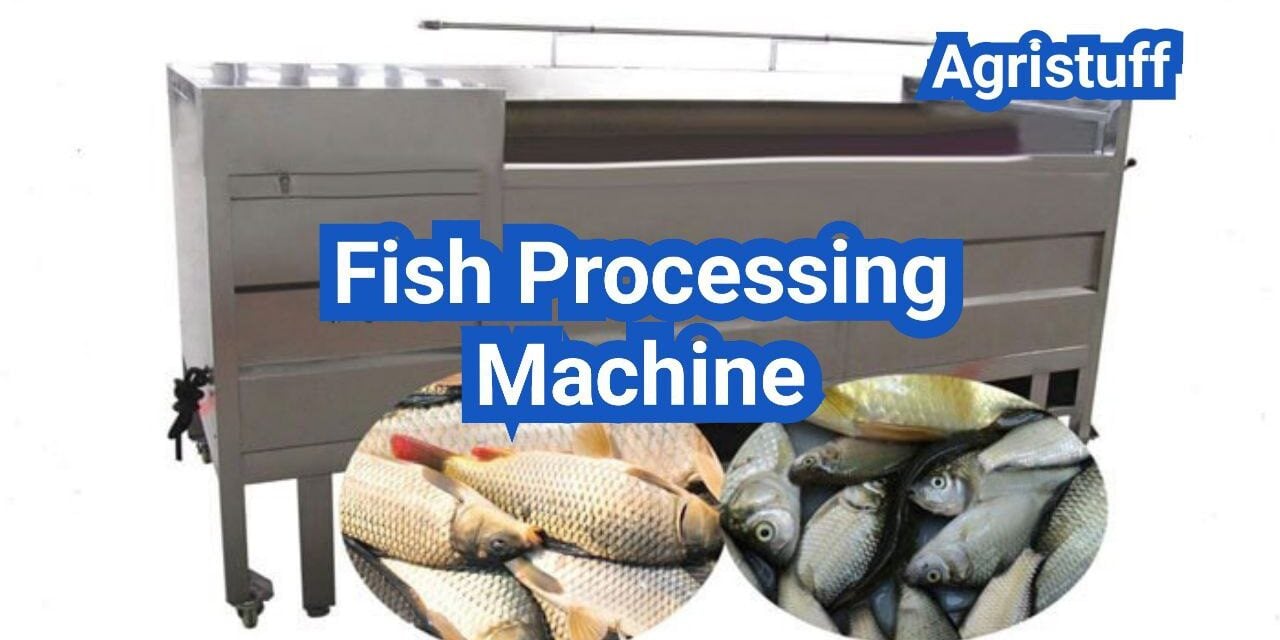
The seafood industry is witnessing a significant transformation with the advent of advanced fish processing machinery, enabling companies to improve efficiency and product quality.
Efficient filleting, pin-boning, and yield optimization are crucial for seafood manufacturers to remain competitive in the global market.
The global demand for processed seafood is driving the growth of the fish processing machine market, with automation playing a key role in enhancing productivity and reducing costs.
As the industry continues to evolve, understanding the intricacies of seafood processing automation and optimizing fish fillet yield calculation will be essential for manufacturers to stay ahead.
Key Takeaways
- Efficient filleting and pin-boning are critical for seafood manufacturers.
- Automation is driving growth in the fish processing machine market.
- Optimizing fish fillet yield calculation is essential for productivity.
- Seafood processing automation enhances product quality and reduces costs.
- Understanding fish filleting line layout is vital for manufacturers.
Understanding Fish Processing Equipment and Machinery Types

Modern fish processing facilities utilize a variety of equipment and machinery to streamline their operations. The selection of appropriate machinery is crucial for efficient processing, maintaining product quality, and reducing labor costs.
Core Processing Equipment Categories
Fish processing equipment can be broadly categorized into several core types based on their functions. These include:
- Fish filleting machines
- Pin bone removal equipment
- Fish gutting and cleaning machines
- Fish scaling and descale machines
- Fish portioning and cutting machinery
Each category plays a vital role in the processing line, and the choice of equipment depends on the type of fish being processed and the desired final product.
Specialized vs. Multi-Function Machines
The industry offers both specialized machines designed for specific tasks and multi-function machines that can perform several operations. Specialized machines are typically more efficient for high-volume production of a single product type, while multi-function machines offer flexibility for processors who need to produce a variety of products.
For example, a dedicated fish filleting machine might be ideal for a processor focusing on fillet production, whereas a multi-function machine could be more suitable for a processor who also needs to gut and clean fish.
Manual, Semi-Automatic, and Fully Automatic Systems
Fish processing machinery can also be classified based on the level of automation:
- Manual systems require significant human intervention.
- Semi-automatic systems automate certain processes but still require manual input.
- Fully automatic systems operate with minimal human intervention, often featuring PLC controls and real-time monitoring for enhanced precision.
Modern fish processing machines, especially those that are fully automatic, often feature advanced technologies like PLC controls, touchscreens, and real-time monitoring. These features enhance precision, reduce labor costs, and improve product consistency.
By understanding the different types of fish processing equipment and machinery available, processors can make informed decisions to optimize their operations and improve product quality.
Essential Fish Processing Machines for Modern Operations

Fish processing machines play a vital role in enhancing productivity and reducing labor costs in the seafood industry. Modern fish processing operations rely on a range of specialized equipment to ensure efficient and high-quality production.
Fish Filleting Machines and Automatic Filleting Systems
Fish filleting machines are designed to improve yield and reduce labor costs. These machines can be customized to handle various fish species and sizes, making them an essential component of modern fish processing operations. Automatic filleting systems offer advanced features such as precision cutting and minimal waste generation.
Fish Gutting and Cleaning Equipment
Fish gutting and cleaning equipment are crucial for preparing fish for further processing. These machines are designed to efficiently remove innards and clean the fish, reducing the risk of contamination. Advanced gutting machines can handle a variety of fish species and are equipped with features such as adjustable cutting tools.
Fish Scaling and Descaling Machines
Fish scaling and descaling machines are used to remove scales from fish, improving the quality of the final product. These machines can be configured to handle different fish species and sizes, ensuring efficient scaling and descaling. Descaling machines utilize advanced technologies to minimize waste and optimize the descaling process.
Fish Skinning Equipment for Different Species
Fish skinning equipment is designed to remove skin from fish fillets, enhancing the appearance and quality of the final product. These machines can be customized to handle various fish species, including delicate and thick-skinned fish. Advanced skinning machines offer features such as precision cutting and minimal waste generation.
Pin Bone Removal Equipment: Technology and Selection

Advanced pin bone removal systems are revolutionizing the fish processing industry by enhancing fillet quality and reducing labor costs. The technology behind these systems is complex, involving sophisticated mechanisms to detect and remove pin bones from fish fillets accurately.
How Pin-Boning Machines Work
Pin-boning machines utilize advanced technologies such as X-ray or optical sensors to identify the location of pin bones within the fillet. Once detected, these bones are removed using precision cutting tools or suction devices. The efficiency and accuracy of these machines significantly impact the overall quality of the processed fish.
Key components of pin-boning machines include:
- Advanced detection systems for accurate bone identification
- Precision cutting or removal tools
- Adjustable settings for different fish species and sizes
Baader and Other Leading Pin Bone Removal Systems
Baader is a renowned manufacturer in the fish processing industry, offering a range of pin bone removal solutions. Their equipment is known for its high accuracy and efficiency, making it a preferred choice among fish processors. Other leading manufacturers also provide innovative solutions, each with unique features and benefits.
The selection of a pin bone removal system depends on several factors, including:
- The type of fish being processed
- Production volume
- Desired level of automation
Evaluating Pin Bone Detection and Removal Accuracy
The accuracy of pin bone detection and removal is crucial for producing high-quality fillets. Processors should evaluate the performance of pin-boning machines based on their ability to detect and remove bones without damaging the surrounding flesh.
Factors to consider when evaluating accuracy include:
- Detection rate of pin bones
- Removal efficiency
- False positive rates
By carefully assessing these factors, fish processors can select the most appropriate pin bone removal equipment for their operations, ensuring high-quality products and maximizing efficiency.
Fish Portioning, Cutting, and Slicing Machinery

Fish portioning, cutting, and slicing machinery play a crucial role in the seafood processing industry by ensuring uniformity and quality. These machines are designed to improve yield, reduce waste, and enhance the overall efficiency of fish processing operations.
Portion Control Equipment for Uniform Cuts
Portion control equipment is essential for achieving uniform cuts and sizes in fish products. These machines can be programmed to cut fish into specific portions, ensuring consistency across products. The use of portion control equipment not only improves the appearance of the final product but also helps in reducing waste by optimizing the cutting process.
Key Features of Portion Control Equipment:
- Programmable cutting sizes
- High precision cutting
- Easy integration with existing processing lines
Fish Cutting Saws and Slicing Machines
Fish cutting saws and slicing machines are designed to handle various types of fish and cutting requirements. These machines are crucial for processing different species and product forms, from thin slices to thicker cuts. Advanced cutting saws and slicing machines offer high precision and can be adjusted to accommodate different fish sizes and types.
Benefits of Advanced Cutting Saws and Slicing Machines:
- Improved cutting accuracy
- Increased processing speed
- Reduced labor costs
Trimming Equipment for Fillet Optimization
Trimming equipment is vital for optimizing fillet yield and quality. These machines remove unwanted parts of the fish, such as bloodlines or damaged areas, to produce high-quality fillets. Trimming equipment can be customized to fit specific fillet types and processing requirements.
| Trimming Equipment Type | Function | Benefits |
|---|---|---|
| Manual Trimming | Manual removal of defects | Flexibility, low cost |
| Automated Trimming | Automated removal of defects | High speed, consistency |
As highlighted by industry expert, “The right trimming equipment can significantly improve fillet yield and quality, making it a crucial investment for fish processing operations.”
“Investing in advanced fish portioning, cutting, and slicing machinery is not just about increasing efficiency; it’s about delivering high-quality products that meet consumer expectations.”
Calculating and Maximizing Fish Fillet Yield

The efficiency of fish processing operations heavily relies on the accurate calculation and maximization of fish fillet yield. Fish fillet yield is a critical factor in determining the profitability of these operations. A higher yield means more product for sale, directly impacting the bottom line.
Fish Fillet Yield Calculation Methods
Calculating fish fillet yield involves measuring the weight of the fillets obtained from a given quantity of whole fish. The yield is typically expressed as a percentage of the original weight.
Factors Affecting Yield Percentage | Fish Processing Machine
Several factors can influence fish fillet yield percentage, including the species of fish, its size and condition, the processing technique, and the machinery used.
Machine selection plays a crucial role in maximizing yield. Machines that are designed to minimize waste and optimize fillet extraction can significantly improve yield percentages.
Machine Selection Based on Yield Performance
When selecting processing machinery, yield performance should be a key consideration. Machines from reputable manufacturers are designed to optimize yield.
Monitoring and Improving Yield Rates | Fish Processing Machine
Continuous monitoring of yield rates is essential for identifying areas of improvement in the processing operation.
Implementing yield improvement strategies requires a holistic approach that considers all aspects of the processing operation, from the initial receipt of raw materials to the final product.
Understanding Line Speed and OEE in Fish Processing

Optimizing fish processing operations requires a deep understanding of line speed and Overall Equipment Effectiveness (OEE). These two critical factors directly influence the productivity and profitability of fish processing facilities.
Fish Processing Line Speed Measurements
Line speed in fish processing refers to the rate at which fish are processed through various stages, from filleting to packaging. Measuring line speed is crucial for determining the capacity of processing lines and identifying bottlenecks. Line speed is typically measured in units per minute or kilograms per hour, depending on the specific processing stage.
To measure line speed effectively, processors can use various methods, including:
- Counting the number of units processed per minute
- Weighing the output over a set period
- Using sensors to track the movement of products through the processing line
Overall Equipment Effectiveness (OEE) Calculations for Fish Processing Machines
OEE is a comprehensive metric that evaluates the efficiency of equipment in fish processing operations. It takes into account three key factors: availability, performance, and quality.
The formula for calculating OEE is:
OEE = Availability × Performance × Quality
| Factor | Description | Calculation |
|---|---|---|
| Availability | Percentage of scheduled time that the equipment is available for production | Available Time / Scheduled Time |
| Performance | Ratio of actual production speed to the maximum possible speed | Actual Production Speed / Ideal Production Speed |
| Quality | Percentage of good products produced | Good Products / Total Products Produced |
Balancing Speed with Quality and Yield | Fish Processing Machine
Achieving a balance between line speed, quality, and yield is crucial for maximizing profitability in fish processing. Increasing line speed can lead to higher productivity, but it may also result in reduced quality or yield if not managed properly.
To strike the right balance, processors should:
- Implement quality control measures at various stages of processing
- Regularly maintain equipment to prevent breakdowns and ensure optimal performance
- Train staff to operate equipment efficiently and effectively
High-Efficiency Processing Strategies | Fish Processing Machine
Implementing high-efficiency processing strategies can significantly improve line speed and OEE in fish processing operations. Some effective strategies include:
- Investing in advanced processing technologies and automation
- Optimizing processing line layouts to minimize bottlenecks
- Implementing predictive maintenance programs to reduce downtime
By understanding and optimizing line speed and OEE, fish processors can enhance their operational efficiency, reduce costs, and improve product quality. This, in turn, can lead to increased competitiveness and profitability in the market.
Designing Your Fish Filleting Line Layout

Designing an efficient fish filleting line layout is crucial for seafood processing plants to maximize productivity and minimize costs. A well-designed layout ensures a smooth workflow, reduces labor costs, and improves product quality.
Complete Processing Lines from Gutting to Packaging
A complete processing line includes various stages, from gutting and cleaning to filleting, packaging, and labeling. Efficient equipment placement is critical to ensure a smooth workflow and minimize product handling.
Seafood processing plants can benefit from integrating automated systems, such as gutting machines, filleting machines, and packaging equipment, to streamline their operations.
Seafood Plant Zoning and Traffic Flow Requirements
Effective zoning and traffic flow are essential in a seafood processing plant to prevent cross-contamination and ensure a smooth workflow. Zoning involves dividing the plant into separate areas for different processing stages, such as receiving, processing, packaging, and storage.
Traffic flow requirements dictate that personnel and equipment move in one direction through the plant, reducing the risk of contamination and improving efficiency.
Equipment Placement for Optimal Efficiency | Fish Processing Machine
Strategic equipment placement is vital to optimize efficiency and reduce labor costs. Equipment should be placed to minimize product handling and reduce the risk of contamination.
For example, filleting machines should be placed near packaging equipment to streamline the process and reduce handling.
Seafood Processing Automation Integration
Integrating automation into seafood processing can significantly improve efficiency, reduce labor costs, and enhance product quality. Automated systems can be used for tasks such as filleting, packaging, and labeling, freeing up staff to focus on other areas.
By incorporating automation into their fish filleting line layout, seafood processing plants can improve their competitiveness and achieve long-term success.
How to Choose a Fish Processing Machine: Step-by-Step Evaluation

Choosing a fish processing machine that meets your specific needs is crucial for optimizing your processing operations. The right equipment can significantly enhance efficiency, reduce costs, and improve product quality.
Step 1: Assess Your Processing Volume and Species Requirements
Before selecting a fish processing machine, it’s essential to understand your processing volume and the types of fish you’ll be processing. Different species have varying sizes, bone structures, and fat contents, which can affect machine performance. Assessing your processing volume helps determine the capacity requirements of the machine, ensuring it can handle your production needs without compromising efficiency.
Step 2: Evaluate Key Features and Specifications
Once you’ve determined your processing needs, evaluate the key features and specifications of potential machines. Consider factors such as cutting precision, ease of cleaning, and integration capabilities with existing equipment. The machine should be able to perform the required tasks efficiently while maintaining high product quality.
Step 3: Compare Machine Types for Bone Removal and Filleting
Different machines are designed for specific tasks such as bone removal and filleting. Compare various machine types to determine which one best suits your needs. For instance, some machines are specialized for pin-bone removal, while others can handle both filleting and bone removal. Evaluating the capabilities of different machines helps in making an informed decision.
Step 4: Review Sanitary Design and HACCP Compliance
Sanitary design and HACCP compliance are critical factors in fish processing. Ensure that the machine you choose is designed with sanitation in mind, featuring easy-to-clean surfaces and minimal crevices where bacteria can accumulate. HACCP compliance is essential for meeting regulatory requirements and ensuring food safety. Verify that the machine meets or exceeds relevant food safety standards.
By following these steps, you can select a fish processing machine that not only meets your operational needs but also enhances efficiency, product quality, and compliance with food safety regulations.
Fish Processing Machine Price and Market Insights in the U.S.
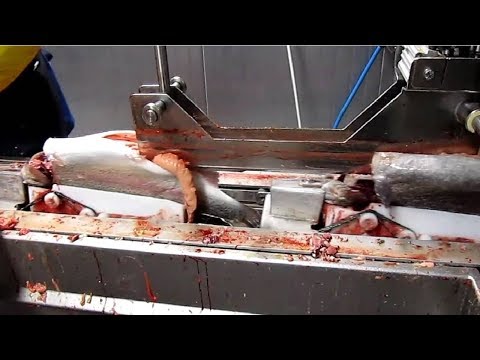
Rising consumer demand for processed fish products is driving the growth of the fish processing machine market in the United States. The global fish filleting machine market is experiencing robust growth, driven by rising demand for processed seafood and advancements in automation.
Price Ranges for Different Equipment Types | Fish Processing Machine
Fish processing machines vary widely in price, depending on their functionality, capacity, and level of automation. For instance, basic manual filleting machines can start at around $1,000, while advanced automated filleting systems can cost upwards of $100,000. Portioning and cutting machinery can range from $5,000 to $50,000, depending on their precision and throughput.
The cost of pin bone removal equipment can vary significantly based on its detection accuracy and removal efficiency. Basic models start at around $3,000, while high-end systems with advanced optical sensors can cost up to $20,000.
Fish Processing Machine Market in USA and Current Trends
The U.S. fish processing machine market is influenced by trends such as increasing demand for sustainable and responsibly sourced seafood, as well as the need for improved food safety and traceability. Manufacturers are responding by developing machines that offer higher efficiency, better yield, and enhanced sanitation.
Current trends include the adoption of Industry 4.0 technologies, such as IoT sensors and data analytics, to optimize processing operations. There’s also a growing focus on machines that can handle a variety of fish species and sizes, providing processors with greater flexibility.
Cost Factors and Return on Investment Considerations | Fish Processing Machine
When evaluating the cost of fish processing machines, several factors must be considered, including the initial purchase price, installation costs, maintenance expenses, and energy consumption. The return on investment (ROI) is heavily influenced by the machine’s impact on labor costs, product yield, and waste reduction.
- Initial investment vs. long-term savings
- Machine efficiency and throughput
- Maintenance and repair costs
- Energy consumption and operational costs
Fish Processing Machine HS Code for Import Classification
For businesses importing fish processing machinery, understanding the Harmonized System (HS) code is crucial for customs clearance and tariff classification. The HS code for fish processing machines typically falls under the category of “Machinery for processing fish or crustaceans, mollusks, or other aquatic invertebrates.”
Accurate classification is essential to avoid delays and ensure compliance with import regulations. Importers should consult with customs experts to determine the specific HS code for their equipment.
Leading Seafood Processing Machinery Manufacturers

The seafood processing industry is driven by innovation and efficiency, thanks in large part to the advanced machinery provided by leading manufacturers. Companies such as Marel, Baader, Martak, and Pisces are at the forefront of seafood processing technology, offering a range of equipment that enhances productivity, quality, and sustainability.
Marel Fish Processing Equipment and Systems
Marel is a renowned name in the seafood processing industry, known for its comprehensive range of fish processing equipment and systems. Their product portfolio includes advanced solutions for filleting, portioning, and sorting fish, designed to maximize yield and minimize waste. Marel’s technology is geared towards improving efficiency and reducing labor costs, making it a preferred choice for many seafood processors.
Baader Filleting Machines and Complete Solutions | Fish Processing Machine
Baader is another industry leader, specializing in filleting machines and complete processing solutions for various fish species. Their equipment is designed to deliver high precision and consistency, ensuring that processors can meet the demanding standards of the global seafood market. Baader’s commitment to innovation and quality has made its machinery a staple in many seafood processing facilities.
Martak Fish Processing Technology
Martak brings its expertise in fish processing technology to the table with a range of innovative products designed to streamline processing operations. Their equipment focuses on improving yield, reducing processing time, and enhancing product quality. Martak’s solutions are tailored to meet the specific needs of seafood processors, helping them stay competitive in a rapidly evolving market.
Pisces Line of Equipment and Innovations | Fish Processing Machine
Pisces offers a diverse line of seafood processing equipment, including sorting, grading, and packaging solutions. Their innovations are aimed at improving the efficiency and sustainability of seafood processing operations. Pisces’s commitment to quality and customer satisfaction has established it as a trusted partner for seafood processors worldwide.
| Manufacturer | Key Products | Innovations |
|---|---|---|
| Marel | Filleting, portioning, sorting equipment | Advanced yield optimization technology |
| Baader | Filleting machines, complete processing solutions | High precision filleting for various fish species |
| Martak | Fish processing technology, yield improvement solutions | Streamlined processing operations |
| Pisces | Sorting, grading, packaging equipment | Sustainable processing solutions |
Regulatory Compliance: HACCP, FSMA 204, and Sanitary Design

Seafood processing facilities must comply with various regulations, including HACCP, FSMA 204, and sanitary design standards, to ensure the safety and quality of their products.
Seafood HACCP Equipment Requirements
The Hazard Analysis and Critical Control Points (HACCP) system is a preventive approach to food safety that identifies and controls hazards in the food production process. Seafood processing equipment must be designed and operated in a way that supports HACCP principles.
HACCP requirements for seafood processing equipment include:
- Design and construction that prevents contamination
- Easy cleaning and sanitizing
- Regular maintenance to prevent equipment failure
Sanitary Design Food Equipment Standards | Fish Processing Machine
Sanitary design is critical in seafood processing to prevent contamination and ensure food safety. Equipment should be designed with sanitary principles in mind, including smooth surfaces, minimal crevices, and easy disassembly for cleaning.
Key sanitary design features for seafood processing equipment:
- Smooth, non-porous surfaces
- Minimal crevices and corners
- Easy disassembly for cleaning and inspection
Seafood Traceability Records Under FSMA 204
The Food Safety Modernization Act (FSMA) 204 rule requires food processors, including seafood processors, to maintain records that allow for tracing of food products through the supply chain.
| Record Type | Description | Retention Period |
|---|---|---|
| Receiving Records | Details of incoming seafood products, including source and quantity | 2 years |
| Processing Records | Information on processing steps, including time and temperature controls | 2 years |
| Shipping Records | Details of outgoing seafood products, including destination and quantity | 2 years |
Seafood Labeling Requirements in USA
Seafood labeling is regulated by various federal and state agencies, including the FDA and USDA. Labels must provide accurate information about the product, including its identity, quantity, and handling instructions.
Key labeling requirements for seafood products:
- Product name and description
- Net weight or quantity
- Handling and storage instructions
- Country of origin labeling (COOL)
Supporting Equipment and Processes
Effective seafood processing involves more than just the primary processing equipment; it requires a range of supporting machinery and techniques. These supporting processes are crucial for maintaining product quality, ensuring safety, and optimizing production efficiency.
Fish Freezing and Glazing Best Practices
Fish freezing is a critical step in preserving seafood quality. Quick freezing methods, such as blast freezing or plate freezing, are commonly used to rapidly lower the temperature of the fish, thereby preventing the growth of ice crystals that can damage the tissue.
Glazing is another important process that involves coating frozen fish products with a layer of ice to protect them from dehydration and oxidation during storage and transportation. Proper glazing techniques are essential to ensure that the protective layer is evenly applied and remains intact.
Fish Sorting Machines and Grading Systems
Fish sorting machines play a vital role in categorizing seafood products based on size, weight, or quality. These machines use various technologies, including optical scanners, weight sensors, and computer vision, to accurately sort fish into different categories.
Advanced grading systems can also detect defects or contaminants, enabling processors to remove substandard products from the production line. This not only improves the overall quality of the final product but also enhances production efficiency by reducing manual sorting labor.
Wastewater Management in Seafood Processing
Wastewater management is a significant concern in seafood processing due to the high levels of organic matter and nutrients present in the effluent. Effective wastewater treatment systems are necessary to remove contaminants and comply with environmental regulations.
Techniques such as dissolved air flotation (DAF), biological treatment, and membrane filtration are commonly used to treat seafood processing wastewater. Implementing these systems can help minimize environmental impact while also recovering valuable resources, such as water and nutrients.
Fish Meal and Byproduct Processing Equipment
Fish meal and byproduct processing equipment is used to convert seafood waste into valuable products, such as fish meal, fish oil, and fertilizers. This not only reduces waste disposal costs but also generates additional revenue streams for seafood processors.
Modern fish meal processing equipment is designed to efficiently handle large volumes of raw material, ensuring that the final products meet high-quality standards. By investing in such equipment, seafood processors can maximize their returns on byproducts while minimizing their environmental footprint.
Fish Processing Machine Operator Training and Maintenance
Effective operation of fish processing machines requires comprehensive training and regular maintenance to ensure safety and efficiency. The complexity of modern fish processing equipment demands that operators are well-versed in both the operation and maintenance of these machines.
Operator Training Requirements | Fish Processing Machine
Proper training for fish processing machine operators is crucial for maximizing productivity and ensuring compliance with safety regulations. Training programs should cover the following aspects:
- Machine operation and control
- Safety procedures and emergency protocols
- Basic maintenance tasks
- Quality control measures
Operators should undergo both theoretical and practical training, with hands-on experience being a critical component. Regular refresher courses can help keep operators updated on new technologies and procedures.
Preventive Maintenance for Food Processing Equipment
Preventive maintenance is essential for minimizing downtime and extending the lifespan of fish processing equipment. A well-planned maintenance schedule should include:
| Maintenance Task | Frequency | Purpose |
|---|---|---|
| Cleaning and sanitizing | Daily/After each use | Prevent contamination and bacterial growth |
| Lubrication of moving parts | Weekly/As specified by manufacturer | Reduce wear and tear, prevent overheating |
| Inspection of critical components | Monthly | Identify potential issues before they cause downtime |
Safety Considerations and Legal Requirements | Fish Processing Machine
Safety is paramount in fish processing facilities. Operators must be aware of potential hazards and follow safety protocols to prevent accidents. Legal requirements, such as OSHA standards in the U.S., must be adhered to. Key safety considerations include:
- Proper use of personal protective equipment (PPE)
- Safe operation of machinery
- Emergency stop procedures
- Regular safety drills
Troubleshooting Common Equipment Issues | Fish Processing Machine
Despite preventive maintenance, issues can arise. Operators should be trained in basic troubleshooting to quickly identify and resolve common problems, such as:
- Machine jams or blockages
- Incorrect cutting or filleting
- Unusual noises or vibrations
Effective troubleshooting can minimize downtime and prevent more serious problems from developing.
At The End of: Fish Processing Machines
The seafood processing industry relies heavily on efficient and effective fish processing machines to maintain high-quality products and maximize yield. By understanding the different types of fish processing equipment and machinery, businesses can make informed decisions to optimize their operations.
Selecting the right fish processing machine is crucial for filleting, pin-boning, and other processing tasks. Automation plays a significant role in improving efficiency and reducing costs. By leveraging automation and yield optimization strategies, seafood processors can achieve higher productivity and better product quality.
Regulatory compliance is also essential in the seafood processing industry. Ensuring that fish processing machines meet HACCP and FSMA 204 requirements is vital for maintaining food safety and avoiding costly fines. By investing in the right equipment and training, businesses can stay ahead of the competition and meet the demands of a rapidly evolving market.
As the seafood processing industry continues to evolve, the role of automation and yield optimization will become increasingly important. By adopting the latest technologies and best practices, businesses can improve their operations, reduce costs, and deliver high-quality products to consumers.
FAQ
What is the importance of fish processing machines in the seafood industry?
Fish processing machines are crucial in the seafood industry as they enable efficient filleting, pin-boning, and yield optimization, ultimately improving productivity and reducing costs.
What are the different categories of fish processing equipment?
Fish processing equipment can be categorized into core processing equipment, specialized machines, and manual or automatic systems, each with its benefits and drawbacks.
What are the essential fish processing machines required for modern operations?
Essential fish processing machines include filleting machines, gutting and cleaning equipment, scaling and descaling machines, and skinning equipment, which are designed to improve efficiency and yield.
How do pin-boning machines work?
Pin-boning machines use advanced technology to detect and remove pin bones from fish fillets, improving yield and quality.
What are the benefits of using fish portioning, cutting, and slicing machinery?
Fish portioning, cutting, and slicing machinery enable uniform cuts, improve yield, and reduce labor costs, ultimately improving productivity and profitability.
How is fish fillet yield calculated?
Fish fillet yield is calculated by measuring the weight of the fillet against the weight of the whole fish, and factors such as fish species, size, and processing techniques can affect yield percentage.
What is the importance of line speed and OEE in fish processing?
Line speed and OEE (Overall Equipment Effectiveness) are critical in fish processing as they enable manufacturers to optimize production, reduce waste, and improve quality.
How do I design an efficient fish filleting line layout?
An efficient fish filleting line layout requires careful planning, including the placement of equipment, zoning, and traffic flow, to optimize production and reduce waste.
How do I choose a fish processing machine?
Choosing a fish processing machine requires assessing processing volume and species requirements, evaluating key features and specifications, comparing machine types, and reviewing sanitary design and HACCP compliance.
What are the current market trends and price ranges for fish processing machines in the U.S.?
The market for fish processing machines in the U.S. is influenced by factors such as technological advancements, regulatory requirements, and consumer demand, and price ranges vary depending on equipment type and manufacturer.
Who are the leading seafood processing machinery manufacturers?
Leading seafood processing machinery manufacturers include Marel, Baader, Martak, and Pisces, which offer a range of innovative and high-quality equipment and systems.
What are the regulatory compliance requirements for seafood processing?
Seafood processing operations must comply with regulations such as HACCP, FSMA 204, and sanitary design, and maintain seafood traceability records and comply with seafood labeling requirements in the USA.
What supporting equipment and processes are required for seafood processing?
Supporting equipment and processes include fish freezing and glazing, sorting machines, wastewater management, and fish meal and byproduct processing equipment, which are essential for efficient and sustainable seafood processing.
What are the training and maintenance requirements for fish processing machine operators?
Fish processing machine operators require training on equipment operation, maintenance, and safety procedures, and regular preventive maintenance is essential to ensure equipment reliability and efficiency.
Do I need HACCP if I buy pre-filleted fish?
If you are processing, repacking, or handling products in a way that creates or controls hazards, your fish processing machine still fits into a required hazard analysis and HACCP plan responsibilities. The safest approach is to map exactly what you do (thawing, trimming, portioning, packaging, freezing) and then build controls and records around those steps so your compliance is clear. 21 CFR 123.6 (hazard analysis and HACCP plan)
Can one system run multiple species?
A fish processing machine can be used for multiple species only if the operating window covers the different body shapes and size ranges, and if your team can change settings quickly without losing alignment. Treat “multi-species” as a test requirement, not a brochure claim, and require demo lots that match your real fish mix across seasons. Primer on sanitary equipment design criteria and evaluation
How do I build sanitation control procedures that actually work?
The most successful programs turn sanitation into a repeatable routine with defined monitoring points, corrective actions, and simple records that supervisors can review daily. A fish processing machine should support this by being easy to inspect, fast to disassemble where needed, and consistent to reassemble without changing performance. Florida Sea Grant sanitation control procedures training
What should I do about allergens and labeling claims?
If you handle multiple species or both fish and crustacean shellfish, your fish processing machine workflow must prevent allergen cross-contact through clear scheduling, validated cleaning, and accurate label control. Keep labels locked to lot identity, train staff on “hold” rules for uncertain product identity, and build verification into packaging so mistakes are caught before shipping. FDA food allergy and allergen labeling information
Conclusion of: Fish Processing Machine Buyer’s Guide
What this guide helps you buy (and why it matters)
A fish processing machine is not just a piece of equipment—it’s a decision about product quality, labor, food safety controls, and whether your plant can hit consistent specs week after week. The best buyers start by defining the product you sell (fresh vs. frozen, skin-on vs. skinless, portioned vs. whole fillet) and then work backward to choose the right operations, automation level, and verification checks. That approach prevents expensive “almost fits” purchases that look great in demos but struggle on your real fish.
Match automation level to your business model
Before you compare brands, decide what you’re optimizing: maximum throughput, best yield, or most consistent trim quality across variable sizes and seasons. A fish processing machine that replaces knife labor can stabilize output, but only if your incoming fish sizes stay within the machine’s operating window and you can maintain sharpness, alignment, and sanitation between runs. For small-to-mid U.S. operations, it often makes sense to automate the bottleneck step first (typically filleting, pin-boning, or portioning), then add upstream/downstream modules once data proves the payback. FAO overview of fish processing operations and plant considerations
Start with U.S. compliance and food safety expectations
Even the smartest layout will fail if your process cannot be controlled and documented under U.S. seafood safety expectations, because those requirements influence equipment choices like cleanability, drainage, and how you separate raw and ready-to-eat areas. A fish processing machine should fit your hazard analysis, your sanitation monitoring plan, and your temperature control strategy—especially if you handle scombroid species, reduced-oxygen packaged products, or ready-to-eat fish. Put regulatory readiness on the same level as yield and speed when comparing quotes. FDA Seafood HACCP overview
Define your raw material and finished product spec first
Your raw material spec (species, average weight, size range, seasonality, wild vs. farmed, fresh vs. frozen-at-sea) determines whether a fish processing machine will run smoothly or constantly need manual fixes. Write down how fish arrive (whole, headed and gutted, IQF blocks, chilled totes), the defect rates you accept (belly burst, gaping, bruising), and the exact finished forms you sell (trim level, skin condition, pin-bone tolerance, portion weights). This “spec sheet” becomes your RFQ backbone and makes vendor comparisons objective instead of emotional.
Use capacity math that reflects real yield—not just line speed
Buyers often focus on the nameplate rate, but true capacity is the combination of usable yield, uptime, and how much rework your crew must do after the fish processing machine runs. Calculate a realistic hourly output using: incoming weight × yield to your saleable spec × expected uptime (accounting for sanitation, changeovers, and sharpening) × packaging constraints. If a system boosts speed but reduces yield by even a small amount, you may lose more revenue than you gain—especially when fillets sell by weight and trim losses add up across thousands of pounds. Maryland Sea Grant guide on fish pricing and yield concepts
Define quality metrics that your team can score consistently
Fillet “quality” becomes measurable when you turn it into a scorecard—bone remnants, skin damage, tear-outs, bloodline, belly flap uniformity, and gaping frequency—so you can compare runs across shifts. A fish processing machine should be evaluated against the same scorecard every time, using the same sampling plan (for example, a set number of fish per lot across the full size range). This protects you from making decisions based on a perfect demo lot that doesn’t resemble your real supply. FAO notes on fillet gaping as a quality issue
Filleting: match technology to species, size range, and trim target
Filleting systems vary widely in how they handle backbone tracking, belly cavities, and head/shoulder geometry, so “works on salmon” is not enough to qualify a fish processing machine for your use. Ask whether the equipment is designed for round fish, flatfish, salmonids, or mixed-species use, and how it compensates for size variability (manual adjustments, recipe settings, sensors, or physical guides). The more your supply swings by season, the more you should prioritize fast, repeatable setup and operator-friendly adjustments over theoretical maximum speed. FAO reference on preliminary fish processing steps and options
Run a yield trial the way you’ll run production
A demo should simulate your actual operating reality: your fish sizes, your chilling method, your trim spec, your crew skill level, and your sanitation cadence. In a yield trial, weigh fish in, weigh saleable product out, and separately weigh trim, frames, and rework to see where the fish processing machine is truly “making money” or “leaking money.” Because commerce depends on accurate measurement, build your testing around verified scales and repeatable methods so your results hold up when you defend the purchase to partners or lenders. NIST Handbook 44 (weights and measures standards)
Pin-boning: decide what “bone-free” means for your market
“Pin-bone free” can mean different things depending on whether you sell fresh retail fillets, foodservice portions, or further-processed products, and your standard should be written before comparing equipment. A fish processing machine used for pin-bone removal must be judged by both removal rate and product appearance, because aggressive removal can cause tearing, surface bruising, or yield loss that customers notice. Build your acceptance criteria around measurable checks (bone counts per fillet section, defect scoring, and trim loss) rather than a subjective “looks okay.” Peer-reviewed study on pin bone attachment forces in salmonids
Line speed is a system outcome, not one machine’s spec
Many plants buy a fast core unit and then discover the true bottleneck is feeding, trimming, pin-boning, glazing, weighing, or packaging. When you plan line speed, map the slowest step, the buffer points, and the changeover routines, and then set a target rate that a fish processing machine can sustain with your staffing and sanitation schedule. Track OEE (availability, performance, quality) so you can separate “slow because of downtime” from “slow because of operating window mismatch,” and then fix the right problem. NIST guidance on OEE as a performance metric
Layout and zoning reduce rework and cross-contamination risk
Smart layouts shorten travel distance, prevent raw-to-ready cross-traffic, and make sanitation faster, which is why plant flow should be part of every fish processing machine purchase. Use separate zones for receiving and gutting, fillet finishing, packaging, and cold storage, and make sure drains, splash, and airflow don’t pull contamination from “dirty” areas into “clean” areas. Your floor plan should also allow safe access for cleaning, inspection, and maintenance without forcing crews to climb over conveyors or store totes in walkways. 21 CFR 117.20 (plant and grounds requirements)
Sanitary design starts with materials, surfaces, and drainage
In food plants, the easiest contamination to prevent is the contamination you design out—crevices, hollow rollers, unsealed threads, dead legs, and pooling water. A fish processing machine should use appropriate food-contact materials, smooth finishes, and designs that drain and dry, because wet harborage zones raise sanitation risk and slow changeovers. When you compare options, ask how the supplier prevents water entrapment, how belts and rollers are cleaned, and whether disassembly is tool-less or at least fast and repeatable. 21 CFR 117.40 (equipment and utensils requirements)
Plan your cleaning method before you buy the equipment
Some systems are optimized for clean-out-of-place (quick removal of belts and contact parts), while others assume clean-in-place routines with validated spray coverage, chemical concentration, and contact time. A fish processing machine that looks efficient during production can become a daily headache if cleaning requires excessive teardown, hard-to-reach points, or complicated reassembly that changes alignment. Ask vendors to walk you through a real sanitation cycle, including how long it takes, which parts are removed, and what inspection points prove the equipment is truly clean. EHEDG hygienic design principles
Build sanitation control procedures into daily operations
Sanitation is not “extra”—it’s a controlled process with monitoring, corrective actions, and records, and your fish processing machine should support that reality with accessible inspection points and easy-to-clean surfaces. Design your checklist around the areas regulators expect you to monitor, such as water quality, condition of food-contact surfaces, prevention of cross-contamination, maintenance of handwashing and toilet facilities, protection from adulterants, labeling/storage of toxics, employee health, and pest exclusion. If the equipment forces shortcuts (like skipping disassembly), you may not catch issues until you see defects, off-odors, or positive environmental results. 21 CFR 123.11 (sanitation control procedures)
Control time/temperature and microbial growth with equipment choices
Temperature control is easier when the process is designed for it—short exposure times, efficient chilling, covered conveyors where needed, and minimal product pile-up. A fish processing machine can help by reducing manual handling and speeding movement into packaging or freezing, but only if you also control the warm “gaps” created by rework loops and staging. Make your requirements explicit: maximum minutes out of refrigeration per step, target internal product temperatures, and how you verify them during peak load, not just during slow shifts. FDA hazards guidance on pathogenic bacteria growth and control
Manage histamine and marine toxin risks where applicable
If you process tuna, mahi-mahi, bluefish, or similar species, controlling time/temperature abuse is not optional because histamine formation can occur before you see obvious spoilage. A fish processing machine won’t “fix” a poor cold chain, but it can reduce risk by shortening handling time and moving product into controlled storage faster. Build your program around rapid cooling, lot segregation, clear receiving limits, and records that show you consistently manage the hazard under real operating conditions. FDA hazards guidance on scombrotoxin (histamine) control
Freezing, glazing, and cold storage should protect quality and yield
For frozen products, the freezing method and storage practices can protect texture, appearance, and drip loss, which directly affects saleable yield. A fish processing machine that portions or packs for freezing should be matched to your freezer type (plate, blast, spiral) and your packaging format so product enters freezing quickly and uniformly. If you glaze, define your glaze target and verification method, because glaze can be a quality tool but also a compliance and customer-trust issue when it’s inconsistent. Alaska seafood quality guidance for frozen products
Traceability recordkeeping is becoming more specific
Even if your buyers don’t ask today, traceability expectations are rising, and equipment decisions should support accurate lot identity through cutting, portioning, and repacking. A fish processing machine that integrates with printers, scanners, or data capture can reduce paperwork errors, especially when you run multiple lots per shift or repack into different customer formats. The practical goal is simple: you should be able to link finished cases back to receiving lots, process dates, and key controls without guessing, even during peak season when crews are moving fast. FDA FSMA traceability final rule overview
Labeling and customer specs must be built into the workflow
Label compliance often fails at handoffs—when portions are reworked, when cases are mixed, or when buyers require specific statements for net quantity, ingredients, or handling claims. A fish processing machine that reduces repacking steps can lower mislabeling risk, but you still need a documented label control system, clear hold/release rules, and checks that match product identity to case labels. For many U.S. buyers, consistent trim, accurate net weight, and correct identity statements matter as much as speed, so treat label control as a core capability, not an afterthought. FDA Food Labeling Guide (compliance basics)
Protect workers with guarding, lockout, and safe cleaning routines
Equipment safety is a purchasing criterion, because injuries and downtime erase any savings from automation. A fish processing machine should have effective guards, interlocks where appropriate, emergency stops that are reachable, and documented lockout points so maintenance and sanitation crews can control hazardous energy during cleaning and repairs. Ask for a clear lockout/tagout procedure, confirm that pinch points are guarded, and verify that cleaning access doesn’t require risky workarounds like reaching into moving zones. OSHA 1910.147 (lockout/tagout standard)
Ergonomics, noise, and cold exposure affect throughput more than you think
Even with automation, many plants still rely on trimming, inspection, and packing, and those tasks can cause fatigue and injury if workstations are poorly designed. A fish processing machine should be paired with ergonomic tables, anti-fatigue flooring, sensible reach distances, and job rotation so your team can maintain consistent quality across long shifts. Consider noise and cold exposure too—if crews struggle to stay comfortable, attention drops and rework rises, which quietly reduces your true throughput and raises cost per pound.
Wastewater and byproducts can make or break “true” operating cost
Water use, solids capture, and wastewater pretreatment are often the hidden costs that change the economics of a new line. A fish processing machine that increases throughput may also increase BOD, TSS, fats, and solids loading, so you should assess your floor drains, screens, dissolved air flotation (if used), and hauling contracts before scaling up. Plan for byproduct handling too—frames, skins, and viscera can create odor and pest issues unless they move quickly into contained storage and reliable offsite reuse or disposal channels. EPA seafood processing effluent guidelines overview
Vendor evaluation: demand proof, not promises
Choose suppliers that can document sanitary design standards, provide parts support, and commit to measurable acceptance criteria during factory and site tests. A fish processing machine should come with clear documentation: materials declarations for contact parts, cleaning instructions, spare parts lists, preventative maintenance schedules, and a training plan for your operators and sanitation team. In your purchase contract, define FAT/SAT outcomes (yield range, defect rate, uptime, changeover time) so “it ran in the demo” becomes “it meets our spec under our conditions.” NSF food equipment standards overview
Maintenance and calibration keep yield stable over time
Yield and quality usually drift when knives dull, guides move, belts stretch, or sensors fall out of calibration—so maintenance isn’t optional, it’s how you protect margin. A fish processing machine should have easy access to wear parts, clear lubrication points, and a practical spare-parts strategy based on lead times and criticality. Treat calibration like a production requirement for scales, thermometers, and any measurement that affects net weight, critical limits, or buyer specs, and schedule it the same way you schedule sanitation. 21 CFR 117.80 (process controls and measurement considerations)
Financing and incentives: reduce cash strain without overbuying
Many U.S. processors finance equipment through structured programs, but the smartest strategy is still to buy what your volumes can use today and design your layout for expansion later. A fish processing machine purchase is a good fit for longer-term financing when the equipment directly supports measurable throughput, yield stability, or labor savings, and when you’ve already validated supply and sales channels. If you pursue financing, bring lenders a simple package: your yield trial results, your uptime assumptions, your maintenance plan, and signed buyer demand where possible. SBA 504 loan program overview
Quick checklist
Use this checklist to keep the fish processing machine decision objective and prevent missing the “non-obvious” details that drive real-world performance. NOAA overview of seafood inspection concepts
- Written product spec (trim level, bone tolerance, skin condition, portion weights)
- Incoming fish size range and seasonality documented with real data
- Target yield definition and how it will be measured (in, out, trim, rework)
- Line rate target based on bottleneck mapping, not nameplate speed
- Sanitation time budget, teardown steps, and inspection points defined
- Raw vs. finished zoning plan (traffic, drains, splash, airflow)
- Safety plan: guarding, emergency stops, lockout points, PPE needs
- Utilities check: power, water pressure, compressed air, floor drains
- Wastewater/byproduct handling plan scaled to new throughput
- Spare parts list, lead times, and service response expectations
- FAT/SAT acceptance criteria written into the purchase agreement
Common mistakes to avoid
Most costly failures happen when buyers assume a fish processing machine will “figure it out” instead of building clear specs, controls, and verification into the system from day one. FDA draft guidance on controlling Listeria in RTE foods
- Buying for average size only: Prevent it by testing the full size range and setting setup rules for each size band.
- Chasing speed over yield: Prevent it by using yield trials and valuing trim loss in dollars, not opinions.
- Ignoring sanitation time: Prevent it by running a full clean cycle during evaluation and timing it honestly.
- Weak acceptance criteria: Prevent it by defining FAT/SAT yield, defects, uptime, and changeover targets in the contract.
- Underestimating rework loops: Prevent it by mapping where rework happens and budgeting labor and staging space.
- Overcomplicating the first phase: Prevent it by automating one bottleneck step first and designing for modular expansion.
- No spare parts strategy: Prevent it by identifying critical wear parts and keeping a minimum on-site inventory.
- Inconsistent training: Prevent it by creating one standard setup-and-check routine for every shift.
Costs and ROI snapshot
Costs vary widely by automation level, capacity, and how many operations you combine, but the biggest drivers are usually throughput class, species flexibility, sanitation design, and whether the system includes grading/portioning and integrated packaging. A fish processing machine project budget should include installation, electrical/plumbing work, floor drains, wastewater upgrades, spare parts, and operator training—not just the purchase price. Use ranges cautiously and focus on the variables you can control: standardizing incoming sizes, reducing rework, and designing for fast sanitation and changeovers. SBA 7(a) loan program overview
ROI usually comes from a mix of yield stability, labor savings, and fewer quality defects, and the fastest wins are often operational: better setup routines, tighter temperature control, and a clear trimming standard that reduces “over-trim.” A fish processing machine is most likely to pay back when you run enough volume to keep it utilized, your raw material is consistent enough to stay in the operating window, and you can maintain OEE through planned sanitation and maintenance. A practical ROI model uses conservative assumptions (uptime, yield change, labor rate, maintenance cost) and asks one simple question: does the system improve contribution margin per pound at your real volumes? USDA Rural Development B&I loan guarantees
Final thought
The best fish processing machine purchase is the one that matches your real fish, your real staffing, and your real sanitation and maintenance discipline—because that’s what protects yield and consistency after the excitement of installation fades. Treat the decision like a controlled project: write specs, run yield trials, define acceptance criteria, and build records and training into daily operations so performance stays stable across seasons and shifts. FDA Food Safety Plan Builder
Sources & References
- FDA Fish and Fishery Products Hazards and Controls (main page)
- FDA Hazards and Controls Guidance (PDF)
- 21 CFR 123.10 (training requirements)
- 21 CFR 123.12 (importer responsibilities)
- FDA Food Traceability List (FTL)
- OSHA 1910.212 (machine guarding standard)
- OSHA cold stress guidance
- OSHA 1910.95 (occupational noise exposure)
- NIOSH cold stress prevention (PDF)
- EPA NPDES permitting basics
- EHEDG guideline on hygienic design for open processing
- NSSP Guide for the Control of Molluscan Shellfish (PDF)
- USDA AMS Country of Origin Labeling (COOL)