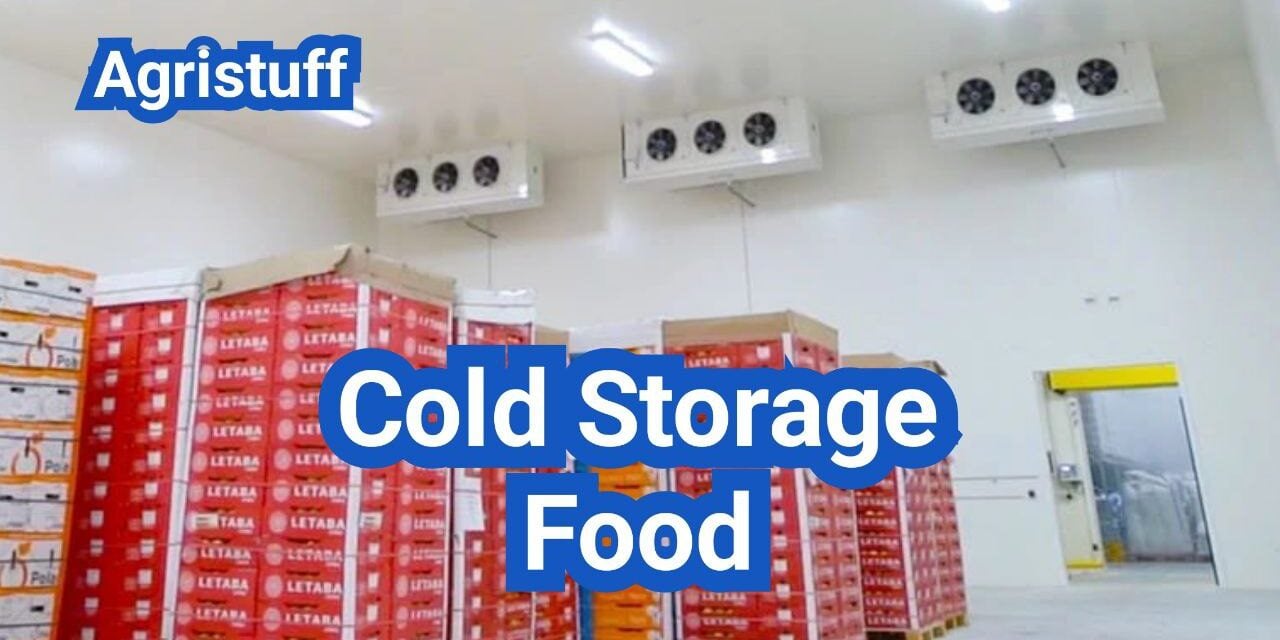
Maintaining the quality and safety of perishable goods requires precise temperature control from production to consumption. Proper cold storage is crucial in preventing spoilage and ensuring that products remain safe for consumption.
The importance of temperature monitoring in cold storage facilities cannot be overstated. It is essential for preventing temperature fluctuations that can lead to product degradation. Understanding warehouse temperature zones is vital for maintaining optimal conditions.
Key Takeaways
- Proper temperature control is essential for maintaining the quality and safety of perishable goods.
- Cold storage facilities must be monitored closely to prevent temperature fluctuations.
- Understanding warehouse temperature zones is crucial for optimal cold storage.
- Temperature monitoring helps prevent product degradation.
- Effective cold storage practices ensure compliance with food safety regulations.
The Fundamentals of Cold Storage Food Preservation

The fundamentals of cold storage food preservation play a vital role in maintaining the integrity of food products throughout the supply chain. Cold chain temperature monitoring is critical to preserve product integrity, safety, and regulatory compliance.
Definition and Importance in the Food Supply Chain
Cold storage food preservation refers to the process of maintaining food products at specific low temperatures to prevent spoilage and ensure safety. This method is crucial in the food supply chain as it allows for the storage and transportation of perishable goods over extended periods.
The importance of cold storage lies in its ability to slow down the growth of microorganisms and enzymatic reactions that cause food to deteriorate. By controlling the temperature, cold storage helps in preserving the nutritional value, texture, and flavor of food products.
Evolution of Cold Storage in the U.S. Food Industry
The evolution of cold storage in the U.S. food industry has been significant over the years. From traditional icehouses to modern refrigerated warehouses, the technology has advanced to meet the growing demands of the food supply chain.
Today, cold storage facilities are equipped with sophisticated temperature control systems, monitoring equipment, and backup power systems to ensure continuous refrigeration. This advancement has enabled the U.S. food industry to expand its reach and maintain a consistent supply of fresh and frozen products.
Economic Impact of Proper Cold Storage
Proper cold storage practices have a substantial economic impact on the food industry. By reducing food spoilage and waste, cold storage helps in minimizing losses for producers, distributors, and retailers. Moreover, it enables the industry to meet consumer demands for a wide variety of fresh and frozen products year-round.
The economic benefits of cold storage also extend to the consumers, who have access to a broader range of products at competitive prices. Effective cold storage practices contribute to the overall efficiency of the food supply chain, ultimately benefiting both businesses and consumers.
Essential Temperature Zones in Cold Storage Warehouses

Different food products require specific temperature conditions, which cold storage warehouses achieve through designated temperature zones. Maintaining the correct temperature range is crucial for preserving product quality and ensuring food safety.
Freezer Zone (-18°C/0°F and Below)
The freezer zone is designed for products that require extremely low temperatures to maintain their quality and safety. This zone is typically used for storing frozen foods such as meats, seafood, and prepared meals. Proper packaging is essential to prevent freezer burn and maintain product integrity.
Cold Chill Zone (0°C to 5°C/32°F to 41°F)
The cold chill zone is ideal for storing perishable items that need to be kept cool but not frozen. This includes dairy products, certain types of fruits and vegetables, and fresh meats. Temperature consistency is key in this zone to prevent bacterial growth and spoilage.
Medium Chill Zone (5°C to 10°C/41°F to 50°F)
The medium chill zone caters to products that require temperatures slightly higher than the cold chill zone. This zone is often used for storing fruits, vegetables, and certain pharmaceutical products. Humidity control is also important in this zone to maintain product freshness.
Specialized Temperature Zones for Specific Products
Some products require unique temperature conditions that don’t fit into the standard freezer or chill zones. For example, certain tropical fruits may require temperatures that are not too cold to prevent chilling injury. Specialized storage conditions like these necessitate flexible and adaptable cold storage facilities.
In conclusion, cold storage warehouses must be equipped with various temperature zones to accommodate a wide range of products. By understanding and implementing these different zones, facilities can ensure the quality and safety of stored products.
Cold Storage Food Categories and Requirements
Effective cold storage is crucial for maintaining the quality and safety of various food categories. The largest segment of frozen foods is in the meat, cheese, poultry, seafood, and dairy worlds. Proper storage conditions for these products are essential to prevent spoilage and ensure consumer safety.
Meat, Seafood, and Dairy Storage Specifications
Meat, seafood, and dairy products require precise storage conditions to maintain their freshness and safety. Storage temperatures for these products typically range between -18°C to 5°C (0°F to 41°F). For instance, frozen meats should be stored at -18°C (0°F) or below, while fresh seafood should be kept at a temperature just above its freezing point.
| Product | Storage Temperature | Relative Humidity |
|---|---|---|
| Beef | -18°C (0°F) | 90-100% |
| Seafood | -1°C to 2°C (30°F to 36°F) | 90-100% |
| Dairy | 4°C (39°F) | 80-90% |
Fruits and Vegetables Cold Storage Guidelines
Fruits and vegetables have different storage requirements compared to meat and dairy products. The optimal storage temperature and humidity levels vary depending on the type of produce. For example, apples can be stored at 0°C to 5°C (32°F to 41°F) with high humidity, while bananas are typically stored at higher temperatures around 13°C (56°F).
Frozen Prepared Foods Storage Considerations
Frozen prepared foods, such as frozen meals and pizzas, require storage at -18°C (0°F) or below to maintain their quality and safety. It’s crucial to maintain consistent freezer temperatures to prevent partial thawing and re-freezing, which can lead to texture and flavor changes.
Comprehensive Cold Storage Food Items List
A comprehensive list of cold storage food items includes a wide range of products such as:
- Meat and poultry
- Seafood
- Dairy products
- Fruits and vegetables
- Frozen prepared foods
- Ice cream and frozen desserts
Each of these categories has specific storage requirements to ensure the maintenance of quality and safety. Proper cold storage practices are essential for the food industry to prevent losses and comply with food safety regulations.
Setting Up Effective Refrigerated Warehouse Monitoring Systems

To maintain optimal conditions in refrigerated warehouses, it’s essential to establish a comprehensive monitoring system. This involves a combination of advanced technology and strategic protocols to ensure temperature control and compliance with food safety regulations.
Temperature Monitoring Equipment Options | Cold Storage Food
Temperature monitoring is the foundation of any effective refrigerated warehouse monitoring system. Various equipment options are available, including:
- Thermocouples
- Resistance Temperature Detectors (RTDs)
- Infrared sensors
- Wireless temperature monitoring systems
Each of these options has its advantages and is suited to different applications within the cold storage environment.
Cold Chain Temperature Data Loggers
Cold chain temperature data loggers play a critical role in monitoring the temperature of products throughout the supply chain. These devices:
- Record temperature data at set intervals
- Provide a continuous record of temperature exposure
- Can be used to verify compliance with temperature control regulations
By using cold chain temperature data loggers, businesses can ensure the integrity of their products and quickly identify any temperature excursions.
Remote Monitoring and Alert Systems | Cold Storage Food
Remote monitoring and alert systems enable real-time tracking of warehouse conditions, allowing for swift action in response to temperature deviations. These systems:
- Provide instant notifications of temperature changes
- Enable remote access to monitoring data
- Facilitate proactive maintenance and troubleshooting
By leveraging remote monitoring and alert systems, cold storage facilities can minimize the risk of product spoilage and maintain operational efficiency.
Documentation and Reporting Protocols | Cold Storage Food
Effective documentation and reporting protocols are essential for ensuring compliance with food safety regulations and maintaining a transparent audit trail. This includes:
- Maintaining accurate temperature records
- Generating reports on temperature monitoring data
- Conducting regular audits of monitoring systems
By establishing robust documentation and reporting protocols, businesses can demonstrate their commitment to food safety and quality control.
Cold Room Temperature Mapping: A Step-by-Step Guide

Conducting a cold room temperature mapping study is crucial for maintaining consistent refrigeration and ensuring food safety. Temperature mapping is the process of measuring and recording the temperature distribution within a cold storage facility to identify any potential hot spots or cold spots.
Planning Your Temperature Mapping Study | Cold Storage Food
To plan a successful temperature mapping study, you need to consider several factors, including the size and layout of the cold room, the type of products being stored, and the refrigeration system’s design. It’s essential to identify the areas of the cold room that are most critical to temperature control.
Key considerations for planning a temperature mapping study:
- Define the study’s objectives and scope
- Identify the equipment and resources needed
- Determine the sampling interval and duration
- Develop a data collection and analysis plan
Sensor Placement Strategies | Cold Storage Food
Sensor placement is critical to obtaining accurate temperature data. Sensors should be placed in areas that are representative of the overall temperature distribution within the cold room. A common approach is to use a grid pattern to ensure comprehensive coverage.
Best practices for sensor placement:
- Place sensors at different heights to capture vertical temperature variations
- Position sensors near the refrigeration units and air ducts
- Avoid placing sensors near doors, walls, or other obstructions
- Use multiple sensors to capture temperature data at different locations
Data Collection and Analysis Methods | Cold Storage Food
Once the sensors are in place, data collection can begin. The frequency of data collection depends on the study’s objectives and the equipment used. Data analysis involves examining the temperature data to identify any trends, patterns, or anomalies.
| Data Collection Method | Advantages | Disadvantages |
|---|---|---|
| Wired sensors | High accuracy, reliable data transmission | Limited flexibility, installation challenges |
| Wireless sensors | Easy installation, flexible placement | Potential data transmission issues, battery life concerns |
Addressing Temperature Variation Issues | Cold Storage Food
If the temperature mapping study reveals significant temperature variations, corrective actions may be necessary. This could involve adjusting the refrigeration system’s settings, modifying the storage layout, or improving air circulation within the cold room.
Strategies for addressing temperature variation issues:
- Adjust refrigeration system settings
- Modify storage layout to improve air circulation
- Use fans or other air circulation devices
- Implement temperature monitoring and control systems
Developing a Cold Storage Alarm Response Plan

Developing an effective cold storage alarm response plan is essential for preventing temperature-related losses in warehouses. Companies often have no idea where their cold shipments are or what conditions they face, highlighting the need for a structured approach to monitoring and responding to temperature alarms.
Critical Alarm Thresholds and Triggers | Cold Storage Food
Establishing critical alarm thresholds is the first step in creating a response plan. These thresholds should be set based on the specific temperature requirements of the products being stored. For instance, frozen foods typically require temperatures below -18°C (0°F), while certain pharmaceuticals may need to be stored between 2°C and 8°C (36°F to 46°F).
| Product Category | Temperature Threshold | Alarm Trigger |
|---|---|---|
| Frozen Foods | -18°C (0°F) | ±2°C (3.6°F) |
| Pharmaceuticals | 2°C to 8°C (36°F to 46°F) | ±1°C (1.8°F) |
| Dairy Products | 4°C (39°F) | ±2°C (3.6°F) |
Response Team Roles and Responsibilities | Cold Storage Food
Defining response team roles is crucial for an effective alarm response plan. The team should include members from various departments, such as operations, maintenance, and quality control. Each member should have clearly defined responsibilities, such as investigating the cause of the alarm, implementing corrective actions, and documenting the incident.
Emergency Procedures for Temperature Excursions | Cold Storage Food
Developing emergency procedures for temperature excursions is vital to minimize potential losses. These procedures should outline steps to be taken in case of a temperature deviation, including isolating affected products, adjusting storage conditions, and notifying relevant stakeholders.
- Identify the cause of the temperature excursion
- Implement corrective actions to restore optimal temperature conditions
- Document the incident and notify relevant parties
Testing and Updating Your Response Plan | Cold Storage Food
Regularly testing and updating the alarm response plan ensures its effectiveness and relevance. This includes conducting drills, reviewing response times, and revising the plan as necessary to reflect changes in storage conditions or product inventory.
By following these steps and maintaining a robust cold storage alarm response plan, facilities can significantly reduce the risk of temperature-related losses and ensure the integrity of their stored products.
Defrost Cycle Best Practices for Commercial Freezers

Defrost cycles play a vital role in the overall operation of commercial freezers, impacting both energy consumption and product quality. Regular defrosting is essential to prevent ice buildup, which can lead to increased energy consumption and reduced equipment lifespan.
Understanding Defrost Cycle Fundamentals | Cold Storage Food
The defrost cycle is a process designed to remove frost and ice from the evaporator coils of a commercial freezer. This is typically achieved through electric heating elements, hot gas defrost, or other methods. Understanding how defrost cycles work is crucial for maintaining optimal freezer performance.
Optimal Defrost Frequency and Duration | Cold Storage Food
Determining the optimal defrost frequency and duration is critical for balancing energy efficiency with equipment performance. Factors influencing this include the type of products stored, freezer design, and ambient conditions.
| Defrost Frequency | Typical Duration | Energy Consumption |
|---|---|---|
| Daily | 15-30 minutes | High |
| Weekly | 30-60 minutes | Moderate |
| Bi-Weekly | 60-90 minutes | Low |
Energy-Efficient Defrost Strategies | Cold Storage Food
Implementing energy-efficient defrost strategies can significantly reduce operational costs. This includes using advanced defrost controls, optimizing defrost frequency based on actual frost buildup, and utilizing hot gas defrost systems.
- Use advanced defrost controls to optimize defrost cycles.
- Monitor frost buildup to adjust defrost frequency.
- Consider hot gas defrost systems for efficiency.
Troubleshooting Common Defrost Issues | Cold Storage Food
Common issues during defrost cycles include excessive energy consumption, inadequate defrosting, and equipment malfunction. Troubleshooting these issues involves checking defrost controls, inspecting heating elements, and ensuring proper drainage.
- Check defrost controls for proper operation.
- Inspect heating elements for damage or wear.
- Ensure drainage systems are clear and functioning.
By understanding defrost cycle fundamentals, optimizing defrost frequency and duration, implementing energy-efficient strategies, and troubleshooting common issues, commercial freezer operators can significantly improve equipment performance and reduce operational costs.
Dock Staging and Time-Temperature Control

Loading docks serve as critical control points where outside air meets cold storage environments, necessitating rigorous time-temperature control measures. Effective management of dock staging is essential to prevent temperature fluctuations that could compromise the quality and safety of stored products.
Critical Control Points During Loading/Unloading | Cold Storage Food
During loading and unloading operations, it’s crucial to monitor and control the temperature exposure of products. This involves identifying critical control points such as the duration of exposure to ambient temperatures, the temperature of the products being transferred, and the condition of the loading dock itself.
Key factors to consider include:
- The initial temperature of the products
- The ambient temperature and humidity at the dock
- The duration of the loading/unloading process
- The use of temperature-controlled vehicles or containers
Maximum Safe Staging Times by Product Type | Cold Storage Food
Different products have varying sensitivities to temperature changes. For instance, frozen foods require stricter temperature controls compared to non-perishable items. Establishing maximum safe staging times based on product type is vital to prevent deterioration.
| Product Type | Maximum Safe Staging Time |
|---|---|
| Frozen Foods | Less than 30 minutes |
| Refrigerated Products | Up to 2 hours |
| Non-Perishable Items | Typically not temperature-sensitive |
Temperature Maintenance During Transition | Cold Storage Food
Maintaining the required temperature during the transition of products is critical. This can be achieved through the use of refrigerated or insulated containers, pre-cooling loading docks, and minimizing the time products spend in transit or staging areas.
Strategies for temperature maintenance include:
- Utilizing refrigerated trucks or containers for transport
- Pre-cooling loading docks to reduce temperature gradients
- Implementing efficient loading and unloading procedures
Dock Design Considerations for Temperature Control | Cold Storage Food
The design of the loading dock itself plays a significant role in maintaining temperature control. Features such as dock seals, strip curtains, and temperature-controlled dock areas can significantly reduce the impact of external temperatures on stored products.
Effective dock design elements include:
- Dock seals and strip curtains to minimize air exchange
- Temperature-controlled dock areas or vestibules
- Efficient layout to minimize product staging times
Managing Condensation in Refrigerated Warehouses

Effective management of condensation is crucial in refrigerated warehouses to maintain product quality and facility integrity. Condensation occurs when warm, moist air meets cold surfaces, leading to water droplet formation. This can happen due to various factors, including poor insulation, inadequate dehumidification, and structural issues.
Causes of Condensation in Cold Storage Facilities
Understanding the causes of condensation is the first step in managing it. Common causes include:
- Inadequate insulation allowing warm air to penetrate the cold storage area.
- Insufficient dehumidification leading to high humidity levels.
- Structural issues such as cracks in walls or poor door seals.
- Frequent door openings allowing moist air to enter.
According to industry experts, “Condensation in cold storage facilities is not just a minor issue; it can lead to significant problems including mold growth, equipment corrosion, and product damage”
.
Condensation Prevention Strategies | Cold Storage Food
Preventing condensation requires a multi-faceted approach. Some effective strategies include:
- Improving insulation to reduce heat transfer.
- Implementing efficient dehumidification systems.
- Regular maintenance of doors and seals.
- Controlling humidity levels through proper ventilation.
Dehumidification Systems and Options | Cold Storage Food
Dehumidification is critical in managing condensation. Various systems are available, including:
| System Type | Description | Efficiency |
|---|---|---|
| Refrigeration-based | Uses cooling to condense moisture. | High |
| Desiccant-based | Uses desiccants to absorb moisture. | Very High |
Addressing Structural Issues Contributing to Condensation | Cold Storage Food
Structural issues can significantly contribute to condensation problems. Addressing these issues involves:
- Sealing cracks and gaps in the facility’s envelope.
- Upgrading door seals and ensuring proper door operation.
- Improving roof and wall insulation.
By understanding the causes of condensation and implementing effective prevention strategies, refrigerated warehouses can minimize the risks associated with condensation, ensuring a safer and more efficient storage environment.
Optimizing Pallet Airflow Spacing in Cold Rooms

Effective pallet airflow spacing is crucial for maintaining consistent temperatures in cold storage facilities. Proper airflow around products is essential for preventing temperature variations that can lead to spoilage or quality degradation.
Airflow Fundamentals in Cold Storage | Cold Storage Food
Airflow in cold storage facilities is critical for maintaining uniform temperatures throughout the storage area. Proper airflow helps in preventing the formation of warm pockets and ensures that all products are stored at the desired temperature. The fundamentals of airflow involve understanding how air circulates within the cold room, influenced by factors such as pallet spacing, racking systems, and the cooling units’ capacity.
Recommended Spacing Guidelines | Cold Storage Food
To optimize pallet airflow spacing, it’s essential to follow recommended spacing guidelines. Typically, a minimum of 50mm (2 inches) of clearance is advised between pallets and between pallets and walls. However, this can vary based on the specific cold storage facility’s design and the type of products being stored. Regular monitoring of the storage conditions and adjustments to pallet spacing as needed can help maintain optimal airflow.
- Ensure at least 50mm clearance between pallets.
- Maintain sufficient space between pallets and walls.
- Adjust spacing based on product type and storage conditions.
Racking Systems for Improved Air Circulation | Cold Storage Food
The design and configuration of racking systems play a significant role in facilitating air circulation within cold storage facilities. Selective racking systems that allow for easy access and reconfiguration can help in optimizing pallet spacing. Additionally, the use of drive-in or push-back racking can maximize storage density while still allowing for adequate airflow.
| Racking System | Airflow Benefit |
|---|---|
| Selective Racking | Easy access for reconfiguration |
| Drive-In Racking | Maximizes storage density |
Monitoring and Adjusting Airflow Patterns | Cold Storage Food
Continuous monitoring of airflow patterns within the cold room is crucial for identifying areas that may require adjustments. This can involve using airflow sensors or conducting regular temperature mapping exercises. Based on the data collected, adjustments can be made to pallet spacing, racking configurations, or even the operation of cooling units to optimize airflow.
By understanding and implementing these strategies, cold storage facilities can significantly improve their ability to maintain consistent temperatures, thereby protecting the quality and safety of stored products.
Insulated Door Seals and Strip Curtains for Cold Rooms

In the realm of cold storage, insulated door seals and strip curtains play a pivotal role in energy efficiency and product safety. These components are crucial for maintaining the cold chain by preventing warm air infiltration and reducing energy loss.
Types and Applications | Cold Storage Food
Insulated door seals come in various types, including rubber gaskets, vinyl seals, and foam tape seals, each designed for specific applications based on door type, size, and operating conditions. For instance, rubber gaskets are commonly used for their durability and flexibility, while vinyl seals offer transparency and resistance to chemicals.
Table: Types of Door Seals and Their Applications
| Type of Seal | Application | Characteristics |
|---|---|---|
| Rubber Gaskets | Heavy-duty cold storage doors | Durable, flexible, resistant to extreme temperatures |
| Vinyl Seals | High-traffic areas, visibility required | Transparent, chemical-resistant, easy to clean |
| Foam Tape Seals | Small gaps, irregular surfaces | Easy to apply, conforms to irregularities, cost-effective |
Strip Curtain Selection and Installation | Cold Storage Food
Strip curtains are another critical component for cold rooms, providing a flexible barrier against cold air loss when doors are open. The selection of strip curtains should be based on factors such as temperature range, traffic volume, and door size. Proper installation is key to their effectiveness, ensuring they are aligned correctly and securely attached to prevent them from being dislodged during use.
Maintenance and Replacement Schedules | Cold Storage Food
Regular maintenance of insulated door seals and strip curtains is essential to ensure their longevity and effectiveness. This includes inspecting for signs of wear, cleaning to prevent the buildup of debris, and replacing damaged or worn-out parts. Establishing a routine maintenance schedule can help prevent unexpected failures and reduce energy costs.
Energy Savings and ROI Calculations | Cold Storage Food
The installation of high-quality insulated door seals and strip curtains can lead to significant energy savings by reducing the influx of warm air into cold rooms. To calculate the return on investment (ROI), facilities can compare energy consumption before and after installation, factoring in the cost of the components and their maintenance.
Example ROI Calculation: If a cold storage facility saves $10,000 annually in energy costs after installing insulated door seals and strip curtains that cost $20,000, the ROI would be 50% per year. This calculation does not include additional savings from reduced product spoilage and extended equipment lifespan.
Developing a Comprehensive Cold Storage Power Outage Plan

Power outages can have devastating effects on cold storage facilities, making a contingency plan indispensable. A single temperature spike can cut days off shelf life without changing how products look, emphasizing the need for preparedness.
Risk Assessment and Preparation | Cold Storage Food
The first step in developing a cold storage power outage plan is conducting a thorough risk assessment. This involves identifying potential risks, such as the likelihood of natural disasters, the age and condition of the facility’s infrastructure, and the capacity of the current backup power systems.
Preparation is key to mitigating these risks. Facilities should have a clear understanding of their power requirements, the critical temperature thresholds for stored products, and the available backup power options.
Backup Power Systems and Requirements
Backup power systems are a critical component of any cold storage power outage plan. These can include generators, UPS systems, and alternative power sources like solar or fuel cells. The choice of backup power system depends on the facility’s specific needs, including the size of the operation and the critical nature of the stored products.
- Generators: Provide immediate power but require regular maintenance.
- UPS Systems: Offer short-term power backup, ideal for bridging short outages.
- Alternative Power Sources: Can provide sustainable backup power options.
Temperature Maintenance Strategies During Outages
Maintaining the required temperature during a power outage is crucial. Strategies include using backup power systems, pre-cooling the facility before an anticipated outage, and utilizing thermal energy storage systems.
Pre-cooling involves lowering the facility’s temperature before a predicted outage, thereby extending the time before temperatures rise to critical levels.
Product Salvage Decision Protocols | Cold Storage Food
Despite best efforts, some power outages may result in temperature excursions that compromise the integrity of stored products. Having clear product salvage decision protocols in place is essential. These protocols should guide decisions on whether to discard or salvage products based on their condition and safety.
| Product Condition | Action |
|---|---|
| Within safe temperature range | Continue storage |
| Temporarily outside safe range but recoverable | Monitor and potentially relocate |
| Irrecoverably compromised | Discard |
By developing a comprehensive cold storage power outage plan that includes risk assessment, backup power systems, temperature maintenance strategies, and product salvage decision protocols, facilities can minimize the impact of power outages and ensure the continued integrity of their stored products.
Ammonia Refrigeration Safety in Cold Storage Warehouses
Ensuring the safe operation of ammonia refrigeration systems is paramount in cold storage warehouses to prevent accidents. Ammonia refrigeration is widely used due to its efficiency and environmental benefits. However, it poses unique safety challenges that must be addressed through proper system design, maintenance, and operation.
Ammonia System Components and Hazards | Cold Storage Food
Ammonia refrigeration systems consist of various components, including compressors, condensers, evaporators, and piping. Each of these components can be a potential source of hazard if not properly maintained or operated. Common hazards include ammonia leaks, explosions, and exposure to toxic ammonia vapors.
The table below summarizes key components and their associated hazards:
| Component | Hazard |
|---|---|
| Compressors | Overheating, mechanical failure |
| Condensers | Corrosion, scaling |
| Evaporators | Freezing, coil damage |
| Piping | Leaks, corrosion |
Safety Equipment and Monitoring Requirements
To mitigate the risks associated with ammonia refrigeration, cold storage warehouses must invest in appropriate safety equipment and monitoring systems. This includes ammonia detectors, emergency shut-off valves, and personal protective equipment (PPE) for personnel.
Regular monitoring of the refrigeration system is crucial. This involves checking for leaks, monitoring system pressures, and ensuring that all safety devices are functioning correctly.
Emergency Response Procedures | Cold Storage Food
Despite best efforts, emergencies can still occur. Having a well-planned emergency response procedure is critical. This includes evacuation plans, first aid kits, and trained response teams. Regular drills and training exercises are essential to ensure that all personnel are prepared to respond effectively in case of an emergency.
Regulatory Compliance and Training | Cold Storage Food
Cold storage warehouses using ammonia refrigeration must comply with relevant regulations and standards, such as those set by OSHA and IIAR. Compliance involves not only meeting regulatory requirements but also providing ongoing training to personnel on the safe handling of ammonia refrigeration systems.
USDA REAP and Funding Opportunities for Cold Storage Upgrades
The USDA’s Rural Energy for America Program (REAP) offers crucial financial assistance for cold storage facilities looking to upgrade their energy efficiency. This program is designed to support agricultural producers and rural businesses, including cold storage operators, in implementing energy-efficient improvements.
Overview of the REAP Program | Cold Storage Food
The REAP program provides grants and loan guarantees to agricultural producers and rural businesses for energy efficiency improvements and renewable energy systems. For cold storage facilities, this can include upgrades to refrigeration systems, insulation improvements, and more efficient lighting.
Eligibility Requirements and Application Process
To be eligible for REAP funding, cold storage facilities must be located in rural areas and meet specific energy efficiency or renewable energy criteria. The application process involves submitting a detailed project proposal, including energy savings calculations and a comprehensive budget.
Key Eligibility Criteria:
- Located in a rural area
- Energy efficiency or renewable energy project
- Business must be owned by a U.S. citizen or legal resident
Energy Efficiency Improvements for Funding | Cold Storage Food
Cold storage facilities can receive funding for a variety of energy efficiency improvements, including:
- Upgrading to more efficient refrigeration systems
- Improving insulation to reduce energy loss
- Installing energy-efficient lighting
- Implementing advanced temperature monitoring systems
| Improvement Type | Potential Energy Savings | REAP Funding Eligibility |
|---|---|---|
| Refrigeration System Upgrade | 20-30% | Yes |
| Insulation Improvement | 15-25% | Yes |
| Energy-Efficient Lighting | 10-20% | Yes |
| Advanced Temperature Monitoring | 5-15% | Yes |
Case Studies of Successful Grant Recipients | Cold Storage Food
Several cold storage facilities have successfully utilized REAP grants to upgrade their facilities. For example, a cold storage company in rural Wisconsin used a REAP grant to upgrade their refrigeration system, resulting in a 25% reduction in energy consumption.
By leveraging USDA REAP funding, cold storage facilities can not only improve their energy efficiency but also contribute to a more sustainable food supply chain.
Cold Storage Food Donation: Best Practices for Food Banks

Cold storage food donation is a complex process that requires careful planning, coordination, and adherence to food safety guidelines to ensure successful redistribution to food banks. Food banks play a crucial role in redistributing surplus food to those in need, and effective cold storage practices are essential for maintaining the quality and safety of donated food.
Food Safety Considerations for Donations
Ensuring the safety of donated food is paramount. Donors must adhere to strict food safety guidelines to prevent contamination and spoilage. This includes maintaining appropriate temperatures during storage and transportation, proper packaging, and labeling of products.
Temperature control is critical in cold storage food donation. Donors should ensure that their storage facilities are at the correct temperature for the type of food being stored. For example, frozen foods should be stored at -18°C (0°F) or below, while refrigerated foods should be kept between 0°C and 5°C (32°F and 41°F).
Transportation and Handling Guidelines | Cold Storage Food
The transportation of donated food requires careful planning to maintain its quality and safety. Donors should use refrigerated vehicles or containers that are capable of maintaining the required temperature range. It’s also essential to monitor the temperature during transit and ensure that the food is handled gently to prevent damage.
Proper handling practices include using clean and sanitized equipment, minimizing the time food spends in transit, and ensuring that products are not mixed or contaminated during transportation.
Documentation and Liability Protection | Cold Storage Food
Adequate documentation is vital for cold storage food donation. Donors should maintain records of the food’s origin, temperature logs during storage and transportation, and any relevant certifications or inspections. This documentation not only helps in tracking the food’s history but also provides liability protection in case of any food safety issues.
- Maintain detailed records of food donations
- Keep temperature logs for storage and transportation
- Retain certifications and inspection reports
Collaborative Models Between Businesses and Food Banks
Effective collaboration between businesses and food banks is crucial for successful cold storage food donation. Businesses can work closely with food banks to understand their needs, plan donations, and implement efficient logistics. This collaboration can also extend to providing resources such as refrigerated transportation or storage facilities.
Benefits of collaboration include increased efficiency, reduced food waste, and improved food safety. By working together, businesses and food banks can create a more sustainable food donation system that benefits everyone involved.
Future Trends in Cold Storage Food Management
The cold storage industry is on the cusp of a revolution, driven by advancements in technology and shifting consumer demands. As we’ve explored throughout this article, effective cold storage food management is crucial for maintaining the integrity of perishable goods.
Future trends in cold storage will be shaped by innovations such as IoT-enabled monitoring systems, automated storage and retrieval systems, and sustainable refrigeration technologies. These cold storage innovations will not only enhance operational efficiency but also reduce energy consumption and environmental impact.
As consumer preferences continue to evolve, cold storage facilities will need to adapt to accommodate changing demands for fresher, more diverse products. This will require flexible storage solutions and advanced inventory management systems, all of which will be integral to future cold storage food management strategies.
By embracing these future trends and leveraging the latest cold storage innovations, businesses can stay ahead of the curve, ensuring the quality and safety of their products while meeting the evolving needs of consumers.
FAQ
What is cold storage food preservation?
Cold storage food preservation is a method of maintaining food quality and safety by storing it at low temperatures to slow down the growth of microorganisms and enzymatic reactions.
What are the essential temperature zones in cold storage warehouses?
The essential temperature zones include the freezer zone (-18°C/0°F and below), cold chill zone (0°C to 5°C/32°F to 41°F), medium chill zone (5°C to 10°C/41°F to 50°F), and specialized zones for specific products.
How often should temperature monitoring be performed in cold storage facilities?
Temperature monitoring should be performed continuously using temperature monitoring equipment, cold chain temperature data loggers, and remote monitoring and alert systems to ensure compliance with food safety regulations.
What is the importance of cold room temperature mapping?
Cold room temperature mapping is crucial to identify temperature variations within the storage area, ensuring that all products are stored within a safe temperature range, and to validate the effectiveness of the refrigeration system.
How can condensation be managed in refrigerated warehouses?
Condensation can be managed by controlling humidity levels, using dehumidification systems, ensuring proper insulation and sealing of the facility, and addressing structural issues that contribute to condensation.
What are the best practices for defrost cycles in commercial freezers?
Best practices include understanding defrost cycle fundamentals, determining optimal defrost frequency and duration, implementing energy-efficient defrost strategies, and troubleshooting common defrost issues.
How can pallet airflow spacing be optimized in cold rooms?
Pallet airflow spacing can be optimized by understanding airflow fundamentals, following recommended spacing guidelines, using racking systems for improved air circulation, and monitoring and adjusting airflow patterns.
What is the role of insulated door seals and strip curtains in cold rooms?
Insulated door seals and strip curtains help maintain temperature control by reducing heat transfer and preventing cold air from escaping, thus minimizing energy losses and maintaining product quality.
How can businesses develop a comprehensive cold storage power outage plan?
Businesses can develop a plan by conducting a risk assessment, installing backup power systems, implementing temperature maintenance strategies during outages, and establishing product salvage decision protocols.
What are the safety considerations for ammonia refrigeration systems in cold storage warehouses?
Safety considerations include understanding ammonia system components and hazards, installing safety equipment, implementing monitoring requirements, and developing emergency response procedures.
How can cold storage facilities benefit from the USDA REAP program?
Cold storage facilities can benefit from the USDA REAP program by accessing funding opportunities for energy efficiency improvements, upgrading their refrigeration systems, and improving their overall energy efficiency.
What are the best practices for cold storage food donation to food banks?
Best practices include ensuring food safety, following transportation and handling guidelines, maintaining proper documentation, and understanding liability protection, as well as collaborating with food banks.
What is the significance of proper cold storage practices in the food supply chain?
Proper cold storage practices are crucial to maintaining food quality and safety, reducing food waste, and ensuring compliance with food safety regulations, ultimately benefiting consumers and the environment.
How can cold storage management be optimized using technology?
Cold storage management can be optimized using technologies such as temperature monitoring systems, cold chain data loggers, and remote monitoring and alert systems, which help ensure compliance, reduce energy consumption, and improve overall efficiency.
What are “temperature zones” in a warehouse?
They are defined areas (ambient, cool, refrigerated, frozen, etc.) with specific targets, limits, and rules for what can be stored and for how long.
Do I need to measure product temperature if I already track room temperature?
Often yes, because air responds faster than product, and product temperature is what protects safety and quality for many items.
How many sensors do I need?
Enough to cover warm-risk locations, door-adjacent zones, and known hot spots, plus a plan to validate coverage with mapping.
What is the most common failure point?
Door-related heat and moisture load, especially during receiving, picking, and frequent traffic cycles.
Can small farms use the same approach as large warehouses?
Yes—scale the number of zones and sensors down, but keep the same discipline: defined rules, verified monitoring, and a response playbook.
Conclusion of: Cold Storage Food In The USA
Cold Storage Food is one of the easiest ways to protect quality, reduce spoilage, and pass inspections—but only when your warehouse runs like a system, not a collection of coolers. The best operators treat temperature as a process variable with clear zones, verified monitoring, and fast corrective actions. In the U.S., most expectations trace back to widely adopted food safety controls that emphasize time and temperature management. FDA Food Code overview
Cold Storage Food failures usually happen in the “in-between” moments: receiving delays, doors held open, staging pallets in warm aisles, or forgetting a defrost cycle that quietly raises temperatures. When time and temperature drift together, product safety and shelf life can drop fast—especially for time/temperature control for safety foods. A practical way to train teams is to anchor decisions to the concept of the temperature danger zone and limit uncontrolled exposure. FSIS danger zone guidance
Cold Storage Food management gets simpler when you standardize three things: the zones you operate, the evidence you collect, and the response steps you take when something goes wrong. This article breaks down temperature zones used in refrigerated warehouses, how to monitor them reliably, and the most common failure points that create real losses. If you store produce, dairy, meat, eggs, or prepared foods, you can adapt the same framework to your farm scale and region. Food Code (PDF)
Warehouse temperature zones that make operational sense
Cold Storage Food warehouses typically work best when you treat space as temperature “lanes” with clear rules for what can sit where, and for how long. Many facilities run an ambient dry area, a cool room for short holds, a refrigerated room for chilled inventory, and one or more freezers for long storage or rapid pull-to-ship. The details vary, but the goal is consistent: reduce mixed-temperature staging and minimize door-time. GCCA refrigerated warehouse energy/zone guidance (PDF)
Cold Storage Food that is temperature-controlled for safety generally belongs in a chilled zone that stays at or below your defined limit, with a buffer for door openings and defrost. For many operations, “chilled” is not a single temperature—it’s a band you manage with airflow, loading patterns, and realistic setpoints. If you only set a number on the controller but ignore pallet density and hot spots, you’ll get surprises in the back corners.
Cold Storage Food operations often mix compliance thinking with common-sense checks, like verifying that your cold rooms actually hold typical safe ranges during peak activity. A simple discipline is to confirm daily that the coldest zone stays cold during loading, and that the warmest zone doesn’t creep up after repeated door cycles. Clear “target vs. action limit” language helps teams respond before you have a product issue.
Cold Storage Food in a frozen zone should be treated as its own process, not just “colder than refrigerated.” Freezers need controlled airflow, consistent door discipline, and packaging practices that prevent moisture loss and freezer burn during long holds. If you frequently pick partial pallets, consider a pick-face freezer separate from deep storage so you don’t heat-cycle your entire inventory. FoodSafety.gov cold storage charts
Cold Storage Food for fresh produce is where “one temperature fits all” fails hardest, because commodities have different ideal ranges and some are sensitive to chilling injury. A berry cooler, a leafy greens cooler, and a tomato staging room can be three different “right answers” depending on variety and turnover. When produce quality matters, build zones around commodity needs and movement speed, not only around what equipment you already own. UC Davis produce storage recommendations
Cold Storage Food planning should also account for compatibility issues like ethylene, odor transfer, and mixed loads that accelerate quality loss. For example, certain fruits can affect nearby produce even when temperatures are correct, and strong-odor items can move aroma into porous packaging. If you can’t separate rooms, separate pallets by airflow direction and distance, and keep high-impact items away from slow movers. UC Davis compatibility chart
Cold Storage Food becomes much easier to standardize when you keep one trusted reference for commodity storage conditions and train your team to use it. Commodity tables help you decide whether to create sub-zones, change humidity targets, or adjust turnover goals for a particular crop. Even if you can’t hit every “ideal,” a consistent rule set prevents random decisions that create uneven quality and avoidable waste.
Receiving and staging rules that protect your cold rooms
Cold Storage Food problems often start at the dock, where product sits longer than planned during check-in, paperwork, or pallet rework. Create a “cold-first” receiving workflow: verify trailer condition, move temperature-sensitive pallets into the right zone quickly, and do inspection steps inside the correct environment when possible. If you use cross-docking, define maximum out-of-zone time and make it a measurable KPI.
Cold Storage Food staging works best when you separate “quarantine/hold” from “ready inventory,” especially if you receive mixed suppliers or variable packaging quality. A small, controlled hold area prevents questionable pallets from being parked in prime cold space while you decide what to do. Put clear signage and scanning rules in place so inventory doesn’t quietly drift into the wrong zone. 21 CFR Part 1, Subpart O (Sanitary Transportation)
Monitoring that holds up under audits and real-life stress
Cold Storage Food monitoring should focus on the temperatures that matter to decisions: what the air is doing, what the product is doing, and how fast either can change during operations. Air temperature responds quickly to doors and defrost, while product temperature changes slower but is what ultimately protects safety and quality. A strong plan uses both, with clear triggers for when to check product temps directly.
Cold Storage Food records become more useful when you treat sensors like instruments, not decorations on a wall. Place sensors where they represent risk: warmest locations, door-adjacent areas, and known hot spots found during mapping. If you only monitor the coldest point, you’ll miss the exact conditions that cause claims, shrink, or failed loads. FSIS thermometer basics
Cold Storage Food spot-checking should be routine, simple, and documented, even if you have a modern data-logging system. A basic, consistent practice—like verifying a reference thermometer and checking a small sample of pallets during high-traffic windows—catches problems that sensors miss. This is also how you keep teams engaged, because they see the “why” behind the alarms.
Cold Storage Food monitoring is strongest when you build a calibration routine that matches your risk level and throughput. For many operations, that means scheduled verification (ice point checks, comparison checks, or documented calibration) plus immediate checks after any physical shock, battery change, or suspicious reading. Calibration isn’t about perfection—it’s about knowing your error and preventing bad decisions. 9 CFR Part 417 (HACCP framework)
Cold Storage Food audits go smoother when you can show not only data, but how you respond to data. Define alarm thresholds, who gets notified, what must be checked first, and what evidence must be captured (photos, product temps, controller history, and corrective action notes). When the playbook is clear, you reduce “panic moves” that make a small excursion worse. FDA draft Listeria control guidance (PDF)
Top failure points and how to design them out
Cold Storage Food temperature drift is most commonly driven by doors and traffic patterns, not by a broken compressor. Every unnecessary door-open event adds heat and moisture load, and the system pays it back later in longer run times, more frost, and less stable temperatures. Fixing this often looks like operations work: better scheduling, faster staging, and physical barriers like strip curtains and tight door seals.
Cold Storage Food gets damaged when airflow paths are blocked by tight stacking, wrapped pallets pressed against evaporators, or racking that creates dead zones. Good airflow is not about “more fans,” it’s about creating consistent return paths and avoiding short-circuiting that cools one spot while another warms. Train forklift operators on airflow spacing the same way you train them on rack safety, because both affect product outcomes. GCCA airflow/warehouse efficiency concepts (PDF)
Cold Storage Food risks increase during defrost cycles and coil icing, because temperature and humidity can swing in ways your team doesn’t notice until product quality changes. Icing often traces to door discipline, humid air infiltration, or drainage problems that refreeze, and it can reduce capacity right when you need it most. The fix is usually a combination: correct defrost scheduling, maintain drains, and reduce moisture entry at the source. NFPA on refrigerated warehouse risk factors
Cold Storage Food losses can spike during power outages, when teams guess instead of following a written plan. Your plan should define when to keep doors closed, when to move product, what temps to record, and who decides whether product is held, reworked, or discarded. In outage-prone regions, invest in drills, not just generators, because confusion is a bigger risk than equipment. FoodSafety.gov power outage guidance
Cold Storage Food facilities fight condensation constantly, and condensation is more than an annoyance—it can create harborage points, drip risks, and sanitation headaches around drains and coil pans. Look for patterns: fogging after warm deliveries, wet floors near doorways, or condensate lines that clog and overflow into traffic areas. Preventive maintenance on drains, drip pans, and coil housings is a high-ROI habit. FDA recommendations on condensate and sanitation (PDF)
Cold Storage Food safety also includes worker safety, because rushed teams and unsafe conditions create operational shortcuts that raise temperature risk. Cold stress, poor visibility from fogging, slippery floors, and fatigue can all reduce compliance with door rules and monitoring routines. Treat PPE, warm-up breaks, and floor traction as part of temperature control, because they determine how reliably people follow the process.
Cold Storage Food operations depend on forklifts and pallet movement, which means impacts, rack damage, and door hits are predictable—plan for them. Use aisle rules, speed limits, door protection, and dock communication so equipment doesn’t become the source of repeated seal failures and unplanned door-open time. If your facility uses combustion equipment in enclosed areas, ventilation and policies must be aligned with safe operations. OSHA powered industrial trucks standard
Cold Storage Food refrigeration safety matters most in facilities using industrial systems like ammonia, where a small leak can become a major operational event. Even smaller on-farm systems benefit from written response steps, clear shutoff awareness, and staff training that prevents confusion in emergencies. If you operate or store significant refrigeration charge, align your approach with recognized safety practices and regulatory expectations. OSHA ammonia refrigeration safety overview
Cold Storage Food compliance is changing as refrigerants and leak expectations evolve, so maintenance and recordkeeping should be part of your planning horizon. Facilities may face equipment decisions tied to refrigerant transitions, leak reduction practices, and service documentation that affects both cost and uptime. Treat refrigerant strategy like a long-term asset plan, not just a repair budget. EPA SNAP refrigerant substitutes
Quick checklist
- Define each temperature zone (target, action limit, and max dwell time for staging).
- Map hot spots during peak loading and place sensors where risk is highest.
- Use a reference thermometer and verify readings on a schedule.
- Create dock rules (maximum out-of-zone time, quarantine location, and fast-putaway steps).
- Train forklift teams on airflow spacing and “no-block” rules near evaporators.
- Set alarm thresholds and write a response playbook (who, what, when, evidence required).
- Inspect door seals, strip curtains, and closers on a documented cadence.
- Maintain drains, drip pans, and coil areas to prevent overflow and refreeze.
- Schedule defrost based on real loads and seasons, not guesses.
- Run an outage drill and define generator priorities (which rooms, which loads, which steps).
- Log corrective actions so you can prove control, not just collect numbers.
Common mistakes to avoid
- Using one setpoint for everything: build zones by product type and turnover, not convenience.
- Monitoring the “coldest” spot only: place sensors at warm-risk locations and validate with mapping.
- Letting the dock become a storage zone: set a strict maximum staging time and enforce it.
- Ignoring airflow: tight stacking and blocked returns create hidden warm pockets.
- Over-defrosting or under-defrosting: tune schedules to seasons, moisture load, and door activity.
- No written alarm playbook: alarms without actions become noise and get ignored.
- Skipping calibration: an unverified sensor can push you into bad decisions and bad product calls.
- Deferred door maintenance: a cheap seal can cause expensive temperature instability.
- Weak condensation control: unmanaged water leads to sanitation and slip risks that cascade.
- Outage improvisation: a practiced plan beats a bigger generator when time is tight.
Costs and ROI snapshot
Cold Storage Food costs are driven by three buckets: the building envelope (insulated panels, floors, doors), the refrigeration system (capacity, controls, defrost, redundancy), and the operating reality (labor, maintenance, sanitation, and energy). In hot/humid regions, door systems and moisture management can be major cost multipliers, while in colder regions you may spend more on floor and dock details that prevent freeze-thaw damage. ROI usually shows up as reduced shrink, fewer rejected loads, better shelf life, and more stable buyer relationships. USDA REAP energy efficiency support
Cold Storage Food monitoring and controls often pay back faster than “big steel” investments because they prevent avoidable excursions and help you optimize run time without guessing. Typical cost drivers include the number of zones, sensor count, connectivity (wired vs. wireless), alarm routing, and the labor required to review and act on data. A practical ROI test is simple: estimate the value of one prevented product loss event per season and compare it to annual monitoring costs plus staff time.
Cold Storage Food resilience investments—like backup power, staged load shedding, and outage procedures—can be the difference between a manageable disruption and a total loss. Generator cost depends on starting loads, refrigeration type, and what you decide must stay online (one room vs. the whole facility), and sizing mistakes are common when people ignore motor starts and real duty cycles. If your area sees frequent grid issues, a smaller, correctly sized system paired with disciplined door rules can outperform a bigger system with no plan.
- Major cost drivers: insulated doors and seals, panel thickness, slab/floor insulation, racking layout, refrigeration capacity, humidity/defrost strategy, monitoring system depth, maintenance access, and labor scheduling.
- Hidden costs: moisture infiltration leading to frost, drain clogs, damaged door hardware, forklift impacts, sensor replacement, and unplanned downtime during harvest peaks.
- ROI indicators: shrink reduction, fewer temperature-related claims, longer market window for produce, tighter inventory rotation, improved audit readiness, and better on-time shipping performance.
Final thought
Cold Storage Food performance improves fastest when you stop treating temperature as “equipment settings” and start treating it as an operating system with zones, evidence, and rehearsed responses. If you define clear staging rules, place monitoring where risk is highest, and maintain the basics—doors, drains, defrost, and training—you’ll prevent the failures that quietly cost the most. Consistent control also supports modern expectations around leak reduction and responsible refrigeration practices. EPA GreenChill refrigeration best practices
Sources & References
- Cold Food Storage Chart
- Are You Storing Food Safely? | FDA
- Cold Food Storage Guide for Refrigerated Foods
- Cold Storage Chart – simply fresh | convenience just got better
- Safe Food Storage – Nutrition.gov
- CDC: Food safety prevention guidance
- FDA: FSMA final rule on sanitary transportation
- FDA: Guidance for industry on sanitary transportation
- OSHA: Process Safety Management standard (29 CFR 1910.119)
- EPA: Risk Management Plan (RMP) program overview
- 40 CFR Part 68 (Chemical Accident Prevention)
- FDA: Preventive Controls draft guidance (hazard analysis chapter PDF)