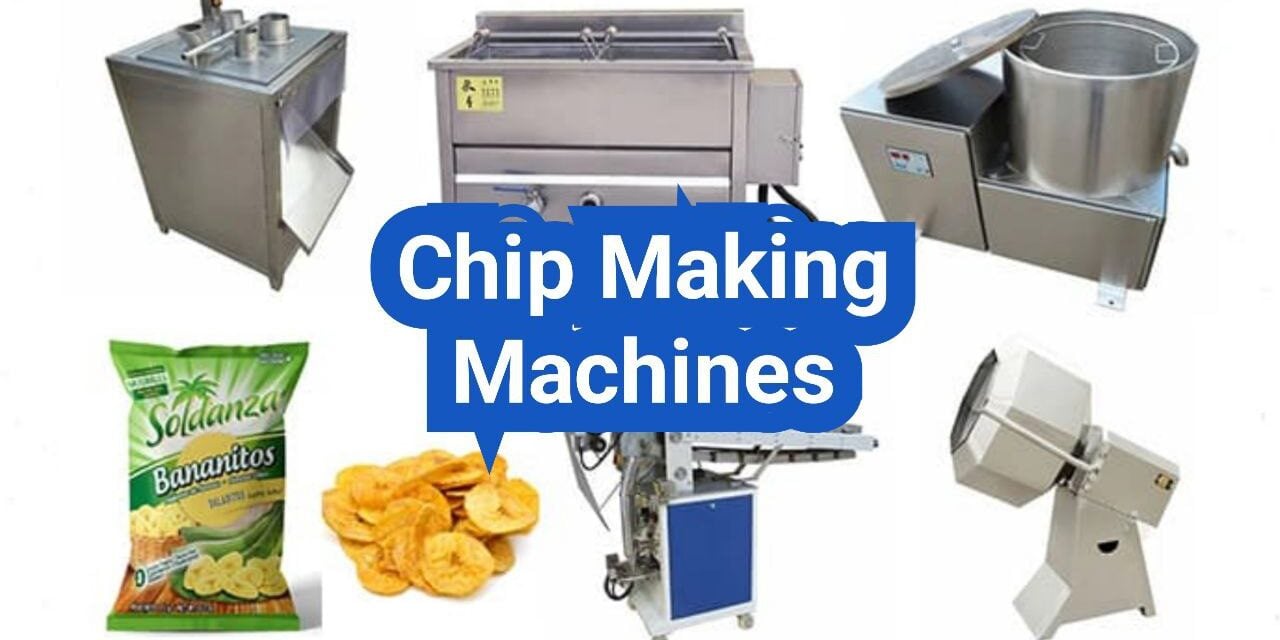
Launching a snack business requires top gear to ensure crispy results. High speed is key for American factories today. A modern potato production line helps with washing and packing while keeping costs low.
Picking an industrial potato fryer is a vital step for any facility. You must also consider the slicer unit for uniform thickness. Finding a reliable chip making machine In USA involves comparing fuel use and labor costs.
Many owners look for a competitive equipment price when upgrading their floor. Quality tools help reduce waste and improve oil life significantly. Understanding these specs is the first step toward profitable manufacturing.
Key Takeaways
- Uniform slicing ensures even cooking and crunch.
- Advanced oil management improves snack quality.
- Higher output boosts daily factory profits.
- Reliable gear lowers long-term repair costs.
- Automated systems save time and physical labor.
- Consistent heat creates the perfect snack texture.
Understanding Potato Chip Making Machine Systems and Production Flow

Understanding the intricacies of potato chip making machine systems is crucial for optimizing production flow. A well-designed production line ensures efficient processing, from raw material handling to final product packaging.
How a Complete Potato Chip Production Line Works | Chip Making Machines
A complete potato chip production line integrates various machines to process potatoes from raw material to finished product. The process begins with raw material handling, including washing, peeling, and slicing. The sliced potatoes are then fried, seasoned, and packaged.
The production line typically includes equipment such as potato washers, peelers, slicers, fryers, de-oilers, and seasoning machines. Each piece of equipment plays a critical role in ensuring the quality and consistency of the final product.
Essential Equipment Categories for Chip Manufacturing | Chip Making Machines
Chip manufacturing involves several essential equipment categories, including:
- Raw material handling equipment (washers, peelers, slicers)
- Frying equipment (continuous fryers, kettle fryers)
- Post-frying equipment (de-oilers, seasoning machines)
- Snack Packaging equipment (bagging machines, carton packers)
Each category is vital to the production process, and the choice of equipment depends on the scale of production and the desired product quality.
Choosing Between Manual, Semi-Automatic, and Fully Automatic Systems
The level of automation in a potato chip production line can significantly impact efficiency and product quality. Manual systems require more labor and are typically used for small-scale production. Semi-automatic systems offer a balance between labor costs and production efficiency, while fully automatic systems provide the highest level of efficiency and consistency.
“The choice between manual, semi-automatic, and fully automatic systems depends on the production scale, labor costs, and desired product quality.”
Industry Expert
| System Type | Labor Requirement | Production Efficiency |
|---|---|---|
| Manual | High | Low |
| Semi-Automatic | Medium | Medium |
| Fully Automatic | Low | High |
Small Scale vs Industrial Potato Chip Machine Configurations | Chip Making Machines
Small-scale potato chip machine configurations are designed for low-volume production, typically for local markets or specialty products. Industrial configurations, on the other hand, are designed for high-volume production and are often used by large manufacturers.
The main differences between small-scale and industrial configurations lie in the capacity of the equipment, the level of automation, and the overall production line design.
For instance, a small-scale production line might include a manual slicer and a batch fryer, while an industrial production line would feature a continuous slicer and a large-capacity continuous fryer.
Step 1: Setting Up Raw Material Handling and Preparation Equipment

Efficient potato chip production begins with the proper setup of raw material handling and preparation equipment. This initial step is crucial for ensuring a consistent and high-quality supply of potatoes to the processing line.
The raw material handling system is designed to manage the flow of potatoes from storage to the processing line. This involves several key components, including bulk storage bin systems and crate dumpers.
Installing Bulk Storage Bin Systems and Crate Dumpers | Chip Making Machines
Bulk storage bin systems are essential for storing large quantities of potatoes before they are processed. These systems help maintain a steady supply of raw materials to the production line. Crate dumpers, on the other hand, are used to efficiently unload potatoes from crates or bins into the processing line.
Configuring Automatic Rock Removers and Hydrolift Destoner Equipment
To ensure the quality of the potatoes, it’s necessary to remove any debris or contaminants. Automatic rock removers and Hydrolift destoner equipment are used to separate stones, dirt, and other foreign materials from the potatoes. This step is critical for preventing damage to the processing equipment and ensuring the production of high-quality potato chips.
Setting Up Even Feeder Conveyors for Consistent Flow | Chip Making Machines
Even feeder conveyors play a vital role in maintaining a consistent flow of potatoes to the processing line. These conveyors are designed to feed the potatoes at a controlled rate, ensuring that the processing equipment is not overwhelmed and that production runs smoothly.
By carefully setting up these raw material handling and preparation equipment, manufacturers can establish a solid foundation for their potato chip production line, ensuring efficient and high-quality production.
Step 2: Configuring Potato Washing, Peeling, and Scrubbing Machines

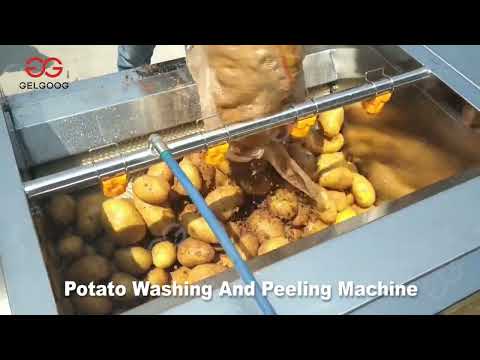
Configuring potato washing, peeling, and scrubbing machines is a crucial step in the potato chip production process. These machines are essential for removing dirt, skin, and other impurities from the potatoes, ensuring that the final product is of high quality.
Selecting Peeler/Scrubber/Washer Models | Chip Making Machines
The selection of peeler/scrubber/washer models depends on the specific requirements of the production line. Models such as the 1820, 2420, 2600, 2820, and 2940 series offer varying capacities and features that can be tailored to the needs of the operation.
Key Considerations for Model Selection:
- Production capacity
- Space availability
- Water usage and reclamation needs
- Peeling efficiency and waste reduction
Implementing Water Reclamation Systems and Waste Separating Augers
Water reclamation systems are vital for reducing water waste and minimizing the environmental impact of the production process. Waste separating augers help in efficiently removing waste material from the potatoes.
Benefits of Water Reclamation Systems:
- Reduced water consumption
- Lower wastewater treatment costs
- Improved sustainability
| Model | Capacity (kg/h) | Water Usage (L/min) | Power Consumption (kW) |
|---|---|---|---|
| 1820 Series | 1000-1500 | 50-75 | 5-7 |
| 2420 Series | 2000-2500 | 100-125 | 10-12 |
| 2600 Series | 3000-3500 | 150-175 | 15-17 |
| 2820 Series | 4000-4500 | 200-225 | 20-22 |
| 2940 Series | 5000-5500 | 250-275 | 25-27 |
Operating Transverse Washers and CIP Cleaning Systems | Chip Making Machines
Transverse washers are designed to efficiently clean potatoes as they move through the production line. CIP (Clean-In-Place) cleaning systems ensure that the equipment remains clean and sanitized, reducing the risk of contamination.
Best Practices for Operating Transverse Washers:
- Regularly inspect and maintain the washer’s brushes and spray nozzles
- Monitor water quality and adjust as necessary
- Ensure proper alignment and tension of conveyor belts
Step 3: Operating Your Potato Chip Slicer Machine for Optimal Results

To produce high-quality potato chips, operating the potato chip slicer machine efficiently is crucial. The slicer machine is a critical component in the potato chip production line, directly affecting the final product’s quality and consistency.
As John Smith, a renowned food processing expert, once said, “The quality of the slicing operation determines the uniformity and crispiness of the potato chips.” This emphasizes the importance of proper slicer machine operation.
Adjusting Blade Configuration for Desired Slice Thickness | Chip Making Machines
The blade configuration of the potato chip slicer machine is pivotal in achieving the desired slice thickness. Different products require different slice thicknesses, and adjusting the blades accordingly is essential.
- For thin, crispy chips, a closer blade setting is required.
- For thicker, chunkier chips, a wider blade setting is necessary.
Regularly checking and adjusting the blade configuration ensures consistent product quality.
Calculating Slicer Capacity Requirements for Your Production Goals
Understanding the production capacity of your slicer machine is vital to meeting your production goals. The slicer capacity should align with the overall production line capacity.
To calculate the required slicer capacity, consider the following factors:
- Desired hourly output
- Type of potatoes being processed
- Slice thickness and uniformity requirements
Maintaining Stainless Steel Cutting Components | Chip Making Machines
The cutting components of the slicer machine, typically made from stainless steel, require regular maintenance to ensure optimal performance. Regular cleaning and inspection help prevent wear and tear, reducing the risk of contamination.
As
“Maintaining the cleanliness and sharpness of cutting components is crucial for achieving consistent slicing results,”
Achieving Uniform Slicing for Consistent Crispy Potato Chips
Uniform slicing is critical for producing crispy potato chips. Variations in slice thickness can lead to inconsistent frying results, affecting the final product’s quality.
To achieve uniform slicing, ensure that:
- The potatoes are properly washed and peeled before slicing.
- The slicer blades are sharp and well-maintained.
- The slicing operation is carried out at a consistent speed.
By following these guidelines, you can optimize the performance of your potato chip slicer machine and produce high-quality, crispy potato chips consistently.
Step 4: Setting Up Industrial Potato Chip Fryer Systems

The heart of any potato chip production line is the industrial potato chip fryer, where raw potato slices are transformed into crispy delights. Setting up this critical component requires careful consideration of several factors to ensure optimal performance and product quality.
Installing and Operating Continuous Fryer for Chips Production
Continuous fryers are ideal for large-scale potato chip production. They allow for a constant flow of potato slices through the frying process, ensuring consistent output. When installing a continuous fryer, it’s crucial to ensure that the system is properly sized for your production needs and that all safety features are in place.
Configuring Kettle Chip Making Equipment for Artisan Products | Chip Making Machines
For producers of artisan or kettle chips, kettle chip making equipment offers the flexibility to create unique flavors and textures. These systems typically involve batch processing, allowing for precise control over frying conditions. Configuring kettle chip fryers involves setting the right temperature, frying time, and batch size to achieve the desired product characteristics.
Programming Temperature Controls and Monitoring Heat Zones
Temperature control is paramount in frying operations. Modern industrial potato chip fryers come equipped with sophisticated temperature control systems that allow for precise regulation of heat zones within the fryer. Programming these controls correctly ensures that the oil temperature remains consistent, which is critical for producing high-quality chips.
Optimizing Frying Time for Product Quality and Throughput | Chip Making Machines
Frying time directly impacts both the quality of the potato chips and the overall throughput of the production line. Optimizing frying time involves balancing the need for crispy chips with the need to maintain high production volumes. This can be achieved by adjusting the speed of the conveyor belt in continuous fryers or the batch processing time in kettle fryers.
To further enhance the frying process, consider the following key factors:
- Oil Quality: Maintaining high-quality frying oil is essential for producing great-tasting chips. Regular oil filtration and maintenance are crucial.
- Heat Distribution: Ensure that the fryer is designed to distribute heat evenly, preventing hot spots that can lead to inconsistent frying results.
- Safety Features: Modern fryers come equipped with various safety features, including automatic shut-off and fire suppression systems. Ensure these are properly installed and maintained.
By carefully setting up and optimizing your industrial potato chip fryer system, you can achieve consistent, high-quality frying results that meet consumer expectations.
Step 5: Implementing Chip Fryer Oil Management and Filtration

Effective chip fryer oil management is crucial for maintaining product quality and reducing operational costs in potato chip production. Proper oil management involves several key components, including filtration, quality monitoring, and replenishment systems.
Installing a Frying Oil Filtration System for Snacks Production | Chip Making Machines
A frying oil filtration system is essential for removing contaminants and debris from the oil, thereby extending its lifespan and improving product quality. Filtration systems can be customized to fit specific production needs, ranging from simple manual systems to complex automated ones.
The benefits of a frying oil filtration system include:
- Improved oil quality
- Extended oil life
- Reduced waste
- Enhanced product taste and texture
Setting Up Oil Quality Monitoring and Testing Protocols | Chip Making Machines
Regular oil quality monitoring is vital to ensure that the frying oil remains within acceptable parameters. This involves testing for factors such as acidity, viscosity, and contamination levels. By establishing a routine testing protocol, manufacturers can identify potential issues before they become major problems.
Oil quality monitoring can be done through various methods, including:
- Manual sampling and testing
- Automated online monitoring systems
Configuring Automatic Oil Replenishment and Top-Off Systems | Chip Making Machines
Automatic oil replenishment systems help maintain optimal oil levels in the fryer, ensuring consistent product quality. These systems can be programmed to add fresh oil as needed, minimizing downtime and reducing labor costs.
The advantages of automatic oil replenishment include:
- Consistent oil quality
- Reduced labor costs
- Minimized production downtime
Implementing Oil Life Extension Practices to Reduce Costs
Several practices can help extend the life of frying oil, including maintaining optimal frying temperatures, minimizing oil exposure to air, and using high-quality oil. By implementing these practices, manufacturers can significantly reduce oil costs and environmental impact.
A comparison of different oil life extension practices is shown in the table below:
| Practice | Description | Benefits |
|---|---|---|
| Optimal Frying Temperature | Maintaining the ideal frying temperature | Reduces oil degradation |
| Minimizing Oil Exposure to Air | Reducing oil surface exposure | Slows down oxidation |
| Using High-Quality Oil | Selecting oil with high stability | Extends oil life |
By implementing these oil management strategies, potato chip manufacturers can improve product quality, reduce costs, and minimize their environmental footprint.
Step 6: Operating Potato Chip De-Oiling Machine Equipment

The de-oiling process is a critical step in potato chip production, directly impacting the final product’s quality. Effective de-oiling ensures that potato chips have the right crispiness and flavor, enhancing the overall snacking experience.
Setting Up Centrifugal De-Oiling Systems | Chip Making Machines
Centrifugal de-oiling systems are widely used in the snack food industry for their efficiency in removing excess oil from fried products. To set up these systems, it’s essential to follow the manufacturer’s guidelines for installation and calibration. The centrifugal force generated by these machines helps in separating the oil from the chips, resulting in a crispy final product.
Key considerations for setting up centrifugal de-oiling systems include:
- Ensuring proper alignment and balance to minimize vibrations
- Adjusting the centrifugal speed according to the product type
- Regular maintenance to prevent wear and tear
Adjusting Vibrating De-Oiler Settings | Chip Making Machines
Vibrating de-oilers are another type of de-oiling equipment used in potato chip production. These machines use vibration to remove excess oil from the chips. Adjusting the vibrating de-oiler settings is crucial for maximizing oil removal while minimizing chip breakage.
Optimal settings for vibrating de-oilers include:
| Parameter | Setting | Effect on Product |
|---|---|---|
| Vibration Frequency | Adjustable between 10-50 Hz | Affects oil removal efficiency |
| Amplitude | Variable, typically between 1-5 mm | Influences chip movement and oil separation |
| Conveyor Speed | Dependent on product type and oil content | Impacts residence time and oil removal |
Measuring and Controlling Final Product Oil Content | Chip Making Machines
Measuring and controlling the final product oil content is vital for ensuring consistency and quality in potato chip production. Various methods can be employed to measure oil content, including gravimetric analysis and near-infrared spectroscopy.
Strategies for controlling final product oil content include:
- Regular monitoring of de-oiling equipment performance
- Adjusting de-oiling parameters based on product feedback
- Implementing quality control checks at various stages of production
By effectively operating potato chip de-oiling machines and controlling the final product oil content, manufacturers can achieve higher quality products that meet consumer expectations.
Step 7: Using Potato Chip Seasoning Machine for Flavor Application

The final step in creating delicious potato chips involves using a potato chip seasoning machine to apply the perfect blend of flavors. This stage is crucial as it enhances the taste and aroma of the potato chips, making them more appealing to consumers.
Operating Tumbler Seasoning Systems for Even Coverage | Chip Making Machines
Tumbler seasoning systems are widely used in the snack food industry for their ability to evenly distribute seasonings across the product. These systems work by gently tumbling the potato chips in a rotating drum while applying the seasoning. The tumbling action ensures that the seasoning is evenly distributed, coating each chip uniformly.
To achieve optimal results, it’s essential to adjust the tumbling speed and duration according to the type of seasoning and the product’s characteristics.
Configuring Spray and Powder Application Equipment | Chip Making Machines
Spray and powder application equipment are critical components of potato chip seasoning machines. Spray application is typically used for liquid seasonings, while powder application is used for dry seasonings. Configuring these systems involves setting the correct spray nozzle angles and powder dispensing rates to achieve uniform coverage.
The configuration should be adjusted based on the specific requirements of the seasoning and the production line’s throughput.
Calibrating Seasoning Dosage and Distribution Controls | Chip Making Machines
Calibrating the seasoning dosage controls is vital to ensure that the potato chips are seasoned consistently. This involves adjusting the seasoning dispensing systems to deliver the precise amount of seasoning required.
Regular calibration checks help maintain the accuracy of the seasoning application, preventing over-seasoning or under-seasoning.
Preventing Over-Seasoning and Waste Reduction | Chip Making Machines
Over-seasoning not only wastes seasoning but can also lead to an inconsistent product quality. To prevent this, manufacturers can implement several strategies, including using precise seasoning dosage controls, monitoring the seasoning application process in real-time, and training operators to respond quickly to any deviations.
By minimizing waste and ensuring consistent seasoning, manufacturers can improve their bottom line while maintaining high product quality.
Calculating Potato Chip Line Capacity and Output Specifications
Understanding potato chip line capacity is essential for optimizing output specifications. This involves analyzing various factors that influence production efficiency and output quality.
Using Production Rate Formulas to Determine Hourly Output | Chip Making Machines
To determine the hourly output of a potato chip line, you need to consider the production rate formulas. These formulas take into account the raw material input, processing speed, and efficiency of the equipment. For instance, the production rate can be calculated using the formula: Production Rate = (Raw Material Input x Processing Efficiency) / Processing Time.
Let’s consider an example where a potato chip production line has a raw material input of 1000 kg/h, a processing efficiency of 80%, and a processing time of 1 hour. Using the formula, the production rate would be: Production Rate = (1000 kg/h x 0.8) / 1 h = 800 kg/h.
Understanding Capacity Ranges from Small Scale to Industrial Operations
Potato chip production lines come in various capacities, ranging from small-scale operations to industrial-scale facilities. Small-scale operations typically have capacities below 100 kg/h, while industrial operations can produce over 1000 kg/h.
| Production Scale | Capacity Range (kg/h) |
|---|---|
| Small Scale | 50-100 |
| Medium Scale | 100-500 |
| Industrial Scale | 1000-5000 |
Identifying Production Bottlenecks and Balancing Line Speed | Chip Making Machines
Production bottlenecks can significantly impact the overall efficiency of a potato chip line. To identify bottlenecks, it’s essential to analyze each stage of the production process, from raw material handling to packaging.
One common bottleneck is the frying stage, where the capacity of the fryer can limit the overall production rate. To balance line speed, manufacturers can adjust the capacity of other equipment, such as slicers and seasoners, to match the fryer’s capacity.
Achieving Top-Quality Chips Per Hour Benchmarks | Chip Making Machines
Achieving top-quality chips per hour benchmarks requires a combination of efficient equipment, optimal processing conditions, and rigorous quality control measures.
By implementing these strategies, manufacturers can optimize their potato chip line capacity and output specifications, ensuring they meet production demands while maintaining high product quality.
Establishing Potato Chip Quality Control Parameters Throughout Production
To produce high-quality potato chips, manufacturers must establish stringent quality control measures throughout the production process. This involves monitoring and controlling various parameters to ensure the final product meets consumer expectations for taste, texture, and safety.
Testing Moisture Content and Crispiness Standards | Chip Making Machines
One of the critical quality control parameters is the moisture content of potato chips. Optimal moisture levels are essential for achieving the desired crispiness. Too much moisture can result in soggy chips, while too little can make them overly brittle. Manufacturers should implement regular testing protocols to ensure that their potato chips meet the established moisture content standards.
The crispiness of potato chips is also a key factor in their quality. This can be achieved by controlling the frying process, including temperature and frying time. Advanced quality control systems can monitor these parameters in real-time, making adjustments as necessary to maintain consistency.
Monitoring Color Specifications and Controlling Acrylamide Formation
The color of potato chips is another important quality parameter. It is influenced by factors such as the type of potatoes used, storage conditions, and frying temperature. Color specifications should be established and monitored to ensure that the chips have a consistent and appealing appearance.
Moreover, the frying process can lead to the formation of acrylamide, a potential health concern. Controlling frying temperatures and times is crucial for minimizing acrylamide formation. Implementing acrylamide reduction strategies can help manufacturers produce safer products.
Measuring Size Distribution and Acceptable Breakage Rates | Chip Making Machines
The size distribution of potato chips affects both their appearance and packaging efficiency. Manufacturers should measure and control the size distribution to ensure uniformity. This can involve using advanced sorting systems that can detect and separate chips based on their size.
Additionally, monitoring breakage rates is essential for minimizing waste and optimizing production efficiency. Breakage rates can be influenced by factors such as slicing techniques, frying conditions, and handling practices. By understanding and controlling these factors, manufacturers can reduce breakage and improve overall product quality.
Implementing Final Product Inspection and Testing Procedures
Before packaging and distribution, potato chips should undergo a thorough inspection and testing. This includes checking for quality attributes such as taste, texture, and appearance. Advanced inspection systems can detect defects and inconsistencies, ensuring that only high-quality products reach consumers.
Regular testing for contaminants and ensuring compliance with food safety regulations are also critical components of final product inspection. By implementing robust quality control procedures, manufacturers can protect their brand reputation and maintain consumer trust.
By establishing and maintaining rigorous quality control parameters throughout the production process, potato chip manufacturers can ensure the consistent production of high-quality products that meet consumer expectations and regulatory requirements.
Selecting a Chips Making Machine Company and Equipment Suppliers

When it comes to establishing a potato chip production line, one of the most critical decisions is selecting the right chips making machine company and equipment suppliers. The quality and reliability of your equipment directly impact your production efficiency, product quality, and overall business success.
To make an informed decision, it’s essential to evaluate potential suppliers based on several key factors. This includes assessing their reputation, product offerings, technical support, and after-sales service.
Top Potato Chip Manufacturing Equipment Providers in the U.S.
The United States is home to numerous reputable manufacturers of potato chip processing equipment. Some of the top providers include companies that specialize in snack food processing machinery. These companies offer a range of equipment, from potato peelers and slicers to fryers and seasoning machines.
When evaluating U.S.-based suppliers, consider factors such as their experience in the industry, the quality of their equipment, and their ability to provide customized solutions to meet your specific production needs.
| Supplier | Specialization | Location |
|---|---|---|
| Heat and Control | Snack food processing equipment | California |
| Key Technology | Potato processing systems | Oregon |
| FMC Technologies | Food processing equipment | Pennsylvania |
Evaluating International Manufacturers and Import Options | Chip Making Machines
In addition to U.S.-based suppliers, there are many international manufacturers of potato chip making machines that offer high-quality equipment. When considering international suppliers, it’s crucial to evaluate their reputation, product quality, and compliance with U.S. food safety regulations.
Some international companies may offer more competitive pricing or specialized equipment that is not available domestically. However, it’s essential to factor in additional costs such as shipping, import duties, and potential language barriers.
Assessing Equipment Warranty Terms and Technical Support Services
When selecting a chips making machine company, it’s vital to assess the warranty terms and technical support services they offer. A comprehensive warranty can provide peace of mind and protect your investment in case of equipment failure.
Look for suppliers that offer robust technical support, including on-site service, remote troubleshooting, and readily available spare parts. This can help minimize downtime and ensure your production line operates smoothly.
Checking References and Visiting Existing Installations | Chip Making Machines
Before making a final decision, it’s advisable to check references and visit existing installations of the equipment you’re considering. This can provide valuable insights into the performance of the equipment in real-world conditions and the level of support provided by the supplier.
By thoroughly evaluating potential equipment suppliers and considering factors such as reputation, product quality, and support services, you can make an informed decision that supports the long-term success of your potato chip manufacturing operation.
Understanding Chips Making Machine Price and Potato Chip Plant Setup Cost

Understanding the financial aspects of chips making machine price and potato chip plant setup cost is crucial for entrepreneurs looking to enter the potato chip production industry. The total cost of ownership for a potato chip making machine includes not just the initial purchase price but also ongoing expenses such as maintenance, energy consumption, and raw material costs.
The cost of setting up a potato chip plant can vary greatly depending on the scale of operation and technology used. Factors such as production capacity, level of automation, and equipment quality play significant roles in determining the overall investment required.
Small Scale Potato Chip Making Machine Investment Breakdown | Chip Making Machines
For small-scale operations, the initial investment can be relatively lower. A basic potato chip making machine setup might include:
- Potato peeling and slicing equipment
- Frying equipment
- Seasoning and packaging machinery
The cost for such a setup can range from $10,000 to $50,000, depending on the capacity and quality of the equipment.
Industrial Potato Chip Machine Costs for High Capacity Operations | Chip Making Machines
Industrial-scale potato chip production lines require significantly higher investments. These operations involve more complex machinery and higher capacity equipment, including:
- Advanced potato washing and peeling systems
- High-capacity slicing machines
- Continuous frying systems
- Automated seasoning and packaging lines
The cost for industrial-scale equipment can range from $100,000 to over $1 million, depending on the production capacity and level of automation.
Complete Automatic Potato Chip Production Line Budget Planning
For a complete automatic potato chip production line, budget planning must consider not only the equipment costs but also:
- Facility setup and infrastructure
- Raw material sourcing and supply chain
- Energy and utility costs
- Maintenance and repair expenses
A comprehensive budget plan should also account for contingencies and potential upgrades or expansions.
Analyzing ROI, Financing Options, and Used Equipment Purchases | Chip Making Machines
When investing in a potato chip making machine, it’s essential to analyze the return on investment (ROI). This involves calculating the potential revenue against the total cost of ownership. Entrepreneurs should also explore financing options, such as loans or leasing, to manage the initial capital outlay.
Purchasing used equipment can be a cost-effective strategy, but it requires careful evaluation of the equipment’s condition and potential for future maintenance costs.
By carefully considering these factors and planning accordingly, businesses can make informed decisions about their investment in chips making machines and potato chip plant setup costs.
Integrating Packaging Equipment and Final Production Steps

To complete the potato chip production process, manufacturers must effectively integrate packaging machinery and establish robust quality control measures. This final stage is crucial for ensuring that the product is not only delicious but also safely packaged and ready for distribution.
Connecting Potato Chip Packaging Machine Integration Systems
The integration of potato chip packaging machines into the production line requires careful planning and execution. It involves connecting the packaging equipment to the existing production line, ensuring seamless transfer of chips from the production area to the packaging stage.
Selecting Appropriate Packaging Formats and Materials | Chip Making Machines
Choosing the right packaging formats and materials is essential for maintaining product freshness and quality. Manufacturers must consider factors such as packaging size, material durability, and barrier properties when selecting packaging solutions.
| Packaging Format | Material | Benefits |
|---|---|---|
| Stand-up Pouches | Laminated Film | Excellent barrier properties, resealable |
| Flexible Bags | Polypropylene | Cost-effective, easy to print |
| Cartons | Paperboard | Durable, eco-friendly |
Implementing Quality Checks Before Final Packaging | Chip Making Machines
Before packaging, it’s crucial to implement quality checks to ensure that the potato chips meet the required standards. This includes inspecting for defects, checking flavor profiles, and verifying packaging integrity.
- Visual inspection for defects
- Flavor and texture checks
- Moisture content analysis
Establishing Production Records and Traceability Systems | Chip Making Machines
Maintaining detailed production records and implementing traceability systems are vital for ensuring product safety and compliance with regulatory requirements. This involves tracking production batches, ingredient sourcing, and packaging materials.
By integrating packaging equipment effectively and implementing robust quality control measures, manufacturers can ensure a smooth and efficient potato chip production process.
At The End of: Chip Making Machines Guide
Effective potato chip production relies heavily on understanding the intricacies of chip making machines and the overall snack food processing line. From raw material handling to final packaging, each step plays a crucial role in determining the quality and consistency of the final product.
A well-engineered chip making machine is essential for achieving optimal results in potato chip production. This includes selecting the right frying machine, implementing robust quality control measures, and ensuring precise control over the production process.
By carefully configuring equipment such as slicers, fryers, de-oiling machines, and seasoning applicators, manufacturers can achieve high-quality potato chips that meet consumer expectations. Integrating packaging equipment and maintaining detailed production records are critical for a seamless and efficient snack food processing line.
The success of a potato chip production operation depends on a thorough understanding of the production flow and the right equipment to support quality control goals, enabling manufacturers to optimize their operations and deliver high-quality products to the market using a chip making machine.
FAQ
What is the most important spec when buying a chip line?
The best answer is sustained sellable output at your target quality, not the vendor’s peak speed.
Should I choose batch or continuous frying?
Batch systems are often better for craft flexibility, while continuous systems usually win on repeatability and high-volume efficiency.
How often should frying oil be tested?
The right frequency depends on throughput and product load, but routine trending is far better than occasional spot checks.
Can one line run multiple flavors safely?
Yes, but only with strong allergen controls, label checks, and validated sanitation/changeover procedures.
Why does actual output fall below rated capacity?
Raw material variability, cleanouts, stoppages, seasoning issues, and packaging handoff delays often reduce real throughput.
What is the difference between an industrial potato chip making machine and the most advanced chip-making machine used in tech?
While both are referred to as “chip making machines,” they serve entirely different industries. A potato chip production line consists of food-grade machinery like the Urschel potato chip slicer machine and Heat and Control industrial potato chip fryer. Conversely, the most advanced chip-making machine in the world refers to EUV lithography machines produced by ASML, used to manufacture microchips. Recently, news surfaced regarding how China reverse-engineers the most advanced chip-making machine to bolster its semiconductor manufacturing equipment capabilities, but for food production, the focus remains on stainless steel vegetables cutter machine systems and automated chip production lines for snacks.
Who are the top manufacturers of potato chip manufacturing equipment in the U.S.?
The chip making machine in the U.S. market is led by industry giants such as Heat and Control, Vanmark, and Reading Bakery Systems. These companies provide best-in-class equipment and unmatched expertise, offering everything from a bulk storage bin system and crate dumper to a fully automatic chips making machine. For those looking for a chips making machine in usa, Vanmark is highly regarded for its peeler/scrubber/washer – 2820/2822 and hydrolift destoner technology.
How does a hydrolift destoner and automatic rock remover improve a potato chip production line?
These components are essential for potato chip quality control parameters. An automatic rock remover and hydrolift destoner use water density to separate heavy stones and debris from raw potatoes before they enter the peeler/scrubber/washer – 2420 or 2940 models. This protects the potato chip slicer machine blades from damage and ensures the industrial potato chip manufacturing equipment line runs without unexpected downtime.
What are the benefits of a continuous fryer for chips versus kettle chip making equipment?
A continuous fryer for chips is designed for high capacity operations, moving potatoes through a fryer oil management system to produce top-quality chips per hour with uniform texture. Kettle chip making equipment, such as those used by Kettle Brand or Cape Cod, uses a batch process that results in a harder, crunchier crispy potato chip. Most automatic potato chips line setups prefer continuous systems for better potato chip line capacity calculation and efficiency.
Why is a frying oil filtration system for snacks vital for chip fryer oil management?
Maintaining oil quality is the most expensive part of potato chip production. An integrated frying oil filtration system for snacks removes “fines” (small potato particles) that can burn and degrade the oil. By using a continuous fryer for chips with an automatic oil management system, producers can extend oil life, reduce potato chip plant setup cost, and ensure every potato chip maker machine output meets safety and taste standards.
Can a potato chips making machine also function as a banana chips making machine or tortilla chip maker?
Many components of a potato chip manufacturing machine are versatile. A stainless steel vegetables cutter machine can often be adjusted to serve as a banana chips slicer machine or a plantain chips processing machine. However, a tortilla chip maker machine or corn chips making machine requires different initial processing, such as masa grinding. For entrepreneurs, a small scale potato chips making machine or aloo chips making machine is often a flexible snack food processing line investment.
What is the typical chips making machine price for a small business?
The chips making machine price varies significantly based on automation. A small scale potato chip making machine for a startup might cost between $10,000 and $50,000. However, a fully automatic chips making machine or an industrial potato chip machine for high capacity operations can exceed $500,000. When calculating the potato chip plant setup cost, business owners must factor in the potato chip seasoning machine, de-oiling machine, and packaging machine integration.
How do I choose the right peeler/scrubber/washer model for my plant?
Selection depends on your potato chip line capacity calculation. For example, the Vanmark peeler/scrubber/washer – 1820 is ideal for smaller loads, while the peeler/scrubber/washer – 2600 or 2920/2922 models are built for industrial potato chip manufacturing equipment line speeds. These machines often include a waste separating auger and a water reclamation system to reduce environmental impact and operational costs.
What role does a potato chip seasoning machine play in the final product?
The potato chip seasoning machine, often a tumbler seasoning system, ensures even application of flavors. Whether you are using a small scale plantain chips making machine or a high-speed automatic potato chips making machine, the seasoning machine must be calibrated for precise dosage to prevent waste and ensure that various types of machines in the line produce a consistent flavor profile.
What is the significance of the ASML unveils euv light source advance that could yield 50% more chips by 2030?
This pertains to the semiconductor fabrication machinery industry. ASML is the leader in high precision chip fabrication. Their advanced chip manufacturing technology using EUV lithography is what allows for more powerful integrated circuit production. While unrelated to potato chips equipment, it represents the pinnacle of revolutionizing tech: the essential guide to chip making machines in the digital world.
How can I ensure uniform slicing for crispy potato chips?
Uniformity is achieved by using a high-quality potato chip slicer machine, such as the Urschel CC. Maintaining the stainless steel cutting components and nirav potato slicer blades is critical. If the potato chips maker machine does not produce consistent thicknesses, the industrial potato chip fryer will produce a mix of burnt and undercooked chips, failing potato chip quality control parameters.
Conclusion of: Chip Making Machines
A chip making machine is not just a slicer and fryer bolted together—it is a production system that has to protect product quality, food safety, labor safety, and label consistency at the same time. If you are planning a potato chip line for the U.S. market, the right setup decisions early on will affect breakage, oil life, downtime, shelf life, and whether your finished product consistently matches what you promise on the package. FDA potato chips labeling CPG
A chip making machine line should be selected as a process flow, not as isolated machines, because the slicer, wash section, fryer, de-oiler, seasoning unit, and transfer conveyors all influence one another. In practice, U.S. processors get better results when they design around sanitation access, preventive controls, and documented operating limits rather than buying only for nameplate speed. 21 CFR Part 117 (Current Good Manufacturing Practice, Hazard Analysis, and Risk-Based Preventive Controls)
A chip making machine performs best when incoming potatoes are controlled for size range, defect load, solids, and sugar behavior, because raw material variation quickly shows up as uneven color and oil uptake. For commercial buyers, creating receiving specs that align with chipping standards helps reduce surprises before product reaches the slicer. USDA AMS U.S. Standards for Potatoes for Chipping
A chip making machine cannot rescue poor raw potatoes once they are in the line, so incoming inspection and culling should remove rot, severe bruising, and breakdown before slicing begins. This step protects not only quality but also sanitation performance, because damaged product increases debris, slime, and cleanup time across flumes and conveyors. FDA potato chips adulteration CPG (rot)
A chip making machine starts its quality story at the slicer, where knife sharpness, slice thickness tolerance, and feed stability determine how evenly chips fry and how often fines are generated. In U.S. operations, controlling reducing sugars through raw potato handling and process conditions also matters because it directly affects browning and acrylamide formation risk in fried potato products. FDA acrylamide information
A chip making machine usually benefits from a rinse or short wash stage after slicing to remove surface starch, but the exact design depends on product style, slice thickness, and the texture target for your brand. If you add blanching or water treatment steps, document moisture and residence-time effects carefully so downstream frying remains stable and your finished crispness stays consistent. FDA water activity technical guide
A chip making machine needs a controlled transition into frying, whether that means air knives, dewatering conveyors, or a brief pre-dry, because excess surface water drives oil breakdown, foaming, and unstable fry behavior. The best setup is the one that reduces free water entering the fryer while preserving slice integrity and preventing bottlenecks at the fryer infeed. FDA guidance on acrylamide in foods
A chip making machine fryer should be chosen based on your target throughput and product style, with batch or kettle systems favoring craft-style runs and continuous fryers supporting tighter repeatability at higher volumes. Beyond speed, compare heat source, oil turnover design, crumb handling, cleanout time, and control responsiveness, because these factors often matter more than a vendor’s headline capacity. AOCS resource on frying oil stability
A chip making machine only produces consistent chips when frying is treated as a controlled process with documented targets for oil temperature, bed depth, feed rate, and residence time instead of “operator feel.” Building standard operating windows and alarm limits into the controls reduces color drift and helps shift teams make the same product on different days. OMAC PackML
A chip making machine requires an oil management program from day one, because oil is both a product-quality input and a major operating cost that affects flavor, shelf life, and sanitation. A practical program combines filtration frequency, crumb removal, top-off strategy, and lab checks so oil replacement decisions are based on trend data rather than guesswork. AOCS resource on determining polar compounds in used frying oils
A chip making machine setup should also account for post-fry de-oiling, cooling, and seasoning application because these stages are where texture can be damaged and flavor uniformity can be lost. If your seasoning portfolio includes allergen-containing formulations, plan validated changeover and sanitation procedures so line flexibility does not create labeling or cross-contact risk. FDA food allergies information
A chip making machine purchase decision should be tied to output specifications that your team can actually measure on every shift, such as slice thickness distribution, color targets, moisture, oil content, breakage, seasoning coverage, and defect rate. Defining the test method, sampling frequency, and acceptance limits before startup prevents endless disputes later between production, QA, and sales teams. NIST Food Nutrition and Safety Measurements Quality Assurance Program (FNSQAP)
A chip making machine line should be integrated with downstream weighing and packaging controls, because giveaway and underweight risk can erase margins even when frying performance is excellent. For U.S. processors, net contents control is not just a packaging issue—it is part of line performance and should be monitored as closely as fryer uptime. NIST Handbook 133 (packaged goods net contents guidance)
A chip making machine project becomes easier to scale when the controls architecture is built around standard states, data tags, and clear line-level reporting from the start. Even small processors benefit from basic run/stop/fault reason tracking because it shows whether lost output comes from slicing, frying, seasoning, packaging handoff, or sanitation delays. OMAC Packaging Work Group
A chip making machine for low-moisture ready-to-eat snacks should be selected with sanitation in mind, including access for inspection, removable guards where appropriate, cleanable dead zones, and hygienic utility routing. This matters more than many buyers expect, because chip and cracker operations can still face serious contamination events if sanitation programs and corrective actions are weak. FDA draft guidance for sanitation programs in low-moisture ready-to-eat foods
A chip making machine design should use components and layouts that support washdown and dry-cleaning strategies appropriate to the product and area, especially around slicers, seasoning contact points, and transfer zones. When comparing vendors, ask how they address hygienic design details such as weld quality, cleanability, and product-contact surface geometry—not just throughput claims. 3-A Sanitary Standards
A chip making machine introduces mechanical hazards at feed points, rotating cutters, conveyor pinch points, and discharge areas, so machine guarding must be reviewed before commissioning and after any line modification. A faster line is not an improvement if operators need to bypass guards to clear jams, because that usually leads to injuries and unplanned downtime. OSHA 1910.212 machine guarding standard
A chip making machine also creates maintenance risk during knife changes, conveyor service, and fryer cleanup, which is why lockout/tagout planning should be built into the installation and SOP package. Good LOTO practice is easier when isolators are accessible, energy sources are clearly labeled, and maintenance procedures are written for the actual line configuration on your floor. OSHA 1910.147 lockout/tagout standard
A chip making machine room needs disciplined housekeeping because oil mist, crumbs, and seasoning dust can create slip hazards, sanitation problems, and unnecessary cleaning labor. Flooring, drainage, and cleanup routines should be evaluated as part of the equipment project budget so production speed does not outpace safe plant conditions. OSHA 1910.22 walking-working surfaces standard
A chip making machine fryer area can expose workers to hot surfaces and hot ambient conditions, so ventilation, hydration, break planning, and training should be treated as operating requirements instead of optional add-ons. This is especially important for U.S. plants in warmer regions or facilities with limited HVAC performance during summer peaks. OSHA heat exposure guidance
Quick checklist of Chip Making Machines
- Define your target product first: kettle-style, thin crisp, rippled, reduced-oil, or flavored line extensions.
- Write incoming potato specs (size, defects, solids, and sugar behavior expectations) before requesting quotes.
- Set a slice thickness tolerance and ask vendors how they maintain it over long runs.
- Specify dewatering strategy before the fryer to reduce oil stress and foaming.
- Require documented fryer control ranges for temperature, feed rate, and residence time.
- Build an oil management SOP (filtration, top-off, testing frequency, rejection criteria).
- Define output specs: moisture, color, breakage, seasoning coverage, and package weight targets.
- Include sanitation access and cleanout time in the equipment comparison matrix.
- Review guarding, LOTO points, and safe jam-clearing access during factory acceptance.
- Plan data collection for downtime reasons and yield loss from day one.
Common mistakes to avoid for Chip Making Machines
- Buying on nameplate capacity only: Compare sustained output after changeovers, sanitation, and normal stoppages.
- Ignoring raw material variability: Potato variety and sugar behavior can change color and acrylamide risk even with the same fryer settings.
- Under-sizing filtration: Crumb carryover shortens oil life and increases flavor defects.
- No written oil rejection criteria: “Looks okay” decisions usually lead to inconsistent flavor and shelf life.
- Skipping line-level data: Without downtime codes, teams blame the fryer when the bottleneck is elsewhere.
- Poor sanitation access: Fast production is not useful if daily cleanout becomes slow and inconsistent.
- Weak allergen changeover controls: Seasoning flexibility requires strong label and sanitation discipline.
- Forgetting utilities: Power, exhaust, drainage, compressed air, and water often delay startup more than machine delivery.
Costs and ROI snapshot | Chip Making Machines
A chip making machine budget in the U.S. should include more than the quoted equipment price, because installation, electrical upgrades, exhaust and ventilation, drains, fire protection, controls integration, and commissioning often add a major percentage to total project cost. Small batch or semi-automatic setups may fit smaller budgets, while continuous lines with tighter automation and higher throughput quickly move into much larger capital ranges. PMMI (Packaging & Processing Technologies Association)
A chip making machine operating cost is usually driven by potatoes, edible oil, labor, energy, packaging, seasoning, waste, and downtime, with oil management being one of the biggest controllable levers. Plants that improve filtration, reduce carryover crumbs, and formalize used-oil handling often gain cleaner flavor and more predictable costs without changing fryer size. EPA used oil management FAQs for businesses
A chip making machine ROI should be evaluated using realistic scenarios such as reduced giveaway, fewer defects, longer oil life, better uptime, lower labor per pound, and less rework—not just maximum hourly output. A simple payback model becomes more credible when your team ties each assumption to a measurable KPI and verifies the test method used to track it. NIST quality assurance programs
Final thought
A chip making machine is a profitable investment when it is selected as a complete process system with clear product specs, sanitation access, safety controls, and measurable performance targets, because those details determine whether your line produces consistent chips every day or expensive variability. FDA guidance for industry: Food Labeling Guide
Sources & References
- FDA Draft Guidance: Establishing Sanitation Programs for Low-Moisture Ready-to-Eat Human Foods (PDF)
- FDA Food Labeling Guide (PDF)
- FDA Food Ingredients & Packaging
- FDA Packaging & Food Contact Substances (FCS)
- FDA Acrylamide Questions and Answers
- FDA Compliance Policy Guides Chapter 5 (Food, Colors, and Cosmetics)
- OSHA Machine Guarding Standards Overview
- OSHA Control of Hazardous Energy (Lockout/Tagout) Overview
- OSHA Heat Illness Prevention Campaign
- OSHA Heat Exposure Resources
- eCFR 40 CFR Part 279 — Standards for the Management of Used Oil
- EPA Industrial Uses for Wasted Food
- UL Foodservice Equipment Sanitation Certification
- AOCS Resource Library
- AOCS Resource: Analysis of Used Frying Oils and Fats by HPSEC
- PMMI — Packaging & Processing Technologies Association