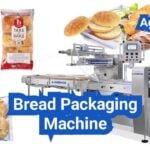
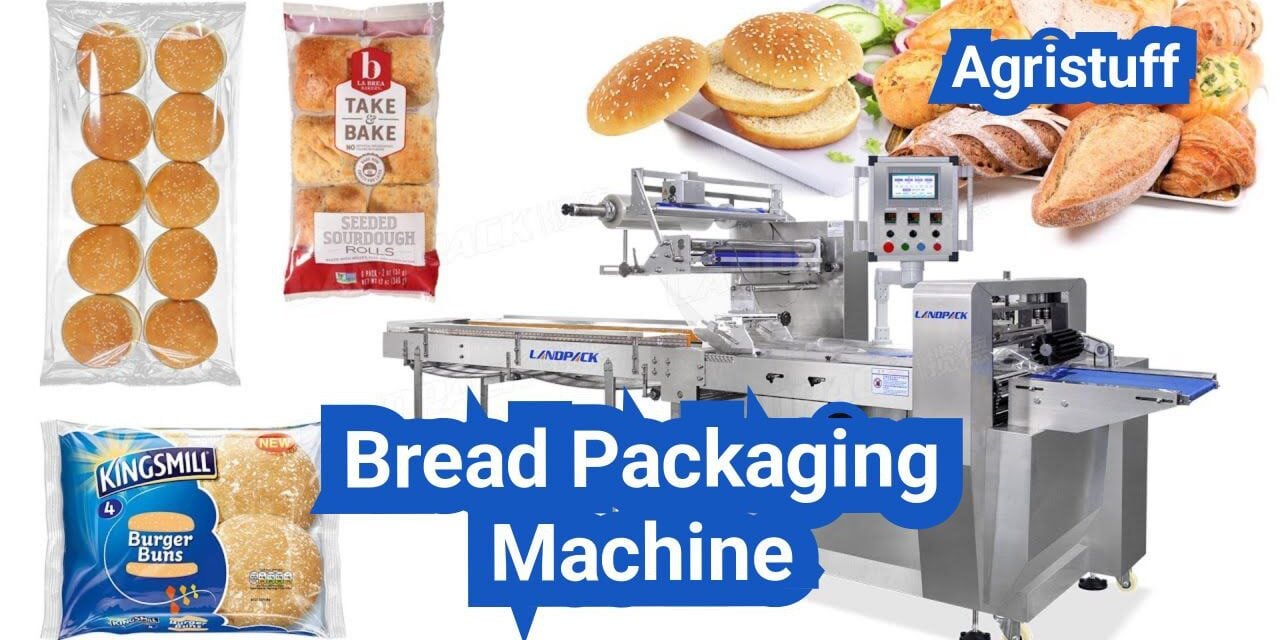
Bakery owners across the country now look for modern technology to improve their daily output. Selecting a high-quality bread packaging machine in the U.S. ensures that every loaf reaches the shelf in perfect condition. Newer models feature smart controls that reduce waste and save time for busy facilities.
When checking for new equipment, look for features that protect against spoilage. The right wrap thickness is key to preventing moisture buildup inside the bag. These automated units help local businesses meet high demand during peak morning hours.
Choosing the right closing method like a twist tie can improve shelf appeal for shoppers. Robust food wrap gear ensures that your products stay safe during transport to the grocery store. This focus on clean operations is vital for any professional facility today.
Modern hardware often includes smart sensors to track the speed of the line. These production tools help managers watch every stage of the wrapping process. Keeping your sealing gear in good shape is a smart move for long-term business growth.
Key Takeaways
- Focus on smart technology for better efficiency.
- Prioritize hygienic design to reduce contamination risks.
- Understand how film thickness helps control mold.
- Choose reliable closing methods like twist ties for appeal.
- Balance initial costs with long-term operational gains.
- Smart sensors improve daily speed and reduce product waste.
Understanding Modern Bread Packaging Equipment and Solutions

Automated bread packaging systems have revolutionized the baking industry by enhancing efficiency, hygiene, and product freshness. Modern bread packaging equipment is designed to cater to the diverse needs of bakeries, ranging from small artisan bakeries to large industrial operations.
The Evolution of Automated Bread Packaging
The evolution of automated bread packaging has been driven by the need for increased efficiency and reduced labor costs. Early packaging systems were manual and prone to contamination, but modern systems have incorporated advanced technologies such as robotics and computer vision to improve accuracy and speed.
Key advancements include the development of:
- High-speed bagging machines capable of handling various bread types
- Advanced closure systems, including twist ties and clips
- Sophisticated packaging film materials with improved barrier properties
Key Components of a Complete Packaging System
A complete bread packaging system comprises several critical components that work in harmony to ensure efficient and hygienic packaging. These include:
- Bagging Machines: Designed to handle different bread sizes and types, these machines can be configured for various packaging formats.
- Closure Systems: Options such as twist ties, clips, and heat sealing ensure that bread is securely packaged.
- Packaging Film: The choice of film material is crucial for maintaining product freshness and preventing contamination.
Benefits for Small and Industrial Bakeries
Automated bread packaging systems offer numerous benefits for both small and industrial bakeries. For small bakeries, these systems provide an opportunity to increase production capacity without significantly increasing labor costs. Industrial bakeries benefit from the scalability and consistency that automated systems offer.
The key benefits include:
- Improved product freshness and shelf life
- Enhanced hygiene and reduced contamination risk
- Increased efficiency and reduced labor costs
- Flexibility to handle various bread types and packaging formats
Automatic Bread Bagging Machines: Models and Capabilities

Automatic bread bagging machines have revolutionized the packaging process in bakeries, offering a range of models to suit diverse production requirements. These machines are designed to efficiently package bread into bags, ensuring freshness and convenience for consumers.
The variety of automatic bread bagging machines available in the market caters to different bakery sizes and production needs. From high-speed baggers for large industrial bakeries to entry-level solutions for small bakeries, there’s a model for every requirement.
Mark 75S Bread Bagger
The Mark 75S Bread Bagger is a high-performance automatic bread bagging machine designed for large-scale bakeries. It offers advanced features such as high-speed bagging and precise control over the packaging process. The Mark 75S is ideal for bakeries with high production volumes, ensuring efficient packaging and minimizing labor costs.
Mark 75 Bread Bagger
The Mark 75 Bread Bagger is another popular model, known for its reliability and versatility. It is suitable for a wide range of bread types and sizes, making it a favorite among bakeries with diverse product lines. The Mark 75 offers a balance between performance and cost, making it an attractive option for medium to large bakeries.
Apex 60 Bread Bagger
The Apex 60 Bread Bagger is designed for smaller to medium-sized bakeries. It provides an efficient and cost-effective solution for bakeries looking to automate their packaging process without a significant investment. The Apex 60 is known for its ease of use and compact design, making it suitable for bakeries with limited space.
Entry-Level Solutions for Emerging Bakeries
For emerging bakeries or those with limited budgets, entry-level bread bagging solutions are available. These machines offer basic functionality at an affordable price, allowing small bakeries to automate their packaging process. They are ideal for bakeries that are just starting to scale their operations and need a reliable, cost-effective packaging solution.
In conclusion, the range of automatic bread bagging machines available allows bakeries to choose a model that best fits their production needs and budget. Whether it’s a high-speed bagger for large bakeries or an entry-level solution for small bakeries, there’s a bread bagger designed to meet every requirement.
Combination Bread Slicing and Bagging Systems

For bakeries looking to enhance productivity, combination bread slicing and bagging systems offer a comprehensive solution. These integrated systems streamline the bread packaging process by merging two critical steps: slicing and bagging. This not only saves time but also reduces labor costs and minimizes the risk of contamination.
The benefits of using a combination system are multifaceted. Firstly, they improve efficiency by automating both slicing and packaging, allowing bakeries to meet high demand without compromising on quality. Secondly, these systems are designed to be versatile, accommodating various types of bread and packaging requirements.
Combo 75S Bread Slicer and Bagger | Bread Packaging Machine
The Combo 75S is a high-performance model designed for bakeries with high-volume production needs. It features advanced slicing technology that ensures uniform slices, coupled with a reliable bagging system that can handle a variety of bag sizes.
Key Features of Combo 75S:
- High-speed slicing and bagging capabilities
- Adjustable slice thickness
- Compatibility with different bag types
Combo 75 Bread Slicer and Bagger | Bread Packaging Machine
The Combo 75 is another model that offers robust performance for bakeries. It is designed for flexibility, allowing for easy adjustments in slice thickness and bag size.
Key Features of Combo 75:
- Flexible slicing options
- Efficient bagging system
- User-friendly interface
Masterslicer E for Basic Slicing Needs | Bread Packaging Machine
For smaller bakeries or those with basic slicing needs, the Masterslicer E provides a reliable and straightforward solution. It is designed for ease of use and maintenance.
Masterslicer 1W Universal Model | Bread Packaging Machine
The Masterslicer 1W is a versatile model suitable for a wide range of bread types. It offers advanced features such as precise slice control and is designed for durability.
Comparison of Combination Bread Slicing and Bagging Systems:
| Model | Slicing Speed | Bagging Capacity | Slice Thickness Adjustment |
|---|---|---|---|
| Combo 75S | High | Up to 100 bags/min | Yes |
| Combo 75 | Medium-High | Up to 80 bags/min | Yes |
| Masterslicer E | Medium | Up to 60 bags/min | Limited |
| Masterslicer 1W | High | Up to 120 bags/min | Yes |
Specialized Bread Packaging Machine Types for Different Products

Specialized bread packaging machines are crucial for efficiently packaging various bread types, including buns, loaves, and flatbreads. The diversity in bread products necessitates the use of distinct packaging solutions to maintain freshness and quality.
Flow Wrappers for Buns and Rolls | Bread Packaging Machine
Flow wrappers are ideal for packaging buns and rolls due to their ability to wrap products quickly and efficiently. These machines use a continuous flow of packaging material to envelop the products, ensuring a tight seal.
Key Features:
- High-speed wrapping capability
- Adjustable wrapping settings for different product sizes
- Efficient use of packaging material
Wicketed Baggers for Bread Loaves | Bread Packaging Machine
Wicketed baggers are designed specifically for packaging bread loaves. They use pre-formed bags that are arranged on wicket sticks, allowing for efficient bagging and minimizing waste.
Benefits:
- Reduced packaging waste
- High-speed bagging capability
- Easy integration with existing production lines
Pita Bread Packaging Machines
Pita bread packaging machines are designed to handle the unique characteristics of pita bread, such as its soft texture and tendency to tear. These machines often use specialized handling systems to gently package pita bread.
Special considerations for pita bread packaging include:
- Gentle product handling
- Adjustable packaging settings for different pita bread sizes
- Use of appropriate packaging materials to maintain freshness
Vertical Form Fill Seal Machines for Bakery Products
Vertical form fill seal (VFFS) machines are versatile packaging solutions that can be used for a variety of bakery products, including bread, pastries, and snacks. These machines form bags from roll stock, fill them with product, and seal them.
| Machine Type | Product Suitability | Key Features |
|---|---|---|
| Flow Wrappers | Buns, Rolls | High-speed wrapping, adjustable settings |
| Wicketed Baggers | Bread Loaves | Reduced waste, high-speed bagging |
| Pita Bread Packaging Machines | Pita Bread | Gentle handling, adjustable settings |
| VFFS Machines | Various Bakery Products | Versatile, forms and seals bags |
Bread Bag Closure Methods: Sealing vs Clipping

Effective bread bag closure is crucial for preserving the quality and extending the shelf life of bread products. The closure method not only affects the freshness of the bread but also influences the overall packaging efficiency and cost.
Bread Bagger with Twist Tie Systems | Bread Packaging Machine
Twist tie systems are a popular method for closing bread bags. These systems involve twisting a wire tie around the opening of the bag to seal it. Bread baggers with twist tie systems are versatile and can be used for various types of bread products.
Bread Clip Closure Machines | Bread Packaging Machine
Bread clip closure machines offer another effective way to seal bread bags. These machines apply a plastic or metal clip to the bag opening, ensuring a secure closure. They are particularly useful for high-speed packaging lines.
Heat Sealing Technology | Bread Packaging Machine
Heat sealing technology involves applying heat to the opening of the bag to create a seal. This method is widely used for packaging sliced bread and other bakery products. Heat sealing provides a strong barrier against moisture and air, helping to maintain product freshness.
Performance Comparison and Selection Criteria | Bread Packaging Machine
When selecting a bread bag closure method, several factors should be considered, including packaging speed, product type, and cost. The following table provides a comparison of the different closure methods:
| Closure Method | Packaging Speed | Product Suitability | Cost |
|---|---|---|---|
| Twist Tie Systems | Medium to High | Various bread types | Moderate |
| Bread Clip Closure | High | Bread loaves, buns | Moderate to High |
| Heat Sealing | High | Sliced bread, bakery products | High |
The choice of bread bag closure method depends on the specific needs of the bakery, including production volume and product characteristics. By understanding the advantages and limitations of each closure method, bakeries can make informed decisions to optimize their packaging processes.
Bread Packaging Film: Thickness and Barrier Properties

The characteristics of bread packaging film, such as thickness and barrier properties, significantly impact bread quality. The right packaging film can extend shelf life, prevent moisture loss, and maintain freshness.
Film Thickness Requirements for Different Bread Types
Different types of bread require varying film thicknesses to ensure optimal packaging. For instance, artisan breads may require thicker films to maintain their crust texture, while sliced bread may use thinner films for convenience.
The thickness of the film also affects its durability and resistance to punctures. A thicker film provides better protection against mechanical damage during handling and transportation.
Oxygen Barrier Film for Extended Shelf Life
Oxygen barrier films are designed to prevent oxygen from entering the package, thereby slowing down the staling process and extending shelf life. These films are particularly useful for bread products that are sensitive to oxygen, such as sliced bread.
The use of oxygen barrier films can significantly reduce the occurrence of mold and staleness, making them an essential component in modern bread packaging.
Material Selection for Sliced Bread vs Flatbreads | Bread Packaging Machine
The type of bread being packaged influences the choice of packaging material. For example, sliced bread often requires films with good oxygen barrier properties to maintain freshness, while flatbreads may require films that provide moisture resistance.
Material selection should also consider factors such as printability, sealability, and compatibility with the packaging equipment.
Balancing Protection and Breathability | Bread Packaging Machine
Effective bread packaging must strike a balance between protection and breathability. While protection is necessary to prevent damage and contamination, breathability is crucial to prevent the buildup of condensation and maintain product quality.
The ideal packaging film should provide the necessary barrier properties while allowing for some degree of breathability to prevent moisture-related issues.
Moisture Control in Bread Packaging Systems
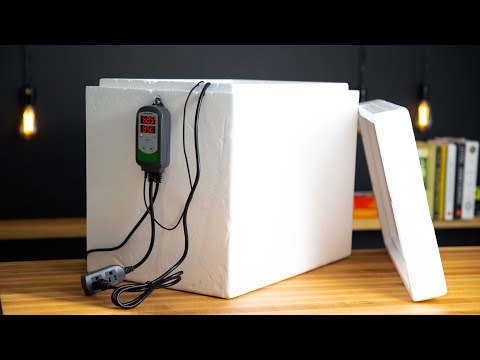
The control of moisture in bread packaging systems is essential for preventing condensation and maintaining product integrity. Moisture control is a critical factor that directly impacts the quality and shelf life of bread products.
Understanding Condensation in Bread Bags
Condensation occurs when warm bread is packaged before it has cooled sufficiently, leading to the formation of water droplets inside the packaging. This can result in a soggy crust or create an environment conducive to mold growth. Proper cooling of bread before packaging is crucial to minimize condensation.
To mitigate condensation, bakeries can implement strategies such as ensuring adequate cooling time for bread before packaging and using packaging materials that allow for some breathability.
Temperature and Humidity Management | Bread Packaging Machine
Effective temperature and humidity management within the packaging area is vital. Maintaining a consistent environment helps in controlling the moisture levels within the packaging. This involves regulating the temperature and humidity levels to prevent excessive moisture buildup.
Bakeries can achieve this by using climate-controlled packaging areas and monitoring the environmental conditions regularly.
Film Permeability Considerations | Bread Packaging Machine
The permeability of the packaging film plays a significant role in moisture control. Films with appropriate permeability allow for the right amount of moisture transfer, preventing the buildup of excessive moisture inside the package. Selecting the right packaging film is crucial for maintaining product freshness.
Preventing Moisture-Related Quality Issues | Bread Packaging Machine
To prevent moisture-related quality issues, bakeries must adopt a comprehensive approach that includes proper cooling, controlled packaging environments, and the right packaging materials. By managing these factors effectively, bakeries can significantly reduce the occurrence of moisture-related defects.
Regular monitoring and quality control checks are essential to ensure that the implemented measures are effective and to identify areas for improvement.
How to Prevent Mold in Packaged Bread: Complete Guide

The key to preventing mold in packaged bread lies in understanding the factors that contribute to its growth and implementing effective countermeasures. Mold growth in bread is influenced by various factors including moisture content, storage conditions, and handling practices.
Critical Cooling Time Before Packaging
One of the primary factors in preventing mold growth is ensuring that the bread is adequately cooled before packaging. Critical cooling time refers to the period required for the bread to cool down to a temperature that inhibits mold growth.
Bread that is packaged while still warm creates a humid microenvironment that fosters mold growth. The cooling time can vary depending on the type of bread and its size. Generally, bread should be cooled to around 80°F to 90°F (27°C to 32°C) before packaging.
Environmental Controls in the Packaging Area
Maintaining a controlled environment in the packaging area is crucial. This includes regulating temperature and humidity levels to prevent moisture accumulation. The packaging area should be kept clean and dry to minimize the risk of contamination.
Product Handling and Sanitation Protocols | Bread Packaging Machine
Proper handling and sanitation practices are vital in preventing mold contamination. This includes using clean equipment, minimizing direct contact with the bread, and ensuring that packaging materials are stored in a clean, dry environment.
- Use sanitized utensils and equipment when handling bread.
- Minimize manual contact with bread to reduce contamination risk.
- Store packaging materials in a dry, clean area.
Monitoring and Quality Control Procedures | Bread Packaging Machine
Regular monitoring and quality control checks are essential to ensure that the measures put in place to prevent mold are effective. This includes checking for signs of mold, verifying cooling times, and inspecting packaging for integrity.
- Regularly inspect packaged bread for signs of mold.
- Verify that cooling times are adhered to before packaging.
- Check packaging for any damage or compromise.
Modified Atmosphere Packaging for Bread Shelf Life Extension

Modified atmosphere packaging (MAP) has revolutionized the baking industry by significantly extending the shelf life of bread products. This technology involves altering the atmosphere surrounding the bread to inhibit the growth of mold and bacteria, thus maintaining freshness for a longer period.
MAP Technology Fundamentals for Bakery Applications
MAP technology is based on the principle of modifying the atmospheric composition around the packaged bread. By reducing oxygen levels and increasing the concentration of gases like carbon dioxide and nitrogen, MAP creates an environment that slows down the staling process and prevents microbial growth.
The effectiveness of MAP depends on several factors, including the type of bread, packaging material, and storage conditions. Understanding these factors is crucial for optimizing MAP systems for bakery applications.
Gas Mixture Specifications and Ratios | Bread Packaging Machine
The gas mixture used in MAP is critical for its success. The most common gases used are carbon dioxide (CO2), nitrogen (N2), and oxygen (O2). CO2 is used to inhibit mold growth, N2 is used as a filler gas to prevent package collapse, and O2 levels are controlled to prevent anaerobic conditions.
The optimal gas mixture ratio varies depending on the type of bread. For example, sliced bread may require a different gas mixture compared to whole loaves or artisanal breads.
| Bread Type | CO2 (%) | N2 (%) | O2 (%) |
|---|---|---|---|
| Sliced Bread | 30-40 | 60-70 | <0.5 |
| Whole Loaves | 20-30 | 70-80 | <1 |
| Artisanal Breads | 40-50 | 50-60 | <0.5 |
Equipment Requirements and Integration | Bread Packaging Machine
Implementing MAP requires specialized equipment, including gas flushing systems, packaging machines, and gas mixing units. The integration of these components is crucial for achieving the desired atmosphere and maintaining product quality.
Cost-Benefit Analysis of MAP Systems | Bread Packaging Machine
While MAP systems offer significant benefits in terms of extended shelf life and reduced waste, they also involve initial investment and ongoing costs. A thorough cost-benefit analysis is necessary to determine the feasibility of MAP for a specific bakery operation.
Factors to consider include the cost of equipment, gases, and packaging materials, as well as the potential savings from reduced product loss and improved distribution efficiency.
How to Select and Price Your Bread Packaging Machine

To ensure optimal packaging solutions, bakeries need to carefully evaluate their bread packaging machine requirements and associated costs. Selecting the right equipment is crucial for maintaining product freshness, reducing labor costs, and increasing overall efficiency.
Assessing Production Volume and Throughput Needs | Bread Packaging Machine
The first step in selecting a bread packaging machine is to assess your bakery’s production volume and throughput needs. This involves understanding the number of loaves or units you need to package per hour. Production volume directly impacts the type of machinery you require, with higher volumes necessitating more advanced and automated systems.
Bakeries should consider their current production capacity and future growth plans when evaluating packaging machinery. This ensures that the chosen machine can meet both present and future demands without becoming a bottleneck in the production line.
Small Bread Packing Machines for Artisan Bakeries
For small or artisan bakeries, a compact and versatile bread packing machine is often the most suitable choice. These machines are designed to handle smaller production volumes while maintaining flexibility and ease of use. Small bread packing machines are ideal for bakeries that produce a variety of bread types and sizes.
When selecting a small bread packing machine, consider factors such as the machine’s footprint, ease of operation, and the ability to handle different packaging materials.
Industrial Automatic Bread Packaging Systems
Industrial bakeries require high-capacity, automatic bread packaging systems to handle large production volumes efficiently. These systems are designed to minimize labor costs and maximize throughput. Automatic bread packaging systems can integrate with other production line equipment, such as slicers and conveyors, to create a seamless packaging process.
Key considerations for industrial automatic bread packaging systems include the machine’s speed, reliability, and ability to handle various packaging formats.
Understanding Bread Packaging Machine Prices in the USA
Bread packaging machine prices in the USA vary widely based on factors such as machine capacity, level of automation, and brand reputation. Understanding the pricing landscape is essential for making an informed investment decision.
| Machine Type | Capacity (loaves/hour) | Approximate Price Range (USD) |
|---|---|---|
| Small Bread Packing Machine | 100-500 | 5,000 – 20,000 |
| Industrial Automatic Bread Packaging System | 1,000-5,000 | 50,000 – 200,000 |
The prices listed are approximate and can vary based on specific features, brand, and supplier. It’s essential to request quotes from multiple suppliers and consider factors beyond price, such as after-sales support and machine reliability.
Bakery Packaging Line Layout and System Integration

The design of a bakery packaging line layout plays a pivotal role in determining the overall efficiency and profitability of a bakery. An optimized layout ensures a smooth transition from the cooling stage to packaging, minimizing manual handling and reducing the risk of product damage.
Optimizing Workflow from Cooling to Packaging
To achieve an efficient workflow, bakeries must consider the entire production line, from cooling to packaging. This involves strategically placing equipment to minimize product handling and reduce labor costs. Automated systems can significantly enhance the efficiency of this process.
For instance, integrating cooling conveyors with packaging machines can streamline the process, ensuring that products are packaged promptly after cooling. This not only saves time but also helps in maintaining product freshness.
Date Coding and Labeling Integration | Bread Packaging Machine
Date coding and labeling are critical components of the packaging process, providing essential information about the product, including its freshness and production date. Integrating date coding and labeling systems into the packaging line ensures that products are accurately labeled, enhancing traceability and compliance with regulatory requirements.
Modern date coding systems offer high precision and flexibility, allowing for the printing of various codes and labels on different packaging materials. This integration is vital for maintaining product integrity and customer trust.
Case Erecting and Tray Forming Systems | Bread Packaging Machine
Case erecting and tray forming systems are essential for bakeries that require efficient and reliable packaging solutions for their products. These systems automate the process of creating cases and trays, which are then used to pack and transport bakery products.
By automating these processes, bakeries can significantly reduce labor costs and improve packaging efficiency. Moreover, these systems can be integrated with other packaging equipment to create a seamless packaging line.
End of Line Robotic Palletizing | Bread Packaging Machine
End of line robotic palletizing represents the pinnacle of automation in bakery packaging lines. These systems use robots to stack packaged products onto pallets, preparing them for distribution. Robotic palletizing enhances efficiency, reduces labor costs, and minimizes the risk of workplace injuries.
The integration of robotic palletizing into the packaging line also allows for greater flexibility and scalability, enabling bakeries to adapt to changing production demands.
Sanitary Design and Food Safety Compliance for Bakery Equipment

Ensuring sanitary design and food safety compliance is crucial for bakery equipment to prevent contamination and maintain product integrity. Bakery equipment manufacturers must prioritize these aspects to safeguard consumer health and comply with regulatory standards.
Stainless Steel Design Requirements | Bread Packaging Machine
The use of stainless steel in bakery equipment is a fundamental aspect of sanitary design. Stainless steel is preferred due to its resistance to corrosion, durability, and ease of cleaning. Equipment surfaces that come into contact with bakery products should be made from high-quality stainless steel to prevent the introduction of contaminants.
Key considerations for stainless steel design include:
- Using materials that are resistant to corrosion and can withstand cleaning agents
- Ensuring surfaces are smooth and free from crevices where contaminants can accumulate
- Designing equipment with easy-to-clean geometries
Cleaning Access and Maintenance Considerations | Bread Packaging Machine
Easy access for cleaning and maintenance is critical for maintaining sanitary conditions. Equipment should be designed to allow for quick disassembly and reassembly, facilitating thorough cleaning and inspection.
Some key features that enhance cleaning access include:
- Removable parts and easy-to-open panels
- Minimal use of complex geometries that can trap debris
- Clear labeling of parts that require regular cleaning or maintenance
Safety and Operational Integrity Standards | Bread Packaging Machine
Bakery equipment must not only be designed with sanitation in mind but also ensure operational safety. This includes safeguarding against mechanical hazards and ensuring that the equipment operates consistently within specified parameters.
Operational integrity is maintained through:
- Regular maintenance schedules
- Operator training on equipment use and safety protocols
- Implementation of safety guards and emergency stop mechanisms
FDA and Industry Compliance Guidelines | Bread Packaging Machine
Compliance with FDA regulations and industry standards is mandatory for bakery equipment manufacturers. This includes adhering to guidelines related to material selection, design, and manufacturing processes.
| Regulatory Body | Guideline | Description |
|---|---|---|
| FDA | 21 CFR Part 110 | Current Good Manufacturing Practice in Manufacturing, Packing, or Holding Human Food |
| NSF International | NSF/ANSI 3 | Commercial Food Equipment Standard |
| American Bakers Association | Food Safety Guidelines | Guidelines for safe handling and production of bakery products |
By adhering to these guidelines and incorporating sanitary design principles, bakery equipment manufacturers can ensure their products meet the necessary standards for food safety and operational integrity.
At The End of: Bread Packaging Machine
Efficient bread packaging is crucial for maintaining product freshness and ensuring food safety. A reliable bread packaging machine is essential for bakeries to achieve these goals.
The right packaging solutions and bakery equipment not only extend shelf life but also comply with food safety regulations. By understanding the various types of bread packaging machines, such as baggers, slicers, and flow wrappers, bakeries can select the most suitable equipment for their operations.
Implementing proper packaging practices, including moisture control and modified atmosphere packaging, can significantly reduce the risk of mold and staleness. Moreover, is not used, instead: Food safety is also a top priority, and bakery equipment must be designed with sanitary considerations in mind to prevent contamination.
By investing in a suitable bread packaging machine and adhering to best practices, bakeries can improve their bottom line while delivering fresh, safe products to consumers. Effective packaging solutions play a vital role in the success of bakeries, making it essential to choose the right equipment and strategies.
FAQ
These quick answers cover the most common buying questions about a bread packaging machine, so you can align your team before you request quotes and demos. If you write down your answers to these FAQs in advance, you’ll save time, reduce vendor confusion, and avoid buying features that don’t match your real distribution and shelf-life goals. FDA overview of major food allergens and labeling importance
Do I need a bagger or a flow wrapper?
Baggers are common for loaves in pre-made bags, while flow wrappers often shine for rolls, buns, and multipacks where tight seals and consistent appearance matter.
What closure is best for retail bread?
Twist ties are consumer-friendly and flexible, clips can boost line consistency, and heat seals can improve seal strength when paired with the right film and controls.
Can packaging alone prevent mold?
Packaging helps, but mold control mainly comes from proper cooling, clean slicing/packaging conditions, reliable closure integrity, and realistic distribution time-to-sale.
Should I invest in MAP/gas flushing?
Consider it after you stabilize cooling, sanitation, and closure performance, and only if your film barrier and seal integrity can support a controlled headspace.
What should I test before buying?
Run your real products at your target speed, simulate changeovers, and do a short distribution-style handling test to check crushing, seal reliability, and complaint risk.
What factors influence the bread packaging machine price in the USA?
The bread packaging machine price in the U.S. is determined by the level of automation, throughput speed, and integration features. A bread packing machine small or a manual bread packing machine for boutique bakeries is significantly more affordable than a powerful automatic packaging machine designed for industrial bread packaging. High-speed systems like the Mark 75Sbread bagger or Apex 60bread bagger represent a higher investment due to their advanced bread packaging technology and durability.
How can a bakery effectively prevent mold in packaged bread?
To prevent mold in packaged bread, it is critical to manage the moisture control in bread packaging. This includes allowing for a critical cooling time before the bread bagging machine cycle to avoid condensation in bread bags. Utilizing modified atmosphere packaging for bread (MAP) with a specific gas mixture and choosing an oxygen barrier film for bread packaging can also drastically extend shelf life by inhibiting aerobic mold growth.
What is the difference between a bread bagger with twist tie and a bread clip closure machine?
A bread bagger with twist tie uses a plastic-covered wire to secure the bag, which is a traditional choice for sliced bread. In contrast, a bread clip closure machine applies a rigid plastic clip. This choice is a central part of the bread bag sealing vs clipping debate; clips are often preferred in the North America bread packaging machines market for their ease of re-closability for the consumer.
Are there specialized solutions for pita bread and other flatbreads?
Yes, a pita bread packaging machine or a chapati packing machine typically utilizes a flow wrapper for buns and rolls or a vertical form fill seal machine (vffs). These automated packaging systems are designed to handle the unique dimensions of flatbreads, ensuring a tight seal that maintains freshness for various bakery products.
What are the advantages of a combination slicer bagger like the Combo 75S?
A combination slicer bagger, such as the Combo 75S bread slicer & bagger or the Combo 75, integrates the slicing and bagging phases into one footprint. This optimizes the bakery packaging line layout, reduces labor costs, and minimizes product handling. For smaller operations, the Masterslicer E or Masterslicer 1W universal model provides reliable efficient bread packaging solutions.
Why is stainless-steel design important for bakery packaging equipment?
A stainless-steel design is a core requirement for sanitary design for bakery equipment. It ensures that the bread packing machine automatic system is resistant to corrosion and easy to sanitize, meeting strict FDA and industry compliance guidelines. Brands like AMF’s bread bagging equipment brand and Ipeka bread packaging equipment prioritize these materials to ensure safety and operational integrity.
What should an emerging bakery look for in an entry-level bread packaging machine?
Entry-level solutions for emerging bakeries often include a semi-automatic bread packaging machine or a standard bread packaging machine. These systems allow bakeries to move away from manual labor toward automated bread packaging without the complexity of a full industrial line. Machines like the Masterslicer 1A offer a versatile model for those starting to scale their production of sliced bread and toast packing.
How does bread packaging film thickness affect product quality?
The bread packaging film thickness must be balanced to provide enough protection against punctures while allowing for necessary moisture control. For sliced bread, a specific mil thickness is required to work seamlessly with a wicketed bagger for bread loaves. Choosing the right film also impacts the performance of date coding on bread packaging, ensuring that best-before dates remain legible throughout the supply chain.
What role does robotic palletizing play in a modern bakery packaging line?
End of line robotic palletizing, combined with case erecting & tray forming, automates the final stage of the bakery packing process. Once the bread wrapping machine or bread filling machine has finished its task, these robotic systems stack the products efficiently for transport. This is a hallmark of advanced bread packaging solutions used by large-scale industrial bakeries to increase throughput and reduce physical strain on workers.
Can a single machine handle both full and half loaf bagging?
Many modern machines, such as the Loafmaster automatic bread packaging machine, are designed for versatility and can be adjusted for half loaf bagging or full loaves. This flexibility is essential for bakeries catering to different consumer segments and is a key feature to look for when evaluating industrial bread packaging machines for bakeries.
Conclusion of: Bread Packaging Machine
A bread packaging machine is more than a “bag-and-go” step—it protects freshness, prevents damage, and helps your product travel safely from rack to retail shelf without quality complaints. In the U.S., the right setup also supports consistent labeling, traceability, and sanitation routines that buyers and inspectors expect. If you choose equipment based only on speed, you can accidentally create condensation, crushed loaves, loose closures, or early mold growth that triggers returns. FDA overview of food packaging and food-contact substances
When you evaluate a bread packaging machine, think in terms of your “whole line”: cooling, slicing, bag loading, closure, coding, and case packing all affect shelf life and labor, not just the bagger itself. A machine that matches your loaf style (artisan, pan bread, buns, rolls) and your channel (farm stand, local retail, wholesale) will reduce rework and improve consistency. The best systems let you dial in gentle handling, repeatable bag length, and reliable sealing while staying flexible for seasonal demand swings. PMMI PACK EXPO directory for bagging, pouching, and wrapping equipment
Before you compare features, treat safety as a non-negotiable requirement for any bread packaging machine, because moving belts, infeed pinch points, cutters, and sealing jaws create real injury risks. Ask vendors how guarding works during normal operation and during changeovers, and confirm you can clean and maintain the line without bypassing protection. A safer design typically reduces downtime too, because operators aren’t improvising around awkward access points. OSHA machine guarding requirements (29 CFR 1910.212)
Sanitary design is the second non-negotiable for a bread packaging machine, especially around crumb zones, slicer discharge points, and closure stations where residue can build up. Hygienic construction details—smooth welds, minimized hollow framework, cleanable belt materials, and accessible guards—make routine cleaning faster and more effective. If you’re selling to retailers or running audits, sanitary design documentation can also support your supplier approval and preventive maintenance records. ANSI Z50 standards overview from the American Society of Baking
Where a bread packaging machine fits in a typical bakery line
A bread packaging machine usually sits after cooling and (often) slicing, and that placement matters because the packaging area is where post-bake contamination and physical damage most commonly happen. If loaves are bagged while still steaming, trapped moisture becomes a mold-friendly microclimate and can soften crust or create gummy texture. If loaves cool too long in a dusty, high-traffic area, you can increase spore exposure right before sealing the bag. Peer-reviewed research on packaging and storage effects on bread microbial quality
A practical way to design your bread packaging machine station is to map “touchpoints” from slicer to bag: every contact surface, handoff, and pause is a chance for crushing, tearing, or contamination. Many small U.S. bakeries start with a semi-automatic approach (manual loading with assisted bag opening) and then automate the highest-friction step first, such as bag presentation or closure. This staged approach controls capital cost while still delivering measurable gains in consistency and labor. FDA overview of CGMP expectations for food facilities
Baggers and wrappers: choosing the right style for your bread
The most common bread packaging machine choices for loaves are pre-made bag baggers (often paired with wicketed bags) and form/fill/seal styles that create a bag from rollstock. Pre-made bags can be simple and flexible for frequent SKU changes, while rollstock systems can improve film efficiency and offer tight control over bag length and seals. Your best fit depends on loaf geometry, crumb fragility, and whether you need fast changeovers for different bag sizes. PMMI ProSource overview of flow wrappers (HF/F/S) as a wrapper category
For buns, rolls, and some specialty breads, a bread packaging machine may be a horizontal wrapper (often called a flow wrapper) that creates a sealed “pillow pack” around the product or around a primary tray. Flow wrapping can deliver strong seals and consistent appearance, but it’s sensitive to product presentation and infeed timing, which is why collating and spacing become critical. If you sell multipacks to convenience stores or foodservice, wrapper consistency can reduce rejected packs at case packing. PMMI PACK EXPO category definition for wrapping equipment
Even with the right machine type, a bread packaging machine succeeds or fails on handling: gentle infeed belts, properly sized bag mouths, and stable loaf positioning prevent corner tears and compression. If your bakery has flour dust or crumb accumulation near packaging, plan airflow, housekeeping, and protective covers so dust doesn’t become part of the “last touch” before sealing. This is especially important in busy plants where mixing, makeup, and packaging share adjacent space.
Closures: twist ties, clips, seals, and what they mean for shelf life
Closure choice in a bread packaging machine affects not just speed, but also how well the package stays closed through distribution, shopper handling, and re-closing at home. Twist ties can be cost-effective and consumer-friendly, while clips can be faster and more consistent in high-throughput lines. Heat sealing can deliver excellent leak resistance, but it requires compatible films and stable temperature/pressure control to avoid weak seals or burned film edges. FDA packaging and food-contact substances regulatory resource hub
Seal quality is a process control issue for a bread packaging machine, because small variations in dwell time, pressure, or film alignment can create micro-leaks that let in oxygen and moisture swings. Build a simple verification routine: visual checks every set interval, periodic pull tests, and documented adjustments after changeovers or film roll changes. If you treat seal integrity like a measurable parameter (not a “looks good” judgment), you reduce returns that show up as “stale,” “dry,” or “moldy” complaints. 21 CFR Part 117 (CGMP and preventive controls) regulatory text
Film and bag selection: barrier, thickness, and practical tradeoffs
Film selection for a bread packaging machine is a balancing act: you want enough moisture retention to slow staling, but not so much that you trap condensation or create a humid headspace that encourages mold. Many bakeries use poly-based films for flexibility and sealability, then tune thickness and bag size to improve durability and reduce punctures on crusty edges. Printing, inks, and additives should be considered as part of your overall food-contact compliance and supplier documentation. FDA Food Ingredients & Packaging program overview
Barrier properties matter because oxygen and water vapor move through films at different rates, and the “right” barrier depends on your distribution time and climate. A bread packaging machine running in a humid Gulf Coast summer may need different settings and film choices than the same product packed in a drier Mountain West region, because ambient humidity and temperature swings change condensation risk. If you’re chasing longer shelf life, focus first on stable cooling and clean packaging practices, then upgrade film barrier once your process is under control. Industry explainer on oxygen transmission rate (OTR) and barrier packaging
Mold-control considerations (the part most buyers notice first)
Mold-control starts before the bread packaging machine ever touches a loaf, because the highest-risk moment is often cooling and slicing when bread is exposed to the environment. A simple rule of thumb is to package only after loaves have released steam and stabilized, since trapped moisture can raise local humidity inside the bag. Treat the packaging zone as a “clean end” of your process: limit traffic, manage crumbs, and keep tools dedicated to that area. USDA FSIS guidance on molds on food and safety considerations
A bread packaging machine can either help or hurt mold control depending on how it handles headspace and how consistently it closes packages. Leakers, loose ties, or torn bags increase oxygen exchange and make the package environment unpredictable, which can lead to uneven shelf life across the same batch. In contrast, stable closures and consistent bag fit create repeatability, so you can actually learn what changes (cooling time, storage, preservatives, distribution days) are driving mold outcomes. PubMed-indexed research on modified atmosphere packaging (MAP) effects in bread
If you’re considering gas flushing or MAP features in a bread packaging machine, treat it as a system upgrade—not a magic button—because gas mix, film barrier, residual oxygen, and seal integrity all interact. MAP can be useful for certain products and channels, but you still need strong sanitation, controlled cooling, and a realistic “time-to-sale” plan with your distributors. For many small operations, the first big win is simply preventing condensation and improving closure consistency before moving to gases or active packaging. Peer-reviewed article on CO2 concentration impacts in MAP for bread
Controls, coding, and pack consistency
Consistency is an underrated advantage of a bread packaging machine, because uniform packs reduce retailer complaints and make your production data trustworthy. Add simple checks that match your risk: verify closure integrity, confirm bag size and film alignment after roll changes, and monitor rejects from any downstream checkweighing. This is also where you protect your margins—every rebag, reclip, or rework cycle is labor you pay twice. PMMI industry snapshot on packaging machinery scale and trends
Labeling and net quantity controls become easier when a bread packaging machine creates repeatable packs that don’t vary wildly in air content, loaf positioning, or bag stretch. If you sell into retail, plan for clear net quantity statements and internal checks so you can defend your averages and handle normal variations without surprises. Pair your packaging process with routine scale verification and a simple sampling plan that reflects your real-world variability. NIST guidance and FAQs on net contents statements for packaged goods
U.S. compliance basics: allergens, labeling, and food safety plans
Because bread is a major-allergen product category (wheat is a major allergen, and sesame may be present in some formulations), a bread packaging machine must support accurate labeling and reduce opportunities for mix-ups during changeovers. That means clear label controls, line clearance routines, and a practical approach to rework so you don’t accidentally blend allergens across SKUs. Your packaging area is often the last checkpoint before product leaves the building, so treat label accuracy as a critical control, not an afterthought. FDA allergen guidance and regulatory information hub
For ingredient statements, nutrition labeling, and common label requirements, a bread packaging machine setup should make it hard to apply the wrong label—use barcode checks, locked label rolls, or single-SKU labeling windows where feasible. Even if you sell primarily local, your labeling discipline matters because wholesale buyers often require documentation and consistent packaging appearance. Build your label workflow so a new team member can follow it without guessing, especially during shift changes and rush production. FDA Food Labeling Guide resource page
Many facilities use a food safety plan framework to manage hazards, and a bread packaging machine is one of the easiest places to document practical preventive steps like sanitation, allergen controls, and verification checks. Even if your operation is exempt from certain requirements, the discipline of hazard analysis and written procedures often pays off in fewer incidents and smoother audits. Keep it simple: document what you actually do, then improve the process so records reflect reality rather than aspiration. FDA Food Safety Plan Builder tool
Beyond food safety, consider tamper awareness and security at the bread packaging machine, particularly if you distribute through third parties or store packaged product in shared warehouse space. Basic food defense steps—controlled access, visitor logs, and clearly defined “who can touch what” rules—reduce risk and also help you explain your controls to buyers. You don’t need a complex program to start; you need consistent habits and clear responsibilities. FDA Food Defense Plan Builder tool
Quick checklist
Use this quick checklist when you compare a bread packaging machine, and treat each item as something you can verify on the floor, not just in a brochure. If a vendor can’t demonstrate these points with your product, assume you’ll pay for the gap later in downtime, rework, or shelf-life complaints. A short, repeatable checklist also helps you compare quotes apples-to-apples when multiple suppliers claim “high hygiene” and “fast changeovers.”
- Match machine type to product: loaf bagging vs roll/bun wrapping vs multipacks
- Confirm gentle handling: minimal drops, controlled compression, stable loaf alignment
- Verify closure reliability: consistent tightness, low rework, easy consumer re-close
- Check cleaning access: crumb zones reachable without full disassembly
- Review changeover time: bag size swaps, film roll swaps, label roll swaps
- Document seal settings: temperature/pressure/dwell targets and verification checks
- Plan for coding: date/lot code placement that stays readable on your film
- Validate bag/film supply: lead times, minimum order quantities, storage conditions
- Confirm guarding and interlocks: safe access during jams and maintenance
- Measure scrap and reject paths: how the line handles misfeeds without chaos
- Test distribution: simulate handling, stacking, and temperature swings for your channel
Common mistakes to avoid
Most packaging failures aren’t caused by a “bad” bread packaging machine—they happen when the process around the machine is unstable or when the team relies on tribal knowledge instead of simple standards. Avoiding the mistakes below typically improves shelf life and labor faster than buying extra speed. Use these as training points for operators, maintenance, and QA so everyone spots the same risks. FDA overview of FSMA Preventive Controls for Human Food
- Bagging too warm: prevent by setting a cooling target and checking for visible steam/condensation cues
- Ignoring closure consistency: prevent by monitoring rework rates and doing scheduled closure verification
- Over-tight films that crush bread: prevent by adjusting bag size/film tension and testing stack loads
- Underestimating crumb zones: prevent by choosing easy-clean designs and assigning daily crumb-control tasks
- Weak seal habits: prevent by documenting seal settings and re-checking after roll changes and changeovers
- Label mix-ups during changeovers: prevent by line clearance rules, one-SKU labeling windows, and checks
- Chasing shelf life with barrier alone: prevent by stabilizing cooling, sanitation, and closure first
- No distribution simulation: prevent by testing real stacking, vibration, and temperature swings early
- Skipping spare parts planning: prevent by stocking wear parts tied to your highest-downtime failures
Costs and ROI snapshot
Costs for a bread packaging machine vary widely in the U.S. based on automation level, throughput, and how much upstream/downstream equipment you need to integrate. As a practical budgeting approach, separate “must-have packaging” (basic bagging + closure + coding) from “scale-up packaging” (automatic infeed, gas flushing, higher-speed sealing, case packing). Your true cost is often driven by changeover time, scrap, and labor, so include those factors alongside the purchase price when you compare proposals. EPA overview on sustainable packaging considerations
ROI for a bread packaging machine is usually earned through labor reduction, fewer damaged packs, reduced returns, and better shelf-life consistency—not through optimistic promises about dramatic shelf-life extension. To estimate payback, track today’s baseline: rebag rate, closure failures, scrap film, labor minutes per 100 loaves, and customer complaints by SKU and route. Then model improvements conservatively and include maintenance time, operator training, and the cost of reliable film/closures so you don’t “win” the ROI on paper while losing it on the floor. FTC Green Guides resource page (helpful for packaging claims and compliance mindset)
Final thought
The best bread packaging machine is the one that makes your process predictable: consistent cooling-to-pack timing, gentle handling, reliable closure, and repeatable verification checks that your team can run every day. When you treat packaging as a system (not a single machine), you reduce mold complaints, improve shelf presentation, and make expansion into wholesale or multi-state routes far less stressful. Start with the basics, measure what changes, and upgrade features only after your core process is stable. EPA overview of sustainable materials management (useful for long-term packaging decisions)
Sources & References
- FDA: Packaging & Food Contact Substances (FCS)
- OSHA: Machine guarding standards and resources
- OSHA: 29 CFR 1910 Subpart O (Machinery and Machine Guarding)
- NIST: Packaging and labeling resources (weights and measures)
- NIST Handbook 133 (net contents compliance testing)
- FDA Food Labeling Guide (PDF)
- FDA: Draft guidance on controlling Listeria in RTE foods
- CDC: Preventing listeria infection (food safety basics)
- How2Recycle: Guidelines for Use (abbreviated PDF)
- APR: Design Guide overview for packaging recyclability
- BEMA: Sanitary design workshop information
- FDA: Hazard analysis and preventive controls guidance (resource page)
- FDA: Q&A on food allergen labeling (Edition 5)
- PMMI ProSource: Case-packing glossary (helpful for line design)