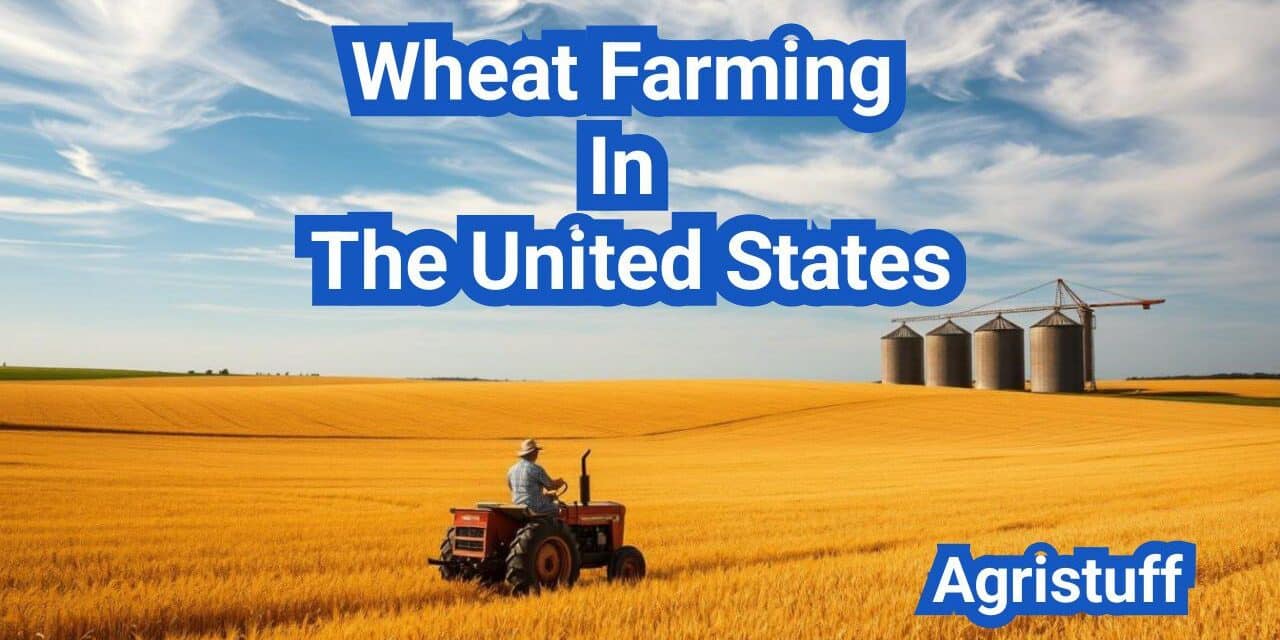
Wheat farming is a vital component of American agriculture, with the crop being grown in almost every state across the country. As one of the most widely grown grains, wheat plays a significant role in the nation’s crop production.
The importance of Wheat Farming In The United States extends beyond the agricultural sector, contributing to the country’s food security and economy. This article aims to provide an overview of wheat farming, guiding readers through its various aspects and processes.
Key Takeaways
- Wheat is grown in nearly every state in the United States.
- Wheat farming is a crucial part of American agriculture.
- The crop is a significant contributor to the nation’s food security.
- Wheat farming has economic implications for the country.
- The process of wheat farming involves various stages and techniques.
The History and Importance of Wheat in American Agriculture
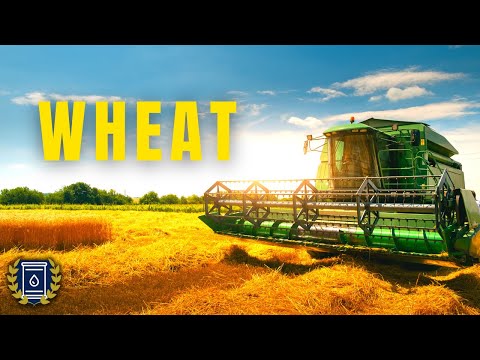
From its early beginnings to its current status as a major crop, wheat has played a pivotal role in shaping American agriculture. Wheat was first cultivated in New Spain by Afro-Spanish conquistador Juan Garrido in the 16th century, marking the beginning of a long history of wheat farming in the region that would eventually become the United States.
Historical Development of Wheat Cultivation in the US
The introduction of wheat to North America by early European settlers laid the groundwork for its widespread cultivation. Over time, advancements in agricultural technology and practices enabled wheat farming to expand across the continent. By the 19th century, the United States had established itself as a major wheat-producing nation, driven by the fertile lands of the Great Plains and the development of hardy wheat varieties.
Economic Significance of the Wheat Industry
The wheat industry is a significant contributor to the American economy, providing employment opportunities in farming, processing, and transportation. The export of wheat also plays a crucial role in the country’s trade balance, with the US being one of the world’s largest wheat exporters.
Current Production Statistics and Trends
Today, the United States produces a substantial amount of wheat, with the majority coming from the Great Plains region. According to recent statistics, the US wheat industry generates billions of dollars in revenue annually. Trends in wheat production are influenced by factors such as climate change, technological advancements, and market demand.
The evolution of wheat farming in the US is a testament to the country’s agricultural innovation and adaptability. As the industry continues to evolve, it remains a vital component of American agriculture and the national economy.
Understanding Different Types of Wheat Grown in the US

The US Department of Agriculture recognizes eight official classes of wheat, highlighting the complexity of wheat cultivation in the country. This classification is crucial for understanding the diverse types of wheat grown across different regions. The various classes of wheat are suited to different climatic conditions, soil types, and market demands.
Hard Red Winter Wheat
Hard Red Winter Wheat is one of the most widely grown types in the US, known for its high protein content and hard texture. It is primarily used for bread flour and is grown in the Great Plains region. This variety is well-suited to the cold winters and hot summers of the region.
Hard Red Spring Wheat
Hard Red Spring Wheat is another significant variety, grown mainly in the northern Great Plains. It has a high protein content, making it ideal for bread and specialty flours. The spring variety is planted in the spring and harvested in late summer.
Soft Red Winter Wheat
Soft Red Winter Wheat is grown in the eastern and southern US, where the climate is generally milder. It has a softer texture and lower protein content compared to hard red wheat, making it suitable for cakes, pastries, and other baked goods.
White Wheat Varieties
White Wheat Varieties are grown in various regions, including the Pacific Northwest. They are known for their mild flavor and soft texture, making them ideal for products like cakes, cookies, and pastries.
Durum Wheat
Durum Wheat is the hardest of all wheat types and is used primarily for making semolina flour, which is a key ingredient in pasta production. It is grown mainly in North Dakota and other parts of the northern Great Plains.
Selecting the Right Wheat Variety for Your Region
Choosing the appropriate wheat variety depends on several factors, including climate, soil type, and market demand. Farmers should consider these factors when deciding which type of wheat to plant. Consulting with local agricultural experts and understanding the specific needs of your region can help in making an informed decision.
Major Wheat Growing Regions in the United States

The US hosts diverse wheat-growing regions, each with unique characteristics that contribute to the country’s wheat production. These regions are crucial for the nation’s agricultural economy and food security.
The Great Plains Region
The Great Plains are renowned for their extensive wheat production, particularly hard red winter wheat. This region’s vast plains and suitable climate make it an ideal location for large-scale wheat farming.
The Pacific Northwest
The Pacific Northwest is another significant wheat-producing area, known for its soft white wheat. The region’s climate and irrigation systems support high-quality wheat production.
The Midwest and Eastern States
The Midwest and Eastern States also contribute to the country’s wheat production, with a focus on soft red winter wheat. These regions face different challenges, such as more variable weather conditions.
Regional Growing Challenges and Advantages
Each region faces its own set of challenges and advantages. For instance:
- The Great Plains benefit from vast land areas but face challenges like drought.
- The Pacific Northwest enjoys a favorable climate for certain wheat types but must manage water resources effectively.
- The Midwest and Eastern States deal with more unpredictable weather but have the advantage of being closer to major consumption centers.
Understanding these regional dynamics is crucial for optimizing wheat production and addressing the challenges faced by farmers across the US.
Assessing Climate and Soil Requirements for Successful Wheat Farming

Successful wheat farming in the United States hinges significantly on understanding and managing climate and soil requirements. Wheat is a crop that is sensitive to both climate and soil conditions, making it crucial for farmers to assess these factors carefully to achieve high yields.
Optimal Climate Conditions for Wheat
Wheat thrives in temperate climates with moderate temperatures and rainfall. Optimal climate conditions include cool winters and warm summers, with average temperatures ranging from 40°F to 75°F (4°C to 24°C). Adequate moisture, especially during the germination and grain-filling stages, is critical.
Soil Types and Preparation
The type of soil and its preparation play a significant role in wheat cultivation. Wheat can be grown on a variety of soils, but well-draining, fertile soils with good structure are preferred. Soil preparation involves tillage to loosen the soil, remove weeds, and prepare a smooth seedbed.
pH Levels and Nutrient Requirements
Wheat has specific pH and nutrient requirements. The ideal pH range for wheat is between 6.0 and 7.0. Soil testing is essential to determine the pH and nutrient levels, including nitrogen, phosphorus, and potassium.
Conducting Proper Soil Tests
Soil testing is a critical step in assessing the suitability of the soil for wheat cultivation. It helps in identifying nutrient deficiencies and pH levels, enabling farmers to apply the necessary amendments. Regular soil testing can improve soil health and fertility, leading to better wheat yields.
By understanding and managing climate and soil requirements, wheat farmers in the U.S. can optimize their farming practices to achieve higher productivity and sustainability.
Essential Equipment and Tools for Wheat Farming

Modern wheat farming is highly mechanized, relying on a variety of equipment for different stages of cultivation. The right machinery not only improves efficiency but also significantly impacts the overall yield and quality of the wheat.
Tractors and Tillage Equipment
Tractors are the backbone of wheat farming operations, providing the power needed for various tasks. Tillage equipment, such as plows and cultivators, is used to prepare the soil for planting by loosening and aerating it.
Seeding and Planting Machinery
Precision planters and drills are crucial for evenly spacing seeds and achieving optimal germination rates. These machines help in reducing seed waste and ensuring uniform crop emergence.
Harvesting Equipment
Combines are the primary machines used for harvesting wheat. They cut the crop, separate the grain from the chaff, and collect the grain in a tank. Modern combines are highly efficient and can significantly reduce labor costs.
Storage Solutions
After harvesting, proper storage is essential to maintain grain quality. Grain bins and silos are commonly used for storing wheat. They protect the grain from moisture and pests.
Equipment Maintenance and Upkeep
Regular maintenance of farming equipment is vital to ensure it operates efficiently and lasts longer. This includes routine checks, lubrication of moving parts, and timely replacement of worn-out components.
Key maintenance tasks include:
- Regularly cleaning equipment to prevent clogging and damage
- Checking and replacing worn-out parts
- Lubricating moving parts to reduce friction
- Storing equipment properly when not in use
By investing in the right equipment and maintaining it properly, wheat farmers can improve their productivity and profitability.
Wheat Farming In The United States: A Step-by-Step Planting Guide

A successful wheat farming operation in the US begins with understanding the intricacies of the planting process. Planting wheat is a critical step that significantly influences the yield and quality of the crop. This guide will walk you through the essential steps to ensure a successful wheat planting season.
Determining the Optimal Planting Time
The optimal planting time for wheat varies depending on the region and type of wheat. Winter wheat, for instance, is typically planted in the fall, about 6 to 8 weeks before the first frost. This allows the wheat to establish itself before winter. Spring wheat, on the other hand, is planted as soon as the soil can be worked in the spring.
Seed Selection and Treatment
Selecting the right seed variety is crucial for a successful wheat crop. Factors to consider include disease resistance, yield potential, and adaptability to local climate conditions. Seed treatment can also enhance crop establishment by protecting against pests and diseases.
| Seed Variety | Disease Resistance | Yield Potential |
|---|---|---|
| Hard Red Winter | High | 80 bu/acre |
| Soft Red Winter | Medium | 70 bu/acre |
| Spring Wheat | High | 60 bu/acre |
Planting Techniques and Depth Considerations
The depth at which wheat is planted can significantly affect its emergence and establishment. Generally, wheat should be planted between 1 to 2 inches deep. Planting too deep can lead to poor emergence, while planting too shallow may result in inadequate moisture for germination.
Seeding Rates and Spacing
Seeding rates vary based on the type of wheat, soil conditions, and regional practices. A common seeding rate for winter wheat is between 1.2 to 1.8 million seeds per acre. Proper spacing between rows is also important for optimal growth and yield.
Troubleshooting Common Planting Issues
Common issues during planting include uneven emergence, poor stand establishment, and seedling diseases. These can often be mitigated by ensuring proper seedbed preparation, using high-quality seed, and applying appropriate seed treatments.
Effective Fertilization Strategies for Wheat Crops

Effective fertilization strategies are essential for maximizing wheat production. Fertilization plays a critical role in ensuring the health and yield of wheat crops.
Pre-Planting Fertilization
Pre-planting fertilization is a crucial step in wheat crop management. It involves applying fertilizers before planting to provide the necessary nutrients for seedling establishment and early growth. Nitrogen, phosphorus, and potassium are key nutrients applied during this stage.
In-Season Nutrient Management
In-season nutrient management involves monitoring and adjusting nutrient levels during the growing season. This approach ensures that wheat crops receive the necessary nutrients at the right time to optimize yield and quality.
| Nutrient | Role in Wheat Production |
|---|---|
| Nitrogen | Promotes leaf growth and development |
| Phosphorus | Essential for root development and seed formation |
| Potassium | Helps with overall plant health and resistance to disease |
Organic vs. Conventional Fertilization Approaches
Wheat farmers can choose between organic and conventional fertilization methods. Organic approaches use natural materials, while conventional methods rely on synthetic fertilizers.
Recognizing Nutrient Deficiencies in Wheat
Nutrient deficiencies can significantly impact wheat yields. Visual symptoms, such as yellowing leaves or stunted growth, can indicate nutrient deficiencies. Regular soil testing and crop monitoring are essential for identifying and addressing these issues.
Irrigation Methods and Water Management

Wheat farmers in the US employ various irrigation strategies to optimize water use and crop performance. Effective irrigation is crucial for maintaining healthy wheat crops, especially in regions with limited rainfall.
Dryland Farming Techniques
Dryland farming is a technique used in areas with low rainfall, relying on moisture conservation and soil management. This method involves using drought-resistant wheat varieties and conservation tillage to minimize soil disturbance and retain moisture.
Irrigation Systems for Wheat
Different irrigation systems are used for wheat farming, including sprinkler and drip irrigation. These systems deliver water directly to the roots, reducing evaporation and runoff. The choice of irrigation system depends on factors like soil type, topography, and water availability.
Water Conservation Strategies
Water conservation is essential in wheat farming, particularly in water-scarce regions. Strategies include using mulching and cover cropping to reduce soil moisture loss.
Monitoring Soil Moisture Levels
Monitoring soil moisture is critical for efficient irrigation management. Techniques such as using soil moisture sensors help farmers determine the optimal time for irrigation, ensuring that wheat crops receive the right amount of water.
Weed Control and Management in Wheat Fields

Effective weed management is crucial for maintaining healthy wheat fields. Weeds compete with wheat crops for water, nutrients, and light, potentially leading to significant yield reductions.
Common Weeds Affecting Wheat Crops
Wheat fields are often infested with various weed species. Some of the most common include wild oats, cheatgrass, and various broadleaf weeds like kochia and pigweed.
| Weed Species | Impact on Wheat Yield | Control Methods |
|---|---|---|
| Wild Oats | Significant yield loss | Herbicides, crop rotation |
| Cheatgrass | Reduces crop quality | Pre-emergent herbicides, fallowing |
| Kochia | Competes for resources | Post-emergent herbicides, tillage |
Chemical Weed Control Methods
Chemical control is a common approach to managing weeds in wheat fields. Herbicides are available for both pre-planting and post-emergence applications.
Mechanical and Cultural Weed Management
In addition to chemical control, mechanical and cultural methods play a crucial role in weed management. Techniques include tillage, crop rotation, and the use of competitive wheat varieties.
Creating an Effective Weed Management Plan
An effective weed management plan involves a combination of these strategies. Farmers should monitor their fields regularly, identify weed species, and choose the most appropriate control methods.
By integrating multiple control methods and staying vigilant, wheat farmers can minimize the impact of weeds on their crops.
Identifying and Managing Wheat Diseases and Pests

Effective disease and pest management are essential for wheat production. Wheat diseases and pests can cause significant yield losses if not properly managed. Understanding the common diseases and pests affecting wheat crops is crucial for implementing effective control measures.
Common Wheat Diseases in the US
Wheat crops in the US are susceptible to various diseases, including rust diseases and Fusarium Head Blight. These diseases can significantly impact crop yields and quality.
Rust Diseases and Their Management
Rust diseases, including stem rust, leaf rust, and stripe rust, are significant threats to wheat crops. Management strategies include using resistant varieties, applying fungicides, and practicing good agricultural practices to reduce disease pressure.
Fusarium Head Blight Prevention
Fusarium Head Blight (FHB) is a devastating disease that can lead to significant yield losses and mycotoxin contamination. Prevention strategies include planting resistant varieties, using fungicides, and managing crop residues.
Insect Pests and Their Control
Wheat crops are also affected by various insect pests, including aphids, Hessian flies, and wheat stem sawflies. Control measures include using insecticides, practicing cultural controls, and planting resistant varieties.
| Pest/Disease | Control Measures | Resistant Varieties |
|---|---|---|
| Rust Diseases | Fungicides, Good Agricultural Practices | Available |
| Fusarium Head Blight | Fungicides, Residue Management | Available |
| Aphids | Insecticides, Cultural Controls | Available |
Integrated Pest Management Strategies
Integrated Pest Management (IPM) involves combining multiple control measures to manage pests and diseases effectively. IPM strategies for wheat include using resistant varieties, applying pesticides judiciously, and practicing cultural controls.
Disease Resistant Varieties
Planting disease-resistant varieties is a crucial component of wheat disease management. Resistant varieties can significantly reduce the need for fungicides and other control measures, improving crop sustainability and reducing environmental impact.
Harvesting Techniques and Timing

Wheat harvesting is a critical phase in wheat production, requiring precise timing and appropriate methods. The success of this process directly impacts the yield and quality of the grain.
Determining Harvest Readiness
To determine if the wheat is ready for harvest, farmers typically check for signs such as the change in color of the wheat heads, the hardness of the kernels, and the moisture content. The ideal moisture content for harvesting usually ranges between 13% and 20%, depending on the storage facilities available.
Combine Harvesting Methods
Combine harvesters are the most common equipment used for wheat harvesting in the United States. These machines cut the wheat stalks, separate the grains from the chaff and straw, and collect the grain. Modern combines are equipped with advanced technology, including GPS and yield monitors, to optimize the harvesting process.
Post-Harvest Field Management
After harvesting, proper field management is crucial. This includes removing or incorporating crop residues, assessing soil conditions for the next crop, and planning for soil conservation measures if necessary.
Minimizing Harvest Losses
To minimize losses during harvesting, farmers should ensure that their equipment is well-maintained, adjust combine settings according to the crop conditions, and monitor the harvesting process closely. Losses can occur due to improper cutting height, threshing, or separation.
| Harvest Practice | Description | Benefit |
|---|---|---|
| Optimal Cutting Height | Adjusting the combine to cut at the right height | Reduces grain loss |
| Proper Threshing | Ensuring the threshing mechanism is correctly set | Improves grain separation |
| Effective Separation | Adjusting settings for optimal grain separation | Maximizes grain recovery |
By focusing on these aspects, wheat farmers can improve their harvesting efficiency and reduce losses, ultimately contributing to a successful wheat farming operation.
Post-Harvest Handling and Storage

The period after harvesting is critical for wheat farmers, as proper handling and storage directly impact grain quality. Proper post-harvest handling and storage are essential for maintaining the quality and quantity of the wheat crop.
Cleaning and Drying Wheat
After harvesting, wheat needs to be cleaned to remove any debris or impurities. This process involves using machinery to separate the wheat grains from chaff and other materials. Drying is also crucial to reduce the moisture content to a level that prevents spoilage during storage. Moisture control is key to preventing mold and insect infestations.
Storage Facilities and Conditions
Wheat storage facilities should be clean, dry, and well-ventilated to maintain grain quality. The storage containers or silos should be inspected regularly for any signs of damage or wear. Aeration systems can help in maintaining uniform temperature and moisture levels throughout the stored grain.
Preventing Storage Pests and Diseases
To prevent storage pests and diseases, farmers should implement integrated pest management strategies. This includes using pest-resistant storage containers, maintaining cleanliness, and monitoring for signs of infestation. Regular inspections are crucial for early detection and management of potential issues.
Monitoring Stored Grain Quality
Regular monitoring of stored grain is essential to detect any changes in quality or signs of pest infestation. This involves checking temperature, moisture levels, and looking for visible signs of damage or spoilage.
“Regular checks on stored grain can significantly reduce losses due to pests and diseases.”
By maintaining high-quality storage conditions, farmers can ensure their wheat remains marketable and profitable.
Marketing and Selling Your Wheat Crop
Effective marketing and sales strategies are crucial for wheat farmers to maximize their profits in a competitive market. Understanding the intricacies of wheat marketing is essential for making informed decisions about crop sales.
Understanding Wheat Markets and Pricing
Wheat markets are influenced by various factors, including global demand, weather conditions, and government policies. Farmers need to stay informed about these factors to make strategic decisions about when and how to sell their wheat.
Direct Marketing vs. Elevator Sales
Wheat farmers have the option to sell their crops directly to buyers or through grain elevators. Direct marketing can offer higher returns, but it also requires more effort and resources to find buyers and negotiate prices.
| Marketing Strategy | Advantages | Disadvantages |
|---|---|---|
| Direct Marketing | Potential for higher returns, control over sales process | Requires more effort, resources to find buyers |
| Elevator Sales | Convenient, less effort required | Lower returns, less control over sales process |
Contracts and Forward Selling
Using contracts and forward selling can help wheat farmers manage risk and secure prices for their crops. These strategies allow farmers to lock in prices before harvest, providing more stability in volatile markets.
Developing a Marketing Plan
A well-developed marketing plan is crucial for wheat farmers to achieve their financial goals. This plan should include market analysis, pricing strategies, and sales tactics tailored to the farmer’s specific operation and market conditions.
Sustainable and Regenerative Wheat Farming Practices
As concerns about environmental impact grow, sustainable wheat farming is becoming increasingly important. The agricultural sector is witnessing a significant shift towards practices that not only reduce the environmental footprint but also enhance the overall sustainability of wheat production.
Cover Cropping and Crop Rotation
Cover cropping and crop rotation are fundamental practices in sustainable wheat farming. These methods help in maintaining soil health, reducing erosion, and improving biodiversity. By rotating crops, farmers can break disease and pest cycles, reducing the need for chemical interventions. “Crop rotation is a powerful tool for maintaining soil fertility and structure,” notes an agricultural expert.
Reduced Tillage Methods
Reduced tillage methods minimize soil disturbance, preserving soil organic matter and reducing erosion. This approach also helps in sequestering carbon in the soil, contributing to climate change mitigation. Conservation tillage is a technique that has gained popularity among wheat farmers for its environmental benefits.
Organic Wheat Production
Organic wheat production involves avoiding the use of synthetic fertilizers and pesticides, relying instead on natural processes to control pests and diseases. This method not only produces healthier crops but also contributes to a more sustainable agricultural ecosystem.
Climate-Smart Farming Approaches
Climate-smart farming involves practices that help farmers adapt to climate change. This includes using drought-resistant varieties, improving water management, and implementing conservation agriculture. By adopting climate-smart practices, wheat farmers can reduce the risks associated with climate variability.
Economic Benefits of Sustainable Practices
Adopting sustainable and regenerative practices can have significant economic benefits for wheat farmers. These practices can lead to improved soil health, reduced input costs, and potentially higher yields over time. Moreover, sustainable produce often commands a premium price in the market, enhancing the economic viability of these farming methods.
In conclusion, sustainable and regenerative wheat farming practices are crucial for the long-term viability of wheat production in the US. By embracing these practices, farmers can contribute to a more sustainable agricultural sector while maintaining the economic health of their operations.
Building a Successful Wheat Farming Operation
Building a successful wheat farming operation requires careful planning, effective management, and the adoption of best practices. By understanding the history and importance of wheat in American agriculture, farmers can make informed decisions about their wheat farming operation.
Key factors such as selecting the right type of wheat, preparing the soil, and managing crops effectively contribute to a successful wheat farming operation. Additionally, staying up-to-date with the latest techniques and technologies in wheat farming can help farmers optimize their yields and improve their bottom line.
Successful wheat farming also involves being mindful of environmental sustainability and adopting practices that minimize the impact on the environment. By combining these elements, farmers can build a thriving wheat farming operation that is both profitable and sustainable.
Ultimately, a well-planned and well-managed wheat farming operation is crucial for achieving success in the wheat farming industry. By following the guidelines and best practices outlined in this article, farmers can set themselves up for success and build a prosperous wheat farming operation.
FAQ
What are the main types of wheat grown in the United States?
The main types of wheat grown in the US are Hard Red Winter Wheat, Hard Red Spring Wheat, Soft Red Winter Wheat, White Wheat Varieties, and Durum Wheat.
What are the optimal climate conditions for wheat farming?
Wheat farming requires temperate climates with adequate moisture, moderate temperatures, and sufficient sunlight. Optimal climate conditions vary depending on the type of wheat being grown.
How do I determine the best wheat variety for my region?
To determine the best wheat variety for your region, consider factors such as climate, soil type, and disease resistance. Consult with local agricultural experts and review regional wheat production guides.
What are the key factors in preparing soil for wheat farming?
Preparing soil for wheat farming involves assessing soil type, pH levels, and nutrient requirements. Soil testing is essential to determine the necessary amendments and fertilizers.
What equipment is necessary for wheat farming?
Essential equipment for wheat farming includes tractors, tillage equipment, seeding and planting machinery, harvesting equipment, and storage solutions.
How do I manage weeds in my wheat fields?
Weed management in wheat fields involves identifying common weeds, using chemical or mechanical control methods, and implementing cultural practices such as crop rotation and sanitation.
What are the most common wheat diseases in the US?
Common wheat diseases in the US include powdery mildew, rust, and fusarium head blight. Disease management involves using resistant varieties, crop rotation, and fungicides.
How do I determine harvest readiness for wheat?
Harvest readiness is determined by assessing wheat maturity, moisture content, and kernel dryness. Combine harvesting methods and timing vary depending on the wheat type and regional conditions.
What are the best practices for storing wheat?
Best practices for storing wheat include cleaning and drying the grain, using suitable storage facilities, and monitoring grain quality to prevent pests and diseases.
How can I market and sell my wheat crop effectively?
Effective marketing and sales strategies for wheat crops involve understanding wheat markets and pricing, considering direct marketing or elevator sales, and using contracts and forward selling.
What are the benefits of adopting sustainable and regenerative wheat farming practices?
Sustainable and regenerative wheat farming practices, such as cover cropping, reduced tillage, and organic production, can improve soil health, reduce environmental impact, and increase crop resilience.
How can I manage irrigation for wheat farming?
Irrigation management for wheat farming involves using dryland farming techniques, irrigation systems, and water conservation strategies to optimize water use and reduce waste.
What fertilization strategies are effective for wheat crops?
Effective fertilization strategies for wheat crops include pre-planting fertilization, in-season nutrient management, and choosing between organic and conventional fertilization approaches based on soil testing and crop requirements.
Conclusion of: Wheat Farming In The United States
Wheat Farming In The United States: Why It Matters
Wheat Farming In The United States plays a crucial role in feeding both Americans and consumers around the world, providing the grain used to make bread, pasta, tortillas, cereals, and many other everyday foods. In most years, Wheat Farming In The United States ranks just behind corn and soybeans in terms of planted area and production value, making it a cornerstone of American field-crop agriculture.
From family-owned operations in the Great Plains to large diversified farms in the Pacific Northwest, Wheat Farming In The United States supports rural jobs, local grain elevators, and flour mills that anchor regional economies. For anyone exploring crop options, understanding how Wheat Farming In The United States works—its scale, economics, and environmental footprint—is an important first step. USDA ERS wheat overview.
Key Regions for Wheat Farming In The United States
Because the country spans many climate zones, Wheat Farming In The United States occurs in nearly every state, but production is concentrated in the “Wheat Belt” that stretches from Texas through Oklahoma and Kansas into Nebraska, South Dakota, North Dakota, and Montana, as well as parts of the Pacific Northwest like Washington and Oregon.
In these regions, Wheat Farming In The United States benefits from large areas of semi-arid land with cool seasons that suit winter and spring wheat. Kansas and North Dakota often trade places as leading wheat states by harvested acres and total bushels, reflecting the dominance of Wheat Farming In The United States in the central and northern Great Plains. Farmers in the eastern U.S. also include Wheat Farming In The United States in rotations with corn and soybeans, though on a smaller scale. USDA NASS crop statistics.
Wheat Classes and End Uses in Wheat Farming In The United States
One of the most distinctive features of Wheat Farming In The United States is the diversity of wheat classes that farmers can grow. Six major classes—Hard Red Winter, Hard Red Spring, Soft Red Winter, Soft White, Hard White, and Durum—allow Wheat Farming In The United States to serve many end uses, from pan breads to cookies and pasta. Hard Red Winter, mostly grown in the central Great Plains, is the workhorse of Wheat Farming In The United States for bread flour, while Hard Red Spring from the northern Plains provides high-protein grain for specialty and artisan breads.
Soft Red Winter from the eastern states fits cookies, cakes, and crackers; Soft White from the Pacific Northwest is valued for noodles and pastries; Durum from northern states underpins the U.S. pasta industry. Choosing which class to plant is therefore a strategic marketing decision in Wheat Farming In The United States. U.S. Wheat Associates – wheat classes.
Climate and Soils for Successful Wheat Farming In The United States
Most successful Wheat Farming In The United States takes place where winters are cold enough to support winter wheat vernalization or where spring seasons are long and cool enough for spring wheat to fill grain. Wheat prefers moderate temperatures during tillering and grain filling, and Wheat Farming In The United States is typically centered on well-drained loam or silt-loam soils with good water-holding capacity.
In drier parts of the Plains and West, Wheat Farming In The United States relies heavily on moisture conservation through residue management and reduced tillage, while in more humid eastern regions, drainage and soil structure become more important. Maintaining soil organic matter, minimizing compaction, and managing erosion are long-term priorities that help Wheat Farming In The United States remain productive even under weather stress. NRCS – soil health basics.
Land Preparation and Planting in Wheat Farming In The United States
Land preparation for Wheat Farming In The United States usually begins right after the preceding crop is harvested, when farmers manage residues and prepare a firm, weed-free seedbed. Many growers have shifted to conservation tillage or no-till systems in Wheat Farming In The United States to protect soil structure, save fuel, and conserve moisture.
In winter wheat regions, Wheat Farming In The United States typically involves seeding in late summer or early autumn so that plants establish, tiller, and then go dormant through winter before resuming growth in spring. In spring wheat areas, Wheat Farming In The United States requires early planting to capture cool soils and long daylength. Seeding depth, row spacing, planting date, and seeding rate are key management levers that influence stand establishment and yield potential in Wheat Farming In The United States. South Dakota State Extension – wheat production BMPs.
Variety Selection in Wheat Farming In The United States
Variety selection can make or break Wheat Farming In The United States because it affects yield potential, disease resistance, winter hardiness, straw strength, and end-use quality. Land-grant universities run replicated variety trials across multiple locations so that farmers can see how different varieties perform under real-world conditions.
In Kansas, for example, Wheat Farming In The United States is supported by Hard Red Winter varieties that balance drought tolerance with resistance to leaf rust, stripe rust, and other diseases. In the Pacific Northwest, Wheat Farming In The United States depends more on Soft White varieties that offer good standability, grain quality, and adaptation to higher-rainfall or irrigated environments. By studying trial results and working with extension agronomists, growers can match varieties to their soils, climate, and disease pressures, making Wheat Farming In The United States more resilient and profitable. Kansas State University – wheat production resources.
Fertility and Soil Health Management in Wheat Farming In The United States
Thoughtful nutrient management is central to Wheat Farming In The United States because it directly influences yield and grain protein. Wheat responds strongly to nitrogen, but over-application in Wheat Farming In The United States can lead to lodging, disease pressure, and unnecessary costs. Farmers typically base nitrogen rates on realistic yield goals, soil test results, and previous crop history, sometimes using split applications to match crop demand.
Phosphorus and potassium must also be balanced, especially in low-testing or highly weathered soils where Wheat Farming In The United States might otherwise suffer from poor root growth or weak stands. Integrating cover crops, crop rotations, and organic amendments can gradually improve soil structure and biological activity, allowing Wheat Farming In The United States to use nutrients and water more efficiently over time. USDA ERS – wheat production and cost studies.
Weed, Pest, and Disease Control in Wheat Farming In The United States
Protecting yield from weeds, insects, and diseases is an ongoing challenge in Wheat Farming In The United States. Weeds compete for light, nutrients, and moisture, so Wheat Farming In The United States often combines sound crop rotations, competitive varieties, narrow row spacing, and herbicides with different modes of action to limit resistance. Diseases such as leaf rust, stripe rust, powdery mildew, and Fusarium head blight can cause serious losses in Wheat Farming In The United States, particularly in humid or high-rainfall environments.
Using resistant varieties, seed treatments, fungicide applications timed to growth stage, and residue management are key tools in integrated pest management. In addition, Wheat Farming In The United States must manage insect pests like aphids, Hessian fly, and wheat stem sawfly through scouting, thresholds, and cultural controls. University of Arkansas Extension – wheat integrated pest management.
Water Use and Irrigation in Wheat Farming In The United States
Although much of Wheat Farming In The United States is rain-fed, irrigation is common in parts of the High Plains and western states where rainfall is limited or variable. In these regions, Wheat Farming In The United States depends on careful irrigation scheduling that takes into account soil moisture, crop growth stage, and local water availability.
Farmers often use soil moisture probes, evapotranspiration estimates, and historical weather data to plan irrigation events and minimize waste. Conservation practices such as residue retention, reduced tillage, and improved irrigation systems—like low-pressure pivots or drip—help Wheat Farming In The United States use water more efficiently while protecting aquifers and surface streams. As water regulations tighten and drought events become more frequent, efficient water management is becoming a defining factor for sustainable Wheat Farming In The United States. NRCS – conservation basic practices.
Harvest, Storage, and Grain Quality in Wheat Farming In The United States
As harvest approaches, timing and grain handling become critical steps in Wheat Farming In The United States. Harvesting too early can reduce test weight and increase drying costs, while waiting too long increases the risk of shattering, sprouting, and weather damage. Many farmers target a moisture range that balances field-drying with safe storage conditions so that Wheat Farming In The United States delivers a marketable product with minimal dockage.
After harvest, proper cleaning, aeration, and regular monitoring of temperature and moisture in grain bins are essential to preserve quality. U.S. grain handlers rely on official grading standards, so Wheat Farming In The United States must meet specifications for test weight, foreign material, damage, and other factors that determine grade and price. USDA AMS – wheat grades and standards.
Markets, Prices, and Trade in Wheat Farming In The United States
The economic success of Wheat Farming In The United States is deeply tied to domestic and international markets. In most years, U.S. farmers export a significant share of their wheat while the rest supports flour mills, livestock feeders, and seed needs at home. Because global wheat prices respond to weather, geopolitical events, currency movements, and competition from other exporting countries, Wheat Farming In The United States faces considerable price volatility.
Many producers use forward contracts, hedging strategies, crop insurance, and diversified cropping systems to manage risk. Understanding how world wheat stocks, trade flows, and policy decisions influence prices helps farmers make informed marketing decisions and keep Wheat Farming In The United States profitable across different price cycles. USDA ERS – wheat sector at a glance.
Sustainability and Conservation in Wheat Farming In The United States
Sustainability is increasingly at the center of Wheat Farming In The United States as buyers, consumers, and policymakers pay more attention to soil health, water quality, and greenhouse gas emissions. Many wheat growers are adding cover crops, extending crop rotations, and reducing tillage intensity to control erosion and build soil organic matter.
These conservation practices help Wheat Farming In The United States improve water infiltration, reduce runoff, and make fields more resilient to droughts and heavy rain events. Government cost-share programs and private supply-chain initiatives can help offset transition costs, turning conservation into a business opportunity for Wheat Farming In The United States. Over time, healthier soils can also support more stable yields and lower input needs, strengthening both environmental and economic performance. U.S. Wheat Associates – conservation in U.S. wheat farming.
Climate Change and Risk Management in Wheat Farming In The United States
Climate change introduces new risks and uncertainties for Wheat Farming In The United States, including shifts in temperature patterns, changes in rainfall timing, and more frequent extreme weather events. Higher temperatures during grain filling, episodes of heat stress, and altered disease and insect pressure can all affect yields and quality in Wheat Farming In The United States.
To adapt, farmers are experimenting with adjusted planting dates, drought-tolerant and disease-resistant varieties, diversified rotations, and improved soil and water management. Crop insurance and revenue protection programs provide financial backstops that help Wheat Farming In The United States cope with years of severe drought or storms. By planning ahead, tracking weather trends, and working with advisors, growers can make Wheat Farming In The United States more resilient to climate-related challenges. EPA – climate impacts on agriculture.
Technology and Innovation in Wheat Farming In The United States
Rapid innovation is reshaping Wheat Farming In The United States through precision agriculture, digital tools, and new biological products. GPS guidance, yield monitors, soil maps, and variable-rate technologies allow farmers to fine-tune seeding, fertilization, and crop protection across fields. As data accumulate, Wheat Farming In The United States can rely on farm management software, satellite imagery, and drones to monitor crop health, spot nutrient deficiencies, and identify disease outbreaks before they spread.
Some growers are also testing biological seed treatments, microbial inoculants, and decision-support models developed through public–private partnerships. While adoption varies by farm size and region, these innovations help Wheat Farming In The United States reduce input costs, protect the environment, and improve long-term profitability. USDA ERS – precision agriculture.
Programs and Support for New Entrants to Wheat Farming In The United States
For beginning farmers, the capital needs of Wheat Farming In The United States—land, machinery, storage, and operating funds—can be daunting. To lower barriers, federal and state programs offer targeted support through loans, cost-share assistance, and technical training. New producers interested in Wheat Farming In The United States can explore beginning-farmer loans, microloans, and conservation programs that help finance conservation practices and infrastructure.
Extension services, farmer networks, and mentorship programs provide practical guidance on budgeting, marketing, and risk management. By combining financial tools with hands-on education, these resources make it more realistic for a new generation to enter Wheat Farming In The United States and keep rural communities vibrant. USDA Farmers.gov – beginning farmers.
Final thought
When viewed as a whole system, Wheat Farming In The United States connects climate, soils, technology, conservation, and markets into a single enterprise that feeds millions of people every day. Farmers who invest in soil health, stay informed about new varieties and technologies, and use data to guide decisions are better positioned to keep Wheat Farming In The United States productive and resilient over the long term.
By tapping into extension services, USDA resources, and peer networks, growers can continuously improve their management and respond to changing market and climate conditions. Whether you are managing thousands of acres on the Great Plains or considering wheat as part of a diversified operation, a thoughtful, informed approach is the best way to succeed in Wheat Farming In The United States. Learn more about the U.S. wheat sector.
Sources & References
- USDA Economic Research Service – Wheat
- USDA ERS – Wheat sector at a glance
- USDA National Agricultural Statistics Service – main site
- U.S. Wheat Associates – Classes of U.S. Wheat
- USDA NRCS – Soil health overview
- South Dakota State University Extension – Wheat best management practices
- Kansas State University Agronomy – Wheat production
- University of Arkansas Extension – Wheat resources
- U.S. Wheat Associates – Conservation practices in wheat
- USDA Farmers.gov – Beginning farmers