The US is home to a thriving agricultural industry, with vegetable farming playing a vital role in the country’s food production.
According to the USDA, there were 69,452 farms producing vegetables in the US in 2022, highlighting the significance of this sector in US agriculture.
As the demand for fresh produce continues to grow, understanding the current state of farming trends is crucial for aspiring farmers and industry professionals alike.
Key Takeaways
- The US is a significant producer of vegetables, with a large number of farms contributing to the industry.
- The USDA provides valuable data and insights on the current state of vegetable farming in the US.
- Understanding farming trends is essential for success in the industry.
- Vegetable farming plays a vital role in the US agricultural industry.
- The industry is expected to continue growing, driven by demand for fresh produce.
The Current State of Vegetable Farming In The United States

The current state of vegetable farming in the US is characterized by its substantial economic impact. The total value of US vegetable sales was $28.2 billion in 2022, with California accounting for 41% of the total sales. This significant contribution highlights the importance of vegetable farming in the country’s agricultural economy.
Economic Impact and Market Size
The vegetable farming industry has a considerable market size, driven by consumer demand for fresh produce. The industry’s economic impact extends beyond the farm gate, supporting a wide range of businesses involved in processing, distribution, and retail.
Key Production Statistics
In 2022, the US vegetable production was valued at over $12 billion for fresh market sales alone. The top vegetable crops included lettuce, broccoli, and tomatoes, with significant production volumes coming from states like California, Florida, and Georgia.
Employment and Labor Force
The vegetable farming sector is a significant employer in rural areas, with a substantial labor force involved in planting, maintaining, and harvesting crops. The industry faces challenges related to labor availability and immigration policies affecting workforce stability.
Major Vegetable Crops and Production Regions
The US is a major producer of a variety of vegetables, with different regions specializing in different crops. Major crops include leafy greens, tomatoes, and root vegetables, with key production regions found in California, the Pacific Northwest, and Florida.
Trends Shaping the Industry
The vegetable farming industry is influenced by several trends, including changing consumer preferences for organic and locally grown produce, advancements in farming technology, and the challenges posed by climate change. Farmers are adapting to these trends by adopting sustainable practices and diversifying their crops.
Essential Planning for Aspiring Vegetable Farmers

For those looking to start a vegetable farm, essential planning involves assessing resources, creating a business plan, and understanding initial investment requirements. Aspiring farmers must consider several critical factors to ensure the success and sustainability of their venture.
Assessing Your Resources and Capabilities
Before diving into vegetable farming, it’s crucial to evaluate your available resources and capabilities. This assessment includes examining the land you have available, your financial situation, and your access to necessary equipment and labor.
Land Requirements
The quality and quantity of land are vital for vegetable farming. The land should be suitable for the type of vegetables you plan to grow, with adequate soil quality, drainage, and sunlight exposure. Acreage requirements will vary depending on the scale of your operation and the crops you choose.
Capital Investment Needs
Starting a vegetable farm requires significant capital investment. According to recent data, the average production expenses for farms specializing in vegetable production were $523,790 in 2022. This includes costs for seeds, fertilizers, equipment, labor, and other operational expenses.
| Expense Category | Average Cost |
|---|---|
| Seeds and Planting Materials | $50,000 |
| Fertilizers and Chemicals | $70,000 |
| Labor Costs | $150,000 |
| Equipment and Machinery | $100,000 |
| Other Operational Expenses | $153,790 |
| Total Average Production Expenses | $523,790 |
Creating a Viable Business Plan
A well-structured business plan is essential for securing funding and guiding your farming operation. It should outline your production goals, marketing strategies, financial projections, and operational plans. As noted by agricultural experts,
“A good business plan is the roadmap to success in farming, helping you navigate challenges and capitalize on opportunities.”
Understanding Initial Investment Requirements
Understanding the initial investment required for vegetable farming is critical for budgeting and financial planning. This includes not only the direct costs like seeds and equipment but also indirect costs such as marketing and distribution.
By carefully assessing your resources, creating a comprehensive business plan, and understanding your initial investment needs, you can set your vegetable farming venture on the path to success.
Selecting the Optimal Location for Your Farm

Selecting an optimal location is a critical decision for aspiring vegetable farmers. The top five states for vegetable harvested acres in 2022 were California, Florida, Washington, Idaho, and Arizona, highlighting the diverse climatic and geographical conditions across the United States.
Climate Considerations Across US Regions
The climate varies significantly across different regions in the US, impacting the suitability of various areas for vegetable farming. For instance, the warm climate in states like Florida and California allows for a wide range of vegetables to be grown year-round, while colder regions like parts of Washington and Idaho have more limited growing seasons.
Soil Quality Assessment
Soil quality is another crucial factor in determining the suitability of a location for vegetable farming. It involves assessing the soil’s texture, structure, and nutrient content.
Conducting Basic Soil Tests
Basic soil tests can provide valuable information about the soil’s pH level, nutrient content, and presence of contaminants. These tests are essential for understanding the soil’s potential and limitations for growing various vegetables.
Interpreting Test Results
Interpreting the results of soil tests requires understanding how different vegetables have different soil requirements. For example, some vegetables prefer more acidic soils, while others thrive in more alkaline conditions.
Water Availability and Access
Water availability is a critical factor, as vegetable farming requires significant water resources, especially during dry periods. Access to reliable irrigation sources, such as rivers, lakes, or groundwater, is essential for maintaining crop health and productivity.
Farmers should assess the availability of water in their chosen location and consider implementing water conservation techniques to optimize water use.
Soil Preparation and Management Techniques

The foundation of a thriving vegetable farm lies in its soil preparation and management. Soil health is crucial for sustainable agriculture, and practices like cover cropping can significantly improve soil fertility, as reported by the USDA.
Soil Testing and Analysis
Before starting any soil preparation, it’s essential to conduct thorough soil testing and analysis. This process helps determine the soil’s nutrient content, pH level, and structure. Soil testing kits are available for farmers to assess their soil’s condition accurately.
Soil analysis can reveal deficiencies in nutrients such as nitrogen, phosphorus, and potassium. Based on the test results, farmers can apply the necessary amendments to improve soil fertility.
Improving Soil Structure and Fertility
Improving soil structure and fertility is vital for optimal vegetable production. There are several methods to achieve this:
Organic Matter Incorporation
Incorporating organic matter such as compost or manure can enhance soil structure and fertility. Compost adds beneficial microbes to the soil, promoting a healthy ecosystem.
pH Adjustment Methods
Adjusting the soil pH is crucial for optimal nutrient availability. Most vegetables prefer a slightly acidic to neutral soil pH (around 6.0-7.0). Lime can be added to raise the pH, while sulfur can be used to lower it.
Cover Cropping and Crop Rotation Strategies
Cover cropping and crop rotation are effective strategies for maintaining soil health.
“Cover crops can reduce soil erosion, improve soil health, and increase biodiversity.”
Crop rotation helps break disease and pest cycles, improving overall soil fertility.
A well-planned crop rotation schedule can be as follows:
| Year | Crop | Benefit |
|---|---|---|
| 1 | Legumes | Nitrogen fixation |
| 2 | Brassicas | Pest control |
| 3 | Cereals | Soil structure improvement |
By implementing these soil preparation and management techniques, vegetable farmers can improve soil health, increase crop yields, and contribute to sustainable agriculture.
Choosing the Right Vegetables for Your Region
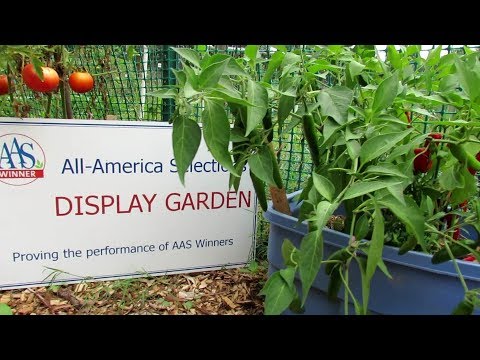
The key to a thriving vegetable farm lies in choosing crops that are well-suited to your local climate and region. The United States encompasses a wide range of climates and soil types, making it essential for farmers to understand which vegetables are most likely to succeed in their specific area.
Cold-Climate Vegetable Options
In colder regions, farmers can still grow a variety of vegetables. Cold-hardy crops such as kale, spinach, and carrots are excellent choices for areas with long winters.
Northeast and Midwest Varieties
The Northeast and Midwest regions are known for their cold winters and short growing seasons. Vegetables like Brussels sprouts, broccoli, and cabbage are well-suited to these conditions.
Cold-Hardy Crop Selection
When selecting cold-hardy crops, it’s crucial to choose varieties that are specifically bred for cold climates. These crops can withstand frost and continue to produce throughout the winter months.
Warm-Climate Vegetable Varieties
In warmer climates, a different set of vegetables thrives. Heat-loving crops like tomatoes, okra, and southern peas are ideal for regions with long growing seasons.
Southern and Western Region Options
The Southern and Western United States offer ideal conditions for growing a wide range of vegetables. Crops like eggplant, peppers, and squash are popular choices in these regions.
Year-Round Growing Possibilities
With the right techniques and planning, it’s possible to grow vegetables year-round, even in regions with challenging climates. Using season extension techniques like hoop houses or cold frames can help extend the growing season.
By understanding the specific needs and opportunities of your region, you can make informed decisions about which vegetables to grow, ensuring a successful and productive farm.
Essential Equipment and Infrastructure

The success of a vegetable farm depends heavily on the quality and appropriateness of its equipment and infrastructure. As labor costs continue to rise, according to USDA reports, efficient equipment and infrastructure become crucial for maintaining profitability. Vegetable farming requires a range of equipment and infrastructure, from basic tools to complex irrigation systems.
Basic Farming Tools and Machinery
The choice of farming tools and machinery depends on the scale of the operation. For small-scale farms, basic hand tools and small machinery are often sufficient.
Small-Scale Equipment
Small-scale equipment includes hand tools like hoes, rakes, and trowels, as well as small tractors and tillers. These tools are essential for tasks such as weeding, planting, and soil preparation.
Larger Operation Necessities
Larger operations require more substantial machinery, including larger tractors, planters, and harvesters. This equipment can significantly reduce labor costs and improve efficiency.
Irrigation Systems and Water Management
Effective irrigation is critical for vegetable farming. Drip irrigation and sprinkler systems are among the most common methods used.
Irrigation System Comparison
| Irrigation Method | Water Efficiency | Initial Cost |
|---|---|---|
| Drip Irrigation | High | Moderate to High |
| Sprinkler System | Moderate | Low to Moderate |
Storage and Processing Facilities
Adequate storage and processing facilities are vital for maintaining the quality of harvested vegetables. Cool storage facilities can extend the shelf life of produce.
By investing in the right equipment and infrastructure, vegetable farmers can improve efficiency, reduce costs, and enhance the quality of their produce. It’s essential to assess the specific needs of your farm and invest accordingly.
Planting Techniques and Best Practices

Effective planting techniques are crucial for a successful vegetable farming operation. The way vegetables are planted can significantly impact their growth, yield, and overall health.
Direct Seeding Methods
Direct seeding involves planting seeds directly into the field. This method is cost-effective and suitable for many vegetable crops.
Seed Spacing and Depth Guidelines
Proper seed spacing and depth are critical for optimal growth. Seeds planted too close together can lead to competition for resources, while those planted too deep may not germinate.
- Follow the recommended spacing guidelines for each vegetable variety.
- Plant seeds at the correct depth to ensure proper germination.
Transplanting Strategies
Transplanting involves growing seedlings in a nursery or greenhouse before moving them to the field. This method can give crops a head start on the growing season.
Hardening Off Process
Before transplanting, seedlings need to be hardened off to acclimate them to outdoor conditions.
Transplant Timing
The timing of transplanting is crucial. It should be done when the weather is favorable, and the seedlings are strong enough.
- Monitor weather forecasts to avoid transplanting during extreme weather conditions.
- Transplant seedlings when they have 2-3 sets of leaves.
Spacing and Timing Considerations
Proper spacing and timing are essential for maximizing yields and reducing disease susceptibility.
By following these best practices for planting techniques, vegetable farmers can improve crop yields and contribute to a more sustainable agricultural practice.
Effective Irrigation Methods for Vegetable Crops

Effective irrigation methods are essential for optimizing water use and ensuring healthy vegetable crops. The right irrigation technique can significantly impact crop yield, quality, and overall farm productivity.
Drip Irrigation Systems
Drip irrigation is a highly efficient method that delivers water directly to the roots of plants, reducing evaporation and runoff. This technique is particularly beneficial for vegetable crops, as it provides a consistent supply of moisture.
Installation Steps
Installing a drip irrigation system involves several key steps:
- Assessing the farm layout and crop spacing
- Selecting appropriate tubing and emitters
- Designing the system to ensure uniform water distribution
Maintenance Requirements
Regular maintenance is crucial for the longevity and effectiveness of drip irrigation systems. This includes checking for clogged emitters, repairing leaks, and ensuring that the system is operating at the correct pressure.
Sprinkler and Overhead Irrigation
Sprinkler and overhead irrigation systems are other common methods used in vegetable farming. These systems can be effective for larger areas and can be adjusted based on crop requirements.
Water Conservation Techniques
Conserving water is critical in vegetable farming. Techniques such as mulching, using drought-tolerant varieties, and implementing efficient irrigation scheduling can significantly reduce water usage.
By adopting these effective irrigation methods and water conservation techniques, vegetable farmers can improve crop yields, reduce water waste, and contribute to sustainable agricultural practices.
Integrated Pest and Disease Management
Effective integrated pest and disease management is crucial for maintaining healthy vegetable crops and maximizing yields. This approach involves combining various techniques to manage pests and diseases, reducing reliance on a single method and minimizing environmental impact.
Identifying Common Vegetable Pests and Diseases
Understanding the common pests and diseases that affect vegetable crops is the first step in managing them. Pests such as aphids, caterpillars, and beetles can cause significant damage, while diseases like powdery mildew, blight, and root rot can devastate crops.
Regional Pest Challenges
Different regions face unique pest challenges. For example, the western United States often deals with pests like the Spodoptera species, while the eastern regions may encounter more issues with diseases like Phytophthora. Understanding these regional challenges is crucial for effective management.
Preventative Measures and Cultural Controls
Preventative measures are key to managing pests and diseases. This includes practices like crop rotation, using resistant varieties, and maintaining good agricultural hygiene. Cultural controls, such as adjusting planting times and removing weeds, can also help reduce pest and disease pressure.
- Crop rotation to break pest and disease cycles
- Use of resistant or tolerant varieties
- Good agricultural practices, including hygiene and sanitation
Organic and Conventional Treatment Options
Both organic and conventional treatment options are available for managing pests and diseases. Organic options include biological controls and organic pesticides, while conventional methods may involve the use of synthetic pesticides.
Biological Control Methods
Biological control involves using living organisms to control pests. This can include introducing beneficial insects, like ladybugs or lacewings, which prey on pests.
Chemical Applications When Necessary
In some cases, chemical applications may be necessary to control severe pest or disease outbreaks. It’s essential to choose products that are safe for the crop, the environment, and human health.
By integrating these approaches, vegetable farmers can effectively manage pests and diseases, ensuring healthy crops and sustainable farming practices.
Organic vs. Conventional Vegetable Farming

As consumers increasingly prioritize health and sustainability, the distinction between organic and conventional vegetable farming methods becomes more critical. The choice between these two approaches affects not only the quality of produce but also the environmental footprint of agricultural practices.
Certification Requirements and Processes
One of the primary differences between organic and conventional farming lies in the certification process. Organic farming requires adherence to strict guidelines set by certifying agencies, such as the USDA.
USDA Organic Certification Steps
- Review USDA organic regulations
- Develop an organic system plan
- Submit application to a USDA-accredited certifying agent
- Pass on-site inspection
- Receive certification
Conventional farming, on the other hand, does not require such certification, although farmers may still follow best practices and guidelines.
Market Advantages of Organic Production
Organic produce has gained popularity due to consumer perceptions of its health and environmental benefits. Some of the market advantages of organic production include:
- Premium pricing for organic produce
- Increasing demand in both retail and wholesale markets
- Potential for higher profit margins
Market trends indicate a continued shift towards organic produce, driven by consumer preferences for sustainable and healthy food options.
Transitioning from Conventional to Organic
Farmers considering a transition from conventional to organic farming must understand the challenges and benefits. The transition process involves:
- A three-year transition period
- Changes in farming practices to meet organic standards
- Record-keeping and annual inspections
The transition can be complex, but it also presents opportunities for farmers to tap into the growing organic market.
As the demand for organic produce continues to grow, understanding the differences between organic and conventional farming becomes increasingly important for farmers, consumers, and the environment.
Harvesting Techniques and Timing

To achieve optimal results, vegetable farmers must carefully plan their harvesting techniques and timing. The quality and yield of vegetable crops are significantly influenced by when and how they are harvested.
Determining Optimal Harvest Maturity
Understanding when to harvest is crucial. Different vegetables have specific indicators of maturity.
Crop-Specific Indicators | Vegetable Farming In The United States
For instance, leafy greens are ready when they reach their full color and size, while root vegetables like carrots are harvested when they reach a certain diameter. Tomatoes are typically picked when they are fully colored and slightly soft to the touch.
Hand Harvesting Methods | Vegetable Farming In The United States
Hand harvesting is a labor-intensive method that allows for careful selection and handling of crops. It is particularly useful for delicate or high-value vegetables.
Farmers use various tools, such as knives or clippers, to harvest crops efficiently while minimizing damage.
Mechanical Harvesting Options | Vegetable Farming In The United States
For larger operations, mechanical harvesting can significantly reduce labor costs and increase efficiency.
Equipment Selection Guidelines | Vegetable Farming In The United States
The choice of mechanical harvester depends on the type of crop, field conditions, and the scale of the operation. For example, once-over harvesters are used for crops like beans, while multiple-pick machines are better suited for crops like tomatoes that require multiple harvests.
Selecting the right equipment involves considering factors such as crop damage, efficiency, and cost.
Post-Harvest Handling and Storage
Maintaining the quality of harvested vegetables requires careful consideration of post-harvest handling and storage methods. Proper techniques in these areas are crucial for preserving the freshness and quality of vegetable crops, ultimately affecting their marketability and profitability.
Cleaning and Sorting Procedures | Vegetable Farming In The United States
After harvesting, vegetables need to be cleaned and sorted to remove any debris, damaged produce, or foreign materials. Effective cleaning involves washing with clean water, while sorting ensures that only high-quality produce is packed for market. This process not only enhances the appearance of the vegetables but also reduces the risk of contamination and spoilage.
Cooling and Temperature Management | Vegetable Farming In The United States
Cooling harvested vegetables promptly is essential to slow down the respiration process, thereby maintaining their freshness. Pre-cooling methods such as hydrocooling, vacuum cooling, or forced-air cooling are used depending on the type of vegetable. Proper temperature management during storage is also critical, as different vegetables have optimal storage temperatures to maintain quality.
Proper Storage Conditions by Crop Type
Different vegetables require specific storage conditions. For example, root vegetables like carrots can be stored at near-freezing temperatures with high humidity, while leafy greens require similar conditions. On the other hand, vegetables like tomatoes are best stored at cooler temperatures but should not be refrigerated. Understanding these requirements is key to maintaining produce quality.
Packaging for Market | Vegetable Farming In The United States
The packaging of vegetables is a critical step in post-harvest handling, as it protects the produce during transportation and storage. Sustainable packaging options are becoming increasingly popular, including biodegradable materials and reusable containers. The choice of packaging depends on the type of vegetable, market requirements, and environmental considerations.
Sustainable Packaging Options
Adopting sustainable packaging practices not only reduces environmental impact but can also enhance the marketability of produce. Options include using recycled materials, minimizing packaging, and opting for biodegradable or compostable materials. These practices align with consumer preferences for eco-friendly products and can contribute to a farm’s brand value.
Marketing and Selling Your Vegetable Produce
The success of a vegetable farm largely depends on its ability to market and sell its produce effectively. In today’s competitive agricultural landscape, farmers must adopt a multi-faceted approach to reach consumers and establish a loyal customer base.
Direct-to-Consumer Sales Channels
Direct-to-consumer sales channels offer vegetable farmers a significant opportunity to connect with customers and increase profit margins. Two popular options include:
Farmers Markets | Vegetable Farming In The United States
Farmers markets provide a platform for farmers to showcase their produce directly to consumers. Building a strong presence at local farmers markets can help farmers establish a loyal customer base and gather valuable feedback.
CSA Programs | Vegetable Farming In The United States
Community Supported Agriculture (CSA) programs allow consumers to purchase a share of the farm’s produce on a regular basis. CSAs can provide a stable source of income for farmers and encourage consumers to commit to buying locally grown produce.
Wholesale and Institutional Markets
In addition to direct-to-consumer sales, vegetable farmers can explore wholesale and institutional markets to expand their customer base.
Restaurant and Grocery Partnerships
Partnering with local restaurants and grocery stores can help farmers reach a wider audience. Developing relationships with chefs and produce buyers can lead to consistent and lucrative contracts.
| Market Channel | Benefits | Challenges |
|---|---|---|
| Farmers Markets | Direct customer interaction, potential for higher profits | Time-consuming, weather-dependent |
| CSA Programs | Stable income, customer loyalty | Logistical challenges, risk of crop failure |
| Wholesale Markets | Large volume sales, established customer base | Price competition, quality standards |
Building Your Farm Brand
Establishing a strong brand identity is crucial for differentiating your farm in a crowded market. Effective branding can help farmers communicate their unique value proposition and attract loyal customers.
Digital Marketing Strategies | Vegetable Farming In The United States
Leveraging digital marketing strategies can help farmers reach a wider audience and build their brand online. Social media platforms, email newsletters, and online advertising are powerful tools for engaging with customers and promoting farm products.
By diversifying sales channels and investing in brand development, vegetable farmers can improve their market presence and achieve long-term success.
Financial Management and Profitability
To achieve sustainability, vegetable farmers must prioritize financial management, ensuring their operations are profitable and viable in the long term. Effective financial management involves several key aspects that help farmers make informed decisions and maintain a healthy financial status.
Tracking Costs and Revenue
Accurate record-keeping is fundamental to understanding the financial health of your farm. This involves tracking both costs and revenue.
Record-Keeping Systems | Vegetable Farming In The United States
Implementing a robust record-keeping system allows farmers to monitor expenses, including seeds, fertilizers, equipment, and labor, as well as income from sales. This data is crucial for making informed decisions about future investments and adjustments to farming practices.
Pricing Strategies for Maximum Profit
Developing effective pricing strategies is vital for maximizing profit. Farmers need to consider production costs, market demand, and competition when setting prices for their produce.
Accessing Grants and Financial Assistance
Various government programs and initiatives offer grants and financial assistance to farmers. Understanding and accessing these resources can significantly improve a farm’s financial stability.
USDA Programs for Farmers
The United States Department of Agriculture (USDA) provides several programs that offer financial assistance, such as loans and grants, to support farmers.
State-Level Resources | Vegetable Farming In The United States
In addition to federal programs, many states offer their own initiatives and resources to support local farmers, including financial assistance and advisory services.
By focusing on these areas, vegetable farmers can enhance their profitability and ensure the long-term sustainability of their operations.
Building a Sustainable Vegetable Farming Business
As the demand for fresh, locally grown produce continues to rise, the future of vegetable farming looks promising. To succeed in this industry, farmers must prioritize sustainable farming practices, effective business planning, and adaptability.
By implementing the strategies outlined in this article, aspiring farmers can establish a thriving business that not only generates revenue but also contributes to the well-being of the environment and local communities.
Sustainable farming practices, such as crop rotation and integrated pest management, are crucial for maintaining soil health, conserving water, and reducing the environmental impact of farming operations.
A well-crafted business plan is also essential for securing funding, managing finances, and making informed decisions about the direction of the farm. As the vegetable farming industry continues to evolve, ongoing learning and innovation will be key to staying competitive and ensuring the long-term viability of the business.
By combining sustainable farming practices with effective business planning, farmers can build a successful and sustainable vegetable farming business that benefits both the environment and the local economy, shaping the future of vegetable farming.
FAQ
What is the current state of vegetable farming in the United States?
The United States has a thriving vegetable farming industry, with a large number of farms producing a wide variety of crops. The industry is shaped by factors such as consumer demand, climate change, and technological advancements.
What are the major vegetable crops grown in the United States?
The major vegetable crops grown in the United States include crops such as tomatoes, lettuce, spinach, and broccoli, which are grown in various regions across the country.
How do I assess my resources and capabilities for starting a vegetable farm?
To assess your resources and capabilities, you should consider factors such as land availability, climate, soil quality, and financial resources. You should also evaluate your own skills and experience in farming.
What are the essential equipment and infrastructure needed for vegetable farming?
The essential equipment and infrastructure needed for vegetable farming include basic farming tools and machinery, irrigation systems, and storage and processing facilities.
How do I choose the right vegetables to grow in my region?
To choose the right vegetables to grow in your region, you should consider factors such as climate, soil quality, and market demand. You should also research the specific growing requirements for different crops.
What are the best practices for soil preparation and management?
The best practices for soil preparation and management include soil testing, improving soil structure and fertility, and using techniques such as cover cropping and crop rotation.
How do I manage pests and diseases in my vegetable farm?
To manage pests and diseases, you should use a holistic approach that includes identifying common pests and diseases, preventative measures, and both organic and conventional treatment options.
What are the differences between organic and conventional vegetable farming?
Organic vegetable farming involves using natural methods to control pests and diseases, and to improve soil fertility, whereas conventional farming uses synthetic fertilizers and pesticides. Organic farming also involves certification and compliance with specific regulations.
How do I determine the optimal harvest maturity for my vegetable crops?
To determine the optimal harvest maturity, you should consider factors such as the crop’s maturity days, weather conditions, and market demand. You should also monitor the crop’s quality and condition.
What are the best practices for post-harvest handling and storage?
The best practices for post-harvest handling and storage include cleaning and sorting, cooling and temperature management, and packaging for market. You should also consider the specific storage requirements for different crops.
How do I market and sell my vegetable produce?
To market and sell your vegetable produce, you should consider channels such as direct-to-consumer sales, wholesale, and institutional markets. You should also develop a marketing strategy and build your farm brand.
How do I manage my finances and ensure profitability in vegetable farming?
To manage your finances and ensure profitability, you should track your costs and revenue, develop pricing strategies, and access grants and financial assistance when needed.
What are the benefits of using drip irrigation systems in vegetable farming?
Drip irrigation systems can help conserve water, reduce evaporation, and promote healthy root growth. They can also help reduce labor costs and improve crop yields.
How do I transition from conventional to organic vegetable farming?
To transition from conventional to organic farming, you should consider factors such as certification requirements, soil health, and pest management. You should also develop a transition plan and seek guidance from experts.
Conclusion of: Vegetable Farming In The United States
Overview of Vegetable Farming In The United States
Vegetable Farming In The United States plays a central role in feeding a health-conscious population that is demanding more fresh, local, and diverse foods than ever before. From large-scale operations in California and Arizona to smaller diversified farms in the Northeast and Midwest, vegetable growers supply supermarkets, farmers’ markets, schools, and food processors with a wide range of crops. This article explains how Vegetable Farming In The United States works today, covering its economic importance, production systems, regional patterns, sustainability practices, and future opportunities for farmers and investors interested in this vital sector. USDA ERS overview of vegetables and pulses
Although vegetables occupy only a small share of total cropland, Vegetable Farming In The United States generates a disproportionately high share of cash receipts compared with many bulk field crops. Growers manage intensive production systems, invest heavily in irrigation, labor, and technology, and operate within complex supply chains that stretch from farm gate to global markets. Understanding Vegetable Farming In The United States requires looking at economics, climate, regulations, and consumer trends together, because these factors shape what crops are grown, where they are grown, and how they reach American tables. USDA NASS vegetable census highlights (PDF)
The Economic Importance of Vegetable Farming In The United States
The economic footprint of Vegetable Farming In The United States is significant. U.S. farm cash receipts from vegetables and pulses averaged nearly one-fifth of all crop cash receipts over recent years, even though vegetables are grown on only a small fraction of harvested acreage. These revenues support farm families, create jobs in packing, transportation, and processing, and contribute to rural economic stability. For policymakers, understanding the contribution of Vegetable Farming In The United States is crucial when designing farm support, disaster relief, and conservation programs that keep this high-value sector competitive. USDA ERS data on vegetable cash receipts
In addition to direct farm income, Vegetable Farming In The United States drives value through supply chains that include seed companies, irrigation suppliers, packaging manufacturers, cold storage providers, and retailers. Comprehensive data sets maintained by federal agencies help farmers, investors, and researchers track trends in acreage, yields, prices, and trade. These data show how Vegetable Farming In The United States responds to market changes, labor costs, and climate variability, and they support better-informed decisions at both farm and policy levels. USDA ERS Vegetables and Pulses Data
Major Regions and Crops in Vegetable Farming In The United States
Regional diversity is one of the defining features of Vegetable Farming In The United States. States such as California, Florida, Arizona, Washington, Texas, and Georgia are major producers of fresh and processing vegetables, including lettuce, tomatoes, onions, peppers, carrots, and sweet corn. These areas benefit from favorable climates, established irrigation infrastructure, and strong marketing channels. At the same time, many smaller farms across the Midwest, Northeast, and Pacific Northwest contribute to Vegetable Farming In The United States by supplying seasonal produce to regional markets and community-supported agriculture programs. USDA NASS vegetable production statistics
Within Vegetable Farming In The United States, producers often specialize in particular crop groups or marketing windows. For example, desert regions may focus on winter lettuce and leafy greens, while northern states emphasize cool-season crops such as cabbage, peas, and potatoes. Crop rotation and diversification help manage pests, diseases, and labor demands across the growing season. By tailoring crop choices to local climate and market access, Vegetable Farming In The United States remains resilient and responsive to shifting consumer preferences for fresh, processed, organic, or minimally processed vegetables. USDA ERS vegetable commodity profiles
Production Systems in Vegetable Farming In The United States
Producers use a wide range of production systems in Vegetable Farming In The United States, from open-field conventional farms to high-tech greenhouses and controlled-environment hydroponic facilities. Open-field systems are still the backbone of Vegetable Farming In The United States, especially for large acreage crops such as sweet corn, melons, and processing tomatoes. These systems rely on careful field preparation, transplanting or direct seeding, plastic mulch in some cases, and integrated pest management to maintain yield and quality while keeping costs under control. Georgia report on plasticulture and drip irrigation for vegetables (PDF)
Greenhouse and indoor systems are another growing component of Vegetable Farming In The United States, especially for high-value crops such as tomatoes, cucumbers, peppers, leafy greens, and herbs. These controlled environments allow year-round production, precise climate management, and efficient water and nutrient use through hydroponic or soilless systems. While they require higher capital investment, they can help Vegetable Farming In The United States meet local demand in urban and northern regions where outdoor growing seasons are short. USDA NIFA resources on local and regional food systems
Soil Health and Nutrient Management in Vegetable Farming In The United States
Because vegetables are intensively managed and frequently harvested, soil health is a critical foundation for successful Vegetable Farming In The United States. Growers use cover crops, compost, crop rotations, and reduced tillage to maintain soil organic matter and structure. Healthy soil improves water infiltration, nutrient cycling, and root growth, which in turn supports consistent yields and better crop quality. Many vegetable farms participating in conservation programs integrate soil health practices into their business plans, making sustainable Vegetable Farming In The United States both environmentally sound and economically feasible. USDA assessment of climate and soil management in U.S. agriculture (PDF)
Nutrient management plans are also essential in Vegetable Farming In The United States. Vegetables have relatively high nutrient demands and short growing cycles, so farmers must match fertilizer timing and rates with crop needs to avoid losses to the environment. Precision tools such as soil tests, tissue tests, fertigation, and variable-rate application help optimize fertilization. By combining these tools with conservation practices, Vegetable Farming In The United States can protect water quality, reduce input costs, and meet regulatory expectations related to nutrient runoff. USDA NRCS conservation and nutrient management resources
Irrigation and Water Management in Vegetable Farming In The United States
Irrigation is a cornerstone of Vegetable Farming In The United States, particularly in arid and semi-arid regions where rainfall alone cannot support high yields. Drip and microirrigation systems are widely promoted for Vegetable Farming In The United States because they deliver water directly to the root zone, reduce evaporation, and improve efficiency compared with overhead irrigation. These systems also allow precise application of fertilizers through fertigation, which can boost nutrient use efficiency and crop quality when managed carefully. USDA NRCS microirrigation conservation practice standard (PDF)
Climate change is increasing the importance of efficient water management in Vegetable Farming In The United States. Higher temperatures, more frequent droughts, and shifts in precipitation patterns affect water availability and crop water needs. Research shows that vegetable yields can decline when temperatures rise above optimal ranges, especially during flowering and fruiting stages, making irrigation timing and scheduling even more critical. To keep Vegetable Farming In The United States resilient, growers adopt water-saving technologies, improve on-farm water storage, and participate in conservation programs that support long-term water planning. USDA Climate Hubs information on specialty crops and climate
Pest, Disease, and Weed Management in Vegetable Farming In The United States
Intensive production makes pest management a constant priority in Vegetable Farming In The United States. Insects, diseases, nematodes, and weeds can reduce yields and quality if not controlled. Many growers rely on integrated pest management (IPM), which combines resistant varieties, biological control agents, cultural practices, and targeted pesticide use. By monitoring pest populations and applying controls only when needed, IPM helps Vegetable Farming In The United States reduce input costs, delay resistance development, and protect beneficial organisms. USDA NIFA integrated pest management resources
Weed competition is another major challenge for Vegetable Farming In The United States because vegetables are often planted in wide rows with exposed soil. Growers use mulches, cultivation, cover crops, and carefully selected herbicides to manage weeds while protecting crop roots and soil structure. Disease management in Vegetable Farming In The United States focuses on crop rotation, sanitation, resistant varieties, and accurate diagnosis of problems. These strategies help maintain productivity while aligning with consumer expectations for safe, responsibly produced food. University of Minnesota Extension crop pest management guides
Organic and Sustainable Vegetable Farming In The United States
Organic vegetable production is an increasingly visible part of Vegetable Farming In The United States. Organic standards prohibit most synthetic fertilizers and pesticides and emphasize soil health, biodiversity, and ecological balance. Retail sales data show that organic fruits and vegetables are among the leading organic categories in U.S. grocery stores, reflecting strong consumer demand for certified organic products. For farmers, organic Vegetable Farming In The United States can offer price premiums, but it also requires careful planning, certification, and recordkeeping to comply with national standards. USDA ERS overview of organic agriculture
To market products as organic, Vegetable Farming In The United States must follow specific regulations and, in most cases, obtain certification through accredited agencies. Only operations that comply with the USDA National Organic Program can use the official organic seal, which reassures consumers that crops were produced according to strict guidelines on inputs, animal welfare when relevant, and processing practices. Whether farmers operate organic or conventional systems, Vegetable Farming In The United States can use organic principles—such as building soil health and enhancing biodiversity—to improve long-term sustainability. USDA AMS basics of organic certification
Marketing Channels for Vegetable Farming In The United States
Vegetable Farming In The United States relies on multiple marketing channels, including wholesale markets, contracts with processors, direct-to-retail sales, and direct-to-consumer outlets. Local and regional food systems, such as farmers’ markets, farm stands, and community-supported agriculture programs, create opportunities for growers to capture a larger share of the consumer dollar. These systems also help Vegetable Farming In The United States build relationships with nearby communities, shorten supply chains, and respond quickly to preferences for local and seasonal produce. USDA NIFA local and regional food systems overview
Institutional buyers such as schools, hospitals, and universities are another important outlet for Vegetable Farming In The United States, especially when they participate in farm-to-school or local procurement initiatives. At the same time, national and global retailers depend on consistent volumes and quality, encouraging vegetable farms to adopt food safety plans, traceability systems, and third-party audits. By diversifying marketing channels, Vegetable Farming In The United States can reduce risk, stabilize income, and adapt to changing consumer and policy environments. USDA AMS resources on local and regional food markets
Key Challenges Facing Vegetable Farming In The United States
Despite strong demand, Vegetable Farming In The United States faces several challenges. Labor availability and cost remain major concerns because many vegetable crops still require hand planting, weeding, and harvesting. Climate-related risks such as extreme heat, drought, heavy rainfall, and new pest and disease pressures add uncertainty to production plans. Research indicates that even modest temperature increases above optimal levels can reduce vegetable yields, making climate adaptation essential for the future of Vegetable Farming In The United States. USDA report on climate change and U.S. agriculture (PDF)
Access to capital, land, and technical assistance can also limit the growth of Vegetable Farming In The United States, especially for beginning and small-scale farmers. Federal and state programs provide loans, cost-share funds, and conservation incentives that support equipment purchases, on-farm infrastructure, and adoption of improved practices. By connecting with these programs and with extension services, Vegetable Farming In The United States can overcome entry barriers, enhance profitability, and maintain a diverse base of producers serving both local and national markets. USDA programs for small and mid-sized farmers
Innovation and Technology in Vegetable Farming In The United States
Innovation is transforming Vegetable Farming In The United States through precision agriculture, digital tools, and automation. GPS-guided equipment, drones, remote sensing, and soil moisture sensors allow growers to monitor field variability and apply inputs only where needed. These technologies help Vegetable Farming In The United States improve yield prediction, optimize irrigation and fertilization, and reduce environmental impacts. Over time, wider adoption of precision tools can support both profitability and sustainability across the vegetable sector. USDA ERS resources on precision agriculture
Automation and robotics are also emerging in Vegetable Farming In The United States, from robotic harvesters for crops like lettuce and strawberries to automated transplanting systems and packing line technologies. While not yet replacing all manual labor, these tools can help address labor shortages and improve worker safety by taking over repetitive or physically demanding tasks. In combination with improved crop varieties and controlled-environment agriculture, these innovations position Vegetable Farming In The United States to remain competitive in global markets while meeting strict food safety and quality standards. USDA ARS innovations in precision and automated agriculture
Final thought
Vegetable Farming In The United States sits at the intersection of nutrition, economic opportunity, and environmental stewardship. By combining sound agronomic practices, efficient irrigation, responsible pest management, and diversified marketing strategies, growers can keep Vegetable Farming In The United States profitable and resilient in the face of climate and market challenges. Continued investment in research, technology, and farmer education will be essential to ensure that Vegetable Farming In The United States continues to provide abundant, safe, and affordable vegetables for future generations. USDA ERS vegetables and pulses topic page
Sources & References
- USDA ERS – Vegetables and Pulses Data
- USDA NASS – Vegetable Production 2022 Highlights (PDF)
- USDA ERS – Organic Agriculture
- USDA AMS – Organic Certification Basics
- USDA NIFA – Local & Regional Food Systems
- USDA NRCS – Microirrigation Conservation Practice Standard (PDF)
- USDA – Climate Change and U.S. Agriculture (PDF)
- USDA Climate Hubs – Specialty Crops and Climate
- USDA – Programs and Support for Small and Mid-Sized Farmers