Pantry staples often include a lightweight, shelf-stable option that many families rely on for emergencies. This dairy item offers impressive versatility for your favorite baking recipes or a quick glass of nutrition. It is a smart choice for those seeking a long-lasting organic substitute in the kitchen.
Storing dry whole milk in bulk ensures you always have a creamy beverage ready. This dehydrated item saves space and remains fresh for years. You can easily find nutrition facts on the label to support a healthy lifestyle.
Understanding the shelf life of this powder helps with long-term planning. Just add water to create a rich liquid for cooking or drinking. Many people love how it simplifies meal prep while providing a consistent flavor.
Key Takeaways
- Provides a durable option for emergency food supplies.
- Functions as a nutrient-dense organic substitute in recipes.
- Maintains quality over a long period when stored correctly.
- Dissolves easily to create a rich and creamy texture.
- Saves money through bulk purchasing and reduced waste.
Understanding Whole Milk Powder and Its Market Presence

Understanding whole milk powder is essential for appreciating its role in the U.S. market and beyond. Whole milk powder, also known as dried whole milk, is made by evaporating the moisture from regular whole milk, leaving behind a powder that retains the nutritional profile and flavor of fresh milk.
What is Whole Milk Powder?
Whole milk powder is simply regular whole milk with the bulk of its moisture content removed. It’s still real milk; it can just last a whole lot longer on the shelf. The process of making whole milk powder involves spray drying or freeze-drying, which helps preserve the milk’s natural nutrients and flavor.
The resulting powder is rich in protein, vitamins, and minerals, making it a nutritious addition to various recipes and products. Its long shelf life and ease of storage make it a popular choice for both household use and industrial applications.
The Role of Whole Milk Powder in the U.S. Market
In the United States, whole milk powder plays a significant role in the dairy industry. It is used in a variety of applications, from baking and cooking to the production of infant formula and nutritional supplements. The U.S. market for whole milk powder is influenced by factors such as consumer demand for convenient and shelf-stable dairy products, as well as the needs of food manufacturers.
The demand for whole milk powder in the U.S. is also driven by its use in emergency food supplies and long-term food storage, due to its long shelf life and nutritional value.
Distinguishing Between Whole Milk Powder and Nonfat Dry Milk
A common point of confusion is the difference between whole milk powder and nonfat dry milk. The primary distinction lies in their fat content. Whole milk powder contains the natural fat found in milk, whereas nonfat dry milk has had the fat removed during processing.
This difference affects not only the taste and texture but also the nutritional profile and uses of the two products. Whole milk powder is often preferred for its richer flavor and higher calorie content, making it suitable for applications where these attributes are valued.
Nutritional Profile and Health Benefits

Rich in essential vitamins and minerals, whole milk powder is a versatile ingredient for various culinary applications. Its nutritional profile is comprehensive, making it a valuable resource for both everyday consumption and specialized dietary needs.
Whole Milk Powder Nutrition Facts
Whole milk powder is an excellent source of vitamins such as A, D, E, and K, and minerals including magnesium, calcium, zinc, and phosphorus. These nutrients play crucial roles in daily bodily functions, from bone health to energy production.
Nutritional Highlights:
| Nutrient | Value per 100g |
|---|---|
| Protein | 26g |
| Fat | 26g |
| Calcium | 800mg |
| Vitamin A | 1000 IU |
Comparing Full Fat Milk Powder to Low-Fat Alternatives
Full fat milk powder contains a higher amount of fat compared to its low-fat counterparts. This difference significantly affects the taste, texture, and nutritional content. While low-fat versions may be preferred for calorie-conscious diets, full fat milk powder offers a richer flavor and higher content of fat-soluble vitamins.
The choice between full fat and low-fat milk powder depends on individual dietary needs and preferences.
The Importance of Grade A Milk Standards
Grade A milk standards ensure that the milk used to produce whole milk powder meets high-quality and safety criteria. This includes rigorous sanitation practices, regular inspections, and adherence to specific production guidelines.
Key Benefits of Grade A Milk:
- Higher quality and safety
- Better nutritional profile
- Improved taste and texture
Top Brands and Sourcing Quality Products

When it comes to whole milk powder, several top brands stand out for their quality and reliability. Consumers looking for high-grade whole milk powder have numerous options, ranging from well-known international brands to specialty producers offering unique products.
Popular Options: Nestle Nido and Hoosier Hill Farm
Nestle Nido is a widely recognized brand in the whole milk powder market, known for its Nestle Nido dry milk products that offer a rich source of nutrients. Another popular choice is Hoosier Hill Farm whole milk powder, which is appreciated for its quality and taste.
A comparison of these popular brands can be seen in the table below:
| Brand | Product | Key Features |
|---|---|---|
| Nestle | Nido Dry Milk | Rich in nutrients, widely available |
| Hoosier Hill Farm | Whole Milk Powder | High-quality, good taste |
| Meyenberg | Goat Milk Powder | Specialty product, suitable for those with dairy intolerance |
Organic Whole Milk Powder and Grass-Fed Varieties
For consumers seeking more specific dietary options, organic whole milk powder is available from various brands. These products are made from milk produced without synthetic fertilizers, pesticides, or genetically modified organisms (GMOs). Grass-fed varieties offer a different nutritional profile compared to grain-fed options.
Organic whole milk powder is particularly appealing to those who prioritize organic produce and are willing to pay a premium for it. The production process ensures that the milk powder retains its nutritional value and is free from unwanted chemicals.
Specialty Choices: Meyenberg Goat Milk Powder and Mt Capra
Specialty brands like Meyenberg goat milk powder and Mt Capra whole goat milk powder cater to consumers looking for alternatives to traditional cow’s milk. These products are ideal for individuals with dairy intolerance or those preferring the taste and nutritional benefits of goat milk.
These specialty options provide a unique taste and nutritional profile, making them a valuable addition to the range of whole milk powders available in the market.
Essential Storage Tips for Longevity
Effective storage techniques can significantly extend the shelf life of whole milk powder. Proper storage is not just about maintaining the product’s quality but also ensuring it remains safe for consumption over time.
Whole Milk Powder Shelf Life Explained
The shelf life of whole milk powder typically ranges from several months to a few years, depending on storage conditions. When stored in a cool, dry place, away from direct sunlight and moisture, whole milk powder can retain its quality for an extended period.
Factors influencing the shelf life include:
- Storage temperature
- Humidity levels
- Exposure to light
- Packaging quality
Best Practices for Emergency Storage
In emergency situations, it’s crucial to store whole milk powder in a way that maximizes its longevity. Here are some whole milk powder storage tips for emergency preparedness:
- Store in airtight containers to prevent moisture entry
- Keep the containers in a cool, dark place
- Avoid storing near strong-smelling foods, as whole milk powder can absorb odors
- Rotate stock regularly to ensure older supplies are used before they expire
Preventing Spoilage and Maintaining Freshness
To maintain the freshness of whole milk powder, it’s essential to prevent spoilage. This can be achieved by:
- Using desiccants to control humidity within the storage area
- Monitoring the storage area’s temperature and humidity levels
- Avoiding exposure to direct sunlight or moisture
Here’s a comparison of storage conditions and their impact on whole milk powder:
| Storage Condition | Effect on Whole Milk Powder | Shelf Life Impact |
|---|---|---|
| Cool, Dry Place | Retains quality and freshness | Extended shelf life |
| High Temperature | Accelerates spoilage and oxidation | Reduced shelf life |
| High Humidity | Causes clumping and moisture absorption | Significantly reduced shelf life |
Step-by-Step Guide: How to Reconstitute Whole Milk Powder

Reconstituting whole milk powder is a straightforward process that requires attention to detail. To achieve the perfect glass of milk, it’s essential to understand the right proportions and techniques.
Preparing the Perfect Glass of Milk
To reconstitute whole milk powder, you will need to mix it with cold or lukewarm water. The general ratio is 1 part powder to 3-4 parts water. For example, you can mix 1 tablespoon of whole milk powder with 3-4 tablespoons of water.
Step 1: Measure the desired amount of whole milk powder using a dry measuring cup. Step 2: Measure the corresponding amount of water. Step 3: Gradually add the powder to the water, stirring constantly to avoid lumps.
Achieving the Right Consistency with Instant Whole Milk Powder
Instant whole milk powder is designed to dissolve quickly and easily in cold water. To achieve the right consistency, use the recommended ratio and stir well. If the mixture is too thick, add a little more water. If it’s too thin, add a bit more powder.
The key to achieving the perfect consistency is to adjust the ratio according to your personal preference. Some people prefer their milk thicker and creamier, while others like it thinner.
Troubleshooting Common Reconstitution Issues
If you encounter lumps or uneven texture when reconstituting whole milk powder, try adjusting the ratio of powder to water or stirring more vigorously. If the problem persists, check the expiration date of the powder and ensure that it’s stored properly.
Common issues can often be resolved by using the right water temperature and stirring technique. Experiment with different ratios and methods to find what works best for you.
Culinary Applications and Baking Techniques

Whole milk powder is not just a pantry staple, but a culinary game-changer for bakers and cooks alike. Its rich flavor and versatility make it an ideal ingredient for a wide range of dishes, from baked goods to savory meals and refreshing beverages.
One of the primary advantages of using whole milk powder is its ability to add depth and complexity to recipes. Unlike liquid milk, whole milk powder can be stored for longer periods and is easier to transport, making it a convenient option for both home cooks and professional chefs.
Using Whole Milk Powder for Baking Success
Whole milk powder is particularly useful in baking, as it provides a consistent source of milk solids that can enhance the texture and flavor of baked goods. When using whole milk powder in baking, it’s essential to reconstitute it correctly to achieve the desired consistency.
Some popular baked goods that benefit from whole milk powder include:
- Cakes and cupcakes
- Muffins and bread
- Custards and puddings
- Pastries and scones
To achieve baking success with whole milk powder, ensure that you are using the correct ratio of powder to water and that the powder is fully dissolved before adding it to your recipe.
Enhancing Recipes with Full Cream Milk Powder
Full cream milk powder can elevate a variety of recipes beyond baking. Its rich, creamy texture makes it an excellent addition to soups, sauces, and desserts. When cooking with full cream milk powder, you can reconstitute it to create a creamy base for dishes or use it directly in dry mixes.
Some creative ways to use full cream milk powder include:
- Enhancing creamy soups and sauces
- Creating rich and creamy desserts
- Adding depth to savory dishes
- Making homemade ice cream and frozen treats
Creative Uses in Cooking and Beverages
Beyond baking and cooking, whole milk powder can be used to create a variety of delicious beverages. From hot chocolate to milkshakes and smoothies, whole milk powder adds a rich and creamy texture that is hard to achieve with liquid milk alone.
Some ideas for using whole milk powder in beverages include:
- Preparing hot chocolate with a luxurious texture
- Creating creamy milkshakes and smoothies
- Enhancing coffee and tea with a dairy boost
- Making nutritious and filling meal replacements
By incorporating whole milk powder into your culinary repertoire, you can unlock a world of creative possibilities and elevate your cooking and baking to new heights.
Whole Milk Powder in Food Manufacturing

In the realm of food manufacturing, whole milk powder is a key player, offering a range of applications from baking to beverage production. Its versatility and nutritional benefits make it a sought-after ingredient in various industrial processes.
Industrial Applications and Trade Intelligence
Whole milk powder is utilized in numerous industrial applications, including the production of baked goods, confectionery, and dairy-based beverages. The demand for high-quality whole milk powder has led to the development of sophisticated trade intelligence networks, enabling manufacturers to source products efficiently and effectively.
The use of whole milk powder in food manufacturing is driven by its ability to enhance product texture, flavor, and nutritional content. Reliable suppliers and export partners are crucial in ensuring a consistent supply of high-quality whole milk powder.
Sourcing from Reliable Suppliers and Export Partners
Sourcing whole milk powder from reliable suppliers and export partners is vital for food manufacturers. This involves evaluating suppliers based on factors such as product quality, pricing, and logistical capabilities.
| Criteria | Reliable Suppliers | Export Partners |
|---|---|---|
| Product Quality | High-grade whole milk powder | Compliance with international standards |
| Pricing | Competitive pricing | Flexible pricing models |
| Logistical Capabilities | Efficient distribution networks | Expertise in international shipping |
Quality Control in Large-Scale Production
Maintaining quality control is paramount in large-scale production environments. This involves implementing rigorous testing protocols to ensure that whole milk powder meets the required standards.
Quality control measures include regular audits of suppliers, monitoring of production processes, and testing of final products. By prioritizing quality control, food manufacturers can minimize the risk of product contamination and ensure compliance with regulatory requirements.
Comparing Instant vs. Standard Dry Whole Milk
The distinction between instant and standard dry whole milk lies in their processing methods and applications. Understanding these differences is crucial for making informed decisions in various contexts, from household use to industrial applications.
The Science Behind Instantization
Instant whole milk powder is made by a process called instantization, which involves agglomeration and lecithin coating to improve its dispersibility in water. This process enhances the powder’s ability to dissolve quickly and evenly, making it convenient for direct consumption.
“The instantization process involves a combination of steam and lecithin to create a more easily dissolvable product.” – Dairy Processing Handbook
When to Choose Instant Full Cream Milk Powder
Instant full cream milk powder is ideal for applications where ease of reconstitution is a priority. It’s particularly useful in situations where quick preparation is necessary, such as in emergency food supplies or for consumers seeking convenience.
Here are some scenarios where instant whole milk powder is preferred:
- Emergency food storage
- Instant beverage preparation
- Recipes requiring quick mixing
Performance Differences in Culinary Applications
The performance of instant and standard dry whole milk can vary significantly in culinary applications. Instant whole milk powder dissolves easily and is suitable for direct consumption or simple recipes. Standard dry whole milk, while potentially more challenging to reconstitute, may offer better performance in certain recipes, particularly those involving heat or prolonged cooking times.
| Characteristics | Instant Whole Milk Powder | Standard Dry Whole Milk |
|---|---|---|
| Dissolvability | Easy to dissolve | May require more effort to dissolve |
| Culinary Use | Suitable for direct consumption and simple recipes | Preferred for recipes involving heat or prolonged cooking |
| Convenience | High convenience due to easy reconstitution | Less convenient due to potential dissolution issues |
As shown in the table, the choice between instant and standard dry whole milk depends on the specific requirements of the application. By understanding the characteristics of each type, consumers and manufacturers can make informed decisions that best suit their needs.
Navigating the Global Trade of Dairy Powders

Navigating the global trade of dairy powders requires a deep understanding of market trends, production processes, and the impact of product origin on pricing and quality.
Market Overview and Tridge Intelligence
The global dairy powder market is complex, with various factors influencing pricing and trade. According to Tridge Intelligence, understanding market trends is crucial for making informed decisions.
Tridge Intelligence provides valuable insights into the dairy powder market, including production volumes, trade flows, and market prices. This information is essential for businesses looking to source high-quality dairy powders from reliable suppliers.
“The dairy powder market is highly influenced by factors such as production costs, consumer demand, and international trade policies.”
Industry Expert
The Impact of Product Origin: Spain and Beyond
The origin of dairy powders significantly impacts their quality, pricing, and acceptance in various markets. For instance, Spain is known for producing high-quality dairy powders that are sought after globally.
| Country | Production Volume (Tons) | Export Volume (Tons) |
|---|---|---|
| Spain | 100,000 | 80,000 |
| USA | 150,000 | 70,000 |
| New Zealand | 200,000 | 180,000 |
Understanding Pricing and Bulk Purchasing
Pricing of dairy powders is influenced by several factors, including production costs, demand, and global market trends. When purchasing in bulk, it’s essential to consider these factors to ensure the best value.
Bulk purchasing of whole milk powder can offer significant cost savings. However, it requires careful planning and understanding of market dynamics to negotiate the best prices.
- Understand the current market trends and prices.
- Evaluate the quality and origin of the dairy powder.
- Consider the reliability and reputation of the supplier.
Selecting the Best Whole Milk Powder for Your Needs
Choosing the right whole milk powder can be a daunting task, given the numerous options available in the market. Whether you’re a consumer looking to stock up for emergency preparedness or a business seeking to source high-quality ingredients, understanding the key factors that differentiate whole milk powder products is essential.
When buying whole milk powder in bulk, it’s crucial to consider several factors to ensure you’re getting a product that meets your needs. The quality of the milk powder, the packaging, and the price are all important considerations.
Factors to Consider Before Buying in Bulk
Before making a bulk purchase, consider the intended use of the whole milk powder. Will it be used for cooking, baking, or reconstituting as a beverage? Different applications may require different qualities in the milk powder.
- Check the expiration date or shelf life to ensure it remains usable over time.
- Consider the packaging options: whole milk powder packets offer convenience and portability, while larger containers may be more economical for frequent or bulk use.
- Research the manufacturer’s reputation for producing high-quality dairy products.
Evaluating Packaging: Packets vs. Large Containers
The packaging of whole milk powder can significantly impact its convenience and shelf life. Whole milk powder packets are ideal for emergency supplies or for those who need a single-serving format. On the other hand, larger containers are more cost-effective for businesses or households with high consumption rates.
When evaluating packaging, consider the material used and whether it protects the product from moisture and light. Proper packaging is key to maintaining the quality of the milk powder over its shelf life.
Identifying High-Quality Dairy Products
High-quality dairy products are characterized by their nutritional content, taste, and production standards. Look for whole milk powder that is made from Grade A milk and has been processed to retain its nutritional value.
Check for certifications or compliance with food safety standards. Products that are labeled as organic or produced from grass-fed cows may offer additional quality assurances for some consumers.
Common Substitutes and Alternatives

The need for a whole milk powder substitute often arises due to dietary restrictions or availability issues. Understanding the available alternatives is crucial for making informed decisions in both culinary applications and industrial manufacturing.
When to Use a Whole Milk Powder Substitute
A whole milk powder substitute is necessary when there’s a need to accommodate dietary preferences or restrictions, such as lactose intolerance or a preference for non-dairy diets. Additionally, in regions where whole milk powder is not readily available, substitutes can be a convenient alternative.
Substitutes are also used to achieve specific flavor profiles or nutritional content. For instance, individuals looking for lower-fat alternatives might opt for skim milk powder or non-dairy milk powders.
Comparing Dairy-Based Alternatives
Dairy-based alternatives to whole milk powder include skim milk powder, buttermilk powder, and other milk powders derived from different animal sources like goats or sheep. These alternatives offer varying nutritional profiles and can be chosen based on the desired outcome in recipes.
| Type of Milk Powder | Fat Content | Nutritional Highlights | Common Uses |
|---|---|---|---|
| Skim Milk Powder | Low | High protein, low fat | Baking, dietary supplements |
| Whole Milk Powder | High | Rich in calories, vitamins, and minerals | Cooking, baking, nutritional supplements |
| Goat Milk Powder | Variable | Easier to digest, rich in calcium | Infant nutrition, dietary supplements |
Considerations for Synthetic Materials and Additives
Synthetic materials and additives can also serve as alternatives to whole milk powder in certain applications. These can include plant-based milk powders derived from almonds, soy, or coconut. When opting for synthetic or plant-based alternatives, it’s essential to consider factors like nutritional equivalence, taste, and compatibility with other ingredients in recipes.
Key considerations include:
- Nutritional content and how it aligns with dietary needs
- Flavor profile and its impact on the final product
- Allergenicity and potential for adverse reactions
- Cost and availability
Safety and Quality Standards in Dairy Processing

Safety and quality are the cornerstones of dairy processing, influencing every stage from production to packaging. The dairy industry implements rigorous standards to ensure the production of safe and high-quality dairy products.
Understanding Grade A Milk Requirements
Grade A milk is a designation given to milk that meets certain quality and safety standards. These standards are crucial for ensuring that dairy products are safe for consumption and of high quality.
The key requirements for Grade A milk include:
- Low Bacterial Count: The milk must have a low bacterial count to ensure it is safe for consumption.
- Proper Handling and Storage: Milk must be handled and stored under conditions that prevent contamination and spoilage.
- Regular Testing: Regular testing is conducted to ensure compliance with quality and safety standards.
The Role of Dehydration in Food Safety
Dehydration is a critical process in the production of milk powder, involving the removal of moisture to prevent bacterial growth and spoilage. This process significantly enhances the safety and shelf life of dairy products.
The dehydration process:
- Reduces Moisture Content: Lowering the moisture content inhibits the growth of bacteria and other microorganisms.
- Preserves Nutrients: When done correctly, dehydration preserves the nutritional value of the milk.
Ensuring Purity in Organic and Conventional Powders
Both organic and conventional milk powders must adhere to strict purity standards. The main difference lies in the production methods and the regulations governing organic versus conventional farming practices.
To ensure purity:
- Strict Sourcing: Sourcing milk from farms that adhere to high standards of hygiene and animal welfare.
- Controlled Processing: Processing the milk under controlled conditions to prevent contamination.
- Regular Inspection: Regular inspections to ensure compliance with purity standards.
Practical Tips for Home and Emergency Use

For those looking to bolster their food storage, whole milk powder offers a practical and nutritious solution. It is rich in nutrients and has a long shelf life, making it ideal for both emergency storage and daily consumption.
Building a Long-Term Food Supply
When building a long-term food supply, it’s essential to consider the nutritional value and shelf life of the products. Whole milk powder is an excellent choice due to its high nutritional content and long shelf life. To effectively store whole milk powder, ensure it is kept in a cool, dry place, away from direct sunlight.
For emergency storage, consider stockpiling whole milk powder in air-tight containers to preserve freshness. This will help maintain its quality over time.
Portioning and Measuring for Daily Use
Proper portioning and measuring of whole milk powder are crucial for daily use. To reconstitute, mix the powder with water according to the manufacturer’s instructions. Typically, this involves combining 1 part whole milk powder with 3 parts water. For example, to make 1 cup of milk, you would mix 1/3 cup of whole milk powder with 1 cup of water.
It’s also helpful to have a digital scale for accurate measurements, ensuring you achieve the desired consistency and flavor.
Maintaining Quality in Variable Climates
Maintaining the quality of whole milk powder in variable climates requires careful storage. In humid or hot climates, it’s crucial to store the powder in airtight containers to prevent moisture absorption. Consider using desiccants or oxygen absorbers to maintain freshness.
Regularly check the stored whole milk powder for any signs of spoilage, such as clumping or off-odors, to ensure it remains usable.
Whole Milk Powder: A Versatile Kitchen Staple

The versatility of whole milk powder makes it an indispensable staple in any kitchen. It’s a valuable ingredient that can be used in a variety of recipes, from baking and cooking to making beverages.
Why Every Pantry Needs Dry Whole Milk
Dry whole milk is a convenient and shelf-stable alternative to fresh milk, making it perfect for emergency supplies or for those living in areas where fresh milk is not readily available. It’s rich in nutrients and can be easily reconstituted when needed.
Having dry whole milk in your pantry ensures that you always have a reliable source of milk for cooking and baking. It’s also a great way to add extra nutrition to your diet, as it’s rich in proteins, vitamins, and minerals.
Integrating Dairy Powder into Modern Diets
Integrating dairy powder into your diet is straightforward. You can use it as a direct substitute for fresh milk in many recipes or as an additive to enhance the nutritional content of your meals.
For instance, you can use whole milk powder to make creamy soups, sauces, or baked goods. It’s also a great addition to smoothies and desserts, providing a rich, creamy texture.
| Recipe | Usage of Whole Milk Powder | Benefits |
|---|---|---|
| Baking | Substitute for fresh milk | Enhances flavor and nutrition |
| Cooking | Adds creaminess to soups and sauces | Improves texture and nutritional value |
| Beverages | Reconstitute as milk or add to smoothies | Convenient and nutritious |
Final Thoughts on Versatility and Value
In conclusion, whole milk powder is a versatile and valuable addition to any kitchen. Its long shelf life, nutritional benefits, and ease of use make it an ideal ingredient for a wide range of culinary applications.
Whether you’re a home cook, a professional baker, or someone looking to stock up on emergency supplies, dry whole milk is a great choice. Its ability to enhance recipes and provide a reliable source of nutrition makes it a staple worth considering.
At The End of: Whole Milk Powder Guide
Whole milk powder is a versatile ingredient that offers numerous benefits in various applications, from baking and cooking to emergency food supplies. Understanding its production, storage, and uses can help maximize its potential.
The nutritional profile of whole milk powder, rich in essential nutrients, makes it a valuable addition to diets. Its long shelf life and ease of storage further enhance its appeal for both everyday use and long-term food planning.
With top brands like Nestle Nido and Hoosier Hill Farm offering high-quality dairy powder, consumers have access to reliable products. Whether for reconstituting milk, enhancing recipes, or serving as a pantry staple, whole milk powder proves to be a practical choice.
By choosing the right type of milk powder and following proper storage and reconstitution techniques, individuals can enjoy the benefits of whole milk powder in their daily lives. Its applications in food manufacturing and trade also underscore its significance in the global dairy market.
FAQ
What is the primary difference between whole milk powder vs nonfat dry milk?
The main distinction lies in the high fat content. Whole milk powder is made by removing water from full fat milk, retaining all the natural cream and nutritional value. In contrast, nonfat dry milk powder has nearly all milk fat removed before dehydration. This makes dry whole milk powder much richer in flavor and better suited for a cooking ingredient where creaminess is desired.
What are the typical whole milk powder nutrition facts?
Whole milk powder nutrition is quite dense, offering a significant amount of Vitamin A, Vitamin D, calcium, and protein. Because it is a full cream milk powder, it contains approximately 26% to 40% milk fat. Brands like Nestle Nido Fortificada dry milk are often enriched with extra iron and zinc to enhance the nutritional value for growing children and adults alike.
How do I reconstitute whole milk powder for an 8 oz glass of milk?
To learn how to reconstitute whole milk powder, the general ratio is usually one part powder to three parts water. For a standard oz glass of milk, mix about 1/4 cup of dry whole powdered milk with 1 cup of water. For the best results, use lukewarm water to ensure the dairy powder dissolves completely, then chill before serving.
What is the whole milk powder shelf life for emergency storage?
When stored in a cool, dry place, the whole milk powder shelf life typically ranges from 12 to 24 months. For whole milk powder for emergency storage, it is best to keep it in its original vacuum-sealed packaging or transfer it to airtight containers. Whole milk powder bulk purchases, such as a whole milk powder 50 lbs bag, should be divided into smaller, Mylar-lined buckets with oxygen absorbers to maximize longevity.
Can I find organic whole milk powder bulk options in the U.S.?
Yes, there are several high-quality options for whole milk powder in USA markets. For those seeking whole milk powder organic, brands like Horizon Organic dry whole milk and Z Natural Foods offer excellent products. You can also find organic dry milk powder bulk through specialty milk powder suppliers that cater to consumers avoiding the use of synthetic materials or pesticides.
Why is whole milk powder for baking considered superior to liquid milk?
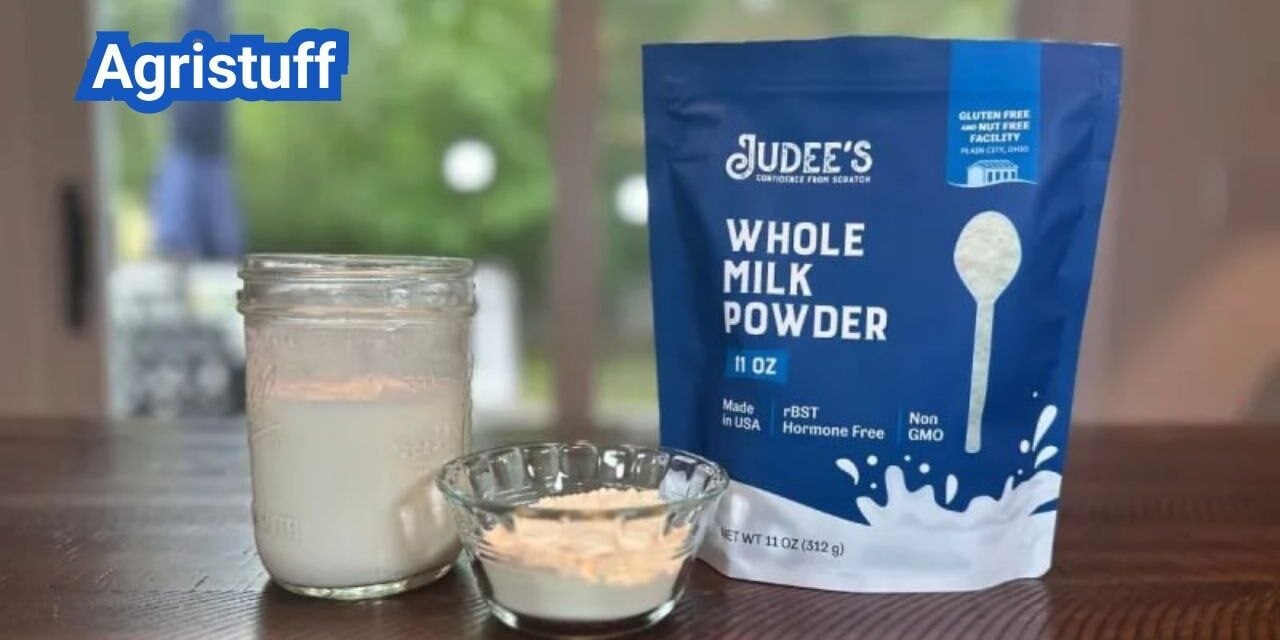
Whole milk powder for baking allows you to control the moisture content of your dough or batter while amping up the dairy solids. This results in a deeper golden crust and a softer crumb. Professional bakers often use Hoosier Hill Farm whole milk powder or Judees whole milk powder to add richness to breads and cakes without thinning the consistency of the mix.
Is Nestle Nido powder milk the same as standard instant milk?
Nestle Nido dry milk is a specific type of instant whole milk powder that has been treated to dissolve quickly in water. While some dry milk powder requires vigorous stirring, Nestle Nido powdered whole milk (including Nido Fortificada) uses an “instantization” process that prevents clumping, making it an ideal instant full cream option for beverages.
What are the best specialty options for those who cannot drink cow’s milk?
If you require a whole milk powder substitute, Meyenberg goat milk powder is a popular choice. Meyenberg whole powdered goat milk is easier to digest for some and offers a unique flavor profile. Other specialty options include Mt Capra whole goat milk powder and full cream goat milk powder, which provide a high-quality alternative to traditional bovine dairy products.
How is whole milk powder for food manufacturing different from consumer packets?
Whole milk powder for food manufacturing is usually sourced from a milk powder manufacturer in massive quantities to be used in chocolates, ice cream, and infant formula. Industrial users focus on Grade A milk standards and consistent fat content. While whole milk powder packets are convenient for home use, manufacturers rely on bulk milk powder and strict quality control from global trade hubs, such as a product of Spain or New Zealand.
Does whole milk powder contain any synthetic materials or additives?
High-quality dry milk whole products, especially organic whole milk powder, usually contain only milk and perhaps Vitamin A or D. However, some conventional brands may use emulsifiers like soy lecithin to create instant milk powder. Always check the label if you are looking for organic milk powder specifically to avoid any unnecessary additives or synthetic materials.
Where can I buy the best whole milk powder brands like Peak or Klim?
You can buy whole milk powder like Peak whole milk powder or Nestle Klim Fortificada at international grocery stores or through online retailers. For those looking for local options, Horizon organic instant dry whole milk and Hoosier Hill Farm powdered milk are widely available and considered some of the best tasting powdered whole milk options on the market.
Can I use whole milk powder in a coffee creamer or for cooking?
Absolutely. Whole milk in powder form is a highly versatile kitchen staple. It can be added directly to coffee as a rich creamer or used in whole milk powder recipes for creamy soups, sauces, and gravies. Its shelf-stable nature makes it much more convenient than liquid milk for occasional cooking ingredients.
Conclusion of: Whole Milk Powder
Whole Milk Powder is one of the most practical dairy ingredients for U.S. households, bakeries, foodservice operations, emergency pantries, and small food manufacturers because it delivers milk solids, fat, and dairy flavor without the short refrigerated life of fluid milk. Its real advantage is flexibility: you can store it dry, blend it into recipes, or reconstitute it when you need a creamy liquid ingredient on demand. product overview
What is Whole Milk Powder?
In practical buying language, Whole Milk Powder refers to a dried milk product made from pasteurized milk that has had its water removed while keeping the balance of fat, lactose, protein, and minerals that gives whole milk its richer body. In the United States, the formal regulatory term is usually “dry whole milk,” and that standard helps buyers separate true dairy powder from flavored mixes or lower-fat alternatives that behave differently in storage and recipes. federal standard of identity
From a quality standpoint, Whole Milk Powder is not judged only by appearance on the shelf, because U.S. grade standards also look at flavor, color, milkfat, moisture, solubility, bacterial quality, and the way the product performs after it is mixed back with water. That matters for buyers who care about smooth texture, clean dairy flavor, and dependable performance in commercial kitchens or packaged foods. USDA grade criteria
Best uses and where Whole Milk Powder fits
Whole Milk Powder works especially well in breads, cakes, cookies, chocolate applications, dessert mixes, soups, sauces, beverage bases, and dry blends because it adds milk flavor, browning potential, and a fuller mouthfeel without forcing you to carry as much refrigerated inventory. For U.S. operators dealing with variable demand, that can be a major convenience advantage over fresh milk, especially when the product is used as an ingredient rather than served straight as a beverage. application guide
Whole Milk Powder is also different from nonfat dry milk in ways that affect both taste and use, since the retained milkfat gives it a richer profile but also makes it more sensitive to oxygen, heat, and long storage. If your main goal is creamy dairy notes, better color development, or more indulgent texture, it is usually the stronger option; if your top priority is the longest pantry life at the lowest cost, nonfat dry milk often wins. nonfat dry milk standard
Shelf life and storage basics
For storage planning, Whole Milk Powder is far more durable than fluid milk, but shelf life still depends heavily on temperature, packaging, oxygen exposure, and light. In a cool, dark, dry storage setup, powdered milk can remain usable for a long period, while warm pantry conditions, humid utility rooms, and repeated opening and closing will shorten quality much faster than many buyers expect. FoodKeeper guidance
After opening, Whole Milk Powder keeps best when you move it quickly into an airtight container, keep it away from steam and heat, and use a perfectly dry scoop every time. This matters even more in humid U.S. kitchens where the product may sit near ovens, dishwashers, or prep sinks, because moisture pickup leads to clumping and oxygen exposure pushes the fat toward stale or oxidized flavors. storage recommendations
When Whole Milk Powder starts to lose quality, the warning signs are usually sensory before they become safety-related: a flat or painty smell, yellowing, stubborn lumps, poor wetting, graininess after mixing, or a flavor that seems old rather than sweet and creamy. Those problems are usually tied to oxidation, poor packaging, or storage at temperatures that were simply too warm for too long. oxidation and stability research
Reconstitution tips
To mix smoothly, Whole Milk Powder benefits more from technique than brute force, because fat on the particle surface naturally resists water and makes regular powder slower to wet than low-fat powders. That is why instantized versions are easier to disperse, and why slow addition, steady whisking, and a short resting period usually give better results than dumping everything into a pitcher and hoping it will dissolve on its own. rehydration handbook
For everyday mixing, Whole Milk Powder usually performs best when you start with the manufacturer’s label directions, add part of the water first, whisk or blend in the powder gradually, then add the remaining water and chill the mixture before using it. Letting the liquid rest for 30 to 60 minutes, or even overnight in the refrigerator, helps the flavor round out and gives small particles time to hydrate so the final drink or recipe base tastes smoother. mixing and resting tips
In recipes, Whole Milk Powder can be used in two practical ways: either reconstitute it first when the formula depends on liquid milk behavior, or add it directly to dry ingredients and account for the water separately. The direct-dry method is especially useful for bread machines, pancake mixes, cake bases, dry beverage blends, and institutional recipes where you want easier storage, more consistent scaling, and less waste from partial gallons of fresh milk. USDA use guidance
Quick checklist
Before you buy or open a bag, use this Whole Milk Powder checklist to make sure the product fits your actual use case rather than just looking economical on paper. A smart purchase is not only about the price per pound; it is also about pack size, storage conditions, reconstitution behavior, and how quickly you will realistically use the product after opening. shelf-stable food basics
- Check whether the product is regular or instantized.
- Confirm the fat level and ingredient statement before buying.
- Prefer intact, well-sealed packaging with a clearly readable lot code.
- Store unopened packs in a cool, dark, dry area away from heat.
- Transfer opened powder to an airtight food-safe container.
- Use only a dry scoop or spoon every time.
- Follow the package ratio first before making personal adjustments.
- Chill reconstituted milk before judging flavor and texture.
- Buy a pack size you can finish soon after opening.
- Treat the reconstituted product like fresh milk once water is added.
Common mistakes to avoid
Most complaints people have about Whole Milk Powder come from preventable handling mistakes rather than from the ingredient itself. When users choose the wrong format, store it poorly, or rush reconstitution, they often end up with clumps, stale flavor, weak dispersion, or a result that feels disappointing even though the product was technically sound when it came out of the package. instant dry whole milk reference
- Storing it near the stove, oven, or dishwasher where heat speeds quality loss.
- Leaving it in a loosely closed bag after opening instead of using an airtight container.
- Using a damp spoon, which introduces moisture and encourages clumping.
- Pouring powder too fast into cold water and expecting instant dissolution.
- Skipping the rest-and-chill step, then assuming the flavor is poor.
- Buying regular powder when your real need is instantized powder.
- Ignoring stale, oxidized, or paint-like aromas that signal quality decline.
- Purchasing bulk quantities without a clear turnover plan after opening.
- Using ordinary dairy powder where a regulated infant formula is required.
Costs and ROI snapshot
On the cost side, Whole Milk Powder in the U.S. is often benchmarked against USDA Agricultural Marketing Service dry whole milk reports, which show how first-sale commodity values move with butterfat, milk production, inventories, contracts, and broader dairy market conditions. A recent AMS report placed edible dry whole milk in a first-sales range of about $2.25 to $2.45 per pound, but that is only the starting point because retail packs, freight, smaller bag sizes, private labeling, and distributor margins can push your actual delivered cost much higher. current AMS dry whole milk report
The best return from Whole Milk Powder usually comes when convenience, waste control, and supply stability matter more than the cheapest theoretical milk equivalent. For bakeries, cafés, food manufacturers, camp kitchens, emergency pantry planners, and farmstead processors, the ingredient can reduce spoilage losses, lower cold-storage dependence, simplify dry-mix production, and provide a more dependable backup when fresh milk deliveries are delayed or demand swings unexpectedly. USDA dairy market reporting
U.S. labeling and safety notes
From a labeling standpoint, Whole Milk Powder is a milk ingredient, so U.S. buyers should read the package carefully for allergen information, ingredient statements, fortification notes, and any brand-specific preparation directions. That is especially important for food businesses, schools, and family households serving people with allergies, because “milk” remains a major allergen and labeling accuracy matters just as much as product quality. FDA food allergy information
For everyday food safety, Whole Milk Powder should be treated as shelf stable only until water is added, and once mixed it becomes a perishable dairy food that belongs under refrigeration. It is also important to remember that standard milk powder is not a substitute for regulated infant formula, so any feeding decision for babies should follow medical advice and products specifically made and labeled for that purpose. FDA infant formula safety guidance
Final thought
Used thoughtfully, Whole Milk Powder gives U.S. kitchens and food businesses a flexible way to add dairy flavor, milkfat, and convenience without relying entirely on fresh milk logistics. The smartest results come from buying the right format, storing it cool and dry, mixing it patiently, and matching the product to the job instead of expecting one powder to do everything equally well. technical reference manual
Sources & References
- USDA FoodData Central
- FDA Standards of Identity for Food
- FDA Food Labeling Guide
- FDA Food Allergen Labeling FAQ
- FoodKeeper App
- USDA AMS Individual Dairy Market News Commodity Reports
- USDA AMS Dairy List of Reports
- USDA FNS Guidance on Whole Dry Milk Use
- Utah State University Extension: Storing Dried Milk
- University of Missouri Extension: Can-Do Recipes – Dry Milk
- ADPI: Dry Whole Milk
- ADPI: Instant Dry Whole Milk
- ADPI Reconstituting Dairy Powders Handbook
- ThinkUSAdairy: Using Milk Powder
- ThinkUSAdairy Reference Manual for U.S. Milk Powders
- Codex Alimentarius: Milk and Milk Products