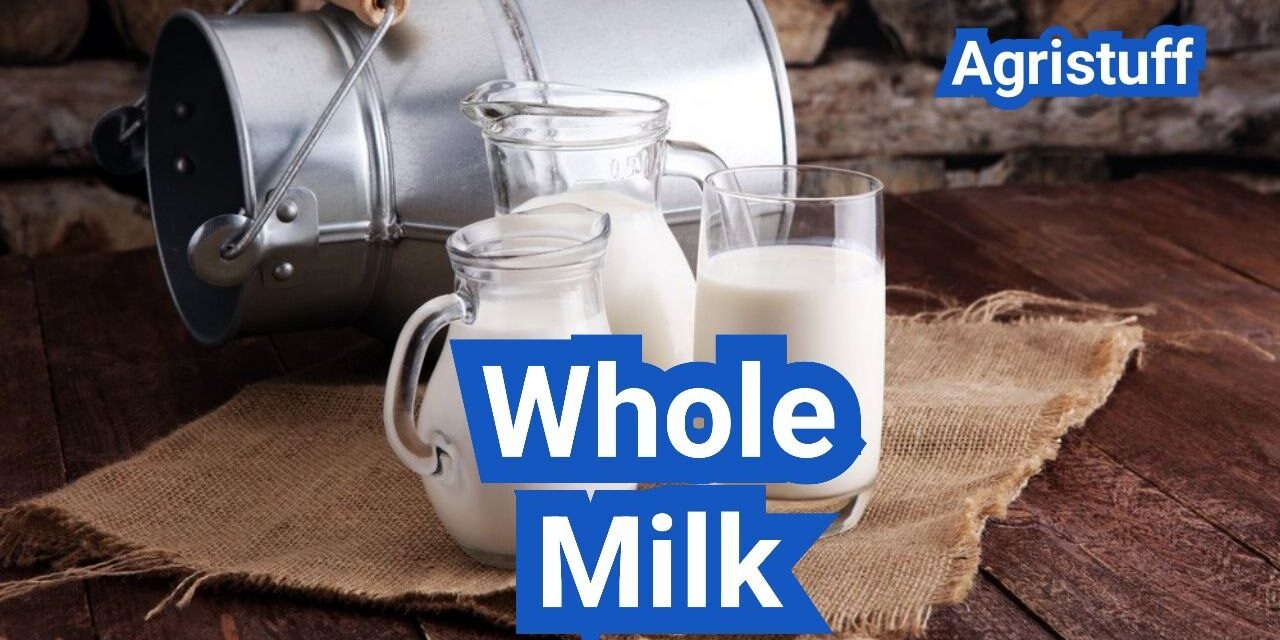
Many people enjoy a creamy glass of dairy, but few understand the specific standards behind this staple. In the United States, whole milk must contain at least 3.25% butterfat by weight. This whole milk fat percentage serves as the baseline for quality and consistency across the milk industry.
Understanding the nutritional value of whole milk helps you make better dietary choices. A standard serving provides essential vitamins and minerals, making it a dense source of energy. For those tracking their intake, knowing that whole milk calories per cup typically hover around 150 is quite useful.
Beyond the numbers, this beverage remains a versatile kitchen essential. Whether you are baking or simply enjoying a cold glass, the whole milk nutrition profile supports a balanced lifestyle. It remains a gold standard for flavor and texture in modern diets.
Key Takeaways
- Federal standards require a minimum of 3.25% butterfat content.
- This dairy product offers a rich source of calcium and vitamin D.
- One cup contains approximately 150 calories for energy.
- Consistency in production ensures reliable quality for consumers.
- It serves as a versatile ingredient for both cooking and drinking.
What Is Whole Milk?

Understanding whole milk requires a look into its composition, the role of fat, and the standards that govern its production in the U.S. Whole milk is a nutrient-rich dairy product that has been a part of human diets for centuries.
Defining Whole Milk and Its Composition
Whole milk is defined by its minimal processing and fat content. It is called “whole” because it contains all the natural components of milk, including 3.25% fat, proteins, carbohydrates, vitamins, and minerals. The fat content is a critical aspect of whole milk, contributing to its rich taste and nutritional profile.
The composition of whole milk can vary slightly depending on factors like the breed of cow, diet, and farming practices. However, standard whole milk is expected to contain a certain percentage of fat, protein, and other nutrients.
The Role of Fat in Full Cream Milk
Fat plays a crucial role in whole milk, not just in terms of taste but also nutrition. The fat in whole milk is a source of energy and helps in the absorption of fat-soluble vitamins like vitamins A, D, E, and K. The 3.25% fat content is a defining characteristic, making whole milk a rich source of these essential nutrients.
Moreover, the fat in whole milk contains a mix of saturated and unsaturated fats. While there has been debate about the health impacts of saturated fats, recent research has nuanced our understanding, suggesting that the context of the overall diet is crucial.
Whole Milk Standards in the U.S.
In the United States, the standards for whole milk are set by regulatory bodies to ensure consistency and quality. The U.S. Public Health Service Milk Ordinance and Code recommends a minimum of 3.25% butterfat in farm milk, and FDA standards require not less than 3.25% for fluid whole milk.
The Whole Milk for Healthy Kids Act is another significant development, reflecting efforts to promote whole milk in schools due to its nutritional benefits for children. This act underscores the importance of whole milk in supporting healthy growth and development.
By understanding these standards and the composition of whole milk, consumers can make informed choices about their dairy intake.
Whole Milk Nutrition Facts and Health Profile

The nutritional value of whole milk extends beyond its calorie count, encompassing a broad spectrum of vital nutrients. Whole milk is rich in various essential vitamins and minerals, making it a valuable component of a balanced diet.
Breakdown of Whole Milk Calories per Cup
Whole milk contains approximately 170 calories per cup, with a significant portion coming from its fat content. About 8 grams of fat are present in one cup of whole milk, which is roughly equivalent to the fat found in one tablespoon of peanut butter.
Protein Content and Amino Acid Profile
In addition to its fat content, whole milk is an excellent source of protein. One cup provides about 8 grams of protein, which is crucial for muscle repair and growth. The amino acid profile in whole milk includes essential amino acids necessary for various bodily functions.
| Nutrient | Amount per Cup |
|---|---|
| Calories | 170 |
| Protein | 8g |
| Fat | 8g |
| Calcium | 300mg |
| Vitamin D | 25% DV |
Vitamin D in Whole Milk and Calcium Benefits
Whole milk is also a rich source of calcium and vitamin D. Calcium is essential for bone health, while vitamin D plays a critical role in calcium absorption and bone density. Together, they contribute to maintaining strong bones and teeth.
Furthermore, whole milk is fortified with vitamin D, enhancing its nutritional profile. The presence of both calcium and vitamin D in whole milk supports overall bone health and reduces the risk of osteoporosis.
Comparing Whole Milk vs Skim Milk and Low-Fat Options

Understanding the differences between whole milk, skim milk, and low-fat milk is crucial for making informed dietary choices. The primary distinction among these types of milk lies in their fat content, which significantly affects their nutritional profiles and uses in cooking and diet.
Whole milk contains about 3.5% fat, making it richer and creamier compared to its lower-fat counterparts. On the other hand, skim milk has almost no fat, typically less than 1%. Low-fat milks, such as 2 percent milk, fall somewhere in between.
Whole Milk vs 2 Percent Milk Differences
When comparing whole milk to 2 percent milk, the most notable difference is the fat content. Whole milk has a higher calorie count due to its fat content, whereas 2 percent milk offers a compromise between the richness of whole milk and the lower fat content of skim milk.
Nutritional Comparison: Whole milk is higher in saturated fats, which some consumers try to limit due to heart health concerns. However, it also contains more fat-soluble vitamins like vitamins A, D, E, and K.
The Advantage of Choosing Skim Milk
Skim milk is an excellent option for those looking to reduce their calorie and fat intake. It is particularly beneficial for individuals on a calorie-restricted diet or those who are watching their saturated fat intake.
Skim Milk Benefits: Skim milk retains most of the protein and calcium found in whole milk, making it a nutritious choice for those seeking to maintain a healthy diet without the extra calories from fat.
Whole Milk vs Low-Fat Milk: Which Is Healthier?

The choice between whole milk and low-fat milk depends largely on individual dietary needs and preferences. Whole milk is beneficial for those who require the extra calories and fat for energy, such as growing children and individuals with high energy needs.
On the other hand, low-fat or skim milk is more suitable for those monitoring their fat intake or managing weight. Recent studies suggest that the health implications of whole milk versus low-fat milk are more nuanced, and whole milk may not be as detrimental as once thought for certain populations.
The Science of Whole Milk and Weight Management

Whole milk, once vilified for its fat content, is now being reevaluated for its role in weight management and overall health. The perception of whole milk has shifted as new research emerges, suggesting that its impact on health may not be as negative as previously thought.
Does Whole Milk Make You Gain Weight?
The relationship between whole milk consumption and weight gain is complex. Some studies suggest that full-fat dairy products, including whole milk, may be associated with a lower risk of obesity.
A key factor is the satiety effect of whole milk. The fat content in whole milk can help individuals feel fuller for longer, potentially reducing overall calorie intake.
Why Full-Fat Dairy Was Vilified and How Thinking Has Shifted
Historically, full-fat dairy products were criticized due to their high saturated fat content, which was linked to heart disease. However, recent research has nuanced this view, suggesting that the relationship between dairy fat and cardiovascular health is more complex.
Some studies have found that consuming full-fat dairy is not significantly associated with an increased risk of cardiovascular disease. In fact, certain fatty acids in whole milk may have beneficial effects on metabolic health.
Can Whole Milk Lower Your Risk for Chronic Disease?
Emerging evidence suggests that whole milk may have a role in reducing the risk of certain chronic diseases. The nutrients and fatty acids present in whole milk could contribute to improved health outcomes.
| Nutrient | Benefit |
|---|---|
| Calcium | Supports bone health |
| Protein | Aids in muscle repair and satiety |
| Conjugated Linoleic Acid (CLA) | May have anti-inflammatory effects |
In conclusion, the science surrounding whole milk and weight management is evolving. While more research is needed, current findings suggest that whole milk can be part of a healthy diet when consumed in moderation.
Whole Milk for Toddlers and Growing Children

As children grow, their nutritional needs evolve, and whole milk plays a significant role in their development. The dietary requirements of toddlers and young children are distinct and necessitate a focus on nutrient-rich foods.
Whole Milk for Healthy Kids Act Explained
The Whole Milk for Healthy Kids Act is legislation aimed at allowing whole milk in schools, recognizing its importance for children’s growth and development. This act underscores the nutritional benefits of whole milk for kids.
Key provisions of the act include:
- Allowing whole milk as an option in school meal programs
- Recognizing the nutritional value of whole milk for children
- Supporting the health and development of school-aged children
Nutritional Needs for Toddlers
Toddlers require a diet rich in nutrients to support their rapid growth and development. Whole milk is a valuable source of calories, protein, and essential vitamins and minerals.
Nutritional needs for toddlers include:
- High-quality protein for muscle development
- Calcium and vitamin D for bone health
- Healthy fats for brain development and energy
Transitioning from Breast Milk or Formula to Whole Milk
Transitioning from breast milk or formula to whole milk is a significant step in a child’s dietary development. Pediatricians often recommend whole milk for children over the age of one due to its nutritional benefits.
When making this transition, it’s essential to consider the child’s overall diet and ensure they are receiving a balanced mix of nutrients.
Selecting the Best Dairy at the Grocery Store

When navigating the dairy aisle, understanding the nuances of whole milk labels can significantly impact your purchasing decision. The grocery store offers a variety of whole milk options, including organic and conventional, as well as grass-fed choices. To make an informed decision, it’s essential to understand what these labels mean.
Understanding Whole Milk Label Meaning
Whole milk labels can be confusing, with terms like “organic,” “grass-fed,” and “rBST-free” being used frequently. “Organic” refers to milk produced without synthetic fertilizers, pesticides, or genetically modified organisms (GMOs). On the other hand, “grass-fed” indicates that the cows were fed grass rather than grains. Understanding these terms can help consumers choose milk that aligns with their dietary preferences and values.
As noted by the USDA, “organic milk comes from cows that are raised on organic feed, without antibiotics, and have access to the outdoors.” This distinction is crucial for consumers who prioritize organic produce. The label “rBST-free” means that the milk is sourced from cows not treated with recombinant bovine somatotropin (rBST), a hormone used to increase milk production.
“The choice of milk can significantly affect not only the consumer’s health but also the environment and the welfare of dairy cows.”
— Joel Kahn, MD
Organic Whole Milk vs Conventional Options
Organic whole milk and conventional whole milk differ significantly in terms of production methods and nutritional content. Organic milk is produced without the use of synthetic pesticides, herbicides, or fertilizers, which may appeal to consumers concerned about environmental sustainability.
- Organic whole milk is produced without GMOs or antibiotics.
- Conventional whole milk may contain residues of pesticides or antibiotics.
- The nutritional profiles of organic and conventional whole milk are similar, but some studies suggest organic milk may have higher levels of omega-3 fatty acids.
Identifying Grass-Fed Milk and Cream Top Varieties
Grass-fed milk comes from cows that have been fed grass rather than grains. This type of milk is often associated with a more natural production process and may offer different nutritional benefits compared to grain-fed milk.
Some top varieties of grass-fed milk include those from Straus Family Creamery and Maple Hill Organic. These brands are known for their commitment to grass-fed practices and high-quality dairy products.
| Brand | Label Claim | Notable Feature |
|---|---|---|
| Straus Family Creamery | Grass-fed | High-quality, small-batch production |
| Maple Hill Organic | Organic, Grass-fed | Certified organic and non-GMO |
Pasteurization Methods and Their Impact
The process of pasteurization plays a crucial role in determining the shelf life and safety of whole milk. Pasteurization involves heating milk to a high temperature for a specific period, followed by rapid cooling. This process aims to eliminate pathogenic bacteria, extending the milk’s shelf life.
Whole Milk Pasteurized vs Ultra-Pasteurized ( UHT )
Whole milk can undergo different pasteurization methods, primarily pasteurization and ultra-pasteurization. Pasteurization typically involves heating milk to 161°F (72°C) for at least 15 seconds, while ultra-pasteurization involves heating it to 280°F (138°C) for at least 2 seconds. Ultra-pasteurization extends the shelf life of whole milk but may affect its nutritional content and taste.
The difference between these methods is significant. Ultra-pasteurized whole milk can be stored for longer periods without refrigeration until opened. However, the higher heat used in ultra-pasteurization may alter the milk’s flavor and nutritional profile. In contrast, pasteurized whole milk generally has a shorter shelf life but is often preferred for its taste and nutritional retention.
Shelf Life and Safety Considerations
The shelf life of whole milk is significantly influenced by its pasteurization method. Ultra-pasteurized whole milk can be stored for longer periods, making it convenient for consumers who do not plan to consume it immediately. However, it’s crucial to consider the potential trade-offs in terms of taste and nutrition.
To ensure safety, always check the expiration date and store whole milk according to the manufacturer’s instructions. Proper storage is key to maintaining the milk’s quality and safety.
Whole Milk Storage Tips for Freshness
To maintain the freshness of whole milk, it’s essential to store it properly. Always keep whole milk refrigerated at a temperature below 40°F (4°C). For optimal flavor and nutritional preservation, store it in the coldest part of the refrigerator and consume it within the recommended timeframe. Avoid exposing whole milk to light, as it can lead to the degradation of certain nutrients.
Here are some additional whole milk storage tips:
- Keep the container tightly sealed.
- Avoid storing whole milk in the refrigerator door.
- Use a clean scoop or pour directly from the container to prevent contamination.
| Pasteurization Method | Shelf Life | Nutritional Impact | Taste |
|---|---|---|---|
| Pasteurized | 7-10 days | Minimal impact | Rich, natural taste |
| Ultra-Pasteurized | Longer, up to several months unopened | Potential loss of some nutrients | May have a cooked or less natural taste |
Whole Milk Cooking Uses and Culinary Applications

In the culinary world, whole milk is cherished for its rich texture and flavor-enhancing properties. It is a versatile ingredient used in a variety of dishes, from baked goods and desserts to savory meals and sauces.
Whole milk’s high fat content makes it particularly valuable in cooking and baking. It adds moisture, tenderness, and flavor to baked goods, and it is a key component in the preparation of creamy sauces and custards.
Baking with Whole Milk for Richer Textures
Whole milk is a staple in baking, contributing to the richness and texture of cakes, muffins, and other baked goods. Its fat content helps to create tender crumb and a moist texture, making it ideal for recipes where these qualities are desired.
For instance, using whole milk in place of lower-fat milks can significantly enhance the flavor and texture of cakes and pastries. It is especially beneficial in recipes like creamy pound cakes and flaky croissants.
| Baked Goods | Benefit of Whole Milk | Example Recipes |
|---|---|---|
| Cakes | Moisture and tenderness | Creamy Pound Cake |
| Muffins | Rich flavor and texture | Blueberry Muffins |
| Croissants | Flaky texture | Butter Croissants |
Using Whole Milk for Sauces and Custards
Whole milk is also a fundamental ingredient in the preparation of creamy sauces and custards. Its richness is essential for creating smooth, velvety textures in dishes like béchamel sauce and crème brûlée.
The fat in whole milk helps to stabilize sauces and custards, preventing them from curdling or separating. This makes it an indispensable ingredient in many dessert and savory recipes.
Whole Milk as a Base for Soups and Savory Dishes
In addition to its use in baking and dessert-making, whole milk can serve as a base for soups and savory dishes, adding a creamy texture and rich flavor. It is often used in soups like creamy tomato soup and in savory dishes such as macaroni and cheese.
The versatility of whole milk in both sweet and savory applications makes it a valuable ingredient in many different types of cuisine.
Exploring Whole Milk Yogurt and Fermented Products

The process of fermentation transforms whole milk into products like yogurt, enhancing its nutritional value and digestibility. Fermentation involves the action of microorganisms like bacteria, which break down some of the milk’s components, resulting in a product that is rich in probiotics and has a unique nutritional profile.
Benefits of Whole Milk Greek Yogurt
Whole milk Greek yogurt is particularly noteworthy for its high protein content and creamy texture. The straining process involved in making Greek yogurt removes excess liquid, concentrating the protein and resulting in a thicker, creamier product. This makes it an excellent choice for those looking to increase their protein intake. Whole milk Greek yogurt is also a good source of calcium, vitamin D, and other essential nutrients.
Incorporating whole milk Greek yogurt into your diet can have several health benefits. It can help support muscle health due to its high protein content, and its probiotic properties can aid in digestive health.
Lactose Content in Fermented Dairy
One of the advantages of fermented dairy products like yogurt is that they contain lower levels of lactose compared to regular milk. The fermentation process breaks down some of the lactose, making these products more accessible to individuals with lactose intolerance. This reduction in lactose content, combined with the presence of probiotics, can make it easier for people with lactose intolerance to consume dairy products without experiencing adverse effects.
Incorporating Yogurt into a Balanced Diet
Yogurt can be a versatile and nutritious addition to a balanced diet. It can be enjoyed on its own as a snack, used as a base for smoothies, or incorporated into various recipes. To get the most nutritional benefits, it’s recommended to choose plain, unflavored yogurt and add your own fruits or nuts. This approach allows you to control the amount of added sugars and enjoy the natural flavor and nutritional benefits of the yogurt.
When selecting a yogurt, consider the type of milk used and the level of processing. Whole milk yogurt made from high-quality milk can provide a rich source of nutrients and support overall health.
Whole Milk Powder and Shelf-Stable Alternatives

Whole milk powder is a versatile ingredient that offers convenience and nutritional benefits for various culinary applications. It is made by evaporating milk to dryness, resulting in a powder that can be stored for extended periods without refrigeration.
This characteristic makes whole milk powder an excellent option for those looking to stock up on dairy products or for use in recipes where liquid milk is not practical. The process of making whole milk powder involves spray drying or freeze-drying, which helps preserve the nutritional content and flavor of the milk.
Uses for Whole Milk Powder in Baking
Whole milk powder is particularly useful in baking, as it adds richness and tenderness to baked goods without the need for refrigeration. It can be used in recipes for cakes, cookies, and bread, enhancing the flavor and texture.
For instance, using whole milk powder in cake recipes can result in a moist and tender crumb. It can also be used to make creamy frostings and icings without the need for liquid milk.
Comparing Brands like Nido Fortificada and Hoosier Hill Farm
Several brands offer high-quality whole milk powder, each with its unique characteristics. Nido Fortificada is a popular choice due to its fortified nutritional profile, including added vitamins and minerals.
Hoosier Hill Farm is another brand known for its high-quality dairy products, including whole milk powder that is rich in flavor and nutrients.
| Brand | Nutritional Fortification | Taste Profile |
|---|---|---|
| Nido Fortificada | Fortified with vitamins and minerals | Rich, creamy |
| Hoosier Hill Farm | Natural, no additives | Rich, dairy flavor |
Reconstituting Dry Milk for Daily Use
Reconstituting whole milk powder is straightforward. Simply mix the powder with water according to the package instructions to achieve the desired consistency.
For example, to make one cup of whole milk, you might mix 1/3 cup of whole milk powder with 1 cup of water. The ratio can be adjusted based on personal preference for creaminess.
Reconstituted whole milk can be used in cereal, smoothies, or as a dairy component in recipes, offering a convenient alternative to fresh milk.
Lactose-Free Whole Milk and Specialized Diets

For individuals with lactose intolerance, lactose-free whole milk offers a nutritious alternative without the discomfort. This version of whole milk is processed to remove lactose, a sugar found in milk that can cause digestive issues in those who are intolerant.
Processing Lactose-Free Milk
Lactose-free whole milk is made by adding lactase, an enzyme that breaks down lactose into easily digestible sugars. This process ensures that the milk retains its nutritional profile while becoming more accessible to a wider audience.
Lactaid whole milk is a well-known brand that utilizes this technology. By breaking down the lactose, these products provide the same creamy texture and nutritional benefits as regular whole milk, without the lactose.
Comparing Lactaid Whole Milk to Standard Dairy
Nutritionally, lactose-free whole milk is very similar to standard whole milk. It contains the same amount of protein, fat, and calcium. The primary difference is the absence of lactose, making it a suitable option for those with lactose intolerance.
When comparing Lactaid whole milk to regular whole milk, the nutritional profiles are nearly identical. The processing to remove lactose does not significantly alter the vitamin and mineral content.
Suitability for Special Diets
Whole milk, including lactose-free versions, can be part of a special diet for those who require or prefer dairy. It’s rich in nutrients essential for bone health and development.
However, individuals on diets that restrict dairy or saturated fat may need to consider alternatives. It’s also worth noting that while lactose-free whole milk addresses one common dietary restriction, it still contains other components that might be limited in certain diets.
Top Brands and Market Varieties

Consumers have a wide array of whole milk options, from organic to grass-fed and A2 milk. The diversity in the whole milk market caters to various consumer preferences and dietary needs.
Reviewing Horizon Organic and Fairlife Whole Milk
Horizon Organic is a well-known brand that offers organic whole milk. Their products are certified USDA Organic, ensuring that the milk comes from cows raised on organic feed without antibiotics or added growth hormones. Fairlife Whole Milk, on the other hand, is known for its ultra-filtered milk that contains more protein and less sugar than traditional whole milk.
- Horizon Organic: Offers USDA-certified organic whole milk with a focus on sustainable farming practices.
- Fairlife Whole Milk: Provides ultra-filtered whole milk with higher protein content and lower sugar levels.
Straus Family Creamery and Maple Hill Organic
Straus Family Creamery is a pioneer in the organic dairy industry, offering high-quality, grass-fed whole milk. Maple Hill Organic is another brand that specializes in organic, grass-fed dairy products, including whole milk. Both brands prioritize sustainable farming practices and animal welfare.
The key benefits of choosing these brands include:
- Higher nutritional content due to grass-fed cows
- Better farming practices that prioritize animal welfare and sustainability
A2 Whole Milk and Grassmilk Options
A2 Whole Milk is gaining popularity due to its potential benefits for those with sensitivities to A1 milk. A2 milk comes from cows that produce only A2 beta-casein protein, which some consumers find easier to digest. Grassmilk options, like those from Straus Family Creamery and Maple Hill Organic, offer a more natural fatty acid profile and higher levels of certain nutrients.
- Nutritional content: Look for higher levels of omega-3 fatty acids and conjugated linoleic acid (CLA) in grass-fed options.
- Digestibility: A2 milk may be a better choice for those with sensitivities to traditional dairy.
- Farming practices: Consider brands that prioritize sustainable and humane farming methods.
How to Incorporate Whole Milk into a Healthy Eating Pattern
A healthy eating pattern can include whole milk, provided it’s consumed in moderation. The key is balancing whole milk consumption with other nutrient-dense foods to maintain a well-rounded diet.
Tips for Including Whole Milk in Your Diet
Incorporating whole milk into your diet can be straightforward with a few simple tips. First, consider using whole milk in place of lower-fat milks in recipes where its rich flavor and texture can enhance the dish, such as in baked goods, creamy sauces, or as a base for soups.
Another approach is to enjoy whole milk as part of a balanced breakfast, paired with whole-grain cereals or as a complement to oatmeal or other breakfast foods. For children, whole milk can be an essential source of calories and nutrients during critical growth periods.
- Use whole milk in cooking and baking to add richness and moisture.
- Enjoy whole milk as a beverage with meals or as a snack.
- Consider the nutritional benefits of whole milk when planning meals for children and adolescents.
Balancing Dairy Intake with Other Food Groups
Balancing dairy intake, including whole milk, with other food groups is crucial for a healthy diet. The Dietary Guidelines for Americans recommend consuming a variety of foods from all food groups: fruits, vegetables, whole grains, lean proteins, and dairy.
To balance whole milk consumption, ensure that your diet includes a wide range of fruits and vegetables, whole grains, and lean protein sources. This balance helps to offset the saturated fat content in whole milk and ensures you’re getting a broad spectrum of nutrients.
| Food Group | Examples | Nutritional Benefits |
|---|---|---|
| Fruits and Vegetables | Apples, Carrots, Broccoli | Vitamins, Minerals, Fiber |
| Whole Grains | Brown Rice, Quinoa, Whole Wheat Bread | Fiber, B Vitamins, Minerals |
| Lean Proteins | Chicken, Fish, Legumes | Protein, Vitamins, Minerals |
Addressing Common Concerns About Saturated Fat
One of the primary concerns about consuming whole milk is its saturated fat content. While it’s true that whole milk contains more saturated fat than lower-fat versions, recent research has nuanced our understanding of saturated fat’s impact on health.
Moderation is key. Enjoying whole milk as part of a balanced diet that includes a variety of other foods can help mitigate concerns about saturated fat. Additionally, choosing whole milk from grass-fed cows or those rich in omega-3 fatty acids may offer a more favorable fatty acid profile.
By being mindful of overall dietary patterns and not over-consuming whole milk, individuals can enjoy its nutritional benefits while minimizing potential drawbacks.
Whole Milk vs Plant-Based Alternatives

Whole milk and plant-based milks have distinct nutritional profiles, making the choice between them more than just a matter of preference. While plant-based milks have gained popularity for their perceived health and environmental benefits, whole milk remains a staple in many diets due to its rich nutritional content.
Nutritional Comparison with Nut and Oat Milks
When comparing whole milk to plant-based alternatives like almond milk, oat milk, and soy milk, the nutritional differences become apparent. Whole milk is a rich source of protein, calcium, and vitamins D and B12. In contrast, many plant-based milks are fortified with these nutrients but often lack the natural presence and balance found in dairy.
Nutritional Highlights:
- Whole milk contains about 8 grams of protein per cup.
- Many plant-based milks contain significantly less protein unless fortified.
- Whole milk is a natural source of calcium and vitamins D and B12.
Why Some Choose Dairy Over Plant-Based
Despite the rise of plant-based diets, many consumers prefer dairy for its nutritional benefits and taste. The protein content in whole milk is particularly appealing to those looking to maintain or build muscle mass. Additionally, the natural presence of vitamins and minerals in whole milk can be more appealing than the fortified versions of plant-based milks.
Understanding the Protein Gap
The protein gap refers to the difference in protein content between whole milk and many plant-based milks. This gap is significant for individuals who rely on milk as a primary protein source in their diet. Choosing whole milk or fortified plant-based milks can help bridge this nutritional divide.
By understanding the nutritional differences and personal preferences, consumers can make informed choices between whole milk and plant-based alternatives.
Common Questions About Milk Nutrition and Safety

With the ever-evolving landscape of nutritional science, understanding whole milk’s role in a healthy diet is crucial. As research continues to emerge, consumers are left with numerous questions about the nutritional value and safety of whole milk.
Is Whole Milk Actually Good for You?
The question of whether whole milk is good for you depends on various factors, including individual nutritional needs and overall diet. Whole milk contains a rich mix of nutrients, including proteins, vitamins, and minerals. It is an excellent source of calcium, vitamin D, and potassium, making it a valuable component of a balanced diet.
Some studies suggest that whole milk may have benefits beyond basic nutrition. For instance, research has indicated that whole milk consumption may be associated with improved weight management and a reduced risk of certain chronic diseases.
What Science Tells Us Now About Full-Fat Dairy
Recent scientific findings have shed new light on the role of full-fat dairy in the diet. While earlier guidelines often recommended low-fat dairy options, current research suggests that full-fat dairy may not be as harmful as once thought. In fact, some studies have found that full-fat dairy consumption is associated with a lower risk of cardiovascular disease and type 2 diabetes.
“The relationship between dairy fat intake and cardiovascular disease risk is complex and may depend on the type of dairy product consumed.”
A comparative analysis of dairy options is presented in the table below:
| Dairy Type | Fat Content | Nutritional Benefits |
|---|---|---|
| Whole Milk | 3.5% | Rich in calcium, vitamin D, and potassium |
| Low-Fat Milk | 1-2% | Lower calorie count, still rich in protein and calcium |
| Skim Milk | 0% | Very low in calories, high in protein and calcium |
Addressing Myths About Milk and Inflammation
There is ongoing debate about the relationship between milk consumption and inflammation. Some research has suggested that milk may cause inflammation, particularly in individuals with lactose intolerance or milk protein allergy. However, other studies have found no significant link between milk consumption and increased inflammation in healthy individuals.
It’s essential to consider individual tolerance and sensitivity when assessing the impact of milk on inflammation. For those who are lactose intolerant, lactose-free or fermented dairy products may be a suitable alternative.
- Lactose-free milk options are available for those with intolerance.
- Fermented dairy products, like yogurt, may be better tolerated.
- Individual responses to milk consumption can vary widely.
At The End of: Whole Milk Guide
Whole milk is a nutrient-rich dairy product that has been a staple in many diets for centuries. This article has explored the various aspects of whole milk, from its definition and nutritional profile to its uses in cooking and baking.
A summary of the key points reveals that whole milk is an excellent source of protein, vitamins, and minerals, making it a valuable component of a healthy diet. The comparison with other types of milk, such as skim milk and low-fat milk, highlights the unique benefits of whole milk.
The role of whole milk in weight management and its potential to lower the risk of chronic diseases has also been discussed. Additionally, the article has touched on the various ways to incorporate whole milk into a healthy eating pattern, including its use in baking, sauces, and as a base for soups and savory dishes.
In conclusion, whole milk is a versatile and nutritious dairy product that can be a valuable addition to a balanced diet. By understanding its nutritional profile and uses, individuals can make informed choices about incorporating whole milk into their daily lives, ultimately leading to a healthier and more balanced lifestyle.
FAQ
What exactly defines whole milk in the U.S.?
In the United States, whole milk standards are regulated by the FDA, requiring that the milk contain at least 3.25% milk fat. Unlike skim or low-fat varieties, whole milk is standardized to retain its natural fat content, providing a richer flavor and a thicker consistency. This is why it is often referred to as full-fat milk or full cream milk in other regions.
How many whole milk calories per cup should I expect?
On average, there are approximately 150 calories in an 8 oz whole milk serving. The whole milk nutrition facts for a single cup also include about 8 grams of fat, 8 grams of protein, and 12 grams of carbohydrates. This calorie count is higher than 2 percent or skim milk due to the energy-dense fat in whole milk.
Is Whole Milk the same as full-fat milk?
In everyday U.S. shopping language, Whole Milk and full-fat milk usually mean the same retail idea: fluid cow’s milk with its fat mostly left in place. The legal anchor is the federal milk standard, which defines the minimum milkfat and solids-not-fat level for packaged beverage milk, so buyers are not relying only on marketing language. eCFR milk and cream regulations
How long does Whole Milk last after opening?
Once opened, Whole Milk should stay cold and is generally best used within several days, though the exact window depends on refrigerator temperature and handling. If the carton sat out too long, was stored in the door, or has a sour odor or changed texture, quality may fall sooner. The safest habit is to refrigerate immediately and judge both the date and the product condition. Montana State University milk storage guide
Can people with lactose intolerance still use Whole Milk?
Some people with lactose intolerance can tolerate Whole Milk in small amounts or when consumed with meals, but others do better with lactose-free dairy products. What matters most is knowing that lactose intolerance is different from a true milk allergy, because the first is about digesting lactose while the second involves the immune system and requires a different level of caution. NIDDK lactose intolerance guidance
Is Whole Milk right for every child?
No, Whole Milk is not the automatic best choice for every age. U.S. pediatric guidance generally supports whole cow’s milk from 12 to 24 months, but cow’s milk is not recommended as a drink before age 12 months, and many children age 2 and older are guided toward lower-fat options unless a clinician advises otherwise. Parents should match the choice to age, diet quality, growth needs, and pediatric advice. AAP drink guidance
Is whole milk a healthy choice for adults?
Yes, is whole milk healthy? is a common question, and modern science suggests it can be a vital part of a balanced diet. It is a calcium-rich milk that provides essential nutrients like Vitamin D in whole milk, phosphorus, and high-quality protein. Recent studies have even challenged the old idea that full-fat dairy foods lead to heart disease, suggesting that the saturated fat in dairy may not be as harmful as previously thought.
Whole milk vs 2 percent milk: which one is better for weight loss?
While low-fat milk has fewer calories, whole milk may be more satiating. The fat in full fat milk helps you feel full longer, which can prevent overeating later in the day. Some research into whole milk and weight management shows that people who consume full-fat dairy may actually have a lower risk of obesity compared to those who choose skim options.
Why is whole milk for toddlers specifically recommended?
Pediatricians recommend whole milk for toddlers between ages one and two because the fat in whole milk is crucial for rapid brain development and neurological health. Products like Horizon Organic Growing Years milk or Stonyfield Organic whole milk are popular choices for parents. Additionally, the Whole Milk for Healthy Kids Act seeks to expand these nutritious options in school lunch programs.
What is the difference between organic valley grassmilk and conventional whole milk?
Organic Valley Grassmilk comes from cows that are 100% grass-fed, meaning they never eat grains. This often results in a higher concentration of DHA Omega 3 milk acids and CLA (conjugated linoleic acid). In contrast, conventional whole milk may come from cows fed a mix of forage and grain. Grass-fed milk is also noted for having a more complex, seasonal flavor profile.
Can I use whole milk powder for baking?
Absolutely. Whole milk powder, such as Nestle Nido dry milk or Hoosier Hill Farm powdered milk, is excellent for whole milk in baking. It allows you to add the richness of full cream milk protein and fat to breads and confections without adding excess liquid. It is also a great pantry staple due to the long whole milk shelf life of dried products.
What are the benefits of whole milk Greek yogurt compared to low-fat versions?
Whole milk Greek yogurt offers a much creamier texture and a more balanced nutritional profile. The presence of fat in full cream milk helps with the absorption of fat-soluble vitamins like A and D. Brands like Stonyfield organic or Trader Joe’s whole milk yogurt provide probiotics that support gut health while keeping you satisfied longer than fat-free versions.
How does Lactaid lactose free whole milk differ from regular milk?
Lactaid lactose free whole milk is real dairy milk, but it has the enzyme lactase added to break down the lactose (milk sugar). This makes it a perfect whole milk substitute for those with sensitivities. The nutritional value of full cream milk remains the same, including the protein in whole milk and calcium, but it may taste slightly sweeter due to the broken-down sugars.
What should I look for when buying a gallon of milk at the grocery store?
When browsing the grocery store, look at the whole milk label meaning. Look for terms like “Pasteurized” for safety or “Ultra-Pasteurized” for a longer whole milk shelf life. If you prefer a more natural state, look for Straus Cream Top milk, which is non-homogenized, allowing the cream to rise to the top. Brands like Fairlife whole milk are also popular for their ultra-filtered process which increases full fat milk protein content.
Is whole milk better than plant-based milks for protein?
Generally, yes. When looking at whole milk vs low-fat milk or plant alternatives, dairy remains a “complete” protein. A standard cup of whole milk contains 8 grams of protein with all essential amino acids. Most plant-based milks (except soy) are significantly lower in protein unless they are heavily fortified, making calcium-rich milk from cows a preferred choice for muscle recovery and growth.
Does whole milk cause inflammation?
For most people, is whole milk actually good for you? The answer is yes, and current research suggests that dairy does not cause inflammation in healthy individuals. In fact, some fermented products like whole milk yogurt may have anti-inflammatory effects. However, those with a specific dairy allergy or sensitivity should consult a professional regarding their special diet.
Conclusion of: Whole Milk
Whole Milk remains one of the most familiar dairy staples in American kitchens because it offers a balance of richness, protein, calcium, and everyday versatility without moving all the way into cream. For shoppers, cooks, and food businesses, it matters because the fat level affects taste, mouthfeel, cooking performance, label expectations, and even which households are most likely to buy it regularly. FDA nutrition guidance
What Whole Milk means in the United States
Under U.S. food law, Whole Milk is not just a casual marketing phrase. The federal standard of identity for milk says beverage milk in final package form must be pasteurized or ultra-pasteurized and must contain not less than 3.25% milkfat and not less than 8.25% milk solids-not-fat, which gives buyers a consistent baseline no matter which major brand or store label they choose. FDA standard of identity
Fat content and nutrition profile
From a nutrition standpoint, Whole Milk is best understood as fluid cow’s milk with its natural fat largely retained rather than reduced. That fat helps deliver a fuller texture and contributes calories, saturated fat, and flavor, while the product still supplies protein, calcium, potassium, riboflavin, and usually vitamin D when fortified. For consumers comparing labels, this is why one cup feels more filling than lower-fat options and behaves differently in coffee, cereal, and cooking. USDA FoodData Central
How it is processed before sale
Before Whole Milk reaches a grocery shelf, it typically moves through a tightly controlled chain that includes cooling, transport, quality checks, pasteurization, packaging, and cold storage. In most commercial plants it is also homogenized so fat globules stay evenly dispersed instead of rising into a cream line, while ultra-pasteurized versions are heated differently to extend refrigerated shelf life. For U.S. buyers, those processing choices explain why some cartons last longer unopened and why most retail milk pours uniformly from the first glass to the last. FDA PMO overview
Pasteurization versus homogenization
A common consumer mistake is to treat pasteurization and homogenization as the same thing, but they solve different problems. With Whole Milk, pasteurization is the safety step that reduces dangerous bacteria, while homogenization is the texture step that breaks up fat globules so the cream does not separate quickly in the carton. That distinction matters in cooking, buying from specialty dairies, and understanding why cream-line products look different from standard supermarket options. Purdue Extension explanation
Who it fits best and where it does not
For household nutrition decisions, Whole Milk can make sense in specific situations rather than as a one-size-fits-all default. U.S. public-health guidance generally supports pasteurized whole cow’s milk for children beginning at 12 months, while guidance for most people age 2 and older often favors lower-fat milk choices because saturated fat adds up across the full diet. In practice, that means this option may be chosen for toddlers, cooks who want better texture, or families who simply prefer fuller flavor, but it should still be evaluated in the context of total daily eating habits. CDC child nutrition guidance
How to buy it wisely
Buying Whole Milk well starts with reading more than the front label. Check whether the carton is pasteurized or ultra-pasteurized, whether vitamins A and D are listed, what the sell-by or use-by date says, and whether the package size fits how quickly your home will use it after opening. For U.S. shoppers, that simple label review often matters more than brand loyalty because freshness management and intended use determine whether the product will end up in glasses, coffee, baking, or the trash. FDA label-reading guidance
Best culinary uses
In the kitchen, Whole Milk performs best when you want more body than low-fat milk can provide but do not need the heavy richness of cream. It works especially well in béchamel and other white sauces, creamy soups, custards, puddings, mashed potatoes, baked oatmeal, pancakes, enriched bread doughs, and casseroles because the added fat improves flavor, color, tenderness, and a smoother finish. For many U.S. home cooks, that makes it the most flexible milk type for everyday savory and sweet applications. University of Kentucky Extension on recipe performance
When it is not the best substitute
That said, Whole Milk is not automatically the right stand-in for every recipe. It will not whip like heavy cream, it may make a finished dish richer than skim milk would, and it can still scorch or curdle if heated too aggressively in soups or sauces. In real cooking terms, it is best used when you want creaminess with reasonable fluidity, while recipes built around high-fat whipping or very lean nutrition targets may call for a different dairy choice. USDA WIC milk use ideas
Storage and shelf life
After purchase, Whole Milk keeps its quality best when it goes straight into a refrigerator at 40°F or below and stays in its original carton rather than in the door for repeated warm-ups. Safe handling also means keeping the container closed, avoiding drinking directly from it, and using opened milk promptly based on freshness, smell, appearance, and the date code. In a typical U.S. home, storage discipline matters almost as much as the printed date because temperature abuse shortens useful life fast. Ask USDA storage guidance
Cold-chain details that protect quality
Behind every carton of Whole Milk is a cold chain that starts on the farm and continues through hauling, processing, warehousing, transport, retail display, and home refrigeration. Even a high-quality product can lose flavor faster if warm air hits it repeatedly, which is why thermometers, quick return to refrigeration, and smart store handling matter more than many buyers realize. For processors and retailers, temperature control is not only a food-safety issue but also a shelf-life and waste-reduction issue. FDA refrigerator thermometer guidance
Quick checklist
- Choose pasteurized or ultra-pasteurized milk from a refrigerated case.
- Confirm the carton is not dented, leaking, puffed, or poorly sealed.
- Check the date and buy the freshest carton you can realistically finish.
- Read the Nutrition Facts panel for calories, saturated fat, protein, calcium, and vitamin D.
- Pick carton size based on your true weekly use, not habit.
- Use it for sauces, custards, baking, oatmeal, and creamy soups when richer texture matters.
- Keep it at 40°F or below from store to home.
- Store it on an interior shelf, not in the refrigerator door.
- Shake gently if needed before pouring, especially with less-processed products.
- Discard it if it smells sour, looks off, or has been left out too long.
Common mistakes to avoid
- Assuming “milk” and “plant beverage” perform the same way in recipes. They often do not.
- Using too large a carton for a low-use household, which increases waste.
- Leaving the carton on the counter during breakfast or meal prep for extended periods.
- Believing homogenization is a safety treatment. It is not.
- Using very high heat in cream sauces, which can scorch milk solids.
- Thinking richer always means better. Some dishes work better with lower-fat milk or cream.
- Ignoring child-age guidance and serving regular cow’s milk before 12 months.
- Confusing lactose intolerance with milk allergy when choosing alternatives.
Whole Milk on farms and in the supply chain
From the production side, Whole Milk begins as raw farm milk that must be cooled quickly and moved through a regulated system built to protect both safety and consistency. U.S. commercial specifications distinguish pasteurized, ultra-pasteurized, and aseptically processed fluid milk, and those distinctions affect transport, shelf-life planning, and where the product can be sold efficiently. For dairies and processors, the winning model is not just producing more volume but matching the right process and package to the intended market channel. USDA fluid milk specifications
Costs and ROI snapshot
From a business perspective, Whole Milk carries the same core dairy cost pressures seen across U.S. milk production, especially feed, labor, farm services, energy, hauling, and compliance. National farm expenditure data show feed remains one of the biggest expense categories on livestock operations, and dairy-specific benchmarks often treat feed efficiency as a central profitability lever because small ration or production improvements can change margin quickly. On a farm or in a vertically integrated dairy, that means the economics begin long before the product is bottled. USDA farm expenditure data
The ROI story for Whole Milk depends on where value is captured. Selling raw milk into commodity channels is a different model from bottling locally, supplying foodservice, serving institutional accounts, or building a regional premium brand around freshness and taste. In practical terms, packaging, refrigeration, shrink, delivery routes, and retailer margins can all offset the apparent value of a richer product, which is why many U.S. operators track milk-feed margins and risk tools rather than assuming a higher-fat product automatically produces better returns. USDA Dairy Margin Coverage
Final thought
Whole Milk works best when buyers understand both sides of the carton: the flavor and cooking advantages on one side, and the nutrition, safety, and storage realities on the other. In the U.S. market, it remains a highly useful dairy staple, but the smartest choice comes from matching its richness and function to the needs of the person, recipe, or business using it. NIH calcium fact sheet
Sources & References
- Dietary Guidelines for Americans, 2020–2025
- FDA: Food Safety and Raw Milk
- USDA FSIS: Refrigeration and Food Safety
- USDA FSIS: The Danger Zone (40°F–140°F)
- FDA: Milk Guidance Documents and Regulatory Information
- 21 CFR 172.380: Vitamin D3
- 7 CFR Part 246: WIC Milk Requirements
- FDA: Dairy Product Manufacturers Inspection Guide
- NIH Office of Dietary Supplements: Vitamin D Fact Sheet
- USDA: Back to Basics, All About MyPlate Food Groups
- USDA FNS: Milk in School Nutrition Standards
- Grade “A” Pasteurized Milk Ordinance