

Finding the best probiotic yogurt can transform your daily nutrition. This nutrient-rich food provides essential protein, calcium, magnesium, and vitamin B12 to fuel your body effectively.
Many people choose yogurt with live cultures to support their digestive system. These beneficial microbes are vital for maintaining optimal gut health and overall wellness.
When shopping, look for labels that specify live and active cultures yogurt to ensure you receive the maximum health advantages. Understanding how to choose probiotic yogurt helps you identify high-quality options that contain yogurt with live cultures for your dietary needs.
Key Takeaways
- Yogurt is a powerful source of protein, calcium, and vitamin B12.
- Beneficial microbes in fermented dairy support a healthy digestive tract.
- Always check labels for live and active cultures to ensure quality.
- Regular consumption of these foods can improve your overall gut health.
- Selecting the right product involves reading ingredient lists carefully.
Understanding the Science of Probiotic Yogurt

To understand the benefits of probiotic yogurt, it’s essential to delve into the world of probiotics and their role in gut health. Probiotics are living microbes that confer health benefits when administered in adequate amounts. They are known to improve symptoms of some digestive problems, such as irritable bowel syndrome and certain types of diarrhea.
What are probiotics? and why are they important?
Probiotics are live microorganisms, primarily bacteria and yeast, that are similar to the beneficial microorganisms found in the human body. They are often referred to as “good” or “friendly” bacteria because they help keep the gut healthy. Probiotics can help maintain the natural balance of gut bacteria, which is crucial for a healthy digestive system.
“Probiotics are live microbes that benefit your health,” as they can help improve symptoms of some digestive problems. The importance of probiotics lies in their ability to support gut health, boost the immune system, and even produce certain vitamins.
How do live and active cultures support gut health?
Live and active cultures in probiotic yogurt support gut health by colonizing the gut with beneficial bacteria. This colonization helps in crowding out harmful bacteria, reducing the incidence of digestive disorders, and enhancing the gut barrier function. The presence of live cultures also aids in the digestion of food and the absorption of nutrients.
- Enhance gut barrier function
- Aid in digestion and nutrient absorption
- Support the immune system
The difference between regular yogurt and probiotic yogurt
Not all yogurts are created equal when it comes to probiotic benefits. Regular yogurt may contain some live cultures, but probiotic yogurt is specifically designed to have strains that are beneficial for health. The key difference lies in the type and amount of live cultures present in the yogurt.
Probiotic yogurt is made by adding specific strains of probiotic bacteria to the yogurt during the fermentation process. This ensures that the yogurt contains a sufficient amount of live and active cultures to provide health benefits. In contrast, regular yogurt may not have the same level or type of probiotics.
How to Choose the Best Probiotic Yogurt in the U.S.

To reap the benefits of probiotic yogurt, it’s crucial to know how to navigate the labels and identify the best options in the U.S. market. With the growing demand for probiotic products, the market has seen a surge in various brands and types, making the selection process more complex.
When searching for the best probiotic yogurt in the U.S., several factors come into play. The first step is to understand what makes a probiotic yogurt effective and how to identify these characteristics on the product label.
What to look for on yogurt labels
Yogurt labels can be overwhelming, but focusing on a few key elements can help you make an informed decision. Look for products that explicitly state they contain “live and active cultures” or list specific bacterial strains such as Lactobacillus acidophilus or Bifidobacterium bifidum. These indicators suggest that the yogurt has the potential to support gut health.
Another crucial aspect is the sugar content. Opting for a low sugar probiotic yogurt is generally a healthier choice, as high sugar intake can counteract the benefits of probiotics. Plain, unflavored yogurt is often the best option to avoid added sugars.
Understanding the yogurt with live and active cultures seal
The “Live & Active Cultures” seal, issued by the National Yogurt Association, is a reliable indicator of a yogurt’s probiotic quality. This seal ensures that the product contains a significant amount of live cultures at the time of manufacture, which is crucial for the yogurt’s effectiveness.
“The ‘Live & Active Cultures’ seal is a mark of quality that signifies the presence of live and active cultures in yogurt, reassuring consumers of the product’s potential health benefits.” – National Yogurt Association
Why plain regular yogurt is often the healthiest choice
While flavored yogurts may be more appealing, plain probiotic yogurt is typically the healthiest option. It avoids the added sugars found in flavored varieties and allows consumers to control the amount of sugar or sweetener they add. Moreover, plain yogurt is often less processed, preserving more of the natural nutrients and probiotic cultures.
By understanding these key factors and being mindful of the label claims, consumers can make informed choices about their probiotic yogurt, ensuring they reap the maximum health benefits.
Step-by-Step Guide to Selecting Your Daily Yogurt

To reap the benefits of probiotic yogurt, it’s essential to know what to look for when making your selection. Choosing the right probiotic yogurt involves several key considerations that can significantly impact its effectiveness and nutritional value.
Step 1: Check the ingredient list for added sugars
When selecting a probiotic yogurt, the first step is to check the ingredient list for added sugars. Many commercial yogurts contain high amounts of sugar, which can negate the health benefits of the probiotics. Opt for a low sugar probiotic yogurt to maximize the health benefits.
Reading the label carefully can help you avoid yogurts with excessive sugar. The American Heart Association recommends that women consume no more than 25 grams (6 teaspoons) of sugar per day, and men limit their intake to no more than 36 grams (9 teaspoons) per day.
Step 2: Verify the presence of specific bacterial strains
Different bacterial strains offer different benefits. For example, Lactobacillus acidophilus and Bifidobacterium bifidum are known to support gut health. Verify that the yogurt contains specific strains that align with your health goals.
Look for yogurts that clearly list the bacterial strains on the label. Some products may also specify the number of CFU (Colony-Forming Units) at the time of expiration, ensuring the product’s potency.
Step 3: Evaluate the protein content and source
The protein content and source are crucial factors in selecting a yogurt. Greek yogurt, for instance, is known for its high protein content. Evaluate the protein source to ensure it aligns with your dietary preferences and needs.
| Yogurt Type | Protein Content (per serving) | Bacterial Strains |
|---|---|---|
| Greek Yogurt | 20 grams | Lactobacillus acidophilus, Bifidobacterium bifidum |
| Regular Yogurt | 10 grams | Lactobacillus bulgaricus, Streptococcus thermophilus |
| Icelandic Yogurt (Skyr) | 22 grams | Lactobacillus acidophilus, Bifidobacterium bifidum |
By following these steps, you can select a probiotic yogurt that not only tastes good but also provides significant health benefits. Always check the probiotic yogurt nutrition facts to make an informed decision.
Comparing Different Types of Yogurt for Gut Health
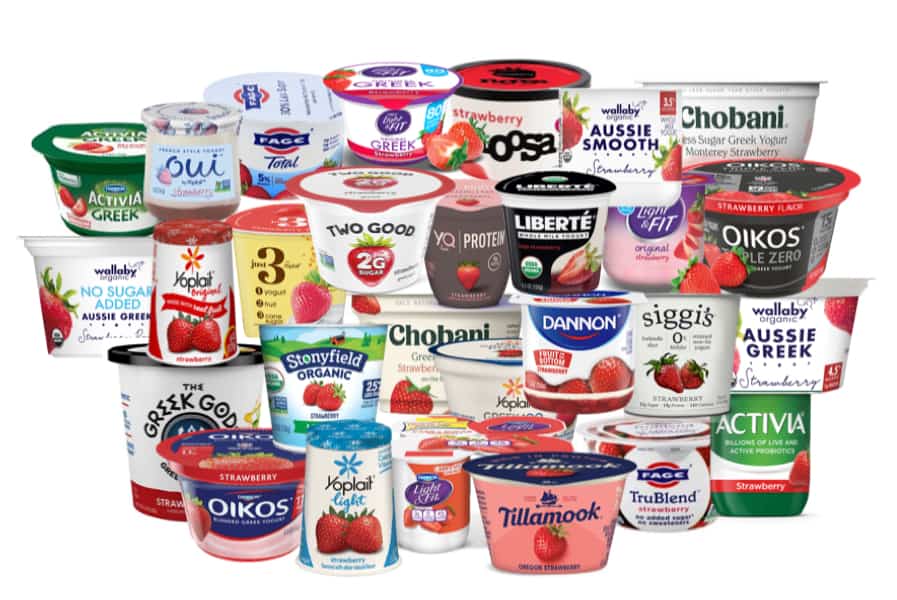
The world of yogurt is diverse, with various types offering unique benefits for gut health, from Greek yogurt to kefir and Icelandic yogurt. Each type has its own set of characteristics that can cater to different needs and preferences when it comes to supporting gut health.
When comparing these yogurts, it’s essential to consider their probiotic content, protein levels, and overall nutritional profile. Let’s dive into the specifics of Greek yogurt, kefir, and Icelandic yogurt to understand their benefits.
Greek Yogurt: Thick, Protein-Packed, and Probiotic-Rich
Greek yogurt is known for its thick texture and high protein content, making it a favorite among fitness enthusiasts and health-conscious individuals. It is also rich in probiotics, which are beneficial for gut health. The straining process involved in making Greek yogurt removes excess liquid, resulting in a creamier product with a higher concentration of protein.
Key Benefits: High in protein, rich in probiotics, and has a thick, creamy texture.
Kefir: The Undisputed King of Probiotics
Kefir is a fermented milk product that contains a wide variety of probiotic bacteria and yeast. It has been touted as a superior probiotic source due to its diverse microbial content. Kefir is thinner than Greek yogurt and has a tangier taste, making it a great addition to smoothies or as a base for salad dressings.
“Kefir is like a probiotic powerhouse, offering a broader spectrum of beneficial microbes than traditional yogurt.”
Key Benefits: High diversity of probiotics, supports gut health, and can be easily incorporated into various recipes.
Icelandic Yogurt (Skyr): Dense in Protein and Cultures
Icelandic yogurt, or Skyr, is a type of yogurt that is dense in protein and cultures. It is made from skimmed milk and has a thick, creamy texture similar to Greek yogurt. Skyr is less known outside of Iceland but is gaining popularity worldwide due to its nutritional benefits.
Key Benefits: High in protein, rich in probiotics, and has a unique, thick texture.
In conclusion, Greek yogurt, kefir, and Icelandic yogurt each offer unique benefits for gut health. Whether you prioritize high protein content, diverse probiotics, or a specific texture, there’s a type of yogurt that can meet your needs.
Probiotic Yogurt Benefits for Your Whole Body

Beyond its role in supporting gut health, probiotic yogurt offers a myriad of benefits that contribute to a healthier body. The advantages of incorporating probiotic yogurt into your diet are multifaceted, impacting various aspects of health.
How Probiotic Yogurt Supports the Immune System
Probiotic yogurt plays a significant role in enhancing immune function. The live cultures in probiotic yogurt help in strengthening the body’s natural defenses by promoting a healthy balance of gut bacteria. This balance is crucial for the optimal functioning of the immune system.
Key Benefits for the Immune System:
- Enhances the production of antibodies
- Boosts the activity of immune cells like macrophages and natural killer cells
- Supports the integrity of the gut barrier
Can Probiotic Yogurt Help Reduce Inflammation in the Gut?
Probiotic yogurt has been shown to have anti-inflammatory properties, which can help in reducing inflammation in the gut. The probiotics in yogurt can aid in healing the gut lining and reducing the production of pro-inflammatory cytokines.
| Probiotic Strain | Potential Benefits |
|---|---|
| Lactobacillus acidophilus | Reduces gut inflammation, improves digestion |
| Bifidobacterium bifidum | Enhances immune function, supports gut health |
| Streptococcus thermophilus | Aids in lactose digestion, supports gut barrier function |
The Role of Yogurt in Maintaining Regular Digestion
Probiotic yogurt is beneficial for maintaining regular digestion. The live cultures help in breaking down food and absorbing nutrients more efficiently. Regular consumption can prevent digestive disorders such as constipation and diarrhea.
By incorporating probiotic yogurt into your daily diet, you can experience these benefits firsthand. It’s a simple yet effective way to support your overall health and well-being.
Navigating Probiotic Yogurt for Lactose Intolerance
The fermentation process in probiotic yogurt makes it a viable option for those with lactose intolerance. This is because the live cultures in the yogurt break down some of the lactose, making it easier to digest.
Why Fermented Dairy is Easier to Digest
Fermented dairy products like probiotic yogurt contain live and active cultures that help in digesting lactose. These cultures produce lactase, the enzyme that breaks down lactose, thereby reducing the amount of undigested lactose that can cause discomfort.
Key Benefits of Fermented Dairy:
- Reduced lactose content due to fermentation
- Presence of lactase enzyme
- Easier digestion for those with lactose intolerance
Choosing the Right Yogurt for Sensitive Stomachs
When selecting a probiotic yogurt, individuals with lactose intolerance should look for products with high levels of live and active cultures. The label should indicate the presence of specific strains like Lactobacillus acidophilus or Bifidobacterium bifidum.
| Yogurt Brand | Live & Active Cultures | Lactose Content |
|---|---|---|
| Brand A | Yes | Low |
| Brand B | Yes | Very Low |
| Brand C | No | High |
Tips for Managing Digestive Discomfort with Yogurt
To minimize digestive discomfort, start with small portions of probiotic yogurt and gradually increase the amount. It’s also helpful to consume yogurt with meals to slow down the digestion process.
By choosing the right probiotic yogurt and being mindful of portion sizes, individuals with lactose intolerance can enjoy the benefits of yogurt without significant discomfort.
Best Probiotic Yogurt Brands of 2026

In 2026, the best probiotic yogurt brands are not just about taste; they’re also about delivering on their health promises. With numerous options available, consumers can choose from a variety of products that cater to different needs and preferences.
Top Picks from Dannon Activia and Stonyfield Organic
Dannon Activia is a well-known brand that offers a range of probiotic yogurts. Their products contain Bifidobacterium lactis, a strain that supports digestive health. Stonyfield Organic, on the other hand, is praised for its organic ingredients and commitment to sustainability.
According to a registered dietitian, “Dannon Activia’s probiotic yogurt is a great option for those looking to support their gut health with a product that has been clinically tested.”
“Probiotic yogurt can be a valuable addition to a balanced diet, providing essential nutrients and beneficial bacteria.”
- Dannon Activia: Known for its digestive health benefits
- Stonyfield Organic: Offers organic and sustainable probiotic yogurt options
Why Chobani and Nancy’s are Favorites Among Dietitians
Chobani and Nancy’s are two brands that have gained popularity among dietitians for their high-quality probiotic yogurts. Chobani is recognized for its non-GMO and high-protein products, while Nancy’s is appreciated for its organic and probiotic-rich offerings.
| Brand | Key Features | Nutritional Highlights |
|---|---|---|
| Chobani | Non-GMO, high-protein | 20 grams of protein per serving |
| Nancy’s | Organic, probiotic-rich | Contains multiple probiotic strains |
Evaluating the Nutritional Value of Popular Probiotic Drinks
Probiotic drinks have become increasingly popular, offering a convenient way to consume probiotics. When evaluating their nutritional value, it’s essential to consider factors such as sugar content, protein levels, and the presence of live and active cultures.
When choosing a probiotic yogurt or drink, look for products with minimal added sugars, adequate protein, and a variety of probiotic strains. Brands like Dannon Activia and Chobani offer a range of products that meet these criteria.
Non-Dairy and Plant-Based Yogurt Options

Non-dairy yogurts, made from sources like coconut milk, are gaining traction for their potential health benefits. As consumers increasingly seek dairy-free alternatives, the market for non-dairy yogurts has expanded, offering a range of options for those looking to incorporate probiotics into their diet without consuming dairy.
The effectiveness of non-dairy yogurts in providing probiotic benefits can vary depending on their ingredients and manufacturing process. Coconut milk yogurt, for instance, has gained popularity due to its creamy texture and potential health benefits.
Can Coconut Milk Yogurt Provide the Same Benefits?
Coconut milk yogurt is made by fermenting coconut milk with probiotic bacteria. This process not only enhances its nutritional profile but also provides a dairy-free alternative that can support gut health. The presence of medium-chain triglycerides (MCTs) in coconut milk may offer additional health benefits, although the primary probiotic benefits come from the live cultures added during fermentation.
Research suggests that coconut milk yogurt can be as effective as dairy-based yogurt in delivering probiotics, provided it contains live and active cultures. However, the strain and quantity of probiotics can vary between brands.
Analyzing the Coconut Cult and Other Plant-Based Brands
Several brands, such as The Coconut Cult, have emerged as leaders in the non-dairy yogurt market. These brands offer a range of flavors and products that cater to different tastes and dietary needs. When choosing a non-dairy yogurt, it’s essential to check the label for the presence of live cultures and the type of probiotic strains used.
Some brands may fortify their non-dairy yogurts with additional nutrients, such as protein or fiber, enhancing their nutritional value. Reading labels carefully is crucial to making an informed decision.
Are Non-Dairy Yogurts as Effective as Dairy-Based Ones?
The effectiveness of non-dairy yogurts compared to dairy-based ones largely depends on their probiotic content and the individual’s digestive needs. While dairy-based yogurts have been extensively studied for their health benefits, non-dairy alternatives are increasingly being recognized for their potential to support gut health.
Ultimately, whether non-dairy yogurts are as effective as their dairy-based counterparts depends on factors like the type of probiotic strains used, the manufacturing process, and individual tolerance to different ingredients.
Yogurt vs. Probiotic Supplements

When it comes to supporting gut health, individuals often find themselves torn between consuming probiotic yogurt and taking probiotic supplements. Both options have their advantages and can be beneficial for overall health.
The decision between choosing probiotic yogurt or supplements depends on several factors, including personal health goals, dietary preferences, and the specific benefits one is seeking. Understanding the differences between these two options is crucial for making an informed decision.
Which is Better for Long-Term Gut Health?
Probiotic yogurt and supplements can both contribute to long-term gut health, but they work in different ways. Yogurt contains live and active cultures that can help populate the gut with beneficial bacteria. Regular consumption of probiotic yogurt can lead to a sustained improvement in gut health.
On the other hand, probiotic supplements can provide a more concentrated dose of specific bacterial strains. This can be particularly beneficial for individuals with specific health conditions or those who require a higher CFU (Colony-Forming Units) count.
Key considerations:
- The type of bacterial strains present
- The CFU count
- Individual health needs
Bioavailability of Bacteria in Food Versus Pills
The bioavailability of probiotics refers to the extent to which the bacteria can survive the passage through the digestive system and colonize the gut. Probiotic yogurt, being a food product, can provide a more natural matrix for the bacteria, potentially enhancing their survival rate.
Probiotic supplements, however, are often designed with protective coatings to ensure the bacteria reach the gut alive. The bioavailability can vary significantly between different products, depending on the formulation and manufacturing process.
How to Combine Both for Maximum Results
Combining probiotic yogurt and supplements can offer a synergistic effect, providing both the benefits of a diverse range of bacterial strains and a high CFU count. This approach can be particularly effective for individuals seeking to maximize their gut health benefits.
For example, consuming probiotic yogurt regularly can provide a baseline level of beneficial bacteria, while taking a supplement can offer an additional boost, especially during times of stress or when dealing with specific health issues.
“Combining different approaches to probiotic intake can lead to a more robust and resilient gut microbiome.”
Expert Opinion
In conclusion, both probiotic yogurt and supplements have their place in supporting gut health. By understanding their differences and potentially combining them, individuals can make informed choices that best suit their health needs.
Maximizing Probiotic Benefits Through Diet
To get the most out of probiotic yogurt, it’s essential to understand how to incorporate it into your diet effectively. Eating yogurt regularly can support gut health, but factors like fat content and added sugar can impact its benefits.
Probiotic yogurt benefits can be maximized by making informed choices about the type of yogurt you consume and how often you eat it. The frequency of consumption, the fat content, and the presence of added sugars are all crucial factors to consider.
How often should you eat yogurt for optimal health?
Eating probiotic yogurt daily can be beneficial for gut health. Research suggests that consuming yogurt with live and active cultures regularly can help maintain a healthy balance of gut bacteria. Aim to include yogurt in your diet at least once a day, but ideally twice, to reap the most benefits.
- Start with a small serving size to adjust to the probiotic content.
- Gradually increase the serving size as your gut microbiome adapts.
- Consider having yogurt as a snack or dessert to make it a consistent part of your diet.
Does the fat content of yogurt affect probiotic quality?
The fat content of yogurt can impact its nutritional profile, but it does not significantly affect the probiotic quality. Both full-fat and low-fat yogurts can contain live and active cultures. However, it’s essential to choose yogurts with minimal processing and no unnecessary additives.
Is yogurt with added sugar still good for your gut?
While yogurt with added sugar is still a better choice than not having yogurt at all, it’s best to opt for plain, unflavored varieties to avoid excessive sugar intake. Added sugars can negate some of the probiotic yogurt benefits by promoting an imbalance in gut bacteria.
To minimize the negative effects of added sugar, consider the following:
- Choose plain yogurt and add your own fruits or honey for sweetness.
- Be mindful of the ingredient list to avoid yogurts with high fructose corn syrup or other unwanted additives.
- Opt for yogurts labeled as “unsweetened” or “low sugar.”
Addressing Common Concerns and Myths

With the rise of probiotic yogurt in the health food scene, it’s essential to separate fact from fiction. As consumers become more health-conscious, they often encounter misinformation or unanswered questions about the products they consume. Probiotic yogurt, in particular, has sparked several debates and concerns that need clarification.
Does Frozen Yogurt Contain Enough Probiotics?
Frozen yogurt, a popular dessert, is often questioned for its probiotic content. The truth is, frozen yogurt may contain fewer probiotics than its refrigerated counterpart. The freezing process can affect the viability of the live cultures, potentially reducing their numbers. However, some brands have adapted their manufacturing processes to preserve more of these beneficial bacteria. When choosing frozen yogurt for its probiotic benefits, it’s crucial to check the label for specific strains and their quantities.
Can Probiotic Yogurt Help with Skin Conditions Like Acne?
The relationship between probiotic yogurt and skin health is an area of growing interest. Some studies suggest that the probiotics in yogurt can help manage skin conditions such as acne by reducing inflammation and improving gut health, which is linked to skin health. While the evidence is promising, more research is needed to fully understand the extent of this benefit. Nonetheless, incorporating probiotic yogurt into a balanced diet may contribute to overall skin health.
Are There Risks to Eating Too Much Probiotic Yogurt?
While probiotic yogurt is generally considered safe and beneficial, consuming it in excess can have its drawbacks. Overconsumption may lead to an imbalance of gut bacteria or cause digestive discomfort in some individuals, particularly those with sensitive stomachs. It’s also worth noting that many commercial yogurts contain added sugars, which can negate some of the health benefits when consumed excessively. Moderation is key to enjoying the benefits of probiotic yogurt while minimizing potential risks.
The Role of Specific Bacterial Strains

Understanding the role of specific bacterial strains in probiotic yogurt is crucial for maximizing its health benefits. Probiotic yogurt contains various strains of bacteria, each with its unique benefits and functions.
Lactobacillus acidophilus and its benefits
Lactobacillus acidophilus is one of the most commonly found probiotic strains in yogurt. It is known for its ability to support gut health by aiding in the digestion of lactose and promoting a healthy gut microbiome. This strain has also been linked to enhanced immune system function and may help in reducing symptoms of certain gastrointestinal disorders.
The importance of L. reuteri in modern yogurt
L. reuteri is another significant probiotic strain found in some yogurts. Research has shown that L. reuteri can help in maintaining a healthy gut and has been associated with various health benefits, including improved digestion and immune system support. The inclusion of L. reuteri in probiotic yogurt can contribute to a more diverse gut microbiome.
Why diversity of strains matters for your microbiome
A diverse range of bacterial strains in probiotic yogurt is essential for a healthy microbiome. Different strains can have different effects on the body, from supporting digestion to boosting the immune system. A yogurt with multiple strains can provide a broader range of benefits compared to one with a single strain.
| Bacterial Strain | Benefits |
|---|---|
| Lactobacillus acidophilus | Aids in lactose digestion, supports gut health, enhances immune function |
| L. reuteri | Improves digestion, supports immune system, contributes to a diverse gut microbiome |
| Bifidobacterium bifidum | Supports gut health, aids in digestion, may help with symptoms of IBS |
The diversity of bacterial strains in probiotic yogurt is a key factor in its overall effectiveness. By understanding the specific benefits of different strains, consumers can make informed choices about the yogurt they choose to support their health and wellbeing.
Integrating Probiotic Yogurt into Your Daily Routine
Probiotic yogurt is not just a healthy snack; it’s a versatile ingredient that can be incorporated into your daily meals in various ways. By making a few simple changes to your diet, you can reap the benefits of probiotic yogurt and support your overall gut health.
Creative Ways to Use Plain Probiotic Yogurt
Plain probiotic yogurt can be used in a variety of dishes, from breakfast to dessert. Here are a few ideas to get you started:
- Use it as a base for smoothies, adding your favorite fruits and nuts.
- Substitute it for sour cream or mayonnaise in recipes to add a tangy flavor and extra creaminess.
- Mix it with honey and granola for a quick and healthy snack.
- Add it to soups and sauces for an extra dose of protein and probiotics.
Best Times of Day to Consume Fermented Foods
The best time to consume probiotic yogurt is in the morning or before bed. Eating it in the morning can help kickstart your digestive system, while consuming it before bed may aid in a restful night’s sleep due to its relaxing effects on the gut.
Consuming fermented foods like probiotic yogurt at the right time can enhance their benefits. Here is a simple table to guide you:
| Time of Day | Benefits |
|---|---|
| Morning | Kickstarts digestion, boosts energy |
| Before Bed | Aids in relaxation, supports restful sleep |
| With Meals | Enhances nutrient absorption, supports gut health |
Pairing Yogurt with Prebiotics for Better Absorption
Prebiotics are non-digestible fibers that help feed the good bacteria in your gut, enhancing the effectiveness of probiotics. Pairing probiotic yogurt with prebiotic-rich foods can improve the absorption of beneficial bacteria.
Some prebiotic-rich foods include:
- Asparagus
- Bananas
- Onions
- Garlic
- Whole wheat bread
By combining these foods with probiotic yogurt, you can create a powerful gut-friendly diet that supports overall health and well-being.
At The End of: Probiotic Yogurt Guide
Incorporating probiotic yogurt into your diet can have a significant impact on your overall gut health and well-being. With its rich content of live cultures and probiotics, probiotic yogurt supports a healthy digestive system and boosts your immune system.
As discussed, choosing the right probiotic yogurt involves checking the ingredient list, verifying the presence of specific bacterial strains, and evaluating the protein content. Brands like Dannon Activia and Stonyfield Organic offer high-quality options.
By making informed choices about probiotic yogurt, you can harness its benefits, including improved digestion, enhanced immune function, and even potential anti-inflammatory effects. So, make probiotic yogurt a part of your daily routine to support your gut health and overall health.
FAQ
What is the best probiotic yogurt in the U.S. for gut health?
According to nutritionists and editors, the best probiotic yogurt in the U.S. often includes brands like Stonyfield Organic Probiotic Yogurt, Nancy’s Probiotic Yogurt, and Dannon Activia. These brands are recognized for containing high concentrations of live and active cultures that specifically target digestive wellness and immune system support.
What is the difference between regular yogurt and probiotic yogurt?
While all yogurt is made with yogurt starter cultures (typically L. bulgaricus and S. thermophilus), probiotic yogurt is fortified with specific, clinically studied strains such as Lactobacillus acidophilus, Bifidobacterium, or L. reuteri yogurt. These additional “good bacteria” are proven to survive the transit through the GI tract to provide probiotic yogurt benefits.
Which yogurt contains the highest amount of probiotics?
Kefir is widely considered the undisputed king of probiotics, often containing up to 30 different probiotic strains. Among spoonable options, Icelandic yogurt (skyr) and specific Greek yogurt brands like Chobani probiotic yogurt or Fage offer high counts of live active cultures alongside a dense protein content.
Does Greek yogurt have more probiotics than regular yogurt?
Not necessarily. While Greek yogurt is protein-packed and thick, the straining process that removes whey does not inherently increase the probiotic count. To ensure you are getting enough good bacteria, look for the Live & Active Cultures seal on the packaging, regardless of whether it is regular or Greek-style.
Does Probiotic Yogurt always contain live bacteria?
Probiotic Yogurt should contain live microorganisms, but not every yogurt in the store does, because some products may be treated after culturing and then must disclose that they do not contain live and active cultures. FDA yogurt standard update
Is Probiotic Yogurt the same thing as Greek yogurt?
Probiotic Yogurt and Greek yogurt are not the same concept, because Greek describes a style and texture while probiotic refers to live microorganisms linked to health-related function. Some Greek yogurts are probiotic, and some are simply strained yogurts without that added positioning. ISAPP
Can Probiotic Yogurt help with lactose intolerance?
Probiotic Yogurt may be easier for some people with lactose intolerance to handle than milk, but tolerance varies and symptoms should guide your choice. It is also important to remember that lactose intolerance is different from a milk allergy. NIDDK definition facts
How much should you eat of Probiotic Yogurt?
Probiotic Yogurt does not come with a universal recommendation for healthy people, and probiotic guidance is often strain-specific. What we do know is that FDA’s qualified claim for regular yogurt refers to at least 2 cups, or 3 servings, per week, while also stating that the supporting evidence is limited. ISAPP guide
Can Probiotic Yogurt fit children and older adults?
Probiotic Yogurt can fit many life stages when chosen thoughtfully, especially when sugar level, protein, portion size, and medical needs are considered. In daily practice, plain or lightly sweetened options are often the easiest way to make it work for families without turning yogurt into dessert. Ohio State Extension
How do I know if a yogurt is rich in probiotics when looking at labels?
When learning how to choose the best probiotic yogurt, check the probiotic yogurt nutrition facts for specific strain names like Lactobacillus rhamnosus or Bifidobacterium animalis lactis. Authentic probiotic rich yogurt will list these strains specifically rather than just saying “dairy cultures.”
Is yogurt with added sugar still good for my gut?
While yogurt with active cultures still provides benefits, high amounts of added sugar can feed harmful bacteria in the gut, potentially neutralizing the positive effects of the probiotics. For the best probiotic yogurt for a healthier gut, dietitians recommend choosing plain regular yogurt and adding fresh fruit for sweetness.
Can people with lactose intolerance eat probiotic yogurt?
Yes, probiotic yogurt for lactose intolerance is often well-tolerated because the fermented dairy process breaks down much of the lactose. Strains found in Activia yogurt and Greek yogurt with live cultures help digest the remaining lactose, reducing bloating and digestive discomfort.
Are non-dairy and plant-based yogurts as effective as dairy ones?
Dairy free probiotic yogurt, such as cashewmilk yogurt or coconut milk probiotic yogurt, can be very effective if they are fortified with live strains. The Coconut Cult and Forager Project are top-tier coconut yogurt cult brands that offer high-potency probiotics in coconut yogurt.
What are the specific benefits of L. reuteri yogurt?
L. reuteri yogurt is highly sought after for its unique ability to support the immune system and improve skin conditions like acne. Brands or homemade versions focusing on Lactobacillus reuteri yogurt are often used to help reduce gut inflammation and support a diverse microbiome.
Does frozen yogurt contain enough probiotics to benefit gut health?
Generally, no. Most frozen yogurt undergoes heat treatment after fermentation, which kills the live yogurt cultures. Unless the packaging explicitly states it contains active live culture yogurt added after freezing, it should be treated as a dessert rather than a probiotic food.
What is the best yogurt for maintaining regular digestion?
Activia probiotic yogurt, including Activia Probiotic Dailies and Activia fiber yogurt, is specifically designed and clinically proven to help with regular digestion and transit time. Its specific Bifidobacterium animalis lactis DN-173 010 strain is one of the most studied for digestive wellness.
How often should I eat probiotic yogurt to see results?
To maximize probiotic yogurt benefits, consistency is key. Nutritionists suggest consuming a serving of probiotic yogurt drink or plain probiotic yogurt daily to maintain a steady level of good bacteria in the gut, especially after a course of antibiotics.
Can probiotic yogurt help with weight loss?
Some best probiotic yogurts can support weight loss goals by increasing satiety through protein-packed formulas, like Icelandic skyr. Additionally, a healthy gut health balance is linked to improved metabolism and reduced cravings for processed sugars.
Is yogurt better than probiotic supplements for long-term health?
Yogurt vs. probiotic supplements is a common debate. Most dietitians prefer yogurt because it provides bioavailability of nutrients like calcium, vitamin D, and protein alongside the bacteria. The fermented dairy matrix also helps protect the live active cultures as they pass through stomach acid.
What are some creative ways to use plain probiotic yogurt?
Plain regular yogurt is a versatile food. You can use it as a base for smoothies, a substitute for sour cream on tacos, or mix it with prebiotic foods like oats and bananas to create a symbiotic meal that feeds the good bacteria.
Conclusion of: What is The Best Probiotic Yogurt?
Probiotic Yogurt has become a major part of the U.S. dairy aisle because it combines the familiarity of yogurt with growing interest in digestive health, live cultures, and everyday functional foods. Still, the term can confuse shoppers because not every cultured product delivers the same strains, amounts, or practical benefits. The smartest way to shop is to understand what probiotics are, what yogurt labels can and cannot tell you, and how to match the product to your own goals. NCCIH
Probiotic Yogurt also fits into a broader nutrition conversation because yogurt can provide protein, calcium, potassium, and other nutrients in a form that is convenient for breakfast, snacks, lunchboxes, and post-workout meals. In the United States, yogurt is recognized as part of healthy dietary patterns, but the best choice depends on more than a “gut health” message on the package front. Sugar level, serving size, satiety, ingredient quality, and cold storage all matter. Dietary Guidelines overview
Probiotic Yogurt is worth considering if you want a practical food rather than another supplement, but it pays to read the label like a careful buyer. A good comparison starts with serving size, then moves to added sugars, protein, saturated fat, and whether the product clearly mentions live or active cultures. In many U.S. grocery stores, that simple routine is more useful than choosing the cup with the boldest marketing language. FDA Nutrition Facts Label
What probiotic yogurt really means
Probiotic Yogurt should contain live microorganisms that are consumed in amounts intended to provide a health benefit, which is a stricter idea than simply saying a food is fermented. Yogurt itself is a cultured dairy food, but the word “probiotic” should point to living microbes with meaningful evidence behind them. That is why shoppers should avoid assuming that every fermented cup automatically works like a clinically studied probiotic product. NIH ODS Consumer Fact Sheet
Probiotic Yogurt exists inside a specific U.S. labeling framework as well. Under the federal yogurt standard, a product may use a “contains live and active cultures” type of statement only if it meets minimum live-culture levels, and a yogurt that is treated after culturing to inactivate those microorganisms must disclose that it does not contain live and active cultures. This means the label can give you real clues when you know what to look for. 21 CFR 131.200
Probiotic Yogurt is also different from standard yogurt because the details matter down to the strain level, not just the general bacterial family. A label that only sounds scientific may not tell you enough, while a better product often identifies the organism more precisely and makes its positioning clearer. For consumers, the practical takeaway is simple: strain identity, viable count, and realistic evidence are more useful than vague promises about balance or wellness. NIH ODS Health Professional Fact Sheet
Potential benefits and where evidence is strongest
Probiotic Yogurt is most often discussed for digestive support, and that is where the most practical consumer interest usually begins. Research on probiotics is active, but results are not universal across all products because different strains can act differently in the body. That is why the best way to think about benefits is not as a magic result from any yogurt cup, but as a possible advantage from a specific product used in an appropriate amount over time. ODS consumer PDF
Probiotic Yogurt may be especially relevant for people who do not tolerate milk very well. According to NIDDK guidance, many people with lactose intolerance do not need to remove all dairy, and some tolerate yogurt better than other milk products. Fermentation changes the food, and live cultures can make yogurt easier for some people to handle than a glass of milk, although tolerance still varies from person to person. NIDDK
Probiotic Yogurt also benefits from being a food rather than a pill, because the package may include protein, minerals, and meal satisfaction along with live cultures. In 2024, FDA said there is limited but credible evidence supporting a qualified claim linking regular yogurt intake with reduced risk of type 2 diabetes, based on yogurt as a food rather than on one single nutrient or compound. That does not turn yogurt into a treatment, but it does show why whole-food context matters. FDA qualified health claim
How to read a probiotic yogurt label in the store
Probiotic Yogurt should first be judged by the nutrition panel, not by the front label. Start with serving size, because a cup that looks small may count as more than one serving, which changes the real amount of sugar, calories, and protein you are getting. Next, compare total protein and added sugars, then scan the ingredient list and culture language so you know whether the product is plain, sweetened, fruit-prepared, high-protein, or positioned as a specialty probiotic food. Academy of Nutrition and Dietetics
Probiotic Yogurt becomes easier to compare once you pay close attention to added sugars. The FDA now requires added sugars to appear on the Nutrition Facts label, which gives shoppers a better way to separate naturally occurring milk sugars from sweeteners added during processing. In practice, plain yogurt often gives you more control because you can add fruit, oats, nuts, or cinnamon yourself instead of buying a dessert-like product that happens to sit in the yogurt case. FDA added sugars
Probiotic Yogurt may also vary sharply in protein and mineral value depending on style. Greek and other strained products often provide more protein per serving, which can make them more filling and more useful in breakfast bowls, smoothies, and higher-protein snacks. At the same time, calcium, vitamin D, and potassium matter too, so the smartest purchase is usually the one that balances sugar, protein, and micronutrients instead of chasing only one headline number. Calcium sources guide
Probiotic Yogurt is not always nutritionally interchangeable with plant-based yogurt alternatives. Some non-dairy products are fortified and useful, but others may contain less protein or different nutrient profiles than dairy yogurt. If you choose a non-dairy option for preference, allergy, or lifestyle reasons, compare calcium, vitamin D, protein, and live culture information carefully instead of assuming that all products in the refrigerated yogurt section perform the same nutritional job. MyPlate dairy resource
Quick checklist
- Check the serving size before comparing sugar or protein.
- Look for wording about live and active cultures.
- Prefer products that identify strains clearly when possible.
- Compare added sugars, especially in flavored cups.
- Check protein per serving if you want more fullness.
- Choose plain versions when you want the most flexibility.
- Confirm calcium and vitamin D if nutrition is a priority.
- Keep refrigerated products cold from store to home.
- Buy a size you will realistically finish before quality drops.
- Match the product to your goal: taste, satiety, digestion, or convenience.
Common mistakes to avoid
- Assuming every cultured yogurt is automatically probiotic.
- Ignoring added sugars because the product “sounds healthy.”
- Buying large tubs that go unfinished and get wasted.
- Choosing by buzzwords instead of the Nutrition Facts label.
- Thinking more strains always means better results.
- Confusing Greek style with probiotic function.
- Leaving yogurt unrefrigerated too long after shopping.
- Expecting one food to solve chronic digestive issues on its own.
Safety, storage, and who should be cautious
Probiotic Yogurt is still a perishable refrigerated dairy food, so food safety rules matter just as much as nutrition rules. The FDA advises putting refrigerated perishables away promptly and following the two-hour rule at room temperature, or one hour in very hot conditions. That matters whether you are driving home from Costco, packing lunch, or letting groceries sit on the counter while you unpack the rest of the bag. FDA food storage
Probiotic Yogurt should also be handled carefully during travel, power outages, or long workdays away from a refrigerator. FoodSafety.gov guidance treats yogurt as a perishable food that should be discarded if it stays above safe refrigeration conditions too long, especially during outages. For shoppers, this means cold-chain discipline is part of value too, because a premium cup loses all its worth if poor handling turns it into waste. FoodSafety.gov
Probiotic Yogurt is safe for most healthy people, but caution is reasonable in higher-risk situations. Federal health sources note that probiotics are not risk-free for everyone, and medical guidance becomes especially important for people with serious illness, very fragile health, or special clinical circumstances. For most consumers, that means food-based options can fit a normal diet, but strong health claims should never replace personalized advice when symptoms or medical complexity are involved. CDC
Costs and ROI snapshot
Probiotic Yogurt usually becomes more expensive when it is sold in single-serve cups, strained into high-protein styles, flavored with fruit preparations, marketed with premium claims, or produced under specialty standards such as organic. From a shopper perspective, the best value often comes from comparing ounces, servings, protein, and added sugars rather than judging price only by the sticker on the shelf. Large plain tubs often deliver better value per serving if your household will actually finish them. USDA FoodData Central
Probiotic Yogurt gives the strongest practical return when it fits your routine and replaces a weaker snack choice, not when it becomes an expensive product you buy with unrealistic expectations. If a low-sugar, higher-protein cup helps you stay full, eat more consistently, or tolerate dairy better, that can be real value. But if you are paying a premium for unclear labeling and vague gut-health language, the return is much less certain than the marketing suggests. Illinois Extension
Final thought
Probiotic Yogurt is one of the most practical refrigerated foods in the American grocery store when you choose it with clear eyes. The best option is rarely the most aggressively marketed one; it is the product with sensible sugar, useful protein, real live-culture information, safe handling, and a place in your routine that you can maintain. Systematic review
Sources & References
- Beneficial Effects of Yoghurts and Probiotic Fermented Milks and Their Functional Food Potential
- Health Benefits of Probiotics: A Review
- Overview of Dairy-based Products with Probiotics
- Therapeutic Potential of Popular Fermented Dairy Products and Probiotics
- Effects of Dietary Yogurt on the Healthy Human Gastrointestinal Microbiome
- Harvard Nutrition Source: Yogurt
- FDA Announces Qualified Health Claim for Yogurt and Reduced Risk of Type 2 Diabetes
- FDA Changes to the Nutrition Facts Label
- FDA: How to Understand and Use the Nutrition Facts Label
- FoodKeeper App
- NIDDK: Symptoms & Causes of Lactose Intolerance
- USDA Yogurt Nutrition Information
- USDA FoodData Central: Greek Yogurt Search
- ISAPP: Do All Fermented Foods Contain a Probiotic?
- Criteria to Qualify Microorganisms as “Probiotic” in Foods
- UF/IFAS: Shopping for Health: Yogurt