
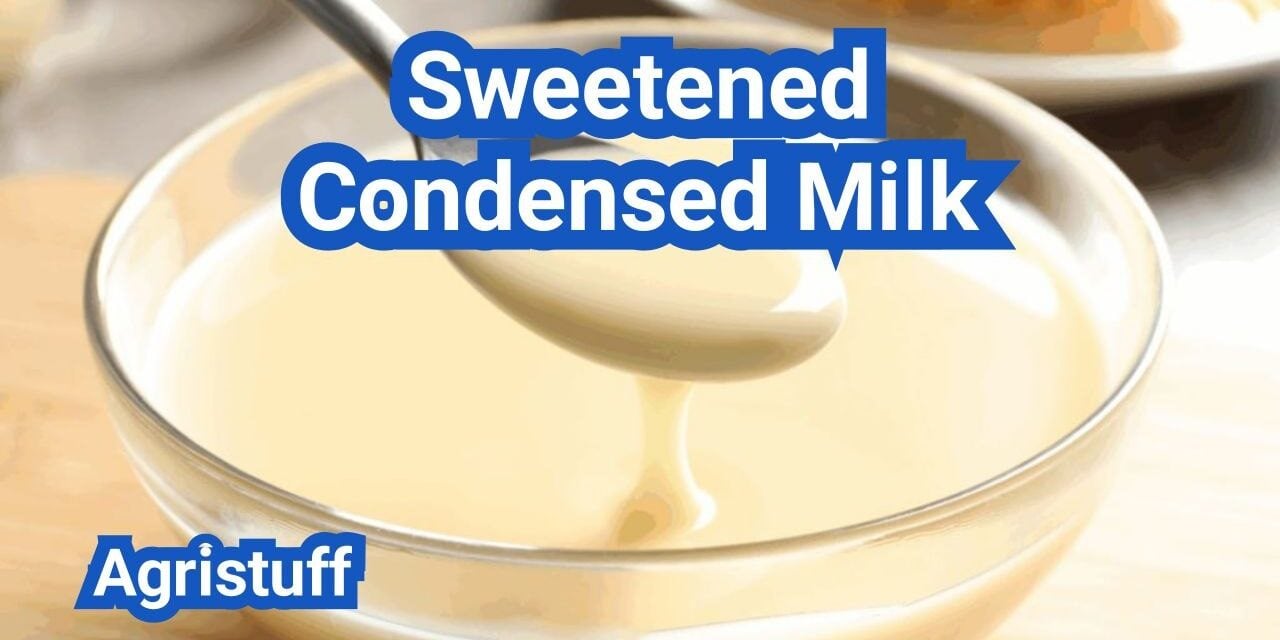
Imagine a thick, sugary dairy concentrate that transforms simple treats into velvety masterpieces. This golden pantry staple is a beloved favorite for American home bakers. It serves as the rich foundation for classic holiday pies and decadent fudge.
Many home cooks often ask what is condensed milk used for in modern kitchens. This unique ingredient provides a silky texture that regular cream simply cannot replicate. It acts as the secret component behind a truly authentic tres leches cake.
Finding sweetened condensed milk in the u.s. is easy for any dessert enthusiast. This shelf-stable product helps you achieve a smooth consistency in every single bite. Using sweetened condensed milk in usa recipes ensures your holiday treats stand out effortlessly.
Culinary experts rely on this versatile liquid to balance flavors in coffee and fruit-based desserts. Having a can of condensed milk ready in your cupboard allows for quick recipe preparation. This sweetened condensed milk variant remains a vital part of American baking traditions today.
Key Takeaways
- Enhances the creamy texture of various American desserts.
- Essential for making traditional fudge and fruit pies.
- Provides a unique sweetness that regular dairy lacks.
- Acts as a core ingredient in classic tres leches cake.
- Offers a long shelf life for convenient pantry storage.
- Widely available across all major United States grocery stores.
What is Sweetened Condensed Milk?

Sweetened condensed milk is made by evaporating milk to remove a significant portion of its water content. This process involves heating the milk to evaporate the water, resulting in a thick, creamy liquid with a rich texture.
Understanding the Basics of Condensed Milk
The production of sweetened condensed milk begins with fresh milk, from which most of the water content is removed through evaporation. The remaining milk is then mixed with a substantial amount of sugar, which not only adds sweetness but also plays a crucial role in the preservation of the milk.
The basic sweetened condensed milk ingredients include milk and sugar. The milk used is typically cow’s milk, although variations can be made with other types of milk.
The Role of Sugar in Preservation
Sugar in sweetened condensed milk serves multiple purposes. It acts as a preservative by inhibiting the growth of bacteria and other microorganisms. The high sugar content creates an environment that is not conducive to microbial growth, thus extending the shelf life of the product.
The addition of sugar also enhances the flavor and texture of the condensed milk, making it a versatile ingredient in various recipes.
| Ingredient | Function |
|---|---|
| Milk | Provides the base for the condensed milk |
| Sugar | Acts as a preservative and adds sweetness |
Sweetened Condensed Milk Ingredients and Nutrition Facts

Understanding the composition and nutritional value of sweetened condensed milk is crucial for making informed dietary choices. This ingredient, commonly used in baking and dessert preparation, has a specific nutritional profile that consumers should be aware of.
Sweetened condensed milk is made by evaporating milk to remove a significant portion of its water content and then adding a large amount of sugar to it. The result is a delicious, shelf-stable creamer with just milk and sugar – no preservatives, no oils, and no artificial flavors.
Breakdown of Standard Ingredients
The standard ingredients in sweetened condensed milk are milk and sugar. The milk used is typically cow’s milk, which is rich in calcium and protein. The sugar added is sucrose, which significantly increases the calorie content of the final product.
Analyzing the Nutritional Profile
The nutritional profile of sweetened condensed milk is characterized by its high sugar and calorie content. A typical serving size of sweetened condensed milk is high in calories and contains a significant amount of sugar, making it a treat that should be consumed in moderation.
For those concerned about lactose, it’s worth noting that sweetened condensed milk contains lactose, as it is derived from milk. However, dairy-free alternatives are available for those who are lactose intolerant or prefer a vegan diet. These alternatives are made from non-dairy milks such as coconut milk or almond milk.
When analyzing the nutritional value, it’s clear that sweetened condensed milk is not suitable for all diets. However, for those who can include it, it can be a valuable ingredient in a variety of recipes, adding richness and sweetness.
Sweetened Condensed Milk vs Evaporated Milk: Key Differences

Sweetened condensed milk and evaporated milk are two dairy products that, despite their similarities, have distinct uses in the culinary world. Though they look similar and are often sold side by side on grocery store shelves, these products serve very different purposes in cooking and baking.
Texture and Consistency Comparisons
The primary difference between sweetened condensed milk and evaporated milk lies in their texture and consistency. Sweetened condensed milk is thick, creamy, and sweet due to the addition of sugar, which makes it an ideal ingredient for desserts and sweet treats. On the other hand, evaporated milk is also thick but lacks the sweetness and has a more neutral flavor profile, making it suitable for both sweet and savory dishes.
| Characteristics | Sweetened Condensed Milk | Evaporated Milk |
|---|---|---|
| Texture | Thick and creamy | Thick but pourable |
| Sugar Content | High sugar content | No added sugar |
| Flavor Profile | Sweet and rich | Neutral |
| Culinary Use | Ideal for desserts | Suitable for both sweet and savory dishes |
Flavor Profiles and Culinary Applications
The flavor profiles of sweetened condensed milk and evaporated milk significantly influence their culinary applications. Sweetened condensed milk is a key ingredient in many desserts, such as cheesecakes, fudge, and ice cream, due to its rich, sweet flavor. In contrast, evaporated milk is used in a broader range of recipes, from creamy soups and sauces to baked goods and desserts, thanks to its neutral taste and versatility.
Understanding these differences is crucial for selecting the right ingredient for your recipe. Whether you’re making a decadent dessert or a savory sauce, choosing between sweetened condensed milk and evaporated milk can make all the difference in the outcome.
Popular Brands of Sweetened Condensed Milk in the U.S.
The U.S. market offers a variety of sweetened condensed milk brands, catering to different tastes and preferences. Consumers can choose from a range of products, each with its unique characteristics and uses.
Nestle La Lechera and Carnation
Nestle La Lechera and Carnation are two of the most recognized brands of sweetened condensed milk in the U.S. Nestle La Lechera is known for its rich, creamy texture and is often used in desserts and baking. Carnation sweetened condensed milk, on the other hand, is praised for its smooth consistency and is a popular choice for both cooking and baking.
- Nestle La Lechera: Rich and creamy, ideal for desserts.
- Carnation: Smooth consistency, versatile for cooking and baking.
Borden Eagle Brand and Store-Brand Alternatives
Borden Eagle Brand sweetened condensed milk is another well-known option, appreciated for its quality and taste. In addition to these national brands, many stores offer their own store-brand alternatives, which can be a cost-effective option without compromising on quality.
Some key features of these brands include:
| Brand | Characteristics | Uses |
|---|---|---|
| Nestle La Lechera | Rich, creamy | Desserts, baking |
| Carnation | Smooth consistency | Cooking, baking |
| Borden Eagle Brand | High quality, distinct taste | Desserts, recipes |
When choosing a brand, consumers should consider their specific needs, whether it’s for baking, cooking, or making desserts. The variety of brands available ensures that there’s something for everyone.
Dietary Alternatives: Lactose-Free and Vegan Options
The demand for dairy-free sweetened condensed milk alternatives has led to the emergence of innovative products catering to lactose-intolerant and vegan consumers. As a result, individuals with dietary restrictions can now enjoy a wide range of sweet treats without compromising on taste or texture.
Nature’s Charm is a notable brand that has capitalized on this trend by offering coconut and oat milk varieties as dairy-free alternatives to traditional sweetened condensed milk. These products not only cater to those with lactose intolerance but also provide vegan consumers with a rich and creamy substitute for baking and cooking.
Nature’s Charm Coconut and Oat Milk Varieties
Nature’s Charm sweetened condensed coconut milk and oat milk varieties have gained popularity among consumers seeking dairy-free alternatives. The coconut milk version is particularly praised for its rich, creamy texture and subtle coconut flavor, which complements a variety of desserts. On the other hand, the oat milk version offers a slightly sweeter and more neutral taste, making it versatile for different recipes.
Choosing Dairy-Free Substitutes for Baking
When selecting a dairy-free substitute for baking, it’s essential to consider the flavor profile and texture you wish to achieve. Nature’s Charm coconut milk is ideal for desserts where a hint of coconut is desirable, while their oat milk version is better suited for recipes requiring a neutral flavor. Both options are excellent for creating delicious vegan desserts that are just as satisfying as their traditional counterparts.
By understanding the characteristics of different dairy-free sweetened condensed milk alternatives, bakers can make informed choices that cater to various dietary needs without sacrificing flavor or quality.
How to Make Homemade Sweetened Condensed Milk

With just milk and sugar, you can create your own sweetened condensed milk at home, perfect for baking and desserts. This process involves simmering the mixture until it reduces and thickens, creating a rich, creamy texture.
The Science Behind Homemade Condensed Milk
The process of making homemade sweetened condensed milk involves the principle of evaporation. When milk is heated gently, the water content evaporates, concentrating the milk and creating a thick, creamy consistency. Adding sugar not only sweetens the mixture but also helps in preserving it by reducing the water activity, thus inhibiting the growth of bacteria.
Step-by-Step Preparation Guide
To make homemade sweetened condensed milk, follow these steps:
- Combine 1 cup of milk and 1/2 cup of granulated sugar in a saucepan.
- Heat the mixture over medium heat, stirring until the sugar dissolves.
- Reduce the heat to low and simmer for about 25-30 minutes, or until the mixture thickens and reduces slightly.
- Remove from heat and let it cool.
Some tips for making the perfect homemade sweetened condensed milk include:
- Using whole milk for a richer flavor
- Stirring occasionally to prevent scorching
- Adjusting the amount of sugar to taste
By following these simple steps, you can enjoy the rich, creamy goodness of homemade sweetened condensed milk in your favorite recipes.
Step-by-Step Guide to Using Sweetened Condensed Milk in Baking
Using sweetened condensed milk in baking can add richness and depth to your creations. Sweetened condensed milk is a staple ingredient in many dessert recipes, including cookies, cakes, and fillings.
Incorporating into Cookie and Cake Batters
When incorporating sweetened condensed milk into cookie and cake batters, it’s essential to understand its role in enhancing moisture and flavor.
- To substitute sweetened condensed milk into your favorite cookie or cake recipe, replace a portion of the sugar and liquid ingredients with it.
- A general guideline is to replace 1 cup of sugar and 1/4 cup of liquid (milk or water) with 1 cup of sweetened condensed milk.
| Original Ingredient | Replacement with Sweetened Condensed Milk |
|---|---|
| 1 cup sugar + 1/4 cup milk | 1 cup sweetened condensed milk |
| 1 cup sugar + 1/2 cup milk | 1 1/4 cups sweetened condensed milk |
Creating Rich Fillings and Frostings
Sweetened condensed milk is also ideal for creating rich fillings and frostings.
- To make a basic dulce de leche filling, pour sweetened condensed milk into a saucepan and cook over low heat, stirring constantly, until it thickens and turns golden brown.
- For a creamy frosting, beat sweetened condensed milk with butter and vanilla extract until smooth and creamy.
By following these steps and tips, you can effectively use sweetened condensed milk for baking to create delicious and moist desserts.
Creative Ways to Use Sweetened Condensed Milk in Coffee and Beverages

Elevate your coffee experience with the luxurious taste of sweetened condensed milk, a staple in many international coffee cultures. Sweetened condensed milk adds a rich, creamy texture and a deep sweetness that complements the bold flavors of coffee. This versatile ingredient is not limited to coffee; it can also enhance hot cocoa and tea, among other beverages.
Making Vietnamese-Style Iced Coffee
Vietnamese-style iced coffee, known as “ca phe sua da,” is a popular coffee drink that combines strong coffee with sweetened condensed milk. To make it, brew a shot of coffee over ice, then top it with a generous amount of sweetened condensed milk. Stir well to combine. This refreshing drink is perfect for hot days and is a great way to enjoy sweetened condensed milk in coffee.
Adding Creaminess to Hot Cocoa and Tea
Sweetened condensed milk can also be used to add creaminess to hot cocoa and tea. For hot cocoa, mix it with melted chocolate and milk for a decadent treat. For tea, a small amount can add a luxurious feel without overpowering the tea’s flavor. Experiment with different sweetened condensed milk recipes to find your favorite.
| Beverage | Amount of Sweetened Condensed Milk | Preparation Method |
|---|---|---|
| Coffee | 1-2 tablespoons | Mix into brewed coffee |
| Hot Cocoa | 2-3 tablespoons | Blend with melted chocolate and milk |
| Tea | 1 tablespoon | Stir into brewed tea |
By incorporating sweetened condensed milk into your daily beverages, you can create a variety of delicious and unique drinks. Whether you’re making condensed milk recipes or simply enhancing your morning coffee, sweetened condensed milk is a versatile ingredient that can elevate any milk recipes.
Best Sweetened Condensed Milk Recipes for Decadent Desserts

Indulge in the richness of sweetened condensed milk with our curated selection of decadent dessert recipes. Sweetened condensed milk is a key ingredient in many luxurious desserts, adding a deep, velvety texture and a sweet, creamy flavor.
From classic fudge to creamy ice creams and frozen treats, sweetened condensed milk is the secret ingredient that elevates desserts to new heights. Here, we’ll explore some of the best sweetened condensed milk recipes for decadent desserts that are sure to impress.
Classic Condensed Milk Chocolate Fudge
One of the most beloved uses of sweetened condensed milk is in the making of classic chocolate fudge. This simple yet indulgent treat combines the richness of chocolate with the creamy sweetness of condensed milk.
To make this fudge, you’ll need:
- 1 can of sweetened condensed milk
- 1 cup of chocolate chips
- 1 teaspoon of vanilla extract
- 1/2 teaspoon of salt
Combine the sweetened condensed milk, chocolate chips, vanilla extract, and salt in a saucepan over low heat, stirring until smooth. Pour into a lined baking dish and chill until set.
| Ingredient | Quantity | Purpose |
|---|---|---|
| Sweetened Condensed Milk | 1 can | Provides creamy sweetness |
| Chocolate Chips | 1 cup | Adds rich, chocolatey flavor |
| Vanilla Extract | 1 teaspoon | Enhances flavor |
| Salt | 1/2 teaspoon | Balances sweetness |
Creamy Ice Creams and Frozen Treats
Sweetened condensed milk is also a fantastic base for creamy ice creams and frozen treats. Its sweetness and creaminess make it an ideal ingredient for no-churn ice cream recipes.
To make a simple no-churn ice cream, combine 1 can of sweetened condensed milk with 1 cup of heavy cream and 1 teaspoon of vanilla extract. Pour the mixture into a container and freeze until set.
For a more decadent treat, try making frozen custard or gelato using sweetened condensed milk as the base. The result is a rich, creamy dessert that’s sure to satisfy any sweet tooth.
The Science of Caramelizing Sweetened Condensed Milk

Caramelizing sweetened condensed milk is a simple yet transformative process that yields a rich, creamy dulce de leche. This process involves boiling the sweetened condensed milk, which changes its texture and flavor profile, making it a versatile ingredient for various desserts.
Boiling the Can: Safety and Techniques
Boiling sweetened condensed milk in its can is a common method to produce dulce de leche. However, it’s crucial to follow safety guidelines to avoid accidents. The can should be fully submerged in water at all times during the boiling process to prevent it from exploding. It’s recommended to use a large pot and maintain a gentle boil for about 1-2 hours, depending on the desired level of caramelization.
Safety Precautions: Always ensure the can is covered with water and never leave the boiling process unattended.
Using Dulce de Leche in Recipes
Dulce de leche is a versatile ingredient used in a variety of desserts, from cakes and cookies to ice creams and custards. Its rich, caramel flavor adds depth and complexity to any dessert it is incorporated into. For instance, it can be used as a filling in cakes, a topping for ice cream, or as an ingredient in cookie dough.
- Use dulce de leche as a topping for cheesecakes or brownies.
- Incorporate it into cookie dough for an extra layer of flavor.
- Make a dulce de leche sauce to drizzle over ice cream.
By understanding the science behind caramelizing sweetened condensed milk and following the proper techniques, you can create a range of delicious desserts that showcase the rich flavor of dulce de leche.
How to Store Sweetened Condensed Milk After Opening

After opening a can of sweetened condensed milk, it’s crucial to store it properly to maintain its quality and safety. The storage method you choose will depend on how soon you plan to use the remaining milk.
Proper Refrigeration Techniques
Once opened, sweetened condensed milk should be transferred to an airtight container to prevent contamination and exposure to air. This is because the milk is more susceptible to bacterial growth and spoilage after the can is opened.
Steps for Refrigeration:
- Transfer the remaining sweetened condensed milk to an airtight container.
- Seal the container tightly to prevent air from entering.
- Store the container in the refrigerator at a temperature below 40°F (4°C).
- Use the refrigerated sweetened condensed milk within a few days for the best quality.
Freezing Condensed Milk for Long-Term Storage
If you don’t plan to use the sweetened condensed milk within a few days, consider freezing it for longer storage. Freezing will help preserve the milk’s texture and flavor.
Steps for Freezing:
- Pour the sweetened condensed milk into an airtight container or freezer-safe bag.
- Label the container or bag with the date.
- Store it in the freezer at 0°F (-18°C) or below.
- When you’re ready to use it, thaw the frozen sweetened condensed milk in the refrigerator or at room temperature.
It’s worth noting that freezing may cause the sweetened condensed milk to separate or become grainy. However, this doesn’t necessarily mean it’s spoiled. You can often restore its smooth texture by stirring or blending it after thawing.
Can You Drink Sweetened Condensed Milk?

While sweetened condensed milk is a versatile ingredient in baking and cooking, its consumption as a beverage is a topic of interest due to its rich and sweet nature.
Drinking sweetened condensed milk straight from the can is not a common practice, primarily due to its intense sweetness and thick consistency. However, understanding its consumption limits and potential health considerations is essential for those who enjoy it as a treat or use it as an ingredient in various recipes.
Understanding Consumption Limits
Sweetened condensed milk is high in sugar and calories, making moderation crucial when consuming it. A single serving size is typically considered to be about 2 tablespoons, which contains approximately 130 calories and 21 grams of sugar.
Consuming it in excess can lead to an excessive intake of sugar and calories, potentially contributing to various health issues such as obesity, diabetes, and tooth decay.
| Nutrient | Amount per 2 tbsp (30g) |
|---|---|
| Calories | 130 |
| Total Fat | 3g |
| Sodium | 45mg |
| Total Carbohydrates | 25g |
| Sugars | 21g |
Potential Health Considerations
Besides its high sugar content, sweetened condensed milk contains dairy, which can be a concern for those with lactose intolerance or dairy allergies. It’s also worth noting that some brands may use different sweetening agents or processing methods, which could affect its nutritional profile or suitability for certain diets.
“The high sugar content in sweetened condensed milk can lead to a rapid increase in calorie intake, potentially contributing to weight gain and other health issues if not consumed in moderation.”
For individuals considering drinking sweetened condensed milk, it’s essential to be aware of these factors and consume it within the context of a balanced diet.
Troubleshooting Common Issues with Condensed Milk Recipes
Despite its simplicity, sweetened condensed milk can be finicky, leading to problems such as crystallization in fudge or imbalanced sweetness in desserts. Understanding how to troubleshoot these issues is crucial for achieving the desired texture and flavor in your recipes.
Preventing Crystallization in Fudge
Crystallization in fudge made with sweetened condensed milk can occur due to improper cooking techniques or ingredient ratios. To prevent this, it’s essential to cook the fudge mixture to the correct temperature and avoid introducing sugar crystals into the mixture.
Tips to Prevent Crystallization:
- Use a candy thermometer to ensure the mixture reaches the correct temperature.
- Avoid stirring the mixture too vigorously, as this can introduce air and cause crystallization.
- Do not scrape the sides of the pan with a spatula, as this can introduce sugar crystals.
By following these tips, you can significantly reduce the risk of crystallization and achieve a smooth, creamy fudge.
Adjusting Sweetness in Balanced Desserts
Sweetened condensed milk adds a rich, sweet flavor to desserts, but sometimes this sweetness can be overwhelming. Adjusting the sweetness level is crucial for creating balanced desserts.
| Method | Description | Effect on Sweetness |
|---|---|---|
| Reduce sweetened condensed milk | Use less sweetened condensed milk than the recipe calls for. | Decreases sweetness |
| Add a pinch of salt | Balance sweetness with a small amount of salt. | Balances sweetness |
| Introduce a sour ingredient | Add a sour ingredient like lemon juice or zest. | Counteracts sweetness |
By applying these methods, you can adjust the sweetness of your desserts to achieve a more balanced flavor profile.
Tips for Selecting the Best Condensed Milk for Your Needs
Understanding the nuances of sweetened condensed milk helps in making informed choices for culinary applications. When it comes to selecting the best sweetened condensed milk, several factors come into play, including quality, texture, and the type of milk used.
“The quality of the ingredients directly affects the final product,” as noted by culinary experts. Therefore, it’s essential to evaluate these aspects carefully.
Evaluating Quality and Texture
The quality of sweetened condensed milk is determined by its ingredients and manufacturing process. Look for products made with high-quality milk and minimal additives. The texture should be smooth and creamy, without any graininess.
Key factors to consider:
- Milk fat content
- Type of sugar used
- Presence of additives or preservatives
When evaluating texture, ensure that the product is free from separation or crystallization, which can affect its performance in recipes.
When to Use Organic or Specialty Varieties
Organic sweetened condensed milk is a preferable choice for those seeking to avoid pesticides and artificial ingredients. Specialty varieties, such as coconut or oat milk sweetened condensed milk, cater to specific dietary needs, including vegan and lactose-free diets.
Consider your recipe’s requirements and your dietary preferences when choosing between conventional and specialty sweetened condensed milks. For instance, if you’re making a dessert for someone with dairy intolerance, a non-dairy version would be more suitable.
By considering these factors, you can select the best sweetened condensed milk for your needs, ensuring that your culinary creations turn out as desired.
Safety and Shelf Life Guidelines
Ensuring the safe storage and handling of sweetened condensed milk is crucial for maintaining its quality and shelf life. Sweetened condensed milk has a long shelf life due to its high sugar content and sterilization process. However, it’s still important to follow proper guidelines to prevent spoilage and maintain its rich, creamy texture.
Recognizing Spoilage Signs
Before using sweetened condensed milk, it’s essential to check for signs of spoilage. Visible mold, off smells, or slimy texture are clear indicators that the product has gone bad. If the can is bulging or leaking, it should be discarded immediately.
Other signs of spoilage include an unusual color or texture after opening. If you notice any of these signs, it’s best to err on the side of caution and discard the product.
Best Practices for Pantry Storage
To maximize the shelf life of sweetened condensed milk, store it in a cool, dry place, away from direct sunlight and heat sources. Unopened cans can be stored in the pantry for up to 12 months or more, depending on the storage conditions.
Once opened, transfer the remaining sweetened condensed milk to an airtight container and refrigerate it. This will help prevent contamination and spoilage.
| Storage Conditions | Shelf Life |
|---|---|
| Unopened can in pantry | Up to 12 months |
| Opened, refrigerated | Up to 2 weeks |
| Opened, frozen | Up to 3 months |
At The End of: Sweetened Condensed Milk Guide
Sweetened condensed milk is a versatile ingredient that has been explored in various aspects throughout this article. From understanding its basics and nutritional profile to exploring its uses in baking, beverages, and desserts, it’s clear that sweetened condensed milk is a valuable addition to many recipes.
The ability to make homemade sweetened condensed milk and the availability of dairy-free alternatives further enhance its appeal. Whether you’re using it to create rich fillings and frostings, or as a creamy addition to coffee and hot cocoa, sweetened condensed milk proves to be a convenient and delicious ingredient.
As you’ve seen, popular brands like Nestle La Lechera and Carnation offer high-quality sweetened condensed milk, while store-brand alternatives provide affordable options. By following proper storage and handling techniques, you can enjoy sweetened condensed milk in your favorite recipes for a long time.
Incorporating sweetened condensed milk into your culinary repertoire can elevate your desserts and beverages, making it a worthwhile ingredient to experiment with. With its rich texture and sweetness, sweetened condensed milk is sure to become a staple in your kitchen.
FAQ
What exactly is sweetened condensed milk and what is condensed milk used for?
Sweetened condensed milk is a pantry staple made by removing about 60% of the water from cow’s milk and adding sugar. This process results in a thick, syrupy consistency with a rich sweetness. It is primarily used as a key component in creamy desserts, milk chocolate fudge, and as a sweetener for sweetened condensed milk in coffee, particularly in Vietnamese-style brews.
What are the primary sweetened condensed milk ingredients and nutrition facts?
The standard sweetened condensed milk ingredients are simply whole milk and sugar. According to sweetened condensed milk nutrition facts, it is calorie-dense due to the high concentration of sugar in sweetened condensed milk, which also acts as a natural preservative. For those tracking intake, the condensed milk nutritional value includes calcium and protein, though the condensed milk calorie count is high.
What is the difference between sweetened condensed milk vs evaporated milk?
The main difference between evaporated milk and sweetened condensed milk is the sugar. While both are concentrated milks with the water removed, evaporated milk is unsweetened and has a thinner, pourable consistency. In contrast, sweetened condensed milk is heavily sweetened and very thick. You cannot use them interchangeably in recipes without significantly adjusting the sugar in sweetened condensed milk levels.
Is Sweetened Condensed Milk the same as evaporated milk?
No. Both are concentrated dairy products, but evaporated milk is unsweetened while this version includes added sugar and behaves very differently in desserts and drinks, so they should not be swapped without recipe adjustments. substitution reference
Can Sweetened Condensed Milk be cooked into caramel or dulce de leche?
Yes, it is often used that way because heat and time can create the thicker caramel character many recipes want, but you should follow a tested method and avoid careless shortcuts because temperature control affects both texture and safety. FDA processing example
Does Sweetened Condensed Milk need refrigeration before opening?
No, an unopened can is normally stored in the pantry, provided the package is sound and kept in reasonable conditions. Refrigeration becomes important after opening or if your storage area is excessively hot and humid. USDA canned goods guidance
Is Sweetened Condensed Milk lactose-free?
No, unless a product is specifically formulated and labeled that way, it still contains milk sugars and may cause symptoms in people who are sensitive to lactose. That is separate from milk allergy, where the concern is milk protein and label avoidance rather than lactose digestion. FDA lactose clarification
What should you do with Sweetened Condensed Milk after a power outage?
If it has been opened and held above safe refrigerator temperatures for too long, it should be discarded just like other refrigerated dairy leftovers. In a short outage, keep the refrigerator door closed as much as possible and judge safety based on time and temperature rather than appearance alone. FoodSafety.gov outage chart
What are the most popular brands of sweetened condensed milk in the U.S.?
In the USA, the most recognized brands include Borden Eagle Brand sweetened condensed milk, Nestle La Lechera sweetened condensed milk, and Carnation sweetened condensed milk. Many consumers also rely on high-quality store brands such as Kroger sweetened condensed milk, Trader Joe’s sweetened condensed milk, and options found at Whole Foods.
Can you drink sweetened condensed milk directly from the can?
Yes, can you drink sweetened condensed milk? Technically, yes, as it is a processed and pasteurized product. However, it is extremely sweet and thick, so it is more commonly used as a topping or a mixer. It is a favorite addition to Vietnamese-style iced coffee or used to add creaminess to hot cocoa and tea.
Are there dairy-free or lactose-free alternatives for condensed milk?
Absolutely. For those with dietary restrictions, Nestle La Lechera lactose free sweetened condensed milk is a great option. For a completely vegan condensed milk, brands like Nature’s Charm offer nature’s charm sweetened condensed coconut milk and nature’s charm sweetened condensed oat milk. These dairy free sweet condensed milk alternatives work exceptionally well for baking using condensed milk.
How should I store sweetened condensed milk after opening?
Regarding how to store sweetened condensed milk, an unopened condensed milk can has a long shelf life in a cool, dark pantry. However, sweetened condensed milk after opening should be transferred to an airtight container and refrigerated. It will typically stay fresh for about two weeks. You can also freeze it for long-term storage, though the texture may change slightly upon thawing.
What are some of the best sweetened condensed milk recipes for dessert lovers?
Some of the best condensed milk recipes include condensed milk chocolate fudge, no-churn creamy ice creams, and Key Lime Pie. Cooking with sweetened condensed milk allows for a smooth, velvety texture in sweetened condensed milk desserts that is difficult to achieve with regular milk and sugar alone.
Can I make a sweetened condensed milk substitute at home?
Yes, making sweetened condensed milk at home is possible by simmering whole milk and sugar together until the volume is reduced by half and the mixture thickens. For those on a specific diet, you can even create keto sweetened condensed milk or sugar free sweetened condensed milk by using heavy cream and a sugar substitute like allulose or erythritol.
How do you make caramelized condensed milk or dulce de leche?
Caramelized sweetened condensed milk, also known as dulce de leche, is made by slowly heating the sugars in the milk until they undergo the Maillard reaction. A common method is creating boiled sweetened condensed milk by simmering a sealed can in water for several hours, though you must ensure the can remains fully submerged for safety. This results in a thick, dark, and delicious caramelized milk spread.
What should I look for when selecting the best sweetened condensed milk for baking?
When baking with condensed milk, evaluate the texture and fat content. Eagle Brand and Nestle Carnation sweetened condensed milk are known for consistent quality. If you prefer organic options, organic sweetened condensed milk is available at specialty grocers. For specific flavor profiles, you might even try sweet cow ube condensed milk or condensed sweetened coconut milk to add a unique twist to your milk recipes.
Conclusion of: Sweetened Condensed Milk
Sweetened Condensed Milk is a thick, glossy dairy product made by concentrating milk and adding sugar until the mixture becomes rich, sweet, and stable enough for shelf storage before opening. In U.S. kitchens, it is less of an everyday drinking milk and more of a functional baking ingredient that adds body, sweetness, and a creamy finish to desserts, candies, beverages, and quick sauces. FDA standard of identity
Unlike fluid milk, Sweetened Condensed Milk is produced by removing a large share of the water from milk, then processing and packaging it so it can sit in the baking aisle rather than the refrigerator case until opened. That concentration is why a small spoonful tastes much richer than ordinary milk and why it performs so well in recipes that need sweetness and dairy solids without extra water. Illinois Extension overview
The reason Sweetened Condensed Milk works so differently from regular milk is not just sweetness but food chemistry: the high sugar level lowers available water, helping slow spoilage while also giving the product its sticky, pourable texture. In practical terms, that means it can create smoother fillings, denser candies, and more stable no-bake mixtures than milk alone would provide. FDA food safety background
Sweetened Condensed Milk should not be treated as the same ingredient as evaporated milk, because evaporated milk is concentrated but unsweetened and follows a different federal standard. If you swap one for the other without changing the sugar and liquid balance, your pie, fudge, custard, or sauce can end up either bland and thin or far too sweet and heavy. evaporated milk standard
When heated, Sweetened Condensed Milk can become darker, thicker, and more caramel-like because milk proteins and sugars react during browning. That is why it is so popular in fudges, caramel sauces, bars, and baked desserts where a deep dairy sweetness and soft chewy texture are part of the goal. food browning guide
In everyday cooking, Sweetened Condensed Milk shows up most often in key lime pie, tres leches-style desserts, flan-like custards, chocolate bars, coconut bars, and old-fashioned fudge. It is especially useful when you want a recipe to feel rich and set well without requiring a lot of extra steps, because one can contributes sweetness, milk solids, and viscosity all at once. Illinois 4-H cooking guide
Beyond baking, Sweetened Condensed Milk is also common in iced coffee, milk teas, dessert drinks, and quick pan sauces for sweets because it blends dairy richness with instant sweetness. A small amount can round out bitterness in coffee or cocoa, but the key is restraint since its concentrated sugar level can overpower other flavors quickly. Extension beverage example
If a recipe leaves you without the right product, Sweetened Condensed Milk can sometimes be approximated from other pantry ingredients, but the substitute must match both sweetness and thickness rather than milk flavor alone. That is why careful substitution guidance usually combines milk or dry milk with sugar and sometimes fat, instead of recommending plain fluid milk as a one-to-one replacement. Purdue substitution guide
Because Sweetened Condensed Milk is so concentrated, the usual labeled serving basis for condensed milk products is small compared with beverage milk, which is a good reminder that a little goes a long way in recipes. For home cooks, that matters when portioning pie fillings, drizzling over fruit, or using it in coffee, because two generous spoonfuls can change sweetness and texture much more than expected. FDA serving size guidance
When you buy Sweetened Condensed Milk in the U.S., the smartest habit is to read the Nutrition Facts panel and ingredient list instead of assuming all brands are identical. Look at serving size, added sugars, and the order of ingredients so you know whether you are choosing a classic dairy version, a low-fat variation, or a flavored product that may behave differently in recipes. FDA Nutrition Facts guide
Quick checklist
- Confirm the can says sweetened condensed milk, not evaporated milk.
- Use measuring spoons or a scale because small differences affect sweetness fast.
- Expect a thick texture and scrape the can well to avoid waste.
- Use it for pies, bars, fudge, caramel sauces, dessert drinks, and no-bake fillings.
- Reduce other sugar only if the recipe is not specifically built around the full can.
- Store unopened cans in a cool, dry pantry away from heat and moisture.
- Refrigerate leftovers promptly after opening.
- Transfer leftovers to a clean covered container for best quality.
- Discard swollen, leaking, or badly dented cans.
- Check labels carefully if anyone in the household has milk allergy concerns.
Unopened Sweetened Condensed Milk keeps best in a cool, dry place away from temperature swings, direct sun, and garage-like heat that speeds up quality loss. Even though canned foods can remain safe for long periods when the package stays sound, better rotation usually gives you better color, taste, and texture, which is important for an ingredient used mainly in desserts where flavor defects are easy to notice. USU home storage guidance
After opening, Sweetened Condensed Milk should go into the refrigerator and ideally into a clean covered glass or food-safe plastic container if you want the best flavor retention. You may see people leave leftovers in the original can for a short time, but moving it to a covered container is the better kitchen habit for quality, organization, and repeated use over the next few days. Ask USDA storage advice
Food safety starts before you ever open the can, so Sweetened Condensed Milk should be discarded if the container is bulging, leaking, severely dented, or spurts liquid when opened. Since this ingredient is commonly stored for months, checking the can seam and body before baking is a simple step that can prevent both wasted ingredients and unnecessary risk. USDA canned food safety
People with digestive sensitivity sometimes assume Sweetened Condensed Milk is automatically easier on the stomach than regular milk, but it still contains lactose because it is made from milk rather than being specially treated to remove it. It is also not appropriate for people with a true milk allergy, which is different from lactose intolerance and requires strict label awareness. NIDDK lactose facts
Common mistakes to avoid
- Using it like evaporated milk: they are not interchangeable in equal amounts.
- Adding it without measuring: even a few extra tablespoons can make desserts overly sweet.
- Heating it too aggressively: use controlled heat to avoid scorching and uneven texture.
- Assuming all brands behave the same: check ingredients and fat level before recipe testing.
- Storing cans in hot areas: heat shortens quality life and can damage flavor.
- Leaving leftovers uncovered: use a sealed container to protect flavor and texture.
- Ignoring can damage: bulging, leaking, or deeply dented cans should be thrown away.
- Assuming it is lactose-free or dairy-free: always verify the label before serving sensitive guests.
Costs and ROI snapshot
For most U.S. households and small dessert operations, Sweetened Condensed Milk is a pantry-stable convenience ingredient whose cost is driven more by can size, brand position, import status, organic certification, and retail channel than by complicated preparation needs. The real value is that unopened cans store well and help reduce last-minute waste, since you can keep them on hand for pies, bars, frostings, and drinks instead of buying perishable dairy for every batch. USU canned goods storage
The practical ROI of Sweetened Condensed Milk is highest when you need sweetness, dairy solids, and thick body from a single ingredient, especially in no-bake desserts, fudge, or beverage recipes where consistency matters. The trade-off is nutritional rather than operational: because it is rich in added sugars, the best return comes from deliberate portioning and recipe-specific use rather than treating it like everyday milk. FDA added sugars information
Final thought
Sweetened Condensed Milk is most useful when you think of it as a specialized pantry tool rather than a general milk substitute, because its strength is concentrated sweetness, body, and convenience. Used thoughtfully—especially in desserts, beverages, and quick fillings—it can make U.S. home baking easier while still fitting into an overall eating pattern that keeps added sugars in perspective. public health guidance on added sugars
Sources & References
- FDA Food Labeling Guide
- FDA: What’s on the Nutrition Facts Label
- Current Dietary Guidelines for Americans
- Dietary Guidelines for Americans, 2020–2025
- FDA: Changes to the Nutrition Facts Label
- FDA: Food Allergies
- FDA: Have Food Allergies? Read the Label
- NIDDK: Eating, Diet, & Nutrition for Lactose Intolerance
- Ask USDA: Refrigerating Unused Food in the Can
- USU Extension: Storage Conditions
- FoodKeeper App
- FDA Pasteurized Milk Ordinance
- USDA National Agricultural Library: Sugars Data
- USDA National Agricultural Library: Calories Data
- USDA National Agricultural Library: Protein Data
- USDA National Agricultural Library: Calcium Data