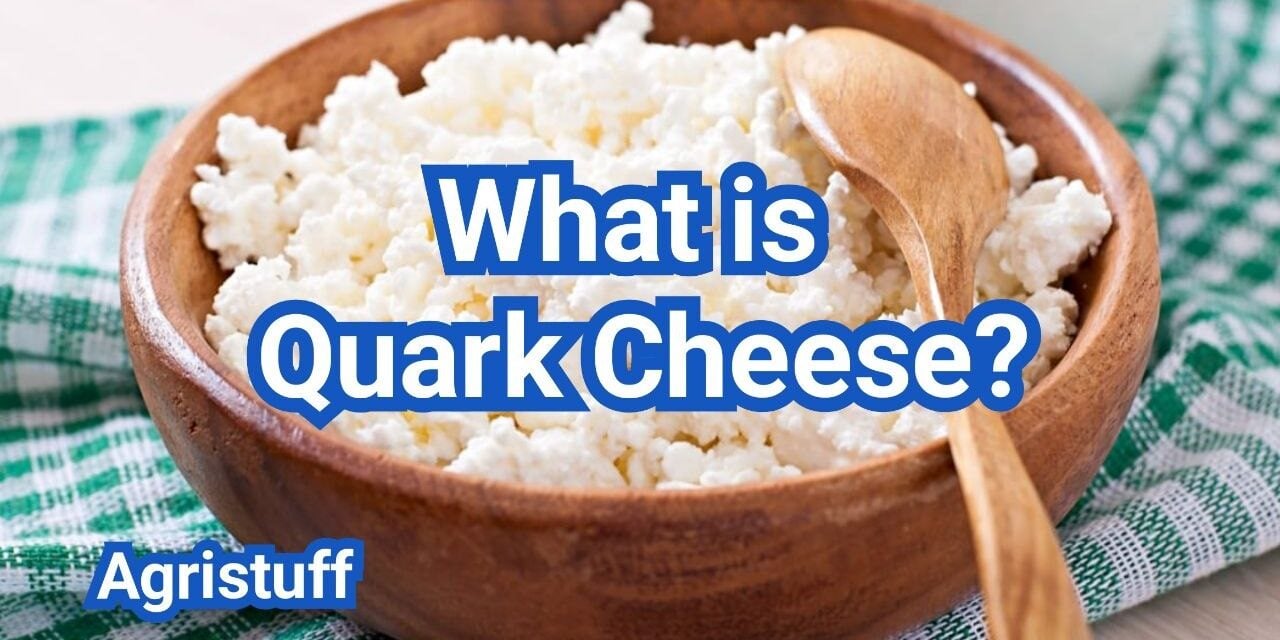
Have you ever wondered, what is quark cheese? This fresh, cultured dairy product is rapidly becoming a favorite in kitchens across the country. It offers a smooth, creamy texture that sits perfectly between yogurt and sour cream.
Many health-conscious individuals now choose this protein-rich staple to boost their daily nutrition. Its mild flavor makes it an incredibly versatile ingredient for both sweet and savory recipes.
The rise of quark cheese in the u.s. reflects a broader shift toward wholesome, simple foods. Whether you are blending it into a morning smoothie or using it as a base for dips, this European classic is easy to love.
As more people discover this delightful food, it is quickly earning a permanent spot in American refrigerators. Understanding its unique properties will help you unlock new potential in your home cooking.
Key Takeaways
- It is a fresh, unaged dairy product with a creamy consistency.
- The item is highly valued for being rich in protein and low in fat.
- It serves as a healthy substitute for sour cream or Greek yogurt.
- Home cooks use it in everything from breakfast bowls to savory sauces.
- Its popularity is growing due to a demand for clean, simple ingredients.
Understanding the Nature of Quark Cheese

Quark is a fascinating type of fresh dairy product that has gained popularity across the United States. It offers a unique profile that bridges the gap between yogurt and traditional cheese, making it a staple in many kitchens.
What is Quark Cheese?
At its core, quark is the German word for curd. It is a fresh, unripened cheese that maintains a smooth, creamy consistency. Many people ask, “What is quark?” and the answer lies in its simple, clean ingredients.
This quark soft cheese is produced by warming soured milk until the proteins coagulate. The resulting curd is then strained to remove excess whey, leaving behind a dense, protein-rich product.
The History and Cultural Significance of Fresh Cultured Cheese
For centuries, this fresh cultured cheese has served as a fundamental part of European diets. It was historically considered a peasant food due to its ease of production on small farms.
Over time, it evolved into a versatile ingredient used in everything from savory spreads to decadent desserts. Today, it remains a beloved fresh cheese quark variety that represents a rich culinary heritage.
How Quark Differs from Traditional Curd Cheese
While some might confuse it with other items, there are distinct differences between quark and standard curd cheese. Most traditional curd cheese varieties are pressed and aged, which changes their moisture content and flavor profile significantly.
In contrast, curd quark is never aged, ensuring it stays mild and spreadable. This soft cheese lacks the sharp, salty bite found in many aged varieties, making it a perfect base for both sweet and savory recipes.
Understanding these nuances helps home cooks choose the right curd cheese quark for their specific needs. Whether you are looking for a healthy snack or a baking ingredient, this product offers unmatched versatility.
Nutritional Profile and Health Benefits

Exploring the nutritional profile of quark reveals why it has become a favorite among fitness enthusiasts. This fresh, unripened cheese is often celebrated for its impressive density of essential nutrients. Many people ask, is quark good for you? The answer lies in its simple, clean ingredient list and high biological value.
Is Quark Cheese Healthy?
When evaluating if quark cheese is healthy, we must look at its core composition. It is naturally high in protein and calcium, which are vital for muscle repair and bone density. Because it is unripened, it retains a fresh quality that many processed cheeses lack.
“The true value of dairy lies in its ability to provide high-quality protein without unnecessary additives, making quark a standout choice for a balanced diet.”
Analyzing the Nutritional Benefits of Quark
What is the nutritional profile of quark? It is packed with essential amino acids that support metabolic health. Furthermore, the fermentation process introduces probiotics, which are known to support gut health and digestion. These potential benefits make it a superior alternative to many standard dairy snacks.
Is quark healthy? For those tracking their macros, quark offers a lean profile that fits into almost any meal plan. The quark cheese benefits extend beyond just protein; it is also a source of B vitamins and phosphorus. Incorporating this food into your routine can provide a steady source of energy throughout the day.
Is Quark Cheese Lactose Free?
A common question for those with sensitivities is, is quark cheese lactose free? While quark is not entirely lactose-free, it often contains lower levels of lactose compared to fresh milk. The culturing process consumes some of the natural sugars found in dairy.
If you are looking for a lactose free quark, it is important to check the specific brand label, as some manufacturers use specialized filtration processes. Understanding quark lactose content helps you manage your dietary needs while still enjoying the creamy texture of this versatile cheese. Always consult with a nutritionist if you have severe dairy sensitivities.
Comparing Quark to Popular Dairy Products

If you have ever wondered how quark compares to your favorite yogurt or cheese, you are not alone. While it sits comfortably in the dairy aisle, its unique texture often leads to confusion regarding its classification. Many shoppers ask, is quark yogurt? or is quark cheese or yogurt? The answer is that it is technically a fresh cheese, though its consistency often mimics a thick, creamy yogurt.
Quark Cheese vs Cream Cheese
When evaluating a quark cheese substitute, many people look toward cream cheese. However, the two differ significantly in their fat content and overall structure. While cream cheese is typically higher in fat and very dense, quark offers a lighter, more spreadable profile.
Some brands, such as Tnuva cream cheese, offer textures that might seem similar to quark, but the acidity levels are distinct. Using a cream cheese quark comparison helps you decide which is better for baking or spreading. Quark is often preferred when you want a lighter result without sacrificing that signature creamy mouthfeel.
Quark Cheese vs Greek Yogurt
The debate regarding quark cheese vs greek yogurt is common because both products are strained and have a tangy flavor. Despite these similarities, they are produced using different culturing methods. Greek yogurt is fermented with specific bacteria, whereas quark is a true cheese curd.
“Quark is a versatile ingredient that bridges the gap between fresh cheese and cultured dairy, offering a protein-packed alternative for health-conscious consumers.”
Because of this, quark cheese yogurt products are often marketed together, but they serve different culinary roles. Quark tends to hold its structure better when heated, making it a superior choice for cooked dishes compared to standard yogurt.
Distinguishing Quark from Cottage Cheese
Many people also compare cottage cheese to quark. While both are fresh cheeses, the primary difference lies in the curd size. Cottage cheese features distinct, lumpy curds, whereas quark is smooth and uniform.
If you are looking for a cottage cheese quark alternative, consider the texture you need for your recipe. Quark is also closely related to farmer cheese quark or quark farmers cheese, which are often used interchangeably in traditional European recipes. Understanding this relationship to other cheeses ensures you select the right base for your dips, spreads, or desserts.
| Product | Texture | Best Use |
|---|---|---|
| Quark | Smooth, creamy | Baking, dips, spreads |
| Cream Cheese | Dense, rich | Frosting, cheesecakes |
| Greek Yogurt | Thick, tangy | Breakfast bowls, smoothies |
| Cottage Cheese | Lumpy, soft | Salads, savory snacks |
What Does Quark Cheese Taste Like?

If you are curious about what is quark — and what does it taste like, you have come to the right place. This creamy cheese is a staple in many European households, prized for its clean, refreshing profile. Most people find that what does quark cheese taste like is best described as a pleasant balance between the tang of Greek yogurt and the richness of mild cream cheese.
Flavor Profiles and Texture Characteristics
The primary flavor of quark is slightly acidic, which comes from the natural fermentation process. Unlike some aged cheeses that carry a sharp or pungent bite, this quark creamy soft cheese remains mild and approachable. It serves as a versatile quark food that can easily adapt to both sweet and savory applications.
Texture is another defining feature of this product. Depending on the brand and the straining process, you might find a creamy quark that is thin and pourable, or one that is thick and spreadable. The consistency often feels velvety on the tongue, making it a popular choice for those who enjoy a smooth mouthfeel.
Varieties of Quark: From Skim to Full Cream
Are there different varieties of quark? Yes, the market offers several options based on fat content, which significantly impacts the final taste and texture. A full cream quark provides a much richer, more decadent experience compared to its skim counterparts.
Choosing the right version depends on your specific culinary goals. While the skim versions are excellent for light dressings, the higher fat varieties are often preferred for baking or desserts. The following table outlines the common quark cheese varieties you might encounter in stores.
| Variety | Fat Content | Texture | Best Use |
|---|---|---|---|
| Skim Quark | 0% – 0.5% | Thin, slightly grainy | Smoothies and dips |
| Low-Fat Quark | 2% – 4% | Medium, spreadable | Breakfast bowls |
| Full Cream Quark | 10% – 40% | Thick, rich, velvety | Cheesecakes and baking |
How to Source Quark Cheese in the United States
The availability of quark cheese in the USA has expanded significantly, making it easier than ever to find this creamy, versatile staple. While it was once considered a rare specialty item, many mainstream retailers now stock it alongside yogurt and cream cheese.
Where to Buy Quark Cheese in the US
If you are wondering where to buy quark cheese in the us, start by checking the refrigerated dairy aisle. You will often find it located near the cottage cheese, sour cream, or Greek yogurt sections. If your local store does not carry it, you can easily buy quark online through specialty dairy websites or major grocery delivery platforms.
“Quark is the secret weapon of the European kitchen, offering a clean, fresh profile that transforms both sweet and savory dishes into something truly special.”
— Culinary Expert
Identifying Reliable Quark Cheese Brands
When shopping, look for reputable names that prioritize traditional culturing methods. Vermont Creamery quark cheese is a popular choice for those seeking high-quality, domestically produced options. Other reliable brands include Elli quark cheese, which is often found in the yogurt section, and Hemme brothers german quark for a more authentic, traditional experience.
For those looking for specific varieties, Tnuva quark cheese and Liberte quark cheese are excellent additions to your shopping list. If you are searching for organic quark cheese, check the natural foods section of your local market. Below is a quick guide to help you compare some of the most accessible options on the market today.
| Brand Name | Best For | Availability |
|---|---|---|
| Vermont Creamery | Baking & Spreads | High |
| Elli Quark | Snacking/Yogurt | Medium |
| Appel Farms | Traditional Cooking | Regional |
| Tnuva | Savory Dishes | Specialty |
Navigating Grocery Stores for Quark
Finding quark cheese at Aldi or quark cheese at Lidl is a common strategy for budget-conscious shoppers. These stores frequently rotate specialty European items, making them great spots to buy quark at a competitive price. You can also check for quark cheese at Kroger or quark cheese at Safeway by using their online inventory checkers before heading to the store.
If you have a Trader Joe’s nearby, it is worth checking their cheese selection, as they occasionally carry seasonal or private-label versions. For those specifically seeking Magerquark where to buy, specialty international markets are often your best bet. With a little bit of planning, you can ensure your fridge is always stocked with this protein-rich dairy essential.
Step-by-Step Guide to Making Homemade Quark

If you have ever wondered how to make quark cheese, you will be pleased to find that the process is surprisingly simple. By following basic quark cheese recipes, you can create a fresh, high-quality product that rivals any store-bought version. This rewarding culinary project requires only a few pantry staples and a little bit of patience.
Essential Ingredients and Equipment
To begin your journey into making homemade quark cheese, you need to gather the right tools. You do not need complex machinery, as most items are likely already in your kitchen.
- High-quality whole or low-fat milk
- A reliable quark starter culture or fresh buttermilk
- A large pot for heating
- Cheesecloth or a fine-mesh nut milk bag
- A colander and a large bowl
When considering quark ingredients and equipment, many beginners ask: Do I have to use rennet? The answer is no; traditional quark relies on lactic acid fermentation rather than rennet to set the curds. This makes the process accessible for those who prefer a vegetarian-friendly approach.
The Process of Culturing Milk
Understanding how is quark made? is the key to success. You start by gently warming your milk to a lukewarm temperature, usually around 75°F to 80°F. Once warmed, you stir in your starter culture or buttermilk to begin the fermentation process.
You might wonder: Do I have to use a culture or can I use buttermilk? Both options work well, though a dedicated culture often provides a more consistent flavor profile. Cover the pot and let it sit in a warm, draft-free spot for 12 to 24 hours. During this time, the bacteria will thicken the milk quark into a soft, yogurt-like consistency.
Managing Whey and Achieving the Perfect Consistency
Once the milk has set, it is time to separate the solids from the liquid. Gently pour the mixture into a colander lined with cheesecloth. As the liquid, known as whey, drains away, the remaining solids will transform into homemade quark.
You can control the final texture by adjusting the draining time. A shorter drain time results in a creamier, spreadable cheese, while a longer drain time creates a firmer product. If you are curious about what to do with leftover whey, do not discard it! This nutrient-rich liquid is excellent for adding to smoothies, baking bread, or even watering your garden plants.
By mastering how to make quark, you gain full control over the acidity and texture of your final product. With practice, you will find that this simple method allows you to enjoy fresh, delicious cheese whenever you desire.
Best Practices for Storing and Preserving Quark

Proper storage is the secret to enjoying fresh quark dairy products at home. Because this cheese is a fresh, unripened product, it lacks the preservatives found in aged varieties. Taking the right steps ensures your purchase stays delicious and safe for consumption.
How Long Does Quark Keep?
Many consumers wonder, how long does quark keep? Generally, an unopened container will remain fresh until the expiration date printed on the package, usually within two to three weeks. Once you break the seal, it is best to consume the contents within three to five days.
Since it is a fresh cheese with a short shelf life, it is wise to buy it in small portions. This strategy prevents waste and ensures you always have the freshest product available for your recipes.
Can You Freeze Quark?
If you find yourself with extra supply, you might ask, can you freeze quark? While you can technically freeze it, the process often alters the texture significantly. Freezing causes the water content to separate, which may result in a grainy or watery consistency upon thawing.
“Freshness is the soul of good cooking, and proper storage is the guardian of that freshness.” — Anonymous
If you choose to freeze it, use it primarily for baking or cooked dishes rather than eating it raw. Thaw the cheese slowly in the refrigerator overnight to minimize the impact on its structure.
Tips for Maintaining Freshness
To keep your cheese in peak condition, always store it in the coldest part of your refrigerator. How do you store quark? The most important rule is to keep the container tightly sealed to prevent it from absorbing odors from other foods.
- Always use a clean spoon to scoop out portions to avoid introducing bacteria.
- Keep the original packaging or transfer it to an airtight glass container.
- Check for any signs of spoilage, such as an off-smell or mold, before each use.
By following these simple guidelines, you can maintain the quality of your quark and enjoy its creamy, tangy flavor for as long as possible. Proper care is the best way to ensure your dairy remains a staple in your kitchen.
How to Eat Quark Cheese for Breakfast

Many people often ask, “What is quark and how do you eat it?” when they first encounter this creamy dairy product in the grocery store. Learning how to eat quark cheese is a fantastic way to start your day with a meal that is both satisfying and packed with nutrients. Because of its mild flavor and smooth texture, it serves as a perfect canvas for various morning ingredients.
Incorporating Quark into Morning Bowls
Eating quark for breakfast is incredibly easy when you treat it like a base for a power bowl. You can stir in a splash of milk or almond milk to reach your desired consistency before adding your favorite toppings. High-protein grains like hemp seeds, chia seeds, or toasted oats add a wonderful crunch that contrasts beautifully with the creamy cheese.
For those who prefer a heartier meal, try mixing in a spoonful of nut butter or a drizzle of maple syrup. This combination provides a balanced start to your morning. It is one of the most simple ideas for how to use quark to keep you full until lunch.
Quark and Fruit Pairings
The natural acidity of quark pairs perfectly with the sweetness of fresh fruit. You can top your bowl with seasonal berries, sliced bananas, or diced peaches for a refreshing flavor profile. Adding a handful of walnuts or almonds provides an extra layer of texture that makes every bite more enjoyable.
If you enjoy a more tropical twist, try pairing the cheese with mango chunks or shredded coconut. This versatile ingredient adapts to whatever fruit you have on hand. It is a healthy alternative to sugary yogurts that often dominate the breakfast aisle.
Using Quark as a Protein-Rich Spread
Understanding how to use quark extends beyond bowls and spoons. You can easily spread it onto whole-grain toast or a toasted bagel as a high-protein substitute for cream cheese. It provides a light, airy base that works well with both sweet and savory toppings.
For a savory breakfast, try topping your quark-spread toast with sliced cucumbers, radishes, or a sprinkle of fresh herbs like chives or dill. A dash of black pepper or sea salt enhances the natural tang of the cheese. This simple preparation is a nutritious way to enjoy a quick, protein-packed breakfast on busy mornings.
Using Quark in Savory Cooking
Using quark in savory cooking opens up a world of possibilities for healthier, creamier dishes. This versatile dairy product acts as a blank canvas, allowing home chefs to experiment with bold flavors while maintaining a light, nutritious profile. Whether you are preparing a quick weeknight meal or hosting a dinner party, this ingredient provides a sophisticated touch to your culinary creations.
Quark as a Substitute for Sour Cream
One of the most common uses for this cultured dairy is as a direct replacement for sour cream. Because it offers a similar tang and thick consistency, it works perfectly in recipes where you want to reduce fat without sacrificing flavor. Quark cheese recipes often highlight this swap to create lighter versions of classic comfort foods.
“The beauty of quark lies in its ability to mimic the richness of heavier creams while providing a cleaner, more refreshing finish to savory dishes.”
Creating Creamy Sauces and Dips
When it comes to quark cooking, the possibilities for sauces and dips are nearly endless. You can easily whip up a high-protein dip by mixing the cheese with fresh herbs, garlic, and a pinch of sea salt. This creamy cheese base holds up well in both cold appetizers and warm, pan-finished sauces.
- Blend with chives and dill for a refreshing vegetable dip.
- Stir into pan sauces to add body without the need for heavy cream.
- Use as a base for savory spreads on toasted sourdough bread.
Quark in Main Dishes and Macaroni
If you are wondering if Quark: it’s what’s for dinner, the answer is a resounding yes. Many enthusiasts are now using this quark cooking cheese to reinvent family favorites. By incorporating it into pasta, you can achieve a velvety texture that feels indulgent yet remains balanced.
One of the most popular quark cheese uses is in the preparation of quark macaroni cheese. Unlike traditional recipes that rely solely on heavy roux or processed cheese, adding this cultured ingredient introduces a subtle acidity that cuts through the richness of the cheddar. It is a simple way to elevate your home cooking while keeping your meals wholesome and satisfying.
Baking with Quark Cheese

Transforming your kitchen into a European-style bakery is easier than you think when you start using quark in desserts. This versatile dairy product acts as a secret weapon for home bakers who want to achieve professional results. Its unique consistency allows it to blend seamlessly into various batters and doughs, providing a depth of flavor that is difficult to replicate with other ingredients.
The Art of Quark Cheese Cheesecake
A traditional German-style cheesecake relies heavily on the specific texture of this cultured dairy. Unlike American versions that use heavy cream cheese, a quark cheese cheesecake offers a lighter, more refreshing profile that is never overly dense. The natural acidity of the cheese balances the sweetness of the sugar, creating a sophisticated dessert that pairs perfectly with fresh berries.
“The secret to a truly authentic German cheesecake lies in the quality of the quark; it provides the structure and moisture that defines the classic experience.”
Using Quark in Pastries and Crumbles
Beyond cheesecakes, this ingredient is a staple for fruit-filled pastries and buttery crumbles. If you are new to working with this dairy, you might consider starting with a convenient option like the Kathi German quark cheese crumble cake mix. This product simplifies the process while delivering the authentic taste and texture expected in traditional European baking.
- Enhances the binding of fruit fillings in tarts.
- Adds a rich, creamy layer to streusel-topped cakes.
- Maintains structural integrity in delicate pastry doughs.
Why Quark Improves Baking Texture
The primary reason bakers love this ingredient is its ability to retain moisture without making a dessert greasy. Because it has a higher protein content and lower fat percentage than many alternatives, it creates a tender, velvety crumb in cakes and muffins. It effectively prevents the “dryness” often associated with low-fat baking, ensuring every bite remains soft and satisfying.
By incorporating this ingredient into your recipes, you gain better control over the final mouthfeel of your baked goods. Whether you are crafting a simple coffee cake or an elaborate layered dessert, the results are consistently superior. It is truly an essential tool for anyone looking to elevate their home baking game.
Finding the Right Quark Cheese Substitute

Navigating the dairy aisle can be tricky when your primary ingredient is missing, but many common items work perfectly as a quark cheese substitute. Having a backup plan ensures that your culinary projects remain on track even when specialty items are unavailable. Understanding the specific properties of these alternatives allows you to maintain the integrity of your favorite dishes.
When to Use Greek Yogurt as a Replacement
Greek yogurt is often considered one of the most accessible good quark substitutes due to its thick, creamy consistency. Because it shares a similar tang and moisture level, it works exceptionally well in cold applications like dips or breakfast bowls. However, keep in mind that yogurt is generally more acidic than quark.
If you are wondering what can you substitute for quark in a recipe that requires heating, be cautious with yogurt. It has a tendency to curdle if exposed to high temperatures for too long. To prevent this, stir in a small amount of cornstarch or flour to stabilize the mixture before cooking.
Using Farmer Cheese or Cottage Cheese
Farmer cheese is perhaps the closest match to quark in terms of texture and flavor profile. It provides a slightly firmer structure, making it an ideal choice for baking or fillings. If you cannot find farmer cheese, cottage cheese is a widely available alternative that can be easily adapted.
To mimic the smooth consistency of quark, simply pulse your cottage cheese in a food processor until the curds disappear. This simple step transforms the texture, making it a versatile base for both sweet and savory recipes. It is a reliable option for those who need a quick, protein-packed solution.
Adapting Recipes for Different Dairy Substitutes
When working with various quark cheese substitutes, you may need to adjust your liquid ratios slightly. Because some alternatives contain more whey than traditional quark, you might find that your batter or sauce becomes thinner than expected. You can easily fix this by adding a touch more flour or reducing the amount of other liquid ingredients.
Always taste your mixture before finalizing your dish, as different dairy products carry varying levels of salt and acidity. By making these minor adjustments, you can confidently achieve the desired results in any recipe. Flexibility in the kitchen is the key to mastering new ingredients and their many substitutes.
Celebrating World Quark Day
World Quark Day serves as a dedicated moment to celebrate the versatility and health benefits of this unique dairy product. This annual event brings together food lovers who appreciate the creamy texture and high protein content of this fresh cheese. It is a perfect time to explore how this staple can transform your daily meals into something truly special.
The Significance of the Celebration
The primary goal of this day is to highlight the growing global interest in quark. By dedicating a specific date to this ingredient, enthusiasts can share knowledge about its nutritional profile and culinary applications. It acts as a bridge for newcomers to learn why this cheese is a favorite in many households.
Community engagement is at the heart of the celebration. Whether you are a long-time fan or a curious beginner, the day encourages everyone to experiment with new flavors. It emphasizes that healthy eating does not have to be boring or restrictive.
How to Participate and Share Quark Recipes
Participating in the festivities is simple and rewarding. You can start by trying out new quark cheese recipes that showcase the ingredient’s ability to work in both sweet and savory dishes. Sharing your results on social media helps build a community of like-minded individuals who enjoy healthy cooking.
Consider the following ways to get involved and make the most of the occasion:
| Activity | Goal | Difficulty |
|---|---|---|
| Host a Tasting | Introduce friends to quark | Easy |
| Share Online | Post your favorite quark cheese recipes | Medium |
| Cook a Feast | Create a full meal using quark | Advanced |
Ultimately, World quark day is about creativity in the kitchen. Do not hesitate to swap out traditional ingredients for this versatile cheese in your favorite family dishes. By sharing your unique quark creations, you contribute to a wider appreciation of this healthy, protein-rich dairy delight.
Exploring International Varieties of Quark

From the mountains of Austria to the heart of Poland, this cultured dairy staple takes on many unique forms and names. While many Americans are just discovering this versatile soft cheese, it has been a foundational ingredient in European kitchens for centuries. Each region brings its own specific techniques to the production of this quark dairy product, resulting in distinct textures and flavor profiles.
German Quark and Topfen Cheese
In Germany, German quark is a household staple, often enjoyed plain or mixed with herbs. It is prized for its smooth, spreadable consistency and mild, slightly tangy flavor. This German curd cheese serves as the base for countless traditional desserts and savory spreads.
Across the border in Austria, you will find a similar product known as Topfen cheese. While often referred to as Topfen cheese in English, it is typically thicker and slightly drier than its German counterpart. This density makes it an ideal choice for heavy pastries and traditional dumplings.
Polish Twarog and Other Regional Styles
Moving further east, you encounter Polish Twarog, which is a fundamental part of the national diet. Often called Twarog quark, this variety is usually firmer and more crumbly than the creamy versions found in Western Europe. It is frequently used in pierogi fillings and sweet breakfast pancakes.
The broader category of Tvorog cheese encompasses various styles found throughout Eastern Europe and Russia. You may also encounter specialty versions, such as goat quark, which offers a sharper, more distinct flavor profile. For those seeking a unique culinary experience, smoked quark provides a savory depth that works exceptionally well in appetizers.
Availability of International Brands in the US
Finding authentic Kwark cheese or other regional styles in the United States has become easier in recent years. Many specialty grocery stores now stock imported brands that cater to those looking for a traditional German cheese quark experience. You might also spot El viajero queso fresco, which shares some characteristics with fresh curd styles.
When shopping, look for labels that specify the origin to ensure you are getting the authentic product. While Quarg cheese or Quartz cheese might appear in some niche markets, checking the ingredient list remains the best way to verify quality. The availability in other countries has expanded, allowing home cooks to experiment with these diverse international varieties right in their own kitchens.
Common Culinary Mistakes When Using Quark

Achieving professional results with this versatile Quark is simple once you learn a few essential techniques. While this fresh cheese is incredibly adaptable, it requires a gentle approach to maintain its integrity during the cooking process. By understanding how it reacts to heat and acidity, you can avoid common errors that might compromise your final dish.
Avoiding Overheating and Curdling
Because Quark is a fresh cheese, it is highly sensitive to high temperatures. If you add it directly to a boiling sauce or a high-heat pan, the proteins will tighten and cause the mixture to curdle. This separation creates an unappealing, grainy texture that ruins the smooth consistency you likely desire.
To prevent this, always stir the cheese into your dish at the very end of the cooking process. Remove the pan from the heat source before incorporating the dairy to ensure it warms through gently without reaching a boil. Patience is key when working with this delicate ingredient.
Balancing Acidity in Recipes
The natural tang of this Quark (dairy product) is one of its most defining characteristics. However, if you are using it in a recipe that already contains acidic components like lemon juice or vinegar, the flavor profile can become overwhelming. You should taste your base mixture before adding the cheese to gauge the existing acidity levels.
If the dish tastes too sharp, consider adding a small amount of sweetener or a pinch of salt to neutralize the bite. Balancing these flavors ensures that the creamy notes of the cheese shine through without clashing with other ingredients. Proper seasoning is essential for a harmonious final result.
Texture Management in Cold vs Hot Dishes
Managing the texture of your Quark depends largely on whether you are serving it cold or hot. In cold applications, such as dips or fruit bowls, the cheese maintains its thick, spreadable consistency naturally. You can whisk it briefly to achieve a lighter, airier mouthfeel if desired.
When incorporating it into hot meals, such as pasta or baked goods, it acts as a stabilizer that adds moisture. Always ensure the cheese is at room temperature before mixing it into hot batters to prevent temperature shock. Following these simple steps will keep your meals smooth, creamy, and delicious every time.
Tips for Selecting the Best Quark for Your Needs
Selecting the perfect Quark for your kitchen requires a basic understanding of how milk fat influences texture. Many home cooks often wonder: Should i use whole, skim or non-fat milk? The answer depends entirely on the richness and consistency you desire for your final dish.
Choosing Between Fat-Free, Low-Fat, and Full-Fat
When you browse the dairy aisle, you will encounter several options ranging from 0 fat quark to full fat quark varieties. A fat free quark is ideal for those watching their caloric intake, as it provides a high-protein base without the extra lipids. Conversely, quark whole milk cheese offers a much creamier mouthfeel that mimics the richness of heavy cream or mascarpone.
If you prefer a middle ground, a low fat quark or low fat quark cheese provides a balanced texture. This version is versatile enough for both baking and savory applications. Whether you choose skim quark or a richer variety, always consider how the fat content will interact with other ingredients in your recipe.
Reading Labels for Added Ingredients
Always inspect the packaging to ensure you are purchasing a high-quality product. A plain fat free quark should ideally contain only milk and active cultures. Some commercial brands may add thickeners or stabilizers to quark fat free soft cheese to improve its structure.
If you are looking for a clean label, avoid products with unnecessary additives or high sugar content. A non fat quark or quark skimmed milk soft cheese should remain simple and pure. By reading labels carefully, you ensure that your fat quark selection meets your dietary standards.
Matching Quark Varieties to Specific Recipes
Matching the right variety to your culinary project is the secret to success. Use the following guide to determine which product fits your needs best:
| Quark Variety | Best Culinary Use | Texture Profile |
|---|---|---|
| Fat-Free | Smoothies and light dressings | Light and slightly grainy |
| Low-Fat | Dips and breakfast bowls | Balanced and spreadable |
| Full-Fat | Cheesecakes and rich sauces | Creamy and decadent |
For baking, a full fat quark is often preferred because it prevents the mixture from becoming too dry. If you are making a cold dip, a low fat quark works perfectly to hold herbs and spices together. Always select your dairy based on the desired outcome to ensure the best possible results in your cooking.
At The End of: Quark Cheese Guide
Adding Quark to your daily routine transforms simple meals into nutrient-dense experiences. This versatile ingredient bridges the gap between healthy eating and gourmet flavor profiles.
You now possess the knowledge to select, store, and prepare Quark Cheese with confidence. Whether you prefer the tangy notes of a store-bought tub from brands like Wünder Creamery or the satisfaction of a homemade batch, the culinary potential remains vast.
Experimenting with this fresh cultured dairy product allows you to explore new textures in your favorite baked goods and savory dishes. It serves as a reliable protein source that fits seamlessly into a modern American diet.
We encourage you to share your unique creations with friends and family. Your journey with Quark Cheese is just beginning, and your kitchen will surely benefit from its presence. Start your next recipe today and enjoy the creamy results.
FAQ
What is Quark Cheese?
Quark is a fresh cultured cheese that falls under the category of a type of fresh dairy product. It is unripened, smooth, and creamy, often described as a cross between yogurt and cottage cheese without the lumps.
Is Quark Cheese the same as cream cheese?
No. Cream cheese is usually denser, richer, and more buttery, while this product is often tangier, lighter, and more spoonable, though exact texture depends on the maker. For many Americans, the better comparison is “somewhere between cream cheese and thick yogurt” rather than a one-to-one substitute. spreadable cheese guide
Does Quark Cheese taste sour?
Usually it tastes mildly tangy rather than sharply sour. A plain version often has a fresh dairy flavor with a gentle cultured note, so it can swing sweet with fruit and honey or savory with herbs, pepper, and vegetables without fighting the rest of the dish. texture and flavor notes
Can you cook with Quark Cheese?
Yes. It can be baked into desserts, stirred into fillings, blended into dips, and used in many places where Americans already use yogurt, ricotta, or soft cheese spreads. The main thing to remember is that moisture level varies, so recipes may need slight adjustment depending on the brand. home cheesemaking basics
Is Quark Cheese good for cheesecake?
Yes, especially if you want a filling with tang, creaminess, and a lighter feel than one made entirely with dense cream cheese. It can also work beautifully in parfaits, fruit desserts, sweet crepes, and breakfast pastries, which helps explain why it has such a strong reputation in European-style baking. baking and serving notes
Is quark cheese healthy for athletes?
Yes, is quark cheese healthy is a resounding yes for many athletes because of its high protein and quark cheese nutrition profile. It contains essential amino acids and is often a low fat quark cheese option.
Where can I buy quark cheese in the US?
You can find quark cheese in the u.s. at major retailers. Common spots include quark cheese at Aldi, Lidl, Kroger, and Whole Foods. Look for brands like Vermont Creamery quark and Elli Quark.
What does quark cheese taste like compared to yogurt?
When asking what does quark cheese taste like, it is milder and less acidic than Greek yogurt. While it is thick, it has a “cleaner” dairy flavor that makes it versatile for both sweet and savory quark cheese recipes.
Can I use a quark cheese substitute if I can’t find it?
Yes, good quark substitutes include Greek yogurt, farmer cheese quark, or even blended cottage cheese. For baking, some people use cream cheese quark blends as a quark cheese substitute.
Is quark cheese lactose free?
Generally, quark contains lactose. However, some quark dairy product brands like Elli Quark yogurt offer lactose-free versions. Always check the packaging for is quark cheese lactose free labels.
How do I make a traditional quark cheese cheesecake?
A quark cheese cheesecake is made using german quark (or topfen cheese). It is lighter than a standard cheesecake and often uses a full fat quark or cream quark for a rich texture.
How long does quark keep once opened?
If you are wondering how long does quark keep, it typically remains fresh for about 7 to 10 days in the refrigerator. Ensure it is stored as a soft cheese in an airtight container.
Is quark cheese or yogurt?
This is a common point of confusion: is quark cheese or yogurt? Technically, it is a cheese because it is made using curd quark and sometimes rennet, though its texture often mimics a very thick yogurt.
Can you freeze quark for later use?
When asking can you freeze quark?, the answer is yes, but with a warning. The texture of fresh cheese quark may become slightly grainy upon thawing, so it is better for quark cooking cheese uses rather than fresh eating.
What are the international names for quark?
Depending on where you are, it may be called topfen cheese (Austria), kwark cheese (Netherlands), twarog quark (Poland), or tvorog cheese (Russia). All are variations of curd cheese quark.
How do you make homemade quark cheese?
To how to make quark cheese at home, you simply culture milk with a quark starter culture or buttermilk and let it sit before straining the whey. It is a rewarding homemade quark cheese process.
Can I use quark as a sour cream substitute?
Absolutely! Quark cooking often utilizes the cheese as a sour cream replacement in dips, baked potatoes, and sauces because it offers a similar tang with a better quark cheese nutrition profile.
What brands of quark are available in the US?
Reliable quark cheese brands include Vermont quark cheese, Hemme Brothers, Appel Farms quark soft cheese, and Wünder Creamery. You can also find Tnuva quark cheese in specialty markets.
How Long Does Quark Keep?
Typically, a fresh container lasts about 7 to 10 days in the refrigerator once opened.
Conclusion of: Quark Cheese
Quark Cheese is a fresh, soft dairy product that sits somewhere between yogurt, ricotta, and cream cheese in both texture and everyday usefulness. It is traditionally associated with Central and Northern Europe, but it makes immediate sense to American shoppers because it is mild, creamy, easy to spread, and simple to use in both sweet and savory foods. For readers in the United States, the easiest way to think about it is as a cultured fresh cheese that feels familiar the first time you taste it, even if the name is new. fresh cheese overview
In the United States, Quark Cheese is still more of a specialty item than a mainstream supermarket staple, yet it fits several food habits Americans already love: protein-forward breakfasts, lighter spreads, cheesecake-style desserts, and creamy dips that do not feel as heavy as full-fat cream cheese. That practical fit matters for SEO and for readers alike, because most people searching this topic are not looking for history alone; they want to know whether this is something they would actually buy, enjoy, and use in a normal American kitchen. flavor profile
What makes Quark Cheese different from other fresh cheeses
At its core, Quark Cheese is made by culturing milk so the proteins coagulate, then draining off part of the whey to create a smooth, spoonable cheese with a gentle tang. Unlike many aged cheeses, it is meant to be eaten fresh rather than matured for weeks or months, which helps explain its clean dairy flavor and soft body. In practice, that means it delivers a cultured taste without the sharpness some Americans expect from stronger European cheeses. manufacturing study
Because Quark Cheese can be made with different fat levels and different processing choices, the final product is not identical from one maker to another. Some versions are leaner and firmer, while others are creamier, richer, and more dessert-friendly, which is why label reading matters when you compare brands in the U.S. market. That variation is one reason shoppers sometimes love one tub and feel underwhelmed by another: they are not always buying the same moisture, protein, or fat balance. formulation study
For American shoppers, Quark Cheese is easiest to understand when you compare it to familiar products. It is usually smoother than cottage cheese, tangier than ricotta, less dense than block cream cheese, and often thicker than plain yogurt. That middle-ground identity is what makes it so useful: it can behave like a breakfast dairy, a baking ingredient, or a spread, depending on the brand and how much whey has been removed. fresh cheese guide
How Americans use Quark Cheese at breakfast and snack time
At breakfast, Quark Cheese works especially well in the kind of meals Americans already build around Greek yogurt or whipped cottage cheese. You can spoon it into a bowl with berries and granola, spread it on toast or bagels, layer it into parfaits, or stir in honey and cinnamon for a fast, high-satisfaction snack. That everyday flexibility is a major reason it has room to grow in the U.S. market, where convenience and protein are often just as important as culinary tradition. snack and serving ideas
How Americans use Quark Cheese in sweet dishes
In sweet recipes, Quark Cheese shines because it adds creamy body without automatically making a dessert feel overly rich. American home cooks can use it in cheesecake-style fillings, fruit parfaits, pancake toppings, crepe fillings, coffee cakes, and lighter no-bake desserts where they want tang and structure at the same time. It also pairs naturally with ingredients that already perform well in U.S. kitchens, such as lemon, vanilla, berries, peaches, maple, and honey. dessert recipe inspiration
How Americans use Quark Cheese in savory dishes
In savory cooking, Quark Cheese behaves like a very adaptable creamy base that can move from snack board to dinner plate without much effort. Americans can turn it into herbed dips, sandwich spreads, baked potato toppings, vegetable dressings, or a cool contrast for roasted beets, smoked salmon, cucumbers, or grilled chicken. It is especially useful when you want the lush feel of a creamy dairy ingredient but do not want the heavier finish that sour cream or richer cheese spreads sometimes bring. savory recipe inspiration
How to buy, store, and handle Quark Cheese safely
When you shop, treat Quark Cheese like any other fresh dairy product with a short and delicate shelf life. Look for sealed, refrigerated packaging, check the use-by date, and pay attention to whether the label says it was made with pasteurized milk, especially if the cheese is soft and meant to be eaten cold. A fresh cultured cheese can be excellent, but it is not the kind of product you want sitting warm in a grocery cart, a car trunk, or on a buffet for hours. buying and handling guidance
At home, Quark Cheese should go straight into the refrigerator and stay cold until you are ready to use it. Because it is fresh and high in moisture, good storage habits matter: keep it covered, avoid extended room-temperature exposure, and use clean utensils so you do not introduce off-flavors or contamination. For most households, the safest habit is also the simplest one—buy modest amounts, enjoy them while fresh, and do not treat this like a cheese that improves by lingering in the back of the fridge. storage basics
For higher-risk consumers, Quark Cheese deserves the same common-sense caution used for other soft, fresh dairy foods. Pregnant people, older adults, and anyone with a weakened immune system should be especially careful about pasteurization, temperature control, and freshness, because soft cheeses can carry more food-safety risk when they are improperly made, stored, or handled. In the U.S., that does not mean avoiding every fresh cheese automatically; it means buying carefully and respecting the label and cold chain. higher-risk guidance
Can people with lactose intolerance eat Quark Cheese?
For people who worry about digestion, Quark Cheese may or may not feel easier to tolerate than milk, and the answer depends on the person and the product. Culturing changes dairy, but it does not turn every fresh cheese into a low-lactose food, so anyone with lactose intolerance should start with a small portion and judge by experience rather than assumption. It is also important not to confuse lactose intolerance with milk allergy, because those are different conditions that need different decisions. lactose nutrition guidance
From a nutrition standpoint, Quark Cheese can appeal to Americans who want a cultured dairy food that may offer a useful combination of protein, calcium, and versatility, but no single nutrition profile tells the whole story. Some tubs are leaner and higher in protein, while others are creamier and more indulgent, so the best move is to compare the Nutrition Facts panel rather than rely on generic claims online. That is particularly relevant in the U.S. market, where brands can vary widely in added cream, flavorings, and serving size. calcium fact sheet
Quick checklist
- Choose a refrigerated product from a sealed package.
- Check that the label identifies pasteurized milk if you want the safest routine choice.
- Compare protein, fat, and sugar on the Nutrition Facts panel.
- Start with plain varieties before buying sweetened flavors.
- Use it first in familiar foods like toast, parfaits, dips, or cheesecake filling.
- Pair it with fruit, herbs, lemon, cucumbers, smoked salmon, or roasted vegetables.
- Buy smaller containers until you learn how fast your household uses it.
- Keep it cold and return it to the refrigerator quickly after serving.
- Use clean spoons or knives to protect flavor and freshness.
- Read texture cues on the label so you know whether it is better for spreading, baking, or spooning.
Common mistakes to avoid
- Assuming every brand tastes the same when moisture and fat levels can vary a lot.
- Buying a flavored version first and deciding you dislike the whole category.
- Using it like block cream cheese in a recipe that needs a much firmer structure.
- Leaving it out too long during brunches, parties, or meal prep.
- Ignoring the label and missing whether the product is pasteurized.
- Expecting it to be lactose-free without checking your own tolerance.
- Overloading it with sugar or salt before tasting its natural tang.
- Buying a large tub before you have a plan for how to finish it quickly.
Costs and ROI snapshot
For a small U.S. dairy, Quark Cheese can look attractive because it is a fresh product that does not require long aging rooms or months of inventory sitting on shelves, but it still demands real investment. Even when the cheese itself is simple, the business behind it still needs compliant milk handling, cultures, sanitary processing space, refrigerated storage, packaging, labeling, labor, and distribution that protects a short shelf life. Peer-reviewed work on artisan cheese businesses has shown that startup costs for processing facilities can land in the six-figure range, and those costs can climb fast if a farm is building or retrofitting space from scratch. startup cost study
The real ROI for Quark Cheese usually comes from value capture rather than sheer milk volume. A farm or small creamery may have a stronger business case when it can sell directly, educate customers quickly, move inventory fast, and position the product as a premium fresh dairy item that fits American demand for cheese and yogurt-style foods. In practical terms, the healthiest rollout is often a small-batch launch with tight cold-chain control, frequent tastings, and a clear message about how shoppers should use the product at home. dairy consumption data
- Main cost drivers: licensed processing space, refrigeration, packaging, labels, labor, and delivery.
- Main waste risk: shrink from unsold fresh inventory with a short shelf life.
- Main margin opportunity: direct-to-consumer sales, farm stores, specialty grocers, and flavored premium versions.
- Main education cost: sampling, recipe cards, and in-store explanation because many Americans still do not know the product.
- Main operational advantage: no long aging hold compared with many traditional cheeses.
- Main business caution: freshness and repeat purchase matter more than one-time curiosity buys.
Final thought
Quark Cheese is one of those rare dairy foods that feels both traditional and very current at the same time. It answers several things American shoppers already want—creamy texture, cultured flavor, kitchen flexibility, and a more practical bridge between yogurt and soft cheese—so once people understand how to use it, it stops feeling exotic and starts feeling useful. cheese and yogurt trend data
Sources & References
- Quark Cheese – Wisconsincheese
- FDA: Raw Milk Misconceptions and the Danger of Raw Milk Consumption
- FDA: Resources for Manufacturers of Soft Fresh Queso Fresco-Type Cheeses
- FDA: Dairy Product Manufacturers Inspection Guide
- USDA ERS: Dairy Data
- USDA ERS: Cheese per Capita Consumption from 2014 to 2021
- USDA ERS: Food Availability (Per Capita) Data System
- NIDDK: Definition & Facts for Lactose Intolerance
- NIH ODS: Calcium Fact Sheet for Consumers
- FoodSafety.gov: Bacteria and Viruses
- Oregon State Extension: Fresh Cheese Made Safely
- UC ANR: Straus Family Creamery
- PMC: Use of kefir and buttermilk to produce an innovative quark cheese