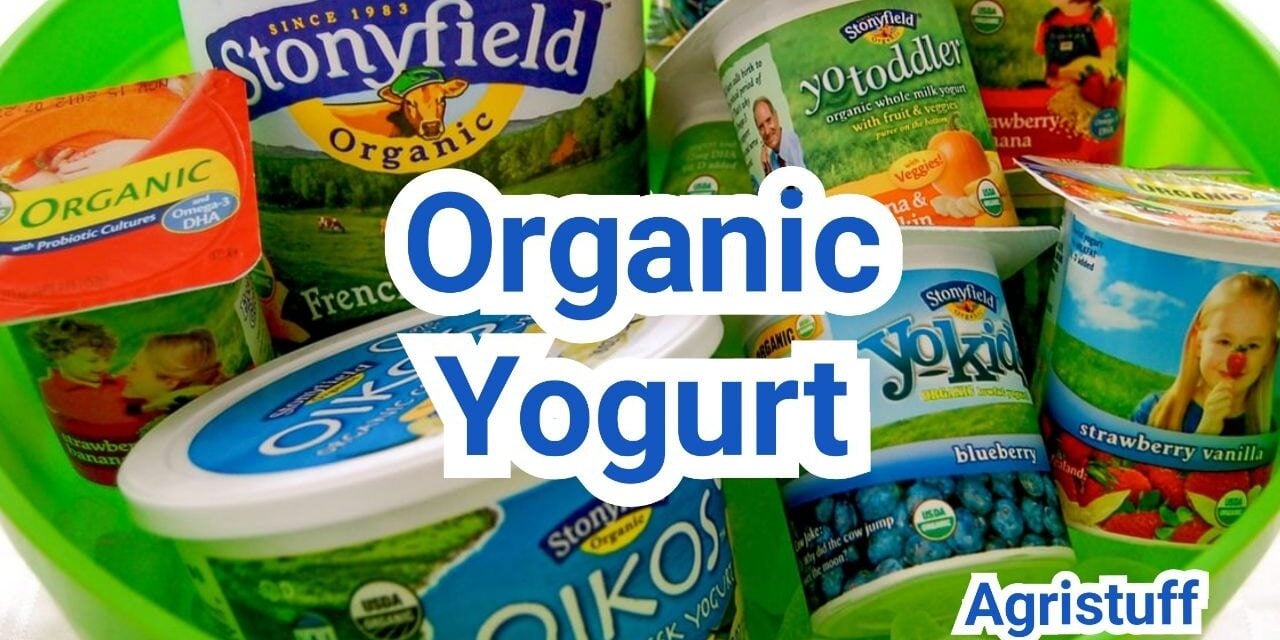
Many health-conscious families now prioritize clean eating by choosing minimally processed dairy. You might wonder, what is organic yogurt? At its core, this product comes from cows raised without synthetic pesticides, antibiotics, or growth hormones.
These strict farming standards ensure that the final item remains free from harmful chemical residues. It has become a staple in modern kitchens because it offers a pure, nutrient-dense profile that supports digestive wellness.
Choosing this version means supporting sustainable agriculture while enjoying a cleaner snack. Unlike conventional options, these products undergo rigorous certification processes to verify their quality. Understanding these labels helps you make smarter decisions at the grocery store.
Key Takeaways
- It is produced from milk sourced from cows raised without synthetic additives.
- Strict certification standards ensure the absence of harmful pesticides and hormones.
- The product provides a cleaner, nutrient-rich alternative to conventional dairy.
- Sustainable farming practices are a primary benefit of choosing these items.
- Reading labels helps consumers identify authentic, high-quality dairy products.
Defining Organic Yogurt and Its Core Standards

The landscape of organic yogurt in the USA is governed by strict rules that ensure product integrity. When you select these items, you are choosing products made under specific agricultural guidelines. These rules prioritize animal welfare and environmental health, creating a distinct category of dairy products.
What is Organic Yogurt?
At its core, what is organic yogurt? It is a fermented dairy product produced from milk sourced from cows raised according to national organic standards. These standards strictly prohibit the use of synthetic growth hormones to increase milk production.
Furthermore, the cows must be fed organic feed. This means the grains they consume cannot be genetically modified, also known as GMOs. By avoiding synthetic pesticides and fertilizers in the fields, producers ensure that the final product remains free from unwanted chemical residues.
Understanding USDA Organic Certification
The USDA organic yogurt label serves as a reliable indicator of quality for consumers. To earn this certification, manufacturers must undergo a rigorous verification process. This organic yogurt certification confirms that every step of the supply chain meets federal requirements.
Independent agencies inspect farms and processing facilities to maintain compliance. This oversight ensures that the organic seal is not just a marketing claim, but a guaranteed standard of production. When you see this seal, you can trust that the product adheres to the highest safety and environmental benchmarks in the country.
Organic Yogurt vs Regular Yogurt: Key Differences
When you examine organic yogurt vs regular yogurt, the contrast in environmental impact and ingredient quality becomes clear. These two categories represent fundamentally different approaches to dairy farming and food processing. Understanding these distinctions allows you to prioritize your health and support sustainable agricultural systems.
Production Methods and Environmental Impact
Organic dairy farming relies on strict standards that prohibit the use of synthetic pesticides, herbicides, and genetically modified organisms (GMOs). Cows in these systems must have access to pasture, which promotes better soil health and biodiversity. This holistic approach ensures that the land remains productive without relying on chemical fertilizers.
In contrast, conventional dairy production often prioritizes high-volume output through intensive farming techniques. These methods frequently involve synthetic inputs that can leach into local water supplies and degrade topsoil over time. By choosing organic, you are supporting farming practices that emphasize long-term ecological balance rather than short-term yield.
Nutritional Profiles and Additives
The differences in organic yogurt vs regular yogurt extend deep into the ingredient list. Conventional yogurt production often utilizes chemical defoamers like dimethylpolysiloxane to manage foam during processing. Research has linked this specific additive to cell tumors in animal studies, raising concerns about its presence in everyday food items.
Furthermore, mass-market brands frequently rely on artificial sweeteners, thickeners, and synthetic preservatives to enhance shelf life and flavor. Organic varieties, however, focus on cleaner ingredient labels that avoid these synthetic chemicals entirely. When you opt for organic, you are choosing a product that prioritizes natural fermentation and nutritional integrity over industrial convenience.
Analyzing Organic Yogurt Ingredients

When you examine the label of a high-quality yogurt, you are looking for specific markers of nutritional integrity. Understanding organic yogurt ingredients is the first step toward making informed dietary choices that support your long-term wellness goals.
The Importance of Live Cultures
A primary benefit of choosing organic yogurt with live cultures is the presence of beneficial bacteria, often referred to as probiotics. These microorganisms play a vital role in maintaining a healthy gut microbiome and supporting digestive function.
When shopping, look for labels that explicitly state the presence of active cultures like Lactobacillus bulgaricus or Streptococcus thermophilus. These strains are essential for the fermentation process that transforms milk into nutrient-dense yogurt.
Whole Milk Organic Yogurt vs Low-Fat Options
Deciding between whole milk organic yogurt and low-fat alternatives often comes down to your personal nutritional needs and satiety preferences. Whole milk varieties provide a richer texture and contain healthy fats that help your body absorb fat-soluble vitamins.
Many health-conscious consumers prefer the full-fat version because it keeps them feeling full for longer periods. Conversely, low-fat options may be suitable for those strictly monitoring their caloric intake, though they sometimes lack the creamy mouthfeel of their full-fat counterparts.
Managing Added Sugar in Organic Varieties
It is a common misconception that all organic products are inherently low in sweeteners. Consumers must be vigilant about organic yogurt added sugar, as even organic brands may include cane sugar or fruit syrups to enhance flavor.
To minimize your intake, prioritize plain, unflavored varieties and add your own fresh fruit or a touch of honey at home. This simple habit allows you to control exactly what goes into your snack while enjoying the natural benefits of fermented dairy.
| Yogurt Type | Fat Content | Sugar Level | Best Use |
|---|---|---|---|
| Whole Milk Plain | High | Very Low | Cooking & Baking |
| Low-Fat Plain | Low | Very Low | Smoothies |
| Flavored Organic | Variable | High | Quick Snacks |
How to Choose Organic Yogurt for Your Needs

Learning how to choose organic yogurt effectively starts with understanding what is actually inside the container. Many shoppers feel overwhelmed by the variety of options available in modern grocery stores. By focusing on specific details, you can easily filter out products that do not meet your health standards.
Reading Labels for Quality Assurance
The most reliable way to verify quality is to examine the ingredient list on the back of the package. Always look for short, simple lists that prioritize milk and live active cultures. Avoid products that contain high amounts of added sugars, artificial thickeners, or unnecessary preservatives.
When you inspect the label, check for the source of the milk. High-quality options often specify that the cows are pasture-raised or grass-fed. Being diligent about these details ensures you are getting the most nutritional value for your money.
Identifying Authentic Organic Seals
A true organic yogurt certification is indicated by the official USDA Organic seal on the packaging. This seal guarantees that the product meets strict federal standards regarding pesticide use, synthetic fertilizers, and animal welfare. Do not be misled by vague terms like “natural” or “farm-fresh,” as these labels do not carry the same legal weight.
If a product lacks the official seal, it has not undergone the rigorous testing required for organic status. Relying on verified certifications is the safest way to ensure your dairy is free from prohibited synthetic substances. Use the following table to help distinguish between common labeling claims found in the dairy aisle.
| Label Claim | Meaning | Certification Required |
|---|---|---|
| USDA Organic | Strict federal standards met | Yes |
| Natural | Marketing term only | No |
| Grass-Fed | Dietary focus for cows | Varies |
| Non-GMO | No genetically modified organisms | Often |
Navigating Organic Yogurt Brands in the U.S.
When you shop for organic yogurt in the u.s., understanding which companies prioritize ethical standards is essential for making an informed choice. The market is filled with diverse options, but not all products are created with the same commitment to animal welfare and environmental sustainability.
By focusing on brands that maintain high standards, you can ensure that your purchase supports healthy farming practices. Many consumers find that transparency in the supply chain is a key indicator of product quality.
Top Organic Yogurt Brands in the U.S.
Several organic yogurt brands have earned a reputation for excellence by focusing on clean ingredients and ethical sourcing. For instance, Stonyfield Yogurt is widely recognized for its commitment to supporting over 200 small family farmers. This approach stands in stark contrast to large agribusiness models that often prioritize cost-cutting over community stability.
Other notable organic yogurt brands in the u.s. include Maple Hill Creamery, which focuses on 100% grass-fed dairy. These companies often avoid synthetic hormones and antibiotics, ensuring that the final product remains as natural as possible. Choosing these brands helps promote a more sustainable food system.
Spotlight on Organic Yogurt Brand Valley
The organic yogurt brand Valley, commonly known as Organic Valley, is a cooperative owned by farmers. This structure ensures that the people who produce the milk have a direct say in how the company operates. Their dedication to pasture-raised cows results in a rich, creamy texture that many health-conscious shoppers prefer.
Because they operate as a cooperative, they maintain strict oversight of their production methods. This level of care is why many consider their products to be among the best organic yogurt options available on grocery store shelves today.
| Brand Name | Key Feature | Farming Model |
|---|---|---|
| Organic Valley | Farmer-owned Co-op | Pasture-Raised |
| Stonyfield | Small Farm Support | Organic Certified |
| Maple Hill | 100% Grass-Fed | Regenerative |
The Rise of Organic Greek Yogurt
Organic Greek yogurt has quickly become a staple in American refrigerators for good reason. Its thick, velvety texture and tangy flavor profile have captured the attention of shoppers looking for high-quality dairy options. As more families prioritize clean eating, this specific variety has moved from a niche health food to a mainstream kitchen essential.
Why Greek Yogurt is a Popular Choice
The popularity of organic Greek yogurt stems from its incredible versatility in the kitchen. It serves as a perfect base for breakfast bowls, a healthy substitute for sour cream in recipes, or a quick, protein-packed snack on the go. Consumers appreciate that it provides a satisfying mouthfeel without the need for artificial thickeners or stabilizers.
Many people prefer this style because it fits seamlessly into various dietary patterns. Whether you are following a low-carb lifestyle or simply trying to increase your daily intake of whole foods, it remains a reliable choice. Its widespread availability in local grocery stores makes it easier than ever to maintain a healthy diet.
Nutritional Benefits of Strained Yogurt
The secret behind the nutritional superiority of organic Greek yogurt lies in the traditional straining process. By removing the liquid whey, manufacturers create a more concentrated product that is naturally higher in protein and lower in sugar than standard varieties. This makes it a preferred choice for health experts and bodybuilders who need efficient fuel for their muscles.
Beyond the protein content, this dairy product offers several key advantages for your daily wellness routine:
- High Protein Density: Supports muscle recovery and keeps you feeling full longer.
- Reduced Sugar Content: The straining process naturally lowers the lactose and sugar levels.
- Probiotic Support: Contains live active cultures that promote a healthy gut microbiome.
- Calcium Rich: Provides essential minerals for bone health in every serving.
Choosing an organic version ensures that you are avoiding synthetic pesticides and antibiotics often found in conventional dairy farming. By opting for this nutrient-dense food, you are investing in both your personal health and sustainable agricultural practices.
Shopping for Organic Yogurt at Major Retailers
Finding high-quality, organic dairy products is simpler than ever when you know where to look in your favorite national retailers. Many families prioritize clean labels and sustainable farming, making these staples a regular part of their grocery lists. Understanding the inventory strategies of large chains can save you both time and money during your weekly shopping trips.
Finding Organic Yogurt at Costco
When you shop for organic yogurt at Costco, you benefit from the warehouse club’s focus on bulk value and high-quality sourcing. The retailer often carries large tubs or multi-packs of organic Greek yogurt, which are perfect for households that consume dairy daily. These bulk options typically offer a lower price per ounce compared to standard grocery stores.
Because inventory can rotate based on regional availability, it is helpful to check the refrigerated section near the back of the store. Look for the Kirkland Signature label, which frequently features organic dairy products that meet strict quality standards. Buying in bulk is an excellent strategy for families looking to maintain a consistent supply of healthy snacks.
Selecting Organic Yogurt at Walmart
If you prefer more frequent, smaller shopping trips, organic yogurt at Walmart provides incredible accessibility and variety. The retailer has significantly expanded its organic offerings, including its own private-label lines that compete directly with premium brands. You can easily find single-serve cups, drinkable yogurts, and large containers to suit your specific needs.
To make the most of your visit, consider these tips for selecting the best products:
- Check the ingredient list for minimal additives and no artificial sweeteners.
- Compare unit prices on the shelf tags to ensure you are getting the best deal.
- Look for the USDA Organic seal on the packaging to verify the product’s certification.
- Explore the dedicated organic aisle sections to find new brands or flavors.
By utilizing these strategies, you can confidently navigate the dairy aisle and ensure your family has access to nutritious, organic options. Whether you choose to buy in bulk or pick up items as needed, these major retailers make healthy eating convenient and affordable.
Organic Yogurt for Babies and Kids

Providing your child with the right nutrition starts with choosing high-quality, wholesome ingredients from the very first bite. Many parents prioritize clean labels to ensure their little ones avoid synthetic pesticides and artificial growth hormones. Selecting the right dairy products can make a significant difference in long-term health and development.
Introducing Organic Yogurt to Infants
Pediatricians often suggest that organic yogurt for babies can be a fantastic addition to a solid food diet once they reach six months of age. It is essential to choose plain, full-fat varieties to support brain development and growth. Always verify that the product contains no added sugars, as infants do not need extra sweeteners in their diet.
Start with small portions to monitor how your baby reacts to dairy. Consistency is key when introducing new textures and flavors to a developing palate. By opting for organic, you ensure that your infant receives pure nutrition without the risk of unwanted chemical residues.
Healthy Snack Ideas for Children
As children grow, finding nutritious snacks that they actually enjoy can feel like a challenge. Incorporating organic yogurt for kids into their daily routine provides a protein-rich boost that keeps them energized throughout the day. You can easily transform plain yogurt into a fun treat by adding fresh berries, a drizzle of honey, or a sprinkle of cinnamon.
Consider these simple and creative ways to serve yogurt to your children:
- Mix in mashed bananas or pureed peaches for natural sweetness.
- Create frozen yogurt bark by spreading yogurt on a tray and topping it with granola.
- Use it as a creamy base for healthy fruit smoothies.
Avoiding the high sugar content found in conventional children’s snacks is a major advantage of choosing organic options. Empowering your children to make healthy food choices starts with the snacks you keep in your refrigerator. These simple habits help build a lifetime of positive eating patterns.
Convenient Organic Yogurt Options for Families

Busy families often struggle to balance nutrition with the need for quick, portable food options. Maintaining a healthy diet for children while managing a hectic schedule requires smart, reliable choices. Fortunately, the market now offers specialized dairy products that prioritize both health and ease of use.
The Benefits of Organic Yogurt Pouches
For parents on the move, organic yogurt pouches provide an ideal solution. These containers are designed to be mess-free, allowing children to enjoy a nutritious snack in the car, at the park, or during school activities. They offer a seamless way to ensure your little ones receive essential probiotics and calcium without the need for spoons or bowls.
Most of these pouches are shelf-stable or easy to pack in a cooler bag. By choosing organic varieties, you avoid synthetic pesticides and hormones, ensuring your child gets the highest quality ingredients. This makes them a superior choice for busy mornings when time is limited.
Using Organic Yogurt Melts for Toddlers
When introducing new textures to a toddler’s diet, organic yogurt melts serve as a fantastic snack. These freeze-dried bites dissolve quickly in the mouth, which helps reduce the risk of choking while encouraging self-feeding skills. They are perfect for little hands learning to grasp and explore new foods.
These snacks are typically made with real fruit and organic dairy, providing a wholesome alternative to processed crackers or sugary treats. Parents appreciate that they are lightweight and easy to store in a diaper bag. Incorporating these into your routine helps maintain consistent nutrition throughout the day.
| Snack Type | Best For | Key Benefit |
|---|---|---|
| Organic Yogurt Pouches | School-aged kids | Mess-free portability |
| Organic Yogurt Melts | Toddlers | Encourages self-feeding |
| Traditional Cups | Home meals | Higher volume per serving |
Plain Organic Yogurt as a Versatile Kitchen Staple
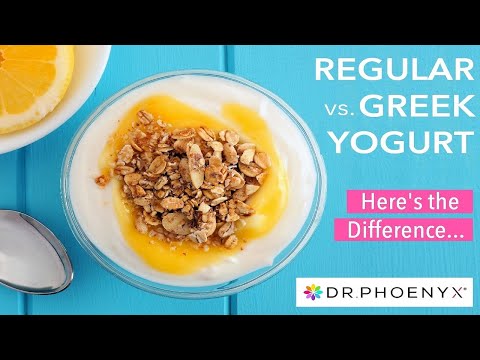
Plain organic yogurt serves as a versatile foundation for both sweet and savory culinary creations in any modern kitchen. By choosing a plain organic yogurt, you gain full control over your sugar intake while enjoying a rich, creamy texture that enhances countless dishes.
Cooking and Baking with Plain Yogurt
Many home cooks use this dairy staple as a healthy substitute for higher-fat ingredients like sour cream, mayonnaise, or heavy cream. When baking, plain organic yogurt adds moisture to cakes and muffins without the need for excessive butter or oil.
In savory cooking, it acts as a perfect base for creamy dressings, marinades, or cooling sauces for spicy dishes. Its natural acidity helps tenderize meats, making it an essential tool for creating flavorful, balanced meals at home.
Creating Healthy Breakfast Bowls
Building a nutrient-packed breakfast bowl is simple when you start with a high-quality base. You can customize your bowl with fresh berries, crunchy nuts, or seeds to add texture and essential vitamins.
Using plain organic yogurt allows you to sweeten your meal naturally with honey or maple syrup rather than relying on pre-sweetened, processed alternatives. This approach ensures that your morning meal remains both delicious and supportive of your long-term health goals.
| Culinary Use | Benefit | Substitution Ratio |
|---|---|---|
| Baking | Adds moisture | 1:1 for sour cream |
| Dressings | Lower fat content | 1:1 for mayonnaise |
| Breakfast | Probiotic boost | Base for toppings |
| Marinades | Tenderizes protein | Coat meat evenly |
Understanding Organic Yogurt Nutrition

Organic yogurt offers a unique profile of vitamins and minerals that support your daily wellness goals. By choosing high-quality dairy, you ensure that your body receives essential nutrients without unnecessary synthetic additives. A deep dive into organic yogurt nutrition reveals why this food remains a cornerstone of a healthy diet.
Protein and Calcium Content
One of the primary benefits of this dairy staple is its impressive concentration of high-quality protein. Protein is essential for muscle repair and maintaining satiety throughout the day. Furthermore, these products serve as an excellent source of calcium, which is vital for maintaining strong bones and teeth.
When you examine the nutrition label, look for the total protein count per serving to ensure it meets your dietary needs. Many varieties provide a significant portion of your daily recommended intake in just one cup. Consistent consumption of these nutrient-dense options helps bridge the gap in your daily mineral requirements.
Probiotics and Gut Health
Beyond basic macronutrients, the presence of beneficial bacteria sets this food apart. Choosing organic yogurt with live cultures provides your digestive system with active microorganisms that support a balanced microbiome.
Specific strains such as Lactobacillus acidophilus and Bifidobacterium are widely recognized for their role in digestive wellness. These probiotics work to maintain a healthy gut environment, which is linked to improved immune function and overall vitality. When shopping, always verify that the packaging specifies the inclusion of these active, beneficial bacteria.
Incorporating organic yogurt with live cultures into your routine is a simple way to prioritize your internal health. By paying attention to the ingredient list and nutritional facts, you can maximize the health benefits of every spoonful. Understanding the science behind your food empowers you to make better choices for your long-term well-being.
Best Practices for Storing Organic Yogurt
Maintaining the quality of your organic yogurt requires careful attention to temperature and handling. Proper refrigeration is essential to keep the fermented live cultures active and effective throughout the life of the product. By following simple storage habits, you ensure that every serving provides the maximum nutritional value for your household.
Maintaining Freshness and Culture Viability
Always store your yogurt in the coldest part of your refrigerator, typically toward the back of the middle or bottom shelves. Avoid placing containers in the door, as frequent temperature fluctuations can compromise the delicate balance of probiotics. Keeping the container tightly sealed after each use prevents the absorption of odors from other foods and limits exposure to airborne contaminants.
If you purchase large tubs, consider using a clean spoon for every serving to prevent introducing bacteria into the container. Cross-contamination is a common cause of premature spoilage in dairy products. By maintaining a clean environment, you protect the integrity of the live cultures that support your gut health.
Shelf Life and Expiration Guidelines
Most organic yogurt products feature a “best by” date that serves as a guide for peak quality rather than a strict safety deadline. While the product is often safe to consume shortly after this date, you should always perform a quick sensory check first. Look for any signs of mold, unusual discoloration, or a sharp, yeasty odor that differs from the product’s typical profile.
If the yogurt appears watery, a small amount of separation is normal and simply indicates the presence of whey. You can safely stir this liquid back into the yogurt or drain it off if you prefer a thicker consistency. Reducing food waste is easier when you trust your senses and store your dairy items under consistent, chilled conditions.
Common Misconceptions About Organic Dairy
Navigating the dairy aisle can be confusing when you are trying to distinguish between marketing claims and actual health benefits. Many shoppers assume that all yogurt products are created equal, but this is far from the truth.
Understanding the difference between standard options and the best organic yogurt is essential for your family’s health. By looking closer at the labels, you can make informed decisions that align with your wellness goals.
Debunking Myths Regarding Organic Yogurt
A persistent myth is that all yogurt provides the same nutritional profile regardless of how it is produced. In reality, many conventional yogurts contain aspartame and artificial colors that have been linked to neurological issues and other adverse health effects.
When you examine organic yogurt ingredients, you will find a much cleaner list. These products avoid synthetic pesticides and growth hormones, ensuring that you are consuming food in its most natural state.
Top organic yogurt brands prioritize the health of the consumer by using high-quality milk and live cultures. This commitment to purity is what sets them apart from mass-produced alternatives found in many grocery stores.
Cost vs Value Analysis
Some consumers hesitate to purchase organic dairy due to the higher price point. However, when you consider the long-term health benefits, the investment becomes much more logical.
Choosing from reputable organic yogurt brands in the u.s. means you are paying for higher standards of animal welfare and environmental sustainability. This value extends beyond the bowl, supporting a food system that prioritizes quality over quantity.
| Feature | Conventional Yogurt | Organic Yogurt |
|---|---|---|
| Artificial Additives | Commonly present | Strictly prohibited |
| Pesticide Exposure | Higher risk | Minimal to none |
| Nutritional Quality | Often processed | Higher nutrient density |
| Long-term Value | Lower cost, higher health risk | Higher cost, better health support |
Ultimately, the choice comes down to what you value most in your diet. Investing in high-quality organic yogurt ingredients is a proactive step toward better overall well-being for you and your family.
Incorporating Organic Yogurt into a Balanced Diet

Achieving a balanced diet becomes much simpler when you learn how to integrate organic yogurt effectively. By making this nutrient-dense food a consistent part of your routine, you support your gut health and overall wellness. Small, intentional changes to your daily menu can yield significant long-term benefits for your body.
Meal Planning Tips
Start your day by swapping sugary cereals for a bowl of plain organic yogurt topped with fresh berries and nuts. This combination provides a steady release of energy that keeps you full until lunch. For a savory twist, use plain varieties as a healthy substitute for sour cream in tacos or baked potatoes.
You can also blend it into smoothies to add a creamy texture and a boost of protein. Preparing these meals in advance ensures you always have a healthy option ready when hunger strikes. Consistency is the key to maintaining a sustainable and nutritious diet.
Portion Control and Daily Recommendations
Understanding appropriate serving sizes helps you maximize the benefits of organic yogurt without overconsuming calories. Most nutritionists suggest a standard serving of about six to eight ounces per day for adults. This amount is usually sufficient to provide a healthy dose of probiotics and calcium.
It is important to read labels to ensure you are not exceeding your daily sugar intake goals. Use the following guide to help you integrate this food into your daily schedule effectively.
| Meal Time | Serving Suggestion | Best Add-ins |
|---|---|---|
| Breakfast | 6-8 oz | Granola and fresh fruit |
| Lunch | 4 oz | Cucumber and dill |
| Snack | 4-6 oz | Honey or chia seeds |
| Dinner | 2-4 oz | Herbs for savory sauces |
By following these simple guidelines, you can enjoy the versatility of organic yogurt while keeping your nutrition goals on track. Remember that variety is essential for a healthy lifestyle, so feel free to experiment with different toppings and recipes.
Safety and Quality Standards in the U.S. Market
When you purchase dairy products, you deserve to know exactly how they are regulated for your safety. The production of organic yogurt in the u.s. is subject to rigorous federal oversight that ensures every container meets specific health and environmental benchmarks. These rules provide a foundation of trust for families who prioritize clean eating.
Regulatory Oversight for Organic Dairy
The United States Department of Agriculture (USDA) manages the National Organic Program, which sets the standards for all certified products. This agency enforces strict guidelines regarding how livestock is raised and how final products are processed. When you see the usda organic yogurt seal, it confirms that the item has undergone a thorough verification process.
“The organic label is a promise to the consumer that the product was produced in accordance with strict, science-based standards that protect the environment and public health.”
This regulatory framework prevents the use of synthetic pesticides, antibiotics, and growth hormones in the production cycle. By maintaining these high standards, the government ensures that the integrity of the food supply remains intact for all consumers.
What to Look for in Sourcing
Beyond federal labels, savvy shoppers often look for additional transparency regarding where their food originates. When buying organic yogurt in usa markets, check the packaging for information about the specific farm or cooperative involved in the supply chain. Many premium brands now provide QR codes or website links that allow you to trace the journey of your dairy from the farm to the shelf.
Look for companies that prioritize sustainable farming practices and clear communication about their sourcing methods. Choosing brands that are open about their supply chain adds an extra layer of confidence to your purchase. Ultimately, being an informed consumer is the best way to ensure you are getting the highest quality product for your family.
At The End of: Organic Yogurt Guide
Selecting organic yogurt represents a meaningful commitment to your personal health and the environment. By choosing products from brands like Stonyfield Organic or Organic Valley, you support farming practices that prioritize soil health and animal welfare.
These choices ripple outward to impact the broader food system. Every purchase signals a demand for transparency and high standards in the dairy aisle. You gain peace of mind knowing your family consumes food free from synthetic pesticides and unnecessary additives.
Integrate these nutrient-dense options into your daily routine to experience the benefits of clean eating. Whether you enjoy a simple bowl of Greek yogurt or use plain varieties in your favorite recipes, you are investing in long-term wellness. Keep exploring new ways to enjoy these wholesome products while staying mindful of the labels you trust.
Share your favorite ways to serve organic yogurt with your community. Your feedback helps others navigate the market and discover quality options. Start your journey toward better nutrition today by making intentional decisions at the grocery store.
FAQ
What makes it Organic Yogurt?
Organic Yogurt qualifies when the ingredients and handling meet USDA organic rules and the finished product is certified and labeled in the proper category. For a shopper, the important point is that the claim is regulated and tied to documented compliance rather than a vague wellness phrase. USDA organic standards summary.
What is organic yogurt and how is it different from conventional options?
What is organic yogurt? It is a fermented dairy product made from milk produced by cows that are raised according to strict federal guidelines. When comparing organic yogurt vs regular yogurt, the primary difference lies in the farming practices. Organic dairy cows are fed 100% organic feed, have access to pasture, and are never treated with synthetic growth hormones (like rBGH) or antibiotics. Furthermore, USDA organic yogurt must be processed without the use of toxic persistent pesticides or synthetic fertilizers, ensuring a cleaner final product for the consumer.
How can I identify authentic organic yogurt brands in the U.S.?
To ensure you are buying genuine products, look for the USDA Organic seal on the packaging. This organic yogurt certification guarantees that the product meets rigorous government standards. Some of the best organic yogurt options come from organic yogurt brands in the U.S. that prioritize transparent sourcing, such as Stonyfield Organic, Nancy’s Probiotic Creamery, and Straus Family Creamery. When shopping at major retailers, you can find high-quality options like organic yogurt at Costco under their Kirkland Signature label, or a wide variety of organic yogurt at Walmart from brands like Horizon Organic.
What are the benefits of choosing whole milk organic yogurt over low-fat varieties?
Whole milk organic yogurt contains the natural fat content of the milk, which often provides a more satisfying texture and helps the body absorb fat-soluble vitamins like A and D. Many nutritionists recommend whole milk versions because they are often more “clean,” whereas low-fat versions may sometimes use thickeners or organic yogurt added sugar to compensate for the loss of flavor and creaminess. Checking the organic yogurt nutrition label is essential to see the balance of healthy fats, proteins, and carbohydrates.
Is Organic Yogurt automatically healthier than regular yogurt?
Organic Yogurt may align with your preferences on farming practices and ingredient sourcing, but it is not automatically lower in sugar, higher in protein, or lower in calories than a conventional alternative. You still need to compare the specific cup or tub you are buying. USDA organic label explainer.
Does Organic Yogurt always contain live cultures?
Organic Yogurt begins with required yogurt cultures, but some products may be treated after culturing, and U.S. rules require labeling to reflect that. If live cultures matter to you, do not assume; read the package wording and choose products that state the claim clearly. USDA Organic Seal.
Is Greek Yogurt style different to Organic Yogurt?
Organic Yogurt sold as Greek or Greek-style usually differs more in texture, straining, and nutrient concentration than in the meaning of the organic claim itself. The organic standard addresses ingredient sourcing and handling, while the style affects thickness, protein concentration, and culinary use. dairy regulations and processing overview.
Can Organic Yogurt survive a power outage?
Organic Yogurt should be treated like any other perishable refrigerated dairy food during an outage, which means keeping the refrigerator closed and discarding foods that have sat too warm for too long. Organic status does not extend shelf stability or override basic temperature safety rules. food safety during a power outage.
Why is organic Greek yogurt considered a superior protein source?
Organic Greek yogurt undergoes an intensive straining process to remove the liquid whey. This results in a much thicker, creamier consistency and nearly double the protein content of traditional plain organic yogurt. Because it is more nutrient-dense, it is an excellent choice for athletes or anyone looking to increase their daily protein intake. Brands like Siggi’s (which produces a similar Icelandic style) and Wallaby Organic offer excellent Greek-style options that are rich in organic yogurt with live cultures.
Is there a specific organic yogurt brand Valley consumers should look for?
Yes, the organic yogurt brand Valley refers to Organic Valley, a prominent farmer-owned cooperative. They are widely recognized for their commitment to animal welfare and high-quality organic yogurt ingredients. Because they are a cooperative of small family farms, their products—ranging from plain organic yogurt to flavored varieties—often reflect a high standard of environmental stewardship and purity.
What should parents look for when buying organic yogurt for babies and kids?
When selecting organic yogurt for babies, it is best to start with plain, full-fat versions to support brain development without exposing them to unnecessary sugars. For older children, organic yogurt pouches from brands like Happy Tot or Stonyfield Kids provide a convenient, portable snack. For toddlers who are learning to self-feed, organic yogurt melts are a popular choice because they dissolve easily and provide a mess-free way to enjoy the benefits of dairy and probiotics.
How does organic yogurt with live cultures benefit digestive health?
The “live and active cultures” found in high-quality organic yogurt are beneficial bacteria, such as *Lactobacillus bulgaricus* and *Streptococcus thermophilus*. These probiotics help maintain a healthy balance in the gut microbiome, which is essential for proper digestion and immune function. Choosing organic yogurt in the U.S. that specifies the inclusion of these cultures ensures you are getting the most functional benefit out of your fermented dairy.
Is the higher cost of organic yogurt in the USA justified?
While the organic yogurt cost can be higher than conventional brands, the price reflects the more expensive, labor-intensive farming practices required for USDA organic yogurt. This includes higher-quality organic feed, more space for animals to roam, and the absence of cheap synthetic additives. For many consumers, the long-term health benefits of avoiding pesticide residues and supporting sustainable agriculture provide a significant value that outweighs the initial price difference at the checkout counter.
Conclusion of: Organic Yogurt
What Organic Yogurt means in the U.S. market?
Organic Yogurt is cultured dairy made from milk that comes from farms and processing systems certified under USDA organic rules, so the label is about how ingredients are produced and handled, not just about taste or marketing. In U.S. stores, that matters because the claim is tied to federal standards that cover ingredients, processing, and label review before products are sold. USDA organic labeling overview.
Organic Yogurt is different from a simple “natural” or “clean label” claim because it sits inside a formal federal program with accredited certifiers, annual inspections, and enforcement rules. For shoppers, that means the most important signal is not pretty packaging but whether the product is operating under the National Organic Program and meeting the label category it claims. National Organic Program.
What makes the dairy side organic?
Organic Yogurt starts with milk from dairy operations that follow organic livestock rules, including organic feed and forage, restrictions on antibiotics and hormones, and living conditions that give ruminants outdoor access and pasture during the grazing season. That farm-level standard is one of the biggest reasons the category costs more than many conventional options on the shelf. USDA livestock and dairy rules.
Organic Yogurt also reflects the longer transition and management burden behind organic milk, because pasture and feed land must qualify and dairy animals must be under continuous organic management before milk can be sold with the claim. In practice, that means a brand cannot simply switch labels overnight; the supply chain has to be built around compliant land, feed, herd management, and recordkeeping. USDA organic dairy lifecycle.
How the product itself is made?
Organic Yogurt is still yogurt first, which means the dairy ingredients are pasteurized or ultra-pasteurized before culturing, then fermented until the product reaches the texture and acidity expected of yogurt. From a manufacturing standpoint, organic status does not remove the need to meet yogurt standards of identity, safe processing steps, and consistent quality controls. FDA yogurt compliance guide.
Organic Yogurt must be made with the characterizing yogurt cultures Lactobacillus delbrueckii subsp. bulgaricus and Streptococcus thermophilus, while other cultures may be added depending on the formula. U.S. labeling rules also matter here because a product that has been treated after culturing to inactivate viable microorganisms must disclose that it does not contain live and active cultures. 21 CFR 131.200.
Ingredients you will commonly see on the label
Organic Yogurt usually begins with milk or cream, cultures, and sometimes fruit, sweeteners, pectin, starches, or other stabilizers depending on whether the product is plain, Greek-style, drinkable, or fruit-on-the-bottom. In an organic product, nonorganic and nonagricultural ingredients have to fit within USDA organic handling rules, which is why ingredient lists are worth reading even when the front label looks simple. National List of allowed substances.
Organic Yogurt does not have to be plain or unsweetened, and shoppers are often surprised by that because the organic claim and the nutrition profile are not the same thing. Sweeteners, flavorings, vitamins, stabilizers, and other safe and suitable optional ingredients can still appear in yogurt, so the better buying habit is to look at the full ingredient list and the type of product you are actually getting. FDA yogurt labeling update.
Certifications and claims that matter most
Organic Yogurt is most trustworthy when the package clearly shows a USDA organic claim that matches the product category and names the certifying agent in a compliant way. That detail is important because the U.S. system relies on accredited certifiers to review labels, inspect operations, and verify that farms and handlers are following the standards they are claiming in the marketplace. USDA certifier locator.
Organic Yogurt can also carry a live-cultures message, but shoppers should know that “organic” and “probiotic” are not interchangeable terms. Yogurt is made with characteristic cultures, and some products may include additional microorganisms, yet the health meaning of those organisms depends on the exact strains and whether they remain viable through shelf life. NIH probiotics fact sheet.
Nutrition and label reading
Organic Yogurt can be a useful source of protein, calcium, and other dairy nutrients, but the better nutritional choice still depends on the version you buy because fat level, straining, portion size, and sweetening vary widely from one product to another. A plain cup and a dessert-like fruit blend can both qualify for the same organic claim while landing very differently on calories and sugars. USDA FoodData Central.
Organic Yogurt is easiest to compare when you read the Nutrition Facts panel in a practical order: serving size first, protein second, and added sugars right after total sugars. FDA labeling guidance is especially useful here because naturally occurring milk sugars are not the same as sugars added during processing, and the label separates those values so shoppers can make a better apples-to-apples comparison. FDA guide to added sugars.
Organic Yogurt for children or school-style snacks is often better when it stays closer to plain or lightly sweetened formats, and a helpful real-world benchmark comes from USDA school meal policy. USDA’s current product-based rule for school programs sets yogurt at no more than 12 grams of added sugars per 6 ounces, which is not a universal consumer law but can still serve as a smart screening point in the grocery aisle. USDA added sugars standards.
Organic Yogurt shoppers should also use the broader label, not just the front of the package, because fat level, flavoring, fortification, and serving size can shift the value of the product for your goals. If you want a breakfast option, a cooking ingredient, or a higher-protein snack, the Nutrition Facts label and ingredient statement usually tell you far more than buzzwords on the lid. Nutrition Facts label guide.
Best uses of organic yogurt at home
Organic Yogurt works especially well for breakfasts and snacks because it pairs easily with fruit, oats, nuts, seeds, and whole-grain toppings without much prep. For many U.S. households, the most practical choice is a plain container that can move between sweet and savory uses instead of buying several flavored cups that lock you into one taste profile and often raise sugar intake.
Organic Yogurt is also valuable in the kitchen because it can replace some sour cream, mayonnaise, oil, butter, or eggs in selected recipes, depending on the texture you want. Extension guidance is helpful here: yogurt can add moisture and tenderness in baking, but lower-fat versions are more likely to curdle under heat, so the exact style you buy should match the job you want it to do. MU Extension yogurt cooking tips.
Organic Yogurt should be handled like other refrigerated dairy foods once you get it home, which means keeping it cold, covered, and watched for spoilage rather than assuming the organic claim changes food safety basics. If a container is badly separated, smells off, or has been held too warm, the safest approach is the boring one: do not rescue it just because it was expensive. FDA refrigeration tips.
Quick checklist
Organic Yogurt is easier to buy well when you use a simple repeatable checklist instead of reacting to front-label marketing. This kind of routine helps you compare products faster, especially when the shelf includes plain, Greek-style, whole-milk, reduced-fat, kids, drinkable, and fruit-based versions side by side. UF guide to yogurt types.
- Check whether the package uses the USDA organic claim clearly and consistently.
- Read the ingredient list before the marketing claims on the front.
- Compare serving size so protein and sugars are judged fairly.
- Look for added sugars instead of relying on “fruit” wording.
- Choose plain if you want the most flexible option for meals and recipes.
- Match fat level to your goal: creamier texture, lower calories, or cooking stability.
- Check whether the label mentions live and active cultures if that matters to you.
- Buy the size you will actually finish while quality is best.
- Keep refrigerated and transport cold if you are running multiple errands.
Common mistakes to avoid
Organic Yogurt buyers often make avoidable mistakes because they assume the label answers every quality question by itself. In reality, the smartest purchase comes from combining the organic claim with ingredient review, nutrition comparison, storage habits, and intended use. Penn State dairy processing resources.
- Assuming organic automatically means low sugar.
- Choosing flavored cups when you really need a plain cooking base.
- Ignoring serving size and comparing unequal portions.
- Paying for Greek-style thickness when regular yogurt would work fine.
- Confusing “live cultures” with a guaranteed probiotic benefit.
- Buying family tubs without a plan to finish them promptly.
- Leaving containers warm in the car after shopping.
- Using a low-fat style in hot sauces without expecting curdling risk.
Costs and ROI snapshot
Organic Yogurt carries a higher shelf price for reasons that start long before the milk reaches a plant, and one small but real cost line is certification itself. USDA’s Organic Certification Cost Share Program can reimburse eligible producers and handlers for up to 75% of certification costs, capped at $750 per certification category, which shows both that certification is a real business expense and that USDA treats it as a barrier worth reducing. Organic Certification Cost Share Program.
- Major farm cost drivers include organic feed, pasture management, labor, herd health planning, and recordkeeping.
- Processor cost drivers include certified ingredient sourcing, cultures, fruit prep, stabilizers, packaging, sanitation, and cold-chain distribution.
- Retail price gaps widen when products are strained, flavored, portion-packed, or sold in premium channels.
- Margins depend on shrink control, shelf life discipline, and whether consumers are buying the product for daily use or occasional premium consumption.
Organic Yogurt economics also connect to broader organic dairy realities, and USDA’s long-run research shows that cost of production differs by region, herd structure, and production system. That is why there is no single “correct” price premium for the category: operators are balancing feed costs, pasture-based management, transportation, processing yields, and the challenge of securing enough certified milk supply for the product mix they want to sell. ERS organic dairy report.
Organic Yogurt can still make business sense when brands, retailers, and farms manage the premium carefully, because USDA research has also shown that organic dairy operations historically carried both higher costs and higher gross returns than comparable conventional farms in some herd-size groups. The practical lesson is not to expect easy margins, but to understand that return depends on disciplined operations, brand positioning, and dependable consumer willingness to pay for verified production standards. ERS cost-and-return analysis.
Final thought
Organic Yogurt is worth buying when you want verified organic production standards, flexible kitchen use, and a dairy food that can fit both simple snacks and more thoughtful meal planning. The best choice is rarely the most expensive cup on the shelf; it is the one whose ingredients, sugar level, fat level, texture, and certification actually match how you plan to use it at home.
Sources & References
- USDA AMS: “Made With Organic” Labeling Guidance
- USDA AMS: Guidelines for Organic Certification of Dairy Livestock
- USDA AMS: Organic Dairy Market News
- USDA ERS: Milk Cost of Production Estimates
- USDA ERS: Dairy Topic Page
- eOrganic: Transition to Certified Organic Milk Production
- FDA: Changes to the Nutrition Facts Label
- FDA: Standards of Identity for Food
- NIH ODS: Probiotics Fact Sheet for Consumers
- NCCIH: Probiotics Usefulness and Safety
- FoodSafety.gov: Cold Food Storage Chart
- Penn State Extension: Reducing Food Waste with Food Safety in Mind
- USDA: Yogurt Ways to Use It at Home