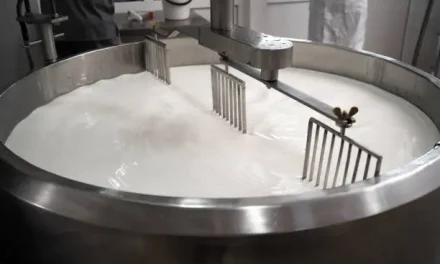

Have you ever wondered, What Is Mascarpone? This luxurious Italian staple is famous for its incredibly smooth and velvety texture. It serves as a versatile foundation for both decadent desserts and savory culinary creations.
Many home cooks ask, what is mascarpone cheese? Essentially, it is a high-fat dairy product that provides a rich mouthfeel. Because of its mild flavor, it blends perfectly with various herbs or sweeteners.
Understanding this ingredient helps you elevate your cooking. Whether you are whipping up a classic tiramisu or thickening a pasta sauce, this mascarpone adds a touch of elegance to every bite. Learning to use this mascarpone cheese correctly will transform your kitchen experience.
Key Takeaways
- It is a rich, creamy Italian dairy product.
- The texture is much softer than standard spreads.
- It works well in both sweet and savory recipes.
- The high fat content creates a luxurious mouthfeel.
- It is a primary ingredient in traditional tiramisu.
Understanding What Is Mascarpone Cheese?

Originating from the lush landscapes of the Lombardy region, this soft Italian dairy product has captured the hearts of chefs worldwide. While it is often compared to American cream cheese, this authentic Italian cheese possesses a distinctively velvety texture and a much higher butterfat content. Understanding its unique properties is the first step toward mastering its use in your kitchen.
Defining the soft Italian dairy product
At its core, this ingredient is a triple-cream cheese made from cow’s milk. Unlike many other varieties, it is not aged, which keeps its flavor profile fresh and mild. Its production involves heating cream and adding an acid, such as tartaric acid, to create a thick, spreadable consistency.
- High fat content: Typically ranges between 60% and 75%.
- Texture: Extremely smooth, thick, and spreadable.
- Flavor: Subtle, milky, and slightly sweet.
The history and cultural significance of mascarpone
The roots of this product trace back to the late 16th or early 17th century in Northern Italy. It has long been a staple in regional cooking, prized for its ability to add richness to both simple and complex dishes. Today, authentic italian mascarpone remains a cornerstone of traditional desserts, most notably serving as the essential binding agent in classic tiramisu.
Its cultural importance extends beyond just sweets. In many Italian households, it is enjoyed simply with fresh fruit or drizzled with honey as a quick, elegant treat. This versatility highlights why it remains a beloved pantry staple across the country.
Why it is considered a gourmet cheese
Many culinary experts classify this item as a gourmet cheese because of its delicate nature and the high-quality cream required for production. Because it is unaged and highly perishable, it requires careful handling and storage to maintain its integrity. The result is a premium product that offers a level of decadence that standard processed cheeses simply cannot replicate.
When you choose this product, you are selecting an ingredient that prioritizes texture and purity. Its clean, luxurious mouthfeel makes it a favorite for professional pastry chefs and home cooks alike. Whether used in a savory sauce or a delicate cake, it consistently elevates the final dish.
The Profile of This Soft Italian Dairy Product

Mascarpone is a luxurious dairy staple that defines Italian culinary elegance. This creamy cheese is celebrated for its velvety consistency and delicate, slightly tangy flavor. It serves as a foundational ingredient for many classic recipes, providing a rich mouthfeel that is difficult to replicate with other dairy products.
Texture and flavor characteristics
The texture of high-quality mascarpone is thick, smooth, and spreadable. It lacks the graininess found in some other soft cheeses, making it ideal for whipping into light, airy mixtures. Its flavor is subtle and milky, which allows it to act as a perfect canvas for both bold and delicate ingredients.
Fat content and nutritional profile
One of the defining features of this product is its high-fat content, which typically ranges between 60% and 75%. This significant concentration of milk fat is exactly what gives the cheese its signature rich and decadent texture. Because of this density, it provides a substantial amount of energy and a very satisfying eating experience.
Is mascarpone sweet or savory?
Many home cooks often ask, is mascarpone sweet or savory? The answer is that it is remarkably versatile and works beautifully in both categories. While it is most famous for its role in sweet desserts like tiramisu, it is equally effective in savory dishes. You can use it to thicken pasta sauces or as a base for gourmet appetizers.
| Feature | Description | Primary Use |
|---|---|---|
| Fat Content | 60% – 75% | Texture enhancement |
| Flavor Profile | Mild and milky | Versatile base |
| Culinary Role | Sweet or savory | Desserts and sauces |
Whether you are preparing a sweet treat or a savory meal, understanding the balance of this creamy cheese is key. By mastering its unique profile, you can elevate your cooking to a professional level.
Mascarpone vs Cream Cheese: Key Differences

While they may look similar in the tub, understanding the nuances of mascarpone vs cream cheese is essential for culinary success. Both are beloved for their rich, creamy qualities, yet they serve very different roles in the kitchen. Recognizing these distinctions ensures your recipes achieve the perfect consistency and flavor profile every time.
Comparing production methods
The primary difference lies in how these products are crafted. Cream cheese is made using pasteurized milk and cream, combined with lactic acid bacteria to create a tangy profile. Regulations in the United States require it to contain at least 33% milk fat and no more than 55% moisture.
In contrast, mascarpone is an Italian delight produced by curdling heavy cream with an acid, such as tartaric acid or lemon juice. This process results in a much higher fat content, often reaching 60% to 75%. Because of this, it lacks the stabilizers often found in commercial cream cheese, relying instead on its natural, dense structure.
Texture and spreadability analysis
When you compare the two, the texture is immediately noticeable. Cream cheese is firm, smooth, and holds its shape well, making it ideal for spreading on bagels or creating structured frostings. It often includes stabilizers to maintain this firmness during storage.
Mascarpone is significantly softer and more delicate. It has a velvety, buttery consistency that can easily turn into liquid if over-mixed. While it spreads beautifully, it does not provide the same structural support as its American counterpart.
Flavor profiles and culinary versatility
Flavor is another area where these ingredients diverge. Cream cheese offers a distinct, slightly tangy, and acidic taste that cuts through sweetness in desserts. Mascarpone, however, is mild, sweet, and incredibly rich, lacking the sharp tang of cream cheese.
Because of these differences, you should consider the following when looking for a mascarpone cheese substitute:
- Cream cheese is best for recipes requiring stability, like New York-style cheesecakes.
- Mascarpone is preferred for delicate desserts like tiramisu where a luxurious mouthfeel is desired.
- When considering mascarpone a ricotta, remember that ricotta is grainier and less fatty, making it a different type of dairy experience.
When to choose one over the other
Choosing the right ingredient depends on your desired outcome. If you need a stable frosting for a cake, cream cheese is the superior choice. If you are crafting a decadent dessert or a creamy pasta sauce, mascarpone adds a level of richness that is hard to replicate.
If you find yourself in a pinch, there are several mascarpone cheese substitutes available. You can blend cream cheese with a small amount of heavy cream to mimic the texture of mascarpone. Always keep in mind that while they are related, their unique chemical compositions mean they are rarely perfect one-to-one replacements in complex baking projects.
Where to Buy Mascarpone Cheese in the U.S.

Whether you are planning a classic dessert or a savory meal, knowing where to buy mascarpone cheese is the first step to success. While this creamy Italian staple was once considered a rare find, it is now widely available across the country. You can easily locate mascarpone cheese in the U.S. by checking the specialty cheese section of your local supermarket.
Finding mascarpone at major retailers like Kroger and Safeway
Most large grocery chains have expanded their inventory to include international dairy products. You can typically find mascarpone cheese at Kroger or visit your local Safeway to pick up a tub. Other major chains like Stop and Shop, Giant, and Harris Teeter also stock this item in their refrigerated deli or cheese cases.
If you are shopping on the West Coast, you might find mascarpone at Ralphs, while those in the Midwest can often locate mascarpone cheese at Meijer. For shoppers wondering where to find mascarpone cheese in the South, Food Lion is another reliable option. Always check the specialty cheese island near the deli for the best selection.
Specialty options at Whole Foods and Wegmans
For those seeking premium quality, mascarpone cheese at Whole Foods is a popular choice due to their focus on artisanal brands. Similarly, Wegmans mascarpone is highly regarded by home cooks for its rich, velvety texture. If you have a Sprouts nearby, you will likely find high-quality mascarpone cheese at Sprouts as well.
These stores often carry a wider variety of imported Italian brands compared to standard supermarkets. If you are looking to buy mascarpone cheese for a special occasion, these retailers are excellent starting points. Their staff can often provide recommendations on which brand suits your specific recipe needs.
Availability at discount stores like Trader Joe’s and Aldi
Budget-conscious shoppers often turn to Trader Joe’s mascarpone cheese because it offers great value without sacrificing quality. You can usually find mascarpone at Trader Joe’s in the refrigerated section near the other specialty cheeses. Target mascarpone cheese is another convenient option for those who prefer one-stop shopping.
If you are a member of a warehouse club, you might also find Sam’s Club mascarpone cheese available in larger quantities. This is perfect if you are preparing a large batch of tiramisu or hosting a dinner party. Always verify local stock online before making a special trip to these discount retailers.
Buying mascarpone cheese online
When local stores are out of stock, buying mascarpone cheese online becomes a reliable solution. Several gourmet food purveyors ship this delicate dairy product directly to your door with temperature-controlled packaging. This ensures that you can always access mascarpone cheese in USA markets, regardless of your location.
Online shopping is particularly useful if you need a specific brand that is not carried in your area. Whether you need to mascarpone buy for a professional kitchen or a home project, the internet provides access to a vast array of choices. Simply ensure you select a reputable vendor to maintain the integrity of the cheese during transit.
How to Use Mascarpone in Sweet and Savory Dishes

Whether you are preparing a decadent dessert or a savory appetizer, mascarpone is a secret weapon for home cooks. This velvety Italian cheese offers a neutral, rich profile that adapts beautifully to various flavor profiles. Understanding how to use mascarpone effectively allows you to elevate simple ingredients into restaurant-quality meals.
Using mascarpone as a base for desserts
Mascarpone is most famous for its role in classic Italian sweets. Because of its high fat content, it provides a luxurious mouthfeel that is difficult to replicate with other dairy products. Many popular mascarpone recipes rely on its ability to stabilize whipped cream, making it perfect for layered cakes and fruit-based parfaits.
Incorporating mascarpone into savory appetizers
You can easily transition this ingredient into your dinner menu by cooking with mascarpone cheese. It adds a silky texture to soups and sauces without overpowering the other ingredients. When preparing savory dishes, consider stirring a dollop into roasted vegetable purees or using it as a creamy binder for stuffed pasta shells.
Creating a rich cheese spread
One of the simplest ways to enjoy this product is by crafting a homemade mascarpone spread. By mixing the cheese with fresh herbs like chives, dill, or basil, you create a sophisticated cheese spread that pairs perfectly with toasted baguette slices or crisp crackers. A pinch of sea salt and cracked black pepper will enhance the natural sweetness of the dairy.
Tips for working with creamy mascarpone
When cooking with mascarpone, it is important to handle the cheese gently to maintain its delicate structure. Always bring the cheese to room temperature before mixing to ensure a smooth, lump-free consistency. Avoid over-whipping, as the high fat content can cause the mixture to separate or turn into butter if agitated too vigorously.
| Application Type | Flavor Profile | Common Pairings |
|---|---|---|
| Sweet Desserts | Rich and Creamy | Berries, Cocoa, Vanilla |
| Savory Appetizers | Mild and Tangy | Herbs, Garlic, Smoked Salmon |
| Cheese Recipes | Versatile | Honey, Nuts, Balsamic Glaze |
Mastering Mascarpone for Tiramisu

If you want to recreate the magic of a traditional Italian café at home, mastering the use of mascarpone is your first step. This decadent, buttery cheese is the heart of the dessert, providing a luxurious mouthfeel that simply cannot be achieved with other dairy products.
Why mascarpone is essential for authentic tiramisu
Authentic tiramisu mascarpone is prized for its high butterfat content and delicate, slightly sweet flavor. Unlike cream cheese, which is tangy and firm, mascarpone offers a silky, spreadable consistency that melts on the tongue.
When you use mascarpone for tiramisu, you ensure the dessert maintains its signature light-as-cloud texture. This quality is vital for balancing the bold bitterness of espresso and the cocoa powder dusting on top.
Selecting the best mascarpone for tiramisu
Finding the best mascarpone for tiramisu starts with checking the ingredient label. High-quality brands typically contain only two ingredients: cream and a citric acid or tartaric acid starter.
Avoid products that include stabilizers or thickeners, as these can alter the final texture of your cream. A fresh, high-quality mascarpone cheese for tiramisu should look bright white and smell clean, like fresh heavy cream.
Techniques for a perfect tiramisu filling
To create a professional-grade filling, you must handle the cheese with care. Start by bringing your ingredients to room temperature to prevent lumps from forming during the mixing process.
When preparing your mixture, consider these essential steps:
- Gently fold the whipped mascarpone into your egg yolk and sugar mixture to maintain aeration.
- Incorporate a splash of marsala for tiramisu to add a complex, nutty depth to the cream.
- Ensure your whisking speed is moderate to avoid breaking the emulsion of the fats.
Common mistakes to avoid when making tiramisu
Even experienced cooks can fall into traps that ruin the consistency of their dessert. One of the most frequent errors is over-whipping the cheese, which can cause it to turn grainy or separate entirely.
Keep these tips in mind to ensure your tiramisu cucina romana style dessert is a success:
- Temperature control: Never use cold cheese directly from the fridge, as it will not incorporate smoothly.
- Folding technique: Always use a spatula to fold ingredients by hand rather than using an electric mixer for the final stage.
- Resting time: Allow the assembled dessert to chill for at least six hours so the flavors can meld and the structure can set properly.
Can You Use Mascarpone in Cheesecake?

Many home bakers often wonder, “Can you use mascarpone in cheesecake?” The answer is a resounding yes, as this Italian dairy product is a fantastic way to elevate your baking.
By incorporating this ingredient, you can transform a standard treat into one of the most delicious mascarpone desserts you have ever tasted. It provides a level of luxury that is hard to achieve with other common dessert ingredients.
Benefits of using mascarpone in cheesecake recipes
The primary benefit of using this cheese is its incredible richness. Because it has a higher butterfat content than standard cream cheese, it creates a velvety mouthfeel that melts on the tongue.
When you use it in mascarpone cheese desserts, you get a subtle, milky sweetness that balances well with citrus or chocolate. It is truly a premium choice for any special occasion.
Adjusting your recipe for high-fat cheese
Working with a high-fat cheese requires a few minor adjustments to your standard cheese recipe. Since mascarpone is softer and contains more fat, it does not provide the same structural stability as firmer cream cheese.
You may need to add a little extra flour or cornstarch to help the cake set properly during the baking process. Additionally, be careful not to overmix the batter, as this can introduce too much air and cause the cake to crack.
Achieving the perfect texture
To achieve the perfect texture, ensure your ingredients are at room temperature before you begin mixing. This prevents lumps and ensures a smooth, consistent batter.
Gently fold the mascarpone into your mixture rather than using a high-speed mixer. This careful approach preserves the delicate structure of the cheese, resulting in a dense, creamy finish that defines a high-quality cheesecake.
Comparing mascarpone cheesecake to traditional cream cheese versions
Understanding the differences between these two styles helps you choose the right base for your needs. The following table highlights the key contrasts between these popular options.
| Feature | Cream Cheese | Mascarpone |
|---|---|---|
| Flavor Profile | Tangy and acidic | Mild and sweet |
| Fat Content | Moderate | High |
| Texture | Firm and dense | Silky and spreadable |
| Best Use | Classic New York style | Gourmet, decadent cakes |
Incorporating Mascarpone in Pasta Sauce
Using italian mascarpone cheese in your pasta sauce can completely change the texture and depth of your meal. While often associated with desserts, this velvety ingredient brings a luxurious mouthfeel to savory dishes that standard heavy cream simply cannot match.
Adding creaminess to tomato-based sauces
When you stir a dollop of mascarpone into a vibrant marinara, it acts as a perfect buffer against the sharp acidity of tomatoes. The cheese mellows the sauce, creating a sophisticated pink hue and a silky consistency. This technique is ideal for those who prefer a milder, more rounded flavor profile in their red sauces.
Using mascarpone in white pasta sauces
For white sauces, this ingredient serves as a thickener that adds body without the need for excessive flour or butter. It melts beautifully into garlic and parmesan bases, resulting in a decadent coating for fettuccine or penne. Incorporating mascarpone in pasta sauce ensures that every bite feels rich and satisfying.
Pairing mascarpone with herbs and vegetables
The neutral, milky flavor of italian mascarpone makes it an excellent canvas for fresh ingredients. It pairs exceptionally well with earthy vegetables like spinach, peas, or roasted butternut squash. Adding fresh herbs such as basil, thyme, or chives helps cut through the richness, providing a balanced and bright finish to your dish.
“The secret to a truly memorable pasta sauce lies in the balance of textures; a touch of creaminess can transform a simple meal into a restaurant-quality experience.”
Tips for preventing curdling
To keep your sauce smooth, always add the cheese at the very end of the cooking process. Remove the pan from the heat source before stirring in the mascarpone to prevent the proteins from separating. Gentle heat is the key to maintaining the integrity of the sauce and ensuring a perfect, glossy finish every time you use mascarpone in pasta sauce.
Easy Creamy Homemade Mascarpone Recipe

Creating a rich, velvety cheese from scratch is simpler than you might imagine. With just a few basic supplies, you can produce an easy creamy homemade mascarpone that rivals any store-bought version. This artisanal approach allows you to control the quality of your ingredients while enjoying the satisfaction of kitchen craftsmanship.
Ingredients needed for homemade mascarpone
The beauty of this recipe lies in its simplicity. You only need two primary components to get started:
- 1 pint of high-quality heavy cream (avoid ultra-pasteurized if possible for better results).
- 1 tablespoon of fresh lemon juice or white vinegar to act as the acid.
Step-by-step preparation process
Begin by pouring the cream into a heavy-bottomed saucepan over medium-low heat. Slowly bring the liquid to 180°F, stirring constantly to prevent scorching. Once it reaches the target temperature, stir in the acid and continue heating for a few minutes until the mixture thickens into a homemade mascarpone base.
Remove the pan from the heat and let it cool to room temperature. Transfer the mixture into a cheesecloth-lined colander set over a bowl. Allow it to drain in the refrigerator for at least 12 to 24 hours to reach the desired thickness.
Tips for achieving the right consistency
Achieving the perfect texture for your home made mascarpone requires patience. If the mixture feels too thin after the initial draining, simply let it sit in the refrigerator for a few more hours. Avoid over-whipping the final product, as this can cause the fats to separate and ruin the smooth finish.
“The secret to great cheese is not just the ingredients, but the gentle patience applied during the cooling and straining process.”
— Artisanal Kitchen Wisdom
Safety and hygiene for home cheese making
Maintaining a creamy and safe final product starts with cleanliness. Always ensure your saucepan, whisk, and cheesecloth are thoroughly sanitized before you begin. Because this process involves dairy fermentation and cooling, keep your workspace cool and store the finished cheese in an airtight container in the coldest part of your refrigerator.
Finding the Best Mascarpone Substitute
If your local grocery store is out of stock, you can still achieve a rich, velvety texture using a clever cheese substitute. Having a reliable mascarpone substitute on hand ensures that your baking projects remain on track even when the original ingredient is missing from your pantry.
Using ricotta as a mascarpone cheese substitute
Many home cooks turn to mascarpone and ricotta when they need a quick fix. While ricotta has a slightly grainier texture, you can blend it until smooth to mimic the consistency of mascarpone. This mascarpone ricotta blend works best in recipes where the cheese is cooked or folded into a larger mixture.
Combining cream cheese and heavy cream
For a closer match in terms of fat content and richness, you can substitute 1 cup of mascarpone with 1 cup of a cream cheese and whipping cream mixture. Simply whip equal parts of softened cream cheese and heavy cream until the mixture becomes light and airy. This mascarpone substitute provides the necessary density for frostings and fillings.
When to use Greek yogurt or sour cream
Greek yogurt or sour cream can serve as a tangy cheese substitute in specific savory dishes. These options are much thinner than traditional mascarpone, so they are best used in sauces or dressings rather than desserts. They add a pleasant acidity that balances heavy, rich ingredients in pasta or vegetable bakes.
Choosing the right substitute based on the recipe
Selecting the best alternative depends entirely on the final goal of your dish. If you are making a delicate dessert, the cream cheese and heavy cream method is usually superior. For rustic pasta sauces, ricotta or even a dollop of sour cream can provide the desired creaminess without overpowering the other flavors.
| Substitute | Best Use Case | Texture |
|---|---|---|
| Ricotta | Baked goods | Slightly grainy |
| Cream Cheese + Cream | Frostings/Fillings | Rich and smooth |
| Greek Yogurt | Savory sauces | Tangy and thin |
How to Store and Freeze Mascarpone

Mascarpone is a delicate ingredient that requires specific handling to maintain its quality. Because it is a fresh, high-fat dairy product, it is highly susceptible to temperature changes and bacterial growth. Learning how to store mascarpone correctly is the first step toward ensuring your desserts and savory sauces remain delicious.
Proper refrigeration techniques
Always keep your mascarpone in the coldest part of your refrigerator, typically toward the back of the middle or bottom shelf. Never leave the container on the counter for more than a few minutes while you are prepping your ingredients. Once opened, it is best to consume the cheese within three to five days to enjoy its peak flavor and texture.
Always ensure the lid is sealed tightly after every use. Exposure to air can cause the cheese to absorb odors from other items in your refrigerator, which will quickly ruin its delicate, milky profile.
— Culinary Expert
Can you freeze mascarpone?
Many home cooks wonder, can you freeze mascarpone when they have leftovers from a large batch of tiramisu. While it is technically possible to freeze this cheese, you should be aware that the texture will change significantly. Freezing causes the water content to separate from the milk fats, often resulting in a grainy or watery consistency once thawed.
If you choose to freeze it, do so only for cooked applications like baked cheesecakes or pasta sauces. It is not recommended for raw preparations where the smooth, velvety texture is the star of the dish.
How to thaw frozen mascarpone safely
To thaw your cheese, move it from the freezer to the refrigerator and allow it to sit overnight. Never attempt to thaw it at room temperature, as this encourages rapid bacterial growth. Once thawed, you may need to whisk it vigorously to help re-emulsify the fats and restore some of its original creaminess.
Signs that your mascarpone has gone bad
Safety is paramount when working with dairy. You should discard the product immediately if you notice any of the following warning signs:
- A sour or fermented odor that is stronger than the usual mild, milky scent.
- Visible mold growth on the surface or sides of the container.
- A yellowing or darkening of the white color.
- Excessive liquid pooling that does not incorporate back into the cheese when stirred.
Regarding the lactose in mascarpone, it is important to note that this cheese is not lactose-free. While the mascarpone cheese lactose content is relatively low compared to some other dairy products, individuals with severe sensitivities should still exercise caution.
| Storage Method | Recommended Duration | Best Use Case |
|---|---|---|
| Refrigerator (Sealed) | Up to 1 week | Raw desserts, spreads |
| Freezer (Airtight) | Up to 2 months | Baked goods, sauces |
| Room Temperature | Less than 30 minutes | Immediate preparation |
Common Conversions and Measurements
Accurate measurements are the secret behind every consistent and delicious batch of tiramisu or cheesecake. When working with delicate dairy products, knowing exactly how much to use ensures your recipes turn out perfectly every time. Whether you are following a family recipe or a new online guide, mastering these conversions is a vital skill for any home cook.
Converting 8 oz mascarpone to cups
Many recipes in the United States call for 8 oz mascarpone, which is a standard container size found in most grocery stores. Generally, 8 oz mascarpone in cups equals exactly one cup. This makes scaling your recipes simple, as you can easily swap containers for volume measurements without complex math.
Understanding weight vs volume for mascarpone
While volume is convenient, weight is always more accurate for baking. Because mascarpone is dense and creamy, it can trap air pockets when scooped into a measuring cup. Using a kitchen scale to measure your ingredients will provide much more consistent results than relying on visual volume alone.
Metric conversions for international recipes
If you are using an international recipe, you may encounter metric units. For instance, 1 cup of mascarpone in grams is approximately 225 to 230 grams. Keeping a conversion chart handy helps you navigate different regional standards, especially when you need to convert 16 oz mascarpone to grams or calculate the weight for a 1kg mascarpone requirement.
Measuring mascarpone for consistent results
To ensure your desserts maintain their structure, follow these simple guidelines for measuring:
- Always use a digital scale for the best precision.
- If you must use cups, pack the cheese firmly to remove air bubbles.
- Check the mascarpone price at your local store, as buying in bulk can save money if you bake often.
| Measurement | Weight (Grams) | Volume (Cups) |
|---|---|---|
| 1/4 cup mascarpone cheese in grams | 57g | 0.25 cup |
| 8 oz mascarpone in grams | 227g | 1 cup |
| 16 oz mascarpone cheese in grams | 454g | 2 cups |
| 1 lb mascarpone cheese in grams | 454g | 2 cups |
By understanding these conversions, you can confidently adjust your recipes. Whether you need 200g mascarpone for a small tart or 16 ounces mascarpone in grams for a large cake, you now have the tools to succeed. Remember that while the mascarpone cheese price may vary by brand, the quality of your final dish depends on your attention to detail.
Popular Brands and Where to Find Them
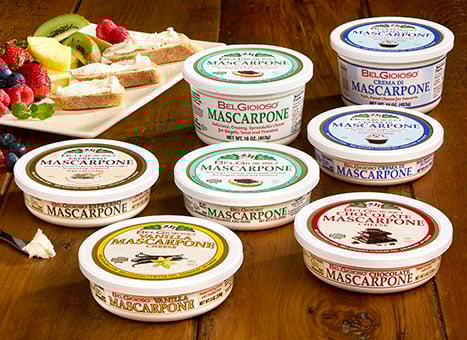
Navigating the dairy aisle for the best mascarpone cheese requires knowing which brands offer the most authentic texture and flavor. With the rising popularity of Italian desserts, many high-quality options are now readily available in the United States.
Reviewing Belgioioso mascarpone cheese
Belgioioso mascarpone cheese is a staple in many American kitchens due to its consistent quality and creamy texture. This brand is highly regarded for its traditional production methods that mirror authentic Italian standards.
For those looking to add a unique twist to their desserts, the belgioioso espresso mascarpone is a fantastic choice. This flavored mascarpone provides a bold coffee kick that works perfectly in tiramisu or as a standalone topping.
Vermont Creamery mascarpone features
If you prefer a domestic option, vermont creamery mascarpone is an excellent choice known for its rich, velvety consistency. Many home cooks prefer mascarpone vermont creamery because it is crafted with high-quality, fresh cream.
This brand is often sought after by those who prioritize local sourcing. The vermont mascarpone cheese maintains a delicate balance of sweetness and tang, making it versatile for both savory and sweet applications.
Cello and Polenghi options
Shoppers often encounter cello mascarpone, which is widely distributed and reliable for everyday baking needs. Another notable name is mascarpone polenghi, an imported option that brings a classic European profile to your table.
Both brands offer a smooth, spreadable texture that is essential for achieving the right consistency in fillings. Whether you choose mascarpone polenghi or another label, checking the mascarpone cheese cost can help you find the best value for your budget.
Regional availability at Publix, HEB, and Meijer
Finding your preferred brand is usually simple at major regional chains. If you are looking for mascarpone cheese publix, you will likely find a variety of options in the specialty cheese section.
Similarly, heb mascarpone cheese is a common find for shoppers in Texas, while Meijer stores across the Midwest carry a wide selection of these dairy products. Whether you need mascarpone publix for a weekend project or mascarpone cheese heb for a quick appetizer, these retailers ensure you have access to premium ingredients.
| Brand | Best For | Availability |
|---|---|---|
| Belgioioso | Traditional & Espresso | Nationwide |
| Vermont Creamery | Rich, Creamy Texture | Regional/Specialty |
| Cello | Everyday Baking | Major Retailers |
| Polenghi | Authentic Import | Specialty Stores |
At The End of: Mascarpone Cheese Guide
Mastering the art of Italian cooking starts with choosing the right ingredients for your pantry. This versatile soft cheese brings a level of sophistication to every meal you prepare at home.
You can easily transform simple ingredients into gourmet experiences by using a high-quality product. Whether you are whipping up a light mascarpone whipped cream for fresh berries or layering a rich mascarpone frosting onto a decadent cake, the results remain consistently impressive.
Finding the best mascarpone cheese allows you to experiment with new textures and flavors. Try folding this creamy mascarpone into your morning oatmeal or using it as a base for savory dips. It serves as a perfect dessert cheese that balances sweetness with a velvety mouthfeel.
Keep a container of this dairy staple on hand to add instant luxury to your cooking. You will find that a simple dollop of mascarpone cream changes the entire profile of your favorite recipes. Start exploring these culinary possibilities today and enjoy the rich rewards in your kitchen.
FAQ
Is Mascarpone Cheese the same as cream cheese?
No, although the two can look similar in the tub, the usual eating experience is different. One is milder, richer, and softer, while the other is tangier, firmer, and usually better when you need more structure in a recipe. Mascarpone cheesecake example
Can Mascarpone Cheese be used in cheesecake?
Yes, and it can make cheesecake feel softer, creamier, and more luxurious, especially in blended formulas. Many American bakers prefer using it with cream cheese rather than alone because that gives them both silkiness and dependable structure. BelGioioso recipe inspiration
Can Mascarpone Cheese be heated?
Yes, but gentle heat is the smarter move. Stir it into warm pasta, soup, or sauce near the end of cooking rather than boiling it hard, since soft dairy products are more likely to lose their smoothness when handled aggressively.
Does Mascarpone Cheese work in raw-egg desserts?
It can, but the safer choice is to use pasteurized eggs or a recipe method that reduces raw-egg risk, especially for tiramisu or other chilled desserts that are not fully cooked. That matters even more when you are serving children, older adults, pregnant women, or anyone with a weakened immune system.
Is Mascarpone Cheese safe during pregnancy?
It can be, provided the product is made from pasteurized milk and handled properly under refrigeration. For higher-risk eaters, the safest route is to read labels carefully, avoid raw-milk products, and be extra cautious with desserts that also involve raw or lightly cooked eggs. FDA moms-to-be food safety
What is the average mascarpone cheese price at major retailers?
The mascarpone cheese price typically ranges from $5.00 to $9.00 for an 8 oz mascarpone container. Specialty brands like Vermont Creamery may be at the higher end, while store brands at Trader Joe’s or Kroger are often more affordable.
How many grams are in 16 oz of mascarpone?
For precise baking, 16 oz mascarpone in grams is approximately 450 grams. This is a common requirement for a large tiramisu filling.
Where can I find organic mascarpone cheese?
You can often find organic mascarpone cheese at Whole Foods or Sprouts. Brands like Belgioioso also offer organic varieties in select locations like mascarpone cheese Sam’s Club or mascarpone cheese Earth Fare.
Is there a difference between mascarpone cheese Safeway and mascarpone cheese Food Lion stocks?
While the retailers differ, they often stock similar national brands like Belgioioso. However, mascarpone cheese Safeway inventory might include more specialty items like Cello mascarpone compared to the standard selection at Food Lion.
Can I find flavored mascarpone, like truffle or espresso?
Yes! Belgioioso espresso mascarpone is popular for desserts, while truffle mascarpone is a gourmet favorite for savory dishes. These are frequently available at Wegmans or H-E-B.
How much is 1 cup of mascarpone in grams for a cheese recipe?
In most culinary applications, 1 cup mascarpone in grams is calculated as 225g. If a recipe asks for 1 lb mascarpone cheese in grams, that would be roughly 454g.
Does mascarpone cheese have lactose?
Yes, mascarpone cheese lactose content is present because it is made from heavy cream. However, some people find the mascarpone cheese heb or Publix options easier to digest than milk due to the high fat-to-protein ratio.
Where is the best place to buy mascarpone cheese online?
You can buy mascarpone cheese online through Instacart, Amazon Fresh, or the digital storefronts of Stop and Shop and Target. This is a convenient way to compare mascarpone price points across different brands.
Can I use mascarpone cheese Ralphs carries for a cheesecake?
Yes, the mascarpone cheese Ralphs sells, typically Belgioioso or a private label, is perfect for cheesecake. It provides the high-fat cheese consistency needed for a decadent texture.
Is mascarpone available at discount clubs like Sam’s Club?
Yes, mascarpone cheese Sam’s Club often carries larger 16 oz mascarpone or even 1kg mascarpone tubs at a significant discount, which is ideal for large catering projects or holiday baking.
Conclusion of: Mascarpone Cheese
Mascarpone Cheese is a rich Italian fresh dairy product that sits in a different lane from standard spreadable cheeses sold in most U.S. grocery stores. The easiest way to understand it is to think of it as softer, richer, and less tangy than regular cream cheese, which makes it especially valuable when you want a silky finish in desserts, dips, frostings, or quick pan sauces. Britannica overview
Mascarpone Cheese also matters because it behaves like a high-moisture, soft unripened dairy food, so it should be handled like a perishable refrigerated ingredient rather than a pantry staple. That combination of luxurious texture and short shelf life explains why it performs beautifully in no-bake fillings and finishing applications, yet can disappoint if you expect the firmness or staying power of an aged or block-style cheese. FDA soft cheese guidance
What is mascarpone?
Mascarpone Cheese comes from northern Italy, especially Lombardy, and traditional descriptions focus on cream rather than the more curd-driven process many Americans associate with cheese. Instead of being aged for character, it is valued for immediate freshness, mellow dairy flavor, and a plush body that feels closer to whipped luxury than to a firm sliceable product. GEA production overview
Mascarpone Cheese is usually grouped with fresh unripened cheeses, which helps explain both its delicate flavor and its limited refrigerator life after opening. Unlike aged cheeses that build saltiness, sharpness, and complexity over time, this style stays mild, creamy, and adaptable, which is exactly why it pairs so easily with coffee, cocoa, berries, citrus, vanilla, herbs, black pepper, mushrooms, and tomato-based dishes. American Cheese Society reference
How mascarpone is made?
Mascarpone Cheese is typically made by heating cream and then acidifying it so the mixture thickens and separates gently before draining. That cream-first method is a major reason the finished product tastes buttery and rounded instead of bright and tangy, and it is also why the texture tends to be spoonable, smooth, and naturally luxurious even before you whip or sweeten it. U.S. cream cheese standard for comparison
Mascarpone vs cream cheese
Mascarpone Cheese differs from American cream cheese at the most basic level because cream cheese in the United States is a standardized product with a defined manufacturing approach, required pasteurized dairy ingredients, and specific fat and moisture limits. In real kitchen terms, that helps explain why cream cheese usually feels denser, holds shape more easily, and brings a more noticeable tang to bagels, cheesecakes, and savory spreads. Texture and flavor comparison
Mascarpone Cheese feels looser and more velvety on the spoon because it is cream-based and intentionally mild, while cream cheese usually tastes sharper and more structured. That means one is better when you want softness, elegance, and richness, while the other is usually better when you need edge, body, and a firmer set in frostings, dips, and classic cheesecakes. Classic dessert context
How to use Mascarpone Cheese in sweet dishes
Mascarpone Cheese is famous in sweets because it adds luxury without overpowering the rest of the dessert, which is why it shines in tiramisu, trifles, mousse-style fillings, fruit creams, whipped toppings, frosting blends, and soft cheesecakes. For U.S. home bakers, its biggest advantage is that it rounds out sweetness and adds body while still tasting refined, not aggressively cheesy or overly acidic. Wisconsin Cheese usage guide
How to use Mascarpone Cheese in savory dishes
Mascarpone Cheese is not just a dessert ingredient, and that is one of the most useful things to understand if you want better mileage from a tub in your refrigerator. Fold it into risotto, mashed potatoes, polenta, creamy soups, scrambled eggs, or hot pasta sauce, and it can soften acidity, mellow bitterness, and create a glossy finish that tastes rich without the sharper bite cream cheese would add. BelGioioso menu suggestions
Can you substitute Mascarpone Cheese for cream cheese?
Mascarpone Cheese can replace cream cheese in some recipes, but smart substitution depends on what the recipe needs most: structure, tang, or silkiness. It works best in whipped fillings, dessert creams, soft frostings, fruit dips, and spreadable applications where a smoother mouthfeel is a benefit and where you are not depending on a firm, sharply flavored result. BelGioioso product overview
Mascarpone Cheese is a weaker one-to-one swap when a recipe depends on the firmness or acidity of block cream cheese, as in dense New York-style cheesecake, sturdy pipeable frosting, or a savory dip that needs a punchier finish. In those cases, many U.S. cooks get better results by blending the two or by supporting the softer texture with ingredients such as Greek yogurt, powdered sugar, or a stabilizing base rather than replacing everything outright. FDA pasteurization guidance
How to buy and store Mascarpone Cheese?
Mascarpone Cheese should be bought cold, sealed, and clearly labeled, especially if you are making a no-bake dessert or serving people at higher risk for foodborne illness. When possible, choose a pasteurized product, read the use-by date, and avoid tubs that look swollen, separated, or warm from poor display-case handling because soft dairy foods do not forgive temperature abuse well. USDA danger zone basics
Mascarpone Cheese should go back into the refrigerator quickly after shopping, serving, or mixing because prolonged counter time increases food safety risk and shortens quality life. In a practical U.S. home-kitchen routine, the best habit is to portion what you need, return the container to the refrigerator promptly, and use a clean spoon every time so the remaining product stays fresher. University of Wisconsin storage bulletin
Mascarpone Cheese is usually a poor freezer candidate if texture matters, because freezing can damage the smooth structure and leave the thawed product grainier, separated, or less elegant. If you absolutely must freeze something that contains it, the result is generally more acceptable in cooked sauces or baked fillings than in whipped dessert creams, tiramisu layers, or polished spreads where silkiness is the entire point. USDA FoodData Central
Quick checklist
- Buy it cold from the refrigerated dairy or specialty-cheese case.
- Check that the package is sealed and within date.
- Prefer pasteurized product for no-bake desserts and higher-risk eaters.
- Use a clean spoon every time you dip into the tub.
- Return it to the refrigerator quickly after portioning.
- Use it when you want richness and softness, not sharp tang.
- Blend it with cream cheese when you need more structure.
- Use it in tiramisu, frosting blends, fruit creams, risotto, or pasta sauce.
- Avoid freezing it if the final texture needs to stay silky.
- Pair it with coffee, cocoa, berries, citrus, vanilla, herbs, mushrooms, or tomato.
Common mistakes to avoid
- Treating it like block cream cheese and expecting the same firmness.
- Using a full substitution in cheesecake when the recipe needs a dense slice.
- Overwhipping it until it loosens or separates.
- Leaving it on the counter too long during prep or serving.
- Using raw eggs in tiramisu without a safer plan.
- Freezing it and expecting the thawed texture to stay elegant.
- Adding it to a boiling sauce instead of folding it into gentle heat.
- Oversalting savory dishes before tasting, since it is naturally mild.
Costs and ROI snapshot
Mascarpone Cheese usually costs more than regular cream cheese because you are paying for a cream-based product that is sold in smaller packages and often positioned as a premium specialty dairy item. From a practical U.S. grocery standpoint, it delivers the best value when its mild richness is doing a job that cheaper ingredients cannot do as well, such as softening a frosting, enriching a tiramisu filling, or finishing a sauce without making it taste aggressively tangy. FDA standards background
Mascarpone Cheese delivers the best kitchen ROI when one tub improves several servings rather than being used as a throwaway luxury ingredient. Home cooks and small bakeries usually get the strongest return by using it where texture is the selling point, while budget-conscious cooks should skip it in recipes where cream cheese, ricotta, sour cream, or heavy cream can provide nearly the same result for less money. FDA fresh soft cheese guidance
Final thought
Mascarpone Cheese earns its place in an American kitchen when you want something gentler, softer, and more elegant than cream cheese, not when you simply want “cheese but fancier.” Use it where its creamy texture actually changes the outcome, store it carefully, and it becomes one of the most useful specialty dairy ingredients you can keep in the refrigerator. USDA leftovers and storage basics
Sources & References
- Belgioioso – Mascarpone
- Wisconsin Cheese: Mascarpone
- Wisconsin Cheese: Cheese Lover’s Guide to Mascarpone
- GEA: Mascarpone Production Overview
- Britannica: Mascarpone
- FDA: The Dangers of Raw Milk (PDF)
- CDC: How Listeria Spread — Soft Cheeses and Raw Milk
- USDA FSIS: Refrigeration & Food Safety
- USDA FSIS: Freezing and Food Safety
- USDA FSIS: Keep Food Safe! Food Safety Basics
- FDA: Avoid Queso Fresco-Type Cheeses if You’re in High-Risk Groups
- FDA: Listeria Food Safety for Moms-to-Be
- FDA: Strategy to Enhance Safety of Soft Fresh Queso Fresco-Type Cheeses
- FDA: Summary of Strategy to Prevent Listeriosis in Soft Fresh Cheeses
- U.S. Dairy Export Council: Reference Manual for U.S. Cheeses
- Britannica: Tiramisu
- American Cheese Society: Cheese Definitions & Categories
- eCFR: 21 CFR 133.133 Cream Cheese