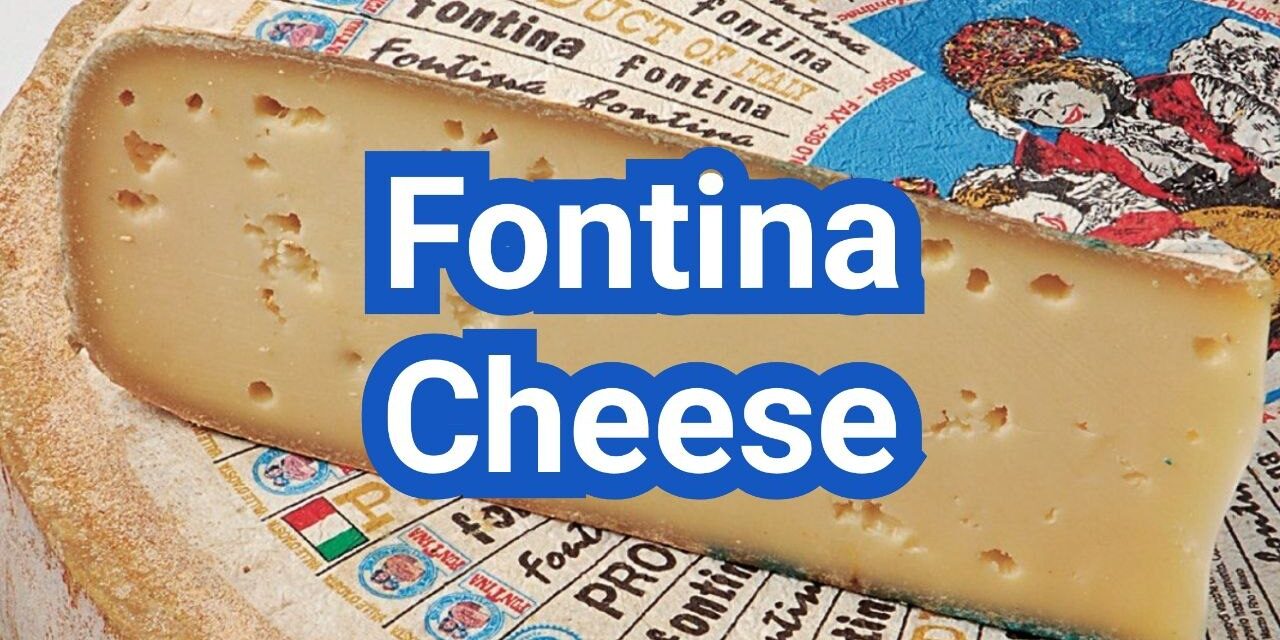
If you are looking for the perfect ingredient to elevate your home cooking, you have likely encountered Fontina Cheese. This semi-hard, cow’s milk variety originates from the Italian Alps and is prized for its rich, nutty profile.
Many home cooks often ask, what is fontina cheese? It is a versatile staple that balances a mild, buttery taste with an incredible ability to melt smoothly. Whether you are preparing a gourmet grilled sandwich or a creamy pasta dish, this product adds a touch of elegance to every meal.
Understanding how to select and store this dairy delight is essential for any kitchen enthusiast. This guide explores the unique benefits of the ingredient and provides practical tips to help you master its use in your daily recipes.
Key Takeaways
- It is a semi-hard, cow’s milk product from the Italian Alps.
- The flavor profile is famously nutty, buttery, and mild.
- It is highly valued for its superior melting properties in cooking.
- Proper storage helps maintain its texture and delicate taste.
- It serves as an excellent addition to both snacks and complex dishes.
What is Fontina Cheese?

At its core, Fontina Cheese is a semi-hard, cow’s milk cheese traditionally associated with Italy’s Aosta Valley, where the protected version is made under strict origin rules. The authentic PDO form is known for a supple paste, a sweet-to-savory aroma, and a texture that feels soft enough to melt well while still being firm enough to slice cleanly. PDO specification details.
In Europe, the name tied to the historic regional product is protected, which matters if you want the real mountain-made version rather than a general style cheese. That means true Fontina Cheese from the Aosta Valley is linked to a geographical indication, while many cheeses sold in the United States use the same name in a broader, style-based way. EU GI registration.
For U.S. shoppers, that distinction is useful rather than intimidating: imported PDO wheels offer the strongest traditional identity, while domestic versions of Fontina Cheese usually aim for the same mellow, buttery, Alpine-style appeal at a friendlier price and easier availability. In practical terms, both can work well, but the imported product is usually what cheese enthusiasts mean when they talk about the original benchmark. Alpine-style cheese guide.
Understanding the Origins and History of Fontina Cheese

To understand the true essence of Fontina, one must travel to the high-altitude pastures of the Aosta Valley. This region, nestled in the Italian Alps, has served as the cradle for this iconic cheese since the 12th century. The fontina cheese origins are deeply intertwined with the seasonal migration of cattle, a practice known as transhumance that has shaped local life for generations.
The Aosta Valley Connection
The unique character of the cheese is a direct result of the environment where it is produced. In the Aosta valley, cows graze on diverse alpine flora, which imparts a distinct, complex flavor to their milk. This specific terroir is the primary reason for the cheese’s legendary status among culinary experts.
When asking, origin: where does fontina cheese come from?, the answer is strictly tied to these high-altitude meadows. The traditional methods used by local farmers ensure that the milk retains its natural richness. This historical connection remains the backbone of how fontina (pdo) is made* today.
Authentic Fontina Val d’Aosta vs. Generic Varieties
It is important to distinguish between the protected product and mass-market alternatives. Fontina Val d’Aosta is a Protected Designation of Origin (PDO) product, meaning it must follow strict regulations regarding production location and ingredients. What is fontina (pdo)? It is a guarantee of quality that ensures you are tasting the authentic heritage of the region.
Generic varieties often lack the depth and specific melting properties found in the original version. While these alternatives may be suitable for basic cooking, they do not offer the same sensory experience as authentic fontina cheese. The following table highlights the key differences between these two categories.
| Feature | Authentic Fontina (PDO) | Generic Fontina |
|---|---|---|
| Production Region | Aosta Valley, Italy | Various (Global) |
| Milk Source | Raw Alpine Cow’s Milk | Pasteurized Cow’s Milk |
| Quality Control | Strict PDO Regulations | Varies by Manufacturer |
| Flavor Profile | Nutty, Earthy, Complex | Mild, Creamy, Simple |
The Flavor Profile and Sensory Characteristics of Fontina

The unique character of Fontina cheese is defined by a complex interplay of aroma and texture. This semi-soft cheese is celebrated by chefs for its ability to transform simple ingredients into gourmet meals. Understanding the nuances of its profile helps you appreciate why it remains a staple in professional kitchens.
Defining the Nutty and Creamy Taste
The fontina cheese taste is often described as a perfect balance between savory and sweet. It features a distinct nutty undertone that becomes more pronounced as the cheese matures. This creamy mouthfeel is what makes it so desirable for melting applications.
When analyzing the flavor of fontina cheese, you will notice subtle hints of earthiness and mountain herbs. These cheese tasting notes are a direct result of the high-quality milk sourced from cows grazing on Alpine pastures. The aging process further refines these fontina cheese flavors, creating a depth that is hard to replicate.
“Good cheese is a living thing; it captures the essence of the land, the season, and the tradition of the maker.”
— Anonymous Artisan
Texture and Appearance of Semi-Soft Alpine Cheese
Visually, this semi-soft cheese is easily recognizable by its pale, straw-colored interior. The rind is typically thin and brownish, protecting the supple paste inside. Its fontina cheese taste profile is complemented by a smooth, elastic texture that yields easily under a knife.
To help you identify the quality of your selection, consider the following sensory characteristics:
| Feature | Description | Sensory Impact |
|---|---|---|
| Texture | Supple and elastic | Excellent meltability |
| Aroma | Mildly pungent, earthy | Inviting and savory |
| Flavor | Rich, nutty, creamy | Balanced finish |
Whether you are using it for a fondue or a simple sandwich, the flavor remains consistent and reliable. By paying attention to these sensory details, you can ensure that you are selecting the best product for your culinary needs.
How Fontina Cheese is Made

The journey from raw milk to a finished wheel of Fontina involves centuries of tradition. This meticulous craft transforms simple ingredients into a world-renowned delicacy. Understanding the steps behind this process highlights why it remains a staple in kitchens across the United States.
Traditional Cow’s Milk Production Methods
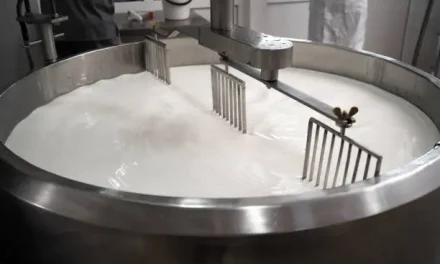
The foundation of every wheel is high-quality milk sourced from cows grazing in high-altitude pastures. This specific environment gives the final product its distinct character. Once collected, the liquid is gently heated to begin the curdling process.
After the curds form, they are carefully cut and separated from the whey. Cheesemakers then press the curds into molds to establish the signature shape of this alpine cheese. Salt is applied to the exterior, which helps preserve the product and enhances its natural profile.
The Aging Process and Its Impact on Flavor
If you have ever wondered how is Fontina cheese made?, the aging stage is where the magic truly happens. The wheels are moved to specialized cellars where temperature and humidity are strictly controlled. This environment is essential for the development of the cheese’s complex personality.
During this time, the rind develops a characteristic orange-brown hue. This natural transformation is a hallmark of the Italian heritage behind the craft. As the cheese matures, the texture softens and the flavor deepens, resulting in the nutty, savory notes that define how Fontina is made for connoisseurs worldwide.
Fontina Cheese in the U.S. Market

The American market offers a wide variety of cheeses labeled as Fontina, but they are not all created equal. When shopping for fontina cheese in the U.S., it is important to recognize that the name often refers to different products depending on the producer and the region of origin. Understanding these distinctions helps you select the right ingredient for your specific culinary needs.
What is Fontina in USA?
In the United States, the term “Fontina” is frequently applied to a style of cheese known as Fontal. This is a semi-soft, cow’s milk cheese that is produced in various countries, including the U.S. itself. Unlike the strictly regulated European versions, domestic versions are often milder and designed for consistent melting properties.
Most consumers looking for what is fontina in usa will find that the domestic product is highly accessible and affordable. It is a reliable choice for everyday cooking, such as grilled cheese sandwiches or pasta bakes. However, it lacks the complex, earthy profile found in traditional Alpine varieties.
Distinguishing Between Italian, Danish, and Domestic Styles
There are several types of fontina available, and each serves a different purpose in the kitchen. To help you navigate the varieties of fontina cheese, consider the following breakdown of the most common styles found in American grocery stores:
- Italian Fontina (Val d’Aosta): This is the original, protected-origin cheese. It is pungent, nutty, and has a distinctively complex flavor.
- Danish Fontina: Often sold under brands like Castello Danish Fontina cheese, this version is much milder and creamier. It is a popular fontina danish choice for those who prefer a subtle taste.
- Domestic Fontina: Produced within the U.S., this style is typically mass-produced to be a functional melting cheese.
When choosing between these options, it helps to compare their primary characteristics. The following table highlights the differences between these common styles:
| Style | Flavor Profile | Best Use |
|---|---|---|
| Italian | Bold, Earthy, Nutty | Cheese boards, Fondue |
| Danish | Mild, Buttery, Sweet | Melting, Sandwiches |
| Domestic | Very Mild, Creamy | Everyday Cooking |
Whether you are looking for a fontina cheese danish style for a quick snack or an authentic wedge for a special recipe, knowing the origin is key. Danish fontina cheese is particularly prized for its consistent texture, making it a favorite for home cooks who want a reliable melt without an overpowering aroma.
Where to Buy Fontina Cheese
Finding high-quality Fontina cheese is easier than ever thanks to its growing popularity in American kitchens. If you are searching for where to buy Fontina cheese, you will find that most major retailers now stock this versatile ingredient. Understanding fontina cheese where to buy options helps you plan your meals with confidence, ensuring you always have the right cheese for your melting needs.
Finding Fontina at Walmart and Trader Joe’s
For many shoppers, fontina cheese Walmart locations offer a convenient and accessible option. You can typically find it in the specialty cheese section near the deli, often sold in pre-packaged wedges or slices. It is a reliable choice for those who need a quick solution for weeknight dinners.
Alternatively, fontina cheese Trader Joe’s selections are highly regarded by home cooks for their quality and value. Their private label versions often provide an excellent balance of flavor and meltability. Checking the refrigerated cheese case at these stores is the best way to secure a fresh block for your next recipe.
Availability at Regional Grocers like Kroger, Meijer, and Wegmans
Regional grocery chains are also excellent sources for this Alpine classic. You can frequently find fontina cheese Kroger stores in their gourmet cheese department, which often features a wider variety of imported options. Similarly, fontina cheese Meijer shoppers can expect to find consistent stock in the deli area, making it easy to pick up while doing your weekly grocery run.
If you live near a fontina cheese Wegmans, you are in luck, as they are known for an extensive selection of international cheeses. Their staff can often provide guidance on the specific aging of the cheese, which impacts the final flavor profile. Regardless of your location, these retailers ensure that high-quality Fontina is always within reach.
| Retailer | Typical Availability | Estimated Fontina Cheese Cost |
|---|---|---|
| Walmart | High | Budget-Friendly |
| Trader Joe’s | High | Moderate |
| Kroger / Meijer | Moderate | Moderate |
| Wegmans / Target / Aldi | Moderate | Variable |
Selecting the Best Fontina for Your Needs
Navigating the dairy aisle to find the best fontina cheese can feel overwhelming without a clear guide. Whether you are preparing a simple snack or a complex gourmet dish, the quality of your ingredients dictates the final result. Understanding how to read labels and choosing the right format will elevate your cooking experience significantly.
Identifying Quality: Labels and PDO Status
When searching for authentic flavor, look for the Protected Designation of Origin (PDO) label. This certification ensures that the product follows strict traditional methods from the Aosta Valley. If you prefer a domestic option, brands like stella fontina cheese offer a consistent, reliable profile that works well for everyday meals.
Always check the packaging for signs of proper aging. An aged fontina often provides a deeper, more complex nutty flavor compared to younger varieties. When you select an aged fontina cheese, you are choosing a product with a firmer texture and a more pronounced aroma that stands up well to bold ingredients.
Choosing Between Shredded, Grated, and Wheel Options
The format you choose should align with your specific culinary goals. While shredded fontina cheese offers convenience for quick melts, buying a fontina cheese wheel allows for better control over freshness and texture. If you need a quick topping for pasta, grated fontina cheese is a time-saving choice, though it may dry out faster than a solid block.
Consider the following table to help you decide which format fits your next recipe:
| Format | Best Use Case | Shelf Life |
|---|---|---|
| Shredded fontina | Pizza and quick melts | Short |
| Grated fontina | Pasta toppings | Short |
| Fontina cheese wheel | Charcuterie and slicing | Long |
Ultimately, the choice depends on your time constraints and the desired outcome of your dish. High-quality ingredients are the foundation of great cooking, so choose wisely to ensure your meals shine.
How to Store Fontina Cheese Properly

Understanding how to store Fontina cheese properly is the secret to enjoying its creamy texture and rich flavor for as long as possible. When handled with care, this semi-soft cheese retains the complex characteristics that make it a favorite for both gourmet cooking and simple snacking.
Proper storage helps protect the integrity of the cheese, ensuring that every slice remains as delicious as the day you bought it. By following a few basic guidelines, you can easily maintain the quality of your purchase at home.
Temperature and Humidity Requirements
To keep your cheese in top shape, you must mimic the cool, stable environment of a traditional aging cave. The ideal temperature for storage is between 35°F and 45°F, which is typically found in the vegetable crisper drawer of your refrigerator.
Humidity is just as important as temperature when considering how to store fontina cheese? You want to avoid an environment that is too dry, as this will cause the cheese to crack or harden prematurely. A slightly humid environment prevents the cheese from drying out while allowing it to breathe.
Best Practices for Maintaining Freshness and Aroma
One of the primary benefits of fontina cheese is its versatile flavor, but it can easily absorb odors from other foods in your fridge. To prevent this, always wrap your cheese tightly in parchment or wax paper before placing it inside a loose plastic bag.
This method allows the cheese to breathe while creating a protective barrier against external scents. If you are preparing fontina cheese snacks for later, keep the portion you intend to use separate from the main block to avoid unnecessary exposure to air.
Always check your cheese for signs of spoilage before consumption, such as unusual mold or an off-putting smell. By keeping your Fontina properly wrapped and chilled, you ensure that it stays fresh and ready for your next culinary creation.
The Science of Fontina Cheese Meltability

When it comes to achieving a flawless melt, few ingredients can compete with the science of Fontina. This semi-soft cheese possesses a unique chemical structure that allows it to transform into a silky, uniform liquid when heated. Understanding the mechanics of fontina cheese melting helps home cooks elevate their favorite recipes to professional standards.
Why Fontina is the Gold Standard for Melting
The secret to this cheese’s performance lies in its specific moisture content and protein matrix. Unlike a typical hard cheese that might become oily or grainy when exposed to high temperatures, Fontina maintains a stable emulsion. This elasticity ensures that the cheese stretches beautifully without breaking apart.
Many chefs rely on a melted blend of belgioioso fontina cheese to achieve a consistent texture in sauces and fondues. The proteins in the cheese remain flexible, preventing the separation of fats that often plagues lesser varieties. This reliability is exactly why it is considered the gold standard in modern kitchens.
Comparing Fontina vs. Gruyere for Culinary Applications
While both are iconic Alpine-style cheeses, there are distinct differences when evaluating fontina cheese vs gruyere. Gruyere is slightly firmer and offers a more complex, nutty profile that deepens as it ages. However, Fontina provides a superior, creamier melt that coats ingredients more evenly.
Choosing between them often depends on the desired outcome of your dish. If you prioritize a sharp, savory depth, Gruyere is an excellent choice. If your goal is a smooth, luxurious consistency, the irresistible aroma of melted fontina cheese makes it the clear winner for dishes like gratins or creamy pasta sauces.
Step-by-Step Guide to Preparing Fontina for Cooking

Proper preparation techniques are the secret to unlocking the full potential of this versatile Alpine cheese. When you understand how to cook with Fontina cheese, you can transform simple meals into gourmet experiences. The way you cut or shred the cheese directly impacts how smoothly it melts into your sauces and bakes.
Preparing the Cheese: Shredding and Slicing Techniques
For recipes requiring a uniform melt, such as fondues or creamy pasta sauces, having Fontina cheese grated is the most effective approach. Using a box grater creates thin strands that distribute heat evenly, preventing the cheese from clumping or separating. Always chill the cheese slightly before grating to make the process cleaner and easier.
If you are preparing a grilled sandwich or a layered casserole, thin, consistent slices are preferred. Use a sharp knife or a cheese plane to ensure each slice is of equal thickness. This consistency allows the cheese to soften at the same rate, providing that irresistible gooey texture every time.
Safety Tips: Is Fontina Cheese Pasteurized?
Many home cooks often ask, is Fontina cheese pasteurized when shopping at their local market. In the United States, the vast majority of Fontina found at a standard Fontina cheese grocery store is made from pasteurized cow’s milk. This process ensures the product is safe for consumption by a wide range of individuals, including those who are pregnant or have compromised immune systems.
However, if you choose to purchase authentic, imported varieties, it is important to check the label carefully. Some traditional European versions may be produced using raw milk, which carries different safety considerations. Always verify the packaging details to ensure the product meets your specific dietary requirements and safety standards.
| Preparation Method | Best Culinary Use | Melting Speed |
|---|---|---|
| Fine Grating | Sauces and Fondues | Very Fast |
| Coarse Shredding | Mac and Cheese | Fast |
| Thin Slicing | Grilled Sandwiches | Moderate |
| Cubing | Baked Casseroles | Slow |
Mastering the Art of Fontina Fondue

Fontina cheese for fondue remains a culinary favorite because of its unmatched ability to transform into a smooth, velvety dip. When exploring various recipes using fontina cheese, few options provide the same level of sophistication and comfort as a traditional Italian fonduta. This dish relies on the cheese’s natural elasticity and rich, nutty profile to create a luxurious experience for your guests.
Essential Ingredients for a Classic Fonduta
To prepare an authentic fonduta, you must prioritize high-quality components. The base of the dish is simple, but each element plays a critical role in achieving the desired consistency.
Gather the following items to ensure your fonduta recipe succeeds:
- Fontina Val d’Aosta: Always choose an authentic, high-quality wheel for the best melt.
- Whole Milk or Heavy Cream: This provides the necessary liquid base to emulsify the cheese.
- Egg Yolks: These act as a stabilizer, giving the sauce its signature glossy, thick texture.
- Unsalted Butter: A small amount adds richness and helps prevent the cheese from sticking to the pot.
Troubleshooting Common Melting Issues
Even when following the best fontina cheese dishes, you might encounter minor technical hurdles. The most common issue is separation, where the fat pulls away from the proteins, leaving an oily pool on top.
If your mixture begins to look grainy or clumpy, try these professional tips to save your meal:
- Control the Heat: Never let the mixture boil. Use a double boiler or a very low flame to maintain a gentle, consistent temperature.
- Add Liquid Slowly: If the mixture becomes too thick, whisk in a tablespoon of warm milk at a time until it reaches the perfect consistency.
- Constant Whisking: Active, steady movement is essential to keep the proteins and fats emulsified throughout the cooking process.
By mastering these techniques, you can confidently include this dish in your collection of favorite fontina recipes. With practice, you will find that the process becomes second nature, allowing you to focus on enjoying the meal with friends and family.
Creating the Perfect Fontina Grilled Cheese

Creating the perfect grilled cheese sandwich requires more than just bread and heat; it demands the right cheese. Using fontina cheese for grilled cheese is a game-changer for anyone looking to elevate a simple lunch into a gourmet experience. Its unique ability to melt into a silky, luxurious consistency makes it a top choice for home cooks.
Selecting the Right Bread and Complementary Ingredients
The foundation of a great sandwich is the bread. A sturdy, crusty sourdough or a rich, buttery brioche works best to hold the weight of the melting fontina. These breads provide a satisfying crunch that contrasts beautifully with the soft, gooey interior.
To take your recipe to the next level, consider adding complementary ingredients that highlight the nutty notes of the cheese. Thinly sliced prosciutto, caramelized onions, or a smear of fig jam can add layers of complexity. These additions turn a basic snack into a sophisticated meal that feels like it came from a professional kitchen.
Achieving the Irresistible Aroma of Melted Fontina
The true magic happens when you apply gentle heat to the sandwich. You want to achieve a golden-brown crust while ensuring the fontina cheese reaches its peak melting point. Low and slow is the secret to success, as it prevents the bread from burning before the center is perfectly gooey.
As the cheese warms, it releases an irresistible, earthy aroma that fills the kitchen. This sensory experience is one of the best uses for fontina cheese, as it showcases the quality and freshness of the product. Once the edges are crisp and the cheese is oozing from the sides, your masterpiece is ready to be enjoyed.
Incorporating Fontina into Main Courses
Fontina cheese is far more than a simple snack or appetizer ingredient. Its unique ability to melt into a smooth, velvety consistency makes it a secret weapon for elevating your everyday home cooking. By integrating this Alpine treasure into your kitchen routine, you can easily transform standard dinners into delicious fontina cheese culinary creations.
Fontina in Mac and Cheese Recipes
When you want to upgrade a classic comfort food, Fontina is the perfect choice. Adding it to a traditional mac and cheese recipe provides a sophisticated, nutty depth that standard cheddar often lacks. Because it melts so evenly, it creates a luxurious sauce that clings perfectly to every noodle.
To achieve the best results, consider these tips for your next pasta dish:
- Combine Fontina with sharp aged cheddar for a balanced flavor profile.
- Use a splash of heavy cream to enhance the silky texture of the mac.
- Fold in fresh herbs like thyme or chives to brighten the richness of the cheese.
Pairing Fontina with Chicken and Veal Dishes
Beyond pasta, Fontina shines when paired with lean proteins. It adds a layer of indulgence to chicken and veal without overpowering the delicate flavor of the meat. These fontina dishes are ideal for elegant, restaurant-quality dinners prepared right in your own home.
For a quick weeknight meal, try stuffing a chicken breast with Fontina and spinach. The cheese will melt into the center, creating a savory surprise in every bite. Similarly, a thin slice of Fontina melted over pan-seared veal creates a decadent crust that pairs beautifully with a light white wine reduction.
Exploring Fontina Cheese Substitutes

When a recipe calls for Fontina, knowing which options provide a comparable melt is a game-changer for any home cook. You do not have to abandon your favorite dish just because you lack the primary ingredient. Having a reliable fontina cheese alternative on hand ensures your cooking remains uninterrupted and delicious.
When to Use Fontinella or Fontal
If you are looking for the closest cheese to fontina, look no further than Fontal or Fontinella. These varieties are often considered the most direct fontina cheese substitute because they share similar production roots and flavor profiles. You can use them interchangeably in most recipes that require a smooth, creamy melt.
Fontal is a semi-soft cow’s milk cheese that mimics the mild, nutty character of the original. Many people refer to this as fontina fontal cheese because it is specifically crafted to provide a consistent experience. When you cannot find the authentic version, choosing a high-quality fontina fontal block is your best bet for success.
Fontinella cheese is another excellent option that offers a slightly sharper profile while maintaining that signature melt. It is a cheese similar to fontinella in name, but it functions perfectly as a substitute for fontina cheese in baked pasta dishes or gratins. Using these specific varieties ensures your final dish remains authentic in texture and taste.
Best Alternatives for Similar Melting Properties
Beyond the direct relatives, several other options serve as effective alternatives to fontina cheese. If you need a cheese similar to fontina that is easy to find at any local grocery store, consider Gruyere or Havarti. These options are widely available and provide the necessary fat content for a perfect, gooey finish.
When searching for a cheese comparable to fontina, keep in mind the desired moisture level of your dish. A young Gouda is a cheese similar to fontina cheese that works beautifully in grilled sandwiches due to its excellent melting point. Always check the label to ensure the product is not too aged, as older cheeses may not melt as smoothly.
Finding a fontina cheese similar to your needs is all about balancing flavor and texture. Whether you choose a mild Havarti or a nutty Gruyere, these substitutes will keep your kitchen running smoothly. Experimenting with these options allows you to master the art of substitution with confidence.
Pairing Fontina Cheese with Wine and Accompaniments
Mastering the art of fontina cheese pairing allows you to highlight the unique buttery notes of this Alpine classic. When you select the right partners for your cheese, you create a balanced experience that delights the palate. Whether you are hosting a formal dinner or a casual gathering, these combinations elevate your cheese varieties to a professional level.
Ideal Wine Pairings for Alpine Cheeses
Because Italian fontina is known for its semi-soft texture and nutty profile, it demands wines that do not overpower its delicate nature. Crisp white wines like Pinot Grigio or an acidic Chardonnay work beautifully to cut through the richness of the fat. If you prefer red wine, choose lighter options such as a Pinot Noir or a young Nebbiolo.
“Great cheese is a conversation between the land and the palate, and the right wine is the bridge that brings them together.”
These fontina cheese pairings ensure that the wine enhances the earthy undertones of the cheese rather than masking them. Always aim for regional harmony when selecting your bottles. A classic Italian cheese from the Aosta Valley often shines brightest when served with local vintages from the same mountainous terrain.
Complementary Fruits, Nuts, and Charcuterie
To build a well-rounded board, incorporate items that provide a contrast in texture and flavor. Fresh fruits like sliced pears, crisp apples, or sweet grapes offer a refreshing acidity that balances the creaminess of the cheese. For a savory touch, add salty charcuterie such as prosciutto or mild salami to complement the fontina italian profile.
Do not forget to include crunchy elements to round out your cheese pairings. Toasted walnuts or almonds provide a satisfying snap that mirrors the subtle nuttiness found in high-quality wheels. By mixing these diverse textures, you create a sophisticated presentation that keeps your guests coming back for more.
Common Culinary Mistakes When Using Fontina
Even the most seasoned home cooks can encounter challenges when preparing dishes with this versatile alpine cheese. Because it is a semi-soft cheese, it reacts differently to heat than harder varieties like Parmesan. Understanding these nuances is the key to achieving a perfect, velvety texture in your favorite recipes.
Avoiding Overheating and Separation
The most frequent error when cooking with fontina cheese is applying too much direct heat. High temperatures cause the fats to separate from the proteins, resulting in a greasy, broken sauce rather than a smooth, creamy finish. To prevent this, always melt the cheese over low heat or use a double boiler.
If you are making a fonduta recipe, stir the mixture constantly and gently. Adding a small amount of starch or wine can help stabilize the emulsion. By keeping the temperature steady and low, you ensure the fontina cheese profile remains intact and delicious.
Balancing Flavors in Complex Recipes
While this cheese is incredibly flavorful, it can sometimes be overpowered by aggressive spices or acidic ingredients. When incorporating it into complex dishes, aim to highlight its nutty and earthy notes rather than masking them. Start with a smaller amount and taste as you go to maintain the right balance.
Consider the other ingredients in your fontina dishes carefully. It pairs beautifully with mild vegetables, roasted meats, and crusty breads, but it may clash with overly pungent herbs or intense vinegars. By respecting the natural character of the cheese, you will create well-rounded meals that showcase its true quality.
At The End of: Fontina Cheese Guide
Mastering the use of fontina cheese transforms everyday meals into gourmet experiences. This semi-soft Alpine treasure brings a distinct nutty flavor and creamy texture to your table. Whether you prepare a classic mac and cheese recipe or a sophisticated veal dish, the results remain consistently impressive.
The rich history of the Aosta valley ensures that every bite carries authentic quality. You can rely on this versatile milk product to provide the perfect melt for your favorite chicken recipes. Yo, do not hesitate to experiment with different pairings to discover your own signature style.
Selecting the right hard cheese or softer variety depends on your specific culinary goals. Keep this guide handy as you explore new ways to incorporate this ingredient into your cooking routine. Your journey into the world of fine dairy starts with a single slice of high-quality fontina.
Share your favorite dishes with friends and family to spread the joy of cooking. We encourage you to keep testing new combinations in your kitchen. Enjoy the process of refining your skills with this timeless and delicious staple.
FAQ
What does Fontina Cheese taste like?
Most versions taste buttery, nutty, and mildly earthy, with younger wedges feeling sweeter and creamier while older ones taste deeper and more savory. Imported traditional styles can also show more aroma and complexity than everyday domestic cuts. Flavor and aging notes.
Does Fontina Cheese melt better than mozzarella or cheddar?
It usually melts more silkily than many cheddars and with more flavor depth than plain mozzarella, which is why cooks often choose it for sauces, fondue, and rich baked dishes. The main key is gentle heat and enough moisture in the recipe. Melt and stretch science.
Is Fontina Cheese the same as Gruyere?
No. They belong to the broader Alpine world and overlap in cooking use, but Gruyere is typically firmer and often more assertive, while this Italian classic is usually softer, creamier, and slightly more mellow when young. Le Gruyère AOP reference.
Can you freeze Fontina Cheese?
Yes, but freezing is usually better for cooking than for serving on a board because texture can become more crumbly after thawing. If you freeze it, wrap it well, thaw it in the refrigerator, and plan to use it in hot dishes where texture changes matter less. Cold storage chart.
Is Fontina Cheese low in lactose?
Some aged traditional forms may test very low in lactose after maturation, but that does not mean every product on the market should be assumed to be lactose-free. If lactose matters to you, check the package, the maker, or the specific product information instead of guessing. Lactose and product information.
What is the best fontina cheese substitute for melting?
The best fontina cheese alternative for melting is Fontal or a mild Gouda. Havarti and Provolone are also excellent choices for recipes like grilled cheese or pizza toppings due to their similar moisture content.
Is fontina cheese pasteurized at major retailers like Target and Safeway?
Yes, most domestic brands found at fontina cheese target, fontina cheese safeway, and fontina cheese heb—such as BelGioioso or Stella fontina cheese—are made with pasteurized milk to comply with U.S. food safety regulations.
How does Danish fontina cheese differ from Italian fontina?
Danish fontina cheese, often sold under the Castello brand, is much milder, creamier, and typically coated in a red wax. Italian fontina (Val d’Aosta) is more pungent, earthy, and has a natural, brushed rind.
Can I buy shredded fontina cheese at the grocery store?
Yes, shredded fontina cheese is widely available at stores like Kroger, Meijer, and Wegmans. Brands like BelGioioso offer pre-shredded bags, which are perfect for a melted blend in pasta or casseroles.
What are some other names of fontina cheese variants I might see?
You may encounter Fontal, Fontinella, or even Swedish Fontina. While related, fontinella cheese is generally a bit sharper and harder than the standard semi-soft fontina.
Is fontina cheese good for a cheese board?
Absolutely. Fontina cheese snacks like belgioioso fontina snacking cheese or wedges of aged fontina are excellent on a platter. Pair them with boar’s head charcuterie and walnuts for a classic presentation.
Where can I find fontina cheese at a good price?
For a competitive fontina cheese price, check fontina cheese aldi, lidl, or walmart. These retailers often carry high-quality domestic wedges that are much more affordable than the imported PDO versions.
What is the flavor of fontina cheese described as?
The flavor of fontina cheese is primarily buttery and nutty, with subtle hints of honey and herbs. As it ages, it becomes more earthy and pungent, especially in the authentic fontina cheese from Italy.
Can I use fontina for a baked dish like mac and cheese?
Yes, baked fontina is a popular appetizer, and using grated fontina cheese in mac and cheese creates an incredibly smooth, creamy sauce that stays liquid longer than cheddar-based sauces.
How should I store fontina cheese to keep it fresh?
Wrap the cheese in parchment or wax paper and place it in a reusable bag or a plastic container, but leave it slightly loose. This maintains the fontina cheese profile without allowing it to absorb other odors in the fridge.
Conclusion of: Fontina Cheese
Fontina Cheese is one of the most useful cheeses to keep in an American kitchen because it can do two jobs at once: it tastes good enough for a cheese board, yet it melts smoothly enough for sauces, sandwiches, pasta bakes, and fondue. If you want a cheese that feels more interesting than standard supermarket options without becoming hard to cook with, this Alpine classic is a smart place to start. Official PDO overview.
What is Fontina Cheese?
Fontina Cheese is a traditional cow’s milk cheese from Italy’s Aosta Valley, where the authentic PDO version is protected by strict regional rules. For U.S. shoppers, the main difference is simple: imported PDO Fontina is the original benchmark, while domestic versions usually offer a similar buttery, Alpine-style flavor and good meltability at a lower price and with wider availability.
Flavor, texture, and aging
The flavor of Fontina Cheese is typically mild to medium in intensity, with buttery, nutty, and lightly earthy notes. Younger versions lean creamier and sweeter, while more mature cuts become deeper, more savory, and a little more aromatic, which is why some people love it for snacking and others prefer it only when melted into a dish. Wisconsin flavor profile.
Texture is a major part of the appeal of Fontina Cheese because it sits in a useful middle zone: not as soft as Brie, not as firm as Parmesan, and not as rubbery as some lower-end melting cheeses. Good examples feel smooth, slightly elastic, and creamy on the palate, and as they age they often pick up a fuller aroma and a more developed rind character. Producer texture notes.
Why Fontina Cheese melts so well
The reason Fontina Cheese is famous for meltability comes down to balance: enough moisture to soften well, enough fat to feel rich, and a protein structure that can relax into a creamy mass instead of breaking into oily clumps. In plain kitchen language, it is the kind of cheese that turns silky when heated gently, which makes it far more forgiving than drier or more crumbly cheeses. Cheese melting science.
To get the best results from Fontina Cheese, shred or cube it, warm it gradually, and give it some moisture from cream, milk, wine, or a starchy cooking liquid if you want a sauce or dip. It performs especially well in fondue-style preparations, broiled cheese dips, creamy pasta finishes, and grilled sandwiches where you want a smooth, rich interior rather than dramatic stretch alone. Fondue cooking guide.
Best recipes for Fontina Cheese
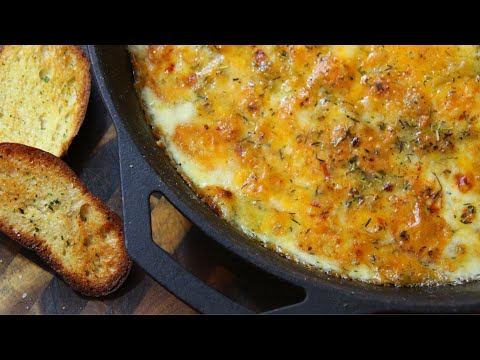
The best recipes for Fontina Cheese are the ones that let the cheese stay the star instead of burying it under too many competing ingredients. Fondue is a classic choice because the nutty, buttery profile stays noticeable even when mixed with wine and aromatics, and it also works beautifully in baked dips served with bread, potatoes, roasted vegetables, or apples. Fontina fondue example.
For weeknight cooking, Fontina Cheese is excellent in pasta bakes, creamy skillet dishes, and casseroles because it melts into the sauce instead of just sitting on top. If you want a practical rule, use it when you need more depth than mozzarella but less sharpness than aged cheddar, especially in dishes with mushrooms, spinach, turkey, chicken, pancetta, or roasted tomatoes. Pasta bake idea.
Pizza and grilled sandwiches are also strong choices for Fontina Cheese, especially when you want browning plus a creamy bite. It pairs well with onions, herbs, roasted garlic, pears, apples, cured meats, and earthy vegetables, so it is a particularly good match for fall and winter comfort food without feeling heavy or one-dimensional. Skillet pizza example.
How to serve and pair Fontina Cheese
On a cheese board, Fontina Cheese works best when you treat it as a crowd-pleasing middle-ground cheese rather than the most aggressive or the most delicate option. Serve it with grapes, sliced apples, pears, toasted nuts, crusty bread, mild charcuterie, and wines that are fresh rather than overpowering, because the goal is to support its buttery and nutty notes instead of masking them. Pairing guide.
How to buy and substitute Fontina Cheese
When shopping, Fontina Cheese is easiest to choose if you start with your intended use. If you want authenticity and deeper character for a board or a simple baked dish, look for the imported PDO version; if you want a dependable melting cheese for sandwiches, mac and cheese, pizza, or sauces, a good domestic wheel or wedge can be an excellent value. Why PDO matters.
If a recipe calls for Fontina Cheese and you cannot find it, the best substitutes usually come from the broader Alpine family: cheeses that are nutty, sliceable, and melt-friendly. Gruyere can bring more intensity, mild provolone can be gentler, and some fontal or Alpine-style domestic cheeses can land very close in cooking performance, so the smartest substitute is the one that matches both flavor strength and melt behavior. Cheese style categories.
How to store Fontina Cheese safely
To keep Fontina Cheese in good shape, wrap the cut face well and store it in the refrigerator where it stays cold but does not dry out too quickly. The traditional guidance for the original product is to protect moisture, avoid excessive chill, and let the cheese sit out briefly before serving so the aroma and flavor have time to open up. Storage guidance.
From a food-safety standpoint, Fontina Cheese should be treated like a refrigerated perishable food: keep the refrigerator at 40°F or below, avoid leaving it out too long, and return leftovers promptly after serving. That matters most for cheese boards, parties, and holiday spreads, where people often underestimate how quickly dairy foods can move into the temperature danger zone. Food safety basics.
Another smart consideration is milk treatment, because some traditional examples of Fontina Cheese are made from raw milk while many U.S. versions are pasteurized. For most healthy adults that may simply be a labeling detail, but pregnant people, older adults, children, and anyone with a weakened immune system should pay closer attention and choose carefully. FDA raw milk safety.
Nutrition notes
Nutrition-wise, Fontina Cheese offers protein, calcium, phosphorus, and a concentrated dairy fat profile, which is why a little can go a long way in both flavor and satiety. It is not a cheese most people use for low-fat cooking, but in small portions it can add enough richness that you often need less total cheese than you would with milder, blander alternatives. Nutrition information.
Quick checklist
- Choose imported PDO if authenticity matters most.
- Choose domestic versions if meltability and value matter most.
- Look for a supple interior, not a dry or cracked paste.
- Use it for fondue, grilled cheese, pizza, pasta, and baked dips.
- Pair it with apples, pears, grapes, nuts, and crusty bread.
- Let it sit at room temperature briefly before serving.
- Shred or cube it before melting for smoother results.
- Heat it gently to avoid oiling off.
- Wrap the cut surface tightly after opening.
- Check labels if you need pasteurized milk cheese.
Common mistakes to avoid
- Buying the first wedge you see without deciding whether you want traditional PDO or a domestic melting cheese.
- Using very high heat, which can make the cheese separate instead of turning creamy.
- Serving it ice-cold, which mutes aroma and flavor.
- Leaving it uncovered in the refrigerator, which dries the cut surface.
- Assuming all products with the same name taste identical.
- Using it in highly spicy or heavily acidic dishes where its buttery profile disappears.
- Ignoring milk treatment if you are shopping for someone in a higher-risk food-safety group.
Costs and ROI snapshot
For U.S. shoppers and menu developers, Fontina Cheese usually costs more than basic sandwich cheeses because you are paying for specialty positioning, aging, and often imported supply chains. The payoff is that it brings both table-cheese appeal and reliable melt performance, which can justify the premium in dishes like fondue, burgers, panini, baked pasta, and upscale pizza where flavor difference is easy for customers to notice. USDA dairy market context.
For dairies considering Fontina Cheese as a value-added product, the main cost drivers are milk quality, make-room skill, aging space, shrink during curing, packaging, and cold-chain distribution. The ROI tends to improve when the cheese is sold as a branded specialty item through direct retail, farmers markets, or foodservice rather than treated as a commodity, because Alpine-style cheeses compete best on identity, flavor, and craftsmanship. Farmstead cheesemaking overview.
Final thought
Fontina Cheese earns its reputation because it solves a real kitchen problem: it gives you enough character for serious cheese lovers while still being easy to melt, easy to pair, and easy to use in familiar American recipes. Once you learn the difference between authentic PDO and domestic style versions, you can buy more confidently and use it more intentionally. Food storage reference.
Sources & References
- Fontina PDO Consortium
- Fontina DOP: The Milk
- Wisconsin Cheese: Alpine Style Cheese
- Roth Cheese: Fontina
- BelGioioso: Aged Fontina
- Penn State Extension: Dairy Food Standards
- FDA: Standards of Identity for Food
- Academy of Nutrition and Dietetics: Home Food Safety
- FoodSafety.gov: Food Safety During Power Outage
- USDA AMS: Approved Dairy Plant List
- USDA FoodData Central
- U.S. Cheese Reference Manual