Walking through the dairy aisle in the United States can feel overwhelming. Many shoppers reach for Vanilla Yogurt as a quick, convenient snack, but the nutritional reality is often hidden behind clever marketing.
While these products offer a creamy texture and familiar taste, they frequently contain significant amounts of added sweeteners. Understanding the balance between flavor and health is essential for anyone trying to maintain a balanced diet.
Making informed decisions starts with reading labels carefully. By learning how to spot hidden sugars, you can enjoy your favorite treats without compromising your long-term wellness goals. This guide provides the tools you need to navigate the grocery store with confidence.
Key Takeaways
- Most flavored dairy options in the U.S. contain high levels of added sugar.
- Reading nutrition labels is the best way to identify hidden ingredients.
- Choosing plain bases and adding your own fruit is a healthier alternative.
- Convenience often comes at the cost of higher caloric intake.
- Small changes in your shopping habits lead to better long-term health outcomes.
Understanding Vanilla Yogurt in the U.S. Market

The rise of vanilla yogurt in the U.S. market reflects broader changes in how Americans approach daily snacking. What began as a niche health food has transformed into a versatile dairy staple found in nearly every refrigerator across the country.
This evolution highlights a shift from simple cultured milk to a diverse category of flavored snacks. Today, consumers view these products as both a quick breakfast and a convenient treat.
The Popularity of Vanilla Yogurt in USA
The mainstream boom of vanilla yogurt in USA began in the 1970s and 1980s. During this period, manufacturers introduced sweeter, smoother textures that appealed to a wider audience beyond health enthusiasts.
This strategic shift helped the product gain massive shelf space in local grocery stores. It quickly became the go-to flavor for families seeking a balance between nutrition and taste.
Cultural Significance and Consumption Trends
Cultural habits have played a major role in the sustained demand for these dairy products. As lifestyles became faster, the need for portable, ready-to-eat snacks grew significantly.
Market trends show that consumers now prioritize variety and convenience when shopping for dairy. The following table illustrates how consumption patterns have shifted over the last few decades.
| Decade | Primary Consumer Focus | Market Availability |
|---|---|---|
| 1980s | Introduction to flavors | Limited options |
| 2000s | Low-fat health trends | Expanding variety |
| 2020s | Protein and clean labels | High diversity |
The widespread availability of vanilla yogurt in USA continues to influence how we structure our daily meals. By adapting to modern dietary needs, this classic flavor remains a dominant force in the American dairy industry.
Vanilla Yogurt Nutrition Facts Explained
Making informed food choices starts with a deep dive into the numbers behind your breakfast. When you examine vanilla yogurt nutrition facts, you gain the power to manage your health more effectively. Understanding these metrics helps you distinguish between a nutritious snack and a dessert-like treat.
Breaking Down Vanilla Yogurt Calories
Managing your daily intake begins with looking at vanilla yogurt calories. While yogurt is often marketed as a light snack, the energy density can vary significantly between brands and styles.
It is important to note that added sugars often drive up the calorie count. According to recent data, some commercial varieties contain as much as 5 teaspoons of added sugar per serving. This hidden sugar contributes to a higher caloric load without providing extra nutrients.
“The most effective way to control your weight is to understand the energy density of the foods you consume daily.”
The Role of Vanilla Yogurt Protein in Your Diet
Beyond the energy count, the vanilla yogurt protein content plays a vital role in your overall wellness. Protein is essential for muscle maintenance and helps you feel full for longer periods throughout the morning.
When selecting your next container, consider these factors regarding protein intake:
- Satiety: Higher protein levels help curb mid-morning hunger cravings.
- Muscle Support: Adequate protein intake is necessary for repairing tissues after physical activity.
- Quality Matters: Look for options where the vanilla yogurt protein comes primarily from the dairy itself rather than additives.
By prioritizing products with a better balance of nutrients, you can enjoy your snack while supporting your fitness goals. Always check the label to ensure you are getting the most value from your purchase.
Plain Yogurt vs Vanilla Yogurt: The Sugar Debate

The debate between choosing plain or flavored yogurt often centers on one major ingredient: sugar. While many people enjoy the convenience of pre-sweetened cups, the nutritional trade-offs are significant. Understanding the difference between plain yogurt vs vanilla yogurt is essential for anyone looking to make healthier choices in the dairy aisle.
Analyzing Vanilla Yogurt Added Sugar Content
When you examine the nutrition label of a typical flavored cup, the amount of vanilla yogurt added sugar can be quite surprising. For instance, a standard 5.3-ounce serving of Danone Low-fat Vanilla Yogurt contains 22 grams of sugar, with 17 grams being added sweeteners. This high concentration often rivals the sugar content found in common desserts.
Consumers frequently overlook these hidden calories when grabbing a quick breakfast. By comparing plain yogurt vs vanilla yogurt, it becomes clear that the flavored variety carries a much heavier caloric load. Choosing plain options allows you to control exactly what goes into your bowl.
Why Manufacturers Add Sugar to Vanilla Varieties
Manufacturers add sugar to these products primarily to balance the natural, sharp tanginess of cultured milk. Fermentation creates lactic acid, which gives yogurt its signature sour profile that some consumers find unappealing on its own. Adding sweeteners masks this acidity and creates a more palatable, dessert-like experience that appeals to a wider audience.
This manufacturing logic prioritizes taste and shelf appeal over raw nutritional value. By adding sugar, companies ensure their products remain consistent and popular in a competitive market. The following table highlights the typical sugar disparity found in common dairy products.
| Yogurt Type | Total Sugar (per 5.3oz) | Added Sugar |
|---|---|---|
| Plain Greek Yogurt | 4g | 0g |
| Low-fat Vanilla Yogurt | 22g | 17g |
| Fruit-on-the-bottom Yogurt | 25g | 20g |
Evaluating Popular Brands

Major brands define the landscape of the modern yogurt market in the United States. While many options exist, a few key players consistently dominate the dairy aisle. Understanding these industry leaders helps you make informed decisions about the quality and ingredients you bring home.
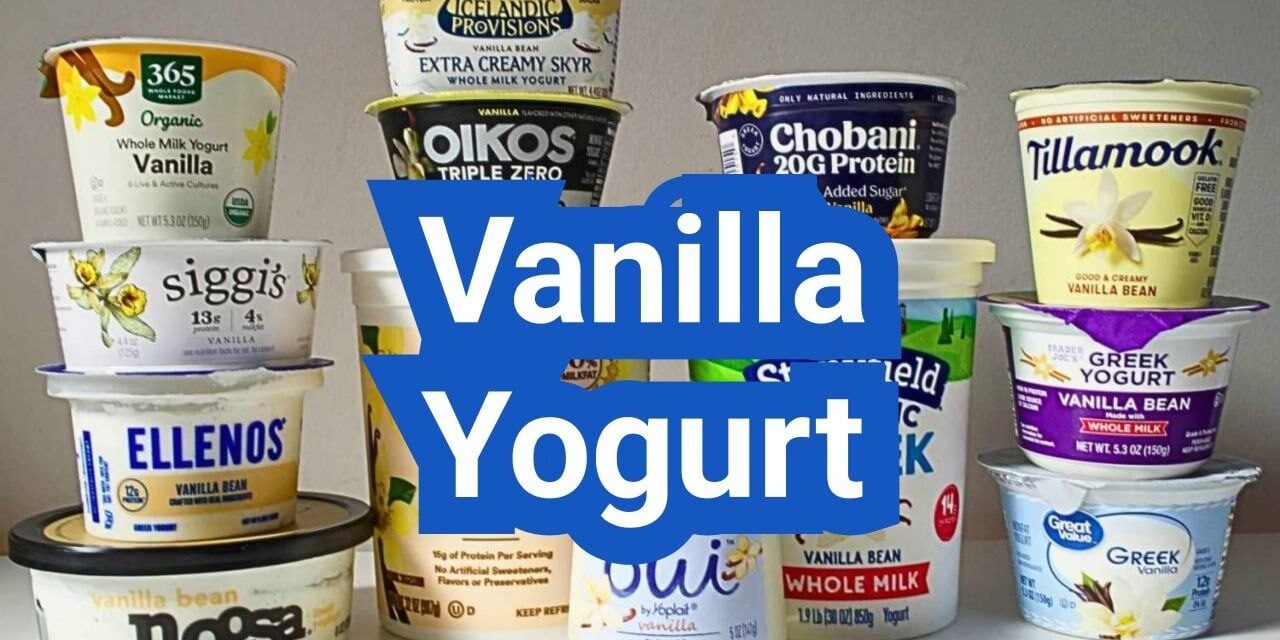
The Profile of Vanilla Yogurt Chobani
Chobani is widely considered the 800-pound gorilla of the Greek yogurt world. The vanilla yogurt Chobani offers is known for its thick, creamy texture and commitment to using non-GMO ingredients. Many consumers prefer this brand because it balances a rich flavor profile with a high protein content.
By focusing on authentic straining methods, this brand maintains a premium feel. It remains a top choice for those who prioritize cleaner labels and minimal additives in their daily snacks.
The Market Presence of Vanilla Yogurt Yoplait
In contrast, the vanilla yogurt Yoplait provides is a staple in many American households due to its widespread availability and smooth consistency. This brand often appeals to those who enjoy a more traditional, dessert-like experience. Its long-standing market presence ensures that it is a familiar sight in grocery stores across the country.
While it differs from Greek varieties in texture, it remains a popular option for families. The brand focuses on consistent flavor that appeals to a wide range of palates.
Finding Vanilla Yogurt at Walmart
Locating your preferred vanilla yogurt Walmart shelves is usually a straightforward process. As one of the largest retailers in the country, the store carries an extensive selection of both national and private-label dairy products. You can often find dedicated sections that group these items by brand or yogurt type.
If you are searching for a specific variety, checking the store’s mobile app can save you time. This tool allows you to verify stock levels before you make the trip to the store.
| Brand | Texture | Primary Appeal |
|---|---|---|
| Chobani | Thick/Greek | High Protein |
| Yoplait | Smooth/Creamy | Classic Flavor |
| Store Brands | Varied | Budget Friendly |
The Benefits of Choosing Vanilla Greek Yogurt

The dairy aisle has changed significantly with the rise of strained yogurt products. Many consumers now prefer vanilla yogurt greek styles because of their unique texture and nutritional profile. This transformation happens through a specialized straining process that removes excess whey.
By eliminating this liquid, manufacturers create a much thicker and more concentrated product. This method naturally results in a lower sugar content compared to traditional, unstrained varieties. It is a smart choice for those who want to enjoy a sweet treat without compromising their health goals.
Why Vanilla Greek Yogurt Often Outperforms Regular Varieties
When you compare labels, the difference becomes clear. Vanilla greek yogurt typically offers a much higher concentration of nutrients per serving. Because the straining process removes the watery whey, the remaining yogurt is denser and more satisfying.
Many people find that this thicker consistency helps them feel full for a longer period. This satiety factor is essential for managing daily calorie intake effectively. It stands out as a superior option for anyone looking to improve their dietary habits.
High Protein Vanilla Yogurt Options for Fitness Enthusiasts
For those who prioritize physical activity, protein intake is a top concern. High protein vanilla yogurt provides roughly three times as much protein as traditional, unstrained yogurt. This makes it an excellent post-workout snack for muscle recovery and sustained energy.
Fitness enthusiasts often rely on these options to hit their daily macronutrient targets. Incorporating a high protein vanilla yogurt into your routine supports muscle maintenance while satisfying your sweet tooth. It is a functional food that works as hard as you do in the gym.
Whole Milk vs Low Fat Vanilla Yogurt

The choice between full-fat and reduced-fat dairy options often creates confusion for health-conscious shoppers. While many people prioritize calorie reduction, others seek a more satisfying mouthfeel that only higher fat content can provide. Understanding these differences helps you align your grocery list with your personal wellness goals.
Nutritional Differences in Fat Content
The primary distinction between these options lies in the concentration of milk fats. Whole milk vanilla yogurt typically retains the natural fat found in dairy, which contributes to a thicker, more luxurious texture. This fat content can help you feel fuller for longer periods after eating.
On the other hand, low fat vanilla yogurt is processed to remove a portion of the cream. While this lowers the total calorie count, some manufacturers may add thickeners or extra sweeteners to compensate for the loss of texture. For those seeking a premium experience, brands like Painterland Sisters Skyr offer a 6% milk fat content, which serves as a lusciously creamy upgrade for your palate.
Choosing Between Whole Milk Vanilla Yogurt and Low Fat Vanilla Yogurt
Deciding which variety to buy depends largely on your daily activity level and dietary preferences. If you are looking for a snack that provides sustained energy, the higher fat content in whole milk vanilla yogurt might be the better choice. The natural fats assist in the absorption of fat-soluble vitamins, making it a nutrient-dense option.
Conversely, if you are strictly monitoring your caloric intake, low fat vanilla yogurt remains a popular staple in many American households. It offers a lighter profile that works well in smoothies or as a base for fruit bowls. Always check the nutrition label to ensure that the reduction in fat has not led to an excessive increase in added sugars.
Is Vanilla Yogurt Healthy for Your Daily Routine?

Is vanilla yogurt healthy enough to be a staple in your daily diet? While many consumers view this creamy treat as a nutritious snack, the reality of mass-produced options often tells a different story. Understanding the balance between convenience and nutritional value is essential for your long-term wellness.
Assessing the Health Impact of Commercial Yogurts
Most commercial yogurts undergo significant processing to achieve a smooth texture and consistent flavor. Unfortunately, this process often involves adding high amounts of refined sweeteners to mask the natural tartness of the dairy. Excessive sugar intake can quickly derail your health goals if you are not careful.
The American Heart Association provides clear guidelines to help you manage your consumption. They recommend that adult men limit added sugar to 36 grams per day, while women should aim for no more than 25 grams. Many standard vanilla cups contain a large portion of this daily limit in a single serving.
Incorporating Vanilla Yogurt for Breakfast
Choosing vanilla yogurt for breakfast can be a delicious way to start your morning, provided you view it as part of a larger, balanced meal. Rather than relying on the yogurt alone, consider pairing it with fiber-rich toppings like chia seeds or fresh berries. This strategy helps stabilize your blood sugar levels throughout the morning.
It is important to monitor your total daily intake when you include sweetened dairy in your routine. By balancing your breakfast with protein and healthy fats, you can enjoy the flavor you love without exceeding your nutritional targets. Use the following data to compare how different choices impact your daily sugar budget.
| Yogurt Type | Average Sugar (g) | Health Impact |
|---|---|---|
| Standard Vanilla | 18g – 22g | High sugar, moderate protein |
| Greek Vanilla | 12g – 15g | High protein, lower sugar |
| Plain Yogurt | 5g – 7g | Lowest sugar, best for health |
How to Choose Yogurt with Less Sugar
Mastering the art of label reading is the best way to ensure you pick a truly nutritious snack. When you stand in the refrigerated aisle, the sheer variety of options can be confusing. By focusing on specific details, you can easily learn how to choose yogurt with less sugar that fits your health goals.
Reading Nutrition Labels Like a Pro
The first step is to look directly at the Nutrition Facts panel. Always check the serving size first, as manufacturers sometimes list values for a portion smaller than what you might actually eat. Compare the total sugar content against the daily recommended limits to get a clear picture of what you are consuming.
Look for the line labeled “Added Sugars” rather than just “Total Sugars.” This distinction is vital because it separates the natural lactose found in milk from the sweeteners added during production. Focusing on this specific line is the most effective way to manage your intake.
Identifying Hidden Sugars in Dairy Products
Many products contain sweeteners that are not immediately obvious. Ingredients like cane juice, fruit juice concentrates, or agave syrup are often used to boost flavor. For example, one tablespoon of honey contains 17 grams of sugar, which can quickly turn a healthy snack into a high-sugar meal.
Be wary of terms like “evaporated cane juice” or “brown rice syrup” in the ingredient list. These are simply different names for sugar. When you identify these additives, you gain the power to make better decisions for your body.
Tips for Selecting Low Sugar Vanilla Yogurt
If you are searching for a low sugar vanilla yogurt, prioritize brands that list milk as the primary ingredient. You might also consider buying plain yogurt and adding your own vanilla extract or fresh berries at home. This simple switch gives you complete control over the sweetness level of your breakfast.
Use the following table to compare common sugar profiles and make informed decisions during your next grocery trip.
| Yogurt Type | Average Added Sugar (per serving) | Sweetness Source |
|---|---|---|
| Standard Vanilla | 12g – 18g | Cane Sugar |
| Light/Diet Vanilla | 5g – 8g | Artificial Sweeteners |
| Plain Greek | 0g | None |
| Low Sugar Vanilla Yogurt | 2g – 4g | Stevia or Monk Fruit |
By following these guidelines, you can confidently select a low sugar vanilla yogurt that satisfies your cravings without compromising your health. Remember that small changes in your shopping habits lead to significant improvements in your overall nutrition.
The Best Vanilla Yogurt Options for Your Pantry

Finding the perfect dairy treat for your refrigerator requires a keen eye for quality and nutrition. When you aim to stock your kitchen with the best vanilla yogurt, you must look beyond the marketing claims on the front of the package. A truly high-quality product balances rich flavor with a clean ingredient profile that supports your wellness goals.
Criteria for Defining the Best Vanilla Yogurt
To identify a superior product, you should focus on the simplicity of the ingredient list. The most nutritious options avoid unnecessary additives, such as artificial thickeners, gums, or excessive preservatives. You want a product that relies on high-quality milk and natural vanilla extract for its signature taste.
Consider these essential factors when evaluating your next purchase:
- Protein Content: Look for at least 10 grams of protein per serving to keep you full longer.
- Sugar Levels: Prioritize options with less than 10 grams of added sugar per container.
- Live Cultures: Ensure the label lists active probiotic strains for better gut health.
- Ingredient Purity: Avoid products that contain high-fructose corn syrup or artificial sweeteners.
Top Picks for Health-Conscious Consumers
Selecting the best vanilla yogurt often means choosing Greek or Icelandic styles, which naturally offer a thicker texture and higher protein density. These varieties are excellent for those who want to avoid the watery consistency found in many mass-market brands. By focusing on these specific attributes, you can easily distinguish between a dessert-like treat and a functional health food.
| Feature | Standard Yogurt | Premium Greek Yogurt |
|---|---|---|
| Protein | Low | High |
| Texture | Thin | Creamy |
| Sugar | High | Controlled |
Ultimately, the best vanilla yogurt is one that fits seamlessly into your daily routine without compromising your dietary standards. Whether you enjoy it as a quick breakfast or a post-workout snack, choosing a brand that prioritizes real ingredients will make a noticeable difference in your overall health. Always check the back of the label to ensure your choice aligns with your personal wellness journey.
Creative Ways to Enhance Your Yogurt Experience

You can easily transform plain or lightly sweetened yogurt into a nutrient-dense treat with just a few pantry staples. By moving beyond the standard tub, you unlock the potential for a gourmet experience that fits perfectly into your busy morning routine. These simple strategies allow you to enjoy a delicious, customized snack every single day.
Adding Fresh Fruit and Nuts for Better Nutrition
Incorporating fresh produce and crunchy toppings is the fastest way to boost the fiber and nutrient density of your snack. Berries like blueberries, strawberries, and raspberries provide a burst of antioxidants without adding excessive calories. Adding a handful of walnuts, almonds, or chia seeds introduces healthy fats and protein, which helps keep you feeling full for longer.
Mixing these textures creates a more satisfying eating experience. Crunchy nuts and soft fruit offer a delightful contrast that makes your bowl feel like a complete meal. You can also experiment with seasonal fruits to keep your breakfast exciting throughout the year.
Balancing Sweetness with Natural Ingredients
Relying on processed sugars often masks the natural, tangy flavor of high-quality yogurt. Instead, you can balance the acidity by using natural sweeteners that provide additional health benefits. A small drizzle of raw honey or pure maple syrup goes a long way in mellowing out the tartness of plain varieties.
Spices are another excellent way to enhance flavor without adding sugar. A dash of cinnamon, nutmeg, or pure vanilla extract can make your yogurt taste indulgent while keeping the nutritional profile intact. By choosing these wholesome alternatives, you maintain control over your sugar intake while still enjoying a treat that satisfies your cravings.
Pop Culture and Dairy: The Vanilla Yogurt Dreamlight Valley Phenomenon
The intersection of gaming and grocery shopping has created a unique cultural phenomenon. Modern digital landscapes are increasingly shaping our real-world dietary habits in unexpected ways. When players encounter familiar items in their favorite virtual environments, it often sparks a genuine curiosity that carries over into their daily lives.
How Virtual Food Items Influence Real-World Interest
One notable example is the appearance of vanilla yogurt dreamlight valley within popular simulation games. These digital representations serve as subtle advertisements that normalize specific food choices for millions of players. When a character consumes a snack on screen, it can trigger a subconscious desire for that same item in the physical world.
This trend highlights how entertainment media influences consumer perception of everyday grocery staples. By integrating a vanilla yogurt dreamlight valley item into gameplay, developers bridge the gap between screen time and kitchen time. Ultimately, this digital exposure can lead to increased interest in dairy products, proving that pop culture trends are powerful drivers of modern shopping behavior.
Practical Steps to Transition to Healthier Yogurt Habits
Transitioning to healthier eating habits is a journey that works best when taken in small, manageable steps. You do not need to overhaul your entire diet in a single day to see positive results. By focusing on consistent, incremental changes, you can slowly adjust your palate and reduce your reliance on processed sugars.
Step 1: Gradually Reducing Sugar Intake
The human palate is highly adaptable, but it requires time to adjust to lower levels of sweetness. Start by choosing yogurts with slightly less sugar than your current favorite brand. Over a few weeks, your taste buds will begin to appreciate the natural creaminess of dairy without needing as much added sweetener.
Step 2: Mixing Plain and Vanilla Yogurt
A highly effective strategy for many consumers is the “blending method.” By combining a container of plain, unsweetened yogurt with a portion of your preferred vanilla variety, you instantly dilute the total sugar content. This approach allows you to maintain the familiar vanilla flavor while significantly lowering your sugar intake per serving.
- Start with a 50/50 ratio of plain to vanilla yogurt.
- Gradually increase the amount of plain yogurt as you become accustomed to the taste.
- Use this method to transition fully to plain yogurt over time.
Step 3: Experimenting with Natural Vanilla Flavoring
Once you have reduced your reliance on pre-sweetened products, you can take full control of your breakfast bowl. Using plain yogurt as a base allows you to add your own natural vanilla extract or a dash of cinnamon. This gives you the aromatic experience of vanilla without the hidden sugars found in commercial options.
Consider these simple additions to enhance your bowl:
- A few drops of pure vanilla extract for authentic flavor.
- Fresh berries or sliced peaches for natural sweetness.
- A sprinkle of crushed walnuts or chia seeds for added texture.
At The End of: Vanilla Yogurt Guide
Selecting the right vanilla yogurt requires a balance of nutritional awareness and personal preference. You hold the power to shape your health by prioritizing high-protein, low-sugar options during your next grocery trip.
Reading labels carefully allows you to enjoy this dairy staple as part of a balanced lifestyle. Brands like Chobani and Yoplait offer diverse profiles that cater to different dietary goals. Small, consistent changes to your shopping habits lead to significant long-term wellness benefits.
You might start by mixing plain varieties with your favorite vanilla brands to control sweetness levels. Adding fresh fruit or nuts provides a nutrient boost that keeps your breakfast exciting and satisfying. These simple adjustments transform a standard snack into a powerhouse of nutrition.
This guide serves as a roadmap for navigating the dairy aisle with confidence. We hope these insights empower you to make smarter, more delicious choices every day. Your journey toward better eating starts with the very next container you place in your cart.
FAQ
Is vanilla yogurt a healthy everyday option?
vanilla yogurt can be a healthy everyday choice when the added sugars are reasonable, the portion fits your appetite, and the product contributes useful protein and calcium rather than acting like dessert in disguise. A good rule is to judge the whole label instead of assuming every yogurt cup is automatically better than other snacks. American Heart Association dairy overview
How much added sugar in vanilla yogurt is too much?
vanilla yogurt starts becoming less attractive when one serving uses a big chunk of your daily sugar allowance, especially if the rest of your day already includes sweet coffee drinks, cereal, or packaged snacks. Many shoppers use the federal lower-sugar child nutrition benchmark as a practical target and then tighten it further for everyday use when possible. AHA added-sugar recommendations
Is vanilla yogurt Greek style automatically better?
vanilla yogurt in Greek form is not automatically better, but it is often a better fit for people who want more protein and a thicker texture. Standard yogurt can still be the smarter buy when it is lower in sugar, lower in cost, and more versatile for parfaits, sauces, or smoothies. USDA FoodData Central
Does vanilla yogurt always contain probiotics?
vanilla yogurt may contain live and active cultures, but not every product makes the same culture claim and not every live-culture food is marketed or studied as a probiotic product. If that feature matters to you, look for clear package language instead of assuming any flavored cup offers the same digestive benefit. IDFA live cultures seal overview
Is plain vanilla yogurt usually a better buy?
vanilla yogurt is often less flexible than plain yogurt because the sweetness level is already fixed, while plain can be turned savory or sweet depending on the meal. For people watching sugar closely, plain yogurt plus fruit or vanilla at home is often the easier way to control both nutrition and taste. USDA lower-sugar yogurt guide
Is vanilla yogurt healthy for a daily snack or breakfast?
Whether is vanilla yogurt healthy depends largely on the brand and specific formulation. While yogurt provides essential probiotics, calcium, and vitamin D, many commercial varieties are classified as ultra-processed foods due to high levels of vanilla yogurt added sugar. For the healthiest daily routine, experts suggest looking for low sugar vanilla yogurt or high protein vanilla yogurt to ensure you stay full and energized without a sugar crash.
How many calories are typically found in a standard serving?
When examining vanilla yogurt nutrition facts, the vanilla yogurt calories usually range between 110 and 190 per 6-ounce serving. This variation depends on the fat content—such as whole milk vanilla yogurt versus low fat vanilla yogurt—and the amount of sweeteners used by the manufacturer. Greek varieties often have a more favorable calorie-to-protein ratio.
What is the main difference when comparing plain yogurt vs vanilla yogurt?
The primary difference in the plain yogurt vs vanilla yogurt debate is the sugar and flavoring. Plain yogurt contains only naturally occurring milk sugars (lactose), while vanilla yogurt in the u.s. typically contains 10 to 15 grams of added cane sugar or corn syrup per serving to offset the natural acidity of the culturing process.
Which brands offer the best vanilla yogurt options at major retailers?
You can find a wide selection of vanilla yogurt at Walmart and other national grocers. Leading brands include vanilla yogurt Chobani, known for its thick Greek texture, and vanilla yogurt Yoplait, which offers a smoother, traditional style. When searching for the best vanilla yogurt, check the ingredient list for natural vanilla beans rather than artificial flavorings.
Why should I choose vanilla Greek yogurt over regular yogurt?
Choosing vanilla Greek yogurt is often recommended for those seeking a high protein vanilla yogurt. Because Greek yogurt is strained to remove excess whey, it contains double the vanilla yogurt protein of regular styles, which helps with muscle recovery and long-term satiety, making it an excellent choice for vanilla yogurt for breakfast.
How to choose yogurt with less sugar while shopping?
To master how to choose yogurt with less sugar, ignore the front-of-package marketing and head straight to the “Added Sugars” line on the nutrition label. Aim for products with 5 grams or less of added sugar. Many consumers find success by purchasing plain yogurt and mixing in a small amount of vanilla yogurt or a drop of pure vanilla extract to control the sweetness level.
Why is there a trend involving vanilla yogurt in Dreamlight Valley?
The vanilla yogurt Dreamlight Valley trend stems from the popular video game where players can craft virtual recipes. This has sparked real-world curiosity, leading many younger consumers to seek out vanilla yogurt in usa markets to recreate the “creamy dairy” experience they see on screen, highlighting the powerful link between digital media and food consumption habits.
What are the benefits of whole milk vanilla yogurt vs low fat varieties?
Whole milk vanilla yogurt provides a richer mouthfeel and contains healthy fats that help the body absorb fat-soluble vitamins. Conversely, low fat vanilla yogurt is lower in calories but often contains more thickeners or added sugars to compensate for the loss of texture. Your choice should align with your specific macronutrient goals and caloric needs.
Conclusion of: Vanilla Yogurt
vanilla yogurt is one of the easiest dairy foods to grab for breakfast, lunch boxes, or a quick snack, but it is also one of the easiest places for added sugar to hide in plain sight. That does not make it a bad food, yet it does mean shoppers in the U.S. should look beyond marketing words like “light,” “protein,” or “made with real vanilla” and read the Nutrition Facts panel before tossing a cup into the cart. FDA added sugars guidance
At its core, vanilla yogurt starts with cultured dairy and a vanilla flavor profile, but the final product can vary a lot by brand, fat level, sweetness, and whether it is regular, Greek, Icelandic-style, drinkable, or dessert-like. U.S. yogurt standards also allow some products to be treated after culturing to extend shelf life, which helps explain why texture, tang, and live-culture claims are not always identical from one cup to the next. 21 CFR yogurt standard
What vanilla yogurt really means on the label ?
When you compare vanilla yogurt products, start with serving size because the label math only makes sense if the portions are comparable. FDA’s current reference amount for yogurt is 6 ounces, so one container may be one serving while a larger tub may show smaller per-serving numbers that look better until you eat more than the listed amount. FDA label serving-size update
The next thing to check is the gap between total sugars and added sugars, because vanilla yogurt naturally contains lactose from milk but may also contain cane sugar, fruit juice concentrates, syrups, or other sweeteners. That single line on the label tells you whether the sweetness mostly comes from dairy sugars already present in milk or from ingredients added during processing. How to use the Nutrition Facts label
The ingredient list is just as important because vanilla yogurt ingredients must be listed in descending order by weight. If sugar or multiple sweeteners appear near the top, that is a clue the product is leaning more toward a sweet snack than a lightly flavored cultured dairy food. FDA ingredient-list rules
Why vanilla yogurt can be nutritious and where it can go wrong ?
vanilla yogurt can absolutely be a useful food in an American diet because yogurt contributes protein and is part of the Dairy Group, while fortified soy yogurt alternatives can also fit similar nutrition goals for some shoppers. In practical terms, it can help fill meals that are otherwise low in calcium-rich foods, especially for people who skip milk at breakfast or need portable options during busy workdays. MyPlate Dairy Group
Another reason vanilla yogurt remains popular is that dairy foods often contribute nutrients many people watch closely, especially calcium and sometimes vitamin D depending on fortification and product type. That nutrition advantage matters most when the product is not carrying so much added sugar that it crowds out the benefit of choosing a dairy-based snack in the first place. NIH vitamin D fact sheet
The big downside is that vanilla yogurt can quietly use a large share of your daily added-sugar budget if you do not compare labels. The Dietary Guidelines for Americans recommend keeping added sugars below 10% of daily calories, so a sweetened cup can be a reasonable choice once in a while, but several sweet products in the same day can push intake up fast. Dietary Guidelines for Americans
How to choose a better cup in a U.S. grocery store ?
A simple way to shop for vanilla yogurt is to line up three numbers in this order: added sugars, protein, and serving size. For many adults, a better option is the one that keeps added sugars moderate, gives enough protein to make the snack feel useful, and does not rely on a tiny serving that makes the nutrition panel look better than the real eating experience. USDA lower-sugar yogurt guide
Federal child nutrition standards can give everyday shoppers a surprisingly practical benchmark, even if they are not buying for a school or care program. In CACFP, yogurt served by October 1, 2025 must contain no more than 12 grams of added sugars per 6 ounces, so many shoppers use that threshold as a quick way to separate lighter options from clearly sweeter ones. CACFP yogurt added-sugar limit
WIC rules offer another useful comparison point because authorized yogurt can be plain or flavored but must stay at or below 16 grams of added sugars per 8 ounces. That does not mean every cup under that level is ideal, yet it gives vanilla yogurt buyers a real-world federal reference for what a flavored product can look like before it becomes overly sugary. WIC yogurt requirements
For shoppers who want more control, the most flexible strategy is usually to buy plain yogurt and build the flavor yourself with real vanilla, cinnamon, berries, or a small drizzle of honey if needed. That approach lets vanilla yogurt work more like a customizable base, so you decide whether the final bowl is breakfast, dessert, or a higher-protein snack. Start Simple with MyPlate
Greek, regular, full-fat, and other common choices
Greek-style products often appeal to shoppers because vanilla yogurt in that format is usually thicker and often higher in protein than standard stirred yogurt, which can help with fullness for some people. The best choice still depends on your goal, though, because some high-protein cups also add enough sweetness to make them feel more like flavored pudding than a balanced snack. Review on dairy protein and satiety
Fat level matters too, but not in a one-size-fits-all way, because vanilla yogurt can be sold as nonfat, low-fat, reduced-fat, or whole milk. Lower-fat versions may cut calories, while fuller-fat versions may feel more satisfying and less chalky, so the stronger choice is the one that fits your appetite, the rest of your day’s meals, and whether you tend to over-snack after eating a very lean product. FDA total fat label explainer
Live cultures are another area where labels can confuse people because vanilla yogurt may contain live microorganisms without necessarily qualifying as a probiotic food in the strict marketing sense. In other words, live cultures and probiotics overlap, but they are not automatic synonyms, so it is smart to read the package carefully if gut-health claims are the main reason you are buying it. NIH probiotics fact sheet
People with lactose intolerance sometimes tolerate vanilla yogurt better than milk, partly because yogurt cultures help break down some lactose and strained styles may contain less of it. Even so, tolerance differs from person to person, so it is worth testing portions carefully instead of assuming every flavored cup will sit well. MyPlate bone-health handout
Quick checklist
- Compare products using the same serving size before judging sugar or protein.
- Check added sugars, not just total sugars.
- Look for enough protein to match your goal for breakfast or snacks.
- Read the ingredient list to see how early sweeteners appear.
- Choose tubs when you want better cost per serving.
- Choose single-serve cups when portion control matters more than price.
- Use fruit, cinnamon, or vanilla extract to flavor plain yogurt at home.
- Watch dessert-style mix-ins that add sugar without much nutrition value.
- Keep yogurt cold in lunch bags or travel coolers.
- Test lactose tolerance with small portions if dairy bothers you.
Common mistakes to avoid
- Assuming “vanilla” means lightly sweetened when some products are heavily sweetened.
- Comparing an 8-ounce cup to a 5.3-ounce cup without adjusting the numbers.
- Focusing only on calories and ignoring added sugars.
- Paying a premium for “high protein” while overlooking a dessert-level sugar count.
- Believing every cultured yogurt automatically delivers probiotic benefits.
- Choosing multipacks for value, then wasting cups that sit too long unopened.
- Adding granola, syrup, and sweet fruit on top until a moderate snack becomes sugar-heavy.
- Leaving cups in a warm car or backpack too long before refrigeration.
Storage, meal prep, and food safety
For meal prep, vanilla yogurt is convenient because it works in breakfast bowls, smoothies, overnight oats, and quick dessert swaps, but it still needs cold storage. USDA guidance says yogurt generally keeps one to two weeks in the refrigerator, which makes it useful for weekly shopping as long as you pay attention to temperature and basic spoilage signs. USDA dairy storage guidance
If you pack vanilla yogurt for work, school, or road trips, treat it like any other perishable food and keep it chilled with ice packs or in an insulated lunch bag. That matters even more in hot U.S. climates where a simple errand stop can turn a safe snack into something that sat too long outside refrigeration. FoodSafety.gov cold-storage guidance
Costs and ROI snapshot
For this topic, ROI is not about farm economics but about value per serving for American households. The main cost drivers for vanilla yogurt are package size, protein style, organic claims, lactose-free processing, live-culture branding, and whether the product includes premium mix-ins or dessert-style layers. MyPlate tips on cutting added sugars
In grocery terms, the best return usually comes from matching the product to how you really eat: large tubs often lower the price per ounce, while single-serve cups can reduce waste and make lunch packing easier. If your goal is better nutrition rather than convenience, buying plain yogurt and flavoring it at home often gives a stronger value play than paying more for heavily sweetened vanilla yogurt cups that disappear in one sitting. FoodKeeper app
Final thought
vanilla yogurt can be a smart, practical food when you treat it as a label-reading category rather than a health halo product. The best cup is usually the one that gives you useful protein and dairy nutrition, keeps added sugars in check, tastes good enough to eat regularly, and fits the way real people shop and snack in everyday American life. Dietary Guidelines executive summary
Sources & References
- Vanilla Yogurt – Chobani
- Vanilla Yogurt – yoplait
- Vanilla Yogurt – Activia.us
- FDA: Daily Value on the Nutrition Facts Label
- FDA: The Nutrition Facts Label
- FDA: Interactive Nutrition Facts Label
- FDA: Understanding and Using the Nutrition Facts Label
- FDA: Food Serving Sizes Have a Reality Check
- FDA: Food Labeling Guide
- Dietary Guidelines: Added Sugars Chapter
- USDA Blog: Yogurt 5 Ways
- NIH ODS: Calcium Fact Sheet for Consumers
- NIH ODS: Probiotics Fact Sheet for Consumers
- NIDDK: Lactose Intolerance Definition & Facts
- CDC: Cow’s Milk and Milk Alternatives
- FoodSafety.gov: FoodKeeper App
- USDA FoodData Central Food Search