Professional kitchens rely on specific ingredients to ensure consistent results. Many home cooks often wonder why recipes call for a specific fat type instead of the standard grocery store option.
The best butter for baking is often the plain variety without additives. According to Minerva Dairy, this product is pure, allowing chefs to manage flavor profiles with total accuracy.
You might ask, why do bakers use unsalted butter? It provides complete control over sodium levels in delicate pastries and breads. This is the standard for unsalted butter in the u.s. and remains the top choice for unsalted butter in usa markets. Precision is key to achieving professional results in your own kitchen.
Key Takeaways
- Professional bakers prioritize ingredient control for consistent flavor.
- Removing sodium allows for precise seasoning in delicate recipes.
- Pure fat products are essential for high-quality pastry work.
- Home cooks can achieve better results by mimicking professional standards.
- Managing salt levels prevents unwanted flavor imbalances in baked goods.
Understanding What Is Unsalted Butter?
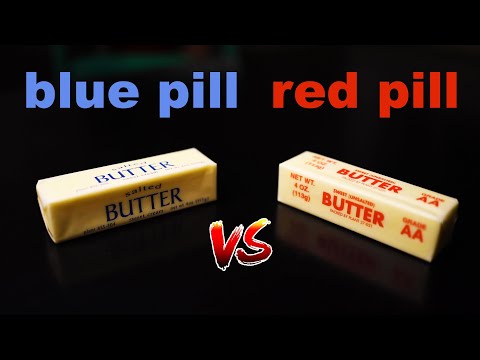
Unsalted butter, also known as sweet cream butter, is a fundamental ingredient in baking. It is made from the cream of milk and contains no added salt. This characteristic makes it a preferred choice among bakers who need to control the amount of salt in their recipes.
Defining Sweet Cream Butter
Sweet cream butter is produced from fresh cream that is churned until the butterfat globules separate from the buttermilk. The resulting butter is then washed, salted or left unsalted, and sometimes cultured or fermented to develop its flavor. The term “sweet cream” refers to the freshness of the cream used, not the presence of sugar. In the context of unsalted butter, the absence of salt allows the natural sweetness of the cream to shine through.
The Role of Fat Percentage and Moisture
The quality and performance of unsalted butter in baking are significantly influenced by its fat percentage and moisture content. High-quality unsalted butter typically has a high fat content, usually around 82% or higher, and a low moisture content. The fat percentage affects the tenderness and texture of baked goods, while the moisture content can impact the overall structure and consistency.
- High fat content: contributes to tender and flaky textures
- Low moisture content: helps in achieving the right consistency in baked goods
Butter Grade AA vs A Standards
In the United States, butter is graded based on its taste, smell, texture, and appearance. The USDA grades butter as AA, A, B, or C, with AA being the highest grade. Grade AA butter is considered premium and is characterized by its fine, highly pleasing flavor and smooth texture. Grade A butter, while still of high quality, may have a slightly less refined flavor. For baking, especially in delicate pastries and cakes, using Grade AA or A unsalted butter can make a noticeable difference in the final product’s quality.
“The precise amount of salt in any given stick or block of commercially available butter is unregulated,” as noted in a Washington Post article, highlighting the importance of choosing unsalted butter for controlled salt content in recipes.
Why Bakers Prefer Unsalted Butter?

The use of unsalted butter in baking allows for precise control over the final product’s flavor profile. This control is crucial for achieving consistent results, a hallmark of professional baking.
According to David Lebovitz, a renowned pastry chef, using unsalted butter removes a variable, allowing for more consistent results in baking. This consistency is key to producing high-quality baked goods.
Controlling Salt Levels in Recipes
One of the primary reasons bakers prefer unsalted butter is the ability to control salt levels in their recipes. Salted butter can introduce an unpredictable amount of salt, potentially disrupting the balance of flavors.
By using unsalted butter, bakers can add salt according to their recipe’s specific needs, ensuring that the final product is neither too salty nor too bland.
The Impact of Salt on Yeast and Leavening
Salt plays a significant role in yeast-based baking, as it affects yeast activity and, consequently, the leavening process. Too much salt can inhibit yeast growth, leading to poorly risen bread or pastries.
Table: Effects of Salt on Yeast Activity
| Salt Concentration | Yeast Activity | Baking Outcome |
|---|---|---|
| Low | High | Over-proofing |
| Optimal | Moderate | Well-risen |
| High | Low | Poorly risen |
Achieving Consistent Flavor Profiles
Unsalted butter enables bakers to achieve consistent flavor profiles across different recipes. By controlling the amount of salt added, bakers can ensure that their creations have a balanced taste.
This level of control is particularly important in professional baking, where consistency is crucial for maintaining customer satisfaction and loyalty.
Unsalted Butter vs Salted Butter: The Key Differences

Unsalted and salted butter may seem interchangeable, but they have distinct roles in cooking and baking. The primary distinction lies in the presence or absence of salt, which affects not only the flavor but also the preservation and usage of butter in various recipes.
Analyzing Salt Content and Preservation
The most obvious difference between unsalted and salted butter is the salt content. Salted butter typically contains between 1/4 to 1/2 teaspoon of salt per unsalted butter stick (about 1/2 cup or 1 stick = 8 tablespoons). This added salt serves two purposes: it enhances the flavor and acts as a preservative by inhibiting the growth of bacteria and mold. According to Minerva Dairy, salted butter has a longer shelf life due to these preservative properties.
Salt Content Comparison:
| Butter Type | Salt Content (per stick) | Preservation Effect |
|---|---|---|
| Unsalted Butter | 0% | Shorter shelf life |
| Salted Butter | 1/4 to 1/2 teaspoon | Longer shelf life |
When to Use Salted Butter in Cooking
Salted butter is often preferred in cooking because it adds a depth of flavor to dishes. It’s particularly useful in savory cooking, such as sautéing vegetables, cooking meats, or making sauces. The salt enhances the natural flavors of the ingredients, creating a more complex taste profile.
For example, when making a pan sauce to accompany a steak, salted butter can be used to add richness and a salty flavor. It can also be used in cooking methods like searing or browning, where the butter is melted and slightly browned to create a nutty flavor.
The Myth of Salted Butter as a Baking Substitute
A common misconception is that salted butter can be used as a direct substitute for unsalted butter in baking. However, this can lead to inconsistent flavor profiles, especially in recipes where the amount of salt is carefully calibrated. Using salted butter can result in baked goods that are too salty, particularly if the recipe also includes other salty ingredients.
For precise control over the salt content, bakers prefer unsalted butter. It allows for the exact amount of salt to be added according to the recipe, ensuring consistent results.
How to Substitute Salted for Unsalted Butter

The flexibility to substitute salted for unsalted butter can be a lifesaver in baking, provided you know the right adjustments to make. While unsalted butter is generally preferred in baking due to its neutral flavor and the control it offers over the salt content in recipes, there are times when using salted butter is the only viable option.
When a recipe specifies unsalted butter but you’re out of it, or if you’re looking to use up salted butter that’s already in your fridge, making a substitution is relatively straightforward. However, it’s crucial to understand the implications of this substitution on the overall flavor and chemistry of your baked goods.
Calculating Salt Adjustments for Baking
To substitute salted for unsalted butter effectively, you need to adjust the amount of salt called for in the recipe. Typically, salted butter contains about 1/4 teaspoon of salt per tablespoon of butter. Therefore, if a recipe calls for 1 cup (16 tablespoons) of unsalted butter and you decide to use salted butter instead, you should reduce the additional salt called for in the recipe by 4 teaspoons (since 16 tablespoons * 1/4 teaspoon = 4 teaspoons).
For example, if your cookie recipe calls for 1 cup of unsalted butter and 1 teaspoon of salt, using salted butter would mean omitting the additional 1 teaspoon of salt, as the salted butter already contains approximately 4 teaspoons of salt.
When Substitution Is Not Recommended
While salted butter can be substituted for unsalted butter in many recipes, there are instances where this substitution might not be ideal. For instance, in recipes where butter is the primary flavor component, such as in certain pastries or creams, using salted butter could significantly alter the intended taste. In such cases, it’s best to stick with unsalted butter to maintain the delicate balance of flavors.
Adjusting Other Ingredients in the Recipe
Beyond adjusting the salt content, it’s also worth considering the overall liquid content and other ingredients in your recipe when substituting salted for unsalted butter. Salted butter can sometimes have a slightly different moisture content compared to unsalted butter, which might affect the final texture of your baked goods. However, this difference is typically negligible in most recipes.
| Butter Type | Salt Content per Tablespoon | Adjustment for 1 Cup Butter |
|---|---|---|
| Salted Butter | 1/4 teaspoon | Reduce recipe salt by 4 teaspoons |
| Unsalted Butter | 0 teaspoon | No adjustment needed |
By understanding how to make these adjustments, you can confidently substitute salted for unsalted butter in your baking recipes, ensuring that your final products turn out as delicious as intended.
Essential Butter Temperature for Baking

The temperature of butter is a critical factor that significantly influences the outcome of baked goods. Using butter at the right temperature can make a substantial difference in the texture, consistency, and overall quality of your baked treats.
Why Room Temperature Butter Matters for Cookies
Room temperature butter is particularly important when baking cookies. It ensures that the butter creams properly with sugar, leading to a better texture and structure in the finished cookies. Using cold butter can result in cookies that are dense and fail to spread as they should, while butter that is too soft can cause cookies to spread too much and lose their shape.
To achieve the best results, it’s recommended to take the butter out of the refrigerator and let it sit at room temperature for about 30 minutes to an hour before baking. This allows the butter to soften to the ideal consistency for creaming with sugar.
Achieving the Perfect Softened Consistency
Achieving the perfect softened consistency in butter is crucial for many baking recipes. The ideal softened butter should be pliable and easily creamed with sugar, but still retain some firmness. A simple test is to press the butter gently with your finger; it should yield to pressure but still feel cool to the touch.
- Softened butter mixes more easily with other ingredients, ensuring a uniform batter.
- It helps in incorporating air, which is essential for the lightness and texture of baked goods.
- Using softened butter can improve the overall flavor distribution in your baked goods.
The Science of Emulsification in Batters
Emulsification plays a key role in the stability and texture of batters, particularly in recipes that combine butter with other ingredients like eggs and water. The process involves dispersing fat molecules throughout the mixture, creating a smooth and consistent batter. Room temperature butter facilitates this process by being more receptive to mixing and blending with other ingredients.
The science behind emulsification is complex, involving the interaction of fat molecules with other components in the batter. However, the basic principle is that the right temperature and consistency of butter can significantly enhance the emulsification process, leading to better-textured baked goods.
“The quality of your baked goods is directly related to the quality of your ingredients and how you handle them. Paying attention to the temperature of your butter is a simple yet effective way to elevate your baking.”
Best Practices for Storing Unsalted Butter
Unsalted butter requires careful storage to preserve its quality and taste. Proper storage techniques help maintain its freshness and prevent spoilage.
Refrigeration Tips for Freshness
To keep unsalted butter fresh, it’s essential to store it in the refrigerator at a consistent temperature below 40°F (4°C). Keep it away from strong-smelling foods, as butter can absorb odors easily. Wrap the butter tightly in its original packaging or aluminum foil to prevent exposure to air and other flavors.
Minerva Dairy suggests that unsalted butter should be stored properly to maintain its freshness. This involves keeping it in a covered container to prevent it from absorbing flavors from other foods in the refrigerator.
How to Properly Freeze Unsalted Butter
Freezing is an excellent way to extend the shelf life of unsalted butter. To freeze, wrap the butter tightly in plastic wrap or aluminum foil and place it in a freezer-safe bag. Label the bag with the date to keep track of how long it’s been stored. Frozen unsalted butter can be stored for up to 6-9 months.
- Wrap the butter tightly to prevent freezer burn.
- Store it in a freezer-safe bag to maintain freshness.
- Label the bag with the date for easy reference.
Preventing Flavor Absorption in the Freezer
To prevent unsalted butter from absorbing flavors in the freezer, ensure it’s wrapped tightly and stored in an airtight container or freezer bag. Avoid storing it near strong-smelling foods, as the butter can absorb these odors. If you plan to use the frozen butter for baking, consider portioning it before freezing for easier use later.
Top Brands of Unsalted Butter in the USA
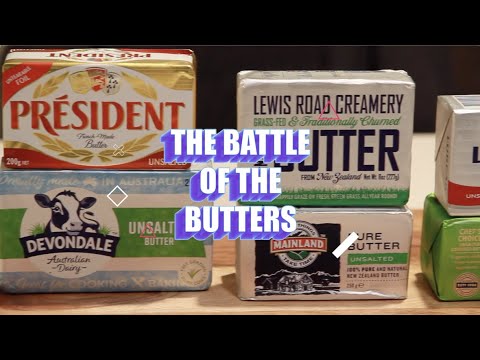
The USA market offers a diverse range of high-quality unsalted butter brands that cater to various baking needs and preferences.
Several factors contribute to the quality of unsalted butter, including the fat percentage, moisture content, and the grade of the butter. When selecting an unsalted butter brand, bakers often look for products that meet their specific requirements, whether it’s for baking, cooking, or making pastries.
Land O Lakes and Challenge Butter
Land O Lakes is a well-known brand in the USA, recognized for its high-quality dairy products. Their unsalted butter is a popular choice among bakers due to its consistent quality and rich flavor. Challenge Butter, on the other hand, is another reputable brand that offers a high-grade unsalted butter suitable for various baking applications.
- Land O Lakes unsalted butter is known for its high fat content and low moisture levels, making it ideal for baking.
- Challenge Butter’s unsalted variety is praised for its rich, creamy taste and smooth texture.
Premium Options: Kerrygold and Plugra
For those seeking premium unsalted butter, Kerrygold and Plugra are excellent choices. Kerrygold, known for its high-fat content, produces a rich and creamy unsalted butter that is perfect for baking and cooking. Plugra, with its European-style unsalted butter, offers a cultured taste that enhances the flavor of baked goods and pastries.
- Kerrygold unsalted butter is rich in flavor and has a high fat content, making it suitable for high-end baking.
- Plugra’s European-style unsalted butter is known for its cultured taste and is ideal for laminated doughs and pastries.
Organic Choices: Vital Farms and Organic Valley
Bakers looking for organic options can consider Vital Farms and Organic Valley. Both brands offer high-quality, organic unsalted butter that is produced with careful attention to detail and a commitment to sustainability.
- Vital Farms’ organic unsalted butter is known for its rich flavor and high-quality production standards.
- Organic Valley’s unsalted butter is a popular choice among those seeking organic and sustainable dairy products.
Unsalted Butter for Cookies and Pastries

The quality of unsalted butter used in baking can make or break the texture and taste of cookies and pastries. Unsalted butter is preferred for its pure flavor and the control it offers bakers over the salt content in their recipes.
Achieving the Perfect Texture in Chocolate Chip Cookies
Using high-quality unsalted butter is crucial for achieving the perfect texture in chocolate chip cookies. The fat content in unsalted butter contributes to the cookies’ tenderness and spread. Room temperature unsalted butter is essential for incorporating air and sugar properly, leading to a better texture.
When using unsalted butter for chocolate chip cookies, ensure it’s at room temperature. This helps in creating a cookie that is chewy on the inside and crispy on the outside.
The Importance of Butter Quality for Pie Crusts
The quality of unsalted butter directly impacts the flakiness and flavor of pie crusts. High-quality unsalted butter contains a higher fat content, which is essential for creating a flaky crust.
A good pie crust requires butter to be kept cold. Using cold unsalted butter and keeping it in small pieces helps in creating layers in the dough, leading to a flaky crust.
Creating Flaky Layers in Laminated Doughs
Laminated doughs, such as croissants and puff pastry, rely heavily on the quality of unsalted butter for their signature flaky layers. The process of laminating involves folding butter into the dough multiple times.
| Characteristics | Unsalted Butter | Salted Butter |
|---|---|---|
| Flavor Profile | Pure, creamy | Savory, salty |
| Control Over Salt | Complete control | Limited control |
| Suitability for Laminated Doughs | Highly suitable | Less suitable due to salt content |
Unsalted Butter for Cooking and Savory Dishes

While often associated with baking, unsalted butter is also a valuable component in cooking and savory recipes. It offers a neutral flavor profile and allows chefs to control the amount of salt in their dishes, making it a versatile ingredient for various culinary applications.
Minerva Dairy suggests using unsalted butter for cooking and savory dishes where control over salt content is desired. This is particularly important in recipes where the balance of flavors is crucial.
Using Unsalted Butter for Steak and Searing
Unsalted butter is ideal for cooking steak and achieving a perfect sear. It has a high smoke point when clarified, making it suitable for high-heat cooking. The lack of salt also ensures that the natural flavors of the steak are not overpowered.
To use unsalted butter for steak, simply melt it in a hot pan before adding the steak. This will create a rich, savory crust on the steak.
Enhancing Sauces and Pan Gravies
Unsalted butter is a key ingredient in making rich and creamy sauces. It can be used to enrich pan gravies by whisking it into the sauce towards the end of cooking, adding a smooth texture and depth of flavor.
The use of unsalted butter in sauces allows for better control over the salt content, ensuring that the final dish is not overly salty.
| Sauce Type | Role of Unsalted Butter | Benefits |
|---|---|---|
| Pan Gravy | Adds richness and texture | Enhances flavor without adding salt |
| Hollandaise | Emulsifies with egg yolks | Creates a creamy, smooth sauce |
| Beurre Blanc | Blends with wine and shallots | Provides a rich, tangy flavor |
Incorporating Butter into Bread Making
Unsalted butter plays a crucial role in bread making, particularly in recipes that require laminated dough, such as croissants or puff pastry. The butter adds flavor and helps create the flaky layers characteristic of these breads.
To incorporate unsalted butter into bread making, it’s essential to keep the butter at the right temperature and consistency. This ensures that it can be rolled and folded properly with the dough.
Nutritional Profile and Healthy Fats

Understanding the nutritional aspects of unsalted butter can help consumers make informed dietary choices. Unsalted butter is a significant source of fat, and its nutritional profile is crucial for those monitoring their diet.
Understanding Butter Nutrition Facts
Unsalted butter is primarily composed of fat, with a small percentage of water and milk solids. A typical serving size of unsalted butter (about 1 tablespoon or 14g) contains approximately 100 calories, with 11.5 grams of fat, of which 7 grams are saturated. It also contains 30 milligrams of cholesterol and negligible amounts of carbohydrates and protein.
The nutritional content can vary slightly based on the brand and production methods. For instance, some brands may have a higher fat content or add vitamins. Checking the nutrition label is essential for accurate information.
Cholesterol and Saturated Fat Considerations
The high levels of saturated fat and cholesterol in unsalted butter have raised health concerns. Saturated fats can increase LDL (low-density lipoprotein) cholesterol, often referred to as “bad” cholesterol, potentially leading to heart disease. However, recent studies suggest that the relationship between saturated fat and heart disease is more complex than previously thought.
Moderation is key when consuming unsalted butter. The American Heart Association recommends limiting daily dietary cholesterol to 300 milligrams. Thus, understanding the cholesterol content in unsalted butter is vital for those with dietary restrictions.
Comparing Dairy-Free and Vegan Butter Substitutes
For those looking for alternatives to unsalted butter, dairy-free and vegan butter substitutes are available. These products are made from various ingredients such as plant-based oils (e.g., coconut, almond, or olive oil) and often fortified with vitamins.
Comparing the nutritional profiles:
- Unsalted butter is high in saturated fats and cholesterol.
- Dairy-free and vegan butter substitutes can be lower in saturated fats but may contain other additives or preservatives.
Choosing between unsalted butter and its substitutes depends on dietary needs and preferences. For those with dairy intolerance or following a vegan diet, these alternatives are invaluable. For others, moderation with unsalted butter as part of a balanced diet is a viable option.
Specialty Butter Varieties

Beyond the standard unsalted butter, bakers and chefs can explore a range of specialty butter varieties that offer distinct flavors and textures. These specialty butters cater to various culinary needs, from baking to cooking, and can significantly impact the final product’s quality.
European Style vs American Style Butter
European style butter is known for its higher fat content compared to American style butter. Typically, European style butter contains around 82% to 86% fat, whereas American style butter usually has about 80% fat content. This difference in fat content can affect the texture and flavor of baked goods and pastries.
European style butter is often preferred for its rich, creamy taste and is commonly used in professional baking. American style butter, on the other hand, is more commonly found in supermarkets and is suitable for a wide range of cooking and baking tasks.
Cultured Butter and Its Unique Flavor
Cultured butter is made by adding live bacterial cultures to the cream before churning, giving it a distinctive, tangy flavor. This process is similar to how yogurt or cheese is made. The culturing process can enhance the butter’s flavor profile, making it a favorite among chefs and bakers looking for a more complex taste.
The unique flavor of cultured butter can add depth to various dishes, from baked goods to sauces. It’s particularly popular in high-end baking and cooking where nuanced flavors are appreciated.
Organic Butter Powder and Whipped Options
Organic butter powder is a dehydrated form of butter that is made by removing the moisture from high-quality butter. This product is ideal for applications where liquid content needs to be minimized, such as in certain baking recipes or as a flavor enhancer in dry mixes.
Whipped butter, on the other hand, is made by incorporating air into the butter, making it lighter and easier to spread. It’s a convenient option for topping bread or using in recipes where a lighter butter texture is desired.
Both organic butter powder and whipped butter offer unique advantages in different culinary contexts, providing flexibility and creativity in recipe development.
Sourcing and Purchasing Unsalted Butter

The quest for high-quality unsalted butter can lead consumers to different retailers, both online and in-store. When sourcing unsalted butter, it’s essential to consider factors such as quality, price, and convenience.
Buying in Bulk at Sam’s Club or Costco
For those who bake frequently or in large quantities, buying unsalted butter in bulk can be a cost-effective option. Warehouse clubs like Sam’s Club and Costco offer bulk purchasing options for unsalted butter, often at competitive prices. For instance, a giant pack of unsalted butter at Sam’s Club can be a convenient and economical choice for serious bakers.
Here’s a comparison of bulk unsalted butter prices at different warehouse clubs:
| Warehouse Club | Brand | Quantity | Price | Price per Pound |
|---|---|---|---|---|
| Sam’s Club | Member’s Mark | 4 lbs | $12.98 | $3.25 |
| Costco | Kirkland Signature | 4 lbs | $13.99 | $3.50 |
Finding Quality Butter at Local Grocers
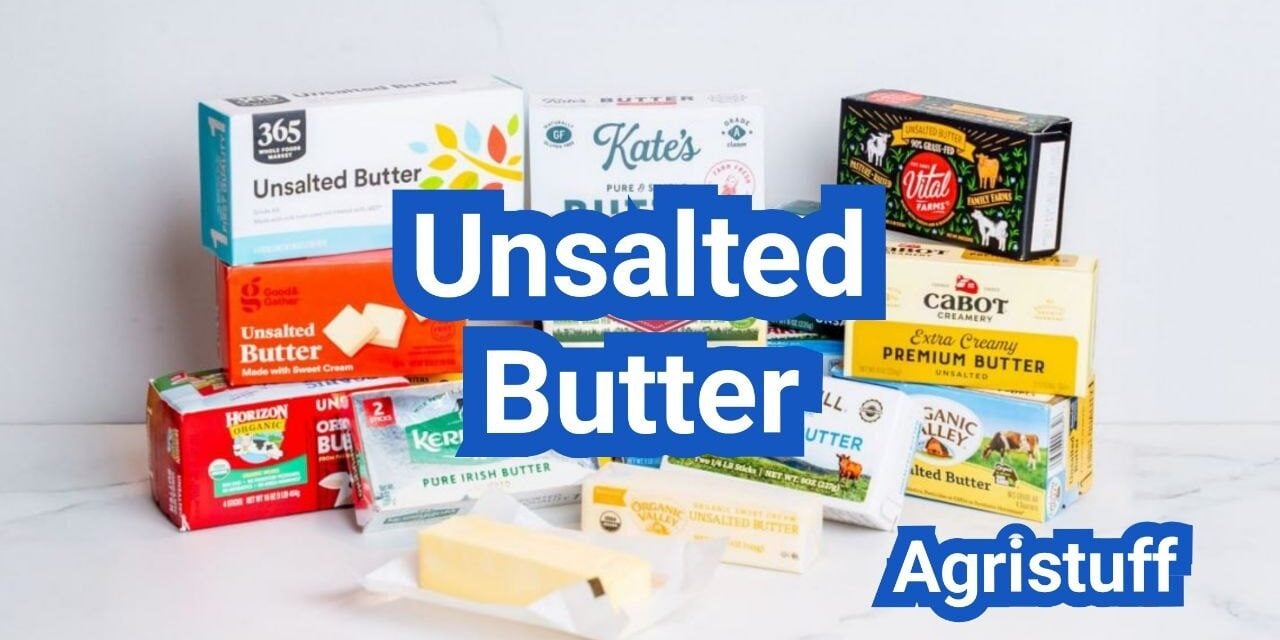
Not everyone needs or wants to buy in bulk. For those who prefer to shop at local grocers, there are still many options available for sourcing high-quality unsalted butter. Many supermarkets carry a variety of unsalted butter brands, including premium and organic options.
Tips for finding quality butter at local grocers:
- Check the dairy section for well-known brands like Land O’Lakes or Challenge Butter.
- Look for premium or specialty butters like Kerrygold or Plugra.
- Consider organic options like Vital Farms or Organic Valley.
Evaluating Price vs Quality for Baking Projects
When it comes to baking, the quality of the butter can significantly impact the final product. While it’s tempting to opt for the cheapest unsalted butter available, it’s essential to consider the price vs quality tradeoff. Higher-quality butters may be more expensive, but they can provide better flavor and texture to baked goods.
Factors to consider when evaluating price vs quality:
- Fat content: Higher fat content butters tend to be more suitable for baking.
- Production methods: Look for butters made using high-quality cream and minimal processing.
- Brand reputation: Well-known brands often have consistent quality.
Common Mistakes When Using Unsalted Butter

Unsalted butter is a staple in many professional bakeries, yet its use is often marred by simple mistakes. To get the most out of unsalted butter, it’s crucial to understand the common pitfalls bakers encounter.
Over-softening or Melting Butter Accidentally
One of the most common mistakes when using unsalted butter is over-softening or melting it accidentally. This can happen when butter is left at room temperature for too long or when it’s microwaved improperly. Softened butter is essential for certain recipes, but melted butter can alter the texture and consistency of baked goods.
To avoid this, always check the butter’s temperature and consistency before using it. If you’re unsure, it’s better to err on the side of caution and use slightly firmer butter.
Ignoring the Salt Content in Other Ingredients
Another mistake is ignoring the salt content in other ingredients when using unsalted butter. Since unsalted butter allows for precise control over salt levels, it’s essential to consider the salt contributed by other ingredients like baking soda, salted nuts, or salted chocolate.
For instance, if a recipe includes salted butter or other salty ingredients, reducing or omitting additional salt can prevent an overly salty final product.
Improper Storage Leading to Rancidity
Improper storage is a critical error that can lead to rancidity and spoilage of unsalted butter. Unsalted butter has a shorter shelf life than salted butter due to its lower salt content, making proper storage crucial.
To maintain freshness, store unsalted butter in an airtight container in the refrigerator at a consistent temperature below 40°F (4°C). For longer storage, freezing is an excellent option.
| Common Mistake | Consequence | Prevention |
|---|---|---|
| Over-softening or melting butter | Alters texture and consistency | Check temperature and consistency |
| Ignoring salt content in other ingredients | Overly salty final product | Consider salt from all ingredients |
| Improper storage | Rancidity and spoilage | Store in airtight container, refrigerate or freeze |
At The End of: Unsalted Butter Guide
Unsalted butter is a versatile ingredient that offers bakers and cooks precise control over salt content and flavor. By understanding its properties, uses, and storage, consumers can make the most of this essential ingredient in their baking and cooking endeavors.
Baking with unsalted butter allows for greater flexibility in recipe formulation, particularly in sweet baked goods where salt levels need to be carefully balanced. Top brands like Land O Lakes and Kerrygold offer high-quality unsalted butter that can elevate the texture and flavor of various baked goods.
In conclusion, incorporating unsalted butter into your baking routine can significantly enhance the quality of your final products. Whether you’re making delicate pastries or rich cookies, unsalted butter provides the foundation for achieving consistent and delicious results.
FAQ
Is unsalted butter better for baking?
It is usually better for recipes that need precise salt control, especially cookies, cakes, pie crusts, and frostings.
Can I substitute salted butter?
Yes, in many recipes, but you should usually reduce added salt and expect slight flavor differences.
Does unsalted butter spoil faster?
It can lose quality faster than salted butter, so cold storage and date rotation matter more.
Is unsalted butter healthier?
Not automatically; it mainly changes sodium, not the fact that butter is still high in fat and saturated fat.
Should I freeze extra butter?
Yes, freezing is a practical option for frequent bakers if the sticks are wrapped tightly and dated.
Does butter grade matter?
Yes, especially in recipes where butter flavor is central and there are few other strong flavors to hide defects.
What is unsalted butter and how does it differ from salted butter?
Unsalted butter, often referred to as unsalted sweet cream butter, is a dairy product made by churning fresh cream without adding any salt. The only real difference between salted vs. unsalted butter is the salt content. Salt in butter acts as both a flavor enhancer and a preservative, which means salted butter typically has a longer shelf life, while unsalted butter offers a cleaner, sweet cream taste that is preferred for precision in recipes.
Why do bakers use unsalted butter instead of salted butter for baking?
Most professionals consider unsalted butter for baking the essential standard because it allows for complete control over the flavor profile. Baking with salted vs. unsalted butter: the deciding factor is often the ability to manage salt levels precisely. Salt can also impact yeast activity and leavening; therefore, using a stick of unsalted butter ensures that the salt content in chocolate chip cookies or delicate pastries remains consistent every time.
Can you substitute salted for unsalted butter in a recipe?
Yes, can you use salted butter instead of unsalted butter? Generally, the answer is yes, but you must make adjustments. When substituting one for the other, the rule of thumb is to reduce the added salt in your recipe by about 1/4 teaspoon for every stick of butter used. However, for recipes where the butter flavor is the star, such as unsalted butter for pie crust, using the specified type is recommended to avoid an overly savory result.
What are the butter grade AA vs A standards in the U.S.?
In the USA, butter is graded by the USDA based on flavor, color, and texture. Butter Grade AA is the highest quality, possessing a delicate, sweet flavor and a smooth, creamy consistency. Grade A is also high quality but may have a slightly stronger flavor. When choosing the best butter for baking, looking for the Grade AA shield on brands like Land O Lakes unsalted butter or Challenge butter unsalted ensures a premium result.
How should I store unsalted butter to keep it fresh?
To maintain the quality of this cooking ingredient, you should know how to store unsalted butter properly. Because it lacks salt as a preservative, it is more perishable than salted varieties. Keep it in its original wrapper inside the refrigerator to prevent it from absorbing odors. If you buy unsalted butter bulk from locations like Sam’s Club, you can freeze unsalted butter for up to four to six months without losing quality.
Why is room temperature butter for cookies so important?
Achieving the correct butter temperature for baking is vital for the texture of your treats. Softened unsalted butter (around 65°F) allows for proper emulsification in batters. When you cream room temperature butter for cookies with sugar, it creates air pockets that lead to a tender, light crumb. If the butter is too cold or melted, your unsalted butter for chocolate chip cookies will result in a flat or greasy bake.
What are the best unsalted butter brands available in the U.S.?
There are several high-quality options for unsalted butter in the U.S. For everyday baking, Land of Lakes unsalted butter and Tillamook unsalted butter are popular choices. If you are looking for high quality unsalted butter with a higher fat content, European style unsalted butter brands like Plugra unsalted butter, Kerrygold unsalted butter, and President butter unsalted offer a richer taste and better performance in flaky pastries.
Is unsalted butter healthy, and what are its nutrition facts?
According to butter nutrition facts, a standard tablespoon of real unsalted butter contains about 100 calories and 11 grams of fat. While it contains saturated fat, it is a natural dairy product with no sugar added. For those seeking alternatives, unsalted vegan butter or unsalted dairy free butter brands like Miyoko’s unsalted butter offer a cholesterol-free experience while maintaining a similar fat profile for cooking.
What is the benefit of using European or cultured unsalted butter?
Unsalted European butter (like Kerrigold unsalted butter) usually has a higher butterfat percentage (82-86%) and less moisture than standard American butter. Unsalted cultured butter, such as Vermont Creamery or Organic Valley unsalted butter, is made by adding live cultures to the cream before churning. This process results in a slightly tangy flavor and is often considered the best unsalted butter for spreading on warm bread or finishing a steak.
Where can I find the best price on unsalted butter for bulk baking?
When choosing the right butter for bulk baking, purchasing unsalted butter at Sam’s Club or Costco is often the most cost-effective route. You can find stick butter unsalted in multi-pack configurations, which significantly lowers the cost of unsalted butter per pound. For specialty needs, local grocers like Publix or Safeway often carry premium options like Vital Farms unsalted butter or Horizon organic unsalted butter.
Conclusion of: Unsalted Butter
If you bake often, unsalted butter is not just a grocery preference; it is a control tool. Professional bakers, recipe developers, and careful home cooks prefer it because it lets them manage seasoning precisely, predict texture more reliably, and keep flavor cleaner from batch to batch. That matters in cookies, cakes, pie dough, laminated pastry, buttercream, and any formula where small changes in fat, salt, and water can shift the final result more than most people expect.
At the regulatory level, unsalted butter is still butter in the full legal sense of the word, which means it is made from milk or cream and must contain at least 80% milkfat. What changes is the added salt, not the identity of the product. That distinction is useful because many shoppers think they are buying a lighter or lower-fat ingredient, when in reality they are buying the same dairy fat base with a different seasoning profile and, often, a slightly different best-use case in the kitchen. eCFR 7 CFR 58.305
Why bakers usually prefer Unsalted Butter?
The biggest reason professionals choose unsalted butter is control. Salted sticks can vary by brand, and once that salt is built into the fat, you are no longer measuring seasoning separately from richness. That can make a cookie taste balanced in one test batch and slightly sharp in the next, especially when recipes also include salted nuts, baking soda, salted caramel, chocolate, or finishing salt. Even the sodium difference is meaningful on paper: University of Maine data lists about 2 milligrams per tablespoon for butter without salt versus 117 milligrams for butter with salt. University of Maine Cooperative Extension
Flavor is the second major reason to buy unsalted butter, because bakers want the cream flavor itself to come forward instead of a salted, preserved note. USDA butter grades also reinforce why product quality matters: U.S. Grade AA butter is described as having a fine and highly pleasing butter flavor, while lower grades allow more flavor defects and body disratings. In practice, that means a good-quality stick can improve pastry, frosting, and simple butter-forward recipes even before you change anything else in the formula. USDA AMS Butter Grades
How Unsalted Butter affects baking results?
In cakes and cookies, unsalted butter affects structure because solid butter traps air during creaming. That trapped air expands in the oven and helps create lift, softness, and a more even crumb. Iowa State notes that butter in solid form helps produce a fluffier cookie, while melted or browned butter changes the result toward a denser, flatter, chewier bake. The same source also notes that butter is at least 80% fat and roughly 16% to 18% water, which is why temperature and handling matter so much to texture. Iowa State Baking Science
For pie dough, biscuits, rough puff, and laminated pastry, unsalted butter performs best when it stays cold and distinct in the dough. The goal is not to blend it fully into the flour, but to leave small pieces that create steam and separation as the pastry bakes. Iowa State’s pie-crust guidance emphasizes keeping both the fat and the water cold, adding ice water gradually, and working quickly so the dough does not warm up. That advice is simple, but it is the difference between a flaky crust and one that bakes up tough, greasy, or compact. Iowa State Pie Crust Guidance
The best everyday uses for unsalted butter are recipes where flavor needs to be rich but predictable, such as butter cookies, pound cakes, buttercream, pie crusts, tart shells, shortbread, biscuits, and many pastry doughs. Utah State’s pie-making guide uses cold sticks in savory and whole-wheat crust formulas, and it also shows the practical rule many experienced bakers follow: if a recipe is written around salted butter, the added salt in the formula usually changes too. That is why consistent recipe testing almost always starts with the unseasoned version. Utah State University Extension
Another reason many bakers keep unsalted butter as the house standard is that it pairs better with ingredients whose salt level is already unpredictable, such as peanut butter, cured meats in savory pastries, packaged chocolate, cheese, and flavored nut mixes. In that kind of baking, starting with a neutral dairy fat gives you more room to adjust the rest of the formula after one test bake instead of chasing balance after the dough is already mixed. Even Illinois Extension baking guidance stresses room-temperature butter for many cookie formulas because consistency in handling is central to consistency in results. Illinois Extension
When salted butter can still work?
That does not mean unsalted butter is mandatory for every single bake. Salted sticks can work well in simple pan cookies, brownies, toast-based uses, skillet cooking, and recipes where a little extra sodium is unlikely to be noticed. The smarter approach is to treat substitution as a measured adjustment rather than a guess. Extension guidance on ingredient substitutions repeatedly warns that each ingredient has a specific function and that changing one can alter flavor, moisture, color, and texture, which is exactly why casual swaps sometimes disappoint even when the ingredient seems similar. Extension Ingredient Substitutions Guide
How to read the label and think about nutrition?
From a labeling standpoint, unsalted butter means no salt is added during processing for a food that is normally made with salt, but that claim should not be confused with “sodium free” in a casual, everyday sense. Federal labeling rules make that distinction because “salt” and “sodium” are not identical terms in food law. For shoppers, the practical takeaway is simple: read the Nutrition Facts panel, do not assume a front-of-pack word tells the whole story, and remember that labeling language is tightly defined for a reason. eCFR 21 CFR Part 101
Nutritionally, unsalted butter is still an energy-dense dairy fat, so choosing it is about control and flavor more than health halo marketing. U.S. Dairy lists a tablespoon at about 102 calories, 12 grams of total fat, 7 grams of saturated fat, and roughly 2 milligrams of sodium for the unsalted version. That means it can absolutely fit into a balanced diet, but it should be used intentionally, especially in recipes that already include cream, cheese, or other rich ingredients. In other words, the “unsalted” part helps you manage seasoning, not the total fat load of the recipe. U.S. Dairy Nutrition Facts
How to buy and store Unsalted Butter?
Storage is one reason some shoppers think unsalted butter “goes bad faster,” and there is truth behind that impression because salt helps preserve quality. Oregon State Extension notes that unopened butter stored in the refrigerator at 32°F to 38°F can keep for up to four months, while opened butter or butter left in a warm or poor-storage location loses quality sooner. For a home baker, that means buying only what you will use in the near term unless you plan to freeze it, and always protecting it from odors because fat picks them up easily. Oregon State Extension
If you buy in bulk, unsalted butter freezes well when wrapped tightly against air and moisture loss. The National Center for Home Food Preservation recommends freezing only high-quality butter made from pasteurized cream and gives a freezer shelf life of about six to nine months for best quality. That makes stocking up during sales a sensible strategy for frequent bakers, but it only pays off if you rewrap the sticks well, label the date, and thaw them slowly in the refrigerator so condensation and flavor pickup do not become avoidable quality problems. National Center for Home Food Preservation
Quick checklist
- Choose the unseasoned version when you want exact salt control.
- Look for a clear grade and a reputable dairy brand when possible.
- Use room-temperature sticks for creaming unless the recipe says otherwise.
- Keep it cold for pie dough, biscuits, and flaky pastry.
- Read the Nutrition Facts panel instead of assuming “unsalted” means light.
- Buy only what you can use within a few weeks unless you plan to freeze it.
- Wrap extra sticks tightly before freezing to protect flavor.
- Reduce added salt only after checking whether the recipe was developed with salted butter.
- Use it in butter-forward recipes where clean dairy flavor really matters.
- Write purchase dates on the package if you keep multiple boxes on hand.
Common mistakes to avoid
- Using warm butter for pastry: it smears into the flour and reduces flakiness.
- Using cold butter for creaming: it does not trap air efficiently and can leave a dense crumb.
- Assuming all salted sticks behave the same: brand-to-brand salt levels can change flavor balance.
- Ignoring grade: lower-quality butter can dull flavor in simple recipes.
- Leaving it uncovered: exposed fat absorbs refrigerator odors quickly.
- Freezing in store wrap only: extra wrapping protects quality better over time.
- Calling it a health product: it still carries substantial saturated fat.
- Substituting casually in tested recipes: small changes in fat and salt can alter spread, crumb, and tenderness.
Costs and ROI snapshot
The price of unsalted butter changes with dairy markets, retailer pricing, package size, region, and whether you are buying a basic store brand or a premium specialty product. As of February 2026, the U.S. city average retail price for stick butter was $4.314 per pound, which works out to about $1.08 per standard 4-ounce stick and about $8.63 for two pounds before tax. That makes butter one of the more visible fat costs in a baking formula, especially when you are producing cookies, puff pastry, or buttercream at volume. FRED / BLS Average Butter Price
For higher-volume bakers, unsalted butter also has an operational return that goes beyond sticker price. USDA’s March 2026 dairy outlook projected higher domestic wholesale butter prices for 2026, which is a reminder that fat planning matters in recipe budgeting. The payoff comes from reducing reformulation time, avoiding salty or unbalanced test batches, improving repeatability in dough and frosting, and lowering waste from remakes. In many kitchens, those quality gains matter more than saving a few cents on a stick that was never the right ingredient for the job in the first place. USDA ERS Dairy Market Outlook
- Main cost drivers: grade, brand, package size, retailer, region, promotions, and dairy market swings.
- Best value use case: recipes where butter flavor and salt precision both matter.
- Weak value use case: heavily spiced or strongly flavored foods where the difference is hard to notice.
- Home-baking ROI: fewer failed test batches and easier salt adjustment.
- Small-bakery ROI: more consistent product, less rework, and simpler formula standardization.
- Bulk-buy strategy: buy during promotions only if you can freeze and rotate inventory correctly.
Final thought
In most American kitchens, unsalted butter is the smarter default because it gives you better control over seasoning, clearer dairy flavor, and more reliable results across different recipes. It is not always the only workable choice, but it is usually the easiest one to build a repeatable baking routine around, especially when you also pay attention to grade, temperature, and storage. FDA Daily Value Guidance
Sources & References
- FDA: Standards of Identity for Food
- USDA AMS: Butter Grading Information
- USDA AMS: Commodity Requirements for Packaged Butter
- USDA FoodData Central
- U.S. Bureau of Labor Statistics: Average Retail Food Prices
- USDA Dairy Market News Weekly Report
- USDA Dairy Products Production Report
- University of Nebraska-Lincoln Extension: Functions of Baking Ingredients
- Washington State University: Baking Ingredient & Function
- North Dakota State University: Freezing Dairy Products
- Illinois Extension: Freezer Storage Guide
- Clemson University: Recipe Salt Modifications
- Michigan State University Extension: Dairy Safety and Storage
- Utah State University: Ingredient Substitutions for Cooking and Baking