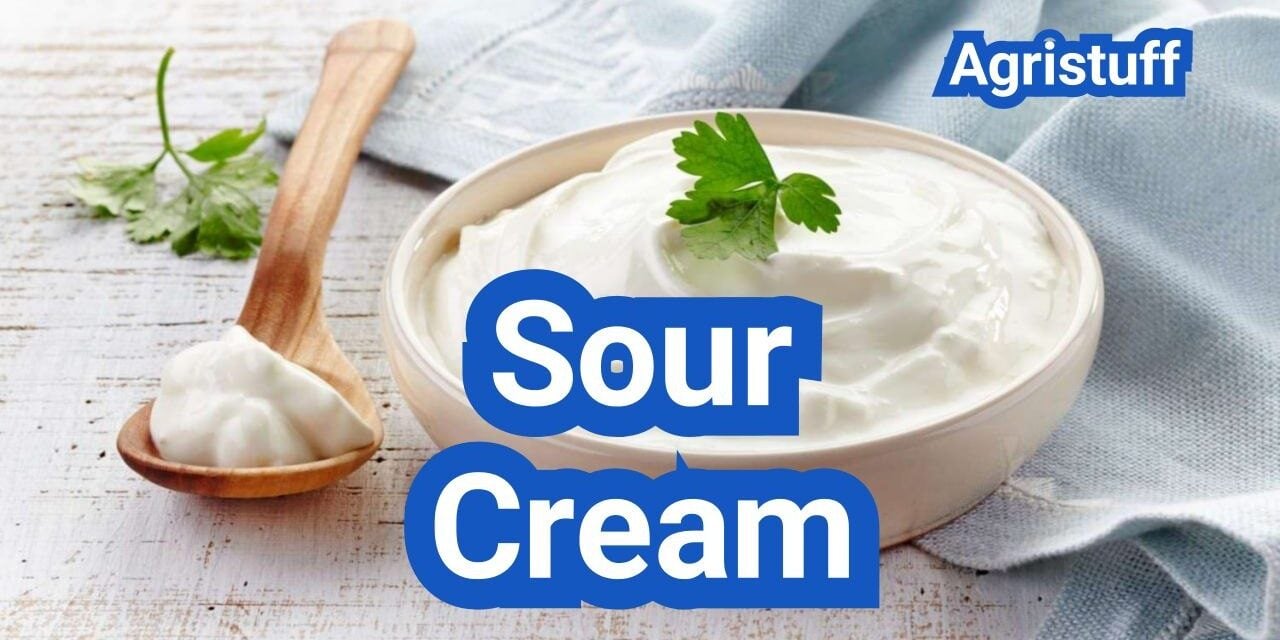
Few pantry staples are as versatile as this tangy dairy product. Whether you are whipping up a batch of tacos or baking a moist cake, sour cream remains a favorite ingredient for home cooks across the country.
Understanding how sour cream is made reveals the science behind its thick texture. Manufacturers create this item by adding specific bacteria to pasteurized dairy, which thickens the mixture through fermentation. This cultured sour cream must meet strict standards for quality and safety.
Regulations for sour cream in the U.S. require a minimum of 18% milk fat before adding any extra ingredients. This high fat content provides the rich mouthfeel that defines the product. When shopping for sour cream in USA markets, you will find it serves as a perfect base for dips, dressings, and savory toppings.
Key Takeaways
- It is a fermented dairy product essential for many recipes.
- Production involves adding bacteria to create a thick, tangy texture.
- FDA rules mandate at least 18% milk fat for commercial versions.
- It serves as a versatile base for both sweet and savory dishes.
- Proper storage is vital to maintain freshness and flavor profile.
What Is Sour Cream? and How Is It Made?

At its core, sour cream is a simple product made from cream and bacterial culture, yet its production involves complex biochemical changes. “Sour cream is a dairy product obtained by fermenting cream with lactic acid bacteria,” as noted by dairy experts. This process not only thickens the cream but also gives it a characteristic tanginess.
The traditional method of making sour cream involved allowing cream to ferment at room temperature, relying on naturally occurring bacteria to sour and thicken it. However, commercial production now utilizes a controlled fermentation process with specific lactic acid bacteria to achieve consistent quality and flavor.
The Science of Cultured Sour Cream
The production of cultured sour cream is a nuanced process that involves the careful selection of bacterial cultures. The bacteria used, typically Lactococcus lactis subsp. lactis and Lactococcus lactis subsp. cremoris, ferment the lactose in the cream, producing lactic acid and causing the cream to thicken and develop its distinctive flavor.
The fermentation process is crucial as it directly impacts the final product’s taste, texture, and consistency. The bacteria not only acidify the cream but also contribute to its rheological properties, or its flow and deformation characteristics, making it thicker and more suitable for various culinary applications.
Physicochemical Properties and Rheological Changes
During fermentation, significant physicochemical changes occur in the cream. The decrease in pH due to lactic acid production causes the casein proteins in the cream to coagulate, leading to a thicker, more gel-like consistency. This change is a result of the physicochemical properties of the milk proteins and fats interacting with the lactic acid produced during fermentation.
The rheological changes are equally important, as they determine the final texture of the sour cream. The viscosity and spreadability of sour cream are critical for its use in cooking and as a condiment. Manufacturers can adjust these properties by altering the fat content, the type of bacterial culture used, or the fermentation conditions.
Commercial Production vs. Traditional Methods
While traditional sour cream production relied on spontaneous fermentation, commercial production is a highly controlled process. Manufacturers use pasteurized cream and specific bacterial cultures to ensure consistency and safety. The cream is fermented at a controlled temperature until it reaches the desired pH and thickness, then it is cooled and packaged.
“The controlled environment of commercial production allows for a consistent product that meets consumer expectations for taste and texture,” says a dairy industry expert.
In contrast, traditional methods, while less predictable, can produce a richer, more complex flavor profile due to the diverse range of bacteria present. However, these methods are less common today due to the advantages of controlled fermentation in terms of safety and consistency.
Sour Cream Nutrition Facts and Health Considerations
Understanding the nutritional facts of sour cream can help consumers make informed decisions about its place in their diet. Sour cream is a nutrient-rich food that provides several essential vitamins and minerals.
Sour cream is known for its high fat content, but it also contains important nutrients like calcium, phosphorus, vitamin A, and riboflavin. The nutritional profile can vary based on the fat content, with full-fat, reduced-fat, and light versions available in the market.
Understanding Fat Levels: Full-Fat, Reduced-Fat, and Light
The fat content in sour cream significantly affects its nutritional profile.
- Full-fat sour cream contains around 18–20% fat, making it rich and creamy but also higher in calories.
- Reduced-fat sour cream offers a compromise, with less fat than the full-fat version but still retaining some of the richness.
- Light sour cream has even less fat, catering to those looking for a lower-calorie alternative.
Is Sour Cream Healthy? A Nutritional Breakdown
To assess the healthiness of sour cream, it’s essential to examine its nutritional breakdown. Standard sour cream is a good source of calcium and vitamin A. However, its high fat content means it should be consumed in moderation.
For those watching their calorie intake, reduced-fat or light sour cream can be a more suitable option. Nonetheless, even these versions should be part of a balanced diet.
How to Make Sour Cream at Home

Homemade sour cream is surprisingly easy to make with buttermilk and heavy cream. This DIY approach allows you to control the fat content and texture, tailoring it to your taste preferences. Making sour cream at home also ensures that you avoid any unwanted additives found in some commercial products.
Ingredients for Homemade Sour Cream
To make sour cream at home, you will need two primary ingredients: heavy cream or half-and-half and a starter culture. The starter culture can be either buttermilk or a specific sour cream culture available at health food stores or online. The quality of your ingredients directly affects the flavor and texture of your final product.
For a traditional flavor, use high-quality, heavy cream with a fat content of at least 36%. If you prefer a lighter version, you can use half-and-half. The starter culture is crucial as it contains the bacteria necessary for fermenting the cream.
Step-by-Step Guide to Making Sour Cream from Scratch
Making sour cream from scratch involves heating the cream to a specific temperature, cooling it, and then adding the starter culture. Here’s a simple step-by-step guide:
- Heat 1 cup of heavy cream to 86°F (30°C).
- Remove from heat and let it cool to 73°F (23°C).
- Add 1 tablespoon of buttermilk or sour cream culture to the cooled cream.
- Mix well and pour into a clean glass jar.
- Cover the jar and let it sit at room temperature (about 70°F to 75°F or 21°C to 24°C) for 12 to 24 hours.
- Once it has thickened, refrigerate to chill before serving.
The key to successful homemade sour cream is maintaining the right temperature and allowing sufficient time for fermentation.
Pro Tips for Achieving the Right Fat Content and Texture
Achieving the right consistency and flavor in your homemade sour cream can depend on a few factors, including the fat content of your cream and the incubation time. For a thicker sour cream, use a higher fat content cream or incubate it for a longer period.
“The beauty of making sour cream at home is that you can adjust the fat content and fermentation time to suit your taste preferences.”
Experimenting with different starter cultures can also yield varying flavors. Some people prefer the tanginess imparted by a buttermilk starter, while others like the milder flavor from a specific sour cream culture.
Choosing the Right Milk for Your Homemade Recipe

The foundation of great homemade sour cream lies in the quality and type of milk you choose. The choice between raw and pasteurized milk, as well as the fat content, can significantly affect the flavor and texture of your final product.
Raw Milk vs. Pasteurized Milk
Raw milk contains a diverse range of bacteria and enzymes that can contribute to a richer flavor profile in homemade sour cream. On the other hand, pasteurized milk has been heat-treated to kill off harmful bacteria, making it a safer choice for consumption. However, pasteurization can also destroy some of the natural bacteria that contribute to the flavor and texture of sour cream.
When deciding between raw and pasteurized milk, consider your priorities. If you’re looking for a more authentic, robust flavor, raw milk might be the better choice. However, if safety is your top concern, pasteurized milk is a reliable option.
Why You Should Avoid UHT Cream
UHT (Ultra-High Temperature) cream is not recommended for making homemade sour cream. The high heat used in the UHT process sterilizes the cream, making it difficult for the bacteria necessary for sour cream production to grow. This can result in a product that lacks the desired tanginess and texture.
Using Heavy Cream and Whole Milk for Full-Flavored Results
To achieve a rich and full-flavored sour cream, using heavy cream is highly recommended. Heavy cream contains a higher fat content compared to regular milk, which contributes to a creamier texture and more luxurious taste. Whole milk can also be used, either on its own or mixed with heavy cream, to adjust the fat content to your liking.
| Type of Milk | Fat Content | Flavor Profile | Suitability for Sour Cream |
|---|---|---|---|
| Raw Milk | Varies | Rich, Robust | High |
| Pasteurized Milk | Varies | Milder | Medium |
| UHT Cream | High | Neutral | Low |
| Heavy Cream | High | Rich, Creamy | High |
| Whole Milk | Medium | Balanced | Medium |
Troubleshooting Your Homemade Sour Cream

The process of making sour cream at home is relatively simple, yet it poses several challenges that can be addressed through proper troubleshooting techniques. Acidification is a critical step that can make or break your sour cream.
Is Vinegar or Lemon Juice Better for Acidification?
When it comes to acidifying cream, both vinegar and lemon juice are viable options, but they impart different flavors to the final product. Vinegar gives a sharper taste, while lemon juice adds a more citrusy note.
Comparison of Acidifying Agents:
| Acidifying Agent | Flavor Profile | Effect on Texture |
|---|---|---|
| Vinegar | Sharp, tangy | Thickens cream effectively |
| Lemon Juice | Citrusy, slightly sweet | Thickens cream with a fresher taste |
How Does Acid Turn Cream into Sour Cream?
Acidification is the process that turns cream into sour cream. When an acid like vinegar or lemon juice is added to the cream, it lowers the pH, causing the casein proteins to coagulate and thicken the mixture.
Common Mistakes and How to Fix Them
Several common mistakes can occur when making sour cream at home, including using the wrong type of cream, insufficient acidification, and improper temperature control.
- Using Ultra-Pasteurized Cream: Avoid using UHT cream as it doesn’t ferment well.
- Insufficient Acidification: Ensure you add enough acidifying agent to achieve the desired thickness.
- Incorrect Temperature: Maintain a temperature between 68°F to 72°F (20°C to 22°C) for optimal culturing.
By understanding these common pitfalls and how to address them, you can successfully troubleshoot your homemade sour cream and achieve a delicious, tangy result.
Storing and Preserving Your Homemade Creation

Proper storage is crucial to maintaining the quality and safety of your homemade sour cream. After making your sour cream, it’s essential to store it in a way that preserves its flavor, texture, and nutritional value.
Best Practices for Storing Homemade Sour Cream
To keep your homemade sour cream fresh, store it in an airtight container in the refrigerator at a temperature below 40°F (4°C). This will help prevent contamination and slow down bacterial growth.
Tips for Storage:
- Use a clean, sterilized container to store the sour cream.
- Keep the container tightly sealed.
- Label the container with the date it was made.
Can You Freeze Sour Cream?
Freezing sour cream is not generally recommended as it can affect the texture and cause separation. When thawed, the sour cream may become watery and lose its original consistency.
However, if you must freeze it, follow these guidelines:
- Transfer the sour cream to an airtight container or freezer-safe bag.
- Label and date the container or bag.
- Store it in the freezer at 0°F (-18°C) or below.
Understanding Shelf Life and Signs of Spoilage
Homemade sour cream typically lasts for 1–2 weeks when stored properly in the refrigerator. It’s crucial to check for signs of spoilage before consuming it.
| Signs of Freshness | Signs of Spoilage |
|---|---|
| Thick and creamy texture | Slime or mold on the surface |
| Mildly tangy smell | Strong, unpleasant odor |
| Clean, slightly sour taste | Sour or bitter taste that’s too strong |
By following these guidelines, you can enjoy your homemade sour cream while it’s fresh and safe to eat.
Sour Cream in the U.S. Market

The U.S. sour cream market is characterized by a rich variety of products, including different fat levels and flavor profiles. This diversity caters to the wide range of culinary applications and consumer preferences across the country.
Popular Commercial Varieties and Brands
The U.S. market is home to numerous sour cream brands, each offering unique products. Some of the popular commercial varieties include full-fat, reduced-fat, and non-fat sour cream. Brands like Daisy and Kraft are well-known for their quality and consistency.
- Full-fat sour cream is preferred for its rich flavor and texture.
- Reduced-fat sour cream offers a healthier alternative without compromising much on taste.
- Non-fat sour cream is ideal for those looking to minimize calorie intake.
Understanding Mexican-Style Sour Cream and Crema
Mexican-style sour cream, often referred to as crema, has gained popularity in the U.S. for its unique flavor profile and texture. Unlike traditional sour cream, Mexican crema has a higher fat content, making it richer and more versatile in recipes.
Differences Between Sour Cream and Crème Fraîche
While both sour cream and crème fraîche are cultured dairy products, they have distinct differences in terms of taste, texture, and usage. Crème fraîche has a milder flavor and a higher fat content compared to sour cream, making it suitable for different culinary applications.
| Characteristics | Sour Cream | Crème Fraîche |
|---|---|---|
| Fat Content | Typically 18-20% | Usually around 30% |
| Taste | Tangy and slightly sour | Mild and slightly sweet |
| Culinary Use | Ideal for dips, sauces, and baked goods | Suitable for sauces, soups, and desserts |
Best Uses for Sour Cream in the Kitchen

From adding moisture to baked goods to creating rich and tangy sauces, sour cream is a kitchen staple worth exploring. Its versatility makes it a valuable ingredient in a variety of dishes, from savory meals to sweet desserts.
Mastering Sour Cream for Baking
Sour cream is a game-changer in baking, adding moisture, tenderness, and a subtle tanginess to cakes, muffins, and scones. It can be used to enhance the flavor of both sweet and savory baked goods. For instance, adding sour cream to a cake recipe can result in a moist and tender crumb, while its acidity helps to react with baking soda, promoting a lighter texture.
When using sour cream in baking, it’s essential to choose the right type. Full-fat sour cream is ideal for most recipes as it provides the best flavor and texture. However, reduced-fat or light sour cream can be used as a substitute in some cases, depending on the desired outcome.
Creating Rich and Tangy Sour Cream Sauces
Sour cream makes an excellent base for sauces and dips, offering a rich and creamy texture with a tangy flavor. By mixing it with herbs, spices, or other ingredients, you can create a variety of delicious sauces to complement your meals. For example, a sour cream and chive sauce can be a great accompaniment to baked potatoes or grilled meats.
To create a simple sour cream sauce, start with a base of sour cream and add your choice of flavorings, such as diced herbs, garlic, or lemon juice. Adjust the seasoning to taste, and you’re ready to serve.
Using Sour Cream in Dips and Desserts
Sour cream is not just limited to savory dishes; it’s also a great addition to dips and desserts. For dips, sour cream can be mixed with various ingredients like vegetables, beans, or cheeses to create a delicious and creamy snack. In desserts, sour cream can add a tangy flavor and moisture to cakes, cheesecakes, and ice creams.
A popular dessert that utilizes sour cream is cheesecake. The creaminess of sour cream complements the richness of cream cheese, resulting in a smooth and tangy dessert. Similarly, sour cream can be used in fruit-based desserts, like fruit crisps or cobblers, to add depth and moisture.
Exploring Sour Cream Substitutes

Whether you’re baking, cooking, or making a dip, there are several sour cream substitutes that can save the day. Sour cream adds a tangy flavor and a creamy texture to dishes, but if you’re out or prefer not to use it, there are alternatives. Understanding when and how to use these substitutes can help you achieve the desired outcome in your recipes.
When to Use Yogurt vs. Sour Cream
Yogurt is one of the most common substitutes for sour cream. It has a similar consistency and can provide a tangy flavor, although it might be slightly more acidic. Plain, full-fat yogurt is the best substitute when you’re looking for a similar texture to sour cream. It’s ideal for dips, sauces, and baked goods. However, if you’re using yogurt in a recipe that’s going to be heated, it’s a good idea to add a stabilizer like cornstarch to prevent it from curdling.
When deciding between yogurt and sour cream, consider the flavor profile you’re aiming for. If you want a lighter taste, yogurt might be the better choice. For richer, creamier dishes, sour cream is usually preferable.
Using Cottage Cheese or Cream Cheese as Alternatives
Cottage cheese and cream cheese can also be used as sour cream substitutes, though they have different characteristics. Cottage cheese has a lumpier texture and a milder flavor. It’s a good option if you’re looking to add protein to your dish. Blending it until smooth can make it more suitable as a sour cream substitute. It’s particularly good in dips and as a topping.
Cream cheese is richer and has a more pronounced flavor. It’s an excellent substitute in baked goods and sauces where a dense, creamy texture is desired. However, it’s often necessary to thin it out with a little milk or water to achieve the right consistency.
Quick Fixes When You Run Out of Sour Cream
If you’re in a pinch and need a sour cream substitute immediately, there are a few quick fixes. Mixing buttermilk or plain yogurt with a bit of cornstarch can create a similar texture. Another option is to combine milk with lemon juice or vinegar and let it sit for a few minutes to thicken and curdle, somewhat mimicking the tanginess of sour cream.
These substitutes might not perfectly replicate sour cream, but they can help you complete your recipe. The key is to choose the right substitute based on the specific requirements of your dish.
Plant-Based and Vegan Sour Cream Options

For individuals adhering to a vegan lifestyle, several dairy-free sour cream alternatives are now available. These options cater to the growing demand for plant-based products that mimic the taste and texture of their dairy counterparts.
Best Vegan Sour Cream Brands
Several brands have stepped up to offer high-quality vegan sour cream alternatives. Some of the top brands include those that use coconut milk, almond milk, or cashew cream as their base.
Some popular brands in the vegan sour cream market include Kite Hill, Tofutti, and Follow Your Heart. These brands offer a range of flavors and textures that can be used in various recipes, from dips and sauces to baked goods.
Making Dairy-Free Sour Cream with Coconut or Almond Milk
Making your own dairy-free sour cream at home is relatively straightforward. You can use coconut milk or almond milk as a base and add a natural thickening agent or acidifier like lemon juice or vinegar to achieve the desired consistency and flavor.
To make a simple vegan sour cream, blend together 1 cup of coconut milk or almond milk with 1 tablespoon of lemon juice or apple cider vinegar. Let it sit for about 10-15 minutes to thicken before using it in your recipes.
Comparing Texture and Flavor in Non-Dairy Varieties
The texture and flavor of vegan sour cream can vary significantly depending on the base ingredient used. Coconut milk-based sour cream tends to be richer and creamier, while almond milk-based versions are often lighter and more prone to separation.
When choosing a vegan sour cream, consider the intended use. For instance, if you’re making a dip or sauce, a coconut milk-based sour cream might be more suitable due to its richer texture.
Creative Culinary Applications

Beyond its traditional uses, sour cream can be transformed into unique desserts and savory dishes. Its tangy flavor and creamy texture make it a versatile ingredient for various culinary creations.
Making Sour Cream Ice Cream
One of the most exciting uses of sour cream is in making ice cream. By combining sour cream with sugar, vanilla, and other flavorings, you can create a rich and creamy dessert. The acidity in sour cream helps to balance the sweetness and enhances the overall flavor profile.
To make sour cream ice cream, you’ll need:
- 1 cup sour cream
- 1 cup sugar
- 1 tsp vanilla extract
- Optional mix-ins (e.g., fruits, nuts, or chocolate chips)
Mix the ingredients together, then churn in an ice cream maker according to the manufacturer’s instructions. For a creamier texture, you can also add a stabilizer like guar gum or egg yolks.
Infusing Flavors: Chive and Herb Sour Cream
Sour cream can be infused with various herbs and spices to create flavorful dips and toppings. One popular variation is chive sour cream, made by mixing finely chopped chives into sour cream. This is perfect for topping baked potatoes, nachos, or vegetables.
To make chive sour cream, simply combine:
- 1 cup sour cream
- 2 tbsp chopped chives
- 1 tsp salt
- Optional: garlic powder or other seasonings to taste
Mix well and refrigerate for at least 30 minutes to allow the flavors to meld.
Incorporating Sour Cream into Savory Dishes
Sour cream can add depth and richness to a variety of savory dishes. It can be used as a base for sauces, a topping for soups, or an ingredient in stews and casseroles. For example, you can make a sour cream sauce by mixing it with herbs and spices, then serving it over grilled meats or vegetables.
Some ideas for using sour cream in savory dishes include:
- Adding it to soups for a creamy texture
- Using it as a topping for baked potatoes or nachos
- Mixing it with herbs and spices to create a dip for vegetables
Comparing Regional Varieties
From Mexican crema to American sour cream, regional differences offer a fascinating glimpse into local flavors. Sour cream is enjoyed in various forms across different regions, each with its unique characteristics and uses.
The diversity in sour cream is largely influenced by local dairy practices, cultural traditions, and culinary preferences.
Mexican Table Cream vs. American Sour Cream
Mexican table cream, also known as “crema Mexicana,” is thicker and creamier than its American counterpart. It has a richer texture and a more pronounced flavor, making it a staple in Mexican cuisine.
In contrast, American sour cream is often tangier and has a lighter consistency.
| Characteristics | Mexican Table Cream | American Sour Cream |
|---|---|---|
| Texture | Thicker and creamier | Lighter and more pourable |
| Flavor | Richer and more nuanced | Tangier and more acidic |
| Usage | Used as a topping for dishes like tacos and soups | Commonly used in baking, sauces, and dips |
Salvadoran Crema and Other International Styles
Beyond Mexican and American styles, other countries have their own versions of sour cream. Salvadoran crema, for example, is known for its mild flavor and is often used in traditional dishes.
Similarly, other international styles offer unique twists on this versatile dairy product.
| Region | Name | Characteristics | Common Uses |
|---|---|---|---|
| Mexico | Crema Mexicana | Thick, creamy, rich flavor | Tacos, soups, grilled meats |
| United States | Sour Cream | Tangy, lighter consistency | Baking, sauces, dips |
| El Salvador | Crema | Mild flavor, creamy | Traditional dishes, desserts |
By exploring these regional varieties, we can appreciate the diversity and richness that sour cream brings to different cuisines around the world.
Safety and Quality Standards
Understanding the safety and quality standards for sour cream can help consumers make informed decisions about the products they buy. Sour cream is a dairy product that can be made using different methods, and its quality can vary significantly depending on the production process.
The production of sour cream involves either culturing or acidifying the cream. While both methods produce a tangy and creamy product, they differ in their approach to achieving the desired flavor and texture.
Understanding Acidified Sour Cream
Acidified sour cream is made by adding an acid, such as vinegar or lemon juice, to the cream. This process is faster than culturing and results in a product with a similar taste and texture to cultured sour cream. Acidified sour cream is a popular choice for commercial production due to its longer shelf life and consistent flavor.
According to the USDA, acidified sour cream must contain at least 18% milkfat and have a pH level of 4.5 or lower. The acidification process involves adding a food-grade acid to the cream to achieve the desired level of acidity.
“The acidification process is a critical step in the production of acidified sour cream, as it directly affects the product’s flavor, texture, and safety.”
USDA Guidelines
How to Identify High-Quality Commercial Products
When shopping for sour cream, consumers can look for several indicators of high-quality products. These include:
- A clear label indicating whether the product is cultured or acidified
- A high milkfat content (at least 18% for acidified sour cream)
- A reputable manufacturer with a history of producing high-quality dairy products
| Characteristics | Cultured Sour Cream | Acidified Sour Cream |
|---|---|---|
| Production Method | Bacterial culturing | Acid addition |
| Milkfat Content | Varies (typically 18-20%) | At least 18% |
| Shelf Life | Shorter | Longer |
By understanding the differences between cultured and acidified sour cream, consumers can make informed choices about the products they buy. When selecting a commercial sour cream product, look for clear labeling, high milkfat content, and a reputable manufacturer.
At The End of: Sour Cream Guide
Sour cream is a versatile ingredient that adds richness and tanginess to various dishes, from baked goods to sauces and dips. Understanding how sour cream is made, its different fat levels, and its various uses can elevate your cooking and baking.
Cultured sour cream, made by introducing bacterial cultures to cream, offers a unique flavor profile and texture. Homemade sour cream allows for customization of fat content and flavor, making it a great option for those looking for a specific taste or texture.
With its numerous applications in the kitchen, sour cream is a valuable ingredient to have on hand. Whether you’re using it in traditional recipes or experimenting with new flavors, sour cream is sure to become a staple in your culinary repertoire.
FAQ
What exactly is sour cream and how is it made traditionally?
Sour cream is a dairy product obtained by fermenting regular cream with certain types of lactic acid bacteria. The basics of making sour cream involve the bacterial culture producing lactic acid, which thickens the cream and gives it that signature tangy flavor. In commercial varieties, the process is tightly controlled to ensure specific physicochemical properties and rheological properties, ensuring a consistent thickness and mouthfeel across brands like Daisy sour cream or Kroger sour cream.
What are the primary sour cream nutrition facts I should be aware of?
The nutrition facts (per serving) vary significantly based on the right fat content. Full fat sour cream typically contains about 18% to 20% milkfat, while light sour cream or reduced fat sour cream (like Daisy light sour cream) contains about 50% less fat. If you are looking for a low calorie sour cream, you might consider low-fat sour cream options, which provide a similar texture with fewer calories. Many consumers ask, “is sour cream healthy?” and the answer depends on your dietary needs, as it provides calcium and Vitamin A but is high in saturated fats.
How to make sour cream from scratch with just 2 ingredients at home?
It is an easy recipe to follow. To make homemade sour cream, simply combine one cup of heavy cream with a tablespoon of either lemon juice or distilled white vinegar. This sour cream recipe relies on the acid to denature the dairy proteins. For a more traditional sour cream or old-fashioned homemade sour cream, you can mix heavy cream with a bit of buttermilk and let it sit at room temperature for 24 hours to allow the culture cream to develop naturally.
Is sour cream the same as crème fraîche?
No, although the two products are close cousins, crème fraîche is usually richer, less tangy, and more heat-stable, while the U.S. product discussed here tends to have a sharper cultured flavor and is often more common in everyday American cooking. comparison reference.
How long does sour cream last after opening?
The exact answer depends on handling and temperature control, but a clean, tightly covered tub kept cold is far more likely to hold quality than one that is opened repeatedly and left out during meals. Watch for off odors, mold, or obvious separation beyond the small surface whey that some cultured dairy can naturally show. NDSU storage guide.
Can sour cream replace yogurt in baking?
Often yes, but the best swap depends on the recipe’s moisture, fat, and acidity balance, so results may be richer and slightly heavier when a direct substitution is used. In cakes and muffins that already rely on acidity and tenderness, the exchange is usually straightforward and practical for home baking. baking substitution reference.
What is the difference between sour cream vs crème fraîche?
While they look similar, creme fraiche and sour cream differ in fat content and acidity. Creme fraiche sour cream alternatives are usually higher in fat (around 30%) and less tangy because they are not as acidic. Sour cream in the U.S. is typically more stabilized and has a lower fat content than the French crème fraîche, making the latter better for high-heat cooking as it is less likely to curdle.
Why should I avoid using UHT cream for my sour cream recipe?
When learning how to make sour cream at home, it is vital to check the label for “Ultra-Pasteurized” or UHT cream. This cream has been heated to such high temperatures that the proteins are significantly altered, which prevents the cream from thickening properly during fermentation. For full-flavored sour cream, it is best to use standard pasteurized heavy cream or even raw milk if you are following tips for making homemade sour cream from raw milk safely.
Is vinegar or lemon juice better for sour cream acidification?
Both work, but they offer different nuances. Lemon juice and heavy cream produce a slightly fruitier tang, while white vinegar provides a more neutral, sharp acidity. If you are looking for the best homemade sour cream recipe: thick, tangy & creamy, using a bacterial starter (like buttermilk) is often superior to simple acidified sour cream because it develops a more complex flavor profile over time.
Can you freeze sour cream for later use?
You can, but it is not ideal. Can you freeze sour cream? Yes, but the texture will change significantly, becoming grainy or separated due to the physical-chemical changes in the fat globules. If you do freeze it, it is best used for sour cream for baking or in sour cream for sauces where the texture is less noticeable than it would be in a sour cream dip.
What is the shelf life of homemade vs commercial sour cream?
Storing homemade sour cream is critical because it lacks the stabilizers found in commercial varieties. While sour cream daisy might last 2-3 weeks in the fridge, homemade sour cream should typically be consumed within 7 to 10 days. Always practice proper how to store homemade sour cream techniques by keeping it in an airtight container at the back of the refrigerator.
What are the best uses for sour cream in the kitchen?
The best uses for sour cream range from savory to sweet. It is a staple for sour cream dip recipe creations, a topping for baked potatoes, and a key ingredient in sour cream for baking to ensure moisture in cakes. You can also try making flavored sour cream by adding herbs for a chive sour cream or using it in sour cream desserts like sour cream ice cream (or even the trendy sour patch ice cream flavors).
What is the best vegan sour cream substitute?
If you follow a plant-based diet, the best vegan sour cream brands include Tofutti sour cream, Violife sour cream, and Forager Project. You can also make non dairy sour cream at home using an almond milk Vitamix blend or coconut cream sour cream. Vegan sourcream has come a long way in replicating the physicochemical properties of dairy sour cream.
How does Mexican style sour cream differ from American versions?
Mexican style sour cream, often labeled as crema mexicana or mexican table cream, is thinner and sweeter than American sour cream. Brands like Cacique sour cream or Cacique mexican crema offer a pourable consistency that is perfect for drizzling over tacos. Similarly, salvadoran crema is even thicker and more yellow with a higher salt content, making it distinct from standard mexican cream.
What substitutes can I use for sour cream if I run out?
If you’re mid-recipe, a great sour cream substitute is Greek yogurt. Other sour cream substitutes include cottage cheese sour cream (blended until smooth), or a mix of cream cheese and sour cream to add thickness. You can even make sour cream from cream cheese by thinning it with a little whole milk or lemon juice to mimic the sour and cream profile.
What is the difference between cultured and acidified sour cream?
Cultured sour cream is produced through the natural fermentation of cream with live bacteria. In contrast, acidified sour cream is made by adding acidifiers (like lactic acid or vinegar) directly to the cream to thicken it instantly without fermentation. Most high-quality brands, like Hood sour cream or Darigold sour cream, prefer the traditional culturing method for better flavor development.
Conclusion of: Sour Cream
Sour cream is one of those dairy staples that seems simple until you try to choose between regular and light versions, stir it into a hot sauce without breaking it, or figure out whether it still belongs on a baked potato after sitting out too long. For U.S. shoppers, cooks, and small dairy businesses, the smartest approach is to understand how the product is defined, how labels work, and which uses match each style best. FDA standard of identity.
What sour cream is?
At its core, sour cream is a cultured dairy product made by fermenting pasteurized cream with lactic acid–producing bacteria, which create the tangy flavor and thicker body people expect. That combination of fat, acidity, and cultured flavor is why it works as both a topping and an ingredient in dips, dressings, baked goods, and sauces. Illinois Extension overview.
On U.S. labels, sour cream may be sold as a cultured product or as an acidified version, and that difference matters because cultured products generally deliver a fuller fermented flavor. Acidified versions can still be legal and safe, but they do not always taste as rounded as products developed through bacterial culture. University of Kentucky cultured dairy guide.
How sour cream is made?
Commercial sour cream usually begins with cream that is standardized for fat content, pasteurized for safety, and often homogenized for a smoother texture before culture is added. After incubation develops acidity and thickness, the product is cooled, packaged, and kept refrigerated so the texture stays stable through distribution and retail sale. Penn State cultured products introduction.
Not every tub of sour cream contains only cream and culture, because U.S. regulations also allow certain safe and suitable ingredients that help control texture, reduce whey-off, or support shelf life. That is why ingredient lists may include stabilizers, salt, or other permitted components even when the product still tastes traditional. eCFR milk and cream regulations.
Fat levels and label terms
For U.S. buyers, the most important baseline is simple: standard sour cream must contain at least 18% milkfat, which is what gives it the richest mouthfeel and the best stability in many hot and cold applications. When you want the classic texture for tacos, dips, cheesecakes, or pan sauces, this is usually the version that performs most predictably. 21 CFR 131.160.
When a label says reduced fat, low fat, light, or fat free, the package is following nutrient-content claim rules rather than changing the basic identity of the food category in a casual way. In practice, that means shoppers should treat these claims as useful comparisons, but still check texture expectations and intended use before assuming every version will behave the same in cooking or baking. FDA fat-claim rules.
Light labeling can also signal a relative reduction compared with a reference product, so it is not always interchangeable with low fat in the way consumers assume. For that reason, cooks who care about browning, stability, or spoonable thickness should read both the front-of-pack claim and the Nutrition Facts panel instead of relying on the word alone. FDA light-labeling rules.
Nutrition and what to look for on the label
Nutritionally, sour cream works best as a flavor-and-texture ingredient rather than a high-volume food, because even modest servings can add meaningful calories and saturated fat while also contributing some calcium and dairy solids. Comparing serving size, fat, sodium, and ingredient order is the quickest way to choose a tub that fits your household’s priorities. USDA FoodData Central.
Because sour cream is a milk product, label reading becomes even more important in homes where dairy allergens are a concern or where people are comparing cultured dairy options. A good shopping habit is to check the allergen statement, ingredient list, and product description together so there is no confusion about milk content or the style of cultured dairy you are buying. FDA allergen labeling guidance.
Best uses in the kitchen
In cold dishes, sour cream is at its best when you want tang, body, and clean dairy richness without extra cooking steps. It is ideal for loaded baked potatoes, taco toppings, onion dips, ranch-style dressings, sandwich spreads, and chilled dessert fillings because it brings both creaminess and a mild acidic lift. practical kitchen uses.
In hot dishes, sour cream performs best when heat is managed gently, because strong boiling can make lower-fat versions separate or look grainy. The safest technique is to temper it with a little warm liquid, stir it in near the end of cooking, and keep the pot below a hard boil if you want a smooth finish for soups, stroganoff-style sauces, or creamy skillet dishes. K-State food science guidance.
In baking, sour cream adds moisture, tenderness, and mild acidity that can help balance sweetness and support chemical leavening in cakes, muffins, quick breads, and coffee cakes. It is especially useful when you want a soft crumb and a richer feel than plain milk would provide, but the recipe still needs enough acidity to play well with baking soda. Utah State substitution guide.
How to choose the right tub
When buying a container, choose sour cream that looks evenly white, well chilled, and tightly sealed, and match the fat level to the job instead of assuming one style fits everything. Full-fat versions usually make more sense for cooking and baking, while lighter styles can work well for cold toppings when calories or richness matter more than heat stability. FDA safe food handling.
Storage, shelf life, and freezing
Once opened, sour cream should go back into the refrigerator promptly and stay tightly covered, because cultured dairy still counts as a perishable food even when it tastes acidic. Using a clean spoon each time and keeping the refrigerator at 40°F or below are simple steps that help protect both quality and safety. FDA storage guidance.
Freezing sour cream is usually a quality downgrade rather than a smart preservation move, because thawed product often separates and becomes grainy or watery. It can sometimes still be used in cooked dishes after thawing, but it is rarely the right choice if you want the original smooth texture for topping or dipping. National Center for Home Food Preservation.
After a power outage, buffet service, or a long drive home, sour cream is not a product to guess about because refrigerated dairy belongs on the short list of foods that should be discarded when temperature control is lost for too long. When there is doubt about time above 40°F, safety matters more than saving the last few spoonfuls in the tub. FDA power-outage food safety.
Quick checklist
- Choose full-fat for cooking, baking, and smoother sauce performance.
- Use lighter versions mainly for cold toppings and chilled dips.
- Read the ingredient list if you want fewer stabilizers or additives.
- Check the seal and refrigeration temperature before buying.
- Return the tub to the refrigerator immediately after use.
- Use a clean spoon every time to reduce contamination.
- Temper before adding to hot liquids.
- Do not let it sit out for long at room temperature.
- Do not freeze it if texture matters.
- Compare serving size, fat, and sodium before switching brands.
Common mistakes to avoid
- Using a fat-free version in a boiling sauce and expecting a smooth finish.
- Leaving the tub on the counter during a long meal prep session.
- Dipping directly into the container with food-covered utensils.
- Assuming “light” always means the same thing as “low fat.”
- Buying the cheapest tub without checking ingredients or intended use.
- Freezing leftovers and expecting the original texture after thawing.
- Adding it too early in soup or gravy instead of near the end.
Costs and ROI snapshot
For a U.S. dairy farm or small creamery, sour cream can be a realistic value-added product when there is enough milk supply, local market access, and cold-chain discipline to support refrigerated sales. It is generally more attractive for operators already exploring cultured dairy, direct sales, or mixed-product creamery models than for farms that are still struggling with basic milk economics. University of Tennessee processing cost overview.
The main cost drivers for sour cream are usually licensed processing space, pasteurization and cooling capacity, sanitary dairy equipment, packaging, labor, testing, and refrigerated distribution rather than culture cost alone. In practical terms, a very small outsourced or co-packed launch may stay in the tens-of-thousands range, while a dedicated on-farm dairy processing setup can move into several hundred thousand dollars or more once facility buildout and specialized equipment are included. Penn State co-packing considerations.
The return on sour cream improves when a farm already has high-value direct channels such as farm stores, CSA add-ons, regional grocers, or farmers markets, because cultured dairy margins usually depend on branding, repeat purchase, and keeping shrink low. Planning grants and value-added support programs can also improve feasibility by helping operators test markets, refine business plans, and reduce the risk of scaling too quickly. USDA value-added grant example.
Final thought
Sour cream is at its best when you treat it as a functional ingredient, not just a garnish, because the right fat level, storage habits, and cooking method make a real difference in flavor, texture, and value. Whether you are stocking a family refrigerator or evaluating a small dairy product line, better results come from matching the tub to the job instead of buying on habit alone. safe handling guide.
Sources & References
- Sour cream – Wikipedia
- FDA Standards of Identity for Food
- FDA Grade “A” Pasteurized Milk Ordinance
- FDA Food Labeling Guide
- USDA FoodData Central sour cream search
- Cornell CALS: Science of Yogurt and Cultured Dairy Products
- Cornell Dairy Foods Extension course catalog
- LSU review of cultured dairy products
- Utah State: Tips to Safely Ferment at Home
- Kansas State: Safe Food Storage
- USDA FSIS Leftovers and Food Safety
- Penn State Farmstead and Artisan Cheesemaking
- University of Tennessee feasibility study on on-farm milk processing