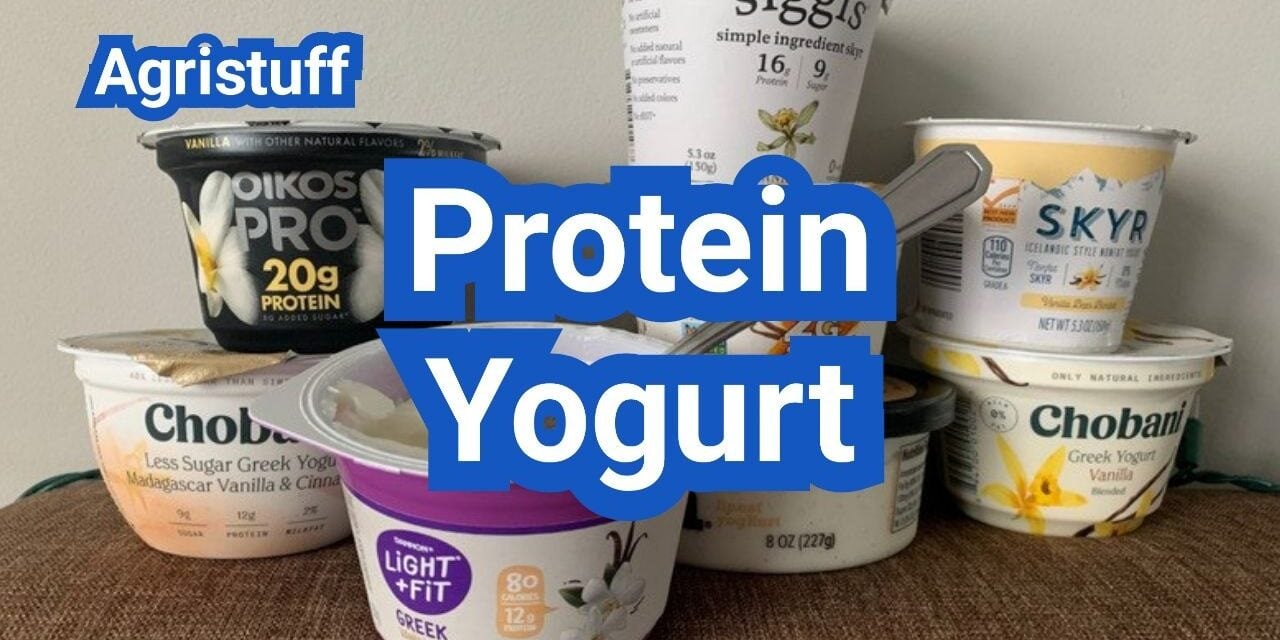
Finding a quick snack that fuels your body shouldn’t feel like a chore. Dairy-based snacks are among the easiest ways to boost your daily intake without any cooking required. However, not every tub on the shelf is created equal.
Many popular brands hide excessive sweeteners behind healthy-sounding labels. Learning to identify dietitian-approved yogurts is essential for maintaining your wellness goals. By checking the protein content, you can ensure your snack actually supports your muscles rather than just spiking your blood sugar.
In this guide, we explore how to select the best protein yogurt for your lifestyle. We will help you navigate the dairy aisle to find a high protein yogurt that tastes great and keeps you full. Discover how to spot a quality protein yogurt that fits your nutritional needs perfectly.
Key Takeaways
- Prioritize labels with minimal added sugars to avoid unnecessary calories.
- Check the nutrition facts panel for at least 10 grams of muscle-building nutrients per serving.
- Look for simple ingredient lists to ensure you are getting real food.
- Greek varieties often provide a thicker texture and more natural satiety.
- Avoid flavored options that mask quality with excessive syrups or artificial additives.
Understanding the Nutritional Profile of Protein Yogurt

The nutritional benefits of protein yogurt are multifaceted, impacting muscle gain, weight loss, and digestive health. To make the most out of protein yogurt, it’s essential to understand its nutritional profile.
Why Protein Content Matters for Muscle Gain and Weight Loss
Protein content is a critical factor when choosing a yogurt for muscle gain or weight loss. Aim for at least 12–15 grams of protein per serving to support muscle repair and satiety. High-protein yogurts can help in managing hunger and supporting muscle mass during weight loss.
For instance, a study published in the Journal of the American College of Nutrition found that high-protein diets can significantly aid in weight loss while preserving muscle mass. Incorporating high-protein yogurt into your diet can be a convenient way to boost your protein intake.
Distinguishing Between Greek, Skyr, and Standard Yogurt
Not all yogurts are created equal when it comes to protein content. Greek yogurt and skyr tend to deliver the most protein, making them popular choices among fitness enthusiasts and health-conscious individuals.
- Greek yogurt is strained to remove excess whey, resulting in a thicker consistency and higher protein content.
- Skyr, an Icelandic yogurt, is also strained, giving it a creamy texture and high protein levels.
- Standard yogurt, while still a healthy option, typically contains less protein compared to Greek yogurt and skyr.
When choosing between these types, consider your protein needs and preferences. For those seeking high protein content, Greek yogurt and skyr are excellent options.
The Role of Probiotics in Digestive Health
Besides protein, another significant benefit of yogurt is its probiotic content. Probiotics are live bacteria that can aid in digestion and support gut health. Many yogurts, including Greek yogurt and skyr, contain probiotics that can help maintain a healthy gut microbiome.
“Probiotics can help alleviate symptoms of irritable bowel syndrome (IBS) and support overall digestive health.” –
A registered dietitian
For individuals with lactose intolerance, there are lactose-free high protein yogurt options available, making it possible to enjoy the benefits of yogurt without the discomfort.
How to Read Yogurt Nutrition Labels Like a Pro

Navigating the yogurt aisle can be daunting, but understanding how to read yogurt nutrition labels can make all the difference in making a healthy choice. With so many options available, it’s essential to know what to look for to select a yogurt that aligns with your dietary goals, particularly if you’re seeking yogurt with low added sugar.
Identifying Added Sugars Versus Natural Lactose
The first step in reading yogurt nutrition labels is to distinguish between added sugars and natural lactose. Yogurt naturally contains lactose, a sugar found in milk. However, many commercial yogurts have additional sugars added to enhance flavor. To identify added sugars, look for terms like “high fructose corn syrup,” “sucrose,” or “honey” in the ingredient list. The nutrition label will also provide the total sugar content, but it won’t differentiate between natural and added sugars.
For example, a plain Greek yogurt might contain around 7 grams of sugar per serving, primarily lactose. In contrast, a flavored yogurt could have upwards of 20 grams of sugar, with a significant portion being added sugars.
Decoding Serving Sizes and Protein Density
Another crucial aspect is understanding serving sizes and protein density. Serving sizes can vary significantly between brands, and the protein content is often listed per serving. To compare yogurts effectively, calculate the protein density by dividing the protein content by the serving size. This will give you a clearer picture of which yogurt offers the most protein per serving.
Here’s an example table to illustrate how to compare different yogurts based on their nutrition labels:
| Yogurt Brand | Serving Size (oz) | Protein Content (g) | Added Sugars (g) | Natural Lactose (g) |
|---|---|---|---|---|
| Brand A | 6 | 15 | 0 | 7 |
| Brand B | 6 | 10 | 5 | 7 |
| Brand C | 8 | 20 | 10 | 8 |
Evaluating Ingredient Lists for Fillers and Thickeners
Finally, evaluating the ingredient list is vital. Look for yogurts with simple ingredient lists that are free from unnecessary fillers and thickeners. A shorter list often indicates a less processed product. Opt for yogurts that list “milk” or “cultured milk” as the first ingredient and avoid those with excessive additives.
By following these guidelines, you can make an informed decision when selecting a yogurt that meets your nutritional needs and preferences, particularly in terms of yogurt with low added sugar.
The Best High-Protein Yogurt Brands in the U.S.

The demand for high-protein yogurt in the U.S. has prompted several brands to offer premium products with minimal added sugar. This shift caters to the growing consumer awareness of health and wellness, driving the demand for nutritious yet delicious dairy products.
Oikos Triple Zero and Oikos Pro Options
Oikos, a well-known brand in the yogurt market, offers two standout lines: Oikos Triple Zero and Oikos Pro. Oikos Triple Zero is notable for its zero added sugars, zero artificial flavors, and zero artificial sweeteners, making it an excellent choice for health-conscious consumers. With 15 grams of protein per serving, it supports muscle health and satisfaction.
Oikos Pro, on the other hand, is designed for those seeking a higher protein content, with 20 grams per serving. This line is particularly popular among fitness enthusiasts and individuals looking to increase their protein intake without compromising on taste.
Chobani High Protein and Greek Yogurt Varieties
Chobani High Protein yogurt is another highly regarded option in the U.S. market. Chobani’s commitment to using natural ingredients and non-GMO cultures resonates with consumers seeking cleaner labels. Their High Protein line offers 20-25 grams of protein per serving, making it a robust choice for those looking to boost their protein consumption.
Chobani’s Greek Yogurt varieties are also worth mentioning, as they provide a creamy texture and a tangy flavor, alongside a significant protein content. The brand’s focus on quality and nutritional value has earned it a loyal customer base.
Icelandic Provisions Skyr and Fage Total Nonfat
Icelandic Provisions Skyr is a brand that has gained popularity for its thick and creamy texture, characteristic of Icelandic-style yogurt. Skyr is known for its high protein content, typically offering around 17-20 grams per serving. It’s also rich in calcium and probiotics, supporting digestive health.
Fage Total Nonfat is a Greek yogurt brand that has been a staple in the U.S. market for its high protein content and rich texture. With 20 grams of protein per serving and zero added sugars in its nonfat version, Fage Total is a favorite among those seeking a nutritious and filling snack.
These brands exemplify the best in high-protein yogurt, offering consumers a range of options that cater to different tastes and dietary needs. Whether you’re looking for Greek yogurt, skyr, or other high-protein varieties, there’s a product available to suit your preferences.
Flavored Yogurt Versus Plain Yogurt: The Sugar Trade-Off

Flavored yogurt and plain yogurt have distinct nutritional profiles, particularly in terms of sugar content. While flavored yogurts can be more appealing to some consumers, they often come with a higher sugar price tag. In contrast, plain yogurts, especially Greek yogurt, offer a lower sugar alternative that can be customized to taste.
Why Plain Greek Yogurt Remains the Gold Standard
Plain Greek yogurt is considered the gold standard for those seeking to minimize their intake of added sugars. It is naturally high in protein and contains live and active cultures that support digestive health. A 6-ounce serving of plain Greek yogurt typically contains around 15-20 grams of protein and less than 10 grams of sugar, most of which is naturally occurring lactose.
Plain Greek yogurt is an excellent base for a healthy snack or meal supplement because of its high protein content and versatility.
– A Registered Dietitian
Strategies for Sweetening Plain Yogurt Without Added Sugar
For those who find plain yogurt too bland, there are several strategies to sweeten it without adding refined sugars. One approach is to add fresh or dried fruits, which not only add natural sweetness but also provide fiber and antioxidants. Another method is to use a drizzle of honey or maple syrup in moderation, as these natural sweeteners contain more nutrients than refined sugar.
- Add fresh or dried fruits for natural sweetness and extra fiber.
- Use a small amount of honey or maple syrup as a natural sweetener.
- Experiment with vanilla extract or cinnamon for added flavor without sugar.
Comparing Carbohydrate Counts in Popular Flavored Options
When comparing flavored yogurts, the carbohydrate count can vary significantly due to added sugars. Here’s a comparison of carbohydrate counts in some popular flavored yogurts:
| Flavored Yogurt Brand | Carbohydrates per Serving (g) | Sugar Content (g) |
|---|---|---|
| Oikos Triple Zero Vanilla | 7 | 0 |
| Chobani Vanilla Greek Yogurt | 25 | 18 |
| Fage Total Nonfat Vanilla | 24 | 17 |
As shown in the table, there is a significant difference in sugar content among flavored yogurts. Choosing options like Oikos Triple Zero can help minimize sugar intake while still enjoying flavored yogurt.
Step-by-Step Guide to Selecting the Healthiest Protein Yogurt

With so many protein yogurt options available, selecting the healthiest one requires a strategic approach. To make an informed decision, it’s crucial to evaluate the nutritional content and ingredients of various protein yogurts.
Step 1: Check the Protein-to-Calorie Ratio
The protein-to-calorie ratio is a critical factor in determining the nutritional value of a protein yogurt. A higher ratio indicates that the yogurt provides more protein while keeping calorie intake in check. Look for yogurts with a protein-to-calorie ratio of at least 0.2 grams of protein per calorie.
For example, a 6-ounce serving of Greek yogurt with 15 grams of protein and 100 calories has a protein-to-calorie ratio of 0.15, which is relatively good. However, a yogurt with 20 grams of protein and 150 calories has a ratio of 0.133, making it less desirable.
Step 2: Scan for Zero Added Sugar or Low Sugar Content
Consuming high amounts of added sugar can have negative health effects, making it essential to choose a protein yogurt with minimal or no added sugar. Opt for plain, unflavored yogurts or those with natural sweeteners like stevia or monk fruit.
When checking the label, be aware that some yogurts may contain hidden sugars in the form of honey, maple syrup, or fruit juice concentrates. Always read the ingredient list to ensure that the yogurt meets your sugar requirements.
Step 3: Verify the Presence of Live and Active Cultures
Live and active cultures are beneficial bacteria that can aid digestion and support gut health. To confirm their presence, look for the “Live and Active Cultures” seal on the yogurt packaging or check the ingredient list for specific strains like Lactobacillus acidophilus or Bifidobacterium bifidum.
Some yogurts may also specify the number of CFU (colony-forming units) per serving, which indicates the concentration of live cultures. A higher CFU count generally indicates a more potent product.
By following these steps, you can select a protein yogurt that not only supports your fitness goals but also provides essential nutrients and promotes overall well-being. Whether you’re looking for a protein yogurt for weight loss or a nutritious breakfast option, making an informed choice is key to achieving your health objectives.
Specialized Options for Dietary Needs

The yogurt market now offers a range of products tailored to specific dietary requirements and preferences. This diversification is particularly beneficial for individuals who have traditionally been limited by their dietary needs.
Lactose-Free High Protein Yogurt Alternatives
For those who are lactose intolerant, lactose-free high protein yogurt is a game-changer. These yogurts are made by adding lactase, the enzyme that breaks down lactose, making them easily digestible. Brands like Lactaid offer high protein, lactose-free options that do not compromise on taste or texture.
High Protein Non-Dairy and Plant-Based Greek-Style Yogurt
The rise of high protein non-dairy yogurt and plant-based Greek-style yogurt has provided vegans and those with dairy allergies a range of options. Made from sources like coconut milk, almond milk, or soy milk, these yogurts can be just as creamy and protein-rich as their dairy counterparts. Brands such as So Delicious and Kite Hill are leading the way in this category.
- Coconut milk-based yogurts offer a rich source of protein and healthy fats.
- Almond milk yogurts are a popular choice for those watching their calorie intake.
- Soy milk yogurts provide a high protein content, making them ideal for muscle repair and growth.
A2 Milk Yogurt for Easier Digestion
A2 milk yogurt is another option for those who experience discomfort with regular dairy products. A2 milk contains only the A2 type of casein protein, which some research suggests may be easier to digest for individuals who have issues with traditional dairy. Brands like a2 Milk Company offer A2 milk yogurt that is not only easier on the stomach but also rich in protein.
Incorporating Protein Yogurt into Your Daily Routine

Protein yogurt is not just a healthy snack; it’s a versatile ingredient that can be used in various delicious ways. Whether you’re looking to boost your protein intake, support digestive health, or simply enjoy a tasty treat, protein yogurt can be a great addition to your daily routine.
As noted by a registered dietitian, “Incorporating protein yogurt into your diet can provide a convenient and nutritious way to support your overall health and fitness goals.” With its high protein content and probiotics, protein yogurt can be a valuable component of a balanced diet.
Building the Perfect High-Protein Yogurt Bowl
A high-protein yogurt bowl can be a satisfying breakfast or snack. Start with a base of plain, high-protein Greek yogurt or Skyr, then add your favorite toppings such as fresh berries, granola, and nuts. Consider adding a scoop of your favorite protein powder or a handful of spinach for an extra nutritional boost.
Creating Nutrient-Dense Protein Yogurt Smoothies
Protein yogurt smoothies are a quick and easy way to get a dose of protein and other essential nutrients. Combine your protein yogurt with frozen fruit, a handful of spinach, and a splash of almond milk for a refreshing and healthy drink. You can also add other ingredients like chia seeds or protein powder to enhance the nutritional value.
As an example, a smoothie made with Greek yogurt, frozen berries, and almond milk can provide a good mix of protein, fiber, and vitamins. “Smoothies are an excellent way to pack multiple nutrients into one meal,” says a nutrition expert.
Using Yogurt as a Base for Healthy Homemade Ice Cream
For a healthier dessert option, consider making homemade ice cream using protein yogurt as a base. Mix your yogurt with frozen fruit and a touch of honey or maple syrup for sweetness. Then, freeze the mixture in an ice cream maker or a metal bowl until set.
This method allows you to control the amount of sugar and ingredients that go into your ice cream, making it a healthier alternative to store-bought options. You can also experiment with different flavors by adding cocoa powder, vanilla extract, or other flavorings to create unique and delicious variations.
Analyzing Popular Protein Yogurt Products
When it comes to selecting the best protein yogurt, understanding the nutritional profiles of popular brands is crucial. With the rising demand for high-protein dairy products, numerous brands have emerged, offering a range of options that cater to different dietary needs and preferences.
Analyzing popular protein yogurt products helps consumers make informed choices by comparing their nutritional content, ingredients, and features. This comparison enables individuals to identify the best protein yogurt options that align with their health and fitness goals.
Ratio Blueberry High Protein Dairy Snack Features
The Ratio Blueberry High Protein Dairy Snack is a popular choice among fitness enthusiasts due to its high protein content and delicious flavor. This product stands out for its unique blend of protein and fiber, making it an excellent option for those seeking a satisfying snack. With 15 grams of protein per serving, it supports muscle recovery and satisfaction between meals.
Two Good and Co. Plain Yogurt Nutritional Breakdown
Two Good and Co. Plain Yogurt is another highly-regarded option in the high-protein yogurt market. This product is notable for its minimal ingredients and low sugar content, making it an attractive choice for health-conscious consumers. Each serving contains 20 grams of protein, supporting muscle health and satiety.
A detailed nutritional breakdown reveals that Two Good and Co. Plain Yogurt is not only high in protein but also rich in probiotics, which support digestive health. This combination makes it an excellent addition to a balanced diet.
Yoplait Protein and Other Market Competitors
Yoplait Protein is a well-established brand in the yogurt market, offering a range of high-protein options. While it may not have the same level of protein as some competitors, its wide availability and variety of flavors make it a convenient choice for many consumers.
Other market competitors, such as Chobani and Fage, also offer high-quality protein yogurt products. A comparison of these brands reveals differences in protein content, sugar levels, and ingredient lists, allowing consumers to choose the best option based on their individual needs.
The Impact of Protein Yogurt on Weight Loss Goals

Protein yogurt has emerged as a valuable ally in the pursuit of weight loss. Its high protein content not only supports muscle health but also plays a significant role in managing hunger and regulating blood sugar levels, both crucial factors in achieving weight loss.
Satiety and Blood Sugar Regulation
Protein yogurt’s ability to induce satiety is largely due to its protein content, which takes longer to digest than carbohydrates, thus keeping you fuller for longer. Additionally, the protein helps in regulating blood sugar levels by slowing down the digestion of carbohydrates, thereby preventing a sudden spike in blood sugar.
Consuming protein yogurt as part of a balanced diet can lead to better appetite control and more stable energy levels throughout the day.
Managing Caloric Intake with High-Protein Snacks
High-protein snacks like protein yogurt are effective in managing caloric intake. By choosing yogurts with high protein and low sugar, individuals can curb their appetite without consuming excessive calories.
A study comparing various snack options found that high-protein snacks resulted in greater satiety and reduced overall caloric intake throughout the day.
Why Dietitians Recommend Protein-Packed Yogurts
Dietitians often recommend protein-packed yogurts due to their nutritional benefits, including high protein content, presence of probiotics for gut health, and the potential for low sugar content when chosen correctly.
When selecting a protein yogurt, look for options that are high in protein, low in added sugars, and contain live and active cultures to maximize the health benefits.
| Brand | Protein Content (g) | Sugar Content (g) | Calories |
|---|---|---|---|
| Oikos Triple Zero | 20 | 0 | 150 |
| Chobani High Protein | 25 | 5 | 160 |
| Fage Total Nonfat | 20 | 7 | 130 |
Common Pitfalls When Buying Protein Yogurt at Costco or Grocery Stores
Buying protein yogurt at Costco or other grocery stores requires careful consideration to avoid several common pitfalls. With numerous options available, making an informed decision can be challenging.
Avoiding Hidden Sugars in Dessert-Style Yogurts
One of the primary concerns when purchasing protein yogurt is the presence of hidden sugars, particularly in dessert-style yogurts. These yogurts may be marketed as healthy options but can contain high amounts of added sugars.
To avoid this pitfall, it’s essential to read the nutrition label carefully. Look for yogurts with zero added sugar or those that use natural sweeteners like stevia or monk fruit.
Understanding Why High-Calorie Yogurts May Not Fit Your Goals
Another common mistake is selecting high-calorie yogurts that can hinder weight loss or maintenance goals. Some protein yogurts, especially those with added flavorings or mix-ins, can be high in calories.
When choosing a protein yogurt, consider the calorie-to-protein ratio. Opt for yogurts that offer a high protein content without excessive calories.
The Importance of Consistency in Brand Quality
Consistency in brand quality is crucial when selecting a protein yogurt. Some brands may offer high-quality products but have inconsistent formulations or manufacturing processes.
To ensure consistency, look for brands that have a reputation for producing high-quality, protein-packed yogurts. Checking reviews and ratings can also provide insight into a brand’s consistency.
Expert Tips from Registered Dietitians

When it comes to selecting the right yogurt, registered dietitians offer valuable insights that can guide consumers in making informed decisions. Their expertise is particularly useful in navigating the complex world of protein yogurt.
Registered dietitians emphasize the importance of scrutinizing the nutritional content of yogurt. They look for products that are high in protein, low in added sugars, and rich in probiotics.
What Dietitians Look for in Approved Yogurts
Dietitian-approved yogurts typically have a high protein content, minimal added sugars, and contain live and active cultures. Greek yogurt is often recommended due to its high protein content compared to regular yogurt.
- High protein content (at least 15 grams per serving)
- Low or no added sugars
- Presence of live and active cultures
- Minimal and natural ingredients
Balancing Protein Intake Throughout the Day
Balancing protein intake is crucial for overall health and muscle maintenance. Registered dietitians suggest distributing protein intake across meals and snacks. For instance, having a high-protein yogurt as a snack can help maintain protein levels between meals.
Aiming for 20-30 grams of protein per meal and 10-15 grams per snack is a good strategy. This can be achieved by combining yogurt with other protein sources like nuts or seeds.
How to Transition from Flavored to Plain Yogurt
Transitioning from flavored to plain yogurt can be challenging due to the difference in taste. However, registered dietitians recommend making this switch to reduce sugar intake.
One strategy is to gradually reduce the amount of flavored yogurt and mix it with plain yogurt. Over time, consumers can adjust to the taste of plain yogurt and appreciate its versatility in being paired with various fruits and toppings.
Comparing Protein Content Across Top Brands
Comparing the protein content of top yogurt brands helps consumers choose the best option for their dietary needs. With the numerous high-protein yogurt options available in the market, it is essential to evaluate their protein content to make an informed decision.
Ranking Yogurts by Protein per Serving
To rank yogurts by protein per serving, we need to examine the nutrition labels. A high-protein yogurt typically contains between 15 to 30 grams of protein per serving. Brands like Oikos Triple Zero and Chobani High Protein are known for their high protein content.
The protein content can vary significantly across different brands and flavors. For instance, a serving of Fage Total Nonfat yogurt can contain around 20 grams of protein.
Identifying the Yogurt with the Most Protein
Among the top brands, some stand out for their exceptionally high protein content. For example, Siggi’s Icelandic-Style Yogurt and Nitro Milk High Protein Yogurt are known for having some of the highest protein levels per serving.
When searching for the yogurt with the most protein, it’s crucial to check the nutrition label for the exact protein content per serving size.
Evaluating the Cost-to-Protein Value
Evaluating the cost-to-protein value involves comparing the price of different yogurts relative to their protein content. This helps consumers identify the most cost-effective options.
For example, if one brand offers 20 grams of protein for $2.50 and another offers 15 grams for $2.00, the first brand provides a better cost-to-protein value.
- Calculate the price per gram of protein for each brand.
- Compare the protein content per serving.
- Consider the overall nutritional profile, including sugar content and presence of probiotics.
Practical Tips for Storing and Serving Protein Yogurt
To get the most out of your protein yogurt, it’s essential to understand the best practices for storing and serving it. Proper storage and serving techniques can help maintain the quality of protein yogurt, ensuring that it remains a healthy and enjoyable part of your diet.
Maintaining Probiotic Integrity
Probiotics are live bacteria and yeasts that are beneficial for your digestive health. To maintain their integrity, it’s crucial to store protein yogurt in the refrigerator at a consistent temperature below 40°F (4°C). Avoid exposing yogurt to temperature fluctuations, as this can cause the probiotics to die off, reducing their potential health benefits.
When serving, always use a clean spoon to scoop out the yogurt, and avoid cross-contaminating the container with other foods or utensils. This helps preserve the live cultures and keeps the yogurt fresh for a longer period.
Creative Toppings for Added Fiber and Healthy Fats
Enhance your protein yogurt with creative toppings that add fiber and healthy fats. Fresh fruits such as berries, sliced bananas, or diced apples not only add natural sweetness but also provide a boost of vitamins and antioxidants. Nuts and seeds like almonds, walnuts, chia seeds, or flaxseeds are rich in healthy fats and fiber, making them an excellent addition.
Consider adding a sprinkle of granola or a drizzle of honey for added crunch and flavor. For those looking for a bit of spice, a pinch of cinnamon or a few slices of fresh ginger can elevate the taste and provide additional health benefits.
- Fresh fruits (berries, bananas, apples)
- Nuts and seeds (almonds, walnuts, chia seeds, flaxseeds)
- Granola for crunch
- Honey or other natural sweeteners
- Spices (cinnamon, ginger)
Portion Control for Daily Breakfast Success
Maintaining portion control is key to successfully incorporating protein yogurt into your daily breakfast routine. A standard serving size is typically around 6 ounces (170g), which can be a good starting point. However, individual needs may vary based on dietary goals and requirements.
To keep your breakfast balanced, consider pairing your protein yogurt with other nutrient-dense foods like whole-grain cereals, fresh fruits, or nuts. This not only helps with portion control but also ensures that you’re getting a well-rounded mix of protein, healthy fats, and complex carbohydrates to start your day.
At The End of: Protein Yogurt Guide
Selecting a high-protein yogurt that aligns with your dietary goals involves considering several key factors, including protein content, added sugar, and brand quality. Brands like Oikos offer a range of protein yogurt options that cater to different needs.
When navigating the world of protein yogurt in the U.S., it’s essential to be mindful of the nutritional profile. High protein yogurt can be a valuable addition to a weight loss diet or a muscle-building regimen, provided it is chosen wisely.
The best protein yogurt is one that balances high protein content with minimal added sugar. By being informed and reading labels carefully, consumers can make healthier choices that support their overall well-being.
By applying the insights gained from this article, individuals can confidently select a protein yogurt that meets their nutritional needs, whether they’re looking for a quick snack or a post-workout recovery aid.
FAQ
What is the best protein yogurt for weight loss currently available in the U.S.?
According to a dietitian, the healthiest protein yogurt for weight loss is typically a low calorie high protein yogurt that contains zero sugar yogurt or very low added sugars. Brands like Oikos Triple Zero®, Two Good & Co. plain yogurt, and Fage Total nonfat plain greek yogurt are highly recommended because they provide high satiety without excess calories.
How does the protein content in skyr yogurt protein compare to high protein greek yogurt?
Both are excellent sources of dairy, but skyr yogurt protein—such as Icelandic Provisions plain yogurt—is often more concentrated than greek yogurt high protein varieties. While a standard greek yogurt with protein might offer 12 to 15 grams, some skyr options and specialized products like Oikos Pro plain yogurt can deliver a 20g protein yogurt or even a 25g protein yogurt serving.
How to read yogurt nutrition labels to find the healthiest protein-packed yogurt?
When you how to read yogurt nutrition labels, focus first on the “Added Sugars” line rather than total sugars to avoid natural lactose confusion. Look for yogurt with low added sugar and a high protein-to-calorie ratio. A dietitian-approved yogurt usually has at least 10 grams of protein per 100 calories and contains live and active cultures or probiotics.
Is Protein Yogurt the same as Greek yogurt?
Protein Yogurt is often Greek yogurt, skyr, or another cultured dairy product made to raise protein density, but the terms are not identical. Greek yogurt is one common route to higher protein, while other brands use filtration, formulation, or different product standards to reach similar numbers. USDA food composition search.
How much protein should a cup have before it feels worth buying?
Protein Yogurt is usually most useful when it reaches at least 12 grams of protein per serving, and many strong options go higher than that. The right number depends on whether you want a snack, a breakfast base, or a post-workout option, but a double-digit protein count is the most practical place to begin. FDA protein label explainer.
Is Protein Yogurt zero sugar always the best choice?
Protein Yogurt is not automatically better just because the label says zero sugar. For some people, that is a helpful shortcut, but others prefer plain yogurt with fruit, or a lightly sweetened flavored cup, because the taste, texture, sweetener blend, and overall satisfaction are what make the habit sustainable. CDC guide to hidden sugars.
Can Protein Yogurt work if dairy sometimes bothers my stomach?
Protein Yogurt can work for some people with lactose intolerance, especially in lactose-free versions or in fermented styles that are easier for them to tolerate, but there is no guarantee for every person. The best approach is to start with a small portion, choose simpler products, and use lactose-free or low-lactose options when needed. PubMed review on yogurt and lactose digestion.
Is Protein Yogurt a meal or just a snack?
Protein Yogurt can be either, depending on the size and what you pair with it. On its own, it often works well as a snack, but when you add fruit, nuts, seeds, or oats, it can become a more complete meal that holds you longer and may help you avoid less satisfying, higher-sugar snack foods later in the day. NIH study on yogurt and satiety.
Are there high protein non dairy yogurt or dairy free high protein yogurt options?
Yes, the market for dairy free protein yogurt has expanded significantly. You can find high protein coconut yogurt, high protein non dairy yogurt made from soy or peas, and best plant-based greek-style yogurt alternatives. Brands like Kite Hill or specialized high protein lactose free yogurt from Siggi’s cater to those with sensitivities while maintaining a high protein content.
Which brand offers the yogurt with the most protein per serving?
If you are looking for the yogurt with the most protein, the :ratio blueberry high protein dairy snack and Oikos Pro are leaders, often providing 20g to 25g of protein. Chobani high protein options and Yoplait Protein yogurt also rank highly among popular protein-rich yogurts found in most protein yogurt USA grocery stores.
What is the benefit of choosing plain greek yogurt over flavored protein yogurt?
The primary benefit of plain greek yogurt is the absence of “hidden” sugars. In the flavored yogurt vs plain yogurt debate, plain is the best protein yogurt base because it allows you to control the sweetener. You can create a protein yogurt bowl or a protein yogurt smoothie using plain organic greek yogurt and adding fresh fruit or a touch of honey to keep it a low sugar protein yogurt.
Can I find high-quality protein yogurt at Costco?
Yes, protein yogurt Costco shoppers often find great value in bulk. The Kirkland Signature organic greek yogurt and Good & Gather greek nonfat plain yogurt are excellent best plain greek yogurt choices. You can also frequently find Chobani greek yogurt cases which provide a solid chobani yogurt protein boost for a lower cost-to-protein value.
What are some creative ways to use protein yogurt for breakfast or snacks?
Beyond the standard protein yogurt bowl, you can use high protein yoghurt to make healthy homemade ice cream, or grab a protein yogurt drink like Chobani protein shakes for on-the-go nutrition. For a savory twist, plain greek yogurt acts as a high-protein substitute for sour cream. Integrating protein yogurt for breakfast helps regulate blood sugar and maintains energy throughout the morning.
Is oikos triple zero® actually a zero sugar yogurt?
Oikos Triple Zero® is marketed as having zero added sugars, zero artificial sweeteners, and zero fat. It is a staple oikos protein yogurt that relies on stevia for sweetness, making it a favorite low carb protein yogurt for those following strict macronutrient goals. Their campaign strongermakes everything better® emphasizes its role in muscle gain and recovery.
What is a2 milk yogurt and why is it recommended?
A2 milk yogurt or a2 yoghurt is made from milk that contains only the A2 type of beta-casein protein, which some people find easier to digest than the A1 protein found in most commercial dairy. It is an excellent high protein yogurt option for those who experience mild digestive discomfort from standard high protein greek yogurt.
How do registered dietitians rank the best protein yogurt options?
When a registered dietitian shares their rankings, they usually ranked worst to best based on the ingredient list and protein density. Fage Total nonfat plain greek yogurt, Icelandic Provisions plain yogurt, and Wallaby organic low-fat plain yogurt often top the list. They prioritize yogurt with most protein and least processing, often favoring greek-style or skyr for their natural thickness and nutrient density.
Conclusion of: What is The Best Protein Yogurt?
Protein Yogurt can be a smart grocery pick when you want a filling breakfast, a practical snack, or an easy way to raise protein intake without turning to bars or shakes. The catch is that a high-protein label does not automatically mean low sugar, simple ingredients, or the best fit for your goals, so the real skill is learning how to read the cup instead of trusting the front of the package. FDA label guide.
Protein Yogurt appeals to many U.S. shoppers because protein can help support muscle maintenance, growth, and everyday repair, while cultured dairy foods also bring nutrients such as calcium and, in many cases, vitamin D. That combination can make yogurt more useful than a sweet snack that only delivers quick calories, but the best result still comes from choosing a product with a strong nutrition panel rather than a flashy marketing promise. MedlinePlus on protein in the diet.
What makes some cups higher in protein than others
Protein Yogurt is usually higher in protein because the product has been strained, concentrated, or made with ultra-filtered milk, which changes the balance between protein and water compared with regular yogurt. That is why Greek-style products, skyr, and some cultured dairy products often deliver noticeably more protein per serving than standard yogurt, even when the package sizes look similar on the shelf. NIH review on higher-protein yogurt snacks.
Protein Yogurt should never be compared by the front label alone because brands use different cup sizes, serving counts, and product styles. A cup that sounds impressive at first glance may only look that way because the serving is larger, so always compare the protein grams against the serving size and the rest of the label before deciding which one is actually the stronger buy.
How to read the label in 30 seconds
Protein Yogurt becomes much easier to shop for when you start at the top of the Nutrition Facts panel instead of the flavor name or the protein claim. First check the serving size and the number of servings per container, because everything else on the panel depends on that line, and a larger cup can make sugar, calories, and sodium climb faster than you expect. FDA serving information.
Protein Yogurt should then be judged by two numbers together: protein and added sugars. Total sugar includes the lactose that naturally occurs in milk, but added sugars tell you how much sweetener was put into the product during manufacturing, which is the number most shoppers should watch closely when trying to keep a yogurt from drifting into dessert territory. FDA added sugars explainer.
Protein Yogurt is also worth checking at the ingredient list, especially when the front says “vanilla,” “fruit,” “dessert,” or “zero sugar.” Ingredients are listed in descending order by weight, so if sugars, syrups, sweetened fruit preparations, or multiple sweeteners appear early, that tells you the product is leaning more heavily on sweetness than the branding may suggest. FDA ingredient-list rules.
Protein Yogurt shopping gets even sharper when you use a simple practical rule: for many adults, 12 grams of protein or more per serving is a strong starting point, while single-digit added sugar is a reasonable target for flavored options and zero added sugar is often easiest in plain styles. That is not a legal cutoff, but it is a useful real-world screen that helps you narrow choices fast in a crowded dairy aisle. American Heart Association on added sugars.
Which styles usually work best
Protein Yogurt is often easiest to buy wisely when you default to plain Greek yogurt or plain skyr first, because those styles usually give you a better protein base with less risk of hidden sweeteners. Starting plain also lets you control the flavor yourself by adding berries, cinnamon, nuts, or a small amount of nut butter instead of paying for a pre-sweetened formula that may carry more sugar than you really wanted. USDA yogurt comparison search.
Protein Yogurt can still work in flavored form if convenience matters and you know you are more likely to eat a ready-to-go cup than build one at home. In that case, compare several brands side by side, because the market now includes products that push protein higher while keeping added sugar at zero or very low levels, though some of them rely on allulose, stevia, monk fruit, or similar sweeteners to get there. Target product example.
Protein Yogurt does not have to be fat-free to be a good choice, but fat level should match your reason for buying it. If you want a leaner everyday option, nonfat or low-fat cups can fit well; if you care more about richness and staying power, a higher-fat version may feel more satisfying, but you should still watch saturated fat and total calories so the product fits the rest of your day. American Heart Association dairy guidance.
Protein Yogurt can also fit some people with lactose intolerance, but tolerance varies from person to person, so there is no one universal answer. Some shoppers do better with strained yogurt, lactose-free yogurt, or products specifically marketed as lactose-free, while others still need to test portions carefully and choose the format that feels best for their digestion. NIDDK lactose intolerance facts.
Protein Yogurt should not be confused with probiotic therapy, even though many yogurts contain live cultures. Some products highlight live and active cultures or added probiotic strains, but protein content and probiotic content are separate features, so it is better to treat them as two different shopping questions rather than assuming that a higher-protein cup automatically does both jobs equally well. NCCIH probiotics overview.
Quick checklist
Protein Yogurt is much easier to buy consistently when you use a short checklist every time you shop, especially if you are comparing several brands in a hurry. A repeatable process removes guesswork and helps you avoid getting pulled in by words like “fit,” “light,” “healthy,” or “high protein” without verifying what is actually inside the container. FDA daily value guide.
- Check serving size before comparing protein or sugar.
- Use 12 grams of protein or more per serving as a practical high-protein starting point.
- Look at added sugars, not just total sugars.
- Prefer plain Greek yogurt or plain skyr when you want maximum control.
- Keep flavored choices to single-digit added sugar when possible.
- Read the ingredient list for syrups, sweetened fruit mixes, or multiple sweeteners.
- Watch saturated fat and calories if you eat yogurt daily.
- Be careful with dessert-style mix-ins that raise sugar fast.
- Choose lactose-free options if regular yogurt bothers your digestion.
- Buy larger tubs when value matters more than grab-and-go convenience.
Common mistakes to avoid
Protein Yogurt often looks simple to shop for, but a few common mistakes can quietly undo the benefits you were aiming for. Most poor choices happen when shoppers focus on one nutrition angle only, such as protein, calories, or sweetness, instead of judging the product as a whole package that needs to make sense for appetite, digestion, budget, and daily eating habits. FDA update on “healthy” claims.
- Judging only by the front label instead of the Nutrition Facts panel.
- Comparing two cups with different serving sizes and assuming the higher number always wins.
- Ignoring added sugars because the product “looks healthy.”
- Assuming zero-sugar options are automatically best even if you dislike the taste or sweeteners.
- Forgetting that mix-ins, granola lids, and candy toppings can turn yogurt into dessert.
- Overlooking sodium, saturated fat, or calories when yogurt is a daily staple.
- Paying a convenience premium every time when a plain tub would do the same job for less.
Costs and ROI snapshot
Protein Yogurt can vary a lot in price, and convenience is usually the main reason. In current U.S. online examples, single cups and multipacks often come in around the low-to-mid $1 range per serving, while larger tubs may land closer to the mid single digits to upper single digits overall, which means the shopper who buys on convenience alone can end up paying much more over a week without getting better nutrition. Walmart yogurt pricing examples.
Protein Yogurt usually gives the best value when you buy a plain tub and build the flavor yourself, because that approach lowers cost per ounce, gives you better portion control, and lets you decide whether sweetness comes from fruit, cinnamon, or a small drizzle of honey instead of a factory-set formula. It also reduces the chance that you pay extra for packaging, branded flavors, and convenience features that do not improve the nutrition profile. Instacart skyr pricing example.
Protein Yogurt is still worth paying a premium for when it solves a real problem, such as keeping you from skipping breakfast, reaching for vending-machine snacks, or buying lower-quality convenience foods during the workday. In that sense, the return on investment is not just cents per ounce; it is also the value of satiety, consistency, and having a reliable option that fits your nutrition goals and your schedule. Target tub example.
Final thought
Protein Yogurt is one of the easiest high-protein foods to buy well if you remember one rule: ignore the marketing first, read the label second, and choose the option that balances protein, added sugar, ingredients, taste, and cost for your real life. Once you learn that habit, the best cup becomes much easier to spot in any U.S. dairy aisle. FDA Nutrition Facts resources.
Sources & References
- FDA: The Nutrition Facts Label
- FDA: Quick Tips for Reading the Nutrition Facts Label
- FDA: Front-of-Package Nutrition Labeling
- FDA: Guidance for Industry—Food Labeling Guide
- FDA: Label Claims for Conventional Foods and Dietary Supplements
- USDA: FoodData Central
- Dietary Guidelines for Americans: Cut Down on Added Sugars
- Dietary Guidelines for Americans 2020–2025: Executive Summary
- USDA MyPlate
- CDC: Healthy Eating Tips
- American Heart Association: Sugar 101
- American Heart Association: Dairy Products—Milk, Yogurt and Cheese
- NIDDK: Symptoms & Causes of Lactose Intolerance
- MedlinePlus: Nutrition
- MedlinePlus: Calcium in Diet
- NCCIH: Probiotics—Usefulness and Safety
- PMC: Yogurt in the Context of a Healthy Diet
- PubMed: Lactose Digestion from Yogurt—Mechanism and Relevance