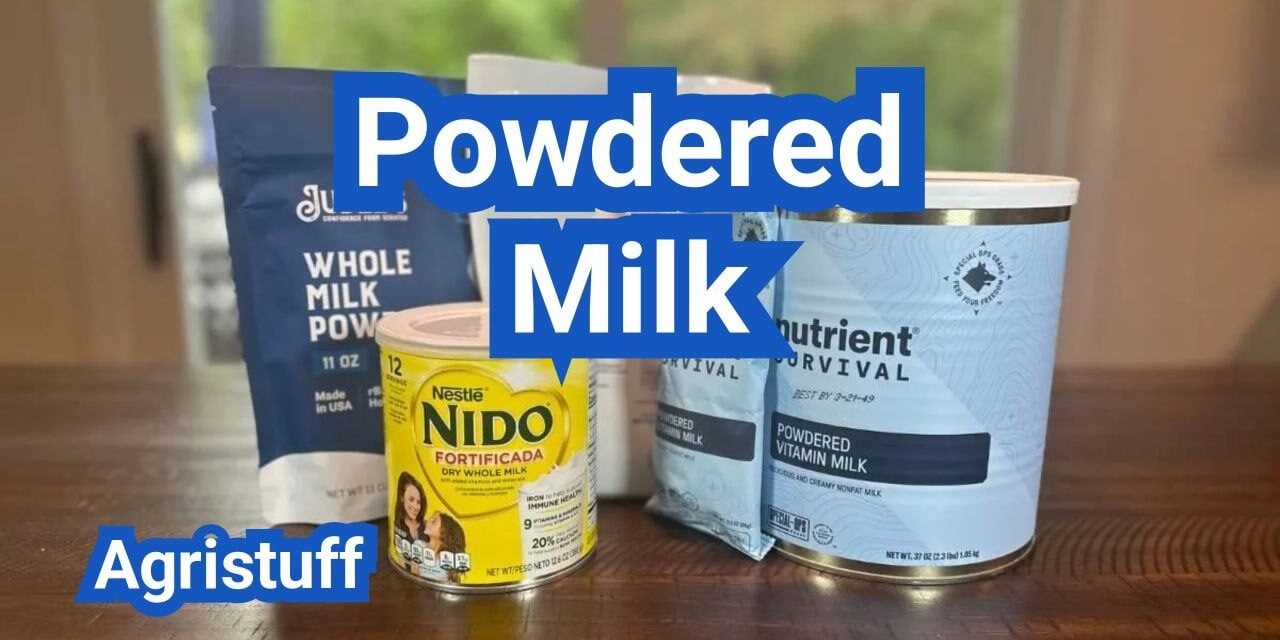
Many American families keep a shelf-stable dairy option in their pantry for long-term storage. This item starts as a liquid before intense evaporation removes nearly all moisture to create powdered milk in the U.S. It offers a much longer life than fresh cartons and stays fresh at room temperature.
The production process keeps essential nutrients like calcium and protein intact for consumers. This creamy concentrate remains usable for months or even years if stored in a cool place. Many residents appreciate having this reliable resource during winter storms or long camping trips. The convenience of not needing a fridge makes it very popular for hikers too.
Using a dehydrated dairy variety allows bakers to enhance recipes without adding extra liquid. This ingredient works perfectly in coffee or morning cereal when the grocery store is too far away. It remains a cost-effective choice for many households across the country today. Having a backup supply ensures you never run out of options for your morning meal.
Key Takeaways
- Extended shelf life lasting for several months.
- No refrigeration required until the product is mixed with water.
- Highly cost-effective compared to buying fresh liquid cartons.
- Retains core nutritional values including protein and calcium.
- Versatile ingredient for baking and emergency food supplies.
- Lightweight and easy to transport for outdoor activities.
Understanding What Is Powdered Milk? and Its Manufacturing Process

The concept of dehydrated dairy products, particularly powdered milk, dates back to the early 19th century. This process was initially developed as a means to preserve milk for longer periods, especially in situations where access to fresh milk was limited.
As noted by a historical dairy expert,
“The development of powdered milk marked a significant milestone in the dairy industry, enabling the transportation and storage of milk over long distances without spoilage.”
This innovation has had a lasting impact on how milk is consumed and utilized globally.
The History and Evolution of Dehydrated Dairy
The history of powdered milk is closely tied to the broader context of food preservation techniques. Initially, the process involved simple methods such as boiling milk to concentrate it, followed by drying it. Over time, more sophisticated techniques were developed.
The early 20th century saw significant advancements in powdered milk manufacturing, with the introduction of spray drying and drum drying technologies. These methods allowed for mass production and improved the quality of the final product.
How Manufacturers Make Powdered Milk
The manufacturing process of powdered milk involves several key steps. First, fresh milk is pasteurized to eliminate bacteria and extend its shelf life. It is then condensed to remove excess water, making it more concentrated.
The condensed milk is then subjected to a drying process, typically using either spray drying or drum drying. Spray drying involves spraying the condensed milk into a hot air stream, instantly evaporating the water content and leaving behind a powder. Drum drying, on the other hand, involves spreading the milk onto heated drums, where it is dried and then scraped off.
Key Differences Between Whole Milk Powder and Nonfat Dry Milk
The primary difference between whole milk powder and nonfat dry milk lies in their fat content. Whole milk powder retains the natural fat content of milk, whereas nonfat dry milk has had most of its fat removed during processing.
This difference affects not only the nutritional content but also the taste and usage in recipes. Whole milk powder is often used in applications where a richer flavor is desired, while nonfat dry milk is preferred for its longer shelf life and lower calorie count.
- Whole Milk Powder: Richer flavor, higher fat content.
- Nonfat Dry Milk: Lower calorie count, longer shelf life.
Nutritional Profile and Health Benefits of Dry Milk

Dry milk, also known as powdered milk, offers a convenient and nutritious alternative to fresh milk. It is made by evaporating milk to dryness, resulting in a powder that can be stored for long periods without refrigeration. This process retains most of the milk’s original nutritional value.
Comparing Powdered Milk Nutrition to Fresh Milk
Powdered milk contains a similar nutritional profile to fresh milk, with some variations depending on the type of milk used (whole, skim, or semi-skimmed). It is rich in proteins, calcium, and vitamins. The table below compares the nutritional content of powdered milk and fresh milk per 100 grams.
| Nutrient | Powdered Milk (per 100g) | Fresh Milk (per 100g) |
|---|---|---|
| Energy (kcal) | 496 | 50-60 |
| Protein (g) | 26 | 3.2-3.5 |
| Fat (g) | 26 | 1.5-3.5 |
| Calcium (mg) | 912 | 120 |
| Vitamin D (mcg) | Variable (often fortified) | 0.1-1.0 |
Key Nutritional Highlights: Powdered milk is high in protein and calcium, making it an excellent dietary supplement for individuals looking to boost their intake of these nutrients.
Is Powdered Milk Healthy for Daily Consumption?
Powdered milk can be a healthy addition to a daily diet when consumed in moderation. It is a good source of essential nutrients like protein, calcium, and vitamins. However, it’s essential to choose varieties that are low in added sugars and saturated fats.
Fortification: Many powdered milk products are fortified with vitamins and minerals, enhancing their nutritional profile. Vitamin D fortification, for example, supports bone health.
Fortified Milk Powder and Its Role in Modern Diets
Fortified milk powder plays a significant role in addressing nutritional deficiencies, particularly in populations with limited access to fresh dairy products. It can be an effective way to deliver essential nutrients to vulnerable groups, such as children and the elderly.
The fortification process involves adding micronutrients like iron, vitamin A, and vitamin D to the milk powder. This enhances its nutritional value and contributes to improved health outcomes.
Essential Guide to Reconstituting Milk Powder

Reconstituting milk powder is a straightforward process that requires attention to detail to achieve the best results. Whether you’re using it for cooking, baking, or as a dairy substitute, getting the reconstitution right is key to enjoying the benefits of powdered milk.
Determining the Correct Powdered Milk to Water Ratio
The ratio of powdered milk to water is crucial for achieving the desired consistency and taste. For nonfat dry milk, the general guideline is to use about 10% of the water weight in milk powder. For example, to make 1 liter (approximately 1 kg or 1000 grams) of milk, you would mix 100 grams of nonfat dry milk with 900 grams (or milliliters) of water.
Here’s a simple guideline for reconstituting nonfat dry milk:
- For 1 cup of milk (240 ml), use about 24 grams (or roughly 3-4 tablespoons) of powdered milk.
- Adjust the ratio according to your preference for creaminess or thinness.
Step-by-Step Instructions for Reconstituting Milk Powder
Reconstituting milk powder is a simple process that involves a few straightforward steps:
- Measure the Water: Start by measuring the desired amount of water. For most purposes, using lukewarm water is recommended as it helps the powder dissolve more easily.
- Add Powdered Milk: Gradually add the appropriate amount of powdered milk to the water, as determined by your desired ratio.
- Mix Thoroughly: Use a whisk or blender to mix the powdered milk and water until the powder is fully dissolved. Ensure there are no lumps.
- Chill: Once reconstituted, refrigerate the milk to chill before use.
Tips for Achieving the Best Taste and Texture
To get the best out of your reconstituted milk, consider the following tips:
- Use the Right Water Temperature: Lukewarm water is generally best for reconstituting milk powder.
- Avoid Over-Mixing: While it’s essential to mix thoroughly to avoid lumps, over-mixing can result in a frothy or unpleasant texture.
- Adjust to Taste: Feel free to adjust the ratio of milk powder to water to suit your taste preferences.
By following these guidelines and tips, you can enjoy high-quality, reconstituted milk that meets your needs, whether for everyday consumption or in cooking and baking.
Best Practices for Storing Powdered Milk
Proper storage of powdered milk is crucial for maintaining its quality and extending its shelf life. When stored correctly, powdered milk can remain usable for up to 24 months. The key to effective storage lies in maintaining a cool, dry environment and preventing exposure to air, moisture, and contaminants.
Long-Term Storage Techniques
To store powdered milk for a long time, it’s essential to keep it in a sealed container. The container should be airtight, protecting the milk powder from moisture and other environmental factors. Glass or food-grade plastic containers with tight-fitting lids are ideal for this purpose.
Key storage conditions include:
- Cool, dry place: Avoid areas with high temperatures or humidity.
- Airtight containers: Prevents moisture and air from reaching the powder.
- Avoid direct sunlight: Light can cause the powder to degrade over time.
Managing Powdered Milk for Emergency Storage
In emergency situations, having a reliable source of nutrition is critical. Powdered milk is an excellent option due to its long shelf life and nutritional value. For emergency storage, consider the following:
Rotation is key: Regularly check the stock and use the oldest packages first to ensure that the oldest products are consumed before they expire.
Storage locations: Keep emergency supplies in multiple locations, such as a pantry, basement, or other areas that are easily accessible during emergencies.
Signs of Spoilage and When to Discard
Even when stored properly, powdered milk can eventually spoil. It’s crucial to recognize the signs of spoilage to avoid consuming unsafe products.
Common signs include:
- Off smell or odor
- Clumping or visible mold
- Changes in color or texture
If you notice any of these signs, it’s best to discard the powdered milk to avoid health risks.
Using Powdered Milk in Cooking and Baking

Powdered milk can be a game-changer in the kitchen, providing a reliable source of milk for various culinary applications. It offers a convenient and shelf-stable alternative to fresh milk, making it ideal for baking, cooking, and even making desserts.
Why Dry Milk is a Secret Weapon for Baking
Dry milk is a secret weapon for baking because it adds nutritional value and texture to baked goods without the need for refrigeration. It can be used to make a variety of sweet treats, such as cakes, cookies, and muffins.
When using powdered milk in baking, it’s essential to understand that it can affect the texture and flavor of the final product. For instance, whole milk powder can add a richer flavor, while nonfat dry milk can help reduce the overall fat content of the recipe.
Incorporating Dry Milk into Savory Cooking
Incorporating dry milk into savory cooking can enhance the flavor and texture of various dishes. It can be used to make creamy sauces, soups, and stews.
To incorporate dry milk into savory cooking, simply reconstitute it according to the package instructions or add it directly to the dish. For example, you can use powdered milk to make a creamy macaroni and cheese or add it to soups for extra nutrition.
Creating the Perfect Powdered Milkshake
Creating the perfect powdered milkshake is easy and fun. Simply reconstitute the powdered milk, add your favorite flavorings or sweeteners, and blend until smooth.
Here’s a simple recipe for a delicious powdered milkshake:
| Ingredient | Quantity |
|---|---|
| Powdered Milk | 1 cup |
| Water | 1 cup |
| Vanilla Extract | 1 tsp |
| Honey or Sugar | To taste |
| Ice Cubes | Optional |
Combine the reconstituted milk, vanilla extract, and honey or sugar in a blender. Blend until smooth and creamy, adding ice cubes if you prefer a thicker consistency.
Top Powdered Milk Brands in the U.S. Market
The U.S. market offers a diverse range of powdered milk brands, each with its unique features and benefits. Consumers can choose from a variety of products that cater to different needs, whether it’s for cooking, baking, or nutritional supplementation.
Carnation Instant Nonfat Dry Milk
Carnation Instant Nonfat Dry Milk is a popular choice among consumers. It is known for its long shelf life and ease of use. This product is ideal for those looking for a low-fat option that still provides the nutritional benefits of milk.
“Carnation Instant Nonfat Dry Milk has been a staple in many households due to its reliability and versatility,” says a satisfied customer.
Nestle Nido Fortificada Dry Whole Milk
Nestle Nido Fortificada Dry Whole Milk is another well-regarded brand. It is fortified with vitamins and minerals, making it a nutritious choice for families. The brand is known for its rich taste and high-quality ingredients.
Nestle Nido is often praised for its ability to provide essential nutrients that support overall health and well-being.
Hoosier Hill Farm Whole Milk Powder
Hoosier Hill Farm Whole Milk Powder is favored by bakers and chefs for its high protein content and rich flavor. It is made from high-quality whole milk and is free from additives and preservatives.
- High protein content
- Rich flavor
- No additives or preservatives
Great Value Powdered Milk Options
Great Value Powdered Milk Options, offered by Walmart, provide an affordable and reliable choice for consumers. These products are known for their consistent quality and are available in various formats, including nonfat and whole milk powder.
Great Value products are often considered a great value for the price, making them accessible to a wide range of consumers.
Specialty Milk Powders and Alternatives

The world of milk powders extends far beyond conventional dairy, with specialty and alternative options gaining popularity. As consumers become more health-conscious and environmentally aware, the demand for diverse milk powder products has increased.
Goat Milk Powder and Lactose-Free Options
Goat milk powder is a nutritious alternative for those who are lactose intolerant or prefer the taste and nutritional profile of goat milk. It retains the benefits of fresh goat milk, including higher calcium content and easier digestibility. Lactose-free milk powders are another option, processed to remove lactose, making them suitable for individuals with lactose intolerance.
Key benefits of goat milk powder include its rich nutrient profile and potential for improved digestion. Lactose-free options, on the other hand, cater to those with dietary restrictions, ensuring they don’t miss out on the nutritional benefits of milk.
Plant-Based Alternatives: Coconut, Oat, and Soy Milk Powders
Plant-based milk powders have gained significant traction as consumers seek dairy-free alternatives. Coconut milk powder, oat milk powder, and soy milk powder are popular choices, each offering unique benefits. Coconut milk powder is rich in healthy fats, oat milk powder is a good source of fiber, and soy milk powder provides a high-protein alternative.
- Coconut milk powder adds creaminess to recipes and beverages.
- Oat milk powder is a sustainable, environmentally friendly option.
- Soy milk powder is a popular choice for those seeking a high-protein, dairy-free diet.
Buttermilk Powder and Saco Cultured Blends
Buttermilk powder is a versatile ingredient used in baking and cooking, offering a tangy flavor and tenderizing properties. Saco Cultured Buttermilk Blends combine the benefits of buttermilk with other cultured products, enhancing flavor and nutritional content.
Using buttermilk powder can elevate baked goods and savory dishes, providing a rich, tangy flavor. Saco Cultured Blends offer a convenient way to incorporate the benefits of cultured dairy into various recipes.
Powdered Milk vs. Other Dairy Products

Powdered milk has become a staple in many kitchens, but how does it stack up against other dairy products like evaporated milk and malted milk powder? Understanding the differences between these products is essential for choosing the right ingredient for your recipes and dietary needs.
Evaporated Milk
Evaporated milk and powdered milk are both used to add richness and creaminess to dishes, but they have distinct differences in terms of production process, shelf life, and usage in recipes.
Evaporated milk is made by removing about 60% of the water from fresh milk, resulting in a creamy, shelf-stable product. In contrast, powdered milk is made by completely dehydrating milk, giving it a much longer shelf life.
| Characteristics | Powdered Milk | Evaporated Milk |
|---|---|---|
| Production Process | Dehydrating milk completely | Removing 60% of water from milk |
| Shelf Life | Longer shelf life | Shelf-stable but less than powdered milk |
| Usage | Versatile in recipes, can be reconstituted | Used in recipes for creaminess and richness |
As Chef John notes, “Evaporated milk adds a rich texture to soups and sauces, but powdered milk is more versatile for baking and making desserts.”
Malted Milk Powder
Malted milk powder is another dairy product often compared to powdered milk. It is made from a mixture of malted barley, wheat flour, and evaporated milk, giving it a distinct flavor and nutritional profile.
The key difference between malted milk powder and powdered milk lies in their ingredients and uses. Malted milk powder is often used in beverages and desserts for its unique flavor, while powdered milk is more versatile and can be used in a wide range of recipes.
“Malted milk powder adds a rich, malty flavor to milkshakes and desserts, making it a favorite among those looking for a nostalgic taste.”
— Beverage Expert
Fresh Milk
When deciding between powdered milk and fresh milk, several factors come into play, including nutritional content, taste, and convenience.
Fresh milk is often preferred for its taste and nutritional profile, but powdered milk offers convenience and a longer shelf life. The choice between the two ultimately depends on individual needs and preferences.
- Fresh Milk: Preferred for taste and nutritional content
- Powdered Milk: Offers convenience and longer shelf life
In conclusion, powdered milk stands out for its versatility and long shelf life compared to other dairy products like evaporated milk and fresh milk. By understanding the differences between these products, consumers can make informed choices that suit their culinary needs and preferences.
Advanced Culinary Applications and Next-Level Tips

Beyond its basic uses, powdered milk offers a range of advanced culinary applications that can enhance various dishes and beverages. One of the most convenient uses of powdered milk is in coffee and hot beverages.
Using Milk Powder for Coffee and Hot Beverages
Adding powdered milk to coffee can create a creamy texture without the need for refrigeration. Simply mix the desired amount of powdered milk with hot water or directly into your coffee for a rich and creamy flavor.
For a more luxurious treat, try making a powdered milk latte by combining the powder with hot water, coffee, and a sweetener of your choice. This method allows for a high degree of customization and can be a cost-effective alternative to coffee shop drinks.
Creating Homemade Hot Chocolate Mixes
Powdered milk is an excellent base for homemade hot chocolate mixes. By combining it with cocoa powder, sugar, and other desired ingredients like marshmallows or spices, you can create a customized hot chocolate blend.
To make a basic hot chocolate mix, combine 1 cup of powdered milk, 1/2 cup of cocoa powder, and 1/4 cup of sugar in a bowl. You can adjust the proportions to taste and add other ingredients like cinnamon or nutmeg for extra flavor.
“The key to a great hot chocolate is in the quality of the ingredients and the ratio of milk powder to cocoa powder.”
Chef’s delight
Enhancing Texture in Soups and Sauces
Powdered milk can be used to enhance the texture of soups and sauces, adding a creamy element without the need for fresh milk. This is particularly useful in recipes where a smooth consistency is desired.
| Recipe | Amount of Powdered Milk | Instructions |
|---|---|---|
| Creamy Tomato Soup | 2 tablespoons | Mix powdered milk with hot water and add to the soup for a creamy texture. |
| Alfredo Sauce | 1 tablespoon | Combine powdered milk with butter and Parmesan cheese for a rich and creamy sauce. |
By incorporating powdered milk into your cooking and baking, you can achieve a range of textures and flavors that enhance your dishes. Experiment with different recipes and applications to discover the full potential of this versatile ingredient.
Analyzing the Best Powdered Milk for Your Needs
The quest for the perfect powdered milk involves considering individual needs and preferences. Whether you’re a budget-conscious consumer or someone who prioritizes premium quality, the choice of powdered milk can significantly impact your daily nutrition and culinary endeavors.
When navigating the world of powdered milk, it’s essential to understand the various factors that influence your decision. From the type of milk powder to its intended use, each aspect plays a crucial role in making an informed choice.
How to Choose the Most Suitable Powdered Milk
Choosing the right powdered milk begins with identifying your specific needs. Are you looking for a cost-effective solution for everyday cooking, or do you require a high-quality ingredient for specialty baking? Consider the following factors:
- Purpose: Determine if you need powdered milk for baking, cooking, or as a nutritional supplement.
- Nutritional Content: Look for options that align with your dietary requirements, such as nonfat dry milk or whole milk powder.
- Brand Reputation: Opt for reputable brands known for their quality and consistency.
Budget-Friendly Options vs. Premium Quality
The market offers a range of powdered milk products, from budget-friendly options like Great Value Powdered Milk to premium brands such as Nestle Nido Fortificada. While budget options are economical, premium brands often offer superior quality and additional nutritional benefits.
When deciding between budget-friendly and premium options, consider your priorities. If you’re using powdered milk frequently for basic cooking, a budget-friendly option might suffice. However, for specialty recipes or when nutritional content is a top priority, investing in premium quality powdered milk may be worthwhile.
Taste-Testing and Reviewing Popular Varieties
Taste plays a significant role in choosing the best powdered milk. Conducting a taste test among popular varieties can help you identify the one that best suits your taste preferences.
Some popular brands to consider for taste-testing include Carnation Instant Nonfat Dry Milk, Hoosier Hill Farm Whole Milk Powder, and Great Value Powdered Milk Options. Pay attention to the flavor profile and texture when reconstituted, as these can vary significantly between brands.
By carefully evaluating your needs, considering budget versus quality, and taste-testing different options, you can make an informed decision and select the best powdered milk for your specific requirements.
Common Questions About Powdered Dairy
Despite its widespread use, powdered milk is often misunderstood, leading to numerous questions about its quality and utility. As we explore the world of dehydrated dairy, it’s essential to address some of the most frequently asked questions.
Does Milk Powder Taste Like Real Milk?
The taste of milk powder is often compared to that of fresh milk, but it’s not entirely the same. While it retains many of the nutritional benefits, the dehydration process can affect the flavor profile. Some people find that reconstituted milk powder has a slightly different taste, often described as more processed or cooked.
The difference in taste is largely due to the processing methods and the quality of the milk used to produce the powder. However, many consumers find that high-quality milk powder can be a very close substitute for fresh milk in cooking and baking.
Who Benefits Most from Keeping Powdered Milk on Hand?
Powdered milk is a versatile product that can benefit various groups of people. Emergency preparedness enthusiasts appreciate its long shelf life and ease of storage. Campers and outdoor enthusiasts also value its lightweight and compact nature.
Additionally, households in areas with frequent power outages or limited access to fresh milk can rely on powdered milk as a convenient alternative. It’s also a popular choice for bakers and chefs who use it to enhance recipes.
| Beneficiary Group | Reasons for Using Powdered Milk |
|---|---|
| Emergency Preparedness Enthusiasts | Long shelf life, easy storage |
| Campers and Outdoor Enthusiasts | Lightweight, compact |
| Households in Remote Areas | Convenient alternative to fresh milk |
| Bakers and Chefs | Enhances recipes, versatile |
Addressing Common Myths About Dehydrated Dairy
Several myths surround dehydrated dairy products like powdered milk. One common misconception is that powdered milk is significantly less nutritious than fresh milk. However, powdered milk retains most of its nutritional value, including proteins, vitamins, and minerals.
Another myth is that powdered milk is only for emergency situations or camping. In reality, it’s a convenient and versatile ingredient used in various culinary applications, from baking to cooking.
By understanding the facts about powdered milk, consumers can make informed decisions about incorporating it into their diets. Whether for convenience, culinary purposes, or emergency preparedness, powdered milk is a valuable addition to many households.
Global Perspectives and Industrial Uses

As a versatile ingredient, powdered milk plays a crucial role in biotechnology, food science, and global food security. Its applications extend far beyond the kitchen, influencing various industries worldwide.
Powdered Milk in Biotechnology and Food Science
Powdered milk is utilized in biotechnological applications, particularly in the development of nutritional supplements and food products. Its high nutritional value and ease of storage make it an ideal ingredient for research and development in food science.
“The use of powdered milk in biotechnology has opened new avenues for the creation of fortified foods and nutritional products,” notes a leading researcher in the field. This highlights the significance of powdered milk in advancing nutritional science.
The Role of Dry Milk in Global Food Security
Dry milk is a critical component in global food security initiatives. It is used in food aid programs due to its long shelf life, ease of transportation, and nutritional value. Organizations worldwide rely on powdered milk to provide sustenance in emergency situations and to combat malnutrition.
The role of powdered milk in global food security is multifaceted. It not only serves as a nutritional supplement but also as a means to support sustainable food systems. By incorporating powdered milk into food aid, organizations can ensure that communities have access to nutritious food, even in challenging environments.
Innovations in Milk Powder Production for 2026
The production of milk powder is evolving, with innovations aimed at enhancing its nutritional profile, improving production efficiency, and reducing environmental impact. Future developments are expected to focus on sustainable production methods and the creation of value-added products.
- Advancements in spray drying technology to preserve nutritional content
- Development of new packaging solutions to extend shelf life
- Increased use of renewable energy in production processes
These innovations will not only improve the quality of powdered milk but also contribute to a more sustainable food industry. As the demand for powdered milk continues to grow, the industry’s ability to innovate and adapt will be crucial in meeting global needs.
At The End of: Powdered Milk Guide
Powdered milk is a versatile and nutritious product with various applications in cooking and baking. The uses of powdered milk range from reconstituting it as a dairy substitute to incorporating it into recipes for enhanced flavor and nutrition. The benefits of powdered milk, including its long shelf life and ease of storage, make it a valuable addition to any pantry.
As discussed, powdered milk can be used in a variety of dishes, from baked goods to savory meals, and even as a base for milkshakes. Its nutritional profile is comparable to fresh milk, making it a healthy alternative when fresh milk is not available. By understanding the different types of powdered milk and their uses, individuals can make informed choices about incorporating this product into their diets.
In summary, powdered milk is a convenient and nutritious ingredient that offers numerous benefits and uses in the kitchen. Whether you’re looking to stock up for emergencies or simply seeking a versatile ingredient for your recipes, powdered milk is definitely worth considering.
FAQ
Is Powdered Milk the same as evaporated milk?
No. Dry milk has most of its water removed until it becomes a powder, while evaporated milk remains a concentrated liquid with a federally defined composition and is sold in cans or similar containers. evaporated milk definition.
How long does Powdered Milk last after opening?
The answer depends on fat level, packaging, temperature, and humidity, but nonfat products generally keep quality longer than whole-milk powders. Once opened, the smartest approach is airtight storage in a cool, dry place and using the product within the manufacturer’s recommended window. Utah State nonfat dry milk guide.
Is Powdered Milk as nutritious as fresh skim milk?
In many cases, nonfat dry milk can provide similar core nutrients when it is properly reconstituted, though labels and fortification practices still matter. That is why comparing the nutrition panel and intended use is more useful than assuming every product on the shelf has the same profile. NDSU nutrition note.
Can Powdered Milk be used in manufactured dairy foods?
Yes. U.S. standards for several dairy products allow reconstituted nonfat dry milk or related dairy ingredients to be used in formulation, which is one reason dry dairy ingredients remain so important in commercial food production. dairy formulation definition.
Can Powdered Milk be included in public nutrition programs?
In some cases, yes, because federal WIC rules recognize dry milk as an eligible form when it meets the applicable standard of identity and program requirements. Availability, package type, and state-level implementation still matter, but dry milk is clearly part of the recognized milk options in the regulation. WIC milk regulation.
What should I check on the ingredient label of Powdered Milk?
Look for the product type, added vitamins, sweeteners if any, flavorings, and whether the ingredient statement uses common dairy terms allowed under U.S. labeling rules. This matters even more when you are comparing a simple dry milk product with a blended beverage powder or a fortified specialty mix. FDA ingredient labeling rule.
What is the standard powdered milk to water ratio for reconstitution?
To prepare a standard glass of milk, the typical powdered milk to water ratio is 1 part dry milk powder to 3 parts water. For most commercial brands, such as Great Value Instant Nonfat Dry Milk, this equates to 1/3 cup of powder mixed into 1 cup of water to create reconstituted milk with a traditional consistency.
Does milk powder taste like real milk once it has been mixed?
Many people ask, “does milk powder taste like real milk?” While non-fat dry milk can have a slightly flatter profile, dry whole milk powder brands like Hoosier Hill Farm Whole Milk Powder or Peak milk powder provide a much richer, creamier flavor. A top tip for improving the taste is to mix the milk powder mix a night in advance and chill it thoroughly in the refrigerator.
What is the average powdered milk shelf life for long-term storage?
The powdered milk shelf life varies by fat content. Nonfat dry milk can remain shelf-stable for 2 to 10 years if stored correctly. However, dry whole milk, such as Nestle Nido Milk Powder, typically lasts about 6 to 12 months because the fats can eventually oxidize. For those focusing on powdered milk for emergency storage, vacuum sealing with oxygen absorbers is the best method for storing powdered milk long-term.
Is powdered milk healthy for daily consumption?
Yes, is powdered milk healthy? Absolutely. It retains the protein, calcium, and Vitamin D found in fresh dairy. Many varieties, including Nido Fortificada dry whole milk, are actually fortified milk powder options that contain added iron and Vitamin C to support immune health, making them excellent powdered milk for adults and children alike.
What are the best powdered milk brands currently available in the U.S.?
Some of the best sellers and best powdered milks in 2026 include Carnation Instant Nonfat Dry Milk for its easy solubility and Nestle Nido for its rich, full-cream profile. For specialty needs, Meyenberg goat milk powder is a top choice, while Great Value powdered milk remains a leader for those seeking the best budget milk powder.
How does powdered milk vs evaporated milk differ in cooking?
In the debate of powdered milk vs evaporated milk, the primary difference is water content. Evaporated milk is a liquid with 60% of the water removed, while powdered dairy has about 97% removed. While you can use dry milk : condensed & powdered milk substitutes in recipes, powdered milk for baking is often preferred for adding richness to bread and cookies without altering the liquid balance.
Are there plant-based or lactose-free powdered milk substitutes?
The market has expanded significantly to include organic coconut milk powder, oat milk powder (such as JOI oat milk powder), and soy milk powder. For those with dairy sensitivities, lactose free dry milk and vegan milk powder options provide a similar convenience to traditional dehydrated milk without the digestive discomfort.
What is the difference between regular powdered milk and malted milk powder?
When comparing powdered milk vs malted milk powder, it is important to note they are not interchangeable. Malted milk powder contains sprouted barley and wheat flour; it is primarily used as a flavor enhancer for a powdered milkshake or sweets. Instant dry milk is pure dehydrated milk powder intended for reconstitution or as a general dairy powder ingredient.
Can I use powdered milk for coffee or hot chocolate mixes?
Yes, powdered milk for coffee is a fantastic, shelf-stable alternative to liquid creamers. You can also create a high-quality hot chocolate mix with powdered milk by combining it with cocoa powder and sugar. Many families use Nesquik powder, such as Nesquik strawberry milk or Nesquik choco, mixed with extra nonfat milk powder to boost the nutritional value of their children’s drinks.
What are some advanced “next-level tips” for using milk powder in the kitchen?
Beyond drinking, use dry milk for cooking to thicken soups, gravies, and sauces without creating clumps. Professional bakers use Saco Cultured Buttermilk Blend for pancakes and biscuits to achieve a tangy flavor. You can even use skimmed milk powder to “double up” the protein in a regular glass of milk by adding a tablespoon of powder to liquid milk.
Is powdered milk used in biotechnology or industrial applications?
Interestingly, non-fat dry milk has significant use in biotechnology. It is a standard blocking agent used in Western blotting to prevent non-specific binding of antibodies. This highlights that powdered milk products are essential not just in the kitchen, but also in scientific research and food science.
What is colostrum powder and is it the same as dry milk?
Colostrum powder (or colostrum bovine) is the nutrient-dense “first milk” produced by cows after giving birth. It is a specialized dairy powder used primarily as a health supplement for gut health and immunity. While related to dry milk powder, it is a premium product often sold as best colostrum powder in health food stores rather than a standard grocery item.
Who needs powdered milk the most in their pantry?
Who needs powdered milk? It is an essential for hikers, campers, and those building an emergency storage supply. Additionally, it is a “secret weapon” for frequent bakers and individuals living in rural areas where fresh milk isn’t always accessible. With its long shelf life and versatility, it is a staple for any organized household.
Conclusion of: Powdered Milk
Powdered Milk is one of the most practical dairy ingredients in the U.S. food system because it gives manufacturers, farms, emergency planners, and home cooks a shelf-stable way to keep milk solids on hand without relying on continuous refrigeration. From bakery mixes and sports nutrition products to pantry storage and recipe standardization, this dry form of dairy is valued for convenience, transport efficiency, and dependable performance when used correctly. USDEC overview.
What is Powdered Milk?
Powdered Milk is milk with nearly all of its water removed after pasteurization, leaving behind concentrated milk solids that can later be reconstituted with water or used directly as an ingredient. In practical terms, the category includes several products, but the most familiar forms for consumers are dry whole milk and nonfat dry milk, each with different fat levels, flavor characteristics, and storage behavior. FDA dry whole milk standard.
How Powdered Milk is made?
Powdered Milk production usually begins with fresh milk that is received, tested, clarified, standardized for fat, and pasteurized before further concentration and drying. In commercial U.S. processing, the goal is not simply to remove water, but to do it while protecting flavor, keeping microbial controls tight, and producing a powder that will flow, dissolve, and store well. FDA dairy processing guidance.
Powdered Milk is most commonly made by evaporating part of the water first and then using spray drying to turn concentrated milk into fine particles that dry quickly in hot air. Many products are also instantized or agglomerated so the powder wets more easily, sinks faster in water, and reconstitutes with fewer lumps than conventional powder. USDA instant dry milk standards.
Main types you will see of Powdered Milk
Powdered Milk sold in the U.S. is often either nonfat dry milk or whole milk powder, and the difference matters because fat changes flavor, mouthfeel, oxidation risk, and shelf life. Whole-milk versions are richer and more satisfying in some recipes, while nonfat versions are usually the better choice for long-term storage, lower-fat formulations, and ingredient applications where stability matters more than creaminess. FDA nonfat dry milk standard.
Powdered Milk also sits inside a broader dairy-ingredient family that includes skim milk powder, milk protein concentrates, casein-rich ingredients, and whey-based powders used in everything from beverages to bakery systems. For food businesses, the smartest choice depends on the target protein level, lactose content, solubility, heat stability, and the finished product’s texture requirements. USDEC dairy ingredient report.
Nutrition and composition of Powdered Milk
Powdered Milk remains nutritionally valuable because drying removes water rather than the core milk solids that provide protein, calcium, phosphorus, and other important nutrients. That is why dry milk is widely used not only as a pantry product, but also as a functional ingredient when formulators want dairy nutrition in a compact and stable format. nutrition review.
Powdered Milk is not nutritionally identical across all brands and types, so labels still matter when you compare nonfat, whole, fortified, instant, or specialty products. For a U.S. audience, the best practical habit is to compare serving size, protein, calcium, sodium, added vitamins, and whether the product is meant for drinking, cooking, or commercial food manufacturing. USDA FoodData Central.
How to store Powdered Milk well?
Powdered Milk stores best when it is protected from heat, humidity, oxygen, and strong odors, because moisture causes caking and microbial risk while fat oxidation leads to stale or rancid flavors. Nonfat versions usually last longer than whole-milk versions for the simple reason that less fat means fewer oxidation problems during storage. Utah State storage guidance.
Powdered Milk should be kept in its original package if that package seals well, or transferred to a dry airtight container and stored in a cool, dark place after opening. In real kitchens and farm offices, many storage failures come from a wet spoon, a loose lid, or leaving the container near heat sources such as a stove, utility room, or sunny pantry shelf. Michigan State storage guide.
How to reconstitute and use Powdered Milk?
Powdered Milk can be mixed back into liquid form for drinking, cereal, coffee, baking, or cooking, but it performs best when you follow the package directions instead of guessing the water ratio. Instant products generally disperse more easily, and many cooks find that chilling the reconstituted milk for several hours improves flavor and reduces the flat taste some people notice right after mixing. NDSU dry milk uses.
Powdered Milk works especially well when used as a dry ingredient in breads, pancakes, mashed potatoes, sauces, meat mixtures, smoothies, and pantry mixes because it adds dairy solids without adding extra liquid up front. That flexibility is a big reason it remains popular in food storage planning, camp cooking, emergency kits, and recipe systems that need consistency from batch to batch. Utah State mixing guide.
Where Powdered Milk fits in the U.S. food industry
Powdered Milk is important far beyond home kitchens because dairy processors and food companies use dry milk ingredients in nutrition powders, bakery items, confectionery products, frozen desserts, sauces, beverages, and recombined dairy foods. Pilot drying and ingredient-development work at U.S. universities also shows how much ongoing innovation there is around powder functionality, shelf life, and specialized dairy ingredients for new product development. Kansas State dairy processing lab.
Powdered Milk should also be separated mentally from powdered infant formula, because the two are not interchangeable and infant formula has its own strict nutritional and safety rules. That distinction matters for families, retailers, and publishers because general dry milk may be a pantry ingredient, while infant formula is a regulated product designed to meet very specific needs during infancy. FDA infant formula overview.
Safe handling matters of Powdered Milk
Powdered Milk used for infant feeding must be prepared exactly as directed, with clean hands, sanitized feeding items when appropriate, safe water, and careful attention to time and temperature after mixing. Even when tap water is acceptable, the safest approach is to follow the label and current public-health advice instead of treating all powder products as if they were sterile. CDC preparation and storage guidance.
Powdered Milk stays in better condition when scoops and utensils remain completely dry, because introducing moisture into the container can damage quality and increase contamination risk. For that reason, never return a damp scoop to the container, do not store open powder in the refrigerator, and keep the lid tightly closed between uses. CDC hygiene guidance.
Quick checklist of Powdered Milk
- Choose nonfat dry milk for longer storage and whole-milk powder for richer flavor.
- Read the label to confirm whether the product is instant, fortified, or intended for general cooking.
- Store unopened containers in a cool, dry, dark place.
- After opening, reseal tightly or move to an airtight dry container.
- Use a completely dry scoop every time.
- Follow package mixing directions instead of estimating water ratios.
- Chill reconstituted milk before serving for better flavor.
- Use dry milk directly in breads, sauces, soups, and bakery mixes when practical.
- Do not assume general dry milk can replace infant formula.
- Rotate inventory so older product is used first.
Common mistakes to avoid of Powdered Milk
- Buying the wrong type: Whole and nonfat products behave differently in storage and recipes.
- Ignoring storage temperature: Warm storage shortens shelf life and speeds flavor loss.
- Using a wet spoon: Moisture causes caking and may hurt safety.
- Guessing the mixing ratio: Poor reconstitution leads to thin, chalky, or overly strong flavor.
- Expecting all powders to taste the same: Instant, whole, and nonfat products vary in flavor and mouthfeel.
- Using the wrong product for infant feeding: Regular dry milk is not a substitute for infant formula.
- Leaving the lid loose: Air and humidity quietly reduce quality over time.
- Overlooking label details: Fortification, ingredients, and intended use can differ by brand.
Costs and ROI snapshot for Powdered Milk
Powdered Milk economics in the U.S. are tied closely to broader dairy pricing, not just the cost of a single bag on a store shelf. USDA’s current dairy outlook shows how milk values, especially Class IV and the all-milk price, shape the environment in which butter-powder plants, ingredient manufacturers, and dairy cooperatives make drying and inventory decisions. USDA dairy outlook.
Powdered Milk returns also move with commodity markets, and USDA market reporting recently showed Grade A nonfat dry milk trading around $1.5431 per pound on a two-week average for April 2026. That kind of number helps explain why plants watch export demand, energy use, inventory turns, and product mix so closely, because small changes in powder price can materially change margins at scale. USDA market report.
Powdered Milk is rarely a realistic first-step investment for a small U.S. farm because true drying economics include utilities, labor, packaging, sanitation, maintenance, compliance, and commercial-scale equipment, not just raw milk value. USDA documentation estimated 2022 processing costs for nonfat dry milk at $0.1678 per pound, so for many farms the more practical ROI path is partnering with a processor, supplying milk into an existing powder stream, or using dry milk strategically in value-added food products rather than building a dryer from scratch. USDA processing cost reference.
Final thought
Powdered Milk remains relevant because it solves real problems: storage, transport, formulation consistency, and dairy nutrition in a compact format. Whether you are a U.S. consumer building pantry resilience, a food business standardizing recipes, or a dairy operator evaluating value-added options, the best results come from choosing the right type, storing it correctly, and using it with a clear purpose. Cornell dairy research.
Sources & References
- USDA AMS: Nonfat Dry Milk (Spray Process) Grades and Standards
- USDA AMS: Instant Nonfat Dry Milk Grades and Standards
- USDA AMS: United States Standards for Grades of Dry Whole Milk
- 7 CFR 58.205: Meaning of Words for Dry Dairy Products
- FDA: Grade “A” Pasteurized Milk Ordinance
- FDA: Handling Infant Formula Safely
- USDA AMS: Individual Dairy Market News Commodity Reports
- USDA AMS: Dairy Markets at a Glance
- U.S. Dairy Export Council: International Demand Analysis
- Utah State University Extension: Storing Dried Milk
- North Dakota State University: 4 Everyday Uses for Dry Milk
- Ohio State University Extension: Pasteurization of Raw Milk for Home Use
- Cornell: Northeast Dairy Foods Research Center
- Pulse Spray Drying for Bovine Skimmed Milk Powder Production