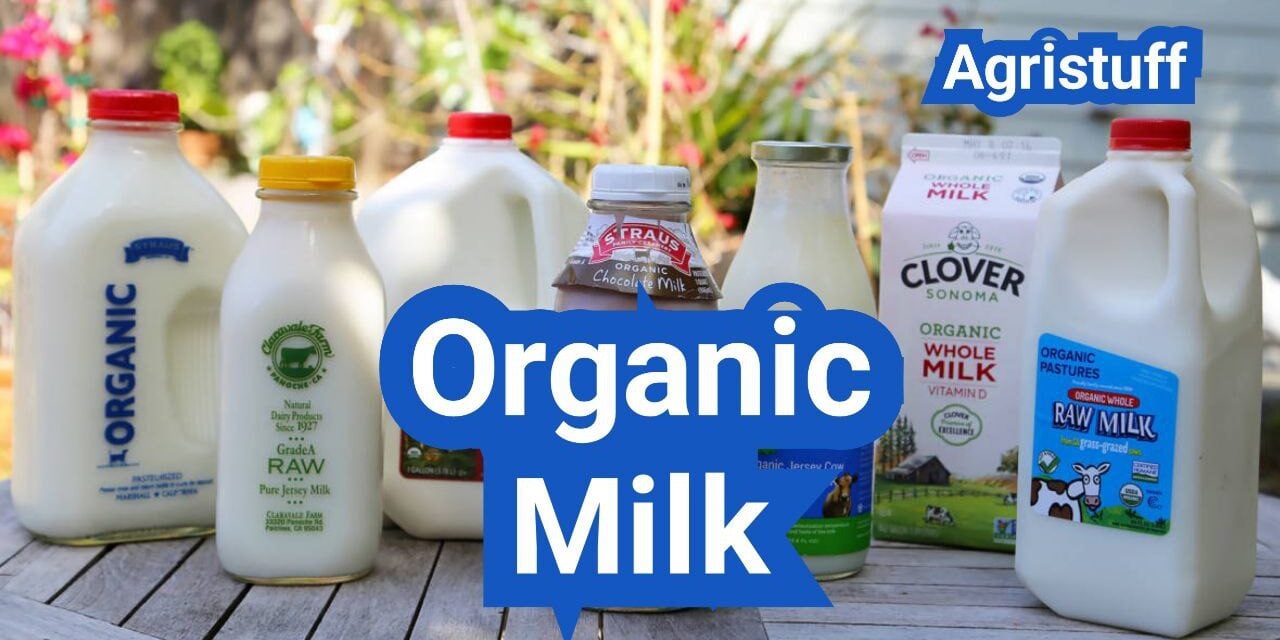
Selecting high-quality dairy in the United States involves weighing various health benefits against the retail price. Many shoppers seek items made without synthetic hormones or antibiotics to protect their families. This preference reflects a growing desire for sustainable food systems in the USA.
People often ask if the extra cost for premium cartons is truly justified. To earn the official seal, USDA organic milk standards ensure that animals spend significant time grazing on green pastures. These strict rules guarantee a higher level of animal welfare and chemical-free production.
Reviewing the *nutrient profile* for these options reveals a higher concentration of beneficial omega-3 fats. Choosing these products also results in a smaller environmental footprint compared to conventional methods. Making this switch supports eco-friendly farming practices across the nation.
Key Takeaways
- Increased levels of heart-healthy omega-3 fatty acids.
- Zero use of synthetic growth hormones or antibiotics.
- Strict federal requirements for pasture-based grazing.
- Reduced ecological footprint on the local environment.
- Higher standards for animal welfare and feed quality.
- Supports sustainable agriculture in the United States.
Defining Organic Milk and USDA Certification Standards

The term ‘organic milk’ is more than just a label; it represents a set of rigorous standards enforced by the USDA. To be labeled as organic, milk must come from farms that adhere to specific regulations, including the use of feed grown without pesticides or commercial fertilizers, providing cows with periodic access to pasture, and refraining from treating them with supplemental hormones like bovine growth hormones or certain medications such as antibiotics.
Understanding the USDA Organic Label Meaning
The USDA Organic label is a guarantee of compliance with strict production and handling practices. This label signifies that the milk is produced without the use of synthetic fertilizers, pesticides, or genetically modified organisms (GMOs). The presence of this label on milk cartons assures consumers that the dairy farm or processing facility adheres to the USDA’s organic standards.
Consumers should look for the USDA Organic seal when shopping for organic milk to ensure they are getting a product that meets these rigorous standards.
The Legal Requirements for Organic Dairy Certification
To achieve organic dairy certification, farms must undergo a thorough inspection by a USDA-accredited certifying agent. This process involves verifying that the farm or processing facility complies with all relevant organic standards, including those related to animal welfare, soil quality, and pest control.
The certification process also requires detailed record-keeping and annual inspections to maintain the organic status.
How Organic Milk Differs from Conventional Milk
Organic milk differs significantly from conventional milk in terms of production practices. Organic dairy farming prohibits the use of synthetic hormones and antibiotics in cow husbandry, and it requires higher standards of animal welfare, including access to pasture.
Additionally, organic milk is produced without the use of GMOs or synthetic pesticides, making it a preferred choice for consumers concerned about the environmental and health impacts of their dairy consumption.
How to Identify Authentic Organic Milk Brands

The rise of organic dairy consumption has led to an increased focus on verifying the authenticity of organic milk brands. As consumers become more discerning about the products they purchase, understanding how to identify genuine organic milk is crucial.
One of the primary ways to ensure the authenticity of organic milk is by looking for the USDA Organic seal. This label is a guarantee that the product meets the strict standards set by the USDA for organic production.
Recognizing the Producer of USDA-Organic Labels
The USDA Organic label is issued to producers who adhere to rigorous standards, including the use of organic feed for cattle, access to pasture for grazing, and the prohibition of synthetic fertilizers and pesticides. Organic Valley and Horizon Organic are two notable brands that proudly display the USDA Organic seal on their products.
When shopping for organic milk, consumers should check for this label to ensure they are purchasing a product that meets organic standards.
Top Brands of Organic Milk in the U.S.
The U.S. market offers a variety of organic milk brands, with some standing out for their commitment to quality and organic practices. Organic Valley is recognized for its cooperative business model and dedication to sustainable farming. Horizon Organic is another prominent brand, offering a range of organic milk products, including shelf-stable options.
- Organic Valley
- Horizon Organic
- Other notable brands
Evaluating Quality: 9 Organic Milk Brands Ranked Worst to Best
Evaluating the quality of organic milk brands involves considering factors such as taste, nutritional content, and production practices. While personal preferences play a significant role, some brands are consistently ranked higher than others based on these criteria.
A detailed comparison of organic milk brands reveals variations in quality, with some brands offering superior taste and nutritional profiles. Consumers can refer to reviews and rankings to make informed decisions about their organic milk purchases.
| Brand | Quality Ranking | Nutritional Highlights |
|---|---|---|
| Organic Valley | High | Rich in Omega-3 fatty acids |
| Horizon Organic | High | Variety of low-fat options |
| Other Brands | Varies | Differs by product |
Step-by-Step Guide to Understanding Organic Milk Pasture Rules

Understanding the intricacies of organic milk production involves delving into the specifics of pasture rules that govern organic dairy farming. Organic milk production is not just about the absence of certain chemicals or practices; it’s also deeply connected to how cows are raised and managed on farms.
The pasture rules for organic milk are designed to ensure that cows have access to pasture, which is crucial for their welfare and the quality of the milk they produce. This aspect of organic dairy farming is fundamental to the USDA Organic certification.
The Role of Grazing in Organic Dairy Farming
Grazing is a critical component of organic dairy farming. It not only affects the nutritional profile of the milk but also impacts the overall health and well-being of the cattle. Cows that graze on pasture tend to have better living conditions and are less likely to be subjected to intensive confinement practices.
“Grazing on pasture is essential for the health and welfare of dairy cows. It allows them to express their natural behaviors and contributes to the production of high-quality milk.”
USDA Organic Regulations
Requirements for Access to Pasture for Cattle
The USDA Organic regulations specify that organic dairy farms must provide cows with access to pasture during the grazing season. The regulations require that cows be given access to pasture for at least 120 days per year, with a minimum of 30 days being during the grazing season. The grazing season varies by region but generally corresponds to the time of year when pasture is available.
| Requirement | Description |
|---|---|
| Access to Pasture | Cows must have access to pasture for at least 120 days per year. |
| Grazing Season | A minimum of 30 days of pasture access must be during the grazing season. |
| Pasture Quality | Pasture must be managed to provide adequate nutrition for the cows. |
How Organic Valley and Other Leaders Implement Pasture Standards
Organic Valley, a prominent organic dairy cooperative, is known for its commitment to high pasture standards. They require their member farmers to adhere to strict grazing practices that not only meet but often exceed the USDA Organic requirements. This includes ensuring that cows have significant access to high-quality pasture.
Other leaders in the organic dairy industry also prioritize pasture rules, recognizing the importance of grazing for both cow welfare and milk quality. By implementing robust pasture standards, these organizations help to maintain the integrity of organic milk production.
Analyzing Organic Milk Nutrition Facts and Health Benefits

When it comes to nutritional value, organic milk stands out from its conventional counterpart in several key ways. Organic milk tends to have a higher nutritional value due to the cows’ grass-fed diet, leading to higher levels of beneficial compounds.
The nutritional differences between organic and conventional milk are rooted in the farming practices. Organic dairy farming emphasizes pasture grazing and prohibits the use of synthetic fertilizers, pesticides, and genetically modified organisms (GMOs), which can impact the milk’s nutritional profile.
Comparing the Nutritional Profile of Organic vs. Regular Milk
A comparison of the nutritional profiles reveals that organic milk generally contains higher levels of certain beneficial nutrients. Some of the key differences include:
- Higher Omega-3 Fatty Acids: Organic milk contains a more favorable fatty acid profile, with higher levels of omega-3 fatty acids.
- More Conjugated Linoleic Acid (CLA): CLA is a beneficial fatty acid found in higher concentrations in organic milk due to the grass-fed diet of the cows.
- Rich in Vitamins and Minerals: Organic milk is often richer in vitamins A and E, as well as minerals like potassium.
The Presence of Omega-3 Fatty Acids and CLA
Omega-3 fatty acids and CLA are significant components that contribute to the nutritional superiority of organic milk. These compounds are known for their health benefits, including improved heart health and anti-inflammatory properties.
The presence of these beneficial fatty acids is directly related to the cows’ diet. Grass-fed cows produce milk with a more favorable fatty acid profile compared to grain-fed cows.
High Vitamin D Whole Milk and Other Fortification Practices
Many organic milk brands, including those offering High Vitamin D Whole milk, fortify their products with additional nutrients. Vitamin D is crucial for bone health, and its fortification in milk enhances its nutritional value.
Other fortification practices may include the addition of vitamin A, which is essential for vision and immune function. The fortification levels can vary between brands, so it’s essential to check the labels.
In summary, organic milk offers a more robust nutritional profile compared to conventional milk, with higher levels of omega-3 fatty acids, CLA, and certain vitamins and minerals. The farming practices behind organic milk production contribute significantly to its nutritional benefits.
Safety and Processing: Is Organic Milk Ultra-Pasteurized?
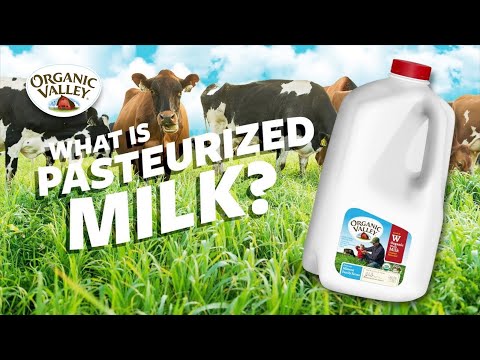
As consumers increasingly opt for organic milk, understanding its safety and processing becomes vital. Organic milk is subject to specific regulations and processing methods that differentiate it from conventional milk.
Understanding Organic Milk Safety and Pasteurization
Organic milk undergoes pasteurization to ensure safety. Ultra-high-temperature (UHT) processing is a method used for some organic milk products, extending shelf life without compromising nutritional value.
Organic dairy farmers and processors adhere to strict guidelines that prohibit the use of antibiotics and synthetic growth hormones. This aspect is a significant selling point for organic milk, appealing to consumers who prioritize avoiding these substances.
Does Organic Milk Last Longer Due to Processing?
The processing method, including UHT, can significantly extend the shelf life of organic milk. However, not all organic milk is ultra-pasteurized; some are pasteurized using traditional methods.
The Truth About Antibiotics and Hormones in Organic Dairy
One of the defining characteristics of organic dairy farming is the prohibition on using antibiotics and synthetic growth hormones. This ensures that organic milk is free from these substances, aligning with consumer preferences for cleaner dairy products.
How to Choose the Right Organic Milk for Your Family

As a parent, picking the ideal organic milk for kids involves understanding various factors, including nutritional content and production processes. With so many options available, making an informed decision can be challenging.
The first step is to consider the type of milk that suits your family’s needs. For children, organic whole milk is often recommended due to its nutritional benefits.
Selecting Organic Whole Milk for Kids and Toddlers
When it comes to organic milk for kids, whole milk is typically suggested for toddlers due to its high fat content, which is crucial for brain development and energy.
Parents should look for USDA-certified organic labels to ensure the milk meets high standards of quality and production.
Considering A2 Organic Whole Milk and Grass-Fed Options
A2 organic whole milk is another option that has gained popularity due to its potential benefits for children with dairy sensitivities. A2 milk contains only the A2 type of casein protein, which some research suggests may be easier to digest.
Grass-fed milk comes from cows that graze on grass, which can result in a more favorable fatty acid profile, including higher levels of omega-3 fatty acids and conjugated linoleic acid (CLA).
Navigating Specialized Products Like DHA Omega-3 Milk
Some organic milk brands are fortified with DHA omega-3, an essential fatty acid important for brain and eye development in children. These products can be a good choice for parents looking to enhance their child’s nutritional intake.
When choosing between different types of organic milk, consider your child’s nutritional needs, any dietary restrictions, and your family’s preferences regarding farming practices.
Comparing Organic Milk Price vs. Conventional Alternatives

The price difference between organic and conventional milk is a significant consideration for many shoppers. Organic milk is generally more expensive due to the higher production costs associated with organic farming practices.
Higher Production Costs
Organic dairy farming involves more labor-intensive and costly practices, such as grazing cattle on organic pastures and avoiding the use of synthetic fertilizers and pesticides. These practices contribute to the higher cost of organic milk.
Key factors that increase the cost include:
- Higher feed costs for organic cattle
- Increased labor costs for grazing and pasture management
- Stricter regulations and certification processes
Budgeting for Organic Dairy
While organic milk is more expensive, many consumers find it worth the extra cost due to its perceived health and environmental benefits. To make organic milk more affordable, consider the following tips:
- Buy in bulk or in larger quantities
- Look for sales or discounts at local grocery stores
- Consider store-brand organic options, which are often cheaper
Finding Value at Retailers
Retailers like Trader Joe’s and Aldi offer affordable organic milk options. Trader Joe’s store-brand organic milk is often priced competitively with conventional milk at other stores. Aldi also offers a range of organic dairy products at budget-friendly prices.
By being mindful of prices and shopping smart, consumers can make organic milk a part of their budget.
Exploring the Differences in Taste and Texture

Many consumers wonder if the taste and texture of organic milk are distinct from those of regular milk. The difference is often attributed to the varying diets of the cows and the processing methods employed.
Does Organic Milk Taste Different Than Regular Milk?
Organic milk is produced under strict guidelines that dictate the diet and living conditions of the cows. This can result in a richer, creamier taste that many consumers prefer. The organic certification ensures that cows are fed organic feed and have access to pasture, which can enhance the flavor profile of the milk.
The Impact of Diet and Processing on Flavor Profiles
The diet of the cows plays a significant role in determining the taste of the milk. Cows that graze on pasture tend to produce milk with a more complex flavor profile compared to those fed grain. Additionally, the processing methods, such as pasteurization and homogenization, can also affect the final taste and texture of the milk.
Grass-fed cows, for instance, produce milk that is higher in certain nutrients and has a distinct flavor. The processing of organic milk often involves gentler methods that preserve the natural taste and nutritional content.
How Grass-Fed Milk Differs from Standard Organic Milk
While all grass-fed milk is organic, not all organic milk is grass-fed. Grass-fed milk comes from cows that have been fed grass for the majority of their lives. This type of milk is known for its higher omega-3 fatty acid content and a more pronounced flavor. In contrast, standard organic milk may come from cows that are fed organic grain or a combination of grass and grain.
The choice between grass-fed and standard organic milk ultimately comes down to personal preference and nutritional priorities. Consumers who value the potential health benefits and unique taste of grass-fed milk may find it worth the investment.
Environmental and Ethical Impact of Organic Dairy Production

As consumers increasingly opt for organic milk, understanding its broader ecological effects becomes crucial. Organic dairy farming is associated with more sustainable practices and better animal welfare standards, potentially leading to a smaller environmental footprint.
Sustainable Farming Practices in the Organic Industry
Organic dairy farming emphasizes sustainable practices that reduce environmental degradation. These practices include:
- Rotational grazing to maintain soil health and biodiversity
- Avoidance of synthetic fertilizers and pesticides
- Use of organic feed for cattle
Sustainable farming practices not only benefit the environment but also contribute to the long-term viability of dairy farming. By adopting these methods, organic dairy farms can reduce their reliance on non-renewable resources and minimize their ecological impact.
Treatment of Cattle and Animal Welfare Standards
Organic dairy farming is characterized by higher animal welfare standards. Cattle are required to have access to pasture, which improves their living conditions and overall health. This approach not only benefits the animals but also results in better quality milk.
The Organic Valley cooperative is a notable example of an organization that prioritizes animal welfare. By ensuring that cattle are treated with respect and care, these farmers can produce high-quality milk while maintaining ethical standards.
The Broader Environmental Footprint of Organic vs. Conventional
When comparing the environmental footprint of organic and conventional dairy production, several factors come into play. Organic dairy farming tends to have a lower carbon footprint due to its emphasis on sustainable practices and reduced use of synthetic inputs.
| Environmental Impact | Organic Dairy | Conventional Dairy |
|---|---|---|
| Greenhouse Gas Emissions | Lower | Higher |
| Water Usage | More efficient | Less efficient |
| Biodiversity | Promotes biodiversity | Less focus on biodiversity |
In conclusion, organic dairy production offers several environmental benefits over conventional methods, making it a more sustainable choice for consumers concerned about their ecological footprint.
Navigating the World of Organic Plant-Based Alternatives

The organic plant-based milk market is booming, offering a diverse range of products that cater to various consumer needs. As the demand for dairy-free alternatives continues to grow, understanding the nuances between these products and traditional organic dairy milk becomes increasingly important.
Consumers are presented with a multitude of choices, from organic oat milk to organic almond milk, each with its unique nutritional profile and environmental impact. This section aims to explore these differences and provide insights into the nutritional considerations for plant-based dairy substitutes.
Comparing Organic Milk to Organic Oat and Almond Milk
When comparing organic milk to its plant-based counterparts, such as organic oat and almond milk, several factors come into play. The nutritional content, taste, and environmental footprint of these alternatives can vary significantly.
Nutritional Comparison: Organic dairy milk is known for its high protein content and rich source of calcium, vitamins D and B12. In contrast, organic oat milk is often fortified with these nutrients but naturally contains more carbohydrates. Organic almond milk, on the other hand, is lower in calories but may lack the protein content found in dairy milk unless fortified.
| Nutrient | Organic Dairy Milk | Organic Oat Milk | Organic Almond Milk |
|---|---|---|---|
| Protein (g) | 8 | 2-3 (varies with brand) | 1-2 (varies with brand) |
| Calcium (mg) | 300 | 350 (fortified) | 450 (fortified) |
| Calories | 170 | 120-160 | 30-60 |
Nutritional Considerations for Plant-Based Dairy Substitutes
When choosing between organic dairy milk and plant-based alternatives, nutritional needs play a crucial role. For instance, individuals requiring high protein intake may prefer organic dairy or fortified plant-based milks.
Fortification Practices: Many organic plant-based milks are fortified with vitamins and minerals to match the nutritional profile of dairy milk. However, the bioavailability of these nutrients can differ.
When to Choose Dairy Over Plant-Based Options
While plant-based alternatives offer a viable option for those with dairy intolerance or preferences, there are scenarios where choosing organic dairy milk is more beneficial. For example, for children and teenagers requiring high calcium and protein intake for growth, organic dairy milk might be the preferable choice.
In conclusion, navigating the world of organic plant-based alternatives requires a comprehensive understanding of their nutritional profiles, environmental impacts, and the needs of the consumer. By making informed choices, individuals can align their dietary preferences with their health and sustainability goals.
Understanding Specialized Organic Dairy Products

The world of organic dairy extends far beyond milk, encompassing a variety of products that cater to different tastes and dietary needs. These products not only offer unique nutritional profiles but also bring versatility to cooking and baking.
Organic Whole Milk Yogurt and Greek Yogurt Varieties
Organic whole milk yogurt is made from the milk of organically raised cows and is known for its rich, creamy texture and tangy flavor. It’s an excellent source of probiotics, which support gut health, and contains a higher amount of protein compared to regular yogurt. Greek yogurt, a variant of organic whole milk yogurt, is strained to remove excess whey, resulting in a thicker consistency and higher protein content.
Nutritional Benefits: Organic whole milk yogurt is rich in calcium, vitamins D and B12, and probiotics, making it beneficial for bone health and digestion.
The Benefits of Organic Valley Ricotta and Grass-Fed Cheese
Organic Valley ricotta cheese is a product of organic dairy farming, known for its creamy texture and mild flavor. It’s often used in pasta fillings, lasagnas, and as a topping for pizzas. Grass-fed cheese, on the other hand, comes from cows that graze on grass, resulting in a richer flavor profile and higher levels of omega-3 fatty acids and conjugated linoleic acid (CLA).
| Product | Nutritional Highlights | Culinary Uses |
|---|---|---|
| Organic Valley Ricotta | High in protein, calcium | Pasta fillings, lasagnas, pizzas |
| Grass-Fed Cheese | Rich in omega-3 fatty acids, CLA | Cheese plates, sauces, baking |
Using Organic Powdered or Condensed Milk in Cooking
Organic powdered milk is a convenient alternative to fresh milk, offering a longer shelf life and ease of storage. It’s ideal for baking, cooking, and making desserts. Organic condensed milk, with its rich, sweet flavor, is perfect for desserts like cheesecakes and custards.
Culinary Tips: Use organic powdered milk to make creamy soups or as a substitute in recipes calling for milk. Organic condensed milk can be drizzled over fruits or used in coffee for added sweetness and creaminess.
Common Myths and Misconceptions About Organic Milk

As consumers increasingly turn to organic milk, it’s essential to separate fact from fiction. Despite its growing popularity, organic milk remains a topic of controversy and misinformation. In this section, we will address some of the most common myths surrounding organic milk.
Debunking Claims About Organic Milk Safety
One of the most prevalent myths about organic milk is that it is inherently safer than conventional milk. While it’s true that organic dairy farming prohibits the use of antibiotics and hormones, the safety of milk is largely determined by pasteurization and handling practices. Both organic and conventional milk can be safe if handled properly.
A study published in the Journal of Dairy Science found that the risk of bacterial contamination is not significantly different between organic and conventional milk. However, organic milk may have a lower risk of containing antibiotic-resistant bacteria due to the prohibition on antibiotic use in organic dairy farming.
- Organic milk is not automatically safer due to its organic certification.
- Proper handling and pasteurization are key to milk safety.
- The risk of bacterial contamination is similar in both organic and conventional milk.
Clarifying the Difference Between Grass-Fed and Organic
Another common misconception is that “grass-fed” and “organic” are interchangeable terms. However, they have distinct meanings. While all organic dairy cows must have access to pasture, the term “grass-fed” typically implies that the cows’ diet consists mainly of grass. Not all organic milk is grass-fed, and not all grass-fed milk is organic.
For instance, Organic Valley, a prominent organic dairy brand, emphasizes grazing practices that align with both organic and grass-fed principles. Their commitment to pasture-based dairy farming contributes to the nutritional profile and taste of their milk.
Addressing Concerns About Shelf-Stable Organic Milk
Shelf-stable organic milk has raised concerns among consumers who worry about its processing and nutritional content. Shelf-stable milk is achieved through ultra-high temperature (UHT) processing, which involves heating the milk to a very high temperature for a short period. This process extends the shelf life without refrigeration.
“UHT processing is a safe and effective method for extending the shelf life of milk without significantly affecting its nutritional content.” – Dr. Marion Nestle, renowned nutrition expert.
While some consumers may be wary of UHT processing, it’s worth noting that it does not compromise the organic status of the milk. The USDA organic standards focus on the production and handling practices, not the processing methods.
In conclusion, understanding the facts behind common myths about organic milk can help consumers make informed choices. By clarifying misconceptions about safety, labeling, and processing, we can better appreciate the value and characteristics of organic milk.
How to Properly Store and Use Organic Milk

To enjoy organic milk at its best, it’s essential to understand how to store it correctly. Proper storage not only maintains the milk’s freshness but also ensures its safety for consumption.
Maximizing Freshness After Opening the Carton
Once you open a carton of organic milk, it’s crucial to store it properly to maintain its freshness. Always keep the carton sealed tightly and refrigerate it at a temperature below 40°F (4°C). It’s also a good practice to store the milk in the coldest part of the refrigerator, usually at the back of a shelf, rather than in the door where temperatures can fluctuate.
Tips for Maintaining Freshness:
- Keep the carton tightly sealed.
- Store in the coldest part of the refrigerator.
- Consume within 5 to 7 days after opening.
Signs of Spoilage in Organic Dairy Products
Identifying spoilage in organic milk is crucial for food safety. Look out for changes in smell, taste, and appearance. Spoiled milk may have a sour smell, an off taste, or curdling. If you notice any of these signs, it’s best to discard the milk.
| Signs of Spoilage | Description |
|---|---|
| Sour Smell | A strong, unpleasant odor that’s different from the normal smell of milk. |
| Off Taste | A sour or unpleasantly sharp taste. |
| Curlding or Chunky Texture | Milk that has curdled or developed a chunky texture. |
Best Practices for Refrigeration and Consumption
Refrigeration is key to extending the shelf life of organic milk. Always check the expiration date before purchasing and store unopened cartons in the refrigerator at a consistent temperature below 40°F (4°C). Once opened, consume the milk within the recommended timeframe, usually 5 to 7 days.
Best Practices:
- Check expiration dates before purchasing.
- Store unopened cartons in the refrigerator.
- Maintain a consistent refrigerator temperature.
At The End of: Organic Milk Guide

The decision to choose organic milk over conventional milk is a personal one, influenced by individual priorities regarding nutrition, environmental sustainability, and budget. Throughout this article, we’ve explored the various aspects of organic milk, from its USDA certification standards and nutritional benefits to its environmental impact and cost.
When considering whether organic milk is worth it, it’s essential to weigh the benefits of higher nutritional quality, more humane farming practices, and sustainable production methods against the higher cost. For those who value these aspects and can afford the premium, organic milk offers a compelling choice.
Ultimately, choosing between organic and conventional milk comes down to personal preference and priorities. By understanding the differences and making informed decisions, consumers can select the best milk for their families, aligning with their values and dietary needs.
FAQ
What is the main difference between organic and regular milk?
The primary difference between organic and regular milk lies in the farming practices and USDA organic milk standards. To be certified, organic milk must come from cows that are not treated with antibiotics and hormones, such as rBST. Additionally, the treatment of cattle requires that they are raised on 100% organic feed and have access to pasture for the duration of the grazing season, whereas conventional milk production often involves more intensive, indoor feeding operations.
Is organic milk really healthier than regular milk?
When looking at organic milk nutrition facts, research suggests it contains higher levels of DHA omega 3 fatty acids and conjugated linoleic acid (CLA), which are beneficial for heart health. Organic whole milk also tends to have a more favorable ratio of omega-3 to omega-6 fatty acids compared to regular milk. Many brands, like Horizon Organic DHA Omega 3 Whole Milk, are also fortified with high vitamin D to support bone health.
Why does organic milk last longer than conventional milk?
Many consumers notice that organic milk has a longer shelf life. This is because many brands of organic milk, such as Organic Valley and Horizon Organic, use ultra-pasteurized (UHT) processing. This high-heat treatment kills more bacteria than standard pasteurization, allowing a fl oz carton to stay fresh for up to 40-60 days unopened in the refrigerator.
Is organic milk always grass-fed?
No. USDA organic standards require pasture access and a minimum average of 30% dry matter intake from pasture during the grazing season, but that is not the same as a separate 100% grass-fed claim. Many certified dairies still use approved grains and stored forages as part of the ration. USDA livestock standards
Can cows producing organic milk ever be treated if they get sick?
Yes. Producers are not allowed to withhold needed treatment, but if a prohibited substance is used, the resulting milk cannot continue to be sold as organic. That rule protects animal welfare while also protecting the integrity of the certification claim. USDA dairy treatment overview
Is organic milk the same thing as raw milk?
No. Raw milk refers to a safety and processing issue, while organic refers to a production and certification system. Most mainstream retail products in this category are pasteurized or ultra-pasteurized, and public-health agencies recommend pasteurized dairy because it offers the nutritional benefits of milk without the same microbial risk. FDA raw milk myth review
Is organic milk always ultra-pasteurized?
No. Many national brands use ultra-pasteurization to support longer distribution and shelf life, but not every product is processed that way. The right move is to check the carton, because the processing method can influence flavor, shelf life, and how quickly the household needs to use the product after opening. FDA pasteurized milk guidance
Is organic milk clearly more nutritious in every way?
Not necessarily. The strongest evidence points to differences in fatty-acid profile, especially where pasture intake is higher, but broad claims that every nutrient is dramatically better are too simplistic. For most people, the bigger day-to-day nutrition decision is still total diet quality, not a single food label alone. Peer-reviewed fatty acid comparison
How can I verify organic milk quickly in a store?
Look for the USDA Organic seal, the certifier statement, the product’s fat level, and the processing method on the carton. That quick scan usually tells you more than front-label buzzwords, and it helps separate a regulated organic claim from broader lifestyle language that may sound appealing but carries less legal weight. USDA label guide
What are the specific organic milk pasture rules?
Under the USDA-organic requirements, cows must graze on pasture for at least 120 days per year and obtain at least 30% of their dry matter intake from grass-fed sources. This organic milk pasture rules mandate ensures that cows have a more natural lifestyle, which directly impacts the flavor and nutritional profile of products like Organic Valley Grassmilk and Straus Cream Top milk.
Is organic milk worth it for kids and toddlers?
Many parents believe organic milk for kids is worth the investment to avoid exposure to synthetic pesticides and growth hormones. Specialized products like Horizon Organic Growing Years milk are specifically formulated with DHA, choline, and prebiotics to support brain development. For younger children, Stonyfield baby yogurt and Stonyfield Organic whole milk yogurt provide high-quality fats and probiotics without added chemicals.
How does organic milk price vs conventional milk compare?
The organic milk price vs conventional is typically higher due to the increased cost of organic feed, smaller-scale farming, and the rigorous organic dairy certification process. However, you can find value at grocery stores like Trader Joe’s or Aldi. For example, Trader Joe’s whole milk (organic) or Great Value organic milk often provide a more budget-friendly entry point for families.
What is the difference between standard organic and grass-fed milk?
While all organic milk requires some pasture time, 100 grass fed milk (like Organic Valley Grassmilk whole milk) comes from cows that eat exclusively grass and dried forages, with zero grain. This results in an even higher concentration of nutrients and a distinct, herbaceous flavor. You can find grass fed milk Trader Joe’s options as well as specialty brands like Alexandre Milk.
Are there organic plant-based milk alternatives?
Yes, the market has expanded to include organic plantmilks for those who avoid dairy. Popular options include Malk organic almond milk, Malk organic oat milk, and Westsoy soy milk. While these offer no additives and are USDA organic, they differ in protein and calcium in almond milk compared to organic cow milk.
What is A2 organic whole milk?
A2 organic whole milk, such as Alexandre A2 milk or grass fed A2 milk, comes from cows that naturally produce only the A2 beta-casein protein. Many people who experience discomfort with conventional milk find organic A2 milk much easier to digest because it lacks the A1 protein associated with digestive issues.
Can I get organic shelf-stable milk?
Yes, brands like Organic Valley shelf stable milk and Horizon Organic shelf stable milk are available in aseptic packaging. These are perfect for lunchboxes or emergency storage because they do not require refrigeration until they are opened.
What are some high-quality organic yogurt and cheese brands?
Beyond liquid milk, you can find stonyfield organic plain yogurt, wallaby organic vanilla bean greek yogurt, and organic valley ricotta cheese. For those seeking premium textures, wallaby organic’s vanilla bean greek yogurt and trader joe’s whole milk greek yogurt are highly rated for their creamy consistency and probiotic benefits.
Does organic milk taste different?
Many consumers find that organic milk has a richer, creamier taste, especially straus whole milk or organic pastures raw milk. The grass-fed diet of the cattle often imparts a more complex flavor profile than the more uniform taste of conventional milk.
Is raw organic milk safe?
Organic pastures raw milk and other raw dairy products are not pasteurized, meaning they retain natural enzymes but carry a higher risk of foodborne illness. While some seek it for specific health claims, most USDA-organic brands found in grocery stores prioritize organic milk safety and pasteurization to ensure the product is free from harmful bacteria.
Conclusion of: Organic Milk
Organic milk has become one of the clearest examples of how a simple grocery item can carry bigger questions about farming standards, animal care, nutrition, processing, and price. For U.S. shoppers, the real issue is not whether one carton is magically healthier than another, but whether the production rules and practical tradeoffs match what they value most in their home, budget, and food choices. USDA organic basics
What USDA organic standards actually mean
When a carton says organic milk in the United States, that claim sits under a federal certification framework rather than a vague marketing promise. The standard is tied to USDA rules on how feed is sourced, how animals are managed, what substances are prohibited, how records are kept, and how handlers maintain product integrity through processing and labeling. FDA overview of organic food labels
For dairy farms supplying organic milk, the biggest rule differences start with feed and health management. Cows must receive organic feed, added growth hormones are prohibited, and antibiotics cannot be used if the resulting milk will still be sold as organic; if a sick animal needs prohibited treatment, it must still be treated, but its output loses organic status rather than the animal being left untreated. USDA Organic 101 for dairy
The pasture rule is one of the clearest reasons organic milk is different at the farm level. USDA standards require ruminants to graze during the grazing season for at least 120 days per year and to receive, on average, at least 30 percent of their dry matter intake from pasture during that season, which pushes organic dairies toward a more pasture-centered management model than many confinement-heavy systems. 7 CFR pasture practice standard
Behind every gallon of organic milk is a certification system that also depends on paperwork, inspections, and transition planning. Land used for organic feed or forage generally must go through a 36-month transition without prohibited substances, and dairy animals must be under continuous organic management for at least 12 months before milk can be sold as organic, which is why conversion is usually a phased business decision rather than a quick branding change. USDA transition guidance
How to read the label without overthinking it
For shoppers, the easiest way to verify organic milk is to look for the USDA Organic seal and the certifier information on the package. On fluid milk, the label is usually straightforward because the product is not a complex multi-ingredient food, so the practical question becomes less about decoding percentages and more about confirming that the carton is genuinely certified and not using softer claims that sound natural but mean far less. USDA Organic seal guidance
Nutrition: what changes and what does not
From a nutrition standpoint, organic milk still functions primarily as a source of protein, calcium, and, in many U.S. products, added vitamin D. In other words, the organic claim does not erase the fact that cow’s milk remains a nutrient-dense food first, so the most important label checks for many families are still fat level, fortification, serving size, and whether the product fits the rest of the diet. NIH vitamin D fact sheet
Where organic milk can differ more noticeably is in fatty-acid composition, especially when pasture and forage intake are higher. Research reviews have found that organic dairy products often show a more favorable omega-3 profile and lower omega-6 to omega-3 ratio than conventional counterparts, but that point should be framed carefully: it is a meaningful compositional difference, not proof that every carton will transform an otherwise weak diet. Critical review of composition and nutrition
One point that confuses shoppers is that organic milk does not mean raw milk. In U.S. retail settings, the safer mainstream expectation is still pasteurized dairy, and public-health agencies are clear that pasteurization protects against harmful germs while preserving the nutritional value people buy milk for in the first place, which makes “organic versus conventional” a separate question from “pasteurized versus raw.” CDC raw milk safety guidance
Taste, processing, and shelf life
Many U.S. brands sell organic milk in ultra-pasteurized form because the category often moves through longer distribution channels and wider geographic markets. That extra heat treatment can extend refrigerated shelf life and make national shipping easier, but it may also produce a slightly more cooked flavor than standard pasteurized milk, so shoppers should treat processing style as part of the buying decision rather than assuming every organic carton tastes the same. Cornell pasteurization fact sheet
Is it worth it for shoppers?
For households deciding whether organic milk is worth the extra money, the most honest answer is “it depends on why you are buying it.” If your top priorities are USDA-regulated production standards, organic feed, pasture access, and avoiding the use of prohibited substances in milk sold under the organic label, then paying more can make sense; if your main goal is simply protein and calcium at the lowest cost, the premium may be harder to justify. USDA ERS organic agriculture overview
Budget is the biggest reason people hesitate on organic milk, and that hesitation is reasonable. USDA market reporting and ERS work both show that organic dairy products typically carry noticeable retail premiums, so value-minded shoppers should compare unit prices, package sizes, family consumption speed, and fat level before deciding, because overbuying a premium product that is not fully used is rarely a smart nutrition or money choice. USDA retail milk prices report
What it means for U.S. dairy farms
On the farm side, organic milk can open a differentiated market, but it also raises the management bar. A successful organic dairy has to align pasture, forage quality, herd health, breeding, recordkeeping, certification, housing, and labor into one system, and producers who approach conversion as a simple price-premium play usually discover that the transition is more operational than promotional. USDA Organic Transition Initiative
Profitability with organic milk depends less on ideology than execution. USDA economic work shows that dairy costs vary strongly by region, herd size, technology use, and input structure, and the same logic applies in organic systems: high forage quality, disciplined reproduction, strong labor efficiency, realistic replacement plans, and dependable market access matter more than broad assumptions about what the word “organic” should earn on its own. USDA ERS dairy analysis
Quick checklist
Use this quick checklist before buying or evaluating organic milk so the decision stays practical instead of emotional. It works for both consumers comparing products in a store and producers reviewing whether the category fits their goals, because the same core idea applies in both cases: standards matter, but fit matters too. NRCS soil health overview
- Look for the USDA Organic seal.
- Check that a certifier is named on the package.
- Confirm whether the milk is pasteurized or ultra-pasteurized.
- Choose the fat level that matches your household needs.
- Compare unit price, not just carton price.
- Buy only the package size your family can finish on time.
- Check vitamin D fortification if that matters in your diet.
- Store it cold and do not let shelf life assumptions replace safe handling.
- For farms, verify feed sourcing and pasture capacity before transition.
- For farms, match the marketing premium to actual production and labor realities.
Common mistakes to avoid
The biggest mistakes with organic milk usually come from assumptions, not from bad intentions. Consumers often buy based on a halo effect, while farms sometimes convert based on a premium headline, and both sides do better when the decision is anchored in standards, economics, and day-to-day use rather than broad beliefs. USDA organic labeling rules
- Assuming organic means raw or less processed.
- Assuming organic always means 100% grass-fed.
- Ignoring fat level, fortification, and package size while focusing only on the claim.
- Paying a premium without checking how fast the household actually uses milk.
- Expecting dramatic nutrition differences across every nutrient.
- Starting a farm transition without a written organic system plan and feed strategy.
- Underestimating recordkeeping, pasture infrastructure, and labor during conversion.
Costs and ROI snapshot
For producers, organic milk economics should be viewed as a system decision with upfront, ongoing, and opportunity costs. The transition window can temporarily squeeze cash flow, especially when land is being managed toward certification, dairy animals are moving through the required management period, and the farm is paying for infrastructure, inputs, and extra oversight before the new revenue stream is fully stabilized. USDA certification and cost-share details
- Land used for organic feed or forage generally needs a 36-month transition without prohibited substances.
- Dairy animals must be under continuous organic management for at least 12 months before milk can be sold as organic.
- USDA Organic Certification Cost-Share Programs can reimburse eligible operations up to 75% of certification costs.
- Common capital needs include fencing, lanes, water access, shade, forage storage, and recordkeeping systems.
- Working-capital pressure can rise because organic feed, replacement planning, and pasture management all need tighter execution.
Once organic milk is in production, return on investment depends on unit cost control as much as on the premium itself. USDA data on U.S. dairying show wide cost differences by herd size, and recent economic analysis emphasizes the same drivers organic farms watch closely: output per cow, labor efficiency, feed management, repairs, and the ability to spread overhead across enough saleable milk without weakening pasture performance or herd health. USDA dairy cost structure analysis
- Use ranges, not a single target number, when budgeting organic dairy economics.
- USDA all-dairy 2021 data show that total cost per 100 pounds of milk varied sharply by herd size, from about $42.71 for herds under 50 cows to about $19.14 for farms with 2,000 or more cows.
- Smaller operations often need a stronger premium, tighter labor use, or a better direct market position to stay competitive.
- High-quality forage, good reproduction, and lower health disruptions usually improve ROI faster than chasing output alone.
- A premium does not fix weak feed efficiency, poor records, or fragile cash flow.
Final thought
In the end, organic milk is best seen as a regulated production choice with nutrition value, cost tradeoffs, and real farming implications, not as a miracle product or a waste of money by default. It is worth it when the USDA standards behind the carton line up with your priorities, and less compelling when your main need is simply affordable, safe, everyday milk. USDA dairy readings
Sources & References
- USDA AMS — Organic Livestock & Dairy
- USDA AMS — Organic Regulations
- USDA AMS — Calculating Dry Matter Intake from Pasture
- USDA ERS — Organic Agriculture
- FDA — Food Safety and Raw Milk
- USDA FoodData Central
- NIH ODS — Calcium Fact Sheet
- USDA AMS — Organic Dairy Retail Overview
- USDA ERS — Retail and Consumer Aspects of the Organic Milk Market
- USDA ERS — Dairy
- Critical Review — Production, Composition and Nutritional Properties of Organic Milk
- Cornell CALS — Pasteurized versus Ultra-Pasteurized Milk
- USDA NRCS — Soil Health
- Production Costs of Grass-Fed Organic Milk in the Northeastern United States