Health-conscious individuals across the United States are increasingly turning to a creamy, protein-packed staple for their daily meals. Nonfat Greek yogurt has become a kitchen essential, prized for its thick texture and impressive nutritional profile.
A single cup of this plain variety provides about 17 grams of protein, making it a powerhouse for muscle recovery and satiety. Understanding nonfat Greek yogurt nutrition helps you make better choices for your fitness goals.
Beyond its health benefits, this dairy product is incredibly versatile. Whether you use it as a base for morning bowls or a substitute for sour cream, it elevates every dish. Discovering how to incorporate nonfat Greek yogurt in the U.S. culinary scene can transform your snacking habits into something truly delicious.
Key Takeaways
- Provides a high protein content of 17 grams per cup.
- Offers a versatile, creamy texture for various recipes.
- Supports healthy eating habits and fitness goals.
- Serves as a smart, low-fat alternative to heavy cream.
- Fits perfectly into a balanced American diet.
Understanding the Rise of Nonfat Greek Yogurt in the U.S.

Nonfat Greek yogurt has become a staple in many American diets, driven by its nutritional benefits and adaptability in recipes. Its rise to prominence can be attributed to several factors, including its high protein content, lower fat levels, and versatility in both sweet and savory dishes.
The nutritional profile of nonfat Greek yogurt is significantly different from that of regular yogurt. It contains more protein and less sugar, making it an attractive option for health-conscious consumers. Additionally, nonfat Greek yogurt is rich in probiotics, which support gut health.
When comparing nonfat Greek yogurt to regular yogurt, several key differences emerge:
- Protein Content: Nonfat Greek yogurt generally has a higher protein content.
- Straining Process: The straining process for Greek yogurt removes excess liquid, resulting in a thicker consistency.
- Nutritional Profile: Nonfat Greek yogurt tends to have fewer calories and less sugar than regular yogurt.
The adaptability of nonfat Greek yogurt in various recipes has also contributed to its popularity. It can be used as a base for smoothies, as a substitute for sour cream or mayonnaise, and as an ingredient in baking.
As the demand for healthier and more versatile food options continues to grow, nonfat Greek yogurt is likely to remain a popular choice among American consumers. Its unique combination of nutritional benefits and culinary flexibility makes it an ideal component of a balanced diet.
Analyzing Nonfat Greek Yogurt Nutrition

Analyzing the nutritional aspects of nonfat Greek yogurt reveals its potential benefits for overall health. Nonfat Greek yogurt is renowned for its high protein content and low calorie count, making it a popular choice among health enthusiasts.
Breaking Down the Macronutrient Profile
Nonfat Greek yogurt is characterized by its rich macronutrient profile. A cup of nonfat Greek yogurt typically contains approximately 23.5 grams of protein and 130 calories. The protein content is particularly significant as it supports muscle health and satiety.
The macronutrient breakdown can be further understood by examining the following table:
| Macronutrient | Amount per Cup |
|---|---|
| Protein | 23.5 grams |
| Calories | 130 |
| Fat | 0-1 gram |
| Carbohydrates | 7-10 grams |
The Role of Nonfat Greek Yogurt Protein in Muscle Recovery
Protein is a crucial element in muscle recovery, especially after exercise. Nonfat Greek yogurt’s high protein content makes it an excellent post-workout snack. The protein helps in repairing and rebuilding muscle tissues, thereby aiding in recovery.
Consuming nonfat Greek yogurt after a workout can provide the necessary amino acids for muscle repair. This is particularly beneficial for athletes and individuals engaging in regular physical activity.
Understanding Nonfat Greek Yogurt Calories and Energy Density
With only 130 calories per cup, nonfat Greek yogurt is considered a low-calorie food. Its low energy density makes it an ideal component of a weight management diet. It provides a feeling of fullness without contributing significantly to daily calorie intake.
In conclusion, nonfat Greek yogurt is not only a rich source of protein but also a low-calorie food that can be beneficial for muscle recovery and weight management. Its nutritional profile makes it a valuable addition to a healthy diet.
Nonfat Greek Yogurt vs Regular Yogurt

Nonfat Greek yogurt and regular yogurt have distinct differences, primarily due to the straining process that Greek yogurt undergoes. This process removes excess liquid, resulting in a thicker, creamier yogurt with a higher concentration of protein.
As Dr. Maria Rodriguez, a nutrition expert, notes, “The straining process not only changes the texture but also impacts the nutritional profile, making Greek yogurt a popular choice among fitness enthusiasts and health-conscious consumers.”
Texture and Consistency Differences
The most noticeable difference between nonfat Greek yogurt and regular yogurt is their texture and consistency. Greek yogurt is strained through a cheesecloth or a fine mesh to remove whey, leaving behind a thicker, more concentrated product.
In contrast, regular yogurt has a thinner consistency because it contains more whey. This difference in texture makes Greek yogurt a preferred choice for those looking for a more filling and satisfying snack.
Processing Methods and Straining Techniques
The processing methods and straining techniques used for Greek yogurt are more labor-intensive compared to regular yogurt. Greek yogurt is strained multiple times to achieve its characteristic thickness.
As a result, Greek yogurt generally has less sugar and more protein than regular yogurt, making it an attractive option for those monitoring their sugar intake and seeking higher protein content.
“The extra straining step not only enhances the texture but also concentrates the nutrients, making nonfat Greek yogurt a nutrient-dense choice.” –
Nutrition Insights
Nonfat Greek Yogurt vs Plain Yogurt

The distinction between nonfat Greek yogurt and plain yogurt is not just about labeling; it involves significant differences in flavor profiles and uses in cooking. While both types of yogurt share some similarities, their differences can significantly impact their applications in various recipes and dietary preferences.
Flavor Profiles and Culinary Applications
Plain nonfat Greek yogurt has a tangy flavor, making it a versatile ingredient for both sweet and savory dishes. Its thick and creamy texture is ideal for sauces, dips, and marinades, enhancing the flavor and moisture content of various culinary creations. In contrast, plain yogurt tends to be less thick and may not offer the same level of creaminess.
Culinary Uses: Nonfat Greek yogurt can be used as a base for smoothies, adding protein and a creamy texture. It’s also a great substitute for sour cream or mayonnaise in recipes, reducing the fat content without compromising on taste.
The Impact of Straining on Nutrient Concentration
The process of straining yogurt to create Greek yogurt removes excess whey, resulting in a higher concentration of protein and a thicker consistency. This straining process also affects the nutrient profile, making nonfat Greek yogurt a more protein-dense option compared to plain yogurt.
Nutritional Benefits: The straining process not only concentrates the protein but also affects the calcium content, making nonfat Greek yogurt a nutrient-rich addition to a balanced diet.
When choosing between nonfat Greek yogurt and plain yogurt, consider the desired texture and nutritional content for your specific needs. Whether you’re looking for a high-protein ingredient for cooking or a healthier snack option, understanding these differences can help you make an informed decision.
Evaluating the Best Nonfat Greek Yogurt Brands

The quest for the perfect nonfat Greek yogurt involves more than just picking a brand; it requires a careful examination of its ingredients and nutritional profile. With numerous options available in the market, consumers must be discerning to select a product that aligns with their dietary preferences and health goals.
Criteria for Selecting High-Quality Dairy
When evaluating nonfat Greek yogurt brands, the quality of the dairy used is paramount. Look for brands that source their milk from grass-fed cows or those that adhere to high standards of animal welfare. The production process, including whether the yogurt is made from milk that is free of antibiotics and hormones, can significantly impact the final product’s quality.
Identifying Clean Labels and Minimal Ingredients
A clean label is indicative of a product with fewer, more natural ingredients. Opt for nonfat Greek yogurt with minimal ingredients, ideally just milk and live cultures. Avoid brands that include unnecessary additives, such as excessive sugar, artificial flavors, or preservatives. The fewer the ingredients, the closer the product is to its natural state, making it a healthier choice for consumers.
To identify the best nonfat Greek yogurt, it’s crucial to read labels carefully. Be wary of added sugars, which can greatly increase the calorie count and negate some of the health benefits associated with nonfat Greek yogurt. Choosing plain, unflavored varieties allows consumers to control the amount of sugar that goes into their yogurt.
Addressing Concerns About Added Sugar

Nonfat Greek yogurt, once hailed for its health benefits, is now under the microscope for its sugar content, particularly in flavored varieties. As consumers become increasingly aware of the health implications of excessive sugar intake, the scrutiny on added sugars in nonfat Greek yogurt has intensified.
How to Spot Hidden Sugars in Flavored Varieties
Flavored nonfat Greek yogurts can be deceivingly high in added sugars. To make informed choices, consumers must become adept at reading labels.
Key steps to identify hidden sugars include:
- Checking the ingredient list for sugar and its aliases (e.g., high fructose corn syrup, honey, maple syrup)
- Comparing the total sugar content across different brands and flavors
- Being wary of ‘healthy’ or ‘natural’ labels that might still contain high sugar levels
As noted by a registered dietitian, “The American Heart Association recommends that women consume no more than 25 grams (6 teaspoons) of sugar per day, and men limit their intake to no more than 36 grams (9 teaspoons) per day.”
“The American Heart Association recommends that women consume no more than 25 grams (6 teaspoons) of sugar per day, and men limit their intake to no more than 36 grams (9 teaspoons) per day.”
American Heart Association
| Brand | Flavor | Sugar Content (grams) |
|---|---|---|
| Brand A | Vanilla | 20 |
| Brand B | Strawberry | 15 |
| Brand C | Plain | 5 |
The Benefits of Choosing Plain Nonfat Greek Yogurt
Opting for plain nonfat Greek yogurt is a straightforward way to avoid added sugars. Plain varieties allow consumers to control the amount of sugar in their yogurt by adding their own fruit or flavorings.
Benefits of plain nonfat Greek yogurt include:
- Lower overall sugar intake
- Greater control over flavor and sweetness
- Higher protein content compared to flavored varieties
By choosing plain nonfat Greek yogurt, consumers can enjoy the nutritional benefits of yogurt while minimizing their exposure to added sugars.
Managing Lactose Sensitivity with Greek Yogurt

For individuals with lactose sensitivity, finding the right dairy product can be a challenge, but nonfat Greek yogurt offers a promising solution. Lactose intolerance affects a significant portion of the population, causing discomfort and digestive issues after consuming lactose-containing products. Nonfat Greek yogurt, with its lower lactose content compared to regular yogurt, presents a more digestible alternative.
Why Greek Yogurt is Often Easier to Digest
Greek yogurt, including the nonfat variety, undergoes a straining process that removes excess whey and lactose, resulting in a product that is not only thicker and creamier but also lower in lactose. This process makes it easier for individuals with lactose sensitivity to digest. Additionally, the live cultures present in Greek yogurt, such as Lactobacillus bulgaricus and Streptococcus thermophilus, can aid in lactose digestion.
Tips for Those with Severe Lactose Intolerance
While nonfat Greek yogurt is generally easier to digest, individuals with severe lactose intolerance should still exercise caution. Here are some tips to make nonfat Greek yogurt a part of their diet:
- Start with small portions to gauge tolerance.
- Choose plain, unflavored varieties to avoid added sugars.
- Consider pairing nonfat Greek yogurt with other foods to slow down lactose digestion.
The nutritional benefits of nonfat Greek yogurt, including its high protein content and rich calcium profile, make it a valuable addition to a lactose-sensitive individual’s diet. The following table highlights the nutritional comparison between nonfat Greek yogurt and regular yogurt:
| Nutritional Component | Nonfat Greek Yogurt | Regular Yogurt |
|---|---|---|
| Lactose Content | Lower | Higher |
| Protein Content | Higher | Lower |
| Calcium Content | Rich | Present |
By incorporating nonfat Greek yogurt into their diet, individuals with lactose sensitivity can enjoy the benefits of yogurt while minimizing discomfort. It’s about finding the right balance and being mindful of individual tolerance levels.
Is Nonfat Greek Yogurt Healthy for Your Daily Diet

Nonfat Greek yogurt is rich in essential nutrients, making it a valuable component of a balanced diet. Its high nutritional value is attributed to its richness in probiotics, calcium, and various micronutrients.
Probiotics and Gut Health Benefits
Nonfat Greek yogurt contains live and active cultures, which are beneficial probiotics that support gut health. These probiotics help in maintaining a healthy gut microbiome, which is crucial for digestion, immune function, and even mental health.
Benefits of Probiotics in Nonfat Greek Yogurt:
- Enhanced digestion and reduced symptoms of irritable bowel syndrome (IBS)
- Boosted immune system function
- Potential mental health benefits through the gut-brain axis
Calcium and Micronutrient Contributions
Nonfat Greek yogurt is an excellent source of calcium, a mineral essential for bone health. It also provides other vital micronutrients like potassium, magnesium, and vitamin B12.
Nutritional Highlights:
| Nutrient | Amount per 6 oz Serving | Health Benefit |
|---|---|---|
| Calcium | 200 mg | Supports bone health and density |
| Protein | 15-20 grams | Aids in muscle recovery and satiety |
| Potassium | 240 mg | Helps regulate blood pressure |
| Magnesium | 20 mg | Important for muscle and nerve function |
In conclusion, nonfat Greek yogurt is a nutritious addition to a daily diet, offering numerous health benefits through its probiotic content, calcium, and other essential micronutrients.
How to Eat Nonfat Greek Yogurt for Breakfast

Nonfat Greek yogurt offers a creamy and nutritious foundation for breakfast parfaits and bowls. It’s an excellent base that can be enhanced with various toppings to create a balanced and satisfying meal.
Creating Balanced Parfaits and Bowls
To create a balanced parfait or bowl, start with a generous serving of nonfat Greek yogurt. You can then layer it with other nutritious ingredients.
Layering Ingredients: Begin with a layer of nonfat Greek yogurt, followed by a layer of fresh fruit or granola, and continue alternating until you reach your desired height. This not only makes for a visually appealing breakfast but also ensures a mix of textures and flavors.
Consider adding a sprinkle of chia seeds or flaxseeds for an extra dose of omega-3 fatty acids and fiber. You can also add a drizzle of honey or a sprinkle of cinnamon to enhance the flavor without adding refined sugars.
Pairing with Whole Grains and Fresh Fruit
Pairing nonfat Greek yogurt with whole grains and fresh fruit is a great way to create a filling breakfast.
Whole Grain Options: You can mix in some whole grain cereals or oats to add fiber and texture. Alternatively, using whole grain toast or waffles on the side can complement your yogurt bowl nicely.
Fresh Fruit Additions: Fresh fruit not only adds natural sweetness but also provides essential vitamins and antioxidants. Berries, sliced bananas, or diced apples are excellent choices that pair well with the tanginess of Greek yogurt.
By incorporating nonfat Greek yogurt into your breakfast routine and pairing it with whole grains and fresh fruit, you can enjoy a nutritious and delicious start to your day.
Using Nonfat Greek Yogurt for Smoothies

Nonfat Greek yogurt is a versatile ingredient that can elevate the protein content and texture of your favorite smoothies. By incorporating it into your blend, you can create a healthier and more satisfying drink.
One of the primary benefits of using nonfat Greek yogurt in smoothies is its ability to enhance the texture. The straining process involved in making Greek yogurt removes excess liquid, resulting in a thicker and creamier consistency that blends well with other ingredients.
Achieving the Perfect Creamy Texture
To achieve the perfect creamy texture in your smoothies, it’s essential to balance the amount of nonfat Greek yogurt with other ingredients. Start with a small amount, such as half a cup, and adjust to taste. You can also combine it with frozen fruits or vegetables to add natural sweetness and thickness.
Tips for a Creamier Smoothie:
- Add a handful of frozen berries for a thicker consistency
- Use a combination of yogurt and milk or a milk alternative to achieve the desired texture
- Experiment with different types of frozen fruit to change up the flavor and texture
Boosting Protein Content Without Extra Fat
Nonfat Greek yogurt is an excellent source of protein, making it an ideal ingredient for those looking to boost their protein intake without adding extra fat. With approximately 20 grams of protein per cup, it can significantly enhance the nutritional profile of your smoothies.
To maximize the protein benefits, consider combining nonfat Greek yogurt with other protein-rich ingredients like nuts, seeds, or protein powder. This will not only enhance the protein content but also add healthy fats and fiber to your smoothie.
By incorporating nonfat Greek yogurt into your smoothies, you can create a delicious, nutritious, and filling drink that supports your health and fitness goals.
Incorporating Nonfat Greek Yogurt for Cooking

Nonfat Greek yogurt is a versatile ingredient that can elevate various dishes in your kitchen. Its creamy texture and tangy flavor make it an excellent substitute for other dairy products in many recipes.
One of the most significant advantages of using nonfat Greek yogurt in cooking is its ability to add moisture and tenderness to dishes without the extra fat. This makes it an attractive option for health-conscious cooks looking to reduce the calorie count of their meals.
Substituting Sour Cream and Heavy Cream
Nonfat Greek yogurt can be used as a substitute for sour cream and heavy cream in many recipes. This substitution not only reduces the fat content but also adds a similar tanginess and creaminess to the dish.
For example, you can use nonfat Greek yogurt in place of sour cream in dips, sauces, and baked goods. When substituting heavy cream, nonfat Greek yogurt works well in soups, sauces, and desserts, providing a rich texture without the high calorie count.
| Dish | Original Ingredient | Nonfat Greek Yogurt Substitute |
|---|---|---|
| Dips and Sauces | Sour Cream | 1:1 ratio |
| Soups and Sauces | Heavy Cream | 3/4 cup yogurt + 1/4 cup milk or water |
| Baked Goods | Sour Cream | 1:1 ratio, adjust liquid content as needed |
Tips for Preventing Curdling in Hot Dishes
One common issue when using nonfat Greek yogurt in hot dishes is curdling. To prevent this, it’s essential to temper the yogurt before adding it to the hot dish.
Tempering involves gradually adding a small amount of the hot liquid to the yogurt, stirring constantly, before adding the yogurt mixture back into the main dish. This helps to prevent the yogurt from curdling due to sudden temperature changes.
Key tips for preventing curdling:
- Temper the yogurt by gradually adding hot liquid.
- Stir constantly when tempering.
- Avoid boiling the dish after adding yogurt.
- Use a stabilizer like cornstarch or flour if necessary.
Creative Culinary Uses for Nonfat Greek Yogurt
With its creamy texture and tangy flavor, nonfat Greek yogurt can be used in a variety of creative ways. It’s a versatile ingredient that can enhance both the nutritional value and the taste of various dishes.
Making Savory Dips and Salad Dressings
Nonfat Greek yogurt is an excellent base for making savory dips and salad dressings. Its creamy texture provides a rich and smooth consistency, while its tangy flavor adds depth to the dishes. To make a delicious dip, you can mix nonfat Greek yogurt with herbs and spices, such as dill, garlic, and paprika. For salad dressings, combining it with lemon juice or vinegar and olive oil can create a refreshing and healthy alternative to traditional dressings.
Some ideas for savory dips include:
- Tzatziki sauce with cucumber and dill
- Spinach and artichoke dip with garlic and lemon
- Roasted red pepper dip with smoked paprika
Using Yogurt in Baking and Marinades
Nonfat Greek yogurt can also be used in baking and as a marinade for meats. In baking, it adds moisture and tenderness to cakes, muffins, and scones. It can replace sour cream or buttermilk in many recipes, providing a healthier alternative without compromising on taste or texture.
When using nonfat Greek yogurt in marinades, it helps to tenderize the meat and adds a subtle tanginess. For example, a marinade made with nonfat Greek yogurt, lemon juice, and herbs like thyme and rosemary can be perfect for chicken or lamb.
Some benefits of using nonfat Greek yogurt in baking include:
- Increased moisture content
- Tender crumb texture
- A healthier alternative to sour cream or buttermilk
Step-by-Step Guide to Preparing Healthy Snacks

Healthy snacking is made easy with nonfat Greek yogurt, a protein-rich food that can be incorporated into numerous recipes. Nonfat Greek yogurt serves as an excellent base for a variety of snacks due to its creamy texture and high nutritional value.
Preparing Overnight Oats with Yogurt
To prepare overnight oats, you will need nonfat Greek yogurt, rolled oats, and your choice of fruits or nuts.
Start by mixing 1/2 cup of rolled oats, 1/2 cup of nonfat Greek yogurt, and 1/2 cup of milk in a jar. Add your preferred fruits or nuts, such as berries or almonds, and mix well. Refrigerate overnight and enjoy in the morning.
The benefits of overnight oats include their high fiber content and the ability to customize them according to your dietary preferences.
Making Frozen Yogurt Bark
Frozen yogurt bark is another healthy snack that can be made using nonfat Greek yogurt.
To make it, spread a layer of nonfat Greek yogurt on a baking sheet lined with parchment paper. Top with your favorite fruits, such as blueberries or strawberries, and a sprinkle of granola. Freeze until solid, then break into pieces.
| Topping | Nutritional Benefit | Taste |
|---|---|---|
| Blueberries | High in Antioxidants | Sweet and Tart |
| Strawberries | Rich in Vitamin C | Fruity and Sweet |
| Granola | Good Source of Fiber | Crunchy |
By incorporating nonfat Greek yogurt into your snack routine, you can enjoy healthy, delicious, and easy-to-prepare options like overnight oats and frozen yogurt bark.
Sourcing and Storing Nonfat Greek Yogurt in USA
Sourcing high-quality nonfat Greek yogurt and storing it properly are crucial for maintaining its nutritional value and taste. When shopping for nonfat Greek yogurt in the USA, consumers have a wide range of brands and products to choose from.
To ensure you’re getting the best product, consider the following factors when sourcing nonfat Greek yogurt: look for brands that use high-quality milk, have minimal ingredients, and adhere to strict production standards.
Proper Refrigeration Techniques
Once you’ve selected a high-quality nonfat Greek yogurt, proper storage is essential to maintain its freshness and nutritional profile. Always store nonfat Greek yogurt in the refrigerator at a temperature below 40°F (4°C).
Tips for Refrigeration:
- Keep the yogurt container sealed tightly to prevent contamination and absorption of odors from other foods.
- Store yogurt in the coldest part of the refrigerator, usually the bottom shelf.
- Avoid storing yogurt near strong-smelling foods, as yogurt can absorb odors easily.
Checking Expiration Dates and Quality Indicators
Checking the expiration date is crucial when storing nonfat Greek yogurt. Always look for the “Sell By” or “Use By” date on the container.
Quality Indicators to Check:
- Look for any visible signs of spoilage, such as an off smell, slimy texture, or mold.
- Check the packaging for any damage or leakage.
- Be aware of the yogurt’s texture and taste; if it has curdled or has an unusual taste, it may be past its prime.
At The End of: Nonfat Greek Yogurt Guide
Nonfat Greek yogurt is a nutritious and versatile food that can be incorporated into a variety of dishes, from breakfast parfaits to savory dips and marinades. Its high protein content and rich nutrient profile make it an excellent addition to a healthy diet.
The benefits of nonfat Greek yogurt extend beyond its nutritional value. Its creamy texture and mild flavor make it a great base for smoothies, salad dressings, and baked goods. By choosing nonfat Greek yogurt, individuals can boost their protein intake without adding extra fat to their diet.
With its numerous health benefits and culinary applications, nonfat Greek yogurt is an excellent choice for those seeking a nutritious and versatile food. By incorporating nonfat Greek yogurt nutrition into your daily meals, you can take a significant step towards a healthier lifestyle.
FAQ
Is Nonfat Greek Yogurt a healthy choice?
Nonfat Greek Yogurt can be a healthy choice when the label fits your goal for protein, added sugar, and portion size. Plain versions are often the easiest to build into a balanced eating pattern because you control what gets mixed in at home. MSU Extension on Greek yogurt nutrition.
Does Nonfat Greek Yogurt contain sugar?
Nonfat Greek Yogurt naturally contains lactose from milk, so seeing sugar on the label is not automatically a problem. The bigger question is how much added sugar the product includes beyond that naturally occurring dairy sugar. CDC facts on added sugars.
Is Nonfat Greek Yogurt better than regular yogurt for protein?
Nonfat Greek Yogurt is often higher in protein than regular yogurt because straining concentrates the solids and changes the texture. That does not mean regular yogurt is poor quality, but it does mean the Greek style may fit better when protein is a top priority. Illinois Extension on yogurt and Greek yogurt protein.
Can Nonfat Greek Yogurt work for families too?
Nonfat Greek Yogurt can work for families when it is used flexibly in breakfasts, school snacks, dips, and quick desserts with fruit. Buying plain and adding your own toppings is often the easiest way to make one product work for different ages and taste preferences. MyPlate dairy guidance example.
How should Nonfat Greek Yogurt be stored after opening?
Nonfat Greek Yogurt should stay refrigerated and should not sit out too long during meals, meal prep, or power outages. Keeping it cold consistently protects both quality and food safety, which matters even more once the container has been opened. FoodKeeper storage guidance.
What is the main difference when comparing nonfat greek yogurt vs regular yogurt?
The primary distinction lies in the straining process. Nonfat greek yogurt undergoes extensive straining to remove liquid whey, resulting in a much thicker, creamier consistency and a higher concentration of nonfat greek yogurt protein. Regular yogurt retains its whey, making it thinner and lower in protein per serving.
What are the best nonfat greek yogurt brands available for consumers in the u.s.?
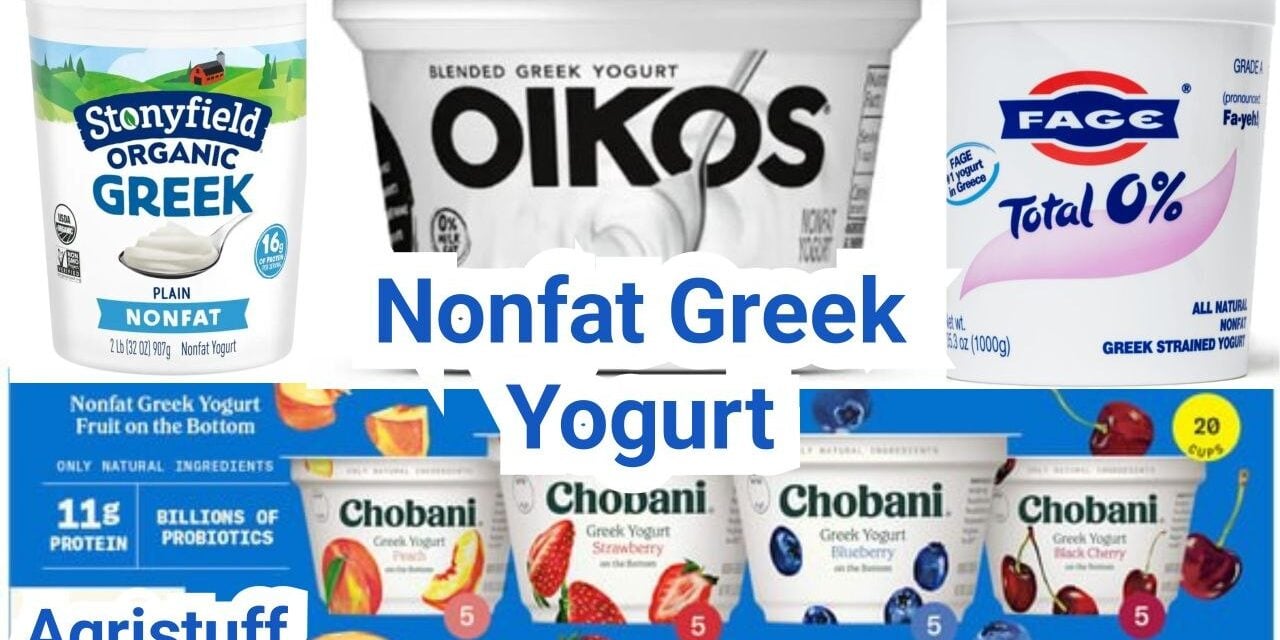
When looking for the best nonfat greek yogurt in the nonfat greek yogurt in usa market, top-rated brands include Fage Total 0%, Chobani Non-Fat, Oikos Pro, and Siggi’s (which offers a similar strained Icelandic style). These brands are celebrated for their clean labels and authentic textures.
Is nonfat greek yogurt healthy for daily consumption?
Absolutely. Is nonfat greek yogurt healthy is a common question, and the answer is yes due to its high probiotic content, which supports gut health, and its rich supply of calcium and B12. Because nonfat greek yogurt calories are relatively low while being nutrient-dense, it is an excellent staple for weight management and muscle recovery.
How does nonfat greek yogurt nutrition compare to other dairy products?
Nonfat greek yogurt nutrition is unique because it provides nearly double the protein of traditional yogurt with zero grams of fat. A standard serving typically contains 15 to 18 grams of nonfat greek yogurt protein, making it a powerhouse for those looking to increase their amino acid intake without added calories from fats.
Why should I choose plain nonfat greek yogurt over flavored versions?
Choosing plain nonfat greek yogurt allows you to completely avoid nonfat greek yogurt added sugar, which is often found in high amounts in vanilla or fruit-flavored varieties. By starting with a plain base, you can control the sweetness using natural options like fresh berries or a small amount of honey.
Can individuals with a nonfat greek yogurt lactose sensitivity enjoy this dairy product?
Many people with mild nonfat greek yogurt lactose intolerance find they can digest it easily. The straining process removes a significant portion of the lactose-rich whey, and the live active cultures (probiotics) present in brands like Stonyfield Organic help break down the remaining lactose during digestion.
What are the most popular nonfat greek yogurt uses in everyday meals?
There are numerous nonfat greek yogurt uses ranging from sweet to savory. It is widely used as a base for nonfat greek yogurt for breakfast bowls, a thickening agent for nonfat greek yogurt for smoothies, and a healthy substitute for sour cream or mayo when nonfat greek yogurt for cooking creamy sauces and dressings.
Do you have suggestions on how to eat nonfat greek yogurt if I don’t like the tart taste?
If you are wondering how to eat nonfat greek yogurt without the characteristic “bite,” try mixing it into a smoothie with a banana or blending it into overnight oats. You can also use it in baking; brands like Wallaby Organic work wonderfully in muffin recipes to add moisture while neutralizing the sharp flavor.
What is the difference between nonfat greek yogurt vs plain yogurt in terms of culinary applications?
When looking at nonfat greek yogurt vs plain yogurt, the Greek variety is much more stable under heat. This makes it superior for nonfat greek yogurt for cooking in hot dishes like curries or soups, as it is less likely to curdle compared to the thinner, non-strained plain yogurt.
Conclusion of: Nonfat Greek Yogurt
Nonfat Greek Yogurt has become a staple in many U.S. kitchens because it offers a thick texture, tangy flavor, and a strong protein profile without milkfat. For shoppers trying to build meals that feel filling but still fit a lighter eating pattern, it can work as a breakfast base, a snack, or even a cooking ingredient instead of heavier dairy options. FDA yogurt standard overview.
For many Americans, Nonfat Greek Yogurt is less about following a trend and more about buying a practical food that can do several jobs at once. It can support meal prep, help balance higher-carb breakfasts, and make simple foods like fruit, oats, and wraps feel more complete without adding much prep time. Penn State Extension on cultured dairy products.
What is Nonfat Greek Yogurt?
Nonfat Greek Yogurt is a strained yogurt made from cultured milk, with much of the whey removed after fermentation to create a thicker and more concentrated product. That straining step is the main reason it usually feels denser on the spoon than regular yogurt and often delivers more protein in a similar-size serving. UConn Extension guide to yogurt types.
What makes Nonfat Greek Yogurt especially appealing in the U.S. market is how well it fits current dietary guidance that encourages fat-free or low-fat dairy patterns for many people. That does not make it automatically the best choice for every eater, but it does explain why it is often positioned as a practical option for shoppers who want a lighter dairy product that still feels substantial. Dietary Guidelines for Americans executive summary.
Protein, calories, and what the label really tells you
One reason Nonfat Greek Yogurt keeps showing up in meal plans is that it is widely recognized as a protein-dense dairy food. In U.S. grocery stores, plain tubs and cups often deliver a noticeably higher protein yield than standard yogurt because straining concentrates the milk solids, which is one of the biggest reasons athletes, busy professionals, and higher-protein eaters keep buying it. USDA FoodData Central search for plain nonfat Greek yogurt.
The label on Nonfat Greek Yogurt deserves close attention because “nonfat” only refers to milkfat, not to sugar, calories, or portion size. The Nutrition Facts panel can help you compare serving size, protein, calcium, sodium, and total sugars more accurately, and the updated FDA serving-size framework matters because yogurt labels now reflect what people are more likely to eat at one time. FDA guide to reading the Nutrition Facts label.
Another smart move is separating total sugar from added sugar when you evaluate Nonfat Greek Yogurt on the shelf. Plain versions contain naturally occurring milk sugar, while flavored versions may add sweeteners during processing, so two products that look similar from the front can differ a lot once you read the label carefully. FDA added sugars guidance.
How Nonfat Greek Yogurt tastes and why texture varies
Taste-wise, Nonfat Greek Yogurt is usually tangier than many sweetened yogurts and can feel slightly sharper than whole-milk versions because the lack of milkfat changes the mouthfeel. Some brands also strain more aggressively than others, so texture can range from smooth and spoonable to very thick and almost spreadable. FoodSafety.gov dairy handling guidance.
Plain Nonfat Greek Yogurt can taste pleasantly fresh to one person and overly sour to another, which is why smart use matters just as much as brand choice. If you find it too tart on its own, pairing it with berries, cinnamon, oats, or a small amount of nut butter usually works better than jumping straight to heavily sweetened cups that can erase much of the nutritional advantage. Penn State Extension on yogurt for active lifestyles.
Who Nonfat Greek Yogurt fits best
For people who want more protein without more milkfat, Nonfat Greek Yogurt is often a very practical fit. It works especially well for breakfast, post-workout snacks, desk lunches, and simple meals where you want more staying power but do not want the heaviness of richer dairy foods. Start Simple with MyPlate.
People with lactose intolerance sometimes tolerate Nonfat Greek Yogurt better than fluid milk, but comfort still depends on the individual and the portion eaten. Fermentation and live cultures can make yogurt easier for some people to manage, yet anyone who gets symptoms should still test tolerance carefully instead of assuming every product will work the same way. NIDDK guidance on eating with lactose intolerance.
Smart uses for Nonfat Greek Yogurt
At breakfast, Nonfat Greek Yogurt works best when you build around both nutrition and texture instead of treating it like a plain side item. Mixing it with fruit, chia, oats, or a high-fiber cereal can turn it into a balanced bowl that feels more like a complete meal than a quick dairy snack. CDC guide to using nutrition labels.
In cooking, Nonfat Greek Yogurt can do much more than sit under granola because it works in smoothies, dips, dressings, marinades, baked goods, and even creamy sauces when handled gently. Many U.S. home cooks keep it on hand because it can replace part of the mayo, sour cream, or cream cheese in familiar recipes while still giving dishes body and tang. MyPlate ideas for using yogurt in meals.
How to shop for the best tub or cup
When comparing products, Nonfat Greek Yogurt is easiest to judge by four things: whether it is plain or flavored, how much protein it offers per serving, how much added sugar it includes, and whether the ingredient list stays simple. If you want the most control over sweetness and toppings, plain versions are usually the best place to start because they let you customize flavor at home instead of paying for sweetness you may not need. Michigan State University Extension on choosing yogurt.
It is also worth checking whether the packaging, date, and storage situation fit how your household actually eats Nonfat Greek Yogurt. Large tubs often make sense for families, meal preppers, and home cooks, while single-serve cups are better for lunch bags, travel, and portion control even though they usually create more packaging waste and less flexibility. FDA advice on storing refrigerated foods safely.
Quick checklist
- Choose plain first if you want the most control over sweetness.
- Compare added sugars, not just total sugars.
- Look for a protein level that fits your meal goal.
- Check serving size before comparing brands.
- Buy a larger tub only if you will actually finish it.
- Use fruit, cinnamon, or oats instead of relying on sweetened flavors.
- Keep it cold on the way home from the store.
- Use it in both sweet and savory recipes to get better value.
- Test tolerance carefully if you are sensitive to lactose.
- Read the ingredient list if you want a simpler product.
Common mistakes to avoid
- Assuming “nonfat” means low sugar.
- Comparing brands without checking serving size.
- Buying flavored cups expecting the same nutrition as plain tubs.
- Adding large amounts of honey, syrup, or sweet granola and turning it into a dessert.
- Using too much heat in cooking, which can cause curdling.
- Buying a large tub for savings, then throwing part of it away.
- Ignoring storage time during shopping trips or power outages.
Costs and ROI snapshot
From a budget perspective, Nonfat Greek Yogurt sits in a category where price can shift with broader food-at-home inflation, dairy supply, and brand positioning. Federal price data showed the average U.S. city price for yogurt at about $1.50 per 8 ounces in February 2026, so the best way to judge value is not only by sticker price but by how much usable protein and meal utility you get from each purchase. FRED series for average U.S. yogurt price.
The real ROI of Nonfat Greek Yogurt improves when one container covers several jobs, such as breakfast, snacks, dips, and recipe swaps in the same week. If you use it to replace multiple specialty items in your fridge and finish it before quality drops, it can become a very efficient dairy purchase even when food prices are moving upward across the broader grocery basket. USDA ERS food price outlook.
Final thought
Used well, Nonfat Greek Yogurt is one of the easiest dairy foods to turn into a more filling breakfast, smarter snack, or lighter cooking ingredient without making meals feel complicated. The shoppers who get the most from it are usually the ones who buy plain, read labels carefully, and use it across several meals instead of thinking of it as just another single-purpose health food. Harvard Nutrition Source on yogurt.
Sources & References
- FDA final rule and guidance related to yogurt standards
- FDA amends standard of identity for yogurt
- USDA FoodData Central food search
- Dietary Guidelines for Americans, 2020–2025
- MyPlate official website
- FDA added sugars educational handout
- FDA consumer update on serving sizes
- NIDDK definition and facts for lactose intolerance
- Harvard T.H. Chan School of Public Health: Yogurt
- Harvard T.H. Chan School of Public Health: Dairy
- UConn Extension: Yogurt, Kefir and Other Choices at the Supermarket
- Penn State Extension: Dairy Yogurt for Active Lifestyles
- FoodKeeper App and storage guidance
- FRED: Average Price of Yogurt in U.S. City Average