This natural liquid forms in the mammary glands of mammals to sustain their newborns during their first months of life. In the United States, dairy products serve as a fundamental source of essential vitamins for millions of people. Most American families keep these nutritious beverages in their homes at all times to enjoy with daily meals.
Understanding milk nutrition helps you choose the best options for your family’s unique health needs. Whether you prefer organic versions or protein-heavy liquids, these drinks provide minerals that keep the body strong. Having a glass of this beverage daily can help you stay active and energized throughout a busy day.
Farmers use careful processing methods to ensure that every beverage remains fresh and safe for your dinner table. These items are very versatile and work well in many different recipes or as a simple, cold drink. Including them in your diet supports healthy bones and helps children grow properly over time.
Key Takeaways
- Mammals produce this white liquid to nourish their young early in life.
- It remains a primary source of vitamins for people across the country.
- Nutritional profiles include high levels of calcium and essential proteins.
- Consumers can pick from organic, whole, or even powdered options.
- Strict processing steps ensure every glass is safe for the entire family.
- Drinking these beverages daily supports long-term bone health and growth.
Understanding Milk in the U.S.

Understanding milk’s role in the U.S. involves exploring its nutritional value and cultural significance. Milk has been a cornerstone of the American diet, providing essential nutrients such as calcium, protein, and various vitamins.
Milk’s importance as a food source cannot be overstated. It is a rich source of nutrients critical for bone health, muscle function, and overall nutrition. The nutrients in milk support various bodily functions, making it a valuable component of a balanced diet.
The Role of Milk as an Important Food Source
Milk is considered an important food source due to its high nutritional value. It contains a mix of proteins, fats, and carbohydrates, along with vitamins and minerals. The calcium in milk is particularly important for bone health, while the protein supports muscle growth and repair.
The nutritional benefits of milk are well-documented. It is a good source of potassium, magnesium, and vitamin D, among other nutrients. These elements are crucial for maintaining healthy blood pressure, bone density, and overall physiological function.
Evolution of Lactation and Interspecies Consumption
The ability of humans to consume milk beyond infancy is a relatively recent development in evolutionary terms. Most humans naturally lose the ability to digest lactose, the sugar found in milk, after weaning. However, some populations have evolved to retain lactase persistence, allowing them to consume milk into adulthood.
The practice of consuming milk from other mammals, known as interspecies milk consumption, is unique to humans. This practice is believed to have begun with the domestication of animals such as cows, goats, and sheep. The consumption of milk across species has had significant cultural, nutritional, and economic impacts.
The evolution of lactation and the subsequent consumption of milk across different species highlight the complex relationship between humans, milk, and dairy products. Understanding this evolution provides insight into the importance of milk in human diets and cultures.
Milk Processing and Safety Standards

Ensuring the safety and quality of milk involves several processing techniques and adherence to strict standards. Milk processing is a critical step that transforms raw milk into a safe and consumable product.
The Science of Pasteurization and Homogenization
Pasteurization is the process of heating milk to destroy potentially harmful bacteria. This technique is crucial for ensuring the safety of milk for consumption. Pasteurization is widely adopted in the dairy industry to minimize the risk of milk-borne illnesses.
Homogenization is another key process that involves breaking down the fat globules in milk into smaller units, making the milk more uniform and easier to digest. This process improves the overall quality and appearance of milk.
Raw Milk vs. Pasteurized Milk: Safety and Regulations
The debate between raw milk and pasteurized milk centers around safety and nutritional value. While raw milk proponents argue that it retains more natural nutrients, pasteurized milk is considered safer due to the elimination of harmful bacteria.
| Characteristics | Raw Milk | Pasteurized Milk |
|---|---|---|
| Bacterial Content | May contain harmful bacteria | Harmful bacteria eliminated |
| Nutritional Value | Retains natural nutrients | Some nutrient loss possible |
| Shelf Life | Shorter shelf life | Longer shelf life |
Bovine Growth Hormone Supplementation and Industry Practices
The use of bovine growth hormone (BGH) in dairy farming is a controversial topic. BGH is used to increase milk production in cows, but its use has raised concerns among consumers regarding its impact on human health and animal welfare.
Industry practices surrounding BGH vary, with some dairy farmers opting for hormone-free practices to cater to consumer preferences.
Decoding Milk Labels and Nutrition Facts

Milk labels contain a wealth of information that can help consumers make healthier decisions. Understanding the nutritional content of milk is vital for appreciating its role in a balanced diet.
Essential Nutrients: Calcium, Protein, and Vitamins
Milk is renowned for its richness in essential nutrients such as calcium, protein, and various vitamins. One cup of whole cow’s milk provides a significant amount of these nutrients, making it a valuable component of a healthy diet.
The calcium in milk is crucial for bone health, while the protein supports muscle development and repair. Additionally, milk is a good source of vitamins D and B12, which are important for bone health and the formation of red blood cells, respectively.
- Calcium: Essential for bone health and development.
- Protein: Supports muscle growth and repair.
- Vitamin D: Important for calcium absorption and bone health.
- Vitamin B12: Crucial for the production of red blood cells.
Understanding Milk Sugar and Casein Content
Milk contains naturally occurring sugars, primarily in the form of lactose, also known as milk sugar. The casein content in milk is another important aspect, as it is a protein that can be beneficial for muscle recovery and growth.
For individuals with lactose intolerance, understanding the lactose content is crucial. Some milk products are labeled as lactose-free or reduced lactose, making them more accessible to those with dietary restrictions.
How to Read Dairy Labels for Quality Assurance
Reading dairy labels effectively is key to ensuring the quality and safety of the milk you consume. Look for labels that indicate the milk has been pasteurized and homogenized, as these processes affect the milk’s safety and texture.
Additionally, checking the expiration date and storage instructions can help maintain the milk’s freshness. For those concerned about additives, opting for milk labeled as organic or produced without certain hormones can be a preferable choice.
- Check for pasteurization and homogenization.
- Verify the expiration date.
- Follow storage instructions.
- Consider organic or hormone-free options.
Navigating Different Types of Milk

The U.S. milk market offers a diverse range of products catering to different consumer preferences and dietary needs. With various types of milk available, consumers can choose based on fat content, processing methods, and production standards.
Whole Milk and Low Fat Varieties
Whole milk, with its 3.25% fat content, is a rich source of nutrients, including calcium, protein, and vitamins. In contrast, reduced-fat milk (2% fat) and low-fat milk (1% fat) offer lower calorie options without significantly compromising on nutritional value. These varieties cater to consumers looking to manage their fat intake while still benefiting from milk’s nutritional benefits.
The fat content in milk not only affects its taste and texture but also its nutritional profile. For instance, whole milk contains higher levels of fat-soluble vitamins like vitamins A, D, E, and K. On the other hand, low-fat varieties are preferred by those monitoring their calorie and fat consumption.
Key differences between whole milk and low-fat varieties:
- Fat content: Whole milk (3.25%), reduced-fat milk (2%), low-fat milk (1%)
- Calorie count: Lower in low-fat varieties
- Nutritional profile: Whole milk has higher fat-soluble vitamins
Ultra-Filtered and Ultra-Pasteurized Milk
Ultra-filtered milk has gained popularity due to its higher protein content and lower sugar levels compared to regular milk. This process involves filtering milk through a semi-permeable membrane, resulting in a product that is higher in protein and lower in lactose.
Ultra-pasteurized milk, on the other hand, is heated to a very high temperature for a short period, extending its shelf life. This process allows for longer storage without refrigeration until opened, making it convenient for consumers.
Organic Milk and Grass-Fed Standards
Organic milk comes from cows raised on organic feed without the use of antibiotics or hormones. This production standard appeals to consumers concerned about the environmental impact and the welfare of dairy cows.
Grass-fed milk, a subset of organic milk, is produced by cows that graze on grass rather than being fed grains. This can result in milk with a different fatty acid profile, often higher in omega-3 fatty acids and conjugated linoleic acid (CLA).
Benefits of organic and grass-fed milk:
- Higher omega-3 fatty acids in grass-fed milk
- No antibiotics or hormones used in organic milk production
- Potential environmental benefits from organic farming practices
Specialized Dairy Options

Specialized dairy options have emerged to address the unique needs of different consumer groups. These products cater to a range of dietary requirements and preferences, offering consumers more choices than ever before.
Lactose-Free Milk and Lactaid Products
Lactose-free milk is made by adding lactase, the enzyme that breaks down lactose, to regular milk. This process makes the milk digestible for individuals with lactose intolerance, allowing them to enjoy the nutritional benefits of milk without the discomfort.
Key benefits of lactose-free milk include:
- Easy digestion for those with lactose intolerance
- Similar nutritional profile to regular milk
- Versatility in cooking and baking
High Protein Milk and Milk Protein Concentrates
High protein milk and milk protein concentrates are designed for consumers looking to increase their protein intake. These products are particularly popular among athletes and fitness enthusiasts who require higher protein diets for muscle recovery and growth.
Advantages of high protein milk include:
- Enhanced muscle recovery after exercise
- Supports muscle growth and strength
- Can be a convenient protein source in a busy lifestyle
Kefir and Fermented Dairy Drinks
Kefir is a fermented milk product that contains a variety of beneficial bacteria and yeast. It is known for its probiotic properties, which can support gut health and boost the immune system.
Kefir’s unique features include:
- Diverse probiotic strains
- Potential to support digestive health
- Can be a versatile ingredient in smoothies and recipes
Bovine Colostrum and Its Unique Benefits
Bovine colostrum is the first form of milk produced by cows after calving. It is rich in antibodies, growth factors, and other nutrients. Bovine colostrum supplements are believed to support immune function and overall health.
The benefits of bovine colostrum may include:
- Immune system support
- Potential anti-inflammatory effects
- May aid in gut health and repair
Shelf-Stable and Powdered Milk Varieties

In the world of dairy, shelf-stable and powdered milk stand out for their convenience and wide range of applications. These products have gained popularity due to their long shelf life, ease of storage, and versatility in both culinary and nutritional contexts.
Benefits of Shelf-Stable Milk Boxes
Shelf-stable milk, also known as ultra-pasteurized milk and UHT Milk, is processed to have a longer shelf life. It is packaged in aseptic containers that prevent bacterial growth, making it ideal for storage at room temperature until opened.
Key benefits of shelf-stable milk include:
- Extended shelf life without refrigeration
- Convenience for emergency supplies or travel
- Reduced waste due to longer storage capability
Using Whole Milk Powder and Dry Milk Powder
Powdered milk, made by evaporating milk to dryness, offers a convenient alternative to liquid milk. It can be reconstituted as needed, making it a practical choice for various applications.
| Product | Uses | Benefits |
|---|---|---|
| Whole Milk Powder | Baking, cooking, and reconstituting as a beverage | Long shelf life, versatile, and nutrient-rich |
| Dry Milk Powder | Similar to whole milk powder, with applications in food manufacturing | Convenient storage, cost-effective |
Sweetened Condensed Milk and Evaporated Varieties
Sweetened condensed milk and evaporated milk are other forms of shelf-stable dairy products. Sweetened condensed milk is made by evaporating milk to remove a significant portion of water and adding sugar, resulting in a thick, sweet product. Evaporated milk, on the other hand, is made by removing about 60% of the water from milk, resulting in a creamy texture without added sugar.
These products are used in:
- Desserts and baking
- Coffee and tea
- Culinary recipes for added richness and flavor
Both sweetened condensed and evaporated milk offer unique flavors and textures that enhance various dishes, from sweet treats to savory meals.
Selecting the Best Milk for Your Dietary Goals
When it comes to achieving your dietary goals, selecting the right type of milk can play a crucial role. Milk is a rich source of essential nutrients, including protein, calcium, and vitamins, making it a valuable component of a balanced diet. The type of milk you choose can significantly impact your progress toward your health and wellness objectives.
Choosing the Best Milk for Weight Loss
For those aiming to lose weight, the choice of milk can be particularly important. Low-fat or skim milk is often recommended as it provides the necessary nutrients while keeping calorie intake in check. Additionally, milk contains protein, which can help in feeling fuller for longer, thus aiding in weight management.
According to a study published in a nutrition journal, consuming low-fat dairy products like milk can support weight loss efforts when combined with a balanced diet and regular exercise. The key is to balance the calorie intake while ensuring adequate nutrition.
| Type of Milk | Calories per Cup | Protein Content |
|---|---|---|
| Whole Milk | 170 | 8g |
| Low-Fat Milk | 100-150 | 8-9g |
| Skim Milk | 80-100 | 8-9g |
Identifying the Best Milk to Drink for Muscle Recovery
For individuals engaged in regular physical activity or athletes looking to aid muscle recovery, the protein content in milk makes it an excellent choice. Casein protein, found in milk, is slowly digested, providing a sustained release of amino acids into the bloodstream, which can help in muscle repair and recovery.
“Milk consumption post-exercise can provide the necessary proteins and nutrients for muscle recovery.”
A study on the effects of milk consumption after exercise found that it can be as effective as other protein supplements in aiding muscle recovery. The combination of carbohydrates and protein in milk helps in replenishing energy stores and supporting muscle repair.
Determining Daily Dairy Servings for Optimal Health
The Dietary Guidelines for Americans recommends including three 8-ounce servings of milk daily for optimal health. However, individual needs may vary based on factors such as age, sex, and physical activity level.
It’s essential to consider these guidelines and adjust according to personal health goals and dietary requirements. Consulting with a healthcare provider or a nutritionist can provide personalized recommendations.
How to Properly Store and Handle Milk

Maintaining the quality of milk requires proper storage and handling techniques. Milk is a perishable product that demands careful handling to preserve its freshness and safety.
Best Practices for Refrigeration and Freshness
To keep milk fresh, it’s crucial to store it in the refrigerator at a temperature below 40°F (4°C). The coldest part of the refrigerator is usually the bottom shelf, making it the ideal place for milk storage.
Refrigeration Tips:
- Always check the refrigerator temperature to ensure it’s within the safe range.
- Store milk in a covered container to prevent contamination and absorption of odors.
- Keep milk away from strong-smelling foods, as it can absorb odors easily.
Managing Milk Delivery and Bulk Storage
For those who purchase milk in bulk or receive regular milk deliveries, proper storage is equally important. Bulk milk storage requires careful planning to maintain freshness.
Bulk Storage Tips:
- Use airtight containers to store bulk milk, ensuring they are clean and dry before use.
- Label containers with the date they were stored to keep track of freshness.
- Store bulk milk in the coldest part of the refrigerator or freezer if not consumed immediately.
Signs of Spoilage and Food Safety Tips
Spoiled milk has distinct characteristics, including a strong, sour odor and a lumpy texture. Being able to identify these signs is crucial for food safety.
Common Signs of Spoilage:
| Sign | Description |
|---|---|
| Off Smell | A sour or unpleasant odor |
| Lumpy Texture | Milk appears curdled or chunky |
| Slime or Mold | Visible slime or mold on the surface or container |
By following these guidelines for milk storage and handling, you can ensure that your milk remains fresh and safe to consume.
Incorporating Milk into Everyday Cooking and Baking

Incorporating milk into your cooking and baking can add richness, texture, and flavor to a variety of dishes. Milk is a versatile ingredient that can be used in numerous recipes, from savory meals to sweet desserts.
Using Milk and Cream in Savory Dishes
Milk and cream are essential components in many savory dishes, adding depth and creaminess to sauces, soups, and casseroles. For instance, a classic bechamel sauce, made with milk, butter, and flour, is a staple in dishes like lasagna and mac and cheese. Using milk in cooking can enhance the flavor and texture of these dishes, making them more satisfying and enjoyable.
As culinary expert, Julia Child, once said, “The only time to eat diet food is while you’re waiting for the steak to cook.” This quote highlights the importance of rich and flavorful ingredients like milk and cream in cooking.
“The only time to eat diet food is while you’re waiting for the steak to cook.”
Julia Child
Techniques for Making Coconut Milk Whipped Cream
Coconut milk whipped cream is a popular dairy-free alternative to traditional whipped cream. To make it, chill a can of full-fat coconut milk in the refrigerator overnight. Then, scoop out the solid coconut cream and whip it with a mixer or whisk until it becomes light and fluffy. You can sweeten it with sugar or honey and flavor it with vanilla extract.
- Chill the coconut milk in the refrigerator overnight.
- Scoop out the solid coconut cream.
- Whip the coconut cream until it becomes light and fluffy.
- Sweeten and flavor to taste.
Baking with Condensed and Powdered Milk
Condensed milk and powdered milk are convenient ingredients in baking, offering rich flavor and texture to various sweet treats. Sweetened condensed milk is a key ingredient in desserts like cheesecakes and flan, while powdered milk can be used to enhance the flavor and moisture of baked goods like cakes and cookies.
Baking with condensed milk can result in moist and flavorful desserts. For example, using sweetened condensed milk in a cheesecake recipe can create a creamy and rich filling.
| Type of Milk | Baking Application | Benefits |
|---|---|---|
| Condensed Milk | Cheesecakes, Flan, Desserts | Rich flavor, creamy texture |
| Powdered Milk | Cakes, Cookies, Baked Goods | Enhanced flavor, moisture retention |
Exploring Non-Dairy Alternatives

The rise of non-dairy milk options has transformed the dairy aisle, offering consumers a wide range of choices beyond traditional cow’s milk. Non-dairy milks are derived from various sources such as nuts, seeds, grains, and legumes, catering to diverse dietary needs and preferences.
Plant-based milks contain no lactose and have varying nutritional content. This makes them an attractive option for those looking for dairy-free alternatives.
Identifying the Healthiest Non-Dairy Milk Options
When evaluating non-dairy milks, nutritional content is a key factor. Some non-dairy milks are fortified with calcium, vitamins, and proteins, making them comparable to dairy milk in terms of nutritional value.
- Oat milk is often rich in fiber.
- Almond milk is low in calories.
- Coconut milk is high in saturated fats.
According to a study, “the nutritional content of non-dairy milks can vary significantly, and consumers should be aware of these differences when making a choice.”
“The nutritional content of non-dairy milks can vary significantly, and consumers should be aware of these differences when making a choice.”
Comparing Oat, Almond, and Coconut Varieties
Different non-dairy milks have unique nutritional profiles. For instance, oat milk is often rich in fiber, making it a good choice for those looking to increase their fiber intake.
| Milk Type | Calories | Protein | Fat |
|---|---|---|---|
| Oat Milk | 35-60 | 1-2g | 2-3g |
| Almond Milk | 30-60 | 1-2g | 2.5-3.5g |
| Coconut Milk | 50-100 | 1g | 4.5-5.5g |
When to Choose Alternatives Over Cow Milk
Non-dairy milks are ideal for those with lactose intolerance, dairy allergies, or those following a vegan diet. They also offer a variety of flavors and textures, making them a versatile choice for cooking and baking.
In conclusion, non-dairy milk alternatives offer a range of benefits and can be a healthy addition to a balanced diet when chosen wisely.
Addressing Controversies and Health Considerations

As we explore the world of milk, it’s essential to address the controversies surrounding its consumption. Milk has been a staple in many diets for centuries, but its impact on health has sparked intense debate.
Is Dairy Milk Good for You?
Dairy milk is rich in essential nutrients like calcium, protein, and vitamins, making it a valuable component of a balanced diet. However, some studies have raised concerns about its potential link to certain health issues.
The health benefits of dairy milk include:
- Stronger Bones: The high calcium content in milk supports bone health.
- Muscle Recovery: Milk’s protein content makes it a popular choice among athletes for post-workout recovery.
- Nutritional Value: Milk is a good source of various vitamins and minerals.
However, some research suggests potential negative effects, such as:
- Acne and Skin Issues: Hormones in milk might exacerbate acne.
- Digestive Issues: Lactose intolerance and sensitivity can cause discomfort.
Managing Lactose Intolerance and Digestive Sensitivity
Lactose intolerance occurs when the body is unable to digest lactose, a sugar found in milk, due to a deficiency of the enzyme lactase. Symptoms include bloating, gas, and diarrhea.
To manage lactose intolerance:
- Choose lactose-free or low-lactose milk products.
- Take lactase enzyme supplements before consuming milk.
- Gradually introduce small amounts of milk into your diet to build tolerance.
Who Should Avoid Drinking Milk?
While milk is nutritious, certain individuals should limit or avoid it:
- Those with Milk Allergies: An allergic reaction to milk proteins can be severe.
- Individuals with Lactose Intolerance: Avoiding lactose-containing products can prevent discomfort.
- People with Specific Dietary Needs: Those with certain health conditions or dietary restrictions may need to limit dairy consumption.
Popular Brands and Market Varieties

The U.S. dairy market is diverse, with numerous brands offering a range of milk products. This diversity caters to various consumer preferences, from organic and grass-fed options to protein-enhanced and fermented dairy drinks.
Fairlife Milk and Protein-Enhanced Options
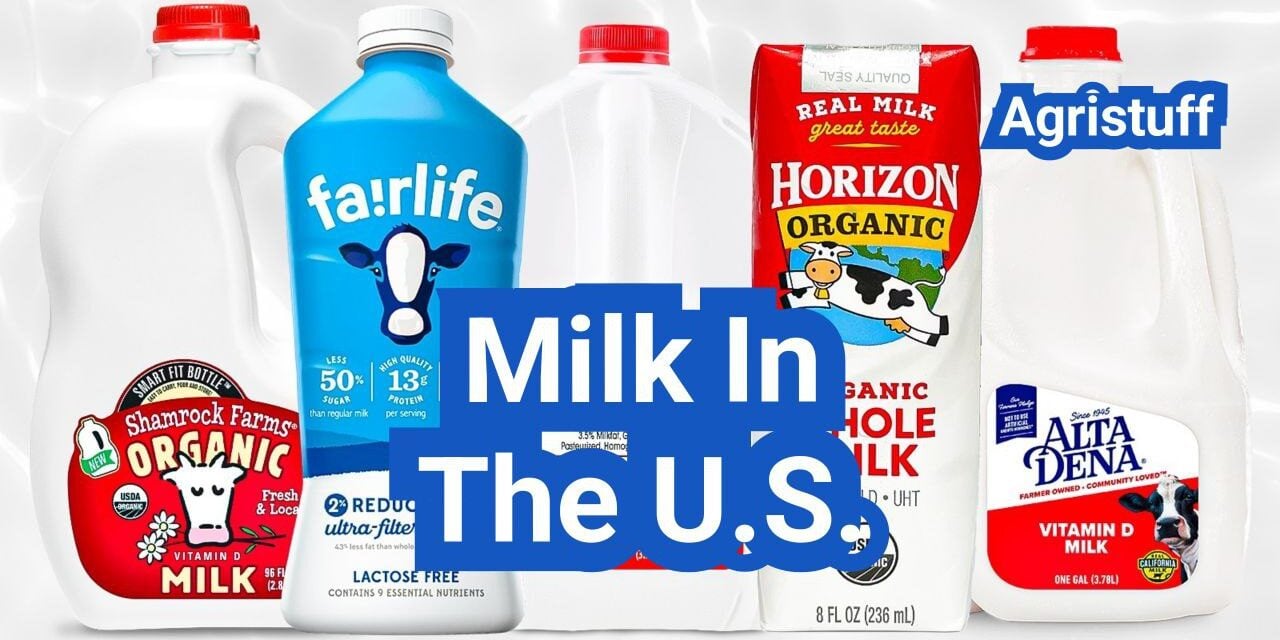
Fairlife Milk has gained popularity for its protein-enhanced milk products. The brand uses an ultra-filtered process that results in higher protein and lower sugar content compared to traditional milk.
Key Features of Fairlife Milk:
- Ultra-filtered for higher protein content
- Lower sugar content
- Variety of flavors and fat content options
Horizon Organic and Organic Valley Products
Horizon Organic and Organic Valley are two prominent brands in the organic dairy segment. They offer a range of organic milk products that cater to consumers seeking organic options.
| Brand | Product Range | Certifications |
|---|---|---|
| Horizon Organic | Milk, Yogurt, Butter | USDA Organic |
| Organic Valley | Milk, Cheese, Yogurt | USDA Organic, Non-GMO |
Lifeway Kefir and Other Specialty Brands
Lifeway Kefir is known for its kefir products, which are fermented milk drinks rich in probiotics. Other specialty brands offer unique products that cater to specific dietary needs and preferences.
Lifeway Kefir’s Key Benefits:
- Rich in probiotics
- Supports digestive health
- Variety of flavors
Cultural Significance and Culinary Applications

The significance of milk extends far beyond the kitchen, playing a pivotal role in cultural heritage and culinary innovation. Milk has been a cornerstone in various cultural practices and traditions, symbolizing nourishment, purity, and abundance.
Milk in Language, Culture, and Traditions
Milk is deeply ingrained in the cultural fabric of many societies. In numerous cultures, milk is considered a symbol of fertility and prosperity. For instance, in Hinduism, the cow is revered as a sacred animal, and milk is used in various religious rituals. Similarly, in many African cultures, milk is a sign of wealth and is often used in traditional ceremonies.
The use of milk in cultural practices is also reflected in language and idioms. Phrases like “milk of human kindness” highlight the nurturing aspect of milk, while “milking” a situation imply extracting the maximum benefit from it.
The Shadow Milk Cookie and Modern Food Trends
The “Shadow Milk Cookie” phenomenon represents a modern twist in the culinary world, where traditional milk-based recipes are reimagined with innovative flavors and techniques. This trend reflects a broader movement towards creative uses of milk in baking and cooking, pushing the boundaries of traditional dairy-based desserts.
Modern food trends have also seen a resurgence in artisanal dairy products, with consumers seeking out unique, high-quality milk products that reflect local cultures and traditions.
Non-Culinary Uses of Dairy Products
Beyond its culinary applications, milk and dairy products have various non-culinary uses. For example, casein, a protein found in milk, is used in the production of adhesives, plastics, and paints. Additionally, milk has been used in cosmetics and skincare products due to its moisturizing and nourishing properties.
The versatility of dairy products extends into the realm of health and wellness, where they are used in dietary supplements and as ingredients in pharmaceuticals.
At The End of: Milk in the U.S. Guide
Milk is a rich source of essential nutrients, including calcium, protein, and vitamins, making it a valuable component of a balanced diet. Throughout this article, we’ve explored the various aspects of milk, from its processing and safety standards to its numerous health benefits and culinary applications.
The nutritional benefits of milk are undeniable, with dairy products offering a range of advantages for overall health and wellbeing. By understanding the different types of milk and dairy products available, individuals can make informed choices about their diet and lifestyle.
Whether you’re looking to incorporate more protein into your diet, manage your weight, or simply enjoy the taste and versatility of milk, there’s a dairy product to suit your needs. With its numerous milk benefits, dairy products can play a vital role in maintaining a healthy and balanced diet.
By choosing the right milk and dairy products, you can reap the rewards of improved nutrition and overall health.
FAQ
Why is milk considered an important food source in the U.S.?
Milk is a nutrient-dense white liquid food that serves as an important food source for millions. Milk in the U.S. provides numerous health benefits, including essential vitamins and minerals like calcium, vitamin D, and potassium. Whether consuming whole milk or low fat milk, it remains a staple in different types of consumption within the American diet.
What is the difference between raw vs. pasteurized milk?
Pasteurized milk has undergone milk processing to kill harmful bacteria, ensuring food safety. In contrast, raw milk is unpasteurized and carries higher risks of foodborne illness. Most commercial brands, such as Horizon Organic and Fairlife milk, use pasteurized or ultra-pasteurized milk methods to extend shelf life and ensure consumer safety.
What types are most common in U.S. stores?
In most American supermarkets, milk is commonly sold as whole, reduced-fat, low-fat, fat-free, lactose-free, organic, ultra-pasteurized, and shelf-stable, with some stores also carrying goat or sheep versions for specific culinary or digestive preferences. Fluid product definition
Does pasteurization remove all nutrition?
Pasteurized milk still provides meaningful nutrition, and U.S. health agencies emphasize that heat treatment is the safety step consumers should rely on rather than turning to raw products because of internet myths. FDA safety explanation
Is lactose-free nutritionally different?
Lactose-free milk is generally intended to provide the same broad nutrition profile as regular dairy while making digestion easier for people who struggle with lactose. NIDDK treatment guidance
Does shelf-stable need refrigeration before opening?
Unopened aseptic milk can remain at room temperature until the package is opened, but after opening it should be chilled and handled like other refrigerated dairy products. Food safety chart
How much counts as a dairy serving?
For MyPlate planning, 1 cup of milk counts as one cup from the Dairy Group, which helps households estimate daily intake without overcomplicating portion math. MyPlate example plan
Is bovine growth hormone supplementation common in milk in USA?
While bovine growth hormone supplementation was more common in the past, many modern varieties and brands now offer rBST-free options. Organic milk brands like Organic Valley milk and Horizon milk strictly prohibit the use of synthetic hormones, appealing to consumers concerned about milk hormones and long-term health effects.
How can I identify high-quality protein milk on dairy labels?
When reviewing milk labels, look for ultra filtered milk or products containing milk protein concentrate and micellar casein. Brands like Fairlife protein milk and Slate milk are popular for their higher protein-to-sugar ratio, making them the best milk to drink for muscle recovery and athletic performance.
What are the benefits of specialized dairy products like kefir and colostrum?
Kefir milk, such as Lifeway kefir, is a fermented kefir drink rich in probiotics. For those seeking immune support, bovine colostrum and cow colostrum powder are gaining popularity. These specialized dairy options provide unique bioactive compounds not found in standard cows milk.
Is milk healthy for people with lactose intolerance?
Yes, lactose-free milk options like Lactaid milk allow those with lactose intolerance to enjoy the health benefits of milk without digestive distress. These products have the milk sugar (lactose) already broken down, providing the same milk nutrition facts as regular dairy.
What are the best uses for powdered milk and sweetened condensed milk?
Whole milk powder, dry milk powder, and Nido milk powder are excellent for long-term milk storage and emergency kits. Sweetened condensed milk (like Carnation milk or Ideal milk) and evaporated milk are essential for rich desserts, while coconut condensed milk serves as a popular plant-based alternative.
Which is the best milk for weight loss?
The best milk for weight loss is typically skim milk or low fat milk due to their lower calorie count. However, some prefer ultra-filtered milk because it contains less sugar and more protein, which can help with satiety. Monitoring your daily dairy servings is key to maintaining a balanced caloric intake.
How should I handle milk storage to prevent spoilage?
Proper milk storage requires keeping your gallon of milk or bagged milk at a consistent temperature of 40°F or below. Shelf stable milk and UHT milk can be stored at room temperature until opened, but once unsealed, they must be refrigerated like any other pasteurised milk.
Can I use milk products like buttermilk and half and half milk in cooking?
Absolutely. Butter milk (or buttermilk) is a staple for fluffy pancakes, while half and half milk and milk cream add velvety texture to sauces. For dairy-free baking, coconut milk whipped cream and coconut milk yogurt are excellent substitutes that mimic the richness of full fat greek yogurt or whole milk yogurt.
What is the healthiest non dairy milk alternative?
The healthiest non dairy milk depends on your needs. Chobani oat milk is creamy and great for coffee, while almond milk is low in calories. For those avoiding soy or nuts, not milk (a plant-based blend) or coconut kefir are popular alternative milks that offer diverse nutrition profiles.
Who should avoid drinking milk?
Individuals with a confirmed dairy allergy or severe lactose intolerance should avoid cow milk. Additionally, those monitoring specific controversies of milk regarding inflammation may choose to limit intake. Consulting a professional regarding milk 101: nutrition facts and health effects can help determine if dairy products fit your lifestyle.
What are some popular brands of organic and high-protein milk?
Major players in the U.S. market include Fairlife (known for fairlife chocolate milk and fairlife strawberry milk), Horizon organic whole milk, and Kendamil organic. For chocolate lovers, Nesquik chocolate milk and Horizon chocolate milk remain top choices for both kids and adults.
Does milk have cultural significance beyond nutrition?
Beyond its role as a white liquid food, milk appears in language and culture, from ancient traditions to modern trends like the shadow milk cookie. It also has non-culinary uses, such as in skincare. Interestingly, while cows milk is most common, goat milk, sheep milk cheese, buffalo milk, and even camel milk play vital roles in global types of consumption.
What are the nutrition facts about cow’s milk that I should know?
Milk nutrition is highlighted by high-quality casein and whey proteins. A single serving of milk provides a significant percentage of the daily value for calcium, vitamin B12, and phosphorus. Whether you choose pasteurised or homogenized milk, the core nutritional facts for milk remain a vital part of a balanced diet for most people.
Conclusion of: Milk in the U.S.

In American kitchens, milk is still one of the most practical foods on the shelf because it works as a drink, a cooking ingredient, a baking staple, and a fast source of several key nutrients. At the same time, the U.S. market now offers far more choices than the old whole-versus-skim debate, so shoppers need a clear way to judge fat level, processing method, storage needs, and overall fit for their household. USDA dairy overview
Under U.S. standards of identity, milk is a standardized dairy food that can be adjusted for fat content and may be homogenized, which matters because the wording on the carton is tied to a legal product definition rather than pure marketing language. That legal foundation helps explain why labels, nutrient panels, and product names follow recognizable patterns from one brand to another. Federal standard
In the United States, milk is produced in every state, but USDA reports that the biggest output is concentrated in California, Wisconsin, Idaho, New York, and Texas, with western and northern regions carrying a large share of national volume. That regional reality affects transportation, climate management, feed strategy, processing location, and even how quickly products move from farm to cooler. USDA market background
On American store shelves, milk appears in pasteurized, ultra-pasteurized, aseptic, cultured, goat, and sheep categories, so buyers should think beyond simple fat percentage and ask how the product was processed, how long it needs refrigeration, and what job it must do in the kitchen. A family buying for cereal and coffee may need something different from a food business buying for sauces, baking, or school service. FDA product categories
For most households, the biggest difference among common fat levels is not protein but calories, saturated fat, and mouthfeel, so milk choice is usually a balance between richness, family preference, and overall diet goals. Whole versions feel creamier and fuller in beverages and cooking, while lower-fat options can make sense for people who want a lighter nutrition profile without giving up dairy entirely. Nutrition label guide
Specialty options matter because milk is sold in organic, lactose-free, ultrafiltered, protein-enhanced, and shelf-stable forms, and each version solves a different real-world need. Some buyers care most about production standards, some want easier digestion, some want more protein per serving, and others simply want a carton that can stay unopened in the pantry until needed. FDA ultrafiltration guidance
What makes milk nutritionally useful?
From a nutrition perspective, milk is valued for protein, calcium, vitamin D when fortified, potassium, phosphorus, and several B vitamins, which is why it remains a practical option in many U.S. diets. It is not the only way to get those nutrients, but it is one of the simplest packaged foods that delivers several of them together in a familiar serving.
When comparing cartons, milk should be judged first by serving size, calories, saturated fat, protein, added sugars in flavored versions, sodium, and the percent Daily Value for calcium, vitamin D, and potassium. That quick label check helps shoppers avoid buying based only on front-of-pack claims like “high protein,” “natural,” or “better for you,” which can mean very different things from one brand to another. Serving size help
How milk moves from farm to processing plant
Before milk reaches a grocery cooler, it starts on farms where cow comfort, feed quality, milking hygiene, rapid cooling, and tanker logistics all influence the product that eventually reaches consumers. On well-run U.S. dairies, routine quality control begins long before bottling because sanitation, udder health, and temperature discipline shape both safety and usable shelf life. Penn State dairy quality resources
How milk is processed in the U.S.
In processing plants, milk is usually pasteurized because public-health agencies treat heat treatment as the key safety step that reduces pathogens without turning the product into something nutritionally empty. For everyday shoppers, that means the normal carton in a U.S. refrigerator case is built around a safety system that has been standardized and monitored for decades. CDC food safety overview
Homogenization changes the physical behavior of milk by keeping fat evenly dispersed, while fortification helps maintain a more consistent vitamin profile in lower-fat versions that have had cream removed. In practical terms, that is why modern cartons usually pour smoothly without a thick cream line on top and why lower-fat versions can still support nutrient goals in many diets. Penn State processing basics
A shelf-stable carton is still milk, but it has been ultra-heat treated and packaged to stay safe unopened at room temperature, which makes it useful for school pantries, emergency kits, travel, and households that buy in bulk. Once opened, however, it should be treated like other refrigerated dairy products rather than as a pantry item. FDA aseptic processing guide
At home, milk safety depends less on the label claim and more on cold-chain discipline, meaning fast refrigeration, limited door-open time, clean pouring habits, and common-sense discard rules after long power interruptions. A strong shopping habit is to pick up chilled dairy late in the trip, get it home quickly, and return it to the refrigerator right away instead of leaving it in a warm car or on the counter. Power outage safety
How to choose the right type for everyday use
The best choice is the version of milk that matches your actual use case: a richer carton for coffee or baking, a lighter one for calorie control, a lactose-free one for digestive comfort, or a higher-protein option for satiety. Matching the product to the task prevents wasted money, unfinished cartons, and disappointment with flavor or performance in recipes. NIDDK eating guidance
Quick checklist
- Check the fat level before buying, especially if the carton will be used for coffee, baking, or family meals.
- Read the serving size so you compare products fairly across brands.
- Look at protein, calcium, vitamin D, and added sugars together, not one number alone.
- Choose lactose-free versions if regular dairy causes bloating, gas, or digestive discomfort.
- Use ultra-pasteurized or shelf-stable formats when you need longer unopened storage.
- Refrigerate promptly after shopping and keep the carton cold during transport.
- Use the earliest opened cartons first to reduce waste.
- Buy the package size your household can actually finish.
- Pick organic for production-system reasons, not because you assume every nutrition result is automatically better.
- Match the product to the recipe: richer versions for sauces and baking, lighter versions for routine drinking if that suits your goals.
Common mistakes to avoid
- Buying based only on the front label instead of the Nutrition Facts panel and ingredient list.
- Choosing a large carton that will spoil before the household finishes it.
- Assuming all protein-enhanced products are automatically low in sugar or lower in calories.
- Leaving chilled dairy in the shopping cart, trunk, or kitchen counter too long.
- Using the wrong fat level in recipes that depend on richness or texture.
- Confusing lactose intolerance with a true dairy allergy, which is a different issue.
- Treating opened shelf-stable cartons like pantry goods instead of refrigerating them.
- Ignoring storage practices during power outages or warm-weather transport.
Costs and ROI snapshot
On U.S. farms, the economics behind milk are often driven first by feed, and Penn State notes that feed can represent roughly 30% to 70% of total production cost depending on prices, herd management, and forage strategy; labor, replacements, energy, veterinary care, manure handling, and interest expense then widen the gap between average and top-performing operations. For that reason, cost control usually starts with feed efficiency, forage quality, and herd health rather than with a single dramatic change. Feed-cost benchmark
For investment decisions tied to milk, producers usually get better results when they run a partial budget before adding cows, upgrading cooling, installing automation, or launching value-added processing, because the real question is whether added revenue and saved labor will outrun added costs, downtime risk, and financing pressure. That framework is especially important for small and mid-sized U.S. dairies that cannot afford a long payback mistake. Partial budgeting framework
Revenue planning also needs price realism because USDA’s current outlook shows a softer national farm-price environment than the strongest recent years, so milk margins can tighten quickly if feed markets rise or component premiums soften. In practice, the farms that protect return on investment most consistently are often the ones that pair disciplined cost control with strong reproduction, dependable forage, component-focused genetics, and risk-management habits. USDA price outlook
Final thought
In practical American life, milk remains a versatile food because it can serve as a beverage, cooking ingredient, baking tool, and nutrient-dense refrigerator staple, but the smartest choice is the one that fits your body, budget, storage habits, and kitchen use rather than a marketing claim alone. FDA background
Sources & References
- FDA — Grade “A” Pasteurized Milk Ordinance
- FDA — Milk Guidance Documents & Regulatory Information
- USDA ERS — Dairy Data
- USDA NASS — Annual Milk Production Report (2025 release in 2026)
- FDA — Food Labeling Guide
- FDA — Changes to the Nutrition Facts Label
- NIH ODS — Calcium Fact Sheet for Health Professionals
- NIH ODS — Vitamin D Fact Sheet for Consumers
- NIDDK — Definition & Facts for Lactose Intolerance
- NIDDK — Symptoms & Causes of Lactose Intolerance
- NIDDK — Diagnosis of Lactose Intolerance
- USDA AMS — Organic Standards
- USDA AMS — Organic Livestock & Dairy
- Penn State Extension — Dairy Farming Resource Hub
- Penn State Extension — Dairy Foods Processing Investment Analysis Tool