
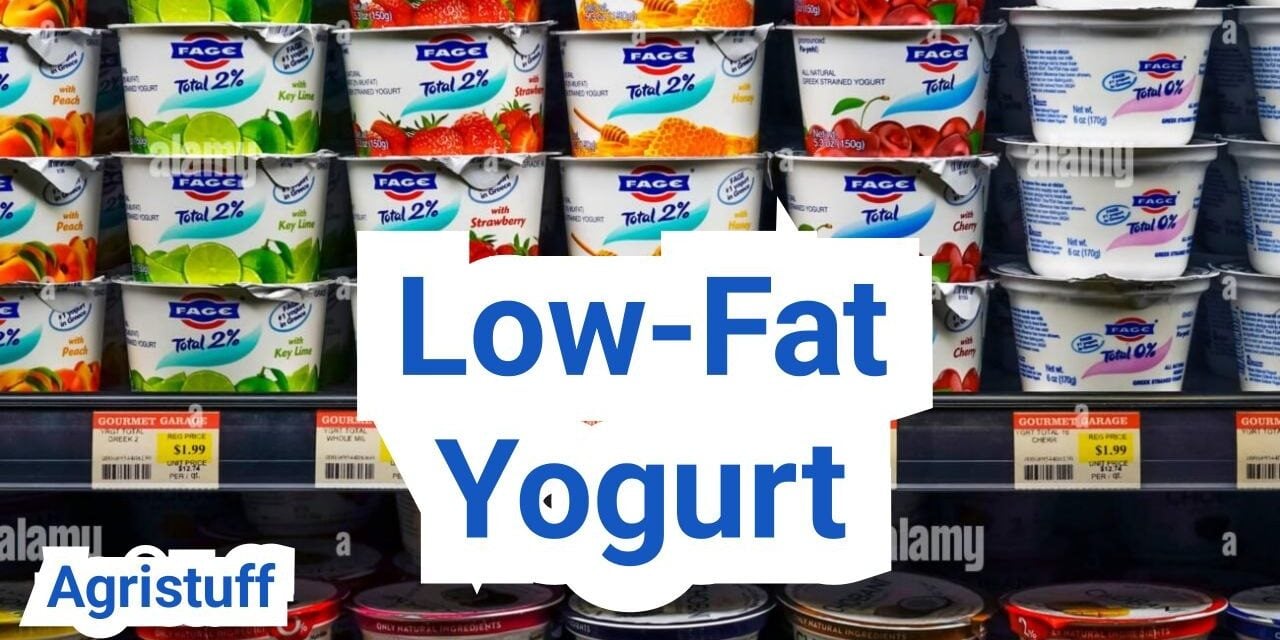
Starting your morning with a balanced meal sets the tone for the entire day. Many experts agree that dairy-based snacks remain a top choice for health-conscious individuals. Registered dietitian Caroline Susie notes, “Yogurt is a lovely food and it offers a number of health benefits.“
Choosing a low fat yogurt is a smart strategy for those managing their daily intake. This option provides essential protein, calcium, and vital vitamins without unnecessary additives. Understanding low fat yogurt nutrition helps you make better decisions at the grocery store.
Beyond the health perks, the creamy texture makes it a versatile addition to smoothies or bowls. Many people also track low fat yogurt calories to maintain their fitness goals effectively. This simple food choice fits perfectly into a busy lifestyle while supporting long-term wellness.
Key Takeaways
- It serves as an excellent source of protein and calcium for breakfast.
- Registered dietitians recommend it for its diverse health advantages.
- Monitoring intake helps individuals reach their specific weight management goals.
- The smooth consistency allows for easy pairing with fruits and grains.
- It provides a nutrient-dense snack option for active adults.
Understanding the Landscape of Low Fat Yogurt in the U.S.

The low fat yogurt market in the U.S. has undergone significant changes over the years, driven by consumer preferences and dietary trends. As consumers become more health-conscious, their demand for healthier dairy options has led to a surge in the popularity of low fat yogurt.
The Evolution of Dairy Trends in America
The dairy landscape in America has evolved significantly, with low fat yogurt emerging as a preferred choice among consumers. This shift is attributed to growing awareness about the importance of maintaining a healthy diet without compromising on taste or nutritional value.
Several factors have contributed to this trend:
- Increasing health consciousness among consumers
- Growing demand for high-protein, low-calorie foods
- Expanding product offerings by manufacturers to cater to diverse consumer preferences
As a result, the market has seen a proliferation of low fat yogurt varieties, including flavored and unflavored options, further driving its adoption.
Defining Low Fat Standards in the USA
In the United States, the labeling of “low fat” products is regulated by specific standards. To be labeled as “low fat,” yogurt must contain no more than 3 grams of fat per serving. This standard is crucial for consumers who rely on labeling to make informed dietary choices.
Key aspects of low fat standards include:
- Fat content: Products labeled as “low fat” must adhere to the specified fat content per serving.
- Labeling transparency: Manufacturers are required to clearly indicate the fat content on the product label.
Understanding these standards is essential for consumers to make informed decisions about their dietary preferences, particularly when it comes to products like low fat yogurt in the U.S.
Analyzing Low Fat Yogurt Nutrition Profiles

Understanding the nutritional profile of low fat yogurt is crucial for making informed dietary choices. Low fat yogurt is a nutrient-rich food that provides several essential nutrients, making it a valuable addition to a balanced diet.
Low fat yogurt’s nutritional benefits are largely attributed to its high content of protein, calcium, and vitamins. According to Whitney Linsenmeyer, Ph.D., “Yogurt is mostly made up of milk that’s been fermented, so it’s going to provide a good, complete protein.” This makes low fat yogurt an excellent option for those looking to increase their protein intake without consuming high amounts of fat.
Breaking Down Low Fat Yogurt Calories
The calorie content in low fat yogurt varies depending on the brand and type. Generally, a serving of low fat yogurt contains between 100 to 150 calories. This makes it a relatively low-calorie snack option compared to other dairy products.
To give you a better understanding, here’s a comparison of the calorie content in different types of low fat yogurt:
| Type of Low Fat Yogurt | Calories per Serving |
|---|---|
| Plain Low Fat Yogurt | 100-120 |
| Flavored Low Fat Yogurt | 120-150 |
| Low Fat Greek Yogurt | 80-100 |
The Role of Low Fat Yogurt Protein in Daily Intake
Protein is an essential nutrient that plays a critical role in muscle repair, growth, and overall health. Low fat yogurt is an excellent source of protein, with regular yogurt containing about 5 grams of protein per serving. Strained yogurts like Greek yogurt can have double or more the amount of protein, making them an ideal choice for those seeking to boost their protein intake.
Regular consumption of low fat yogurt can contribute significantly to daily protein needs, supporting muscle health and satiety. Incorporating low fat yogurt into your diet can be as simple as having it as a snack or using it as a base for smoothies and other recipes.
Comparing Low Fat Yogurt vs Whole Milk Yogurt

Low fat yogurt and whole milk yogurt have distinct nutritional profiles that cater to different dietary needs. The primary differences between these two types of yogurt lie in their fat content, texture, and nutrient density.
Texture Differences and Mouthfeel
The fat content in yogurt significantly affects its texture and mouthfeel. Whole milk yogurt typically has a richer, creamier texture due to its higher fat content, whereas low fat yogurt tends to be lighter and more watery. As Linsenmeyer notes, “the fat in dairy is saturated fat, and people with cardiovascular issues should pay close attention to their saturated fat intake.” However, the higher fat content in whole milk yogurt can also contribute to a feeling of fullness and satisfaction.
Texture plays a crucial role in consumer preference. Some individuals prefer the creamy texture of whole milk yogurt, while others opt for the lighter consistency of low fat yogurt.
Nutrient Density and Satiety Factors
Nutrient density is another critical aspect to consider when comparing low fat yogurt to whole milk yogurt. Whole milk yogurt generally has a higher calorie count due to its fat content, but it also tends to be more satiating. The protein content in both types of yogurt can contribute to feelings of fullness, but the added fat in whole milk yogurt may enhance this effect.
“The inclusion of fat in yogurt can slow down digestion, keeping you feeling fuller for longer.”
On the other hand, low fat yogurt is often preferred by those monitoring their calorie intake. It provides a good source of protein while keeping fat consumption in check.
In conclusion, the choice between low fat yogurt and whole milk yogurt depends on individual nutritional needs and preferences. By understanding the differences in texture, nutrient density, and satiety factors, consumers can make informed decisions that align with their dietary goals.
Selecting the Best Low Fat Yogurt for Your Pantry

Navigating the world of low fat yogurt can be overwhelming, but focusing on quality ingredients can simplify the process. With so many options available, it’s essential to know what to look for to make an informed decision.
Identifying Quality Ingredients
When choosing a low fat yogurt, it’s crucial to examine the ingredient list. Amy Keating, RD, recommends opting for plain yogurt with live active cultures to reap the most health benefits. Checking the nutrition label is also vital to avoid products with added sugars and unwanted additives.
To ensure you’re getting a high-quality product, look for yogurts with minimal ingredients and no artificial preservatives or flavorings. The fewer the ingredients, the better.
The Importance of Low Fat Yogurt with Live Cultures
Low fat yogurt with live cultures is not only beneficial for gut health but also provides additional nutritional benefits. The live cultures in yogurt aid in digestion and support a healthy gut microbiome, which is essential for overall well-being.
When shopping for low fat yogurt, check the label for the “Live and Active Cultures” seal, which indicates that the product contains a significant amount of live cultures. This simple step can make a significant difference in the quality of the yogurt you choose.
Navigating the World of Plain Low Fat Yogurt

The world of low fat yogurt is diverse, with plain unsweetened options standing out for their simplicity and nutritional value. As consumers become more health-conscious, understanding the differences between various types of low fat yogurt becomes increasingly important.
Why Unsweetened Low Fat Yogurt is the Gold Standard
Unsweetened low fat yogurt is considered the gold standard due to its minimal ingredients and lack of added sugars. This variety allows consumers to have full control over the sweetness and flavor, making it a versatile ingredient for both sweet and savory dishes.
Choosing unsweetened low fat yogurt ensures that you’re getting the nutritional benefits without the unwanted sugars. It’s rich in protein, calcium, and probiotics, which support digestive health and can contribute to a feeling of fullness.
Managing Low Fat Yogurt Added Sugar in Flavored Varieties
Flavored yogurts can be a tasty alternative, but they often contain added sugars that can significantly increase calorie intake. Experts advise checking the nutrition label for added sugar, recommending no more than 10 grams per serving.
To manage added sugar, consumers can opt for flavored yogurts with natural sweeteners or those that use fruit purees for sweetness. Another strategy is to add your own flavorings, such as vanilla or cinnamon, to plain unsweetened yogurt.
| Brand | Flavor | Added Sugar (g) |
|---|---|---|
| Brand A | Strawberry | 12 |
| Brand B | Vanilla | 8 |
| Brand C | Mixed Berry | 15 |
By being mindful of these factors and making informed choices, consumers can enjoy the benefits of low fat yogurt while minimizing its drawbacks.
The Benefits of Low Fat Greek Yogurt

With its thicker consistency and higher protein levels, low fat Greek yogurt stands out from traditional yogurt options. This type of yogurt has become a staple in many health-conscious diets due to its nutritional profile and versatility.
The process of straining Greek yogurt to remove whey results in a thicker, creamier texture that many consumers prefer. This straining process is key to its unique consistency.
Why Greek Yogurt Offers a Thicker Consistency
Greek yogurt is strained through a cheesecloth or a fine mesh to remove excess liquid, known as whey. This process, which can be repeated multiple times, concentrates the yogurt’s natural flavors and textures, resulting in a thicker product.
The straining process not only affects the texture but also impacts the nutritional content by increasing the protein concentration per serving.
Comparing Protein Content to Traditional Low Fat Yogurt
One of the significant advantages of low fat Greek yogurt is its high protein content. Compared to traditional low fat yogurt, Greek yogurt typically contains about twice the amount of protein.
| Type of Yogurt | Protein Content per 6 oz Serving |
|---|---|
| Low Fat Greek Yogurt | 15-20 grams |
| Traditional Low Fat Yogurt | 8-10 grams |
This higher protein content makes low fat Greek yogurt a more satisfying snack, supporting muscle health and aiding in weight management.
Incorporating low fat Greek yogurt into your diet can be a simple way to boost your protein intake and enjoy a delicious, healthy snack.
How to Use Low Fat Yogurt for Weight Loss

Low fat yogurt can support weight loss efforts when integrated thoughtfully into one’s meal plan. According to Courtney Schuchmann, a registered dietitian, managing calorie intake and eating frequency are crucial for effective weight loss.
Portion Control and Caloric Management
To effectively use low fat yogurt for weight loss, it’s essential to practice portion control. Aim for a serving size that fits within your daily calorie goals. Schuchmann recommends aiming for 1,200 calories and being mindful of overall carbohydrate content to support weight loss.
Being aware of the calorie count in your low fat yogurt is vital. Flavored varieties can be high in sugar, which increases calorie count. Opting for plain, unflavored low fat yogurt allows you to control the amount of sugar you add.
Integrating Yogurt into Balanced Meal Plans
Integrating low fat yogurt into balanced meal plans can enhance its weight loss benefits. Use it as a base for smoothies, add it to oatmeal, or enjoy it as a snack with fruit and nuts. This versatility makes it easier to maintain a calorie-controlled diet while still feeling satisfied.
A balanced meal plan that includes low fat yogurt can help manage hunger and support overall nutrition. By incorporating yogurt into your diet, you can create a more sustainable weight loss strategy.
Managing Lactose Intolerance with Low Fat Yogurt
The live cultures in low fat yogurt make it a potentially beneficial choice for individuals dealing with lactose intolerance. Lactose intolerance is a condition where people have symptoms due to the decreased ability to digest lactose, a sugar found in milk and other dairy products. Low fat yogurt, particularly those with live cultures, can be easier to digest.
How Live Cultures Aid Digestion
Live cultures, or probiotics, in yogurt help in breaking down lactose, making it more tolerable for individuals with lactose intolerance. According to Lori Welstead, a registered dietitian, “live cultures in yogurt can aid digestion for individuals with lactose intolerance.” These cultures contain enzymes like lactase that help digest lactose, thereby reducing the symptoms associated with lactose intolerance.
Key benefits of live cultures in low fat yogurt include:
- Aiding in lactose digestion
- Reducing symptoms of lactose intolerance
- Promoting a healthy gut microbiome
Choosing the Right Varieties for Sensitive Stomachs
When selecting a low fat yogurt for lactose intolerance, it’s crucial to choose varieties that are gentle on sensitive stomachs. Look for yogurts that are labeled as having “live and active cultures.” Additionally, consider the following tips:
- Start with a small amount to test tolerance.
- Choose plain, unflavored varieties to avoid added sugars.
- Opt for yogurts with minimal ingredients.
By choosing the right type of low fat yogurt, individuals with lactose intolerance can enjoy the nutritional benefits of yogurt, including protein, calcium, and probiotics, without exacerbating their condition.
Step-by-Step Guide to Incorporating Yogurt into Your Diet

Adding low fat yogurt to your diet is a simple yet effective way to boost your overall health. To make the most out of this nutritious food, follow these steps to seamlessly integrate it into your daily routine.
Step 1: Assessing Your Nutritional Goals
Before incorporating low fat yogurt into your diet, it’s essential to assess your nutritional goals. Are you looking to increase your protein intake, manage your weight, or simply add more probiotics to your diet? Understanding your goals will help you choose the right type of yogurt and determine how to use it effectively.
For instance, if your goal is to boost protein intake, you may want to opt for low fat Greek yogurt, which typically has a higher protein content compared to regular yogurt.
Step 2: Choosing Between Plain and Flavored Options
When it comes to low fat yogurt, you have the option of choosing between plain and flavored varieties. Plain low fat yogurt is a versatile choice that allows you to control the amount of sugar and additives in your diet. On the other hand, flavored yogurt can be a convenient and tasty option, but be mindful of the added sugars.
To make an informed decision, consider the nutritional content of each option. The following table provides a comparison:
| Type of Yogurt | Calories per Serving | Sugar Content | Protein Content |
|---|---|---|---|
| Plain Low Fat Yogurt | 100-150 | 10-15g | 10-15g |
| Flavored Low Fat Yogurt | 150-200 | 20-30g | 10-15g |
Step 3: Creative Ways to Enhance Texture and Flavor
One of the best things about low fat yogurt is its versatility. You can enhance its texture and flavor in numerous ways. For example, you can add healthy toppings like nuts, seeds, and fresh fruit to plain yogurt. According to Linsenmeyer, crushing freeze-dried fruit and mixing it into yogurt is a great way to add natural sweetness without refined sugars.
Here are some creative ideas to get you started:
- Add a sprinkle of granola for a crunchy texture
- Mix in some honey or maple syrup for a touch of sweetness
- Combine with fresh or frozen berries for a burst of flavor
- Use it as a base for smoothies, adding your favorite fruits and vegetables
Common Mistakes When Buying Low Fat Dairy

The process of selecting low fat dairy products is fraught with potential pitfalls for the unwary shopper. Being aware of these common mistakes can help consumers make more informed choices that align with their dietary goals.
Overlooking Hidden Ingredients
One of the most significant mistakes consumers make is overlooking hidden ingredients in low fat dairy products. Flavored yogurts, for instance, can contain a lot of added sugars or other unwanted ingredients. As Keating warns, checking the nutrition label carefully is crucial to avoid such pitfalls.
To avoid hidden ingredients, it’s essential to read the labels diligently. Look out for added sugars, artificial flavorings, and other unwanted additives. Opting for plain, unflavored varieties can also help minimize exposure to these unwanted ingredients.
Misinterpreting Serving Sizes
Another common mistake is misinterpreting serving sizes. Consumers often overlook the serving size listed on the nutrition label, leading to incorrect assumptions about the product’s nutritional content.
To avoid this, always check the serving size and adjust your calculations accordingly. The following table illustrates how serving size can impact the perceived nutritional value of low fat yogurt:
| Serving Size | Calories | Sugar Content (g) | Protein Content (g) |
|---|---|---|---|
| 6 oz | 100 | 10 | 10 |
| 8 oz | 150 | 15 | 15 |
| 12 oz | 200 | 20 | 20 |
By being mindful of serving sizes and hidden ingredients, consumers can make more informed decisions when purchasing low fat dairy products. Always check the nutrition label and be aware of the potential pitfalls to ensure you’re getting the best product for your dietary needs.
Tips for Storing and Maintaining Freshness
Maintaining the freshness of low fat yogurt requires attention to storage details. Proper storage not only preserves the yogurt’s nutritional value but also its texture and taste. As a dairy product, low fat yogurt is sensitive to temperature and handling practices.
Proper Refrigeration Techniques
To keep low fat yogurt fresh, it’s crucial to store it in the refrigerator at a consistent temperature below 40°F (4°C). Always check the expiration date before consuming and ensure the container is sealed tightly after each use. The refrigerator’s coldest section, typically at the back, is the ideal place to store yogurt.
“The key to maintaining yogurt’s freshness lies in consistent refrigeration and handling.” – A dairy expert once noted, emphasizing the importance of proper storage conditions.
- Keep yogurt away from strong-smelling foods, as it can absorb odors easily.
- Avoid leaving yogurt at room temperature for extended periods.
- Use clean utensils when scooping out yogurt to prevent contamination.
Recognizing Signs of Spoilage
Even with proper storage, low fat yogurt can go bad. Signs of spoilage include an off smell, slimy texture, or mold. If you notice any of these signs, it’s best to discard the yogurt to avoid foodborne illness.
Regularly checking your yogurt for these signs can help ensure you’re consuming a safe and healthy product. As the saying goes, “When in doubt, throw it out.”
“The best way to enjoy yogurt is when it’s fresh. Regular checks can make all the difference.”
By following these storage tips and being mindful of the signs of spoilage, you can enjoy your low fat yogurt while it’s fresh and safe to eat.
Creative Culinary Applications for Low Fat Yogurt

Low fat yogurt is not just a healthy snack; it’s also a highly adaptable ingredient in cooking and baking. Its versatility opens up a world of creative possibilities in the kitchen, from enhancing the nutritional profile of dishes to adding a unique texture and flavor.
One of the most significant advantages of low fat yogurt is its ability to serve as a healthier alternative in various recipes. For instance, it can be used as a substitute in dishes where a creamy texture is desired.
Using Yogurt as a Healthy Substitute for Sour Cream
Low fat yogurt can be used as a healthy substitute for sour cream in many recipes, reducing the calorie and fat content without compromising on the creamy texture. It’s an excellent addition to baked potatoes, nachos, and as a topping for tacos.
When substituting sour cream with yogurt, it’s essential to choose a plain, unflavored variety to avoid altering the dish’s flavor profile. You can also mix it with herbs and spices to create a flavorful topping or sauce.
Incorporating Yogurt into Smoothies and Baking
Incorporating low fat yogurt into smoothies is another great way to enhance their nutritional value and texture. It adds a creamy element and can help to balance out the flavors of fruits and other ingredients.
In baking, low fat yogurt can be used to add moisture and tenderness to cakes, muffins, and bread. It can also react with baking soda to help leaven baked goods, creating a lighter texture.
Some creative ways to use low fat yogurt in baking include making yogurt cakes, using it as a marinade for meats or vegetables before grilling, and incorporating it into homemade granola or energy bars.
At The End of: Low Fat Yogurt (U.S. Guide)
Incorporating low fat yogurt into your diet can be a simple yet effective step towards a healthier lifestyle. With its rich nutritional profile, including high protein content and low calorie count, low fat yogurt offers numerous low fat yogurt benefits that can support overall well-being.
As discussed, choosing the right type of low fat yogurt is crucial. Opting for plain, unsweetened varieties and being mindful of added sugars in flavored options can help maximize its health benefits. Additionally, low fat yogurt’s versatility in both sweet and savory dishes makes it an excellent addition to a varied diet.
By understanding the nutritional value and culinary uses of low fat yogurt, individuals can make informed decisions about their dietary choices, aligning with the principles of healthy eating. Whether used as a base for smoothies, a topping for oatmeal, or as a substitute for sour cream, low fat yogurt can enhance the nutritional quality of meals.
Ultimately, embracing low fat yogurt as part of a balanced diet can contribute to a healthier eating pattern, supporting overall health and well-being.
FAQ
Is Low Fat Yogurt healthier than whole-milk yogurt?
Low Fat Yogurt can be a strong choice when you want to reduce saturated fat while keeping dairy nutrients in your routine, but “healthier” still depends on the full label. A plain reduced-fat cup can be nutritionally sharper than a heavily sweetened full-fat cup, while a minimally sweetened whole-milk yogurt may still beat a sugary low-fat dessert cup. Dietary Guidelines saturated fat fact sheet.
Does Low Fat Yogurt always contain live cultures?
Low Fat Yogurt is made using live and active cultures, but the label details still matter because products that have had viable microorganisms inactivated must disclose that they do not contain live and active cultures. That is why shoppers looking for culture-focused products should read the wording instead of assuming every cup delivers the same microbial profile at consumption. FDA yogurt compliance guide.
Should I look for a seal or culture claim?
Low Fat Yogurt can be easier to shop for when a brand voluntarily highlights culture information clearly, especially if you buy yogurt for digestive comfort or fermented-food variety. The IDFA Live & Active Cultures Seal is one optional marker that signals higher culture levels than the FDA minimum needed for certain culture labeling statements. IDFA Live & Active Cultures Seal.
Can people with lactose intolerance still eat Low Fat Yogurt?
Low Fat Yogurt may work for many lactose-intolerant adults because most people with lactose intolerance can handle some lactose, and fermented dairy is often better tolerated than plain milk. Even so, tolerance differs by person, so starting with a small serving and choosing plain cultured options is usually the most practical test. NIDDK lactose guidance.
Is low fat yogurt healthy for daily consumption?
Yes, low fat yogurt nutrition provides a balanced profile of protein and calcium, making it an excellent daily addition to a heart-healthy diet when you choose varieties without excessive low fat yogurt added sugar.
What is the best low fat yogurt brand in the U.S. for protein?
For those seeking maximum protein, Fage Total 2% and Chobani Less Sugar are widely considered among the best low fat yogurt options available in low fat yogurt in the u.s. markets.
Can I eat low fat yogurt if I am lactose intolerant?
Many people find low fat yogurt for lactose intolerance to be manageable because the low fat yogurt with live cultures helps break down the lactose, making it easier on the digestive system than standard milk.
How many calories are typically in plain low fat yogurt?
You will generally find that low fat yogurt calories range from 100 to 140 per cup for plain low fat yogurt, depending on the specific milkfat percentage and brand.
Is low fat yogurt vs whole milk yogurt better for weight loss?
Low fat yogurt for weight loss is often preferred because it contains fewer calories per gram, allowing for larger, more satisfying portions while still providing high low fat yogurt protein levels.
What should I look for on the label of low fat yogurt in USA stores?
Look for unsweetened low fat yogurt that lists “Live and Active Cultures” and has minimal ingredients, avoiding those with added starches or high amounts of cane sugar.
Conclusion of: Low Fat Yogurt
Low Fat Yogurt sits in a practical middle ground for U.S. shoppers who want dairy nutrition with less fat than whole-milk options but more flexibility than highly processed “diet” foods. It can work as a breakfast base, a higher-protein snack, a smoothie ingredient, or a cooking swap, yet the best choice still depends on the label, the sugar level, and the style you buy. FDA yogurt standard update.
Low Fat Yogurt on a U.S. label is not just a marketing phrase, because the FDA regulates when foods may use a “low fat” claim. In general, that claim is tied to a product containing 3 grams of fat or less per reference amount customarily consumed, which helps you compare options more fairly across brands and serving formats. eCFR low-fat claim rule.
Low Fat Yogurt often looks better nutritionally than people expect, because reducing fat does not remove naturally occurring milk nutrients such as protein, calcium, and several B vitamins. At the same time, it is not automatically a better pick than every full-fat cup, since flavored versions can still add meaningful sugar and calories through sweeteners, fruit preparations, or crunchy toppings. FDA Nutrition Facts guide.
Low Fat Yogurt can vary a lot in protein depending on whether it is regular, strained, Greek-style, skyr-style, or protein-fortified. If fullness matters to you, a strained plain cup usually delivers more protein per spoonful than a standard stirred cup, which is why two products with similar calories can feel very different in real life. USDA FoodData Central Greek yogurt search.
Low Fat Yogurt is also valuable because dairy remains one of the easiest food-group routes to calcium intake in American diets. For adults who do not consistently drink milk, a plain or lightly sweetened cup can be a convenient way to add calcium during breakfast or as a snack without turning to a dessert-style dairy product. NIH calcium fact sheet.
Low Fat Yogurt may or may not help much with vitamin D, because fortification differs by product and brand. That means shoppers who care about bone support should not assume every carton provides the same benefit, and they should check the label instead of relying on the front of the package alone. NIH vitamin D fact sheet.
Low Fat Yogurt usually tastes less rich than whole-milk yogurt because fat contributes creaminess, lubrication, and a softer flavor release in dairy foods. When fat drops, the same tangy acids and milk proteins become more noticeable, which is why some people describe reduced-fat cups as sharper, chalkier, or thinner even when the ingredient list looks similar. Peer-reviewed yogurt texture review.
Low Fat Yogurt can still feel thick and smooth when manufacturers manage the milk base well, because texture is shaped by protein level, fermentation control, total solids, and the way whey is held in the gel. In practice, that is why some reduced-fat products stay spoonable and glossy while others release liquid on top, a process often called syneresis. Peer-reviewed syneresis review.
Low Fat Yogurt may be easier to tolerate than milk for some people with lactose issues, especially when live cultures are present and the product is fermented well. That does not make it symptom-free for everyone, but the research base and clinical guidance both support the idea that cultured dairy can fit better than straight milk for many lactose-sensitive adults. Systematic review on yogurt and lactose tolerance.
Low Fat Yogurt is easiest to compare when you ignore the front-of-pack claims for a moment and start with the serving size on the Nutrition Facts label. FDA serving-size updates moved yogurt labeling toward a 6-ounce reference amount, so a cup that looks “light” at first glance may still deliver more sugar or calories than expected once you compare equal serving sizes. FDA serving-size update.
Low Fat Yogurt can quickly lose its nutritional edge when added sugars climb, which is common in dessert-style, fruit-on-the-bottom, and candy-mix varieties. A better rule is to compare plain, lightly sweetened, and flavored versions side by side, then decide whether the taste difference is worth the extra added sugar rather than assuming “low fat” means “light in everything.” FDA added sugars guide.
Low Fat Yogurt fits best for people who want nutrient-dense dairy with less saturated fat, especially adults building a MyPlate-style eating pattern, office workers trying to upgrade snacks, and families who want a flexible ingredient that works in both sweet and savory meals. It is especially practical when you choose plain or lower-sugar versions that let fruit, nuts, oats, or spices do most of the flavor work. Dietary Guidelines executive summary.
Low Fat Yogurt does not fit every situation equally well, because some people may prefer full-fat products for flavor, toddlers may follow age-specific dairy guidance, and lactose-sensitive shoppers may do better with lactose-free cultured dairy. Athletes, older adults, and busy commuters may also prefer higher-protein strained versions when they need more staying power from the same amount of food. MyPlate plan for age 14+.
Low Fat Yogurt is most useful when you treat it as a versatile ingredient instead of only a snack cup. It works well in breakfast parfaits, smoothie bowls, marinades, creamy dressings, dips, and baking swaps for sour cream or part of the mayonnaise in cold salads, which helps many households get more mileage from a larger tub. USDA yogurt usage ideas.
Quick checklist
Low Fat Yogurt is easier to buy well when you follow a short decision framework instead of shopping by brand loyalty alone. Use this checklist to narrow the shelf fast and pick the cup or tub that actually matches your goals. Ohio State dairy guidance.
- Choose plain first if you want the most control over sweetness.
- Compare protein between regular and strained styles.
- Check added sugars, not just total sugars.
- Look at serving size before comparing calories.
- Check calcium and vitamin D if bone nutrition matters to you.
- Pick tubs for better value when you eat yogurt often.
- Pick single-serve cups when portion control matters more than price per ounce.
- Look for live-culture language if digestibility is one of your priorities.
- Use fruit, cinnamon, vanilla, or nuts at home instead of buying dessert-style versions.
- Refrigerate promptly and finish opened containers within the product’s quality window.
Common mistakes to avoid
Low Fat Yogurt often gets a “healthy halo,” and that can lead shoppers to overestimate quality or underestimate sugar. The biggest mistakes usually happen when people read the front label but skip the details that really determine whether the product is a good daily fit. FDA healthy claim update.
- Assuming “low fat” means low sugar.
- Comparing cups with different serving sizes.
- Buying only by flavor and ignoring protein.
- Confusing drinkable yogurt with thicker spoonable styles.
- Skipping the ingredient list when texture matters to you.
- Using tiny single-serve cups for value shopping.
- Adding granola, honey, and sweetened fruit until the snack becomes dessert-like.
- Expecting every reduced-fat product to taste like a whole-milk version.
Costs and ROI snapshot
Low Fat Yogurt makes the most sense economically when you think in terms of nutrition per dollar, not sticker price alone. As a broad U.S. market benchmark, the BLS series published through FRED showed an average yogurt price of $1.498 per 8 ounces in February 2026; in real shopping, larger tubs usually offer better value per ounce, while strained or protein-fortified cups often offer better value per gram of protein and satiety. BLS yogurt price series via FRED.
- Main cost drivers: brand, plain vs. flavored, regular vs. strained, organic status, single-serve vs. tub, and protein fortification.
- Best ROI for families: larger plain tubs paired with fresh fruit or pantry toppings.
- Best ROI for convenience: higher-protein cups that replace a snack bar or fast-food breakfast stop.
- Best ROI for cooking: plain tubs used across breakfast, dips, sauces, and baking.
- Lowest-value pattern: dessert-style cups with high added sugar and low protein.
Final thought
Low Fat Yogurt is at its best when you buy it with a clear purpose: better everyday dairy nutrition, more protein for the calories, less saturated fat, or a flexible ingredient for meals and snacks. When you read the label carefully and choose the style that matches your taste and routine, it can be one of the simplest dairy staples to keep in a U.S. kitchen. UC ANR yogurt guide.
Sources & References
- FDA: Nutrient Content Claims
- FDA: Label Claims for Conventional Foods and Dietary Supplements
- FDA: Standards of Identity for Food
- Federal Register: Final Rule on Yogurt Standards
- NIH ODS: Probiotics Fact Sheet for Health Professionals
- NIH ODS: Calcium Fact Sheet for Health Professionals
- NIH ODS: Vitamin D Fact Sheet for Health Professionals
- NIDDK: Lactose Intolerance
- USDA FoodData Central
- USDA FoodData Central Update Log
- Beneficial Effects of Yoghurts and Probiotic Fermented Milks
- Processing of High-Protein Yoghurt – A Review
- Journal of Dairy Research: Greek Yoghurt Manufacturing and Acid Whey
- USDA AMS: Dairy Product Quality Specifications