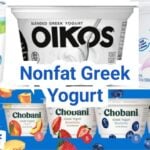

Finding the perfect balance between flavor and wellness often feels like a challenge in the modern American kitchen. Many people search for protein-rich staples that satisfy cravings without compromising health goals. Low Fat Greek Yogurt has emerged as a premier solution for those seeking a versatile, nutrient-dense addition to their daily routine.
This creamy dairy product provides a unique middle ground for busy individuals. It offers a smooth texture and tangy profile that works well in both sweet breakfasts and savory recipes. By choosing Low Fat Greek Yogurt, you gain a reliable source of essential nutrients that fits easily into any budget. Embracing this simple ingredient can transform how you approach your weekly meal planning.
Key Takeaways
- Provides a high-protein boost to support muscle health and satiety.
- Offers a versatile base for smoothies, dressings, and healthy baking.
- Serves as an affordable staple for cost-conscious shoppers.
- Contains essential probiotics that promote better digestive wellness.
- Helps maintain a balanced diet without sacrificing culinary enjoyment.
Understanding the Nutritional Profile of Low Fat Greek Yogurt

Understanding the low fat greek yogurt nutrition profile is essential for making informed dietary choices. This dairy staple offers a unique balance of macronutrients that supports various health goals. By examining what goes into your cup, you can better align your snacks with your daily wellness needs.
Breaking Down Calories and Macronutrients
When you analyze low fat greek yogurt calories, you will find that it is remarkably nutrient-dense compared to standard yogurt. The straining process removes much of the liquid whey, which concentrates the remaining solids. This results in a thicker texture and a more robust profile of essential vitamins and minerals.
Most servings provide a significant amount of calcium and potassium without an excessive calorie load. This makes it an ideal choice for those looking to manage their energy intake while still feeling satisfied. Consistency is key when incorporating this food into a balanced meal plan.
The Role of Protein in Greek Yogurt
The high low fat greek yogurt protein content is perhaps its most celebrated feature. Protein is vital for muscle repair and helps maintain a feeling of fullness throughout the day. When you prioritize greek yogurt nutrition, you are choosing a source that provides sustained energy rather than a quick sugar spike.
Many active individuals rely on this dairy product to meet their daily requirements. Because it is low in fat, it allows you to consume a higher volume of protein without the extra calories found in full-fat dairy alternatives.
Comparing Plain Yogurt vs Flavored Yogurt
The debate regarding plain yogurt vs flavored yogurt often centers on the hidden impact of added sugars. While flavored varieties may taste more appealing to some, they frequently contain sweeteners that can negate the health benefits of the base product. Choosing plain options allows you to control exactly what goes into your bowl.
| Yogurt Type | Protein (g) | Sugar (g) | Calories |
|---|---|---|---|
| Plain Low Fat | 15g | 6g | 120 |
| Vanilla Flavored | 12g | 18g | 160 |
| Fruit-on-the-Bottom | 10g | 22g | 180 |
By opting for plain yogurt, you can add your own fresh fruit or a drizzle of honey to manage your sugar intake. This simple habit ensures you get the maximum benefit from your dairy choices. Smart shopping involves reading labels to avoid unnecessary additives found in many pre-flavored cups.
Is Greek Yogurt Good for You?

When evaluating the nutritional value of your breakfast, you might ask: is Greek yogurt good for you? The answer lies in its unique production process, which concentrates nutrients while removing excess liquid. This results in a dense, creamy product that offers significant advantages for your daily wellness.
Health Benefits of Regular Consumption
Regularly eating plain greek yogurt provides a substantial boost to your metabolic health. Because it is packed with high-quality greek yogurt protein, it helps maintain muscle mass and keeps you feeling full for longer periods. This sense of satiety is a powerful tool for those looking to manage their appetite throughout the day.
Beyond protein, this dairy staple is rich in probiotics that support a healthy gut microbiome. A balanced digestive system is often linked to improved immunity and better nutrient absorption. By choosing unsweetened varieties, you avoid unnecessary additives while maximizing the natural benefits of the food.
Lactose Intolerance and Greek Yogurt
Many individuals struggle with lactose intolerance and greek yogurt, yet they are often surprised to find they can tolerate this specific type of dairy well. The traditional straining process removes much of the whey, which contains the majority of the milk sugar known as lactose. This makes the final product much easier to digest for those with mild sensitivities.
While individual reactions vary, the lower sugar content in strained yogurt is a game-changer for many. It allows people to enjoy the creamy texture and nutritional density of dairy without the typical discomfort. Always start with a small portion to see how your body responds to the fermentation.
| Nutrient Category | Greek Yogurt | Standard Yogurt |
|---|---|---|
| Protein Content | High (15-20g) | Moderate (6-9g) |
| Lactose Levels | Lower | Higher |
| Texture | Thick/Creamy | Thin/Runny |
| Probiotics | Abundant | Variable |
How to Choose the Best Greek Yogurt

Navigating the dairy aisle can feel overwhelming, but knowing how to choose Greek yogurt makes the process simple. By focusing on a few key indicators, you can ensure that your purchase supports your wellness goals. Taking a moment to inspect the packaging is the most effective way to avoid hidden additives.
Reading Labels for Low Added Sugar
Many flavored yogurts contain significant amounts of sweeteners that can undermine a healthy diet. To find greek yogurt with low added sugar, always check the nutrition facts panel for the “Added Sugars” line. Aim for products that list zero grams of added sugar or choose plain varieties to control the sweetness yourself.
Identifying Quality Ingredients
The best products typically feature a short, simple ingredient list. Look for items that contain only milk and live active cultures. High-quality yogurt should not include thickeners, stabilizers, or artificial preservatives that are often found in mass-produced brands.
Understanding 2 Percent Greek Yogurt vs Non-Fat
Deciding between fat levels often comes down to personal preference and satiety. While Non-Fat Greek yogurt options are lower in calories, 2 percent Greek yogurt offers a creamier texture and may help you feel full for longer periods. Choosing the right fat content depends on your specific caloric needs and how the yogurt fits into your daily meals.
| Yogurt Type | Fat Content | Best Use Case |
|---|---|---|
| Non-Fat | 0% | Calorie-restricted diets |
| 2 Percent | 2% | Balanced snacking |
| Whole Milk | 5% + | Cooking and baking |
Sourcing Your Yogurt at Major U.S. Retailers

Finding the right dairy products at a price that fits your budget is a common goal for many American households. Navigating the aisles of major retailers can feel overwhelming when you are searching for the perfect healthy snack. Fortunately, understanding the strengths of different stores helps you make informed decisions about your Low Fat Greek Yogurt purchases.
Shopping for Low Fat Greek Yogurt at Walmart
When you visit a low fat greek yogurt walmart location, you will likely notice a vast selection of national brands and store-exclusive options. The sheer volume of inventory ensures that you can almost always find your preferred container size. This accessibility makes it a convenient stop for families who need to stock up on staples during their weekly grocery run.
“Smart shopping is not just about the price tag; it is about finding the balance between nutritional quality and your personal budget.”
Finding Value Options at Aldi
If you prioritize cost-efficiency, low fat greek yogurt aldi selections are often hard to beat. This retailer focuses on a streamlined inventory, which helps keep prices low for the consumer. You will find that their private-label dairy products offer a high-quality experience without the premium cost associated with big-name brands.
Exploring Unique Varieties at Trader Joe’s
For those who enjoy experimenting with different flavors and textures, low fat greek yogurt trader joe’s options provide a refreshing change of pace. This store is well-known for its unique, rotating inventory that often includes seasonal flavors and specialty blends. It is a favorite destination for shoppers who want to add a bit of excitement to their daily breakfast routine.
| Retailer | Primary Benefit | Best For |
|---|---|---|
| Walmart | Wide Selection | Bulk Shopping |
| Aldi | Lowest Price | Budget Conscious |
| Trader Joe’s | Unique Flavors | Culinary Variety |
Best Greek Yogurt for Breakfast

Transforming your morning routine begins with selecting the best greek yogurt for breakfast to fuel your body. This versatile dairy staple provides a creamy, protein-rich foundation that keeps you satisfied for hours. By choosing a high-quality, low-fat variety, you create a nutrient-dense start to your day without unnecessary additives.
Creating Balanced Morning Bowls
A truly balanced breakfast bowl relies on the synergy between protein, healthy fats, and complex carbohydrates. Starting with a base of plain, low-fat Greek yogurt ensures you get a significant boost of protein to support muscle maintenance and satiety. You can then layer in ingredients that provide sustained energy throughout your busy morning.
To build the perfect bowl, consider these essential components:
- Fiber-rich bases: Add a tablespoon of chia seeds or ground flaxseed for heart-healthy omega-3 fatty acids.
- Complex carbohydrates: Incorporate a small portion of rolled oats or high-fiber granola to provide lasting fuel.
- Natural sweetness: Use fresh berries or sliced stone fruits to add vitamins and antioxidants without relying on processed sugars.
Pairing Yogurt with Fruits and Nuts
The texture and flavor profile of your meal improve significantly when you combine creamy yogurt with crunchy, nutrient-dense toppings. Finding the best greek yogurt for breakfast is only the first step; the real magic happens when you experiment with different textures. Crunchy elements like walnuts, almonds, or pumpkin seeds offer a satisfying contrast to the smooth consistency of the yogurt.
When selecting fruits, aim for a variety of colors to ensure a wide spectrum of phytonutrients. Tart berries like blueberries or raspberries pair exceptionally well with the natural tang of Greek yogurt. If you prefer a sweeter profile, sliced bananas or diced peaches work beautifully to balance the acidity of the dairy.
Greek Yogurt for Weight Management

Many people find that greek yogurt for weight management is a secret weapon for maintaining a healthy lifestyle. This versatile food provides a dense nutritional profile that supports your body without adding excessive calories. By focusing on quality ingredients, you can turn a simple snack into a powerful tool for your wellness journey.
Satiety and High Protein Yogurt Choices
The primary reason this dairy product is so effective lies in its protein content. When you select high protein yogurt choices, you provide your body with the fuel it needs to stay full for longer periods. This helps regulate appetite and significantly reduces the urge to reach for processed snacks between meals.
Protein works by influencing hunger hormones, which signal to your brain that you are satisfied. Incorporating these options into your day can lead to better portion control during main meals. Consider these benefits of choosing high-protein varieties:
- Increased feelings of fullness after eating.
- Better blood sugar regulation throughout the afternoon.
- Support for muscle maintenance during weight loss.
Incorporating Yogurt into a Calorie-Controlled Diet
Managing your daily intake does not mean you have to sacrifice flavor or satisfaction. You can easily swap out higher-calorie desserts or heavy cream-based dips for plain, low-fat Greek yogurt. This simple change allows you to enjoy a creamy texture while keeping your total energy intake in check.
Consistency is key when you use greek yogurt for weight management. Try replacing your mid-morning pastry with a bowl of yogurt topped with fresh berries and a sprinkle of seeds. By making these small, intentional adjustments, you create a sustainable path toward your health goals using high protein yogurt choices that actually taste great.
Greek Yogurt for Meal Prep
Efficient meal planning is the secret to a healthy lifestyle, and greek yogurt for meal prep is a total game-changer for busy individuals. By dedicating a small amount of time to preparation, you ensure that a nutritious snack is always ready when hunger strikes. This approach helps you avoid impulsive, less healthy food choices during a hectic work week.
Storing and Portioning for the Week
To successfully use greek yogurt for meal prep, invest in high-quality, airtight glass containers. Glass is superior to plastic because it does not retain odors and keeps the dairy flavor pure. Portioning your yogurt into individual jars allows you to grab a serving quickly as you head out the door.
Place your containers in the coldest part of your refrigerator, usually the back shelf, to maintain a consistent temperature. Avoid storing them in the door, where temperature fluctuations are more common. Keeping your portions organized by day can also help you track your intake throughout the week.
“Preparation is the key to success in maintaining a balanced diet, especially when you have a busy schedule.”
Maintaining Freshness and Texture | Low Fat Greek Yogurt
One common challenge when using greek yogurt for meal prep is the tendency for the product to separate or become watery over time. To prevent this, always stir your yogurt thoroughly before portioning it into your containers. If you plan to add toppings like granola or nuts, keep them in a separate small container or a silicone insert to maintain their crunch.
Freshness is paramount when working with dairy products. It is best to consume your pre-portioned yogurt within three to four days for the best taste and texture. If you notice any significant liquid separation, simply stir it back in, as this is a natural occurrence and does not necessarily mean the product has spoiled.
Healthy Dairy Snack Ideas

Finding healthy dairy snack ideas can transform your daily eating habits for the better. While many people associate yogurt exclusively with breakfast, its thick texture and high protein content make it an ideal choice for any time of day. Whether you crave something sweet or savory, this ingredient adapts perfectly to your needs.
Quick and Easy Yogurt-Based Snacks
When you are on the go, you need snacks that require minimal preparation. A simple bowl of plain Greek yogurt topped with a handful of fresh berries or sliced almonds provides a satisfying crunch and natural sweetness. You can also mix in a teaspoon of honey or cinnamon to create a quick treat that feels indulgent without the added sugar of processed snacks.
For those who prefer portability, consider layering yogurt with granola in a small mason jar. This creates a convenient, grab-and-go option that maintains its texture until you are ready to eat. These healthy dairy snack ideas are perfect for busy afternoons when you need a quick energy boost to power through your tasks.
Savory Ways to Enjoy Plain Greek Yogurt
Plain Greek yogurt serves as a fantastic, protein-packed base for savory snacks. You can easily transform it into a creamy dip by stirring in fresh herbs like dill, chives, or parsley along with a pinch of garlic powder. This mixture pairs beautifully with crunchy raw vegetables such as carrots, cucumbers, and bell peppers.
Beyond dips, try using a dollop of plain yogurt as a cooling topping for roasted vegetables or baked potatoes. The tangy profile of the yogurt cuts through the richness of roasted root vegetables, adding a refreshing contrast to your plate. Embracing these savory applications allows you to enjoy the nutritional benefits of dairy in entirely new and exciting ways.
Mastering Low Fat Greek Yogurt Recipes
You can easily expand your cooking repertoire by mastering the art of using versatile, protein-packed dairy in various recipes. Incorporating low fat greek yogurt recipes into your weekly meal plan provides a simple way to boost nutrition while keeping your meals light and satisfying. This ingredient acts as a culinary chameleon, adapting to both sweet and savory applications with ease.
Using Yogurt as a Healthy Substitute in Baking
Baking often requires fats like butter or oil to maintain moisture, but you can swap these for yogurt to reduce the overall calorie count. When you use this dairy staple in muffins, cakes, or quick breads, it adds a delightful tang and ensures a tender crumb. It is a smart choice for those looking to enjoy homemade treats without the heavy saturated fats found in traditional recipes.
To achieve the best results, replace half of the butter or oil with an equal amount of plain yogurt. You will notice that your baked goods stay moist for longer periods, making them perfect for meal prep. Experimenting with these low fat greek yogurt recipes allows you to enjoy your favorite desserts with a cleaner nutritional profile.
Creating Creamy Dressings and Dips | Low Fat Greek Yogurt
Beyond the oven, this ingredient serves as an excellent base for cold sauces and spreads. You can easily replace mayonnaise or sour cream in your favorite dips to create a lighter, protein-rich alternative. By adding fresh herbs, garlic, or lemon juice, you can craft flavorful dressings that pair perfectly with salads or roasted vegetables.
The thick consistency of Greek yogurt mimics the mouthfeel of heavier condiments while providing a much healthier nutrient density. Whether you are hosting a gathering or preparing a quick lunch, these low fat greek yogurt recipes offer a refreshing twist on classic comfort foods. The following table highlights how simple swaps can improve your daily intake.
| Ingredient | Traditional Use | Yogurt Swap Benefit |
|---|---|---|
| Sour Cream | Taco Topping | Higher Protein, Lower Fat |
| Mayonnaise | Salad Dressing | Reduced Calories, Creamy Texture |
| Heavy Cream | Baking/Sauces | Lower Saturated Fat Content |
| Butter | Muffin Batter | Increased Moisture, Less Fat |
The Science of Greek Yogurt Production

Behind every cup of creamy yogurt lies a fascinating journey of filtration and fermentation. This process is what separates standard varieties from the thick, nutrient-dense options found on grocery shelves today.
Understanding these technical steps helps consumers appreciate the high protein content and unique texture of their favorite snacks. It is a precise balance of biology and engineering that creates the final product.
Why Straining Makes a Difference | Low Fat Greek Yogurt
The defining characteristic of this yogurt is the straining process. During production, manufacturers remove the liquid whey from the fermented milk mixture.
This step is crucial because it concentrates the remaining solids. By removing the excess water and lactose, the yogurt achieves a naturally thicker consistency without the need for artificial thickeners.
This concentration also significantly boosts the protein density per serving. As a result, the final product becomes a more satisfying and nutritionally dense choice for health-conscious individuals.
The Evolution of Low Fat Yogurt in the U.S.
The rise of low fat greek yogurt in usa markets represents a major shift in dietary habits. Over the last two decades, this product transformed from a niche health food into a multi-billion dollar industry.
Early versions were often difficult to find, but consumer demand for clean-label, high-protein foods accelerated its availability. Today, it is a staple in households across the country.
The widespread popularity of low fat greek yogurt in usa stores proves that Americans prioritize both taste and health. This evolution continues as brands innovate with new textures and sustainable production methods.
Navigating Vanilla and Flavored Varieties

Many shoppers find themselves torn between the convenience of pre-flavored options and the health benefits of unflavored dairy. While low fat greek yogurt vanilla is a popular choice for its sweet profile, it often contains hidden sugars that can impact your daily nutritional goals. Finding the right balance allows you to enjoy your snack without compromising your wellness journey.
Managing Sugar Content in Flavored Options
When you reach for a pre-flavored cup, the ingredient list is your best tool. Many brands use syrups or high-fructose corn sweeteners to achieve that signature taste. Always check the nutrition label for the “added sugars” line to see exactly how much sweetness is packed into each serving.
If you prefer the taste of low fat greek yogurt vanilla, look for brands that use minimal ingredients or natural sweeteners like stevia or monk fruit. Opting for varieties with lower sugar counts helps you avoid the mid-afternoon energy crash. Small adjustments in your selection process make a significant difference over time.
Enhancing Plain Yogurt with Natural Flavors | Low Fat Greek Yogurt
Choosing low fat greek yogurt plain gives you a blank canvas to create your own delicious flavor combinations. By starting with a plain base, you maintain complete control over the quality and quantity of the ingredients you add. This approach is often more cost-effective and significantly healthier than buying pre-mixed cups.
You can easily elevate your bowl with fresh, seasonal berries or a light drizzle of raw honey for natural sweetness. For a more adventurous palate, try adding a dash of cinnamon, nutmeg, or even a sprinkle of unsweetened cocoa powder. These simple, natural additions transform a basic snack into a gourmet experience that satisfies your cravings while keeping your diet on track.
Greek Yogurt in the American Diet

Few food items have reshaped the American refrigerator quite like the rise of thick, protein-packed yogurt. The widespread availability of Low Fat Greek Yogurt In The U.S. has fundamentally changed how families approach their daily nutrition. This transition from a niche health food to a mainstream grocery staple reflects a broader national interest in functional eating.
Cultural Shifts in Yogurt Consumption
In previous decades, many dairy options were marketed primarily for their flavor or as dessert-like treats. Today, the focus has shifted toward satiety and macronutrient balance. Consumers now prioritize products that provide sustained energy throughout the busy workday.
This cultural evolution has made Low Fat Greek Yogurt In The U.S. a preferred choice for health-conscious shoppers. It bridges the gap between convenience and wellness, offering a quick snack that aligns with modern fitness goals.
Why Greek Yogurt Remains a Staple
The staying power of this dairy product lies in its incredible versatility. Whether used as a base for breakfast bowls or as a savory substitute in cooking, it adapts to almost any meal plan. Its high protein content ensures that it remains a top choice for those managing their weight or building muscle.
As the market continues to grow, the demand for clean labels and minimal ingredients remains high. This commitment to quality keeps the product relevant in kitchens across the country. The following table illustrates how dietary priorities have shifted toward functional dairy choices.
| Dietary Priority | Past Trend | Current Trend |
|---|---|---|
| Primary Goal | Low Calorie | High Protein |
| Flavor Profile | High Sugar | Natural/Plain |
| Usage | Dessert | Meal/Snack |
| Market Focus | Mass Appeal | Nutritional Value |
Tips for Beginners Starting a Yogurt Routine
If you are new to the world of Greek yogurt, the distinct tangy flavor might surprise your palate at first. Many people accustomed to sweetened, processed snacks find the natural acidity of plain yogurt quite intense. However, this profile is a hallmark of high-quality, strained dairy products.
With a little patience and experimentation, you can learn to appreciate this healthy dairy staple. Your taste buds often adapt to new flavors within a few weeks of consistent exposure.
Adjusting to the Tangy Flavor Profile
The most effective way to manage the tartness is to start by mixing plain yogurt with ingredients you already enjoy. Adding a small amount of honey, maple syrup, or fresh berries can significantly mellow the sharpness. Over time, you may find yourself needing less sweetener as you grow to love the natural taste.
Another strategy involves blending the yogurt into smoothies or oatmeal. By masking the texture and flavor with familiar fruits like bananas or strawberries, you can reap the nutritional benefits without feeling overwhelmed. Consistency is key when building a new habit.
Gradual Integration into Daily Meals | Low Fat Greek Yogurt
You do not need to overhaul your entire diet overnight to see results. Start by incorporating a small portion of yogurt as a side dish or a mid-morning snack. This allows your digestive system and your palate to adjust to the increased protein and probiotic content.
Consider the following combinations to make your transition smoother and more enjoyable:
| Pairing Option | Flavor Profile | Best For |
|---|---|---|
| Honey and Walnuts | Sweet and Crunchy | Morning Breakfast |
| Fresh Blueberries | Tart and Refreshing | Quick Snack |
| Cinnamon and Apple | Warm and Spiced | Healthy Dessert |
| Chia Seeds | Nutty and Filling | Meal Prep |
By slowly introducing these pairings, you can turn a simple cup of yogurt into a delicious part of your daily routine. Focus on finding the combinations that make you look forward to your next serving of nutritious dairy.
Common Myths About Low Fat Dairy

Navigating the dairy aisle often feels like deciphering a complex code of health claims. Many shoppers encounter conflicting information regarding the nutritional value of various dairy products. By separating marketing buzz from scientific reality, you can confidently select a low fat yogurt that supports your wellness goals.
Debunking Fat-Free vs Low-Fat Misconceptions
A common belief is that fat-free products are always superior for weight management. However, removing all fat can sometimes lead to a less satisfying eating experience. Choosing a low fat yogurt often provides a better balance of creaminess and satiety, which helps prevent overeating later in the day.
“Nutrition is not just about what you remove from your diet, but about the quality and satisfaction of the foods you choose to include.”
The following table highlights the key differences between these common dairy categories to help you make an informed decision:
| Category | Fat Content | Texture | Satiety Level |
|---|---|---|---|
| Fat-Free | 0% | Thin/Runny | Low |
| Low Fat | 1-2% | Creamy | Moderate |
| Full Fat | 5%+ | Rich | High |
Addressing Concerns About Processing | Low Fat Greek Yogurt
Many consumers worry that any form of processing makes dairy inherently unhealthy. In reality, the production of low fat yogurt primarily involves straining, which removes excess whey to concentrate the protein. This traditional method is a natural way to improve texture without relying on artificial additives.
Modern manufacturing focuses on safety and consistency rather than stripping away nutrients. When you purchase high-quality low fat yogurt, you are typically getting a product that has been carefully cultured to support gut health. Understanding these methods allows you to view your favorite snacks as a nutritious staple rather than a processed indulgence.
Optimizing Your Grocery Budget for Healthy Dairy

Maintaining a nutritious diet does not require a massive financial sacrifice if you shop with a clear strategy. By understanding how to navigate the dairy aisle, you can keep your fridge stocked with healthy dairy options without overspending. Small adjustments to your shopping habits often lead to significant savings over the course of a year.
Buying in Bulk vs Single-Serve Cups
One of the most effective ways to lower your grocery budget is to shift away from single-serve containers. While individual cups offer undeniable convenience for busy mornings, they carry a premium price tag due to the extra packaging involved. Purchasing large tubs allows you to pay for the product itself rather than the plastic containers.
When you buy in bulk, you can portion out your own servings into reusable glass jars or containers. This simple habit reduces waste and ensures you always have a healthy snack ready to go. Over time, the price difference between a 32-ounce tub and several individual cups becomes quite substantial.
Seasonal Savings and Store Brands | Low Fat Greek Yogurt
Another smart tactic involves embracing store brands, which often provide the same nutritional quality as name-brand items at a fraction of the cost. Many retailers produce their own high-quality Greek yogurt that meets the same standards as premium labels. Checking the unit price on the shelf tag is a great way to verify that you are getting the best deal available.
You should also keep an eye on seasonal promotions and loyalty programs offered by your local supermarket. Many stores offer deep discounts during specific times of the year or through digital coupons. Planning your meals around these sales can help you maintain a consistent supply of protein-rich snacks while keeping your finances in check.
| Purchase Method | Cost Efficiency | Convenience Level | Waste Impact |
|---|---|---|---|
| Single-Serve Cups | Low | High | High |
| Large Tubs (Bulk) | High | Moderate | Low |
| Store Brand Tubs | Very High | Moderate | Low |
At The End of: Low Fat Greek Yogurt Guide
Low fat Greek yogurt serves as a versatile and nutrient-dense food that fits perfectly into a balanced American diet. You now possess the knowledge to navigate grocery aisles at stores like Walmart, Aldi, and Trader Joe’s with confidence.
Selecting the right container involves checking labels for added sugars and quality ingredients. This simple habit supports your long-term wellness goals while keeping your meals exciting and flavorful.
You can transform your morning routine by pairing this dairy staple with fresh fruits or crunchy nuts. Experimenting with savory dips or baking substitutes allows you to enjoy the benefits of high protein intake in creative ways.
Small changes in your shopping habits lead to significant improvements in your overall nutrition. Start integrating these healthy dairy options into your weekly meal prep today. Your body will appreciate the consistent fuel and sustained energy provided by these smart dietary decisions.
FAQ
Is Low Fat Greek Yogurt healthier than regular yogurt?
It can be a stronger choice when you want thicker texture, higher protein concentration, and more control over fullness, but the answer still depends on whether the product is plain or heavily sweetened. A well-chosen regular yogurt can beat a sugary Greek cup, so label reading matters more than the style name alone. NIDDK definition and facts on lactose intolerance.
Does Low Fat Greek Yogurt still contain live cultures?
Many products do, because yogurt is a cultured dairy food, but culture types and counts vary and not every product should be treated as identical in probiotic value. If live cultures are a priority for you, look at the package details instead of assuming every brand offers the same benefit. FDA daily values and label basics.
Is plain Low Fat Greek Yogurt better than flavored?
For most adults, plain is the more flexible and often more nutritious starting point because it lets you decide how much sweetness to add. That approach usually makes it easier to stay within your preferred added-sugar range while keeping the food useful for both sweet and savory meals. FDA page on “healthy” food labeling.
Can Low Fat Greek Yogurt be used in cooking and baking?
Yes, and that versatility is one reason it punches above its price, because it can work in dips, marinades, dressings, toppings, and some baked goods. Just remember that it is perishable, so keep it cold, avoid leaving it out for long stretches, and return opened containers to refrigeration quickly. FoodKeeper storage guidance.
How should Low Fat Greek Yogurt fit into a healthy eating pattern?
The best approach is to pair it with fruit, nuts, seeds, oats, or vegetables so it becomes part of a meal or balanced snack rather than a stand-alone sweet cup. When used that way, it can support better hunger control and a more nutrient-dense routine than many common grab-and-go snack foods. CDC healthy eating tips.
What is the typical low fat greek yogurt nutrition profile regarding calories?
Most leading brands in the American market, such as Chobani or Fage, provide approximately 100 to 140 low fat greek yogurt calories per cup. This makes it a nutrient-dense option that offers a significant amount of nutrients relative to its energy density, fitting perfectly into a calorie-conscious diet.
Why is greek yogurt protein considered superior to traditional yogurt?
The straining process used to create low fat greek yogurt protein levels removes excess liquid whey, resulting in a more concentrated product. This makes it one of the most efficient high protein yogurt choices available, often containing double the protein of standard low fat yogurt.
Where can I find the best value for low fat greek yogurt in the u.s.?
For shoppers looking for affordability, low fat greek yogurt walmart offers the Great Value brand, which is highly cost-effective. Additionally, low fat greek yogurt aldi provides the Friendly Farms line, while low fat greek yogurt trader joe’s is famous for its private-label Greek honey and vanilla varieties that maintain high quality at a lower price point.
How do I know how to choose greek yogurt that is healthy?
When selecting a product, the best strategy is to look for greek yogurt with low added sugar. Comparing plain yogurt vs flavored yogurt labels is essential; choosing low fat greek yogurt plain and adding your own fresh fruit is generally the healthiest way to control your sugar intake.
Is 2 percent greek yogurt better than fat-free versions?
Choosing 2 percent greek yogurt provides a middle ground that many consumers prefer. The small amount of milkfat can improve the absorption of fat-soluble vitamins and provides a creamier texture, which can be more satisfying than totally fat-free options.
Is greek yogurt good for you if you suffer from digestive issues?
Yes, is greek yogurt good for you is a common question for those with sensitivities. Because of the intensive straining process, there is a significant reduction in lactose. This makes lactose intolerance and greek yogurt a manageable combination for many people who otherwise struggle with dairy.
What are the best ways to use greek yogurt for weight management?
Greek yogurt for weight management is effective because the high protein content promotes satiety, helping you feel full longer. Replacing high-calorie condiments with plain greek yogurt or using it as a base for healthy dairy snack ideas can significantly reduce overall daily calorie consumption.
What ingredients make the best greek yogurt for breakfast bowls?
To create the best greek yogurt for breakfast, start with a base of low fat greek yogurt in usa favorites like Oikos or Siggi’s. Combine it with fiber-rich berries, chia seeds, and a handful of walnuts to create a balanced macronutrient profile that prevents mid-morning energy crashes.
Can I use low fat greek yogurt recipes for more than just snacks?
Absolutely. Low fat greek yogurt recipes are incredibly versatile; you can use it as a substitute for sour cream in tacos, a base for creamy salad dressings, or even as a moisture-retaining ingredient in healthy baking for muffins and cakes.
Is low fat greek yogurt vanilla a high-sugar choice?
It can be. While low fat greek yogurt vanilla is a consumer favorite, it often contains added cane sugar. To keep it healthy, look for brands like Stonyfield Organic or Two Good, which focus on keeping sugar levels at a minimum while maintaining that classic flavor.
How should I incorporate greek yogurt for meal prep?
Using greek yogurt for meal prep is a great way to save time. You can portion low fat greek yogurt nutrition-dense servings into airtight jars with dry toppings kept separate to maintain texture, ensuring you have a grab-and-go protein source throughout the work week.
How has the popularity of low fat greek yogurt in usa markets changed?
In the last two decades, low fat greek yogurt in the u.s. has evolved from a niche health food to a multi-billion dollar staple. This cultural shift was led by brands like Chobani, which introduced the American palate to the thicker, tangier profile of traditional Mediterranean-style yogurt.
Conclusion of: Low Fat Greek Yogurt
Low Fat Greek Yogurt can feel like the smartest middle-ground option for U.S. shoppers who want a creamy dairy food with solid protein, a lighter fat profile than whole-milk versions, and more staying power than many sweet snack foods. Instead of treating it as a “diet food,” it makes more sense to see it as a flexible ingredient that can fit breakfast, lunch, snacks, sauces, and simple meal prep when chosen carefully. Dietary Guidelines for Americans executive summary.
What is Low Fat Greek Yogurt?
Low Fat Greek Yogurt starts as cultured milk, but the “Greek” style comes from straining out more whey than standard yogurt, which creates a thicker texture and a more concentrated taste. That extra straining is the main reason it usually feels richer on the spoon and often delivers more protein per serving than regular yogurt, even when the carton looks similar on the shelf. UConn Extension guide to yogurt and kefir.
Low Fat Greek Yogurt also sits inside a U.S. labeling system that matters at the store, because “low fat” is not just a marketing adjective but a regulated nutrient-content claim. In practical terms, that means shoppers should still read the Nutrition Facts panel and compare serving sizes, since a product can look wholesome on the front but still vary a lot in calories, added sugars, sodium, and protein once you turn the cup around. FDA low-fat nutrient-content claim rules.
Low Fat Greek Yogurt earns its reputation as a balanced choice because it keeps some dairy richness while trimming fat compared with full-fat options, yet it often tastes fuller and less chalky than nonfat cups. For many adults, that balance makes it easier to stay satisfied, enjoy the food, and still keep saturated fat lower across the day when the rest of the menu already includes cheese, meat, desserts, or restaurant meals. Dietary Guidelines fact sheet on saturated fat.
Why this middle ground works so well
Low Fat Greek Yogurt is popular because it usually lands in a sweet spot for texture, tang, and nutrition at the same time. Compared with regular yogurt, it is often thicker and more spoonable, and compared with many dessert-like dairy snacks, it is easier to find plain versions that give you a cleaner ingredient list and a stronger nutritional return for the calories you spend. University of Arkansas Extension yogurt shopping advice.
Low Fat Greek Yogurt may also contain live cultures, and that matters because yogurt is a fermented dairy food rather than just sweetened milk in a cup. Still, shoppers should avoid assuming every product offers the same culture profile or the same probiotic effect, because culture strains and labeling claims differ from brand to brand and some benefits are product-specific rather than automatic. NIH Office of Dietary Supplements probiotics fact sheet.
Low Fat Greek Yogurt becomes much less appealing nutritionally when added sugars climb too high, which is why plain tubs are often the best value choice for adults trying to control sweetness without giving up flavor. A flavored cup may still fit a healthy eating pattern, but it should be judged by the label, not the package color, fruit picture, or “light” branding on the front. FDA added sugars explanation.
Low-fat vs. nonfat vs. whole-milk Greek yogurt
Low Fat Greek Yogurt usually appeals most to people who find whole-milk versions too rich for everyday use but do not love the leaner mouthfeel of nonfat yogurt. Whole-milk cups can taste more indulgent, while nonfat cups may be useful for stricter calorie or saturated-fat goals, yet the low-fat range often feels easier to keep in regular rotation because it is satisfying without tasting overly heavy. American Heart Association dairy guidance.
Low Fat Greek Yogurt should be chosen according to what job you want it to do in your routine, not according to one rigid rule. If you want a post-workout snack, a desk lunch add-on, a creamy base for sauces, or a protein-forward breakfast that still feels pleasant, comparing the serving size and percent Daily Value on the label will help more than chasing whichever cup makes the loudest health claim. FDA guide to using the Nutrition Facts label.
How to shop for Low Fat Greek Yogurt in U.S. stores
Low Fat Greek Yogurt is easiest to buy wisely when you start with serving size, because some single-serve cups look similar but are not directly comparable. After that, check protein, added sugars, saturated fat, and sodium in that order, then read the ingredient list to see whether the product is mostly cultured dairy or whether it leans heavily on sweeteners, thickeners, or flavor systems. FDA serving-size guidance.
Low Fat Greek Yogurt is often best purchased plain, especially in larger tubs, because that gives you more control over sweetness and usually lowers the cost per ounce. You can turn one basic container into several different meals by pairing it with berries, oats, cinnamon, chopped nuts, cucumbers, herbs, lemon juice, or a drizzle of honey instead of paying extra for multiple flavored cups that all taste similar. Academy of Nutrition and Dietetics yogurt tips.
Low Fat Greek Yogurt can also work for some people with lactose intolerance, though tolerance varies from person to person and no single dairy food works for everyone. A cautious approach is to start with a small amount, eat it with a meal, and see how your body responds rather than assuming you must avoid all yogurt or, on the other hand, forcing yourself through symptoms because a product is marketed as “easy to digest.” NIDDK guidance on lactose intolerance eating patterns.
Best ways to use Low Fat Greek Yogurt every week
Low Fat Greek Yogurt is more useful when you treat it like a refrigerator staple instead of a one-purpose snack. It can anchor a breakfast bowl, soften spicy flavors in grain bowls, replace part of a creamy dressing, support a higher-protein afternoon snack, or become a fast topping for roasted vegetables, wraps, tacos, baked potatoes, or fruit-based desserts. MyPlate planning-for-savings ideas.
Low Fat Greek Yogurt also works well as a swap ingredient in U.S. home kitchens, especially when you want creaminess without relying on sour cream, heavy mayo, or richer dairy bases in every recipe. It can be stirred into cold dips, folded into dressings, spooned over chili, blended into smoothies, or used in marinades and baking, although very high heat can sometimes thin the texture if you add it carelessly. NIDDK healthy eating tips for adults.
Who gets the most value from Low Fat Greek Yogurt
Low Fat Greek Yogurt is especially helpful for adults who want a protein-containing food that does not feel as heavy as cheese-heavy snacks or as empty as refined-grain snacks. It fits well into eating patterns built around fruit, whole grains, nuts, seeds, and lean proteins because it can add texture and staying power without forcing the rest of the plate to become overly rich. NIDDK advice on healthy eating patterns.
Low Fat Greek Yogurt can also make sense for many school-age kids, teens, and busy households because it is easy to portion, easy to pair with fruit, and widely available in U.S. grocery chains, club stores, and big-box retailers. The main caution is not to assume every yogurt cup is equally nutritious, because family packs with cartoon branding or dessert-style mix-ins can shift the product from a practical dairy food into something much closer to a sweet treat. Start Simple with MyPlate.
Quick checklist
- Choose plain first, then add your own fruit or crunch.
- Compare serving sizes before comparing calories or protein.
- Look for a short ingredient list built around cultured dairy.
- Check added sugars, not just total sugars.
- Use larger tubs for better value when possible.
- Keep single-serve cups for convenience, not as the only format.
- Match the fat level to your actual eating goals and taste preference.
- Use it in both sweet and savory meals to get more value.
- Store it cold and return it to the refrigerator quickly after serving.
- Test tolerance slowly if lactose is a concern.
Common mistakes to avoid
- Choosing by front-label buzzwords instead of the Nutrition Facts panel.
- Assuming fruit-flavored means low in added sugar.
- Ignoring serving size and comparing unlike products.
- Buying only single cups and paying far more per ounce.
- Using it once as a snack and forgetting its cooking value.
- Confusing “low fat” with “low calorie” or “high protein” automatically.
- Overloading plain yogurt with syrup, candy toppings, or granola clusters.
- Leaving it out too long during lunch packing or meal prep.
Costs and ROI snapshot
Low Fat Greek Yogurt usually costs more than standard yogurt because straining removes whey and concentrates the final product, which means more milk and more processing can go into each cup. Price also rises when you move into organic milk sourcing, premium brand positioning, grass-fed claims, specialty culture blends, or single-serve packaging with fruit compartments and mix-ins. USDA FoodData Central.
Low Fat Greek Yogurt delivers the best household return when you judge it by function instead of sticker price alone. A plain tub that covers breakfast bowls, lunch sauces, snack cups, and recipe swaps can replace multiple separate products in the refrigerator, while a high-priced four-pack used only once as a sweet snack usually gives much weaker value for the money. NIDDK portion guidance.
Low Fat Greek Yogurt becomes an even better buy when you compare brands by serving size, protein, added sugar, and total cups per container instead of by front-panel claims. In many U.S. stores, the strongest practical ROI comes from plain store-brand or mainstream-brand tubs that are versatile, portionable, and easy to combine with inexpensive fruit, oats, or frozen berries you already keep at home.
Final thought
Low Fat Greek Yogurt is not the perfect choice for every person or every goal, but it is one of the most practical dairy foods for Americans who want taste, flexibility, and solid nutrition in the same container. When you buy plain more often, compare labels carefully, and use it across meals instead of only as a sweet snack, it can become a genuinely useful foundation food rather than just another refrigerated impulse buy. American Heart Association diet and lifestyle recommendations.
Sources & References
- FDA Amends Standard of Identity for Yogurt
- 21 CFR 131.200 — Yogurt
- FDA Standards of Identity for Food
- FDA Food Labeling Guide
- FDA Finalizes Updated “Healthy” Nutrient Content Claim
- USDA FoodData Central Food Search
- Dietary Guidelines for Americans, 2020–2025
- Harvard T.H. Chan School of Public Health — Yogurt
- Cleveland Clinic — Is Yogurt Good for You?
- Penn State Extension — Dairy Yogurt: Active Nutrition for Active Lifestyles
- Michigan State University Extension — Got Greek Yogurt?
- FoodSafety.gov — Food Safety During Power Outage
- FoodSafety.gov — Recalls and Outbreaks
- NIDDK — Myths about Nutrition and Physical Activity