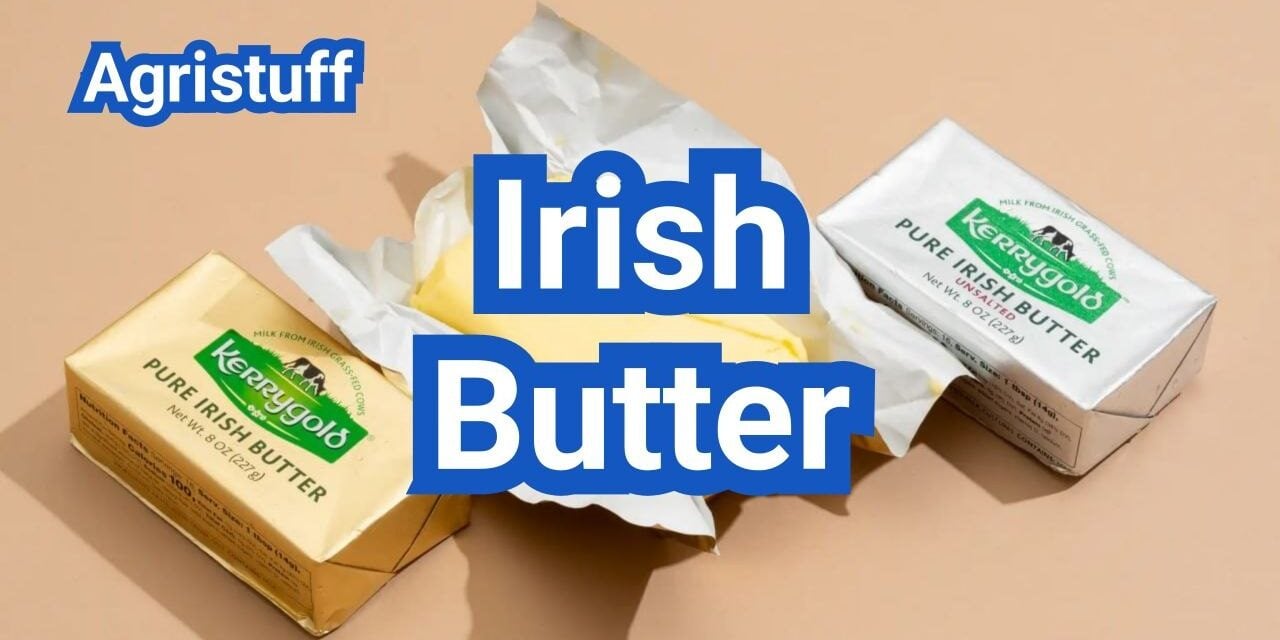
Is Irish butter really better than regular butter?, or is it just a more expensive option on the shelf? That is exactly why Irish butter has caught the attention of so many U.S. shoppers. With its deeper golden color, creamier texture, and richer flavor, Irish butter often feels like a premium upgrade in toast, baking, and simple home cooking. But for American readers, the real value of Irish butter is not just in how it looks or where it comes from—it is in whether that extra richness actually makes a noticeable difference in the foods you make every day.
That is what makes Irish butter worth a closer look. In some recipes, Irish butter can feel like a real upgrade because butter flavor stays front and center. In others, the difference may be too small to justify the higher price. For U.S. shoppers trying to make the smartest grocery decision, the key question is simple: when does Irish butter truly earn its premium reputation, and when is regular butter still the better buy?
Key Takeaways
- Cows grazing on grass produce milk with higher beta-carotene levels.
- A higher fat percentage creates a creamier mouthfeel for baking.
- The mild climate allows for year-round outdoor grazing.
- Many chefs prefer this product for its superior melting point.
- Understanding the difference helps you choose the right fat for your recipes.
What is Irish Butter?

Why does Irish butter taste better than regular butter? That is the question many U.S. shoppers ask when they see its deeper yellow color, creamier texture, and higher price on the shelf. Irish butter is a premium butter made from milk produced in Ireland, and it is widely known for delivering a richer flavor that stands out in toast, baking, and simple everyday meals. For American readers, what makes Irish butter interesting is not just where it comes from, but whether that smoother texture, fuller taste, and premium image actually make it worth buying over standard butter at the grocery store. Bord Bia dairy profile.
The Origins and Appeal of Irish Butter
Irish butter owes its distinct flavor and vibrant color to the country’s unique agricultural conditions and the grass-fed diet of its cows. Ireland’s natural environment plays a crucial role in shaping the characteristics of its renowned dairy products.
The Role of Ireland’s Lush Green Pastures
Ireland’s lush green pastures are more than just a picturesque landscape; they are the foundation of the country’s dairy farming. The country’s lush green pastures provide cows with a diverse and nutrient-rich diet, primarily consisting of fresh grass. This grass-fed diet is directly responsible for the enhanced flavor and nutritional profile of Irish butter.
The pastures are abundant with various grass species, herbs, and wildflowers, contributing to the complexity of the milk produced. As a result, the butter made from this milk has a richer taste and a more vibrant color compared to butter produced in other regions.
Why the Mild Climate Matters for Dairy
Ireland’s mild climate is another critical factor that contributes to the high quality of its dairy products. The temperate maritime climate allows for a relatively stable and moderate temperature throughout the year, ideal for dairy farming.
This climate enables cows to graze outdoors for most of the year, which is not common in regions with harsher winters or hotter summers. The result is milk that is richer in certain nutrients and has a better fatty acid profile, ultimately enhancing the quality of the butter.
What Makes Irish Butter So Yellow
One of the most distinctive features of Irish butter is its deep yellow color. This characteristic hue is primarily due to the beta carotene found in the fresh grass that the cows graze on. Beta carotene is a pigment that is converted into vitamin A in the body and is responsible for the yellow color of the butter.
The intensity of the color can vary depending on the time of year and the diet of the cows. During the spring and summer months when the grass is lush and abundant, the butter tends to be more yellow. This natural coloring is a testament to the grass-fed cows and the high-quality pasture that they graze on.
Understanding the Science of Irish Butter

Understanding the science of Irish butter reveals its superior quality. Irish butter’s distinct characteristics are rooted in its production process and composition.
The production of Irish butter involves traditional methods combined with a deep understanding of dairy science. This blend of tradition and science contributes to its rich flavor and high quality.
Higher Butterfat Content Explained
One of the key factors that differentiate Irish butter from others is its higher butterfat content. Irish butter typically contains a minimum of 82% butterfat, compared to the 80% found in American butter. This higher fat content gives Irish butter its rich, creamy texture and flavor.
The higher butterfat content is a result of the production process and the diet of the cows. Irish dairy farms often adhere to traditional grazing practices, which contribute to the overall quality of the butter.
| Type of Butter | Butterfat Content | Characteristics |
|---|---|---|
| Irish Butter | Minimum 82% | Rich, creamy texture and flavor |
| American Butter | 80% | Standard texture and flavor |
Cultured Butter vs Regular Butter
Another factor that contributes to the unique taste of Irish butter is the use of cultured butter techniques. Cultured butter is made by adding live bacterial cultures to the cream before churning, which gives it a tangy flavor and aroma.
In contrast, regular butter is made directly from cream without the addition of bacterial cultures. The culturing process involved in making Irish butter enhances its flavor profile, making it more complex and nuanced.
The Impact of Grass-Fed Diets on Flavor
The diet of the cows also plays a significant role in the flavor of Irish butter. Cows that are grass-fed produce milk with a different fatty acid profile compared to those fed with grains. This grass-fed diet contributes to the rich, yellow color and the distinct flavor of Irish butter.
The combination of higher butterfat content, cultured butter techniques, and grass-fed cow diets all contribute to the unique characteristics of Irish butter. These factors work together to create a product that is not only rich in flavor but also of high quality.
Irish Butter vs American Butter

Irish butter stands out from its American counterpart due to its unique production methods and ingredients. One of the primary differences lies in the texture and consistency of the butter.
Key Differences in Texture and Consistency
Irish butter is known for its soft and spreadable texture, making it a favorite among chefs and home cooks alike. This is largely due to the higher butterfat content and the production process. In contrast, American butter can be firmer and more dense.
The higher butterfat content in Irish butter not only affects its texture but also its melting properties, making it ideal for baking and cooking applications where a smooth, even melt is desired.
Why Irish Butter is Naturally Softer?
The softness of Irish butter can be attributed to its higher fat content and the fact that it is often made from the milk of grass-fed cows. The diet of the cows contributes to the unique flavor profile and the physical characteristics of the butter.
Additionally, the churning process used in traditional Irish butter production helps to incorporate air and break down the fat molecules, resulting in a softer product.
Comparing Salted vs Unsalted Varieties
Both Irish and American butter come in salted and unsalted butter varieties. However, Irish butter is often salted, which enhances its flavor and acts as a preservative. Unsalted Irish butter, on the other hand, is preferred for baking and cooking where salt content needs to be controlled.
American butter also offers both salted and unsalted options, but the salt content can vary more significantly between brands. Understanding the differences between these varieties is crucial for achieving the desired taste and texture in recipes.
In summary, the choice between Irish and American butter depends on personal preference, the specific requirements of a recipe, and the desired texture and flavor profile.
The Best Irish Butter Brands to Look For
The world of Irish butter is dominated by a few key players that are worth exploring. With the growing demand for premium butter brands, several Irish companies have risen to the top, offering high-quality products that cater to various tastes and preferences.
The Dominance of Kerrygold Butter
Kerrygold butter is arguably the most recognized and sought-after Irish butter brand globally. Known for its rich, creamy texture and high butterfat content, Kerrygold has become synonymous with quality Irish butter. The brand’s commitment to using grass-fed cows and traditional churning methods has earned it a loyal following among chefs and home cooks alike.
Kerrygold’s Key Features:
- High butterfat content for richer flavor
- Grass-fed cows for enhanced nutritional profile
- Traditional churning process for unique texture
Exploring Countryside Creamery Pure Irish Butter
Countryside Creamery Pure Irish Butter is another notable brand that offers authentic Irish butter with a rich, creamy taste. This brand is known for its commitment to quality and traditional methods, making it a favorite among those seeking genuine Irish dairy products.
Countryside Creamery’s Highlights:
- Pure Irish butter with no artificial additives
- Rich, creamy flavor profile
- Commitment to traditional dairy practices
Other Notable Imported Butter Options
While Kerrygold and Countryside Creamery are standout brands, other Irish butter brands are worth mentioning. These include:
| Brand | Key Features |
|---|---|
| Kerry Gold | High-quality, grass-fed butter with a rich flavor |
| Creamery Irish Butter | Traditional Irish butter with a creamy texture |
| Weihnachten | Artisanal Irish butter with unique flavor profiles |
When selecting an Irish butter brand, consider factors such as the production methods, the diet of the cows, and the overall quality of the butter. By choosing a reputable brand, you can ensure that you’re getting a high-quality product that will enhance your cooking and baking.
Where to Buy Irish Butter in the USA

Several popular retailers across the USA stock Irish butter, catering to the growing demand. This availability makes it convenient for consumers to purchase their preferred Irish butter brands without having to search extensively.
Finding Irish Butter at Costco
Costco is known for its wide selection of products, including specialty and imported goods. Irish butter Costco shoppers can often find Kerrygold, both in-store and online. Members can check the dairy section or the store’s website for availability.
Shopping for Irish Butter at Aldi
Aldi, a discount supermarket chain, occasionally stocks Irish butter Aldi, offering it at competitive prices. While availability can vary by location and season, Aldi is a great place to look for deals on Irish butter.
Availability at Trader Joe’s and Publix
Irish butter Trader Joe’s and Irish butter Publix are other options for consumers. Trader Joe’s is known for its unique and imported products, which can include various types of butter. Publix, a supermarket chain in the southeastern United States, may carry Irish butter in its dairy or specialty foods section.
| Retailer | Availability | Notes |
|---|---|---|
| Costco | In-store and online | Kerrygold often available |
| Aldi | Varies by location | Competitive pricing |
| Trader Joe’s | Varies by location | Unique and imported products |
| Publix | In-store | Check dairy or specialty foods section |
Evaluating the Price Point

Irish butter’s premium pricing has sparked debate among consumers regarding its value for money. The higher cost is primarily due to the high-quality production process and ingredients used in making Irish butter.
Is Irish Butter More Expensive Than American Butter
Generally, Irish butter is more expensive than its American counterpart. This difference is largely attributed to the production methods and the diet of the cows. Irish butter is often made from the milk of grass-fed cows, which is considered to be of higher quality and more expensive to produce.
Key factors contributing to the higher cost include:
- The cost of maintaining grass-fed cows
- Higher butterfat content
- Cultured butter production process
When is the Premium Price Worth It
The premium price of Irish butter is worth it for those who value its rich flavor and high quality. It’s ideal for baking, cooking, and as a spread. The unique taste and texture justify the extra cost for many consumers.
For instance, Kerrygold butter, a well-known Irish butter brand, is praised for its rich, creamy flavor that enhances various dishes.
Budget-Friendly Ways to Enjoy Imported Butter
For those on a budget, there are still ways to enjoy Irish butter without breaking the bank. Consider the following tips:
- Use it sparingly: A little goes a long way due to its rich flavor.
- Look for sales or discounts at stores like Costco or Aldi.
- Opt for slightly smaller packaging or different brands that might be more affordable.
How to Use Irish Butter for Baking
The rich, creamy taste of Irish butter makes it an ideal choice for baking, particularly for delicate pastries and flaky crusts. Irish butter’s high butterfat content, typically around 82-86%, compared to the 80% found in standard American butter, contributes to its suitability for baking.
Why Irish Butter is the Best Butter for Pastry
Irish butter is particularly well-suited for making pastry dough due to its high fat content, which helps to create a flaky and tender texture. The higher butterfat content in Irish butter means that it can help to create a more complex flavor profile in baked goods.
When making pastry, using Irish butter can result in a more delicate and layered texture. This is because the high fat content helps to prevent the dough from becoming tough, resulting in a more tender and flaky crust.
Adjusting Recipes for Higher Fat Content
When using Irish butter in baking, it’s essential to adjust recipes accordingly to accommodate its higher fat content. This may involve reducing the amount of butter called for in the recipe or adjusting the ratio of butter to other ingredients.
- Reduce the amount of liquid in the recipe to compensate for the extra fat.
- Consider reducing the overall amount of butter used to avoid an overly rich final product.
- Be mindful of the type of baked goods you’re making, as some may be more suited to the higher fat content than others.
When to Avoid Using Irish Butter in Baking
While Irish butter is an excellent choice for many types of baking, there are instances where it may not be the best option. For example, in recipes where a lighter texture is desired, such as in meringues or certain types of cakes, a lower-fat butter or alternative may be more suitable.
Additionally, in recipes where the butter is not the primary flavor component, the unique taste of Irish butter may not be fully appreciated. In such cases, a more neutral-tasting butter might be preferable.
Mastering the Art of Spreading and Serving

The art of enjoying Irish butter lies in its simplicity and rich, creamy goodness. Irish butter is renowned for its naturally softer texture, making it a delight to spread on bread, use in baking, or simply enjoy on its own.
The Benefits of Naturally Softer Butter
One of the standout features of Irish butter is its naturally softer consistency. This is largely due to the higher butterfat content and the production methods employed by Irish dairy farmers. The softer texture makes it easier to spread, even straight from the refrigerator.
A softer butter means a more enjoyable experience, whether you’re spreading it on toast, using it in cooking, or as a finishing touch for dishes. The ease of spreading also means you can enjoy it at its best, without the need to soften it at room temperature.
Serving Suggestions for Gourmet Butter
Irish butter is a gourmet product that can elevate simple dishes into something special. Here are a few serving suggestions to get the most out of your Irish butter:
- Spread on freshly baked bread or scones for a delicious breakfast or snack.
- Use as a finishing butter for vegetables, meats, or seafood to add a rich, creamy flavor.
- Incorporate into sauces and soups for an added depth of flavor.
- Make compound butters by mixing with herbs, spices, or citrus zest for a unique flavor.
As Chef Jamie Oliver once said, “Using high-quality butter can make all the difference in your cooking. It’s like the icing on the cake, or in this case, the butter on the bread!”
“The quality of the butter is crucial. I remember my grandmother used to make the most wonderful scones, and it was all about the butter.”
Paul Hollywood, British Pastry Chef
Pairing Salted Irish Butter with Fresh Bread
One of the simplest yet most enjoyable ways to experience Irish butter is by pairing it with fresh bread. The salted variety of Irish butter, such as Kerrygold, pairs particularly well with a crusty loaf or warm baguette.
| Bread Type | Recommended Pairing |
|---|---|
| Crusty Baguette | Salted Irish Butter |
| Sourdough | Unsalted Irish Butter with a sprinkle of sea salt |
| Whole Wheat | Compound Butter with herbs |
The combination of the slightly salted butter and the freshness of the bread creates a match made in heaven. It’s a simple pleasure that showcases the quality and flavor of Irish butter.
Incorporating Irish Butter into Daily Cooking

Discover how incorporating Irish butter into your daily cooking can add depth and richness to your meals. Irish butter, known for its high butterfat content and rich flavor, is a versatile ingredient that can elevate a variety of dishes.
Using Kerrygold Garlic Herb Butter
Kerrygold Garlic Herb Butter is a delicious addition to many meals. It can be used to add flavor to roasted vegetables, grilled meats, or as a spread on fresh bread. The garlic and herb flavors complement a range of dishes, making it a great ingredient to have in your kitchen.
For example, you can use Kerrygold Garlic Herb Butter to make a flavorful garlic bread. Simply spread the butter on a crusty loaf, sprinkle with some parsley, and bake until golden brown.
Enhancing Vegetables and Proteins
Irish butter can be used to enhance the flavor of both vegetables and proteins. When sautéing vegetables, adding a pat of Irish butter can add a richness and depth of flavor that elevates the dish. Similarly, using Irish butter to cook proteins like steak or chicken can add a delicious flavor.
A simple way to use Irish butter with vegetables is to toss steamed broccoli with melted Irish butter, salt, and pepper. This simple dish is both healthy and delicious.
Tips for Sautéing with Grass-Fed Butter
Sautéing with grass-fed butter, like Irish butter, can add a rich flavor to your dishes. Here are some tips for sautéing with grass-fed butter:
- Use a medium heat to prevent the butter from burning.
- Add aromatics like garlic or onions before adding the main ingredient.
- Don’t be afraid to add a bit more butter if needed; it will enhance the flavor.
Here’s a comparison of different types of butter for sautéing:
| Type of Butter | Flavor Profile | Smoke Point |
|---|---|---|
| Grass-Fed Irish Butter | Rich, creamy, slightly sweet | 350°F |
| Regular Butter | Mild, creamy | 320°F |
| Cultured Butter | Tangy, rich | 320°F |
By incorporating Irish butter into your daily cooking, you can add a new level of flavor and richness to your meals. Whether you’re using Kerrygold Garlic Herb Butter or plain Irish butter, the possibilities are endless.
The Nutritional Profile of Grass-Fed Dairy

Grass-fed dairy products, like Irish butter, offer a distinct nutritional profile that sets them apart from their grain-fed counterparts. The difference lies in the diet of the cows, which significantly impacts the nutritional content and health benefits of the dairy products derived from them.
Irish butter, known for its rich taste and high quality, is produced from the milk of grass-fed cows. This production method not only affects the flavor but also enhances the nutritional profile of the butter.
Understanding the Fat Content
The fat content in grass-fed dairy products like Irish butter is notably different from that in grain-fed dairy. Grass-fed butter typically has a higher content of certain fatty acids, such as conjugated linoleic acid (CLA), which is associated with various health benefits.
Key Fatty Acids in Grass-Fed Butter:
- Conjugated Linoleic Acid (CLA)
- Omega-3 Fatty Acids
- Vitamin K2
These components contribute to the nutritional richness of grass-fed dairy products.
Health Benefits of Grass-Fed Butter
Consuming grass-fed butter has been linked to several health benefits due to its unique nutritional profile. These benefits include improved heart health, enhanced nutrient absorption, and potential anti-inflammatory effects.
The higher levels of omega-3 fatty acids and CLA in grass-fed butter are particularly noteworthy for their health-promoting properties.
Reading Labels and Ingredients
When shopping for grass-fed dairy products like Irish butter, it’s essential to read labels carefully. Look for certifications that indicate the product is made from the milk of grass-fed cows.
Key Labels to Look For:
- Grass-Fed Certification
- Non-GMO Labeling
- Organic Certification
Understanding these labels can help consumers make informed choices about the dairy products they purchase.
Common Myths and Facts About Irish Butter
As Irish butter gains more traction in the global market, it’s essential to separate fact from fiction. Several misconceptions surround this premium dairy product, affecting consumer understanding and appreciation.
Addressing the Wisconsin Legal History
One notable myth surrounding Irish butter involves a legal dispute in Wisconsin. In 2011, the state of Wisconsin passed a law that effectively banned the sale of certain types of imported butter, including some Irish varieties, if they didn’t meet specific labeling requirements. This law was seen as a protectionist measure favoring local dairy farmers. However, it’s worth noting that this legislation didn’t outright ban Irish butter but rather imposed stricter labeling standards.
The controversy highlighted the challenges faced by imported dairy products in the U.S. market. Despite this, Kerrygold and other Irish butter brands continued to maintain a strong presence in the American market, thanks to their loyal customer base and distinct product characteristics.
Are All Irish Butters the Same
Another common misconception is that all Irish butters are created equal. While Irish butter is known for its high quality, there can be significant differences between various brands and production methods. Factors such as the diet of the cows, the butterfat content, and whether the butter is cultured or not can all impact the final product.
For instance, Kerrygold is known for its high butterfat content and rich flavor, which is a result of using milk from grass-fed cows. Other brands may have different production methods or ingredients, leading to a diverse range of products under the “Irish butter” label.
Debunking Quality Misconceptions
Some consumers believe that the higher price of Irish butter is not justified by its quality. However, the premium price is often a reflection of the production methods, the quality of the milk, and the care taken in the churning process. Irish butter is typically made from the milk of grass-fed cows, which results in a richer, more nuanced flavor profile compared to butter made from grain-fed cows.
Additionally, many Irish butter producers adhere to traditional methods and high standards, which can contribute to the higher cost. The end result is a product that is not only delicious but also often produced with more care and attention to detail than some of its counterparts.
Selecting the Right Butter for Your Needs

When it comes to selecting the right butter for your culinary needs, understanding the differences between various types is crucial. The choice between salted and unsalted butter, as well as European-style butter, depends on the intended use and personal preference.
Choosing Between Salted and Unsalted
The decision between salted and unsalted butter largely depends on the recipe and your taste preferences. Salted butter is ideal for spreading on bread or using in savory dishes where a hint of salt is desired. On the other hand, unsalted butter is preferred in baking, as it allows for better control over the amount of salt in the recipe.
Here are some key differences to consider:
- Salted butter contains added salt, which can enhance flavor in both sweet and savory dishes.
- Unsalted butter is often preferred for baking, as it gives the cook more control over the salt content.
- The type of salt used in salted butter can vary, affecting the flavor profile.
When to Opt for European-Style Butter
European-style butter, known for its higher butterfat content, is a popular choice among chefs and bakers. It is particularly beneficial for making pastries, croissants, and other flaky baked goods. The higher fat content contributes to a richer flavor and tender texture.
Consider using European-style butter when:
- Making pastry dough or croissants.
- You desire a richer, more complex flavor in your baked goods.
- You need a softer, more pliable butter for spreading or cooking.
Storage Tips for Maximum Freshness
Proper storage is essential to maintaining the freshness and quality of your butter. Here are some storage tips:
- Store butter in an airtight container to prevent it from absorbing odors from other foods.
- Keep butter in the refrigerator at a consistent temperature below 40°F (4°C).
- For longer storage, consider freezing butter; it can be stored for up to 6-9 months.
By understanding the differences between various butter types and following proper storage techniques, you can ensure that your butter remains fresh and suitable for your culinary needs.
The Rich History of Irish Dairy Production

The story of Irish dairy production is one of tradition, innovation, and a deep connection to the land. Ireland’s unique climate and geography have played a significant role in shaping its dairy industry.
With a history that spans centuries, Irish dairy farming has evolved significantly over time. Tradition Meets Modern Farming is more than just a phrase; it’s a reality that reflects the industry’s ability to adapt while maintaining its heritage.
Tradition Meets Modern Farming
Irish dairy farmers have long been known for their expertise in producing high-quality dairy products. The country’s lush pastures and mild climate create ideal conditions for grazing cattle, which in turn produce rich, creamy milk.
Modern farming techniques have been integrated into traditional practices, enhancing efficiency and product quality. This blend of old and new has enabled Irish dairy farmers to stay competitive in a global market.
Why Ireland is a Global Leader in Butter
Ireland’s commitment to quality and its favorable dairy farming conditions have contributed to its status as a global leader in butter production. The country’s dairy industry is known for its high standards and innovative approaches.
Irish butter is renowned for its rich flavor and high butterfat content, making it a sought-after product in international markets.
The Evolution of Irish Butter Exports
Over the years, Irish butter exports have grown significantly, with the industry adapting to changing global demands and trade agreements. Today, Irish butter is enjoyed in many countries around the world.
The success of Irish butter exports can be attributed to the industry’s focus on quality, sustainability, and the unique characteristics of its products.
Expert Tips for Butter Enthusiasts
For butter enthusiasts, mastering the handling and usage of Irish butter can elevate their culinary experience. Irish butter is known for its rich flavor and high-quality ingredients, making it a staple in many professional and home kitchens.
How to Properly Soften Irish Butter
Softening Irish butter is crucial for achieving the right consistency in baking and cooking. To soften it properly, remove it from the refrigerator about 30 minutes before use. You can also soften it quickly by submerging the wrapped butter in warm water or by using the defrost setting on your microwave in short intervals, checking frequently to avoid melting.
Tip: For an even softer consistency, grate the chilled butter using a box grater. This method is particularly useful for baking, as it allows the butter to mix more evenly with other ingredients.
Testing for Quality and Freshness
To ensure you’re getting the best out of your Irish butter, it’s essential to test its quality and freshness. Check the expiration date and look for any visible signs of spoilage, such as an off smell or mold. Fresh Irish butter should have a rich, creamy aroma and a smooth texture.
Quality check: If you’re unsure about the butter’s freshness, try melting a small amount. High-quality Irish butter will melt evenly and have a pleasant flavor. If it smells rancid or has an uneven texture, it may be past its prime.
Creative Ways to Use Leftover Butter
Don’t let leftover Irish butter go to waste. There are several creative ways to use it up. You can make compound butters by mixing it with herbs, spices, or other flavorings, or use it to make delicious sauces and gravies.
- Make a garlic and herb butter by mixing softened Irish butter with minced garlic and chopped fresh herbs like parsley or chives.
- Use leftover butter to enrich soups and stews by swirling it in just before serving.
- Create a flavorful sauce by melting the butter with some flour to make a roux, then gradually adding milk or stock.
The Future of Irish Butter in the U.S. Market

The Irish butter market in the U.S. is poised for significant growth as consumers increasingly demand premium products. This trend is driven by a growing appreciation for high-quality, artisanal foods that offer a rich culinary experience. Irish butter, with its distinctive flavor and superior quality, is well-positioned to capitalize on this trend.
Growing Demand for Premium Butter Brands
The demand for premium butter brands is on the rise in the U.S., driven by consumers seeking to elevate their cooking and baking. Irish butter, known for its rich, creamy flavor and high butterfat content, is a prime example of a premium product that is gaining traction. Brands like Kerrygold have already established a strong presence in the market, and other Irish butter brands are following suit.
Key factors driving this demand include:
- Increasing consumer awareness of the quality differences between premium and standard butter
- A growing interest in artisanal and specialty foods
- The versatility of Irish butter in both cooking and baking applications
Sustainability in Irish Dairy Farming
Sustainability is becoming an increasingly important consideration for consumers when making purchasing decisions. Irish dairy farming is known for its commitment to sustainable practices, with many farms adhering to strict environmental standards. This focus on sustainability not only benefits the environment but also contributes to the high quality of Irish dairy products.
Some of the sustainable practices employed by Irish dairy farmers include:
- Grass-fed diets for cattle, which reduce the need for supplementary feeds
- Manure management systems that minimize environmental impact
- Efforts to reduce carbon emissions throughout the production process
What to Expect from Future Product Lines
As the demand for Irish butter continues to grow, manufacturers are likely to innovate and expand their product lines. This could include new flavor profiles, packaging innovations, and other products that capitalize on the popularity of Irish butter. Consumers can expect to see a continued focus on quality, sustainability, and versatility in future product lines.
At The End of: Irish Butter Guide
Irish butter stands out as a premium dairy product, renowned for its rich flavor and high-quality production process. The lush green pastures and mild climate of Ireland contribute to the unique characteristics of this butter, making it a favorite among chefs and home cooks alike.
The higher butterfat content and grass-fed diet of the cows result in a richer, more nuanced flavor profile compared to other types of butter. Kerrygold and Countryside Creamery are notable brands that embody the quality and tradition of Irish butter.
Whether used in baking, cooking, or as a spread, Irish butter elevates the culinary experience. Its naturally softer texture and rich flavor make it an ideal choice for those seeking a premium dairy product. As the demand for high-quality butter continues to grow, Irish butter is poised to remain a leader in the market.
FAQ
What is the main difference between Irish butter vs American butter?
The most significant difference is the butterfat content. While standard American butter typically contains about 80% butterfat, Irish butter generally boasts a higher content of at least 82%. This results in a richer flavor, a creamier consistency, and a lower water content, making it a favorite for both spreading and professional cooking.
Why is Irish butter so yellow compared to other brands?
The vibrant golden hue of pure Irish butter is entirely natural. It comes from high levels of beta-carotene found in the grass of Ireland’s lush green pastures. Because most Irish butter comes from grass-fed cows that graze outdoors for most of the year, this pigment is transferred from the grass to the milk cream.
Is Kerrygold the only Irish butter brand available in the U.S.?
While Kerrygold butter is undoubtedly the most famous and popular Irish brand, it is not the only option. Many shoppers also enjoy Countryside Creamery Pure Irish Butter (found at Aldi), and other retailers like Trader Joe’s and Costco often carry their own versions or other imported butter labels like Lakeland or Kirkland Irish Butter.
Is Irish butter more expensive than American butter?
Generally, yes. Irish butter costs more because it is a premium, imported product with a higher fat content and specific production standards involving grass-fed dairy. However, many consumers find the price justified by the superior taste and texture, and retailers like Costco and Aldi offer competitive pricing for bulk or private-label options.
Is Irish butter always better than standard supermarket butter?
Irish butter is not automatically better in every recipe, but it often wins in simple foods and butter-led baking where flavor, color, and mouthfeel are easy to notice. USDA butter quality page.
Is Irish butter healthier?
Irish butter may vary slightly in fatty-acid profile depending on pasture systems, but it still needs to be treated as a concentrated source of saturated fat rather than a free-pass wellness food. Heart-health guidance.
Can Irish butter replace regular butter one-for-one in baking?
Irish butter usually can replace standard butter in many home recipes, but pastry, cookies, and laminated doughs may behave a little differently because water and fat balance affect structure.
Is Irish butter good for high-heat frying?
Irish butter is better suited to sautéing, finishing, and moderate-heat cooking than to very high-heat frying, because all butter can scorch when pushed past its comfortable heat range. Cooking fat guide.
Does Irish butter need refrigeration?
Irish butter should be refrigerated for the best mix of safety, freshness, and flavor retention, especially after opening and especially in warmer U.S. kitchens. FDA safe handling basics.
Can I use Irish butter for baking?
Irish butter can be good for baking, especially when making pastries, pie crusts, or shortbread where a high fat content leads to better flakiness. However, because it has less water than American butter, it may slightly alter the spread of cookies or the rise of certain cakes. It is often cited as the best butter for pastry due to its pliable texture.
Where can I find Irish butter in the USA?
You can find Irish butter at Costco, Aldi, Trader Joe’s, Publix, and Whole Foods. Most major grocery stores now stock Kerrygold in both the salted and unsalted varieties. Look for it in the specialty cheese or premium dairy section of your local supermarket.
Is Irish butter salted or unsalted?
Both varieties are widely available. Kerrygold salted butter (often in the gold foil) is the most iconic, but Kerrygold unsalted butter (in the silver foil) is preferred by many bakers who want to control the salt levels in their recipes. Unlike many other European-style butters, traditional Irish butter is typically uncultured, giving it a sweet, clean cream flavor.
What are the health benefits of grass-fed butter from Ireland?
Grass-fed butter is often higher in Omega-3 fatty acids and Vitamin K2 compared to grain-fed alternatives. Because Ireland’s climate and topography allow cows to graze on grass for the majority of the year, the nutritional profile of the milk is enhanced, making pure Irish butter a popular choice for those following nutrient-dense diets.
Why was Irish butter once illegal in Wisconsin?
Irish butter was once illegal in Wisconsin due to a decades-old law that required all butter sold in the state to be officially graded by a Wisconsin-certified or federal grader. Since Kerrygold was graded in Ireland, it didn’t technically meet the state’s administrative requirement. This led to a famous legal battle before the butter was finally allowed back on Wisconsin shelves in 2017.
How should I use Kerrygold Garlic Herb butter?
Kerrygold Garlic Herb butter is a versatile gourmet butter that works beautifully as a finishing touch. It is excellent for melting over a seared steak, sautéing vegetables, or simply spreading on a warm baguette to make instant garlic bread. It is one of the most popular grocery store’s best-kept secrets for adding quick flavor to weeknight meals.
Is Irish butter more spreadable than regular butter?
Yes, Irish butter is more spreadable at room temperature because of the specific types of fats found in the milk of grass-fed cows. Even when taken straight from the refrigerator, naturally softer pure Irish butter tends to soften more quickly than standard American sticks, making it ideal for toast.
What is the best way to store premium butter brands?
To maintain the freshness of imported butter, keep it in its original foil wrapping or a dedicated butter crock. It should be stored in the coldest part of the refrigerator, away from strong-smelling foods like onions, as the high fat content can easily absorb surrounding odors. For long-term storage, most Irish butter brands can be frozen for up to six months without losing quality.
Conclusion of: Irish Butter
Irish butter has built a strong reputation in the United States because many shoppers notice a deeper yellow color, a softer feel, and a fuller dairy flavor compared with standard supermarket sticks. In most cases, that richer impression comes from a mix of pasture-based milk, a higher-fat European-style profile, and careful handling that protects flavor instead of flattening it. Bord Bia dairy profile.
At the grocery level, Irish butter usually means butter made from milk produced in Ireland and sold as a premium imported product, often in foil-wrapped blocks rather than paper-wrapped sticks. U.S. law still defines butter as a dairy product with at least 80% milkfat, but many European-style products go beyond that minimum, which changes how they spread, melt, and perform in the kitchen. USDA butter overview.
A major reason Irish butter often looks more golden is the pasture itself. Teagasc has noted that Irish farming systems rely heavily on fresh pasture, and research tied to those systems shows higher beta-carotene in the milk fat, which contributes to the characteristic yellow color that many shoppers instantly associate with quality. Teagasc butter study.
Another reason Irish butter can taste richer is that grass-based milk does not produce a neutral, one-note fat. USDA grading standards focus on flavor, aroma, body, and color because butter quality is shaped by the cream itself, and pasture-influenced milk can bring a more rounded, creamy, sometimes slightly nutty flavor that stands out most on bread, potatoes, corn, and simple baked goods. USDA grading guidance.
Texture is where Irish butter can really separate itself from ordinary sticks. Iowa State University Extension notes that European-style butter commonly ranges from 82% to 86% fat rather than the 80% baseline common in standard butter, which means less water, more fat, and often a silkier mouthfeel that can improve tenderness, flakiness, and richness when the recipe depends heavily on butter quality.
Not every package of Irish butter will behave the same, though, because brand formulas, salt level, culturing, and package style can all change the final result. Some products lean more toward clean sweet-cream flavor, while others taste a little tangier or feel softer at room temperature, so buying by origin alone is not enough if you want predictable results for baking, laminating, or finishing sauces. FDA ingredient-label rules.
From a nutrition standpoint, Irish butter is still butter, so the basics do not magically change just because the product is imported or premium. A tablespoon of butter is roughly 102 calories with about 11.5 grams of fat and about 7 grams of saturated fat, which means the smarter question is not whether it is a “health food,” but whether the flavor and performance are worth the portion you plan to use. USDA butter nutrition sheet.
That is why Irish butter makes the most sense as a flavor-forward ingredient rather than an everyday excuse to use more butter. U.S. dietary guidance still recommends keeping saturated fat in check, so the best strategy is to enjoy premium butter where you can actually taste it, instead of letting a costly ingredient disappear inside recipes where spices, sugar, tomato, smoke, or frying heat will hide most of its advantages. American Heart Association guidance.
For everyday cooking, Irish butter is worth buying when the butter itself is part of the experience. Toast, biscuits, mashed potatoes, finishing vegetables, simple pasta, shortbread, pie dough, and pan sauces are all strong use cases because the richer fat profile and more noticeable dairy flavor are more likely to survive to the plate. Dietary Guidelines fact sheet.
For value-minded households, Irish butter is usually not the best buy for every task. If you are browning aromatics for chili, folding butter into strongly seasoned casseroles, or using it in recipes where sugar, chocolate, garlic, or heavy spice dominates, a good domestic butter often delivers nearly the same eating experience for less money. Colorado State cooking guidance.
To shop well, treat Irish butter like a specialty ingredient and read the package with intention. Check whether it is salted or unsalted, compare cost per ounce, notice whether it comes as a block or stick, and remember that standards of identity and ingredient disclosure exist to help you understand what you are paying for rather than buying a label on reputation alone. FDA standards of identity.
Quick checklist
Before you buy Irish butter, run through this short decision list so the premium matches the job you need it to do. A minute of label reading can save money, improve recipe performance, and help you choose the right format for cooking, baking, or table use. USDA quality reference.
- Choose unsalted if you want precise control in baking.
- Choose salted if the main use is spreading or finishing food at the table.
- Look for a block format if you make pastry, biscuits, or laminated doughs.
- Compare price per ounce instead of only comparing package price.
- Reserve premium butter for toast, pastry, sauces, and simple side dishes.
- Skip the premium for strongly flavored recipes where the butter will disappear.
- Read the ingredients and note whether the flavor profile seems sweet-cream or cultured.
- Buy a smaller pack first if you are testing whether your household notices the difference.
- Store it cold and away from strong odors so the flavor stays clean.
Common mistakes to avoid
Many people buy Irish butter for the name alone, then feel underwhelmed because they use it in the wrong dishes or expect impossible health benefits. Most disappointment comes from poor matching between the product, the recipe, and the buyer’s real priorities. FoodKeeper storage tool.
- Assuming all imported butter tastes the same instead of checking the specific brand and format.
- Using salted butter in precise baking formulas without adjusting the recipe’s salt.
- Expecting a dramatic nutrition upgrade when the main difference is flavor and performance.
- Paying a premium for dishes loaded with spice, sugar, or sauce where the butter is barely noticeable.
- Using softer spreadable tubs for pastry work that needs colder, firmer fat.
- Leaving butter near heat or sunlight, which shortens quality and can create off flavors.
- Substituting blindly in pastry formulas that were developed around standard American butter.
Costs and ROI snapshot
The cost side of Irish butter is straightforward: you are usually paying a premium for imported positioning, pasture-driven flavor perception, and higher-fat performance rather than for a completely different food category. In practical terms, the return is mostly sensory and culinary, so the purchase makes the most sense when your recipe gives butter room to be noticed. USDA ERS price-share chart.
The return on Irish butter is highest when a small amount changes the final experience, such as spreading on warm bread, finishing steak or vegetables, folding into mashed potatoes, or building pastry layers. The return is lower when the butter is melted into a crowded flavor system, so a good rule is simple: spend more when butter is the star, save money when it is just background fat.
Best ways to use it
In the kitchen, Irish butter shines most in applications that highlight aroma, melting quality, and mouthfeel. It is especially useful for biscuits, scones, pie crusts, shortbread, compound butter, butter boards, corn on the cob, steamed vegetables, and pan sauces where the dairy flavor stays clear instead of getting buried under aggressive seasoning. Heat and fat guide.
Baking considerations
When baking with Irish butter, remember that higher fat and lower moisture can subtly change spread, crispness, tenderness, and dough feel. That does not mean you cannot substitute it, but it does mean it is smartest to test it first in recipes where butter flavor matters most, then decide whether the result is better, simply different, or not worth the added cost for your style of baking.
Storage and handling
After opening Irish butter, protect it from odor pickup and temperature swings because premium flavor is easiest to lose through careless storage. Keep it refrigerated for best quality, freeze extra portions if you buy in bulk, and do not thaw it on the counter for long periods when food-safety rules and texture control both point toward colder handling. Cold food storage chart.
Final thought
In the end, Irish butter is worth buying when you want a butter-forward result and you are choosing recipes that let the richer taste, softer texture, and deeper color actually matter. It is not a miracle product, but in the right dishes it can absolutely feel like money well spent. USDA dairy data.
Sources & References
- Naturally Softer Pure Irish Butter – Kerrygold
- USDA FoodData Central
- USDA ERS Dairy Data
- USDA ERS Food Availability (Per Capita) Data System
- USDA ERS Farm Share of Butter Retail Price
- FDA Standards of Identity for Food
- eCFR: FDA Ingredient Labeling Requirements
- FoodKeeper App
- FoodSafety.gov Cold Food Storage Chart
- FDA Safe Food Handling
- Teagasc Dairy Nutrition
- Teagasc Seasonal Milk Fat Article
- Bord Bia Buyer Guide: Grass-Fed Dairy from Ireland
- Bord Bia Dairy Brochure 2024
- USDA Butter Grading Information
- United States Standards for Grades of Butter
- Colorado State University: Cooking with Fats and Oils
- American Heart Association: Saturated Fats