Many shoppers across the United States now look for functional foods to improve their health. Finding a dairy protein beverage helps them reach their fitness goals fast. These specialized drinks offer a unique way to fuel the body after a long day or a hard workout.
This special drink is made using a process called ultrafiltration. It works by sorting liquid components based on their molecular weights. This precise method ensures that only the most beneficial parts remain in the final product for consumers.
This method creates an ultra-filtered milk with a much higher nutritional value. It is a smart choice for those looking for enriched options in the U.S. today. People enjoy these selections because they fit easily into a busy American lifestyle.
Key Takeaways
- The filtration process uses molecular weight to group essential parts.
- These beverages offer more nutrition than standard dairy drinks.
- They are very popular among active folks in the USA.
- Advanced filtering helps create a cleaner and better product.
- Modern techniques make these a top choice for daily health goals.
What is High Protein Milk?

Understanding protein milk requires delving into its production process and the science that makes it a nutritional powerhouse. At its core, protein milk is cow’s milk that has been processed to increase its protein content while adjusting other components to meet specific nutritional needs.
What is Protein Milk?
Protein milk is essentially ultra-filtered milk that has been processed to have a higher protein content compared to regular milk. This process involves passing regular whole milk through semi-permeable membranes, which separate the components based on their molecular weights.
The result is milk with a concentrated protein level, making it an attractive option for those seeking to increase their protein intake without consuming more calories.
The Ultra-Filtration Process Explained
The ultra-filtration process is crucial in creating protein milk. By using semi-permeable membranes, dairy manufacturers can selectively remove certain components from the milk, such as lactose and water, while retaining proteins and other essential nutrients.
This process not only enhances the protein content but also allows for the adjustment of other nutritional elements, making it possible to produce milk that meets specific dietary requirements.
Milk Protein Concentrate vs. Milk Protein Isolate
Two key terms associated with protein milk are milk protein concentrate (MPC) and milk protein isolate (MPI). Both are derived from milk but differ in their protein content and production process.
| Product | Protein Content | Production Process |
|---|---|---|
| Milk Protein Concentrate (MPC) | Contains about 40-80% protein | Ultra-filtration process |
| Milk Protein Isolate (MPI) | Contains over 90% protein | Further processing of MPC through additional filtration or ion exchange |
MPC retains more of the natural nutrients found in milk, including some lactose and minerals, whereas MPI is more purified, with a higher protein content but fewer other nutrients.
Understanding these differences is essential for consumers to make informed choices based on their dietary needs and preferences.
The Nutritional Profile of High Protein Milk

High protein milk offers a nutrient-dense alternative to regular milk, catering to the growing demand for healthier dairy options. This variant of milk is particularly appealing to fitness enthusiasts and health-conscious individuals due to its enhanced nutritional profile.
Analyzing Protein Milk Nutrition Facts
High protein milk is characterized by its significantly higher protein content compared to regular milk. Typically, it contains around 18 grams of protein per serving, a substantial increase from the 8 grams found in regular milk. Additionally, high protein milk often has 50% less sugar and more calcium, making it a more balanced dairy choice.
The nutritional benefits of high protein milk can be attributed to its ultra-filtration process, which concentrates the protein and reduces the sugar content. This process results in a milk product that is not only higher in protein but also more suitable for those monitoring their sugar intake.
Comparing Protein in Whole Milk vs. Filtered Milk
When comparing whole milk to high protein (filtered) milk, the differences in nutritional content become apparent. The table below highlights these differences:
| Nutritional Component | Whole Milk | High Protein Milk |
|---|---|---|
| Protein Content (per serving) | 8 grams | 18 grams |
| Sugar Content | 12 grams | 6 grams |
| Calcium Content | 300 mg | 380 mg |
Understanding the Calories-to-Protein Ratio
The calories-to-protein ratio is a critical factor for individuals monitoring their dietary intake, especially athletes and those on a fitness regimen. High protein milk typically offers a more favorable calories-to-protein ratio compared to regular milk, making it an efficient choice for those seeking to increase their protein intake without significantly raising their calorie consumption.
For instance, a serving of high protein milk with 18 grams of protein might contain approximately 120 calories, resulting in a calories-to-protein ratio that is more aligned with the needs of fitness enthusiasts and health-conscious consumers.
How to Choose the Best Protein Milk for Your Needs

The protein milk market is diverse, offering a range of choices that cater to different dietary needs and preferences. With so many options available, selecting the right one can be challenging. To make an informed decision, it’s essential to consider several factors.
Identifying Your Dietary Goals
Before choosing a protein milk, it’s crucial to identify your dietary goals. Are you looking to increase your protein intake for muscle recovery, or are you seeking a healthier beverage option? Understanding your needs will help you narrow down your choices. For instance, athletes may require a higher protein content for muscle repair, while others might prioritize low-calorie or low-sugar options.
“The key to benefiting from protein milk is aligning it with your specific dietary objectives,” says a nutrition expert. This alignment ensures that you reap the most benefits from your chosen protein milk.
Lactose-Free High Protein Milk Options
For individuals with lactose intolerance, lactose-free high protein milk is an excellent alternative. Brands like Organic Valley offer lactose-free options that are rich in protein and easy to digest. When selecting a lactose-free protein milk, look for products that have been ultra-filtered to remove lactose while retaining protein content.
Lactose-free high protein milk options are not only beneficial for those with intolerance but also for anyone seeking easier digestion. As one study notes, “Lactose removal can significantly improve the digestibility of milk for sensitive individuals.”
Evaluating Organic vs. Conventional Dairy
The debate between organic and conventional dairy is ongoing. Organic dairy products, such as those from Organic Valley, are produced without the use of synthetic pesticides, hormones, or genetically modified organisms (GMOs). Choosing between organic and conventional dairy often comes down to personal preference and values. Some consumers prioritize the perceived health benefits and environmental sustainability of organic dairy, while others may be more budget-conscious and opt for conventional options.
- Consider your priorities: health benefits, environmental impact, or budget.
- Look for certifications like USDA Organic for assurance.
- Evaluate the nutritional profiles of both organic and conventional options.
Ultimately, the best protein milk for you will depend on your individual needs, dietary goals, and preferences. By considering these factors and exploring the various options available, you can make an informed decision that suits your lifestyle.
Step-by-Step Guide to Incorporating Protein Milk into Your Diet

With the right guidance, adding protein milk to your daily routine can be straightforward. Incorporating dairy protein beverage into your diet requires a simple, step-by-step approach to ensure you’re meeting your nutritional needs effectively.
Assessing Your Daily Protein Requirements
The first step is to determine your daily protein needs. This involves considering factors such as age, activity level, and fitness goals. For instance, athletes or individuals who engage in regular physical activity may require more grams of protein to support muscle repair and growth.
A general guideline is to consume about 0.8 grams of protein per kilogram of body weight per day for sedentary adults. However, this can vary based on individual needs and goals.
Selecting the Right Dairy Protein Beverage
Once you’ve determined your protein needs, the next step is to choose the right protein milk options. Consider factors such as protein content, lactose levels, and whether you prefer organic or conventional dairy products.
For those looking to boost their protein intake without added sugars, opting for an unflavored or low-sugar dairy protein beverage is advisable. Additionally, individuals with lactose intolerance may prefer lactose-free protein milk options.
Integrating Protein Milk into Meals and Shakes
Protein milk can be easily incorporated into your diet through various means. You can consume it on its own, use it as a base for protein shakes, or substitute it for regular milk in recipes.
For example, blending protein milk with your favorite fruits and vegetables can create a nutritious and filling smoothie. You can also use it in baking or as a creamy addition to soups and cereals.
By following these steps, you can seamlessly integrate protein milk into your daily diet, enhancing your nutritional intake and supporting your overall health and wellness goals.
Comparing Dairy-Based Protein Milk Options
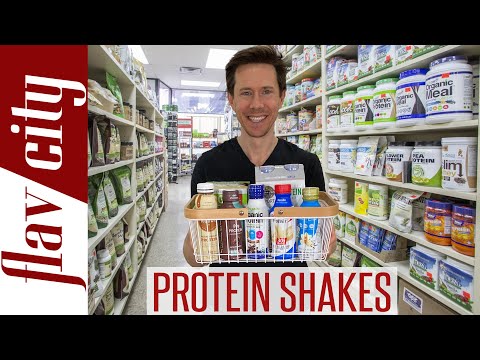
The U.S. market offers a variety of dairy-based protein milk brands catering to different consumer needs. Dairy-based protein milk brands in the U.S. differ significantly in terms of production processes and nutritional content.
Fairlife Protein Milk and Core Power
Fairlife Protein Milk and Core Power are prominent brands in the high protein dairy drink segment. Fairlife’s ultra-filtered milk contains 13 grams of protein per serving, making it a popular choice among fitness enthusiasts. Core Power, on the other hand, is known for its high protein content and is often consumed as a post-workout recovery drink.
A comparison of Fairlife and Core Power reveals differences in their nutritional profiles. While both are high in protein, they vary in calorie and sugar content.
| Brand | Protein Content (g) | Calories | Sugar Content (g) |
|---|---|---|---|
| Fairlife Protein Milk | 13 | 120 | 6 |
| Core Power | 26 | 170 | 7 |
| Organic Valley Protein Milk | 10 | 150 | 8 |
Organic Valley and Cooperative Sourcing
Organic Valley is another significant player in the dairy-based protein milk market. As a cooperative, Organic Valley sources its milk from organic dairy farms, ensuring a high-quality and sustainable product. Their protein milk is rich in nutrients and has a cleaner label, appealing to consumers seeking organic options.
Other High Protein Milk Brands in the U.S.
Beyond Fairlife, Core Power, and Organic Valley, there are other notable high protein milk brands in the U.S. market. Brands like Core Power Elite and Fairlife’s Core Power offer varying levels of protein and nutritional content, giving consumers a range of choices based on their dietary needs.
The Role of Lactose-Free Protein Milk in Modern Nutrition

With the rise of lactose intolerance, lactose-free protein milk has emerged as a vital component of modern diets. This shift is driven by the growing awareness of dietary restrictions and the need for products that cater to sensitive stomachs. Lactose-free protein milk offers the nutritional benefits of dairy protein without the digestive discomfort associated with lactose intolerance.
Why Lactose Removal Matters for Digestion
Lactose removal is crucial for individuals with lactose intolerance, as it eliminates the primary cause of digestive issues. Lactose intolerance occurs when the body is unable to digest lactose, a sugar found in milk, due to a deficiency in lactase, the enzyme that breaks down lactose. By removing lactose, lactose-free protein milk provides a comfortable and nutritious alternative.
The process of lactose removal involves ultra-filtration and enzymatic treatment, which not only reduces lactose content but also retains the protein and other essential nutrients. This makes lactose-free protein milk an excellent option for those seeking to maintain a high-protein diet without the discomfort of lactose intolerance.
Whey and Casein in Lactose-Free Formulations
Lactose-free protein milk often contains whey and casein, two high-quality proteins found in dairy products. Whey protein is known for its rapid absorption and is often used post-workout to aid in muscle recovery. Casein, on the other hand, is absorbed more slowly, providing a sustained release of amino acids.
The combination of whey and casein in lactose-free formulations offers a balanced amino acid profile, supporting muscle growth and maintenance. This makes lactose-free protein milk an ideal choice for athletes and individuals with high protein requirements.
Benefits for Sensitive Stomachs
Lactose-free protein milk is particularly beneficial for individuals with sensitive stomachs. By eliminating lactose, it reduces the risk of digestive discomfort, such as bloating, gas, and diarrhea, commonly associated with lactose intolerance.
The benefits of lactose-free protein milk for sensitive stomachs can be summarized in the following table:
| Benefit | Description |
|---|---|
| Reduced Digestive Discomfort | Minimizes symptoms of lactose intolerance such as bloating and gas |
| High-Quality Protein | Provides essential amino acids for muscle growth and repair |
| Nutritional Balance | Retains essential nutrients found in dairy products |
Protein Milk vs. Regular Milk: A Detailed Comparison

The distinction between protein milk and regular milk lies in their processing, nutritional content, and overall consumer experience. While regular milk is a staple in many diets, protein milk has gained popularity for its enhanced nutritional profile.
Differences in Processing and Texture
Protein milk undergoes an ultra-filtration process that removes excess lactose and concentrates the protein content, resulting in a creamier texture. In contrast, regular milk is not filtered to the same extent, retaining its natural lactose content and texture.
Ultra-filtration not only changes the texture but also affects the nutritional content. Protein milk generally has a higher protein-to-calorie ratio compared to regular milk.
Nutrient Retention and Fortification
Both protein milk and regular milk can be fortified with additional nutrients. However, the ultra-filtration process in protein milk can lead to a loss of certain nutrients if not properly fortified. Regular milk, on the other hand, retains its natural nutrients but may not offer the same level of protein as protein milk.
It’s essential to check the labels for nutrient retention and fortification. Some protein milks are enriched with vitamins and minerals to match or exceed the nutritional profile of regular milk.
Flavor Profiles and Culinary Uses
The flavor profile of protein milk is often described as richer and creamier compared to regular milk. This makes it a popular choice for those looking for a more indulgent taste experience. Regular milk has a more neutral taste and is versatile in both culinary and beverage applications.
In terms of culinary uses, protein milk can be used similarly to regular milk in recipes, but its higher protein content may affect the texture and consistency of certain dishes. For instance, using protein milk in baking can result in a denser product.
Ultimately, the choice between protein milk and regular milk depends on individual dietary needs and preferences. Whether you’re looking for a higher protein content or a more traditional milk experience, understanding the differences between these two options can help you make an informed decision.
Exploring Plant-Based Alternatives to Dairy Protein Milk
As consumers increasingly seek dairy-free options, plant-based protein milks have emerged as viable alternatives. These milks, derived from various sources such as soybeans and peas, offer a range of nutritional benefits and cater to diverse dietary needs.
Soy Milk and Pea Milk Protein Content
Soy milk and pea milk are two popular plant-based alternatives to dairy protein milk. Soy milk is made from soybeans and is known for its high protein content, often comparable to that of cow’s milk. Pea milk, on the other hand, is derived from yellow peas and is gaining popularity due to its hypoallergenic properties and high protein content.
The protein content in these milks can vary based on the brand and processing methods. However, many brands fortify their plant-based milks with additional protein, making them attractive options for those seeking to increase their protein intake.
Comparing Complete vs. Incomplete Proteins
Understanding the difference between complete and incomplete proteins is crucial when evaluating plant-based protein milks. Complete proteins contain all nine essential amino acids that the human body cannot synthesize on its own. Incomplete proteins lack one or more of these amino acids.
Soy protein is considered a complete protein, making soy milk an excellent option for those looking for a dairy-free protein source that provides all essential amino acids. Pea protein, while often considered incomplete, can be combined with other protein sources to achieve a complete amino acid profile.
When to Choose Plant-Based Over Cow Milk
Choosing between plant-based protein milks and cow milk depends on individual dietary needs and preferences. Plant-based milks are ideal for those with dairy allergies or intolerances, or for individuals following a vegan diet. They also offer a lower environmental impact compared to traditional dairy farming.
Cow milk, on the other hand, is a natural source of protein and other nutrients like calcium and vitamin D. Ultimately, the choice between plant-based protein milks and cow milk should be based on personal health goals, dietary restrictions, and environmental considerations.
The Impact of A1 and A2 Milk on Protein Quality

Recent studies have highlighted the differences between A1 and A2 milk, suggesting that the type of beta-casein in milk can influence its digestibility. The distinction between these two types of milk is rooted in the structure of their beta-casein proteins.
Understanding Beta-Casein Variations
Beta-casein is a primary protein found in milk, and it exists in several variants. The most commonly discussed variants are A1 and A2 beta-casein. A1 beta-casein is known to release beta-casomorphin-7 (BCM-7) during digestion, a peptide that has been linked to gastrointestinal discomfort in some individuals. On the other hand, A2 beta-casein does not release BCM-7, as it is not cleaved by digestive enzymes in the same way.
A2 milk, which contains predominantly A2 beta-casein, is considered by some to be easier to digest due to its different molecular structure. This has led to a growing interest in A2 milk among consumers who experience discomfort after consuming traditional dairy products.
Is A2 Milk Better for Protein Digestion?
The debate surrounding A1 and A2 milk centers on the potential benefits of A2 milk for individuals with sensitive stomachs or those who experience adverse reactions to A1 milk. Some research suggests that A2 milk may reduce gastrointestinal symptoms such as bloating and discomfort. However, it’s essential to note that more research is needed to fully understand the implications of A1 and A2 milk on protein digestion and overall health.
“The evidence suggests that A2 milk may offer benefits for certain individuals, particularly those with gastrointestinal sensitivities.”
Market Availability and Consumer Preferences
A2 milk has gained popularity in various markets worldwide, with several brands now offering A2 milk as an alternative to traditional dairy milk. Consumer preferences are shifting towards products perceived as easier to digest and potentially healthier. As a result, the market for A2 milk is expected to continue growing.
The availability of A2 milk in the market is not limited to specialty or health food stores; it is now widely available in mainstream supermarkets. This increased accessibility is likely to further drive consumer interest in A2 milk and its potential benefits.
High Protein Chocolate Milk as a Recovery Drink

The combination of protein and carbohydrates in high protein chocolate milk makes it an effective recovery drink for individuals seeking to enhance muscle recovery post-exercise. This beverage is particularly popular among athletes and fitness enthusiasts who require a quick and efficient way to replenish muscles after a workout.
The Science of Chocolate Milk for Muscle Recovery
Research has shown that the protein in high protein chocolate milk aids in muscle repair, while the carbohydrates help in replenishing energy stores. This dual-action support is crucial for effective recovery. The protein content in chocolate milk is particularly beneficial as it provides the necessary building blocks for muscle repair.
Sugar Content and Nutritional Balance
One of the considerations when consuming high protein chocolate milk as a recovery drink is its sugar content. While the carbohydrates are beneficial for energy replenishment, high sugar levels can be a drawback. It’s essential to choose a product that balances sugar content with nutritional benefits.
| Nutritional Component | High Protein Chocolate Milk | Regular Chocolate Milk |
|---|---|---|
| Protein Content | 20-25 grams per serving | 8-10 grams per serving |
| Sugar Content | 15-20 grams per serving | 20-25 grams per serving |
| Carbohydrates | 30-40 grams per serving | 30-40 grams per serving |
Best Practices for Post-Workout Consumption
To maximize the benefits of high protein chocolate milk as a recovery drink, it’s recommended to consume it within a specific window post-workout. Typically, this window is within 30-60 minutes after exercise when the body is most receptive to nutrient uptake.
Additionally, individuals should consider their overall dietary needs and choose a high protein chocolate milk that aligns with their nutritional goals, paying close attention to the balance between protein, carbohydrates, and sugar.
Navigating the Market: Dunkin and Other Retail Trends
Dunkin’s latest initiative to add protein milk to their menu reflects a broader trend in the retail market towards healthier, high-protein beverages. As consumers become more health-conscious, retailers are responding by diversifying their product offerings to include high-protein options.
Dunkin’ Protein Milk Initiatives
Dunkin’ has joined the protein milk trend by introducing protein-enriched beverages to their menu. This move is part of a larger strategy to attract health-conscious consumers who are looking for convenient, nutritious options. Dunkin’ protein milk is positioned as a refreshing, protein-rich alternative to traditional milk-based drinks.
Comparing Starbucks vs. Dunkin’ Protein Drinks
When comparing Starbucks vs. Dunkin’ protein drinks, several factors come into play, including nutritional content, taste, and price. While both brands offer protein-enriched beverages, their formulations and marketing strategies differ. Dunkin’s protein drinks are marketed as a blend of convenience and nutrition, appealing to customers looking for a quick, healthy boost.
Starbucks, on the other hand, emphasizes the quality and sourcing of their ingredients. A detailed comparison of the nutritional profiles and consumer preferences between the two brands can help consumers make informed choices.
Are Commercial Protein Drinks Healthy?
The healthiness of commercial protein drinks is a topic of ongoing debate. While these beverages can be a convenient way to increase protein intake, their nutritional value depends on factors such as sugar content, protein sources, and additives. Consumers should carefully evaluate the nutritional labels to ensure that their chosen protein drink aligns with their dietary goals and preferences.
It’s also worth noting that some commercial protein drinks may contain added sugars, artificial flavors, or other ingredients that may not be suitable for all consumers. Therefore, it’s essential to assess the ingredients and nutritional content before making a purchase.
Common Myths and Facts About Milk Protein

The truth about milk protein is often clouded by misinformation and myths. Milk protein is a vital component of many diets, providing essential amino acids necessary for muscle repair and growth.
Debunking Protein Absorption Myths
One common myth surrounding milk protein is related to its absorption rate. Many believe that the body absorbs protein from milk slowly, which can be both true and false depending on the type of protein.
Milk contains two main types of protein: whey and casein. Whey protein is absorbed quickly by the body, making it ideal for post-workout recovery. On the other hand, casein protein is absorbed more slowly, providing a sustained release of amino acids.
“The digestion rate of protein can significantly impact its effectiveness for muscle recovery and growth.”
The Truth About Casein for Weight Loss
Casein protein has been linked to weight loss due to its slow digestion rate, which can help reduce hunger and increase feelings of fullness.
| Protein Type | Digestion Rate | Effect on Hunger |
|---|---|---|
| Whey Protein | Fast | Temporary Satiety |
| Casein Protein | Slow | Sustained Fullness |
Research suggests that casein can be beneficial for weight management when consumed as part of a balanced diet.
Clarifying Protein Content in One Cup of Milk
Another myth revolves around the protein content in milk. The actual protein content can vary based on the type of milk and its processing.
For example, a cup of ultra-filtered milk can contain around 13 grams of protein, whereas regular milk contains about 8 grams per cup.
In conclusion, understanding the facts about milk protein can help consumers make informed decisions about their dietary choices.
Safety Tips and Considerations for Dairy Consumption

Consuming dairy safely involves understanding allergies, proper storage, and seeking professional advice. Dairy products, such as ultra-filtered milk, are nutritious but require careful handling and consumption practices.
Identifying Dairy Allergies and Sensitivities
Dairy allergies and sensitivities can manifest in various ways, from mild discomfort to severe reactions. It’s essential to recognize the symptoms, which can include digestive issues, skin rashes, and respiratory problems. Lactose intolerance, a common sensitivity, occurs when the body lacks the enzyme lactase, needed to digest lactose, a sugar found in milk.
If you suspect a dairy allergy or sensitivity, consider the following steps:
- Consult a healthcare professional for proper diagnosis.
- Keep a food diary to track symptoms and potential dairy consumption.
- Explore lactose-free or dairy-free alternatives.
Storage and Shelf-Life of Ultra-Filtered Milk
Proper storage of ultra-filtered milk is crucial to maintain its quality and safety. Always check the expiration date and store the milk in the refrigerator at a temperature below 40°F (4°C). Ultra-filtered milk typically has a longer shelf-life than regular milk due to its processing method, but it’s essential to follow the storage instructions provided by the manufacturer.
Some key storage tips include:
- Keep the milk container sealed when not in use.
- Store it in the coldest part of the refrigerator.
- Avoid freezing, as it can affect the milk’s texture and nutritional content.
Consulting with a Nutritionist
For personalized dietary advice, especially regarding dairy consumption, consulting with a nutritionist can be highly beneficial. A nutritionist can help you understand your nutritional needs, identify potential allergies or sensitivities, and develop a balanced diet plan.
“A nutritionist can provide tailored guidance on incorporating dairy products into your diet, ensuring you reap the nutritional benefits while minimizing potential risks.”
When seeking a nutritionist, look for credentials such as RD (Registered Dietitian) and consider their experience with dairy-related issues.
At The End of: High Protein Milk ( U.S. Guide )
Protein milk has emerged as a popular choice for those seeking to boost their protein intake. Through the ultra-filtration process, high protein milk is crafted to meet various dietary needs, offering a nutrient-rich beverage option.
Understanding the differences between milk protein concentrate and milk protein isolate can help consumers make informed decisions about their dairy protein beverage choices. Whether opting for lactose-free high protein milk or evaluating organic vs. conventional dairy, the key is aligning the choice with individual dietary goals.
As the market continues to evolve with brands like Fairlife and Core Power leading the way, consumers have a wide range of high protein milk options. By considering factors such as nutritional profile, processing methods, and brand sourcing, individuals can seamlessly integrate protein milk into their diets.
Making informed choices about dairy consumption is crucial. By doing so, individuals can harness the benefits of protein milk, supporting overall health and wellness.
FAQ
Is High Protein Milk the same as ultrafiltered milk?
Protein Milk is not always the same thing as ultrafiltered milk, because some products get their extra protein from membrane concentration and others from dairy protein ingredients blended into the formula. Ultra-filtered milk is one important route, but it is not the only route processors use to raise protein in a drinkable dairy product. FDA ultrafiltered milk guidance
Does High Protein Milk always mean lactose-free?
Protein Milk does not automatically mean lactose-free, although some ultrafiltered versions remove enough lactose to make low-lactose or lactose-free positioning easier. The actual result depends on how much lactose was removed, whether lactase was added, and how the product was formulated after concentration. Research on lactose removal by ultrafiltration
Can High Protein Milk replace a protein shake?
Protein Milk can replace a protein shake for some people, especially when the goal is a simple ready-to-drink option with dairy protein, calcium, and familiar taste. It becomes less ideal when you need very high protein with minimal calories, highly customized macros, or a non-dairy solution for allergy, ethics, or digestive reasons. National Agricultural Library sports nutrition resources
How should High Protein Milk be stored?
Unopened Protein Milk should always be stored exactly as the package directs, because refrigerated and shelf-stable versions are processed and packaged in different ways. Once opened, even long-life products usually need refrigeration and prompt use, so storage discipline is part of both quality and safety. FDA Pasteurized Milk Ordinance background
How much protein is really in a glass of milk?
While a standard 1 cup milk protein count is typically around 8 grams, specialized high protein milk options like Fairlife ultra-filtered milk or Organic Valley can provide up to 13 to 15 grams of protein in 8 oz milk. The exact protein content depends on whether the product is standard cow’s milk or a fortified dairy protein beverage.
What is the difference between filtered milk vs regular milk?
The primary difference lies in the production process. Ultra-filtered milk is passed through fine filters to remove much of the lactose and water while concentrating the grams of protein and calcium. This results in a high protein milk that is often creamier and has less sugar than regular milk.
Is there such a thing as lactose-free high protein milk?
Yes, many of the best protein milk options in the U.S. are naturally lactose-free. Brands like Fairlife protein milk and Slate protein use ultra-filtration to remove lactose, making them excellent lactose free protein drinks for those with sensitivities. You can also find lactose free whey protein and micellar casein in these formulations.
How does the protein in whole milk compare to nonfat options?
Surprisingly, the protein in whole milk is very similar to the protein in nonfat milk. A standard cup of milk protein is about 8 grams regardless of fat content. However, full fat milk protein comes with more calories, whereas protein in skimmed milk offers a better calories-to-protein ratio for those monitoring energy intake.
What are the benefits of A1 and A2 milk for digestion?
The debate between A1 and A2 milk centers on the a2 beta casein protein. Most commercial cow’s milk in the USA contains both A1 and A2 proteins, but some people find that milk containing only the A2 protein is easier on the digestive system and reduces bloating.
Can I use high protein chocolate milk as a recovery drink?
Absolutely. High protein chocolate milk is considered an elite chocolate milk recovery drink because it contains the ideal ratio of carbohydrates and milk protein isolate to repair muscles and replenish energy after a workout. Brands like Fairlife core power and Core Power elite are popular choices for athletes.
Are Dunkin’s new protein drinks healthy?
Dunkin’ adds protein milk to the menu as a functional option for consumers. While they provide a significant boost in grams of protein, it is important to review the protein milk nutrition facts for added sugars. They are a convenient alternative to a traditional protein shake but should be balanced within your daily diet.
What is the best dairy-free protein milk?
For those seeking a dairy free protein milk, soy milk from soy protein and pea milk are the top contenders. Unlike almond milk or coconut milk, which are often low in protein, soy and pea milks provide complete vs. incomplete proteins that rival the protein levels found in dairy.
Is casein protein for weight loss effective?
Yes, casein for weight loss is a common strategy because micellar casein is a slow-digesting protein. This helps you feel full for longer periods. Casein in cow milk or micellar casein protein powder can be a useful tool for appetite control compared to faster-digesting proteins.
How do I choose the best protein milk for adults?
To find the best protein milk for adults, consider your dietary goals. If you are looking for muscle growth, a high protein dairy drink like Fairlife nutrition plan or Muscle Milk genuine protein powder may be best. If you have a sensitive stomach, look for lactose free protein milk or goat milk, though keep in mind that goat milk has lactose and may not be suitable for everyone.
Conclusion of: High Protein Milk
Protein Milk has become a popular dairy choice for shoppers who want more protein without moving all the way to powders, bars, or ready-to-mix supplements. In practical terms, it is a fluid milk product designed to deliver more protein per serving than standard milk, often while also changing lactose, sugar, texture, or shelf-life characteristics. For U.S. consumers, it is best viewed as a convenience-focused dairy option rather than a magic health product.
What it usually means on the shelf
Protein Milk is not one single legal standard-of-identity term in the way that “whole milk” or “nonfat milk” is, so brands can arrive at a higher-protein result through different processing choices. That is why two bottles can look similar on the front panel but differ meaningfully in calories, lactose, fat, added sugar, and total protein once you read the Nutrition Facts panel carefully. FDA Nutrition Facts overview
How High Protein Milk is made?
Most Protein Milk starts with standard dairy milk that is concentrated through ultrafiltration, a membrane process that lets water and some smaller components pass while keeping more of the larger protein fraction behind. That shift raises protein concentration and often changes the ratio of protein to sugar, which is why many ultra-filtered products also market lower sugar or lactose-free benefits alongside the higher protein claim. South Dakota State Extension explanation
Some Protein Milk is built mainly through membrane concentration, while other products rely on added milk protein concentrate, milk protein isolate, micellar casein, or whey ingredients to raise protein without making the drink excessively thick. In industrial practice, processors usually standardize the milk, apply heat treatment, concentrate or blend the protein system, then fine-tune flavor, sweetness, fat level, and stability before packaging. Milk protein concentrate technical report
Good Protein Milk is harder to formulate than labels make it look because more protein can create problems with chalkiness, sediment, cooked flavors, thickness, or instability during heat processing. That is especially true for shelf-stable and high-acid beverages, where processors must balance solubility, heat stability, and mouthfeel so the drink still tastes like something consumers actually want to buy a second time. Shelf-stable dairy beverage review
- Milk is received, tested, and standardized for fat and solids.
- Protein is increased through ultrafiltration and/or dairy protein ingredients.
- Lactose may be reduced by filtration or broken down with lactase if the product is lactose-free.
- The formula is homogenized for texture and consistency.
- The beverage is pasteurized, ultra-pasteurized, or UHT treated depending on the package and shelf-life goal.
- Flavor, sweetness, and micronutrient fortification are adjusted before final filling.
How to read the label before you buy
When you shop for Protein Milk, the first numbers to compare are serving size, grams of protein, calories, and calcium, because those tell you whether the product really fits your goal. A bottle that looks impressive on the front may only outperform regular milk because the serving is larger, so comparing per serving and per bottle is one of the simplest ways to avoid overpaying for marketing language. FDA protein label guide
Not every Protein Milk package means the same thing when it uses words like “high,” “extra,” or “good source,” because FDA rules set specific thresholds for nutrient-content claims. For U.S. buyers, that means the most trustworthy shortcut is still the panel on the back: grams of protein, amount of saturated fat, added sugars if any, and the actual serving size the claim is built on. Federal nutrient-claim rules
The best Protein Milk for everyday use is usually the one that balances protein with lower added sugar, a fat level that fits your diet, and a lactose profile your stomach can handle. Some bottles win on protein but lose on sweetness or calories, so people trying to manage weight, blood sugar, or heart-health goals should compare the whole label instead of chasing protein alone. FDA added sugars guidance
Who it is best for
For active adults, Protein Milk works best as a convenient food-first option when there is not enough time for a meal after training, commuting, or long workdays. It can be especially useful for people who already tolerate dairy well and want a ready-to-drink source of complete milk protein instead of carrying powder, shaker bottles, and extra ingredients. ISSN protein and exercise position stand
For many older adults, Protein Milk can be helpful because drinking calories and protein is often easier than finishing a large solid meal, especially during periods of lower appetite, recovery, or reduced chewing comfort. It is not a complete nutrition strategy by itself, but it can be a practical bridge food when the goal is to preserve muscle, support strength work, or simply make daily protein intake easier to spread across the day. Review on protein needs in older adults
For people with lactose intolerance, Protein Milk may or may not be a comfortable choice, depending on how the product was made. Some versions are filtered and lactose-free, while others still contain enough lactose to trigger symptoms, so the right move is to check the label for lactose-free wording and watch how your body responds rather than assuming all higher-protein milk drinks will digest the same way. NIDDK lactose intolerance overview
Some shoppers should treat Protein Milk as a targeted tool rather than an automatic upgrade, particularly people with chronic kidney disease who have been told to manage protein intake carefully. It can also be a poor fit if you are trying to reduce saturated fat or added sugar and pick a flavored full-fat version without checking the numbers, because more protein does not cancel out every other nutrition consideration. National Kidney Foundation guidance
Safety, storage, and quality
Because Protein Milk is still a dairy product, safety rules matter just as much as nutrition. Shoppers in the U.S. should look for pasteurized products, follow refrigeration instructions closely unless the package is shelf-stable, and avoid assuming that “natural,” “farm fresh,” or “minimally processed” language makes raw dairy a better choice. CDC raw milk safety guidance
Quick checklist
A smart Protein Milk purchase usually passes a few simple tests before it ever reaches your cart. Use this checklist to compare products quickly and keep the focus on fit, not hype. American Heart Association dairy guidance
- Check protein grams per serving and per full bottle.
- Compare calories, not just protein.
- Look for added sugars if the product is flavored.
- Choose a fat level that matches your goals.
- Confirm whether it is lactose-free if digestion matters.
- Check calcium and vitamin D if you want a broader nutrition benefit.
- Review the ingredient list for concentrates, sweeteners, or stabilizers you may want to limit.
- Make sure the storage style fits your routine: refrigerated or shelf-stable.
- Compare cost per serving, not just sticker price.
Common mistakes to avoid
Many Protein Milk disappointments come from buying the product for the label headline instead of the total nutrition picture. These are the mistakes that most often cause buyers to overspend, underperform, or choose the wrong product for their body and routine. American Heart Association on saturated fat
- Assuming all high-protein milk is low sugar.
- Ignoring serving size and comparing bottles unfairly.
- Choosing flavored versions without checking calories.
- Assuming all filtered milk is lactose-free.
- Using it as a substitute for every meal instead of part of a balanced diet.
- Paying a premium for protein you do not actually need.
- Picking a product that is too thick or sweet for consistent daily use.
Costs and ROI snapshot
From a farm or small-processor perspective, Protein Milk can be a strong value-added idea, but it is not a low-friction launch. Pilot formulation, shelf-life validation, label compliance, sanitary design, protein-standardization equipment, and refrigerated distribution all add cost, and even relatively modest on-farm milk processing setups can move into serious capital territory before working capital and marketing are fully counted. On-farm milk processing cost reference
The return on Protein Milk depends less on the word “protein” itself and more on positioning, co-packing versus in-house production, local retail access, shelf-life strategy, and whether the product solves a real need such as low lactose, lower sugar, or grab-and-go recovery nutrition. In the U.S., the strongest economics usually come when value-added dairy products are backed by a realistic business plan, disciplined distribution radius, and available support programs that reduce early-stage risk. USDA value-added producer grants
Final thought
Protein Milk is most useful when you choose it for a clear reason: easier daily protein, better post-workout convenience, lower lactose tolerance support, or a more practical dairy option for busy schedules. When buyers compare the full label and producers respect the real processing economics behind the bottle, it becomes a smart category rather than just another nutrition buzzword. Fluid milk processing cost study
Sources & References
- FDA Nutrient Content Claims
- FDA Use of the “Healthy” Claim on Food Labeling
- FDA Food Safety and Raw Milk
- FDA Raw Milk Misconceptions and the Danger of Raw Milk Consumption
- FDA Standards of Identity for Food
- USDA ERS Dairy Data Documentation
- USDA Dietary Health
- NIDDK Eating, Diet, & Nutrition for Lactose Intolerance
- USDA AMS General Specifications for Dairy Plants
- USDA Dairy Business Innovation Initiatives Awarded Grants
- USDA Announces Dairy Industry Support Funding
- Cornell Dairy Foods Center Research
- Penn State Dairy Food Production and Processing