
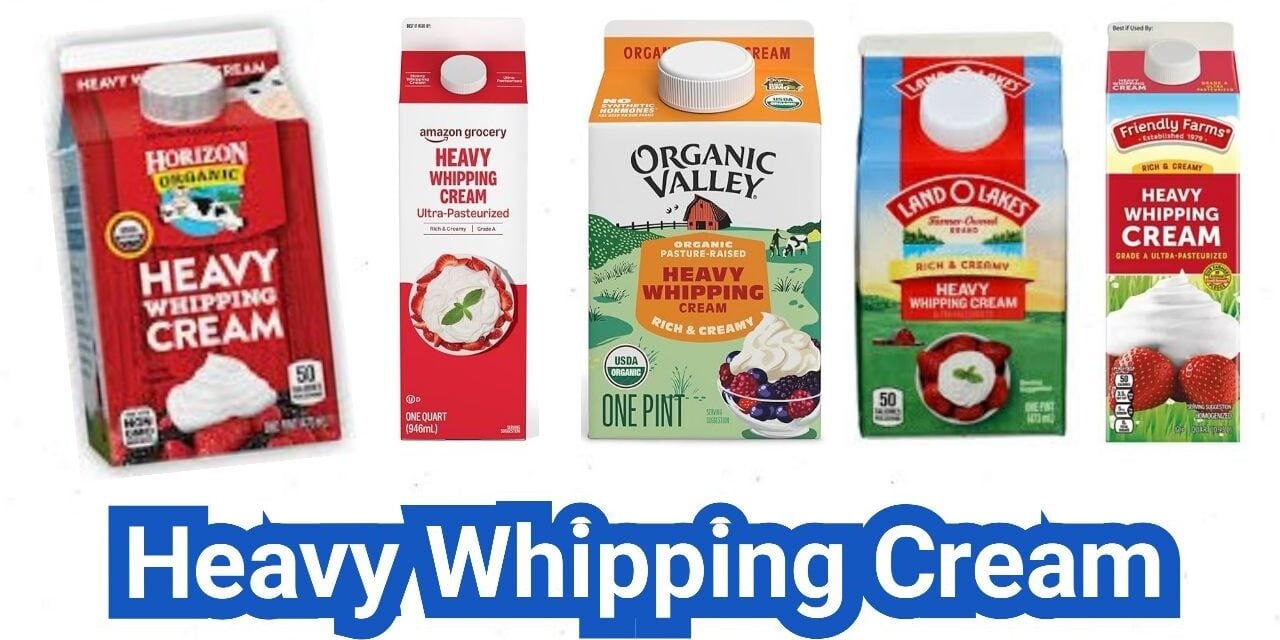
Many home cooks rely on this rich dairy staple to elevate their favorite desserts and savory dishes. To qualify as heavy whipping cream, the product must contain at least 36% milk fat. This specific heavy cream fat percentage ensures the liquid transforms into a stable, airy foam when beaten.
Understanding how to use this versatile ingredient is essential for any kitchen enthusiast. Whether you are making a classic whipped cream topping or thickening a decadent sauce, the high fat content provides a luxurious mouthfeel. It remains the gold standard for achieving professional results in both baking and cooking applications.
Key Takeaways
- Standard versions must contain a minimum of 36% milk fat.
- The high fat content is vital for creating stable, airy textures.
- It serves as a primary ingredient for homemade heavy whipped cream.
- This whipping cream is ideal for thickening soups and savory sauces.
- Proper temperature control is necessary to achieve the best results when beating the liquid.
Understanding What is Heavy Whipping Cream? and Its Composition

Heavy whipping cream is a staple ingredient in many recipes, but what exactly is it, and what sets it apart from other types of cream? To grasp its significance in cooking and baking, it’s crucial to understand its definition, composition, and how it differs from similar dairy products.
What is heavy whipping cream?
Heavy whipping cream, also known as heavy cream, is a dairy product with a high milkfat content. It is called “heavy” due to its rich and dense texture, primarily because of its high fat content.
Milkfat content is a critical characteristic of heavy whipping cream. According to dairy standards, heavy whipping cream must contain between 36% to 40% milkfat. This high fat content is what allows it to be whipped into a light and airy texture, making it a popular topping for desserts and beverages.
Heavy cream fat percentage and dairy standards
The fat percentage in heavy cream is not just a matter of taste; it’s also regulated by dairy standards. In the United States, the dairy industry adheres to specific guidelines that dictate the minimum and maximum fat content for various dairy products, including heavy whipping cream.
| Dairy Product | Minimum Fat Percentage | Maximum Fat Percentage |
|---|---|---|
| Heavy Whipping Cream | 36% | 40% |
| Whipping Cream | 30% | 36% |
| Light Cream | 18% | 30% |
This table illustrates the fat content differences between heavy whipping cream and other types of cream, highlighting its richness and versatility.
Heavy whipping cream vs whipping cream: The key differences
While both heavy whipping cream and whipping cream are used for whipping and topping desserts, they are not interchangeable terms. The primary difference lies in their milkfat content. Heavy whipping cream has a higher fat content, typically between 36% to 40%, whereas whipping cream ranges from 30% to 36%.
This difference in fat content affects their whipping properties and the stability of the whipped cream. Heavy whipping cream holds its shape better and is more suitable for decorating and topping desserts.
In summary, understanding the composition and characteristics of heavy whipping cream is essential for achieving the desired results in cooking and baking. Its high milkfat content and adherence to dairy standards make it a unique and versatile ingredient.
The Science of Whipping: How Air Transforms Cream

Understanding the science of whipping is crucial for achieving the perfect whipped cream, as it involves manipulating the cream’s composition to incorporate air effectively. Whipping heavy cream is a process that transforms a liquid into a stable foam, a change that is both physical and sensory.
What makes the foam work
The stability of whipped cream is largely due to the fat molecules in the cream. When cream is whipped, air bubbles are introduced, and the fat molecules cluster around these bubbles, strengthening the walls of the foam and preventing it from collapsing. The fat content, typically around 36% in heavy whipping cream, plays a critical role in this process.
Ingredient facts that shape results
Several factors influence the whipping process and the final product’s quality. These include the fat content of the cream, the temperature at which it is whipped, and the presence of any additives. The table below summarizes these factors and their effects on whipped cream.
| Factor | Effect on Whipped Cream |
|---|---|
| Fat Content | Higher fat content generally results in more stable whipped cream. |
| Temperature | Cold temperatures improve whipping efficiency and stability. |
| Additives (sweeteners, stabilizers) | Can enhance flavor and stability but must be used judically. |
Flavor, sweeteners, and stabilizers
Flavorings, sweeteners, and stabilizers can be added to whipped cream to enhance its taste and extend its stability. Sugar is a common additive that not only sweetens the cream but also helps to stabilize it by strengthening the foam structure. However, adding too much sugar can have negative effects, such as making the cream too stiff or even causing it to collapse.
Stabilizers like gelatin or cornstarch can be used to improve the stability of whipped cream, especially when it is to be stored for a period before use. These additives help maintain the structure of the foam over time, ensuring that the whipped cream remains light and airy.
Essential Gear for Perfect Results

Achieving the perfect whipped cream requires more than just heavy cream; it demands the right tools and conditions. The quality of your whipped cream is significantly influenced by the equipment you use and how well you maintain the necessary conditions.
Gear notes: Whisk, hand mixer, or stand mixer
When it comes to whipping cream, the choice of mixer can greatly affect the outcome. You can use a whisk, hand mixer, or stand mixer, each with its own advantages.
- A whisk is the most basic tool and requires some elbow grease. It’s great for small quantities and when you don’t have electric mixers.
- A hand mixer is more efficient and easier to use than a whisk, making it perfect for most home bakers.
- A stand mixer is ideal for large quantities and provides the most consistent results with minimal effort.
Use the proper bowl
The bowl you use can also impact your whipping results. It’s recommended to use the proper bowl that is large enough to allow the cream to expand and has a non-reactive surface.
A stainless steel or glass bowl is ideal because these materials are non-reactive and can be chilled easily.
Keep everything cold
Keeping your ingredients and equipment cold is crucial for successful whipping. Keep everything cold by refrigerating the bowl and beaters before use and using cold heavy cream.
By following these tips and using the right equipment, you’ll be well on your way to making perfect homemade whipped cream every time.
Step-by-Step Guide to Making Heavy Whipped Cream

Creating the perfect heavy whipped cream requires attention to detail and a bit of practice, but the results are well worth the effort. To achieve the ideal consistency and flavor, it’s essential to follow a few key steps.
Preparing your ingredients and equipment
Before you start whipping, make sure you have the right ingredients and equipment. You’ll need heavy whipping cream, a mixing bowl, and a whisk or electric mixer. It’s also crucial to chill the bowl and beaters in the freezer for at least 10 minutes to prevent the cream from warming up during the whipping process.
For the best results, use high-quality heavy whipping cream with a fat content of at least 36%. This will ensure that your whipped cream is stable and holds its shape.
When to add the sugar
Adding sugar to your whipped cream can enhance its flavor and texture. The ideal time to add sugar is during the whipping process, once the cream has begun to thicken. This allows the sugar to dissolve evenly and prevents it from weighing down the cream.
Start with a small amount of sugar, such as 1-2 tablespoons per cup of heavy cream, and adjust to taste. You can also add other flavorings, like vanilla extract, to create a unique taste.
How to whip heavy cream to the perfect peak
Whipping heavy cream to the perfect peak requires a bit of technique. Begin by beating the cream on medium speed until it starts to thicken. Gradually increase the speed as the cream becomes more stiff.
Stop whipping once the cream reaches the desired consistency. For soft peaks, whip until the cream becomes light and airy. For stiff peaks, continue whipping until the cream becomes thick and holds its shape.
How to pipe this whipped cream with piping tips
Piping whipped cream is a great way to add a decorative touch to your desserts. To pipe whipped cream, you’ll need a piping bag and a tip. Fill the piping bag with the whipped cream, making sure to push the cream all the way to the tip.
Use a gentle squeezing motion to pipe the whipped cream onto your dessert. You can use various piping tips to create different designs and patterns.
| Whipping Stage | Description | Tips |
|---|---|---|
| Soft Peak | Light and airy, still pourable | Use for toppings or desserts where a light texture is desired |
| Medium Peak | Thickening, starts to hold shape | Ideal for most desserts, such as cakes and pies |
| Stiff Peak | Thick and holds shape firmly | Use for decorative piping or when a stable whipped cream is needed |
Troubleshooting Common Whipping Mistakes
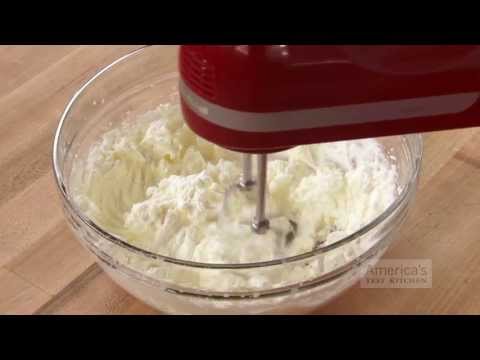
Common mistakes in whipping cream can be easily rectified with the right techniques. Whipping cream is a delicate process that requires attention to detail to achieve the perfect consistency.
What to do if you over whip your cream
Over-whipping is a common issue that can result in butter instead of whipped cream. This happens when the fat molecules in the cream clump together and separate from the liquid.
If you notice that your cream is starting to turn into butter, stop whipping immediately. You can try to salvage it by gently folding in a small amount of unwhipped cream to restore the desired consistency.
How to fix over-whipped cream
To fix over-whipped cream, you can try adding a little more heavy cream and gently folding it in. This can help to re-emulsify the mixture and restore the whipped cream to its original state.
It’s essential to be gentle when folding in the additional cream to avoid further breaking down the fat molecules.
How to keep whipped cream from melting
To keep whipped cream from melting, it’s crucial to keep it cold. You can achieve this by whipping the cream in a chilled bowl and using cold ingredients.
Additionally, you can stabilize the whipped cream by adding a small amount of stabilizer like gelatin or cornstarch. This will help to maintain the structure of the whipped cream and prevent it from melting quickly.
- Use cold ingredients and equipment.
- Avoid over-whipping the cream.
- Add stabilizers if necessary.
Heavy Whipped Cream in the U.S. Market

The availability of heavy whipped cream in the U.S. is widespread, with options ranging from organic to ultra-pasteurized products. This diversity caters to the varied needs and preferences of consumers across the country.
Availability of Organic and Conventional Brands
The U.S. market offers a broad spectrum of heavy whipped cream brands, including both organic and conventional options. Consumers can choose between brands that adhere to organic farming practices and those that follow conventional dairy farming methods.
- Organic brands like Organic Valley and Horizon Organic offer products made from organic milk.
- Conventional brands such as Land O’Lakes provide high-quality heavy whipped cream.
Ultra-pasteurized Heavy Cream: What Changes?
Ultra-pasteurization is a process that involves heating the cream to a very high temperature for a short period, followed by rapid cooling. This process extends the shelf life of heavy cream but can affect its whipping properties and flavor.
Ultra-pasteurized heavy cream may not whip as well as non-ultra-pasteurized cream, and some consumers may notice a slightly different taste.
Regional Differences and Product Labeling | Heavy Whipping Cream
Regional differences in product labeling and availability can be observed in the U.S. market. Some products may be labeled as “heavy whipping cream” in one region, while in another, they might be labeled as “whipping cream” or simply “heavy cream.”
These differences are largely due to variations in local regulations and consumer preferences.
Culinary Uses for Heavy Cream in Cooking

From soups to desserts, heavy cream adds a luxurious touch to various culinary creations. Its rich texture and mild flavor make it an ideal ingredient for enhancing the taste and consistency of a wide range of dishes.
Cooking with Heavy Cream for Richness
Heavy cream is often used to add richness and depth to savory dishes. It can be simmered with herbs and spices to create a flavorful sauce to accompany meats or vegetables. For instance, a classic cream sauce can be made by reducing heavy cream with garlic, parsley, and a pinch of nutmeg, then serving it over cooked pasta or as a dip.
Some popular savory applications include:
- Creamy soups, such as potato or broccoli soup
- Rich pasta sauces, like Alfredo or carbonara
- Stews and braises, where it adds moisture and flavor
Using Cream in Savory Sauces and Soups
In savory cooking, heavy cream can be used to create a variety of sauces and soups. It can be whisked into soups just before serving to add a creamy texture without curdling. For sauces, it’s often combined with stock or wine and then reduced to intensify the flavors.
Some key tips for using heavy cream in savory dishes include:
- Adding it towards the end of cooking to prevent curdling
- Using it to balance acidic ingredients, like tomatoes or citrus
- Combining it with herbs and spices to enhance flavor
Sweet Cream Applications in Desserts
Heavy cream is perhaps most famously used in desserts, where it’s whipped to create a light and airy topping or cooked down to make rich sauces and fillings. Whipped cream is a classic topping for desserts like pies, cakes, and hot chocolate.
Some popular sweet applications include:
- Whipped cream desserts, such as mousses or trifles
- Creamy fillings for cakes and pastries
- Ice creams and frozen yogurts, where it adds richness and texture
By understanding the various culinary uses of heavy cream, cooks can elevate their dishes and add a touch of luxury to their cooking and baking.
Flavor Variations and Creative Additions

Whipped cream is not just a topping, it’s a canvas for creativity. The versatility of whipped cream allows it to be flavored and textured in numerous ways, making it a delightful addition to various desserts and beverages.
One of the simplest ways to elevate whipped cream is by incorporating different flavorings. This can range from extracts like vanilla or almond to liquors such as Kahlúa or Grand Marnier, adding a depth of flavor that complements the dish it’s served with.
Can I flavor whipped cream with liquors or extracts?
Yes, you can flavor whipped cream with liquors or extracts. When using liquors, it’s essential to be mindful of the amount added, as it can quickly overpower the other flavors. Start with a small amount, such as a teaspoon, and adjust to taste. Extracts, on the other hand, are highly concentrated, so a few drops can be sufficient.
For instance, adding a teaspoon of vanilla extract can enhance the sweetness of whipped cream, while a tablespoon of Kahlúa can give it a mocha flavor. Experimenting with different combinations can lead to unique and exciting flavors.
Flavor variations that don’t sag | Heavy Whipping Cream
To maintain the stability of flavored whipped cream, it’s crucial to choose ingredients that don’t introduce too much liquid or alter the fat content significantly. For example, using extracts instead of liquors can help keep the whipped cream stable.
Additionally, incorporating stabilizers like gelatin or cornstarch can help maintain the structure of whipped cream, especially when adding flavorings that might affect its consistency.
Serving ideas that fit each peak | Heavy Whipping Cream
The consistency or peak of whipped cream can guide how it’s served. Soft peaks are ideal for folding into desserts or using as a topping for hot beverages, while stiff peaks are better suited for piping onto desserts or using as a garnish.
- Soft peak: Ideal for topping hot chocolate or folding into desserts like mousses.
- Medium peak: Suitable for topping pies or cakes.
- Stiff peak: Perfect for piping borders or designs onto desserts.
Storage, Food Safety, and Make-Ahead Tips

Proper storage and handling of heavy cream and whipped cream are crucial for maintaining their freshness and safety. Whether you’re a professional chef or a home cook, understanding the best practices for storing these dairy products can make a significant difference in their quality and usability.
Heavy Cream Storage After Opening
Once opened, heavy cream should be stored in the refrigerator at a temperature below 40°F (4°C). It’s essential to keep it in an airtight container to prevent contamination and absorption of odors from other foods. The cream should be used within a few days of opening, typically 3 to 5 days, depending on the packaging and storage conditions.
Tip: Always check the expiration date on the packaging and use your senses to determine if the cream has gone bad. If it smells sour or has an off taste, it’s best to err on the side of caution and discard it.
How Long Will Whipped Cream Keep?
Whipped cream is best consumed fresh, but it can be stored in the refrigerator for a short period. It typically lasts for up to 24 hours when stored properly in an airtight container. However, it may start to lose its texture and stability over time.
“Whipped cream is a delicate topping that requires gentle handling to maintain its structure. Refrigeration is key to extending its freshness.”
Can You Freeze Heavy Whipping Cream?
Yes, you can freeze heavy whipping cream, but it’s crucial to understand the implications. Freezing can affect the cream’s texture, making it less suitable for whipping after thawing. However, it remains usable in cooked dishes or as an ingredient in recipes where texture isn’t a primary concern.
| Freezing Method | Outcome | Best Use After Thawing |
|---|---|---|
| Pour into an airtight container or freezer bag | Texture may change; separation can occur | Cooking, baking, or recipes where cream is heated |
| Freeze in ice cube trays | Convenient portions; texture change still possible | Adding to soups, sauces, or cooked dishes |
Can You Freeze Whipped Cream?
Freezing whipped cream is not generally recommended as it can cause significant texture changes, leading to a watery or separated consistency upon thawing. If you need to store whipped cream for an extended period, it’s better to make it fresh or use stabilizers to enhance its durability.
By following these storage and handling tips, you can enjoy your heavy cream and whipped cream at their best, ensuring they remain fresh and safe to consume.
Navigating Substitutes and Dietary Alternatives

Navigating the world of heavy whipping cream substitutes can be daunting, but it’s worth the effort for those with dietary limitations. Whether you’re looking for dairy-free, lactose-free, or simply a lighter alternative, there are several options available that can mimic the richness and texture of heavy whipping cream.
Best Substitute for Heavy Whipping Cream
The best substitute for heavy whipping cream largely depends on your specific needs. For a dairy-free alternative, coconut cream is a popular choice due to its high fat content, which allows it to whip up similarly to heavy cream. Coconut cream can be chilled and then whipped, with the solid coconut cream being separated from the liquid. Another option is almond milk or other nut milks mixed with a thickening agent like cornstarch or tapioca flour to achieve a similar consistency.
For those looking for a lactose-free but not necessarily dairy-free option, lactose-free heavy cream is available in some markets. This product has had the lactose (milk sugar) removed, making it suitable for individuals with lactose intolerance.
Dairy-Free and Lactose-Free Alternatives | Heavy Whipping Cream
Dairy-free and lactose-free alternatives are crucial for individuals with dietary restrictions. Some popular dairy-free alternatives include:
- Coconut cream
- Cashew cream (made by blending soaked cashews with water and then straining)
- Soy whipping cream
- Almond milk or other nut milks with thickening agents
These alternatives can be used in various recipes, from desserts to savory dishes, offering versatility and inclusivity for those with dietary limitations.
Can Whipped Cream Replace Cool Whip?
Whipped cream and Cool Whip serve similar purposes as toppings or dessert ingredients, but they have different compositions and tastes. Whipped cream is made from cream that is whipped until it becomes light and fluffy, often sweetened with sugar. Cool Whip, on the other hand, is a commercial whipped topping made from a mixture of water, corn syrup, and vegetable oils, among other ingredients.
While whipped cream can be a more natural and flavorful alternative to Cool Whip, it has a shorter shelf life and can be more temperamental in terms of stability, especially in warmer temperatures. However, for many, the taste and texture of freshly whipped cream are well worth the extra effort.
| Substitute | Dairy-Free | Lactose-Free | Taste and Texture |
|---|---|---|---|
| Coconut Cream | Yes | Yes | Rich, creamy, with a coconut flavor |
| Lactose-Free Heavy Cream | No | Yes | Similar to heavy cream, without lactose |
| Cashew Cream | Yes | Yes | Creamy, with a nutty flavor |
| Soy Whipping Cream | Yes | Yes | Similar to whipped cream, with a soy flavor |
Nutrition Facts and Dietary Considerations
Understanding the nutritional profile of heavy whipping cream is crucial for making informed dietary choices. Heavy whipping cream is known for its rich and creamy texture, but it’s also important to be aware of its nutritional content.
Heavy Whipping Cream Calories and Macros
Heavy whipping cream is high in calories and fat. A single cup of heavy whipping cream contains approximately 821 calories and 88 grams of fat, with the majority being saturated fats. It is relatively low in carbohydrates, with about 6.6 grams per cup, and contains minimal protein.
The high fat content in heavy whipping cream contributes to its rich texture and flavor, making it a popular choice for desserts and sauces. However, this also means that it is calorie-dense, and portion control is essential for those monitoring their calorie intake.
Heavy Cream Keto and Low-Carb Suitability
Heavy whipping cream can be a suitable addition to ketogenic and low-carb diets due to its low carbohydrate content and high fat content. The keto diet, in particular, relies on high-fat, low-carb foods to induce a metabolic state called ketosis.
When using heavy whipping cream in keto or low-carb recipes, it’s essential to be mindful of the overall carb count and ensure that it fits within your daily dietary limits.
Understanding Serving Sizes | Heavy Whipping Cream
Understanding serving sizes is crucial when consuming heavy whipping cream. A typical serving size is around 1 tablespoon (15 ml), which contains approximately 52 calories and 5.6 grams of fat. Being aware of the serving size can help in managing calorie and fat intake.
To incorporate heavy whipping cream into your diet effectively, it’s recommended to measure it out rather than pouring it directly from the container. This helps in maintaining portion control and avoiding excessive calorie consumption.
Advanced Techniques for Professional Results
Achieving professional-quality whipped cream requires a deep understanding of advanced techniques. These methods not only enhance the appearance and stability of whipped cream but also ensure that it remains fresh and appealing over time.
To start, let’s explore the factors that contribute to professional-grade whipped cream. One key aspect is the ability to maintain its quality beyond the initial whipping. This involves understanding how to achieve a second-day shine and implementing strategies to keep the whipped cream fresh and stable.
Second-day shine: Two easy paths
Maintaining the shine and freshness of whipped cream on the second day can be challenging. However, there are two straightforward methods to achieve this. First, you can refrigerate the whipped cream at a consistent temperature below 40°F (4°C). Second, you can add stabilizers such as gelatin or cornstarch to the cream before whipping. These stabilizers help in maintaining the structure and preventing the cream from becoming too runny or weeping.
Whipped cream setup and ratios
The ratio of cream to sweetener and the method of setup significantly impact the final product. A general guideline is to use 1 cup of heavy cream with 2-4 tablespoons of sugar, depending on the desired sweetness. The cream should be whipped until it reaches the desired consistency, typically soft peaks for toppings or stiff peaks for piping.
Optimizing the whipped cream setup involves chilling the bowl and beaters before whipping and using high-quality ingredients. This ensures that the cream whips up faster and to a greater volume.
Ingredient quality and its impact on stability | Heavy Whipping Cream
The quality of the ingredients used has a direct impact on the stability and appearance of the whipped cream. High-quality heavy cream with a high fat content (around 36-40%) is essential for achieving stable whipped cream. Additionally, using fresh and pure flavorings can enhance the overall quality and stability of the whipped cream.
By focusing on these advanced techniques, including optimizing ingredient ratios and using high-quality ingredients, you can achieve professional-quality whipped cream that remains stable and appealing over time.
At The End of: Heavy Whipping Cream Guide
Heavy whipping cream is a versatile ingredient that has been explored in depth throughout this article, from its composition and the science behind whipping to its various applications in cooking and baking.
The key to mastering heavy whipped cream lies in understanding its fat content, the importance of temperature, and the techniques for whipping it to the perfect peak.
With its rich texture and adaptability, heavy cream is an essential component in a wide range of desserts and savory dishes, making it a valuable addition to any kitchen.
By applying the knowledge and techniques discussed, home cooks and bakers can unlock the full potential of heavy whipped cream and elevate their culinary creations.
FAQ
Is Heavy Whipping Cream the same as ultra-pasteurized cream?
Heavy whipped cream may be sold as pasteurized or ultra-pasteurized, and the label should state that difference. Ultra-pasteurized cartons often offer longer unopened shelf life, and they still whip, but some users notice they can take a bit longer to reach full volume. Cornell pasteurization fact sheet.
Is most store-bought cream in the United States pasteurized?
Heavy whipped cream sold through normal interstate retail channels in the United States is generally part of a regulated pasteurized or ultra-pasteurized dairy system. That makes retail cartons very different from raw dairy discussions you may see online, especially from a food safety standpoint. FDA Interstate Milk Shippers List.
How long does Heavy Whipping Cream last after opening?
Heavy whipped cream should always follow the carton date and storage instructions first, but safe quality handling still depends on keeping it cold and covered. FDA storage charts stress that refrigerator temperature matters, and open dairy products decline faster when they spend repeated time at room temperature during prep. FDA refrigerator and freezer storage chart.
Can I keep Heavy Whipping Cream much longer if it is unopened and ultra-pasteurized?
Heavy whipped cream that is unopened and ultra-pasteurized often keeps longer than standard opened cream, but it still belongs in the refrigerator and should not be treated like a shelf-stable product. Practical extension charts for dairy storage also note that freezing can reduce whipping quality, so longer life before opening does not mean unlimited flexibility after purchase. New Mexico State storage chart.
What is heavy whipping cream and how does it differ from standard whipping cream?
According to FDA standards, heavy whipping cream (often just called heavy cream) must contain at least 36% milk fat. In contrast, standard whipping cream is lighter, typically containing between 30% and 35% fat. The higher heavy cream fat percentage allows it to hold its shape better and whip into a more stable, stiff foam, whereas regular whipping cream results in a lighter, more pillowy texture that may deflate sooner.
How do I make whipped cream from heavy cream for the best results?
To achieve perfect whipped cream, start with cold equipment. Use a chilled metal bowl and beaters from a hand mixer or stand mixer. Pour in your heavy whipping cream and whisk on medium-high speed. When to add the sugar is crucial: wait until the cream reaches soft peaks before gradually streaming in granulated or powdered sugar. For those using the g method (measuring ingredients by weight), this ensures consistency every time you follow a heavy whipped cream recipe.
Can you freeze heavy whipping cream or the final whipped product?
You can freeze heavy whipping cream in its liquid state for up to four months, though it may separate upon thawing; it is best used for cooking in soups or sauces rather than whipping after it has been frozen. Regarding the finished topping, can you freeze whipped cream? Yes, you can freeze dollops of homemade whipped cream on a parchment-lined sheet until solid, then transfer them to a freezer bag. These are perfect for dropping onto hot cocoa or coffee.
What are the best substitutes for heavy whipping cream in cooking and baking?
If you are out of heavy cream, the best substitute for heavy whipping cream in cooking is often a mix of half and half and melted butter to increase the fat content. For a dairy free heavy cream or lactose free heavy cream option, brands like Silk dairy free heavy whipping cream, Califia Farms heavy whip, and Nature’s Charm coconut whipping cream offer excellent results. If you are looking for a shortcut, some wonder can whipped cream replace Cool Whip? While homemade cream is richer, you may need a stabilizer like gelatin or cornstarch to match the long-term stability of a vegetable-oil-based topping.
How long does whipped cream last and how should it be stored?
Homemade whipped cream typically lasts about 24 hours in the refrigerator before it begins to weep or lose its volume. For heavy cream storage after opening, the liquid carton should be kept in the coldest part of the fridge and used within 7 to 10 days. To keep whipped cream from melting or sagging on the second day, many Allrecipes community tips suggest adding a stabilizer like mascarpone cheese or a specialized whipped cream stabilizer powder.
Is heavy cream keto-friendly and what are the nutrition facts?
Yes, heavy cream keto diets are very compatible because of the high fat and low carbohydrate content. The nutrition facts (per serving) for one tablespoon of heavy whipping cream typically include about 50 heavy whipped cream calories, 5 grams of fat, and less than 1 gram of carbohydrates. It is a staple for adding sweet cream flavor to coffee without the high sugar content found in milk.
What should I do if I over-whip my cream?
If you notice your cream is looking grainy or curdled, you have over-whipped it, moving toward becoming butter. To fix over-whipped cream, slowly pour in a few tablespoons of fresh, liquid heavy cream and gently fold it in with a spatula or whisk by hand until the texture becomes smooth again.
What is the difference between pasteurized and ultra-pasteurized heavy cream?
Ultra-pasteurized heavy cream has been heated to a higher temperature to extend its shelf life, making it the most common version of heavy whipped cream in the u.s. found at retailers like Kroger, Publix, Aldi, and Safeway. While it lasts longer, some professional bakers prefer pasteurized heavy cream or unpasteurized heavy cream because it can sometimes whip up faster and produce a slightly more stable foam than its ultra-pasteurized counterpart.
Which brands offer the best heavy whipping cream in the U.S.?
There are many high-quality options for heavy whipped cream in USA markets. For organic choices, Horizon Organic heavy whipping cream and Organic Valley heavy cream are top-rated. For conventional options, Land O Lakes heavy whipping cream, Kroger heavy whipping cream, and Lucerne (Safeway) provide consistent fat content for both cooking and dessert toppings.
Can I use half and half for whipped cream?
Using half and half for whipped cream is generally unsuccessful because it only contains about 10.5% to 18% milk fat. You need at least 30% fat to create a stable foam. If you only have half and half for heavy cream needs in a recipe, it can work in soups or pan sauces, but it will not achieve the perfect whipped cream peaks required for desserts.
Conclusion of: Heavy Whipping Cream
Heavy whipped cream is a phrase many U.S. shoppers use when they are really looking for the carton labeled heavy whipping cream in the dairy case. In practice, the product is prized for its rich mouthfeel, strong whipping performance, and flexibility in both sweet and savory cooking. Whether you are topping pies, enriching sauces, or planning value-added dairy products, understanding how this cream behaves helps you buy better and waste less. FDA food standards overview.
What Heavy Whipping Cream is? and why fat content matters
In U.S. labeling, heavy whipped cream falls under the federal standard for heavy cream, which must contain not less than 36% milkfat. That butterfat level is the main reason it whips into a stable foam, tolerates reduction in sauces better than lower-fat dairy, and delivers a fuller texture in soups, desserts, and bakery fillings. When you want the richest performance, the fat percentage is the first thing to check on the carton. 21 CFR 131.150 heavy cream standard.
Heavy whipped cream starts as whole milk that is mechanically separated so the fat-rich portion can be collected and standardized. In modern dairy plants, milk runs through separators, excess cream can be redirected for products like butter and ice cream, and the finished cream is then processed for safe retail sale. For readers in the agricultural space, this matters because cream is not just a kitchen ingredient; it is also a high-value dairy stream created through processing decisions. Oklahoma State dairy processing guide.
Heavy cream vs. whipping cream vs. half-and-half
Heavy whipped cream is not the same as ordinary whipping cream, light cream, or half-and-half, even though shoppers often group them together. Federal standards place light whipping cream at 30% to less than 36% milkfat, while half-and-half sits far lower, so the texture, stability, and cooking performance are very different. If your goal is stiff peaks, richer ganache, or a sauce that resists breaking, the higher-fat option is usually the safer choice. Federal milk and cream definitions.
Why it whips better than lower-fat dairy
Heavy whipped cream works because cold fat globules help trap air and build structure as you whisk. That is why chilled cream, a cold metal bowl, and cold beaters usually give better volume and a more reliable texture than warm tools and room-temperature cream. It is also why overmixing can push the foam past stiff peaks and into a grainy texture that heads toward butter. Iowa State whipping guidance.
How to whip it successfully every time
To whip heavy whipped cream at home or in a small commercial kitchen, start with a carton straight from the refrigerator, pour it into a chilled bowl, and beat on medium speed until soft peaks form before deciding whether you need firmer peaks. Sugar and vanilla are usually added after the foam starts building so you can better control the final texture. For piping, frosting, and short-hold display work, stopping slightly before the cream looks fully done often gives the best result because the structure continues tightening with a little extra mixing and handling. Illinois Extension on whipped cream basics.
Best sweet uses for Heavy Whipping Cream
Heavy whipped cream shines in desserts because it can be whipped for toppings, folded into mousses, reduced into caramel-like dairy notes, or used as the fat base for ice cream and rich fillings. It is especially useful in American-style baking when you want a clean dairy flavor without the tang of cultured products. In pastry work, the biggest advantage is control: the same carton can become a soft topping, a stabilized filling, or an ingredient in ganache, depending on how much air and heat you apply. UC Davis on the science of whipping cream.
Best savory uses for Heavy Whipping Cream
Heavy whipped cream is equally valuable in savory cooking because the high fat level adds body to soups, enriches pan sauces, smooths mashed vegetables, and softens the sharp edges of acidic or spicy dishes. Compared with lower-fat dairy, it is generally more forgiving when simmered gently, although prolonged hard boiling can still create separation or an oily finish. For farms, cafes, and food businesses, that versatility matters because one cream product can support multiple menu categories with relatively predictable performance. Michigan State on dairy processing fundamentals.
Buying, storing, and handling safely
Heavy whipped cream should be bought cold, kept cold, and returned to refrigeration quickly after use. Once opened, keep the container tightly closed, avoid pouring unused cream back into the original carton, and watch for off odors, mold, or obvious texture breakdown. If you are serving vulnerable populations or using dairy in a business setting, choosing pasteurized products and maintaining refrigerator temperatures at or below 40°F is the practical baseline. Clemson dairy handling guidance.
Can you freeze Heavy Whipping Cream?
Heavy whipped cream can be frozen, but quality changes are real and the best method depends on your end use. Freezing liquid ultra-pasteurized cream is not ideal when your plan is later whipping, because the thawed product may not build the same structure; freezing pre-whipped sweetened dollops usually works better for garnish applications. In other words, freeze for convenience only when you already know whether the cream is meant for cooking, topping, or display. National Center for Home Food Preservation guidance.
Quick checklist for Heavy Whipping Cream
Before you buy or use heavy whipped cream, run through this short checklist so the product performs the way you expect in a U.S. home kitchen, bakery, café, or farm market operation. These small handling details usually matter more than brand choice when the goal is clean flavor, good foam volume, and low waste. FDA food storage advice.
- Check that the carton says heavy cream or heavy whipping cream.
- Look for a cold carton from a properly refrigerated case.
- Read whether the product is pasteurized or ultra-pasteurized.
- Use very cold cream for whipping.
- Chill the bowl and beaters when possible.
- Whip to the texture needed for the job, not just “as long as possible.”
- Use gentle heat for sauces and soups.
- Close the carton tightly after opening.
- Do not return leftover cream to the original container.
- Freeze only when the future use is already planned.
Common mistakes to avoid for Heavy Whipping Cream
Most failures with heavy whipped cream come from temperature mistakes, overmixing, or using the wrong product for the job. A practical system matters more than any single trick: keep the cold chain tight, match the cream to the recipe, and stop mixing based on texture instead of time alone. FDA Food Code
- Using half-and-half or coffee cream when the recipe needs whipping performance.
- Trying to whip warm cream straight from the counter.
- Beating too long and accidentally making grainy cream or butter.
- Boiling cream hard in a sauce instead of warming it gently.
- Ignoring label terms such as ultra-pasteurized, sweetened, or stabilizers.
- Leaving the carton out too long during prep.
- Freezing liquid cream and expecting identical whipping afterward.
- Buying oversized cartons without a realistic use plan.
Costs and ROI snapshot of Heavy Whipping Cream
For a buyer, heavy whipped cream is a premium dairy input because its economics move with butterfat markets, refrigeration costs, packaging, distribution, and foodservice demand. USDA Dairy Market News reported cream multiples for the week of March 16–20, 2026 ranging from 1.15 to 1.40 in the East, 1.10 to 1.34 in the Midwest, and 0.95 to 1.27 in the West, which shows why cream-heavy menu items can swing in profitability as dairy markets change. For bakeries, coffee shops, and prepared-food businesses, the best return usually comes from using the product in items with higher perceived value, not in low-margin volume recipes. USDA Dairy Markets at a Glance.
For producers considering value-added dairy, heavy whipped cream can support profitable products, but the return depends on scale, throughput, regulatory compliance, and local demand more than on cream alone. One Extension budgeting example for on-farm value-added cow milk processing showed estimated building costs around $1.5 million, equipment near $867,100, and first-year cash flow requirements around $1.36 million, with break-even depending on only a small shift in costs or revenue. The lesson is straightforward: margins improve when cream is turned into higher-value offerings with strong branding, efficient cold storage, and dependable local sales rather than sold as an undifferentiated input.
Final thought
Heavy whipped cream is one of the most useful dairy products in the U.S. market because it combines strong culinary performance with real value-added potential for farms, food businesses, and home cooks. When you understand the fat standard, cold handling rules, whipping method, and market economics behind it, you can use the product with far more confidence and far less waste. UMass value-added dairy perspective.
Sources & References
- USDA FoodData Central
- FDA Pasteurized Milk Ordinance Centennial
- FDA Grade “A” Pasteurized Milk Ordinance (2017)
- USDA Agricultural Marketing Service Dairy Market News
- USDA Fluid Milk and Cream – West U.S.
- Texas A&M AgriLife Safe Home Food Storage
- University of Georgia Consumer Guide to Food Quality & Safe Handling
- University of Maryland Milk Definitions
- Penn State Dairy Food Standards
- FDA Standards of Identity for Food
- FDA Are You Storing Food Safely?